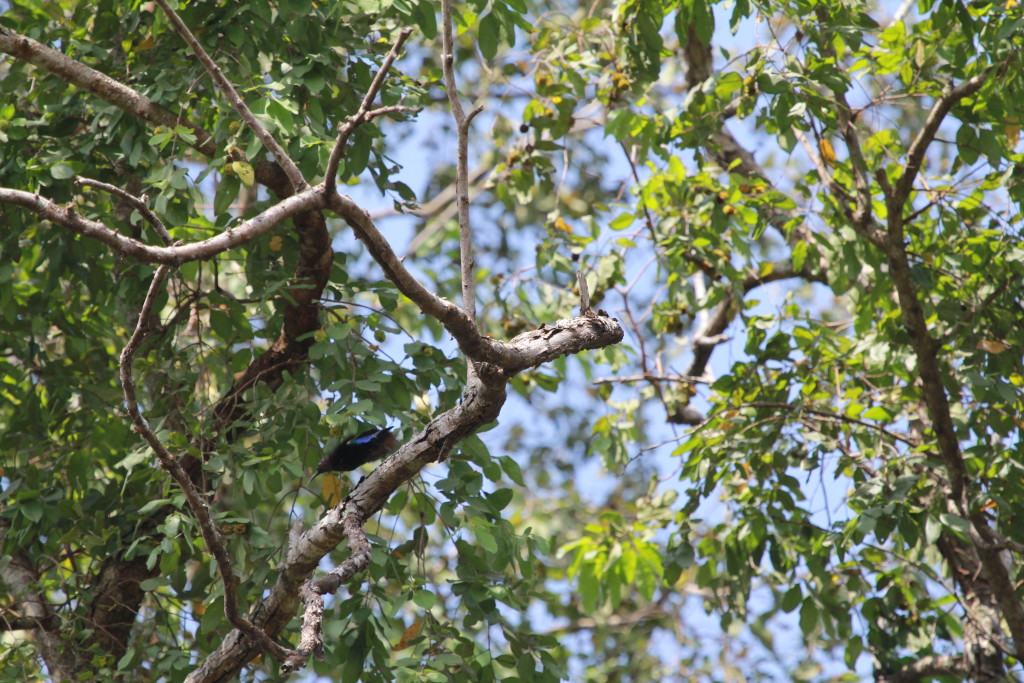
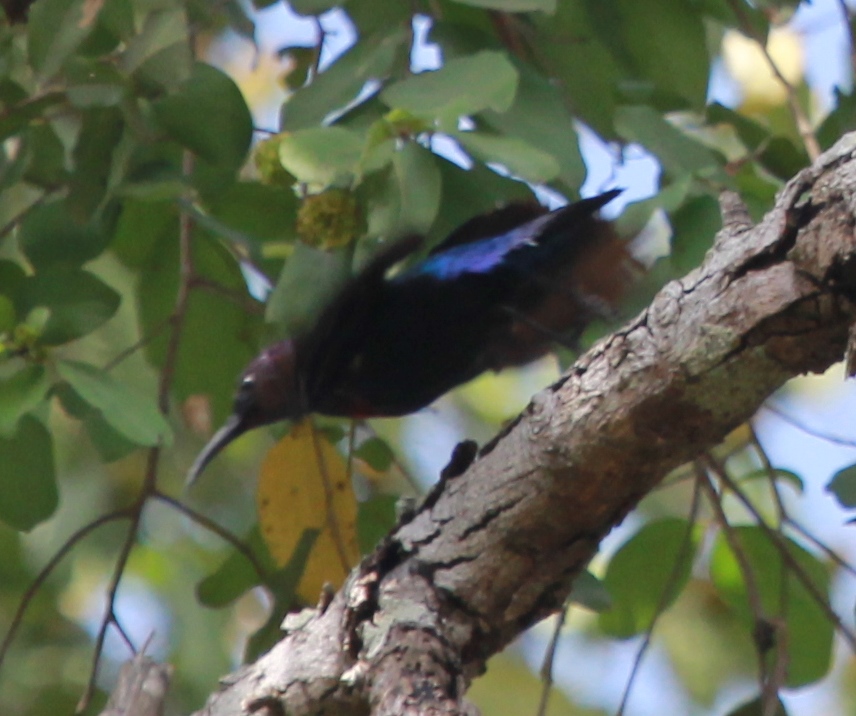
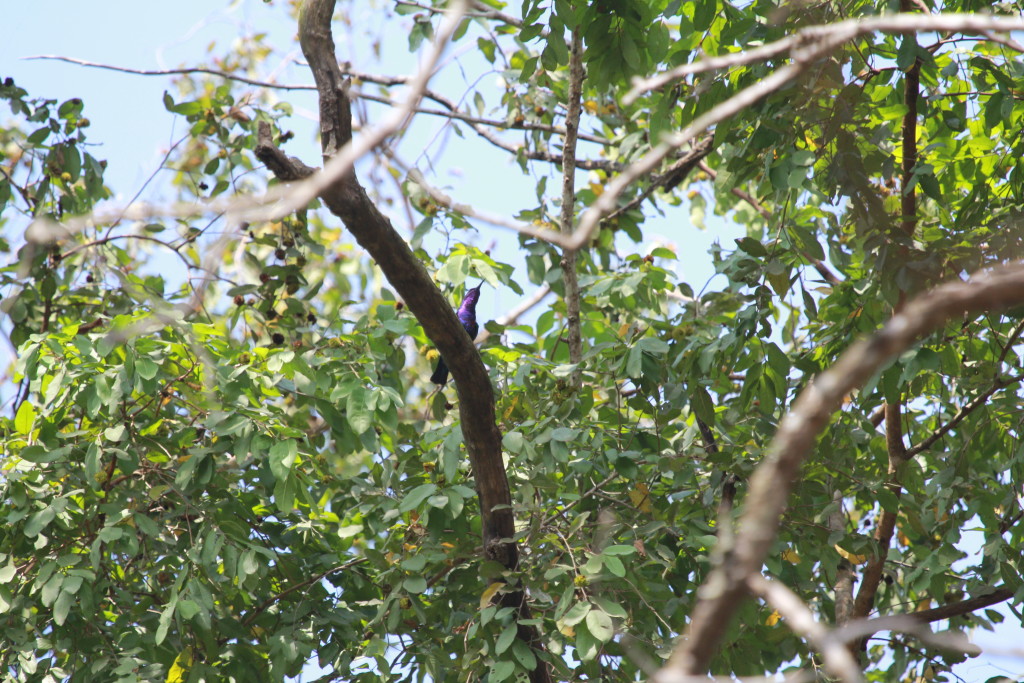
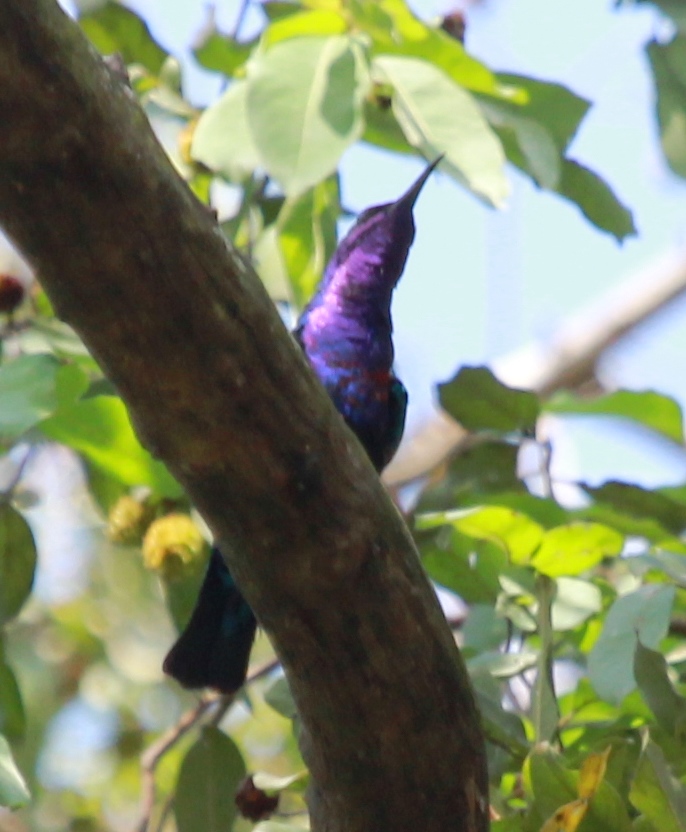
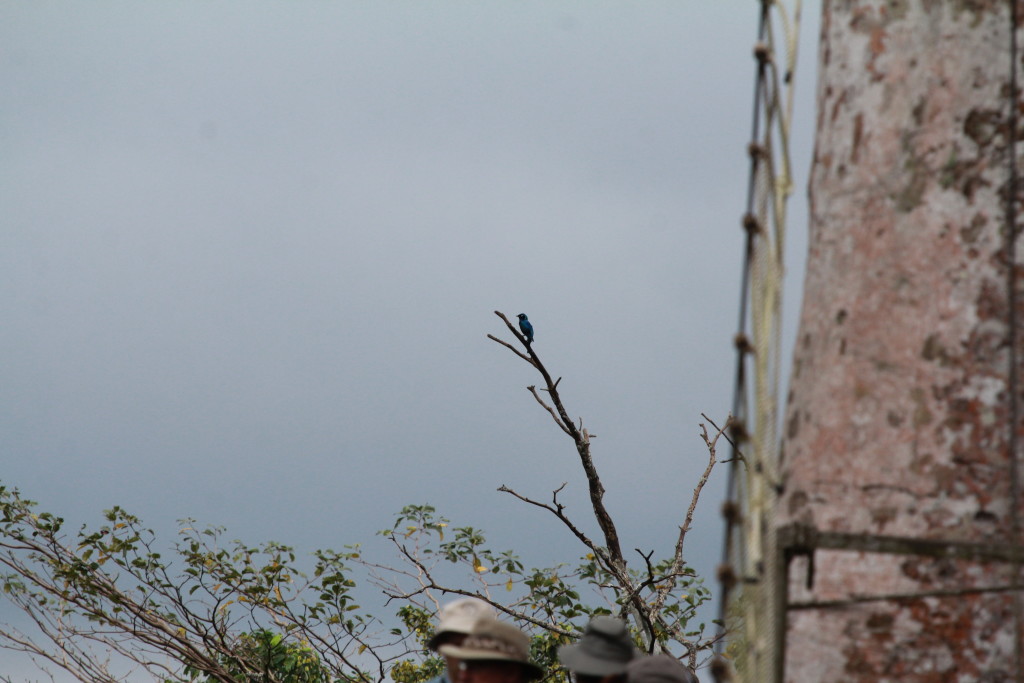
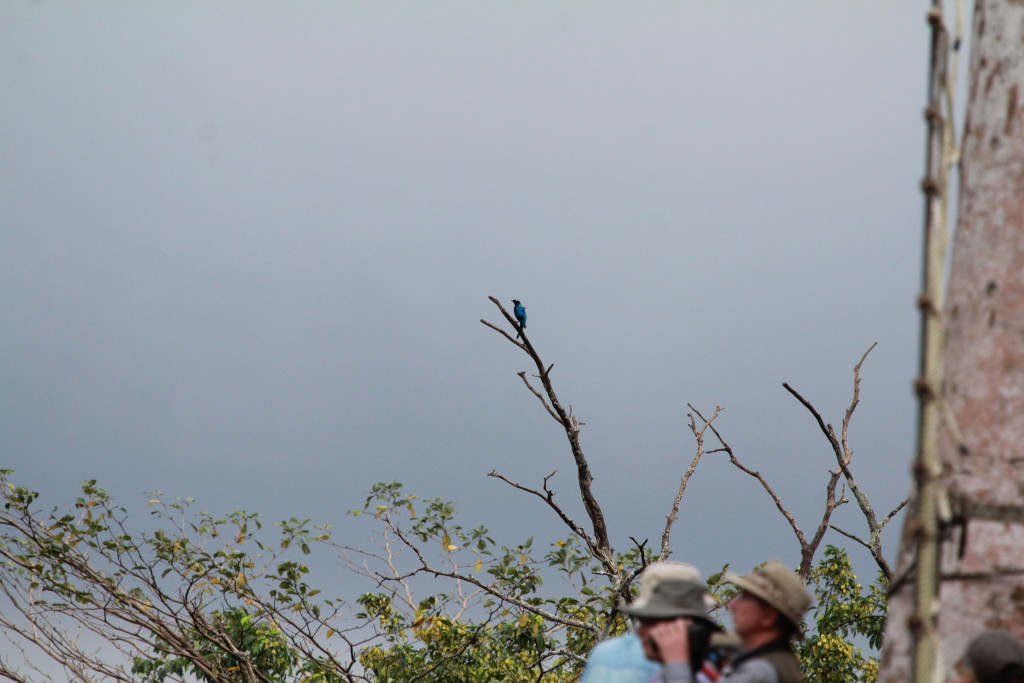
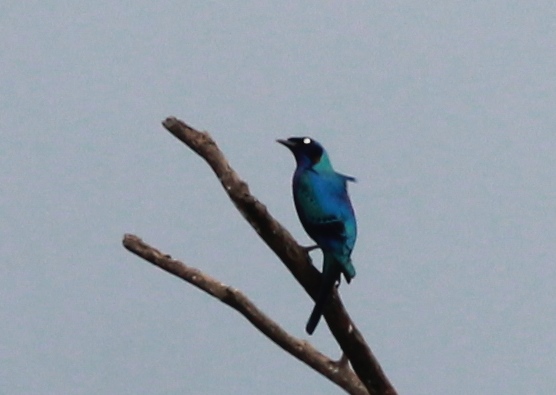
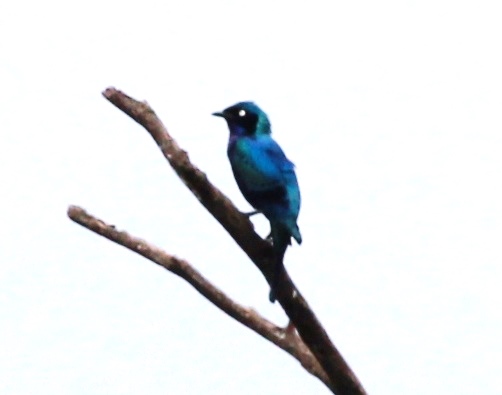
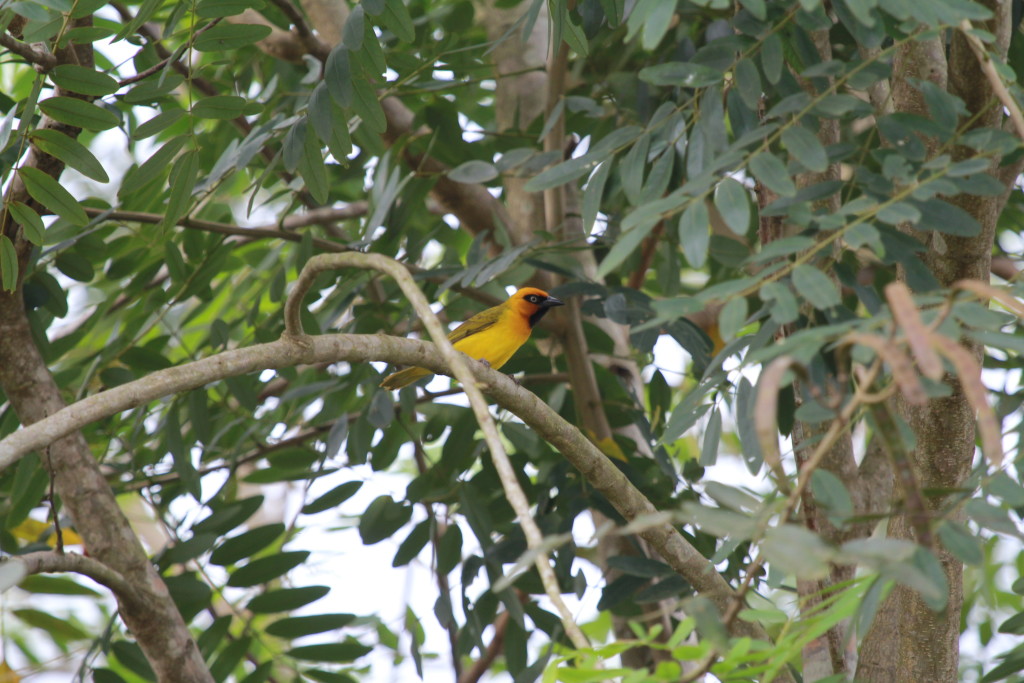
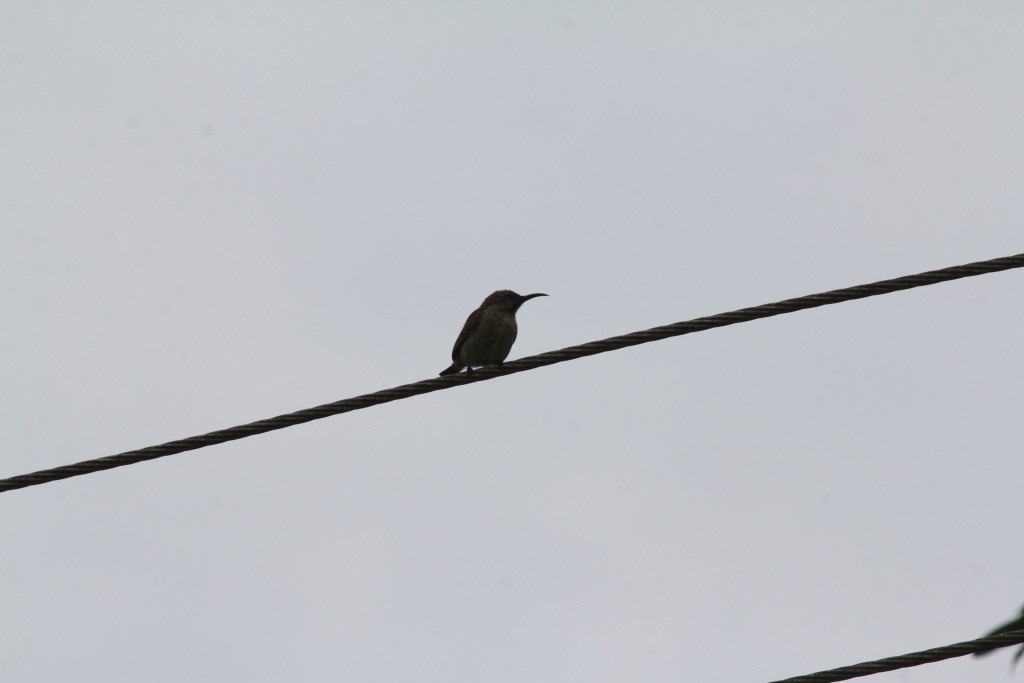
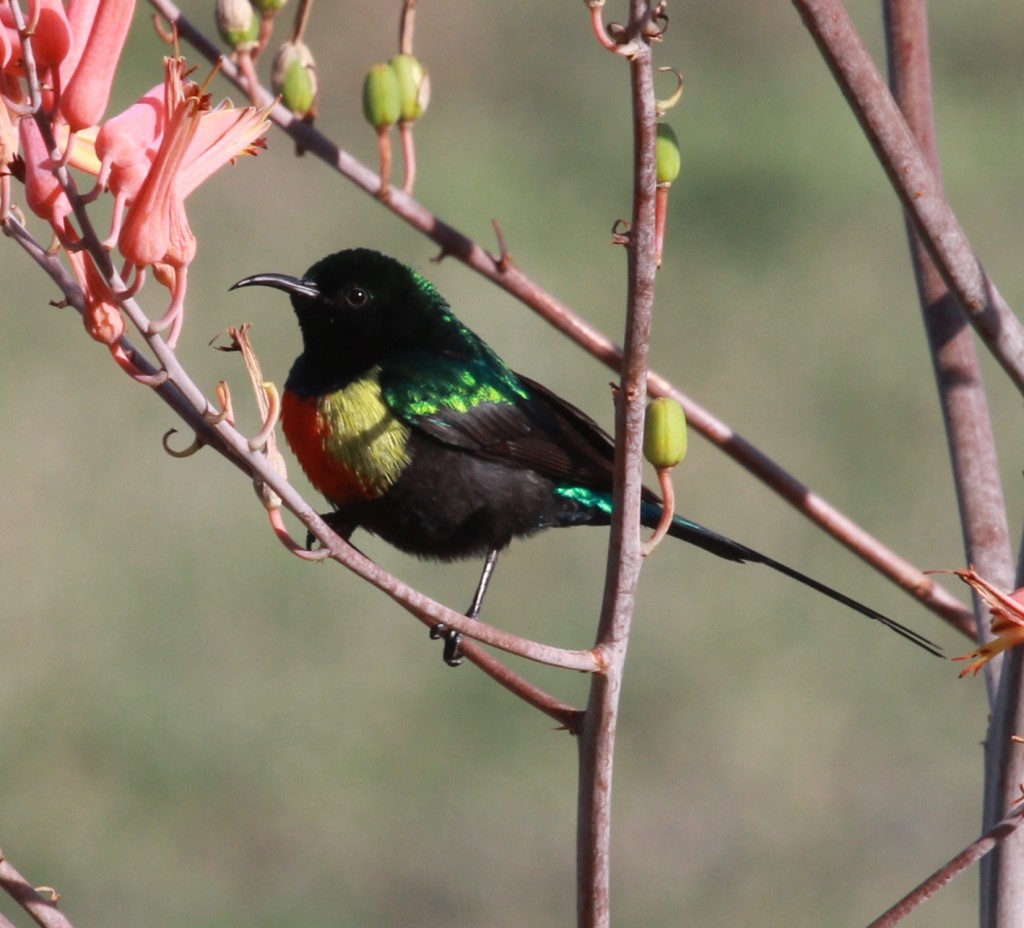
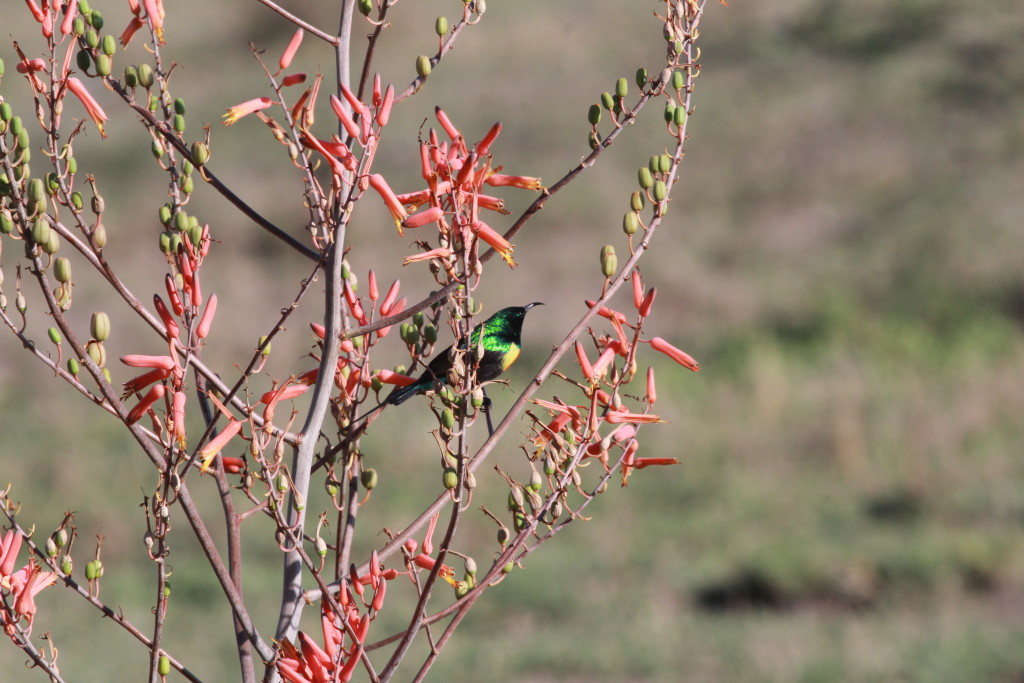
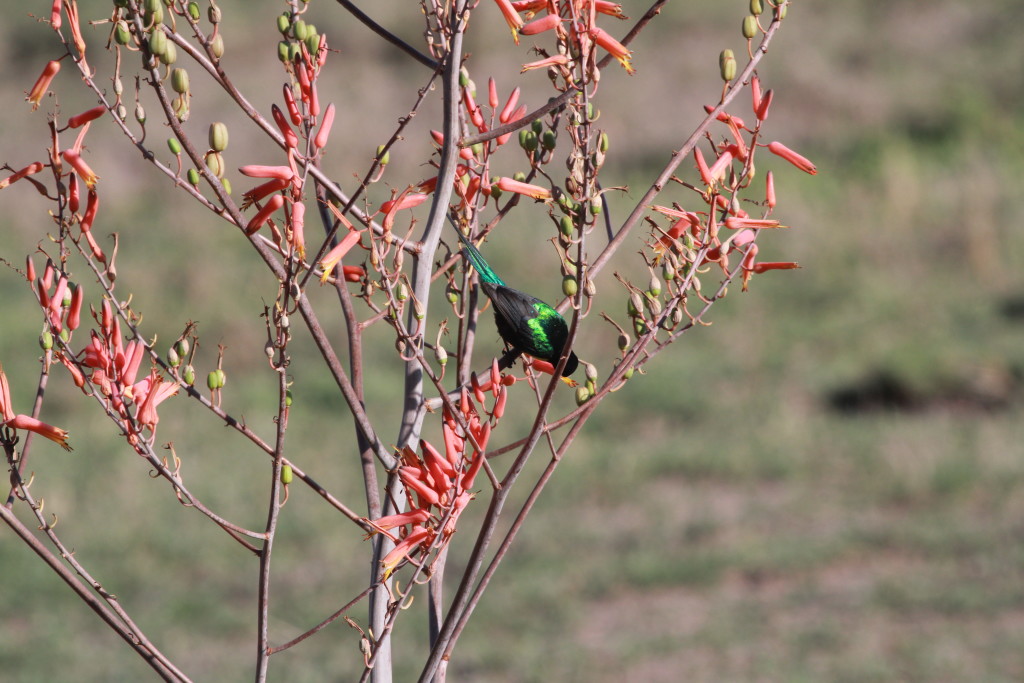
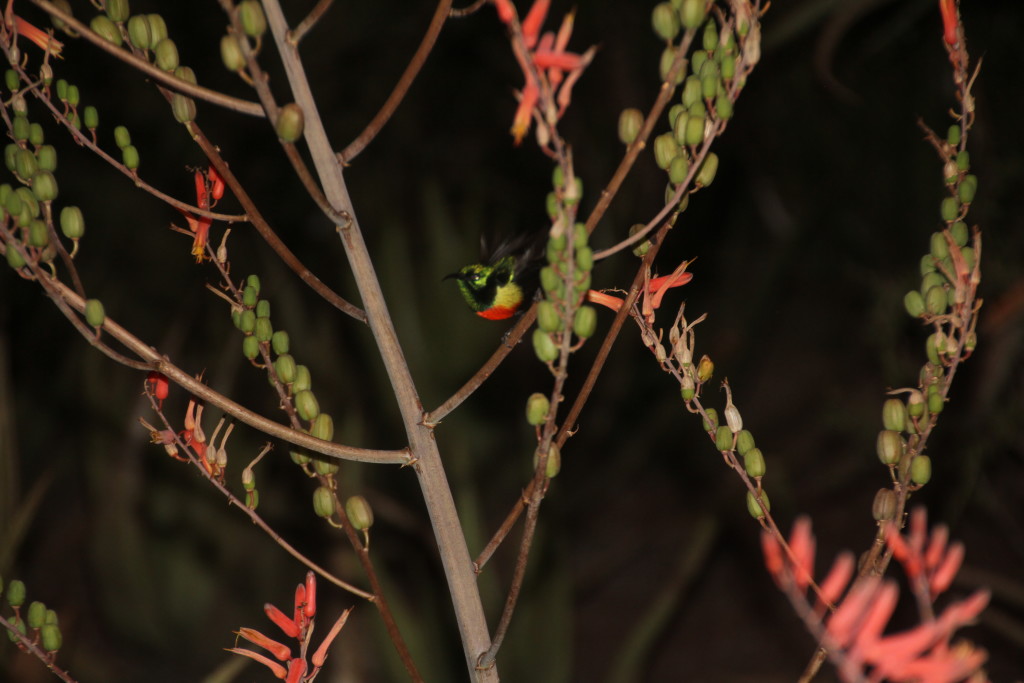
The Beautiful Sunbird (Cinnyris pulchella) (formerly placed in the genus Nectarinia), is a sunbird. The sunbirds are a group of very small Old World passerine birds which feed largely on nectar, although they will also take insects, especially when feeding young. Flight is fast and direct on their short wings. Most species can take nectar by hovering like a hummingbird, but usually perch to feed most of the time.
The name and the description are the same. I managed to get a few good photos in Ndutu and Tarangire.
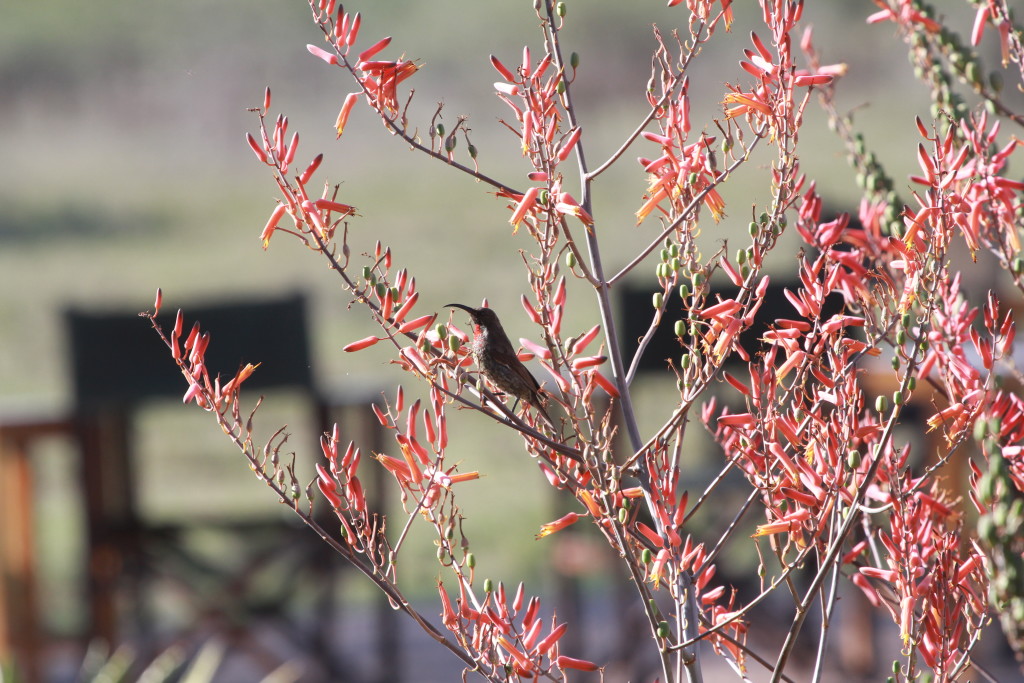
The much duller female
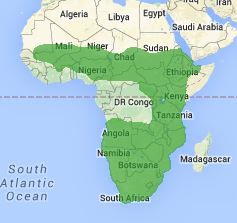
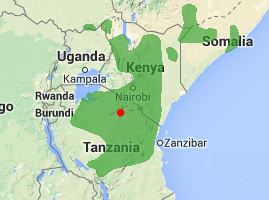
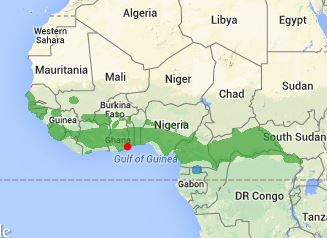
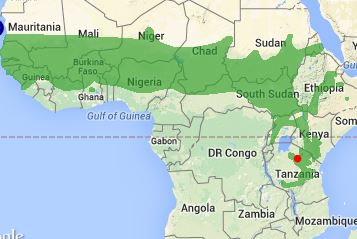
They have a large range stretching from the West Coast of Africa to Ethiopia in the east and as far south as Tanzania. Look for them in flowering plants in lodges, they seem to know a good free feed when they see one! The red dot shows Ndutu where I had my best sighting.
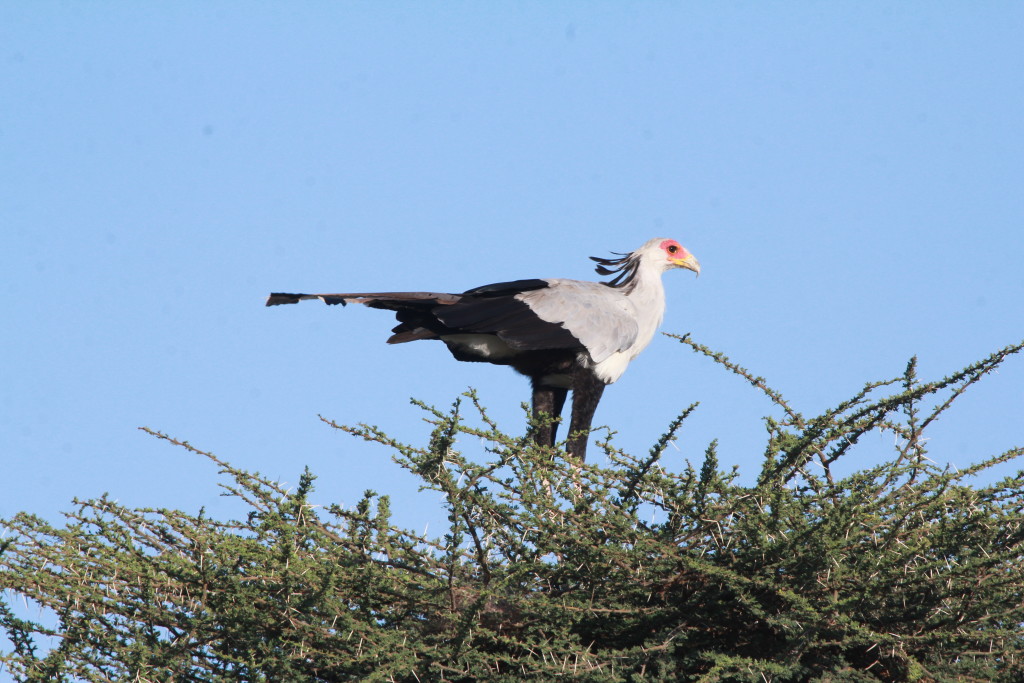
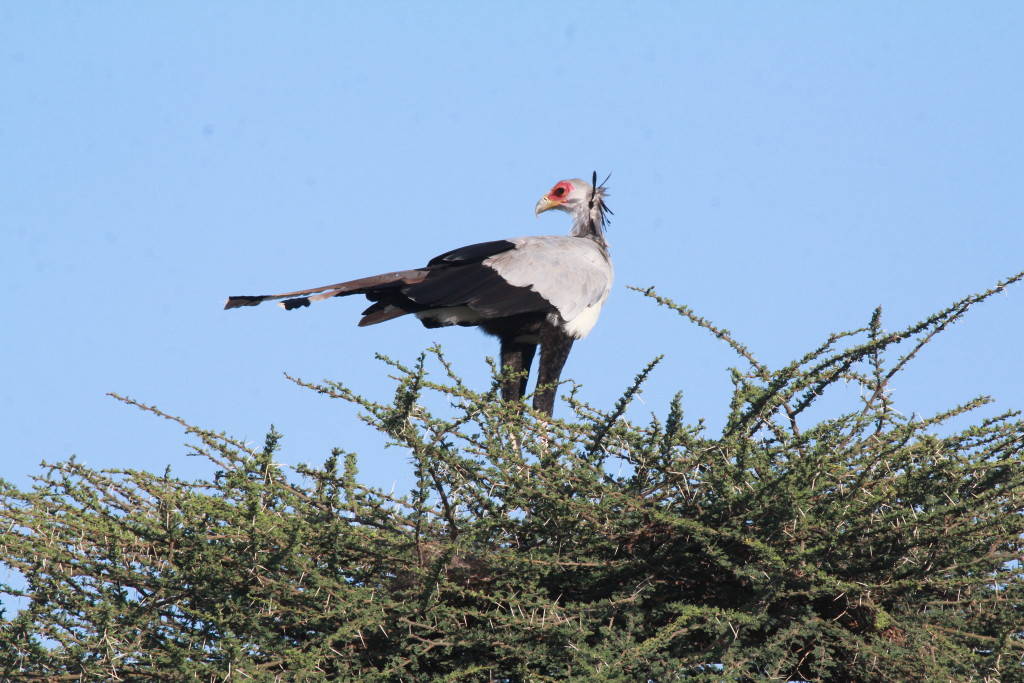
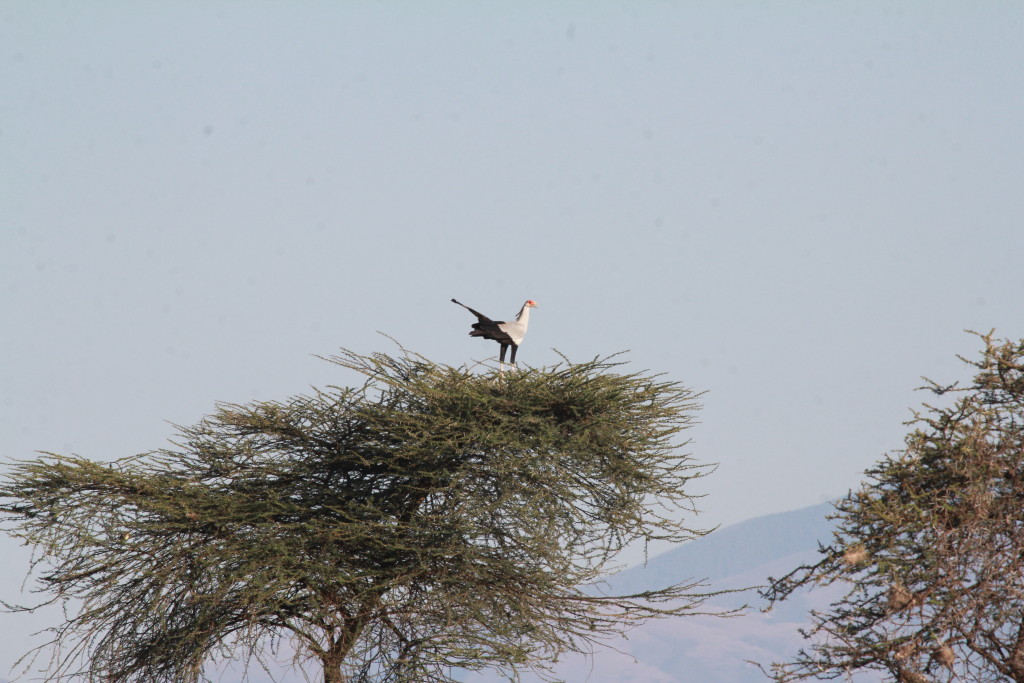
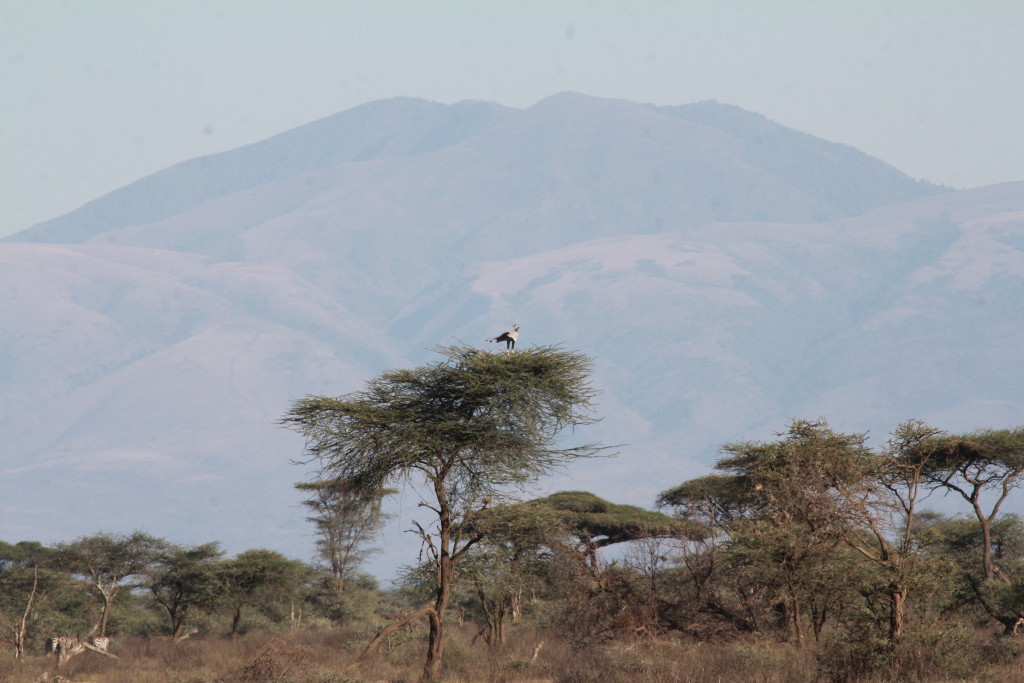
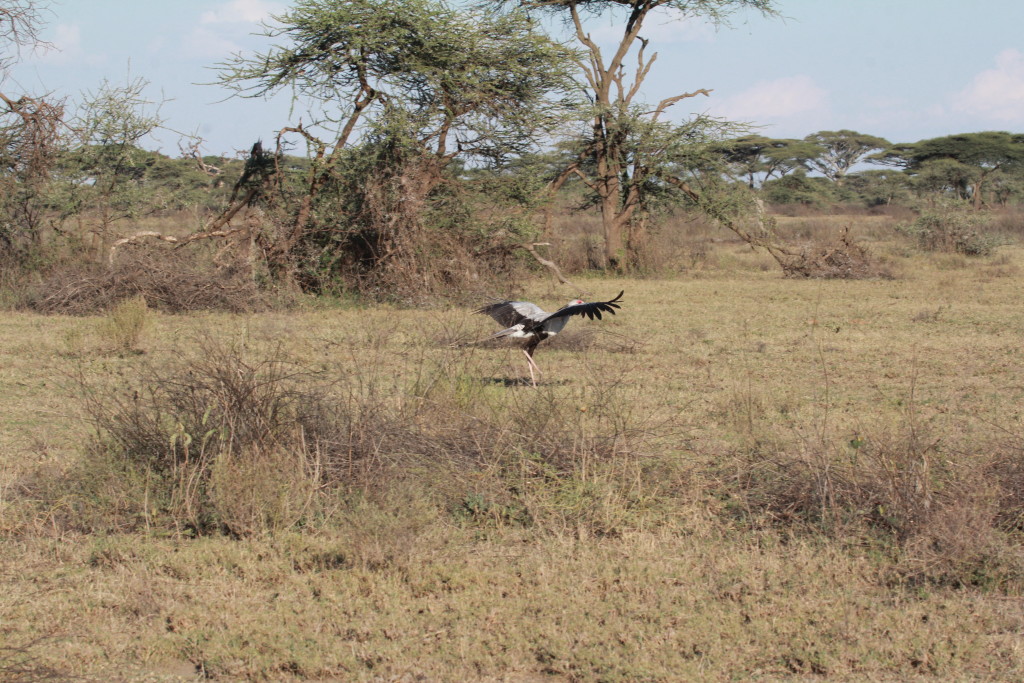
The Secretarybird or Secretary Bird (Sagittarius serpentarius) is a very large, mostly terrestrial bird of prey. Endemic to Africa, it is usually found in the open grasslands and savannah of the sub-Saharan region. Although a member of the order Accipitriformes, which also includes many other diurnal raptors such as kites, buzzards, vultures, and harriers, it is given its own family, Sagittariidae.
They are probably one of the coolest birds around with their head quills and they hunt snakes. Anyone who helps rid the world of snakes is OK in my book!
Secretary birds have a huge range and can be seen in just about any of the popular national parks in Africa. I have personally seen them in Kruger, Kgalagadi, Masai Mara, Serengeti and most recently in Ngorongoro near Ndutu.
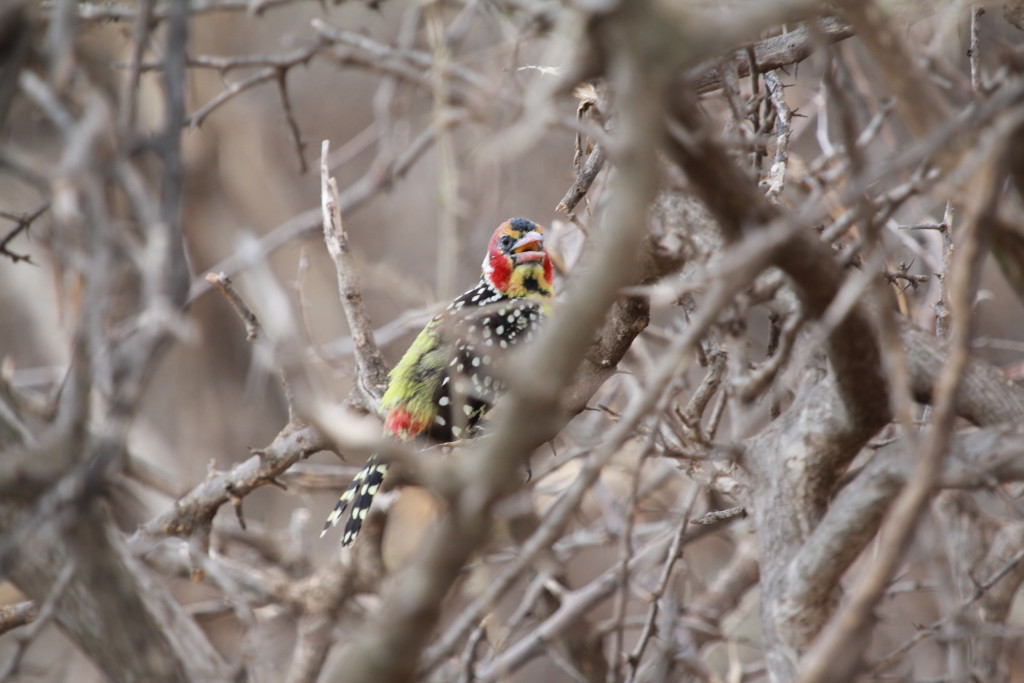
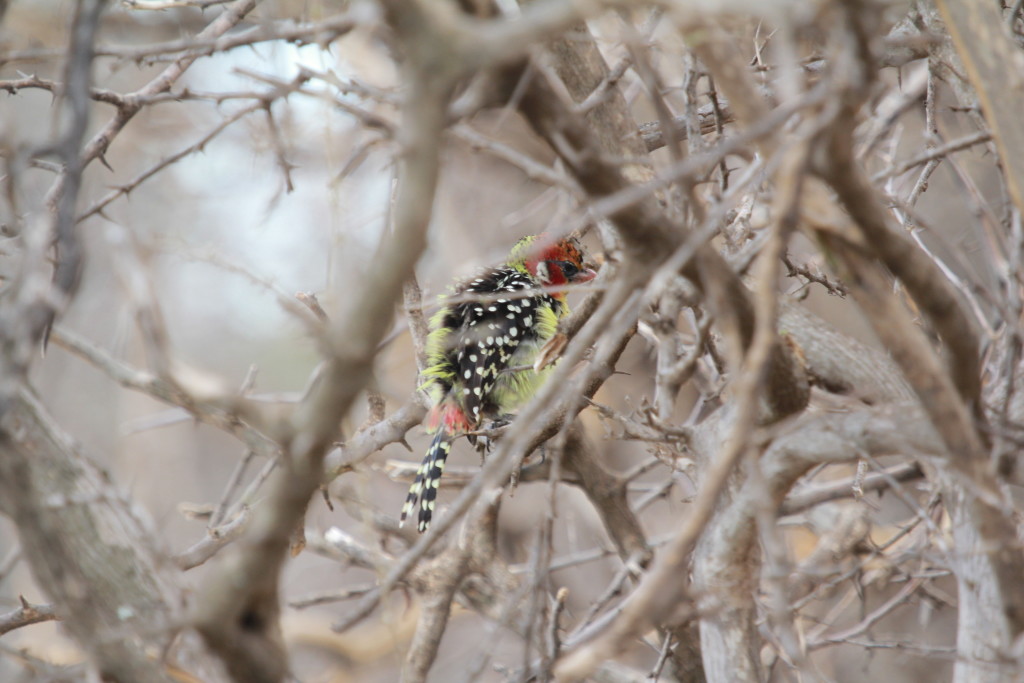
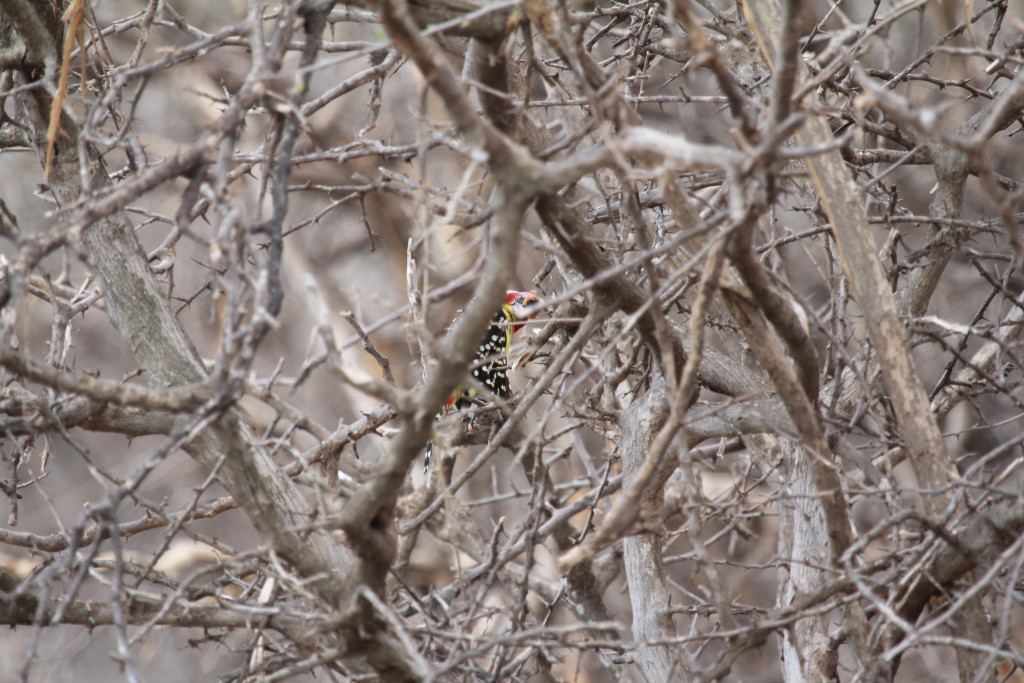
The red-and-yellow barbet (Trachyphonus erythrocephalus) is a species of African barbet found in eastern Africa. Males have distinctive black (spotted white), red, and yellow plumage; females and juveniles are similar, but less brightly colored. The species lives in broken terrain and nests and roosts in burrows. Omnivorous, the species feeds on seeds, fruit, and invertebrates. Where not hunted, they are tame, but their feathers are used by certain tribes, such as the Maasai.
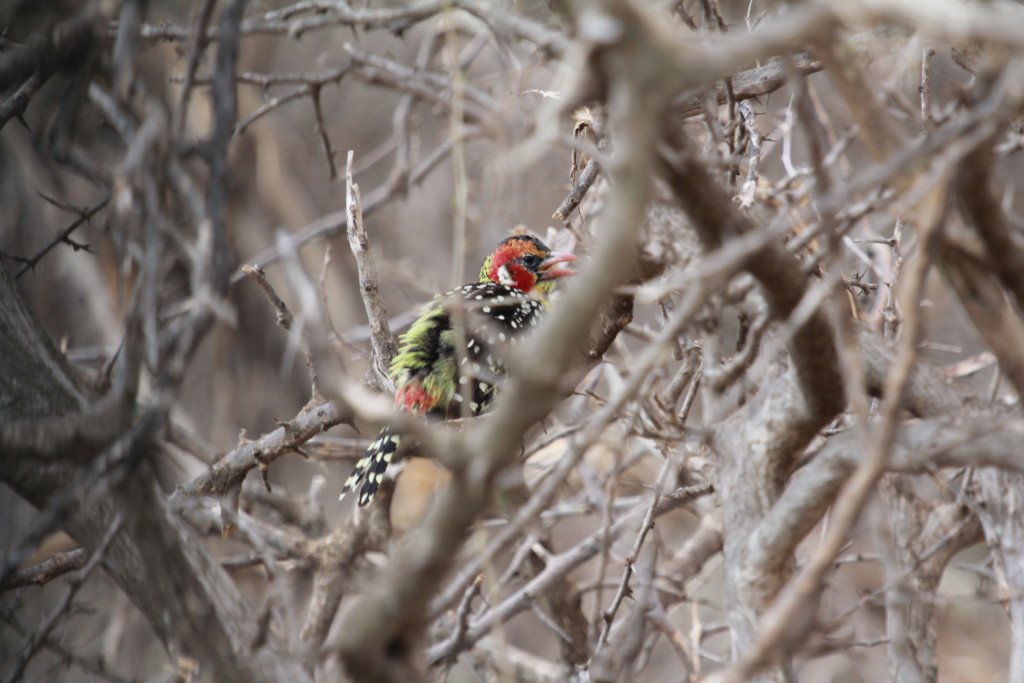
I took these photos in Tarangire NP, Tanzania. Despite his bright colours, notice how well he can hide himself in the bush when he wants to.
They have quite a large range but for the traveling birder I can highly recommend Tarangire NP, also going into Ngorongoro Conservation area in Tanzania. This one was very close to the Tarangire Safari Lodge. You can see other location in the Xeno-canto and IBC websites listed below.
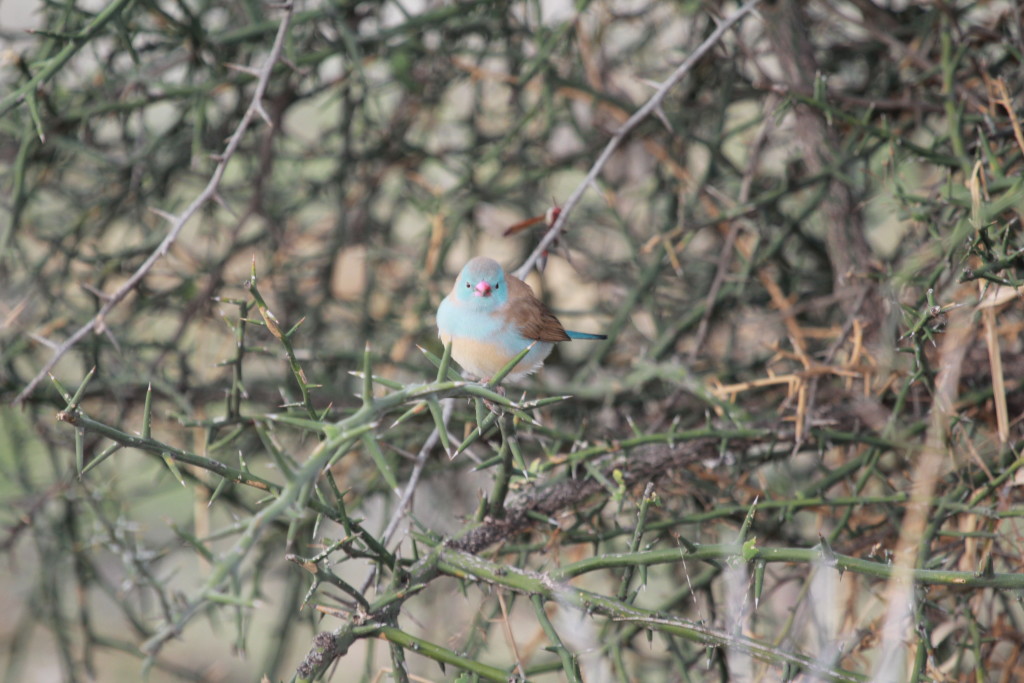
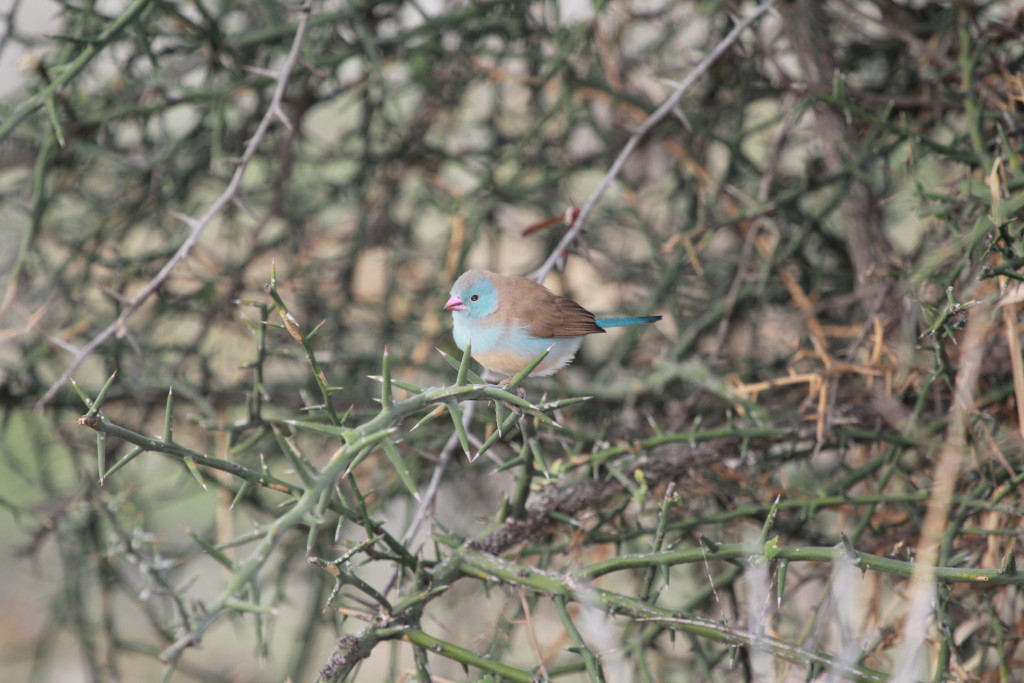
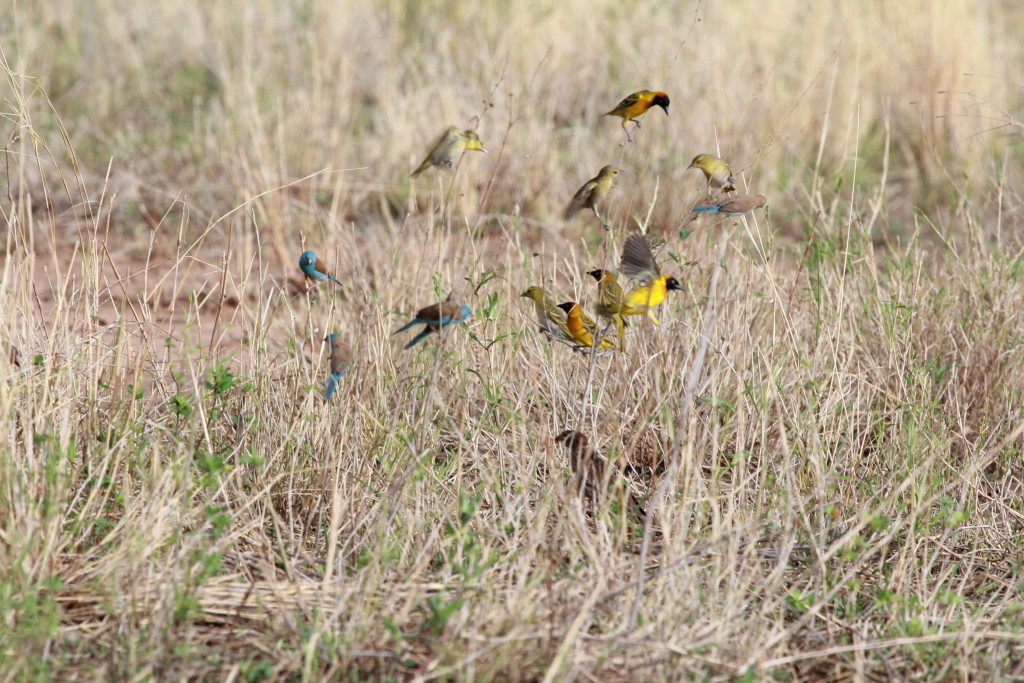
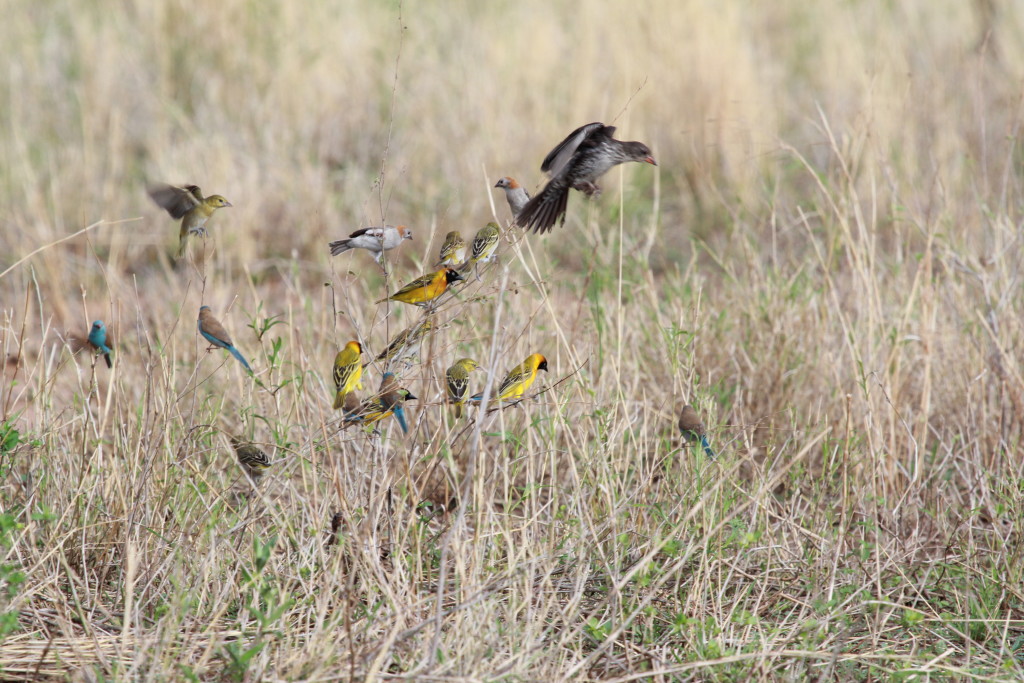
The delicately coloured Blue-capped Cordon-bleu or Blue-Capped cordonbleu (Uraeginthus cyanocephalus) is native to Ethiopia, Kenya, Somalia, South Sudan, and Tanzania in East Africa.
I saw them in Tarangire (red dot) in Tanzania where they were foraging with a mixed flock. Check the Xeno-canto website below to see other people’s sightings of this elegant little bird.
The Splendid Sunbird (Cinnyris coccinigastrus) is a sunbird. The sunbirds are a group of very small Old World passerine birds which feed largely on nectar, although they will also take insects, especially when feeding young. Their flight is fast and direct on short wings. Most species can take nectar by hovering like a hummingbird, but usually perch to feed most of the time.
My photos taken at Legon University do not do this stunning bird justice. Follow the links below for better photos. I think the first one is a female and the 2nd one is a male. The iridescent purple is stunning!
Although their range is very large, many of these countries are not accessible for birding. Ghana is safe and easy to travel in and by mine and other’s people’s experiences Legon University is the easiest place to find them.
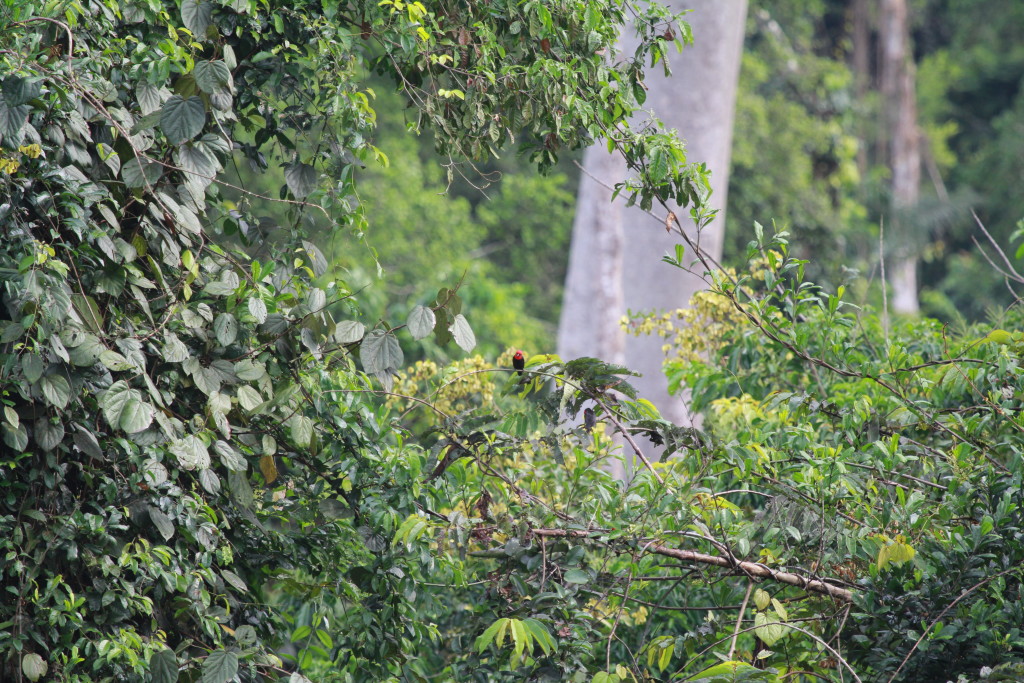
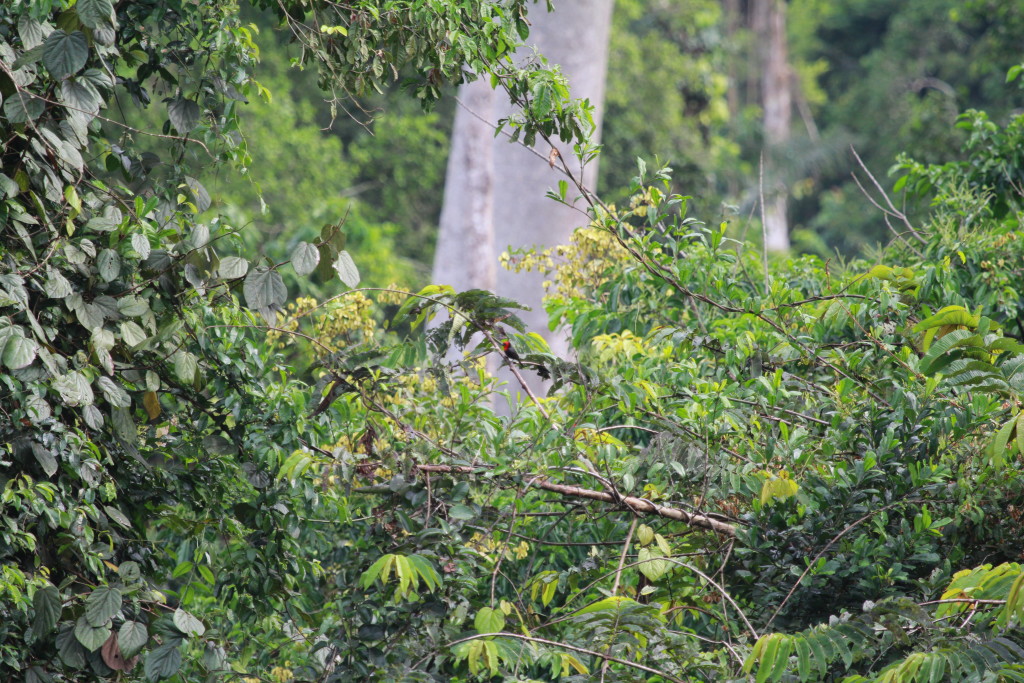
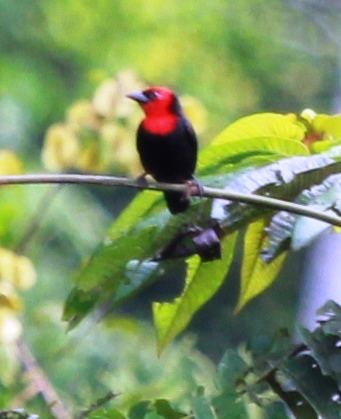
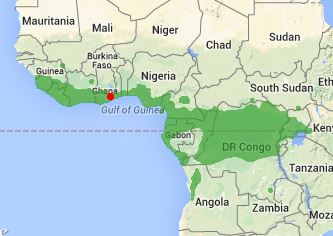
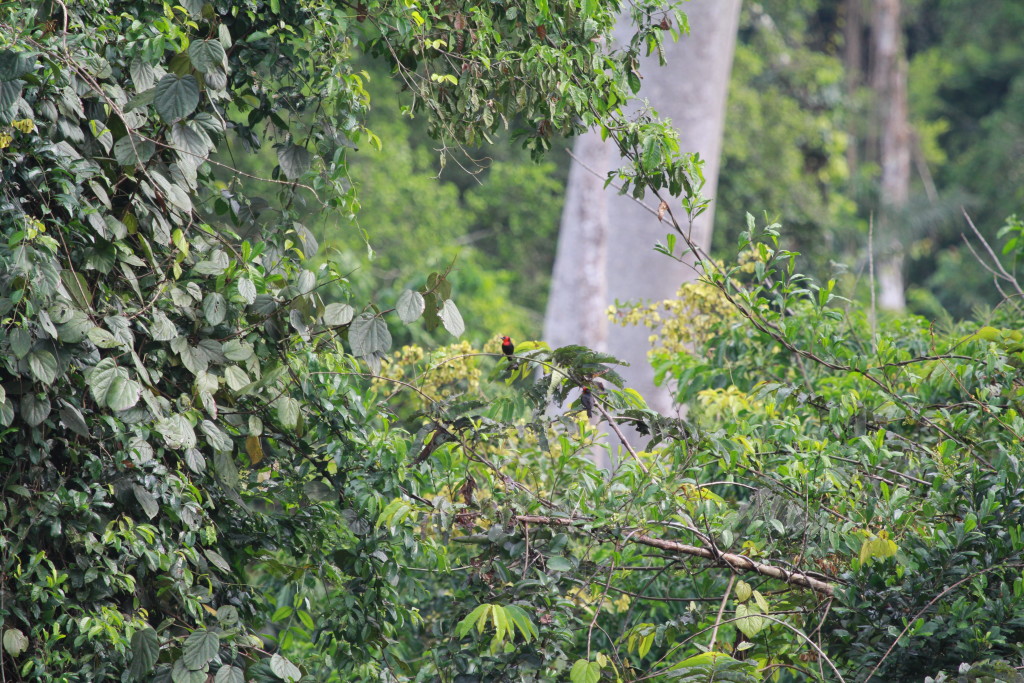
The Red-headed Malimbe (Malimbus rubricollis) is a species of bird in the Ploceidae family. This little beauty is easy to spot even in thickly forested areas because of their brilliant red heads. This one is from Kakum National Park, Ghana. You can see the distance the bird was but zooming in shows his real beauty.
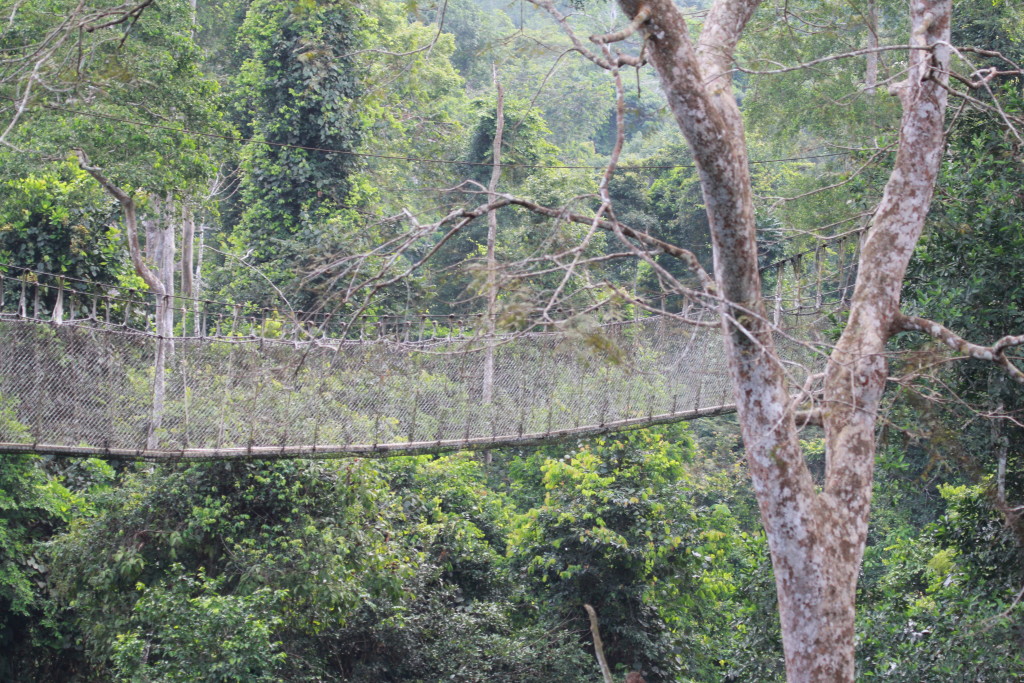
They have a very large range throughout West and Central Africa. Not many people report seeing them because many of these countries are difficult to get to and travel in. For ease of logistics, Kakum in Ghana is really the easiest place to get to with miles and public transport. They frequent the trees surrounding the canopy walkway.
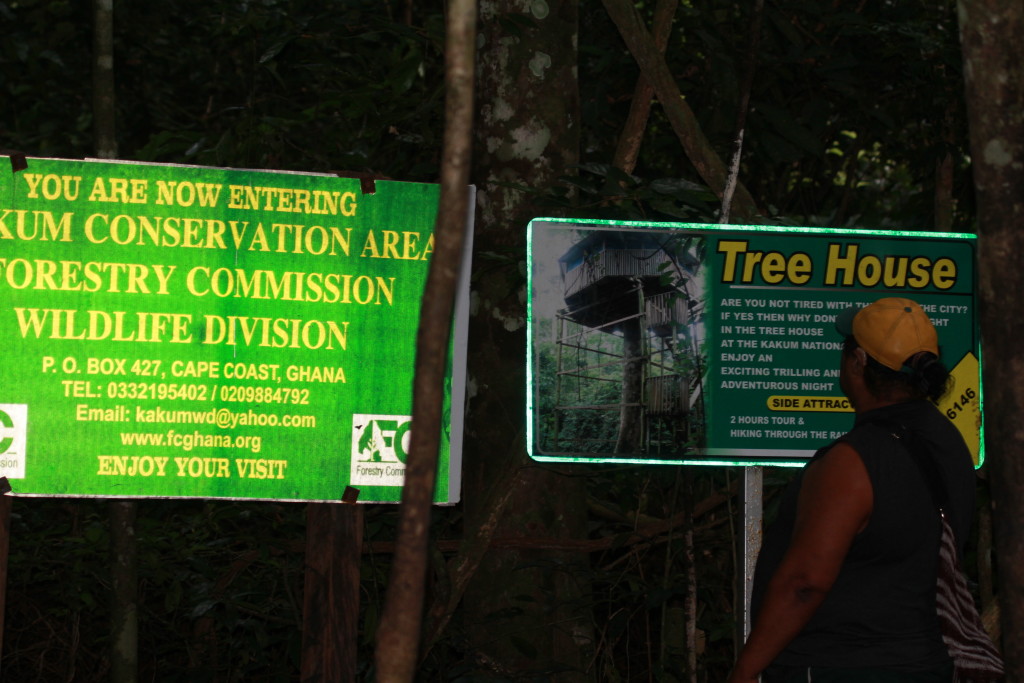
Yesterday I blogged about how to visit the Kakum National Park in Ghana. Now lets see some of the birds!
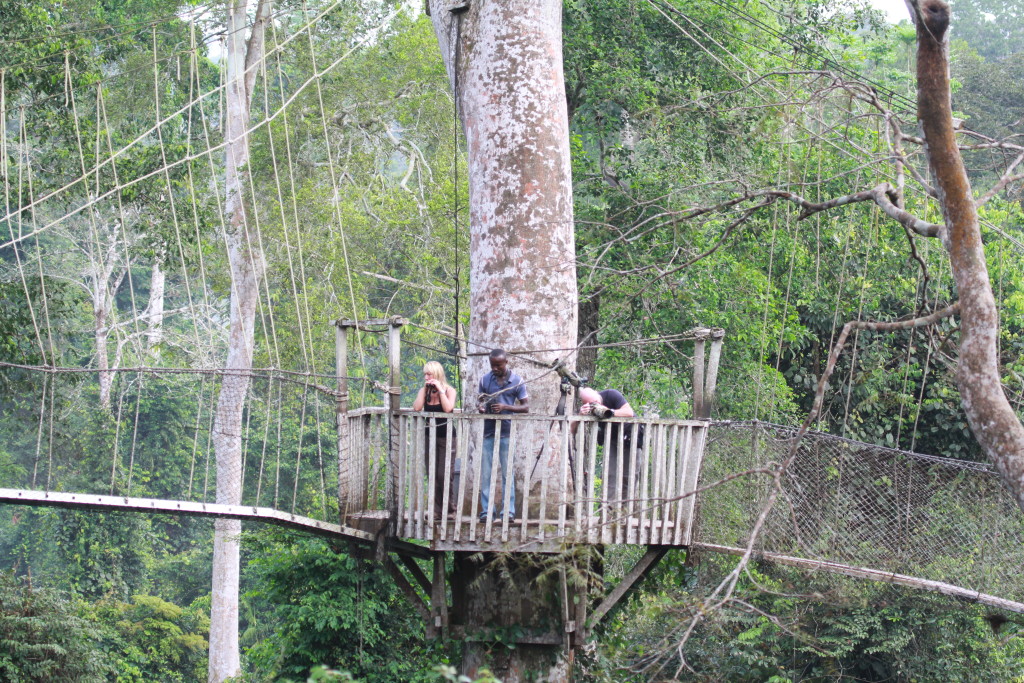
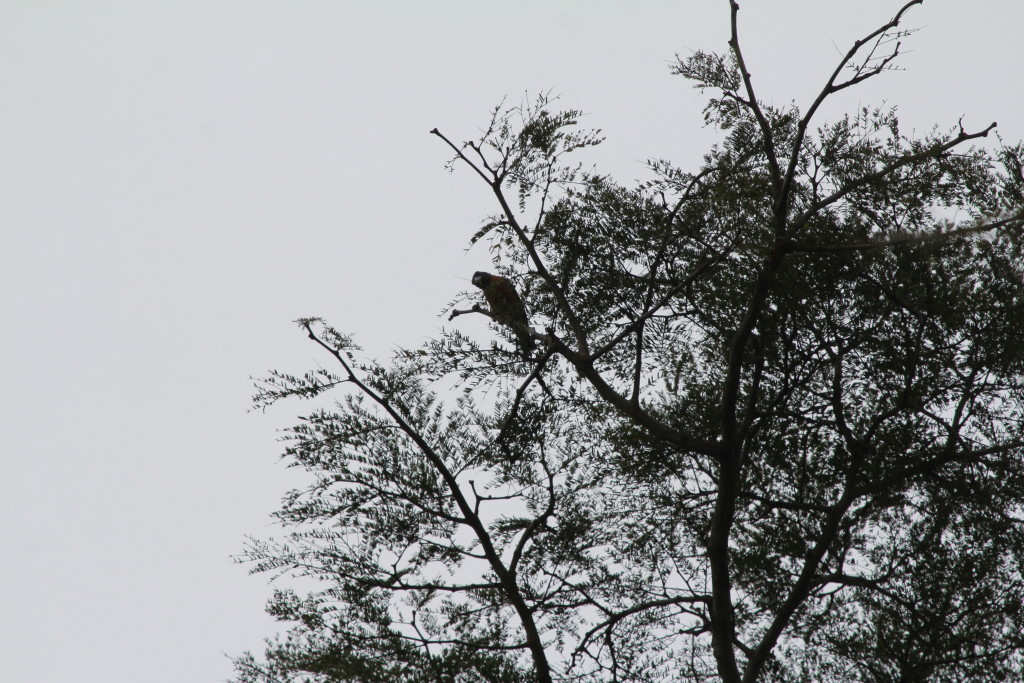
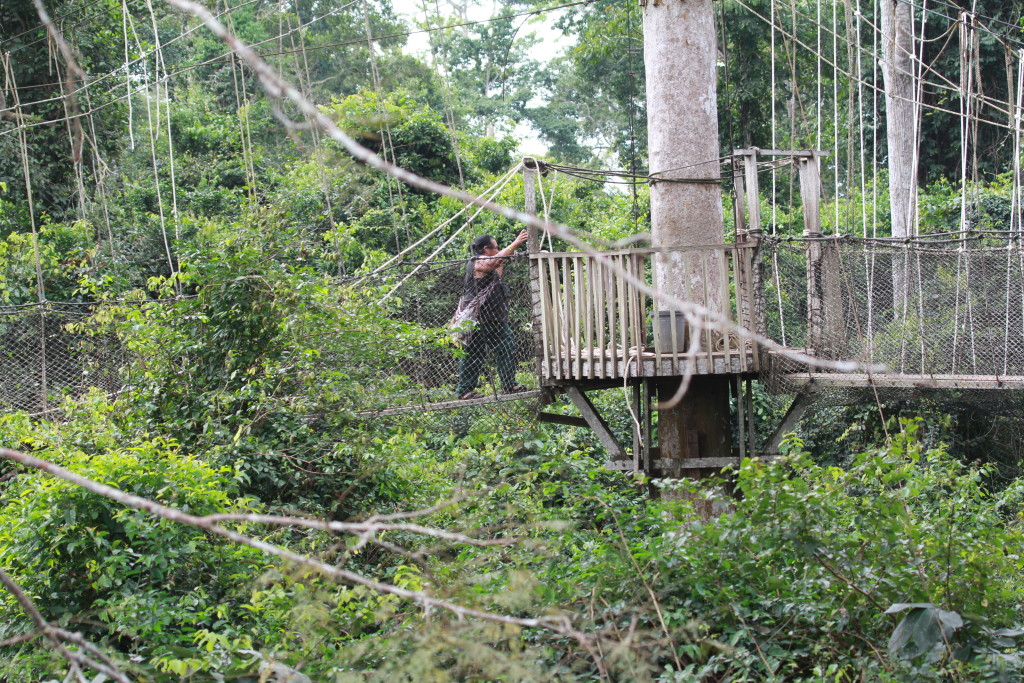
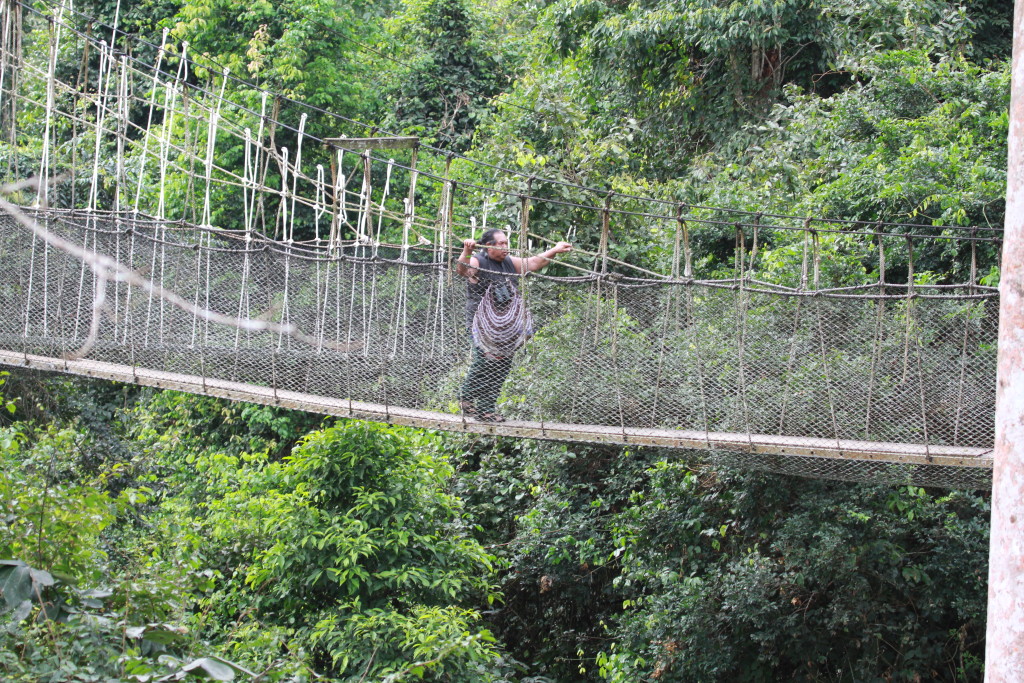
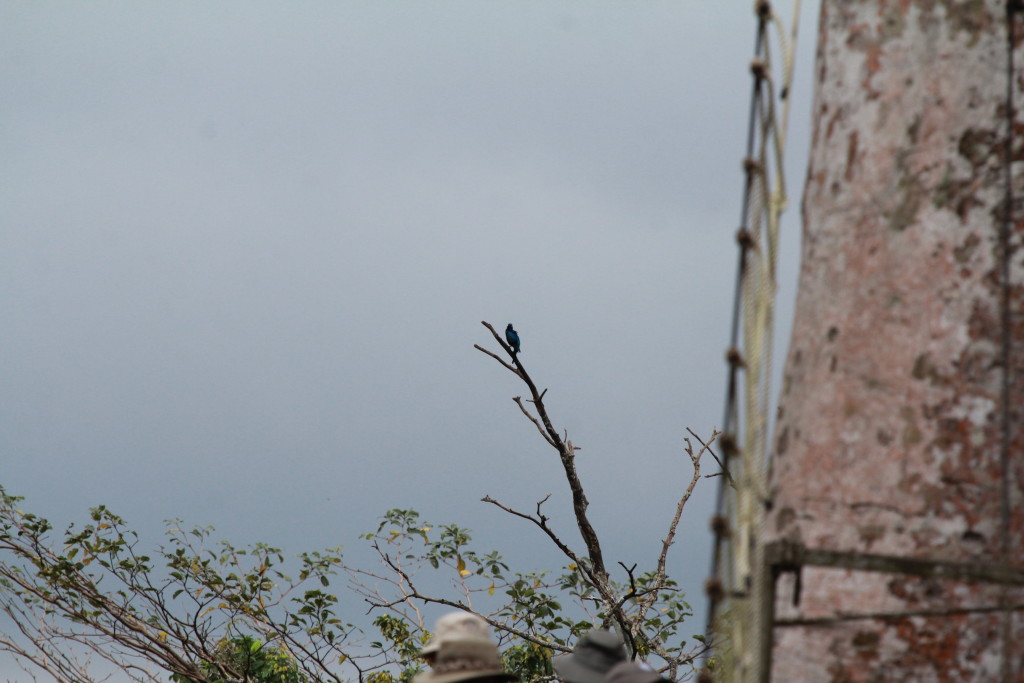
Firstly, we actually SAW a lot more than I could get photos of. These birds are camera shy and they are fast! The few bird pics I got are terrible to the point that I can’t match them to a pic in the bird book other than the red bird (Red-headed Malimbe) and the blue bird (Splendid Glossy Starling). I will try to make up for it with photos of the actual canopy walkway.
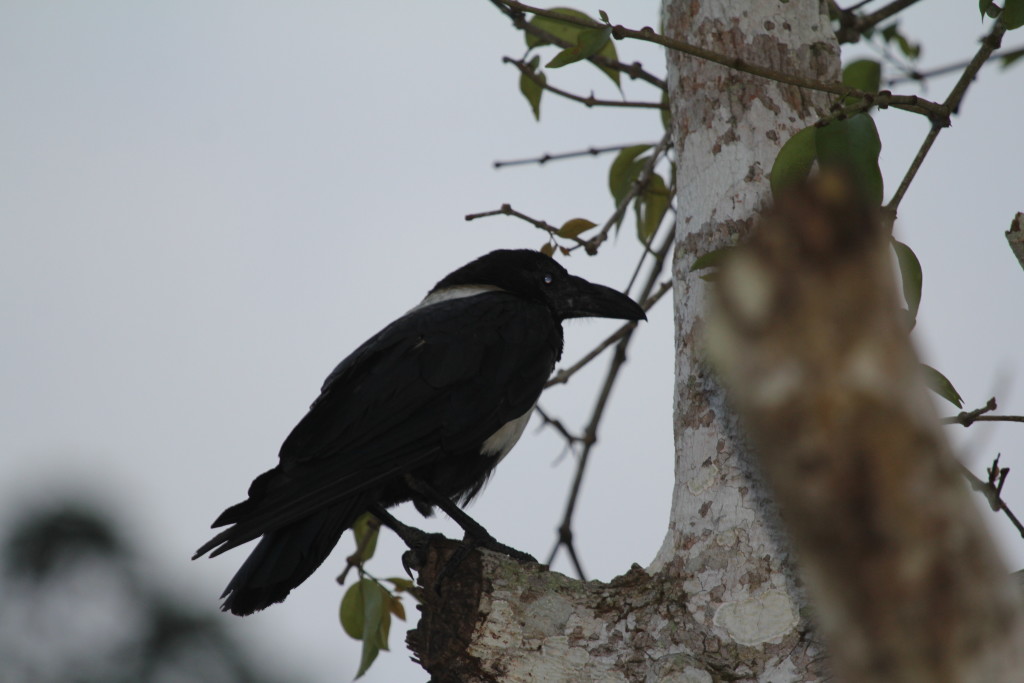
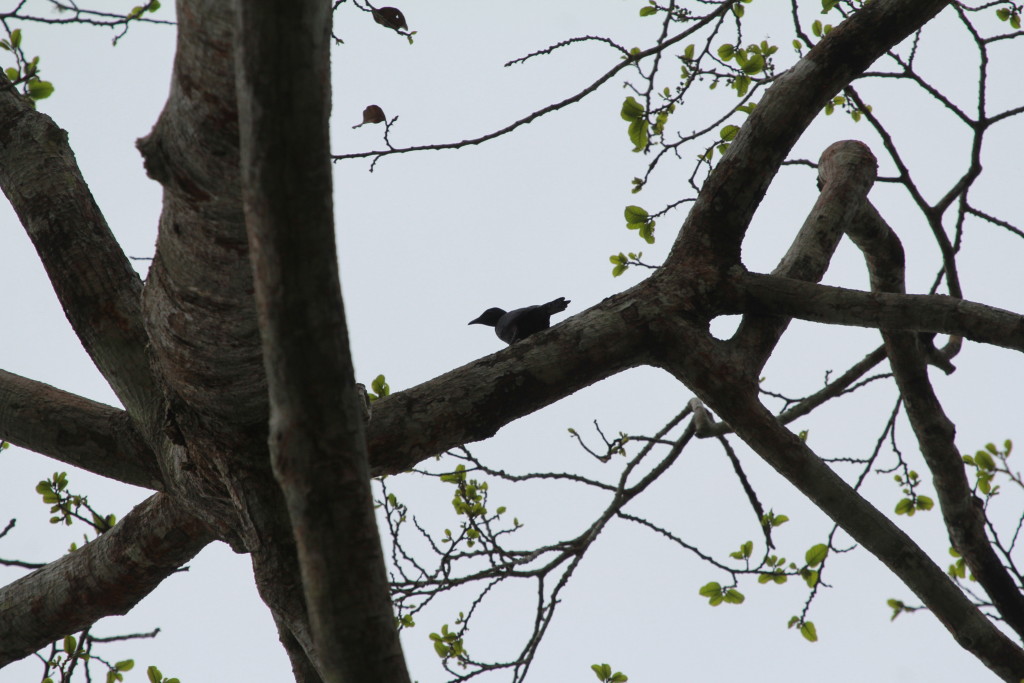
Pied Crow
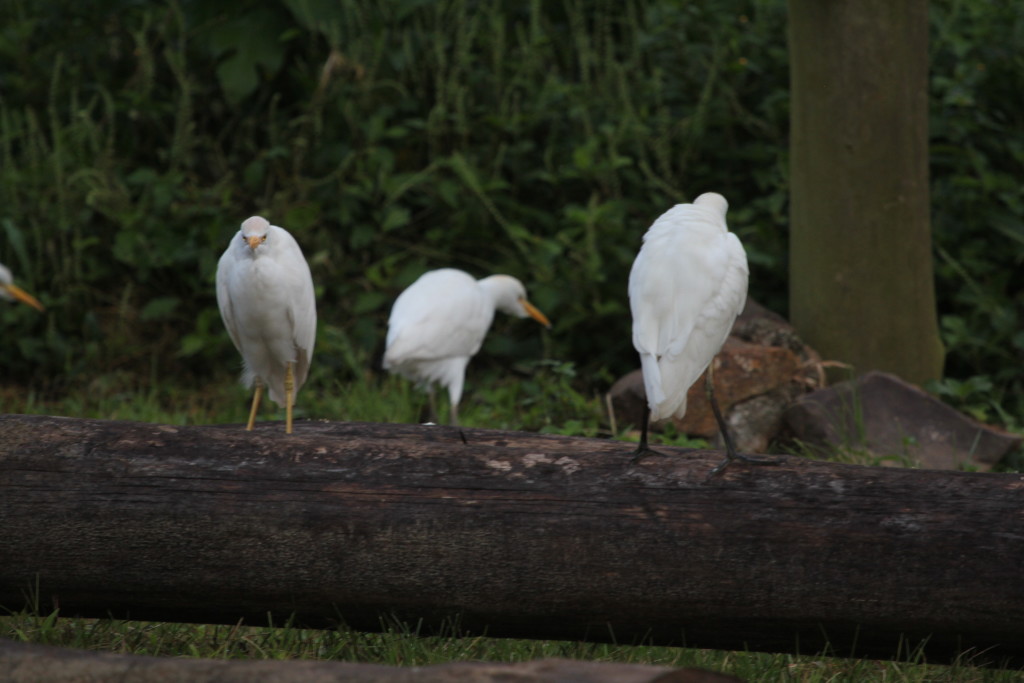
Cattle Egret
The trail leading up to the canopy walkway, see how dark it is? We saw a Paradise Flycatcher along the way but the photo didn’t come out – too dark.
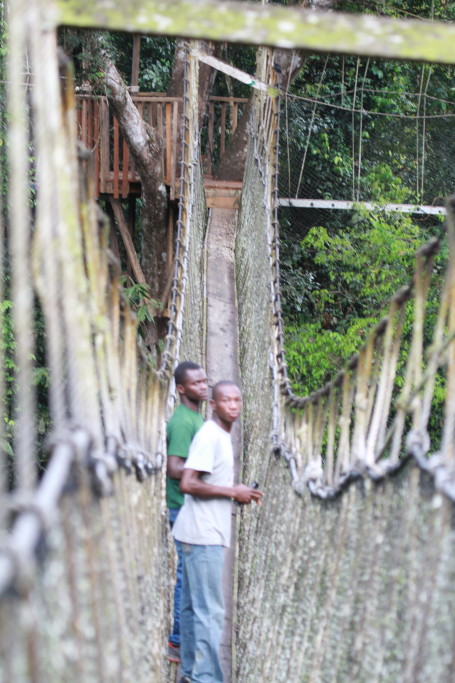
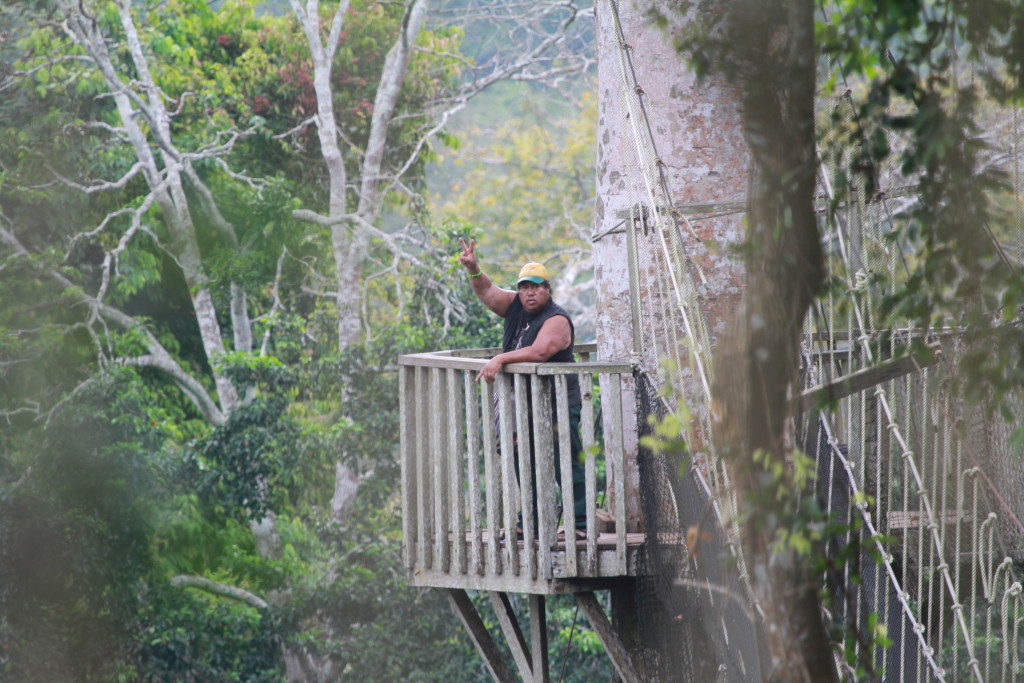
These are our guides. Only one was the real paid guide, the other one was his friend who just tagged along, I think he is in training.
Some independent birders already there.
The organized birding group who are also staying at the Rainforest Lodge. I noticed they were watching something very intently so I followed their gaze but couldn’t see anything. All of a sudden, a small bird flew out of the foliage very quickly and the group burst into applause. What WAS that bird? We caught up to them and found out it was a Rosy Bee-eater, one of the target birds in Kakum! At least I caught a glimpse of him!
They are really beautiful, check out this video!
Black Bee-eater
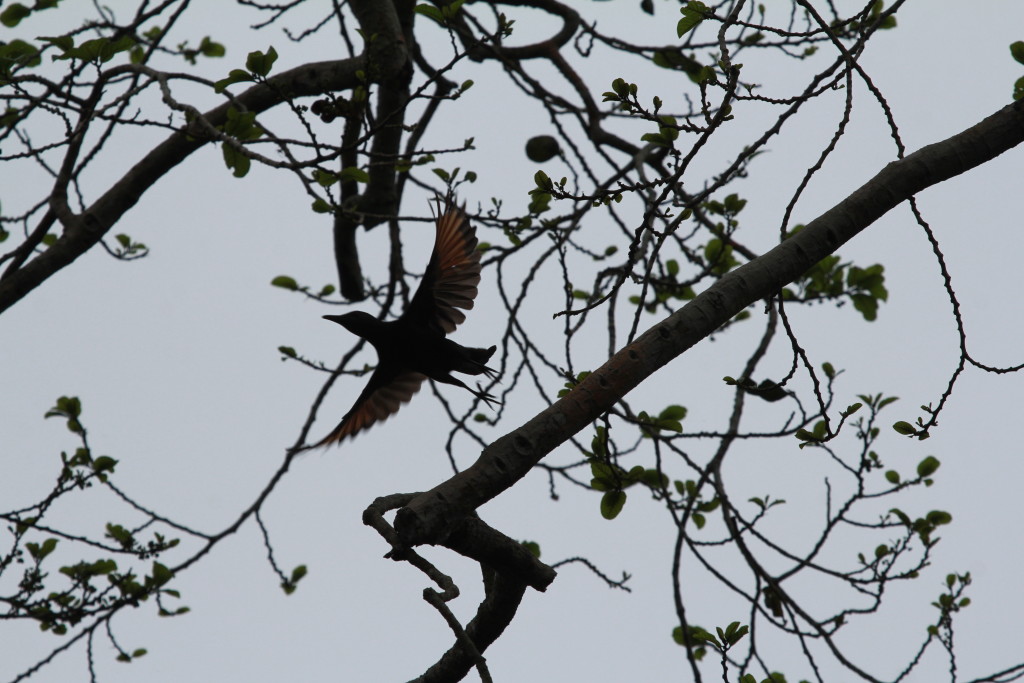
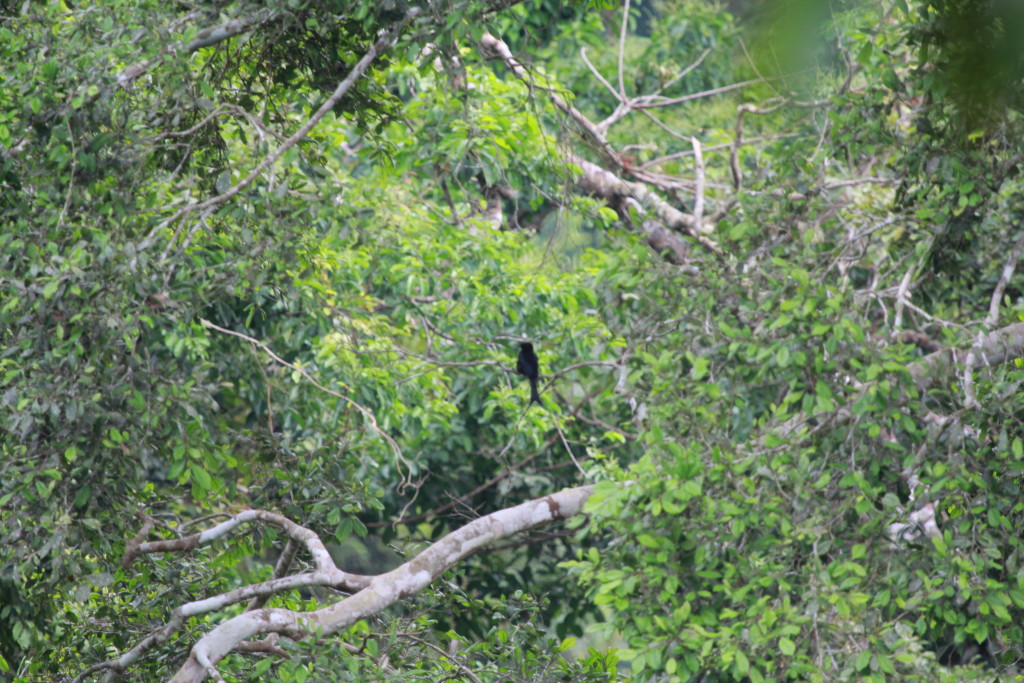
Velvet-mantled Drongo
Red-headed Malimbe
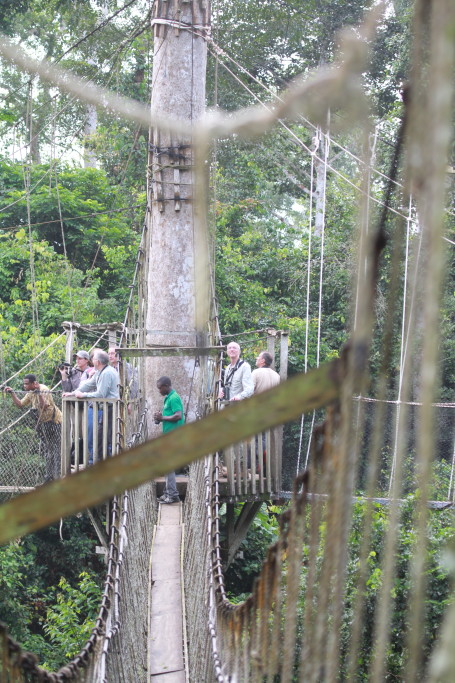
At this point my husband is bored and just having fun with the walkways.
Splendid Glossy Starling
See how beautiful he is!
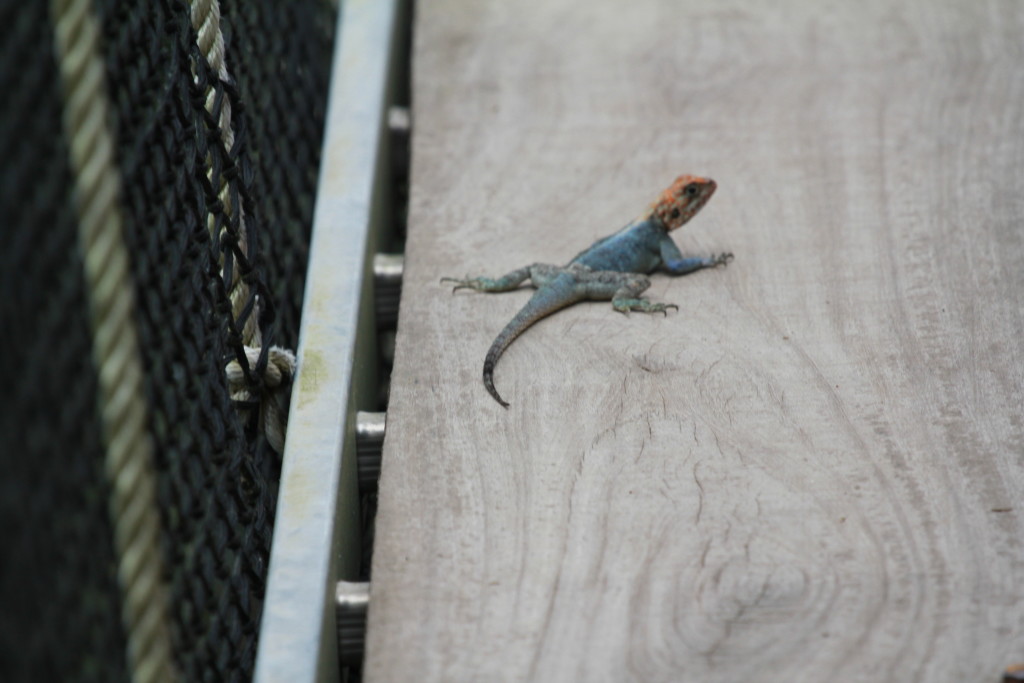
A lizard walking in front of us.
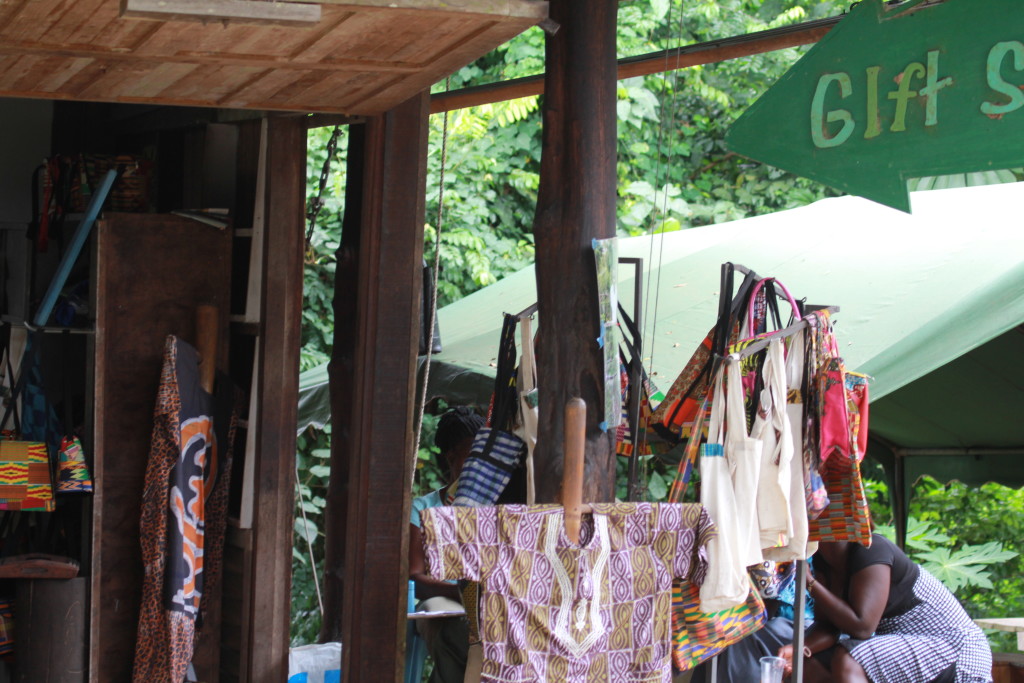
Back at the reception, the shop was finally open.
Our two guides. Sorry I can’t remember their names but they did know the birds quite well so if you see them there, I can recommend them!
Back in the carp park a Little Bee-eater
Lesser Honeyguide
The private bus for the tour group.
While I usually do just fine as an independent birder with a local guide, I have to say that Ghana is the first place where I got real “tour-group envy”. They got into the park much earlier, they have private transport so they can get to more remote places where I couldn’t go using tro-tros and their guide supplies them with a checklist of all the birds they saw.
I did get my guide to thumb through my book with me so I could highlight the birds we saw but I am a long way off from anything that resembles the nicely organized bird list the tour groups get. Here is an example of one for all of Ghana but they do make notes on the exact place the bird was seen.
We had lunch at the small cafe just outside the park and hung around the rest of the day for birding in the car park and surrounding areas. My cash reserves were down (when will I learn to change enough money) so we couldn’t make a second trip into the park, they charge by the hour, not the whole day!
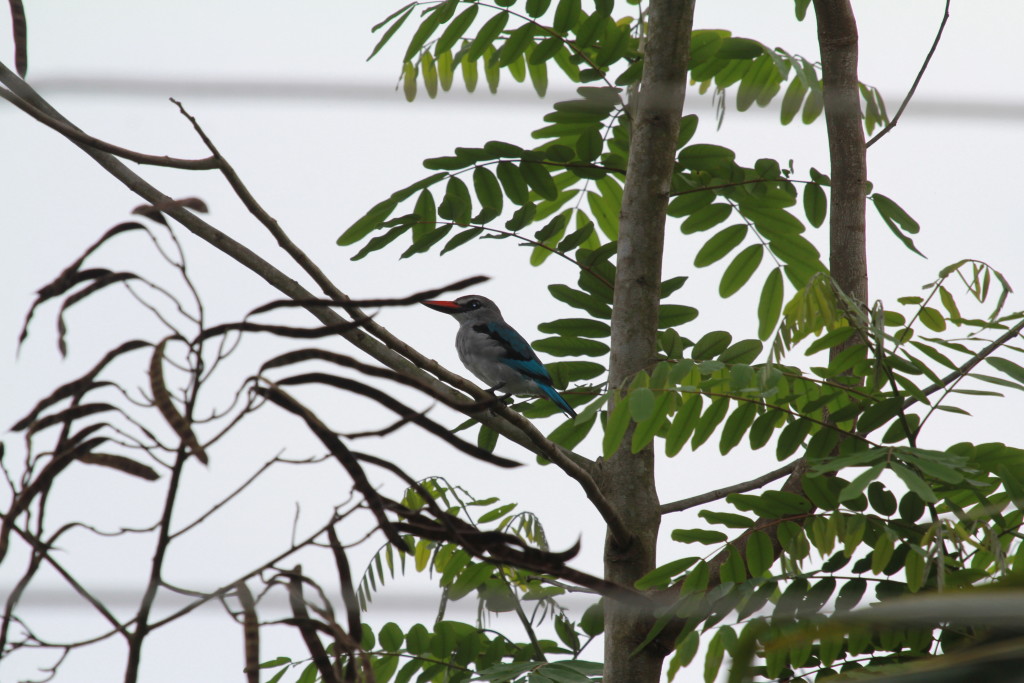
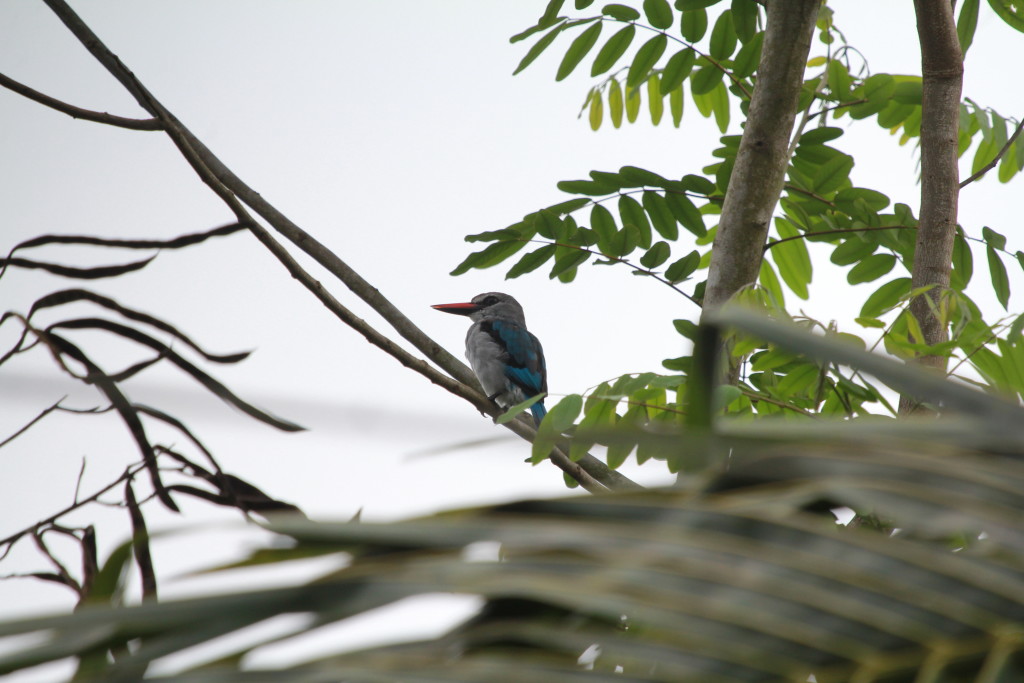
The woodland kingfisher (Halcyon senegalensis) is a tree kingfisher. I was lucky enough to see this one at close range at the Rainforest Lodge near Kakum, Ghana.
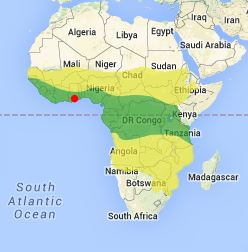
They have an extremely large range, basically two thirds of Africa so I am surprised I didn’t see them in more places. I’ve found reliable reports that they can be seen in Kruger National Park, South Africa and several places in Uganda as well.
Yesterday I reviewed the Rainforest Lodge but I saved the best for last – the birds!
These were all seen between 3:30-5:30pm-ish. I will do my best to identify them from the guidebook. There are a few I can’t find so if anyone is familiar with Ghanaian birds and wants to help, please do so in the comments.
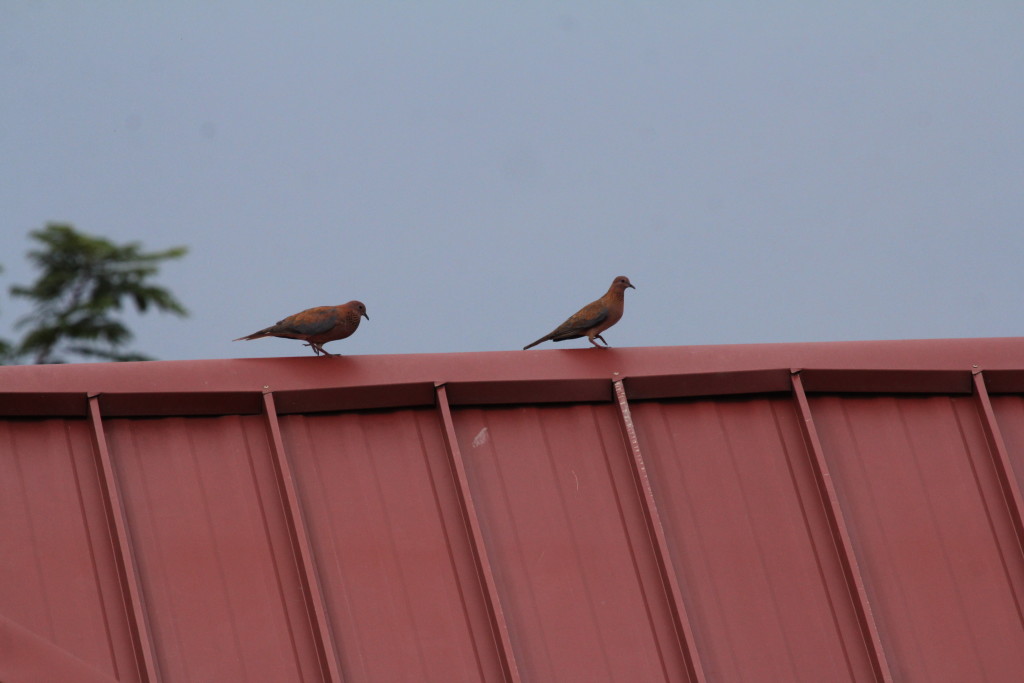
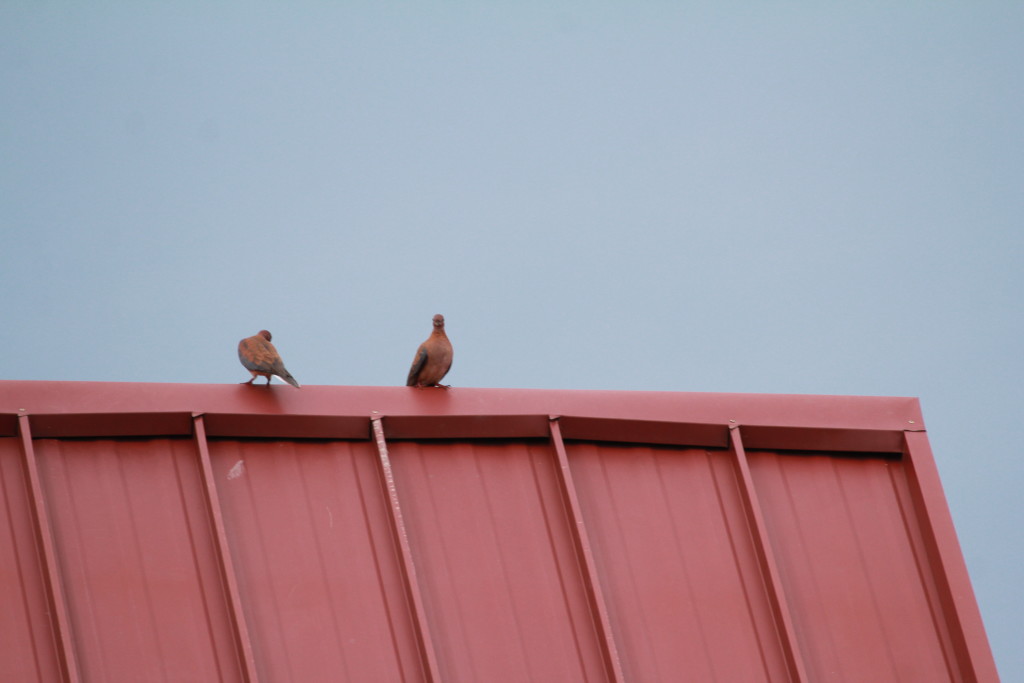
Red-eyed Doves
Typical Weaver Nest
Black-necked Weaver
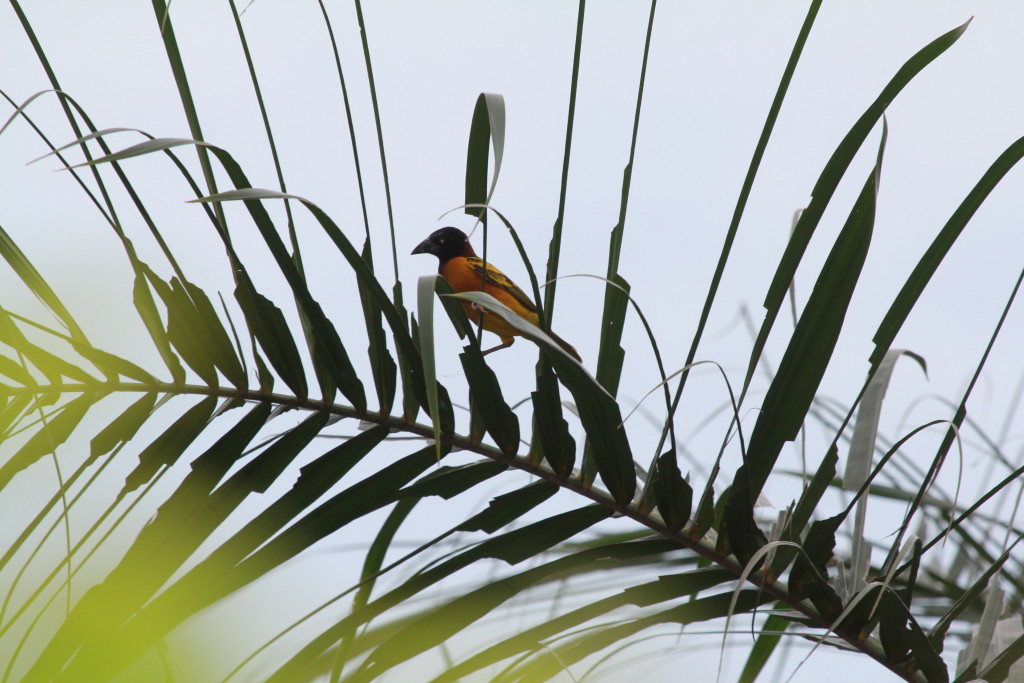
Village Weaver
Copper Sunbird
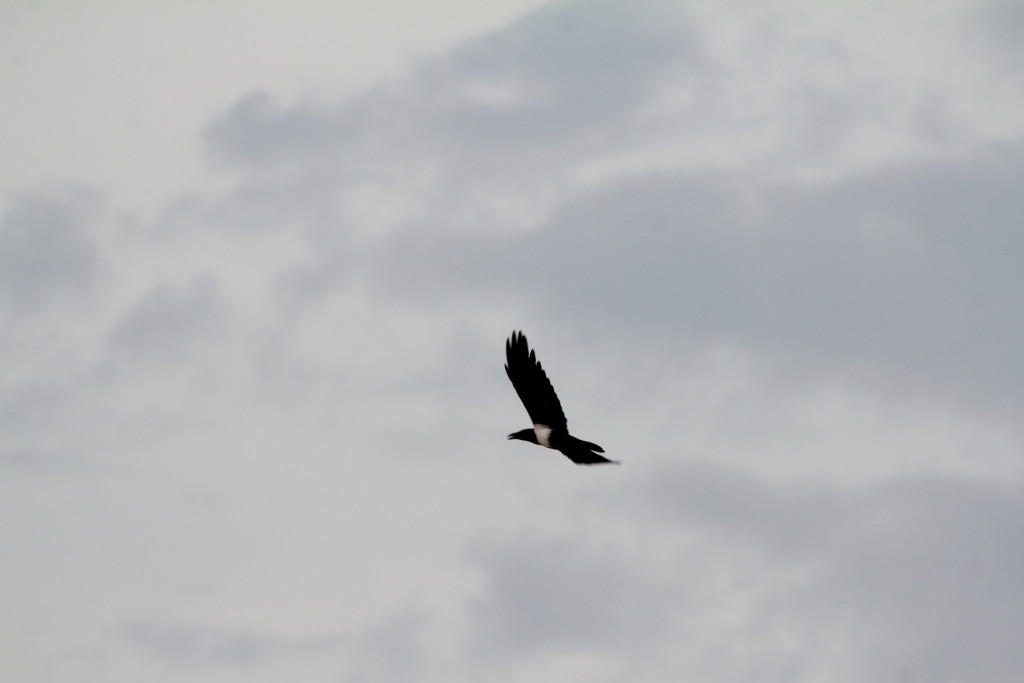
Pied Crow
Western Oriole
Pied Flycatcher?
And here’s my favourite – the Woodland Kingfisher!
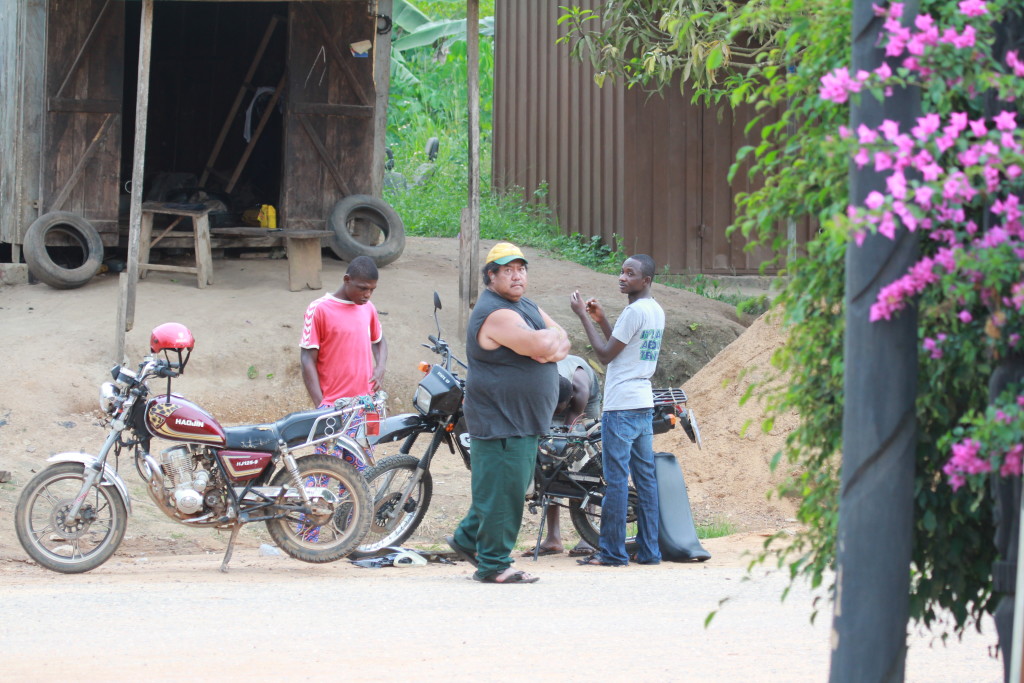
Somehow my husband lost interest in the birds and decided to make friends with the mechanics across the road.
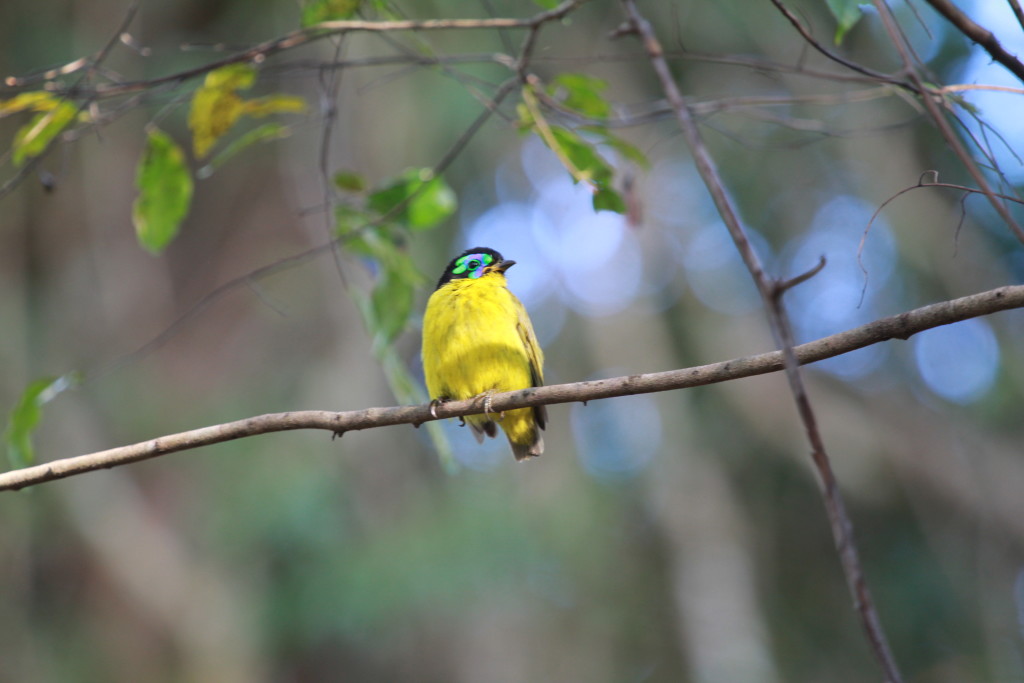
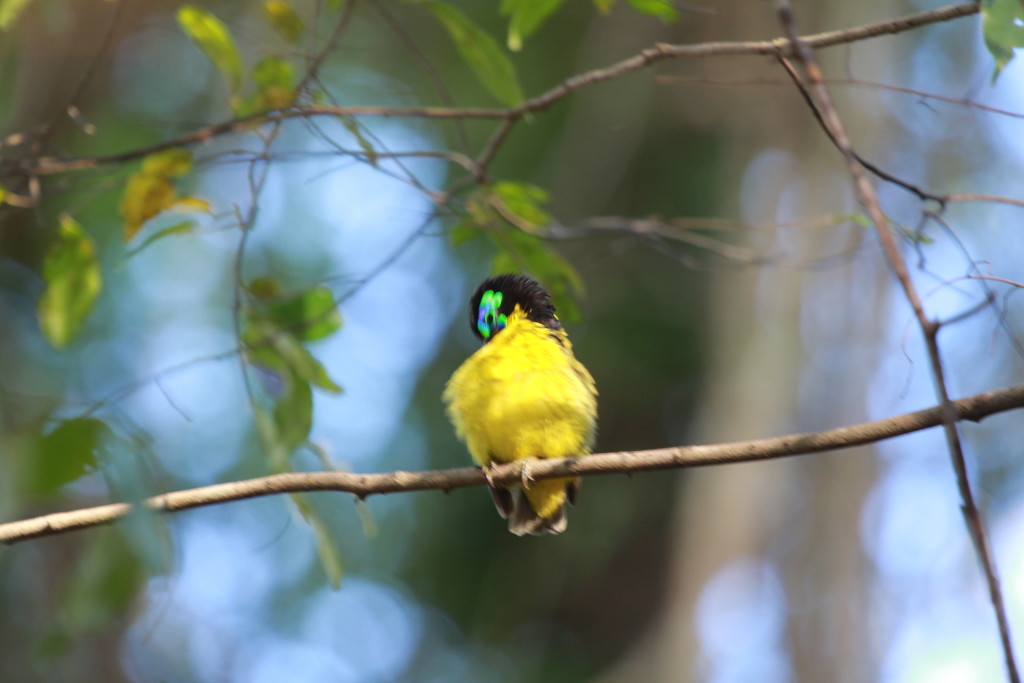
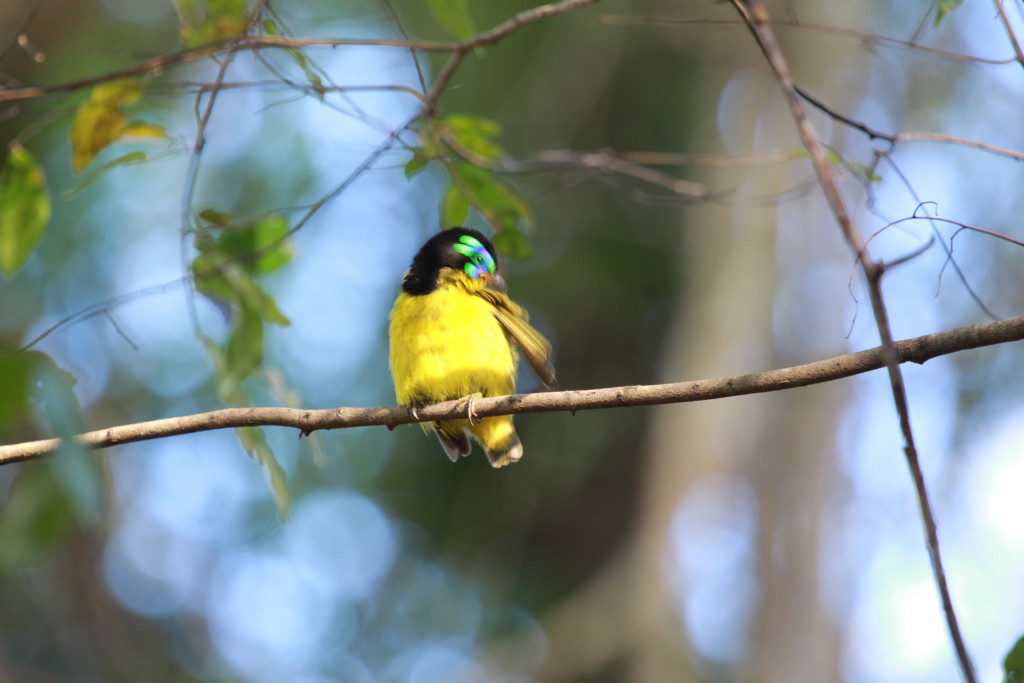
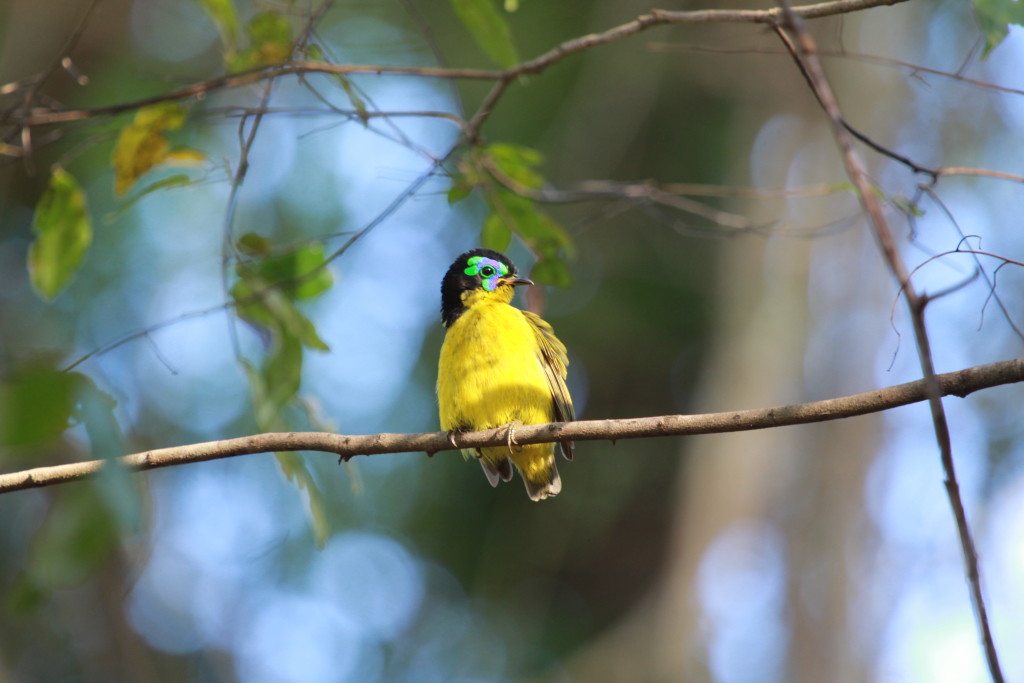
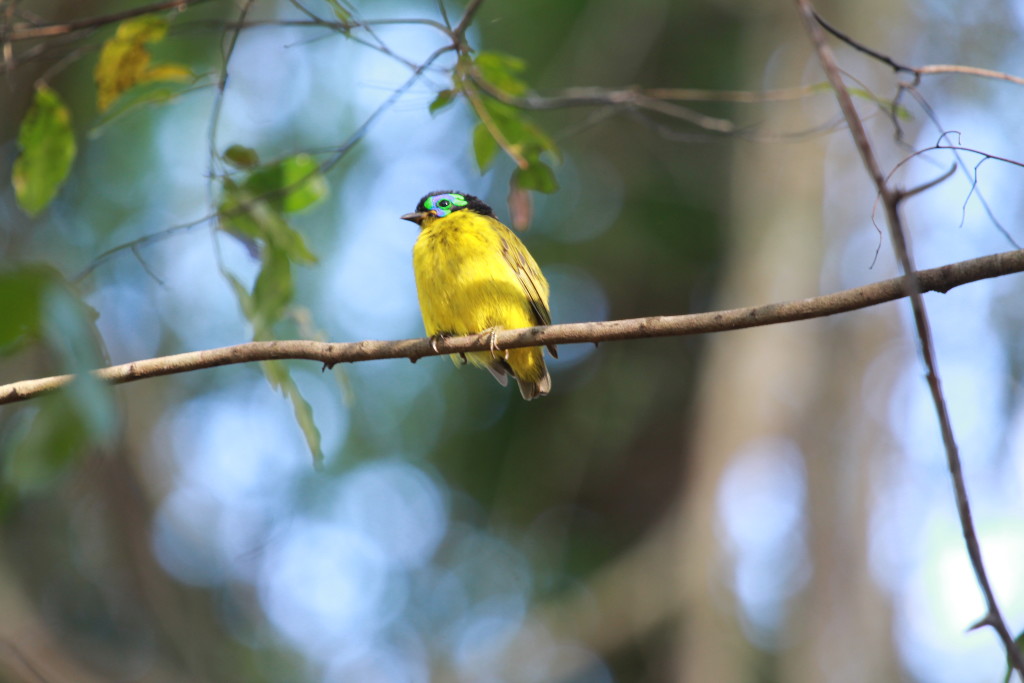
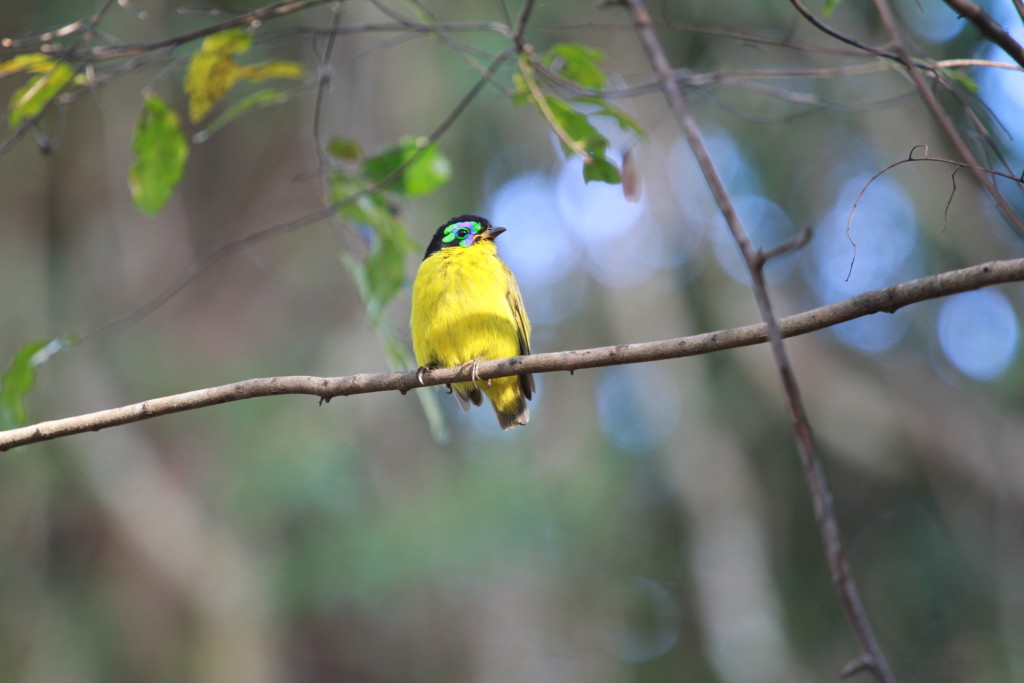
The Schlegel’s asity (Philepitta schlegeli) is a species of bird in the Philepittidae family. It is endemic to Madagascar. Its natural habitats are subtropical or tropical dry forests and subtropical or tropical moist lowland forests. It is threatened by habitat loss.
I was lucky enough to see one in Ankarafantsika NP. This little guy just knew he was cooler than cool and sat there for several minutes showing off to a thrilled group of birders!
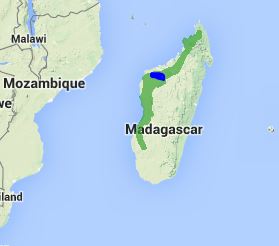
I am not 100% sure of the name of the circuit but all the guides know where to find this bird as it is very highly sought after! Don’t let the wide range fool you, every reference I could find online to sightings of Schelgel’s Asity are in Ankarafantsika.
Sadly there aren’t many videos of this little beauty. From what I hear, they are very hard to find and very few people get good photos even, never mind video! Makes me feel extra lucky! There are a few on IBC.

 LEARN MORE ABOUT BEAUTIFUL SUNBIRDS