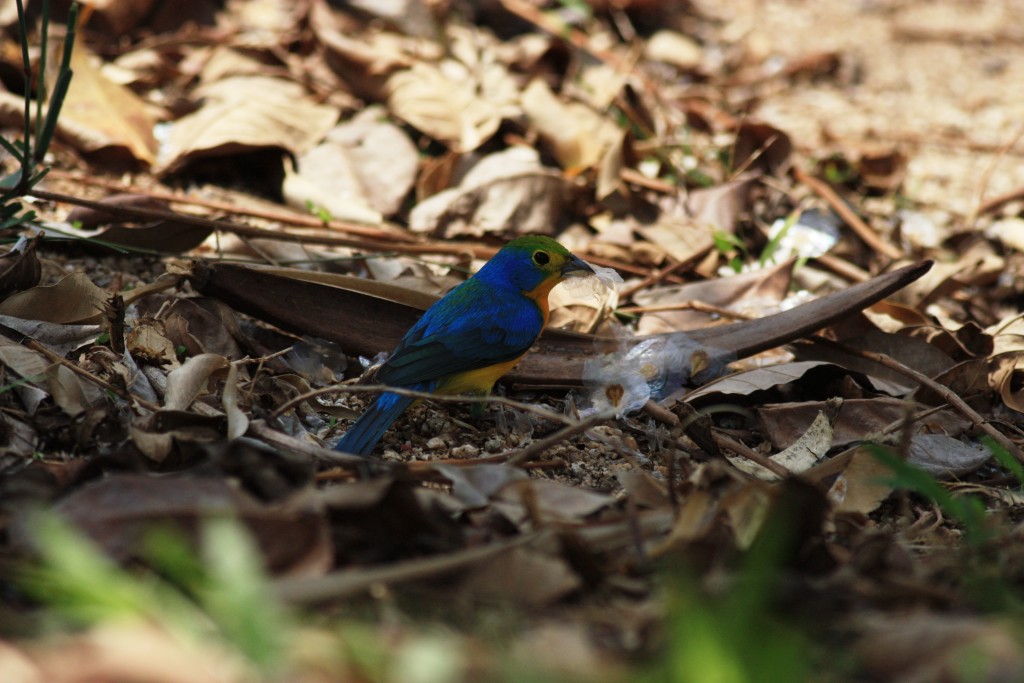
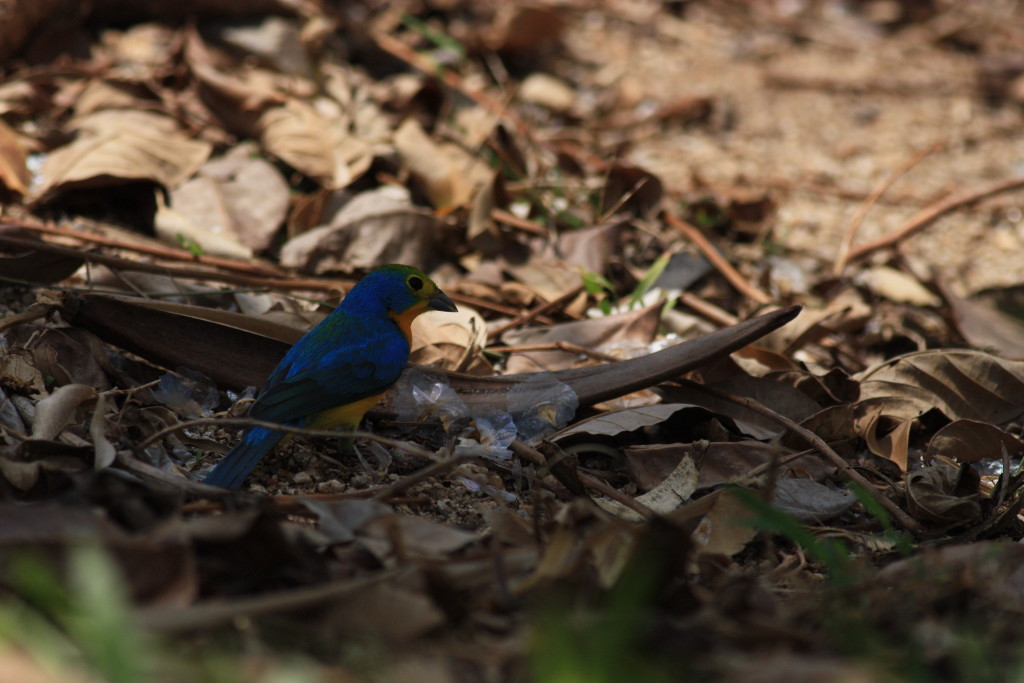
The Orange-breasted Bunting (Passerina leclancherii) is a species of bird in the Cardinalidae family.
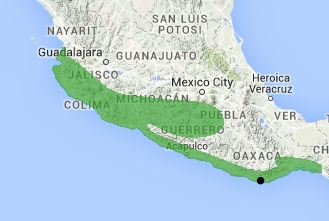
It is endemic to Mexico, where its natural habitats are subtropical or tropical dry forests and subtropical or tropical dry shrubland. It is more abundant in second growth than in undisturbed forest. We found them easily on our shore excursion in Huatulco. Oaxaca is also popular according to Xeno-canto.
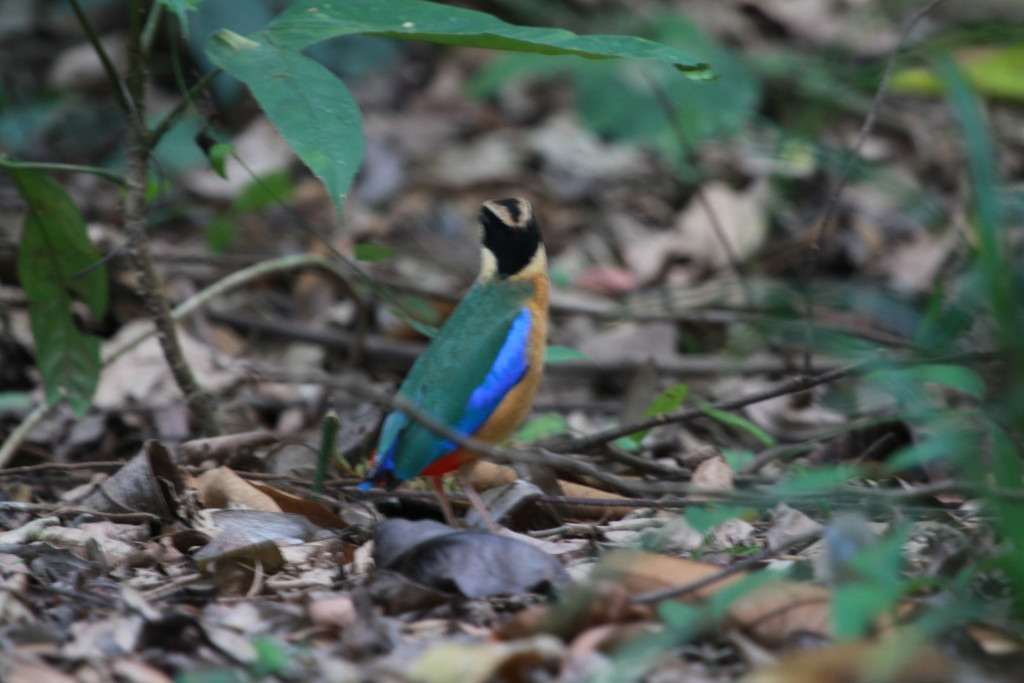
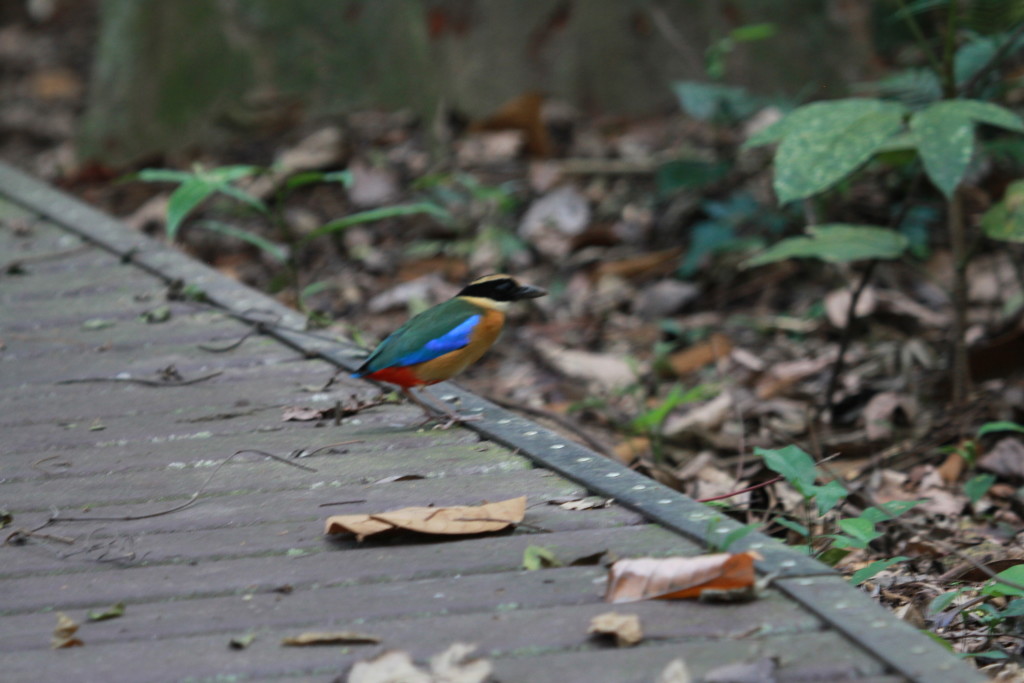
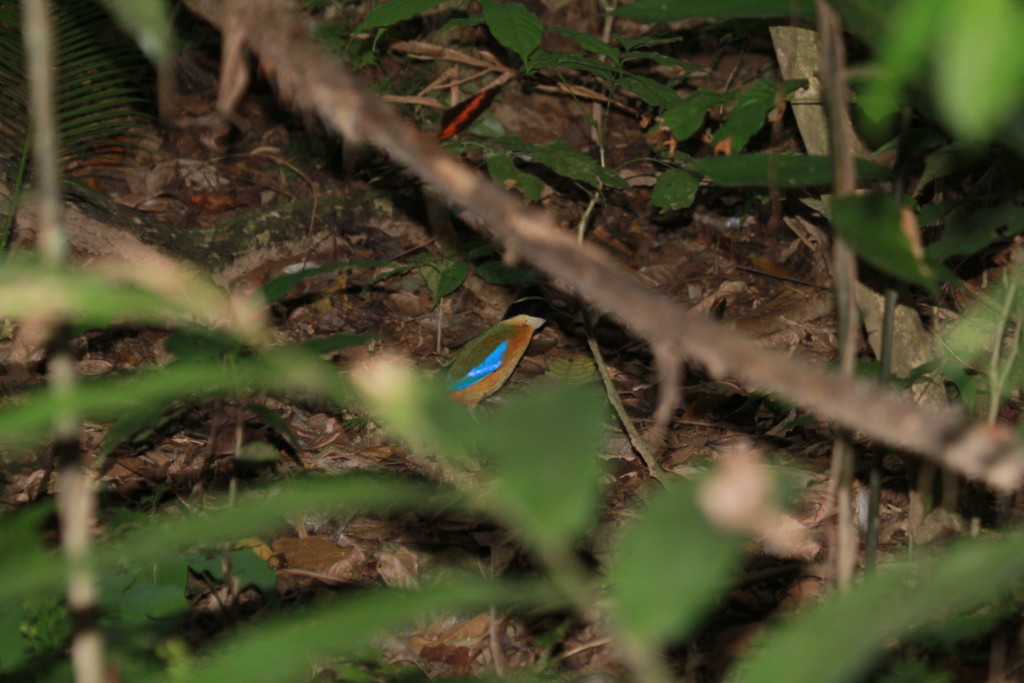
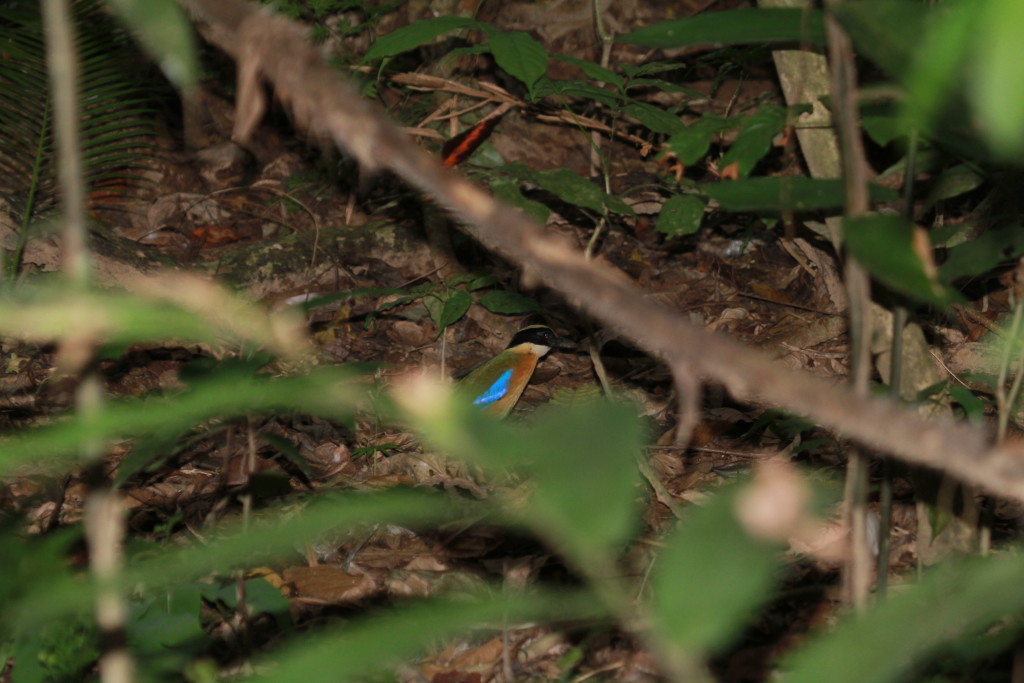
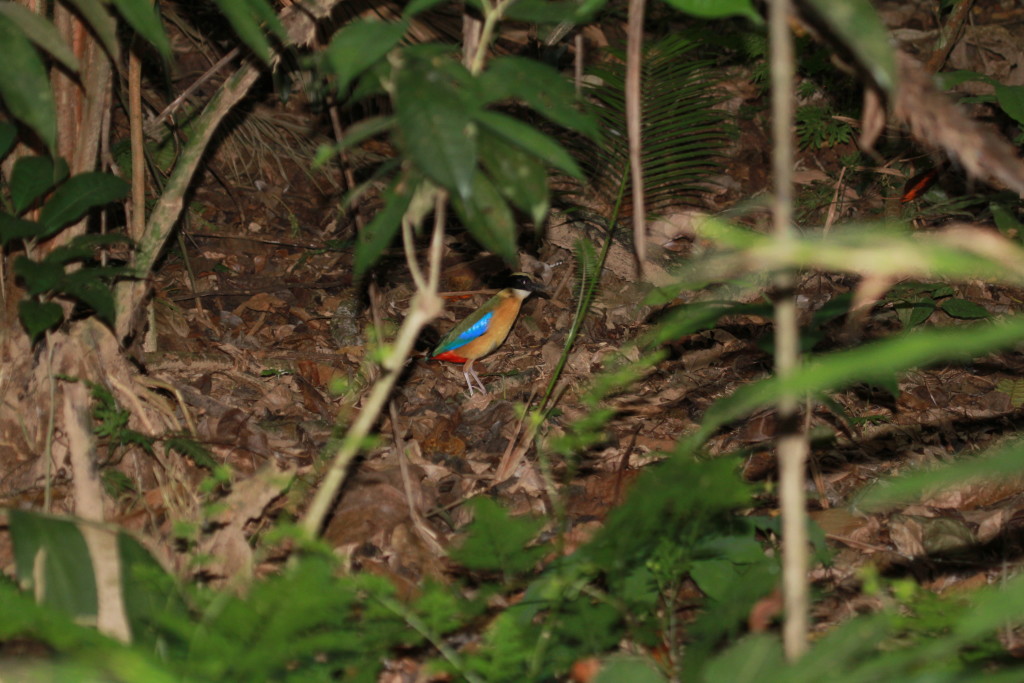
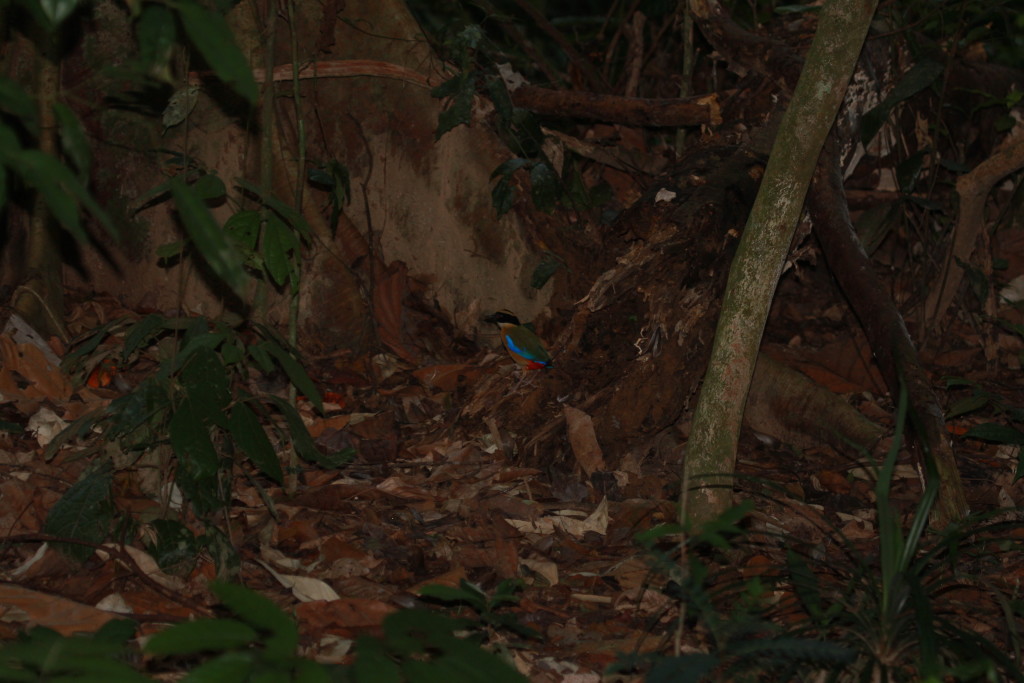
The Bue-winged Pitta (Pitta moluccensis) is a passerine bird in the family Pittidae. It is found in a variety of habitats to an altitude of 800 m (2500 ft), including broadleaved forests, parks and gardens, and mangroves, though avoids dense rainforest. I was lucky enough to see some in Taman Negara National Park, Malaysia.
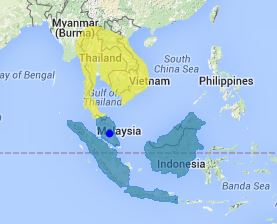
Blue-winged Pittas have a large range throughout most of South-east Asia with most sightings occurring in Malaysia and Thailand. Taman Negara (blue dot) is a good place to see them, they frequent the beginning of the footpath leading to the Canopy Walkway nearest to the Mutiara Taman Negara Hotel and can also be seen under the bungalows which are near the rainforest.
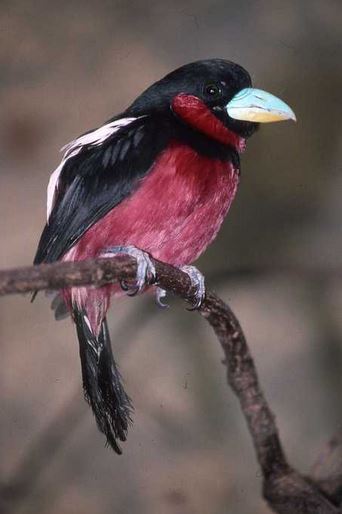
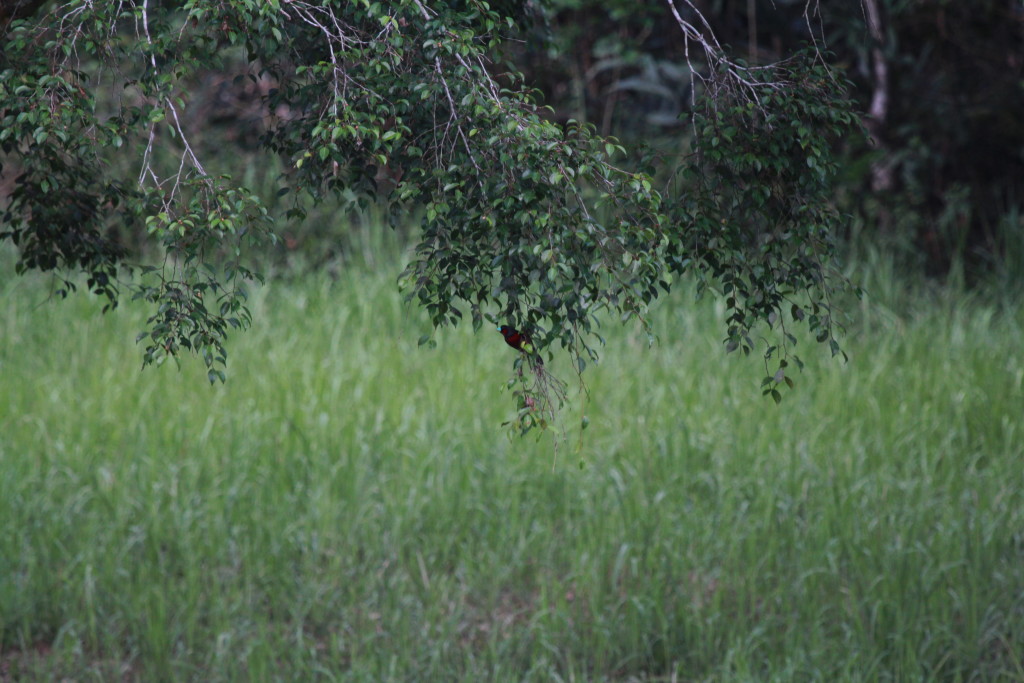
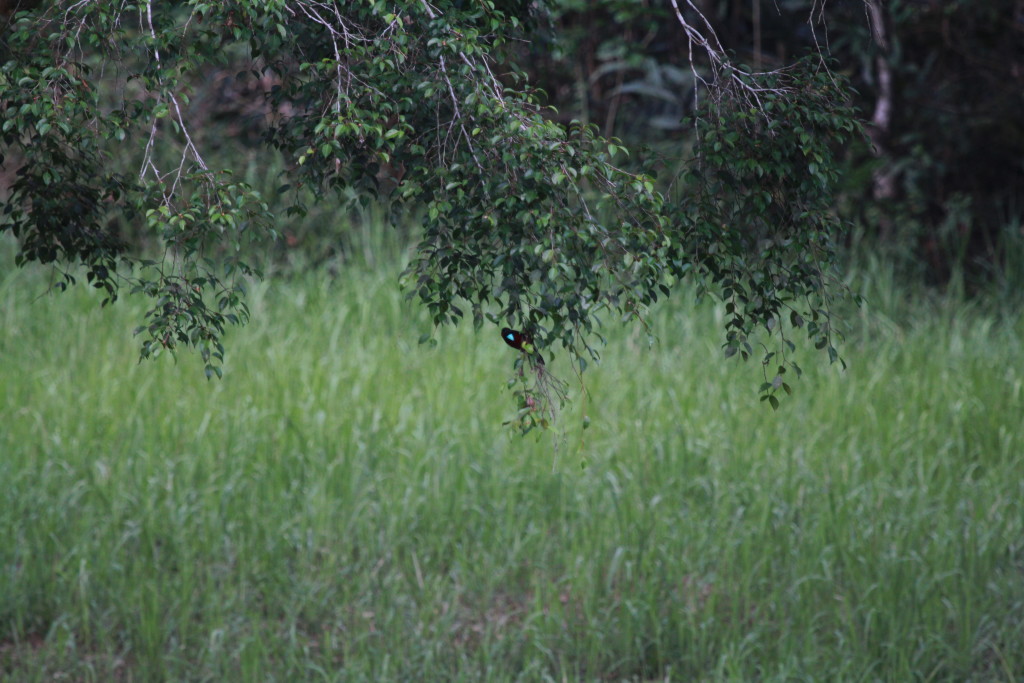
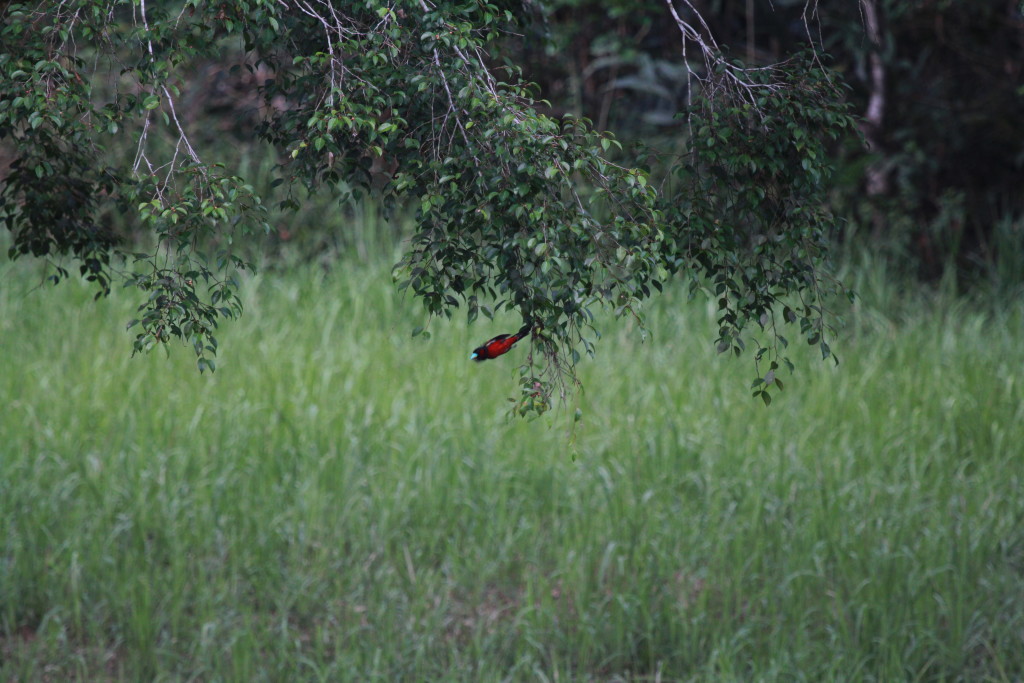
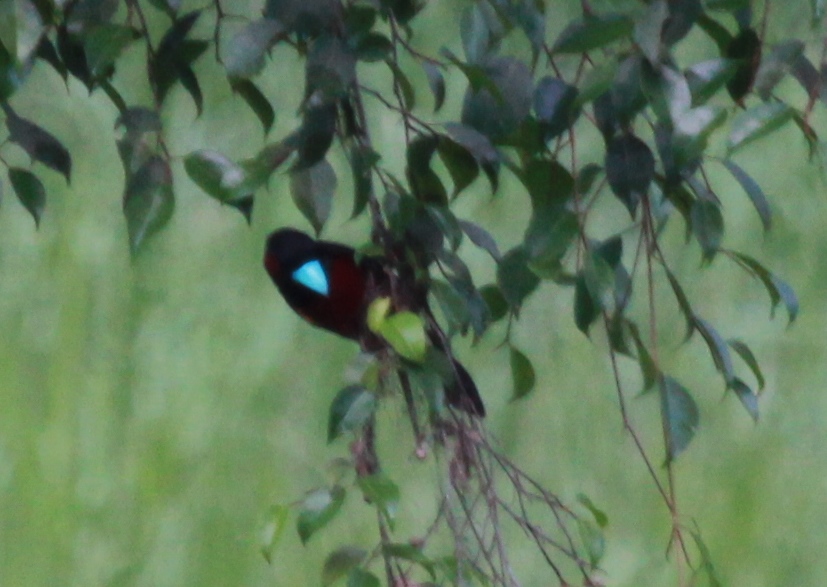
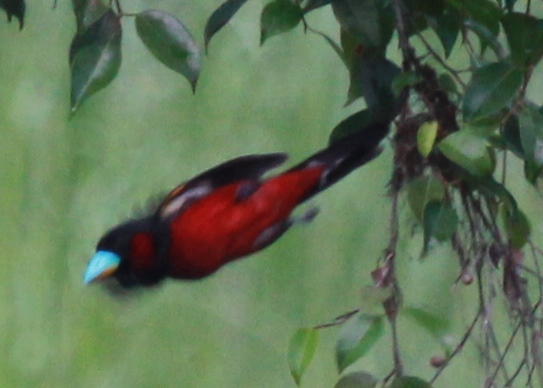
The Black-and-red Broadbill (Cymbirhynchus macrorhynchos) is a species of bird in the broadbill family. It is monotypic within the genus Cymbirhynchus. I only saw one from a distance in Taman Negara so here’s a close-up from Wikipedia.
And my photos from about 300 metres.
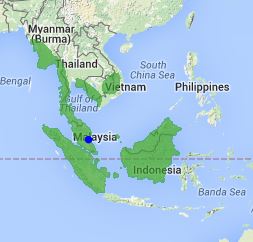
Although they are found throughout South-east Asia, much of the habitat is not easily accessible by eco-tourists. Taman Negara (blue dot) in Malaysia is very easy to get to and reliable for this species, try the Tahan Hide. Xeno-canto has other locations where this bird can be seen.
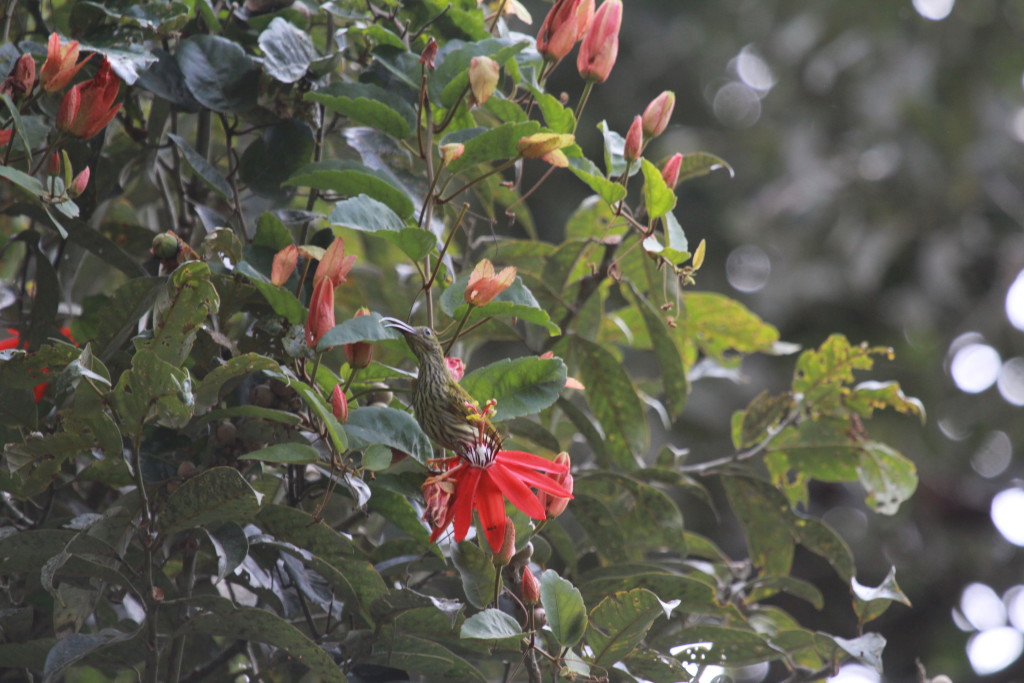
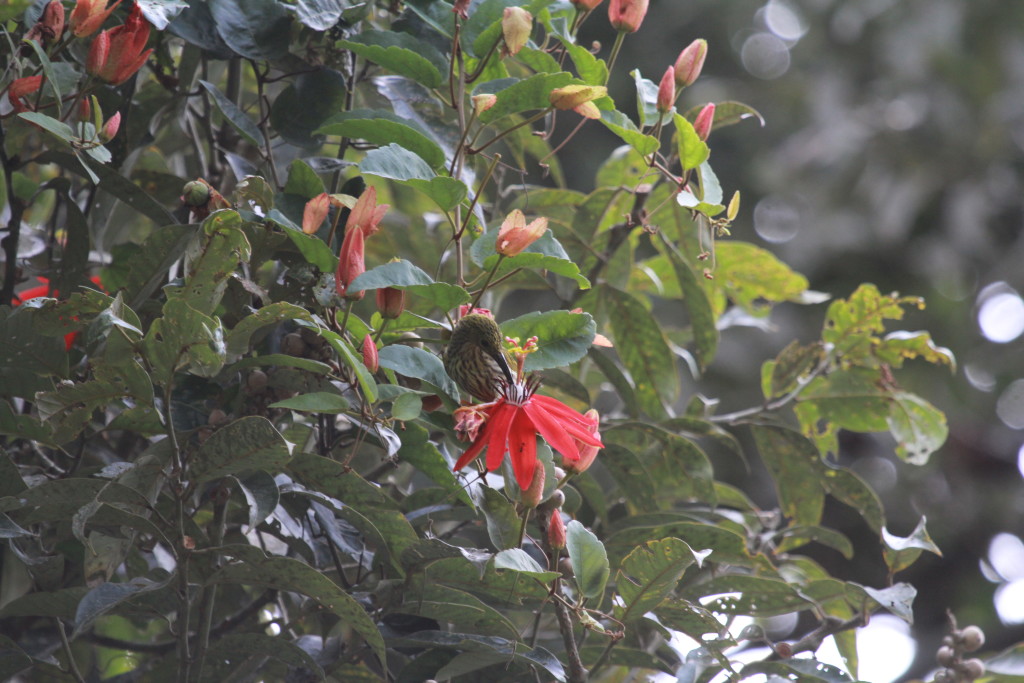
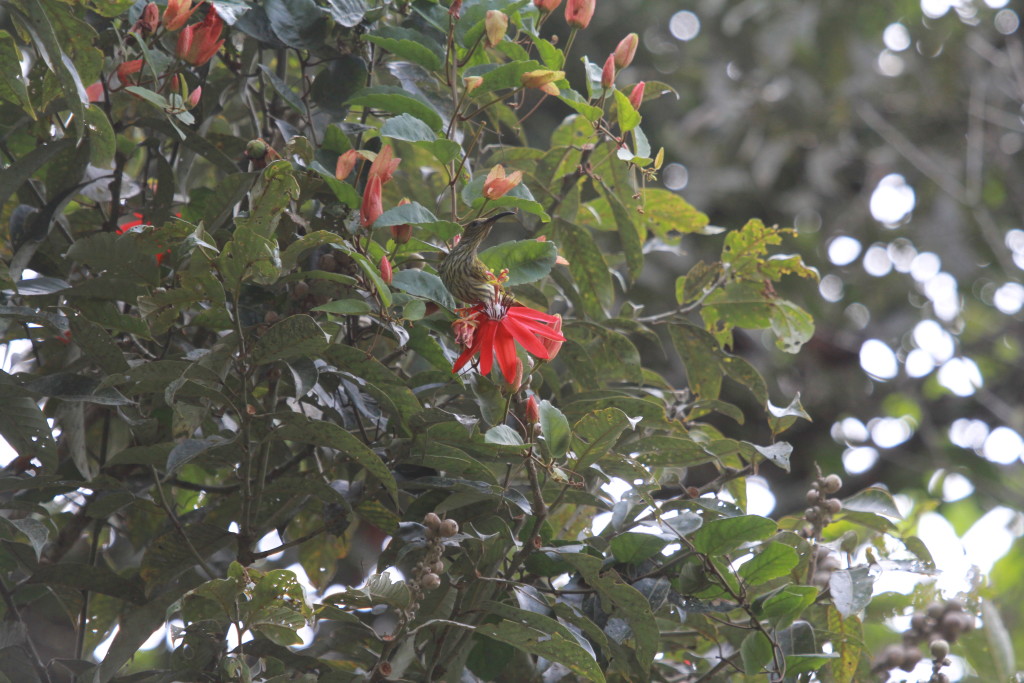
The Streaked Spiderhunter (Arachnothera magna) is a species of bird in the Nectariniidae family. Its natural habitats are subtropical or tropical moist lowland forests and subtropical or tropical moist montane forests. These photos were taken in Tan’s Camellia Garden, Cameron Highlands, Malaysia.
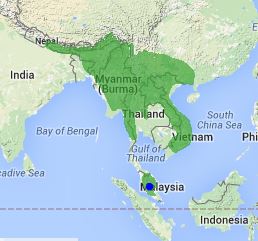
They have a very large range throughout South-east Asia so you have a good chance to spot one. The blue dot marks the Cameron Highlands in Malaysia where I saw the bird above.
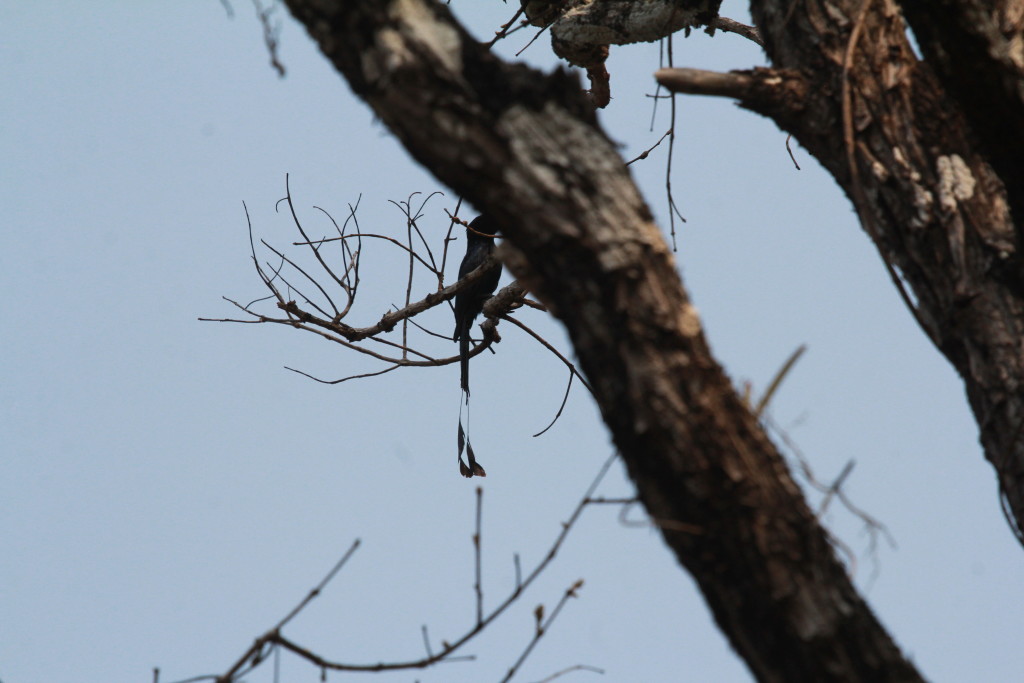
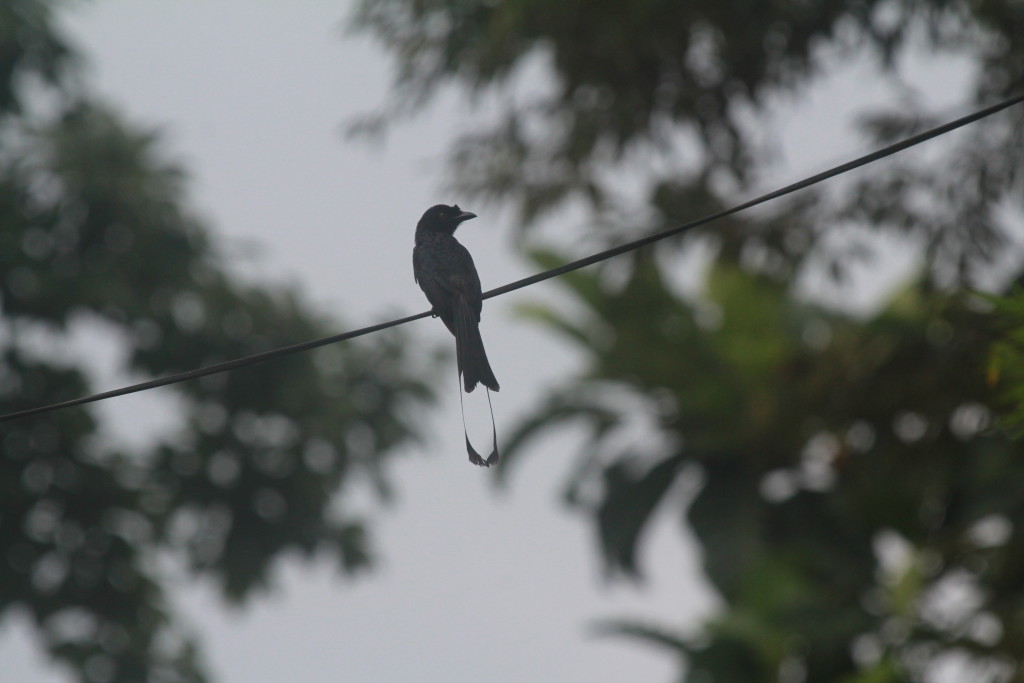
Since these two species are so similar and are found in roughly the same area, I am going to combine the profiles of the Greater & Lesser Racket-tailed Drongo (Dicrurus paradiseus & Dicrurus remifer). You can tell them apart by the size of the bird, the crest on the Greater RTD and the shape of the tails. The Greater has a fork shaped tail and the Lesser’s tail is more of a wedge shape.
This is a Lesser Racket-tailed Drongo from Mae Ping NP in Thailand with the smooth head and wedge-shaped tail.
Here is a Greater Racket-tailed Drongo with the forked tail in Taiping.
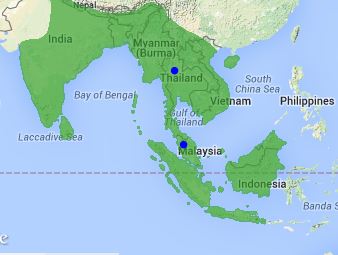
Both birds have a large, varied range in South-east Asia with the Greater having a larger distribution including India than the Lesser. I saw both birds in northern Thailand, in Doi Inthanon and Mae Ping, also in Taiping and Taman Negara in Malaysia.
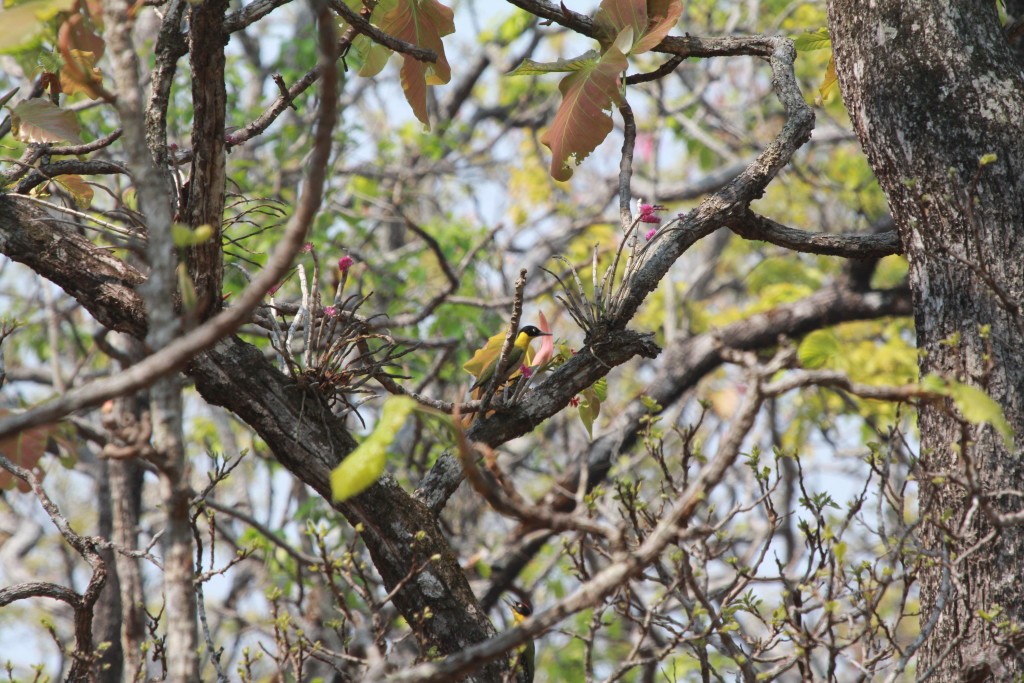
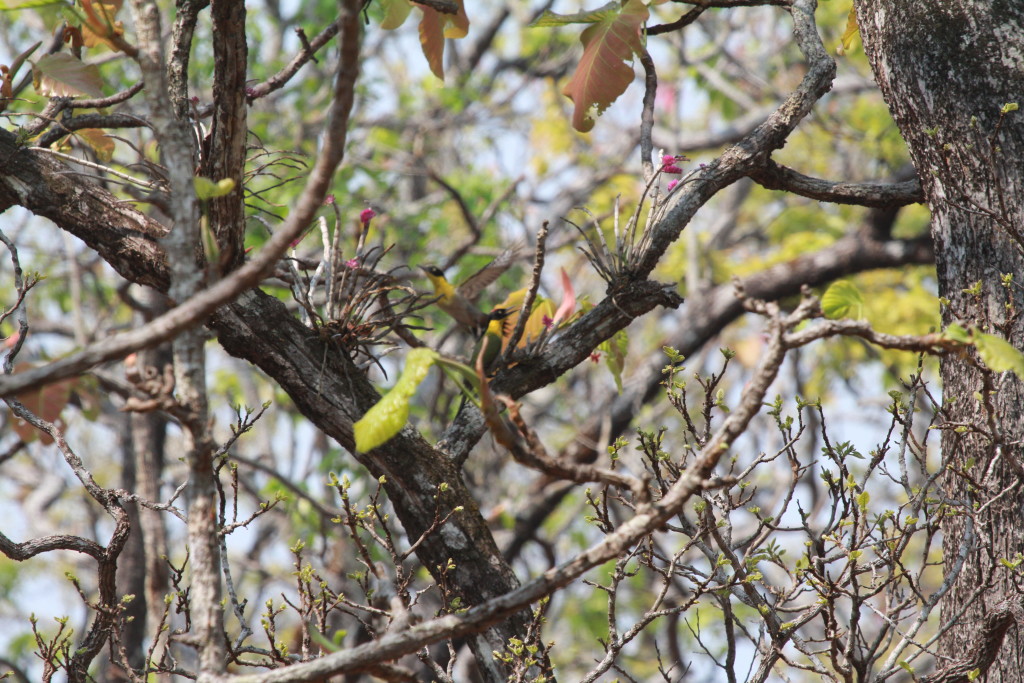
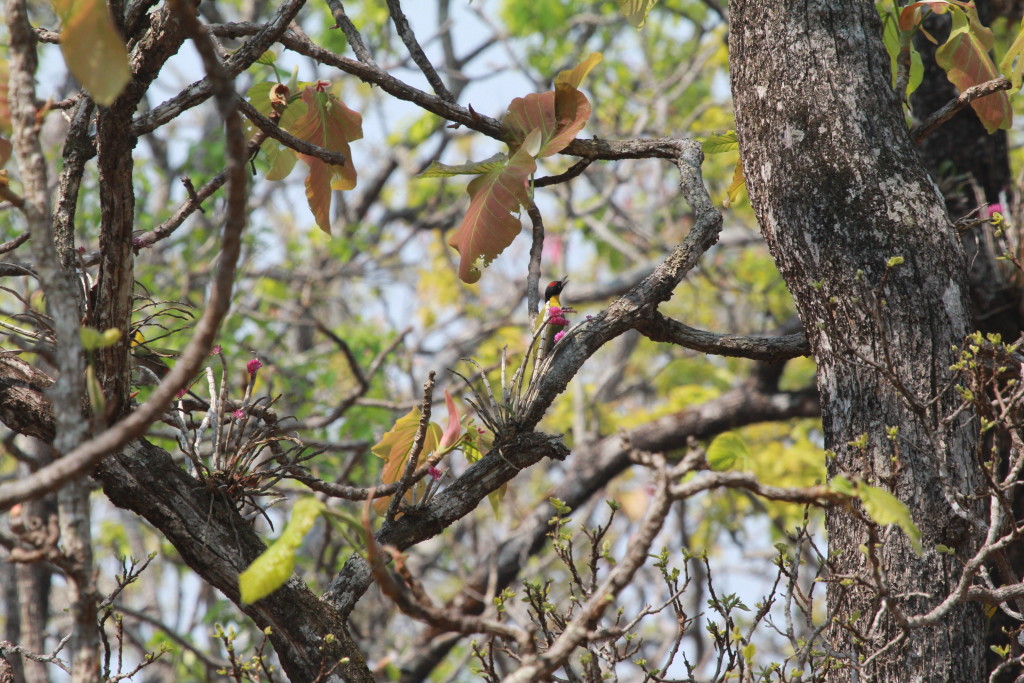
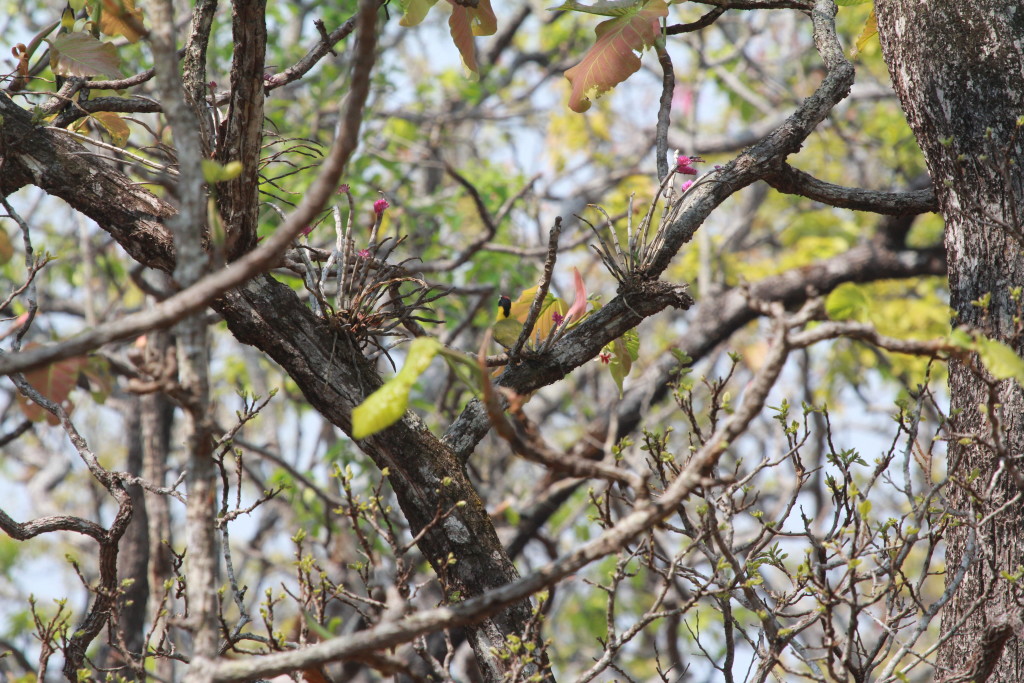
The Black-headed Woodpecker (Picus erythropygius) is a species of bird in the Picidae family. This was as close as I could get when we were in Mae Ping. There are much better shots on the links below.
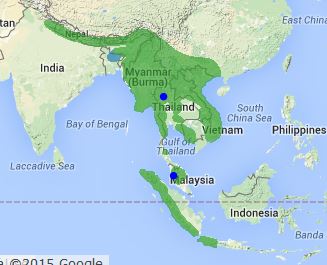
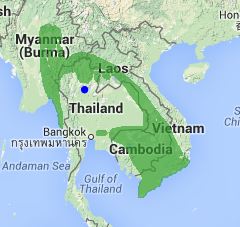
They are found in Cambodia, Laos, Myanmar, Thailand, and Vietnam. Thailand is by far the easiest place to visit logistically and Mae Ping NP (blue dot) has a good population.
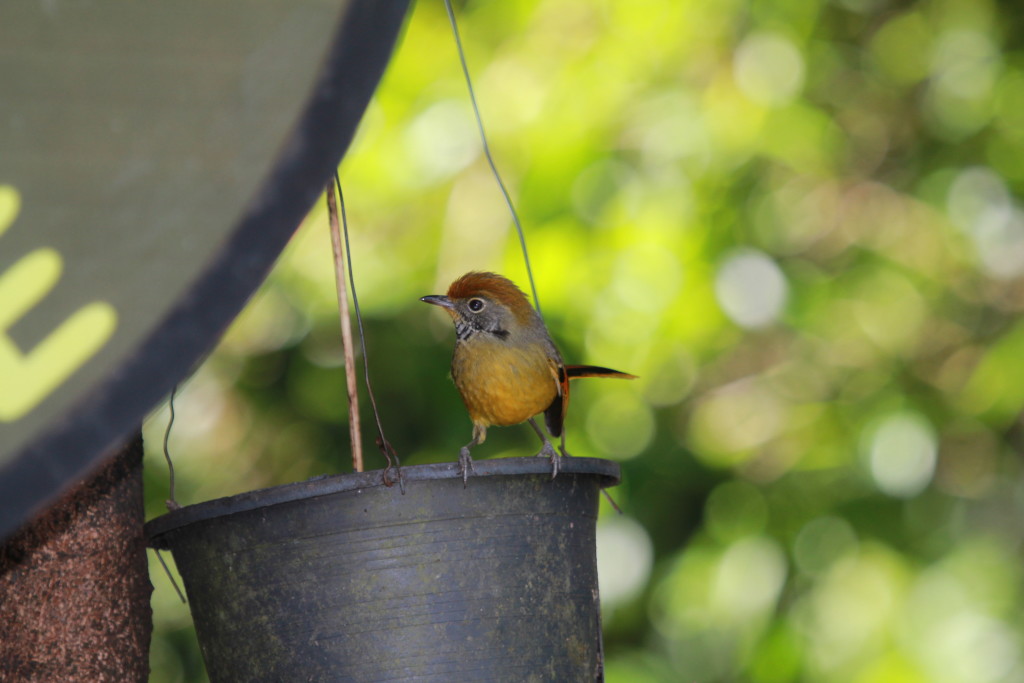
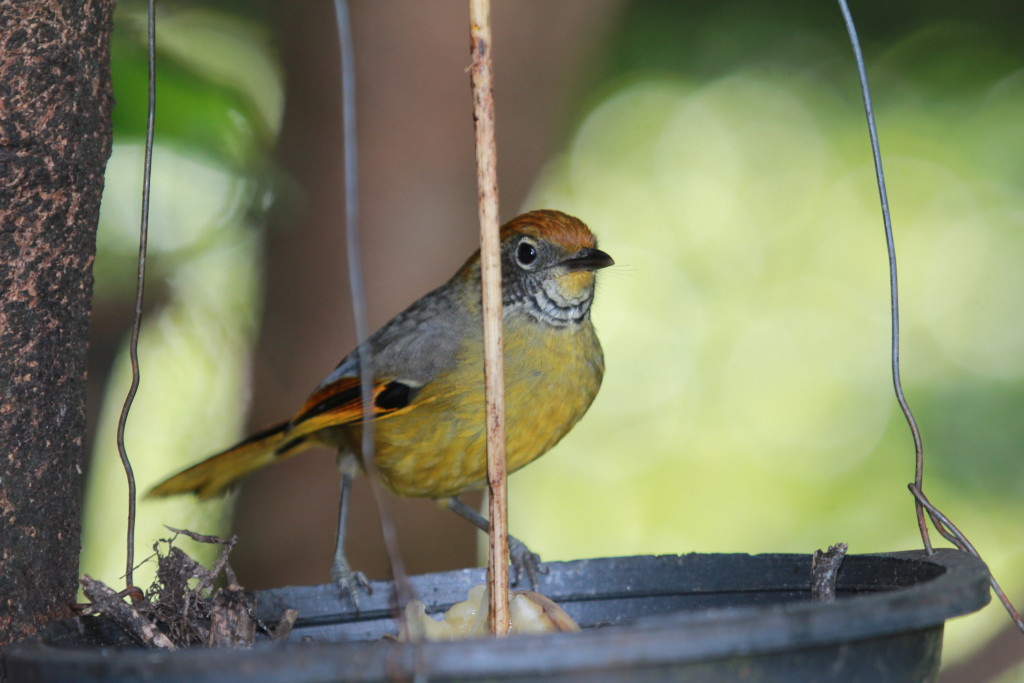
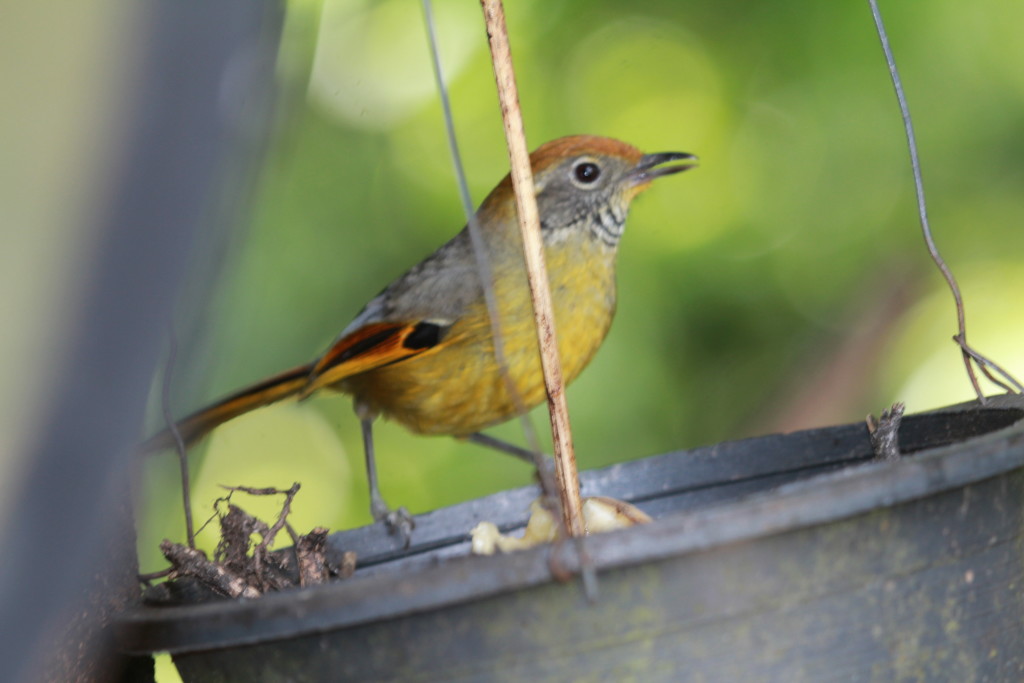
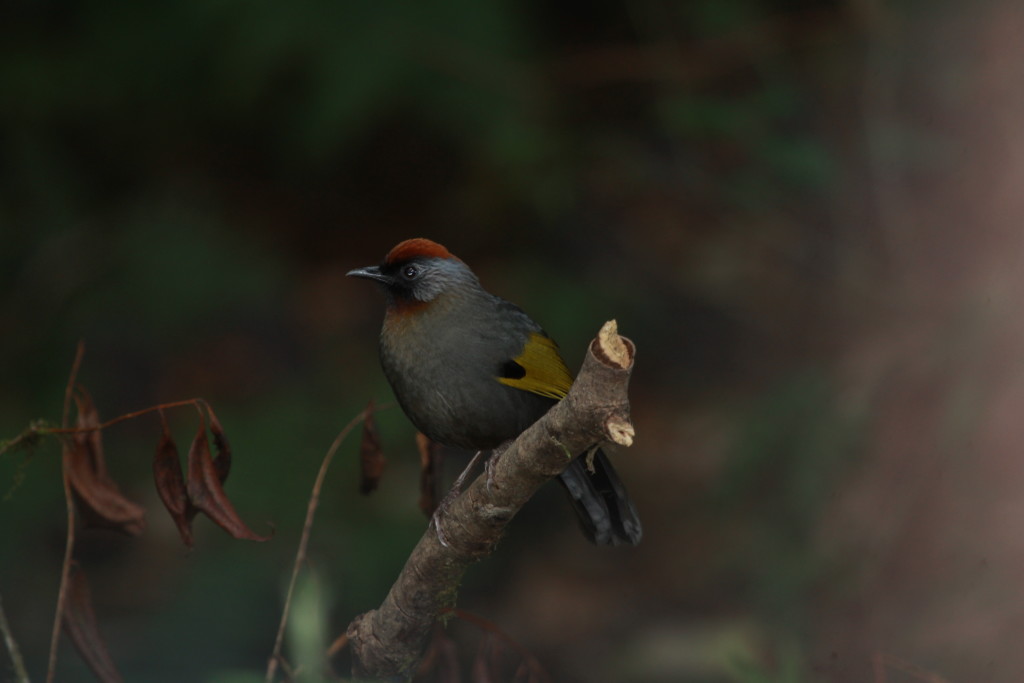
The Bar-throated Minla or Chestnut-tailed Minla (Minla strigula), is a species of bird in the family Leiothrichidae. It has traditionally been placed in the genus Minla.
They have a large range spanning most of South-east Asia. I took the photos above at the Visitor’s Centre at the Summit of Doi Inthanon (blue dot) where they are very easily seen.
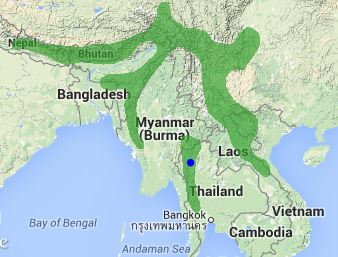
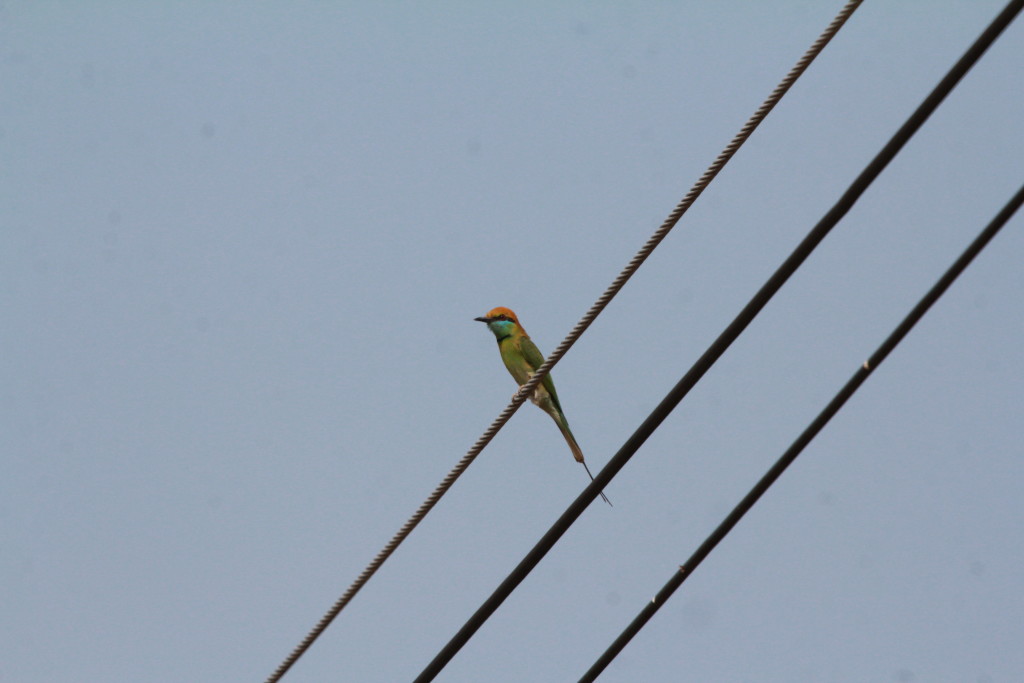
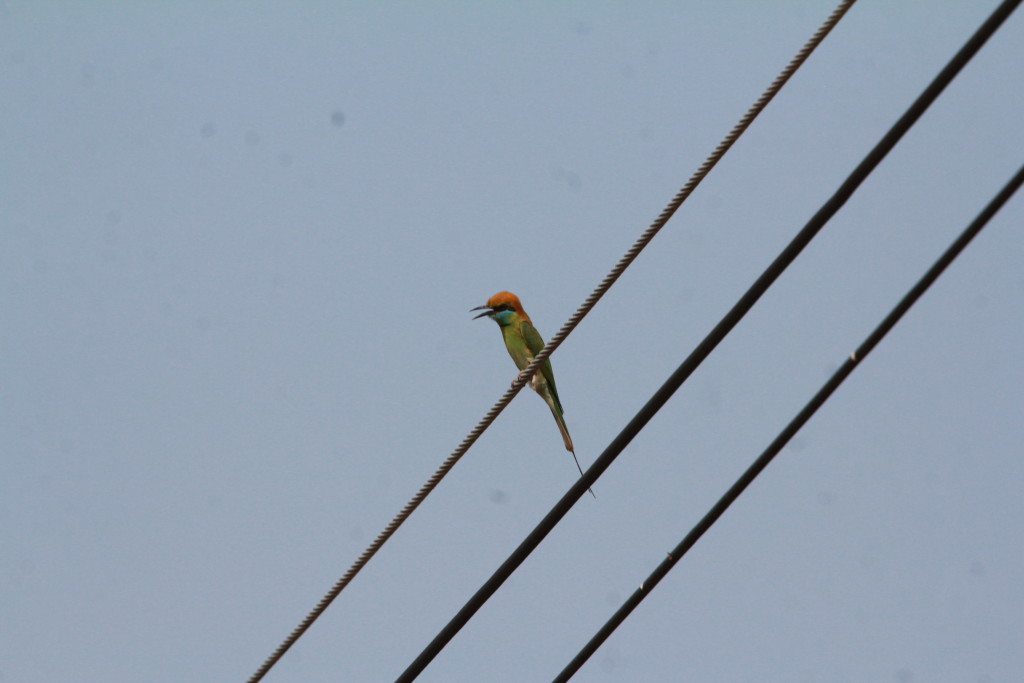
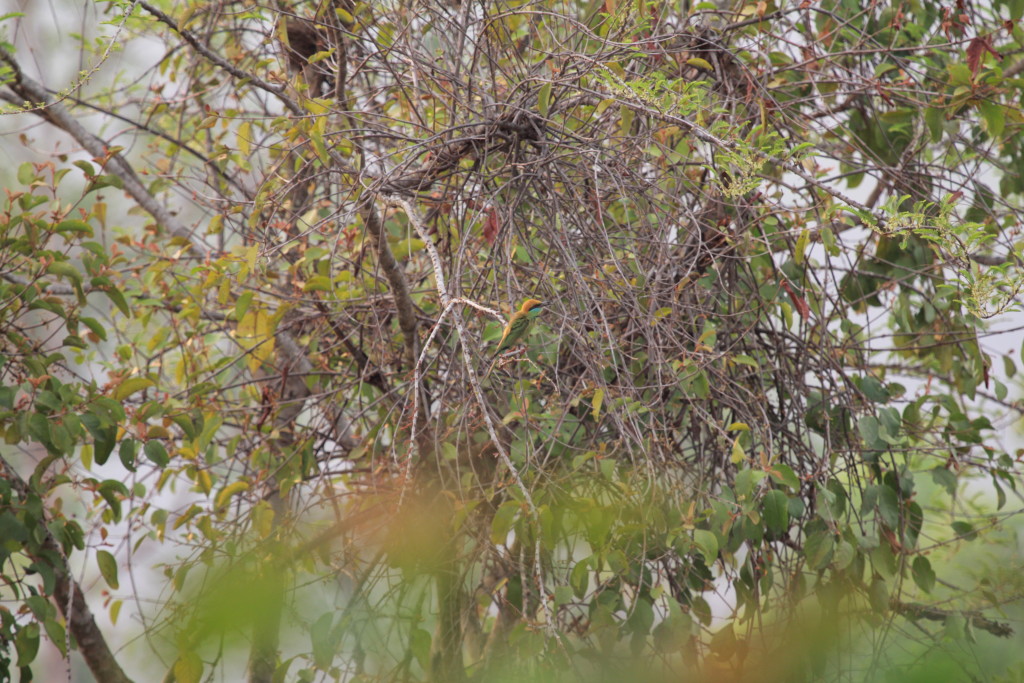
The Green Bee-eater (Merops orientalis) (sometimes little green bee-eater) is a near passerine bird in the bee-eater family. It is resident but prone to seasonal movements and is found widely distributed across sub-Saharan Africa from Senegal and the Gambia to Ethiopia, the Nile valley, western Arabia and Asia through India to Vietnam. They are mainly insect eaters and they are found in grassland, thin scrub and forest often quite far from water. Several regional plumage variations are known and several subspecies have been named.
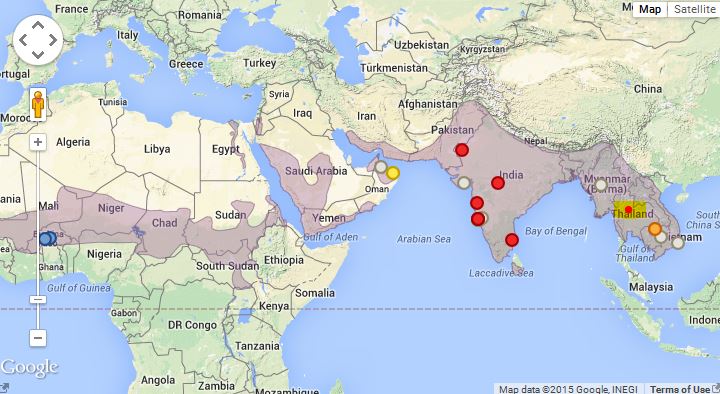
They actually have a huge range that spans Africa and Asia. Details of recent sightings are on Xeno-canto. The red dot in Thailand shows the location in which my photos were taken.
I’ll be blogging about these guys when I get to the Queensland section of my trip in March 2014, but for now, enjoy the courtship of these Satin Bowerbirds.
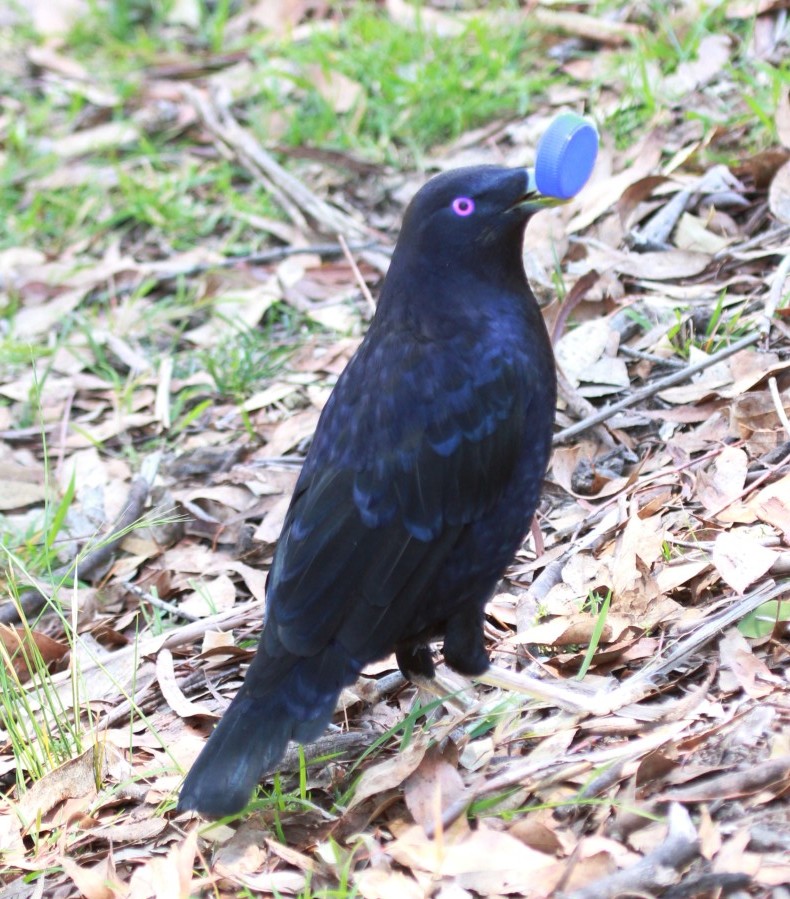
The BBC brings us this list of stunning birds who really know how to impress the chicks! I’ve only seen one in person, the Satin Bowerbird in Girraween NP. He was quite happy to take a blue bottle cap to impress his paramour! With those brilliant purple eyes, he’s pretty impressive already!
Check out the full list and see how many YOU have seen!