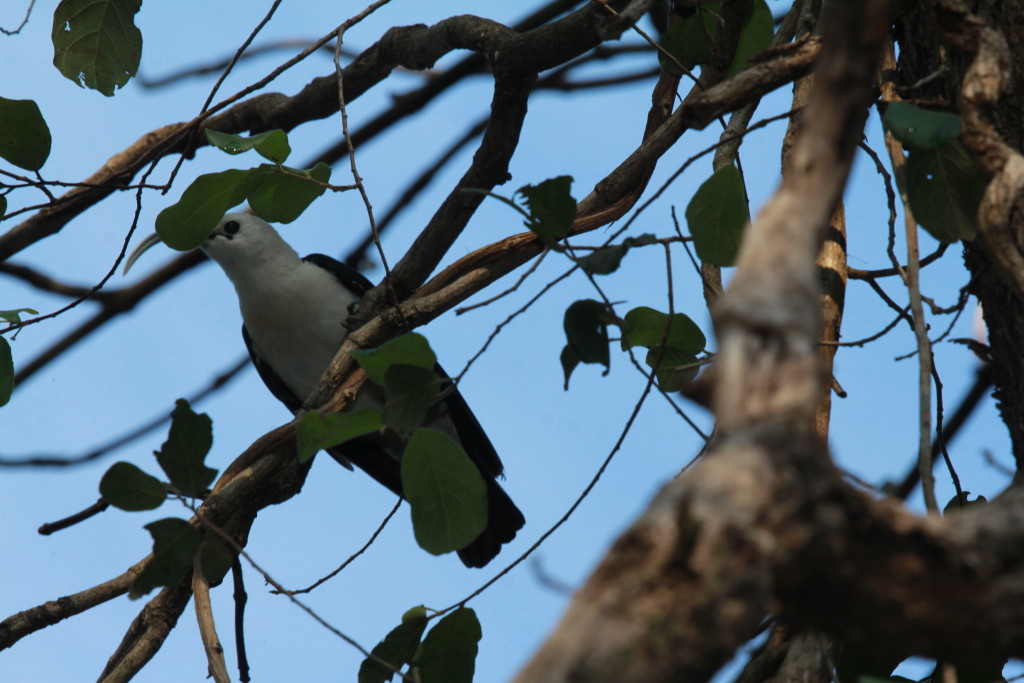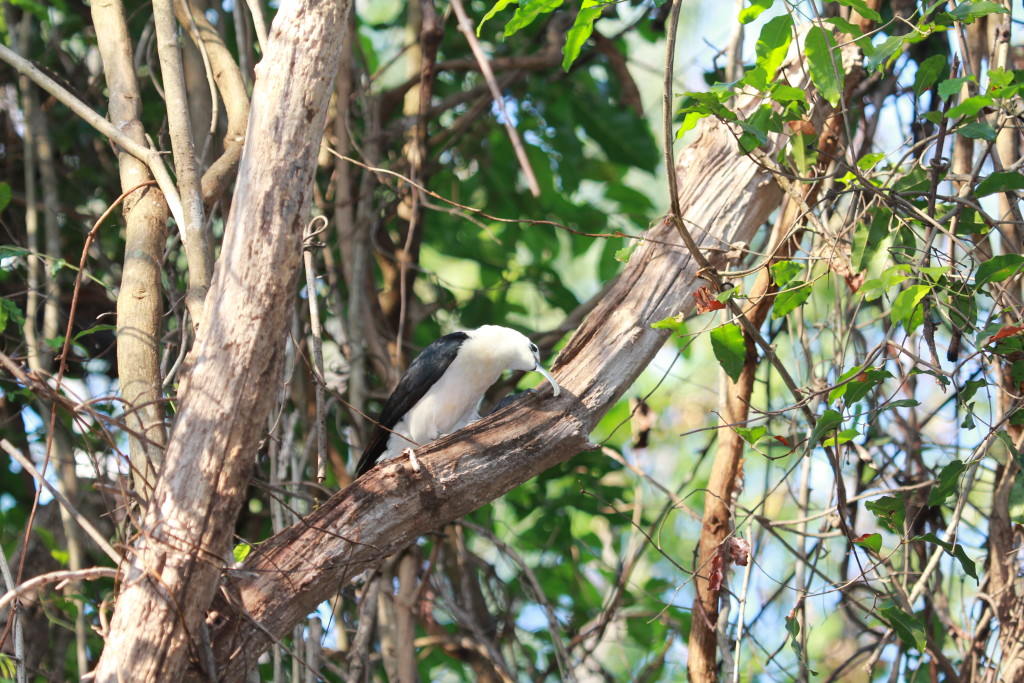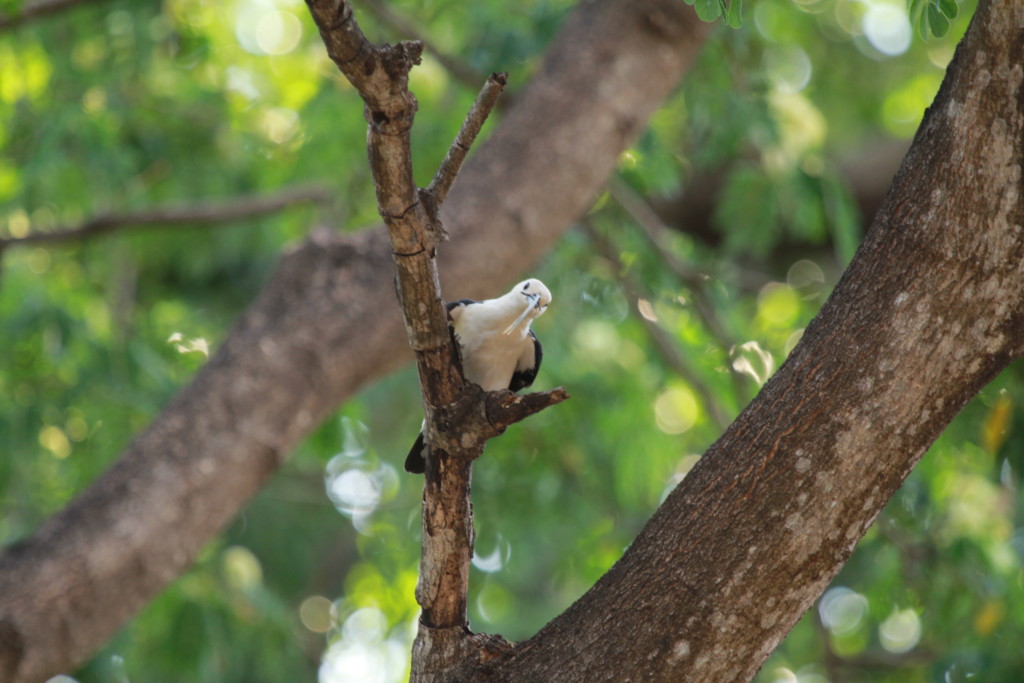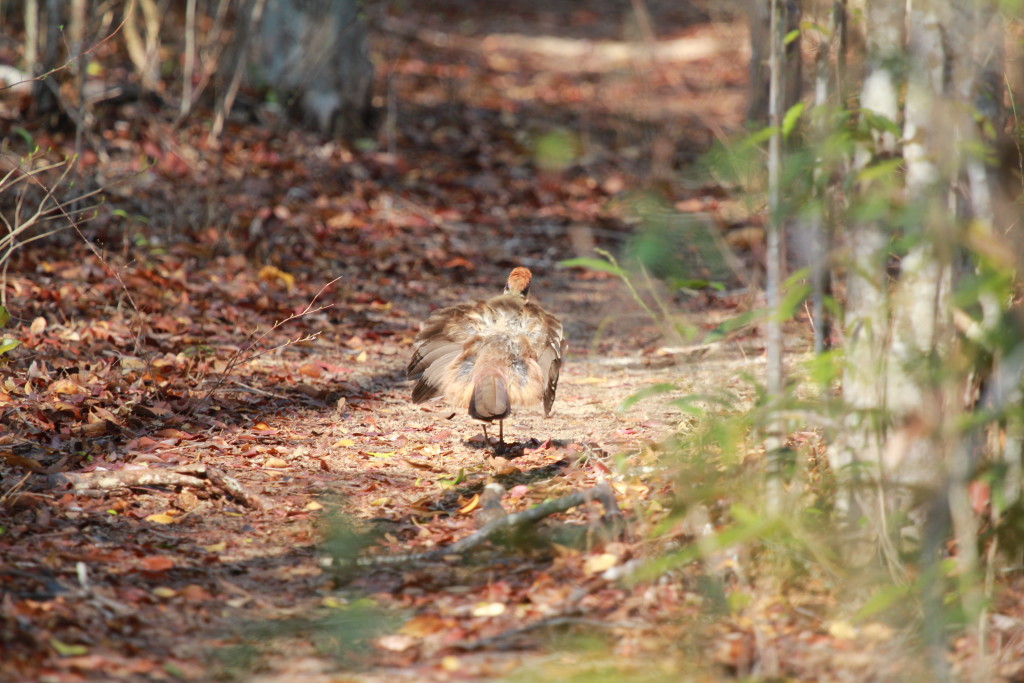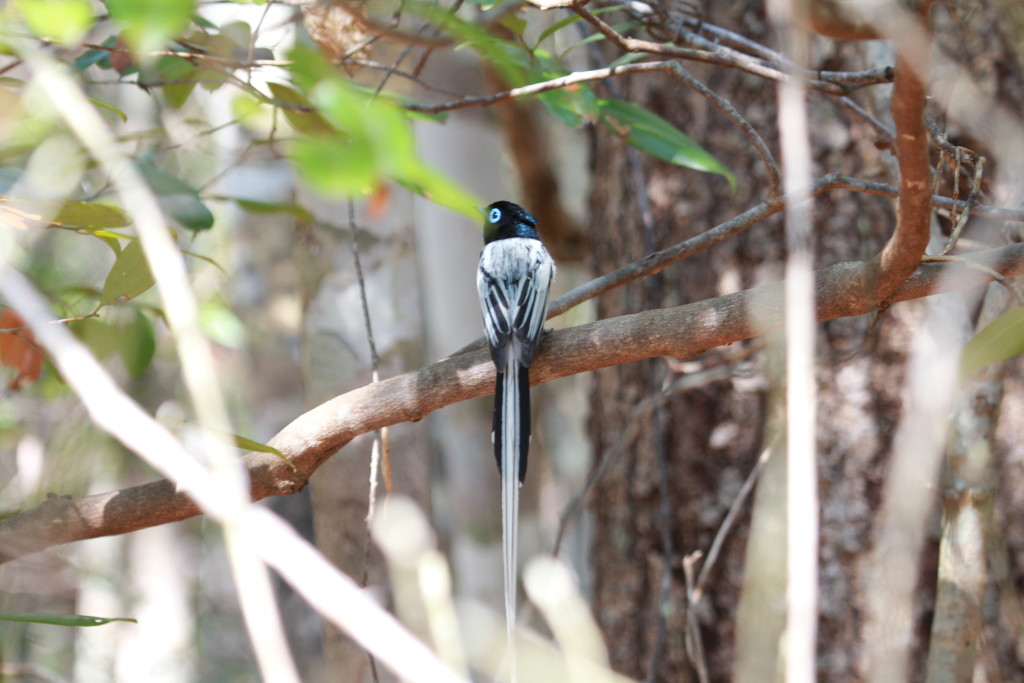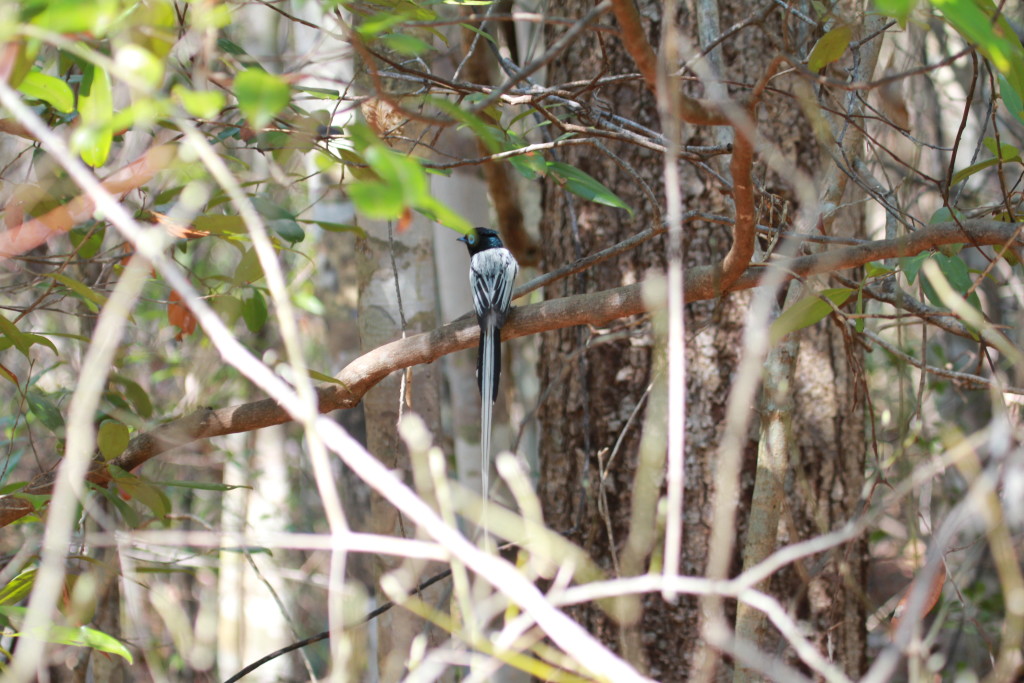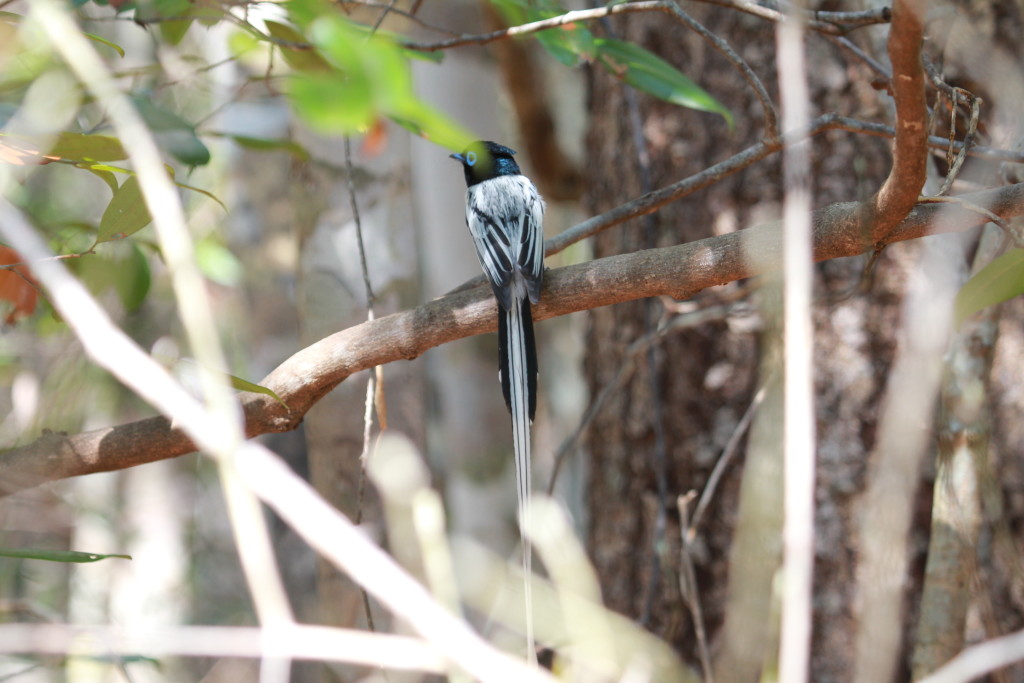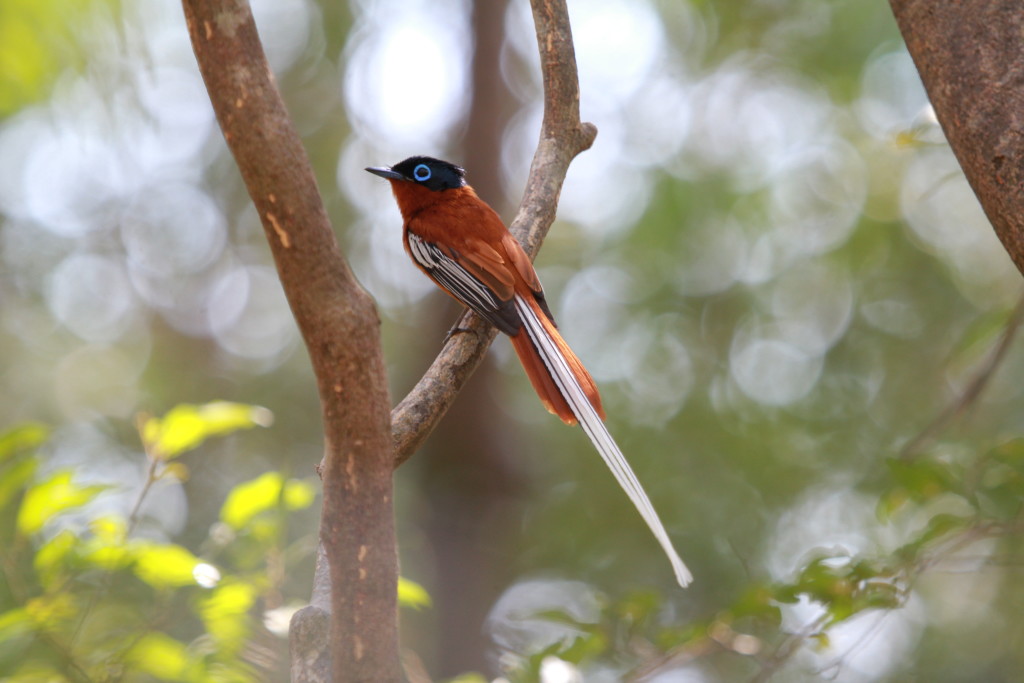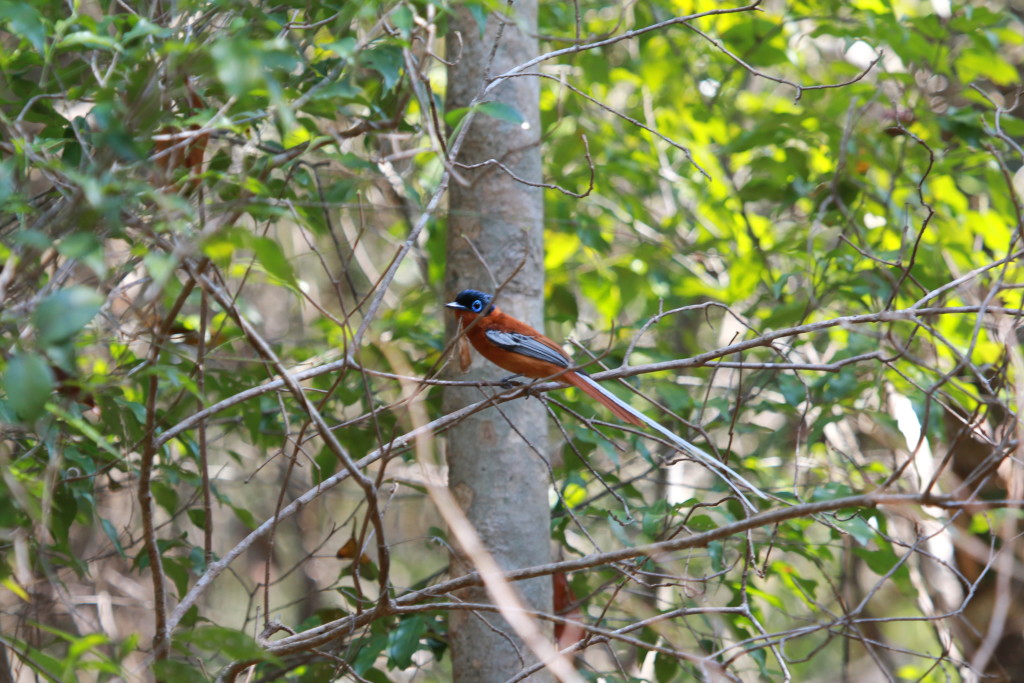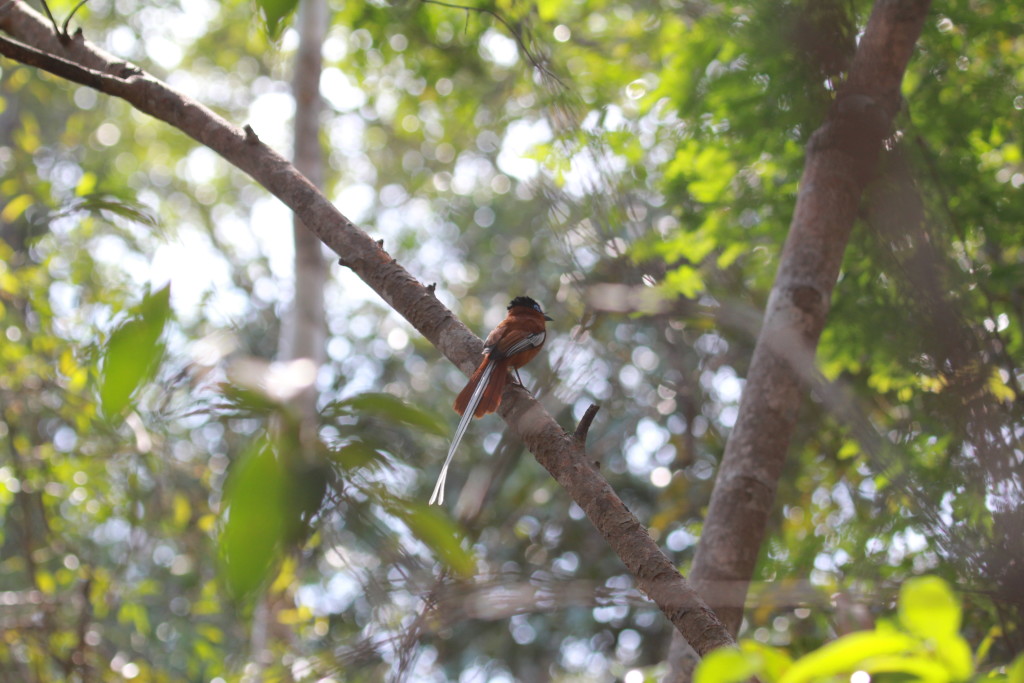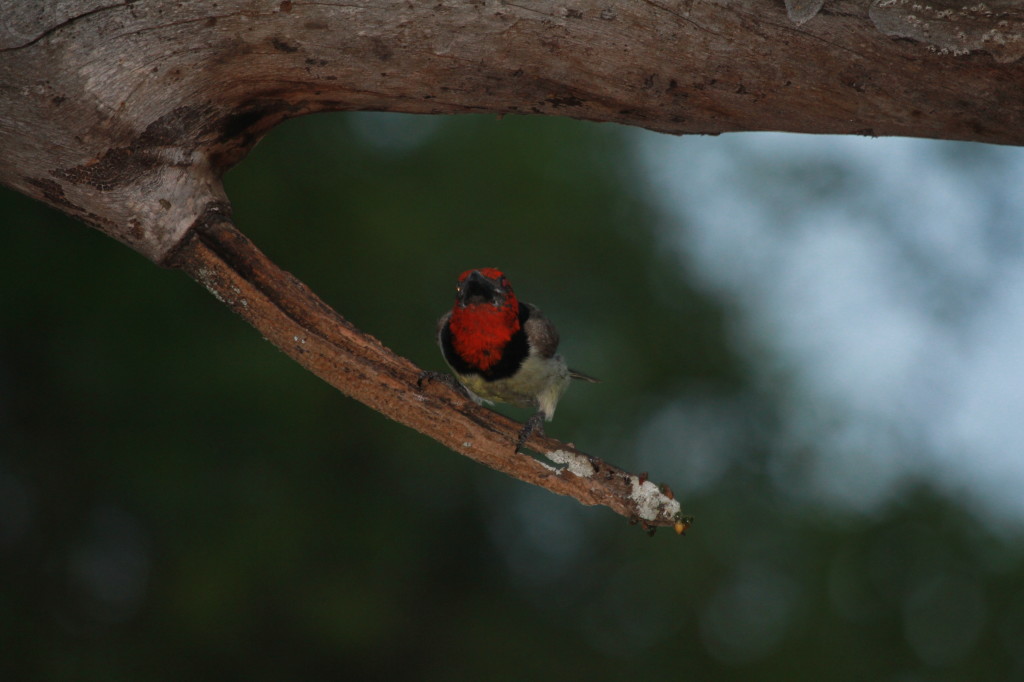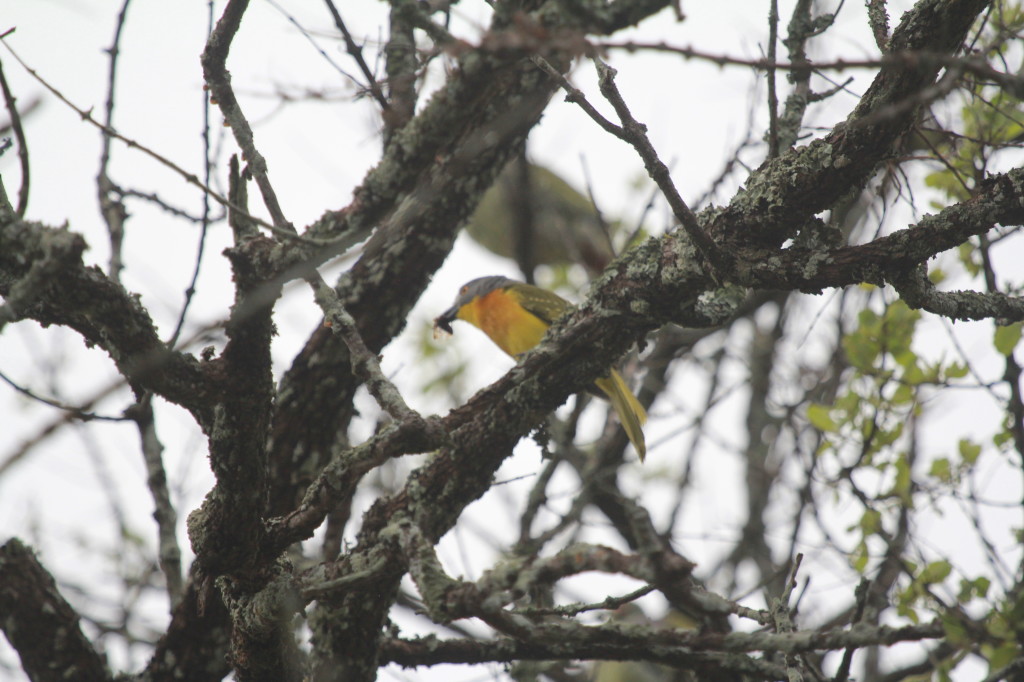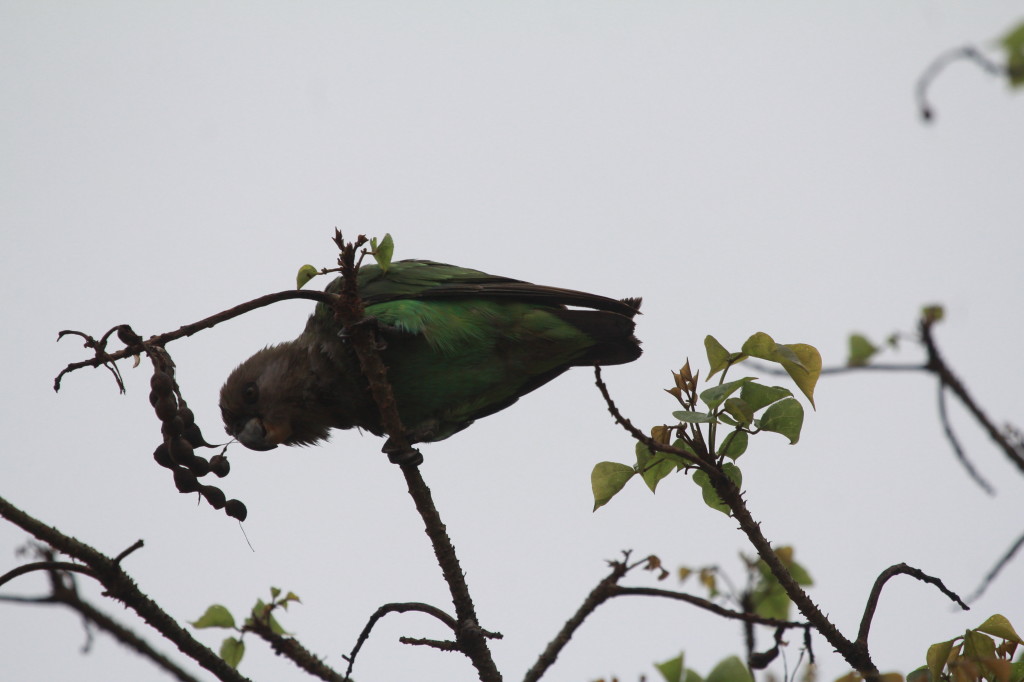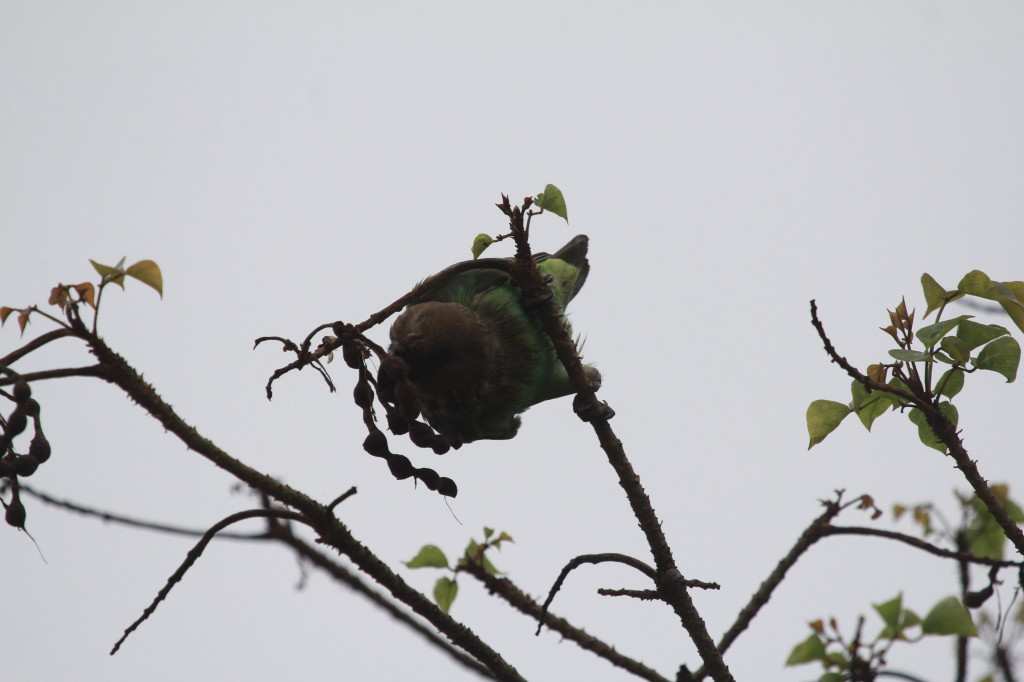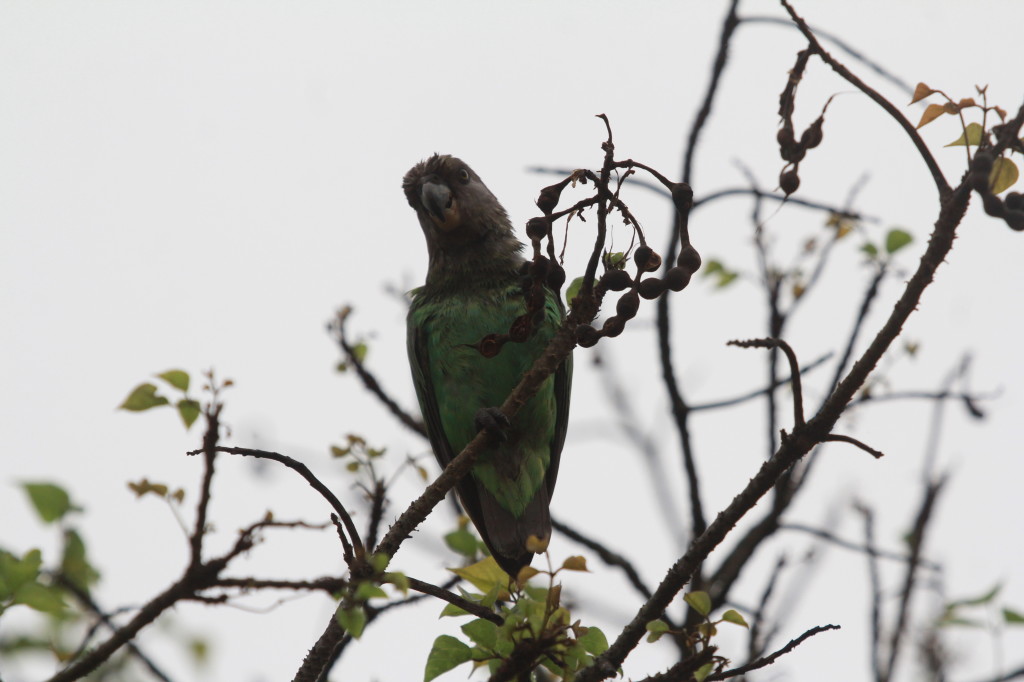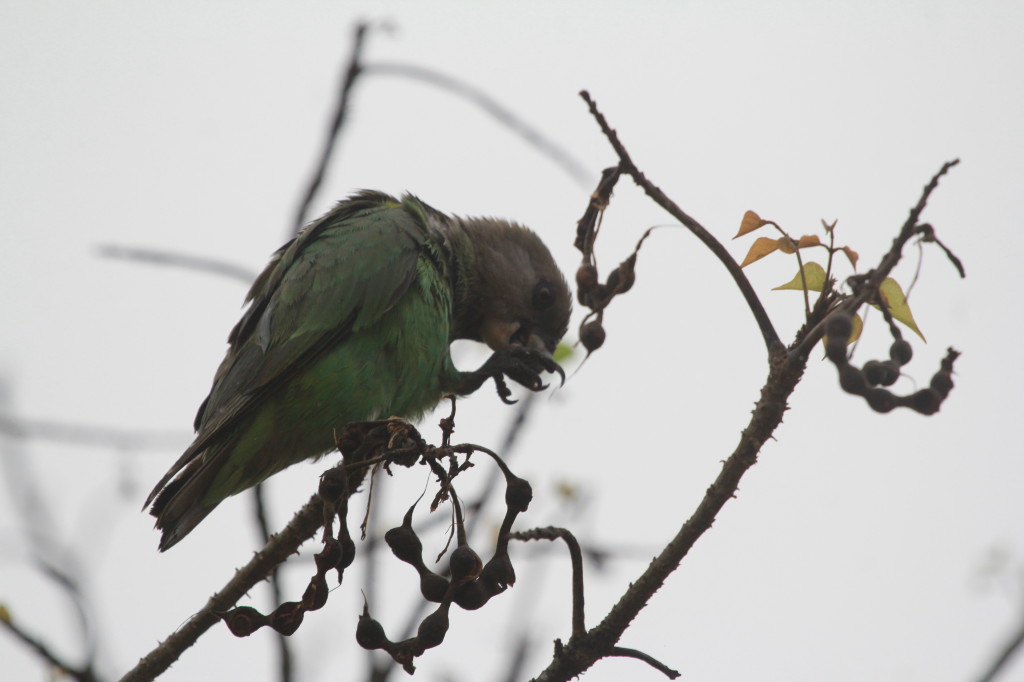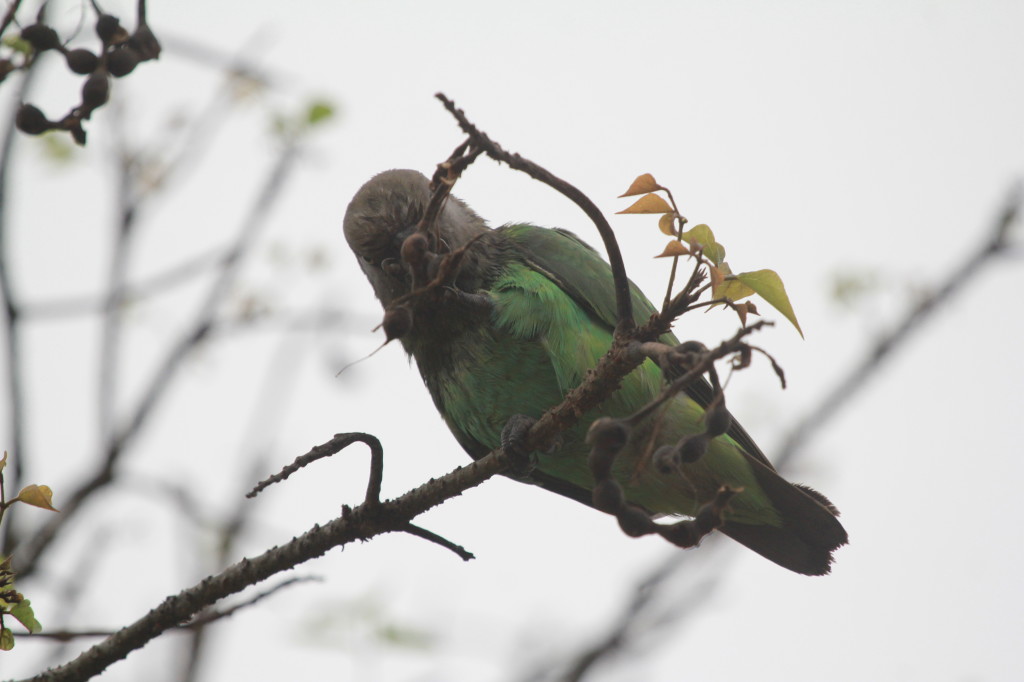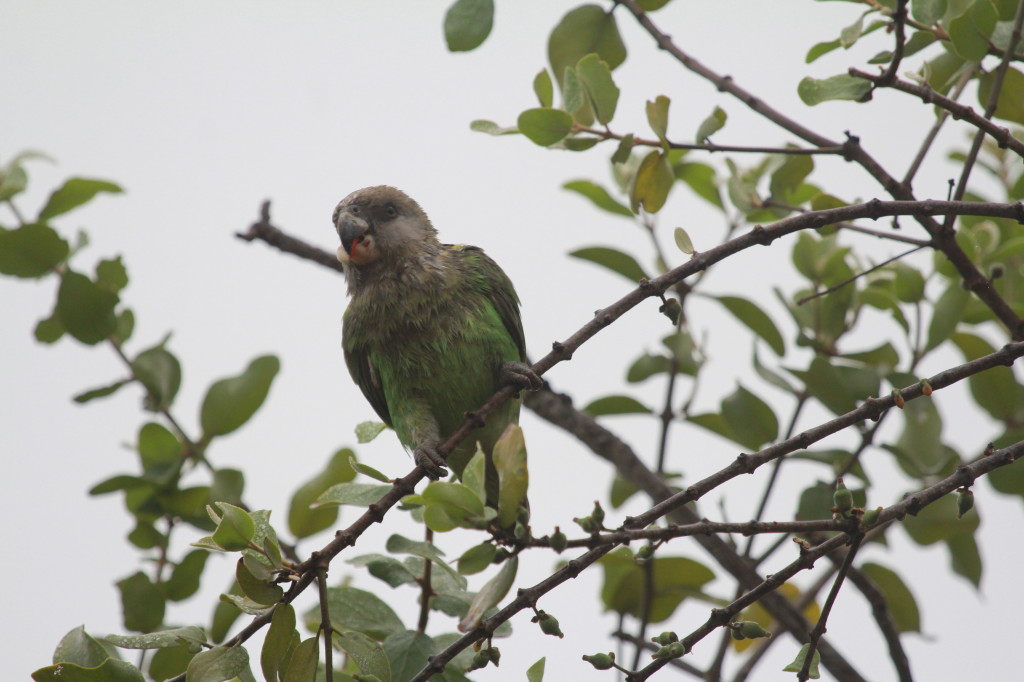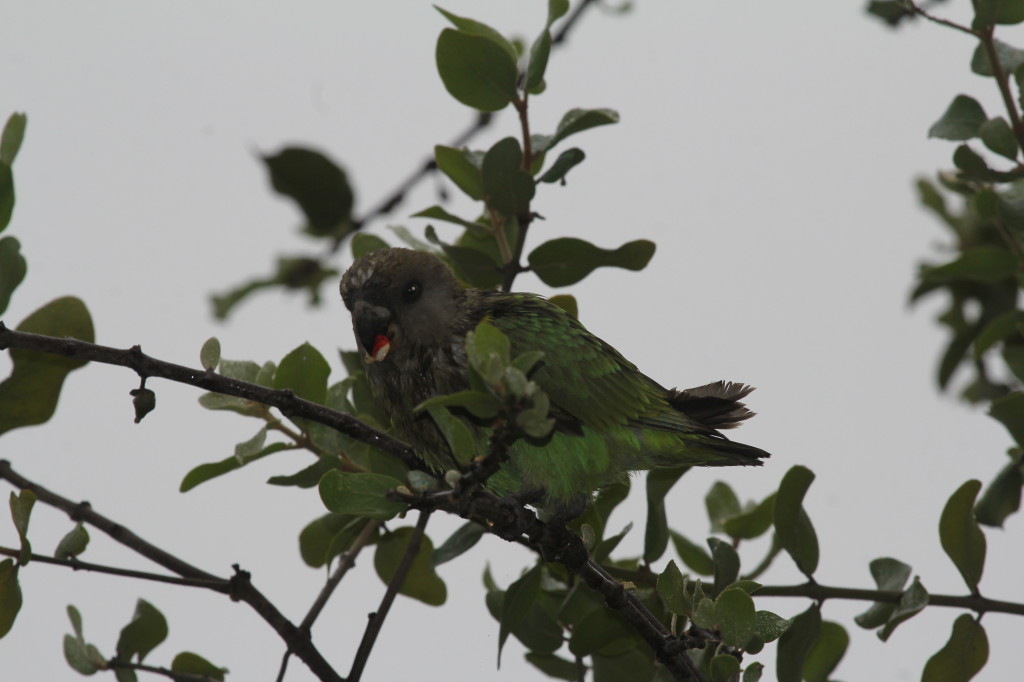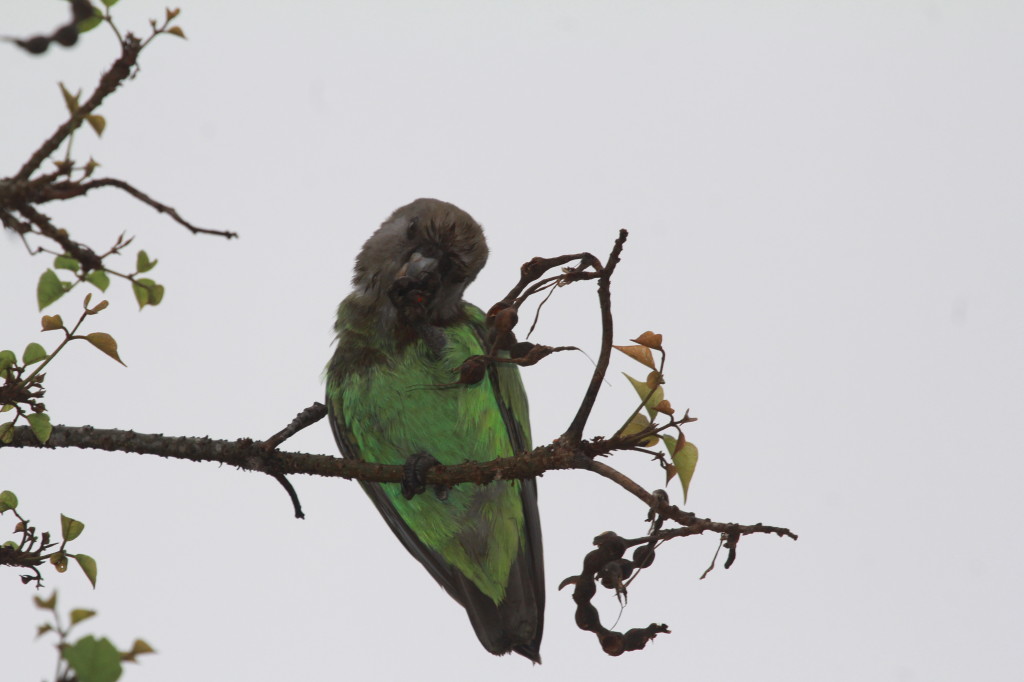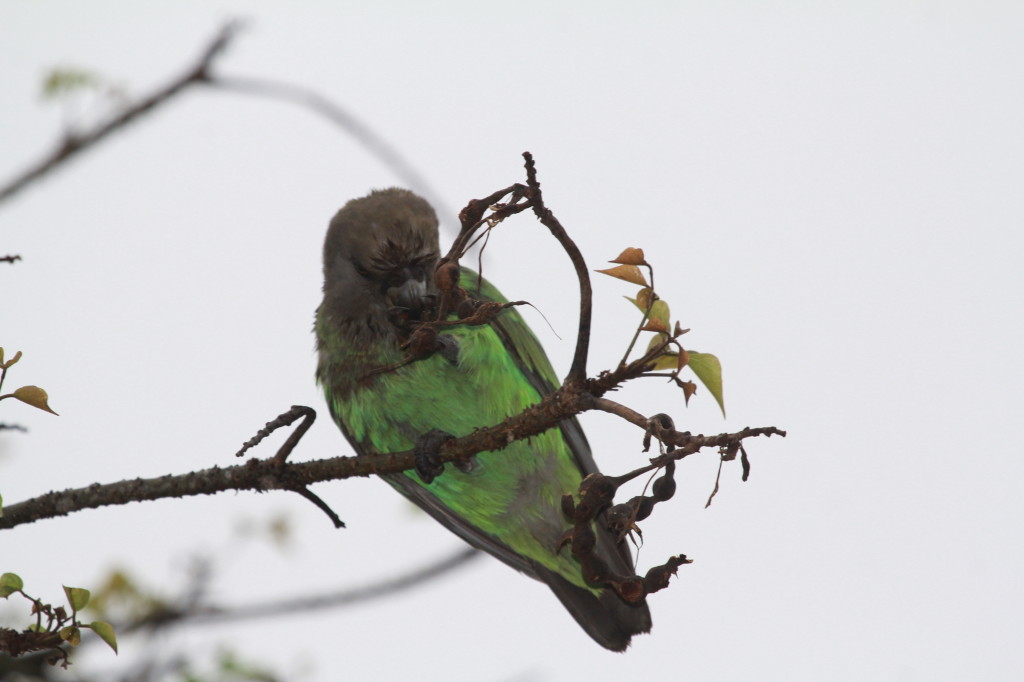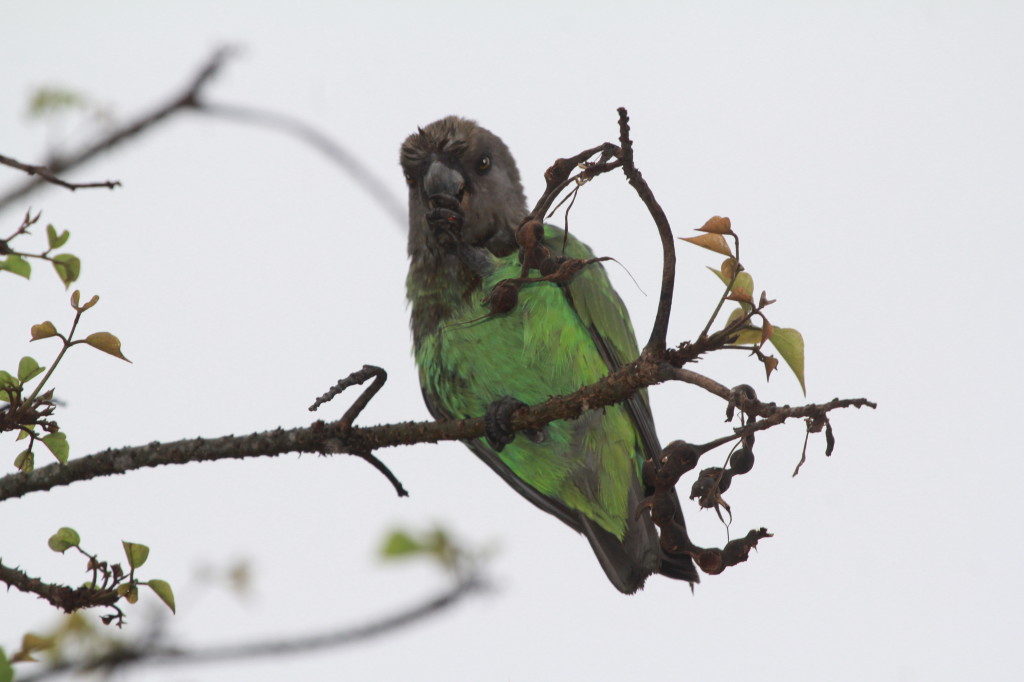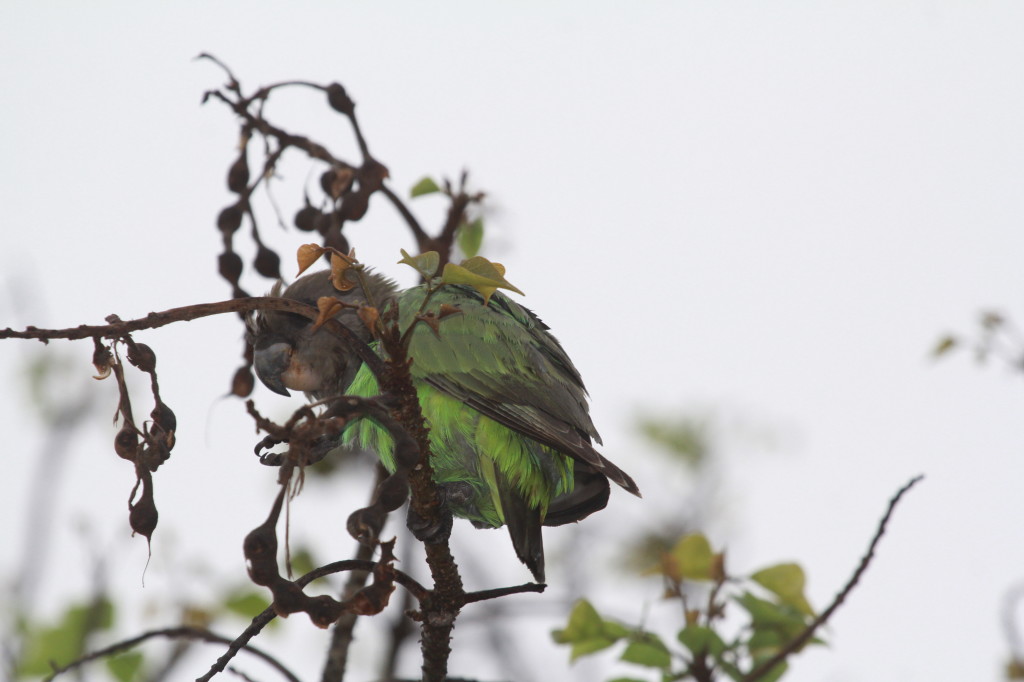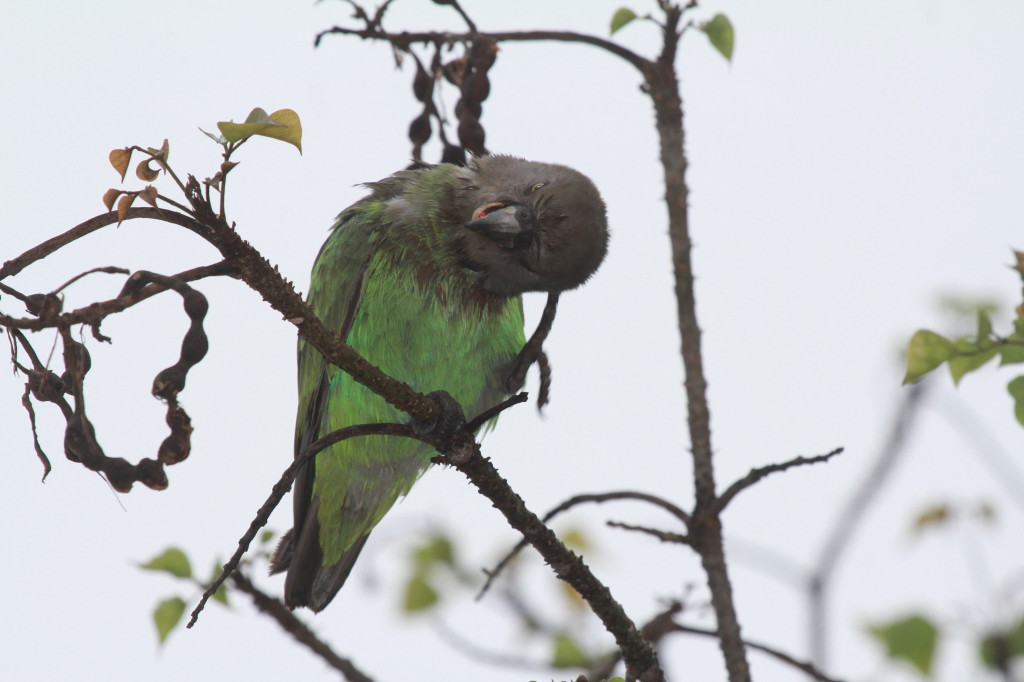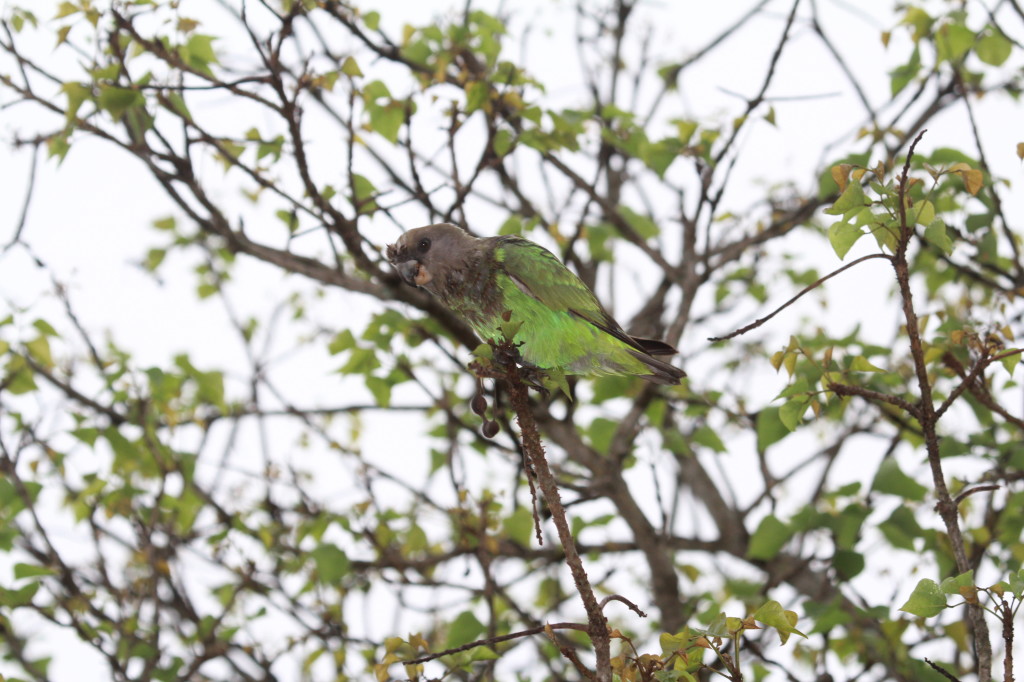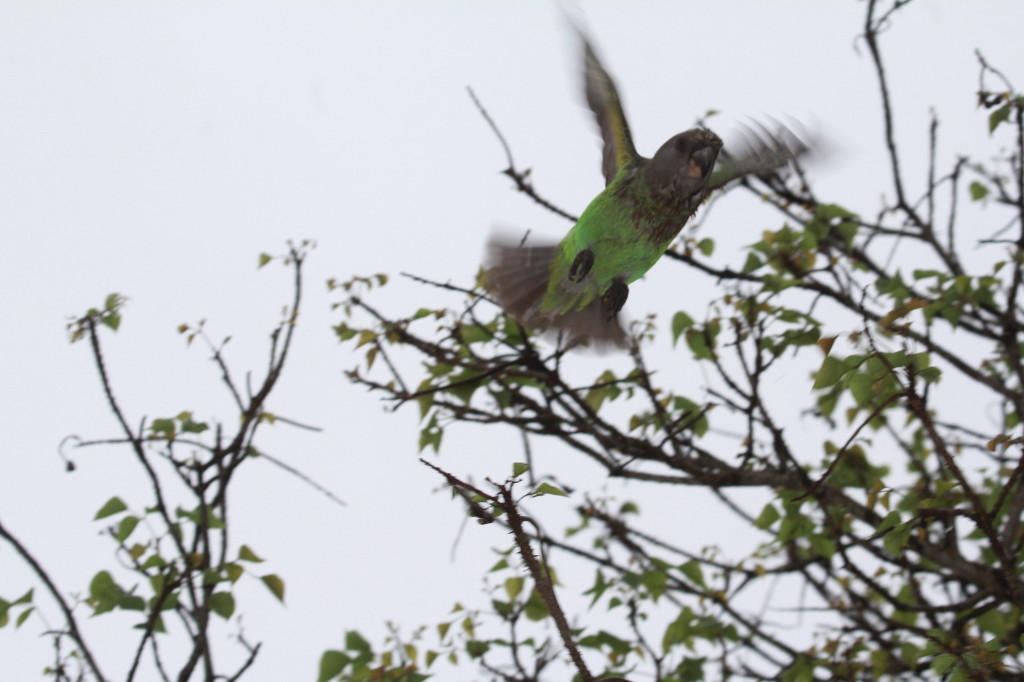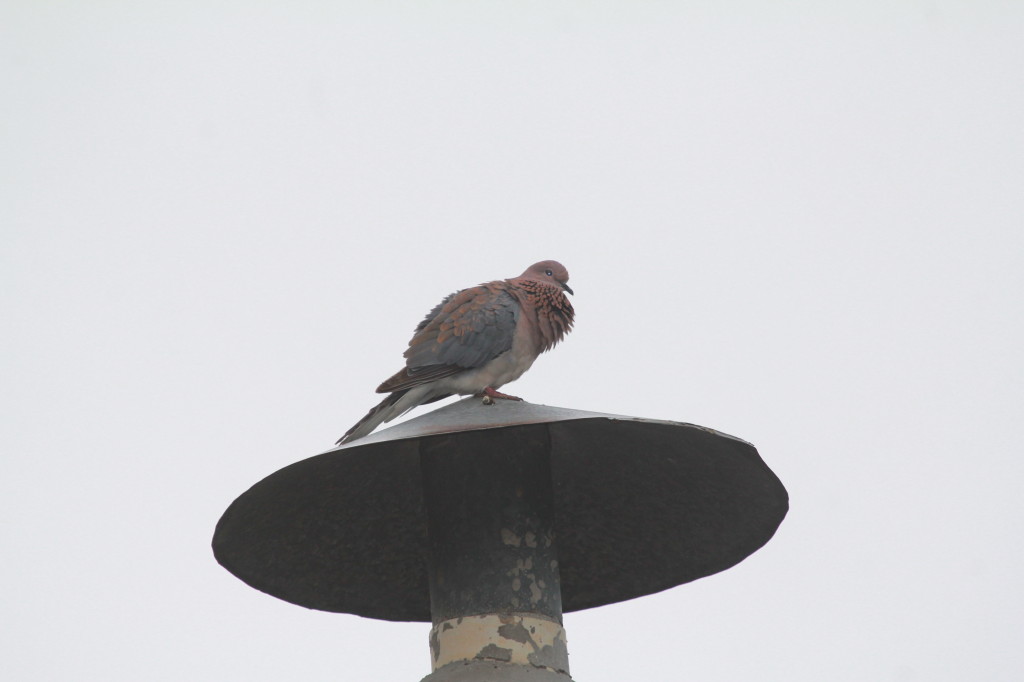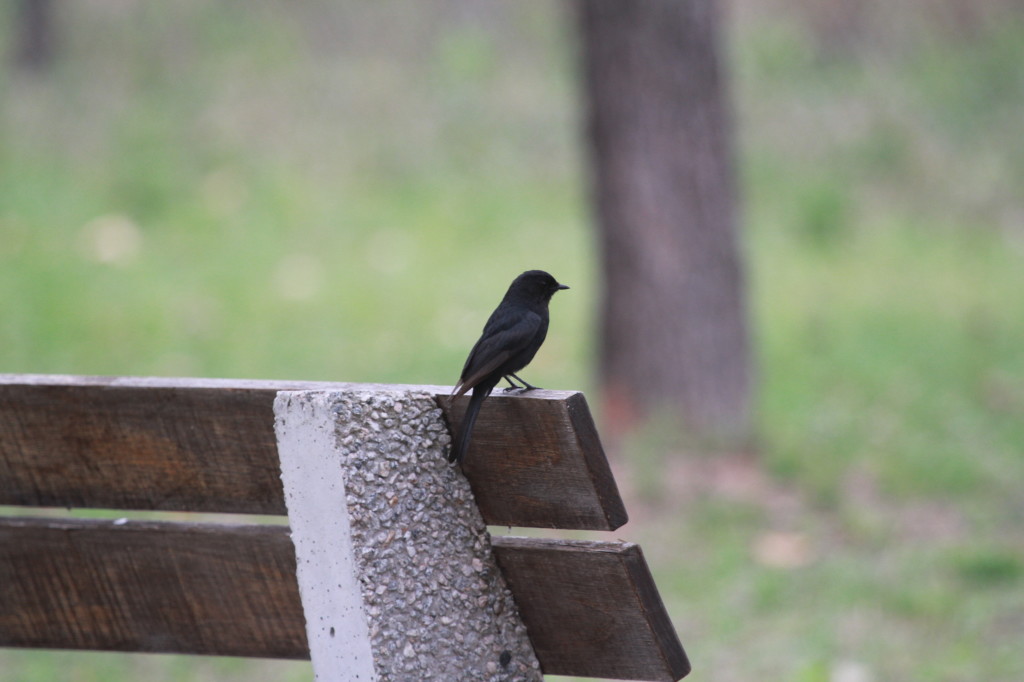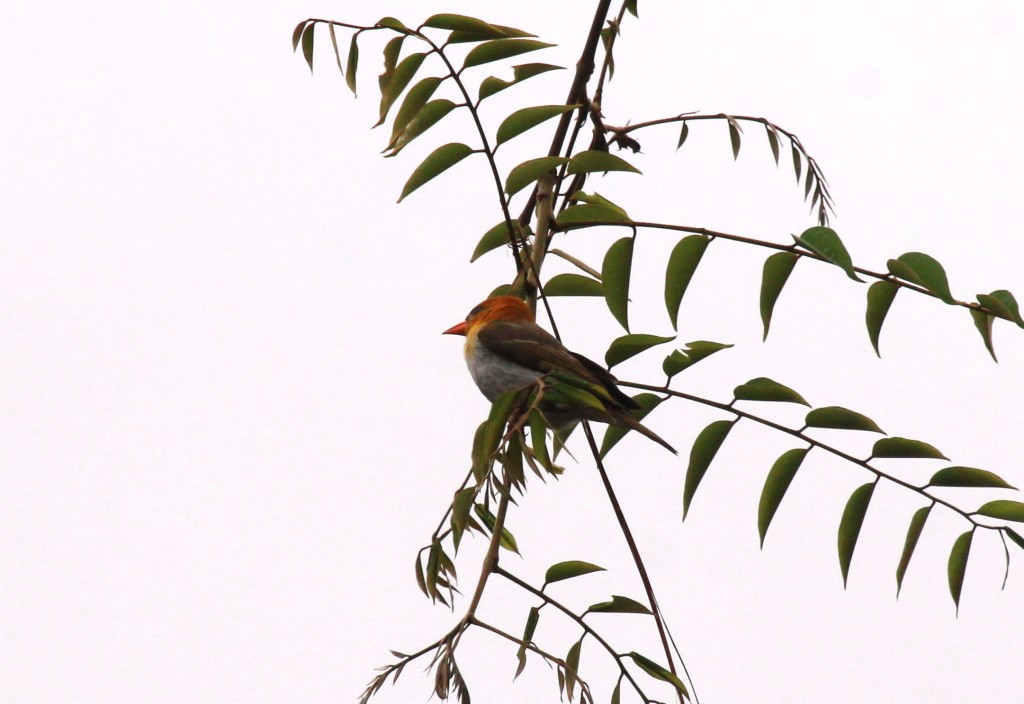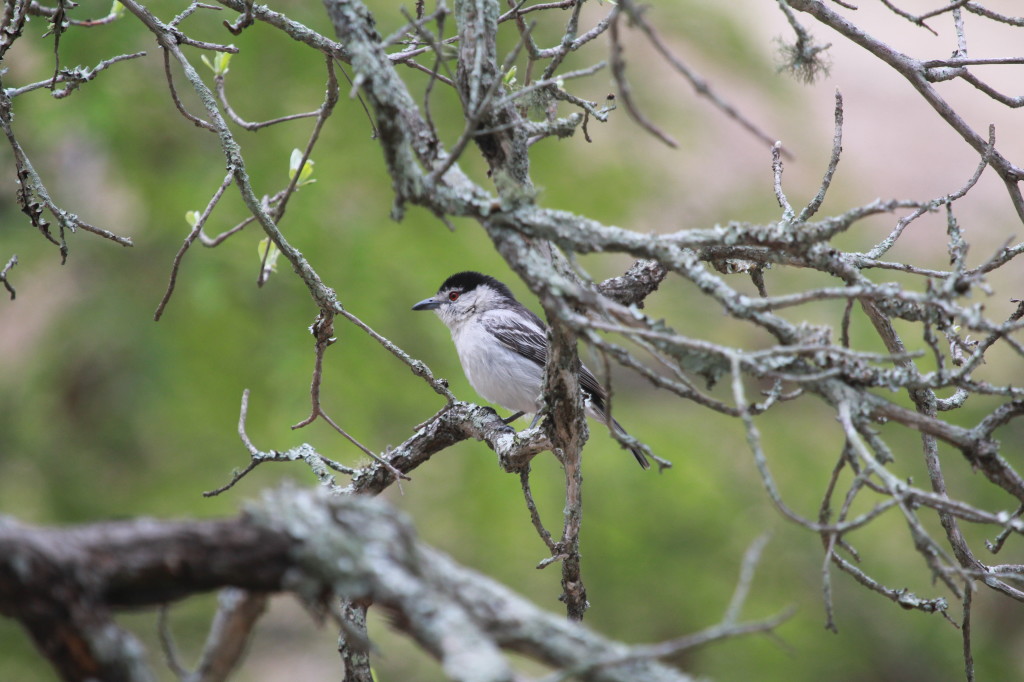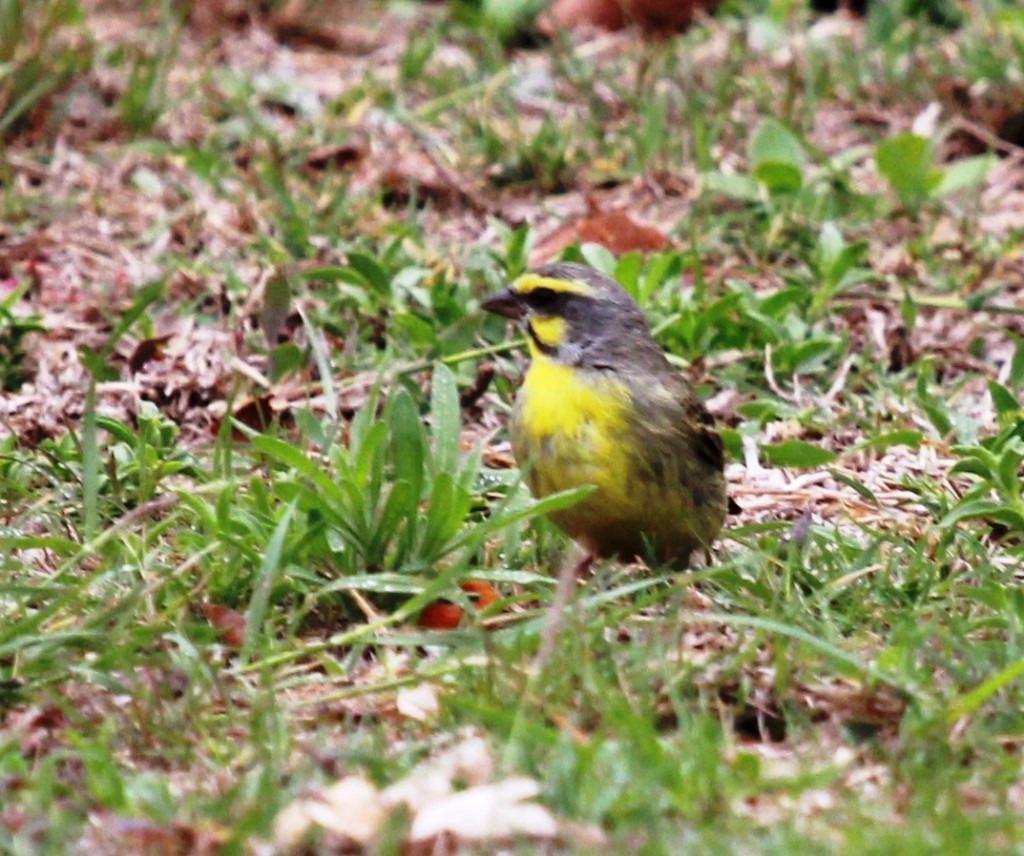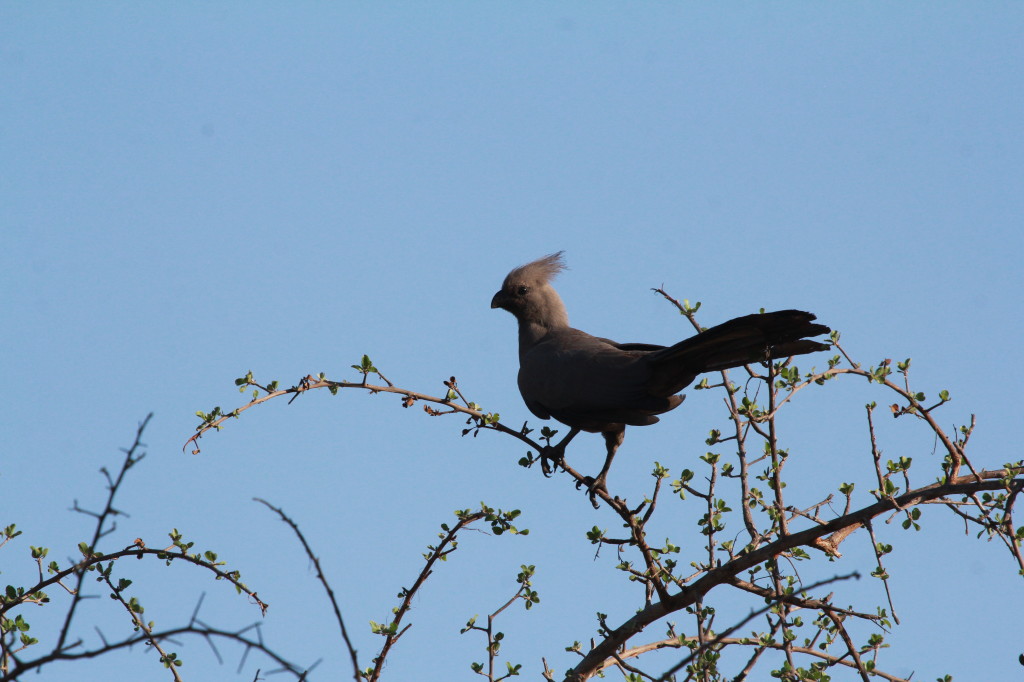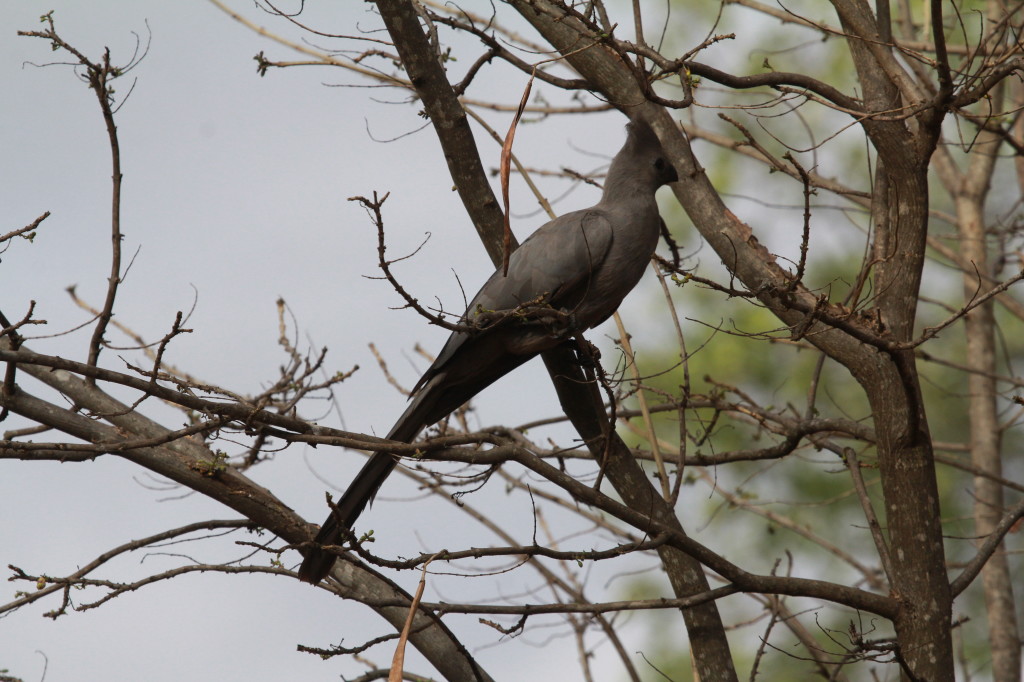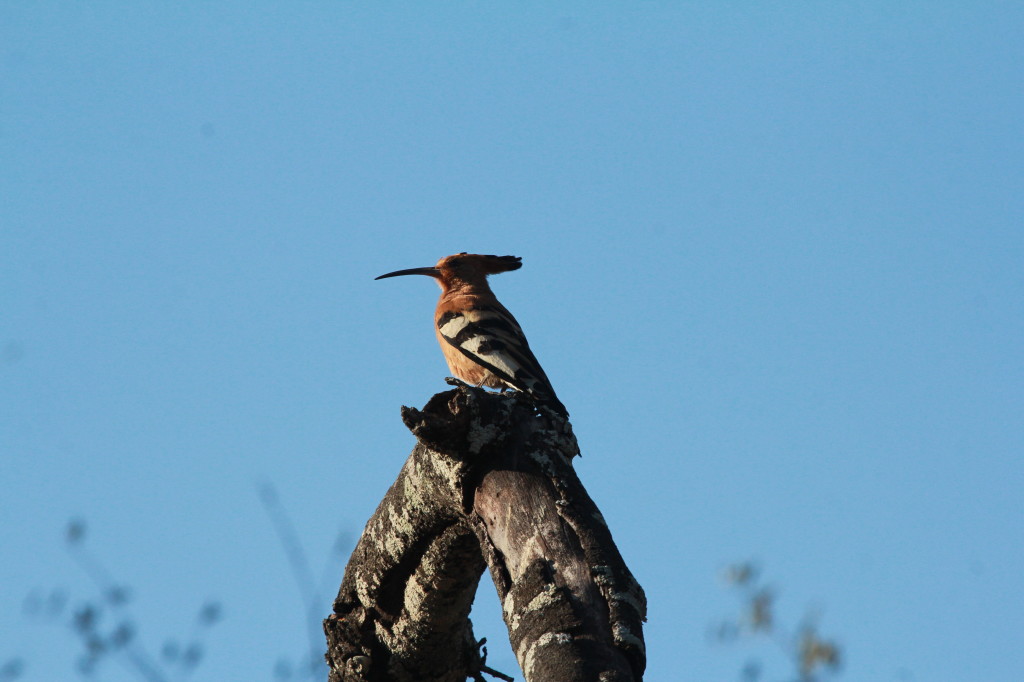
Sickle-billed Vanga (Falculea palliata)

The sickle-billed vanga (Falculea palliata) is a species of bird in the vanga family Vangidae. It is monotypic within the genus Falculea. It is endemic to Madagascar. Its natural habitats are tropical dry forests and tropical dry shrubland.

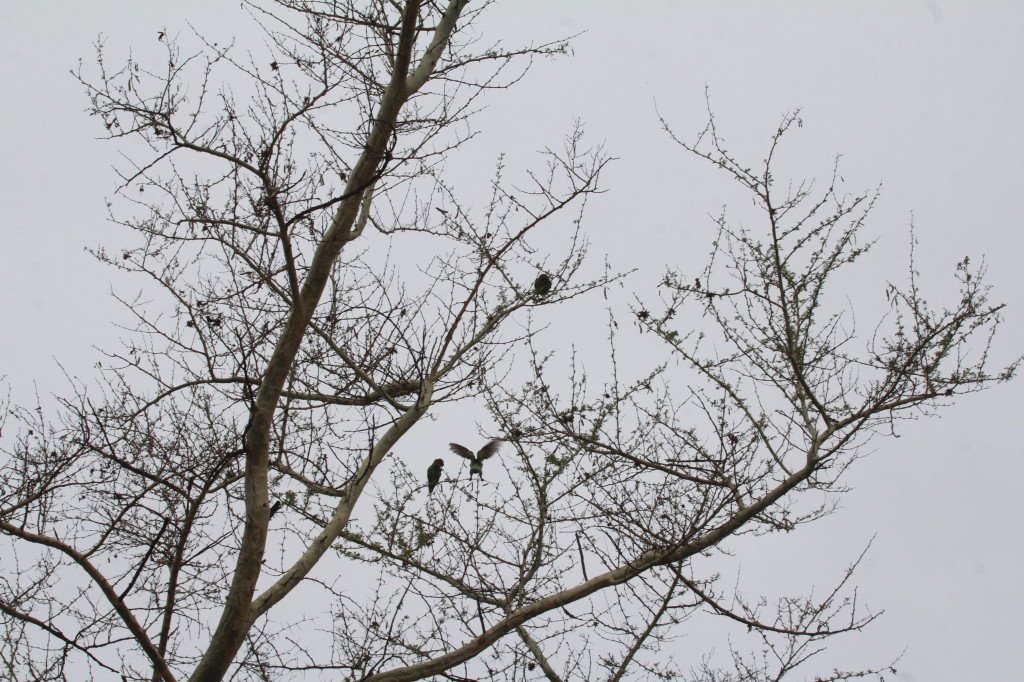
I took these photos in the car park at Ankarafantsika NP.
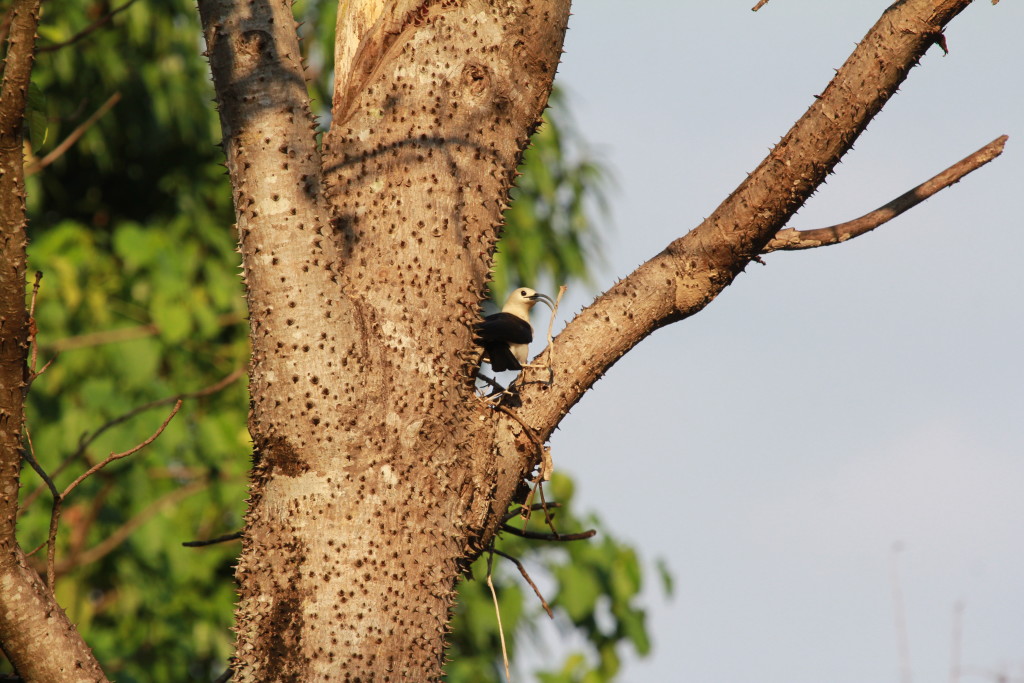
IMG_5344 IMG_5375 IMG_5376 IMG_5768Sickle-billed Vangas can be found in western Madagascar and if you want to get them easily, there is at least one nesting pair in the car park of Ankarafantsika.  They are there throughout the day.  They can also be seen in Ifaty and Andohahela NPs.
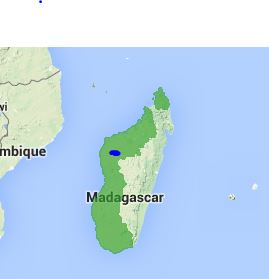
SBV rangeLEARN MORE ABOUT SICKLE-BILLED VANGAS

Wikipedia

Birdlife

Xeno-Canto

VIDEOS

The only embeddable clip I could find appears to be at a bird park but at least you can see the bird close up and hear his call.  For wild Vangas, there are some clips on IBC.
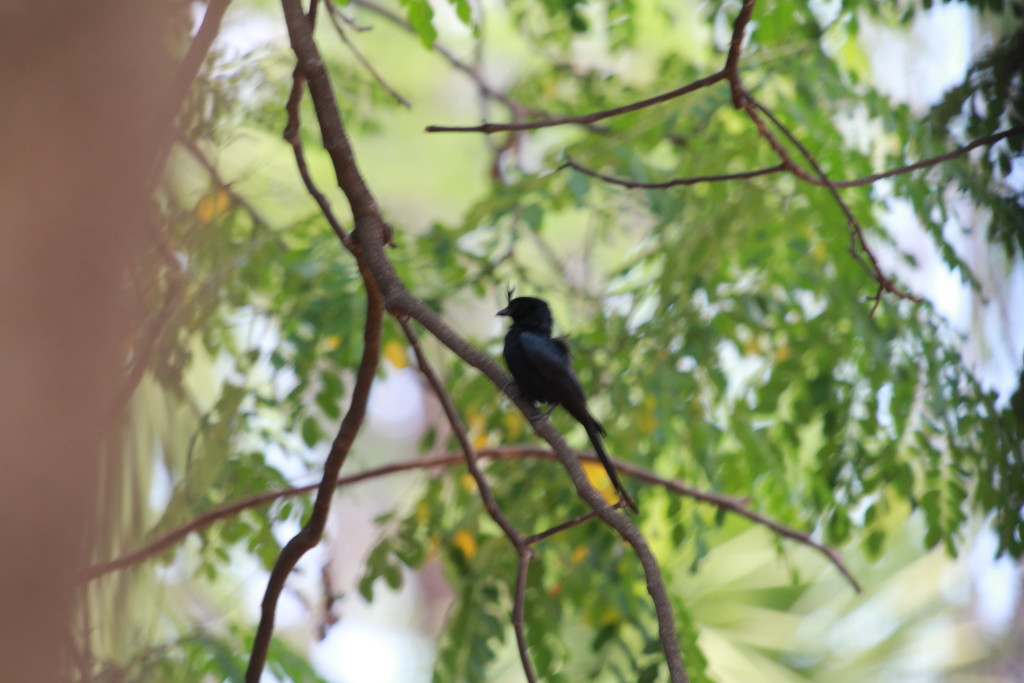
 

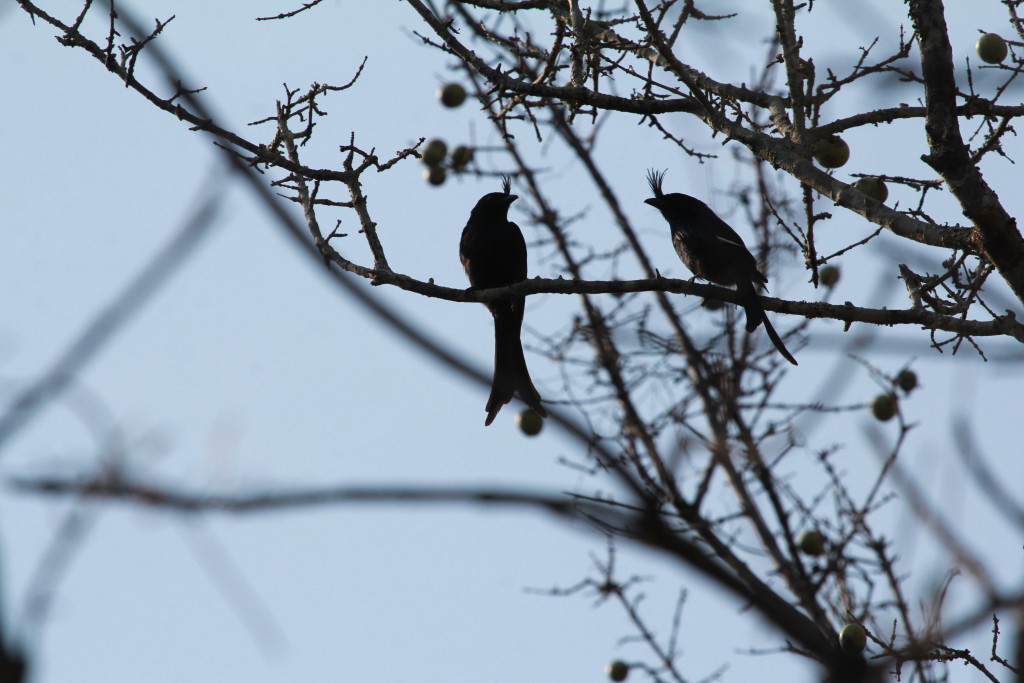
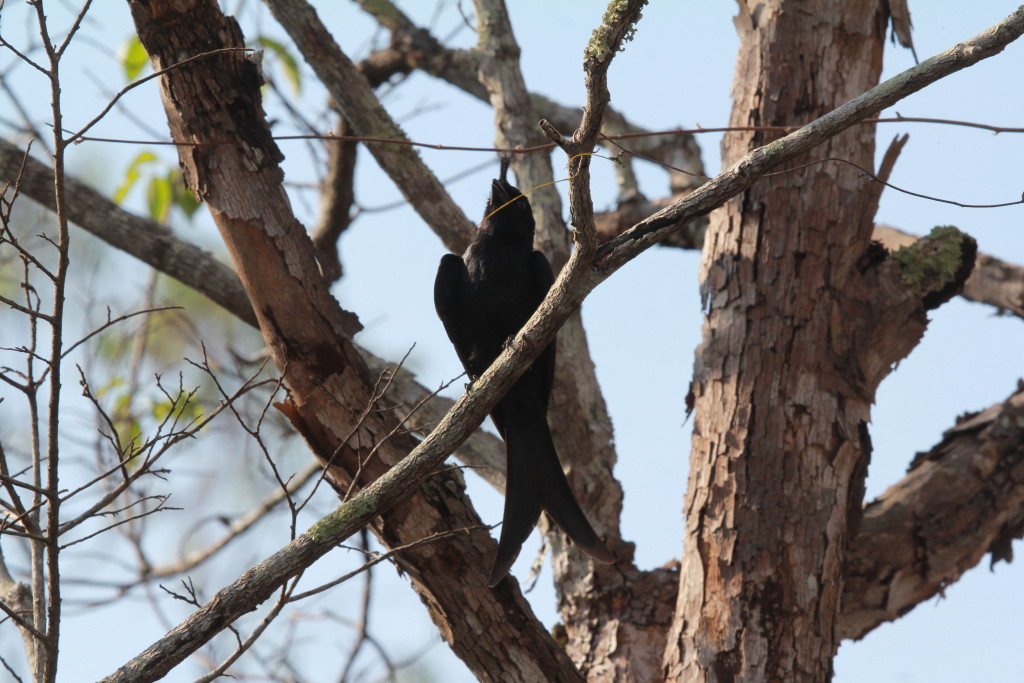
Crested Drongo (Dicrurus forficatus)

The crested drongo (Dicrurus forficatus) is a species of bird in the Dicruridae family.  The nominated race is endemic to Madagascar, and found throughout the island, and some of the larger inshore islands including Nosy-Bé. The Dicrurus forficatus potior subspecies on only found on the Comoro Islands.

I took these photos in the car park of Ankarafantsika NP.

IMG_5764 IMG_5390 IMG_5399They have a very large range and can be seen anywhere in Madagascar.  They are found easily in Ankarafantsika pretty much everywhere from the car park to the actual trails in the park.  It’s nice to have such a cool looking bird easily found!

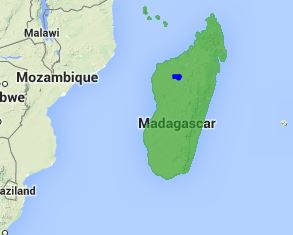
MFC rangeLEARN MORE ABOUT THE CRESTED DRONGO

Wikipedia

Birdlife

Internet Bird Collection

VIDEOS

I can’t find anything embeddable but there are a couple brief clips on IBC.
 

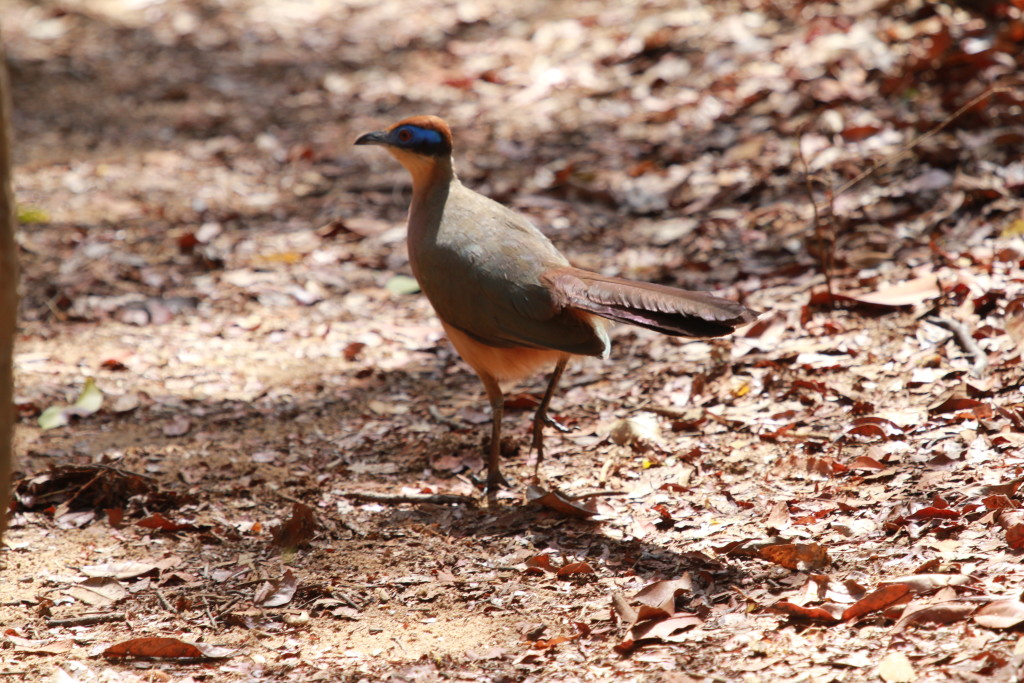
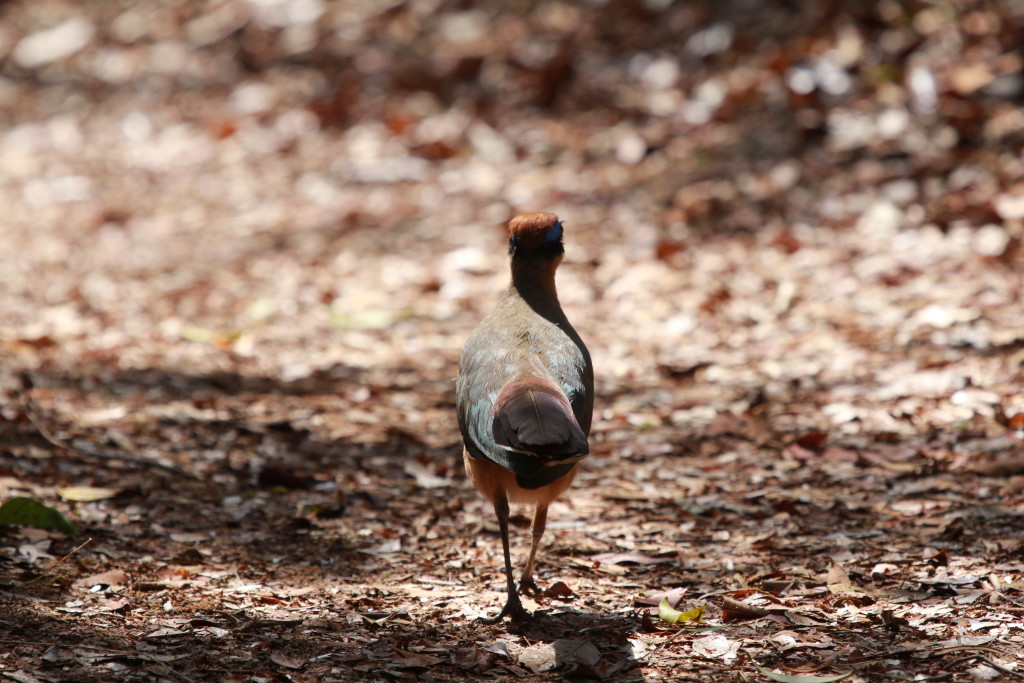
Giant Coua (Coua gigas)

The Giant Coua (Coua gigas) is a bird species from the Coua genus in the cuckoo family that is endemic to the dry forests of western and southern Madagascar. It is suggested that Couas probably originated from a particular Asian ground-cuckoo (Dinets 2007). Genus Coua contains 10 species, more than any other genus in Madagascar (Moreau 1966).
I took these photos in Ankarafantsika National Park.

IMG_5505 IMG_5503 IMG_5419Giant Couas have a very large range and are one of 10 members of the Madagascar endemic Coua family.  You can find various Couas all over Madagascar.  I saw them several times in Ankarafantsika NP.

MFC rangeLEARN MORE ABOUT GIANT COUAS

Wikipedia

Birdlife

Xeno Canto

VIDEO

Unlike the ones I saw, this Giant Coua has no aspirations to lead a birding group and was content to stay still and be filmed.

Malagasy Paradise Flycatcher (Terpsiphone mutata)

The Malagasy paradise flycatcher (Terpsiphone mutata) is a species of bird in the Monarchidae family. It is found in Comoros, Madagascar, and Mayotte. Its natural habitats are subtropical or tropical dry forests and subtropical or tropical moist lowland forests.

There are two colour morphs of this beautiful bird – white and rufous.  The reason for this is still not certain but you can read more about it here.  They often co-exist in the same habitat.  I took these photos in Ankarafantsika NP, Madagascar.

White Morph

IMG_5464 IMG_5463 IMG_5465

Rufous Morph

IMG_5491 IMG_5481 IMG_5494The good news is this intriguing and beautiful bird has a very large range and can be seen in most forested parks in Madagascar.  We found them easily in Ankarafantsika with both morphs in close proximity to each other.

MFC rangeLEARN MORE ABOUT MALAGASY FLYCATCHERS

Wikipedia

Birdlife

Mulder Lab

JSTOR

VIDEO

I couldn’t find anything embeddable, but if you go to IBC, you can see videos of a white morph male building a nest and a rufous female building a nest, both filmed near Ranomafana NP.

Pink Pigeon (Columba mayeri)

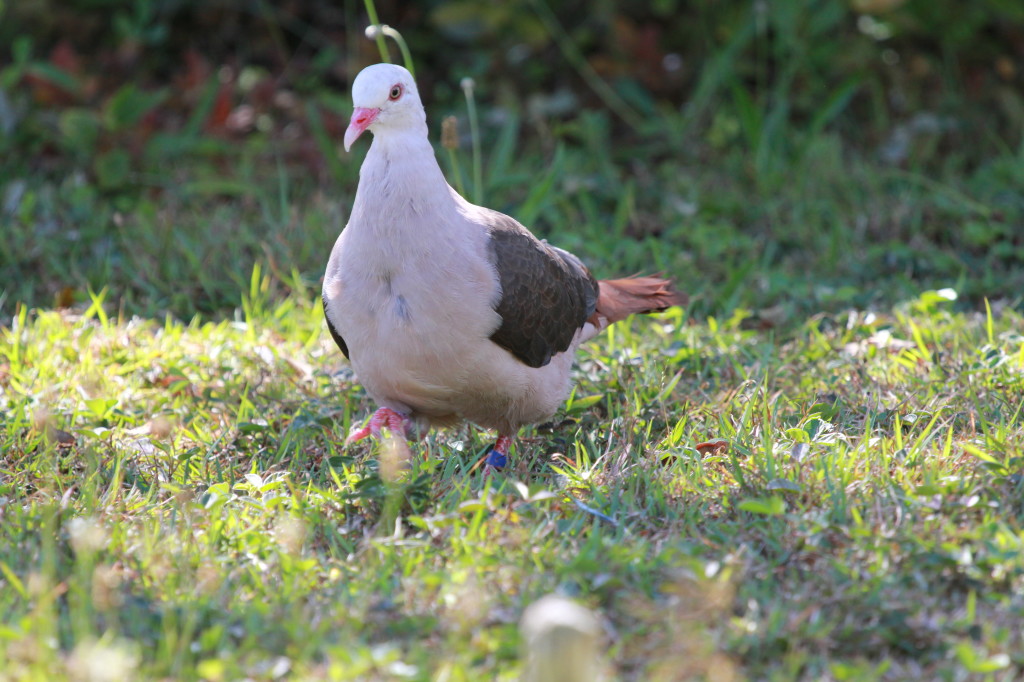
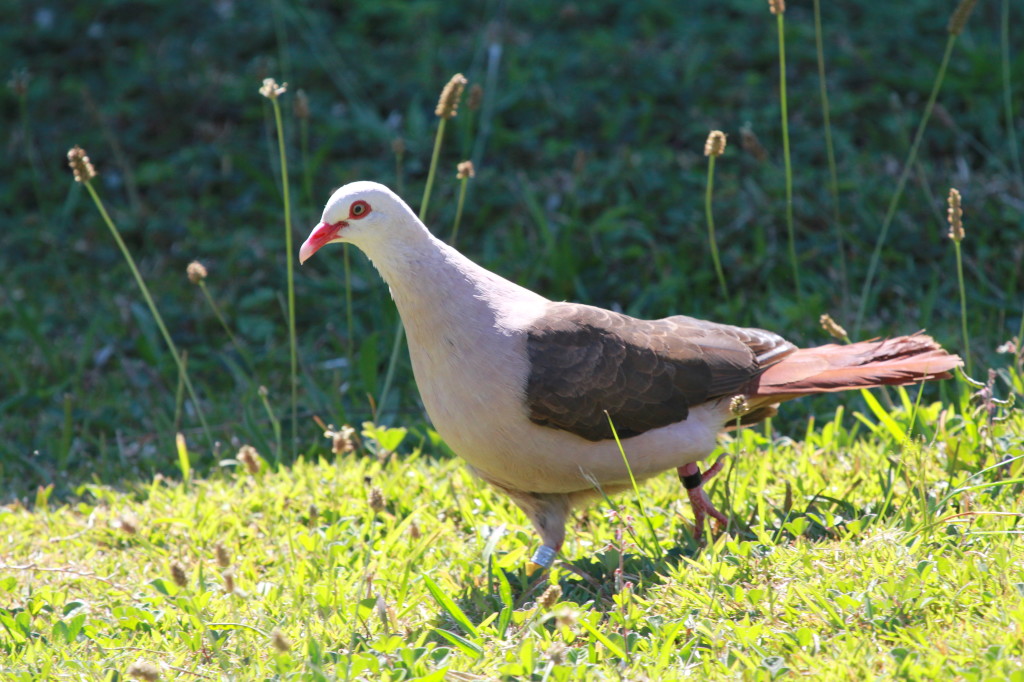
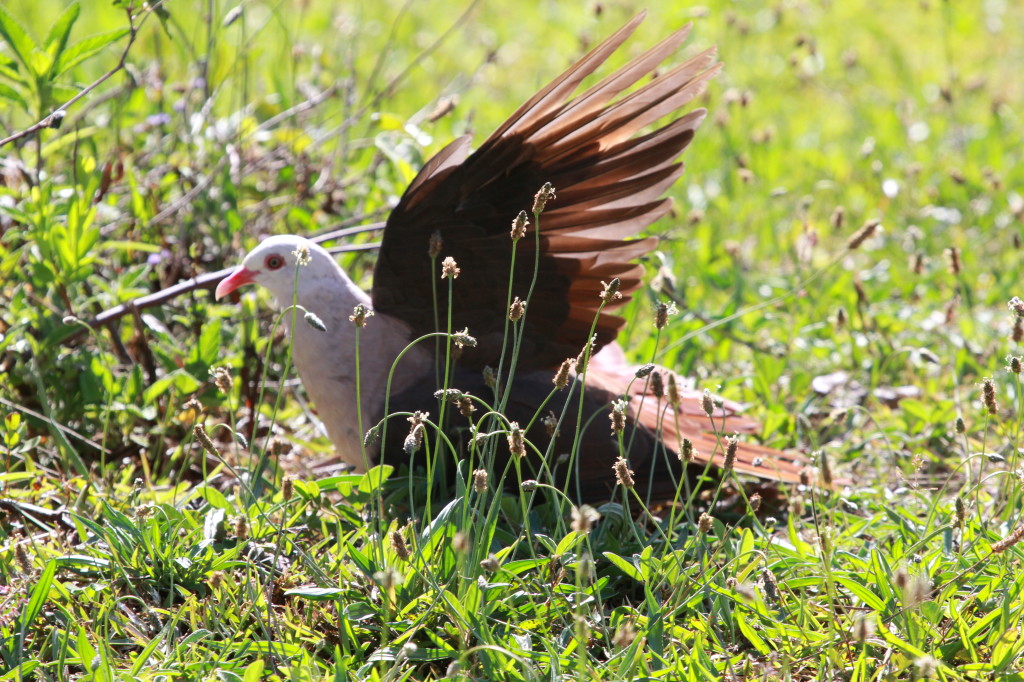
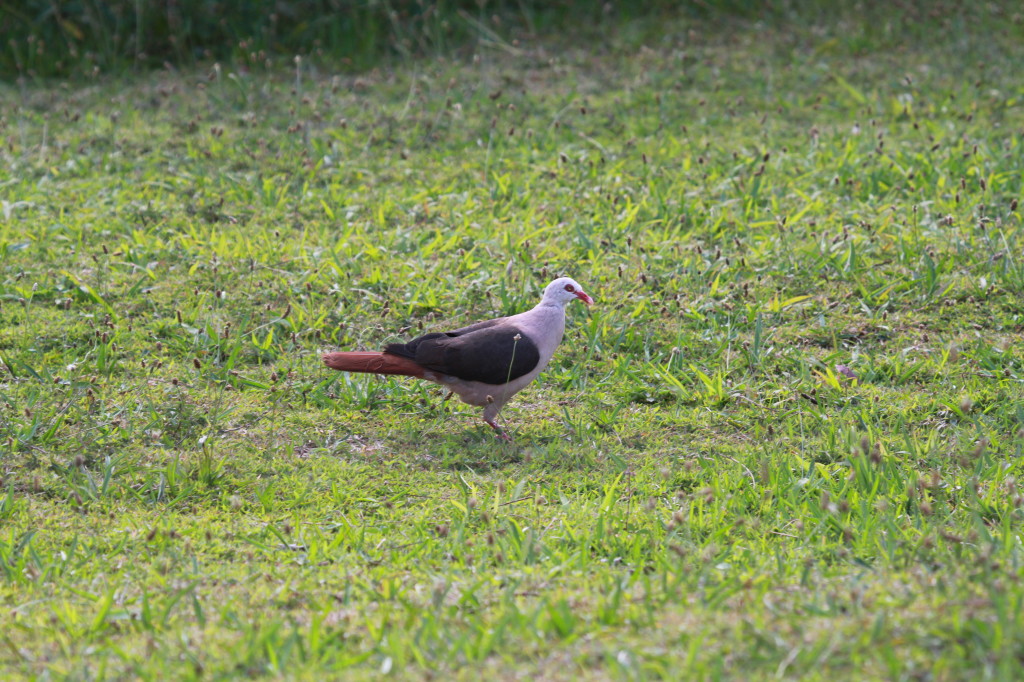
The Pink Pigeon (Columba mayeri) is a species of Columbidae (doves and pigeons) endemic to Mauritius, and is now very rare. It is the only Mascarene pigeon that has not gone extinct.   It was on the brink of extinction in 1991 when only 10 individuals remained, but its numbers have increased due to the efforts of the Durrell Wildlife Conservation Trust since 1977.

They even have a Mauritian locally produced rum named after them!

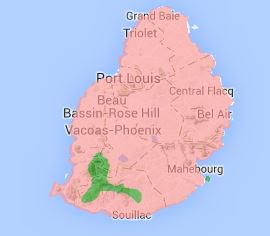
IMG_4682 IMG_4664 IMG_4726 IMG_4794They are endemic to the island of Mauritius.  Although they once could be found all over the island, they are now extremely rare and found only in Black River Gorges National Park and Ile aux Aigrettes, just off the eastern coast.

Mauritius BirdsLEARN MORE ABOUT PINK PIGEONS

Wikipedia

Birdlife

Mauritian Wildlife Foundation

Durrell Wildlife Conservation Trust


VIDEO

I could only find one short video of this bird on Arkive.
ARKive video - Pink pigeon - overview

Mauritius Fody (Foudia rubra)

The Mauritius fody (Foudia rubra) is a rare species of bird in the weaver family. It is endemic to the island of Mauritius. It is classified by BirdLife International as being endangered.  Photo from Wikpedia.

.

They are confined to the south-west interior of Mauritiusin the Black River Gorges National Park.  They can be easily confused with the Madagascar Fody, I wish I had know that when I was there!  I just assumed all the cute little red and brown birds were the Mauritius one but they were probably Madagascar Fodies.

.

LEARN MORE ABOUT THE MAURITIUS FODY

Wikipedia

Birdlife

Durrell Wildlife Conservation Trust

Mauritian Wildlife Foundation


VIDEO

Great mini-doco about the Mauritius Fody.  I didn’t realize that there was a similar species called the Madagascar Fody.

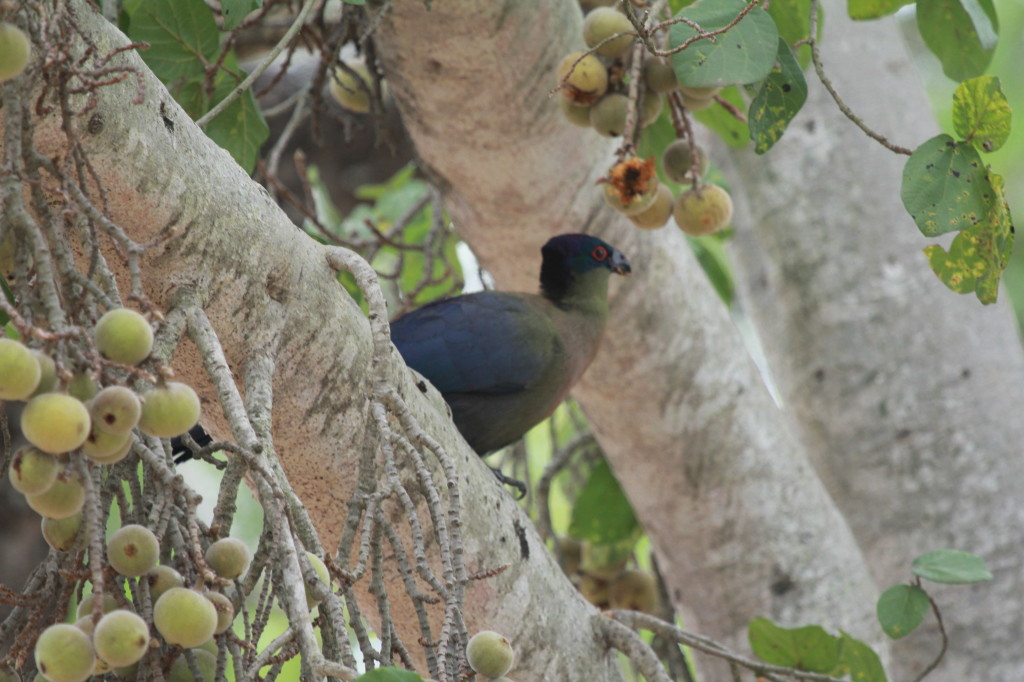
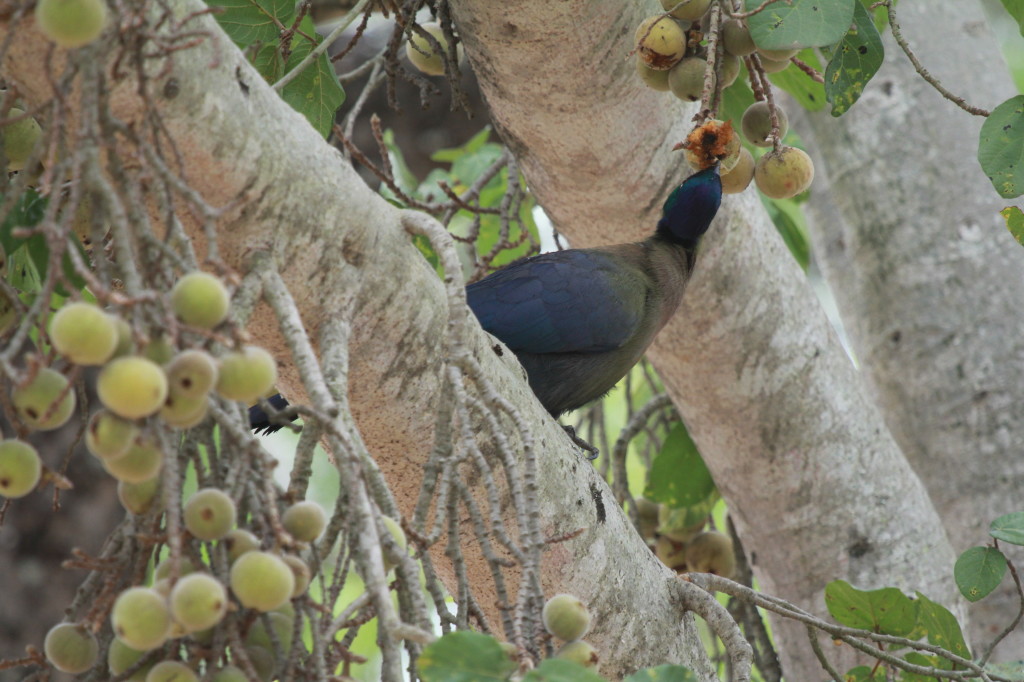
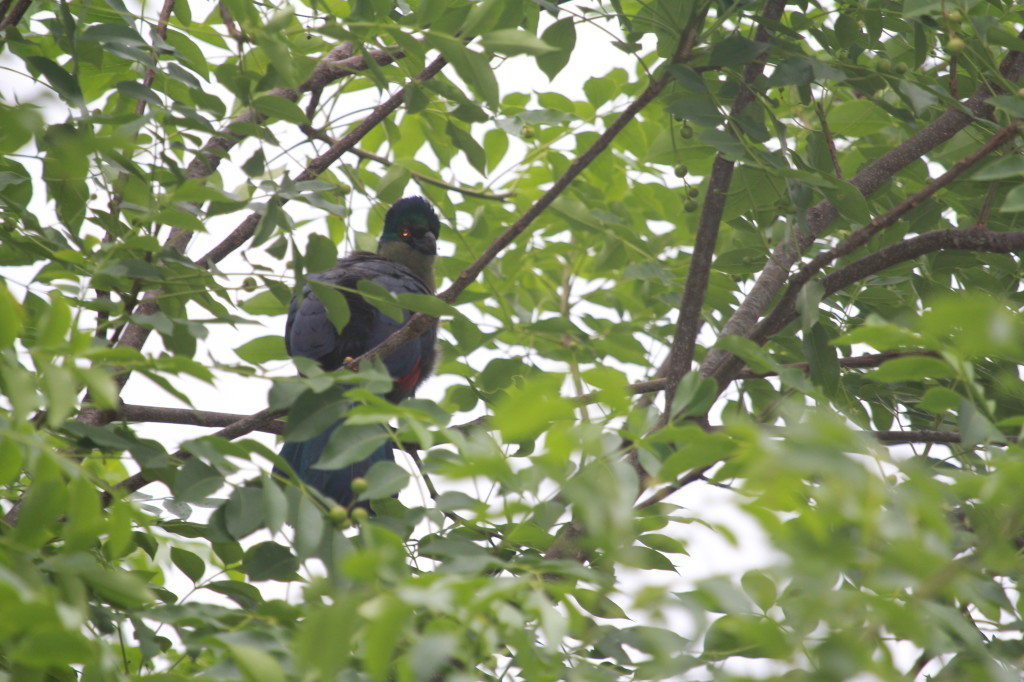
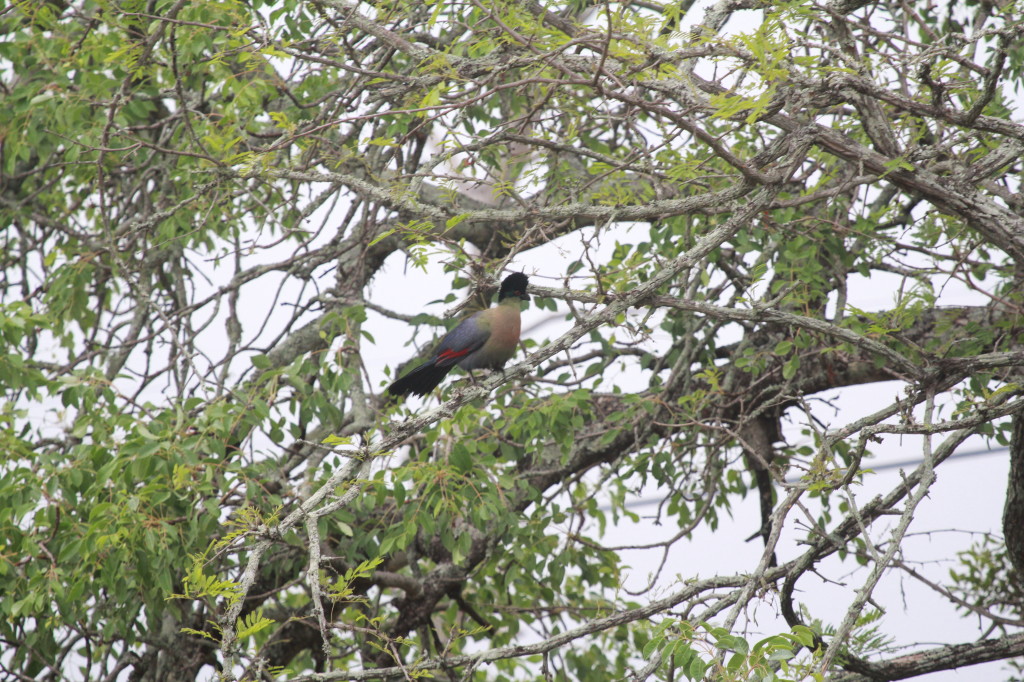
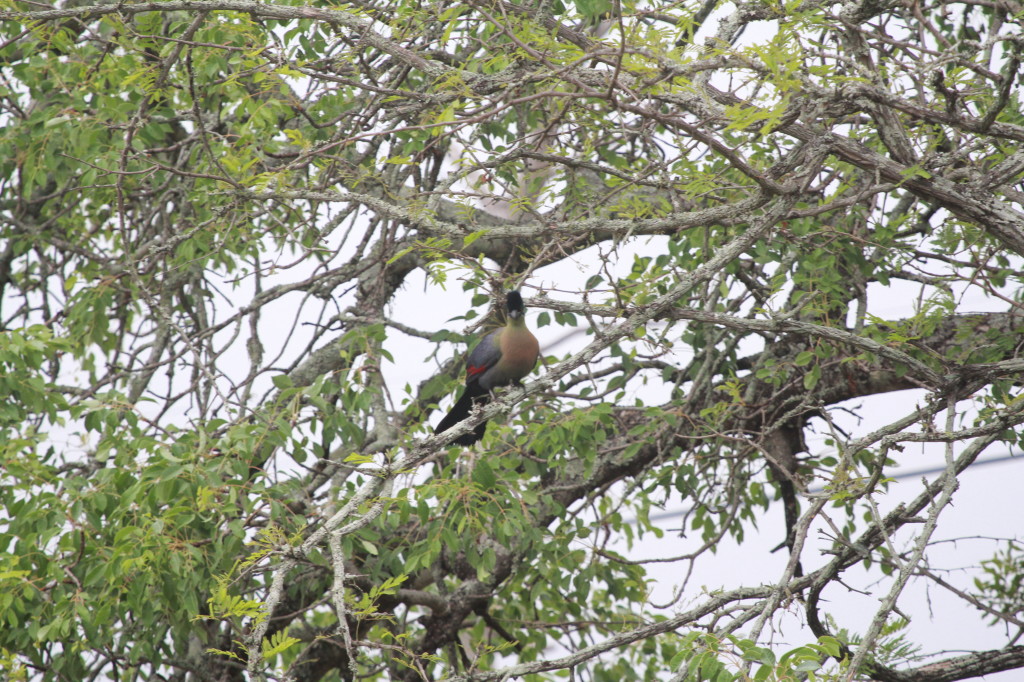
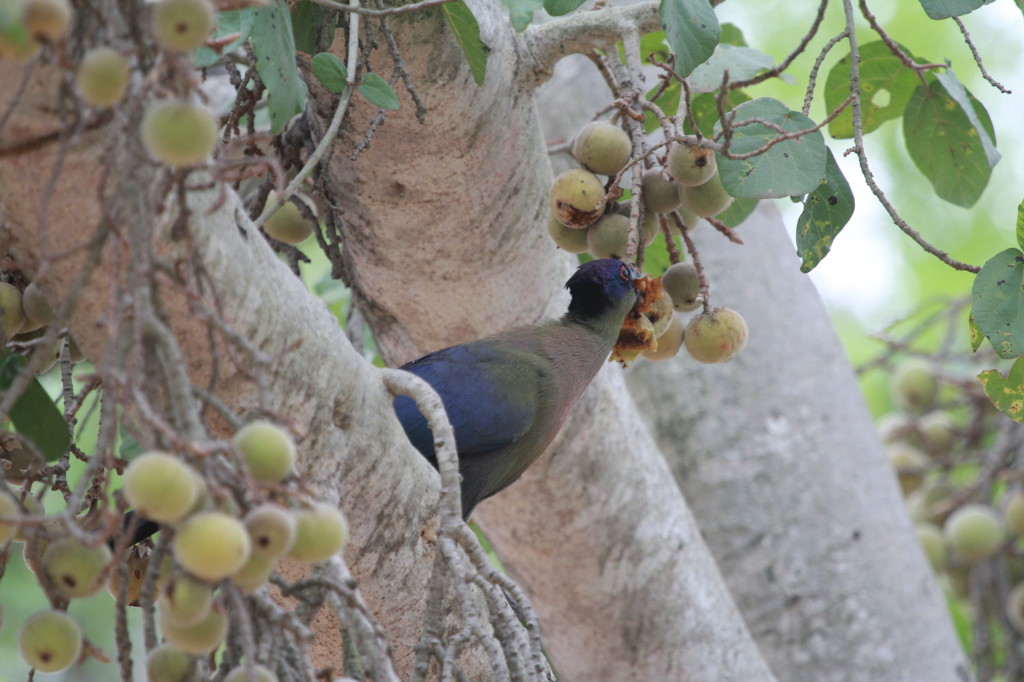
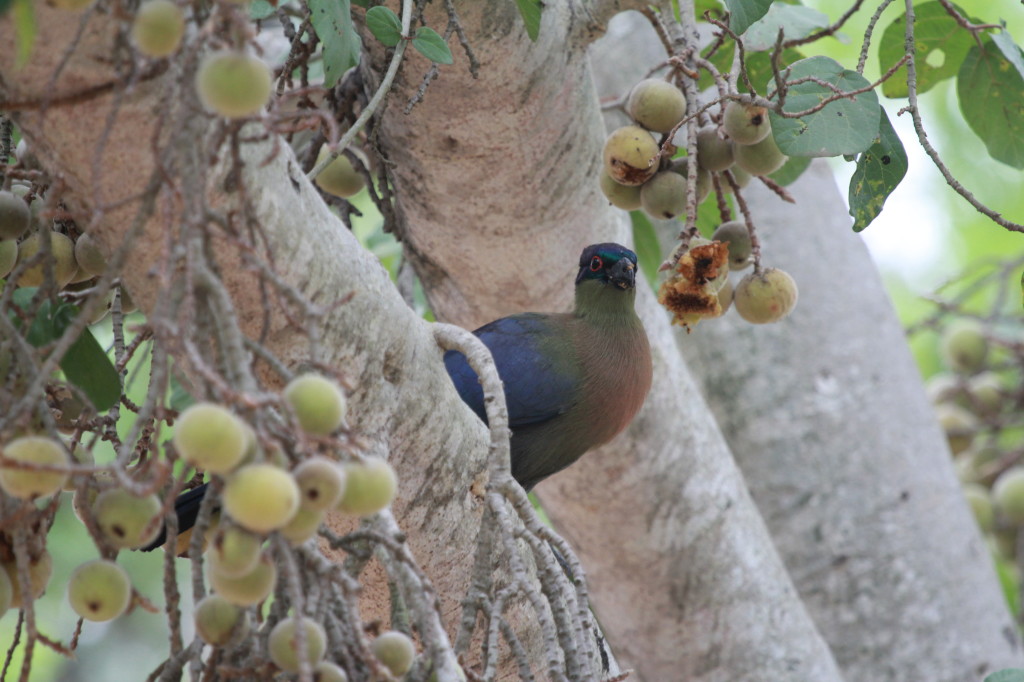
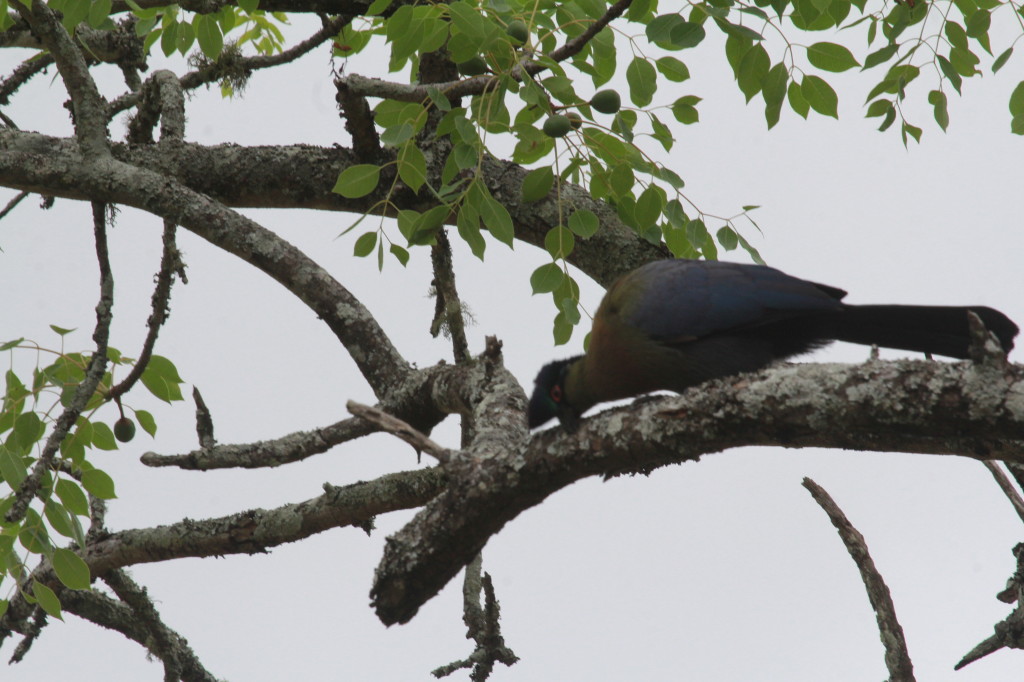
Purple-crested Turaco (Tauraco porphyreolophus)

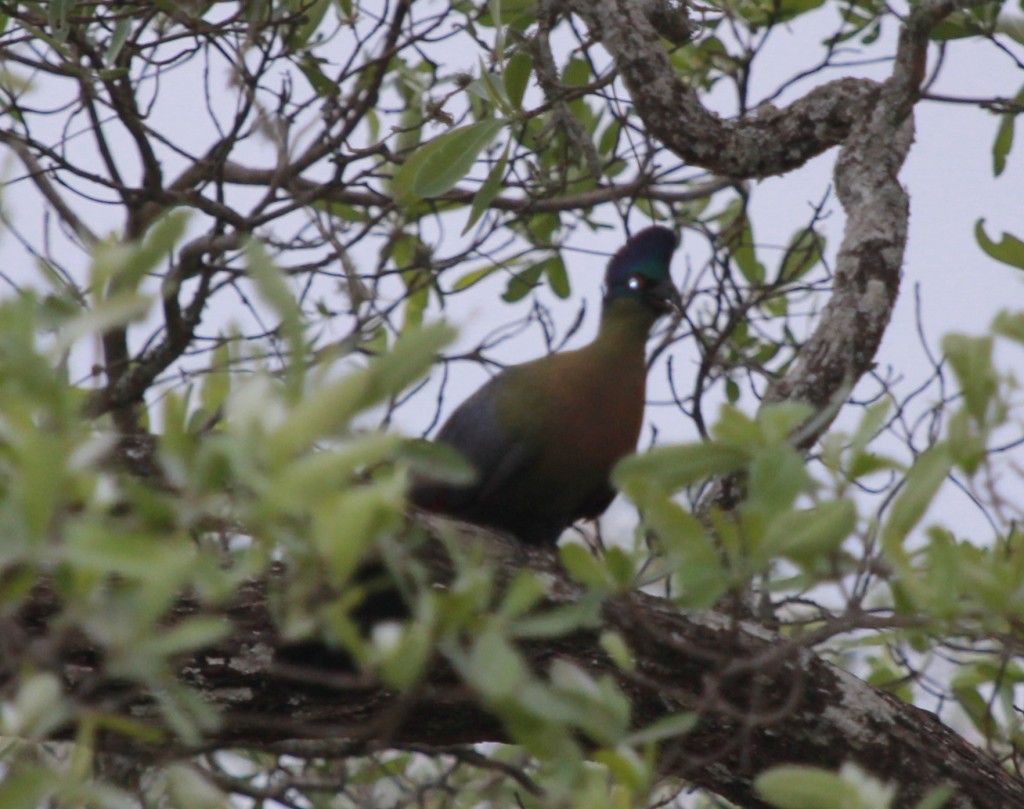
The Purple-crested Turaco (Tauraco porphyreolophus) is a species of bird in the Musophagidae family.   It is the National Bird of the Kingdom of Swaziland.  According to Wikipedia, sadly the crimson flight feathers of this and related turaco species are important in the ceremonial regalia of the Swazi royal family.  I really hate when birds are killed so their feathers can provide decoration.  Especially when the bird is as stunning as this one!

IMG_4350 IMG_4349 IMG_4254 IMG_4260 IMG_4128aThey have a very large range which is great news for African safari enthusiasts!  They can be found in It is found in Burundi, Kenya, Malawi, Mozambique, Rwanda, South Africa, Swaziland, Tanzania, Uganda, Zambia, and Zimbabwe. Their southernmost occurrence is at the Mtamvuna River on the KwaZulu-Natal-Eastern Cape border.

.

I found them easily in the Pretoriuskop Restcamp in Kruger National Park, South Africa.

LEARN MORE ABOUT PURPLE-CRESTED TURACOS

Wikipedia

Birdlife

Biodiversity Explorer

Swaziland National Trust Commission

VIDEO

Not live action but a great sound clip of this bird’s call.

I can’t tell if this is filmed in a bird park or in a restcamp but it’s excellent quality.

The Birds Of Pretoriuskop Restcamp

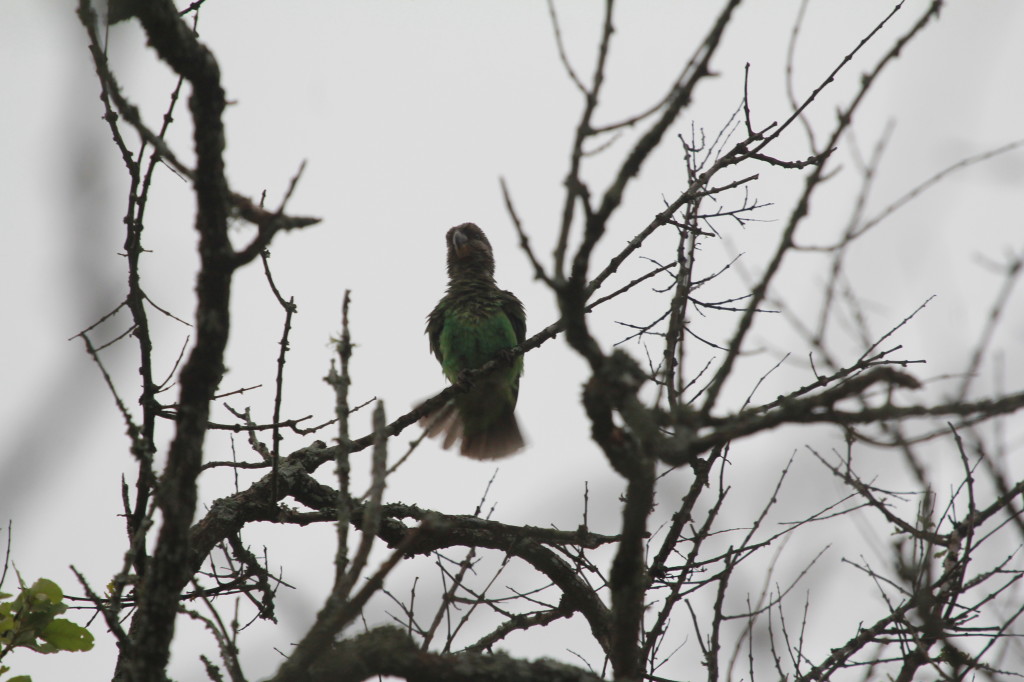
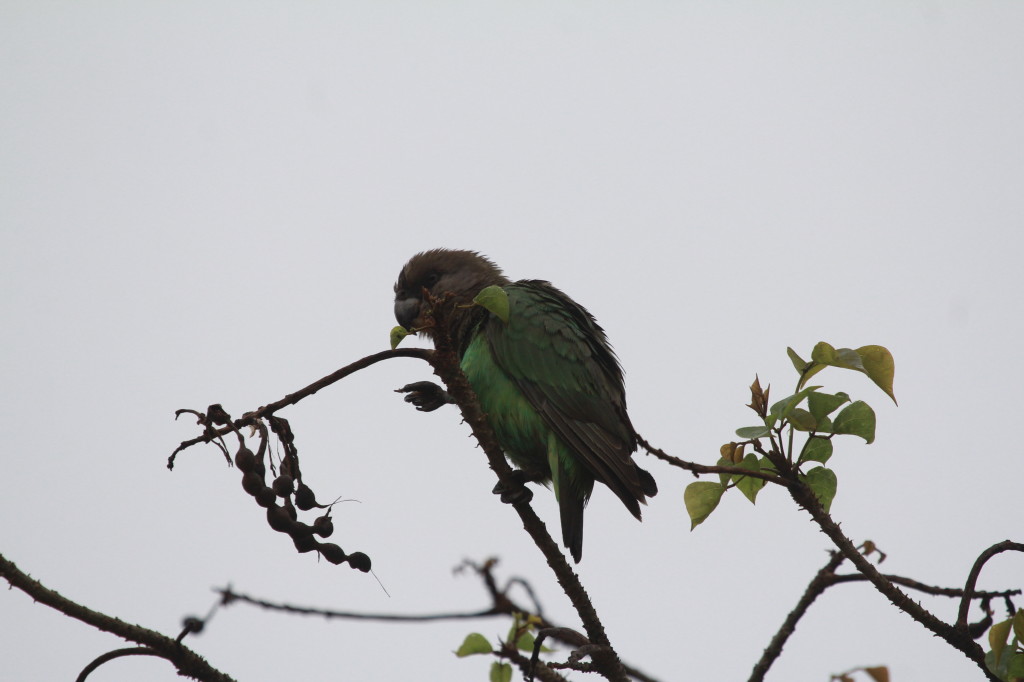
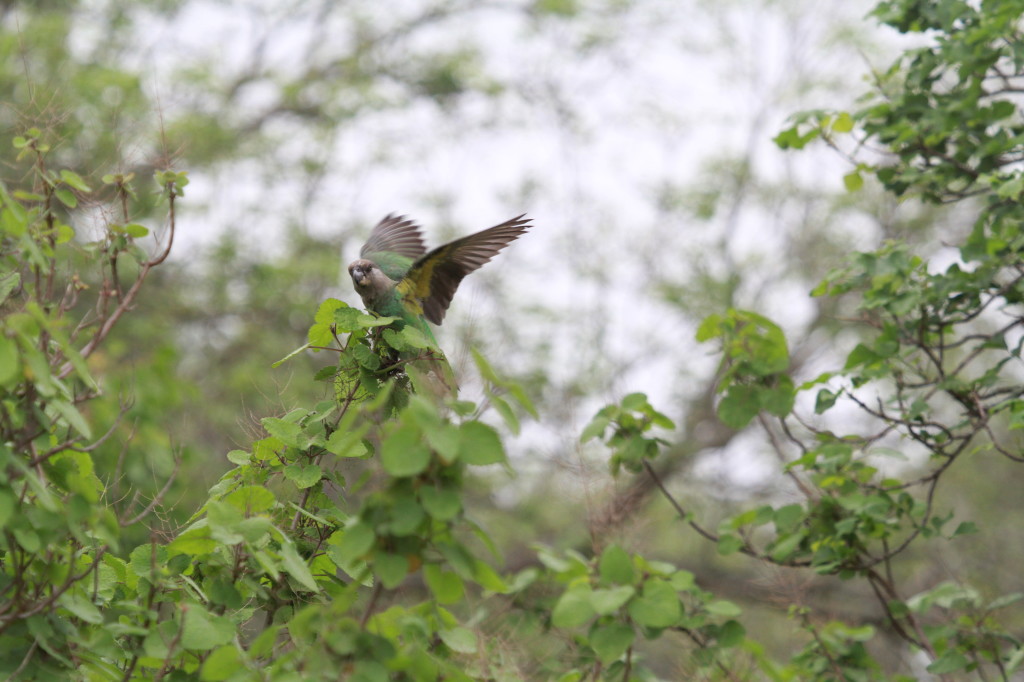
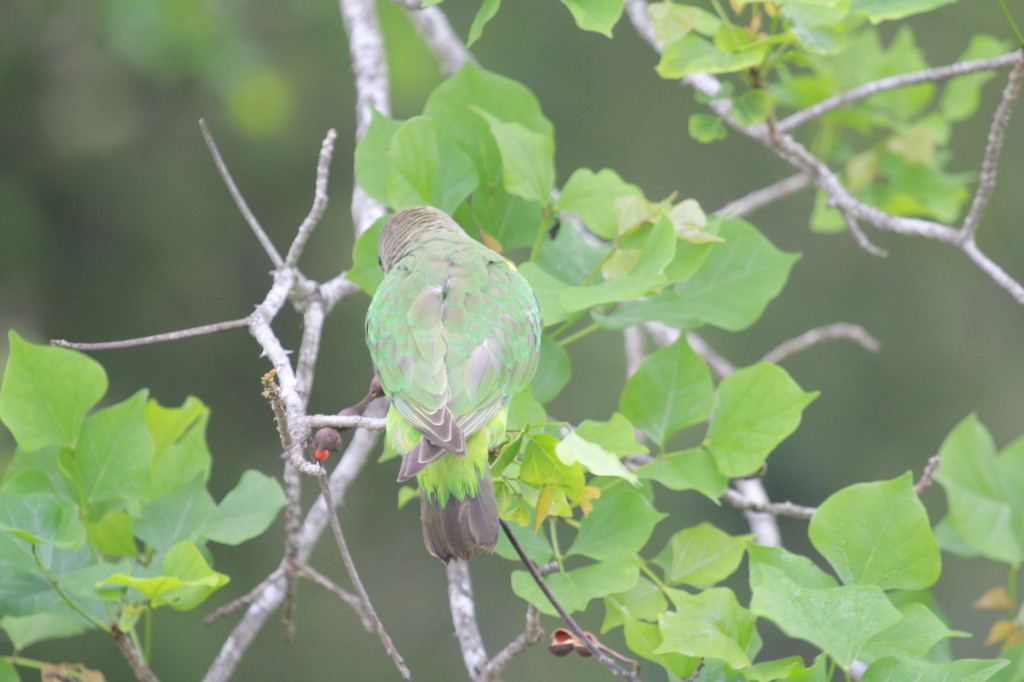
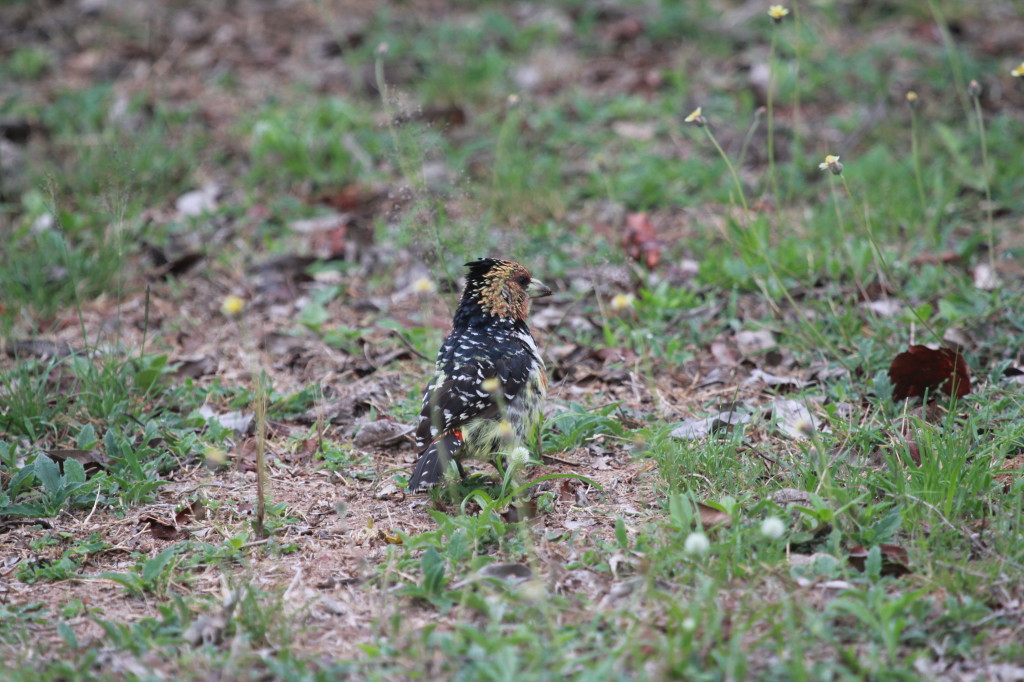
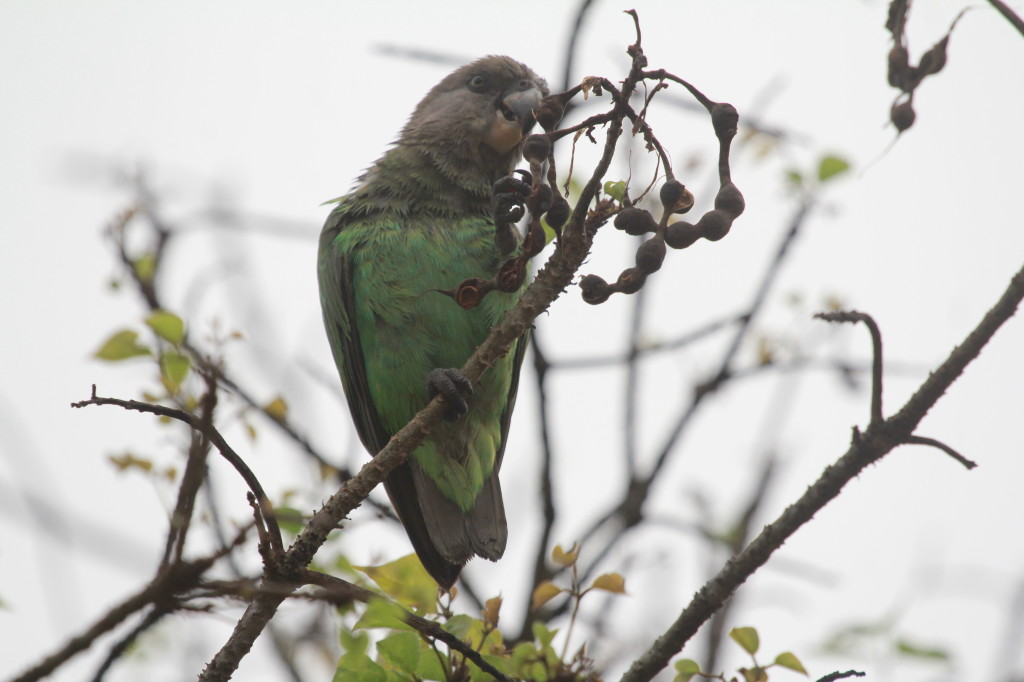
As promised, here are some of the amazing birds of Pretoriuskop Restcamp.  I was thrilled to see so many Brown-headed Parrots which were my main target bird, but there were lots of other great birds too!

This first batch of photos was taken near the laundry room in the late afternoon.

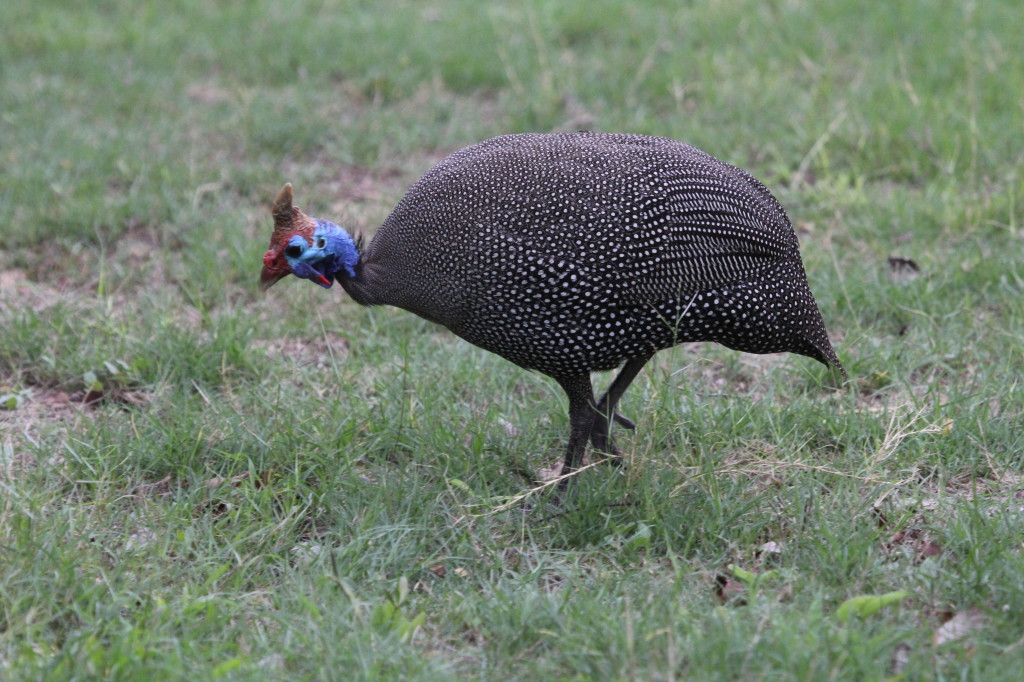
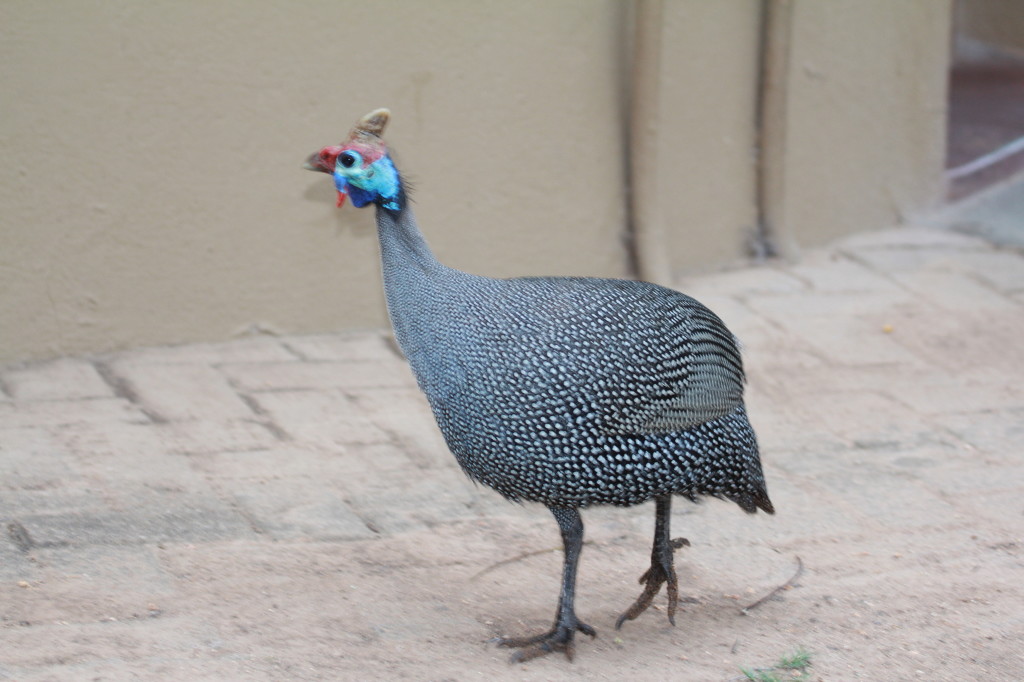
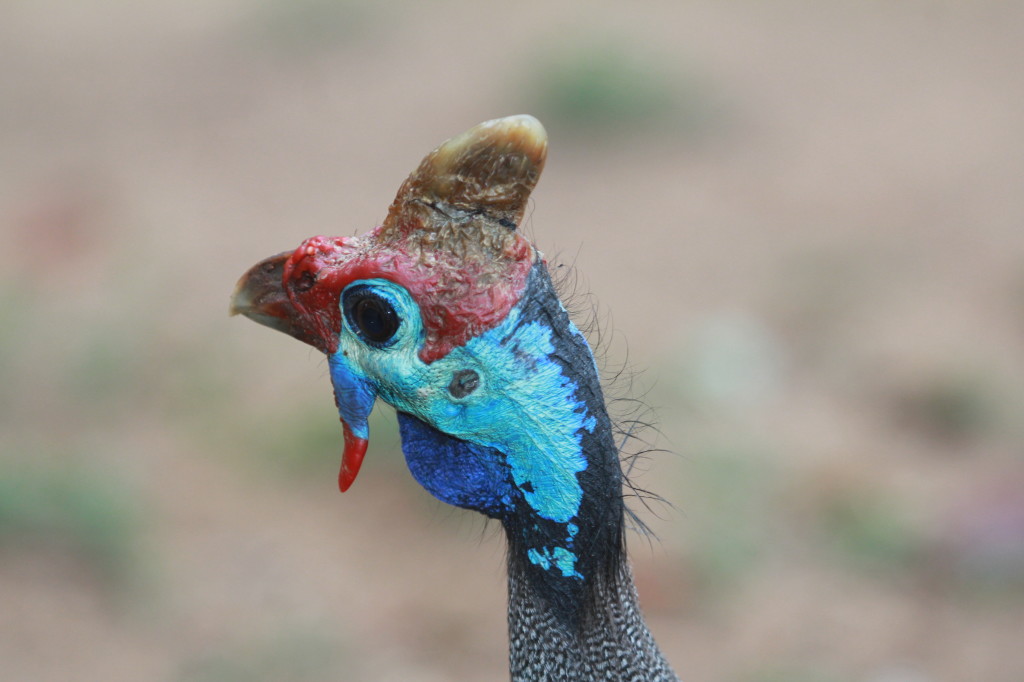
Helmeted Guinea-fowl

IMG_4109

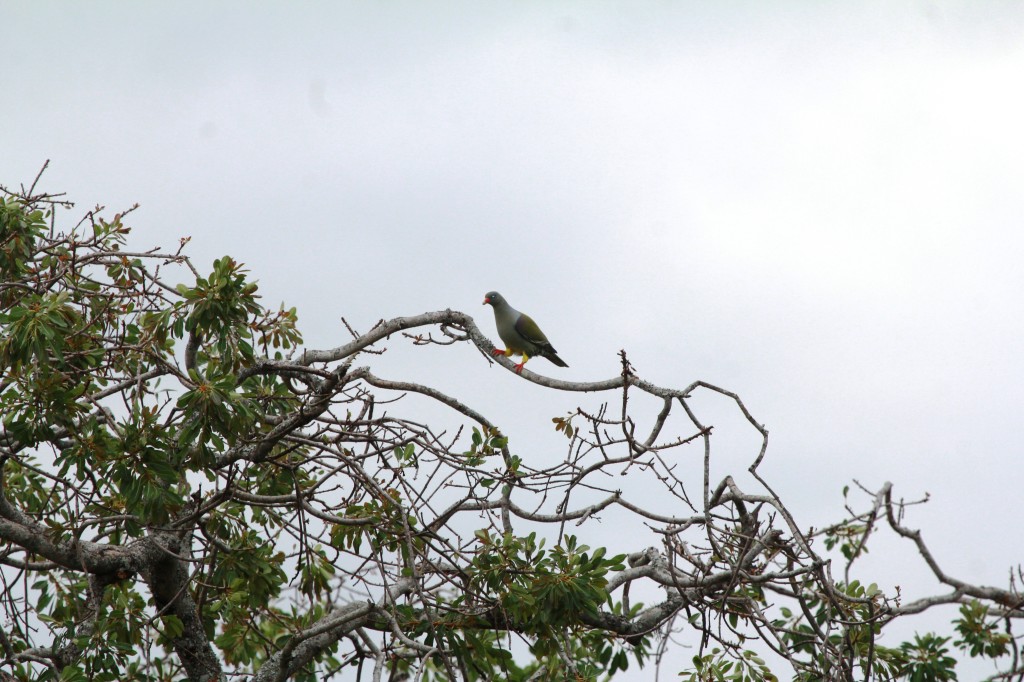
African Green Pigeon

IMG_4111

Purple-crested Turaco – stunning bird, photos don’t do them justice!

IMG_4128a

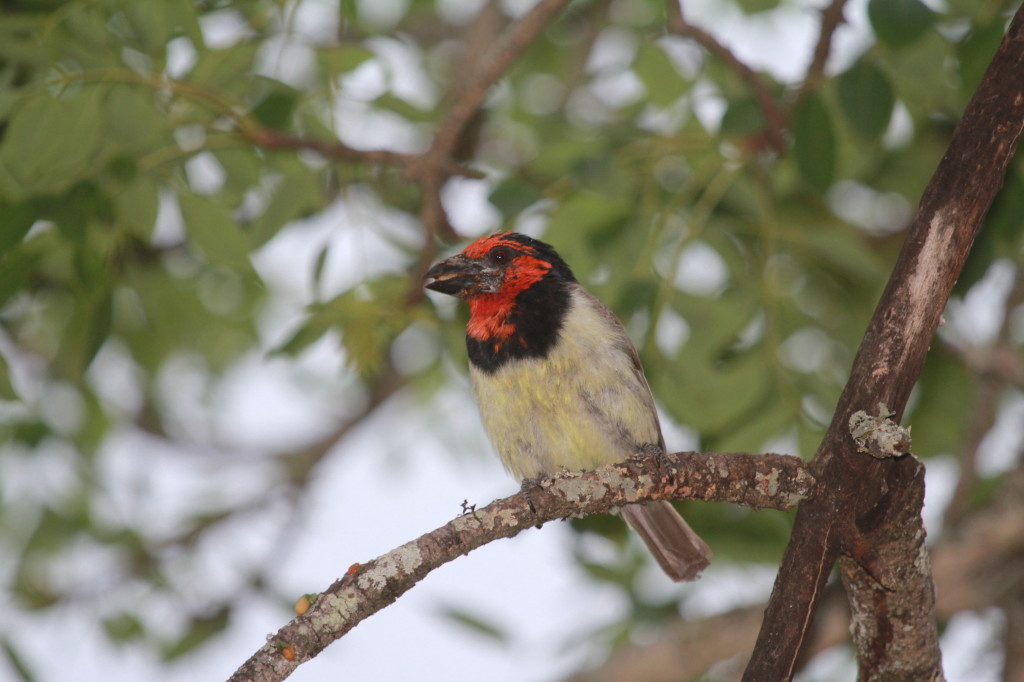
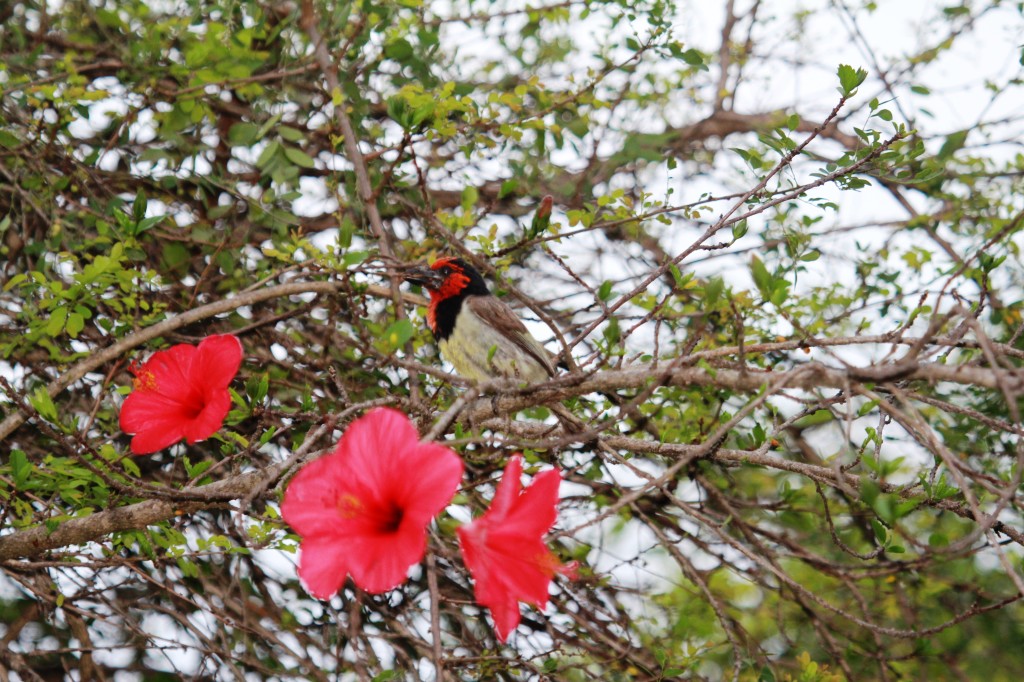
Black-collared Barbet

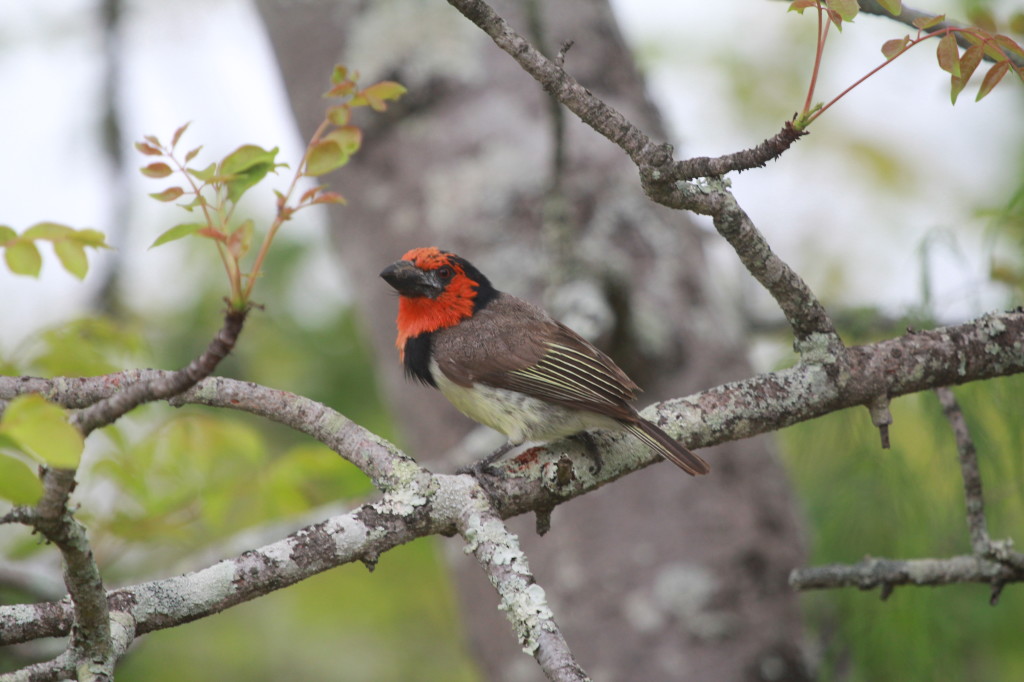
IMG_4121 IMG_4125 IMG_4130


These remaining photos were taken early in the morning.  We were up around 5:30 and we spent a good 3 hours just wandering around following the birds (especially the parrots) as they went about their daily activities.

Grey-headed Bush-shrike

IMG_4148

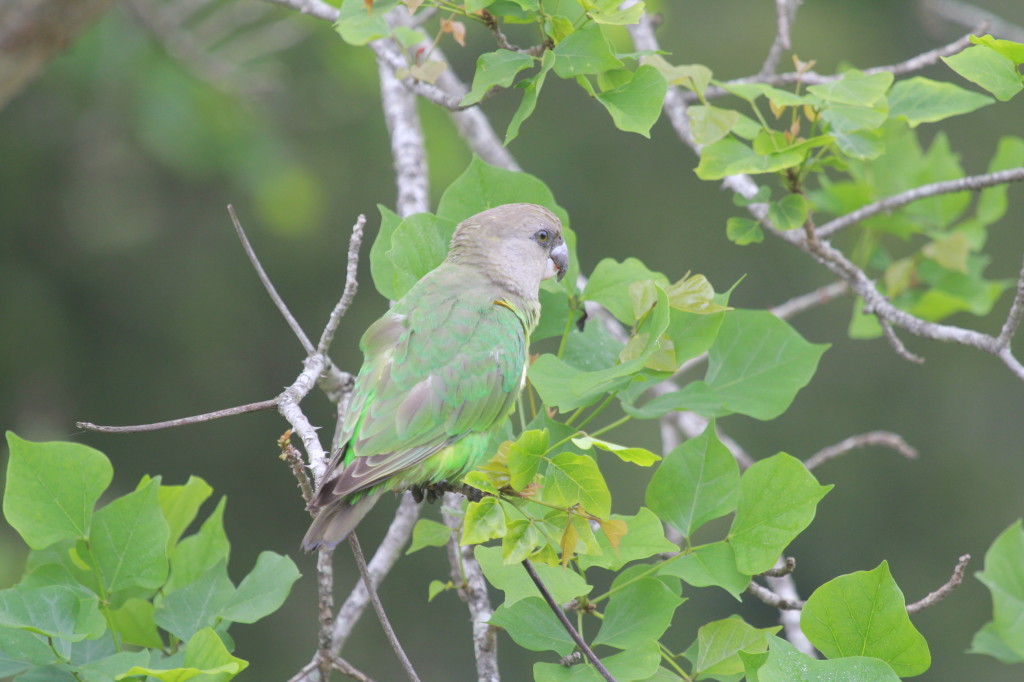
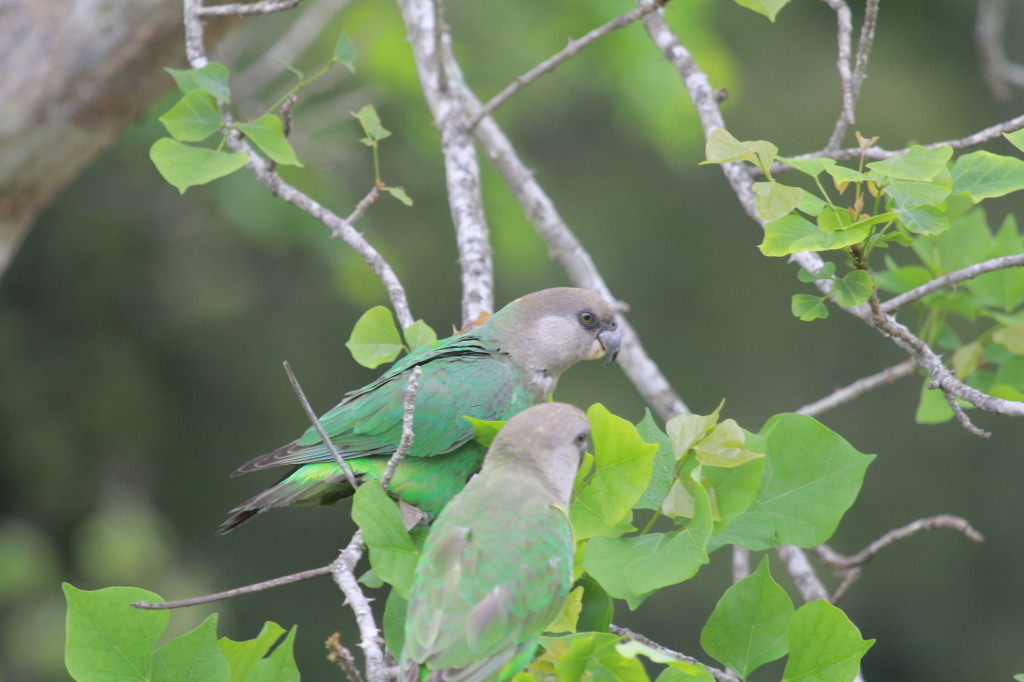
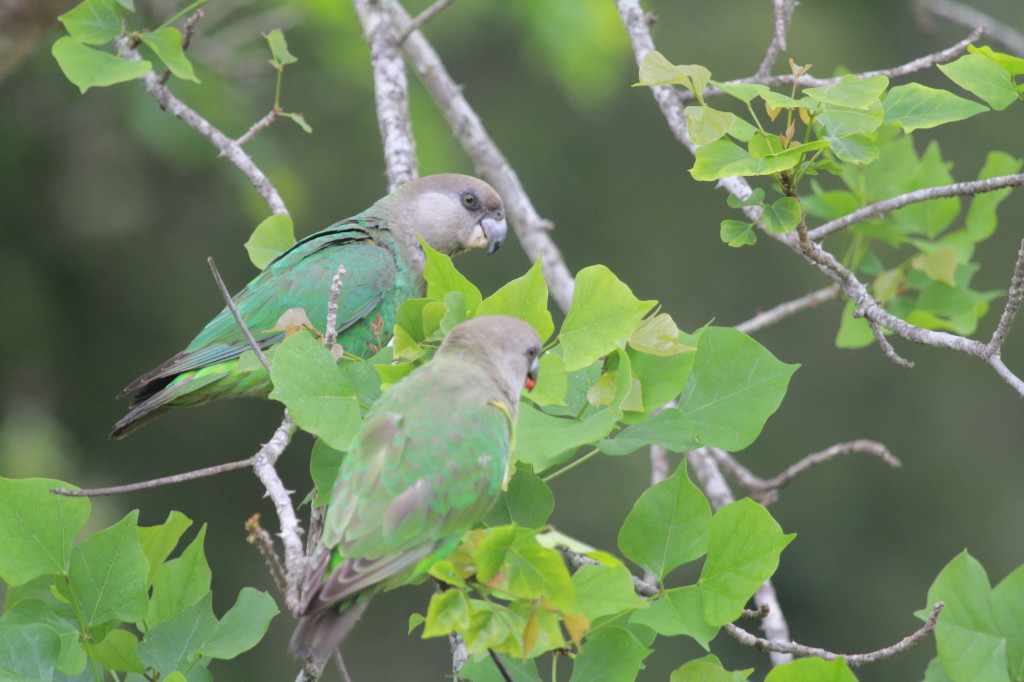
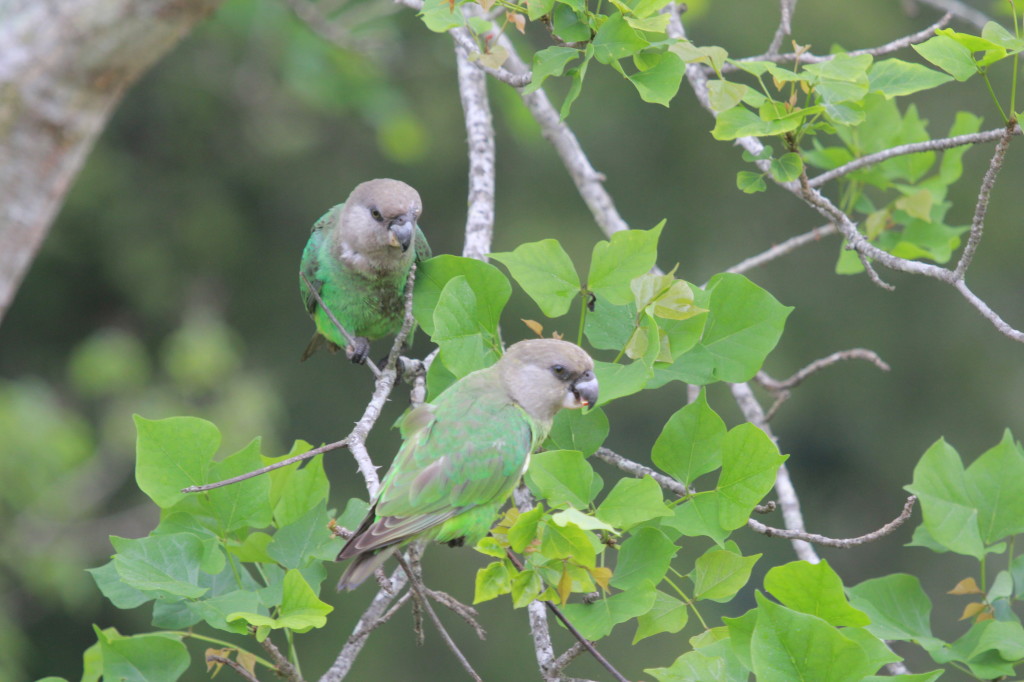
Finally!  A flock of Brown-headed Parrots!

IMG_4151 IMG_4162 IMG_4164 IMG_4166 IMG_4171 IMG_4172

They really like the trees just outside cabin 124!

IMG_4178 IMG_4180 IMG_4183 IMG_4190 IMG_4192 IMG_4194 IMG_4198 IMG_4201 IMG_4204 IMG_4209 IMG_4211 IMG_4214 IMG_4215

African Mourning Dove

IMG_4200

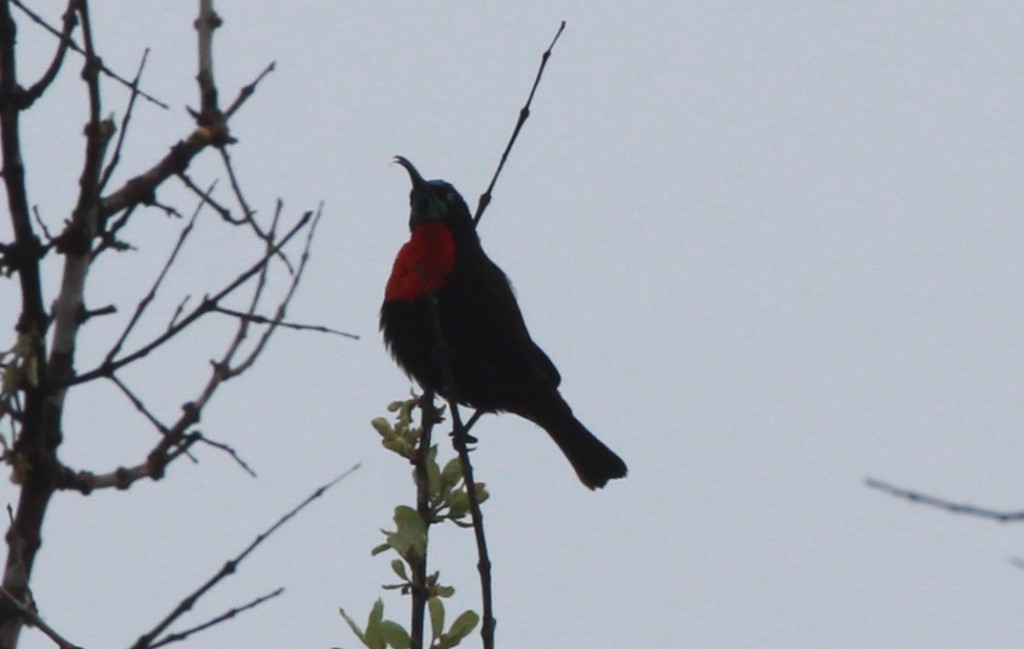
Scarlet-chested Sunbird

IMG_4220a

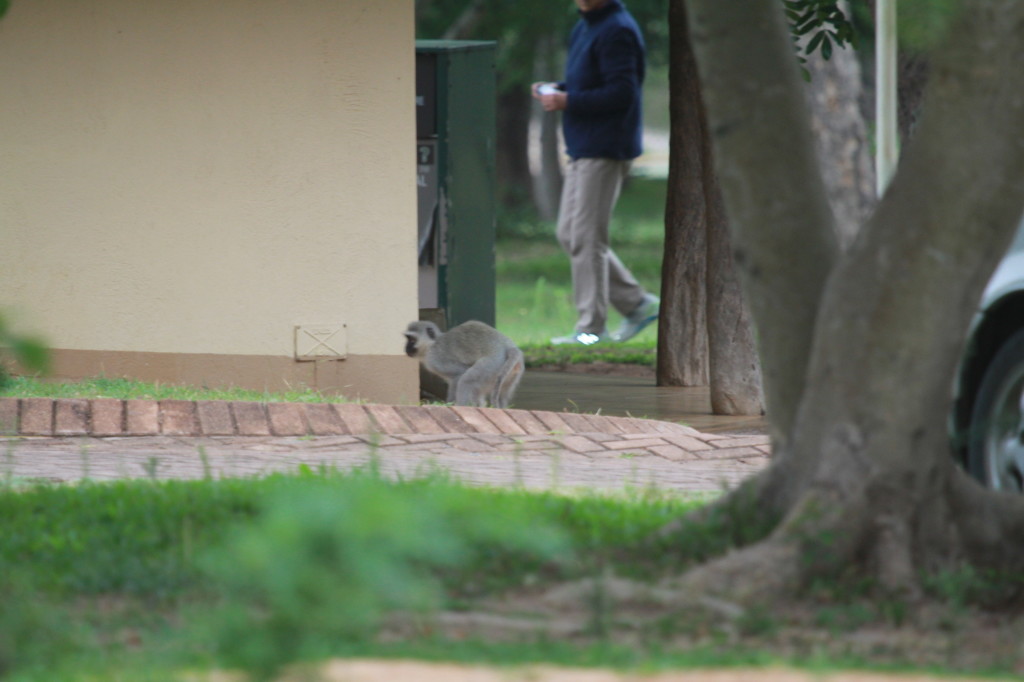
Meanwhile back at the cabin, Ina was watching the Crested Guinea-fowls who came right up to us and the monkeys who were trying to rob some campers of breakfast.

IMG_4232 IMG_4233 IMG_4218 IMG_4222 IMG_4226 IMG_4228

The Brown-headed Parrots beckoned again and we were off chasing them as they flew from tree to tree.

IMG_4241 IMG_4249

We also saw several Purple-headed Turacos!

IMG_4254 IMG_4259 IMG_4260

The Grey Go-away Bird told me to g’wayyyyyyyy……………so I did and kept following the parrots.

IMG_4266 IMG_4271 IMG_4275 IMG_4277 IMG_4278 IMG_4279 IMG_4281

Black-collared Barbet

IMG_4285

G’waaayyyyyyyyyy!

IMG_4293 IMG_4294

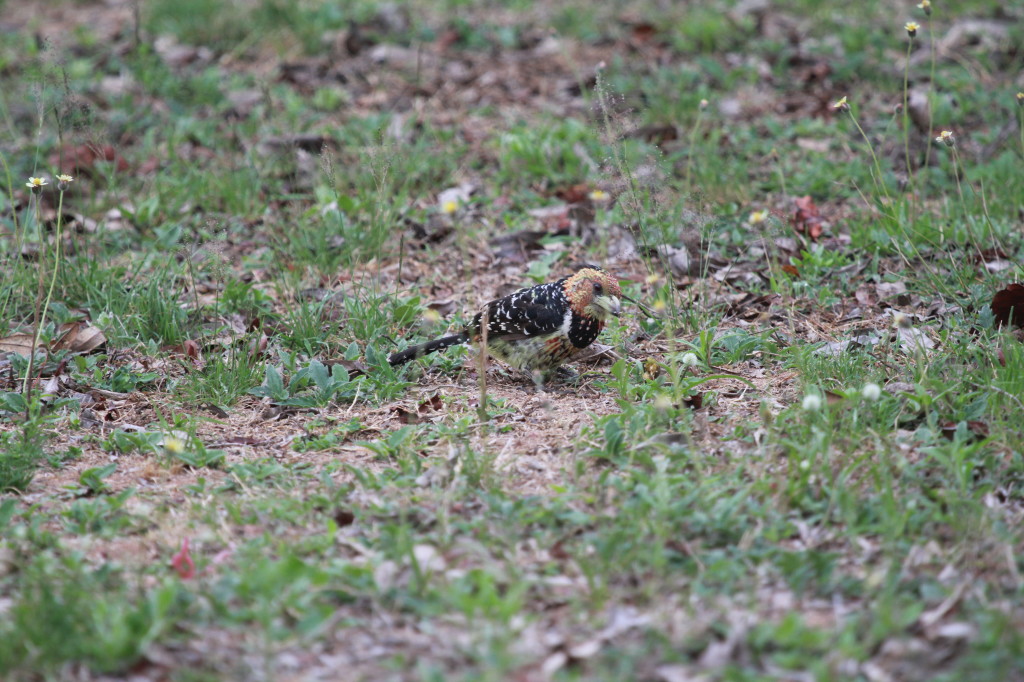
Crested Barbet

IMG_4298 IMG_4301

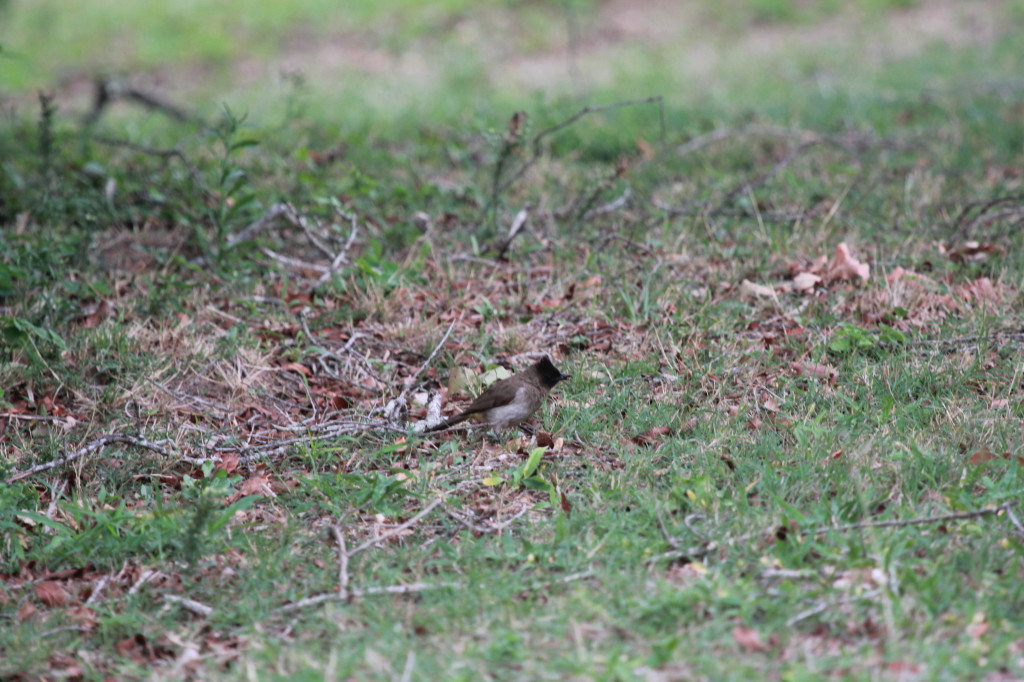
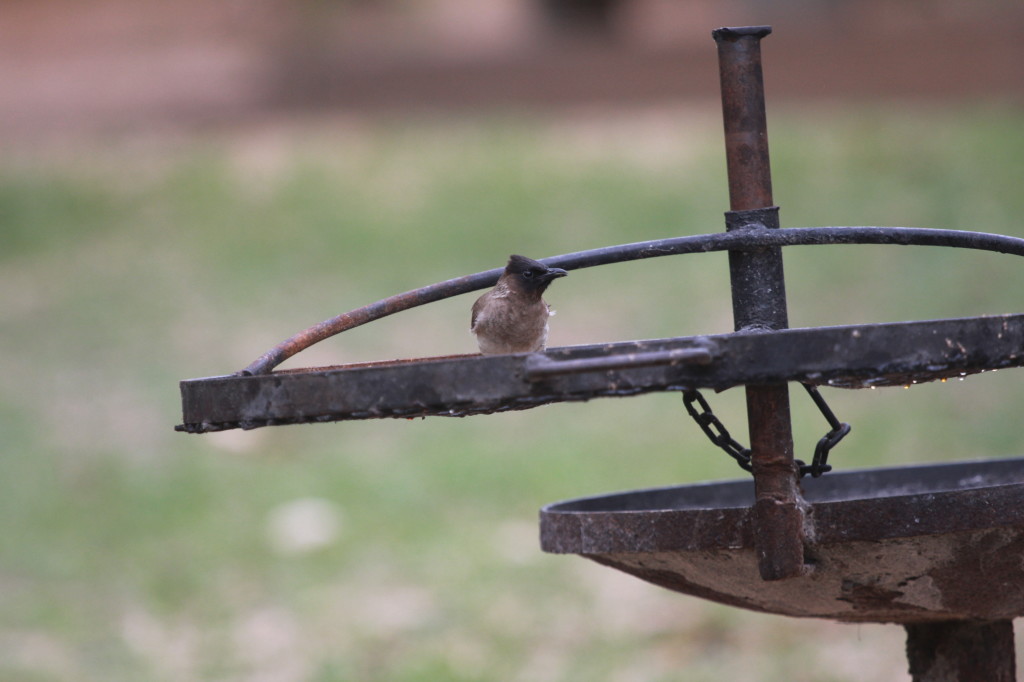
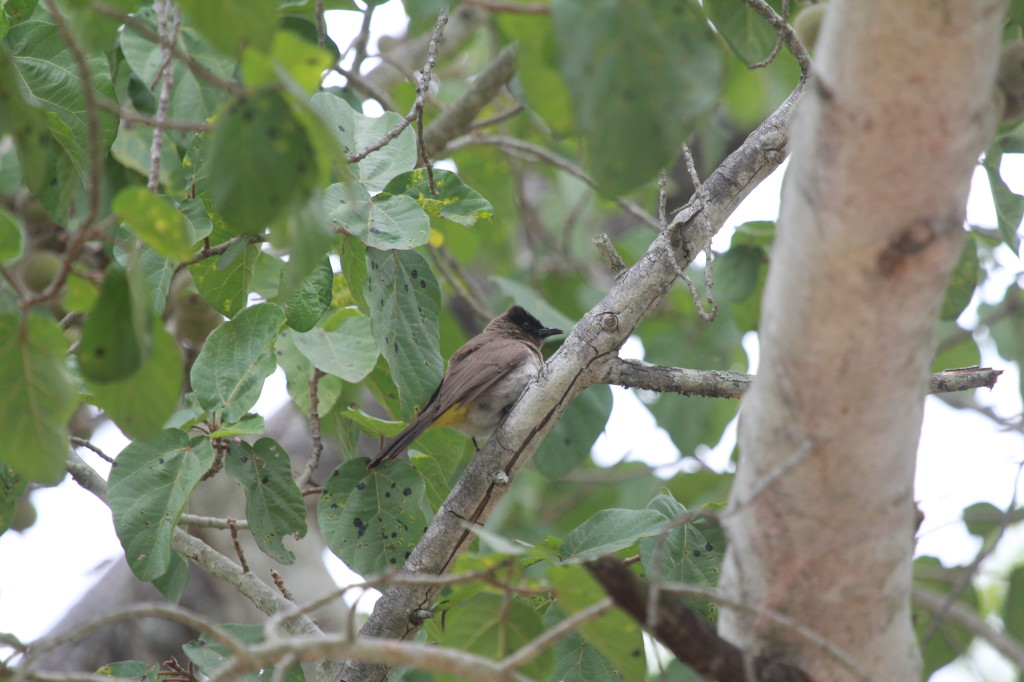
Dark-capped Bulbul

IMG_4304 IMG_4307

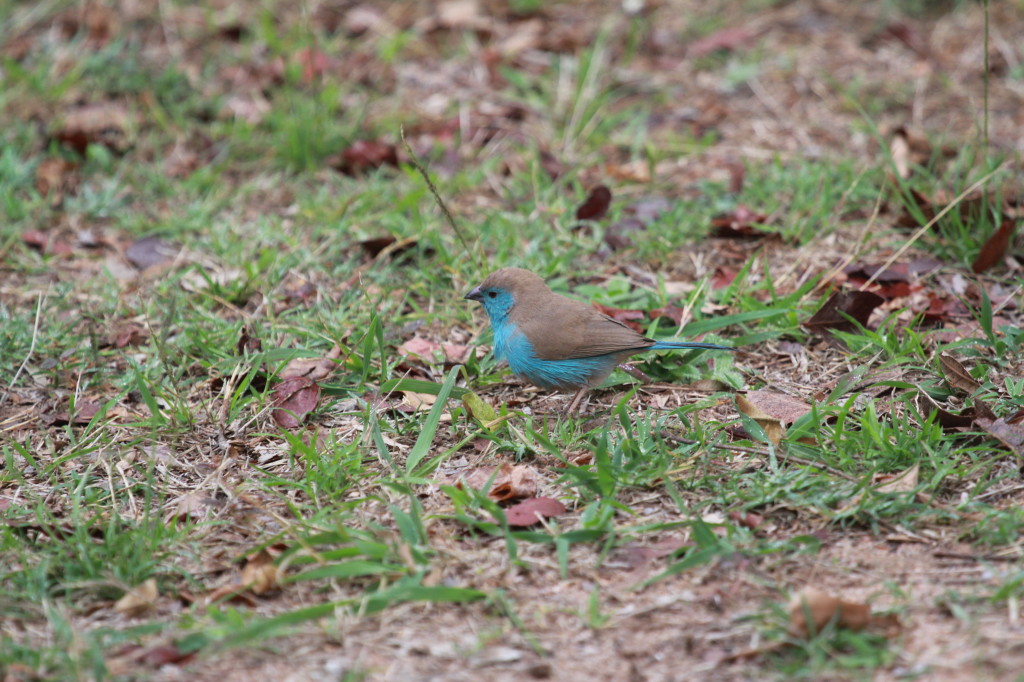
Blue Waxbill

IMG_4313

Southern Black Flycatcher

IMG_4314

Red-headed Weaver

IMG_4316a

Black-backed Puffback

IMG_4319

Yellow-fronted Canary

IMG_4328a

As we were pulling out of the camp, I spotted this Purple Crested Turaco and anther Bulbul in the trees outside reception.

IMG_4343 IMG_4344 IMG_4349 IMG_4350 IMG_4351 IMG_4352Obviously this is not a complete list of all the birds you can find here, this is just what we saw on one particular early November morning.

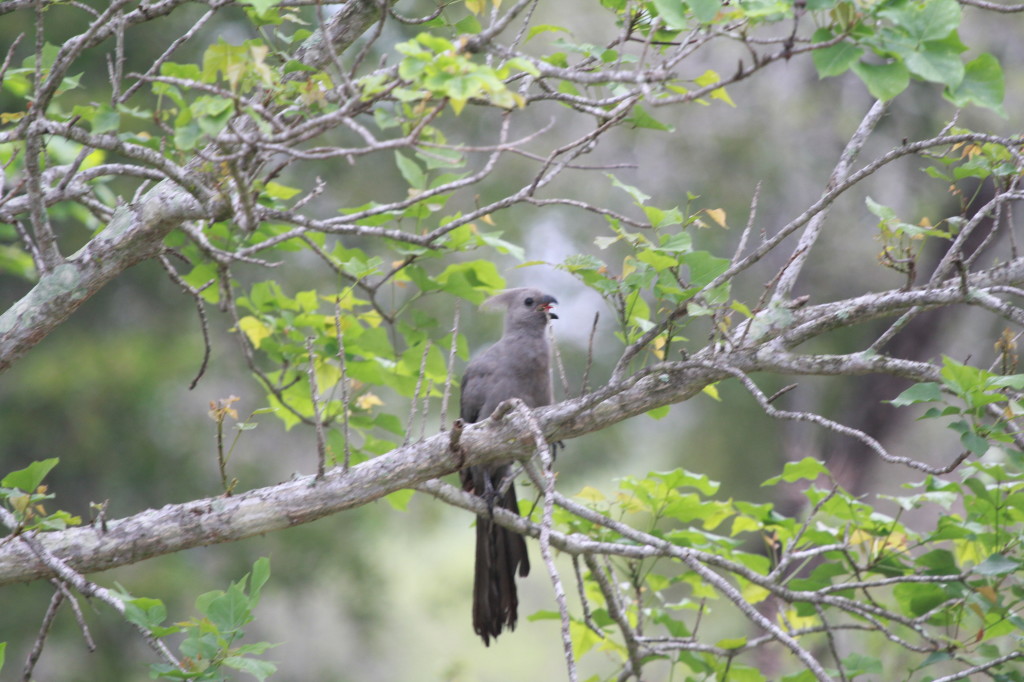
Grey Go-away Bird (Corythaixoides concolor)

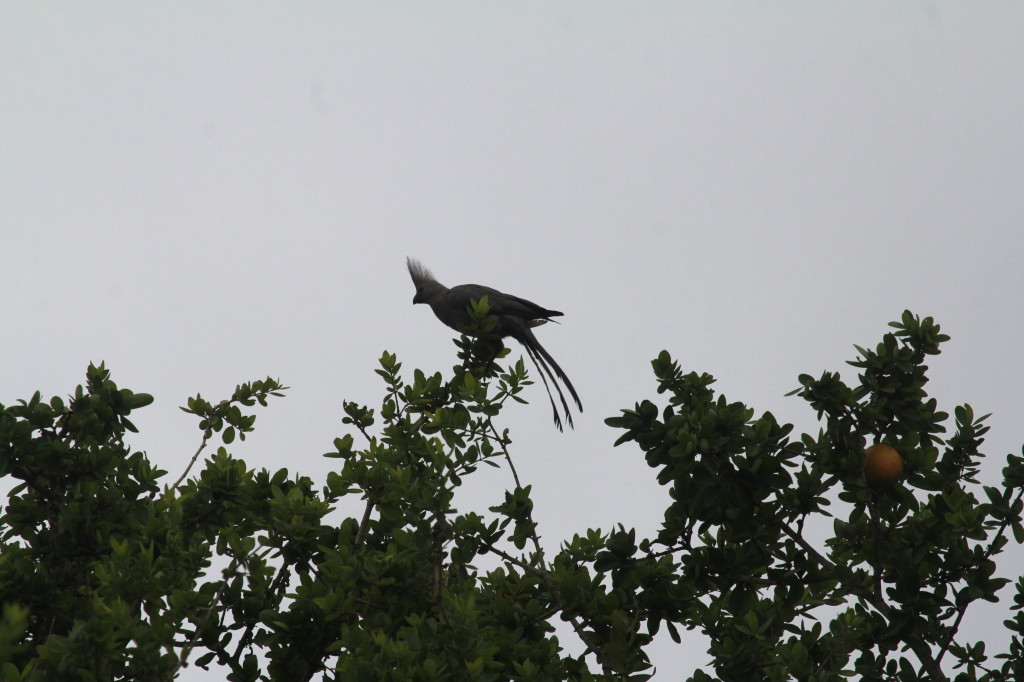
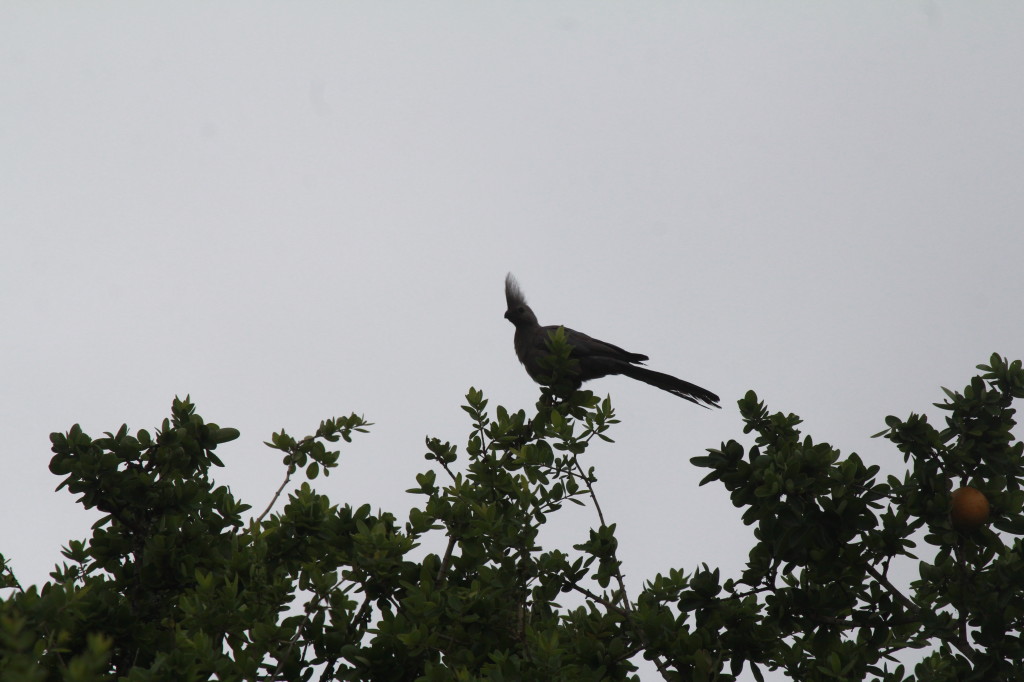
The Grey Go-away Bird (Corythaixoides concolor), (also known as grey lourie, grey loerie, or kwêvoël) is one of the most entertaining birds you will see in Africa.  Even when they are telling you to “go away”, they are still endearing and I look forward to seeing them on a safari.  They are widespread in savanna woodland, a clumsy flier though extremely agile in clambering through tree crowns. It has a distinctive loud alarm call “quare”, fancifully sounding like “go away”. The crest is raised when excited.
IMG_3797 IMG_3938 IMG_3952They have a large range in Southern Africa.  I saw them all over Kruger National Park.  Although the Birdlife map shows them only in southern Tanzania, I saw them in the Whistling Thorn Camp near Tarangire National Park, and was personally told to “go away” after checking into my tent!

LEARN MORE ABOUT THIS BIRD

Wikipedia

Birdlife

VIDEOS

Excellent sound quality, you can hear them saying “Go away”!

 This is a very old movie clip from “The Gods Must Be Crazy”.  The first part is hilarious, the last part (I hope that’s a prop) not so much.


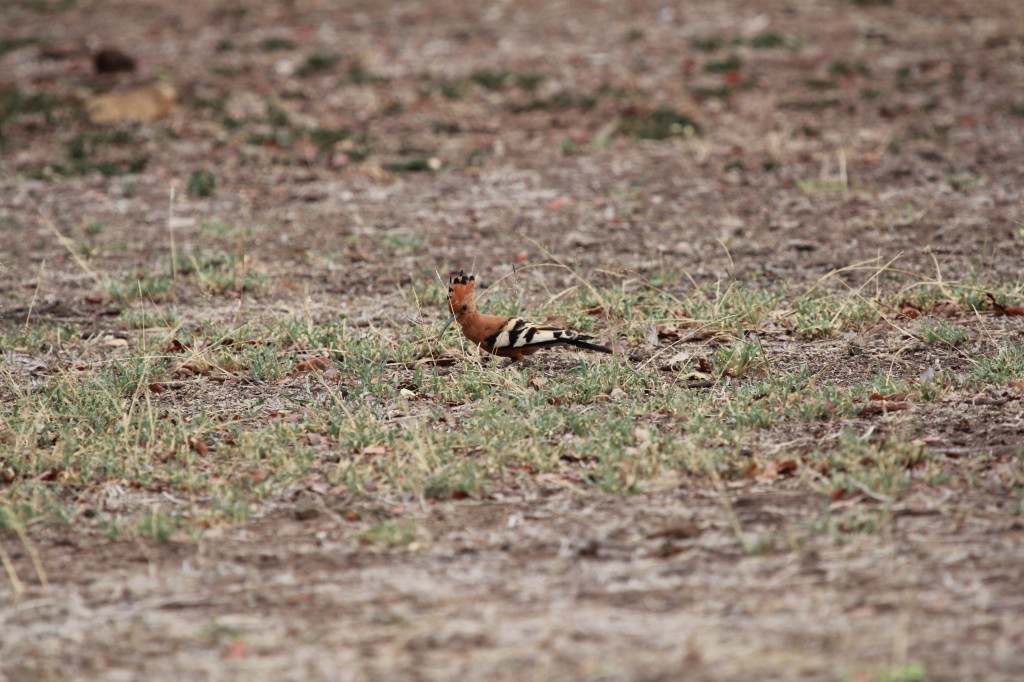
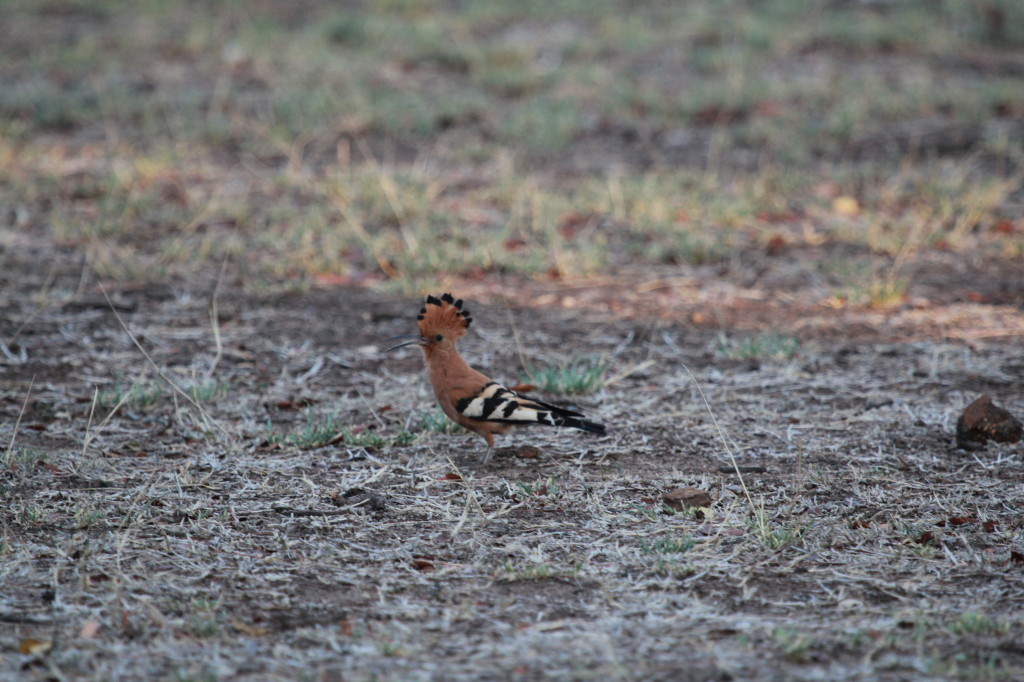
Hoopoe (Upupa epops)

The Hoopoe (Upupa epops) is a colourful bird found across Afro-Eurasia, notable for its distinctive “crown” of feathers. It is the only extant species in the family Upupidae.

IMG_3944 IMG_3956 IMG_3903There are 9 sub-species and I have seen 3 of them, all in Africa.

.

They were very easily seen in Satara Restcamp in Kruger National Park, Ankarafantsika in Madagascar and several places in Tanzania.  The Wikipedia map shows just how widespread they really are!

.

LEARN MORE ABOUT HOOPOES

Wikipedia

Birdlife

ARKive

VIDEO

Great close up action and you can hear the sound he makes!