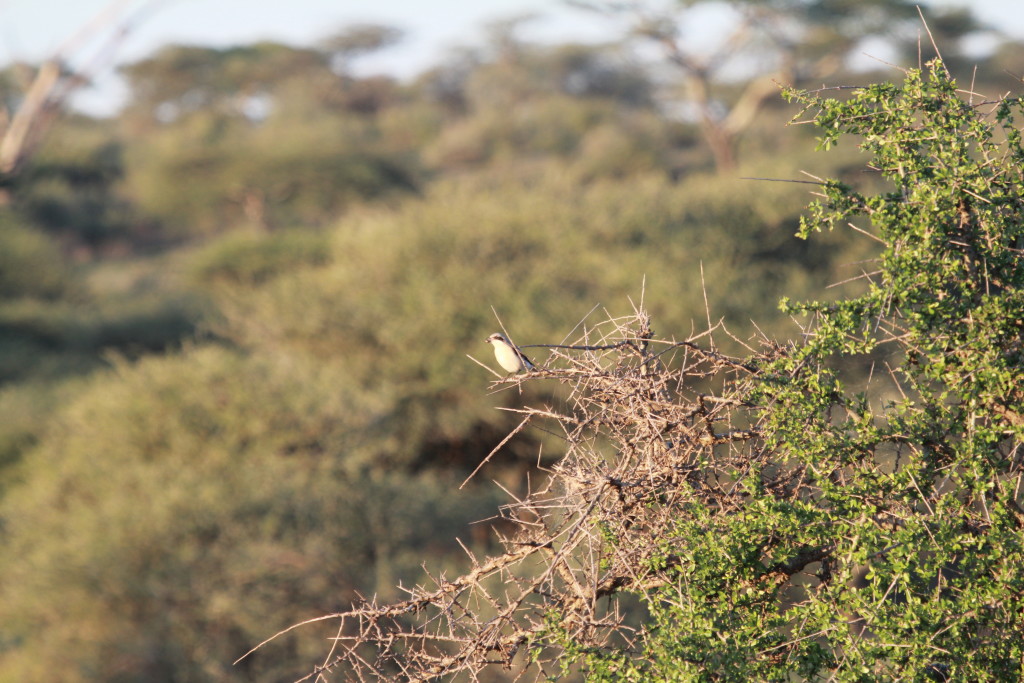
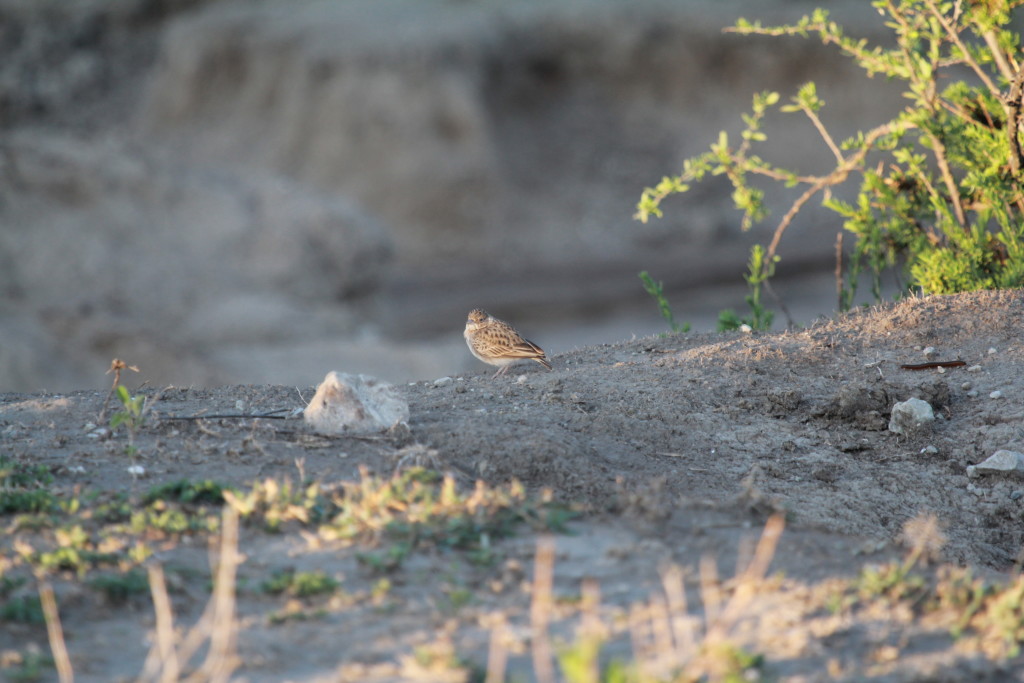
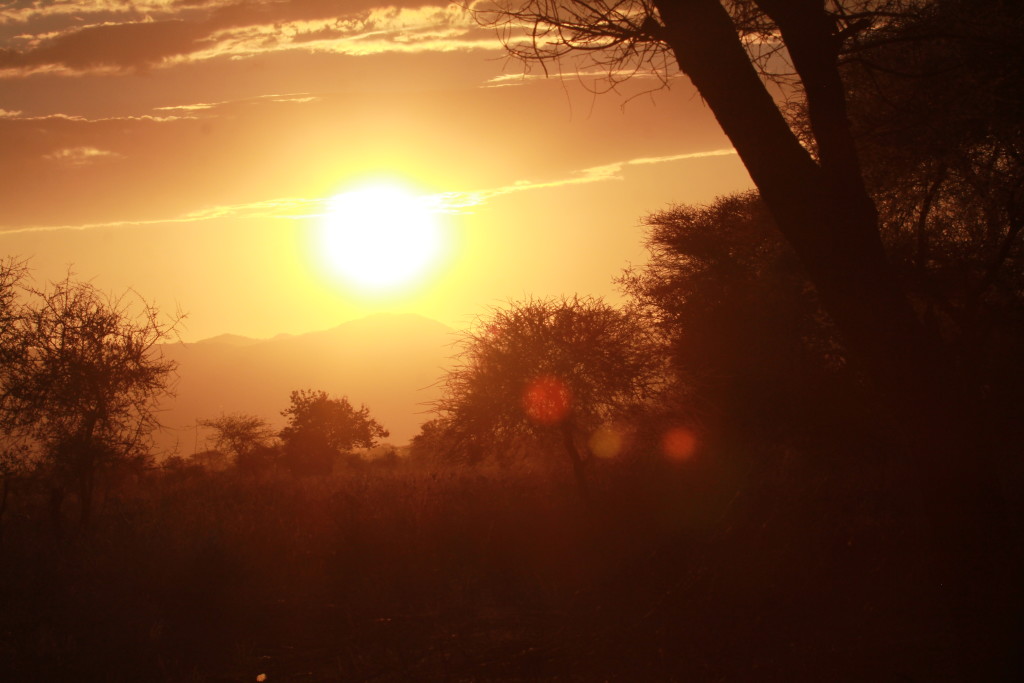
Ngorongoro Conservation Area – Part 2

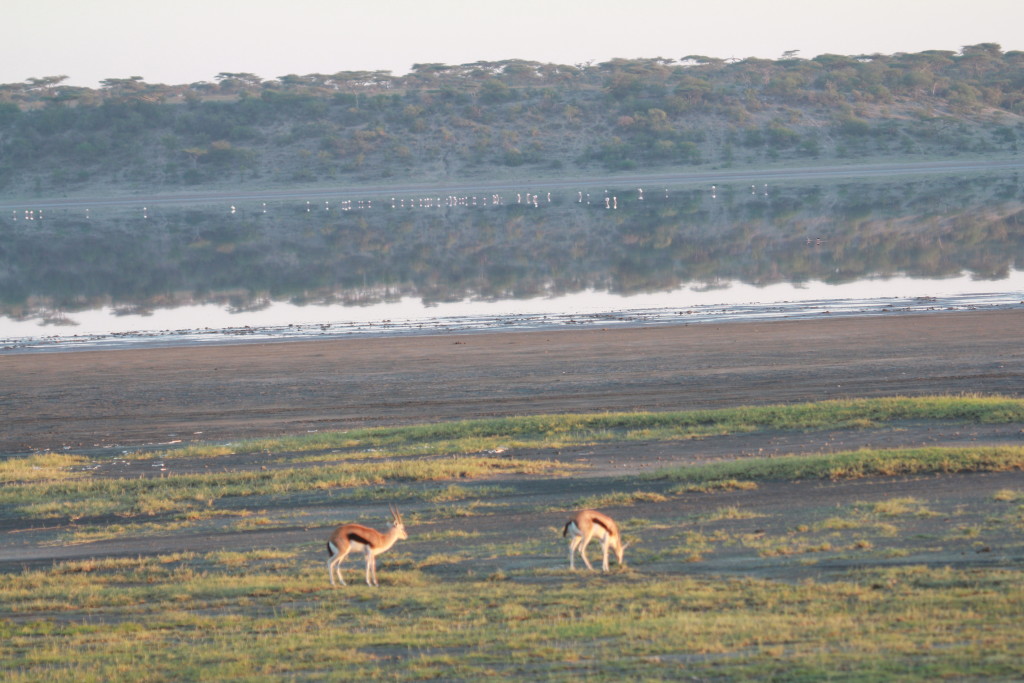
Continuing on from Part 1, we are starting with an early morning game drive before breakfast.  Some Thompson’s Gazelles were grazing at the pond which straddles the border with Serengeti.

IMG_6986

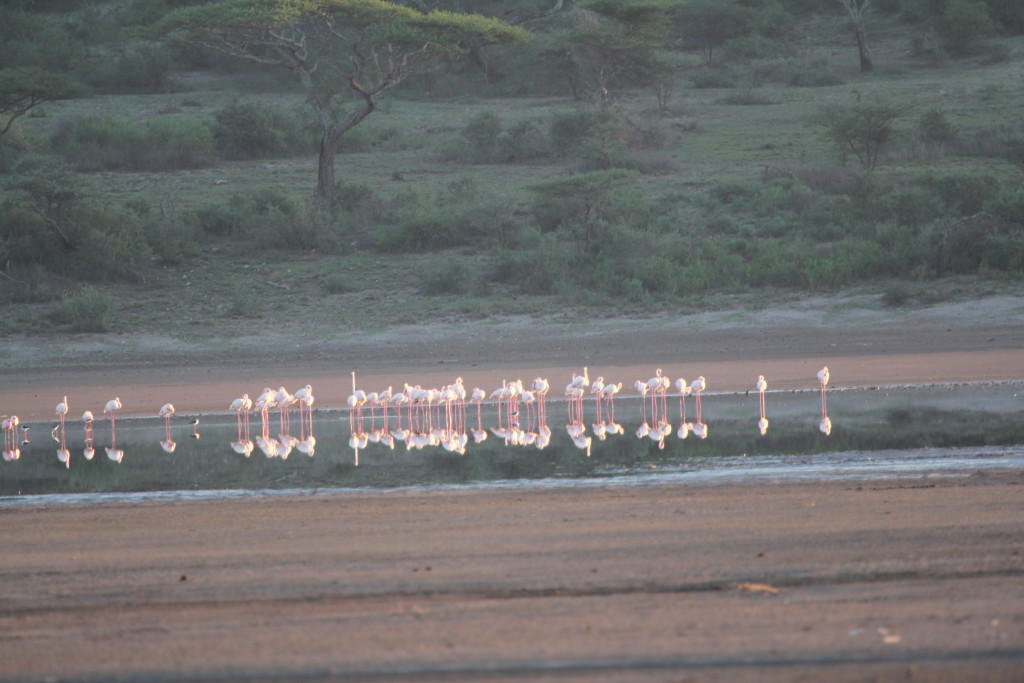
Flamingoes make a nice reflection.

IMG_6987 IMG_6989 IMG_6992 IMG_6993

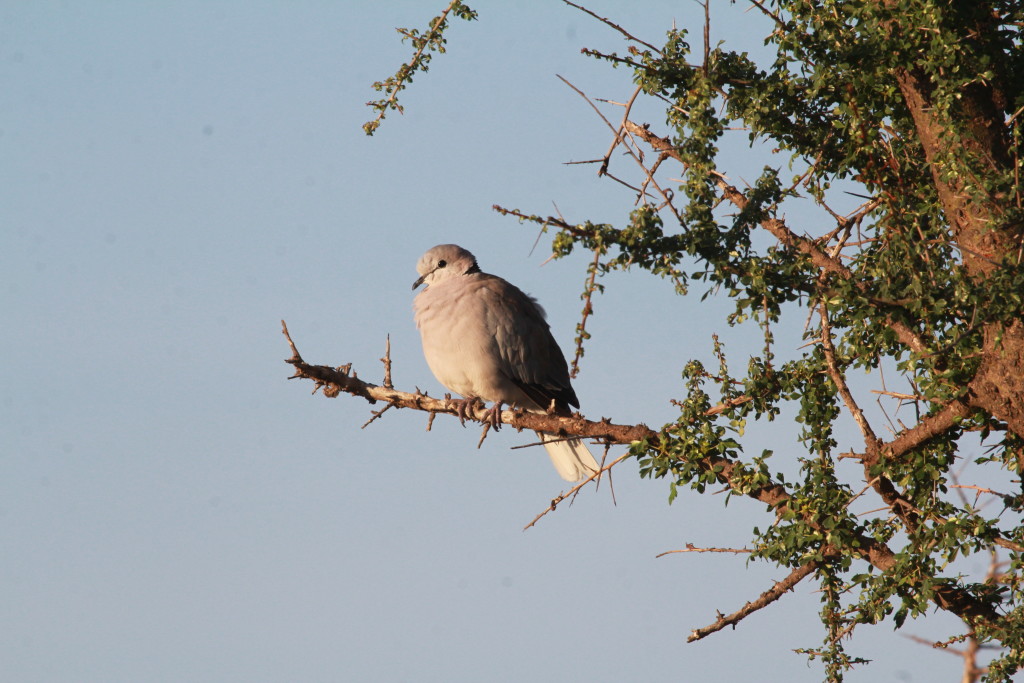
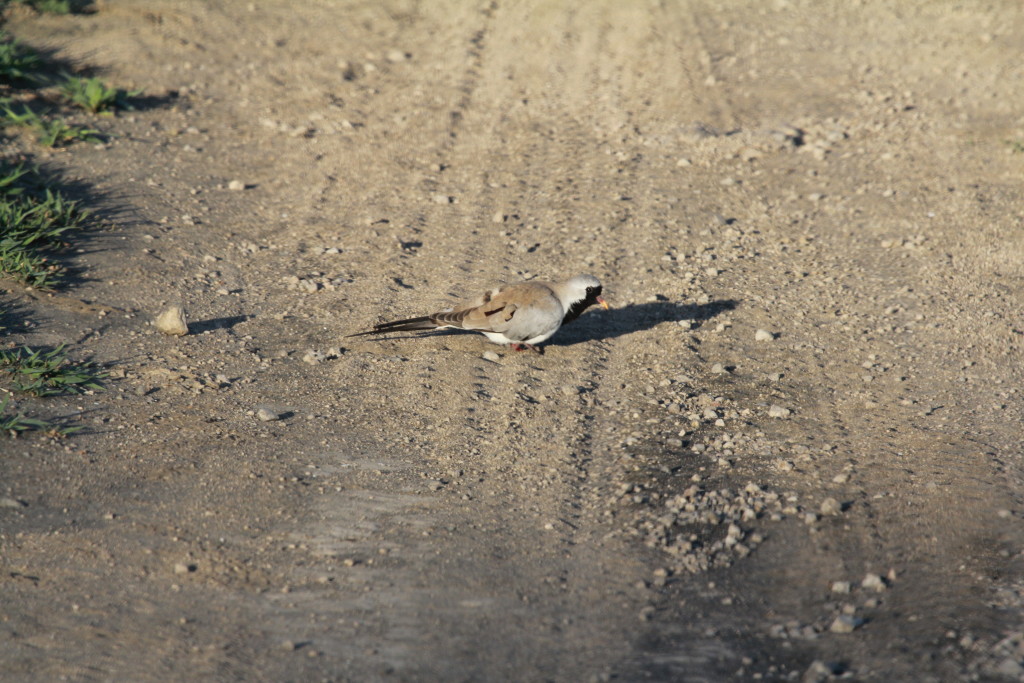
Mourning Dove

IMG_6998

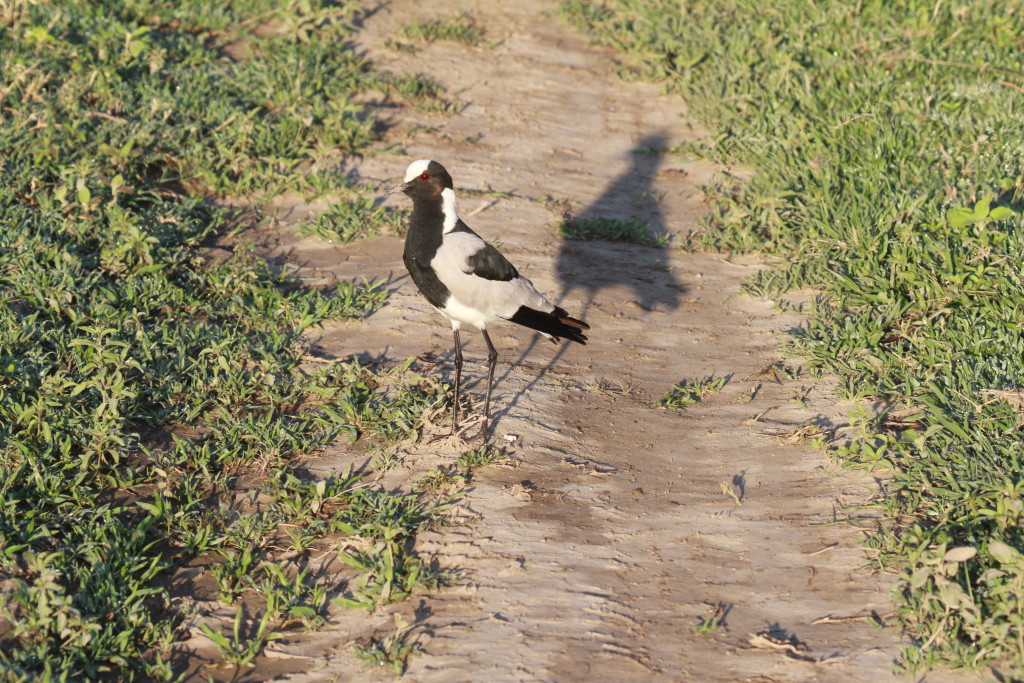
Blacksmith Plover

IMG_7001

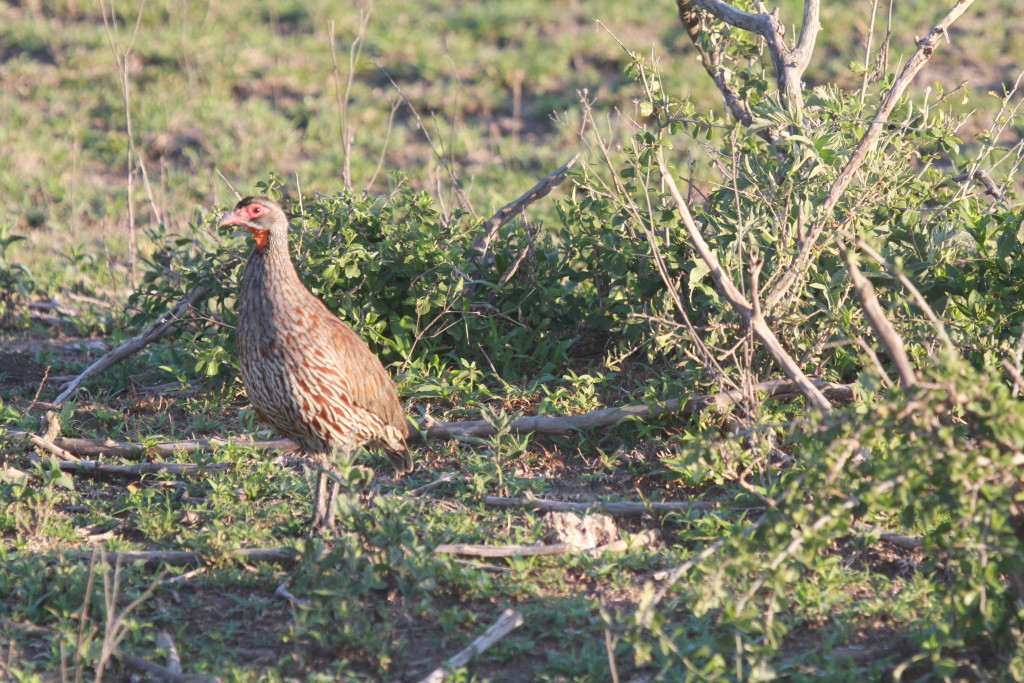
Grey-breasted Spurfowl

IMG_7002 IMG_7005

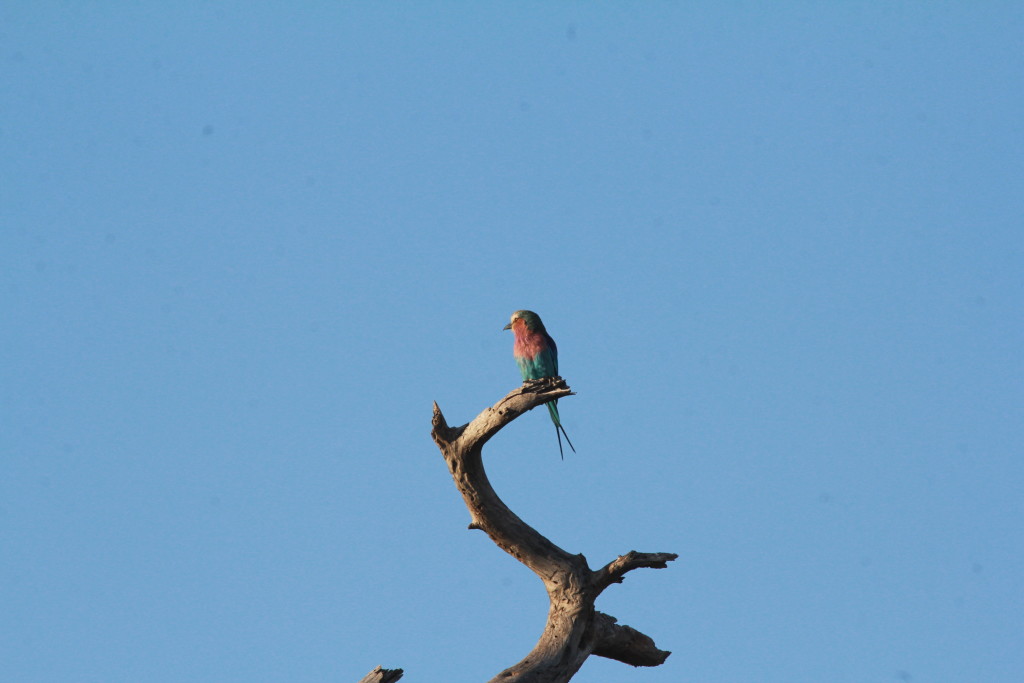
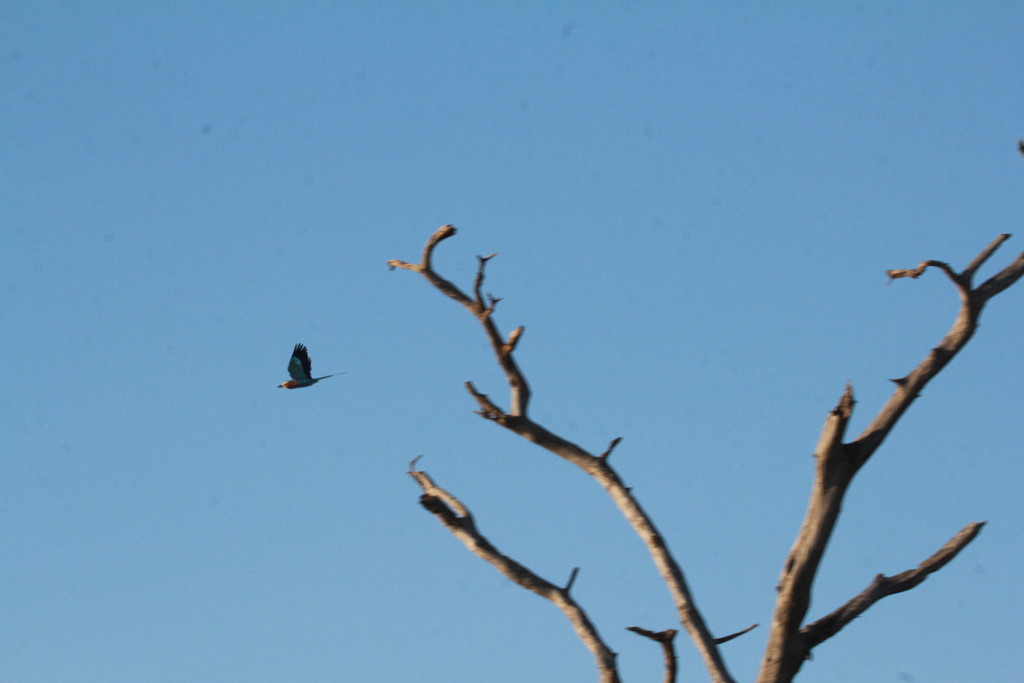
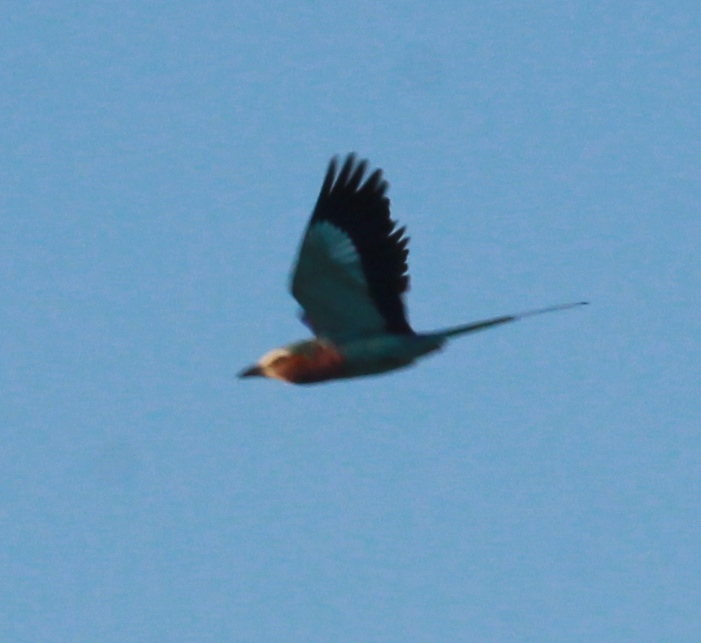
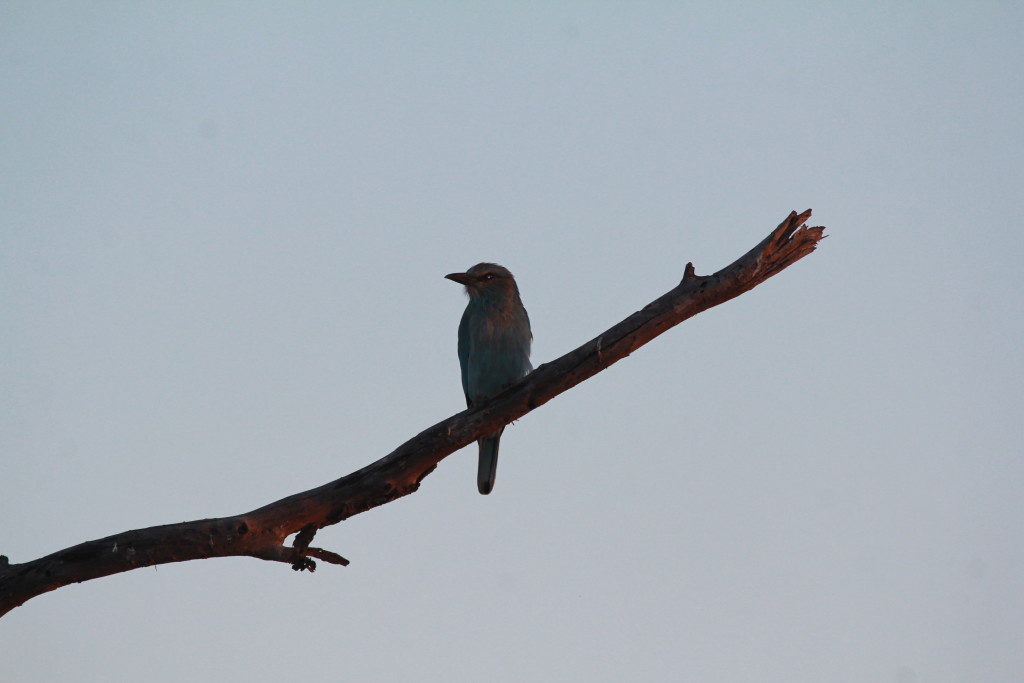
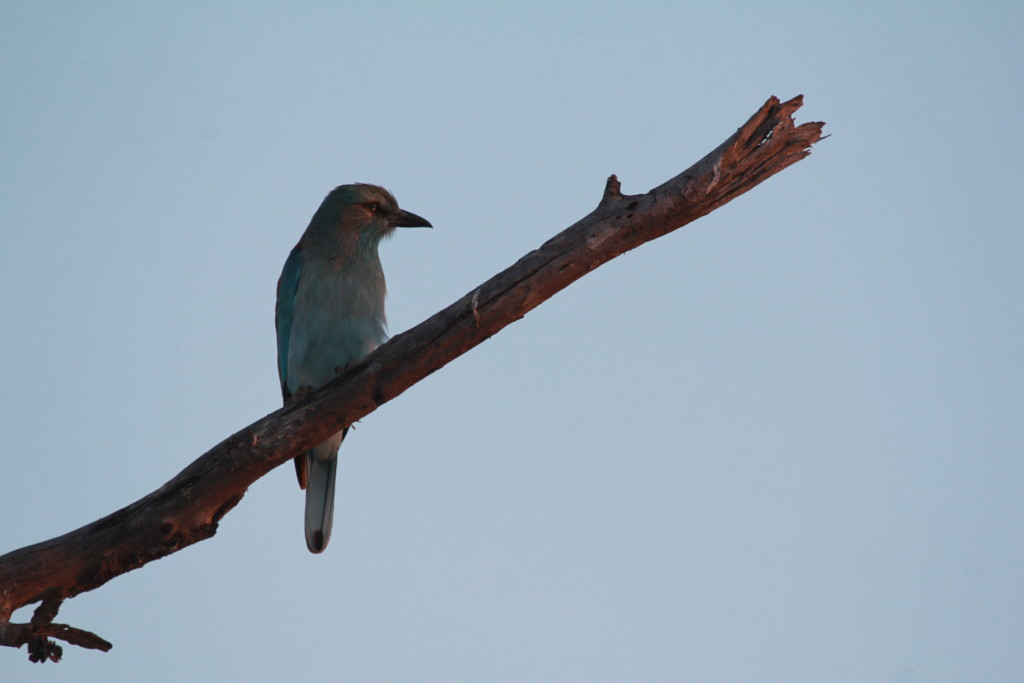
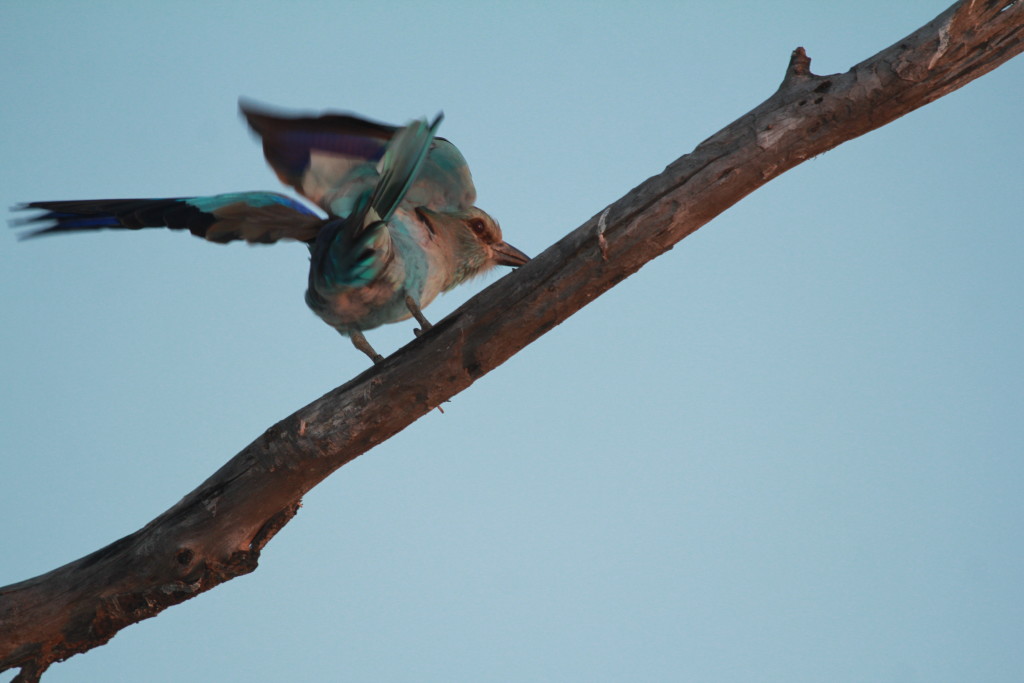
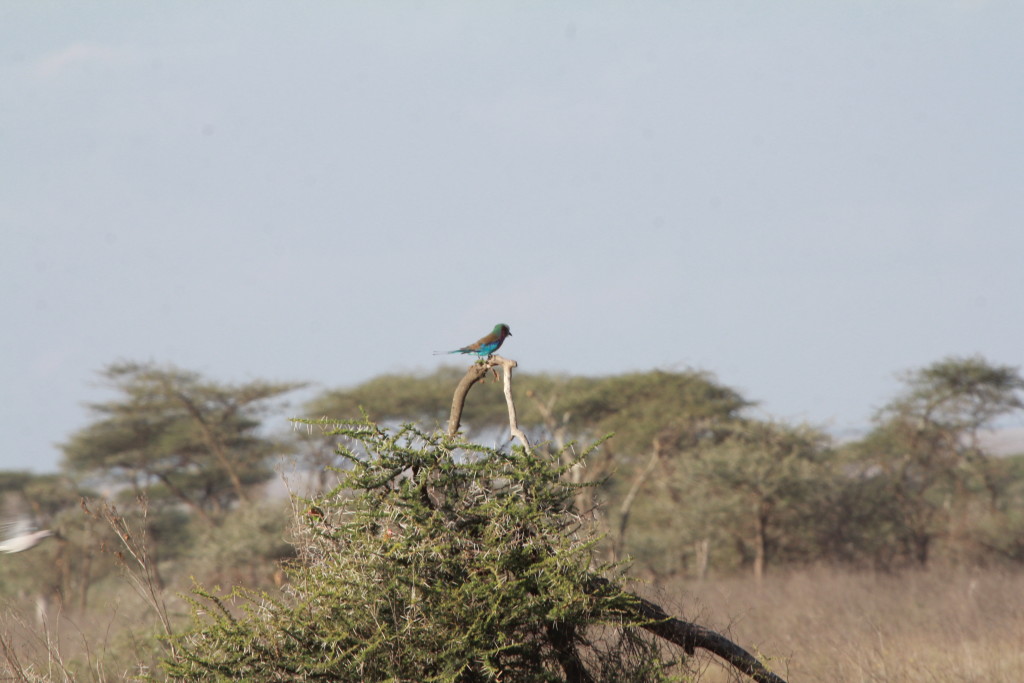
Lilac-beasted Roller

IMG_7007 IMG_7008 IMG_7008a IMG_7015

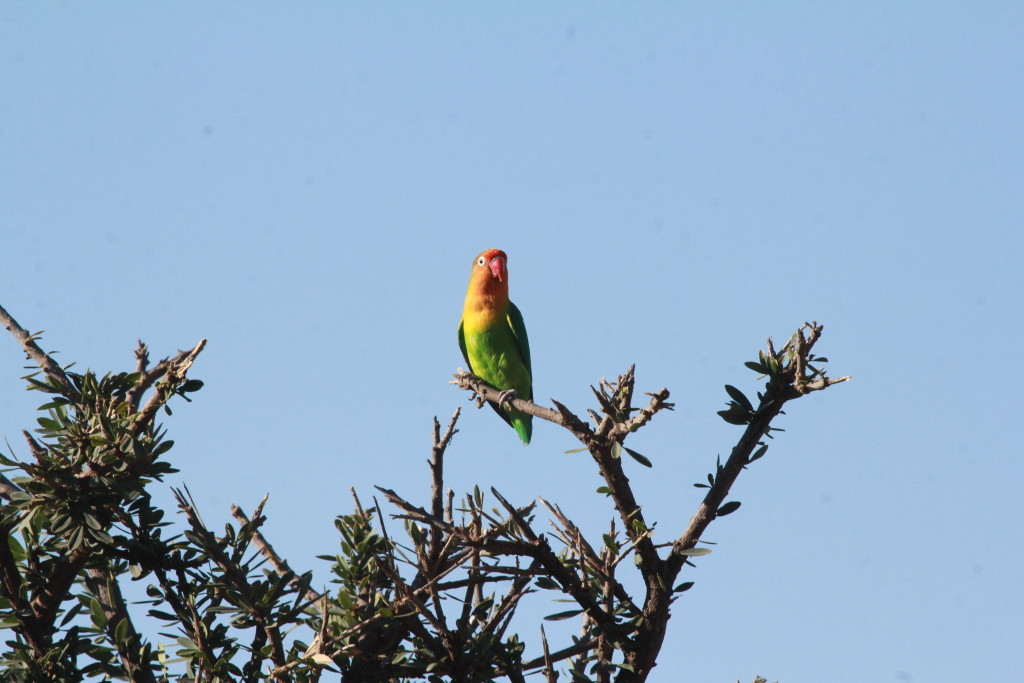
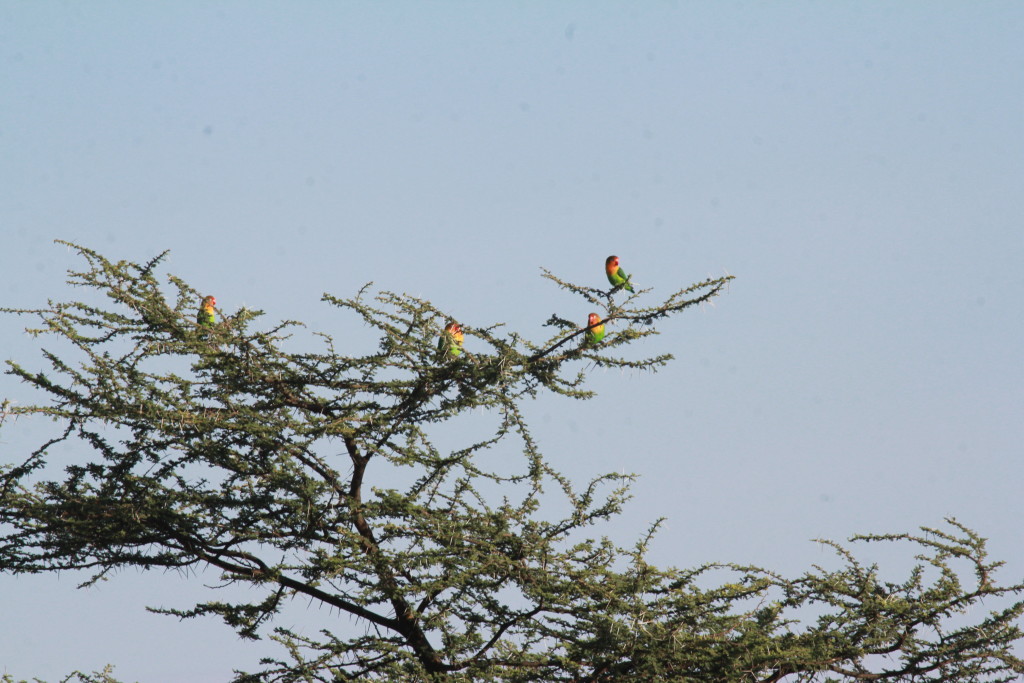
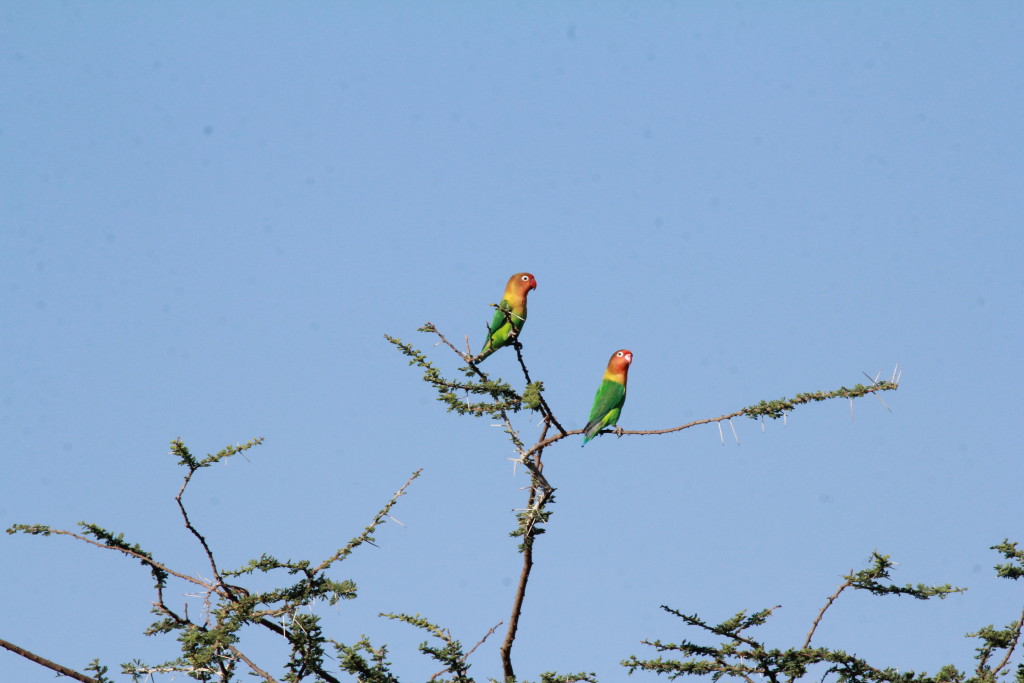
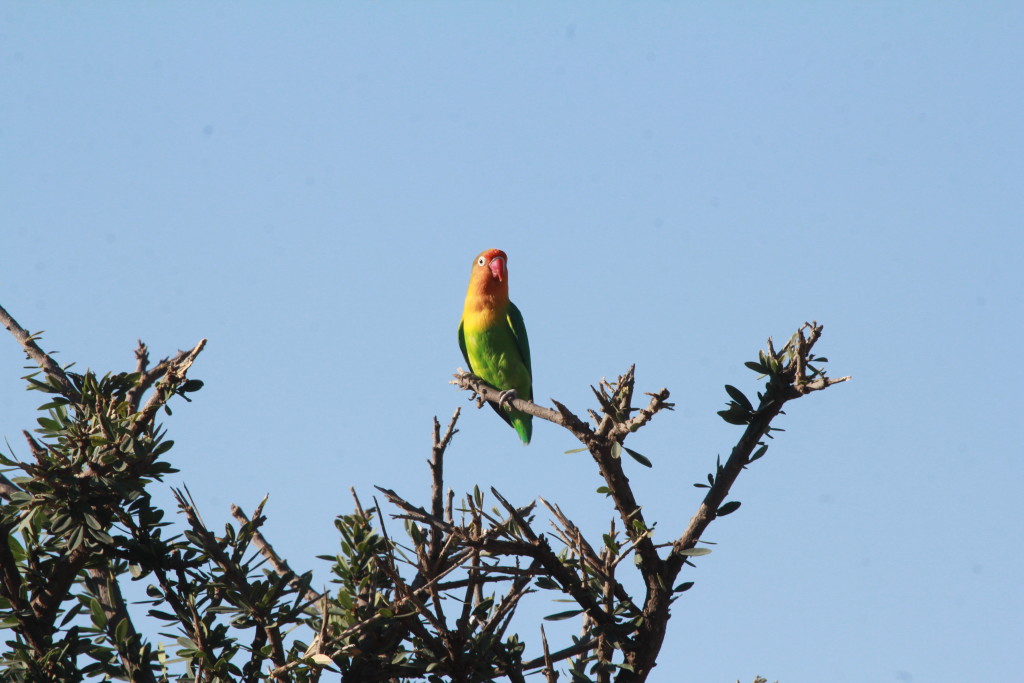
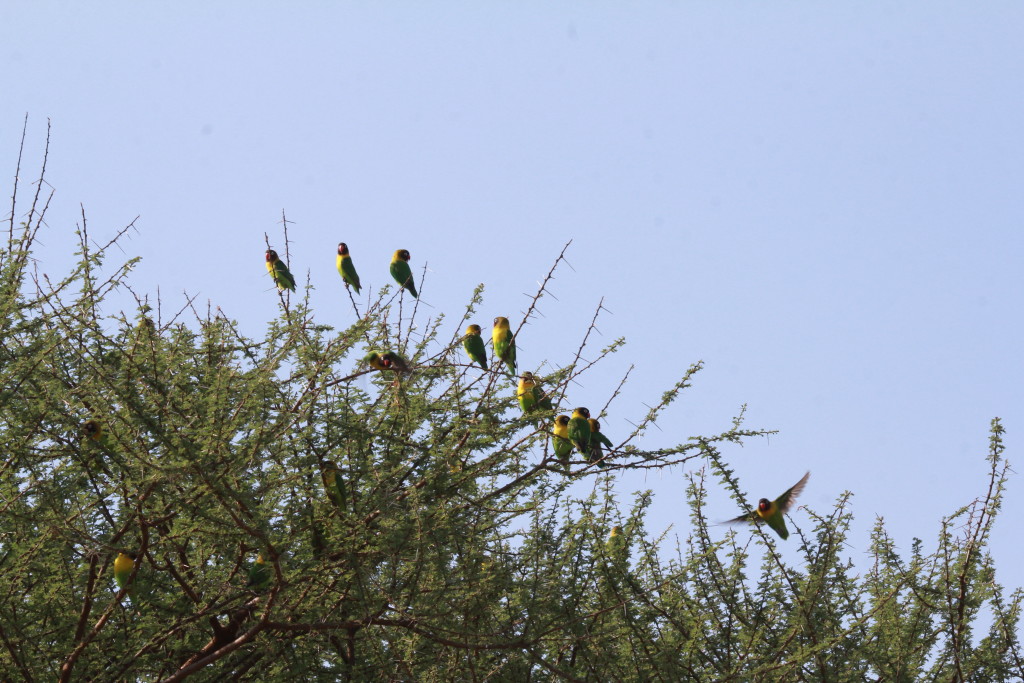
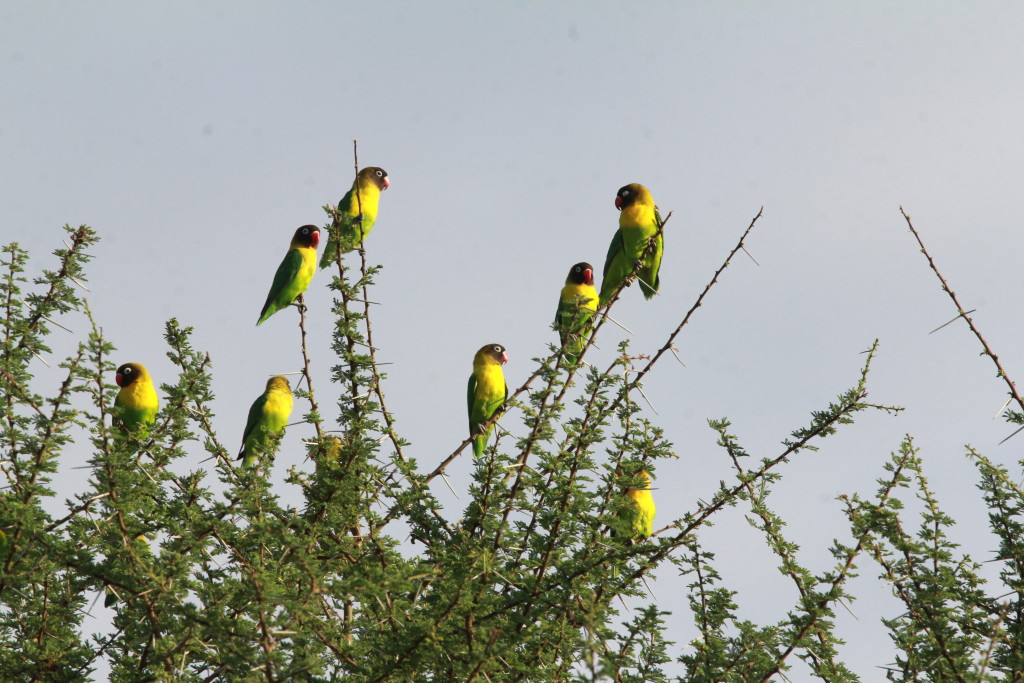
This next batch of photos covers the drive after breakfast as we leave the lodge and start the drive back to Arusha.  Fischer’s Lovebirds were there to say goodbye.

IMG_7017

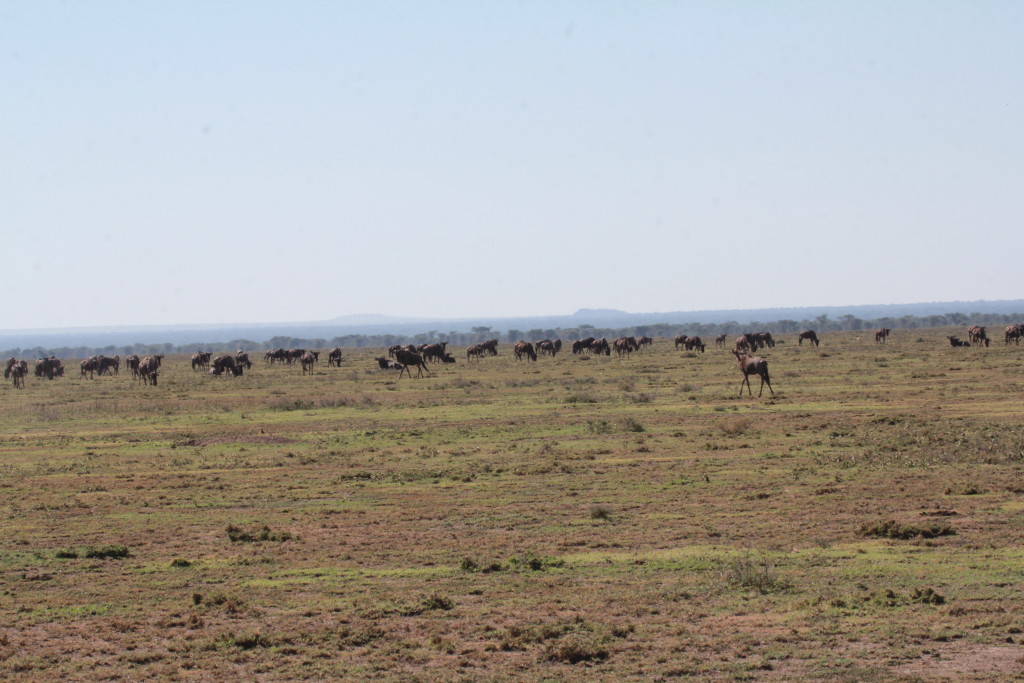
This mixed herd of Wildebeest and antelopes is just a tiny fraction of what you see during the great migration.

IMG_7060

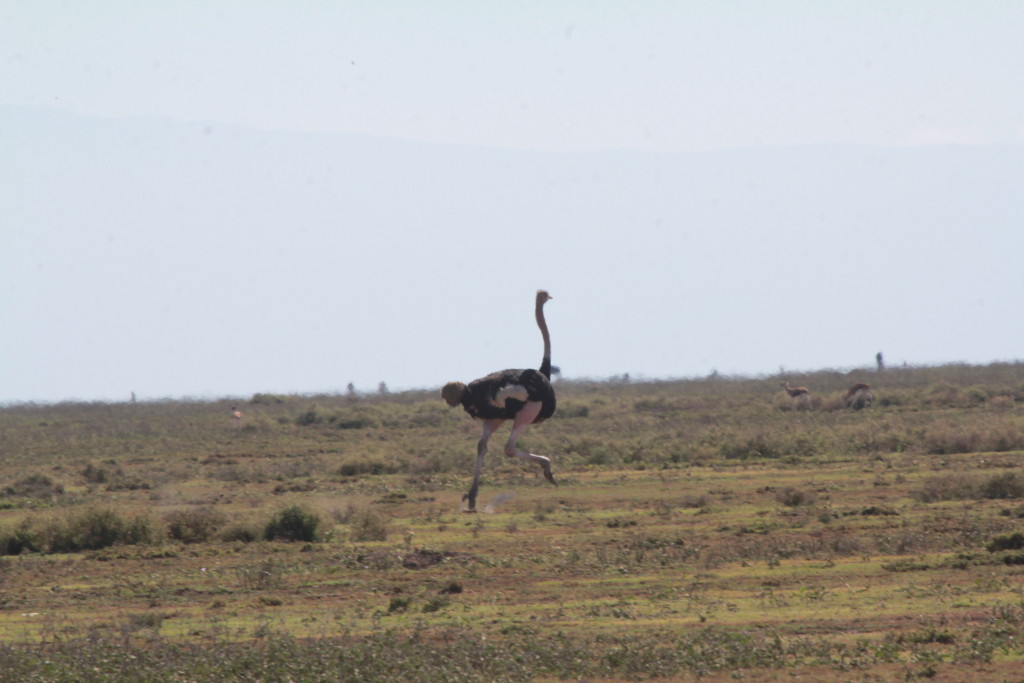
Ostriches

IMG_7062

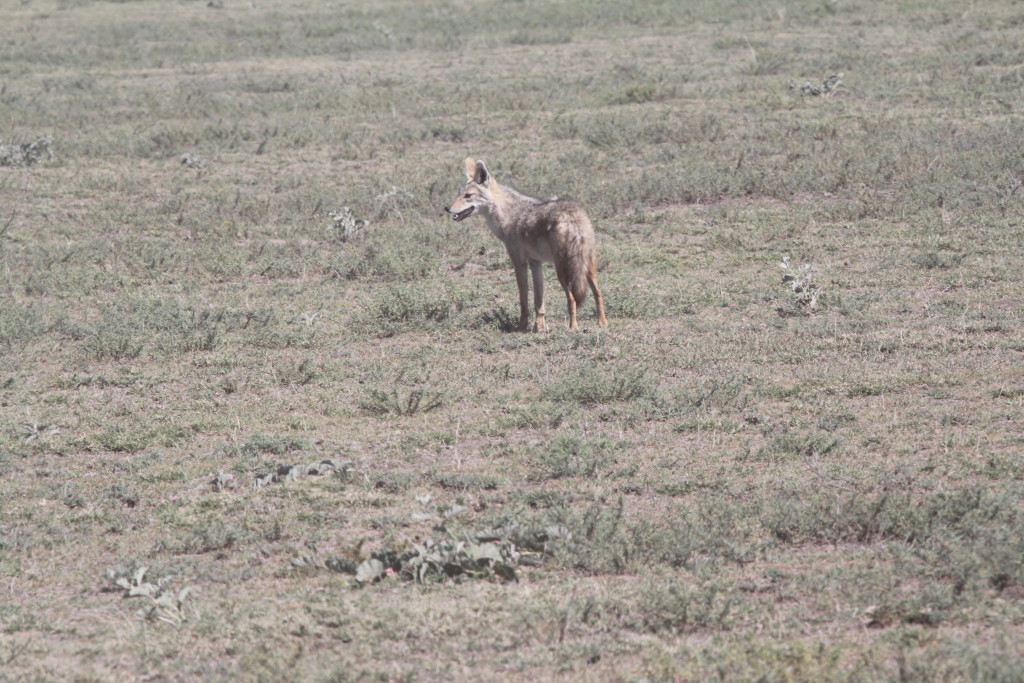
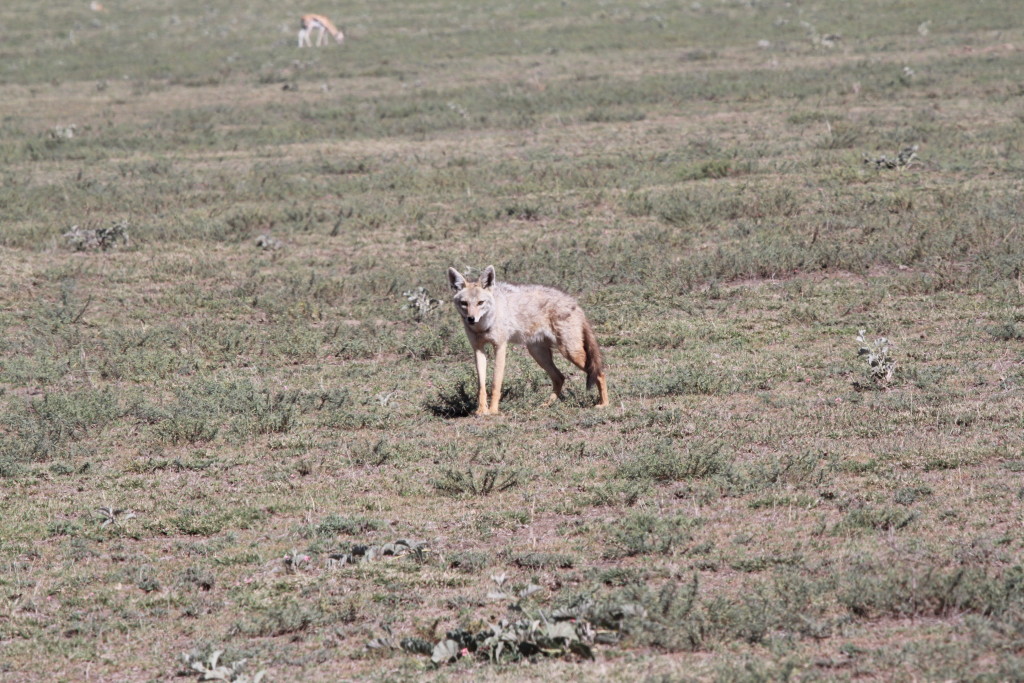
Silver-backed Jackal

IMG_7064 IMG_7065

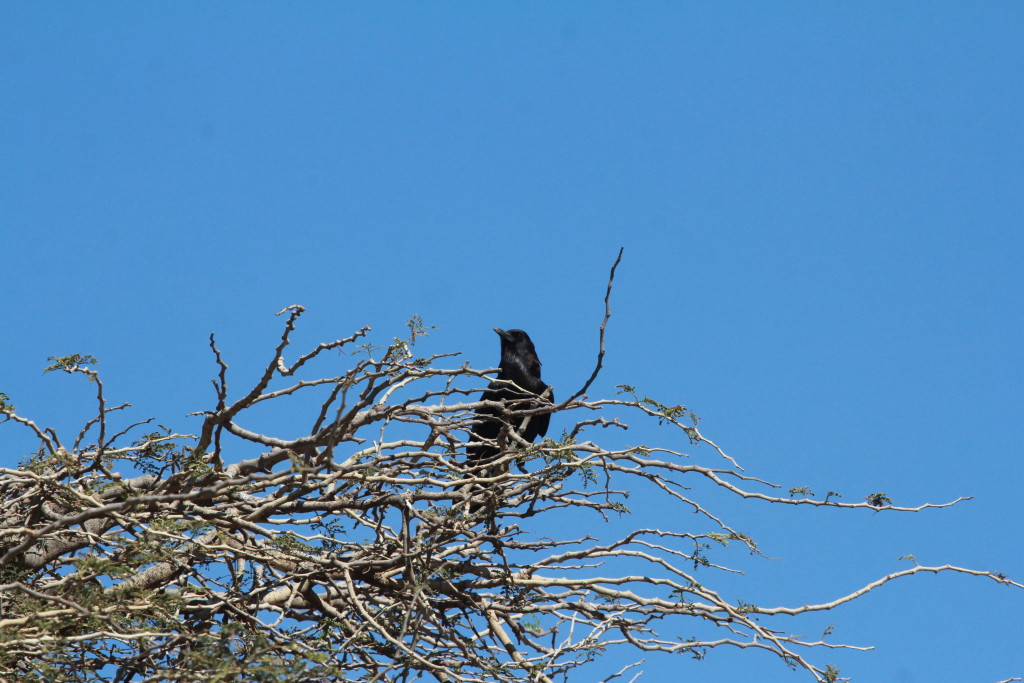
Drongo

IMG_7066

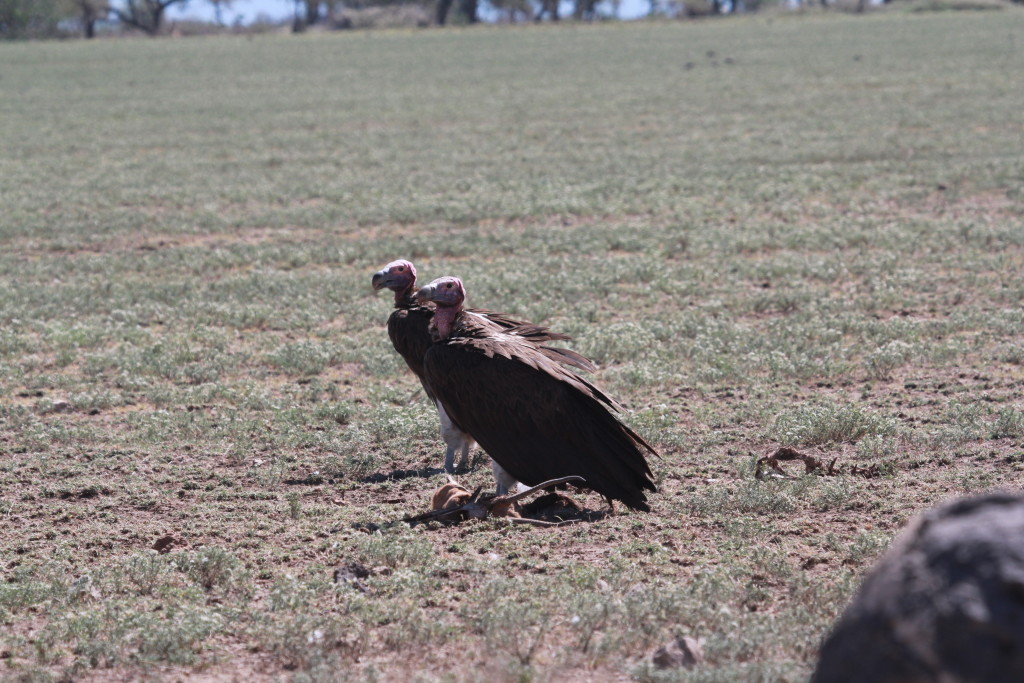
Vultures cleaning up someone’s dinner from last night.

IMG_7067

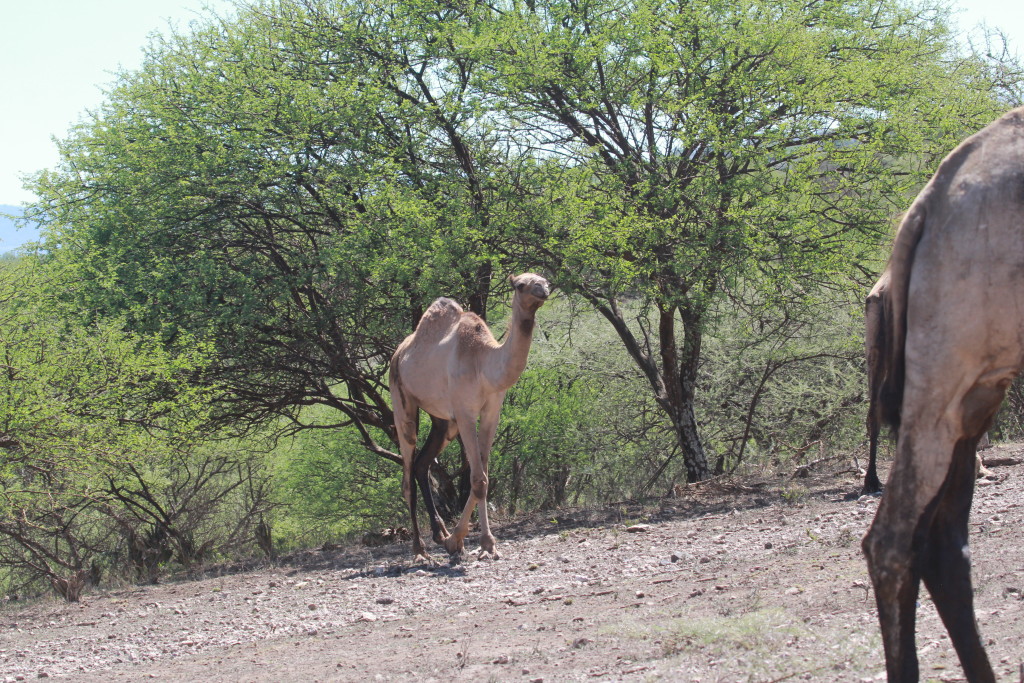
Camels generally belong to Masai people.

IMG_7068 IMG_7069 IMG_7070

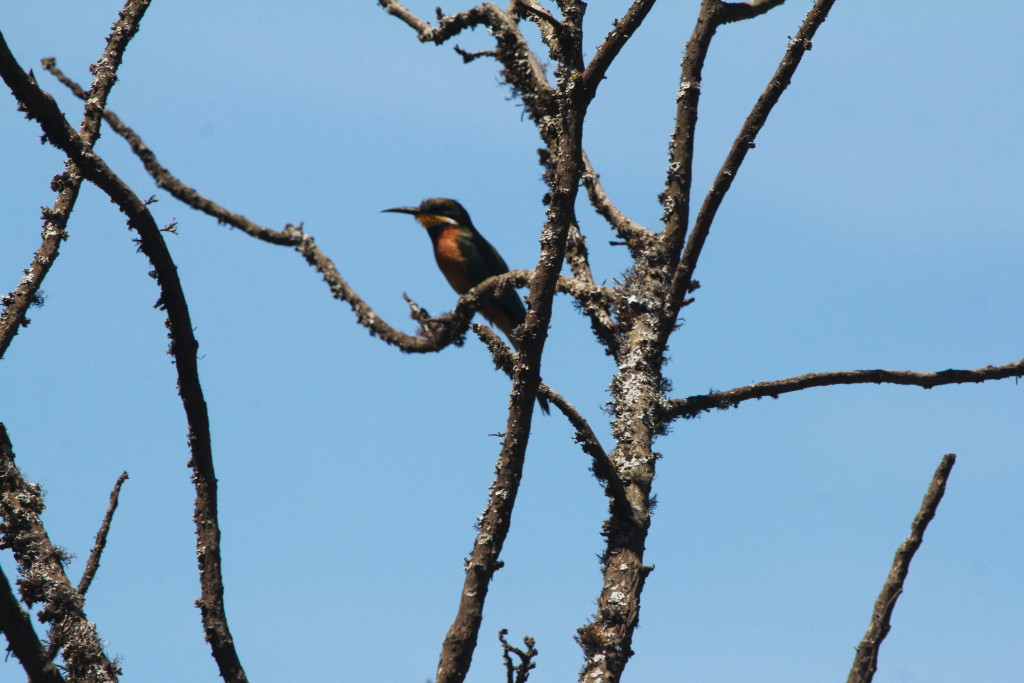
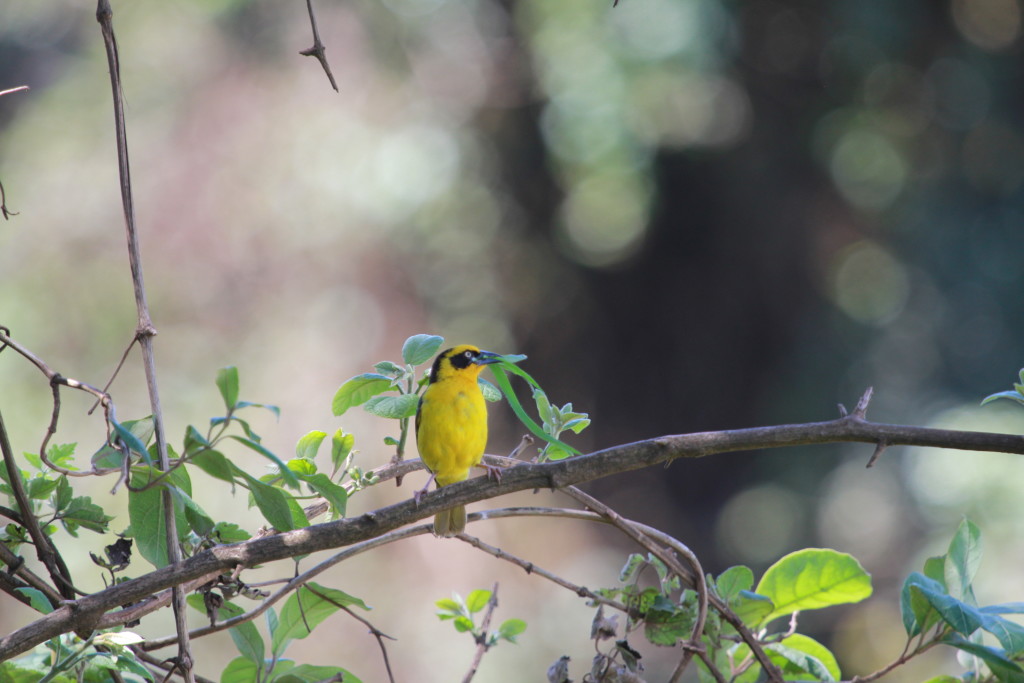
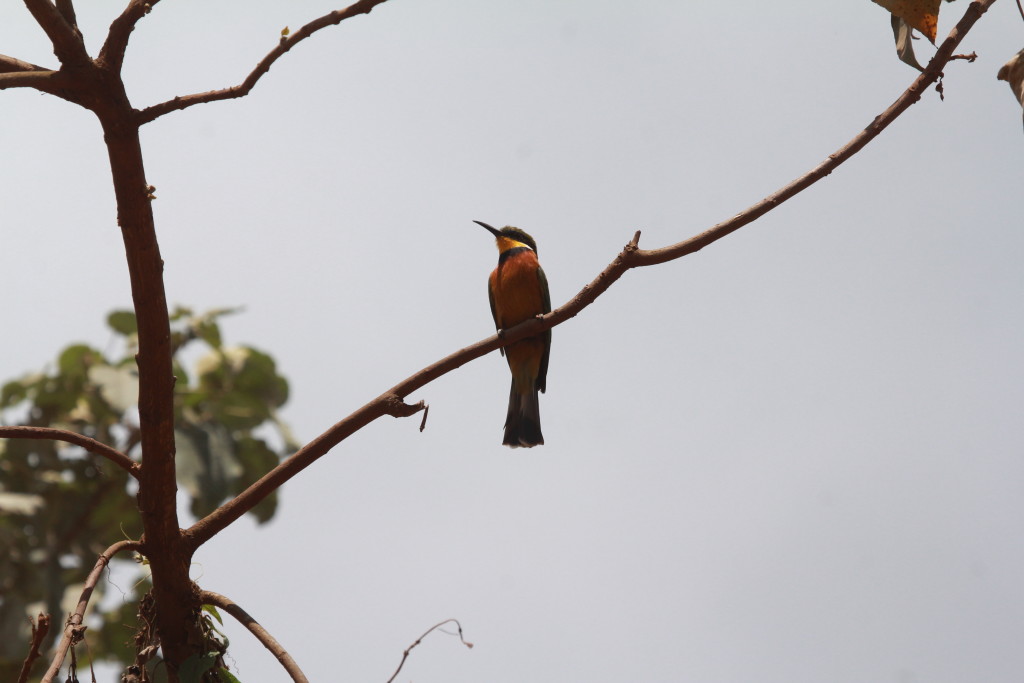
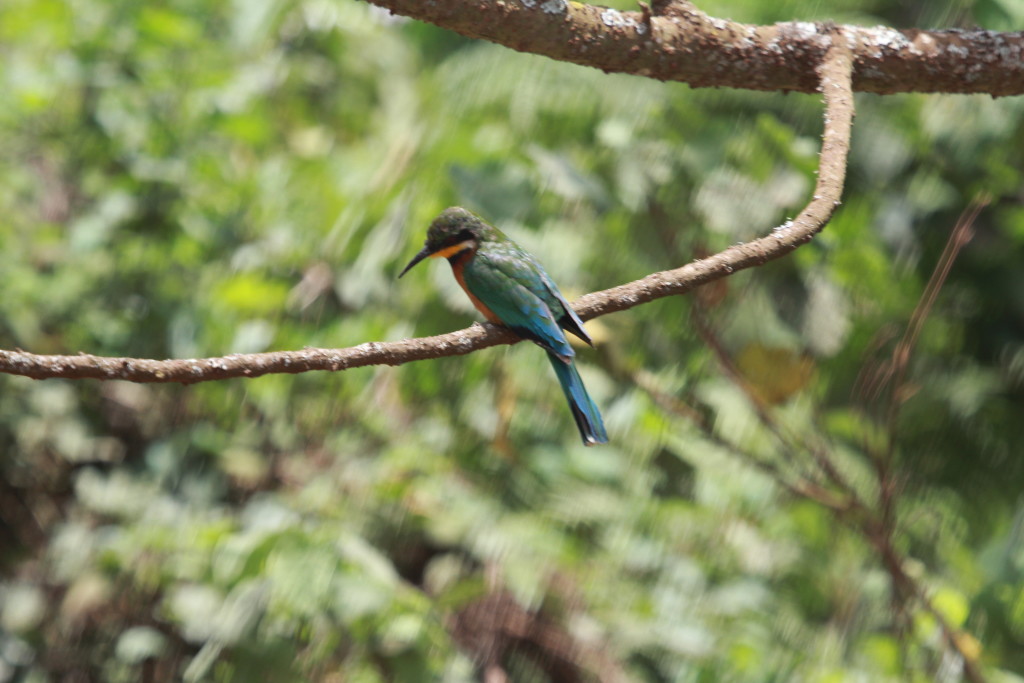
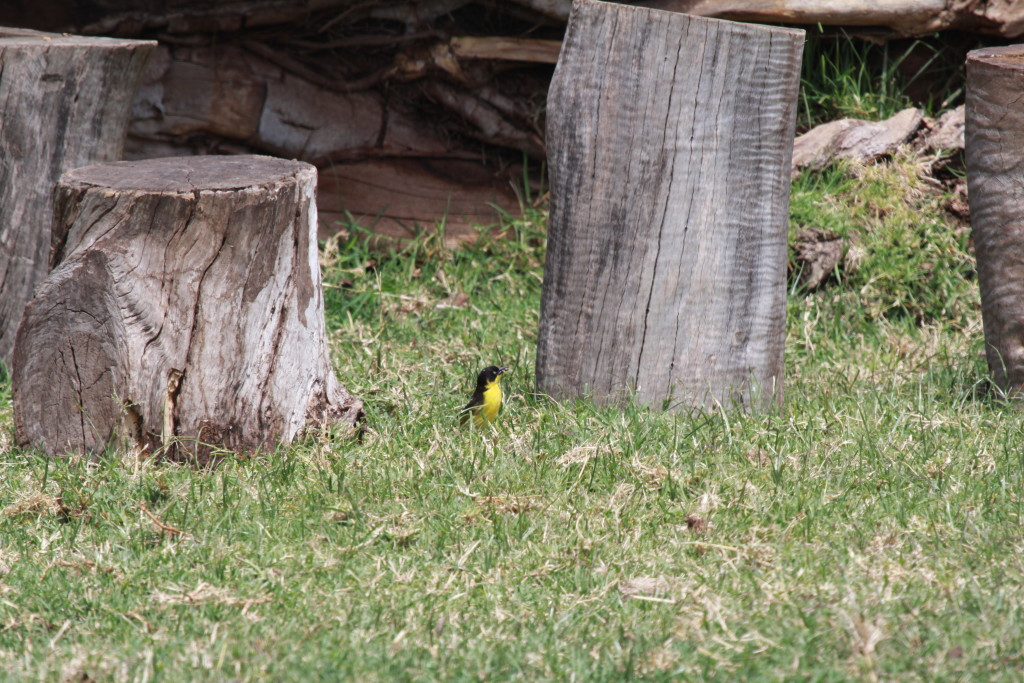
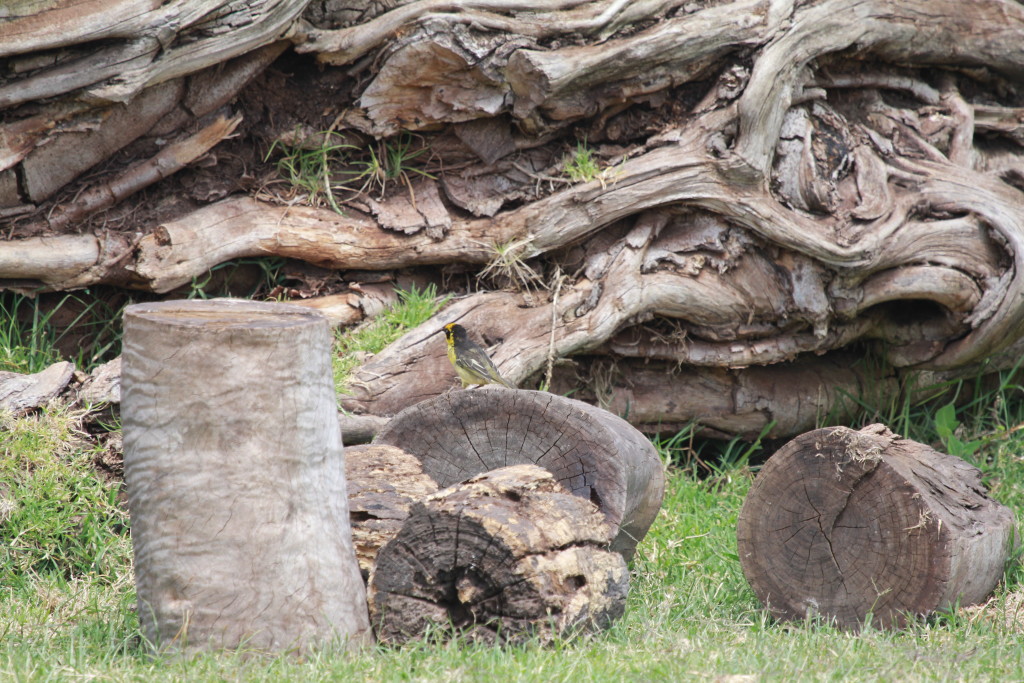
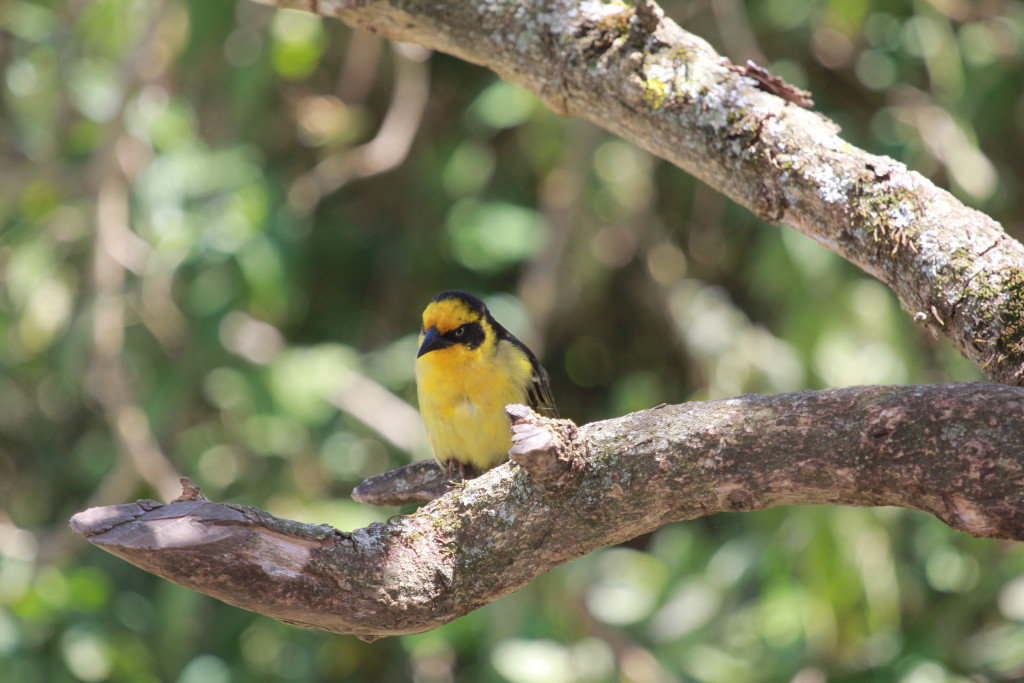
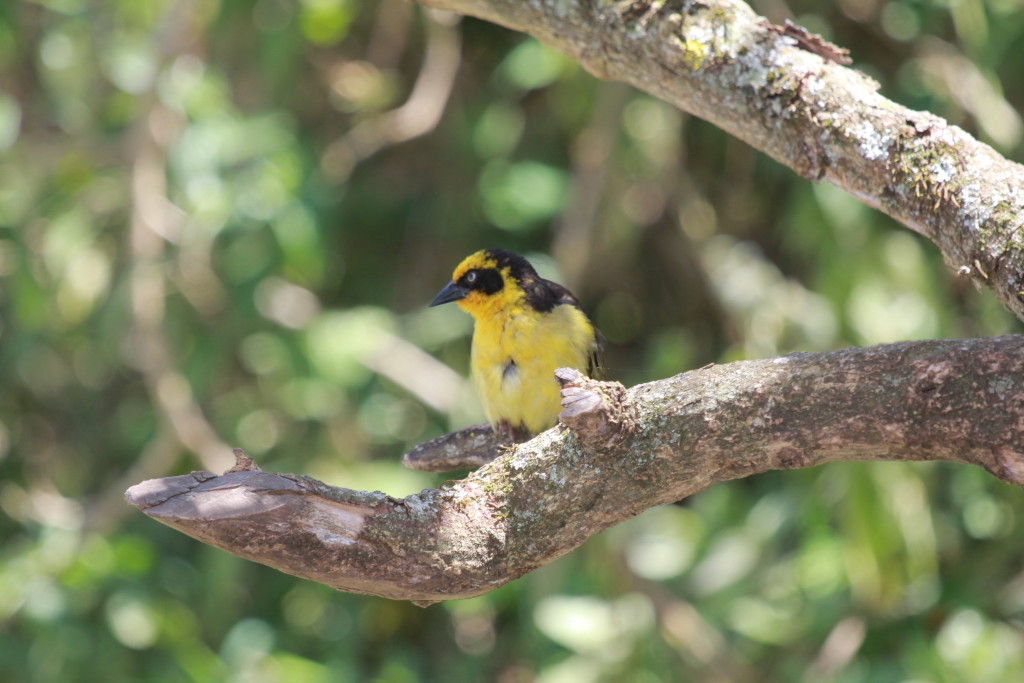
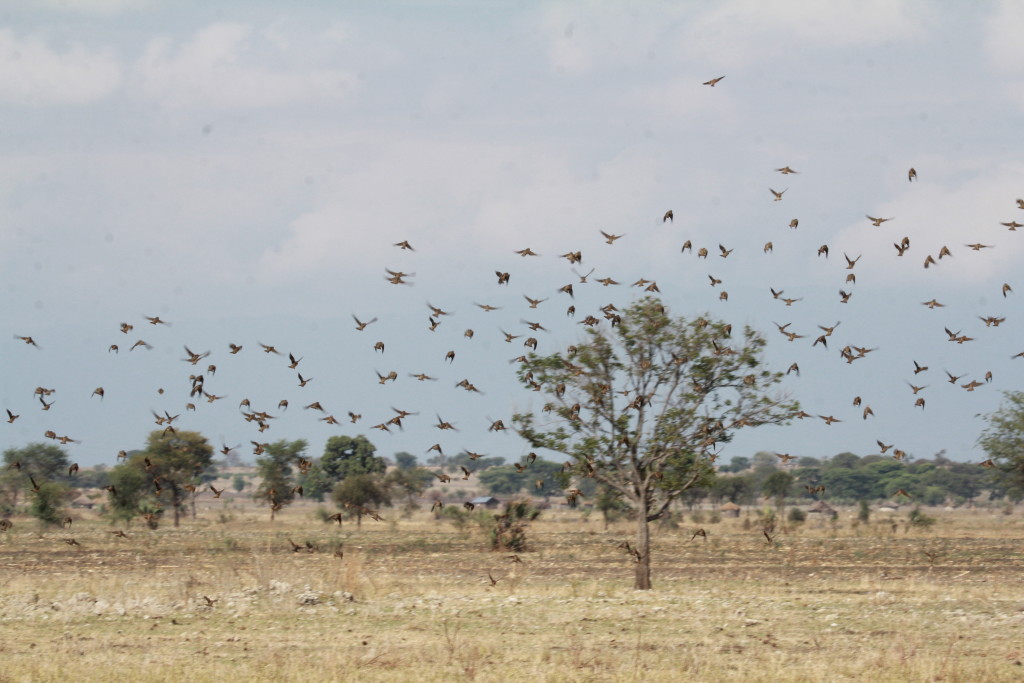
Closer to the gate we start seeing our friends the Little Bee-eaters and Weaverbirds again.

IMG_7072

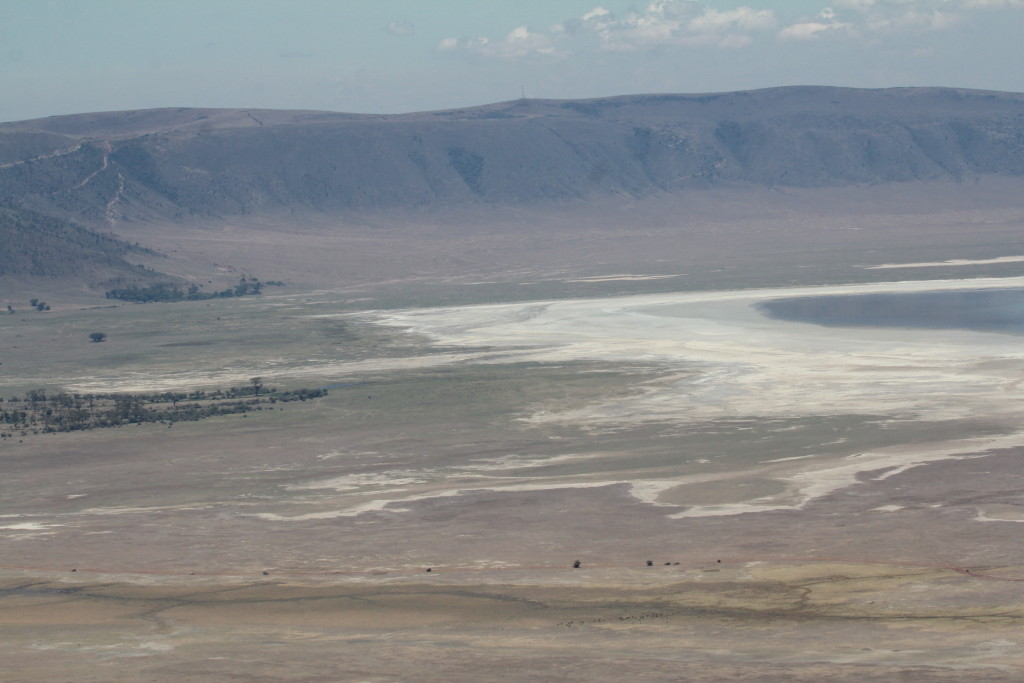
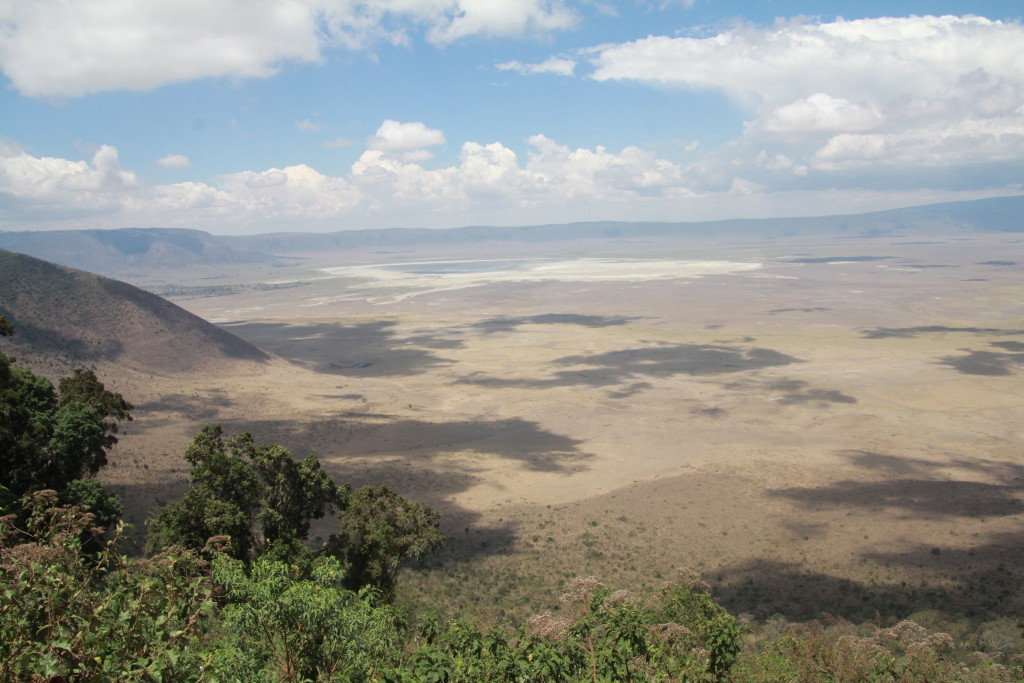
One last look at the crater

IMG_7073 IMG_7075

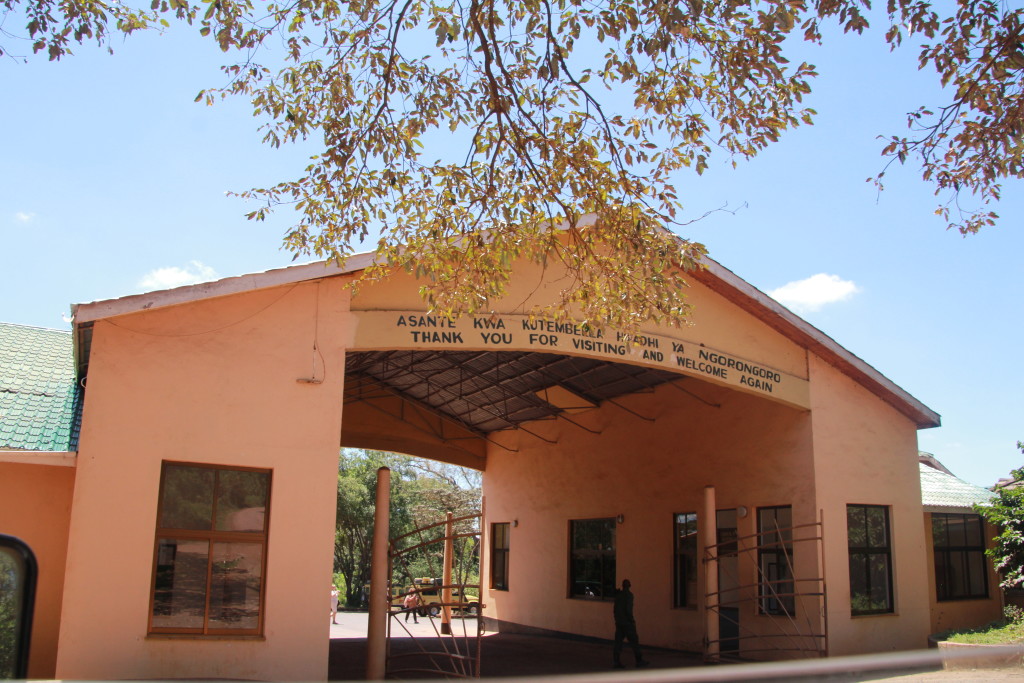
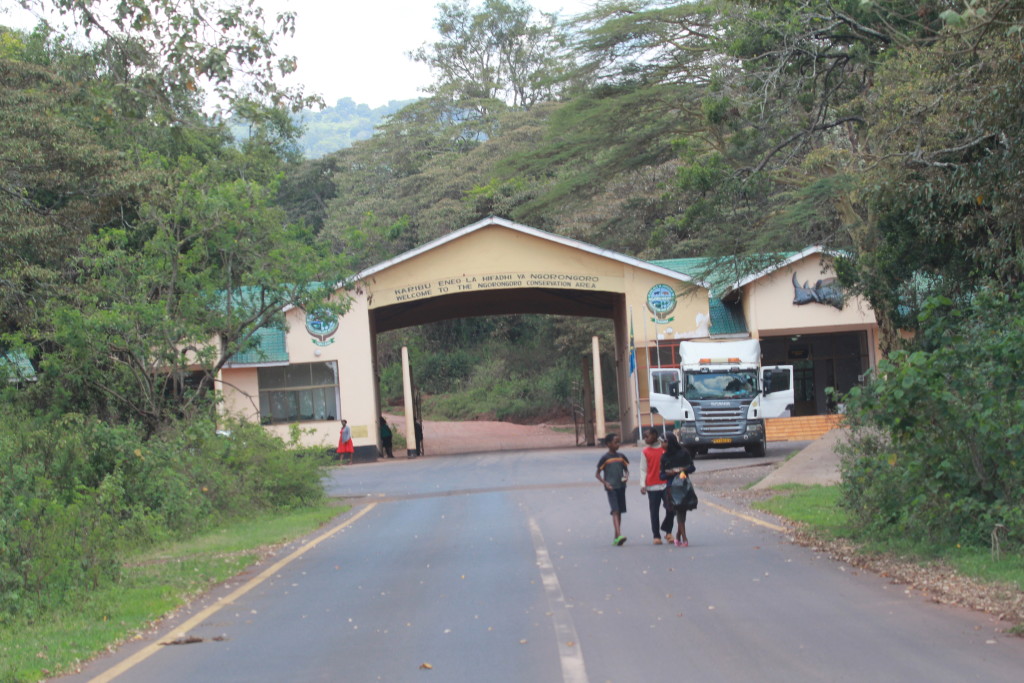
And time to say goodbye to the NCA.  But not without drama!  We were 8 minutes overdue for leaving although the clock on the car and both our phones – mine & the drivers said we were 5 minutes early.  They let us go but not without a sound scolding!

Lesson learned – synchronize your watches when you enter and don’t cut it too close!

IMG_7077

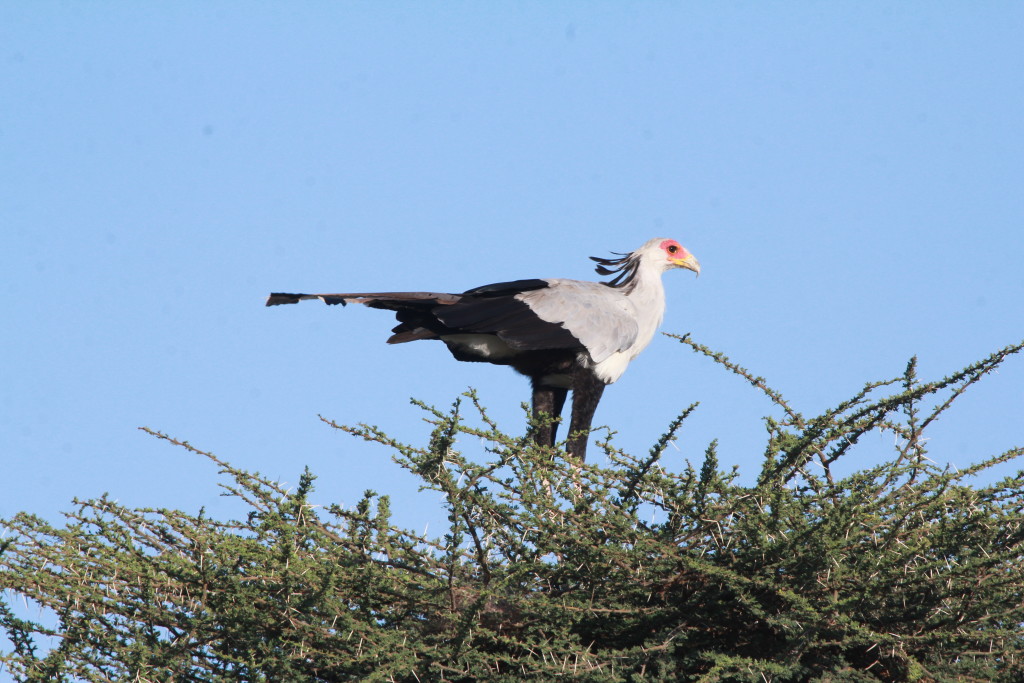
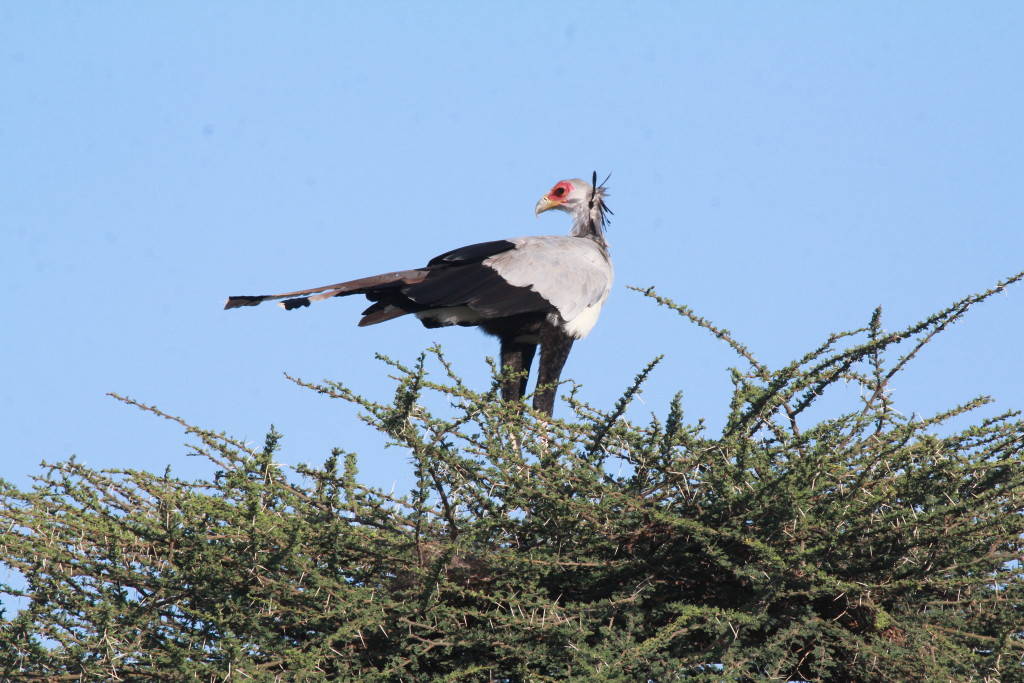
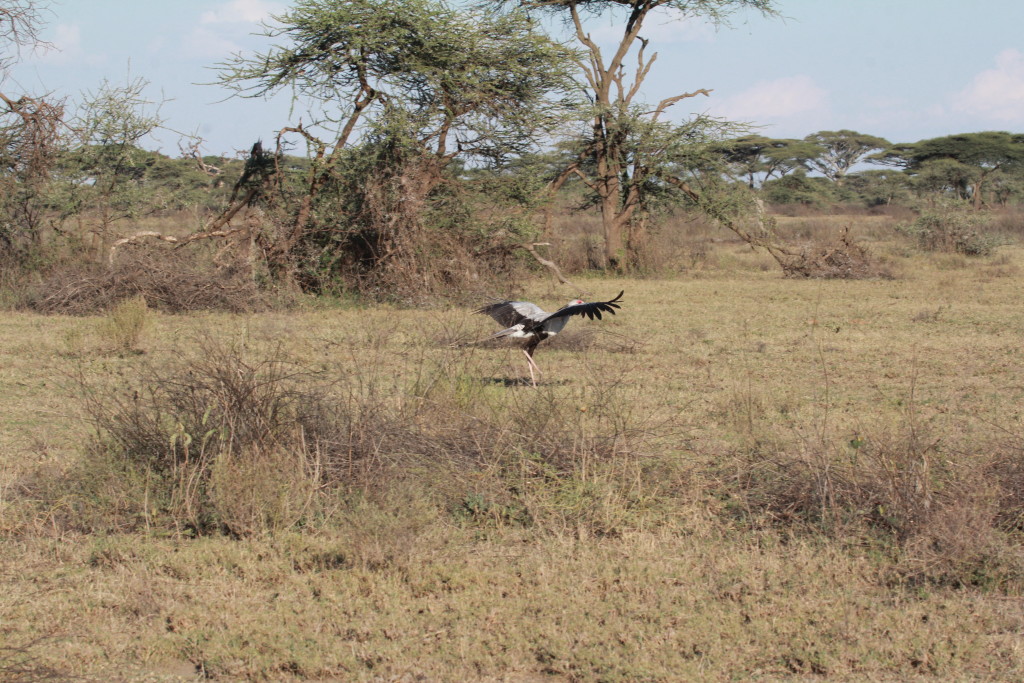
Secretary Bird (Sagittarius serpentarius)

The Secretarybird or Secretary Bird (Sagittarius serpentarius) is a very large, mostly terrestrial bird of prey. Endemic to Africa, it is usually found in the open grasslands and savannah of the sub-Saharan region. Although a member of the order Accipitriformes, which also includes many other diurnal raptors such as kites, buzzards, vultures, and harriers, it is given its own family, Sagittariidae.

They are probably one of the coolest birds around with their head quills and they hunt snakes.  Anyone who helps rid the world of snakes is OK in my book!

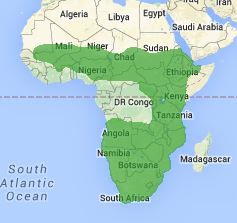
IMG_6920 IMG_6922 IMG_6918 IMG_6914 IMG_6925Secretary birds have a huge range and can be seen in just about any of the popular national parks in Africa.  I have personally seen them in Kruger, Kgalagadi, Masai Mara, Serengeti and most recently in Ngorongoro near Ndutu.

secbird

LEARN MORE ABOUT SECRETARY BIRDS

Wikipedia

Birdlife

Siyabona

National Geographic

VIDEOS

Sort clip from a documentary.

Another snake bites the dust!

Lodge Review: Ndutu Safari Lodge, Ngorongoro Conservation Area, Tanzania

The first thing I saw on their home page was a photo of lots of vibrant Fischer’s Lovebirds – and I knew we had to stay there.  Ndutu Safari Lodge didn’t disappoint either in wildlife nor in facilities.  It was awesome!

Prices are very reasonable for this part of Tanzania, I think you save a bit by not actually entering Serengeti NP but by being on the border in the NCA with similar wildlife.  After seeing all the birds in the area, I wish we could have stayed longer than the one night.
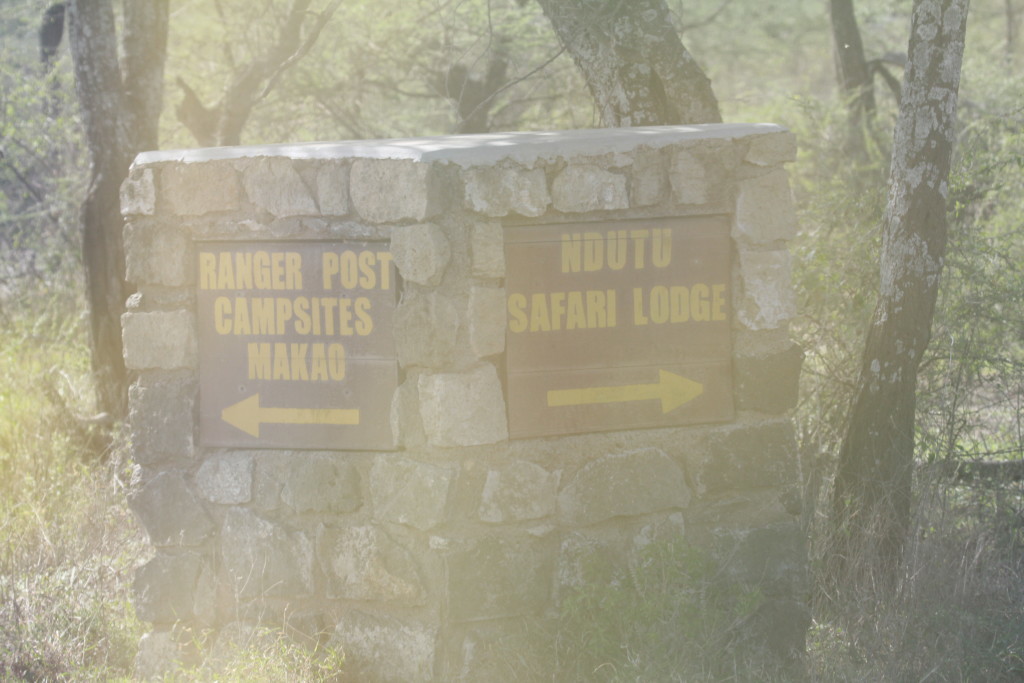
IMG_6857

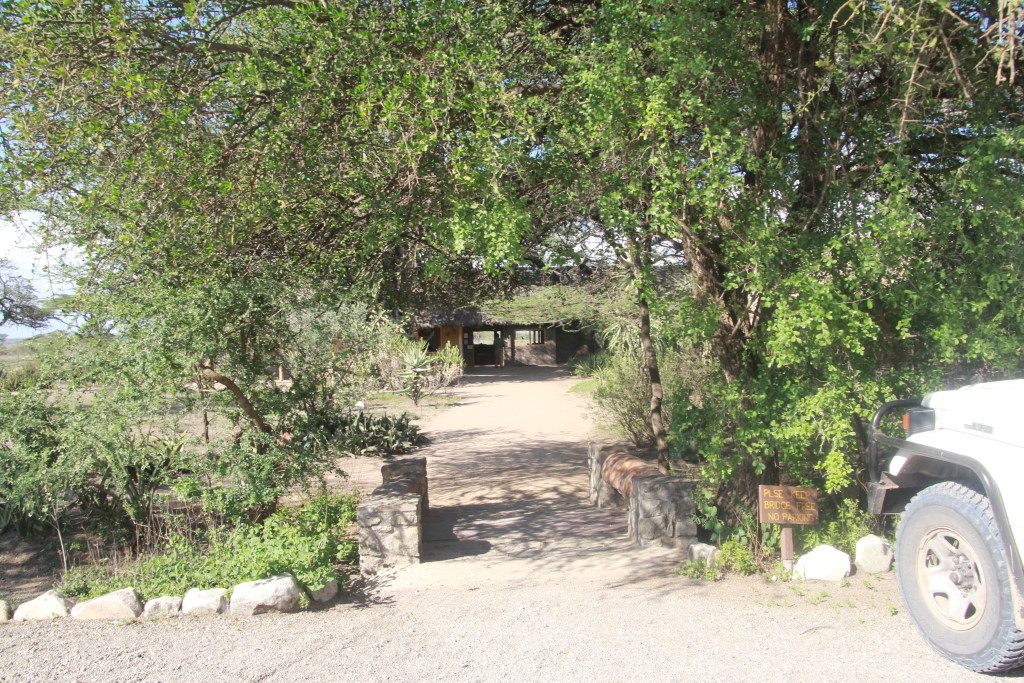
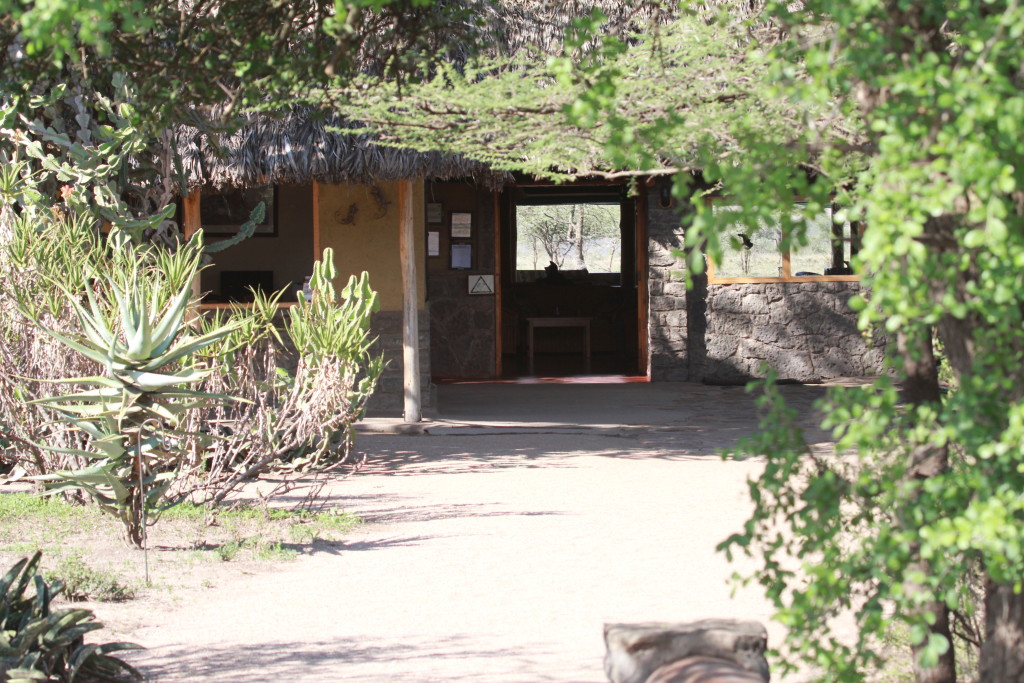
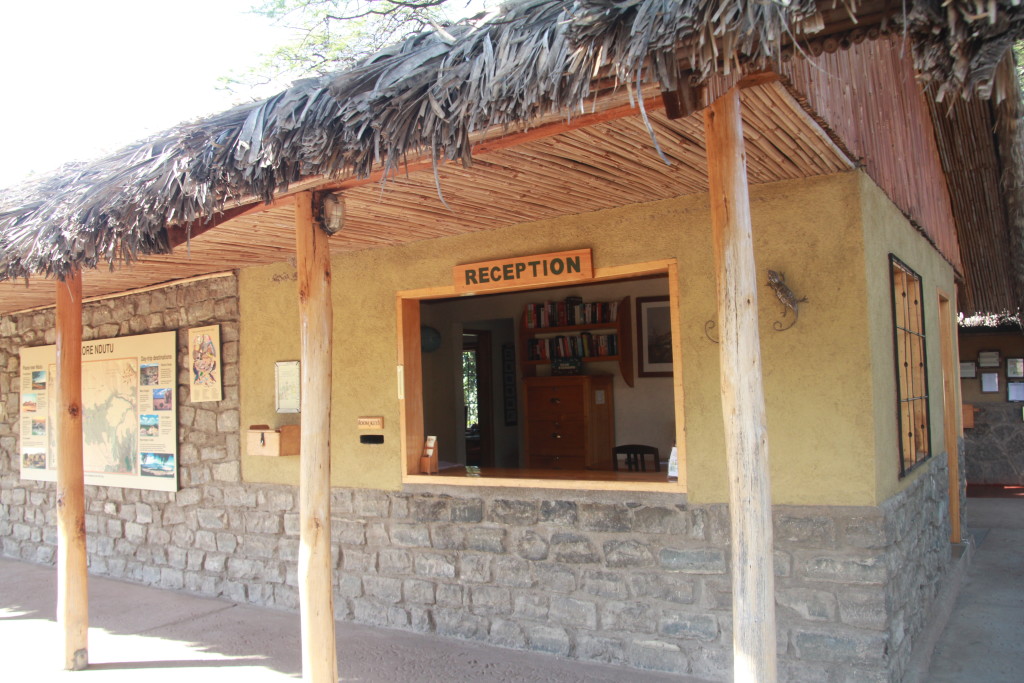
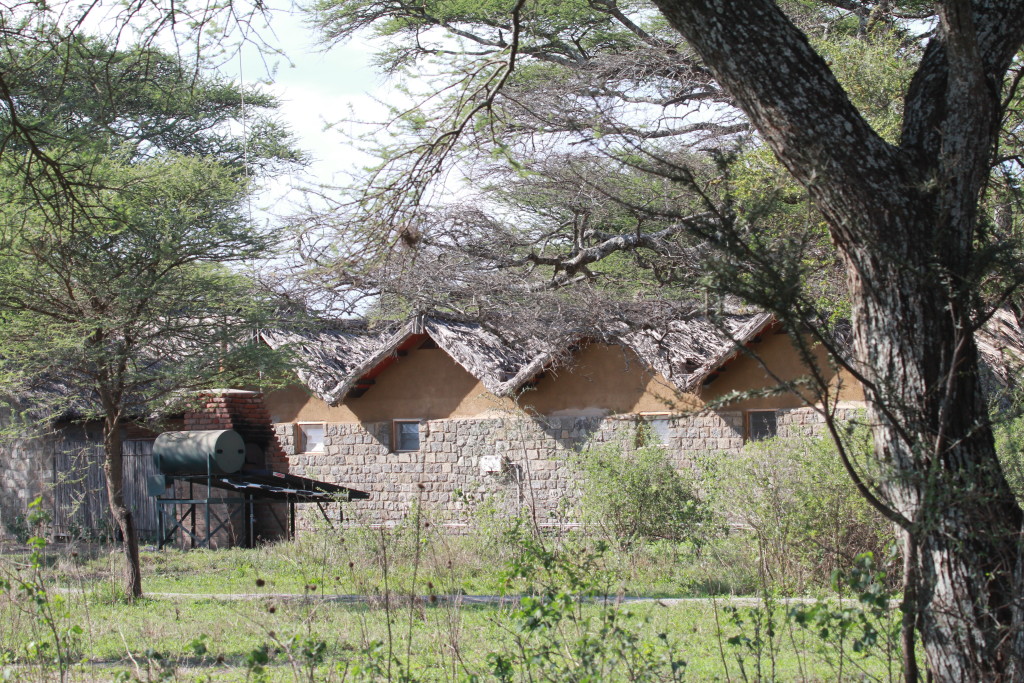
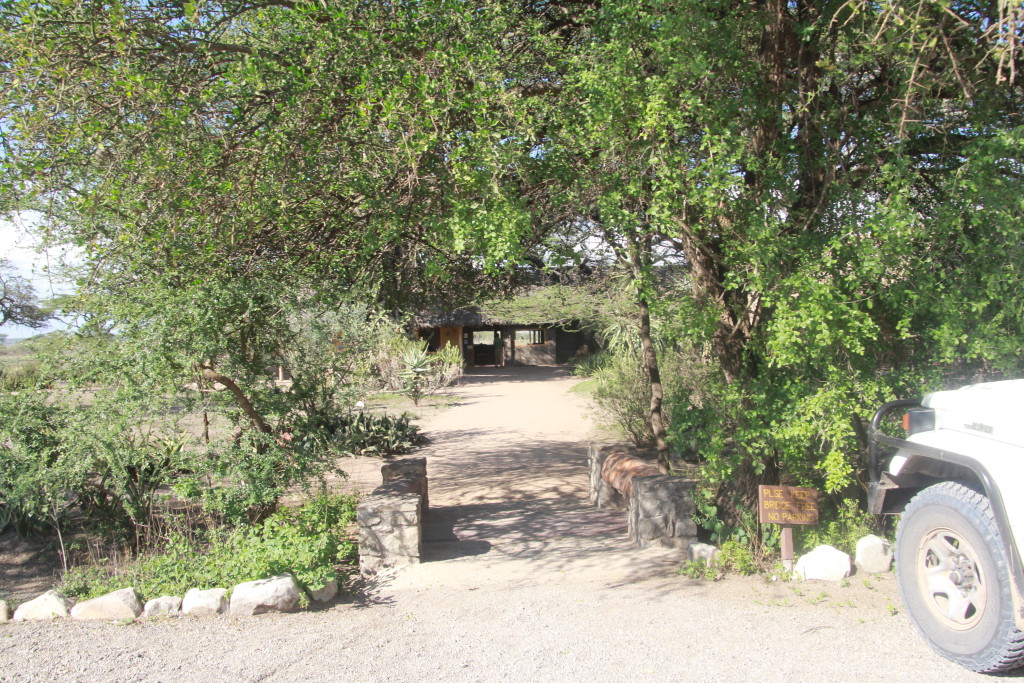
As you enter, you see the reception area and the rear of some rooms as the rooms face a plain where you can watch wildlife.
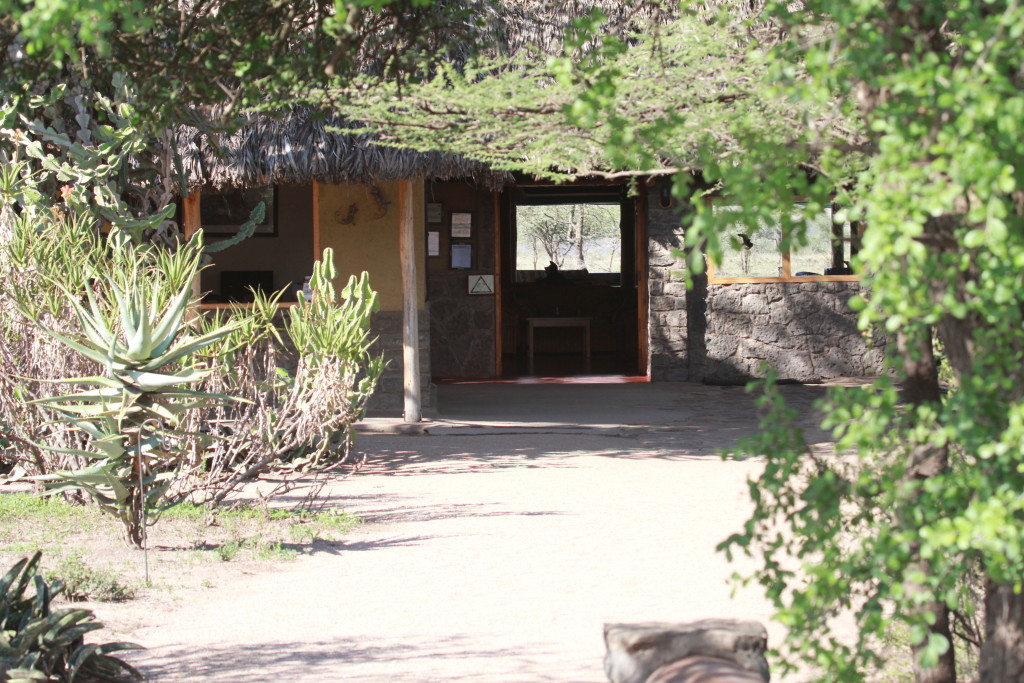
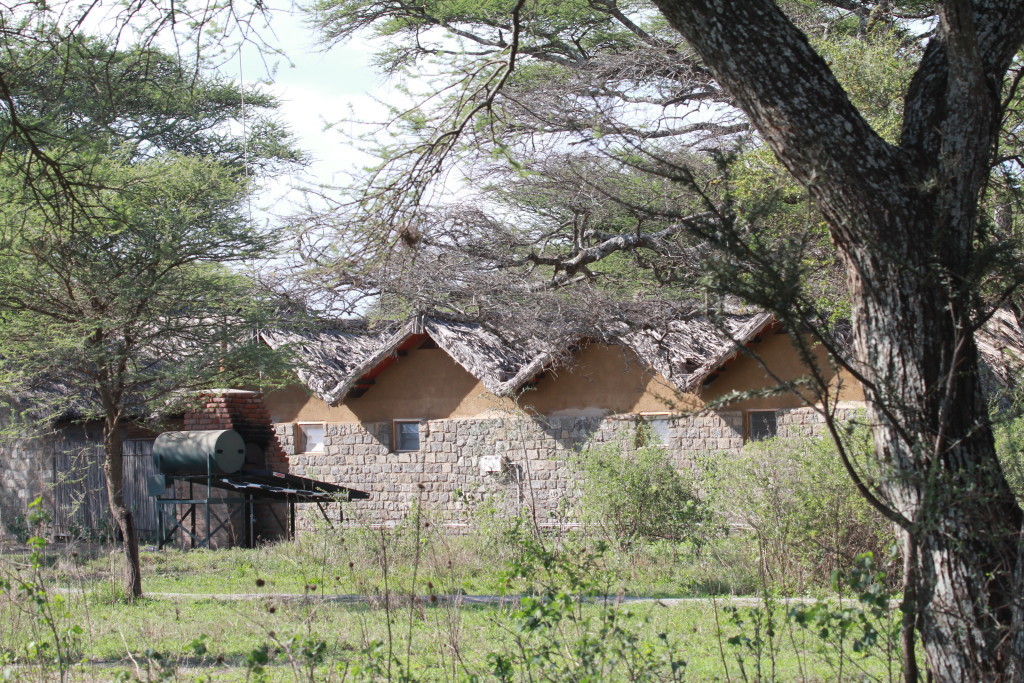
IMG_6866 IMG_6865 IMG_6867

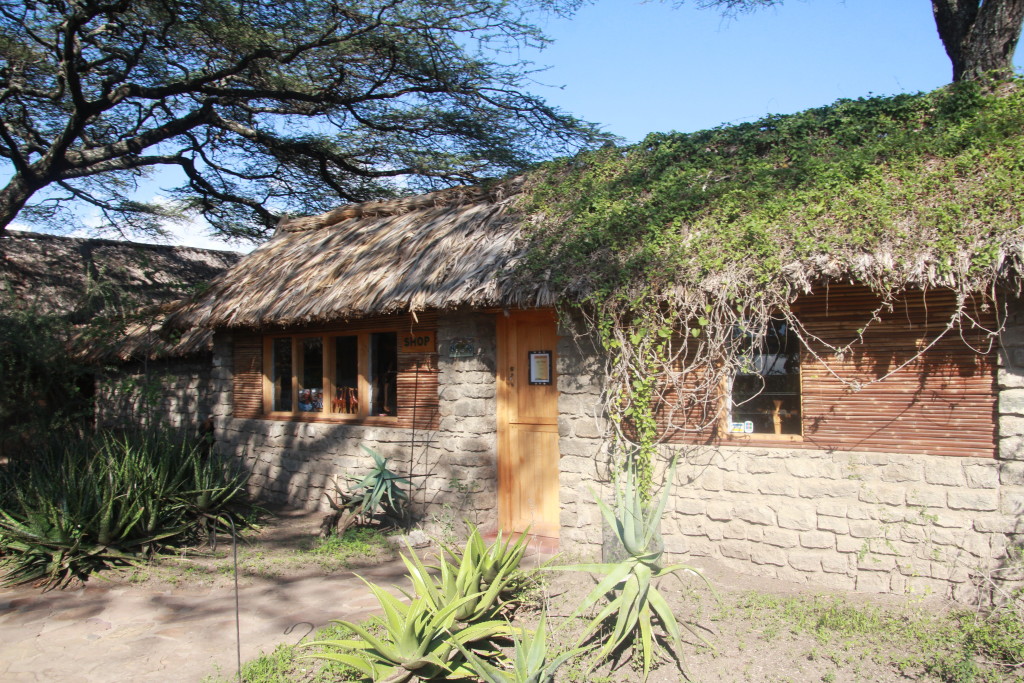
They have a shop but it was closed by the time we arrived.
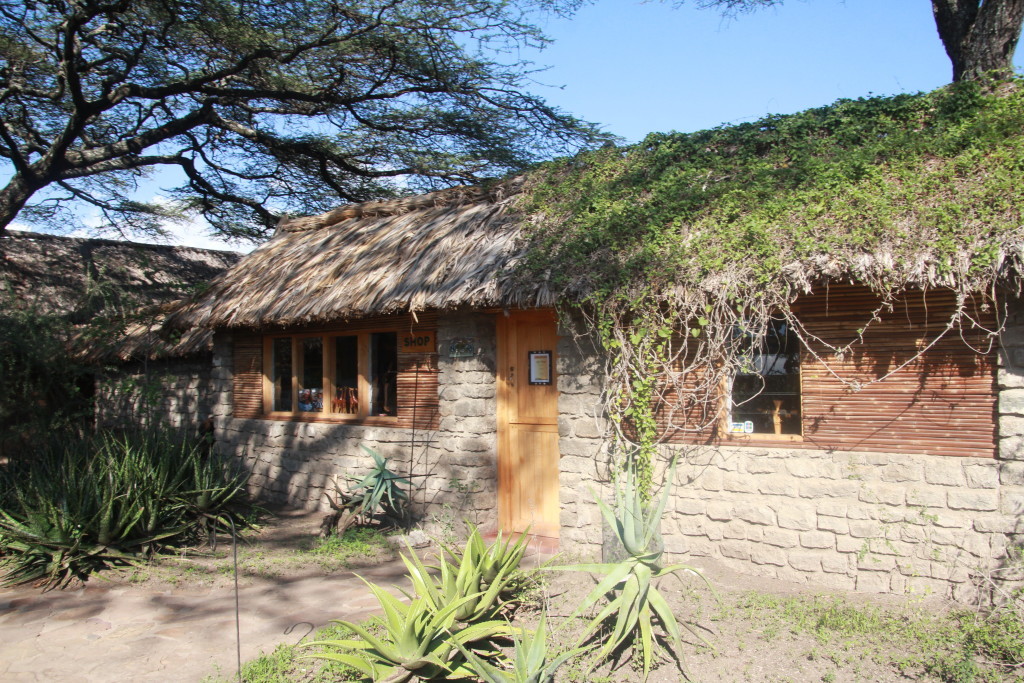
IMG_6868

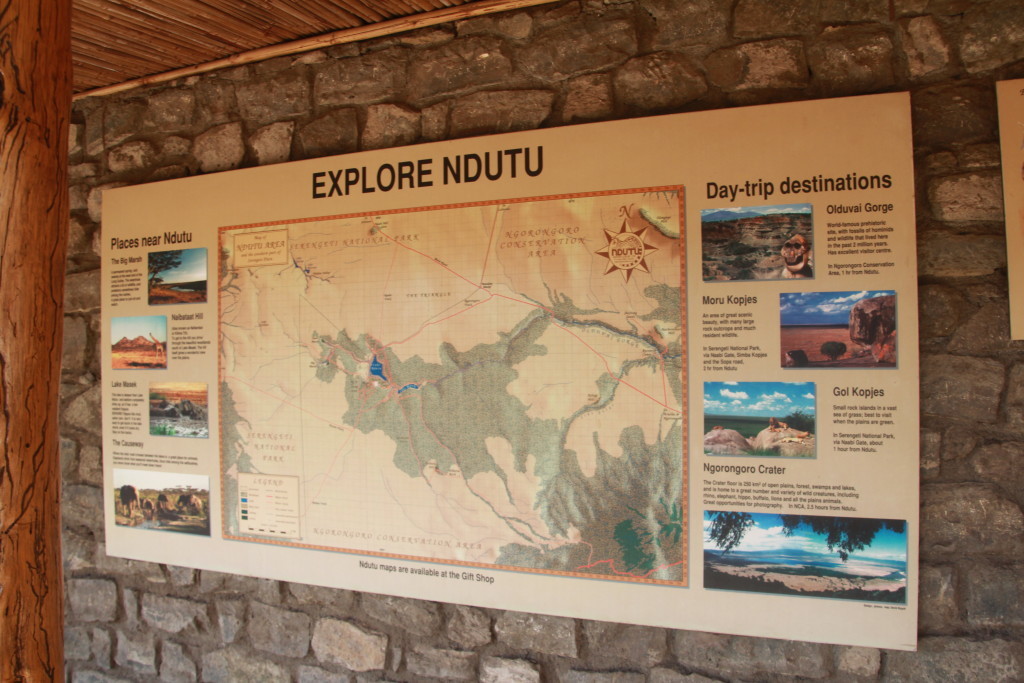
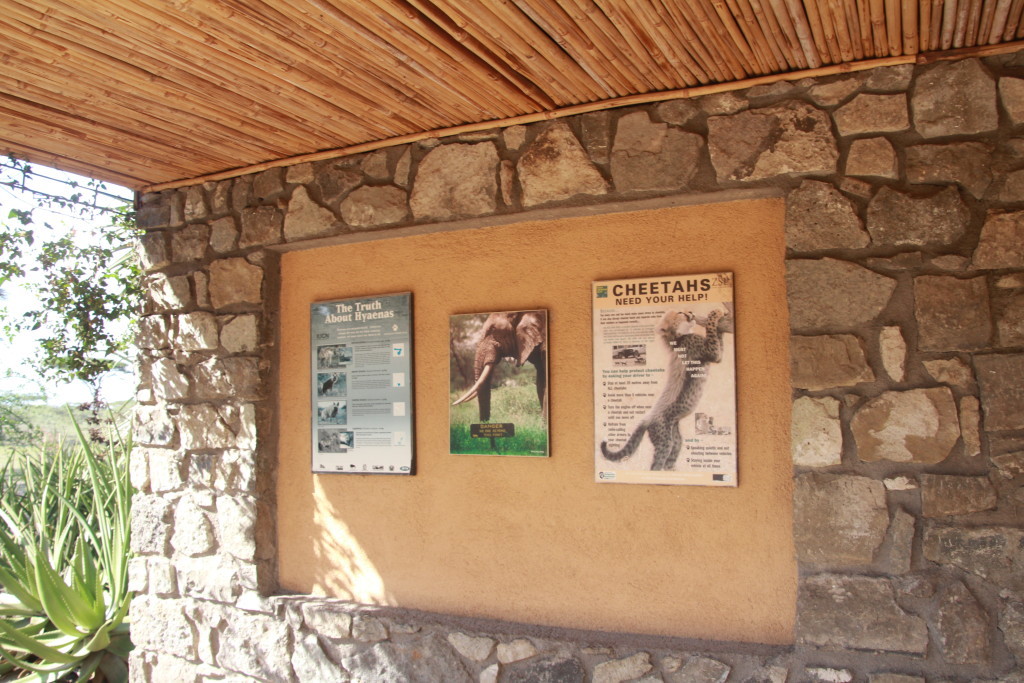
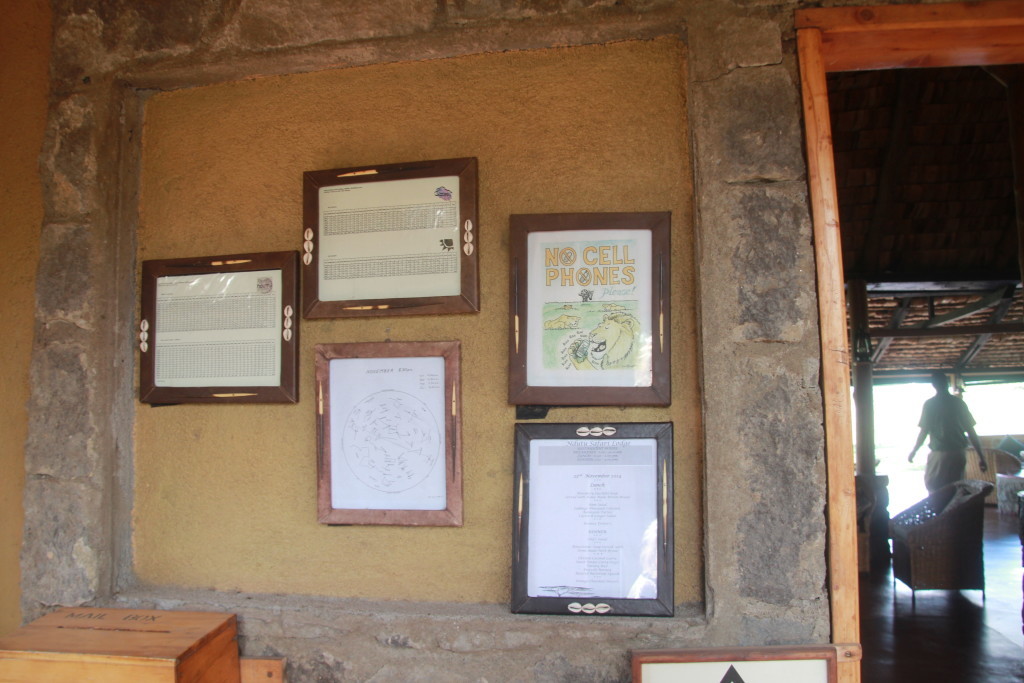
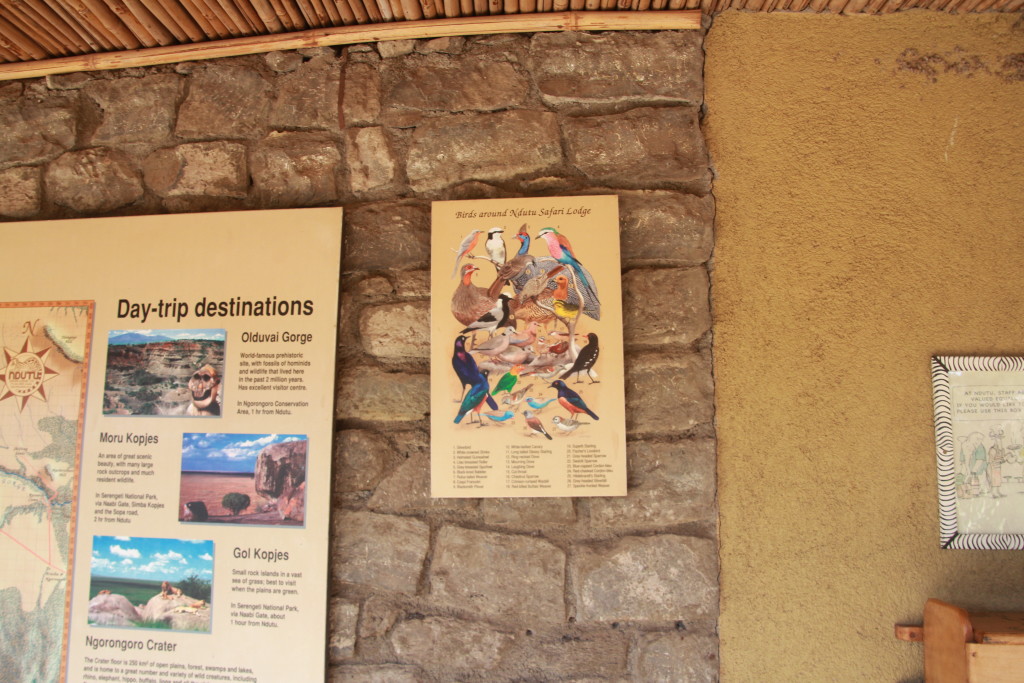
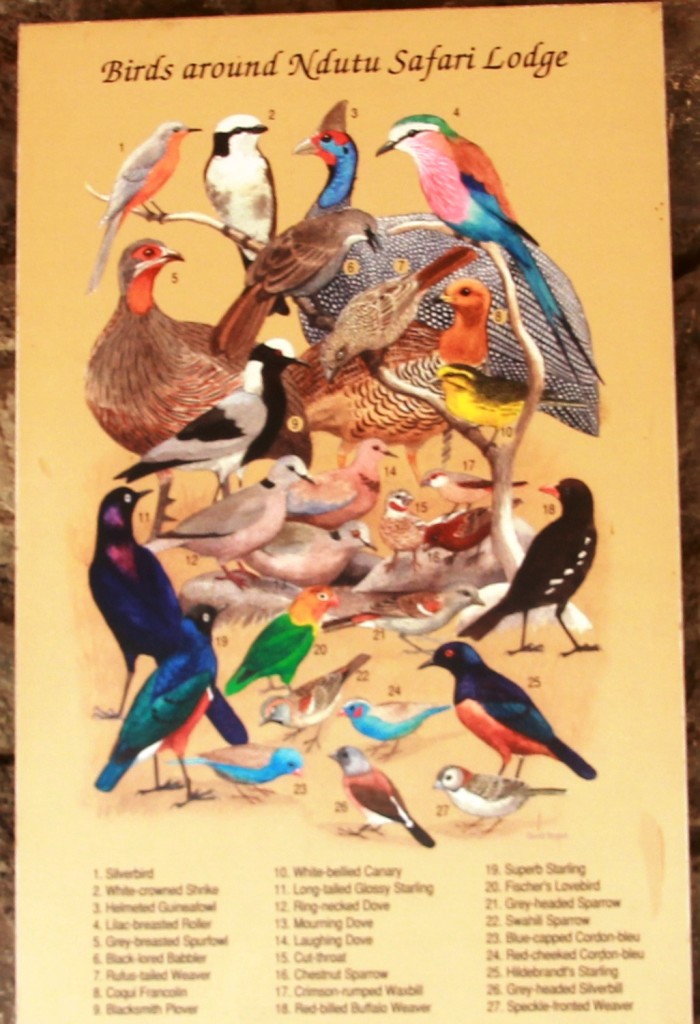
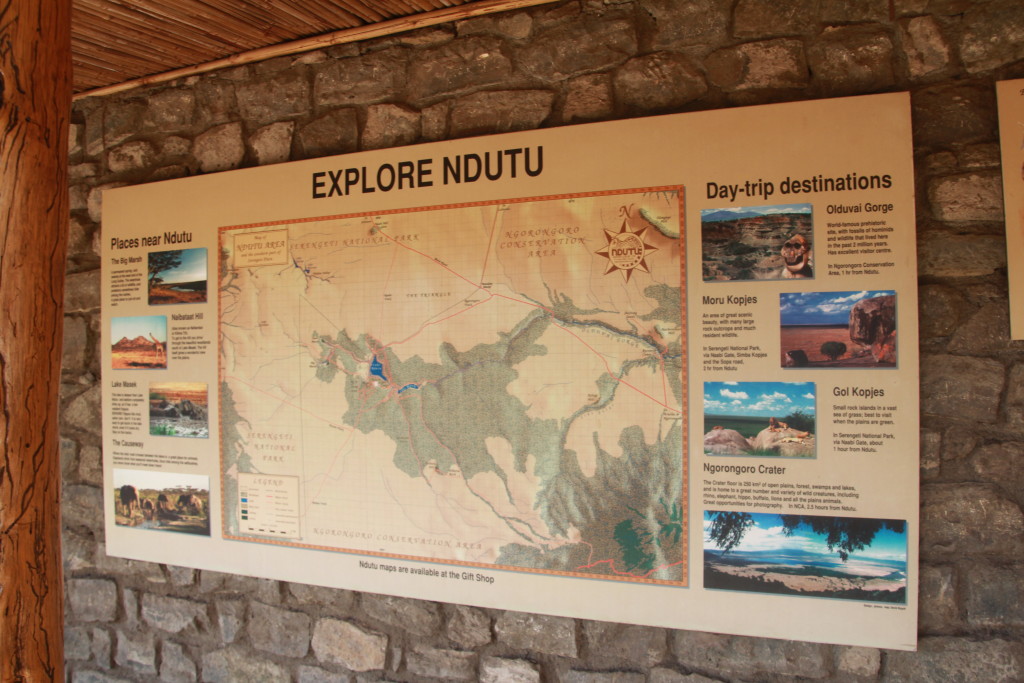
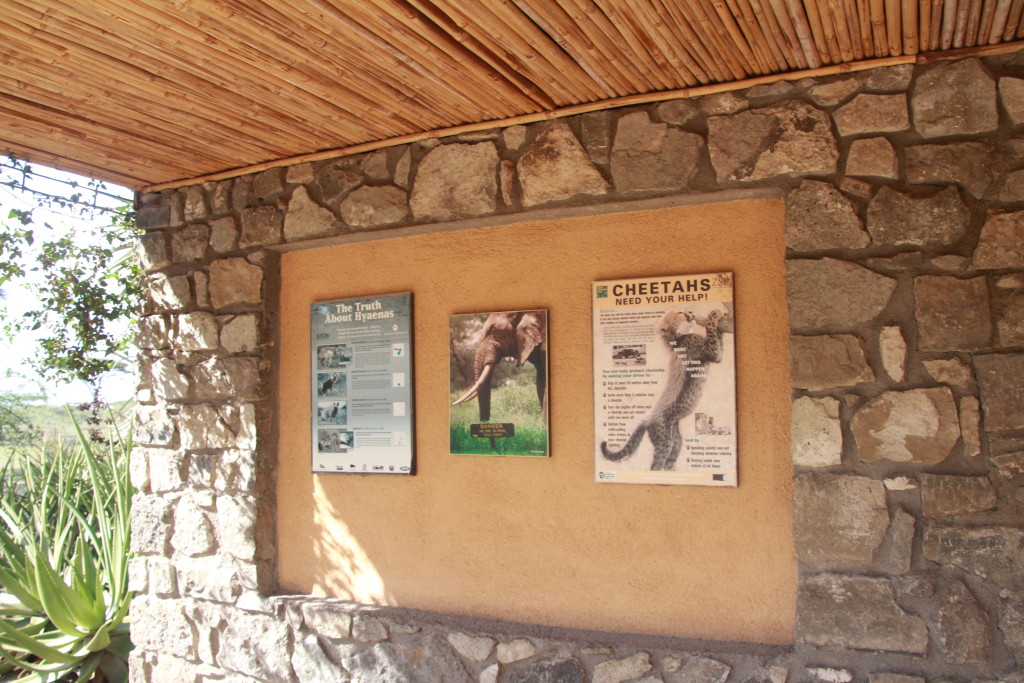
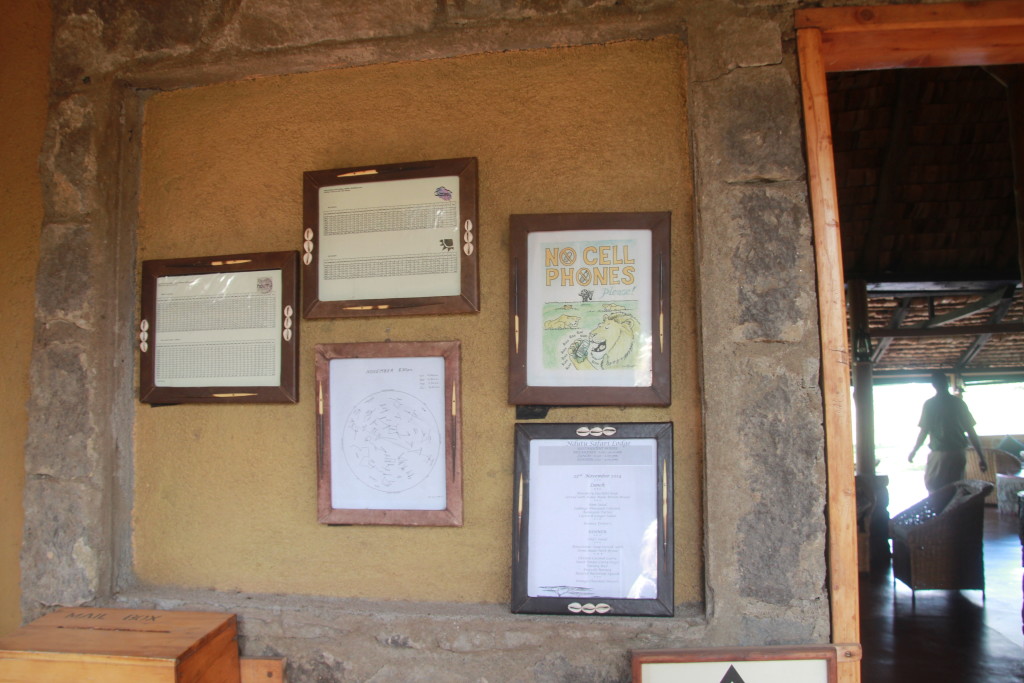
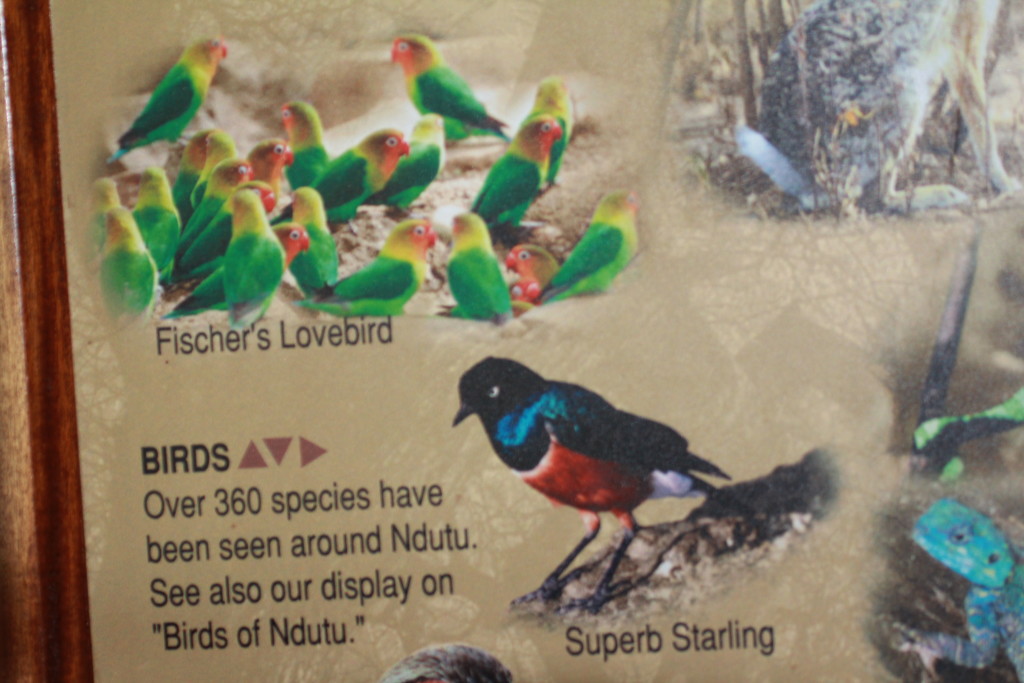
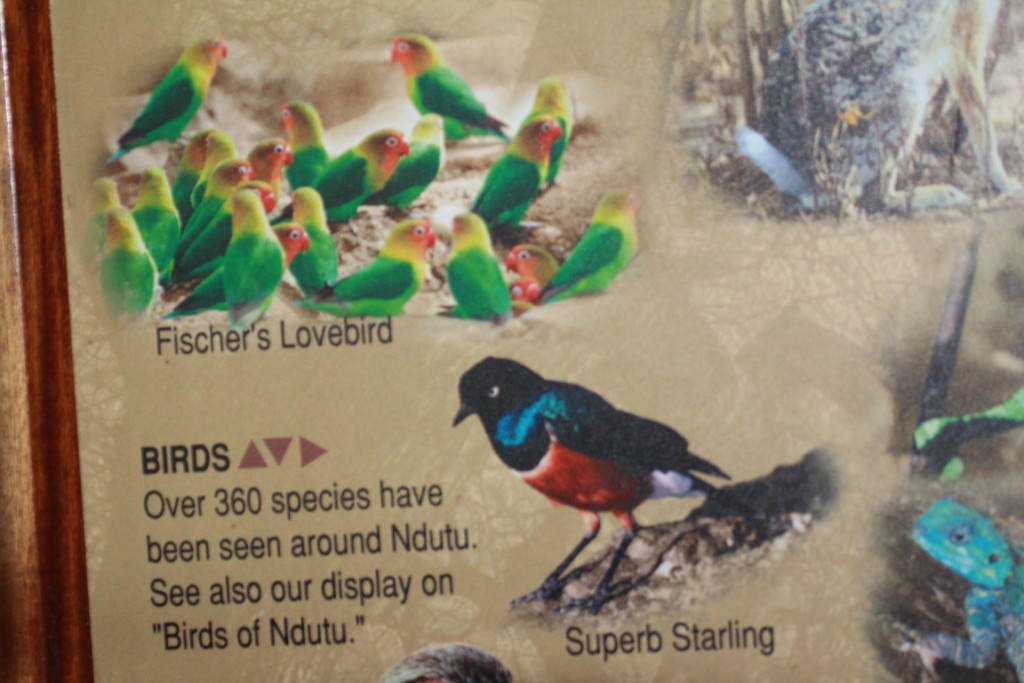
They have an excellent display of informational boards about the wildlife to be found in the lodge surrounds.
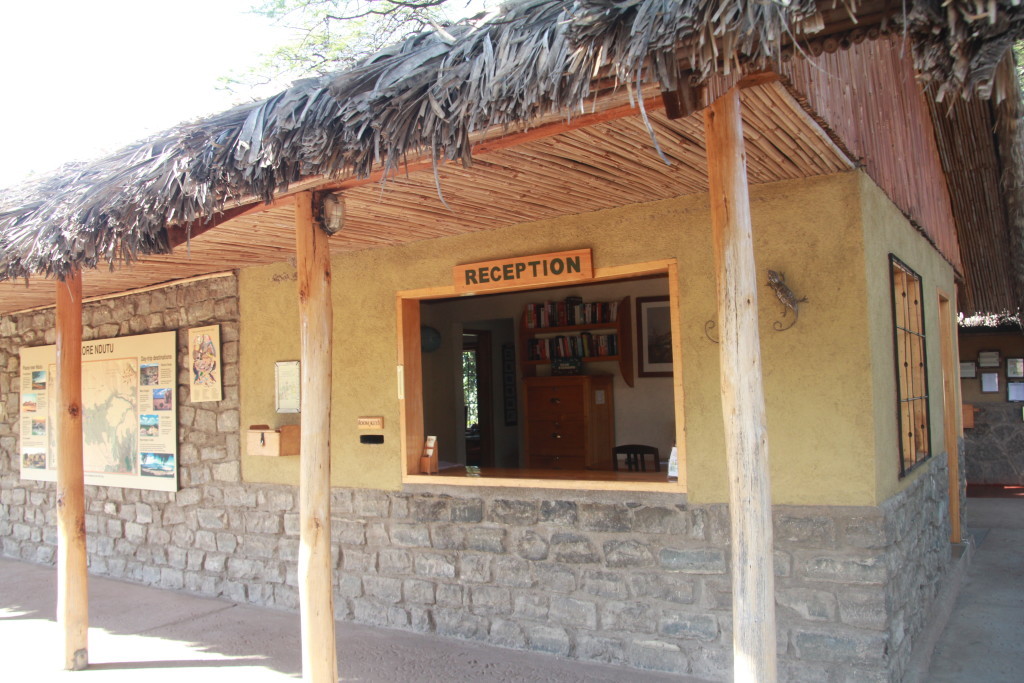
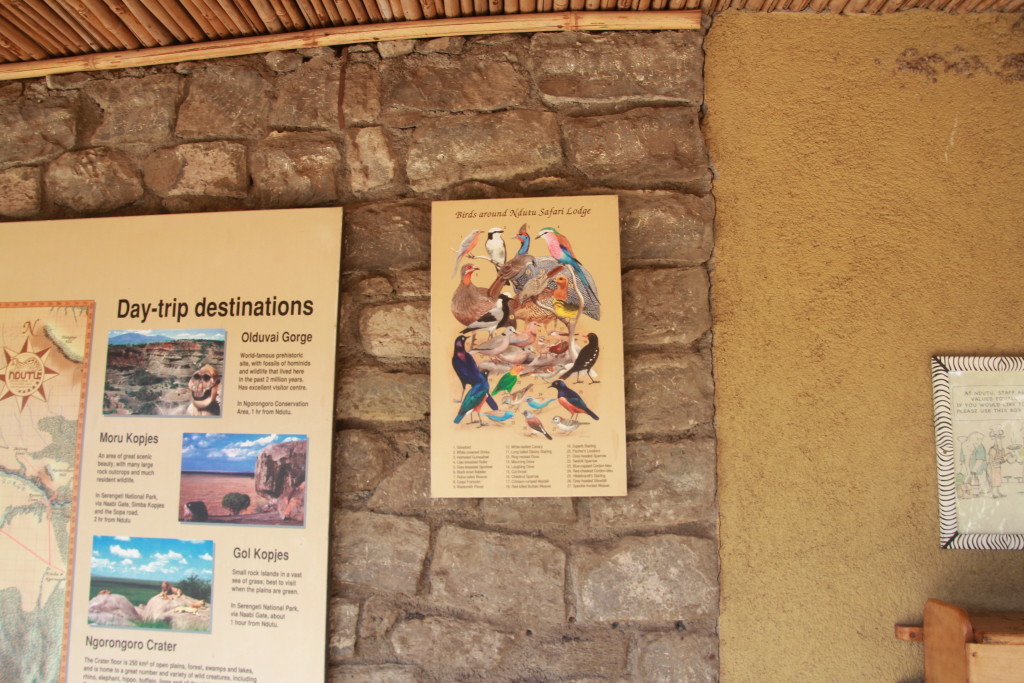
IMG_6869 IMG_6870

Nice to see which birds to look for!
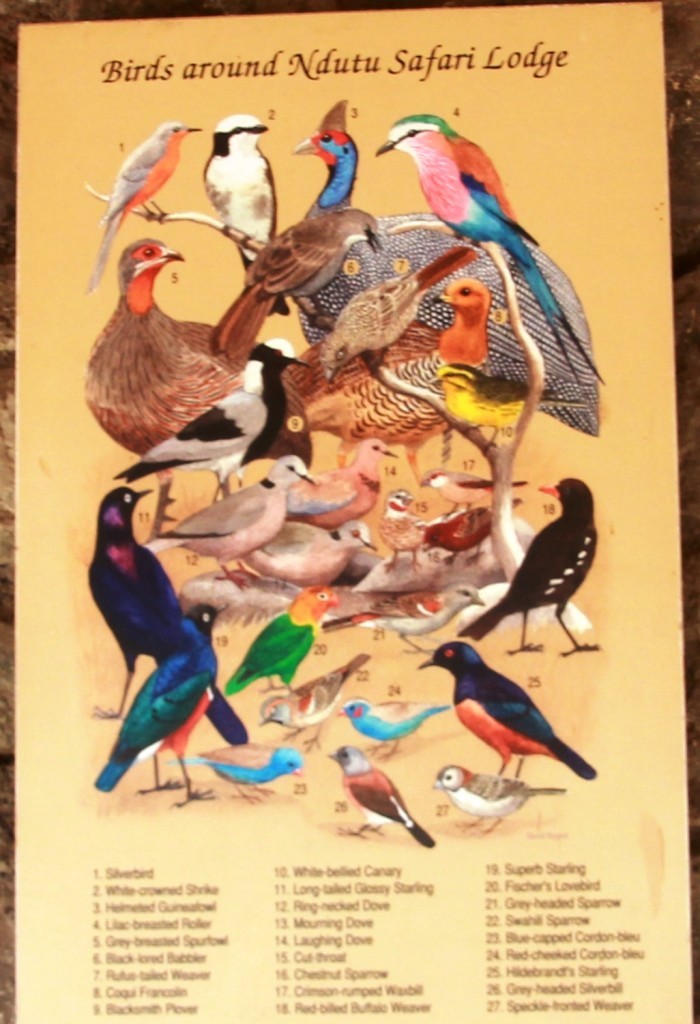
IMG_6870a IMG_6871 IMG_6872 IMG_6873

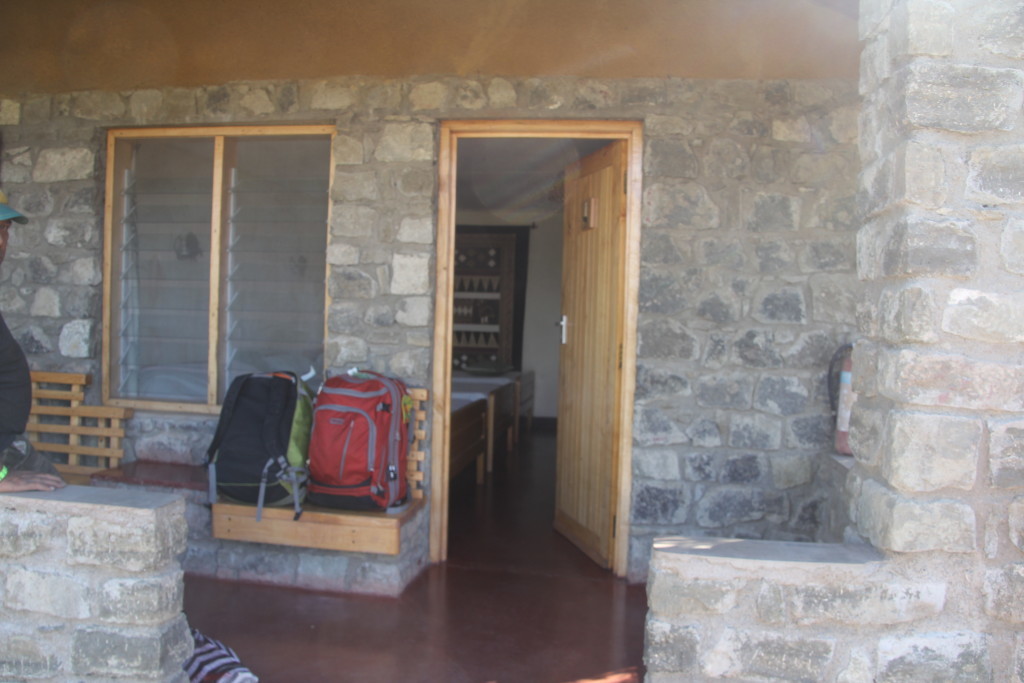
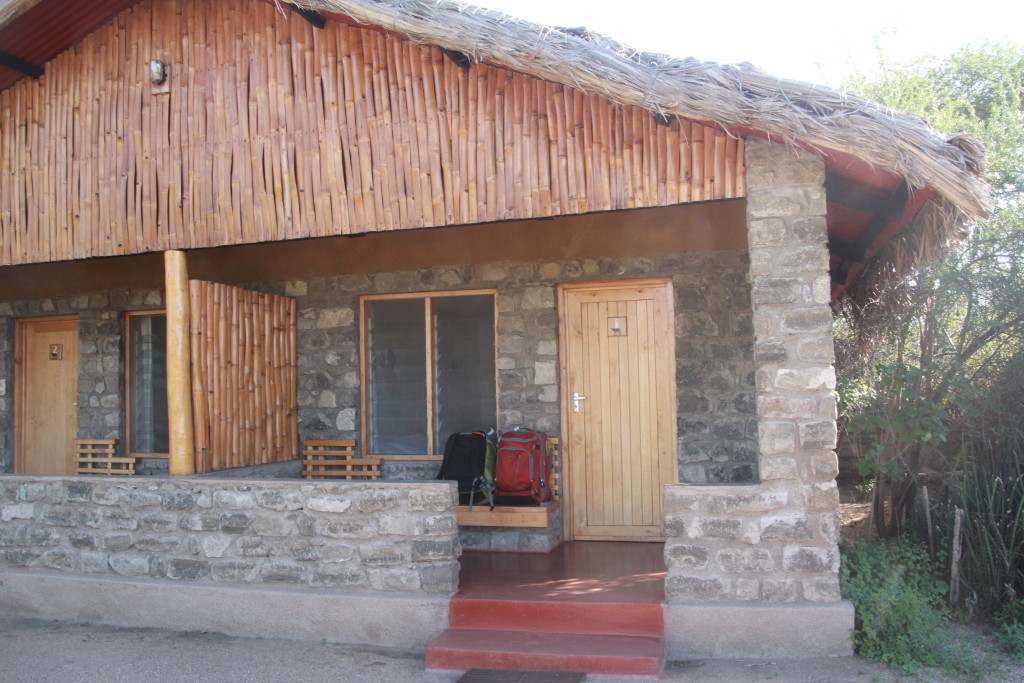
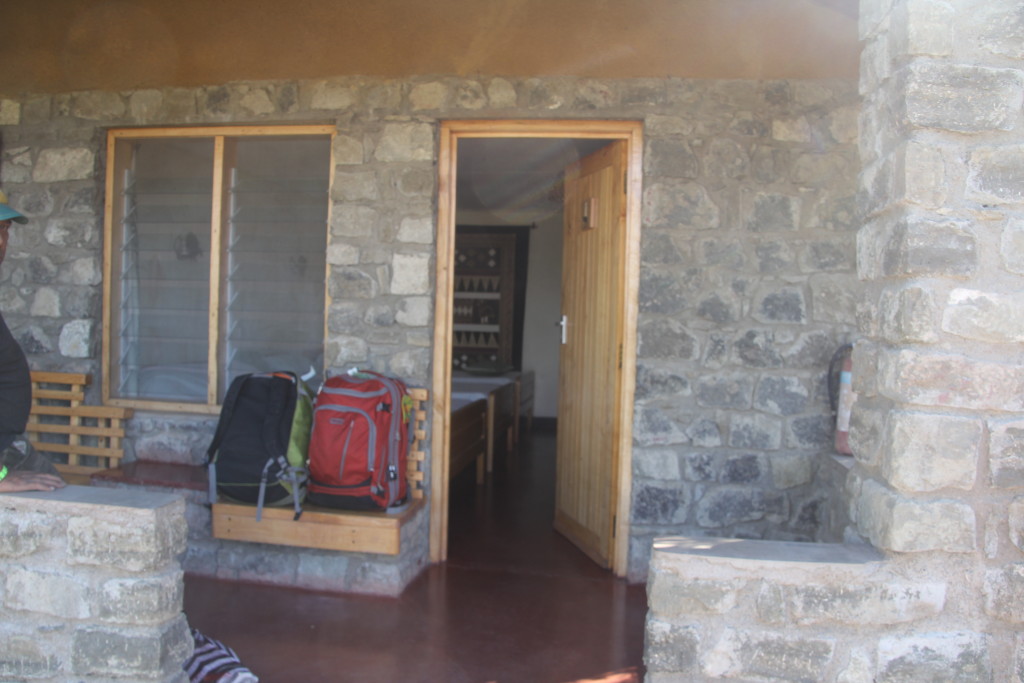
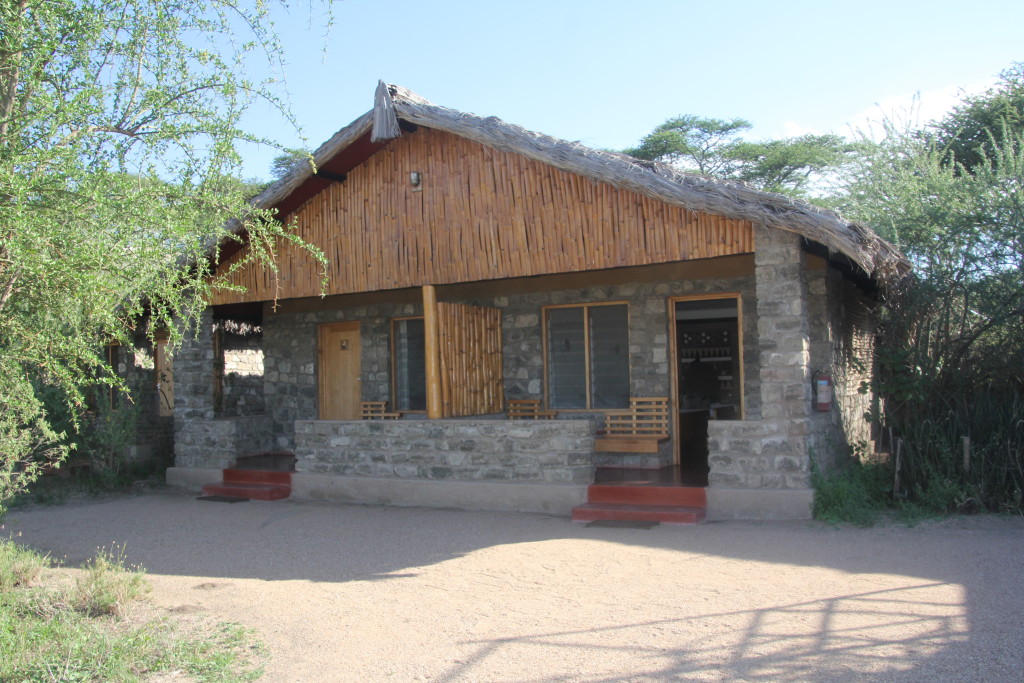
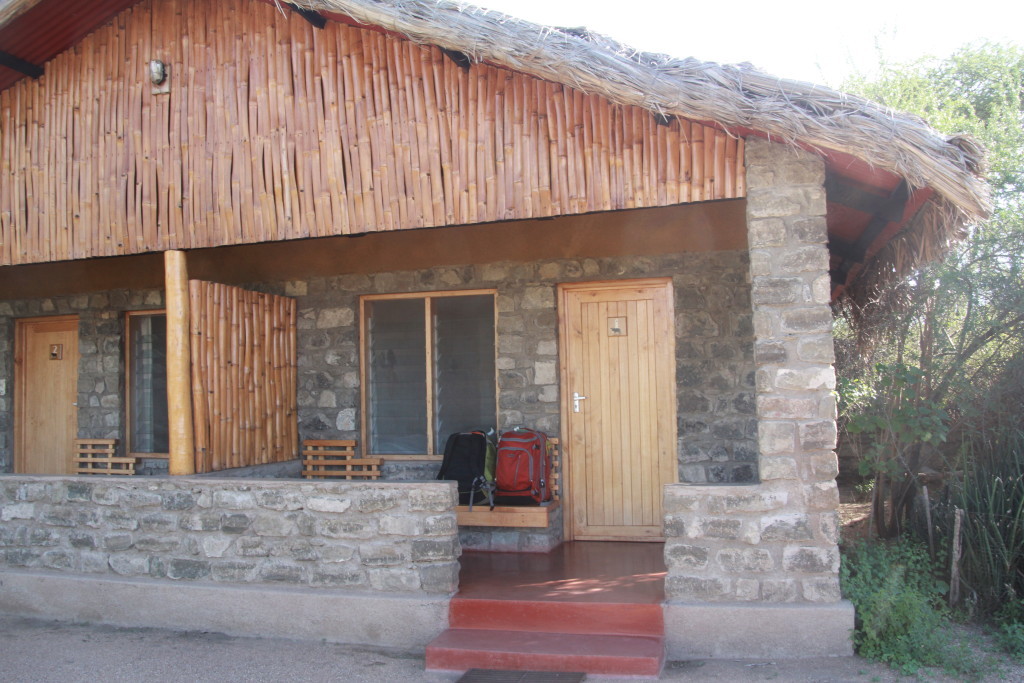
Here is our bungalow with the backpacks sitting outside.  Yes, that really is ALL we traveled for a month in Africa with!
IMG_6874 IMG_6875

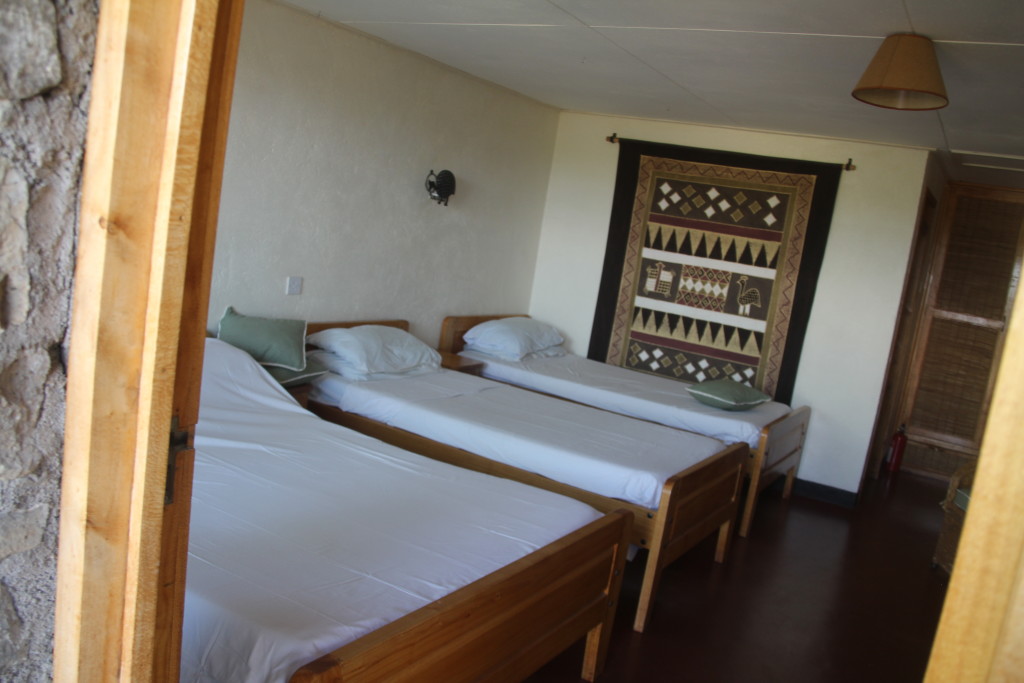
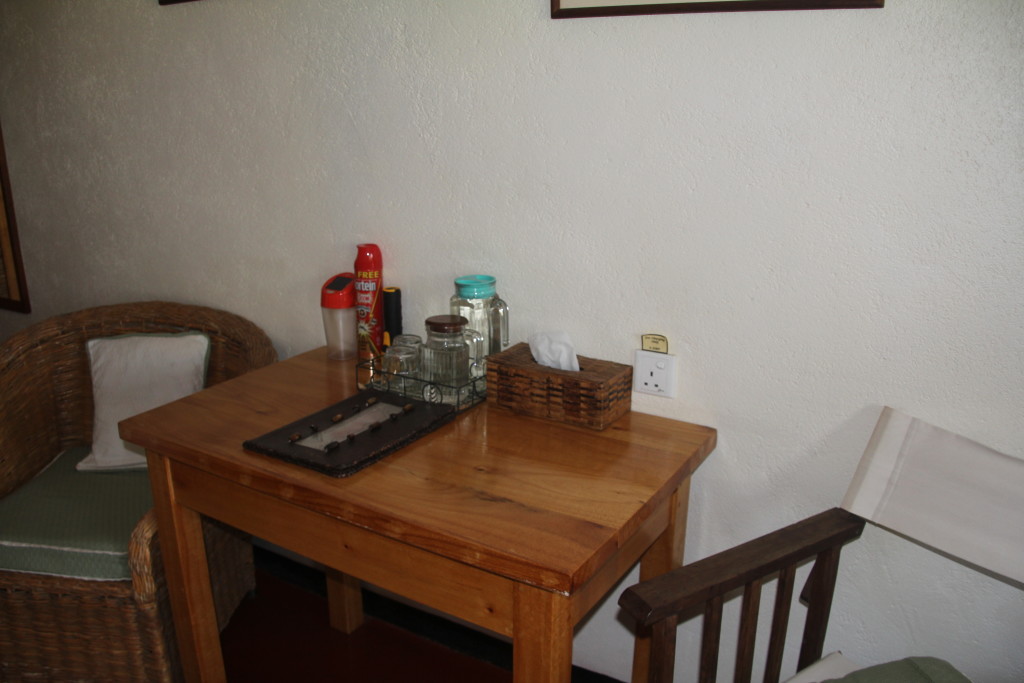
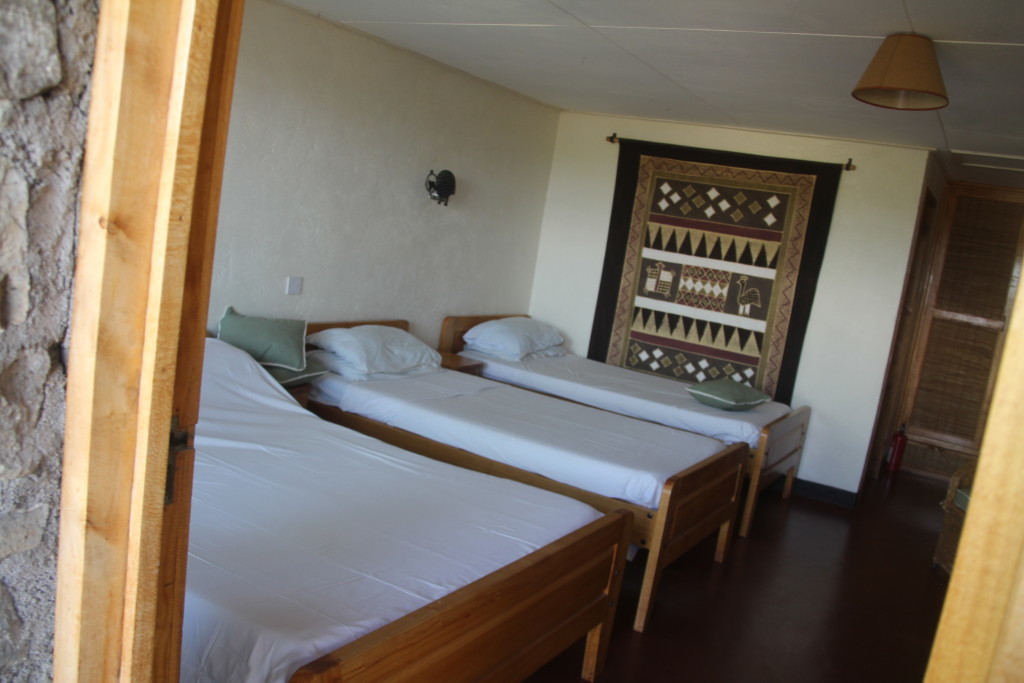
This room could hold up to 4 people but it was nice to have extra room to sort our stuff out.
IMG_6876

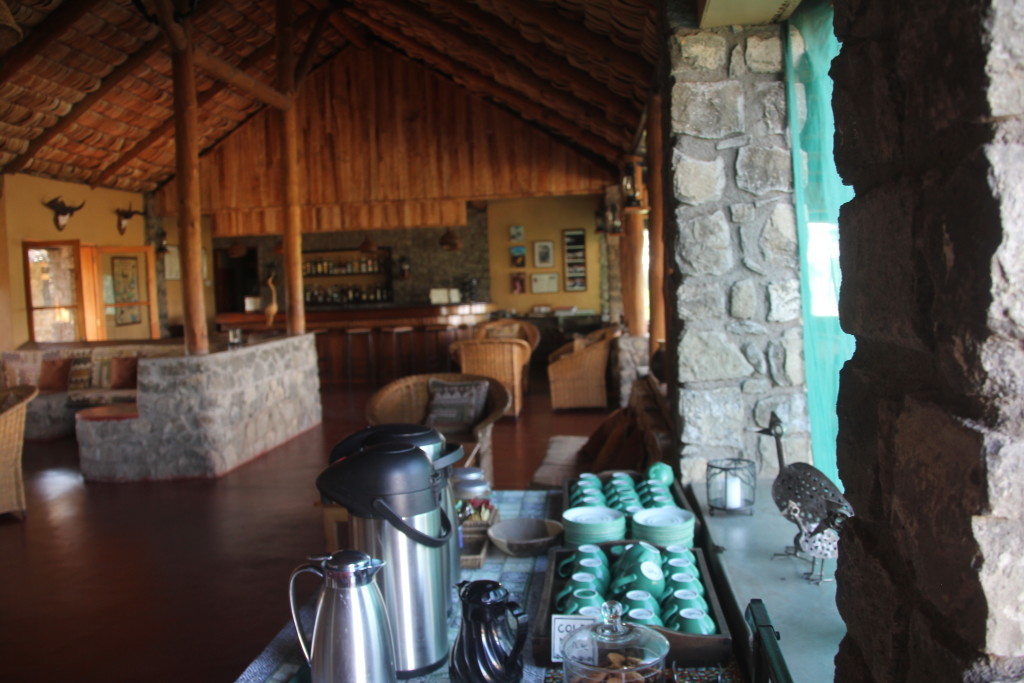
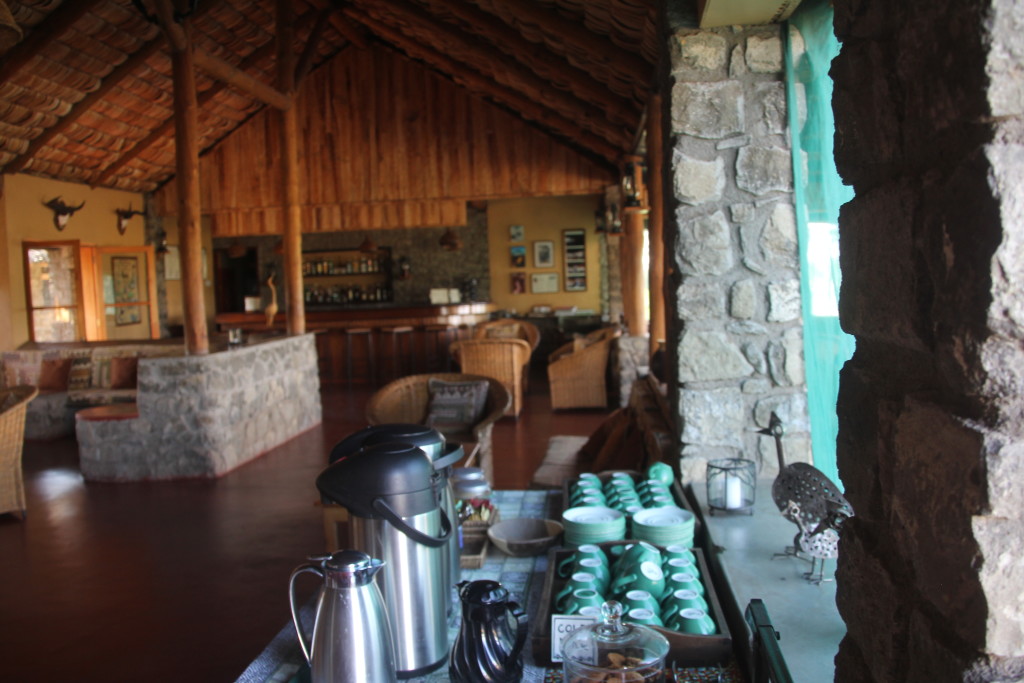
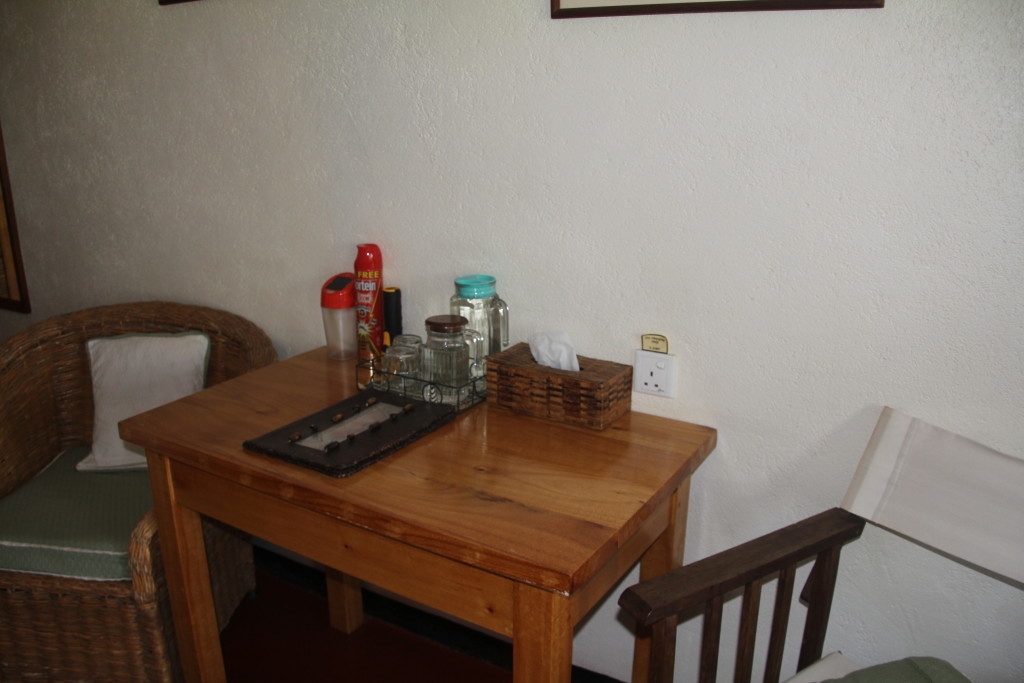
Coffee & tea is provided but there are better varieties of both in the dining room.
IMG_6877

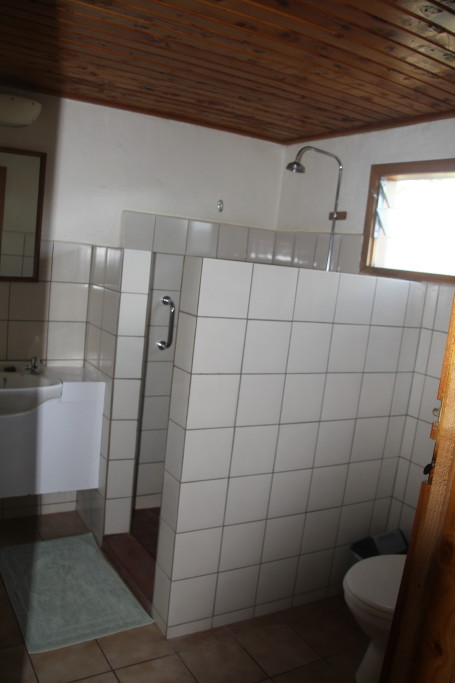
The bathroom was huge!

IMG_6878

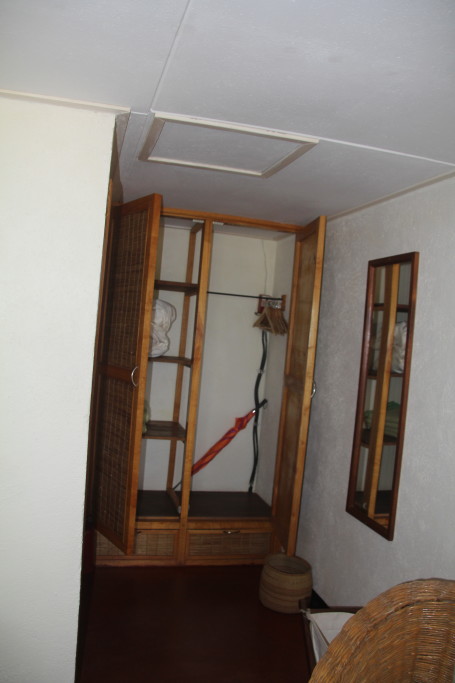
Storage cabinet, thankfully we didn’t need the umbrella.
IMG_6879

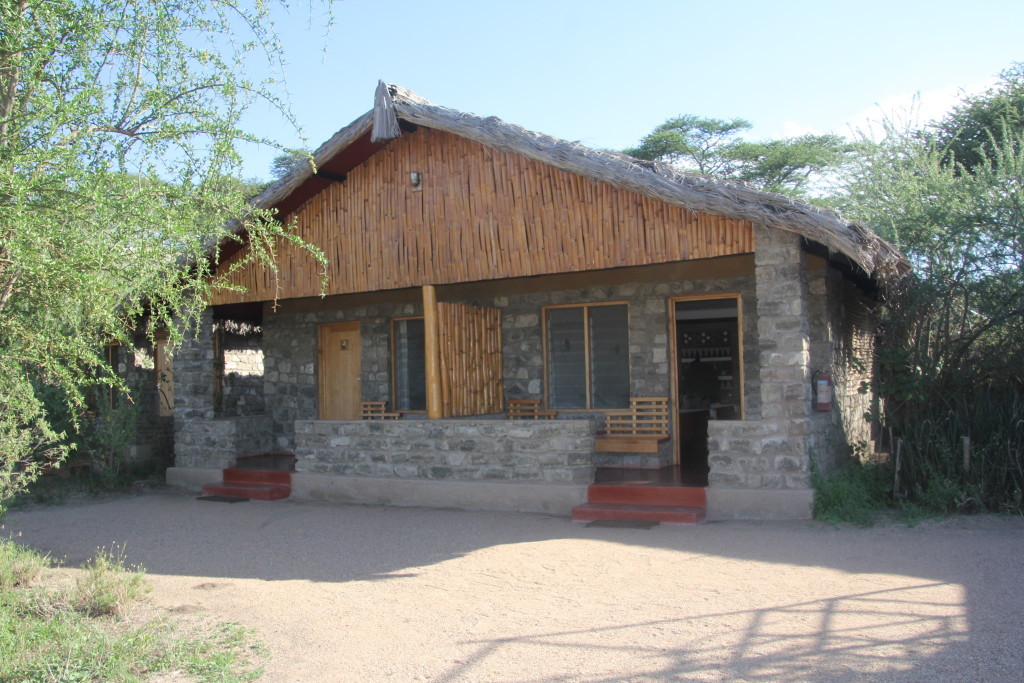
This bungalow is actually a duplex and the closest one to the dining room and the pond where the lovebirds come to drink, I had requested this.
IMG_6880

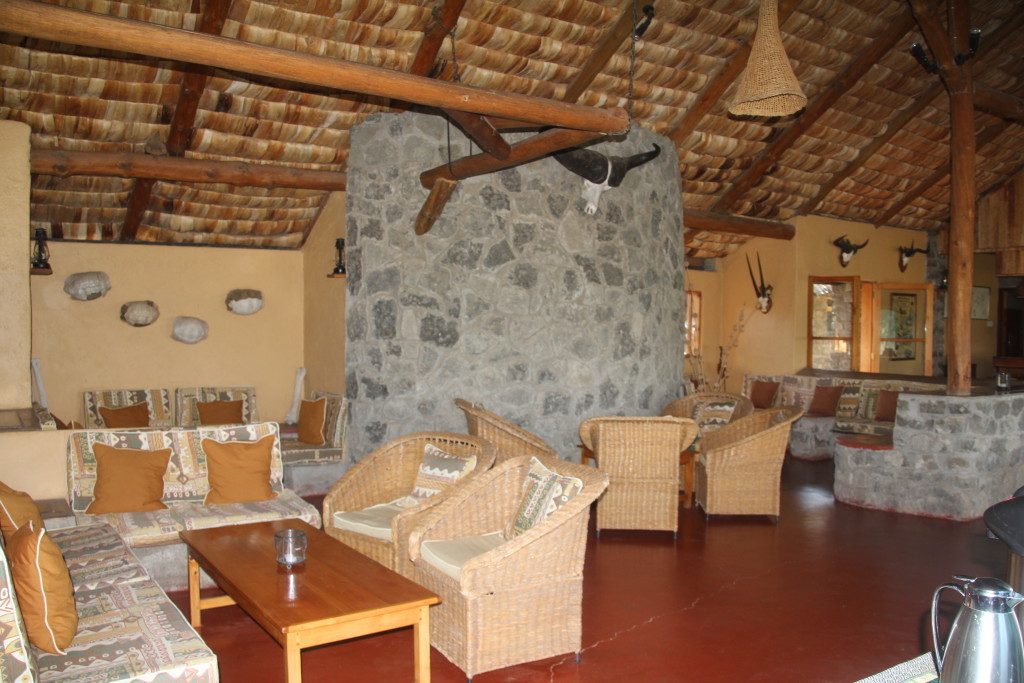
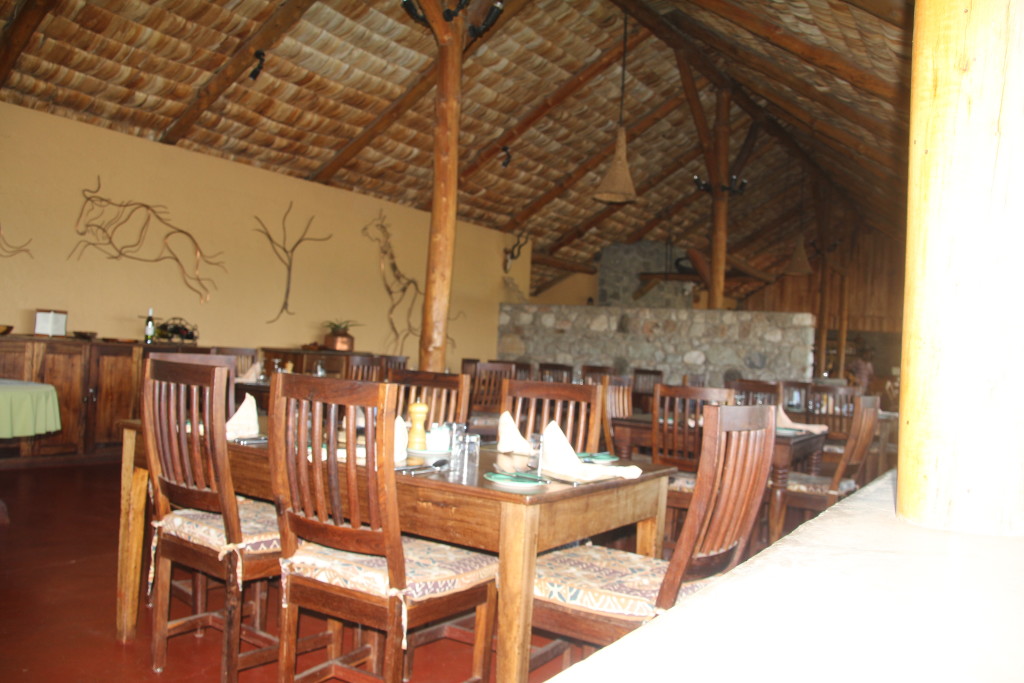
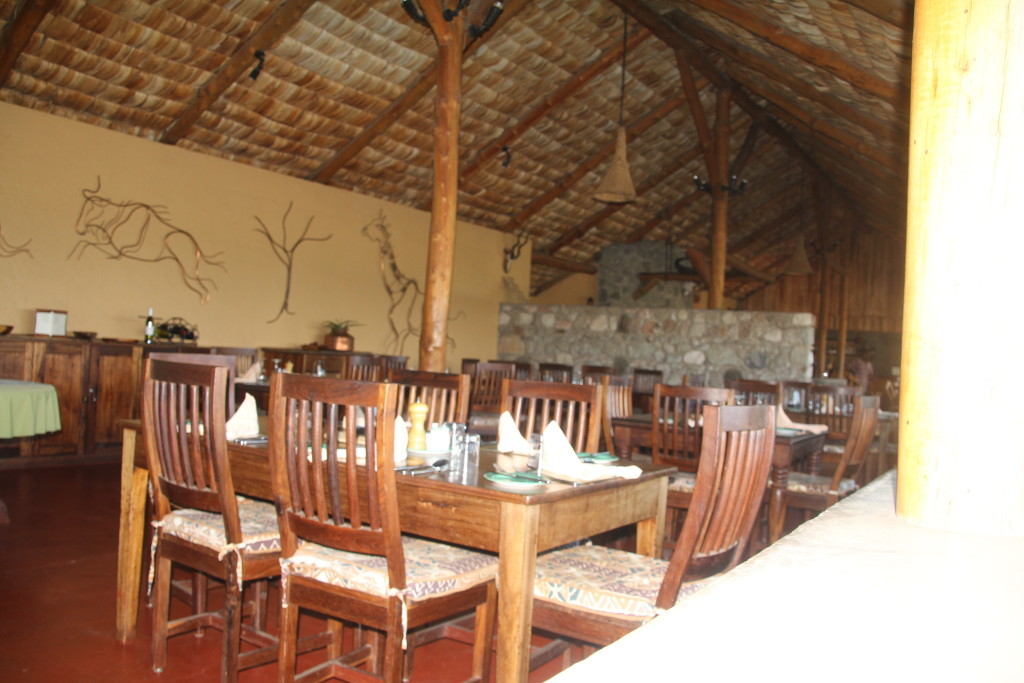
Most people get at least a breakfast and dinner package as there is no where else to eat.  The food was really good.  Don’t forget to try some of the exotic teas!
IMG_6884 IMG_6885 IMG_6886

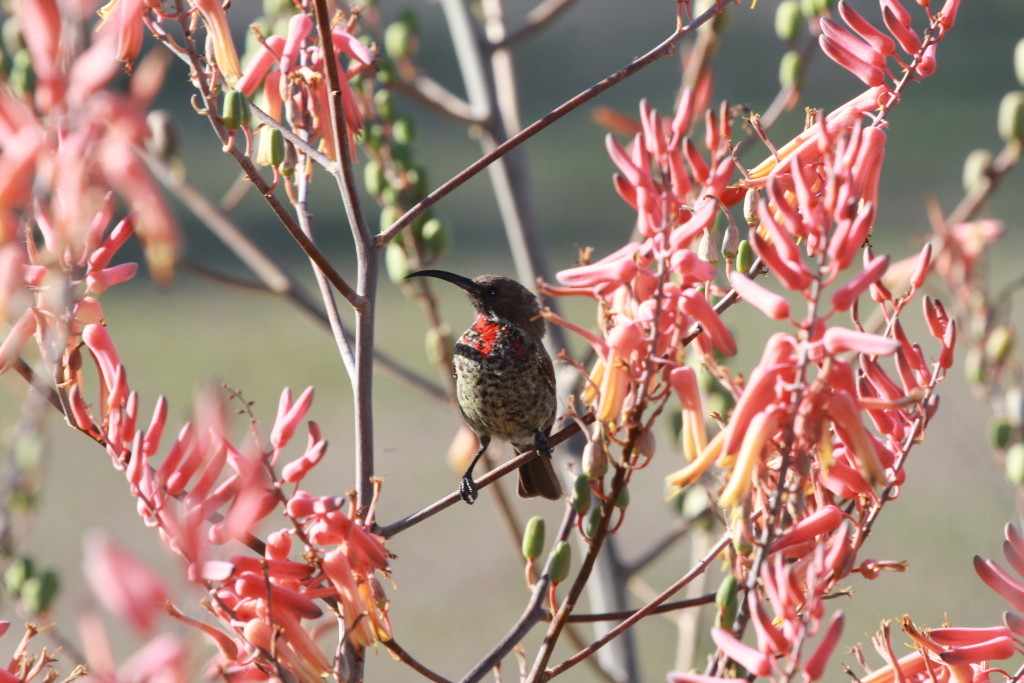
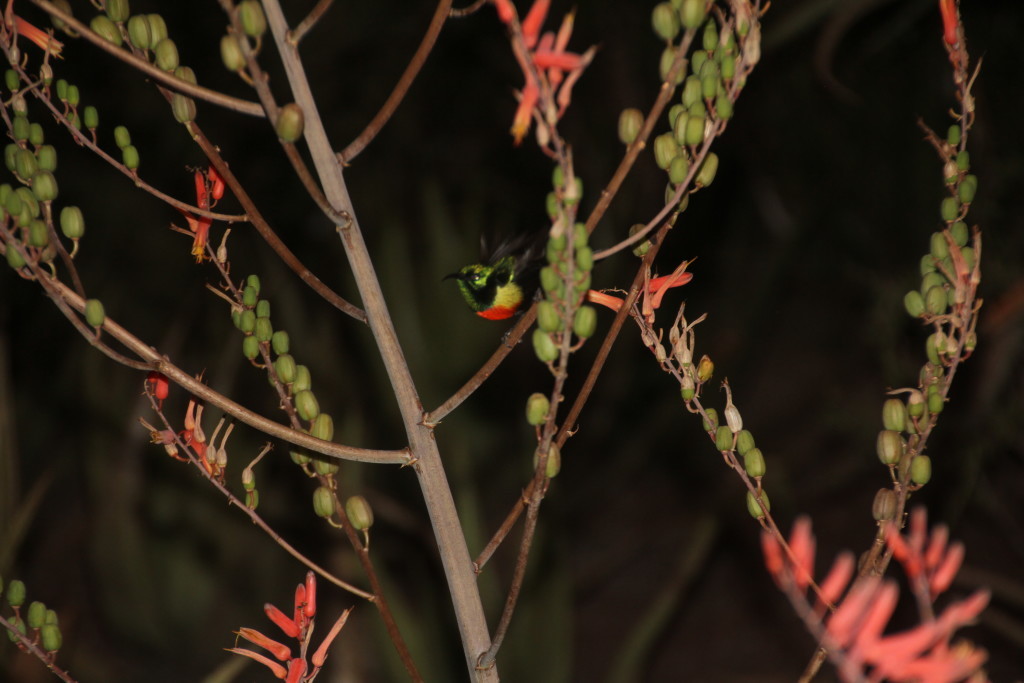
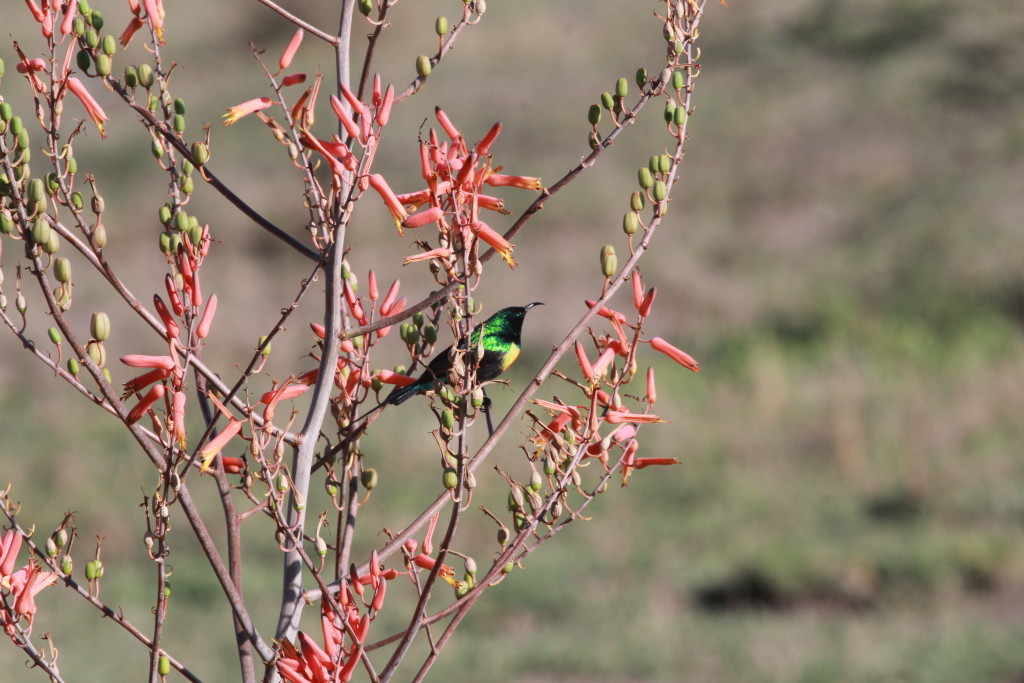
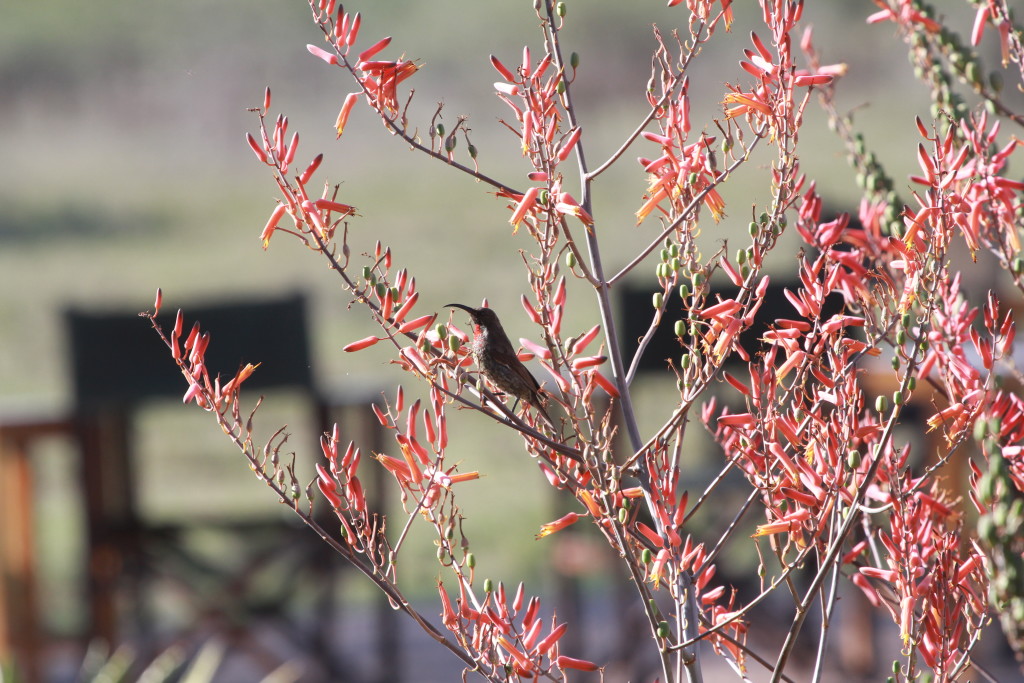
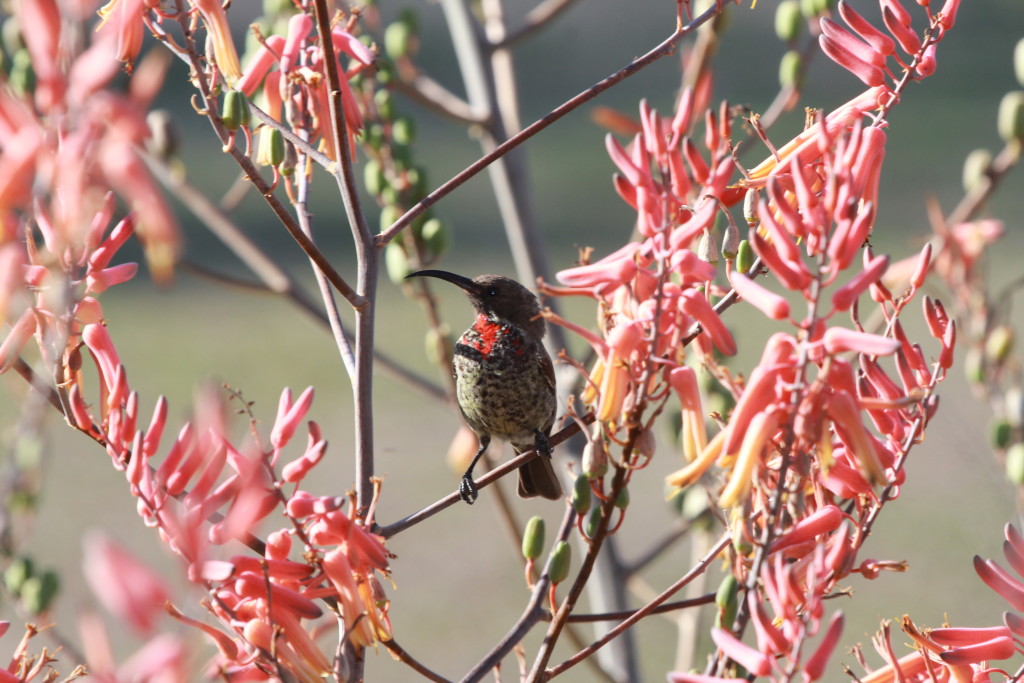
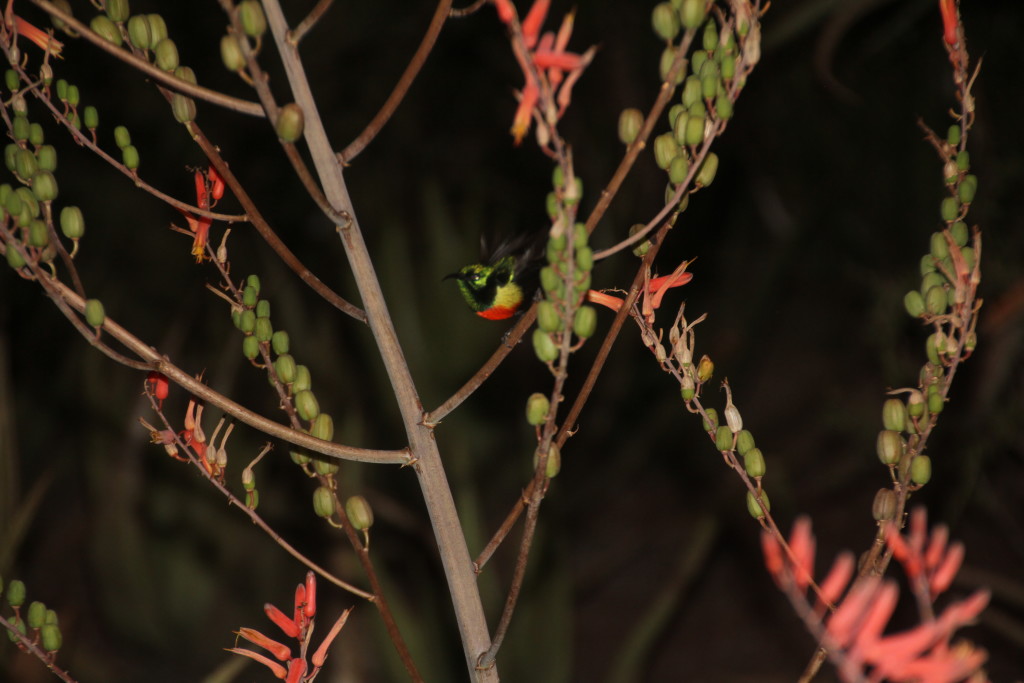
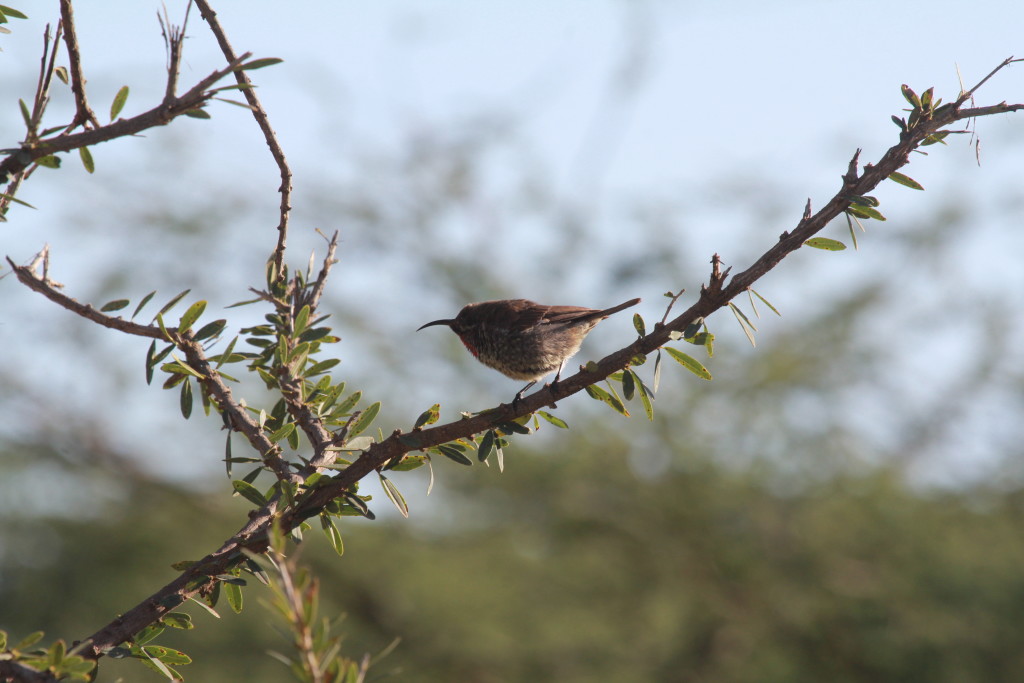
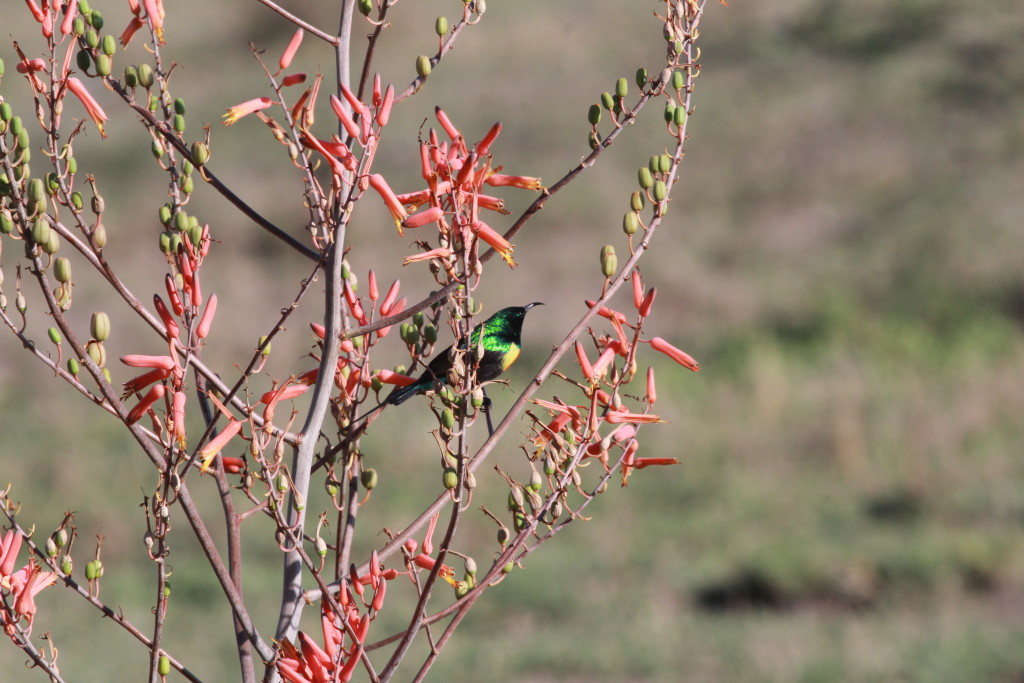
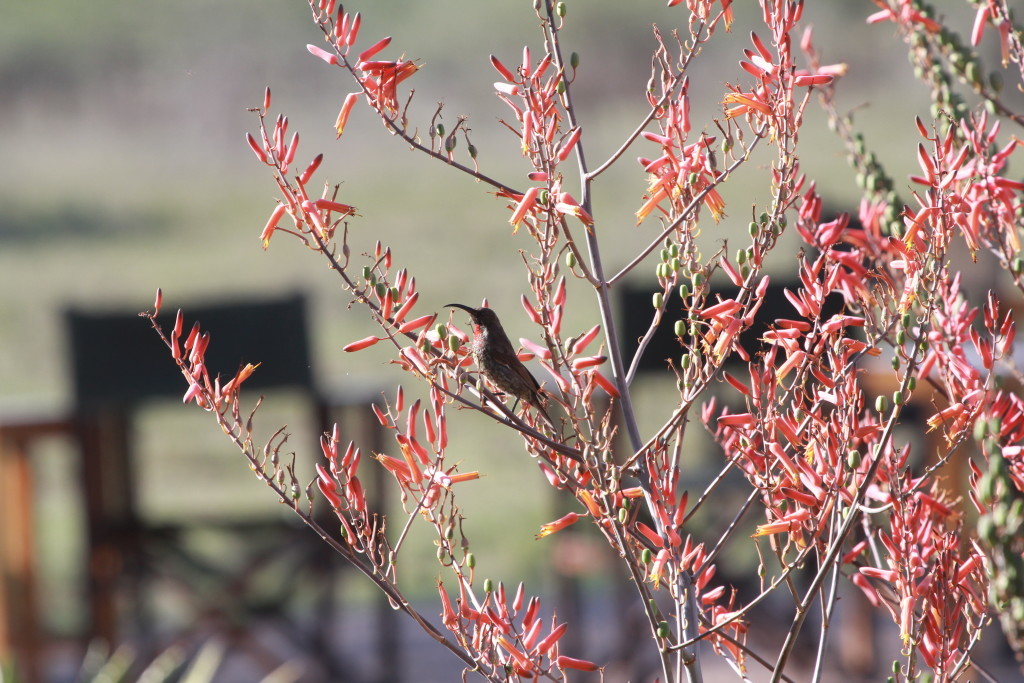
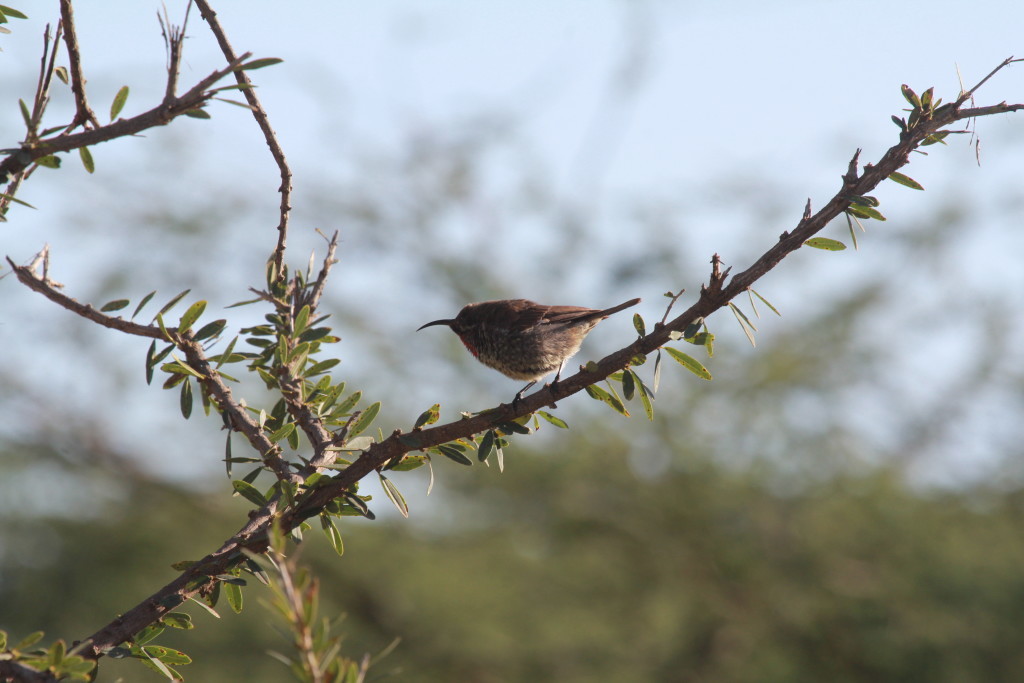
The garden was gorgeous and apparently this sunbird agrees!  I think it’s a female by the colour.
IMG_6889

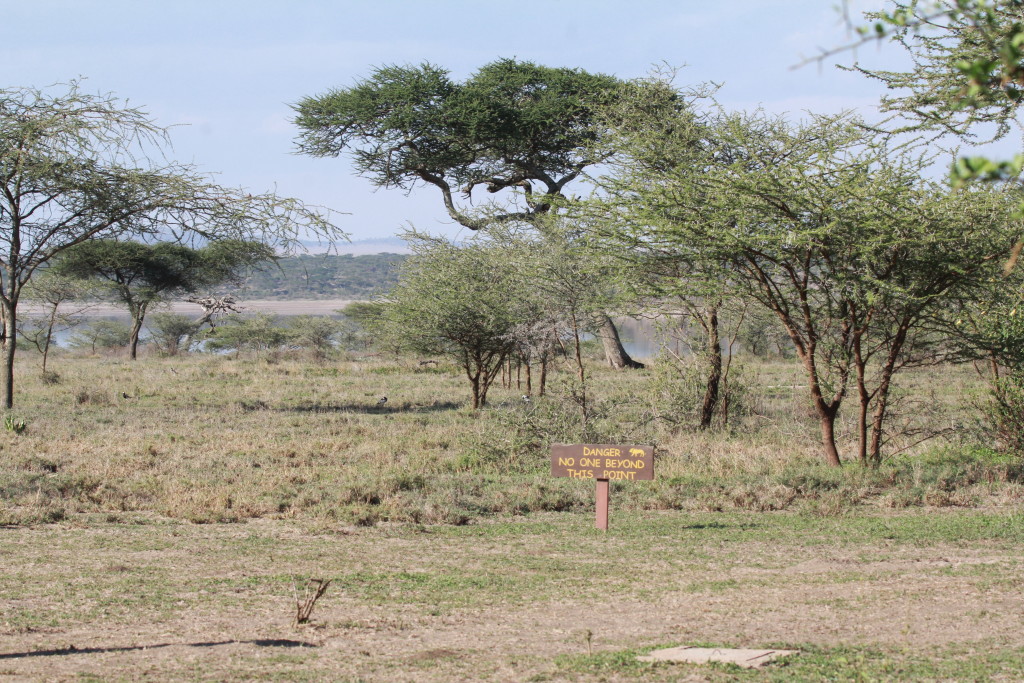
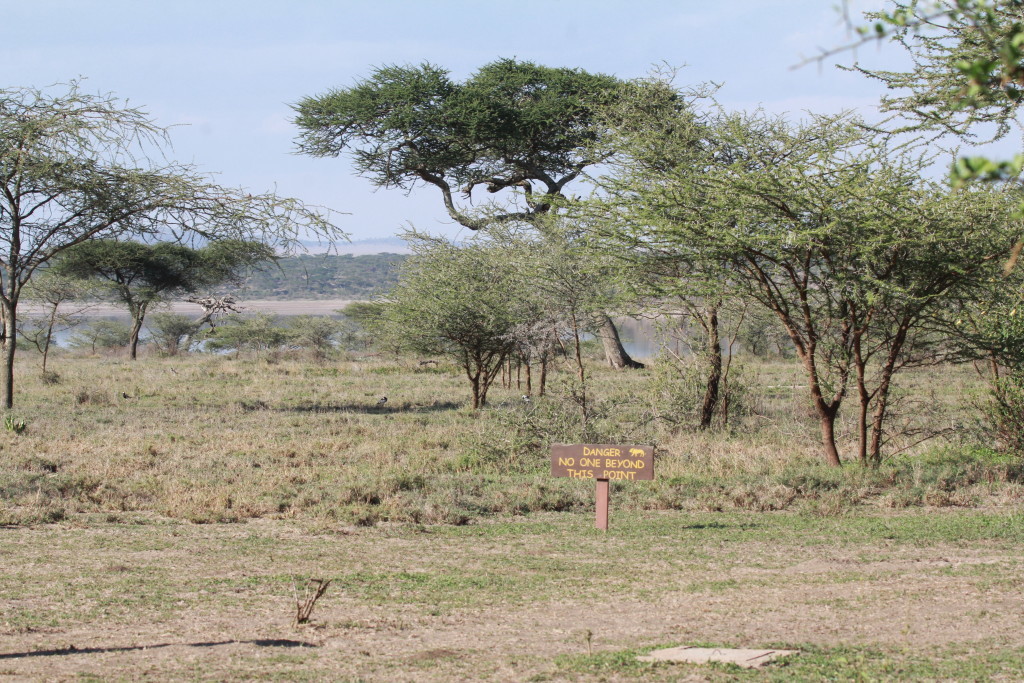
Caution not to go beyond a certain point, there are wild animals out there!
IMG_6890

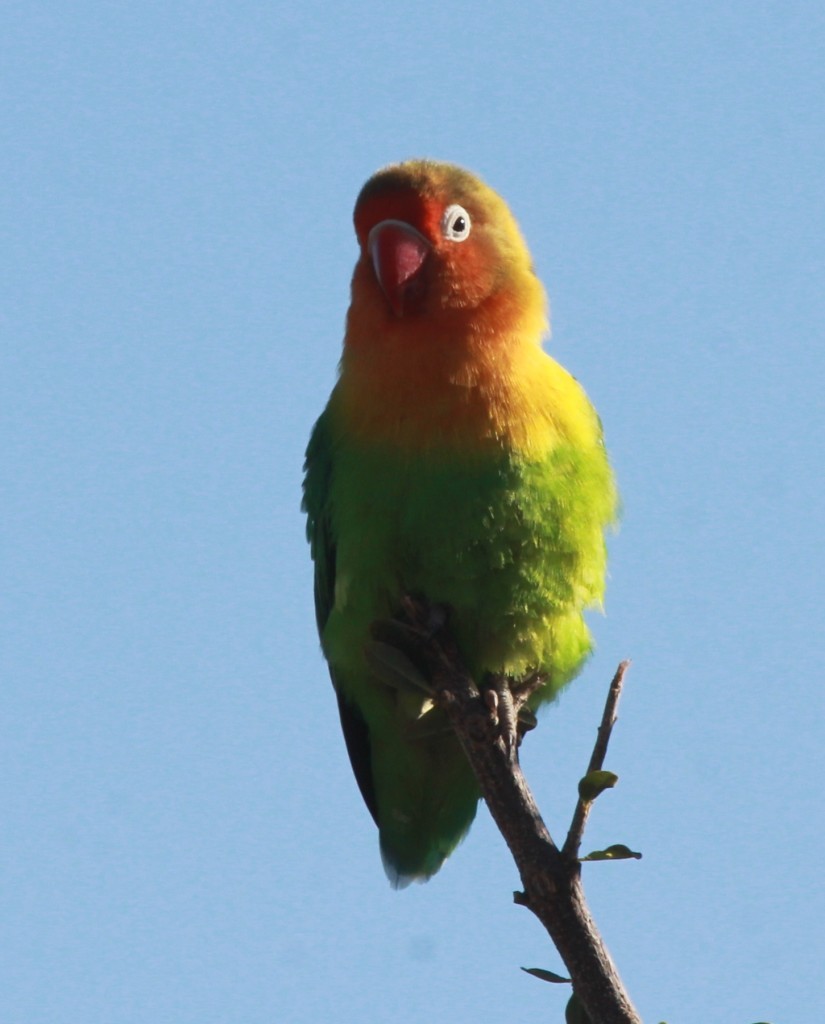
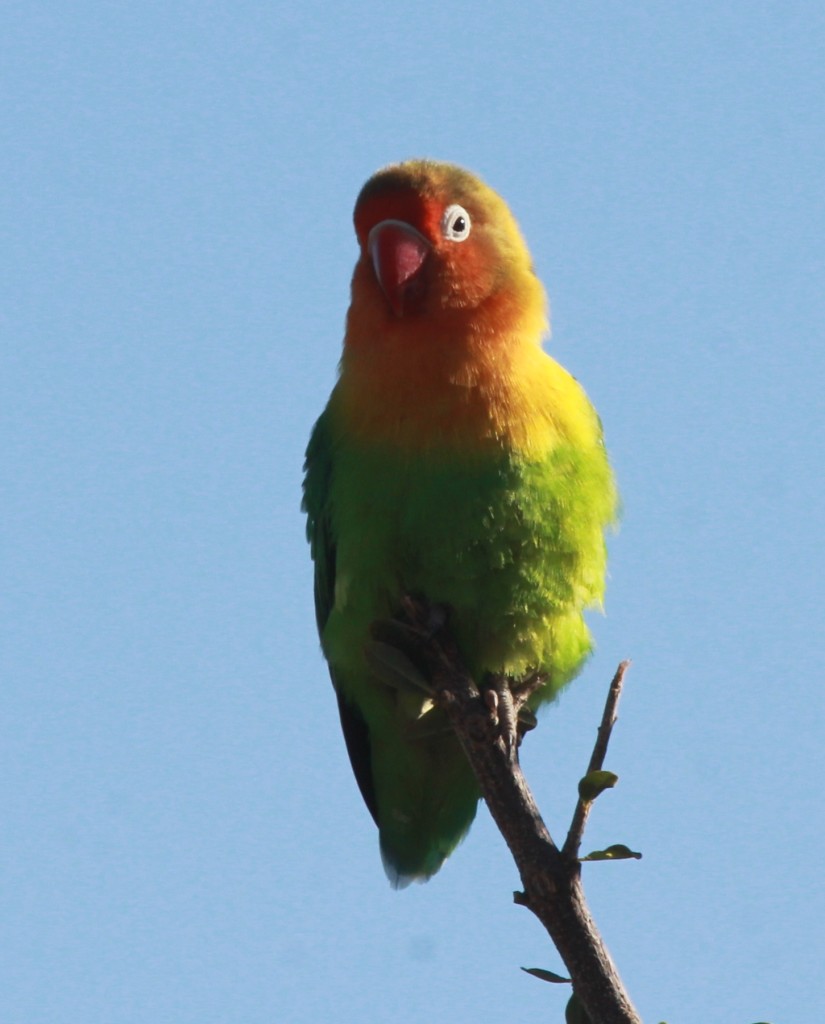
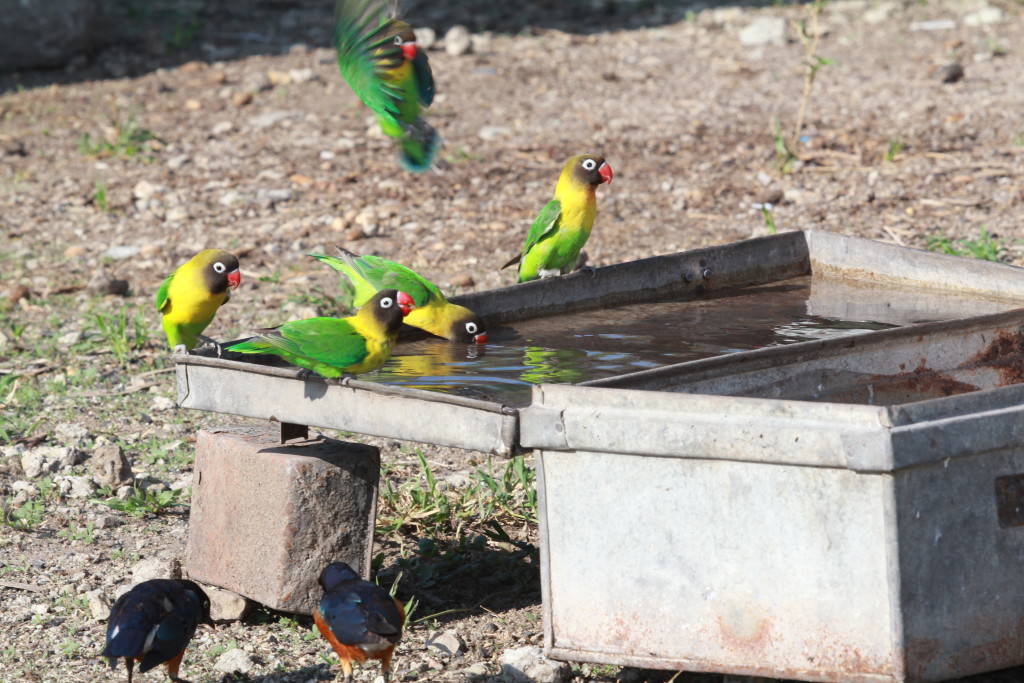
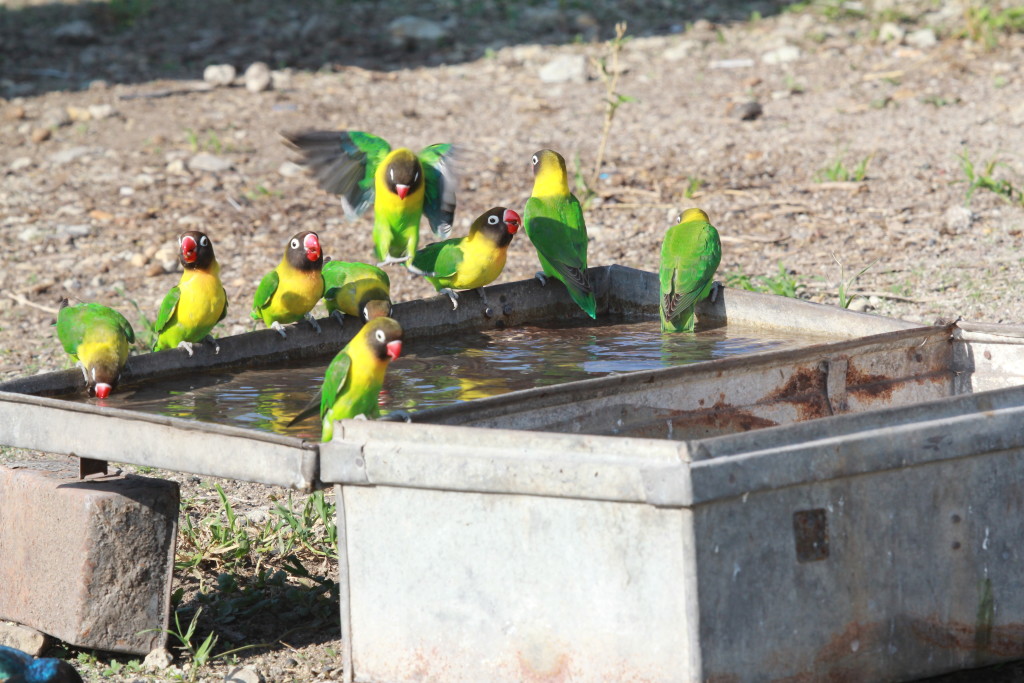
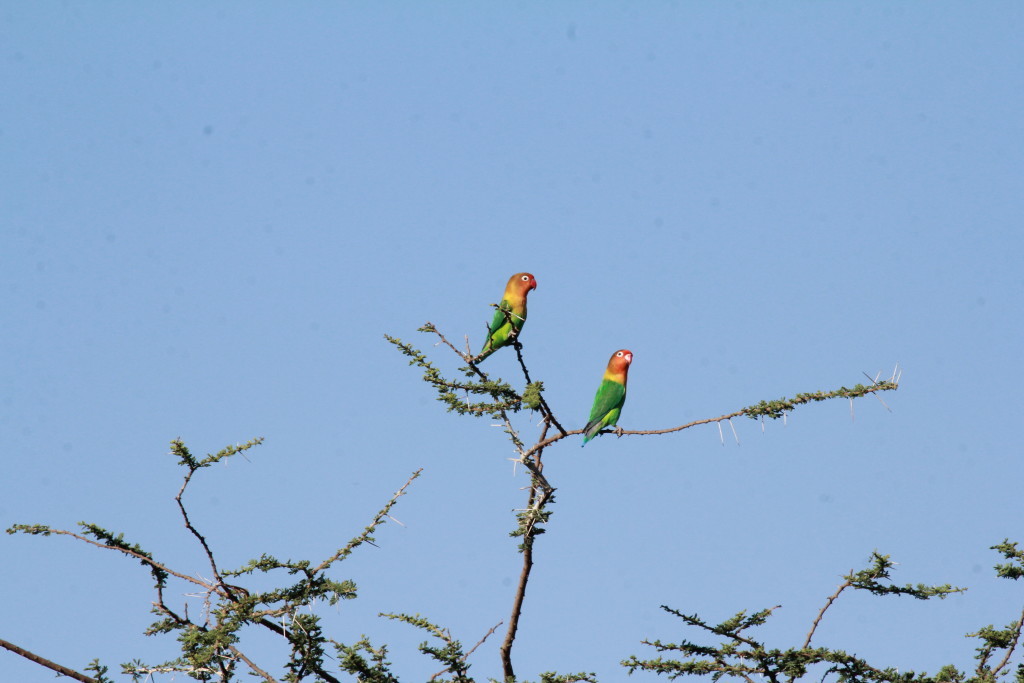
Fischer’s Lovebirds!  They were readily seen around the lodge and not afraid to pose for photos.
IMG_6894 IMG_6897

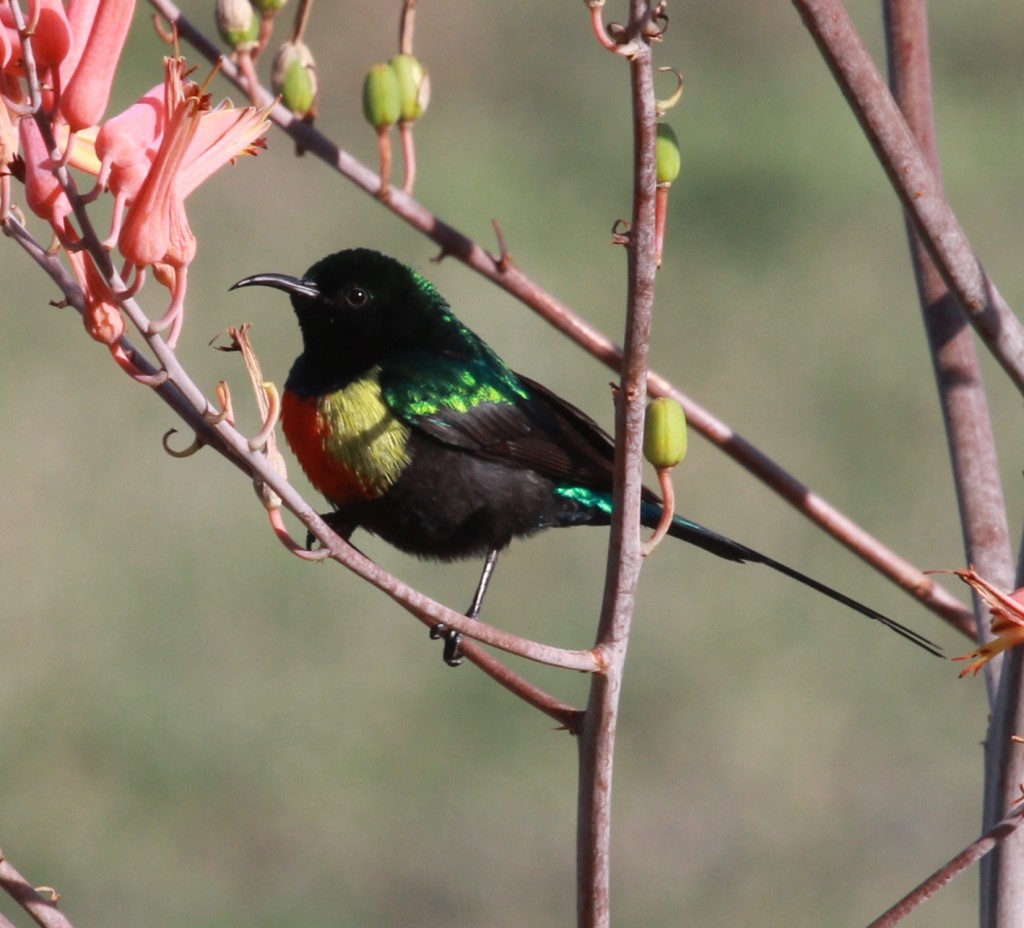
Scarlet-breasted Sunbird

IMG_6898

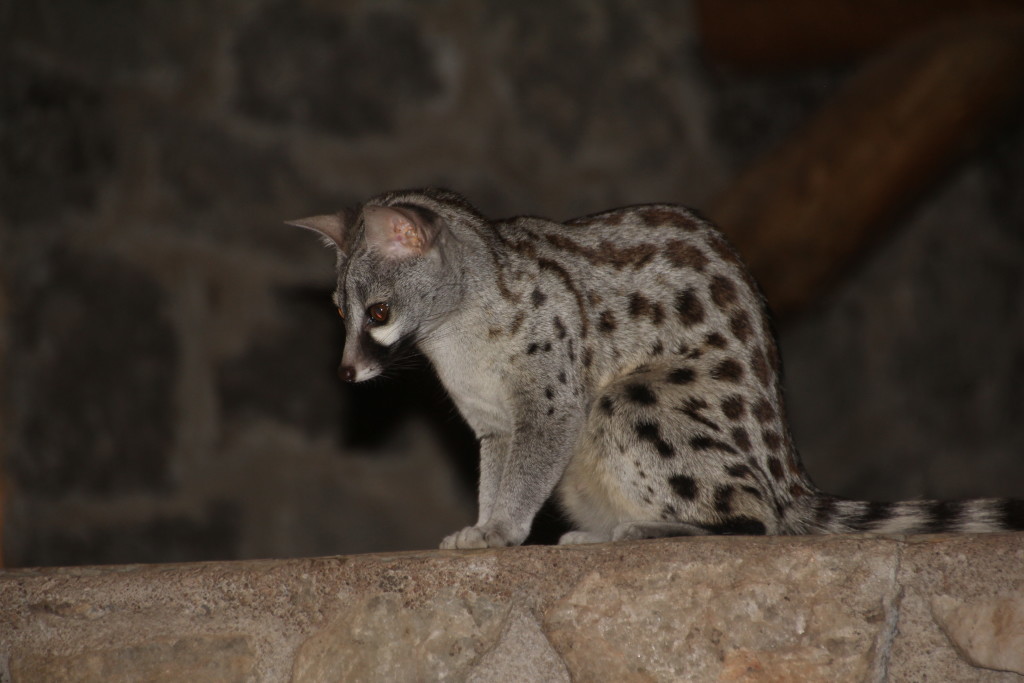
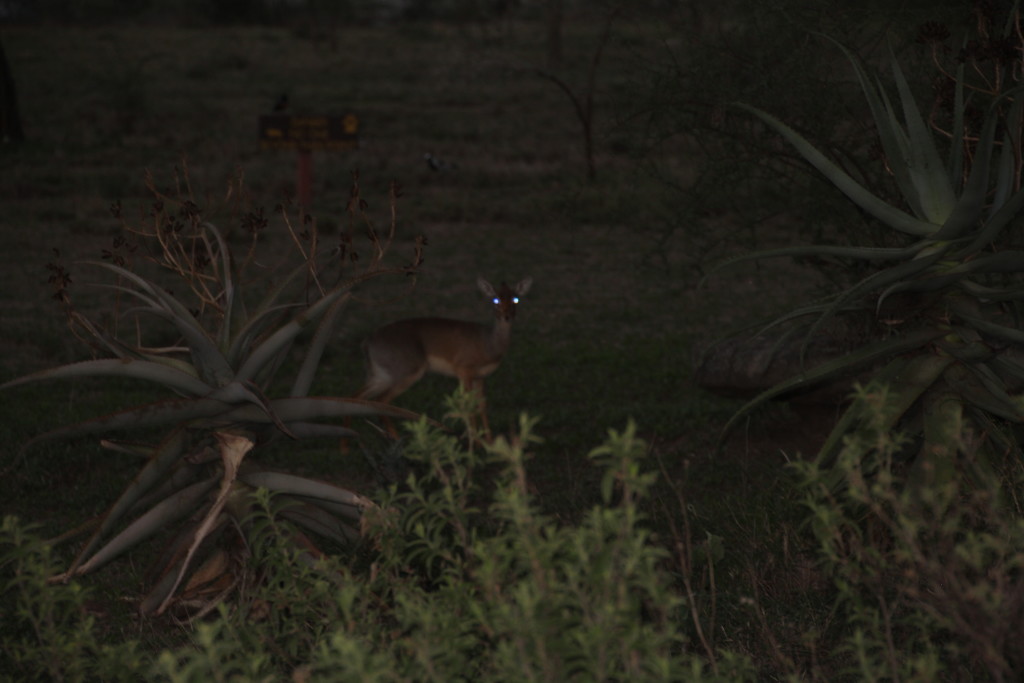
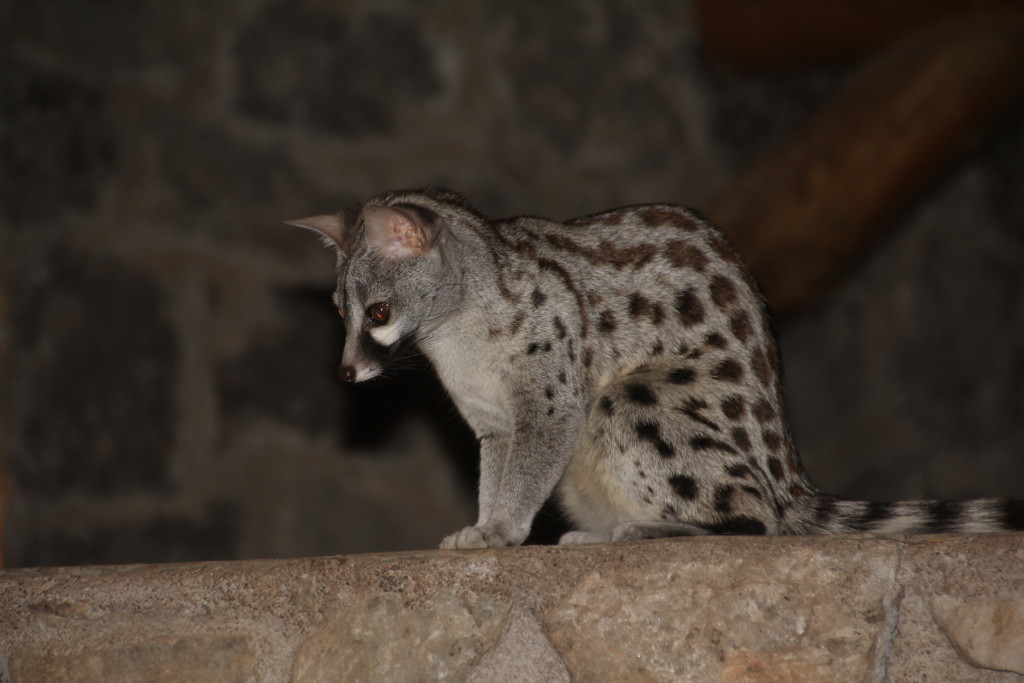
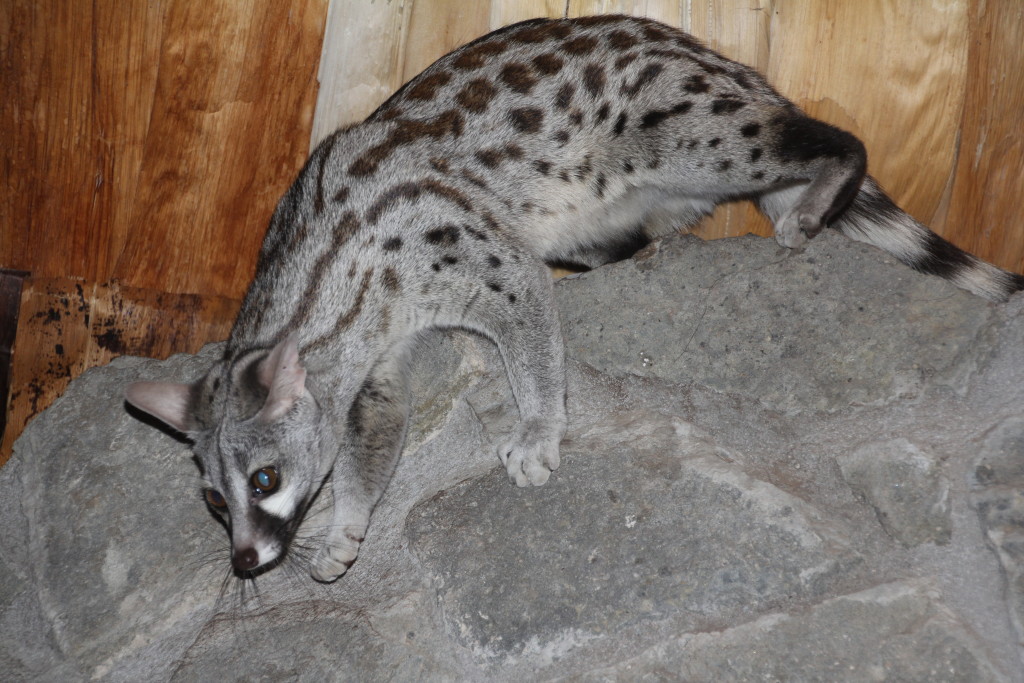
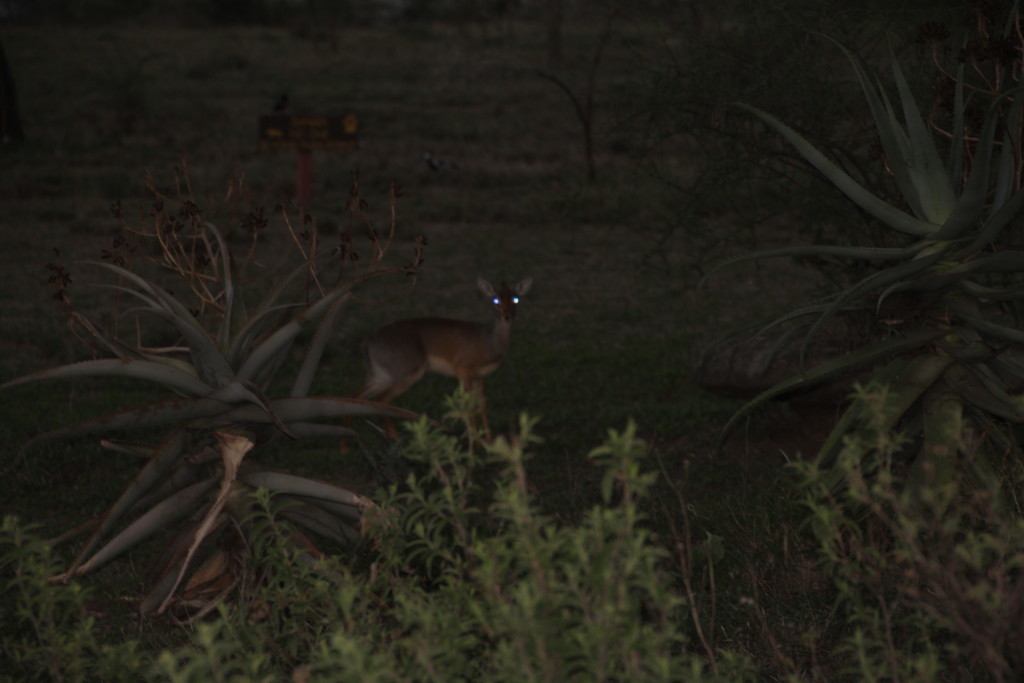
Caught in the headlights – now you know what it really looks like!
IMG_6959

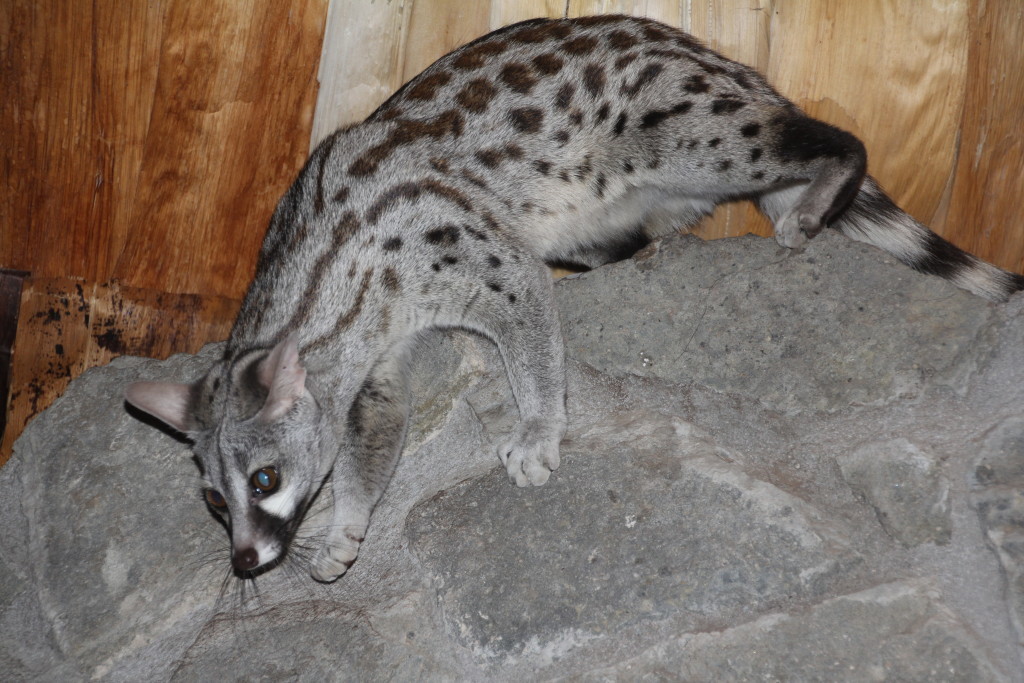
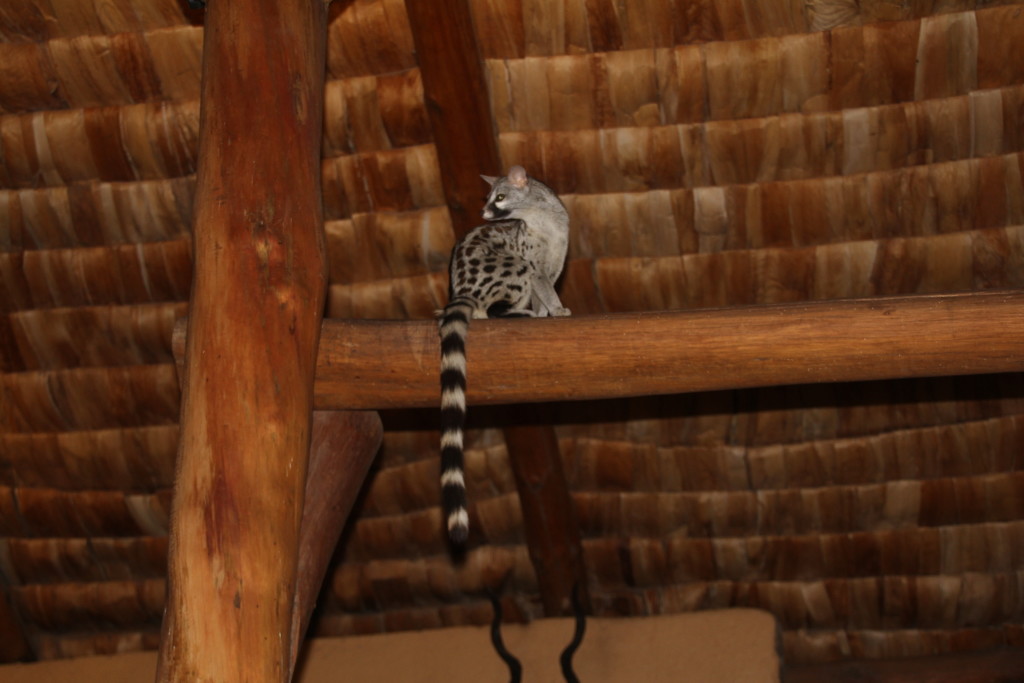
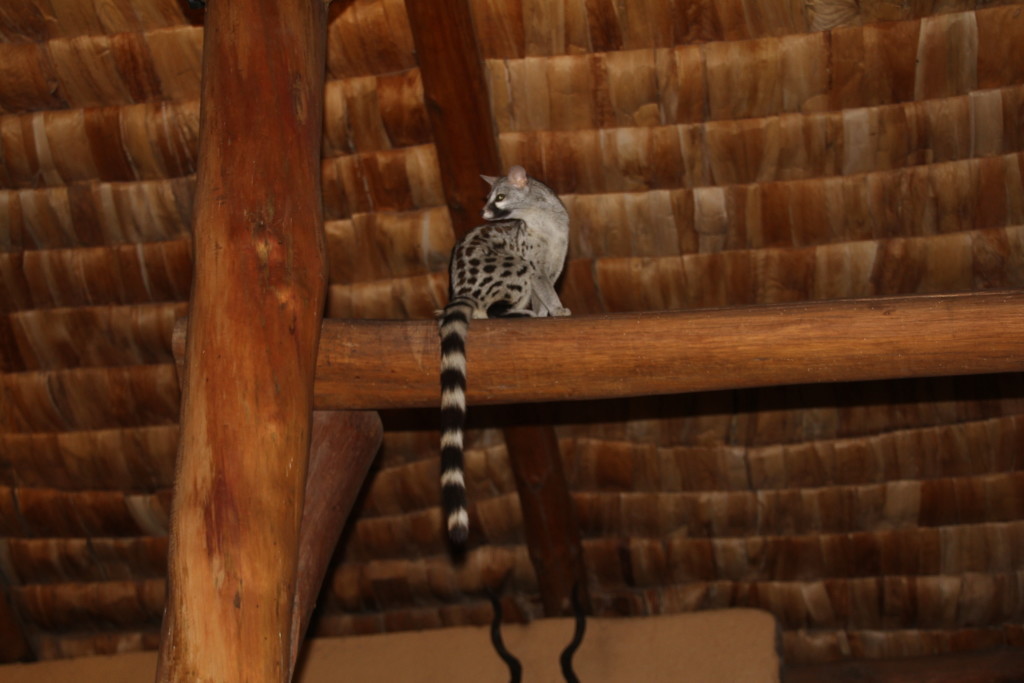
The resident Genet.  These guys are not cats as some people call them, you can tell by the face.  This one is a mother and I caught a glimpse of her baby but he wouldn’t come out for a photo.  Genets are very elegant and graceful and it was fun to watch her antics during dinner.  She caught and ate a large moth.
IMG_6972 IMG_6975 IMG_6977

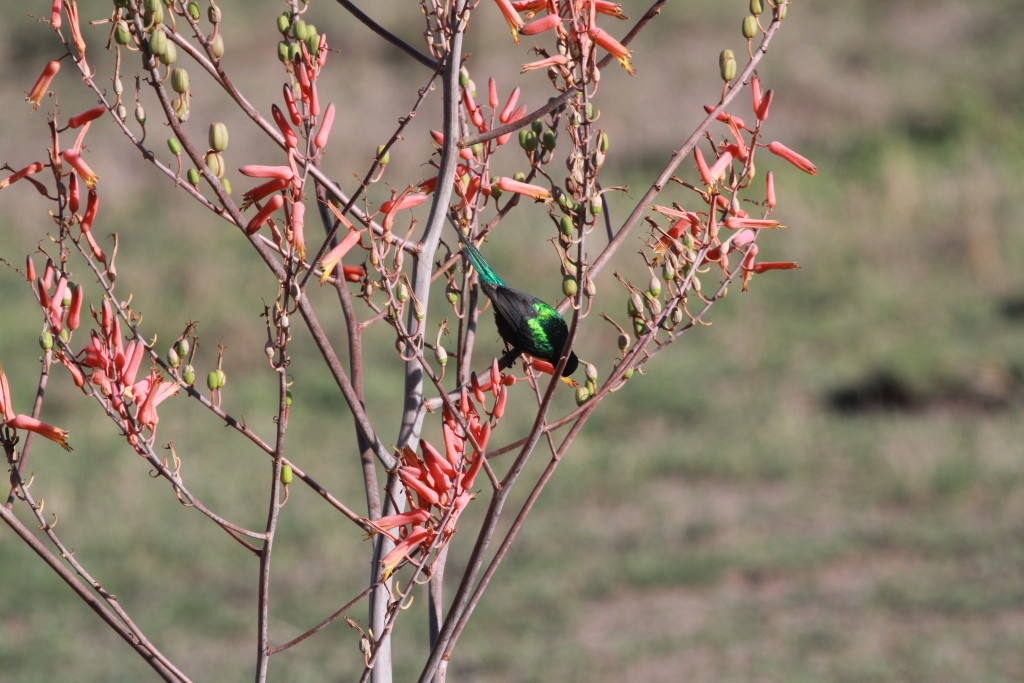
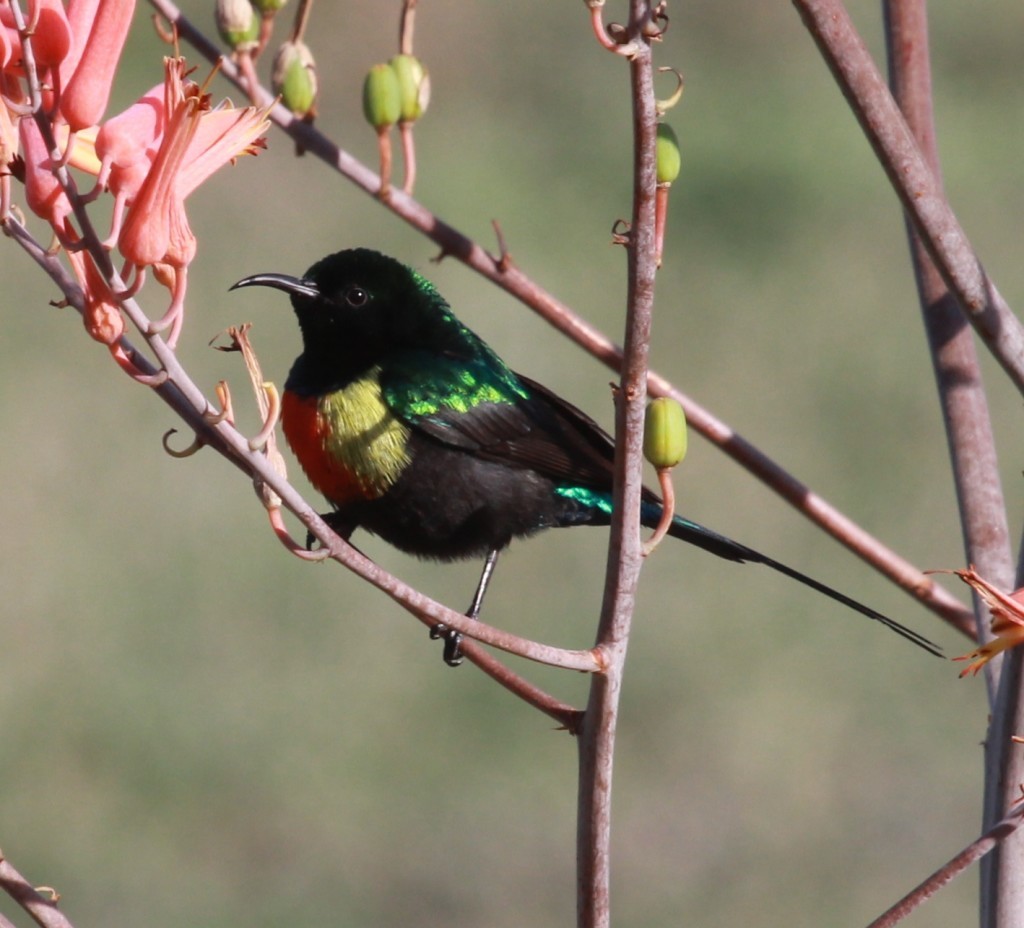
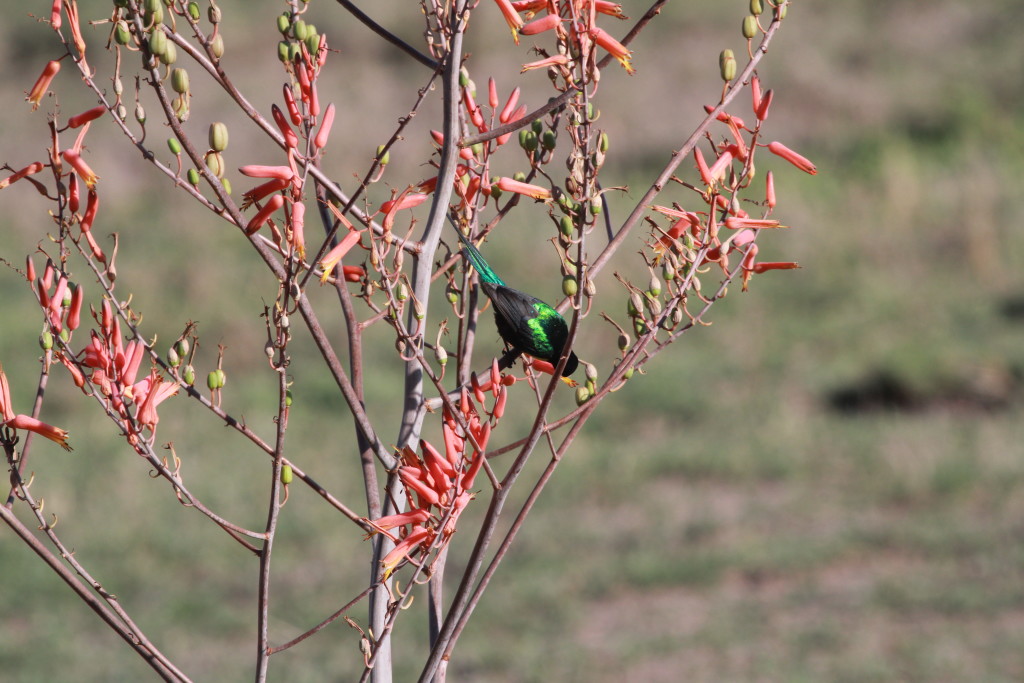
A well-named Beautiful Sunbird

IMG_6979

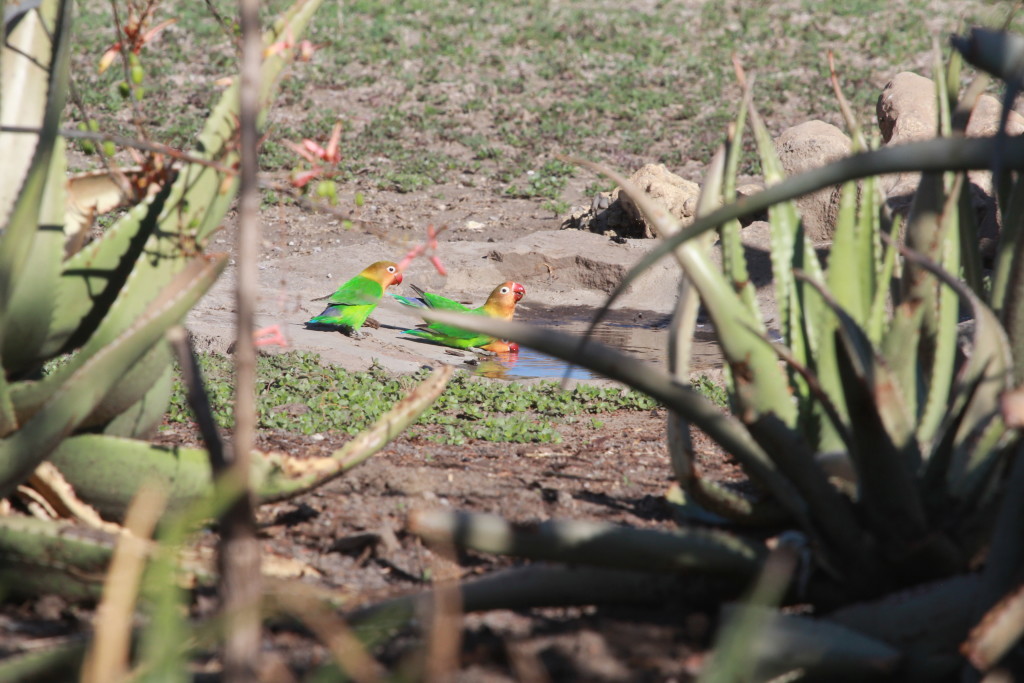
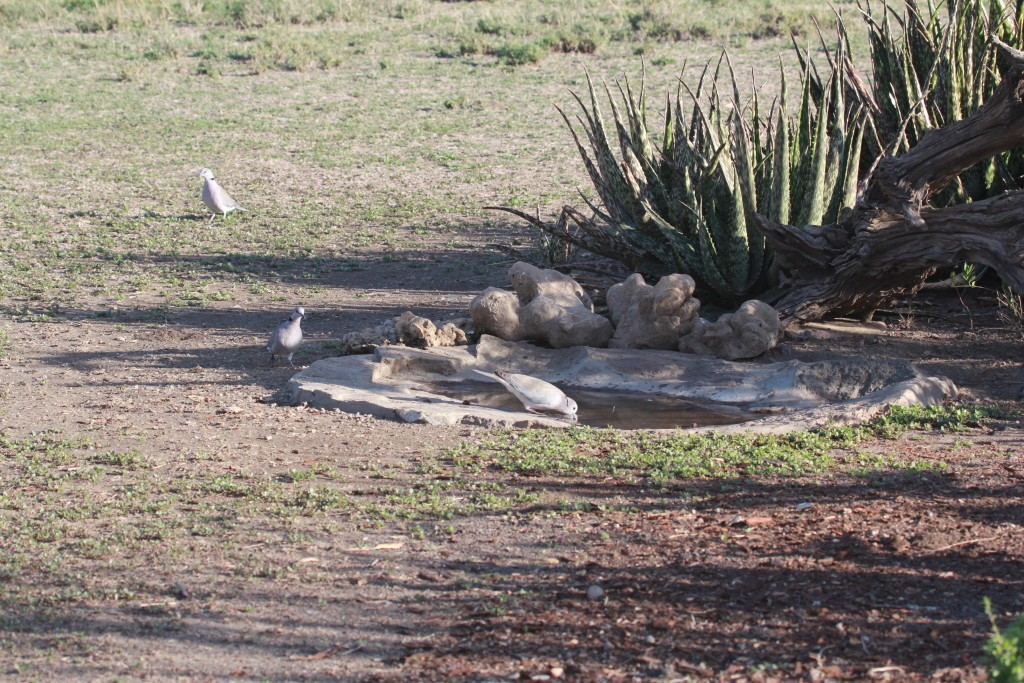
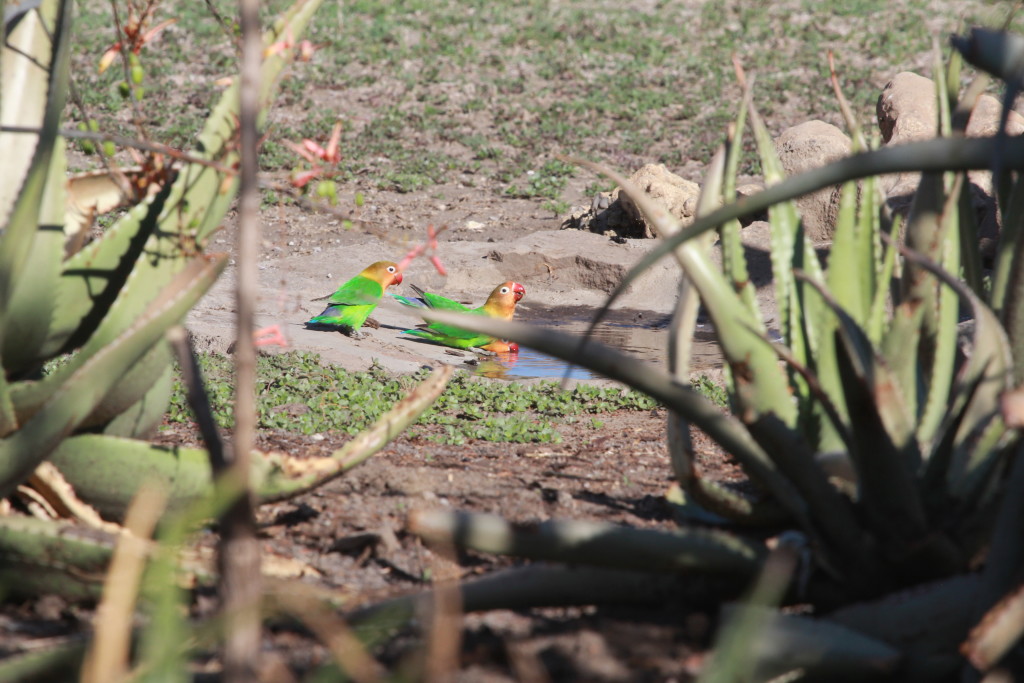
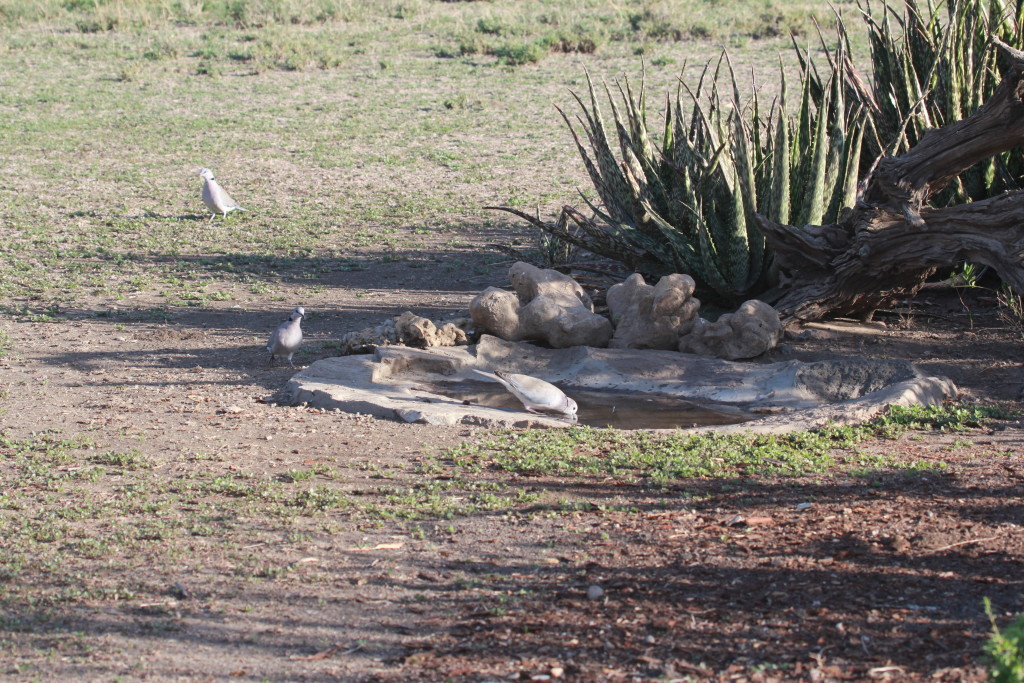
The best thing to do at Ndutu is to stake out this little pond and see who comes in for a drink.  It’s within sight of the dining room so have a leisurely breakfast and coffee and enjoy the show!
IMG_7018 IMG_7019

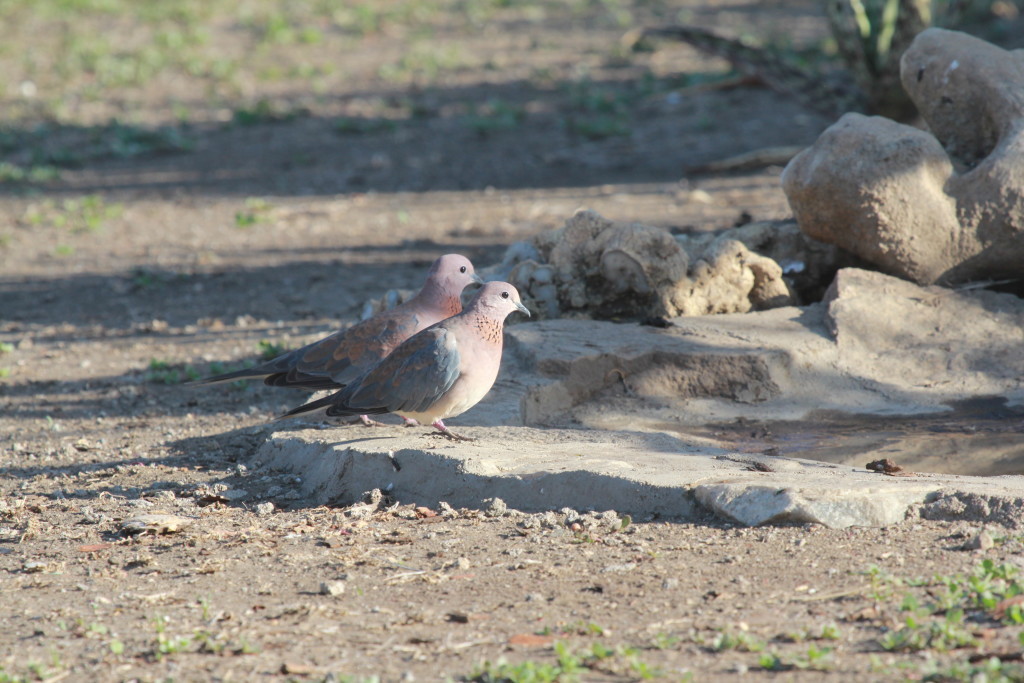
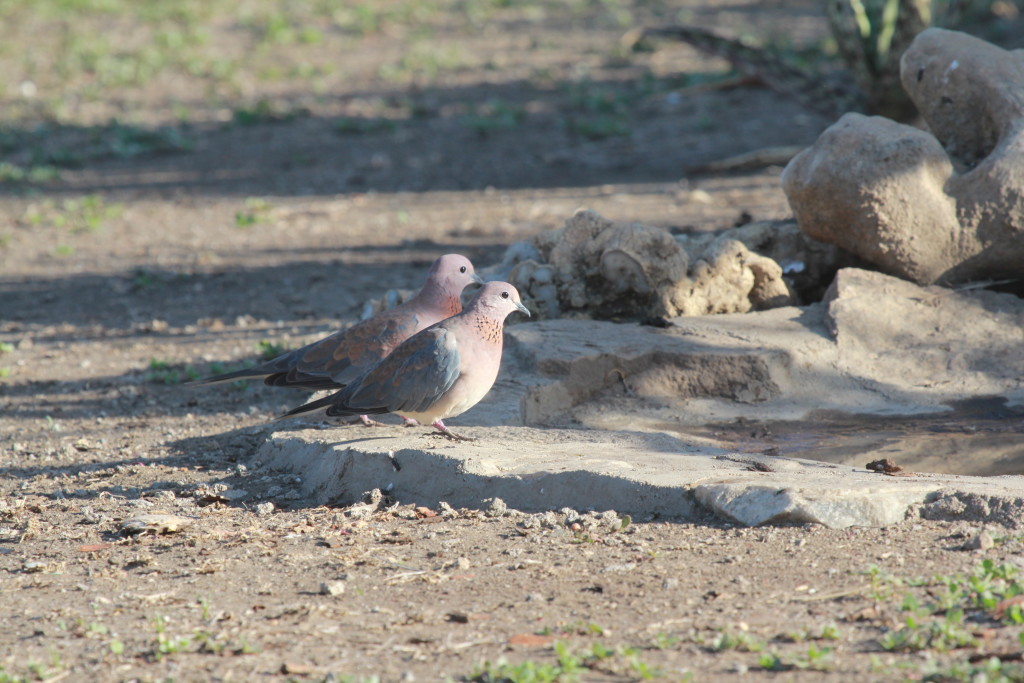
Laughing Doves

IMG_7020

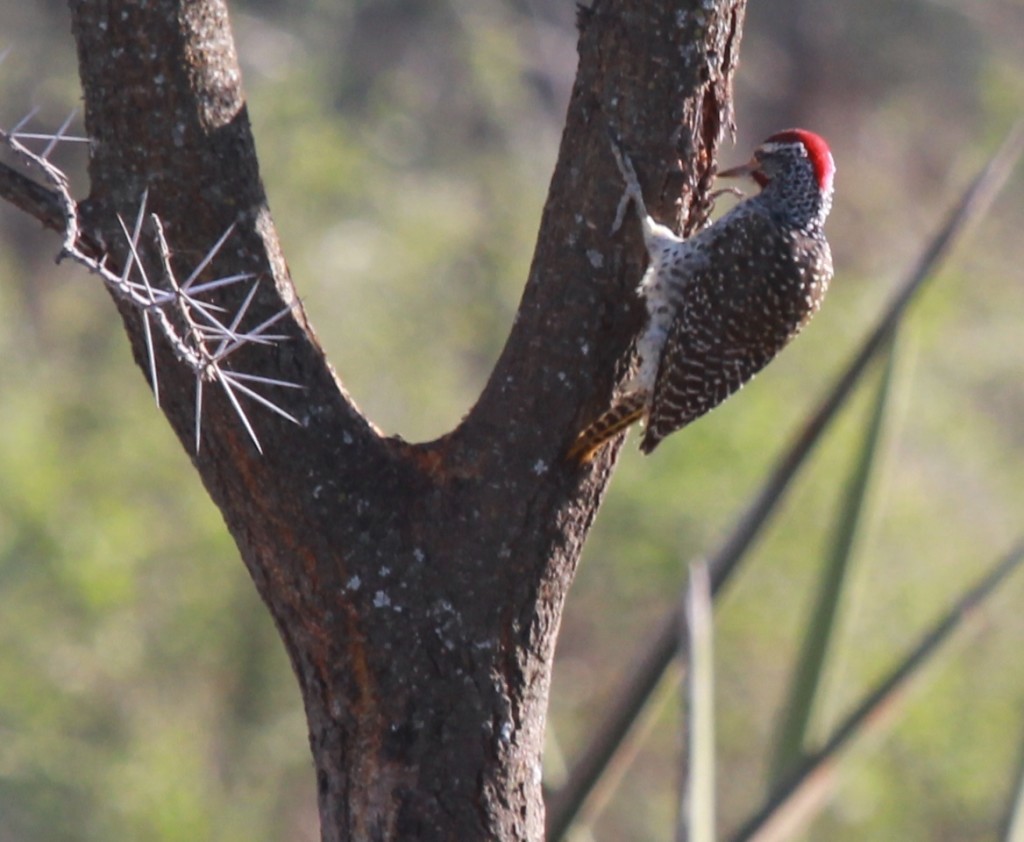
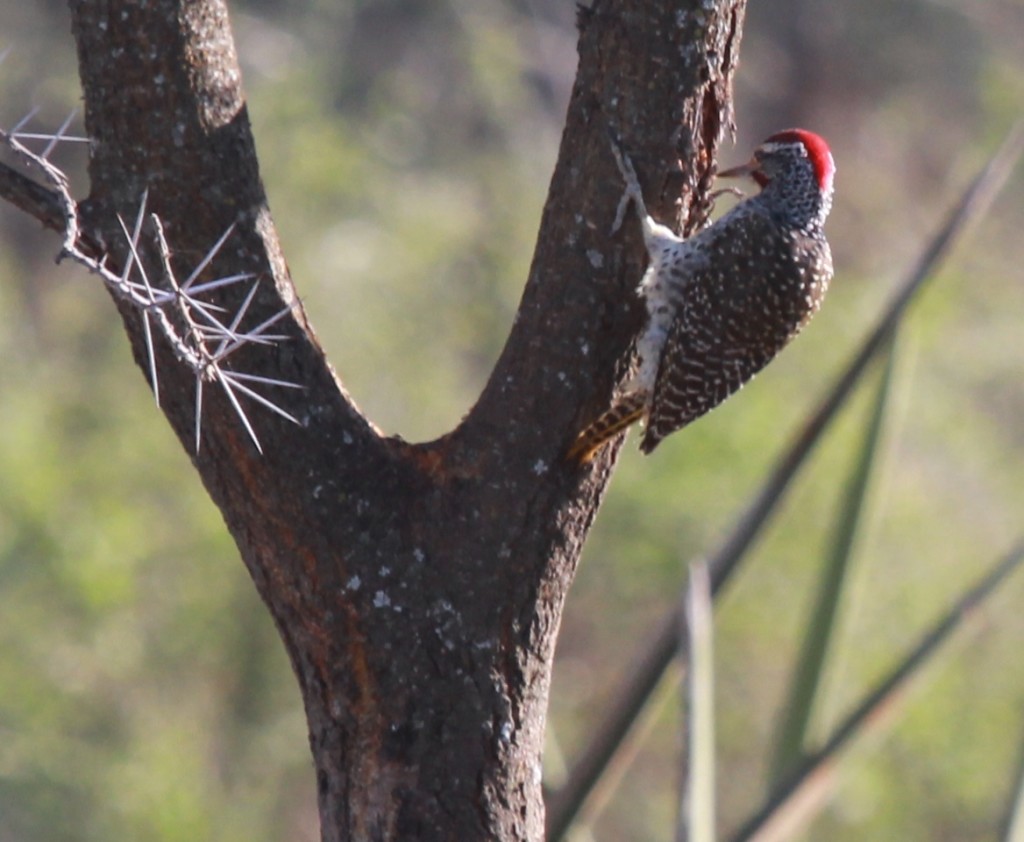
Nubian Woodpecker

IMG_7022a

Beautiful Sunbird

IMG_7025 IMG_7026 IMG_7028a

Inquisitive Fischer’s Lovebird

IMG_7029

Bathing beauties!

IMG_7039

Another educational poster at the lodge.
IMG_7044


Visiting Ngorongoro Conservation Area – Part 1

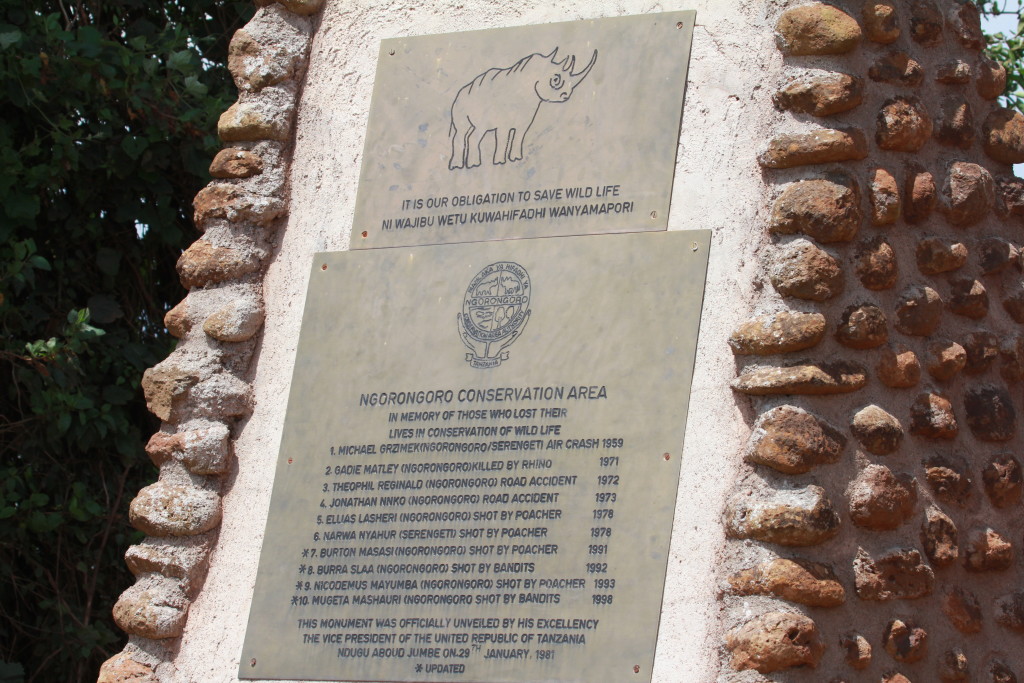
The Ngorongoro Conservation Area (NCA) is administered separately from the Tanzanian National Parks with separate fees.  If you are headed to Serengeti, you have to pass through NCA first and pay both sets of fees!  They aren’t cheap either at $50 per foreigner per day.  There is also a fee for the car and driver which are paid at Tanzania rates (unless you come in with a foreign car) and will usually be included with your car hire or safari package.  If you want to go into the crater, it’s another $200 on top!  I had been in the crater back in the 90’s in my backpacking/camping days and I knew the birds would be easily seen up top so we didn’t pay the extra for the crater.  Days are periods of 24 hours so if you enter at 12 noon, you must leave before 12 noon.  Mid-day is the best time to enter as it gives you time to view the crater, have lunch at the picnic area and get to your lodge in time for an afternoon game drive.  Then you have the next morning to do another game drive, have breakfast and get back to the gate before time runs out.

This is where you pay the fees or your driver-guide does it on behalf of all of you.  There’s a small shop, a few displays of animals and clean toilets.

IMG_6810

Little Bee-eaters

IMG_6812 IMG_6815

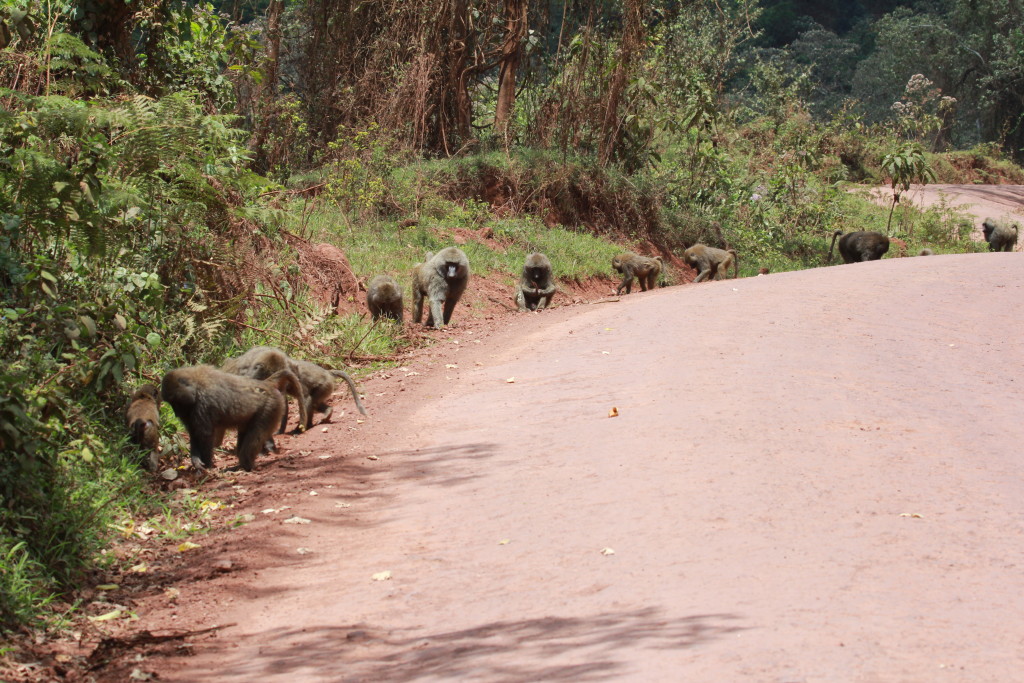
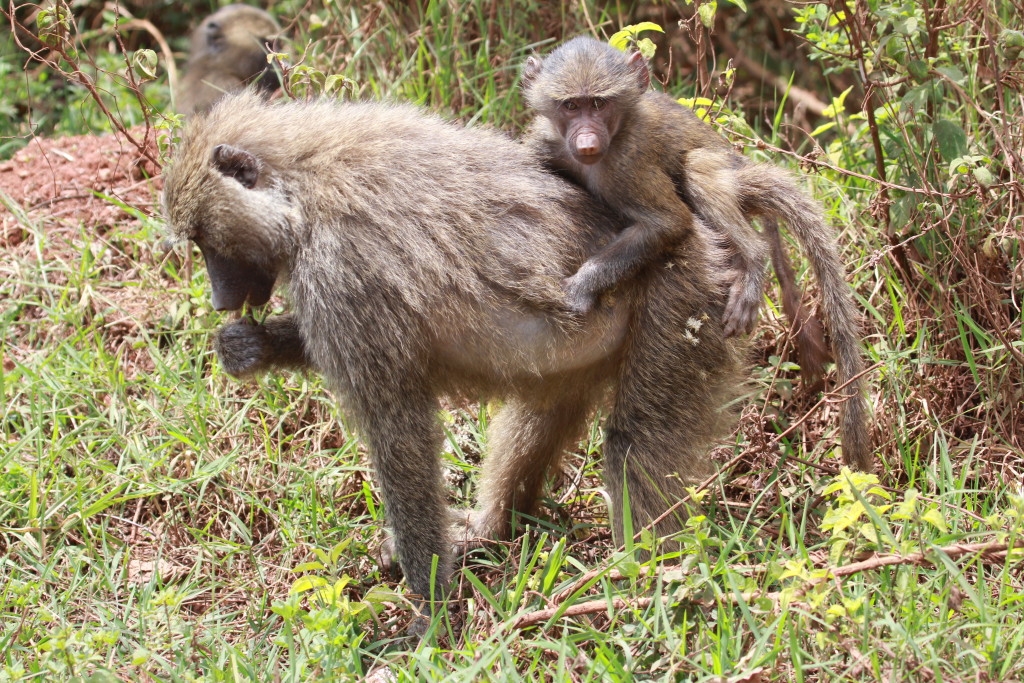
Baboons

IMG_6813 IMG_6814

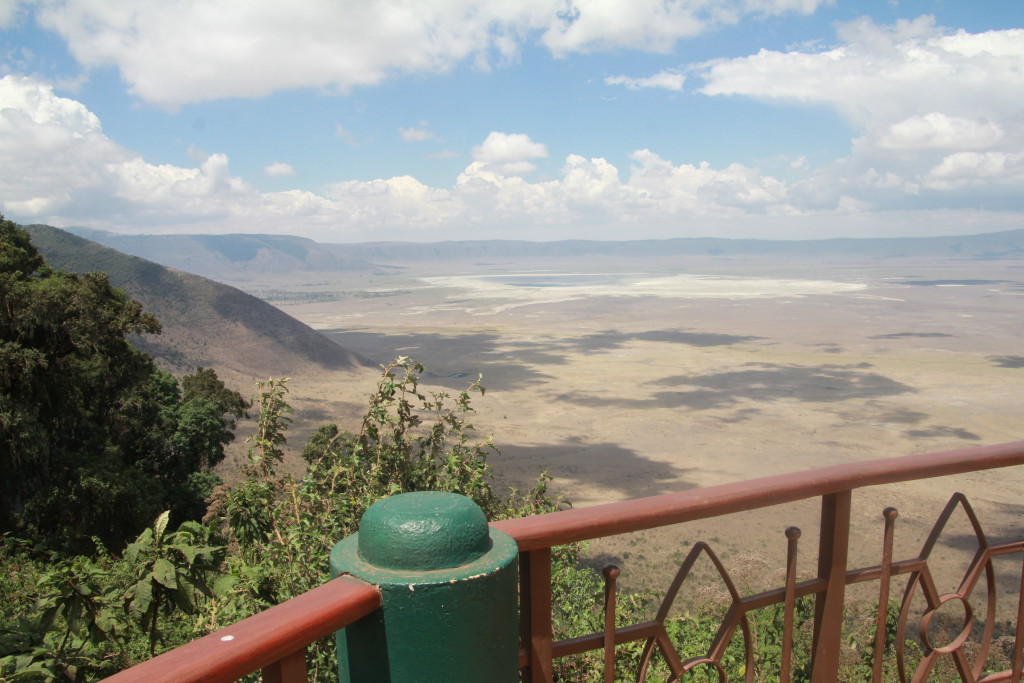
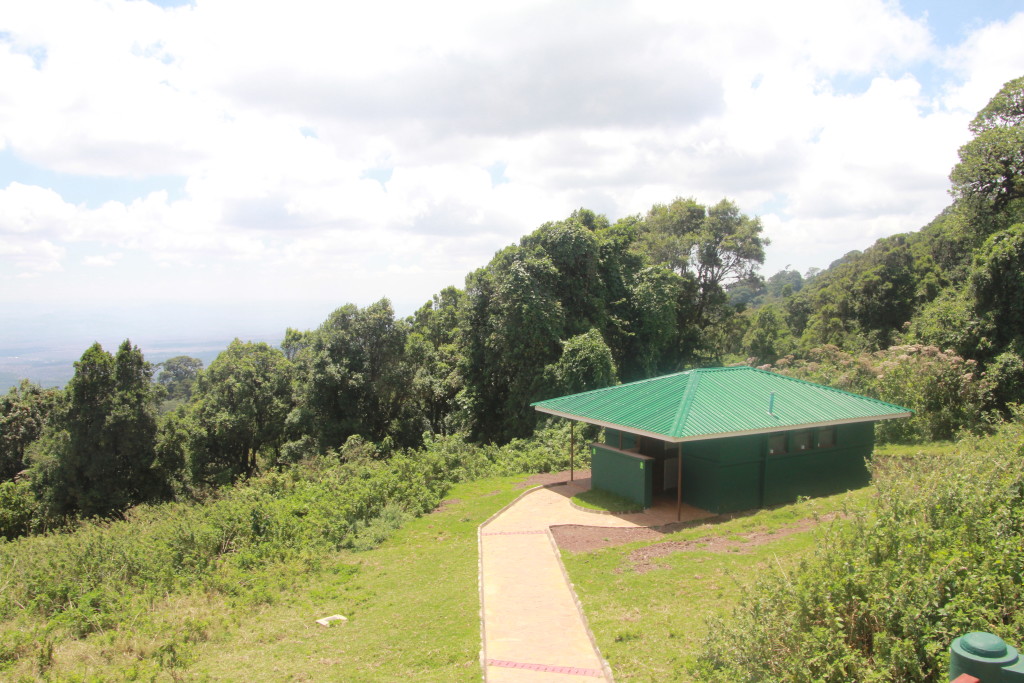
There is a nice viewpoint where you can hop out, walk around in the vicinity and get a great view of the crater.  There are also toilets at this area if you need them.  It’s about 20 min from the gate.

IMG_6816 IMG_6817 IMG_6820 IMG_6823 IMG_6824 IMG_6828

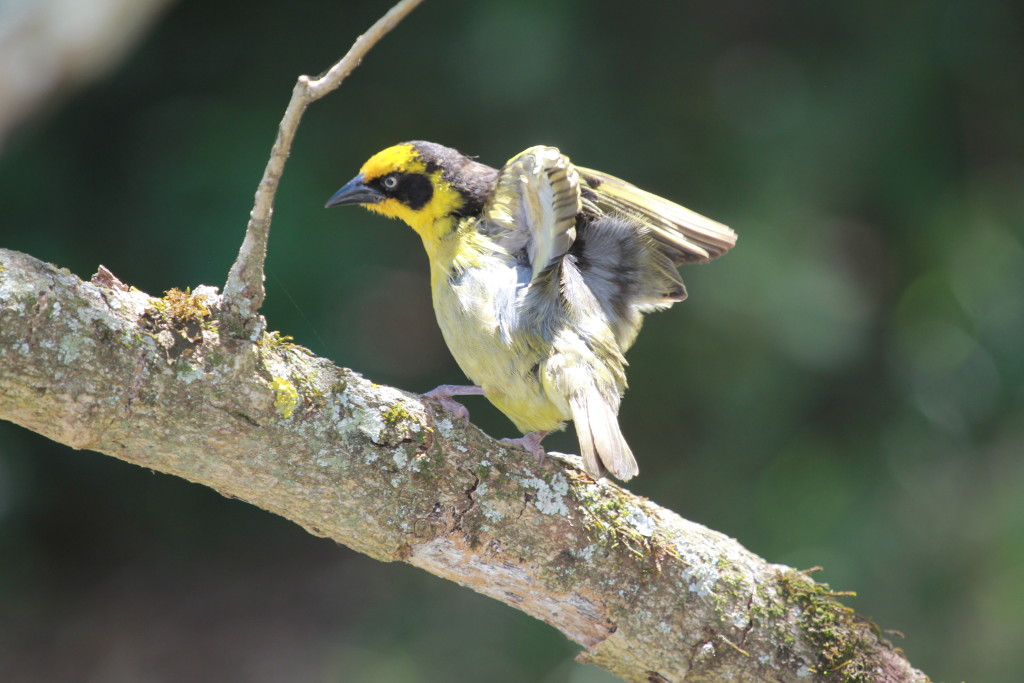
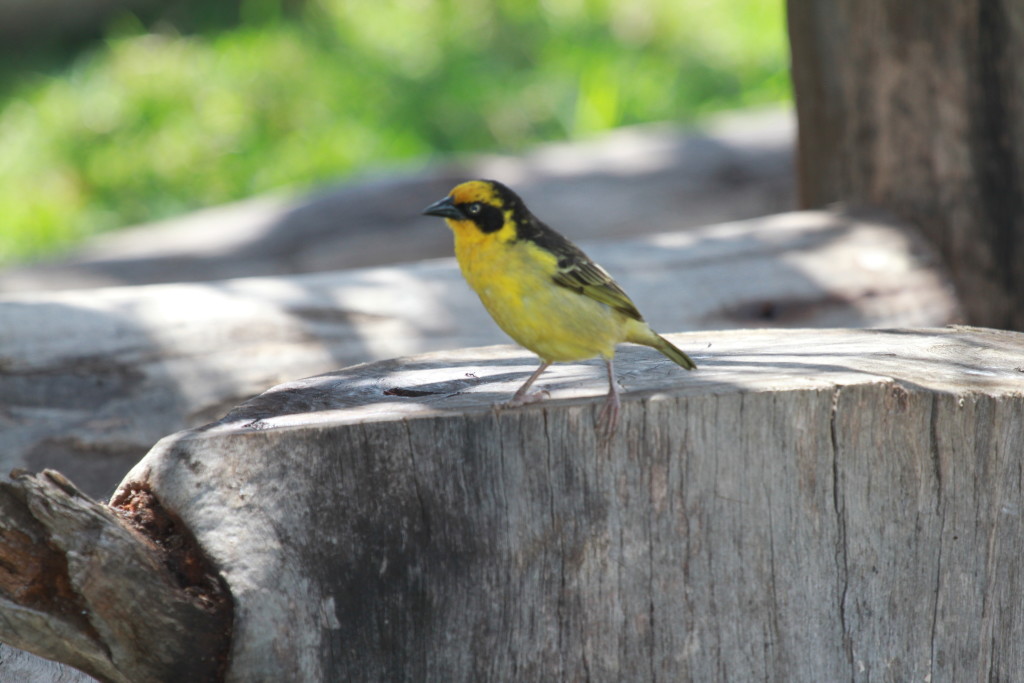
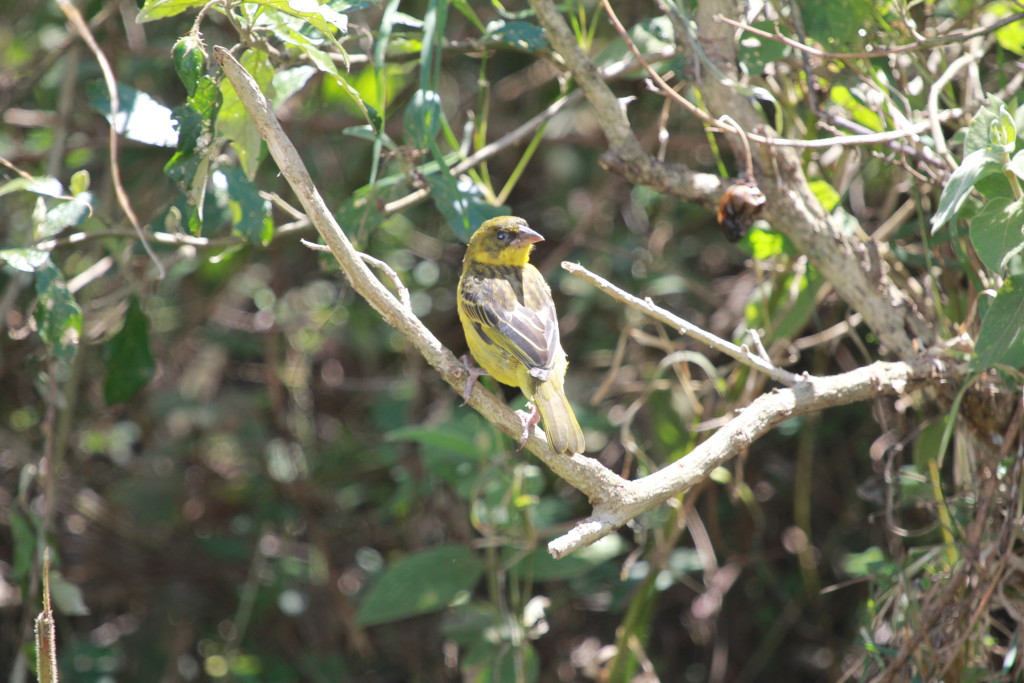
The picnic area wasn’t the best, no tables and benches like the one at Tarangire.  These little Weaverbirds kept us entertained while we had lunch.

IMG_6833 IMG_6835 IMG_6839 IMG_6841 IMG_6842 IMG_6843 IMG_6845

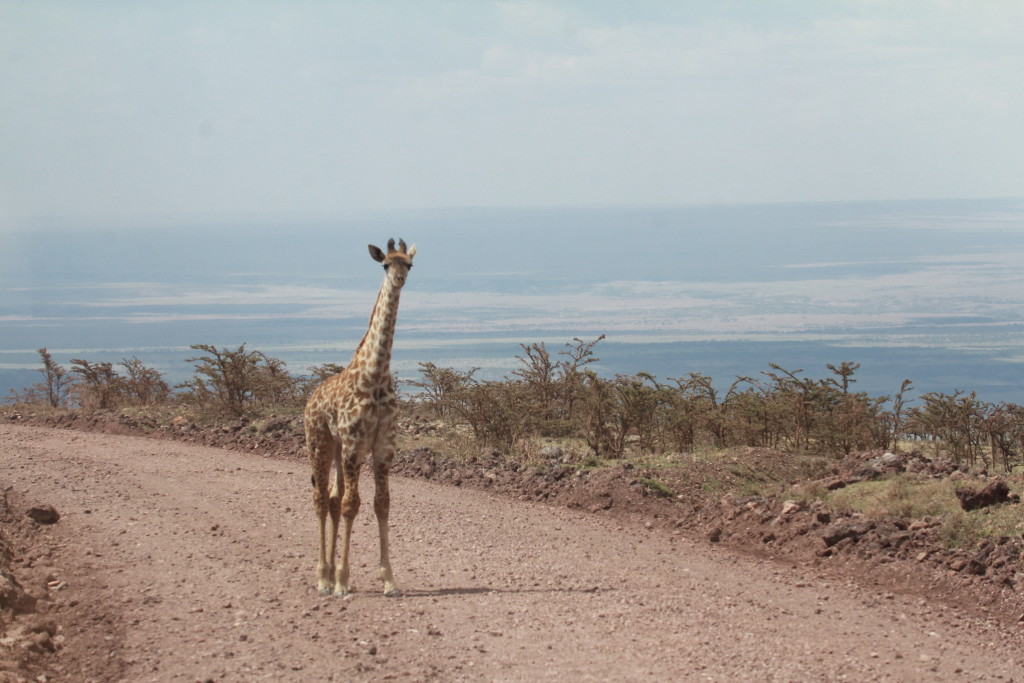
Sorry, we don’t have room for hitch-hiking giraffes!

IMG_6847 IMG_6848

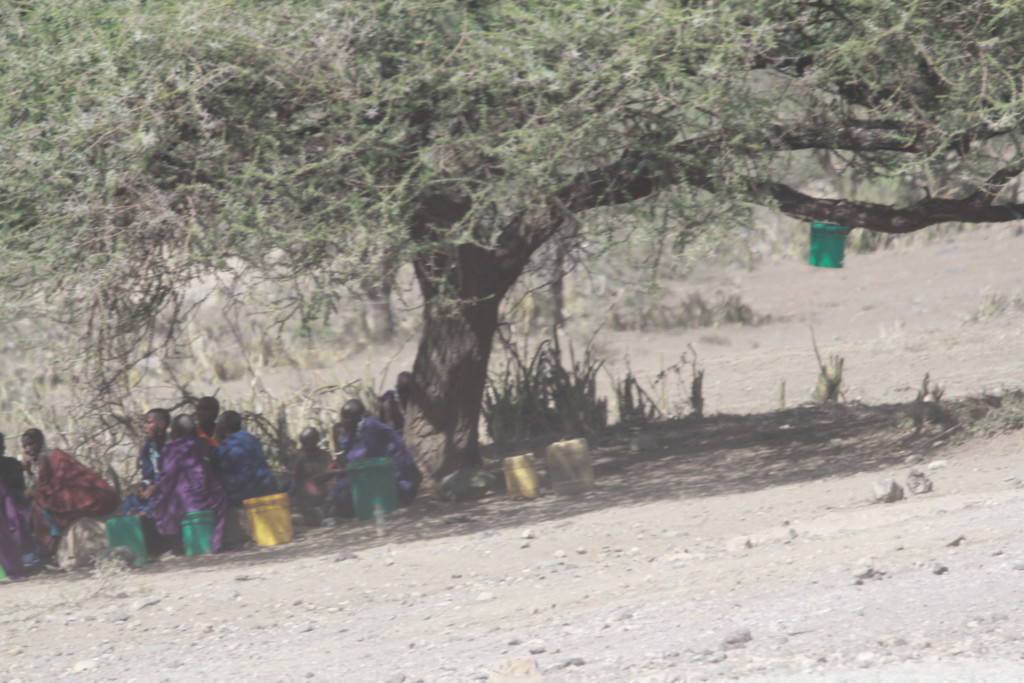
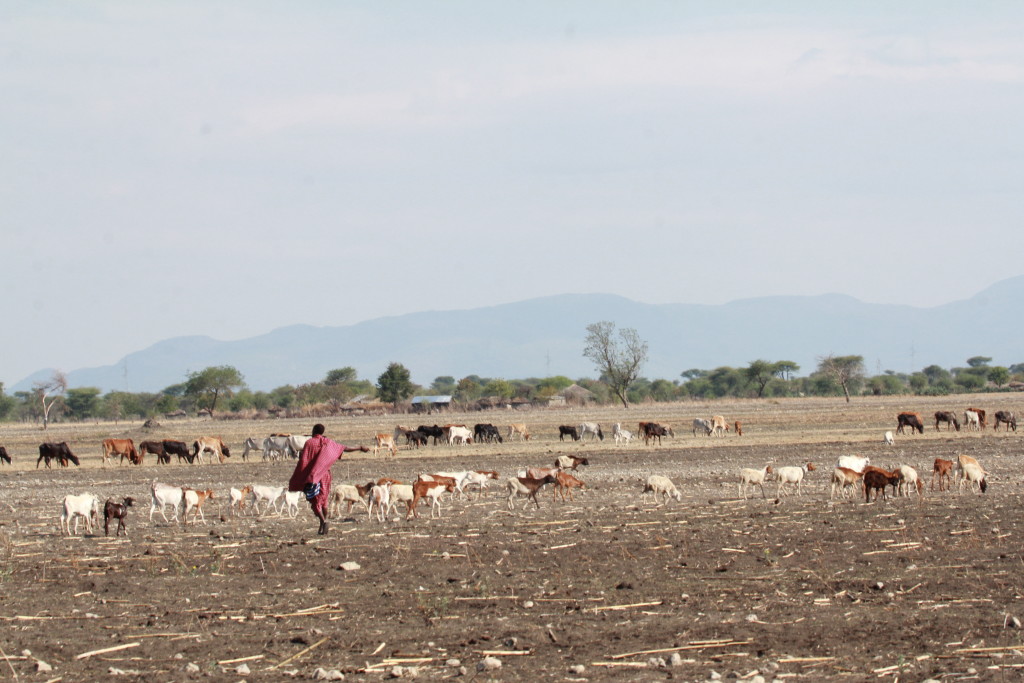
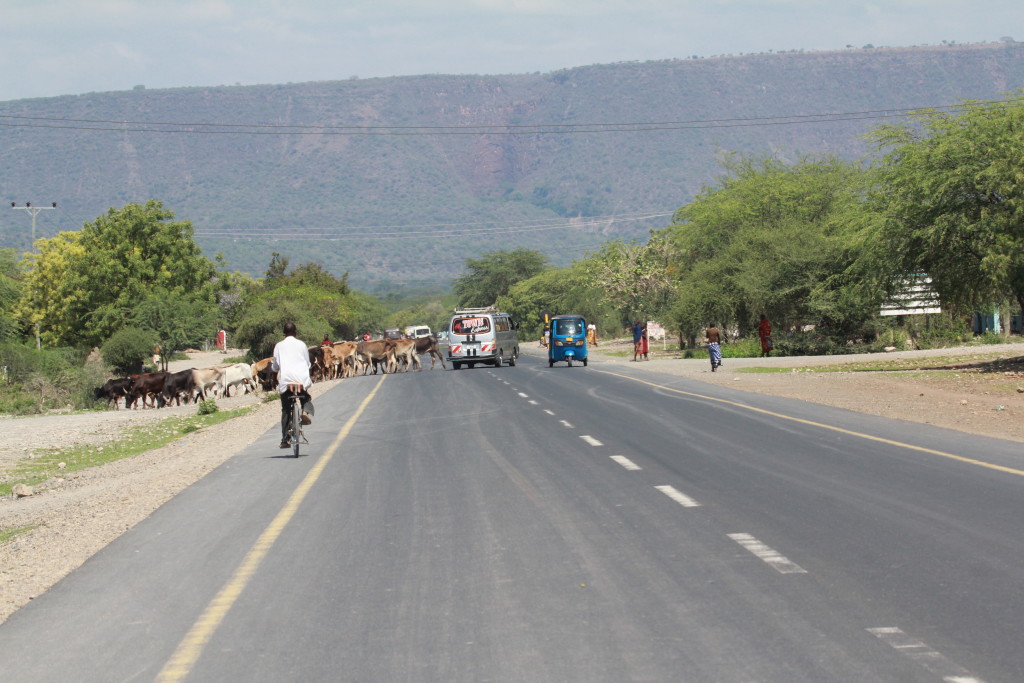
There are Masai people living in the NCA and grazing their herds here which is different from the other national parks.

IMG_6849

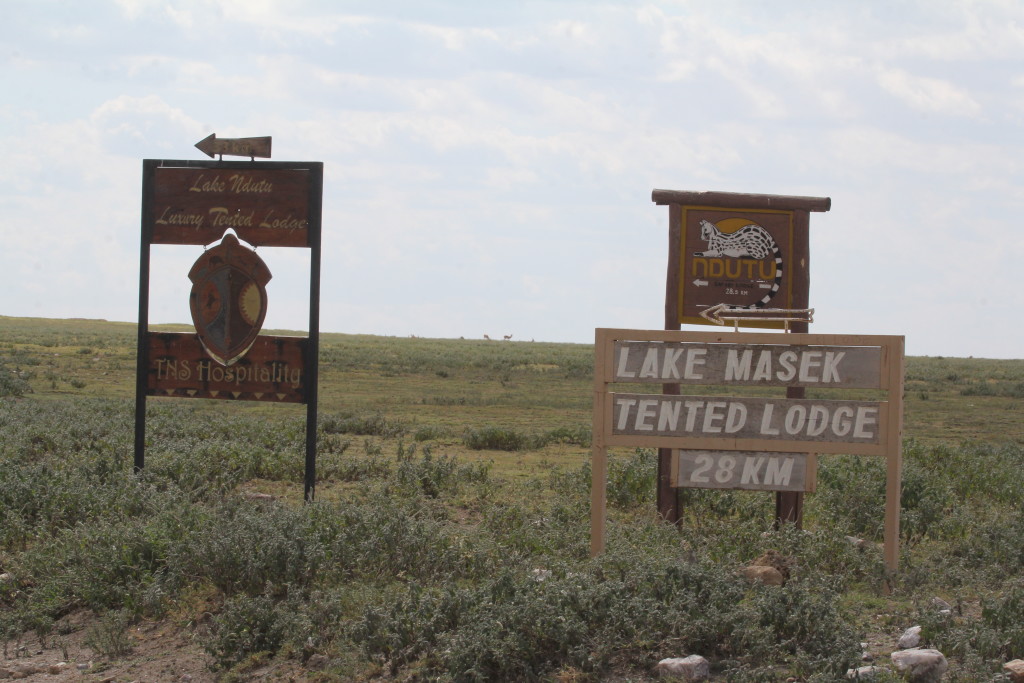
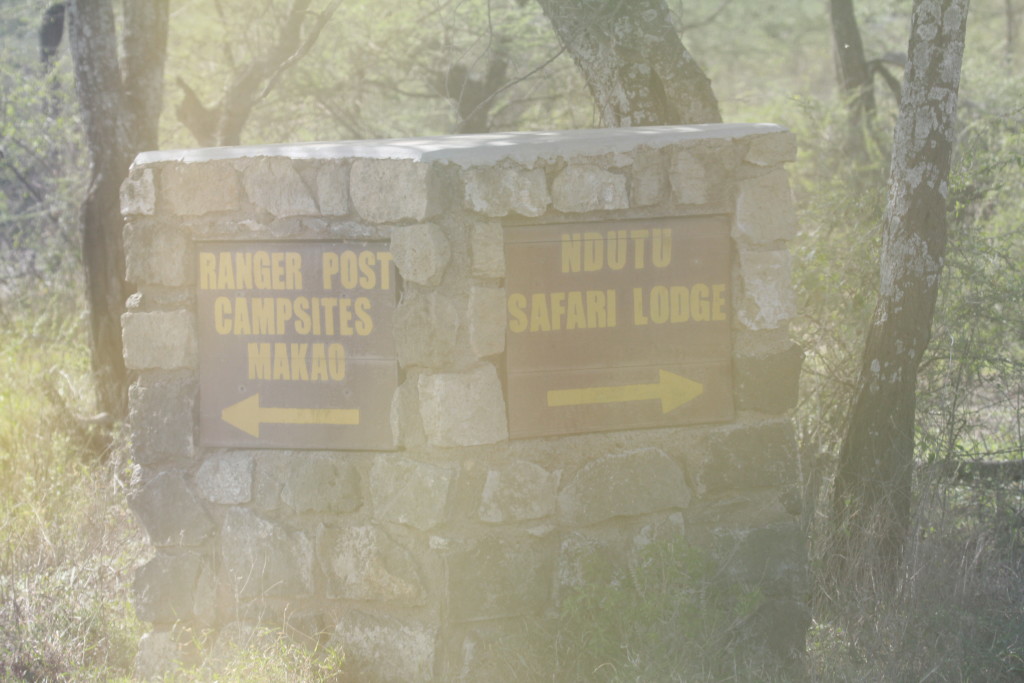
Directions to some of the lodges in NCA including ours – the Ndutu Safari Lodge.
IMG_6850

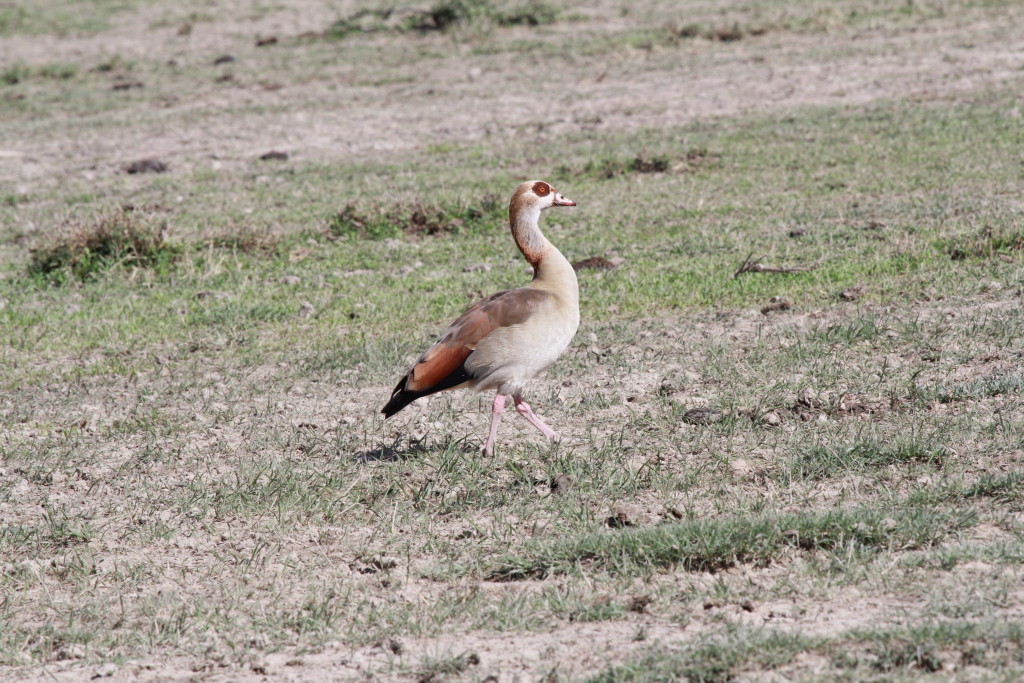
Egyptian Goose

IMG_6856 IMG_6857

After checking in at the lodge (which I will blog about separately), we headed off on a short game drive.  Be sure to check what time you have to be back in the lodge grounds, it will be around dusk but varies according to time of year.

IMG_6900

Lilac-breasted Roller

IMG_6902 IMG_6909

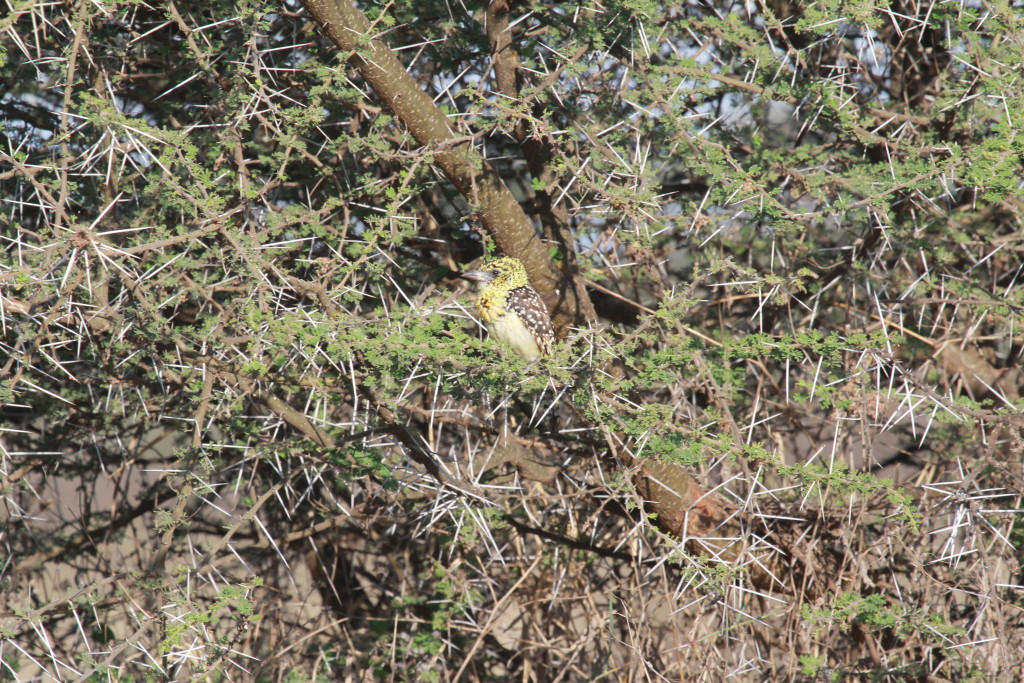
D’Arnaud’s Barbet

IMG_6911 IMG_6912 IMG_6913

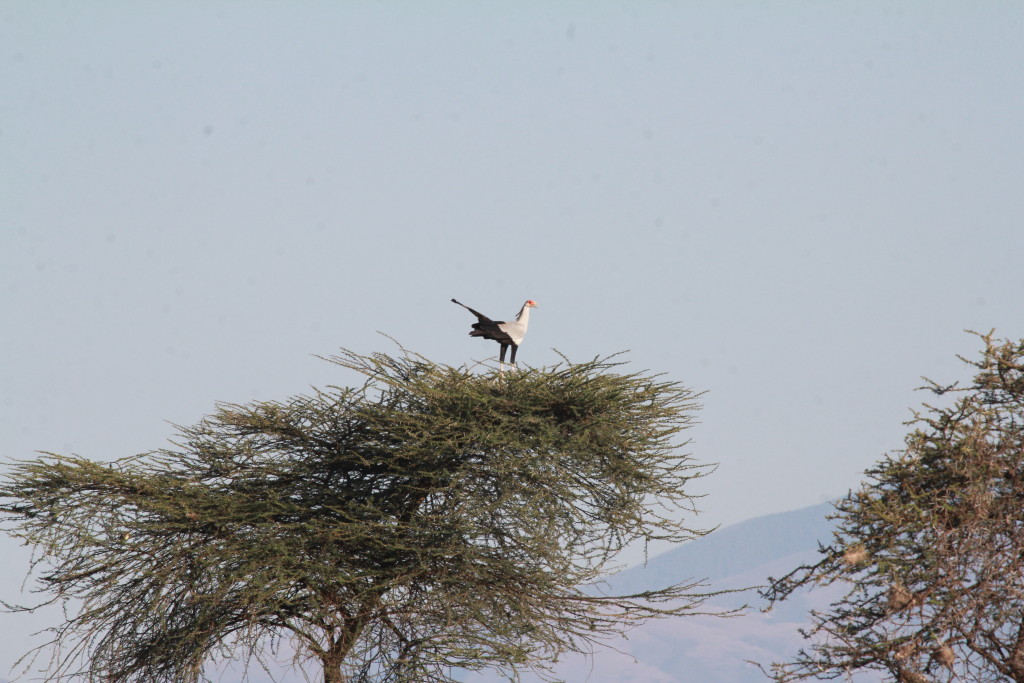
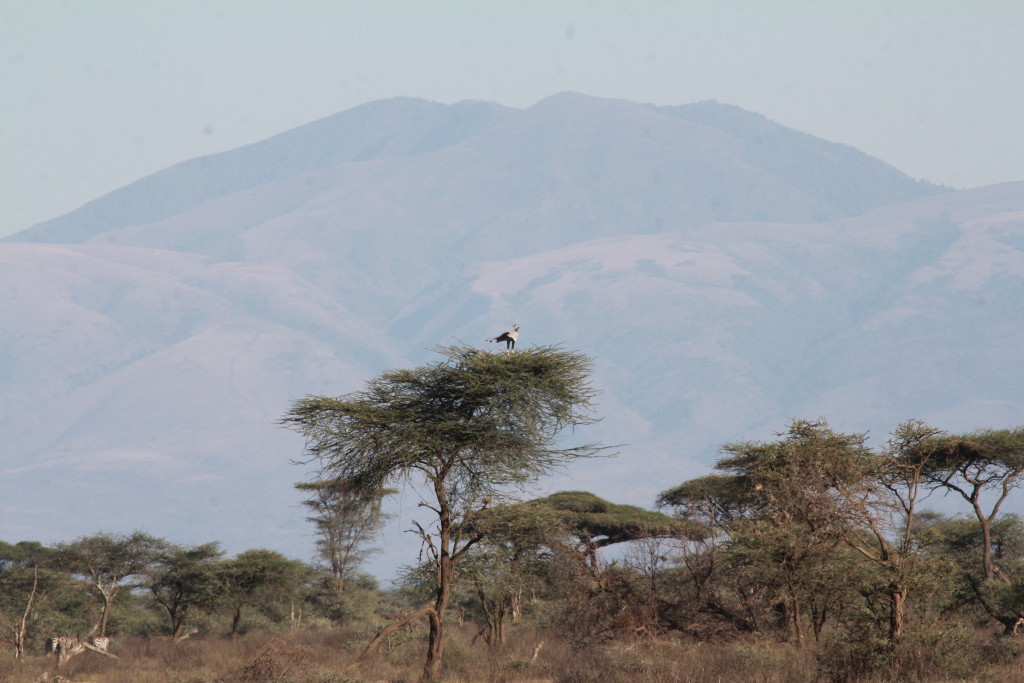
In the distance, one of my all-time favourites – a Secretarybird poses majestically, then flies off.

IMG_6914 IMG_6918 IMG_6920 IMG_6922 IMG_6925

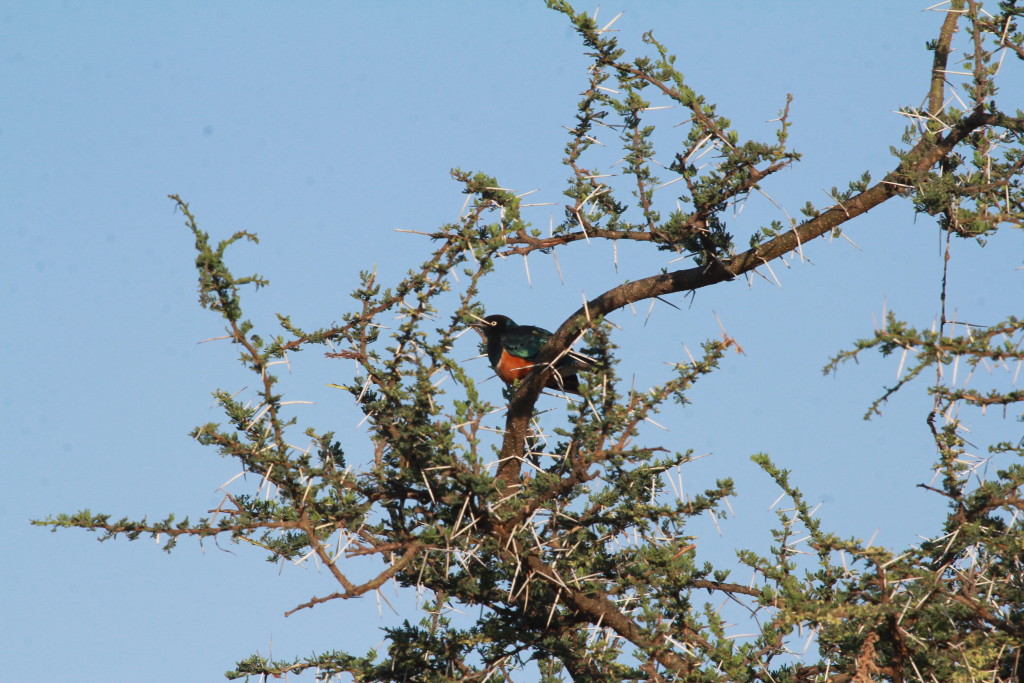
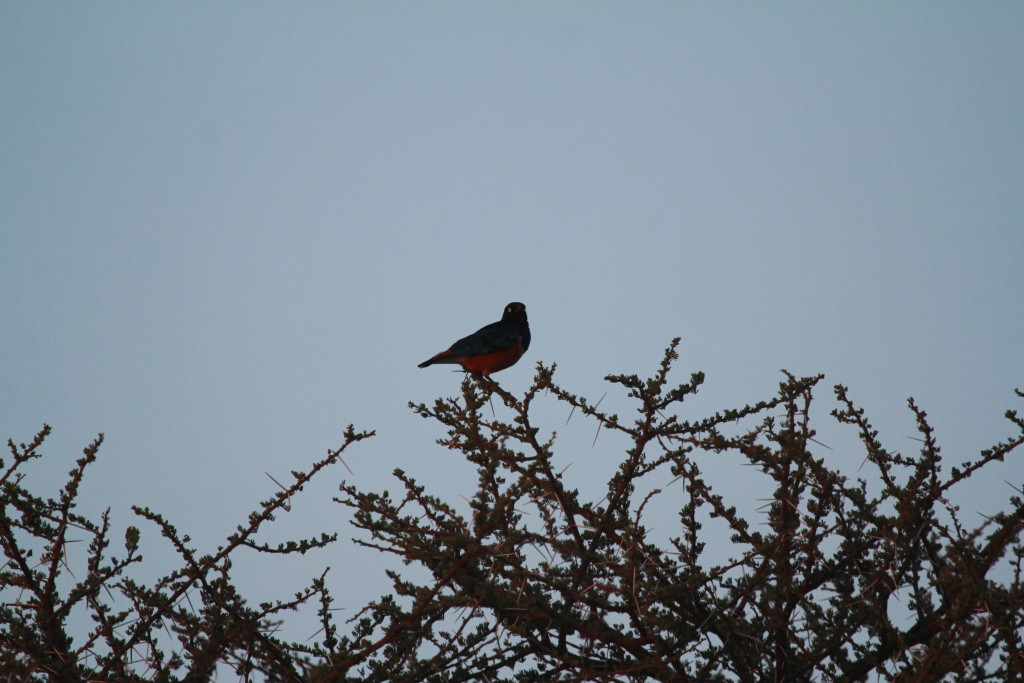
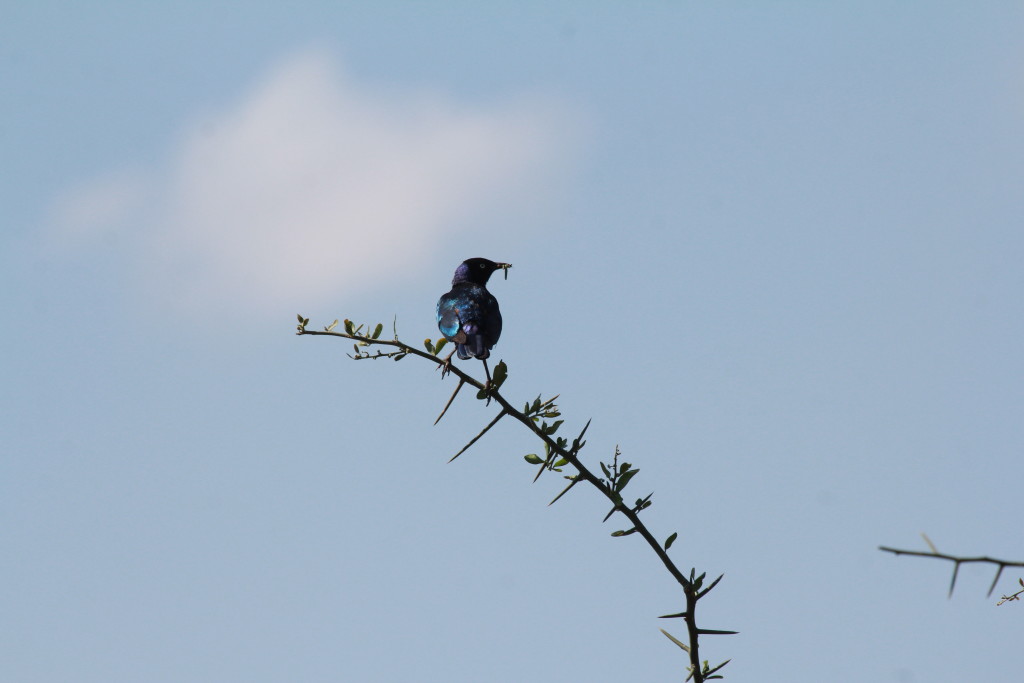
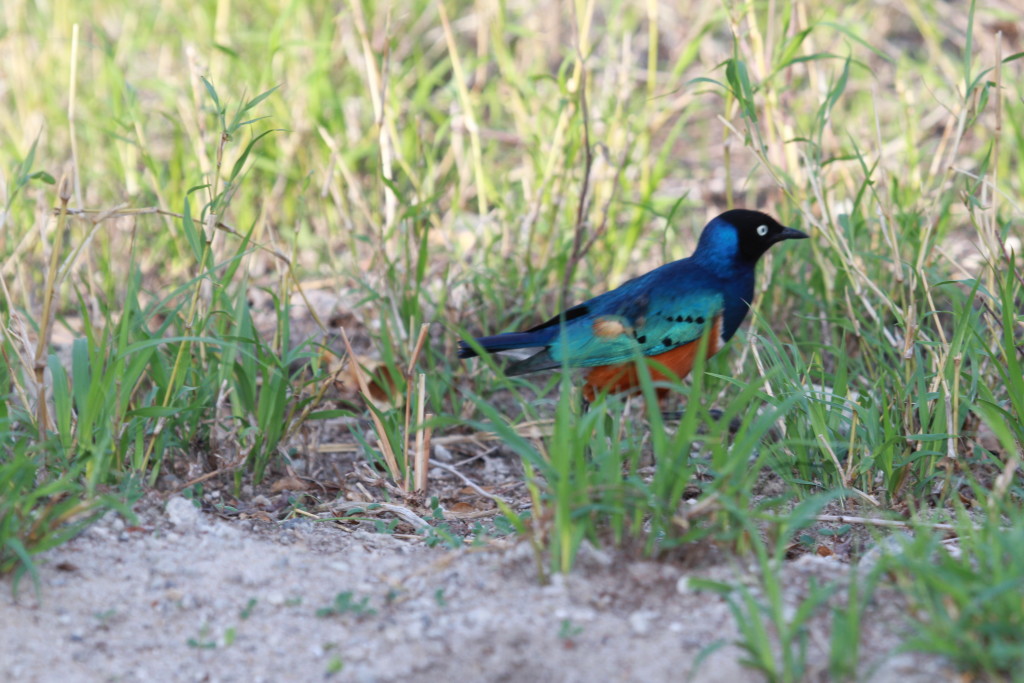
Superb Starling

IMG_6931

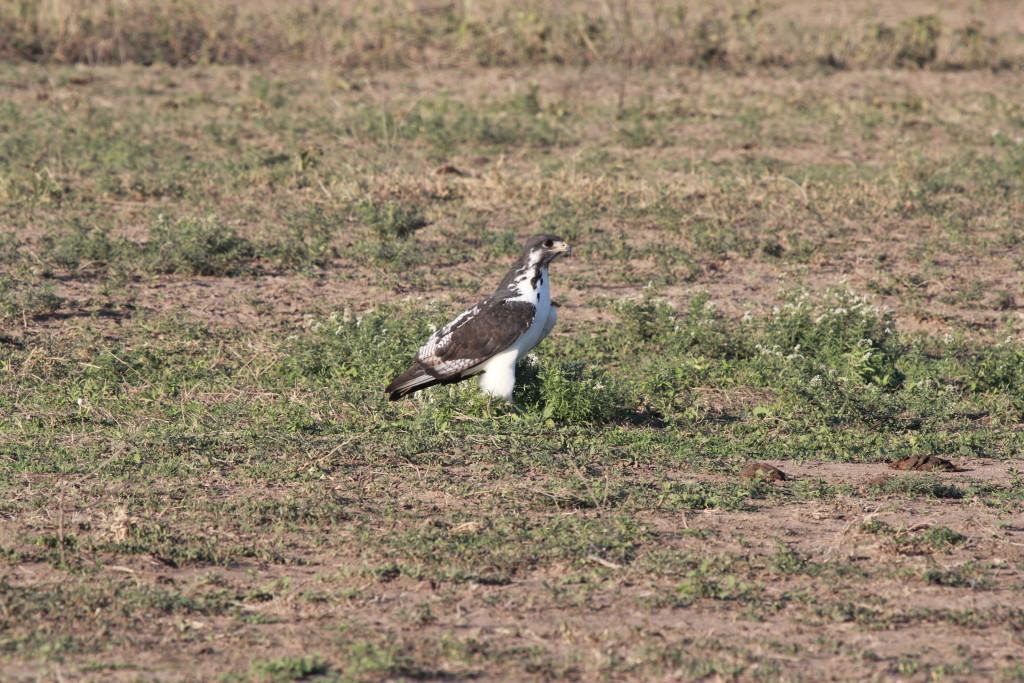
Sorry, I can’t find this guy in the bird book but he looks like he got lost on his way to the ski slopes!  I mean seriously, check out those fluffy boots!

IMG_6933

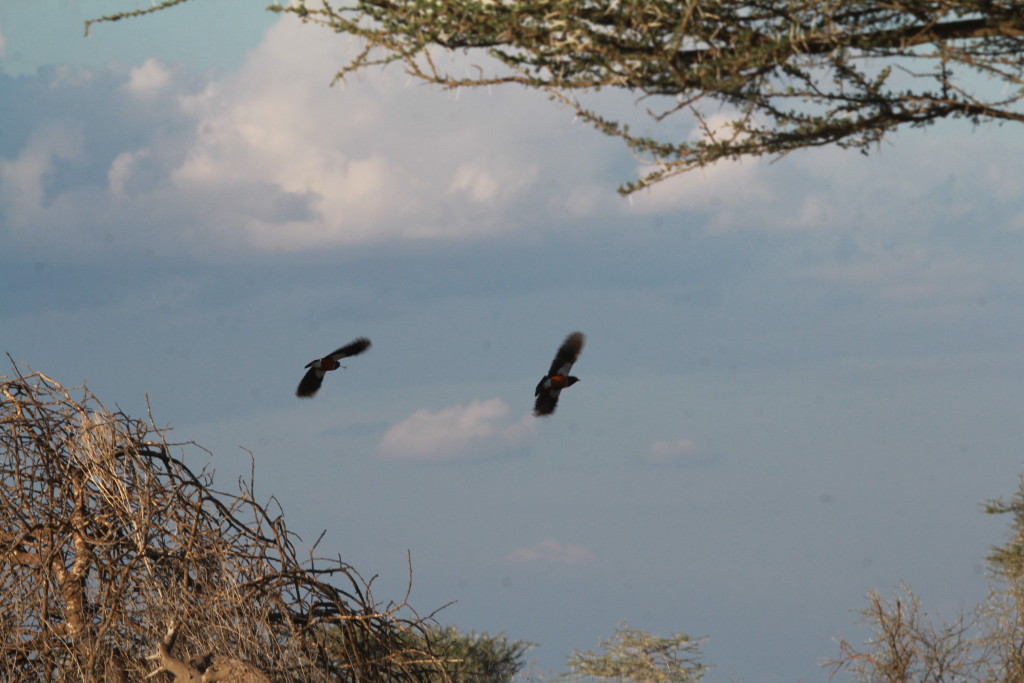
Superb Starlings in flight

IMG_6935 IMG_6937

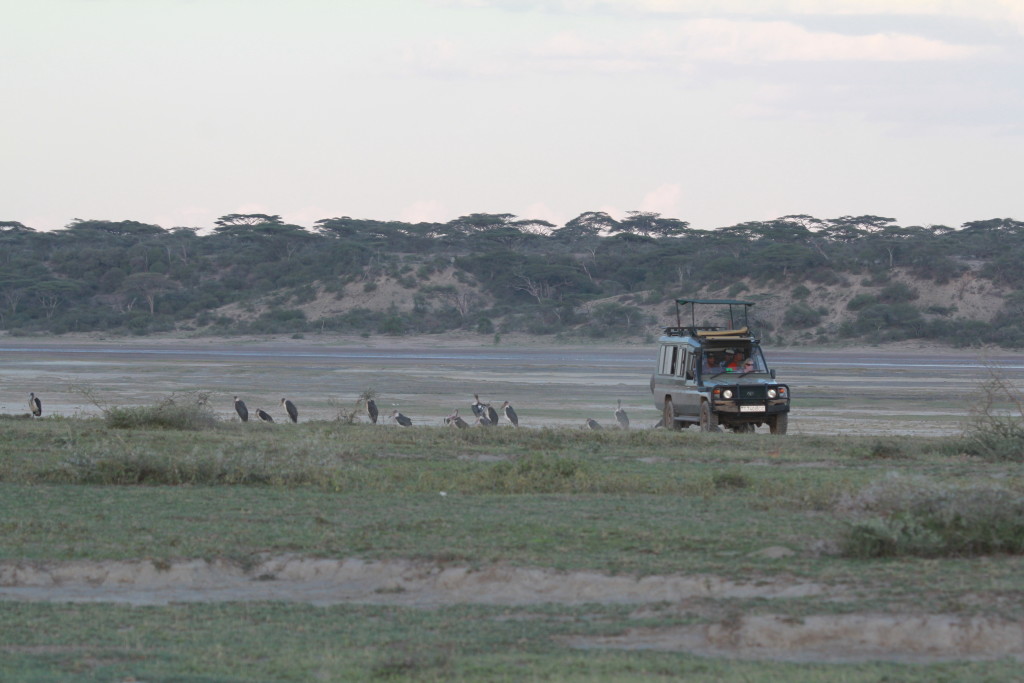
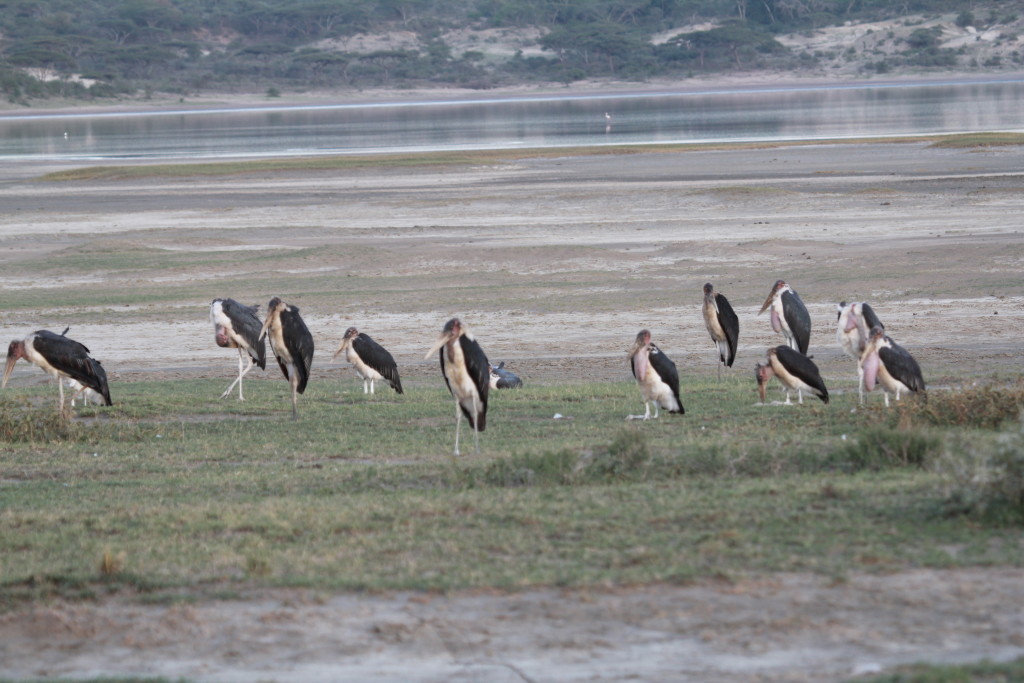
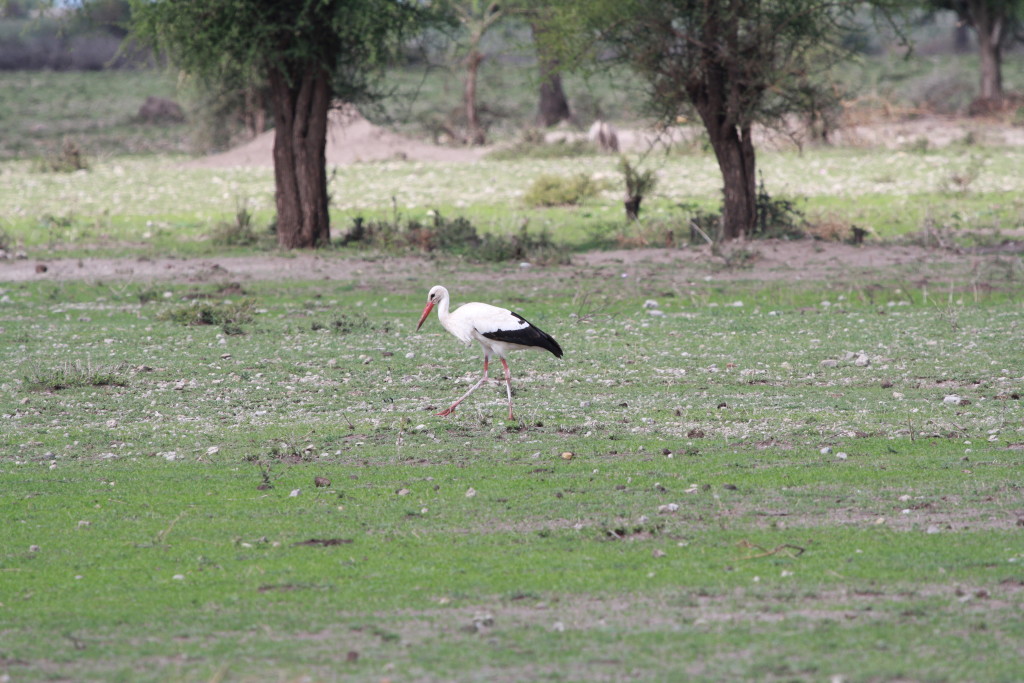
Another group got to the Maribou Storks first.  The land across the lake belongs to Serengeti NP and in some places the border weaves in and out.  You have to be careful to stay inside the park boundaries you paid for!

IMG_6941 IMG_6942 IMG_6945

European Roller

IMG_6948 IMG_6949 IMG_6951

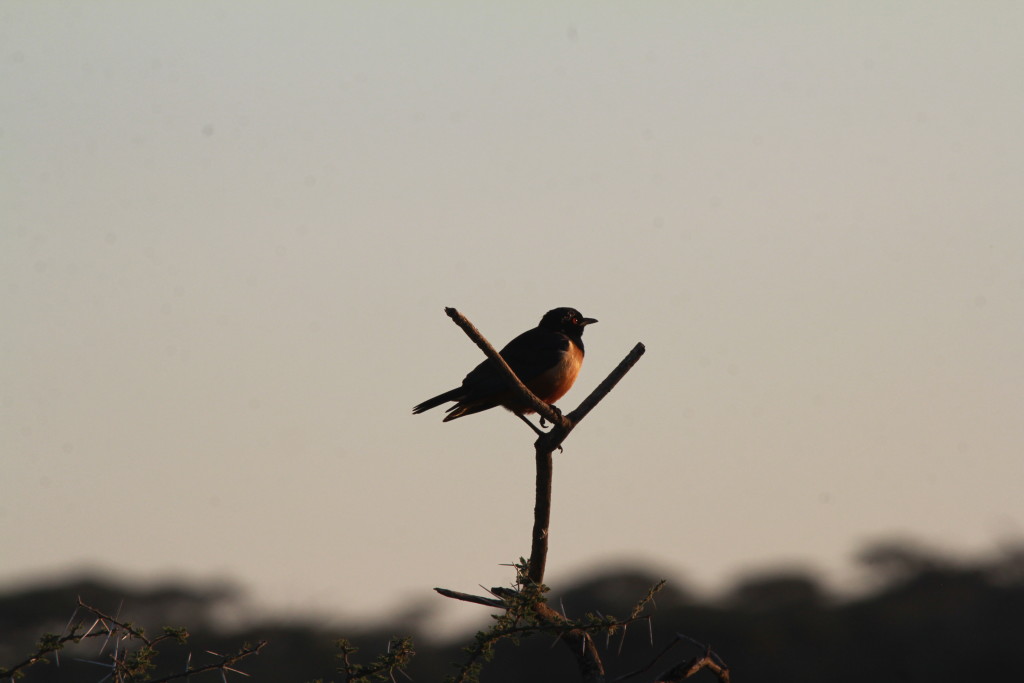
Hildebrandt’s Starling

IMG_6954

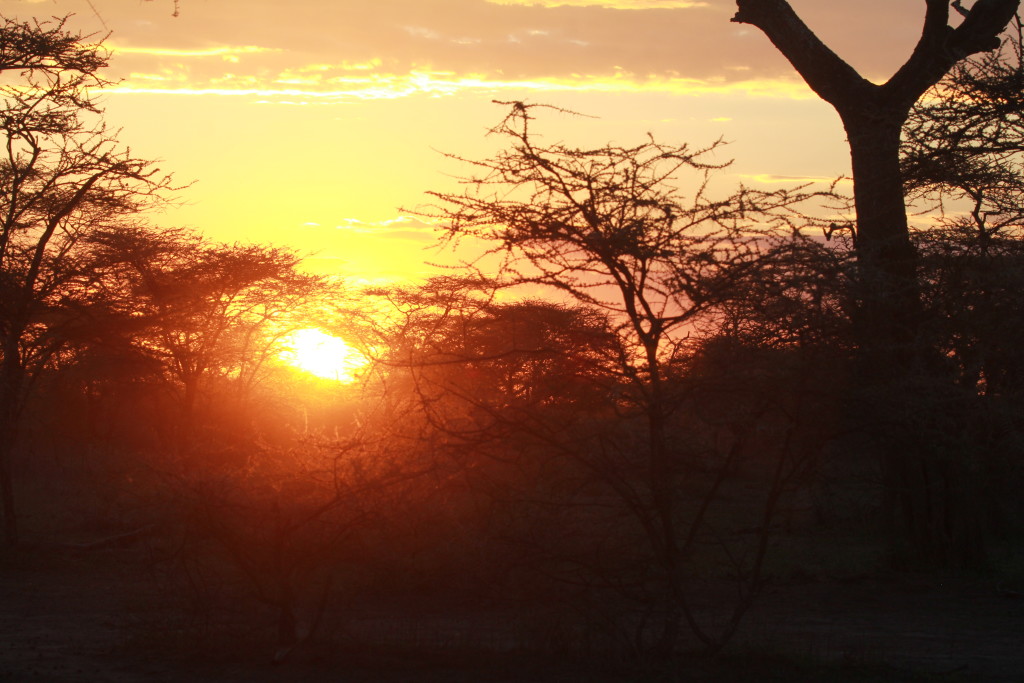
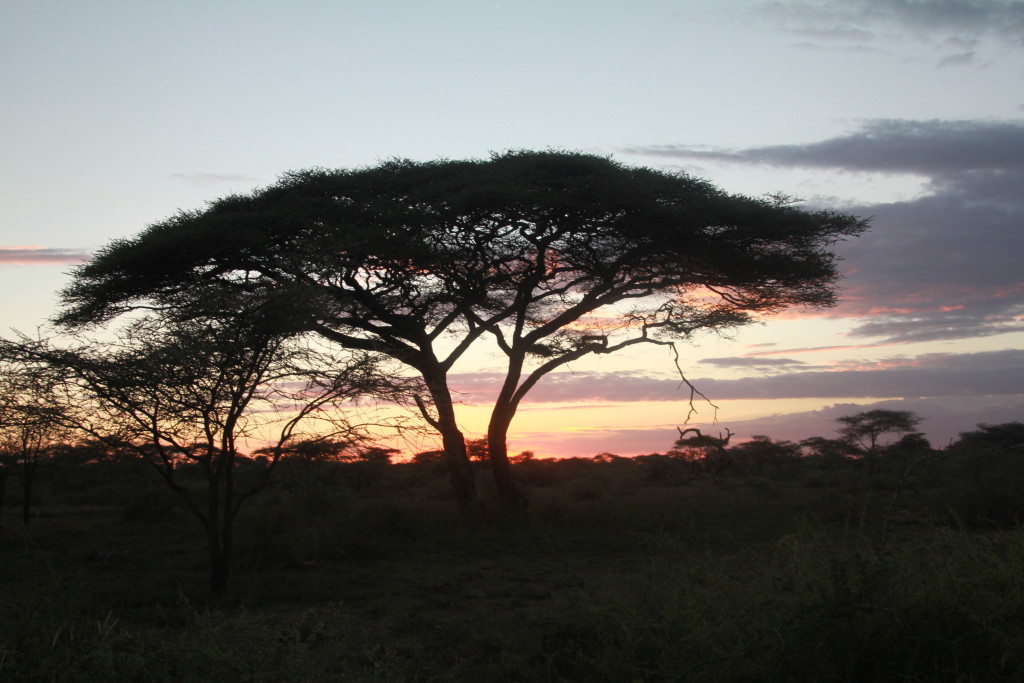
And the sun sets on yet another wonderful day!

IMG_6952 IMG_6958

Tarangire To Ngorongoro – Getting There Was Half The Fun

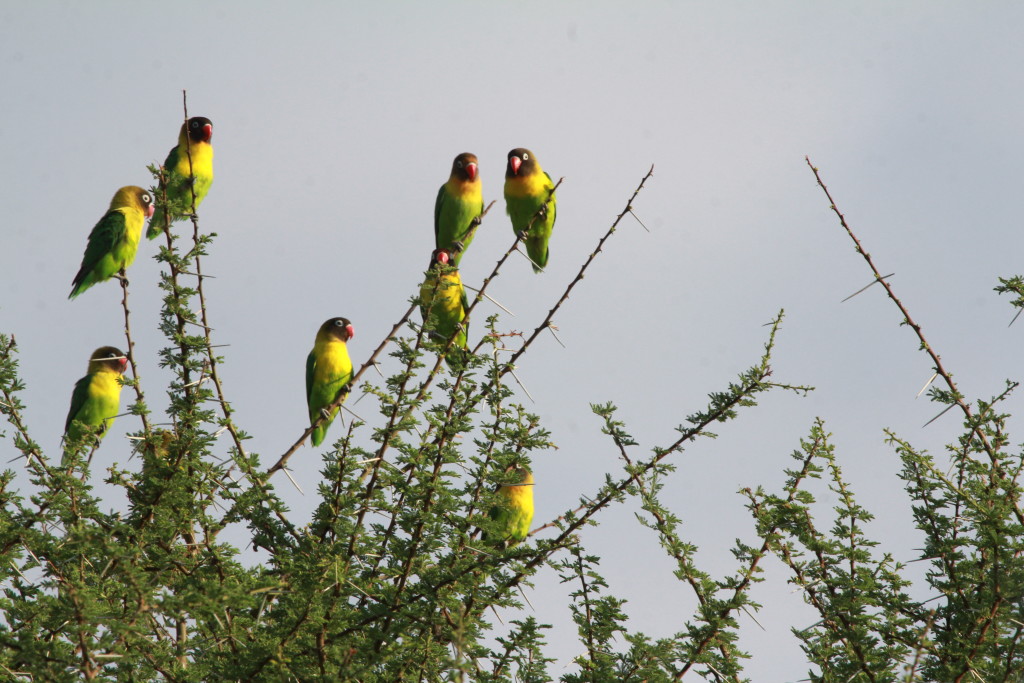
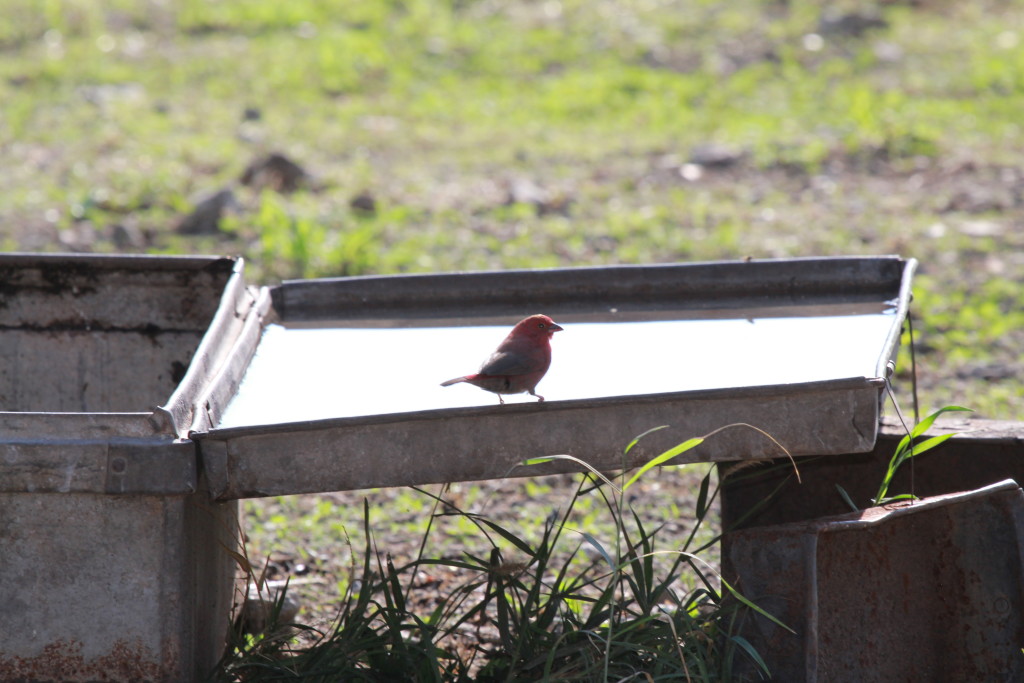
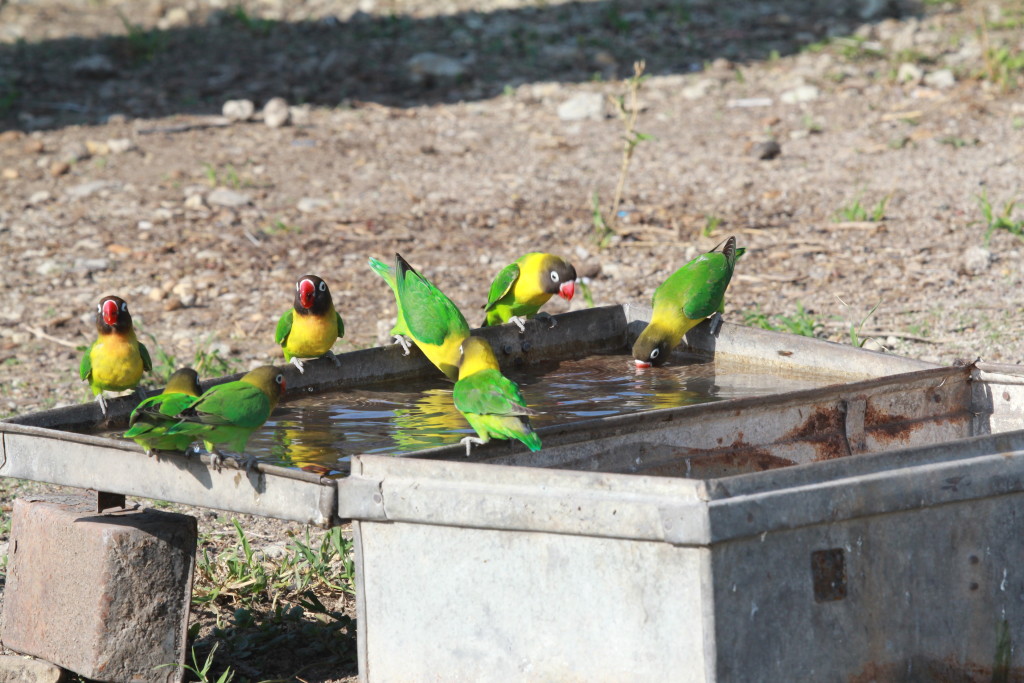
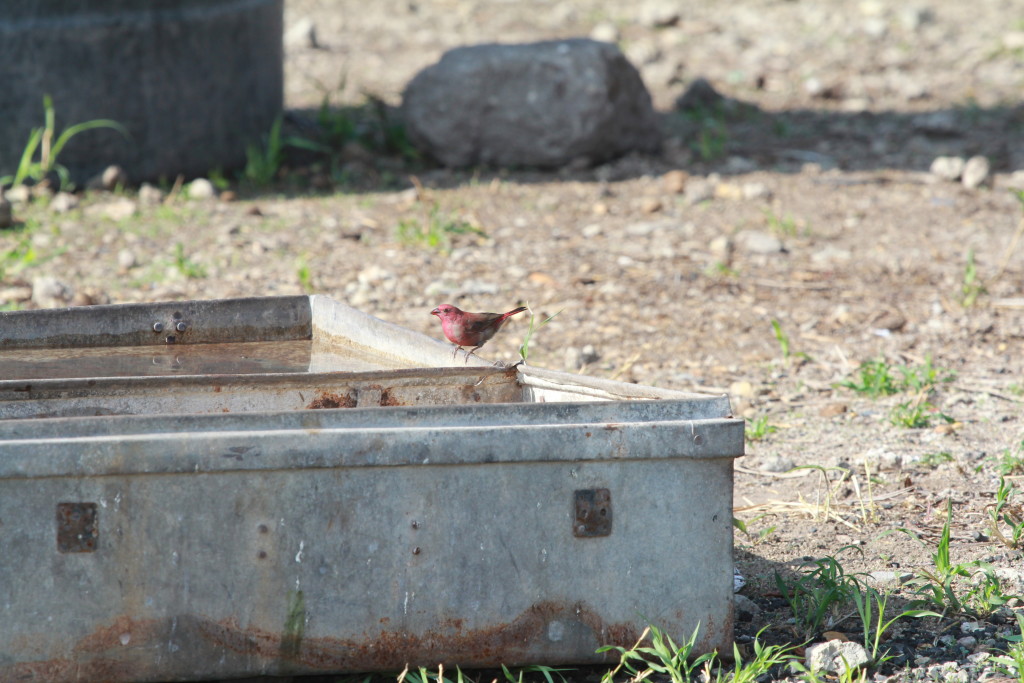
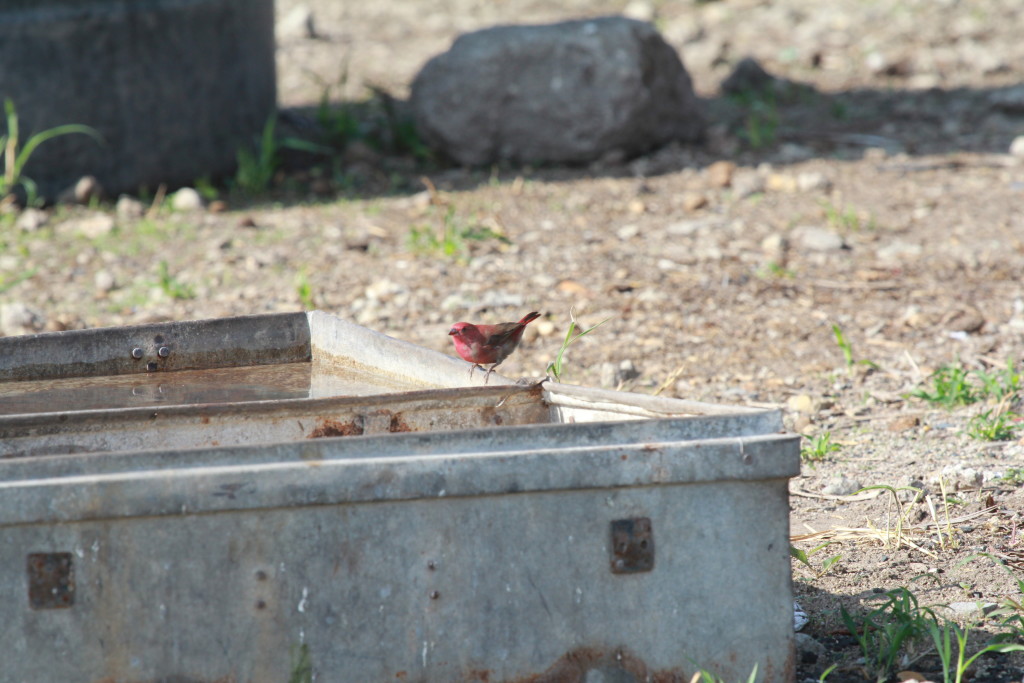
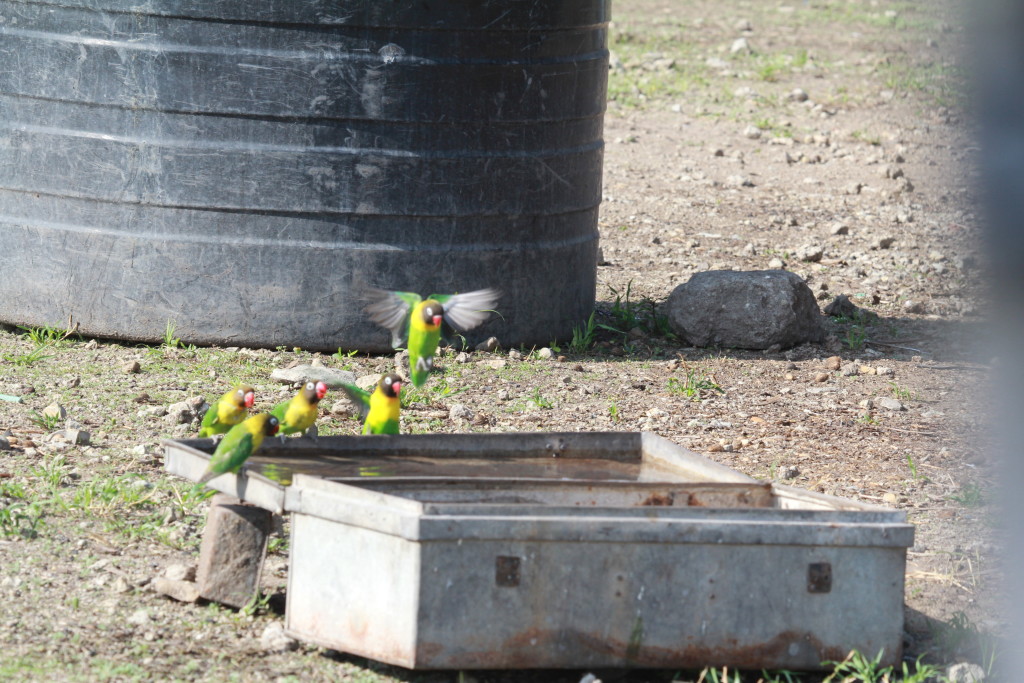
I could have called this the “scenic route” to Ngorongoro but in Africa just about everything is scenic!  We got a somewhat late start but who wouldn’t when there are all these delightful little Yellow-collared Lovebirds and Red-billed Firefinches to watch!  This is where I am different from normal birders or “twitchers”.  I can happily sit and watch a couple of interesting species for hours rather than running around ticking boxes off a list.

IMG_6755 IMG_6745 IMG_6746 IMG_6757 IMG_6754 IMG_6759 IMG_6760 IMG_6761 IMG_6764 IMG_6765

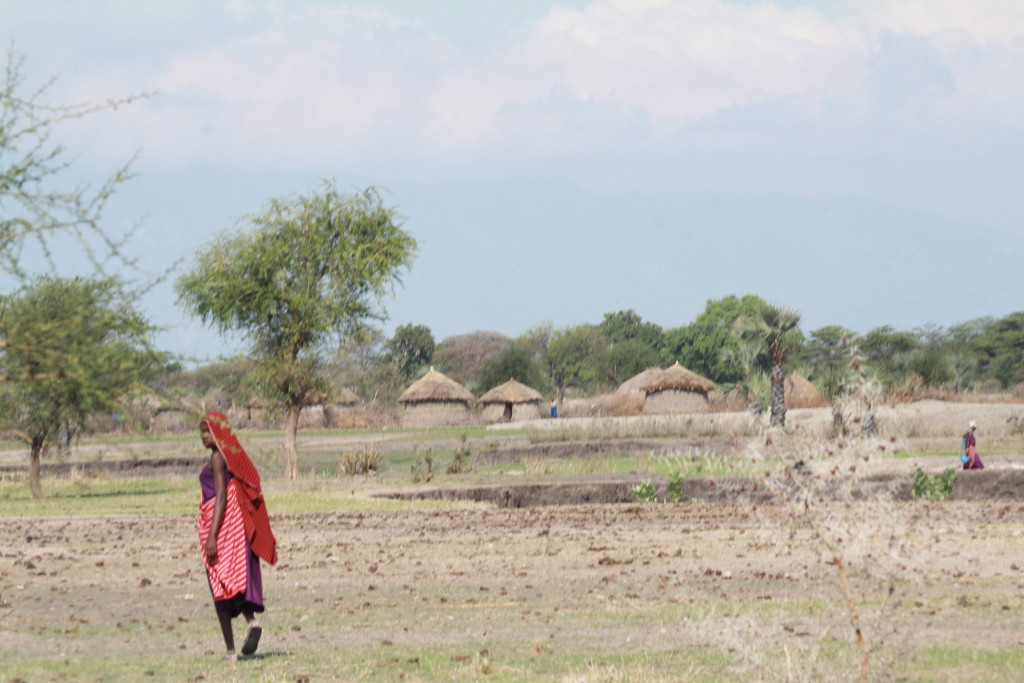
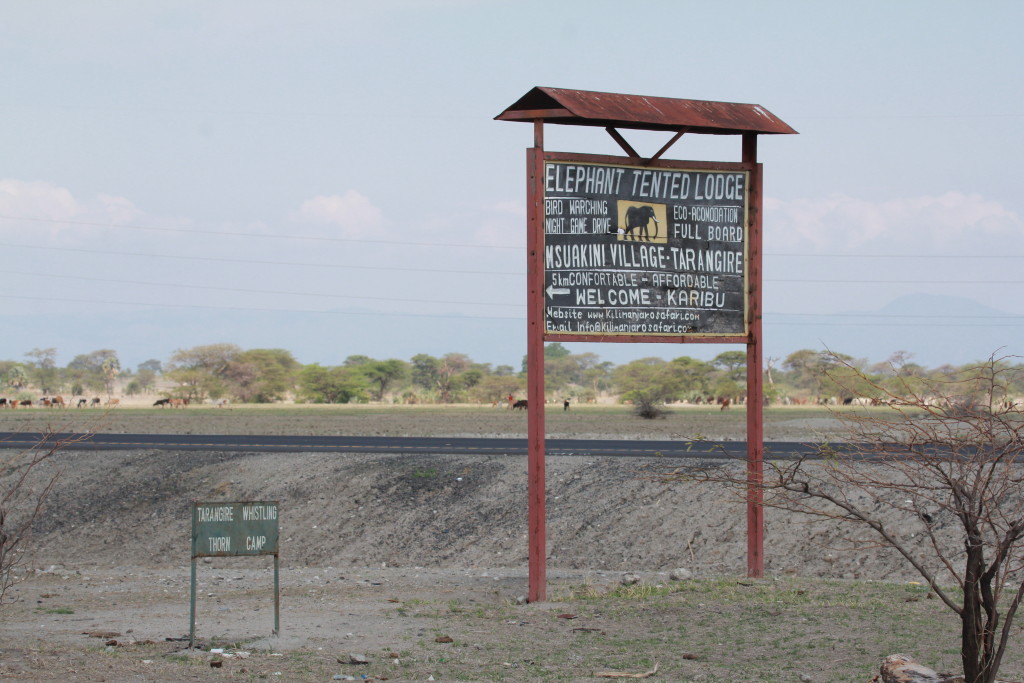
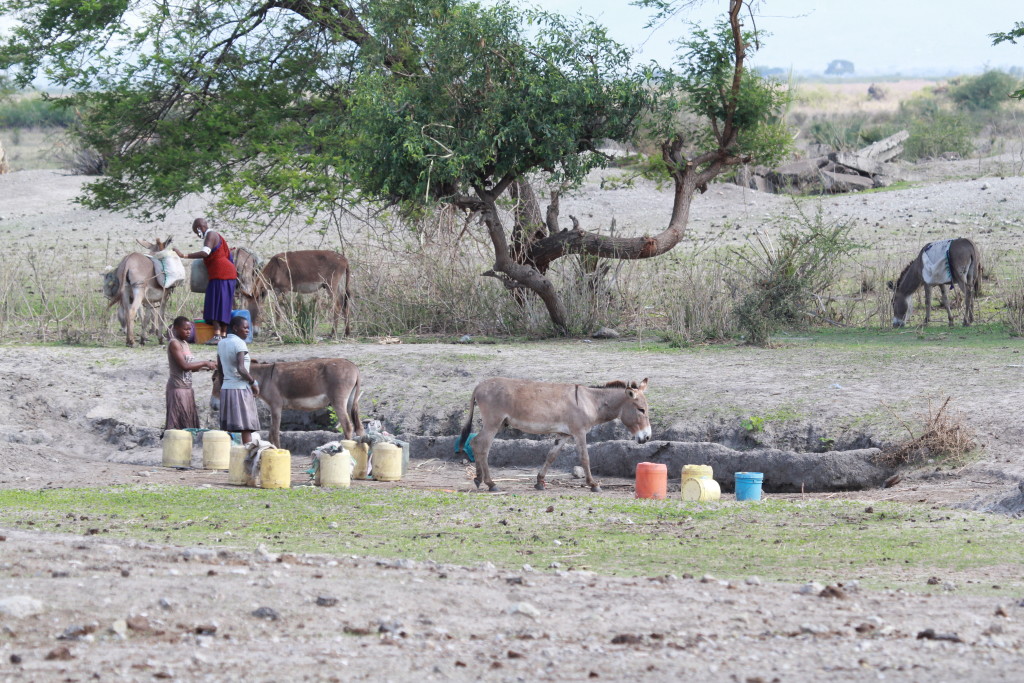
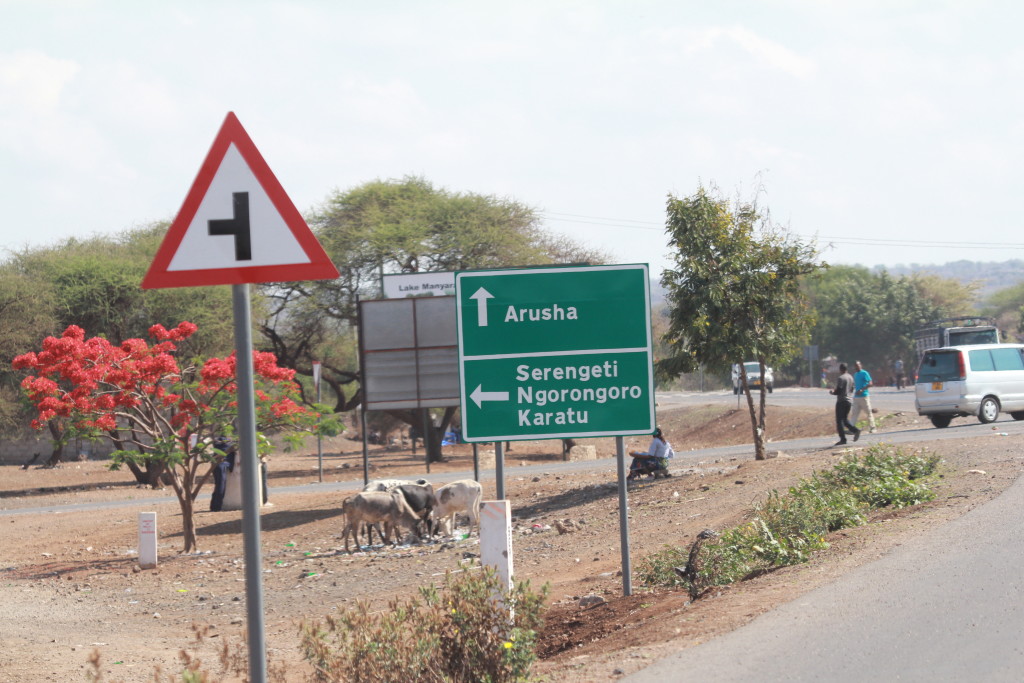
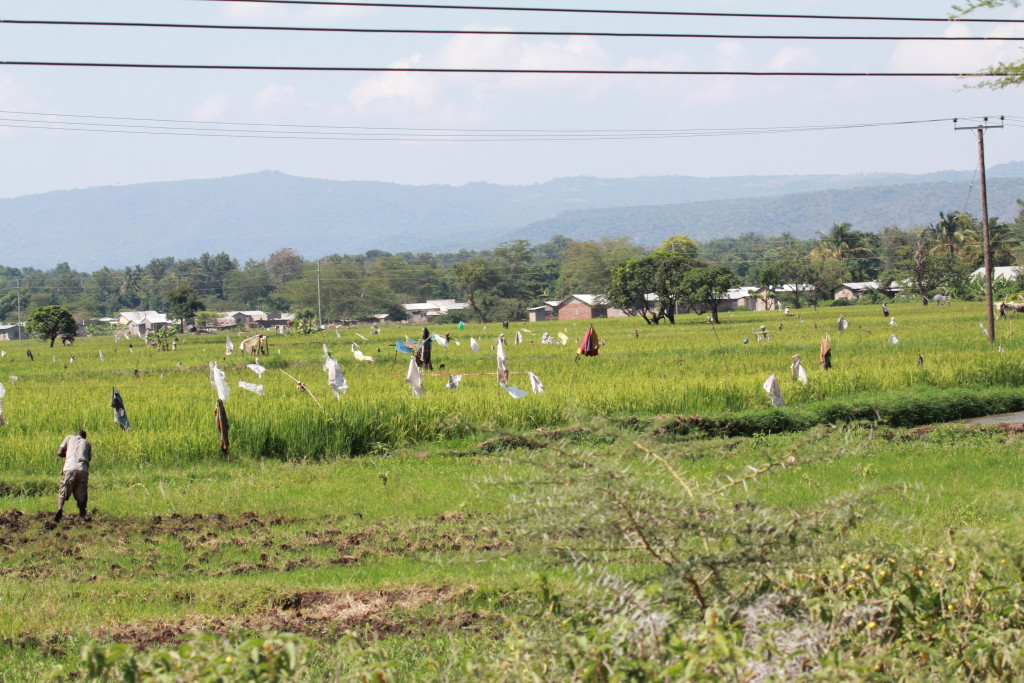
The driver finally convinced me to go so we headed off back down the road towards Arusha past the Masai villages and farms.

IMG_6768 IMG_6770 IMG_6771 IMG_6772 IMG_6773 IMG_6774

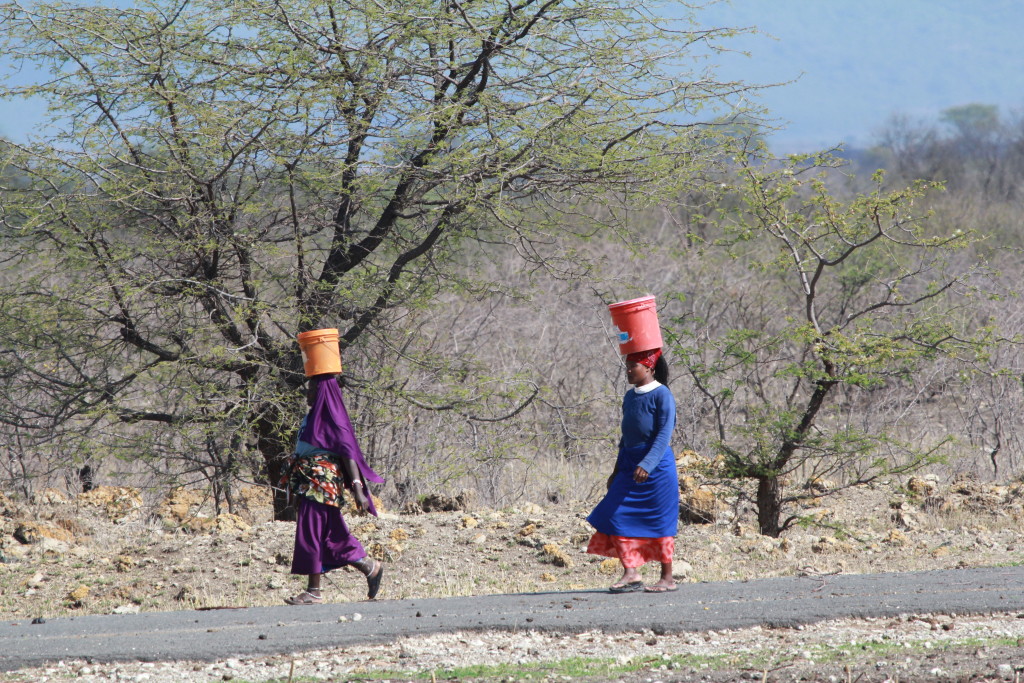
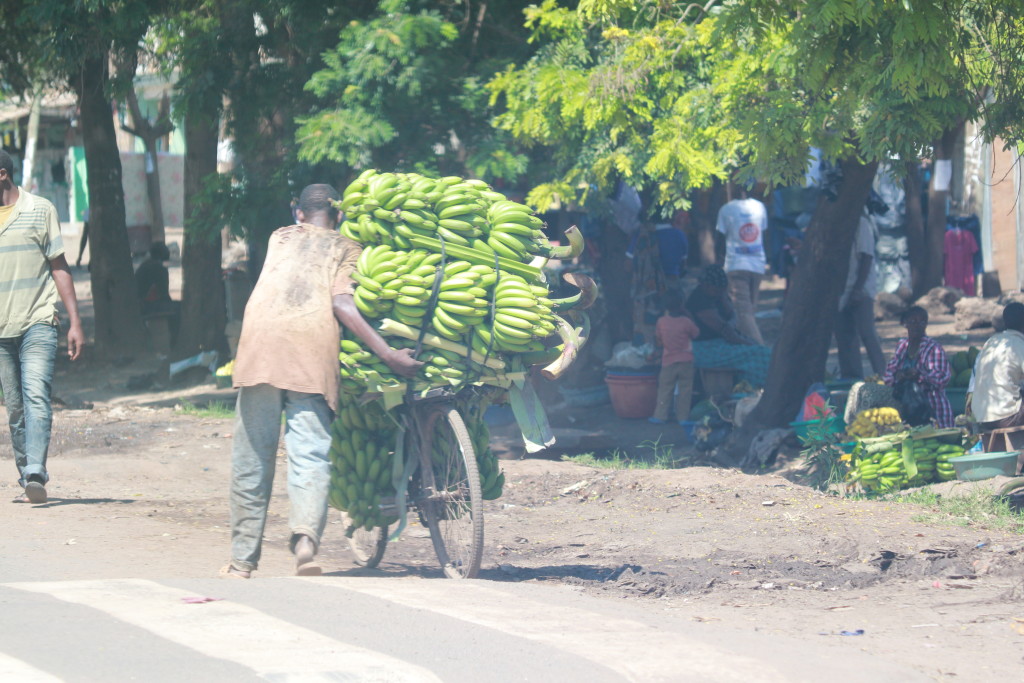
It never ceases to amaze me how these ladies do this!

IMG_6775

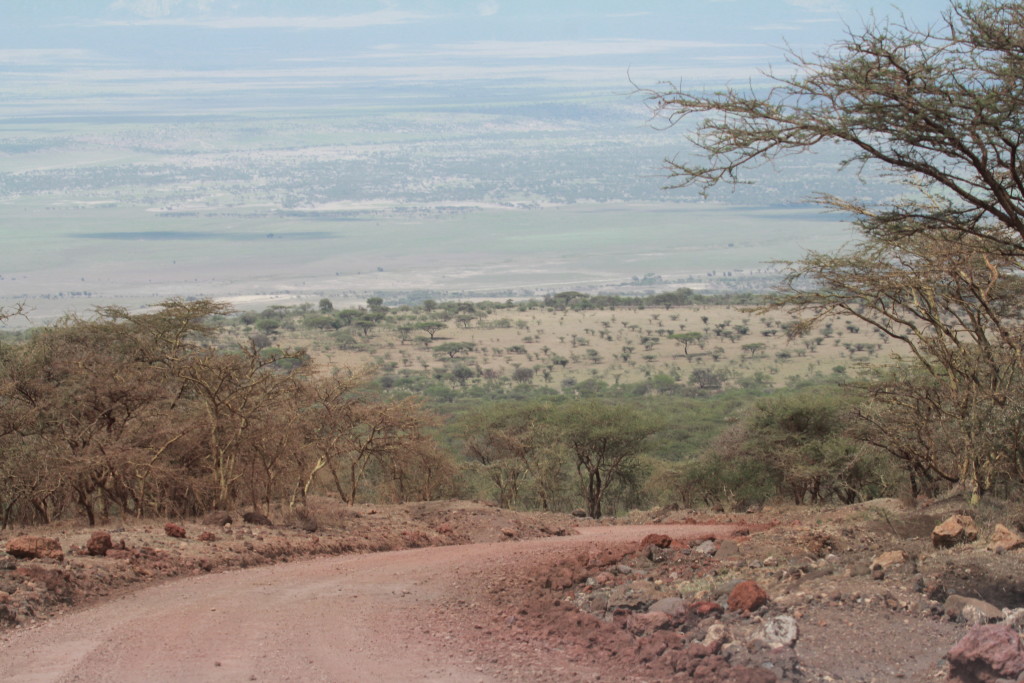
Then we turned off down the road to Ngorongoro & Serengeti which proved equally as scenic.

IMG_6776 IMG_6777 IMG_6778 IMG_6779 IMG_6781 IMG_6782

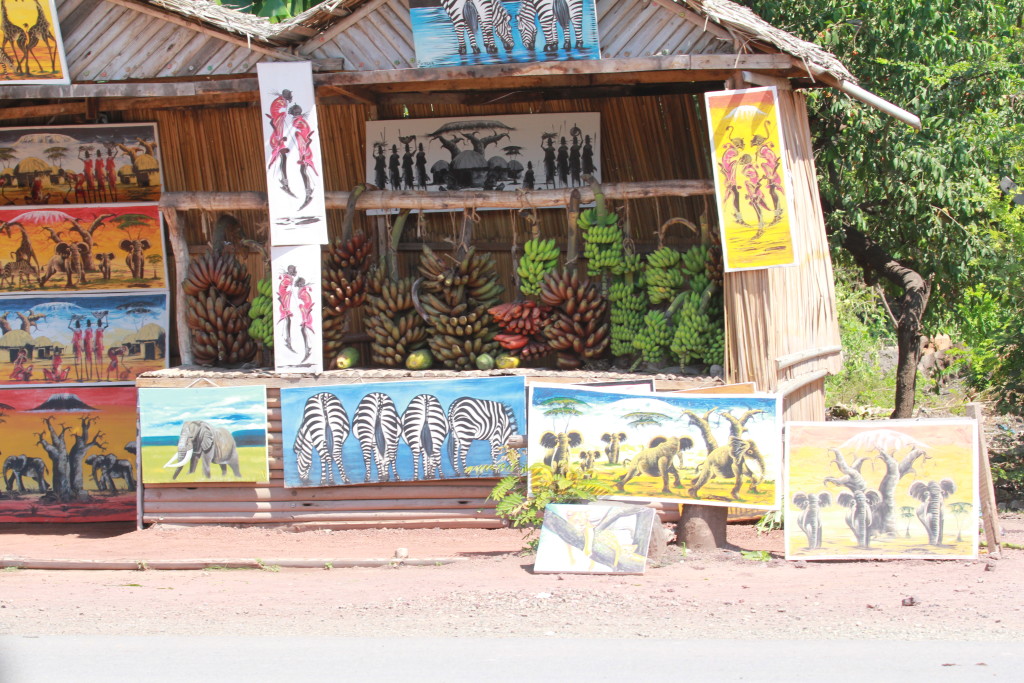
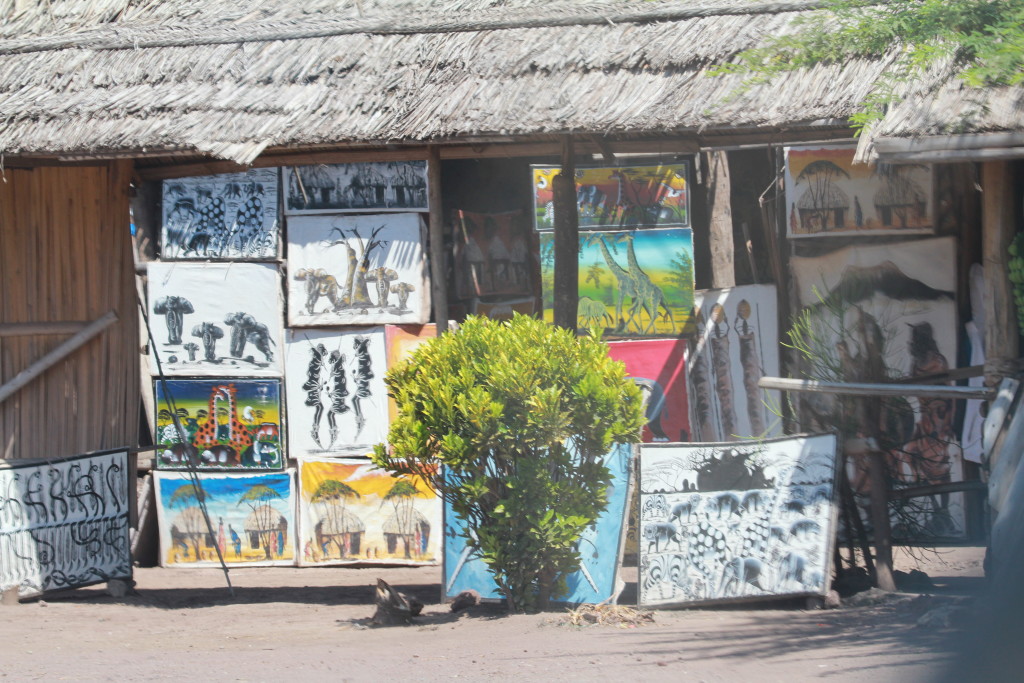
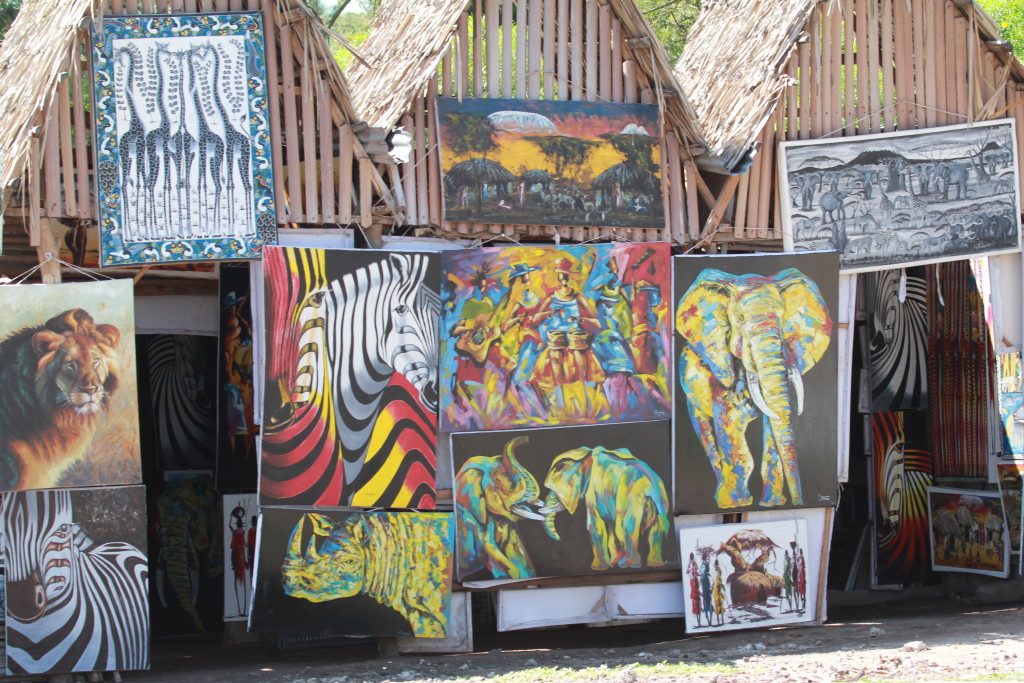
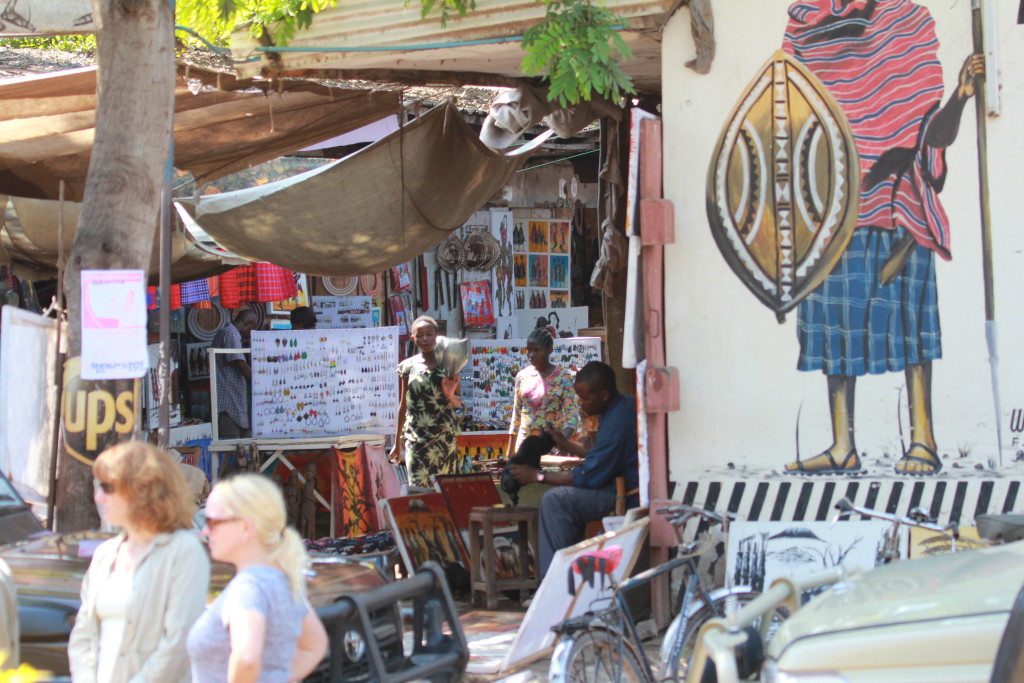
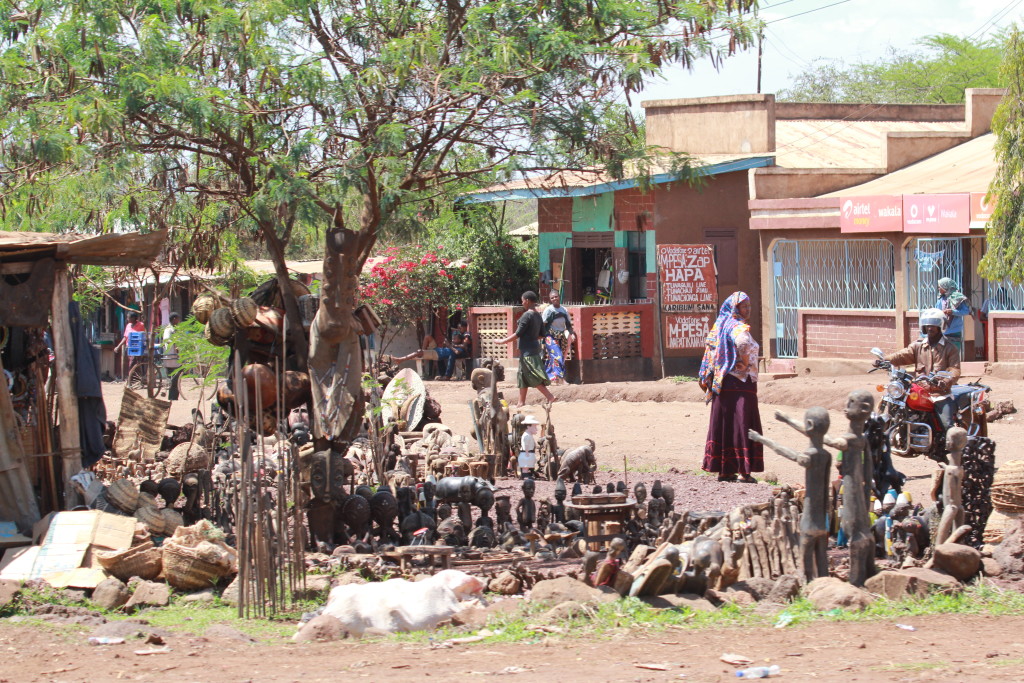
Along the way, there were lots of these little art stands.

IMG_6783 IMG_6784 IMG_6785 IMG_6786 IMG_6788 IMG_6789 IMG_6790

I resisted the temptation to shop until we reached the village of Mto Wa Mbu.

IMG_6791 IMG_6792

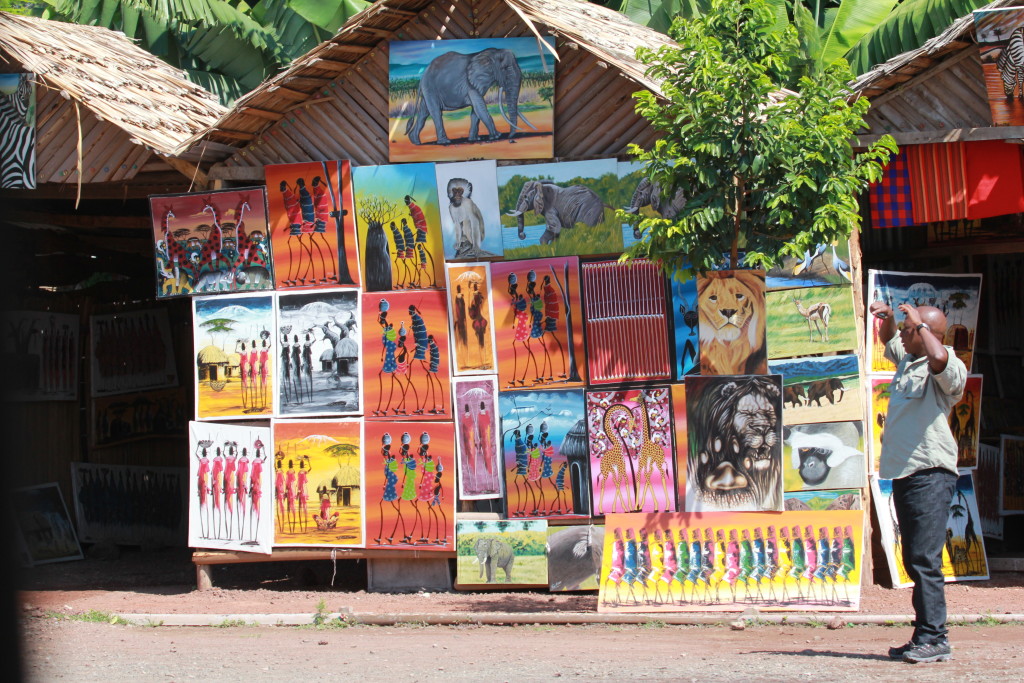
This larger art market had much more variety so I just had to stop and shop.  Prices were extremely negotiable and I found some nice bird paintings in the traditional Tingatinga style to bring home for us and for gifts.

IMG_6793 IMG_6794 IMG_6795

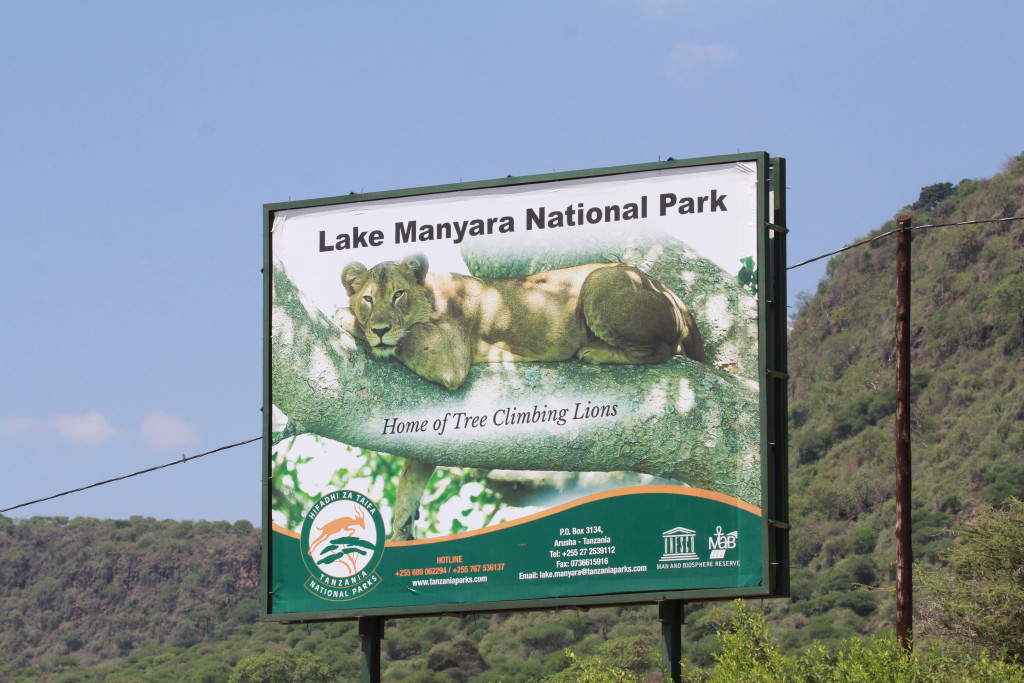
We drove past the Lake Manyara NP, if we had had more time we could have stopped in but it was close to noon so not the best timing.

IMG_6796 IMG_6797 IMG_6802

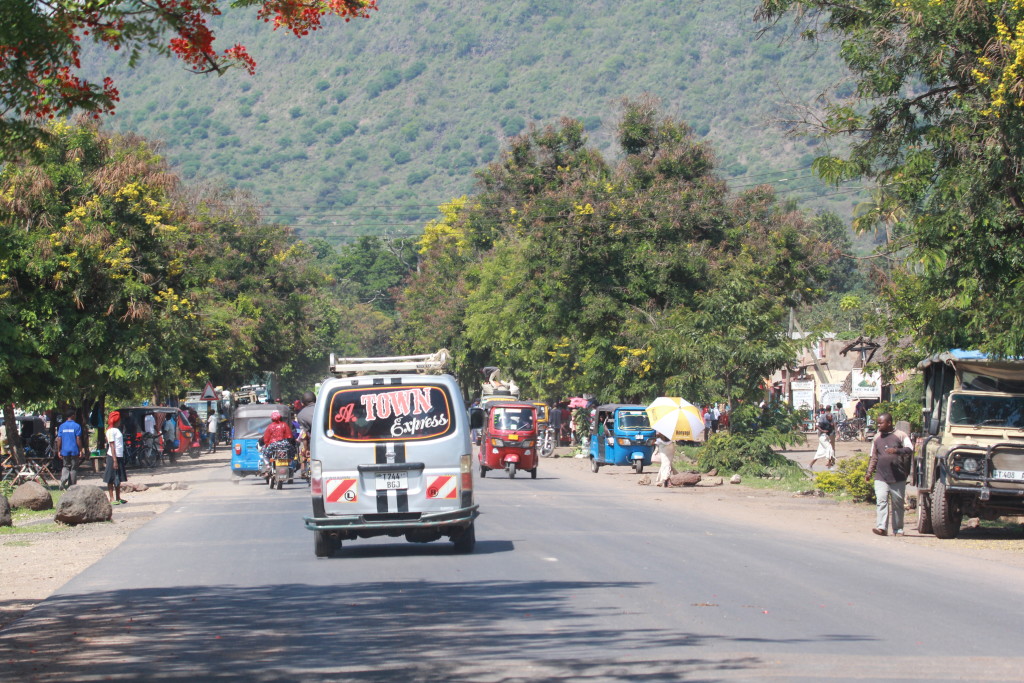
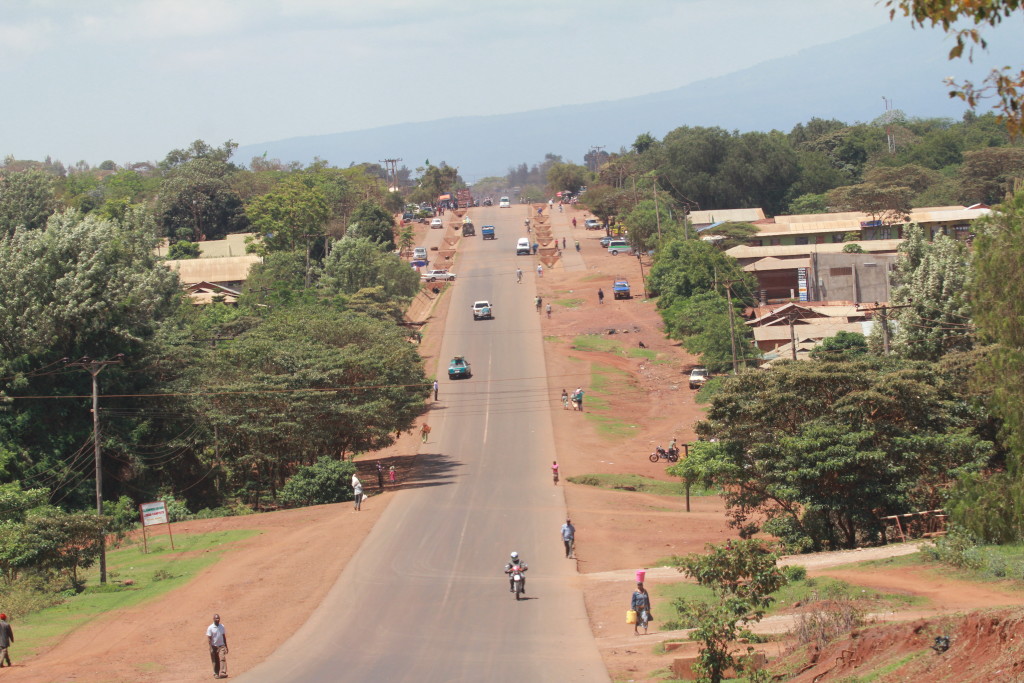
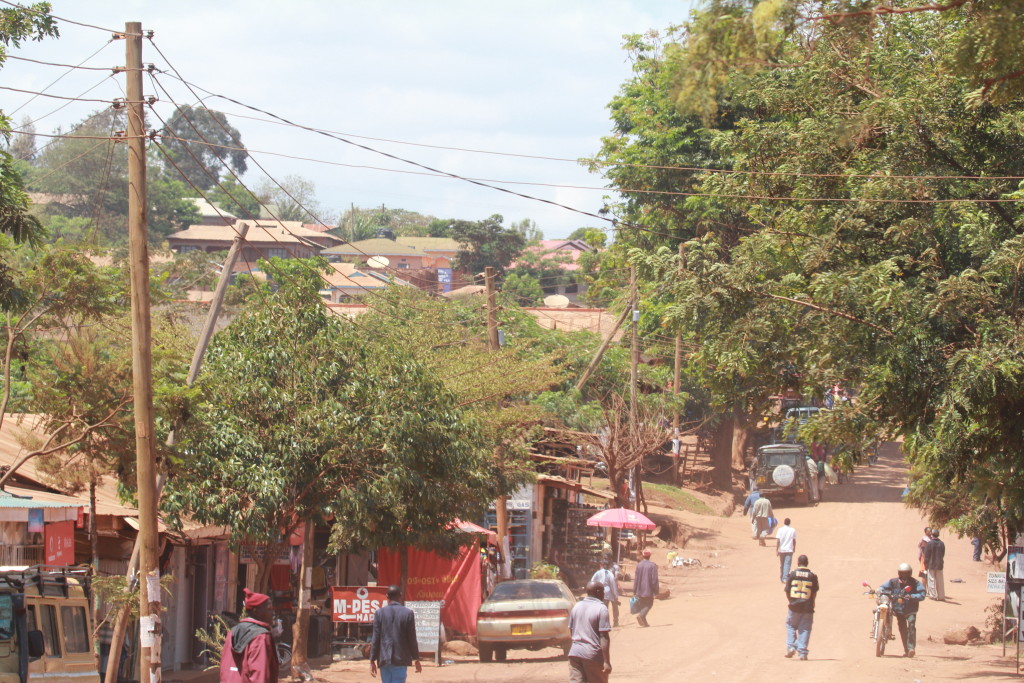
After passing more handicraft stalls, we came to the town of Karatu which is a dry dusty town that didn’t really interest us, though we did top up the fuel tank.

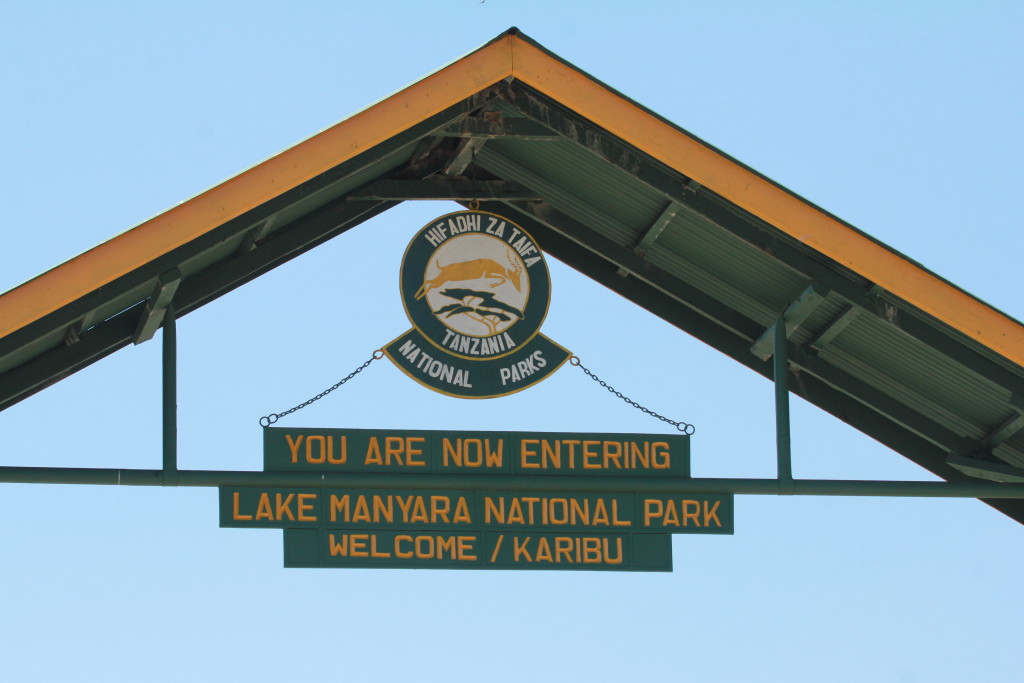
IMG_6805 IMG_6807 IMG_6808A few km further and we reached the gates of Ngorongoro Conservation Area………..

Getting An Earlier Flight While In Transit

I always enjoy a long layover in certain cities as it gives us a chance to go into town for a quick bit of sight-seeing or shopping but not have to fork out for a hotel.  The best layovers are when you arrive in the morning and depart in the evening.  Here are a few we had last year.

Taipei

Beijing

Singapore – not yet blogged but we went to the Jurong Bird Park.

These layovers don’t always go to plan.  Last year we had planned on a 12 hour layover in Beijing so we could go to the Great Wall on the way home from Europe.  Singapore Airlines had a schedule change and rebooked us on a flight leaving 2 hours after we arrived but they left our final leg alone from Singapore to Brisbane so we now had a long, boring NIGHT layover.  I didn’t want to fork out for a hotel and the timing was such that we wouldn’t have been able to do or see anything.  We just wanted to get the next flight home but guess what?  The ticket was issued by US Airways while they were still in Star Alliance but the change came after they switched to OneWorld.  I didn’t want to mess up the ticket and on one level I was at least grateful SQ rebooked us instead of stranding us.

I did call and try to get SQ to move us to the 11pm flight so we didn’t have to stay overnight and could get home in the morning but they wouldn’t do any changes because it was a US ticket.

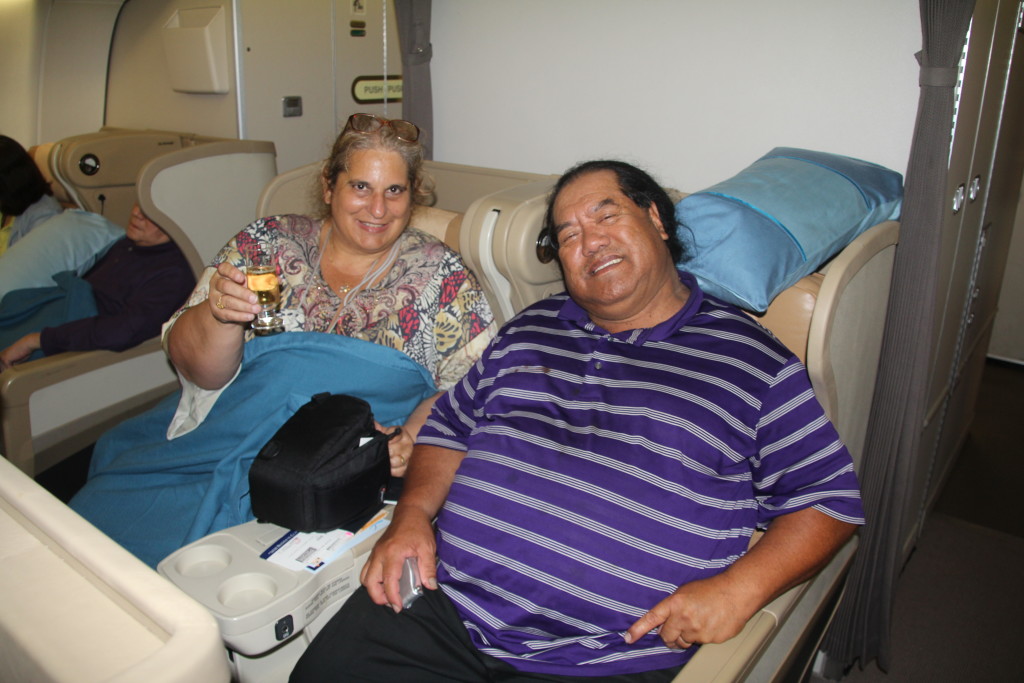
Once we arrived, I tried one last ditch attempt.  We went straight to the transit desk with boarding passes in hand and asked if there was any way to get on the earlier flight.  Much to our relief, there were 2 last seats in business class on the red-eye to Brisbane!  We were spared 12 hours in the albeit pleasant Krisflyer Lounge and arrived home (with luggage) in the morning after a good night’s sleep.

IMG_2462

Exhausted but homeward bound on SQ


Moral of the story:  It never hurts to ask.  Airlines can’t change another airline’s ticket before departure but once a boarding pass has been issued and the ticket is in their control, you might get lucky!

Yellow-collared Lovebird (Agapornis personatus)

The yellow-collared lovebird (Agapornis personatus), also called masked lovebird or eye ring lovebird, is a monotypic species of bird of the lovebird genus in the parrot family Psittaculidae. They are native to northeast Tanzania and have been introduced to Burundi and Kenya.

I took these photos at Whistling Thorn Camp near Tarangire.

IMG_6745 IMG_6746 IMG_6755 IMG_6757 IMG_6759 IMG_6760 IMG_6765They are near endemic to Tanzania and are very easily seen at the northern end of Tarangire National Park.  They frequent a well at Whistling Thorn Camp and were the first birds to welcome us in!

yhlb rangeLEARN MORE ABOUT YELLOW COLLARED LOVEBIRDS

Wikipedia

World Parrot Trust

Birdlife

Xeno-Canto


VIDEO

I had to search through a lot of captive bird videos to find some in the wild!

This is why they are called lovebirds!

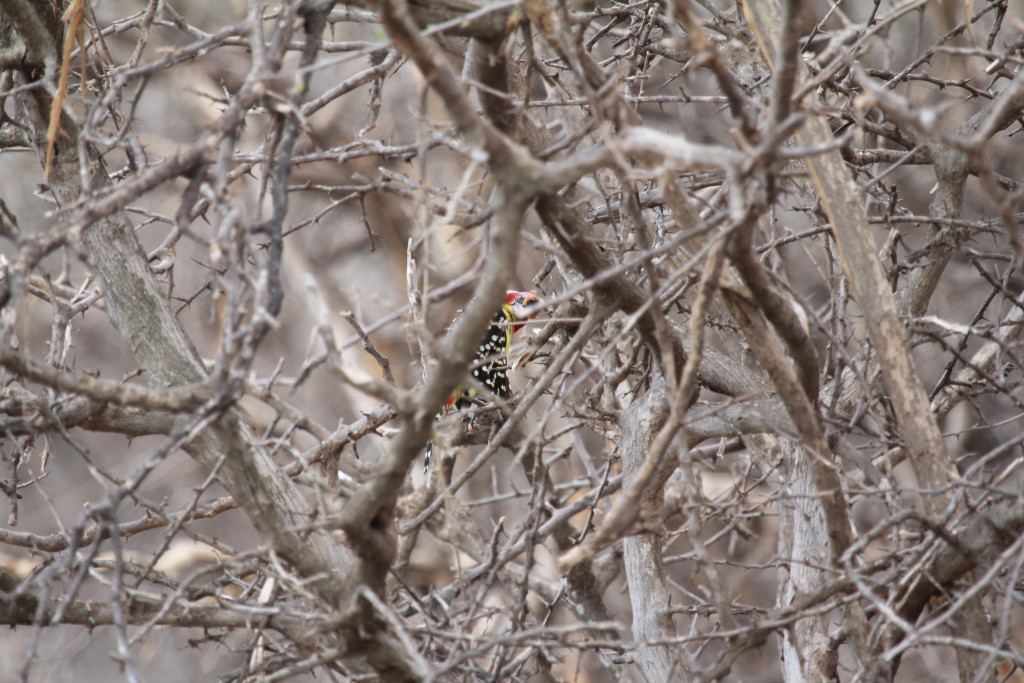
Red-and-yellow Barbet (Trachyphonus erythrocephalus)

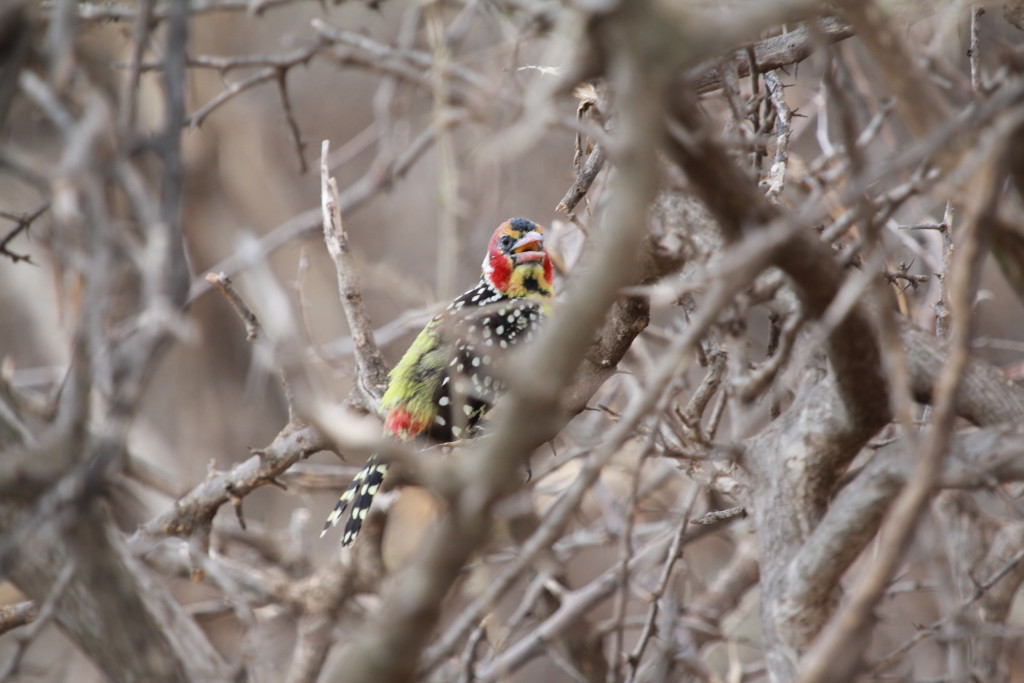
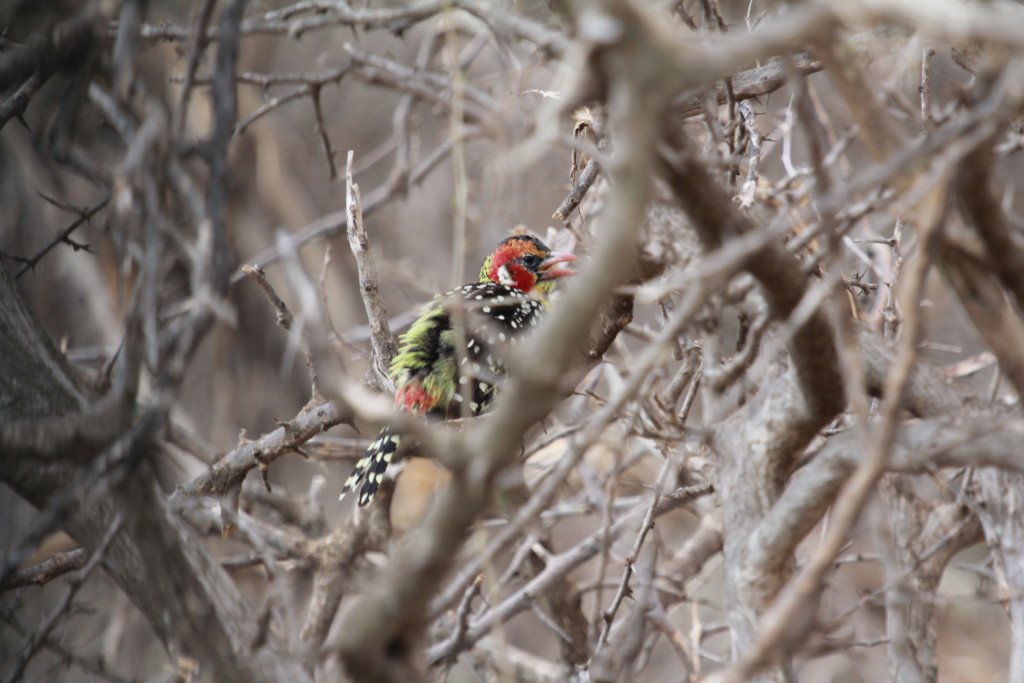
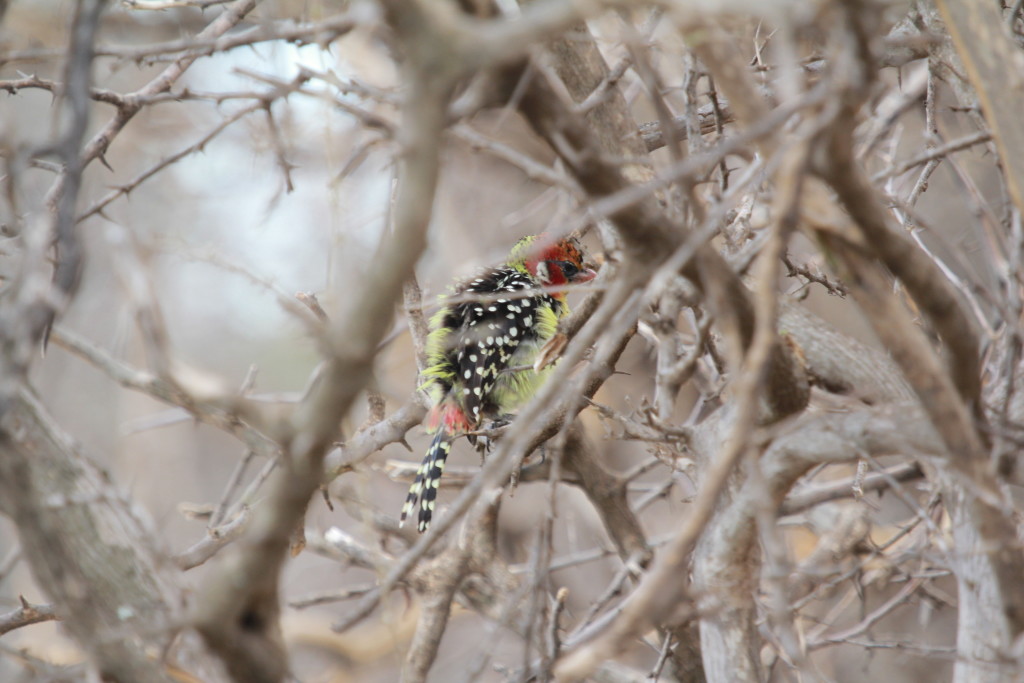
The red-and-yellow barbet (Trachyphonus erythrocephalus) is a species of African barbet found in eastern Africa. Males have distinctive black (spotted white), red, and yellow plumage; females and juveniles are similar, but less brightly colored. The species lives in broken terrain and nests and roosts in burrows. Omnivorous, the species feeds on seeds, fruit, and invertebrates. Where not hunted, they are tame, but their feathers are used by certain tribes, such as the Maasai.

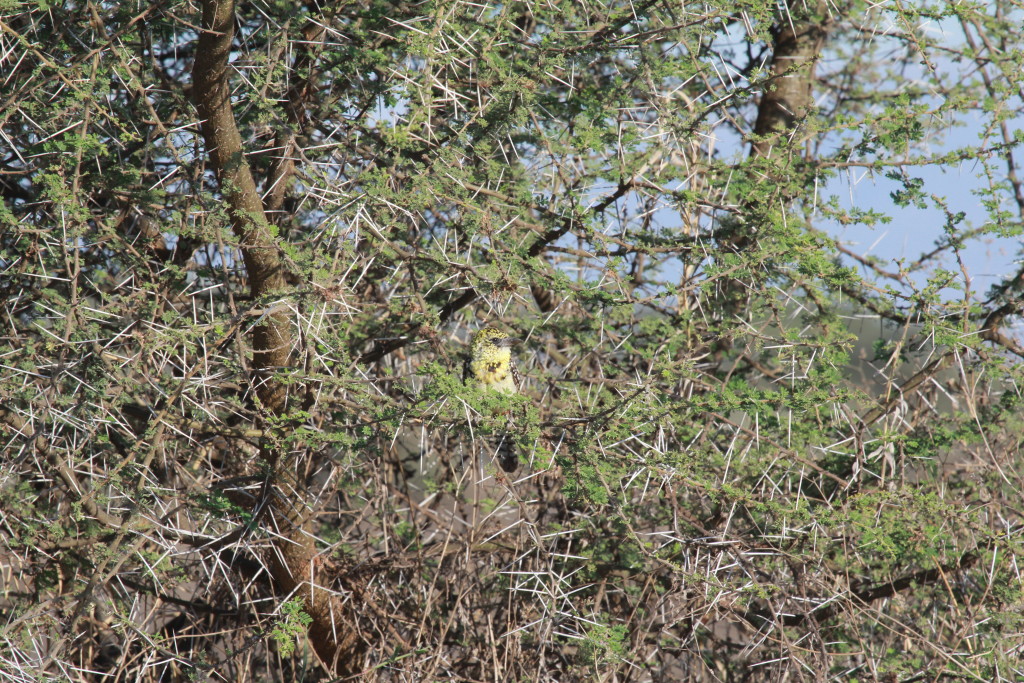
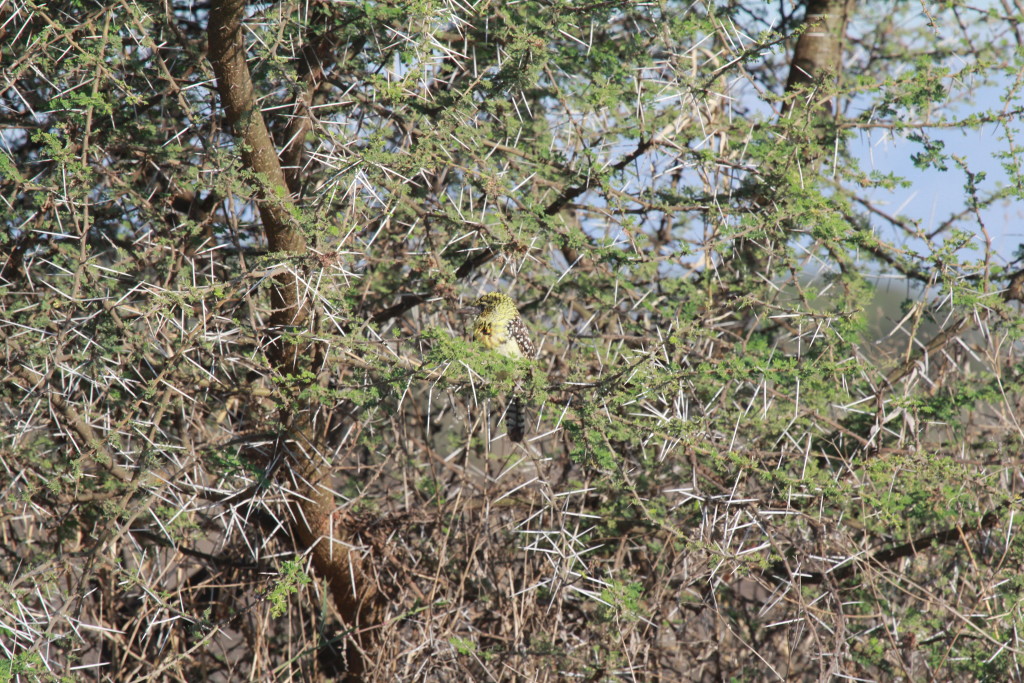
I took these photos in Tarangire NP, Tanzania.  Despite his bright colours, notice how well he can hide himself in the bush when he wants to.

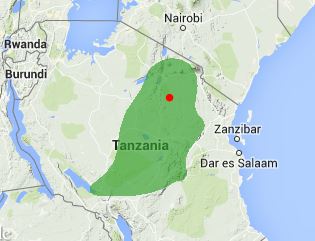
IMG_6677 IMG_6678 IMG_6679 IMG_6674They have quite a large range but for the traveling birder I can highly recommend Tarangire NP, also going into Ngorongoro Conservation area in Tanzania.  This one was very close to the Tarangire Safari Lodge.  You can see other location in the Xeno-canto and IBC websites listed below.
LEARN MORE ABOUT THIS BIRD

Wikipedia

Birdlife

HBW

Xeno-Canto

VIDEO

There are some more videos on IBC which show locations you can try to see these birds.

Stunning close-up footage of the Barbet!

 And here’s a charming concert presented by two Barbets in love!

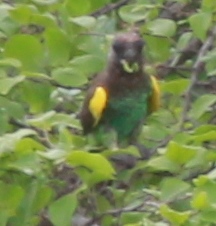
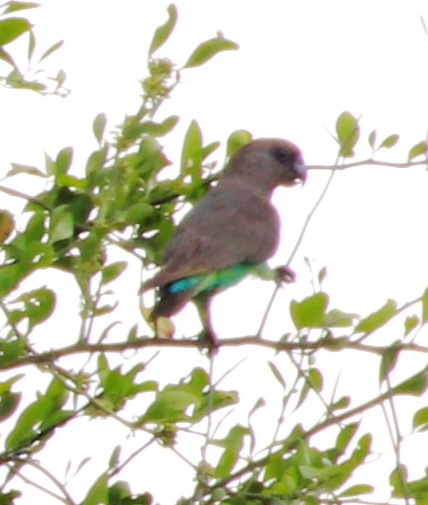
Brown Parrot aka Meyer’s Parrot (Poicephalus meyeri)

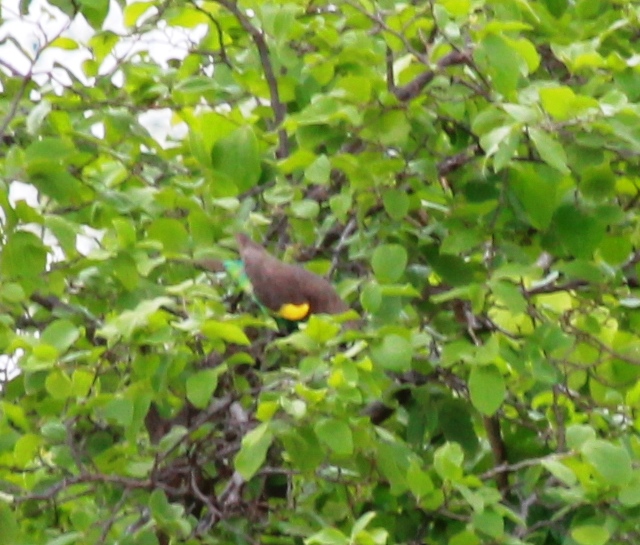
The Brown Parrot aka Meyer’s parrot (Poicephalus meyeri) is a small (about 21 cm, 90-130g), stocky African parrot. Meyer’s parrots display a dull brown head, back and tail, green or blue-green abdomen, blue rump and bright yellow markings on the carpal joint of the wings. Most subspecies have some yellow on the top of the head as well. Forshaw (1989) recognizes six subspecies of P. meyeri which vary in home range, size and in markings, including the extent of yellow markings on the head and wings and intensity of turquoise markings on the abdomen and rump. The name commemorates the German ornithologist Bernhard Meyer.

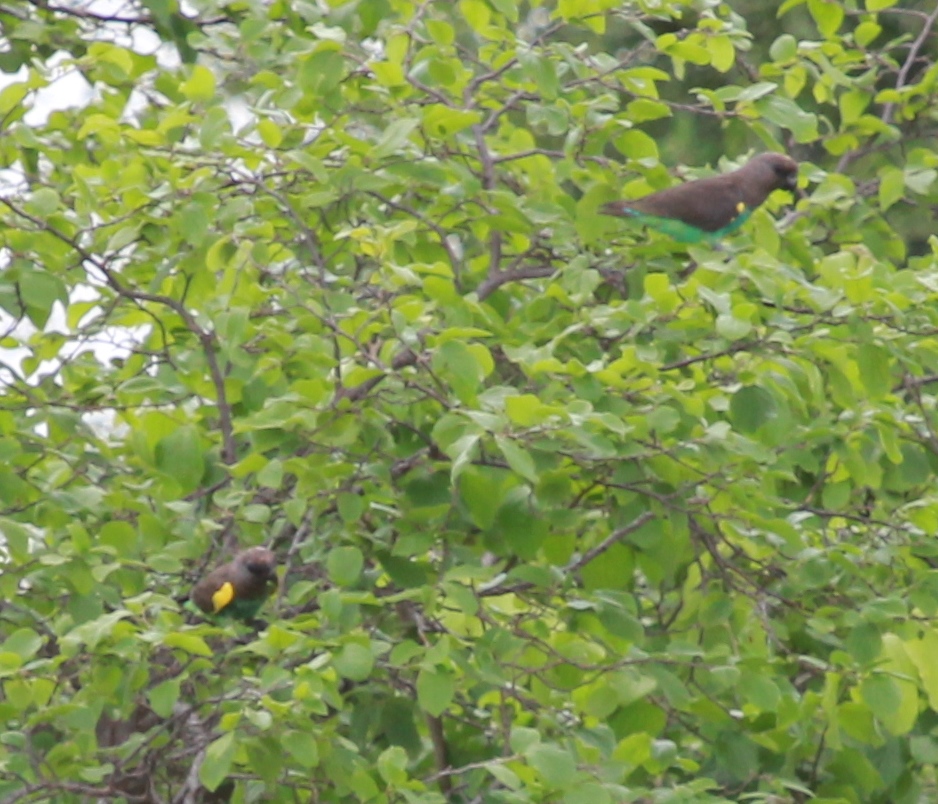
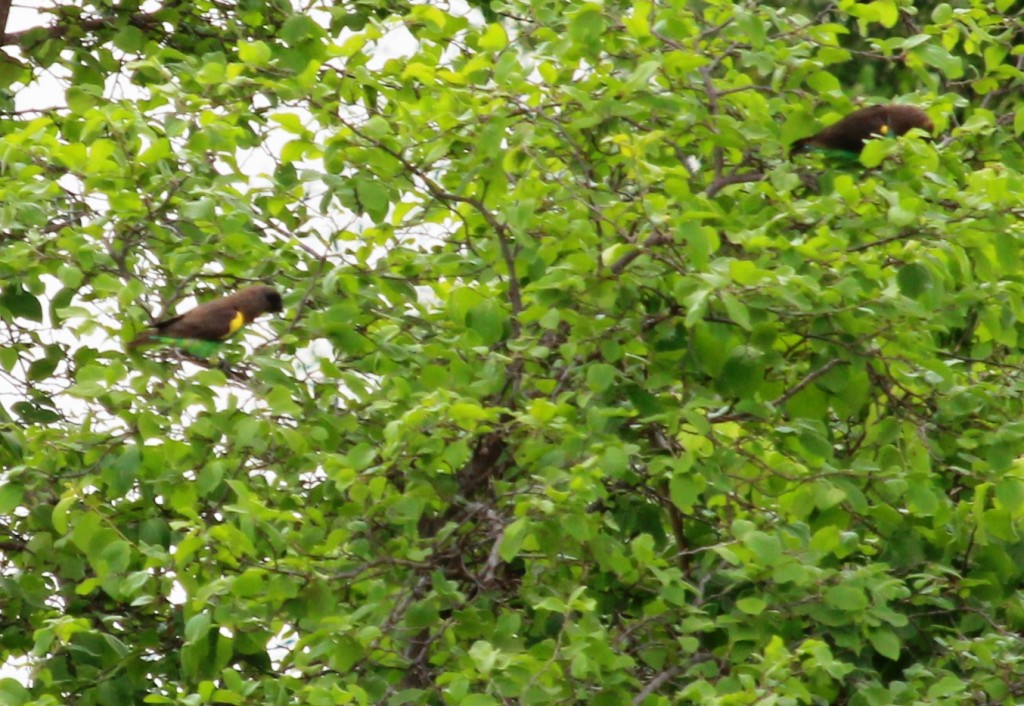
I had to work for these shots as the Meyer’s Parrots in Tarangire were pretty far away and experts at camouflage!

IMG_6691a IMG_6692a IMG_6688a IMG_6687a IMG_6686a

The six subspecies are:

  • P. m. meyeri (Cretzschmar, 1827) — s Chad to w Ethiopia
  • P. m. saturatus (Sharpe, 1901) — Uganda and w Kenya to w Tanzania
  • P. m. matschiei (Neumann, 1898) — c Tanzania, se Congo, Zambia and n Malawi
  • P. m. reichenowi (Neumann, 1898) — c Angola to s Congo
  • P. m. damarensis (Neumann, 1898) — n Namibia, s Angola and nw Botswana
  • P. m. transvaalensis (Neumann, 1899) — Botswana, Zimbabwe and n South Africa

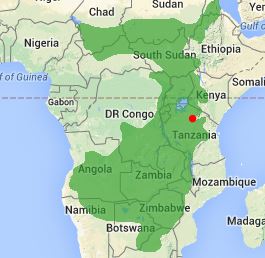
Meyer RangeMeyer’s Parrots have a huge range so you have a good chance to see them on most African birding safaris.  Check above as to the subspecies you are likely to see.  Tarangire NP in Tanzania is a relatively easy place to see them (red dot) but you also could try Serengeti, Masai Mara, some parks in Uganda, Zambia, Zimabawe, Chobe in Botswana, Etosha in Namibia.  The Xeno-Canto & IBC websites below have actual locations where other people saw them and took sound clips.
LEARN MORE ABOUT MEYER’S PARROTS

Wikipedia

World Parrot Trust

Birdlife

Xeno-Canto


VIDEO

Well YT has hundreds of captive Meyer’s Parrot videos but this one at last shows their natural sound.  There are more videos on IBC which I can’t embed here that have actual wild birds.

Tarangire National Park Part 2 – Afternoon Safari

This time I was on a mission – to find and photograph Meyer’s Parrots!  Since we now had a good lead on on where to find them we went off in that direction.  But getting there is always half the fun when you can also see a Red & Yellow Barbet along the way!  He tried to hide but our guide spotted him.

IMG_6674 IMG_6677 IMG_6678 IMG_6679

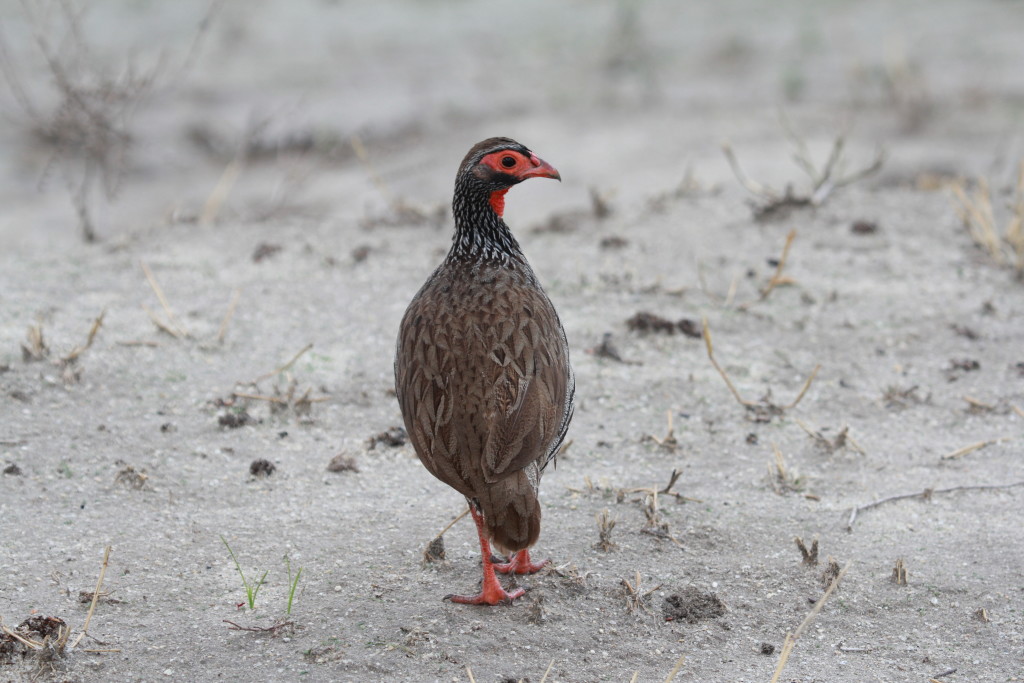
Rednecked Spurfowl

IMG_6681

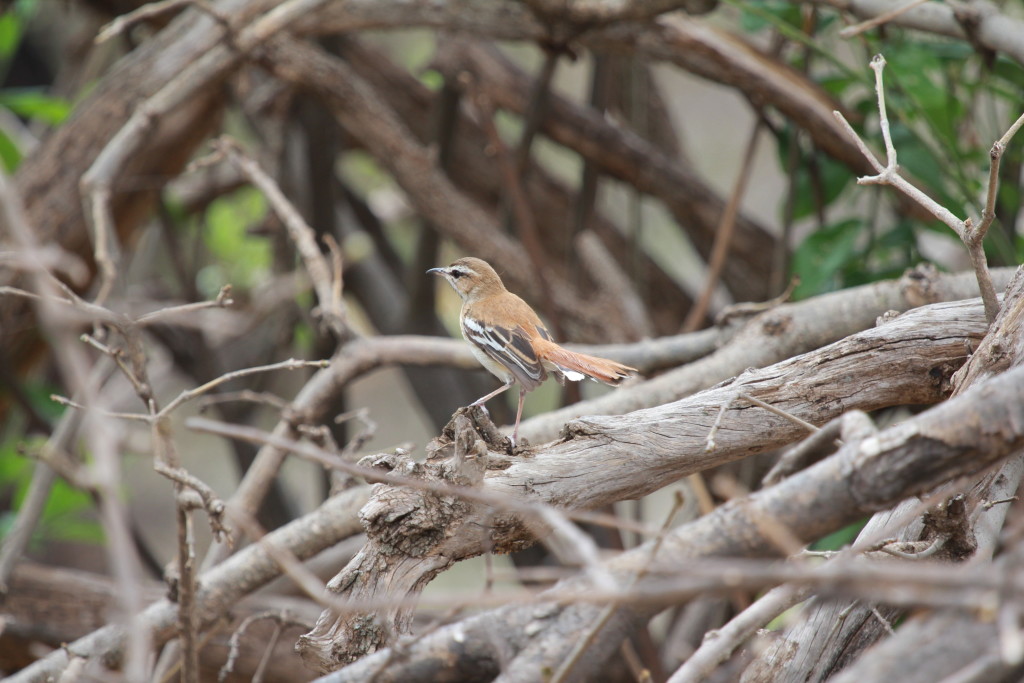
White-browed Scrub Robin

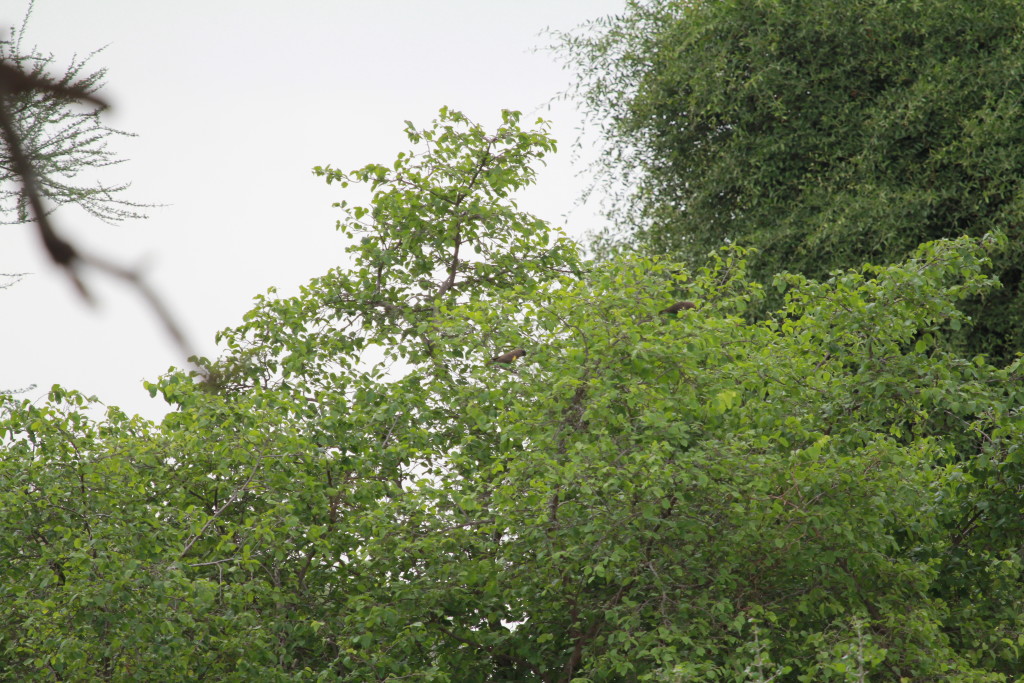
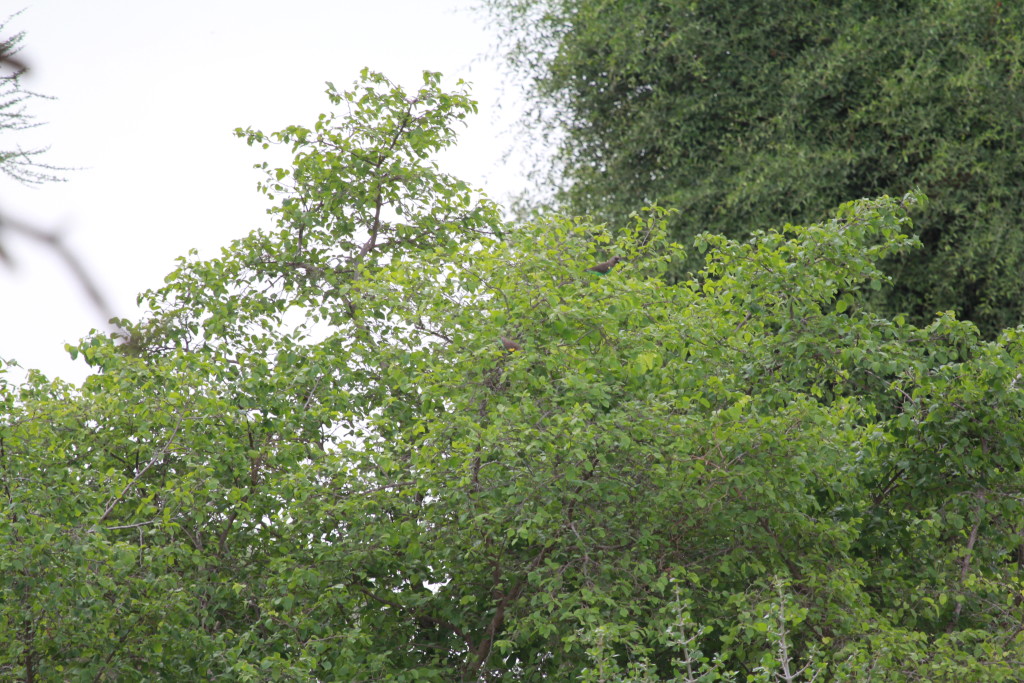
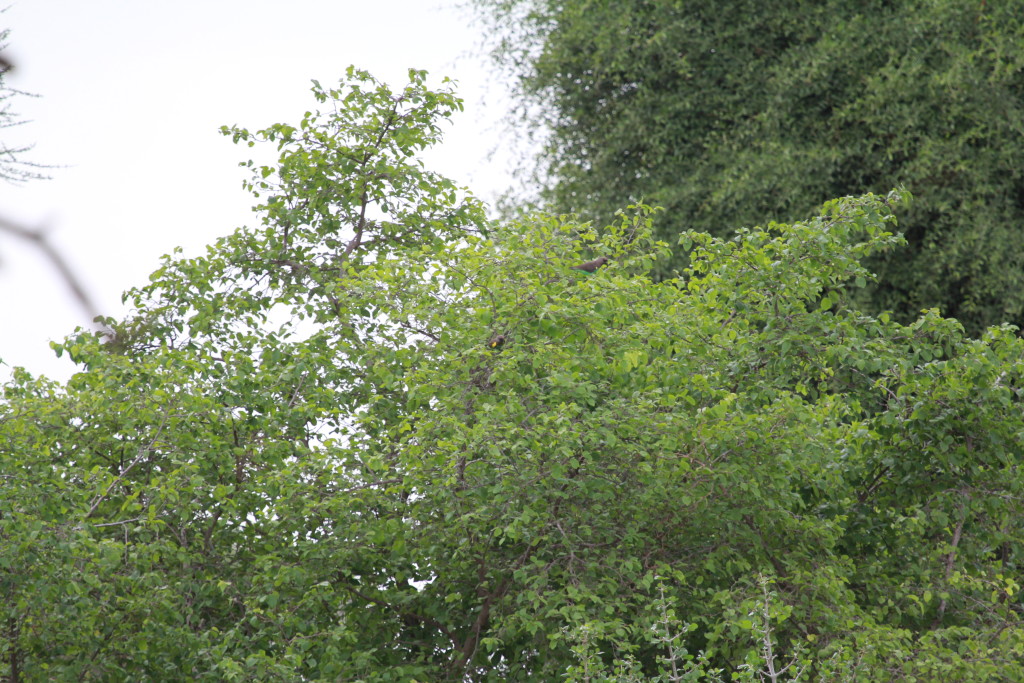
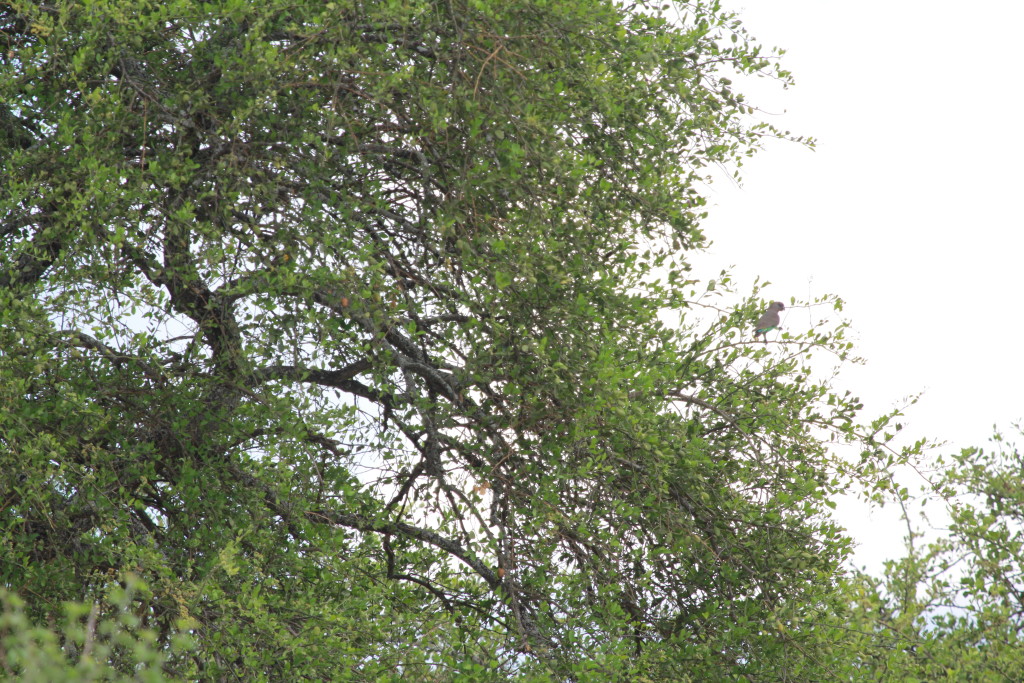
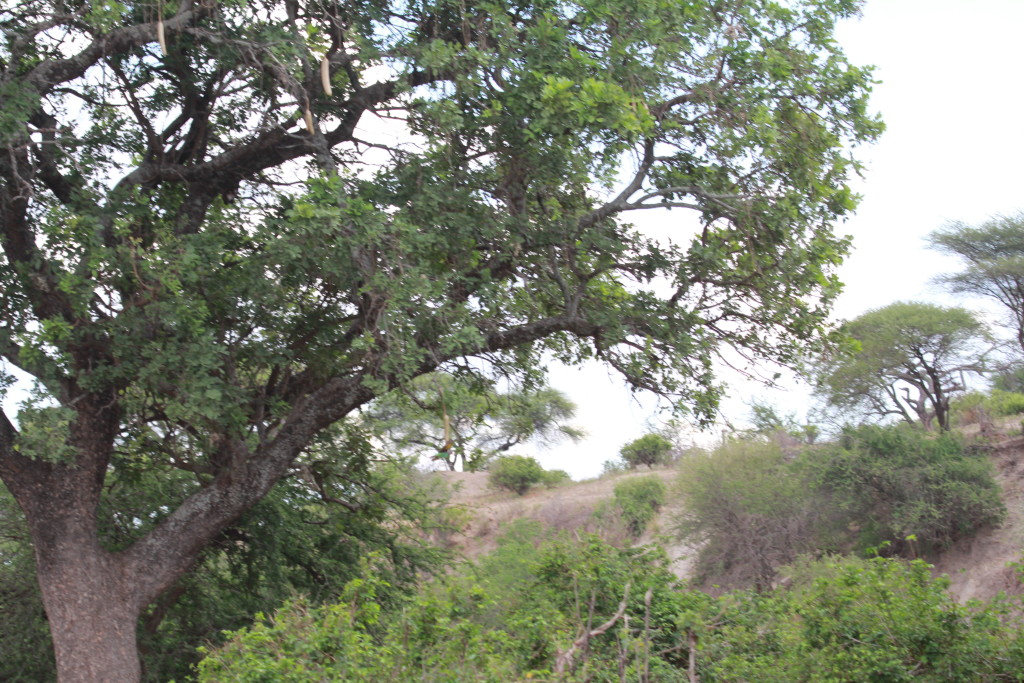
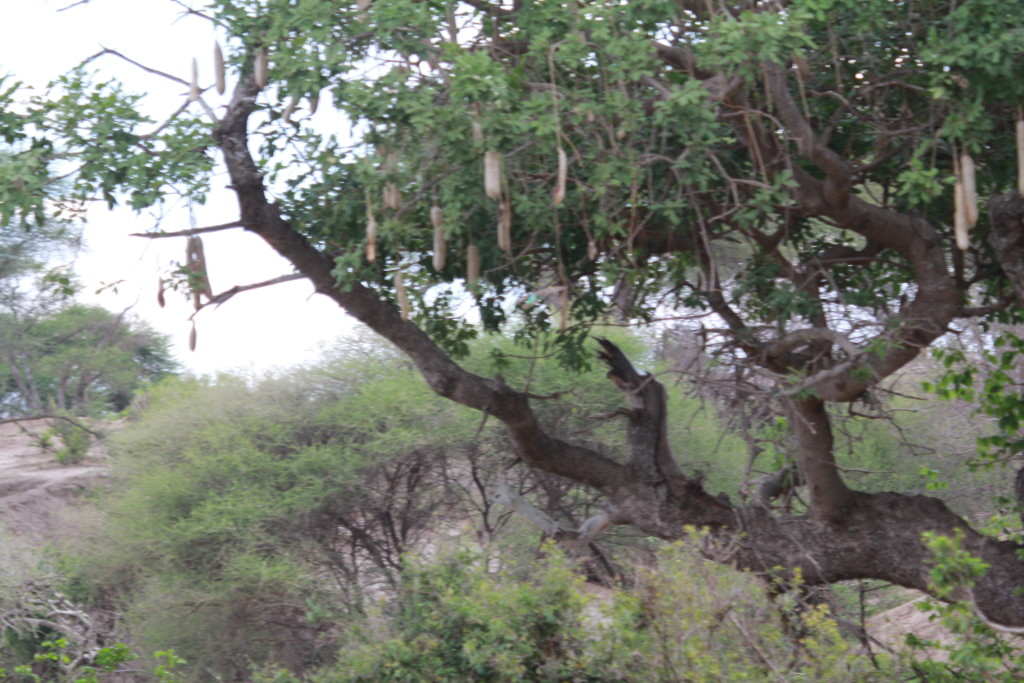
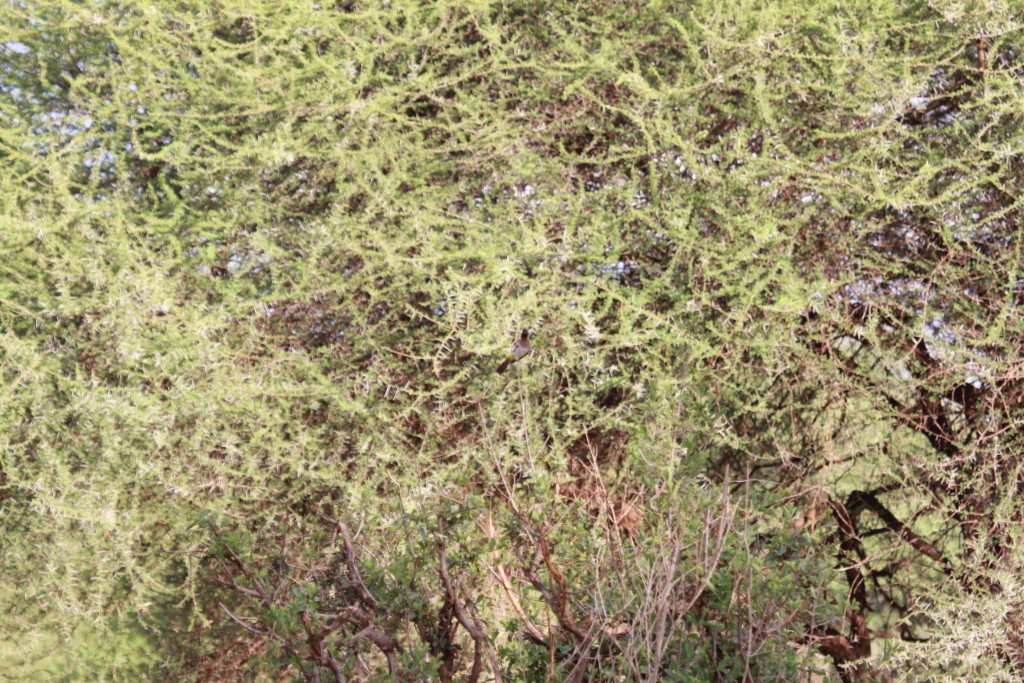
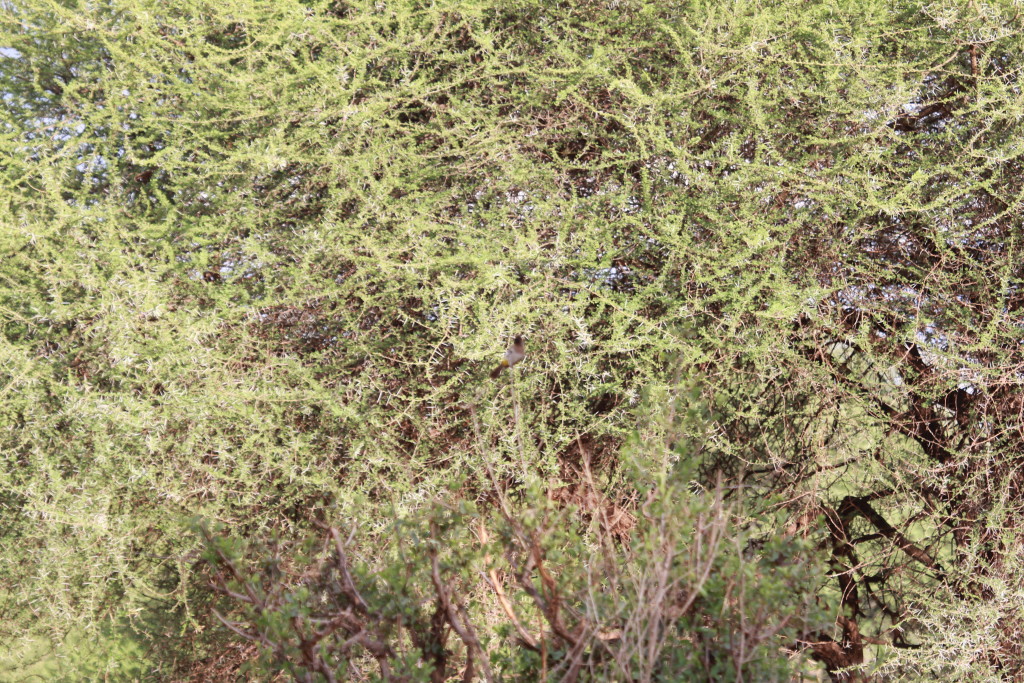
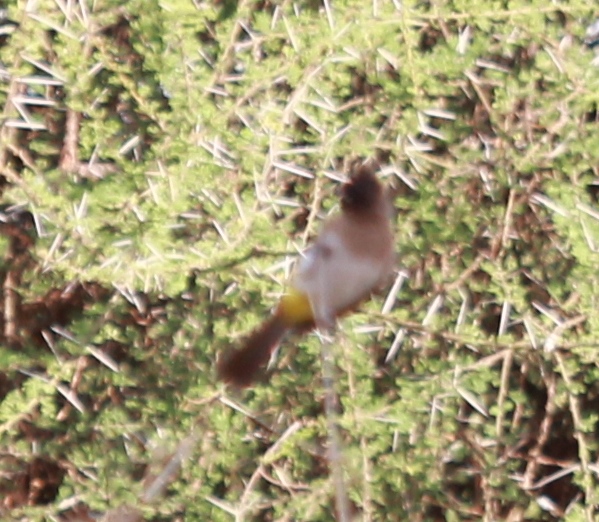
IMG_6684We drove past a sausage tree grove and I saw some movement in the bushes across the stream.  I took aim and this is what I got.  See if you can find the hidden birds!

IMG_6686 IMG_6687 IMG_6688 IMG_6689 IMG_6690 IMG_6691 IMG_6692 IMG_6694 IMG_6695 IMG_6703 IMG_6704After cropping the above photos, NOW can you see them?  Meyer’s Parrots!  And a little friend in a couple photos, maybe a Bulbul of some sort?

IMG_6686a IMG_6687a IMG_6688a IMG_6689a IMG_6690a IMG_6691a IMG_6692a IMG_6694a IMG_6703a IMG_6704aSuccess!  Having seen and photographed all 3 of my target birds, the 3 parrot species, I could now sit back, relax and enjoy the rest of the afternoon.

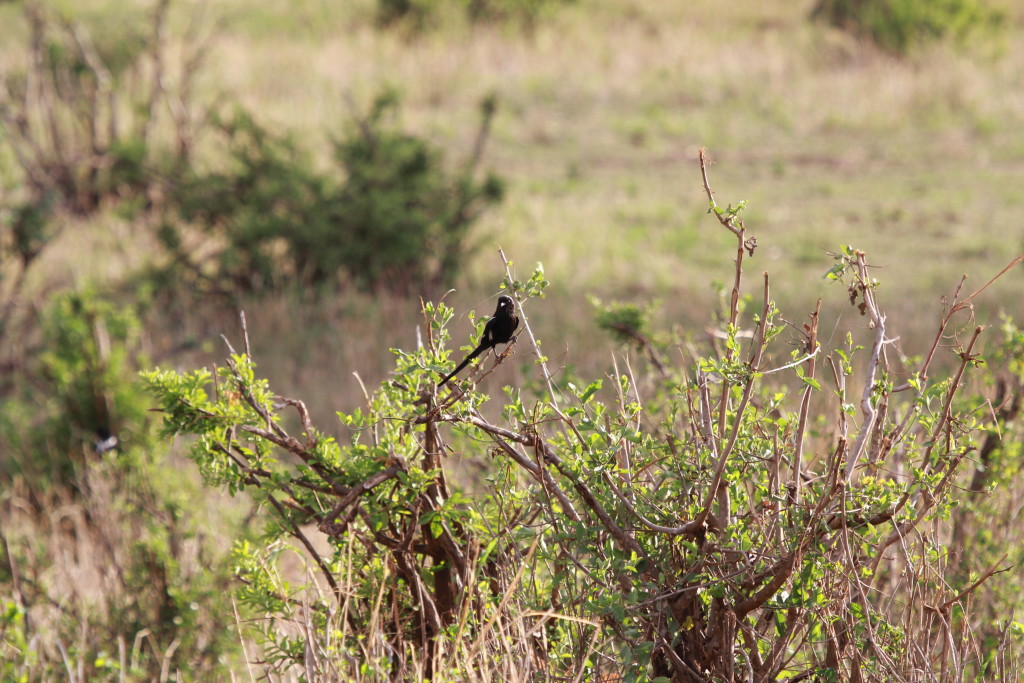
Magpie shrike

IMG_6707

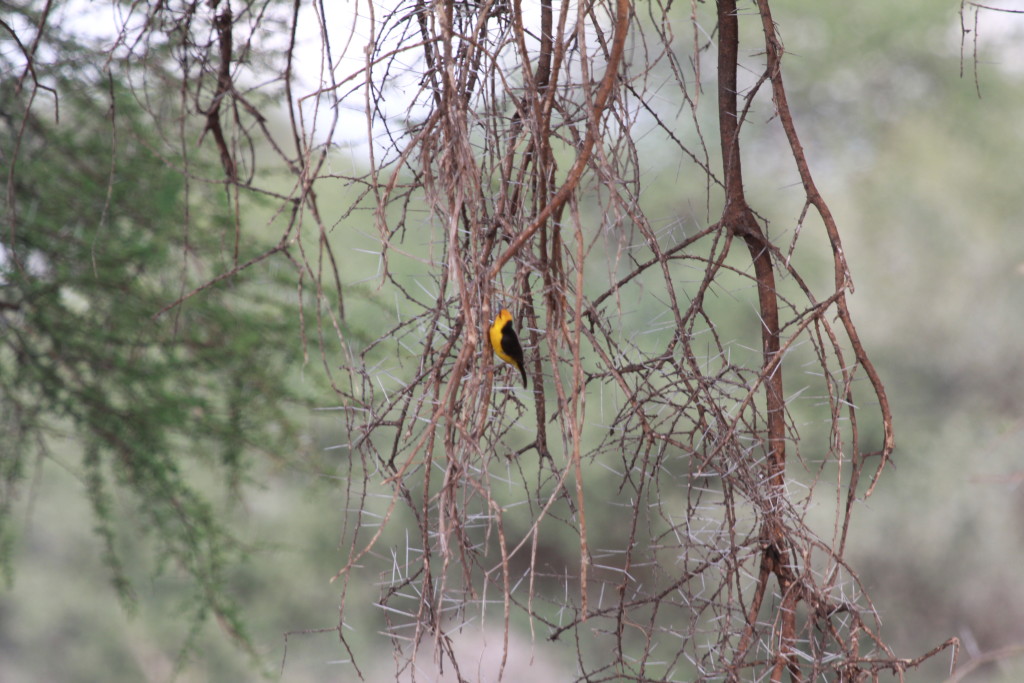
Dark-backed Forest Weaver

IMG_6710 IMG_6713

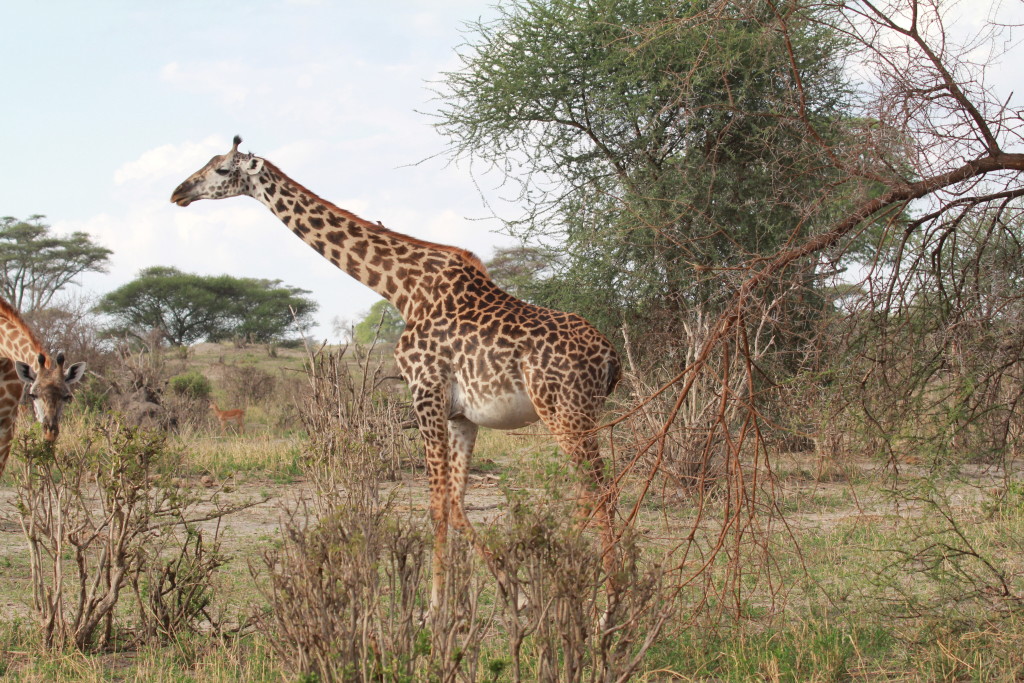
Giraffes

IMG_6715

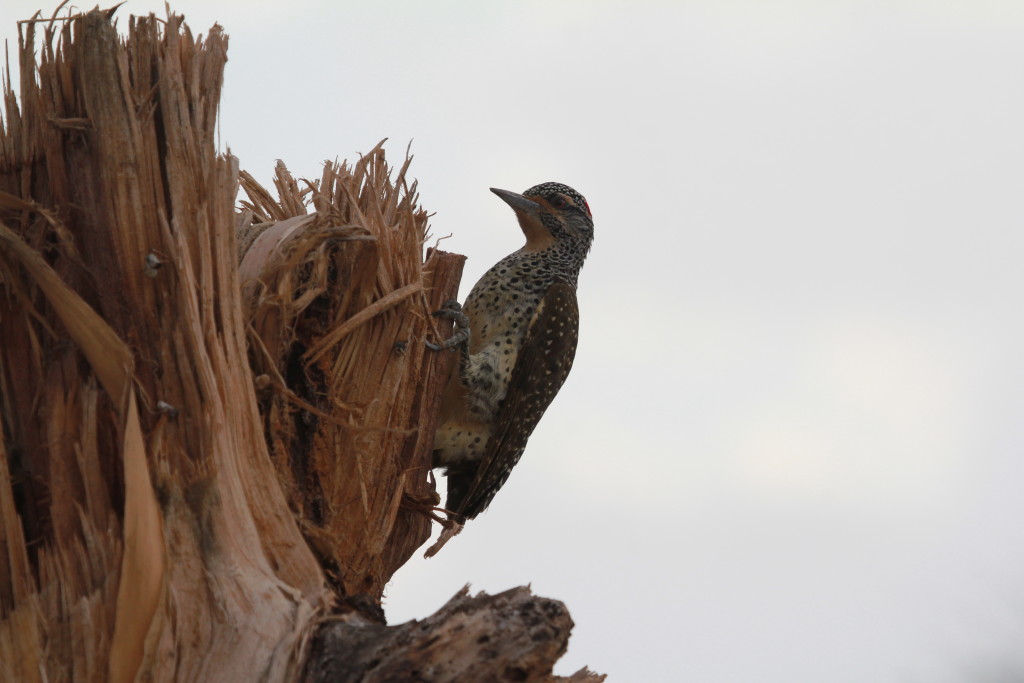
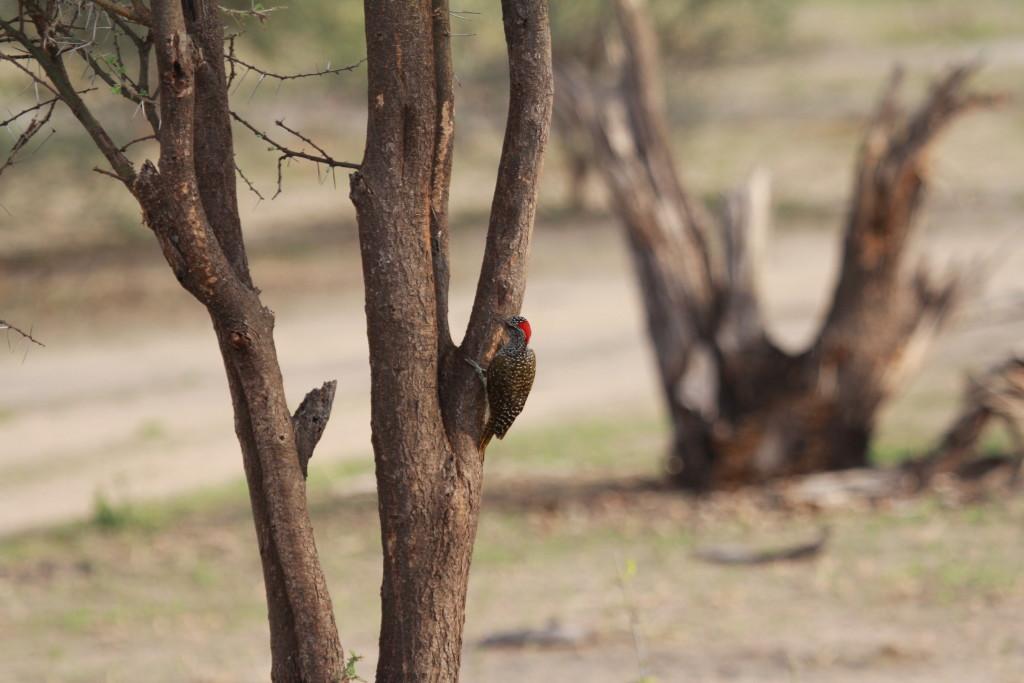
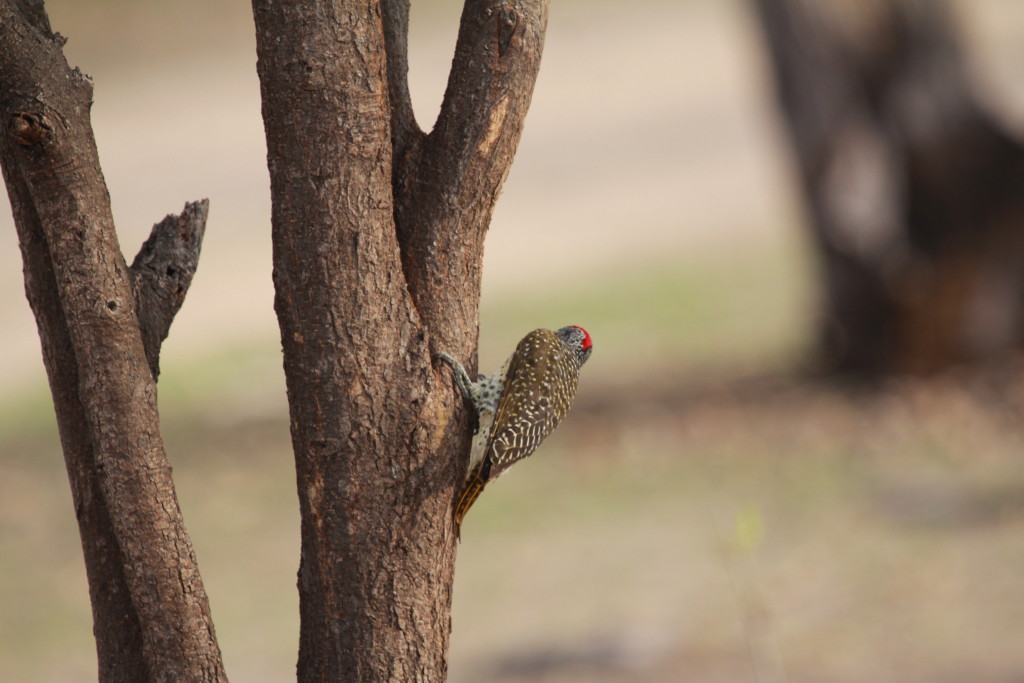
Nubian Woodpecker

IMG_6717 IMG_6718 IMG_6719

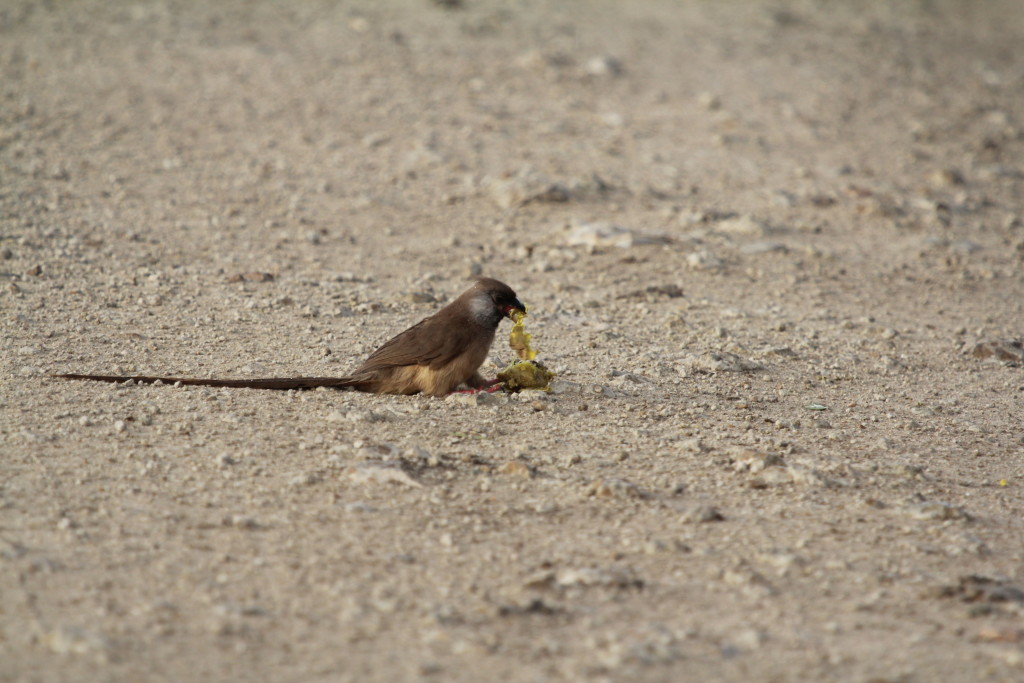
Mousebird

IMG_6723

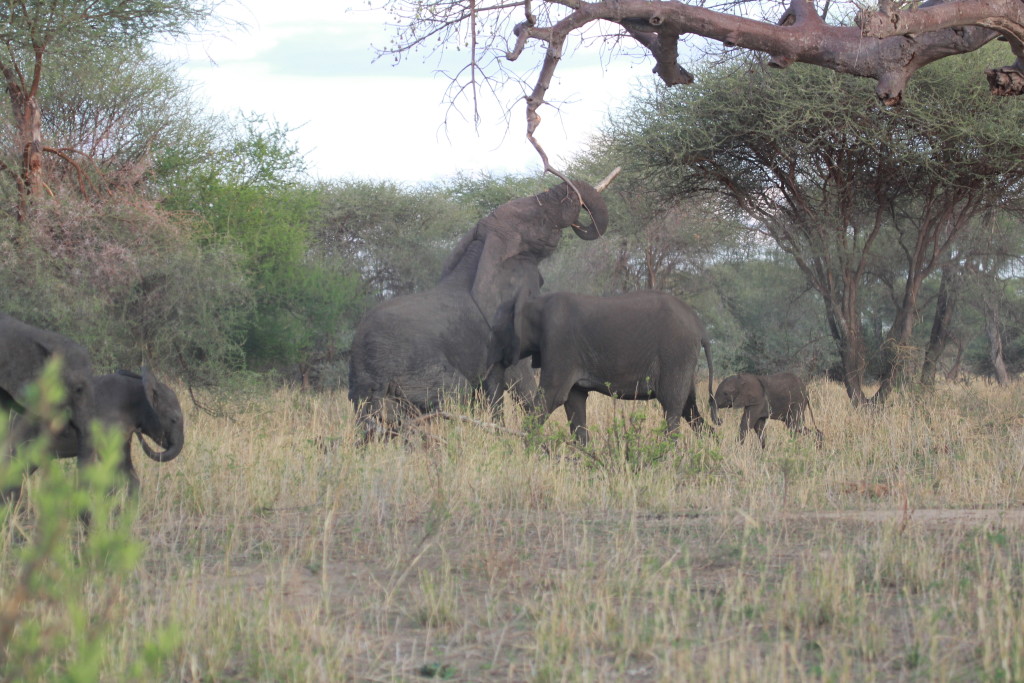
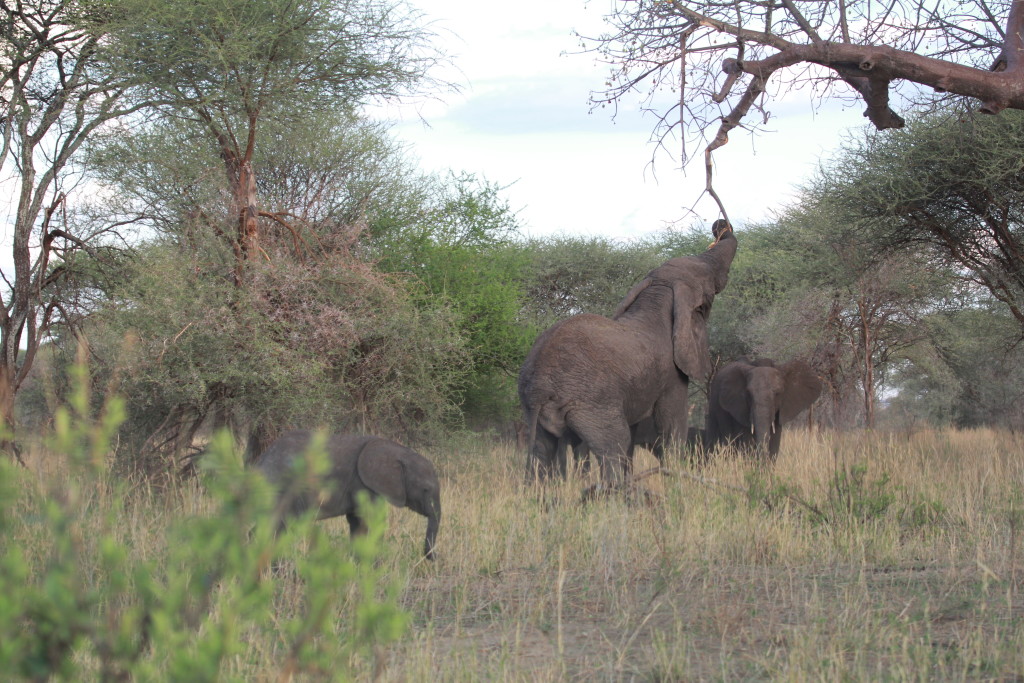
Very cool how these elephants were standing on their hind legs to reach the tree!

IMG_6731 IMG_6732 IMG_6738 IMG_6740 IMG_6742

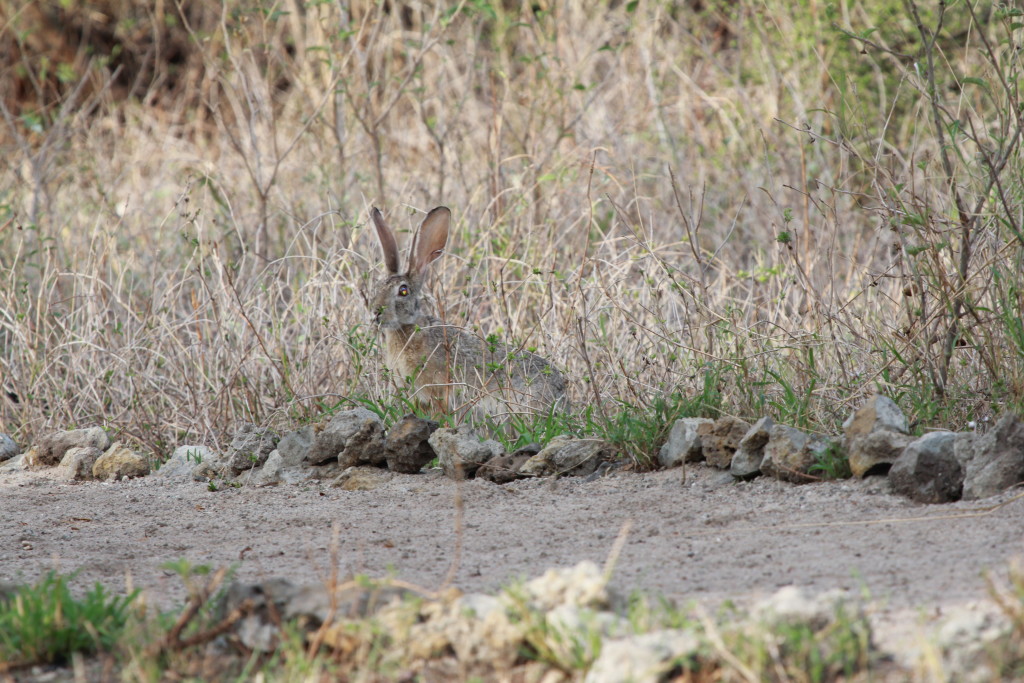
Rabbit

IMG_6749

Superb Starling glowing in the sun.

IMG_6753

The end of the day and a beautiful sunset over Tarangire National Park.

IMG_6736