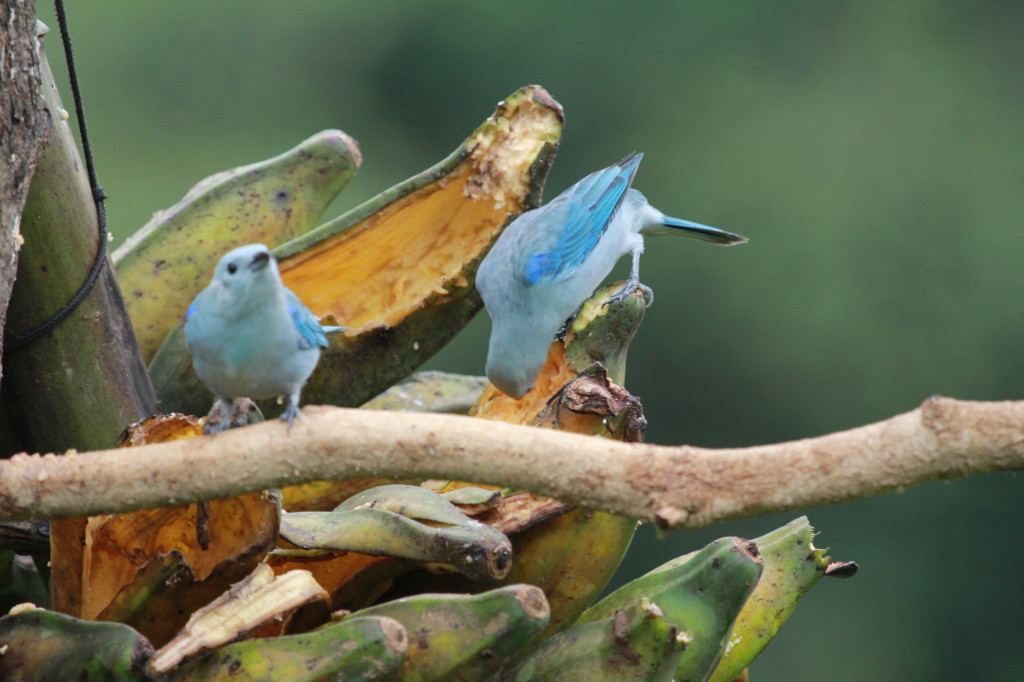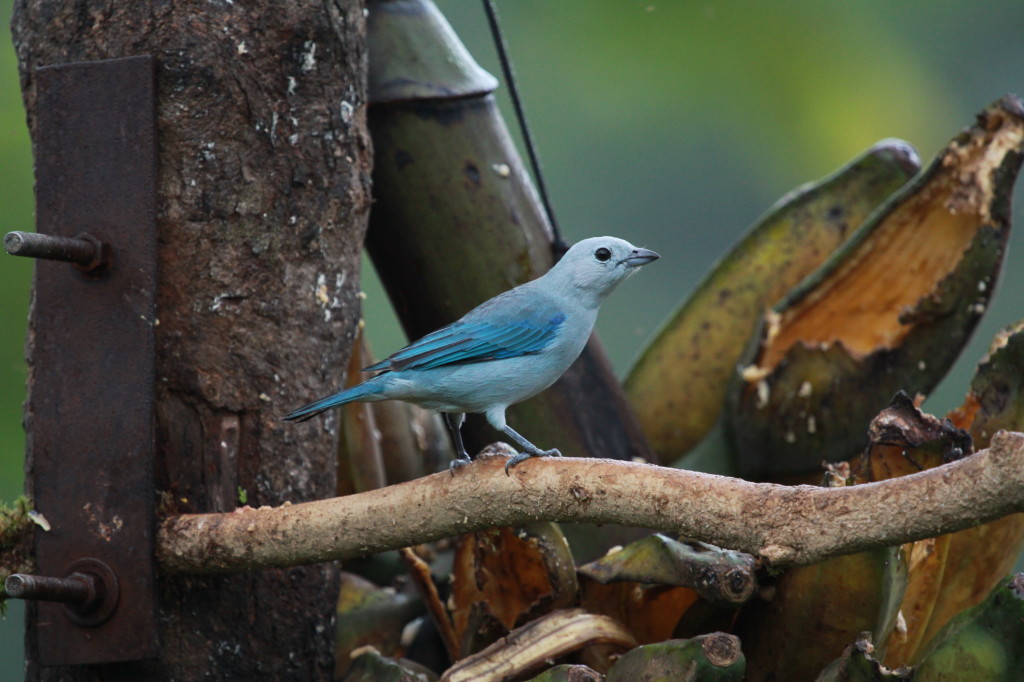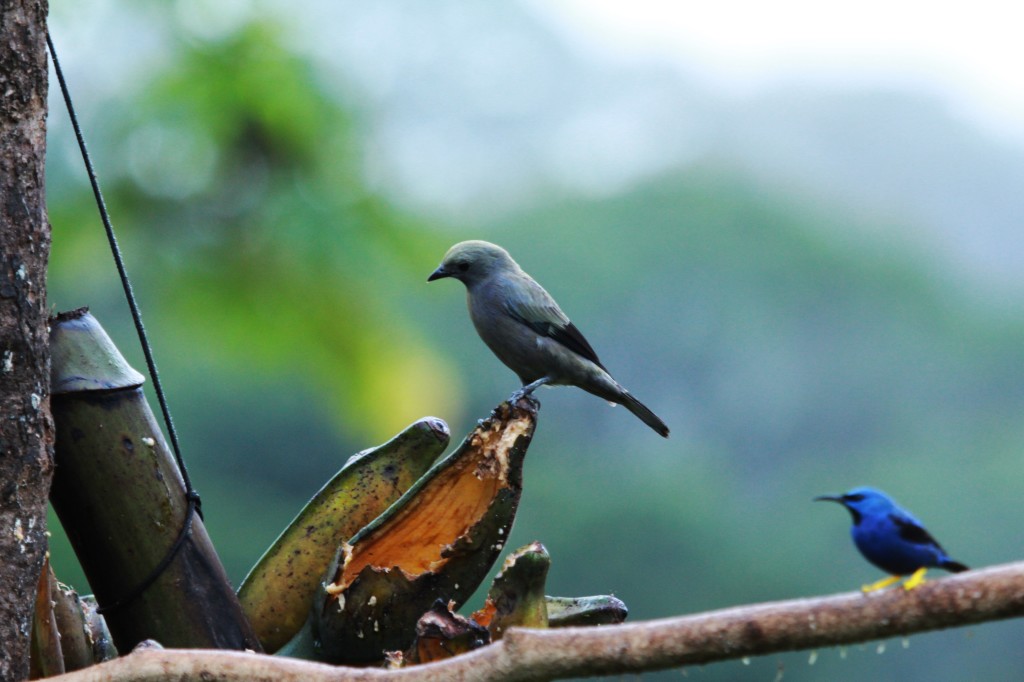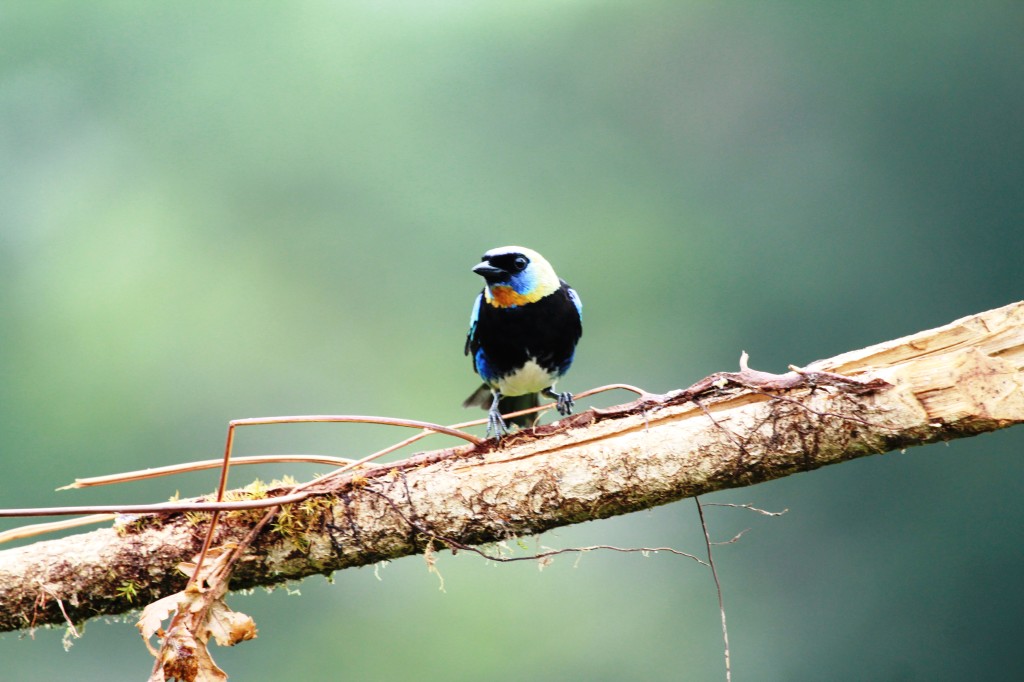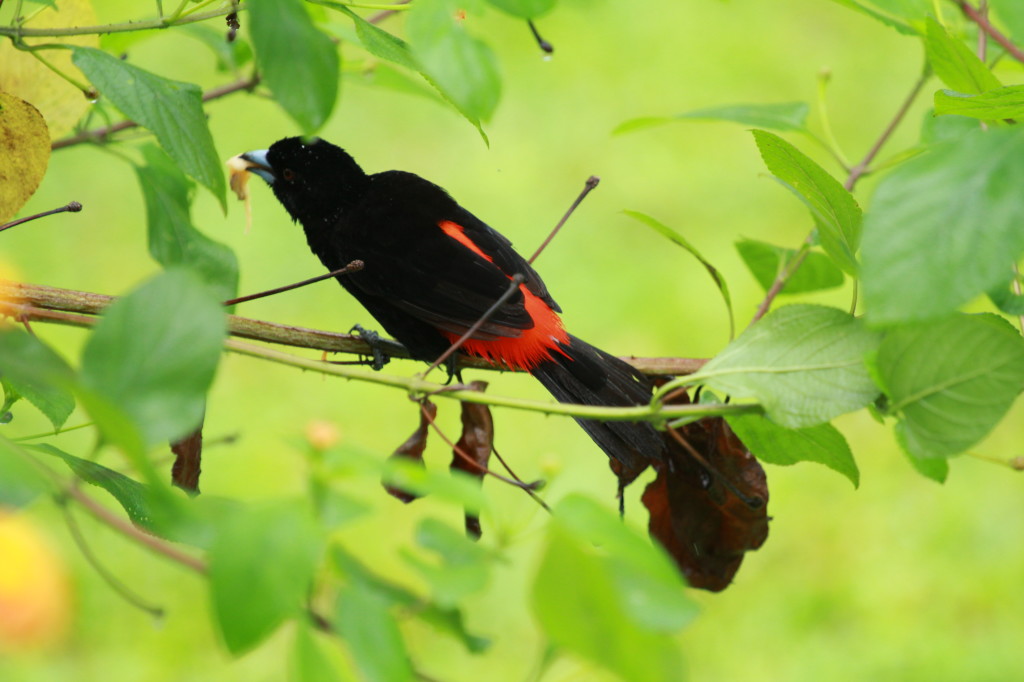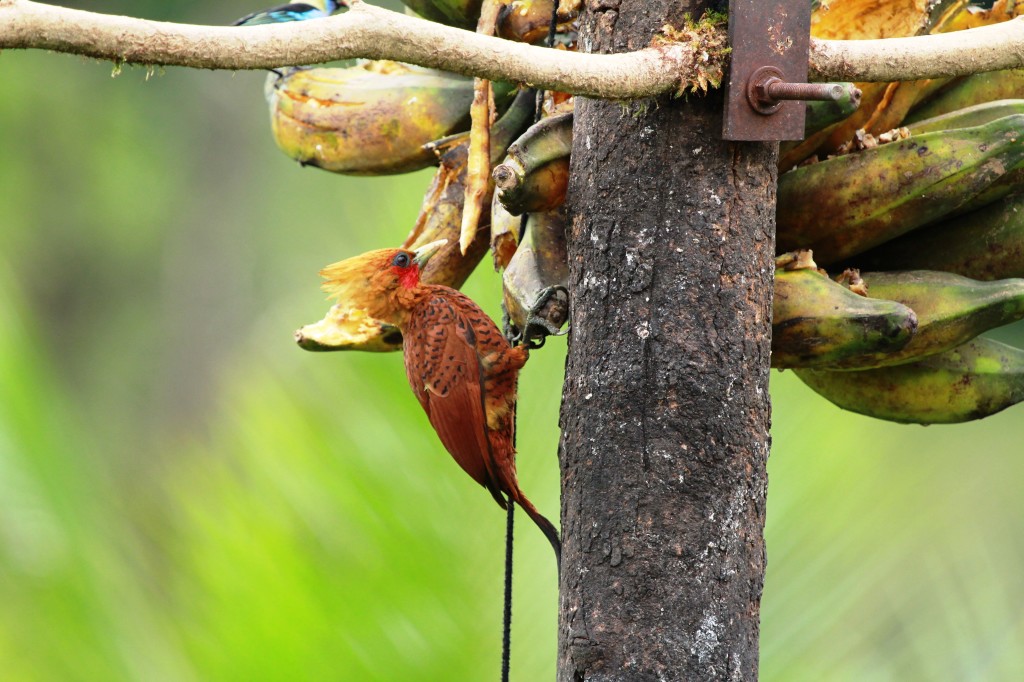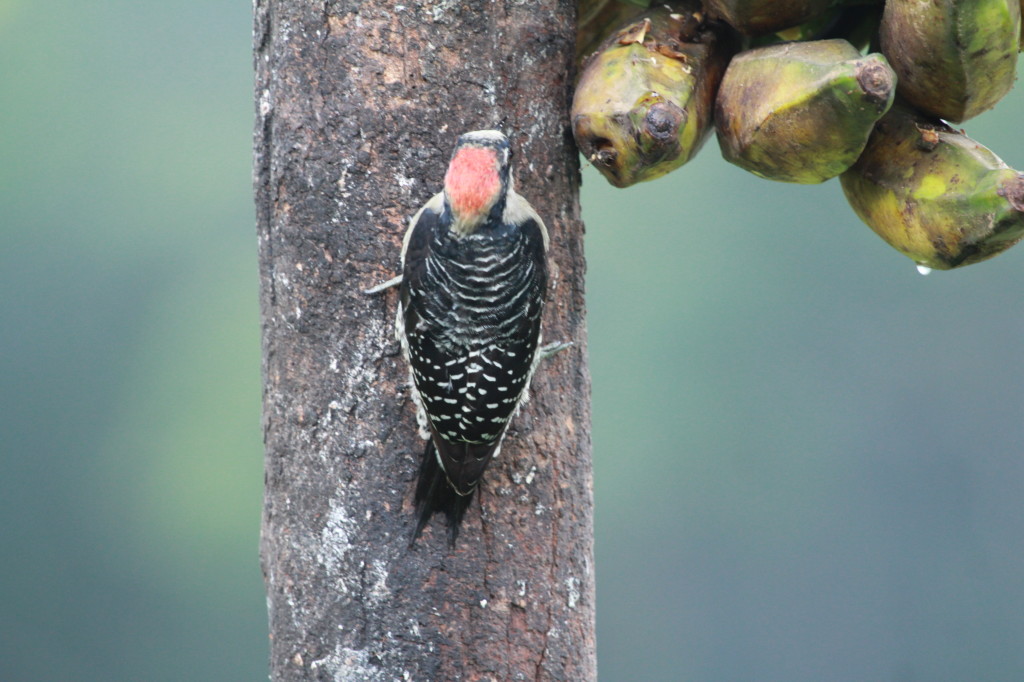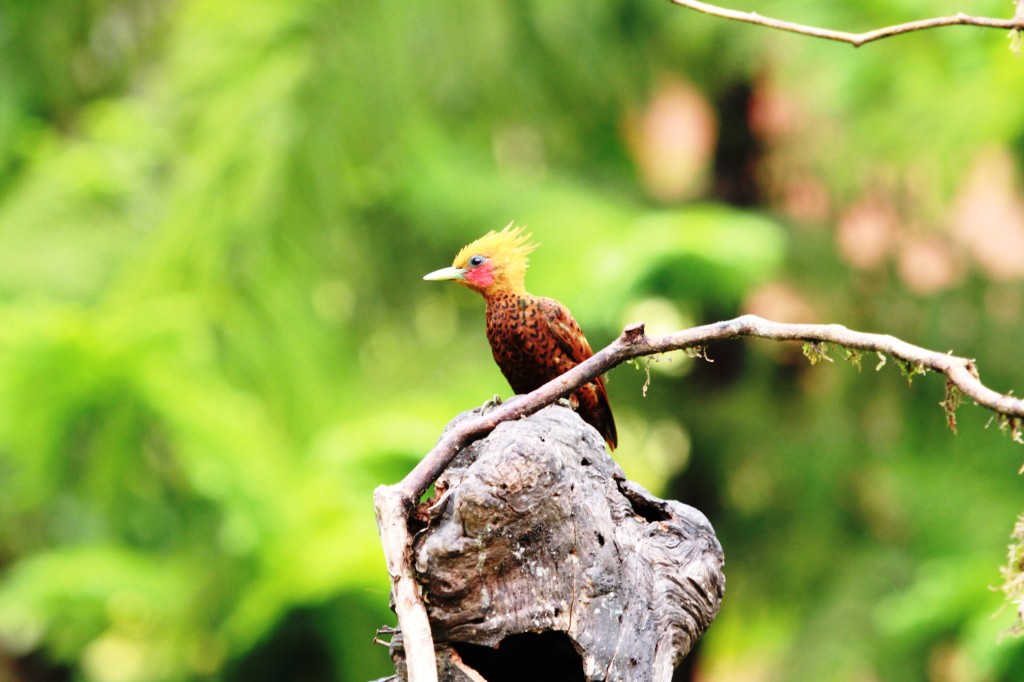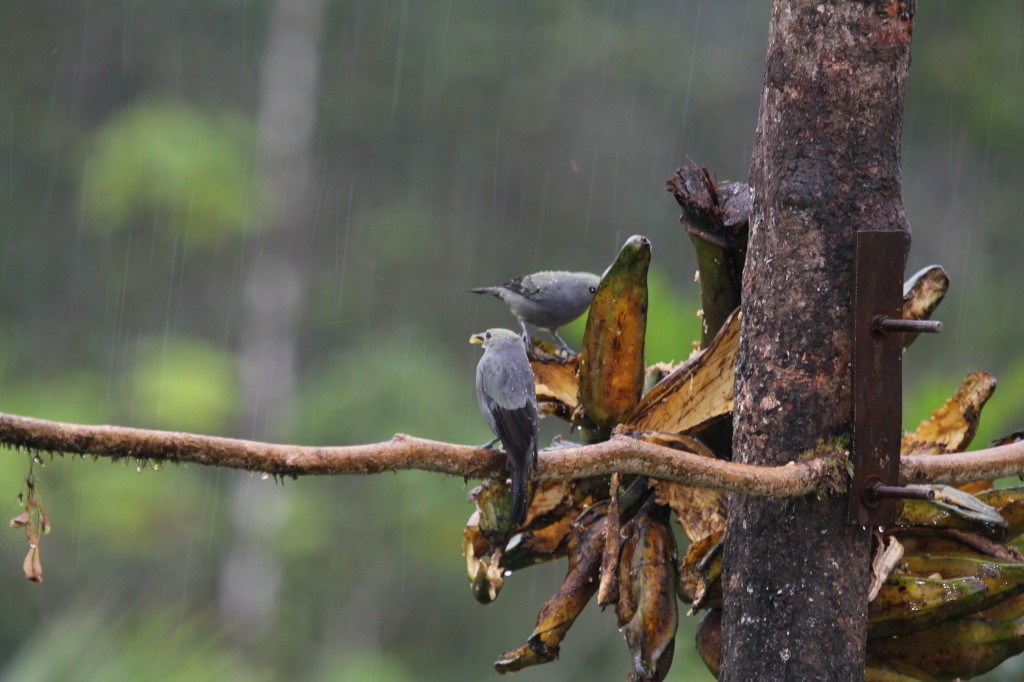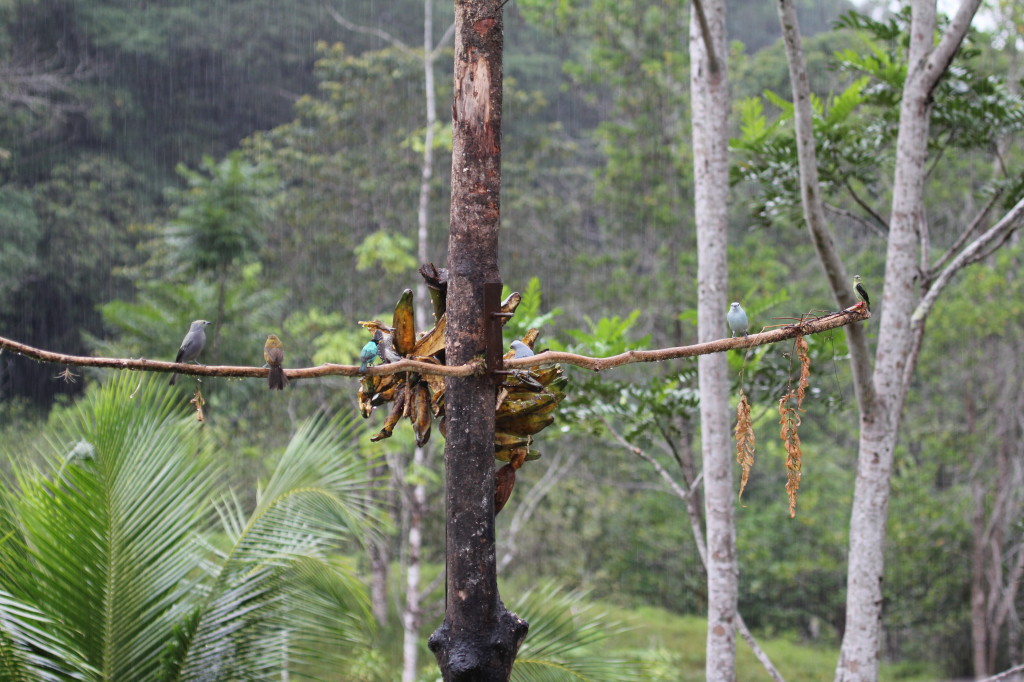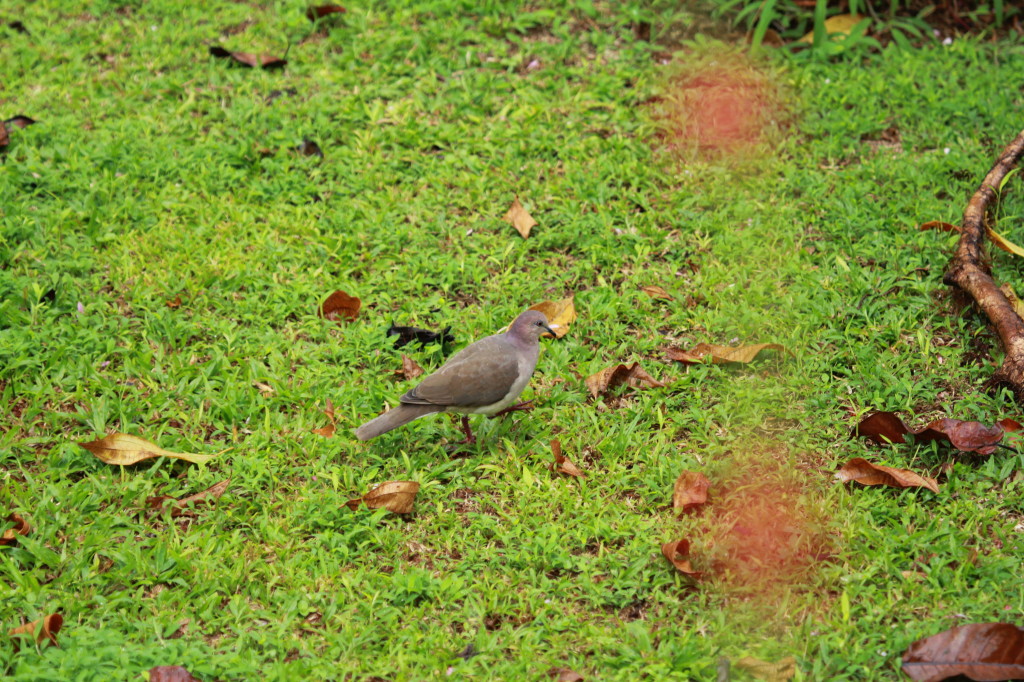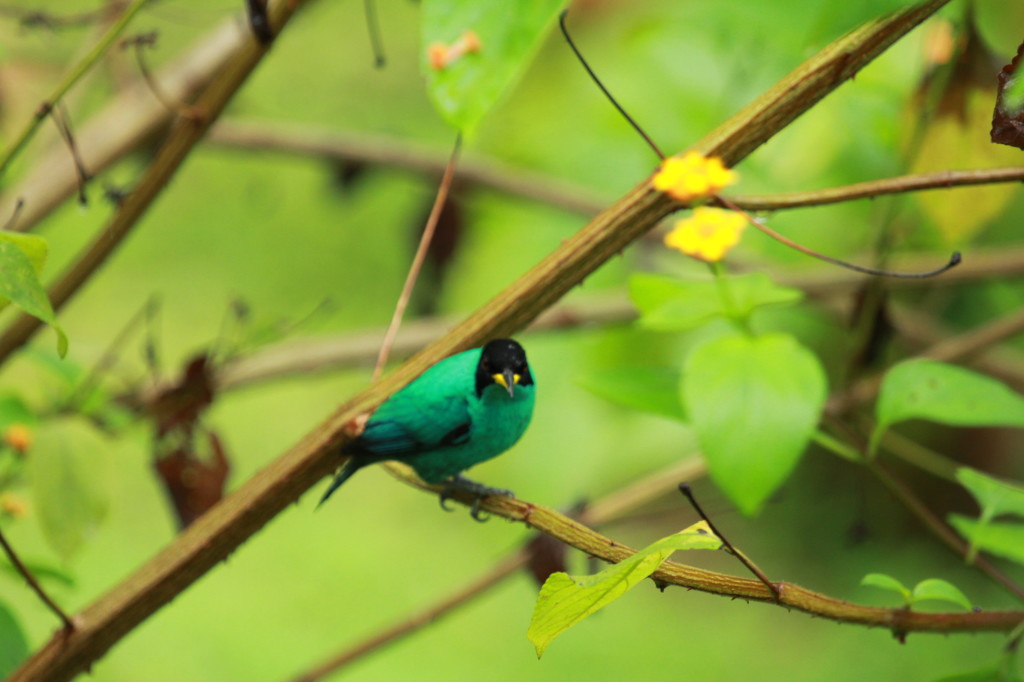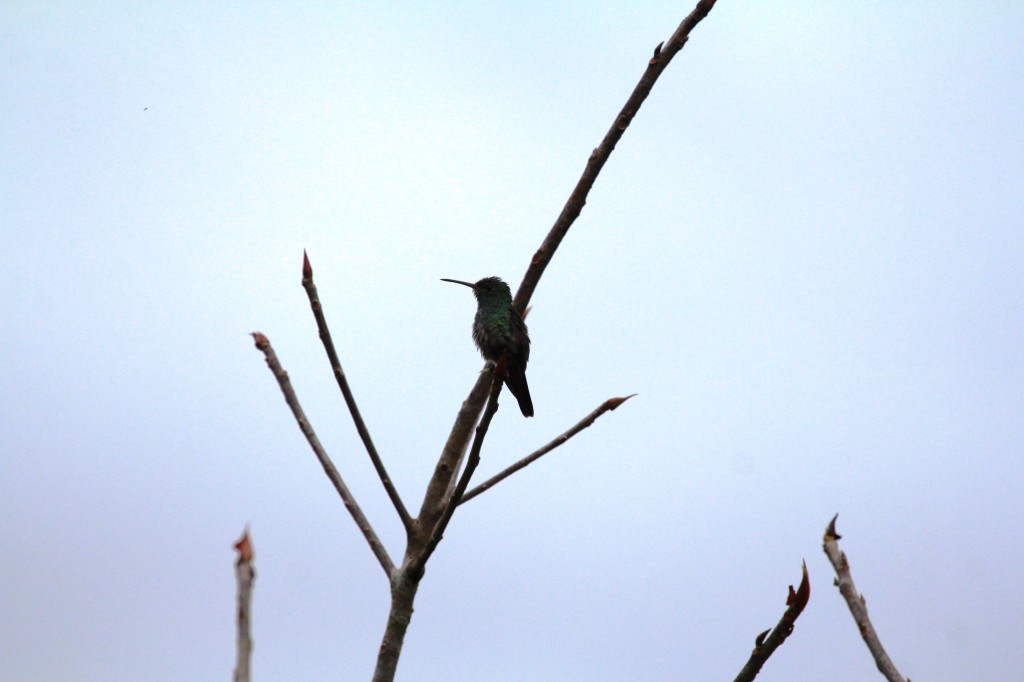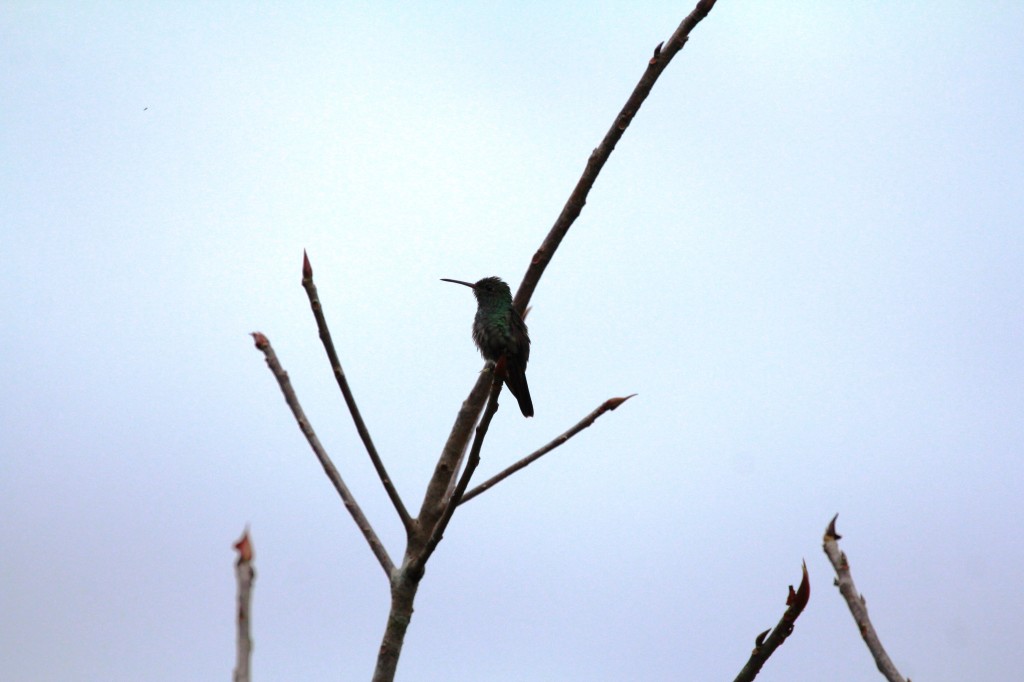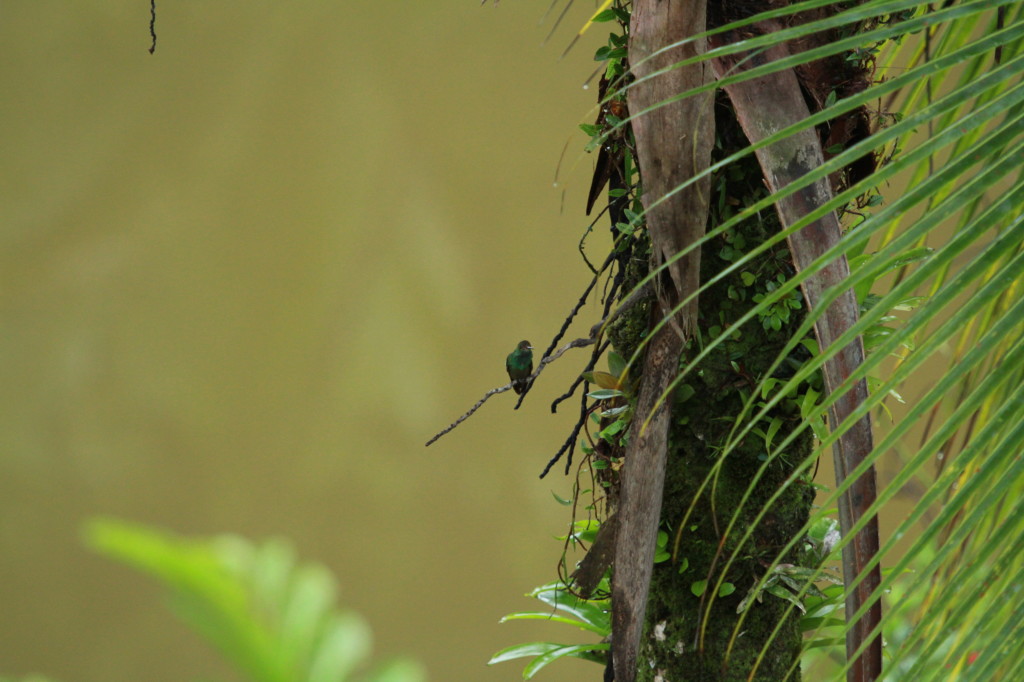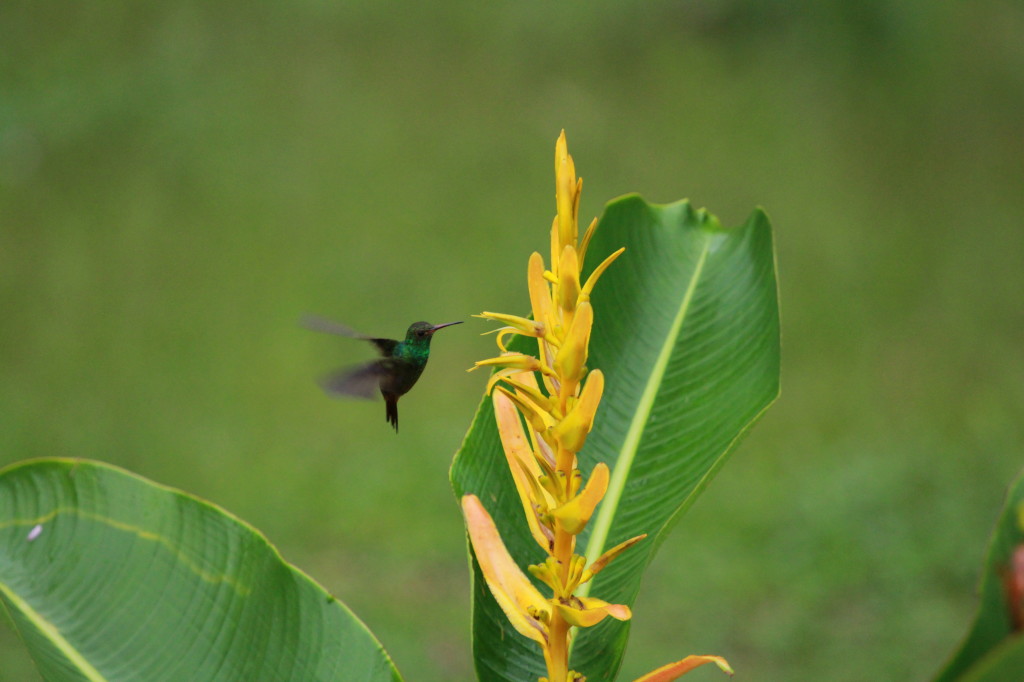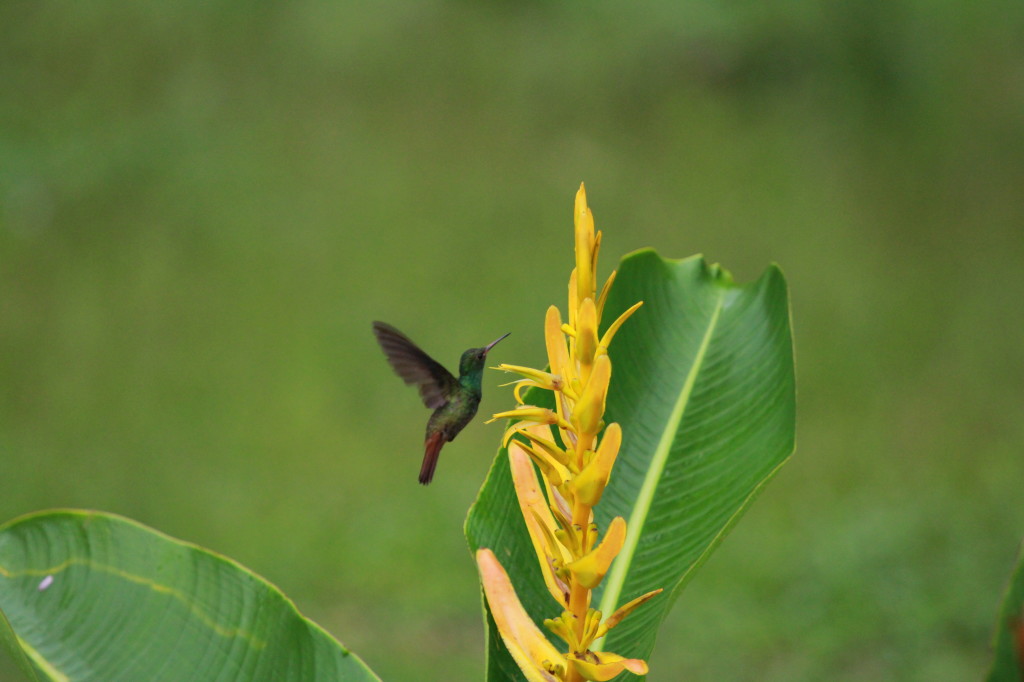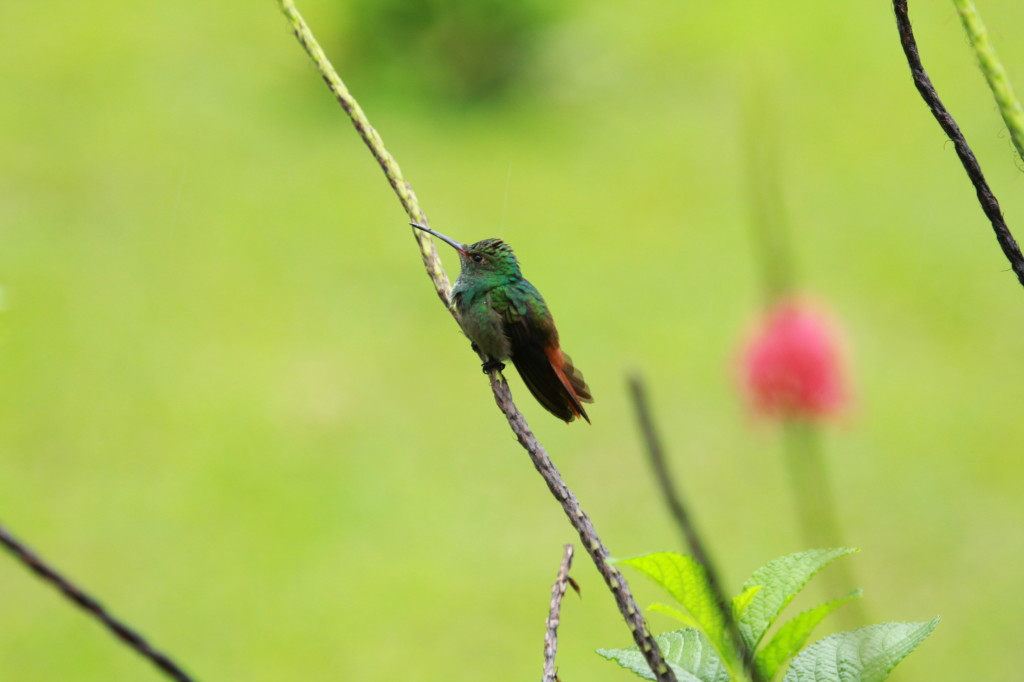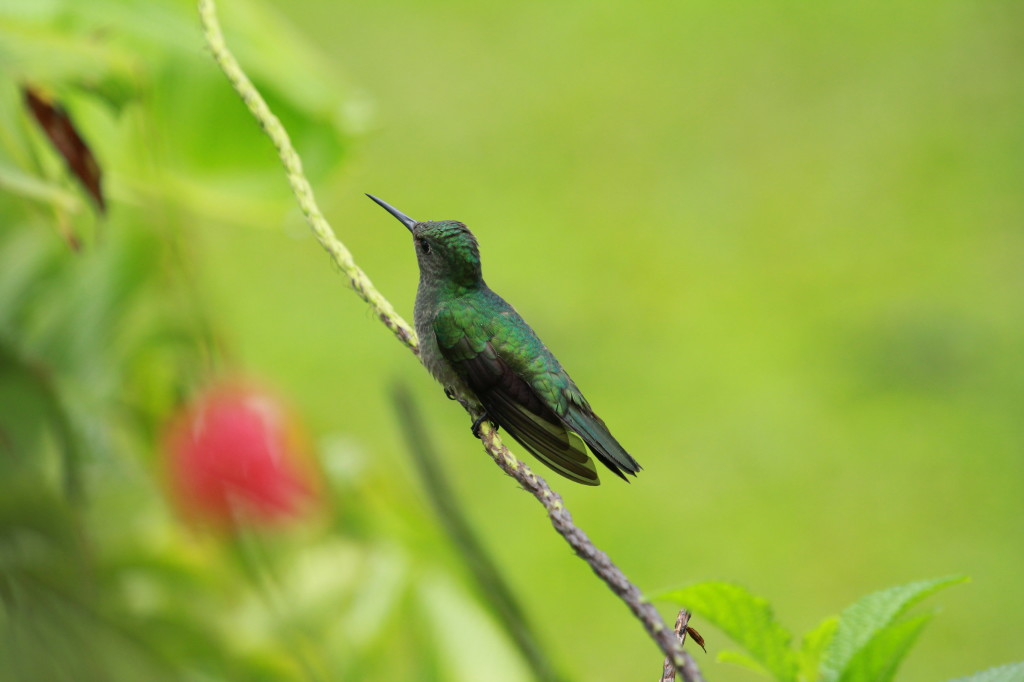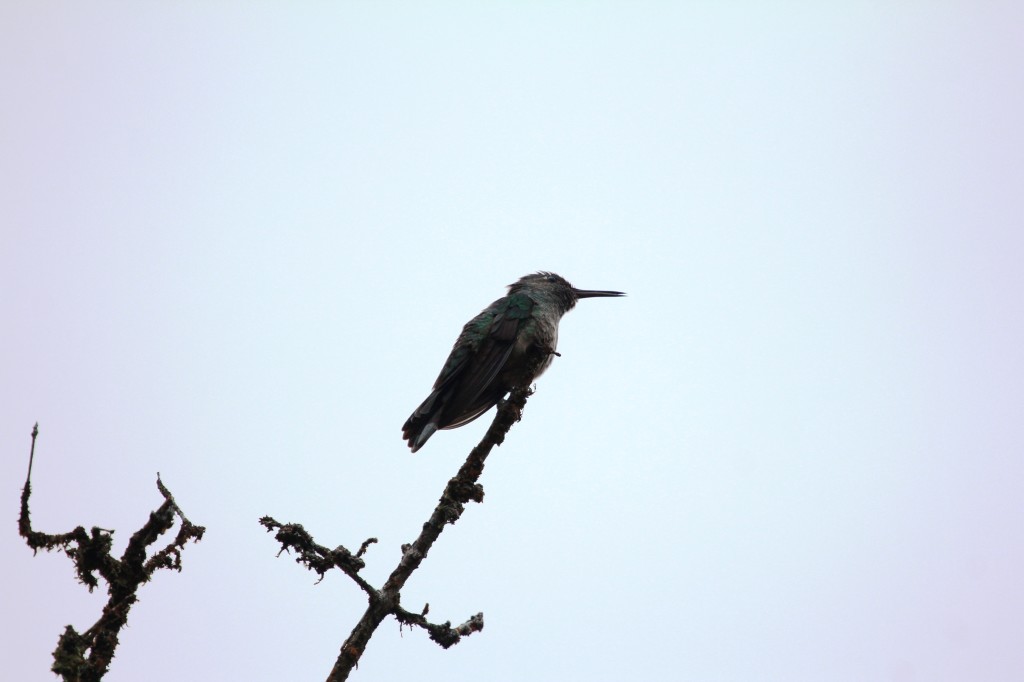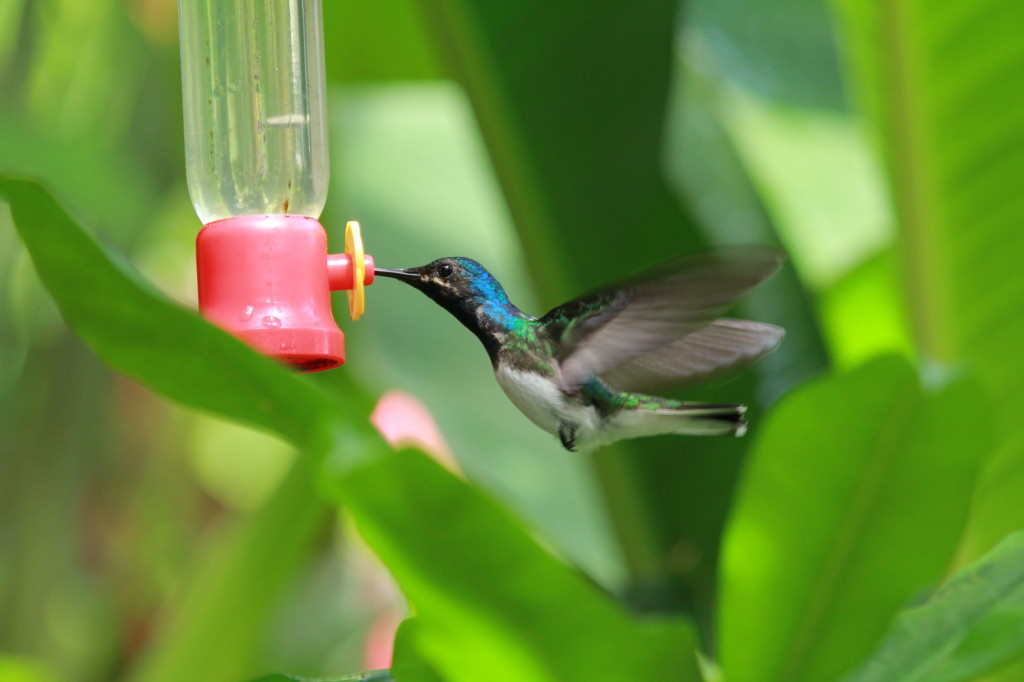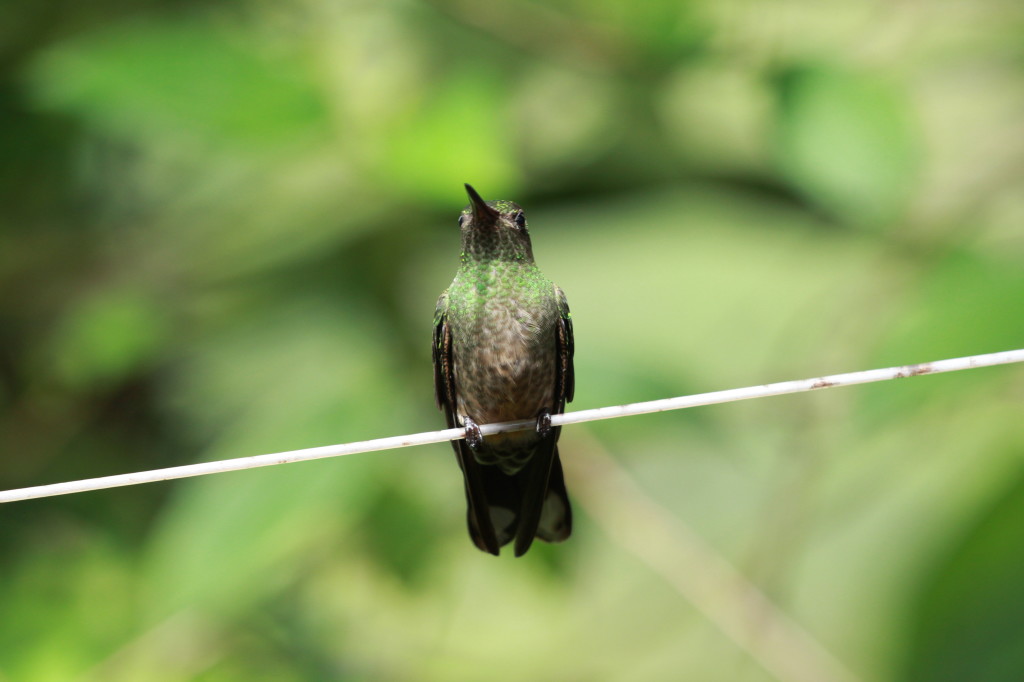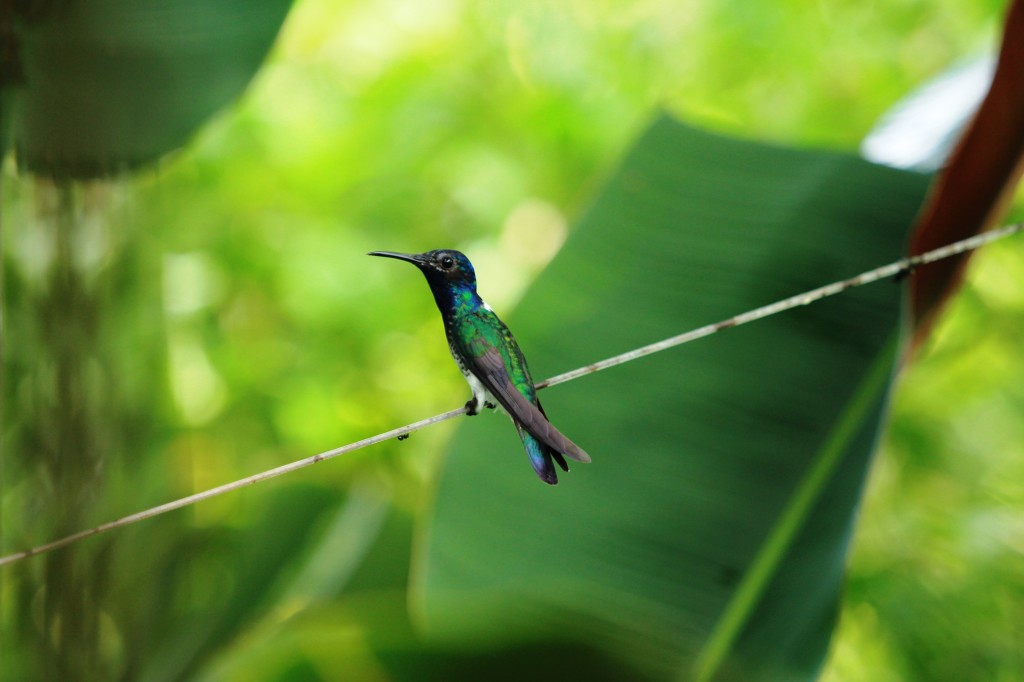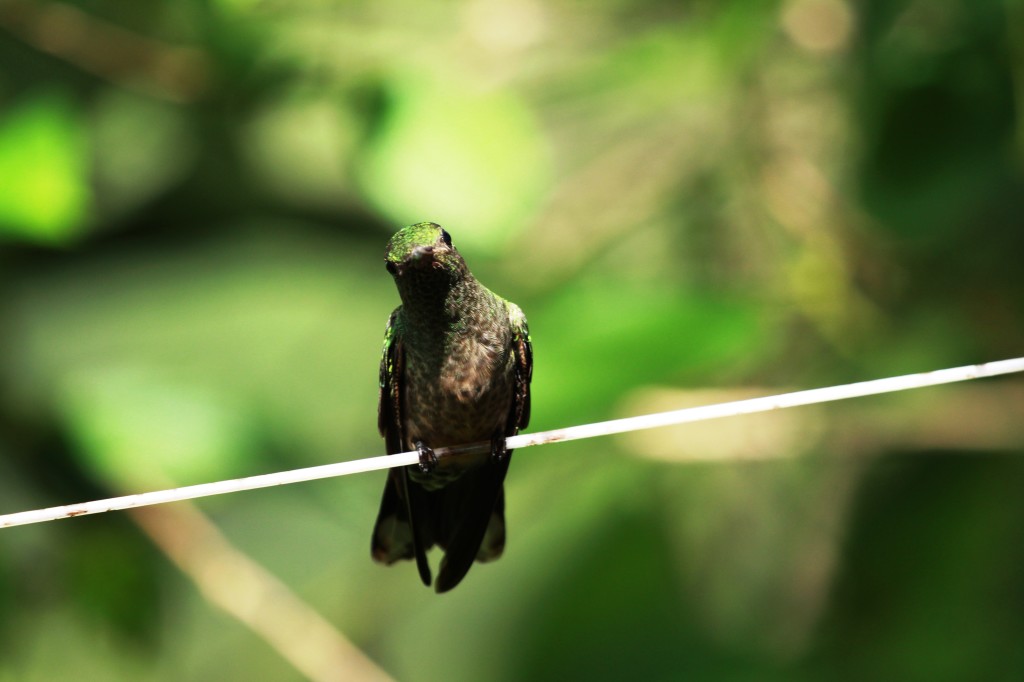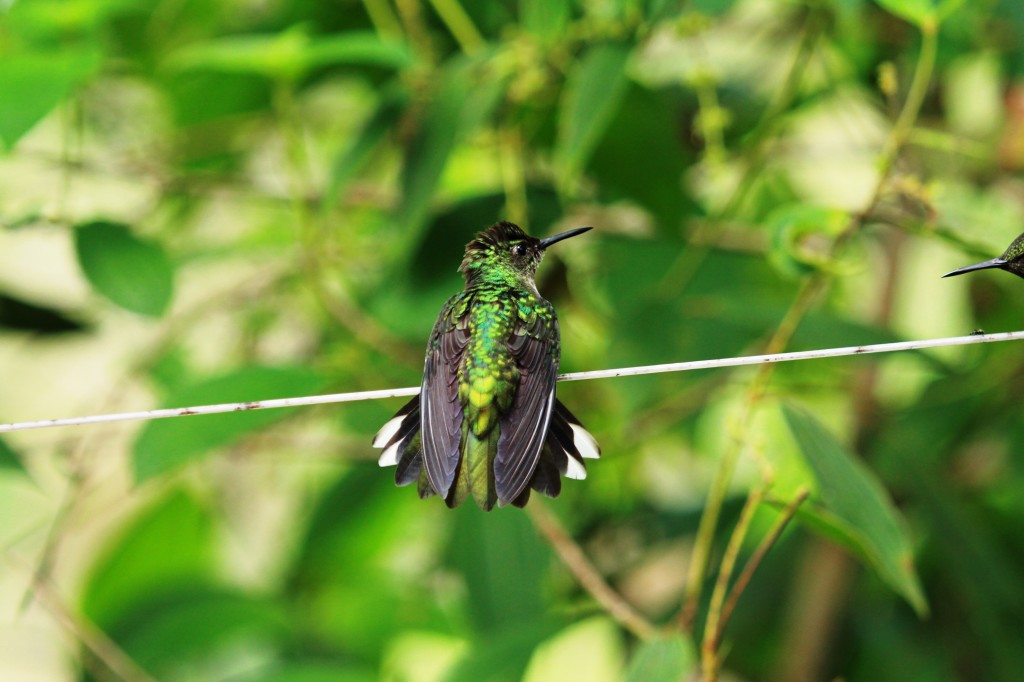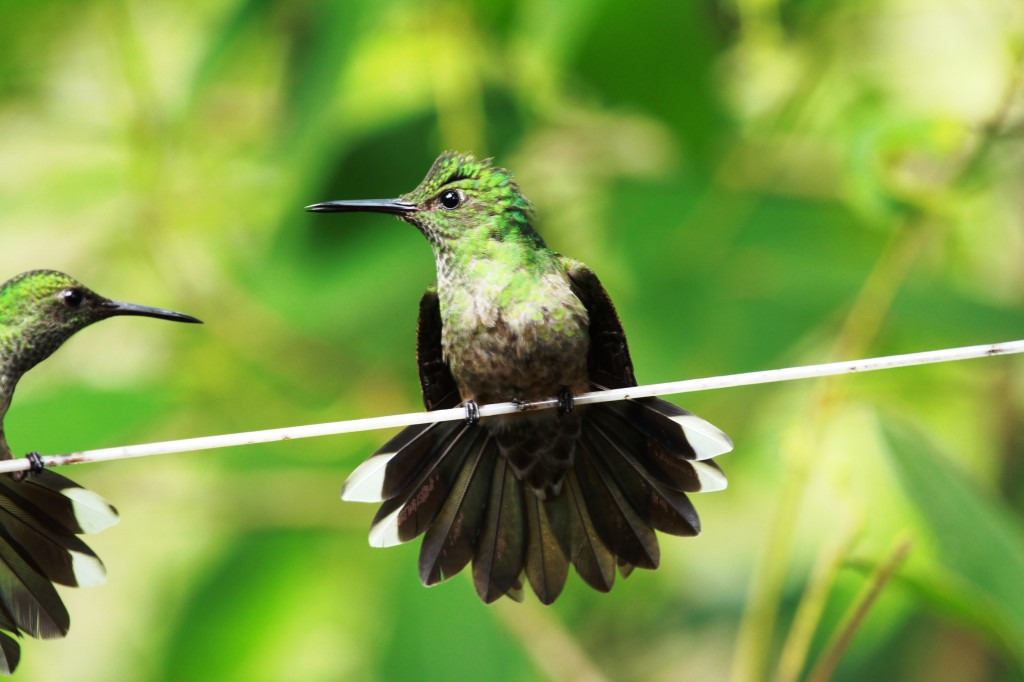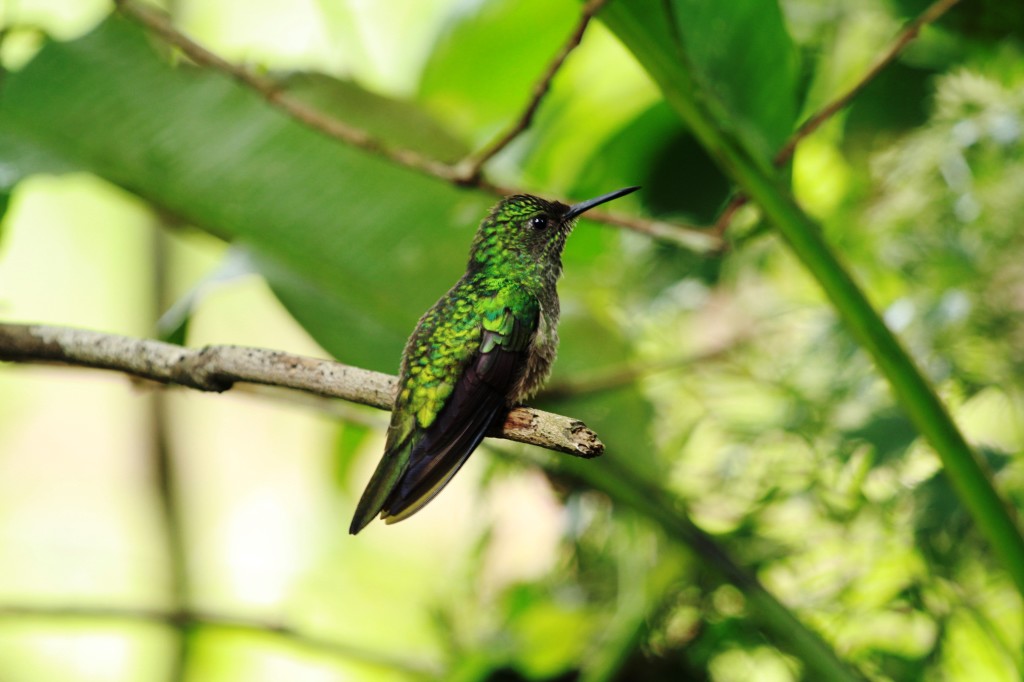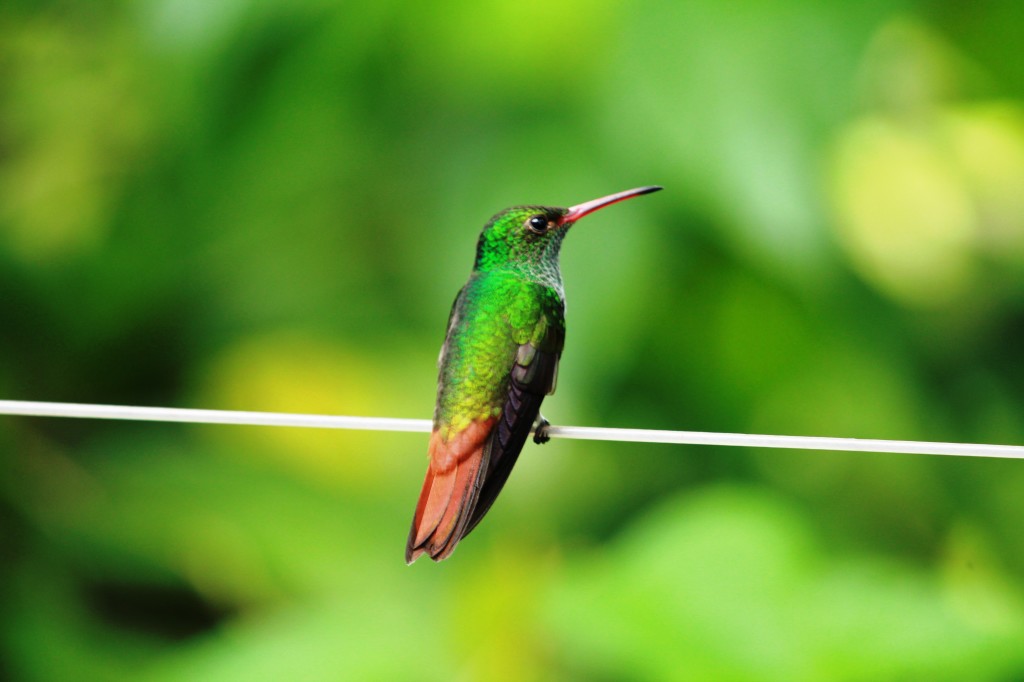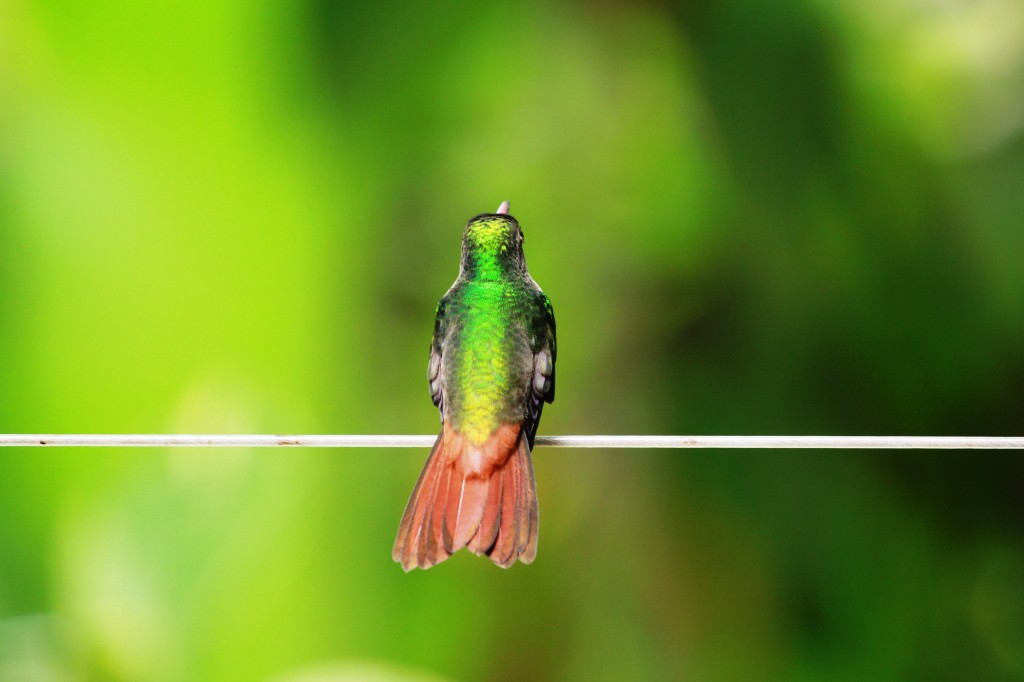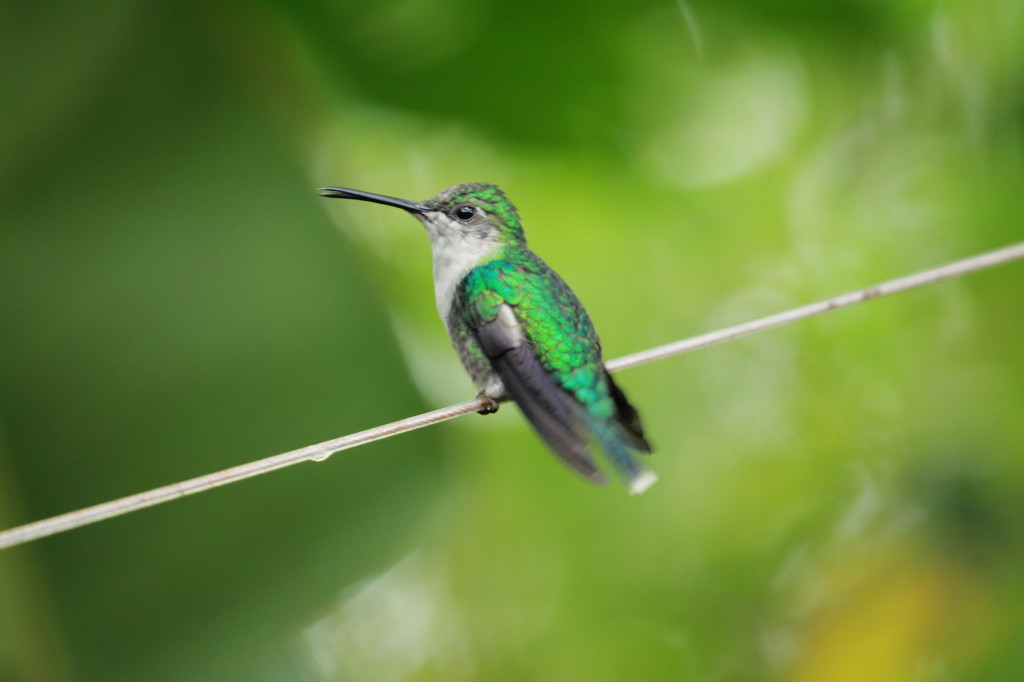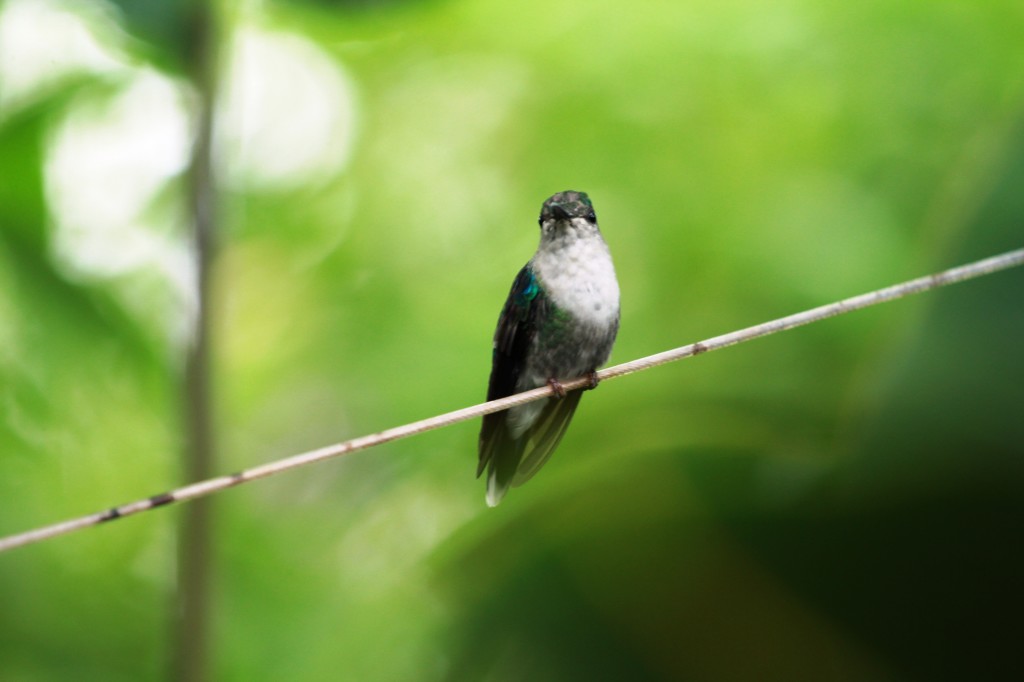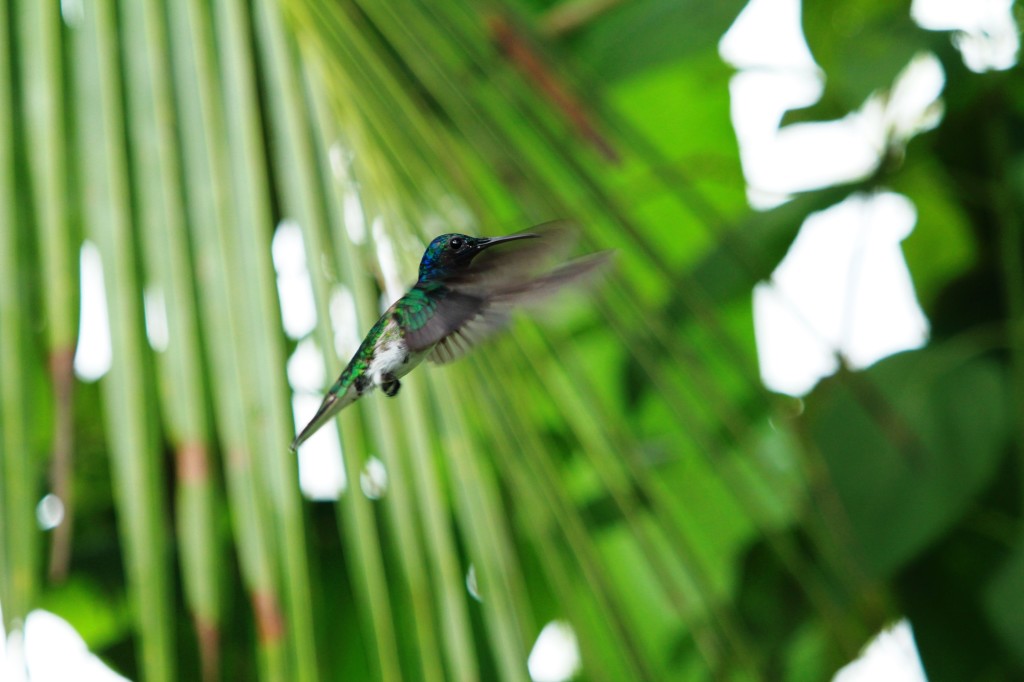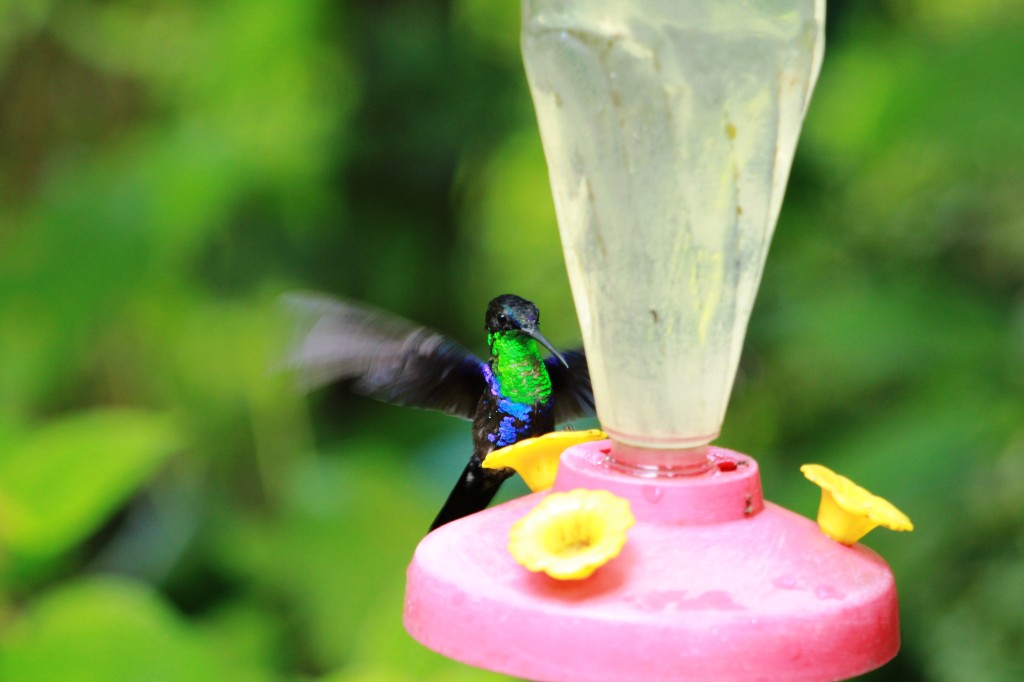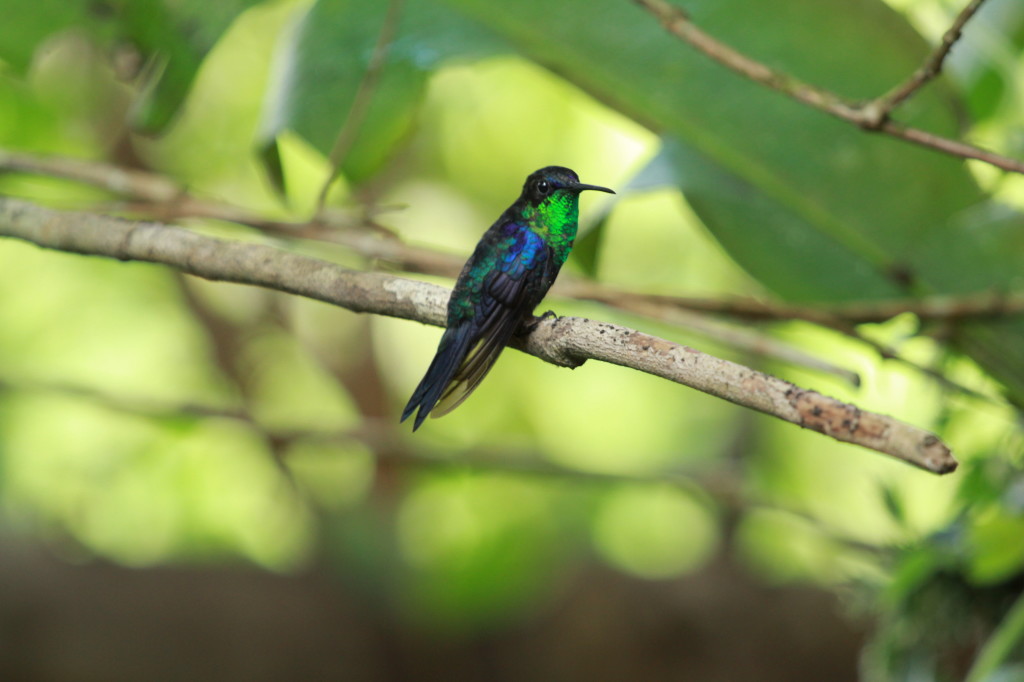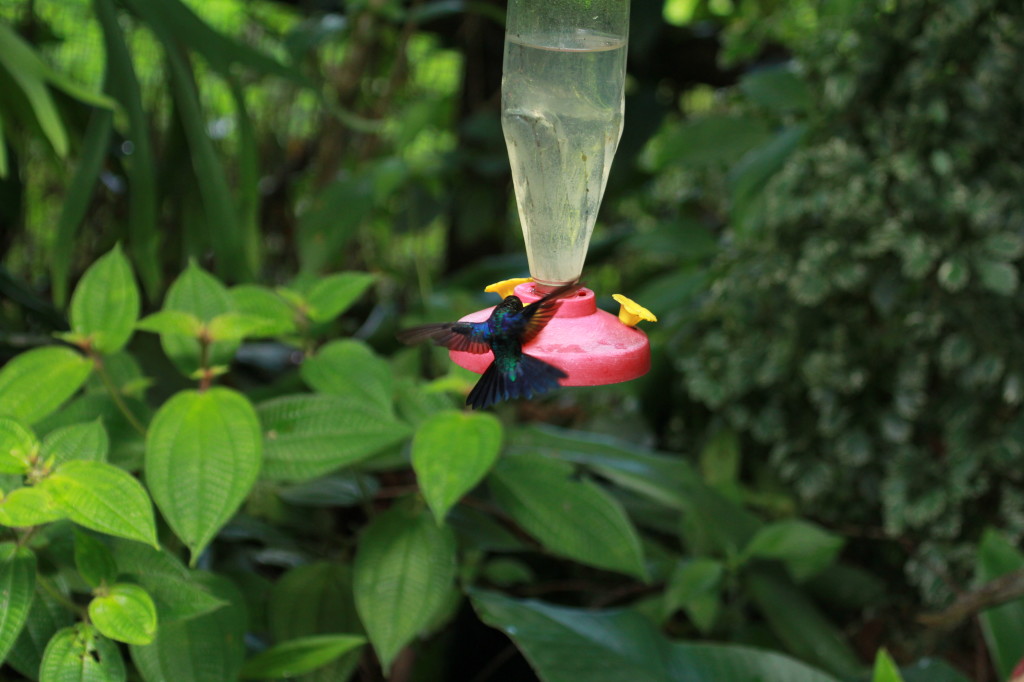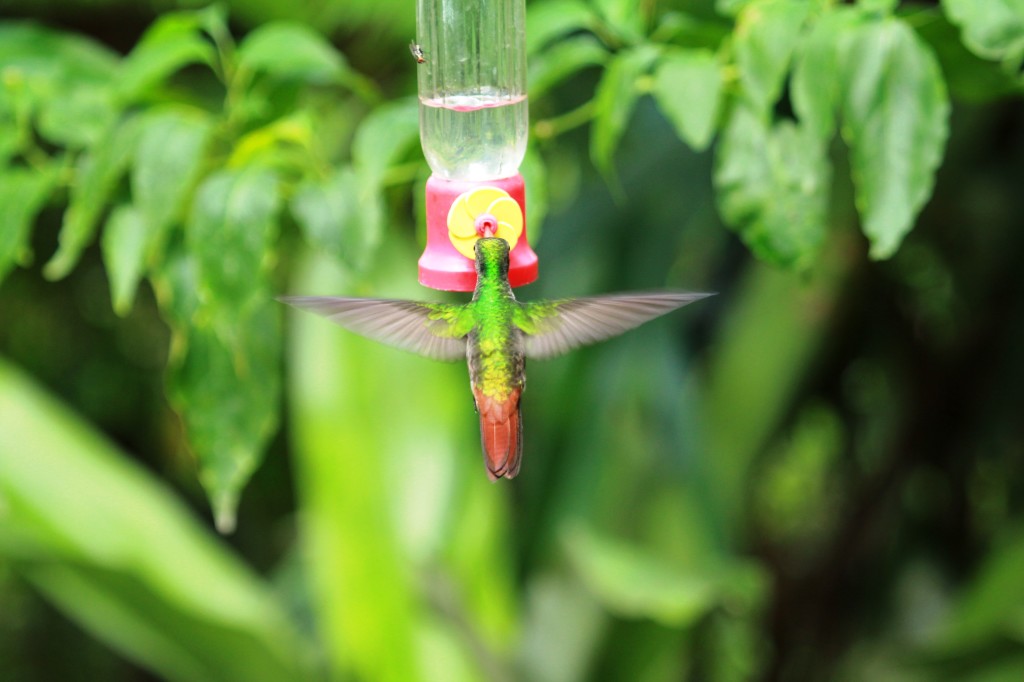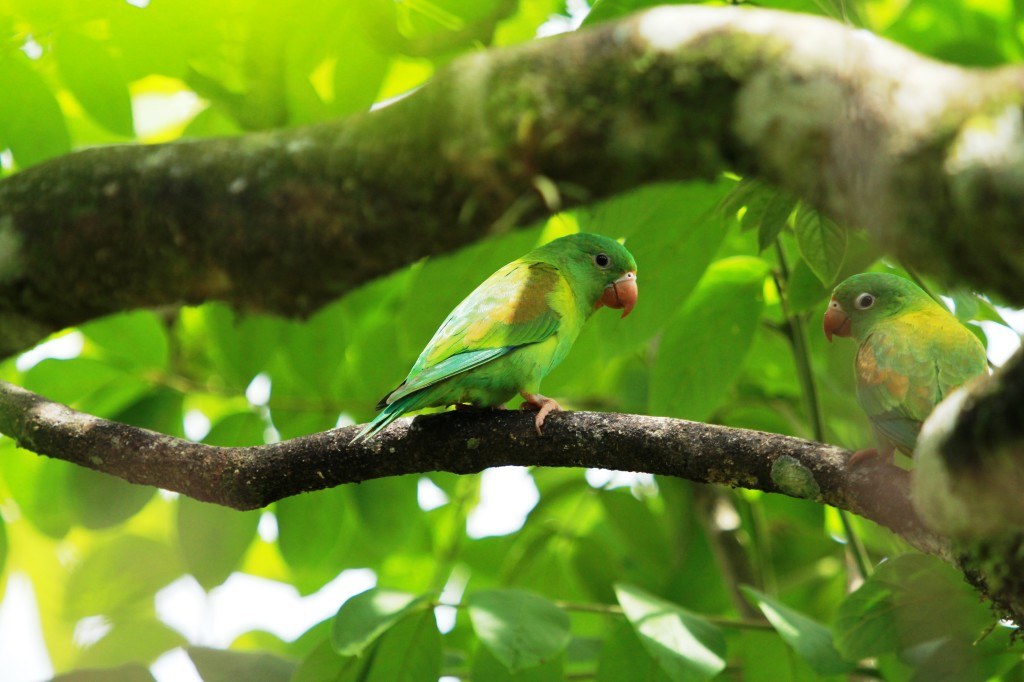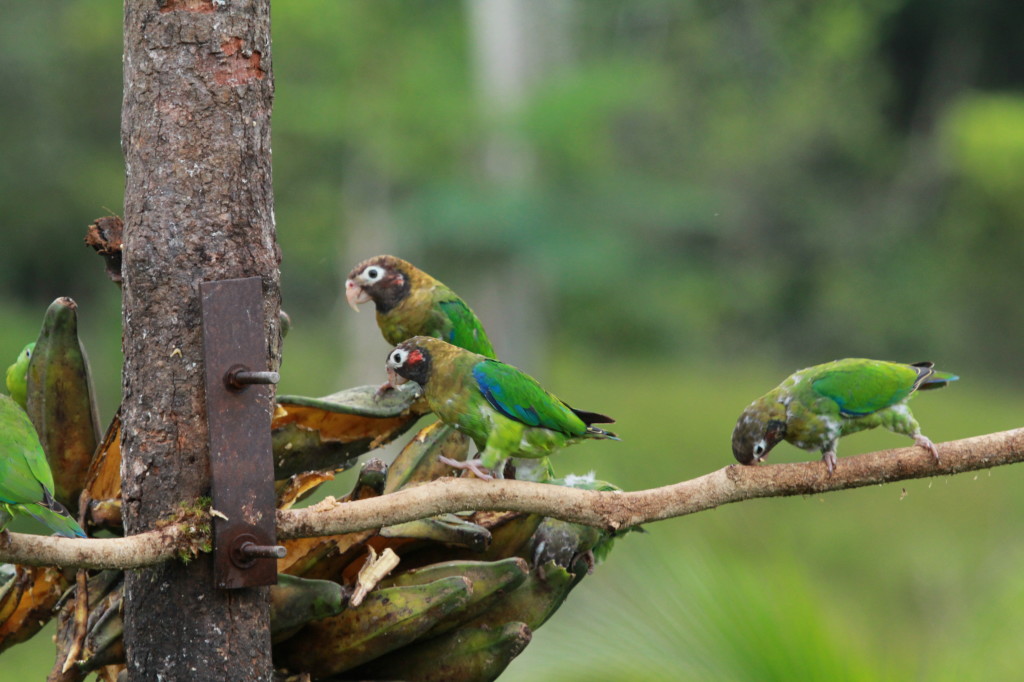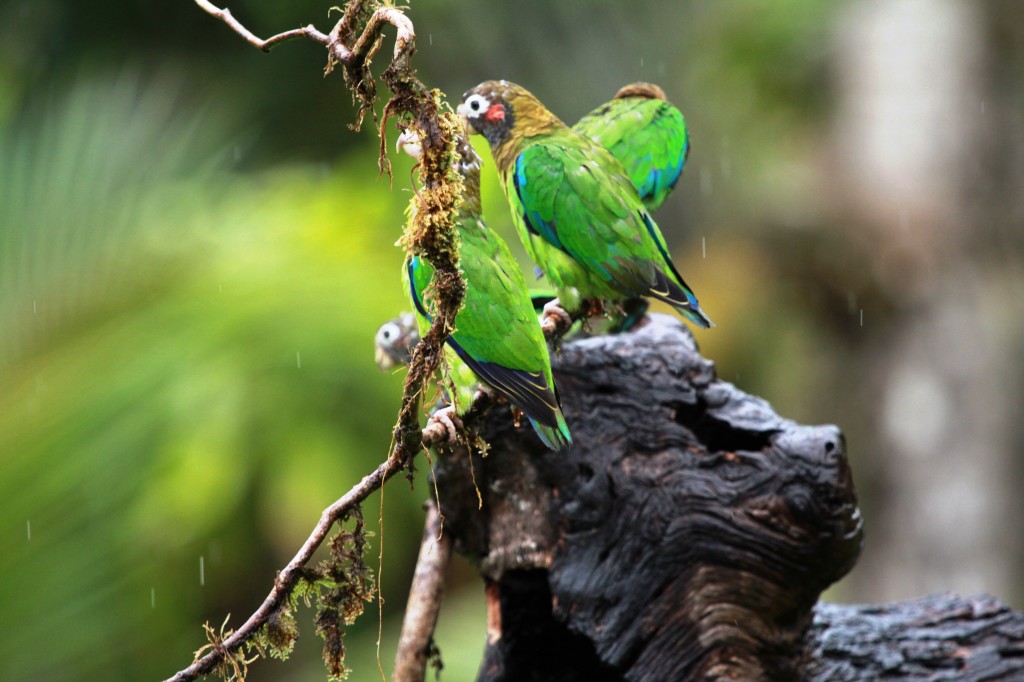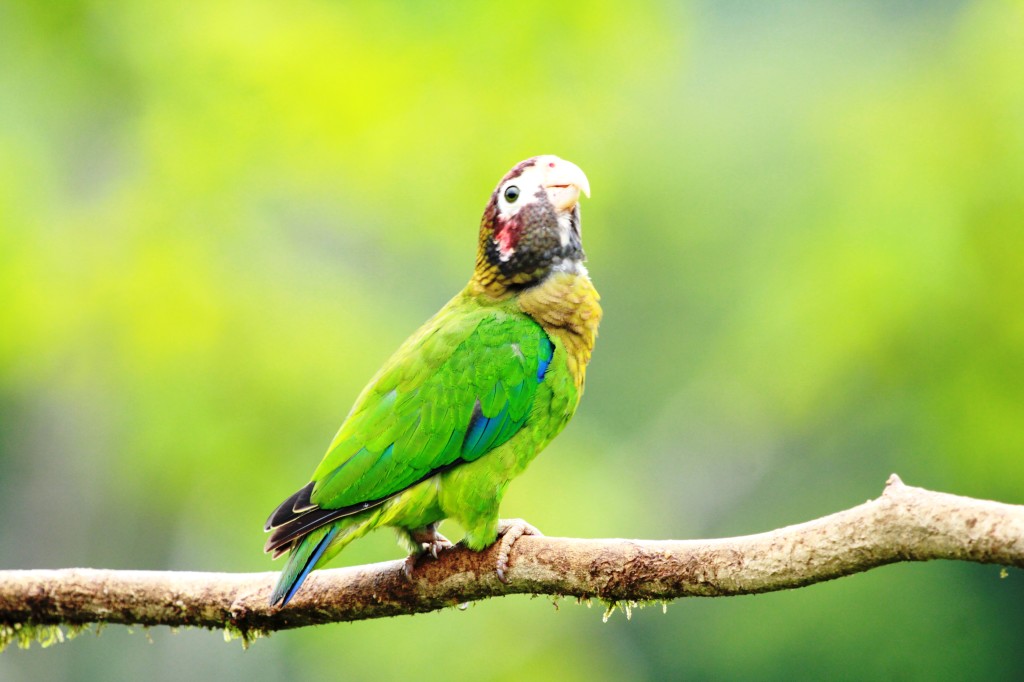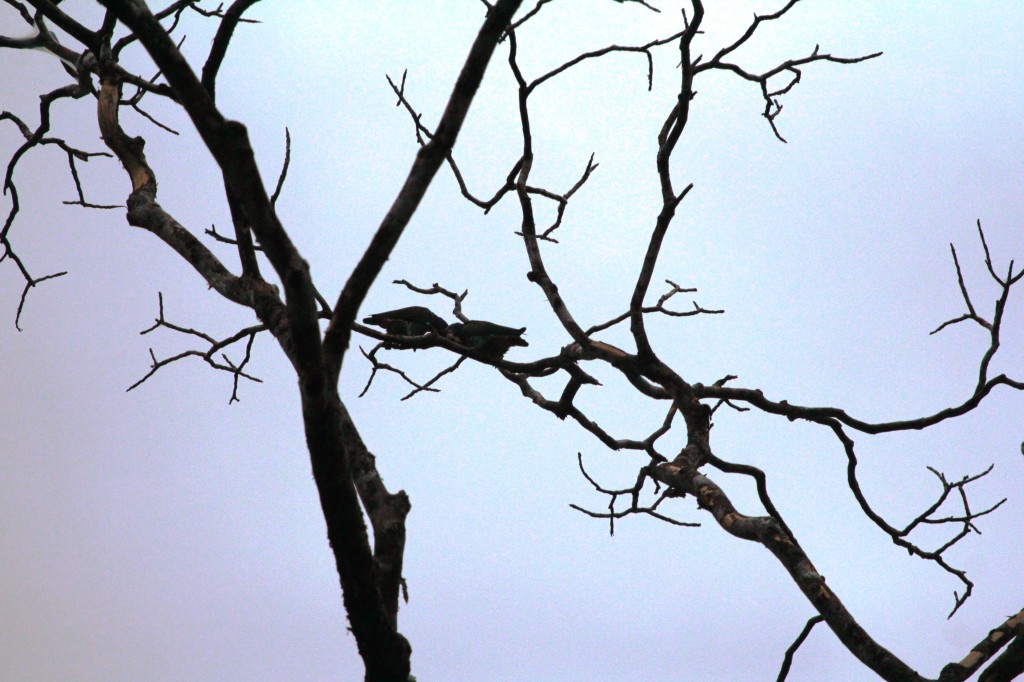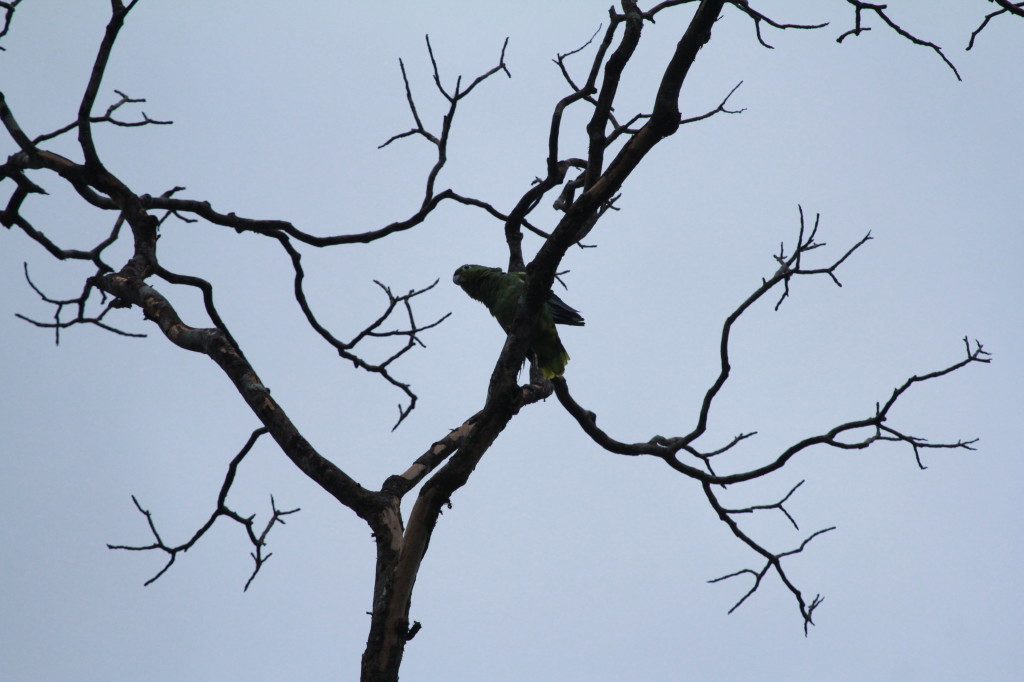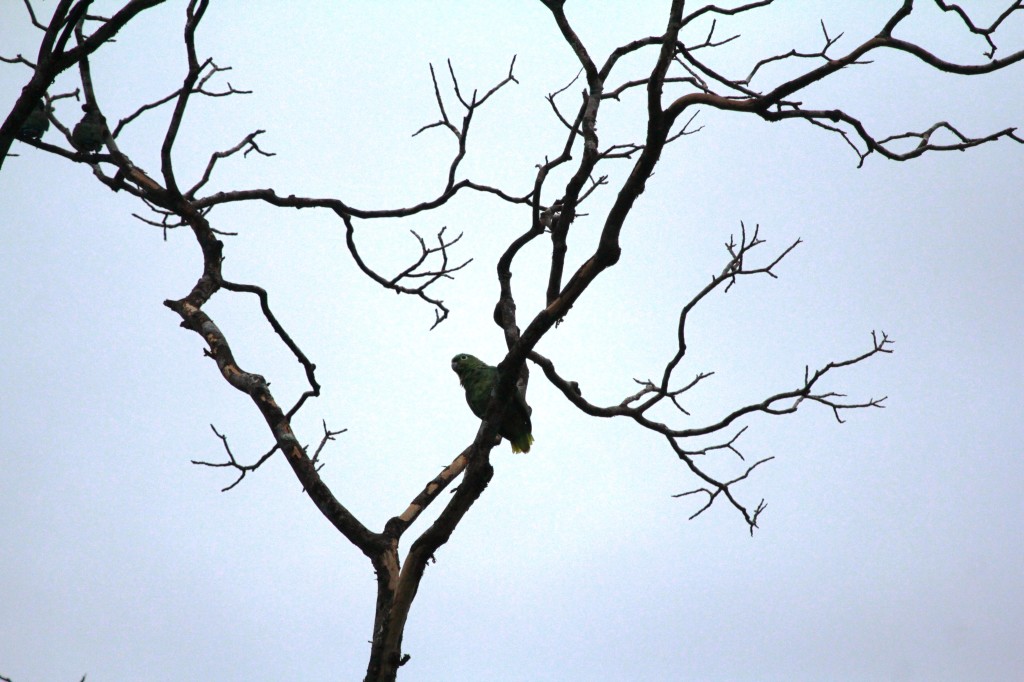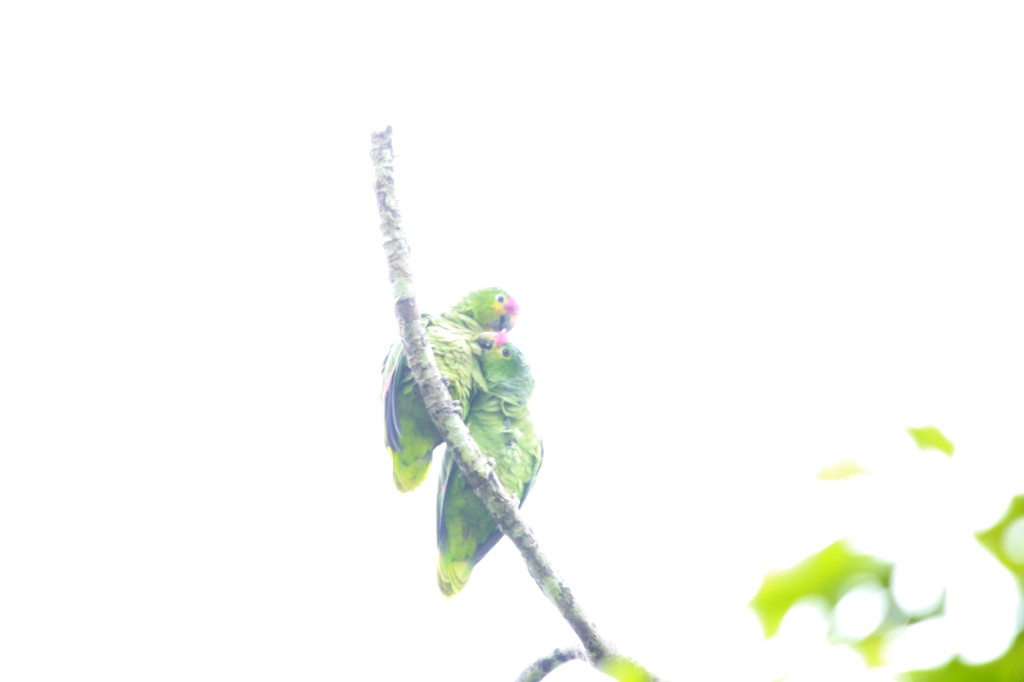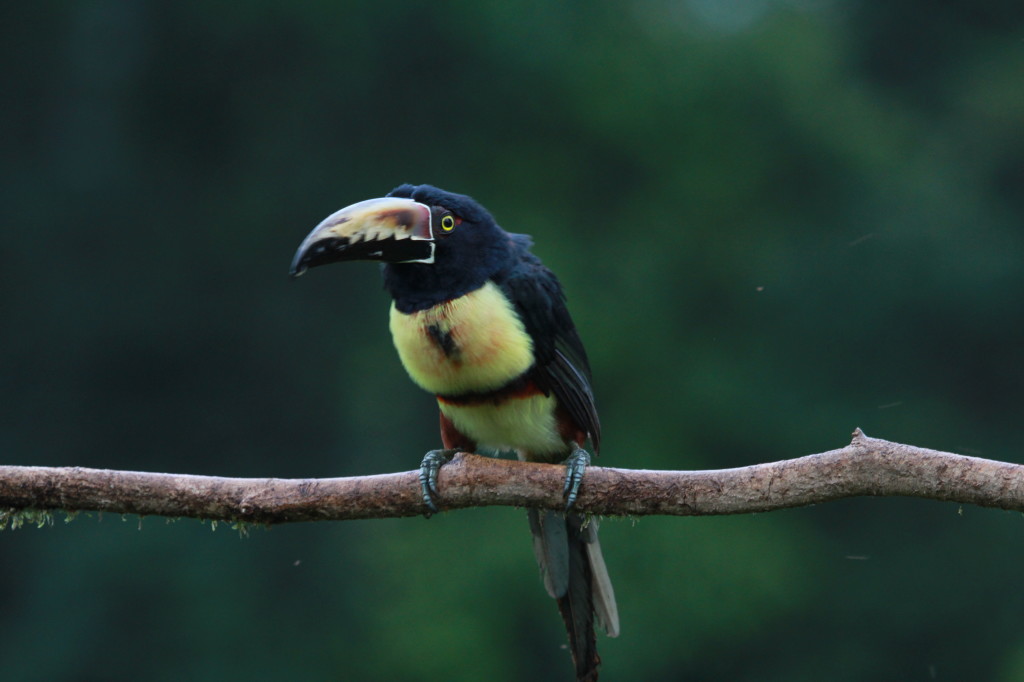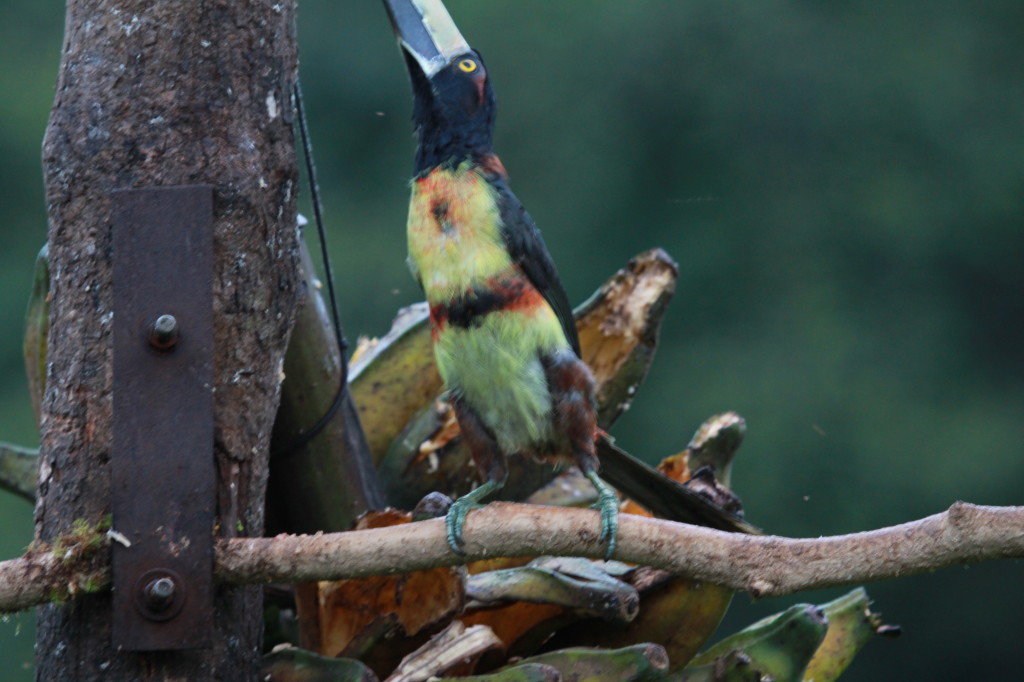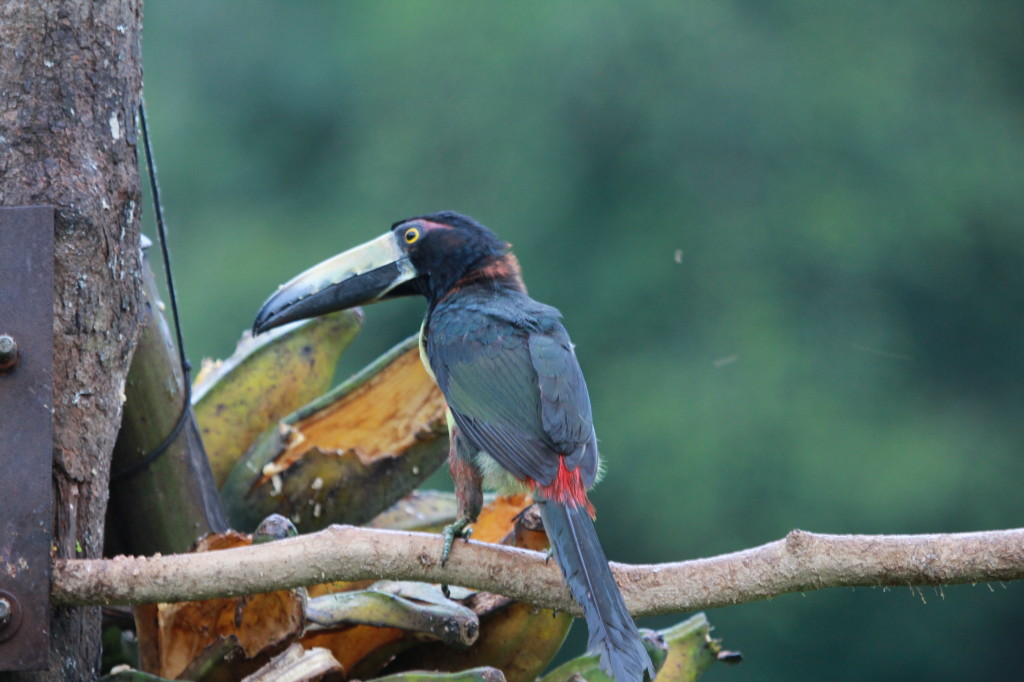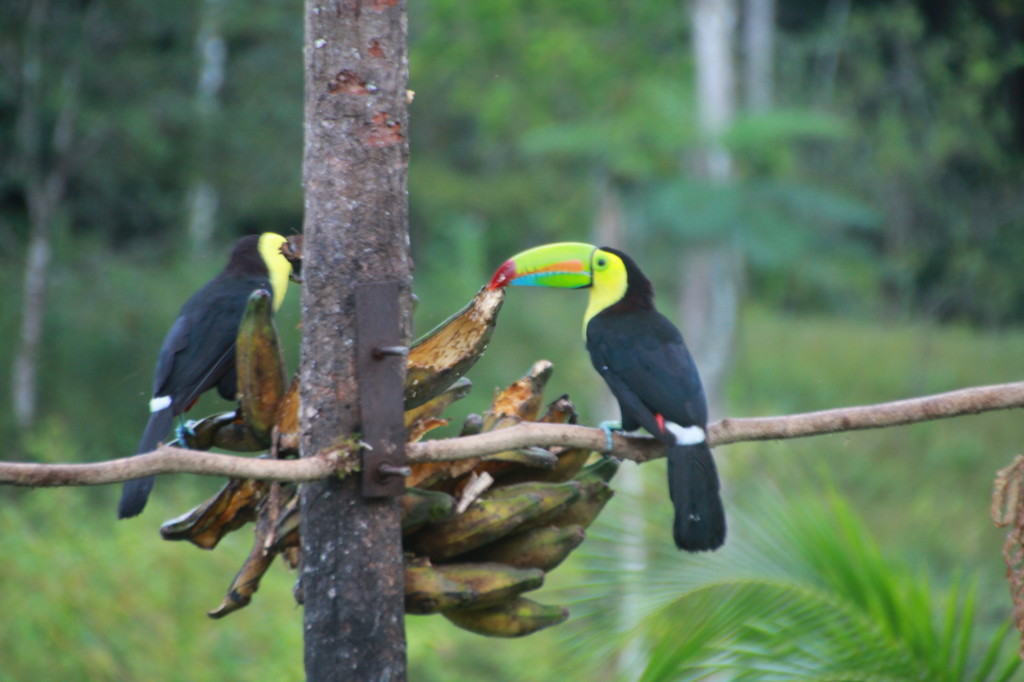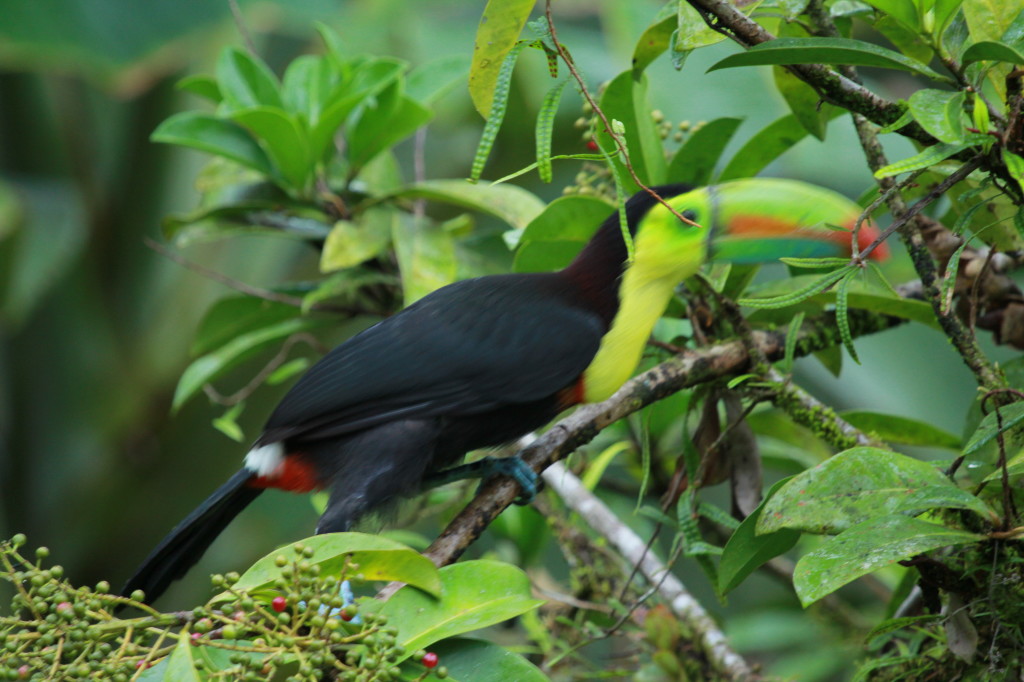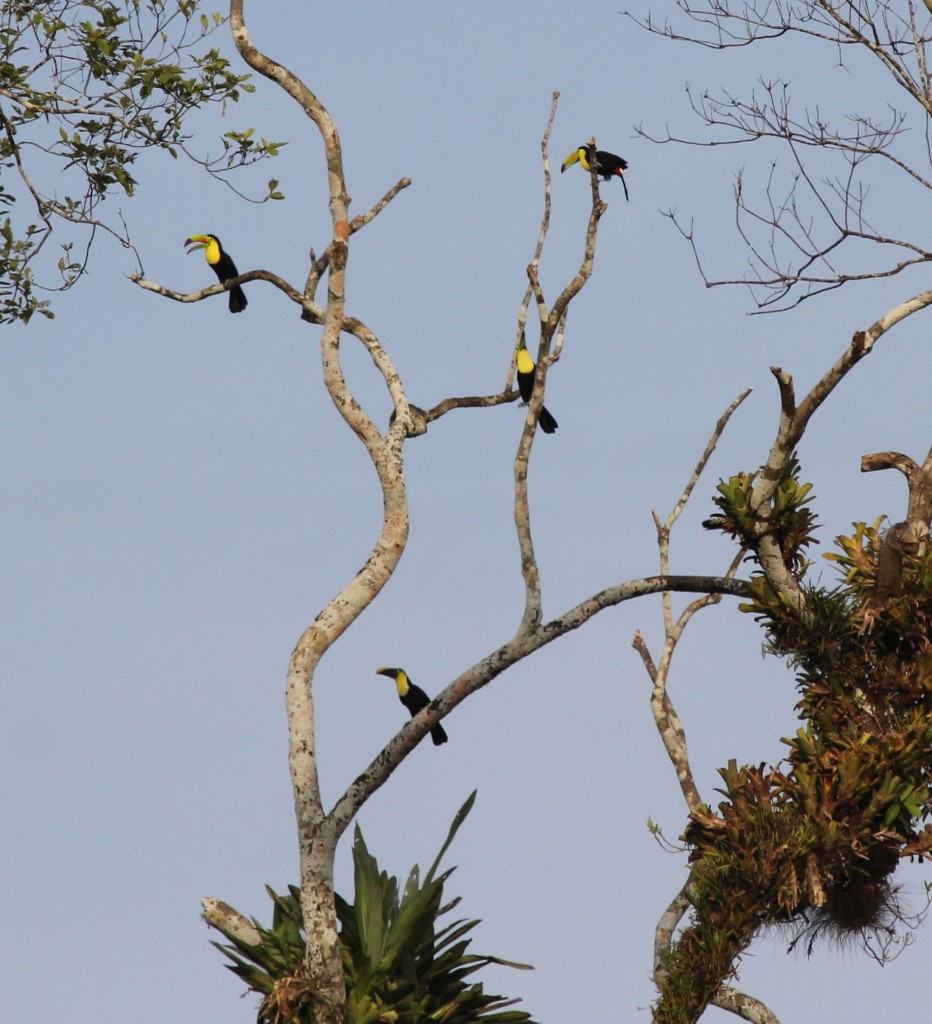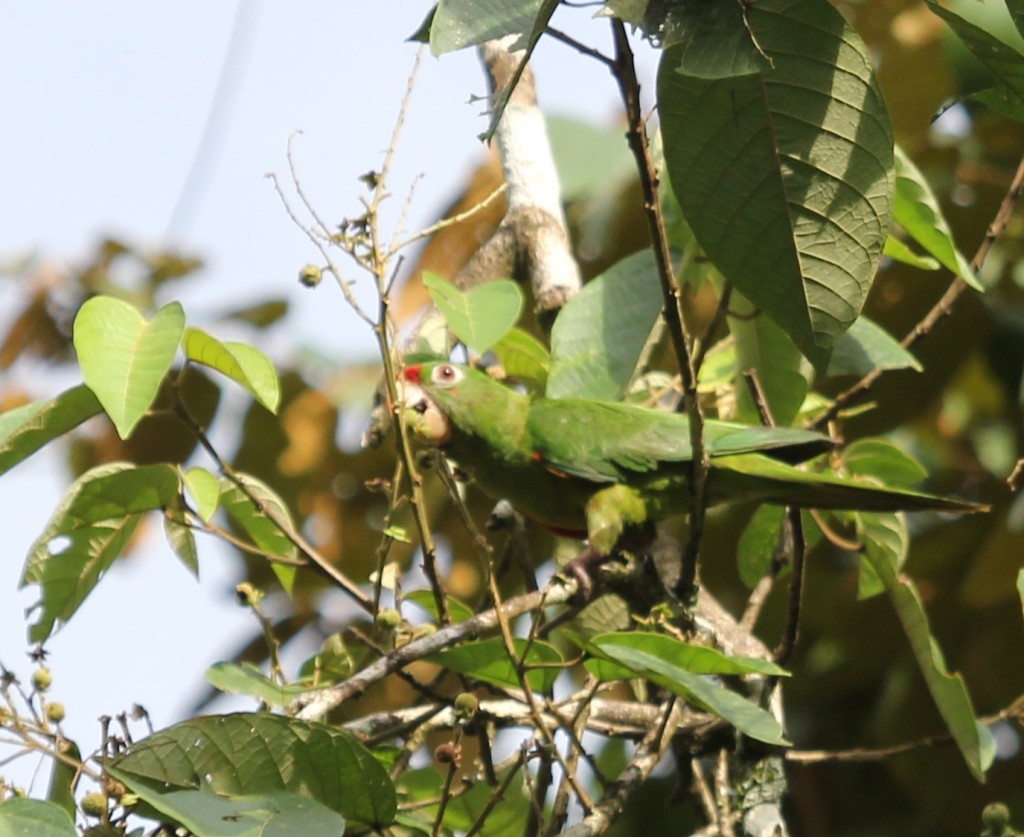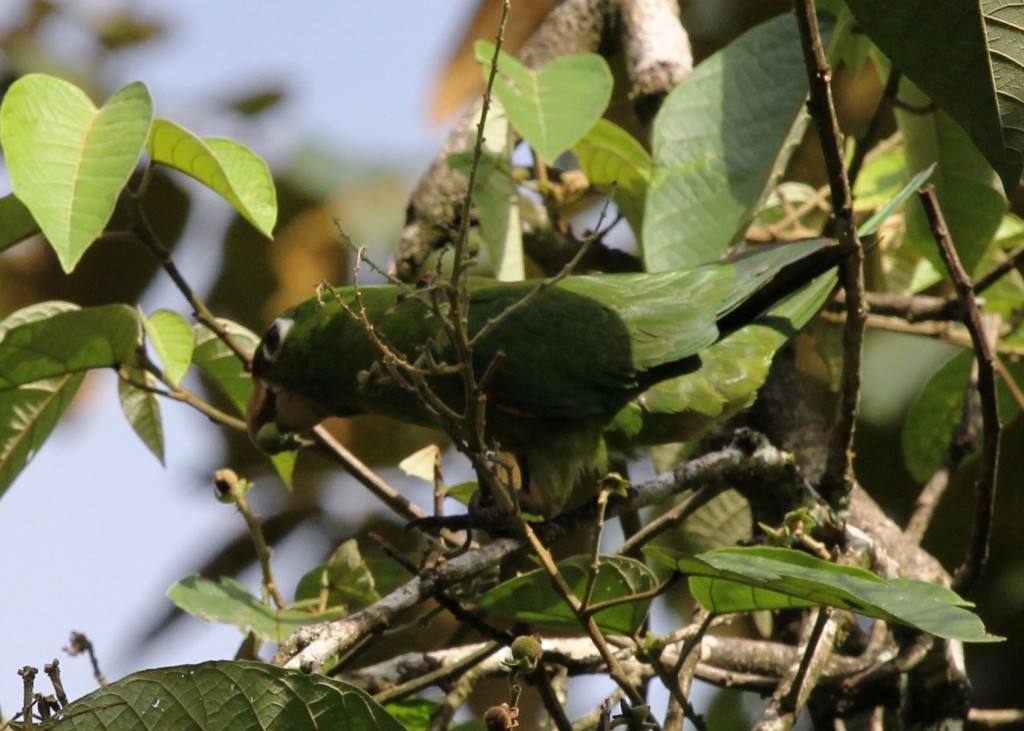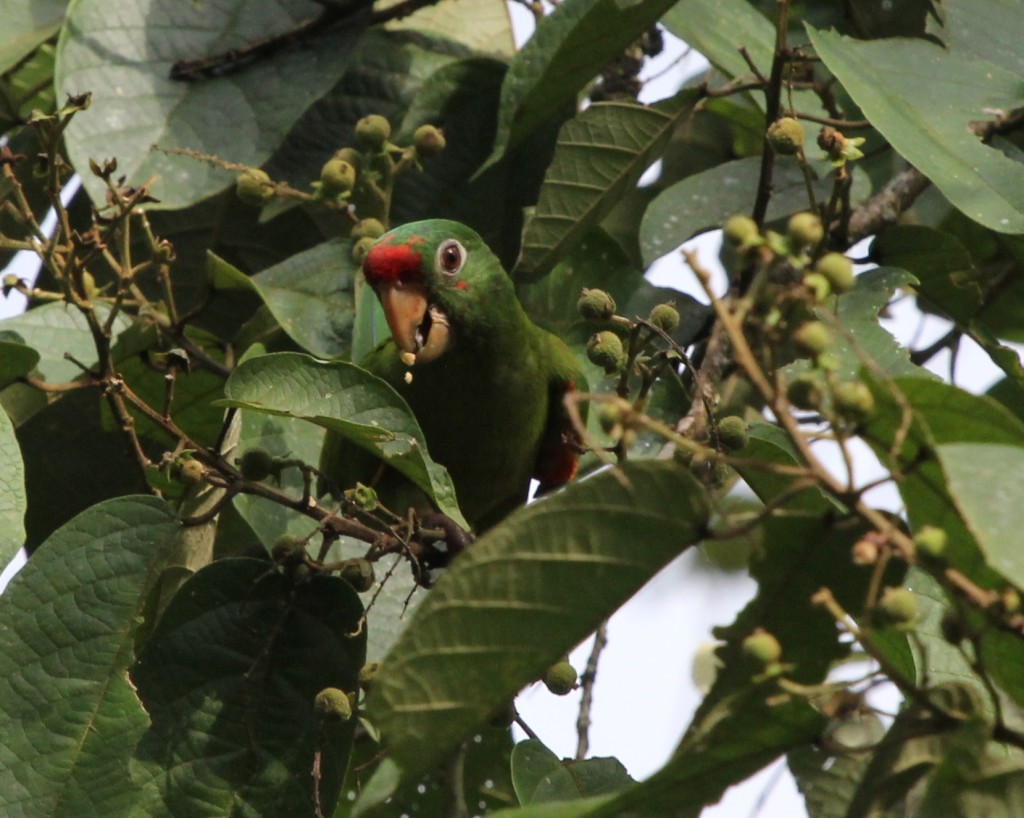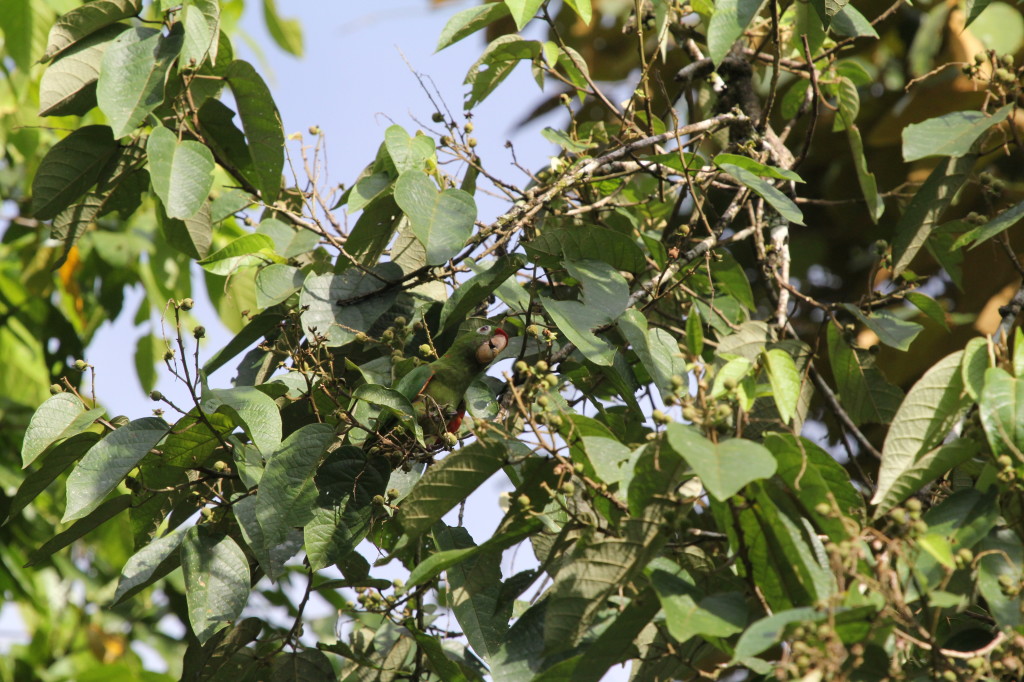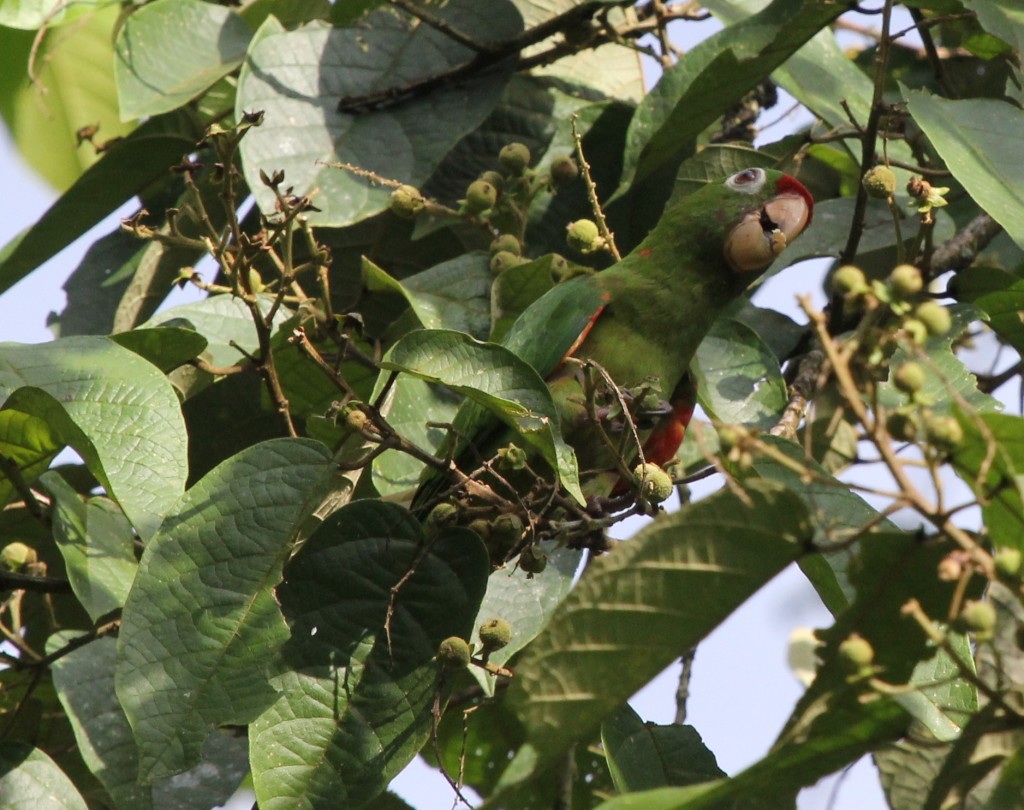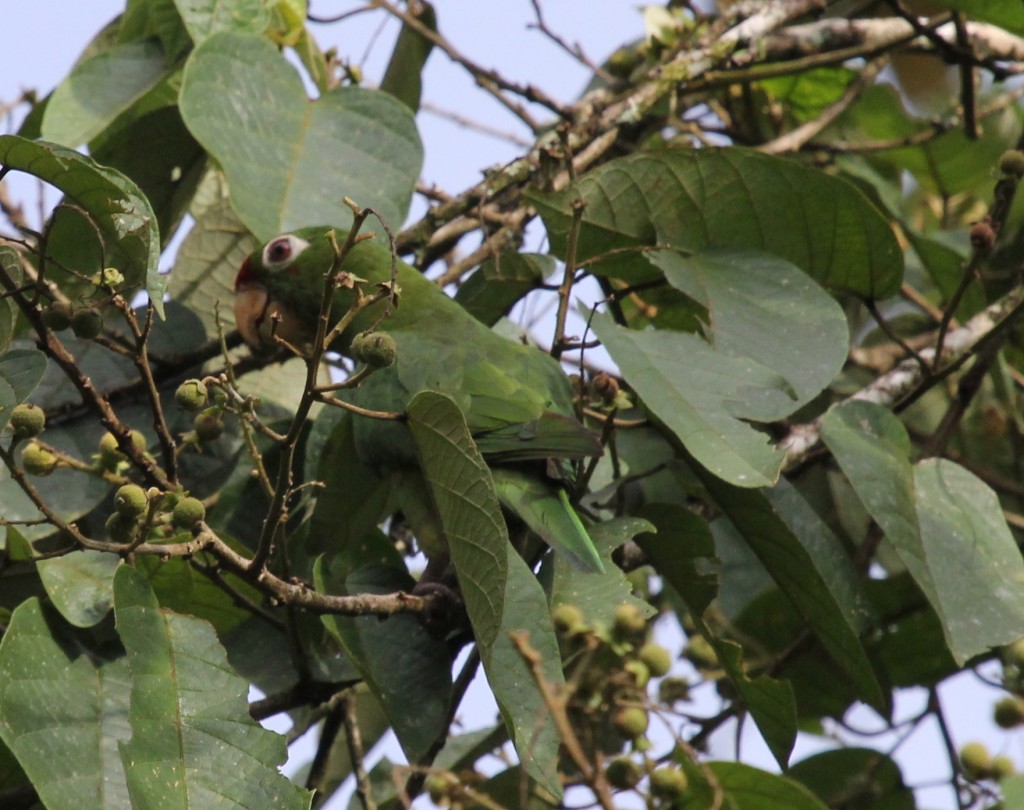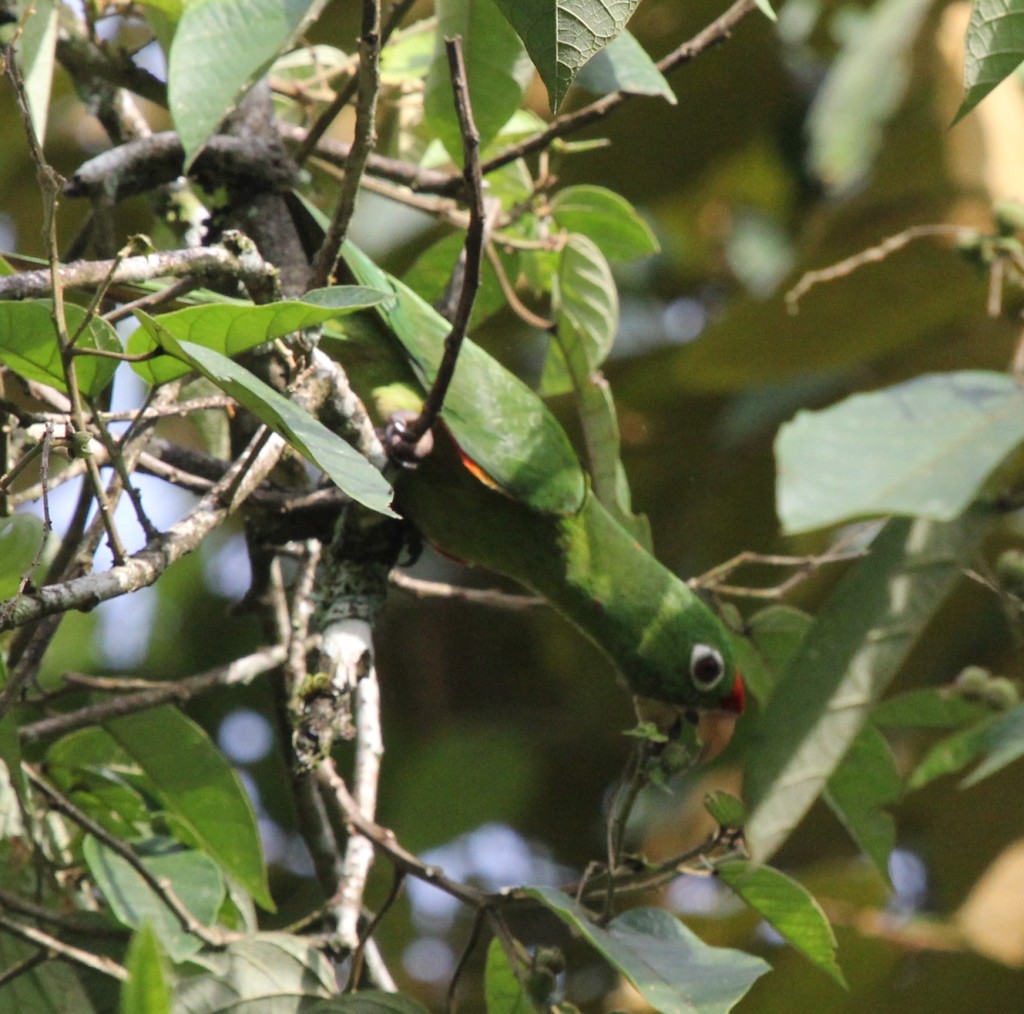
Birds Of Laguna Del Lagarto: Tanagers, Woodpeckers, Other Birds

Since there are so many photos, I am breaking this up into separate posts.  There are other posts for  information on how to get to Costa Rica & Laguna del Lagarto.

Bird List of Laguna del Lagarto

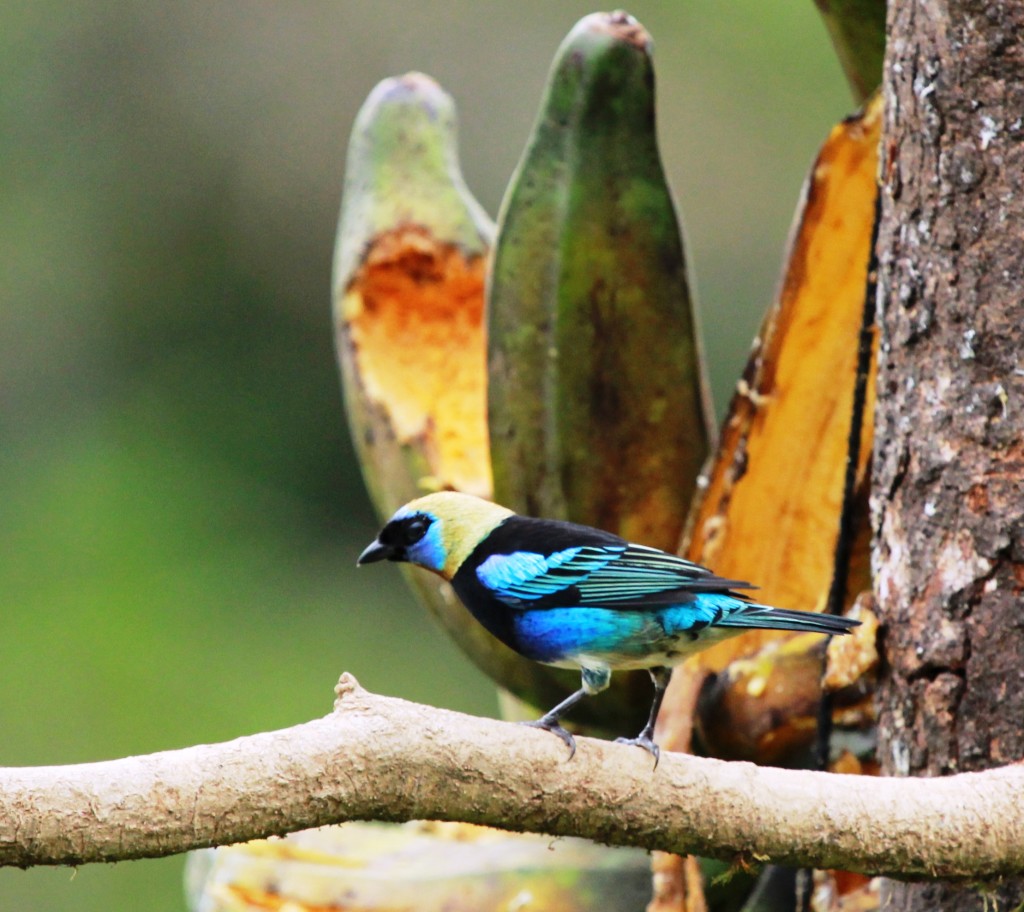
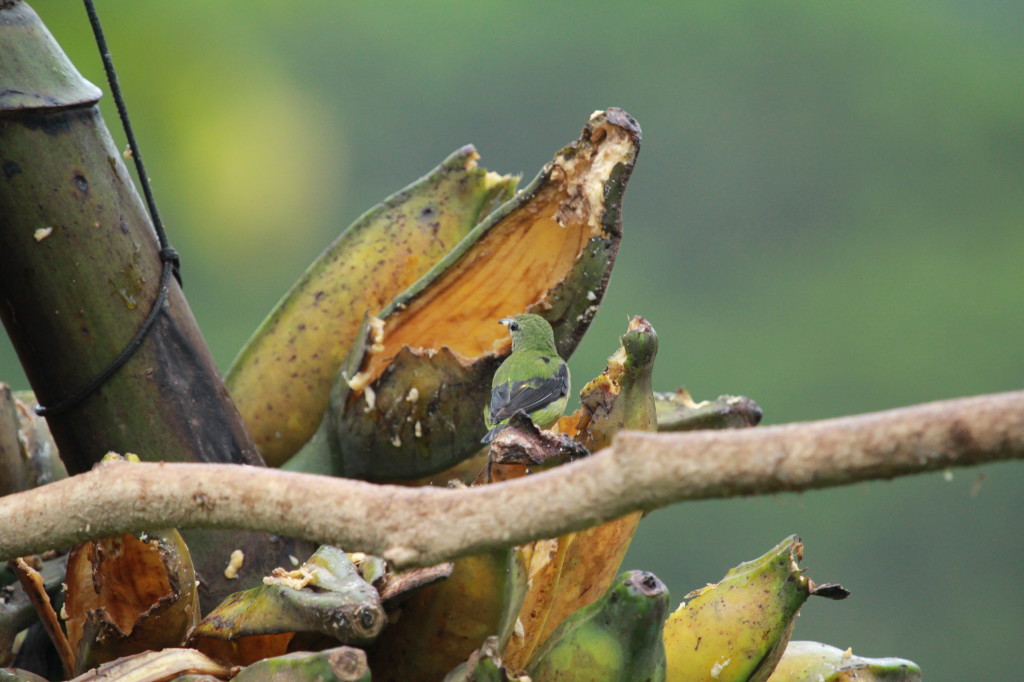
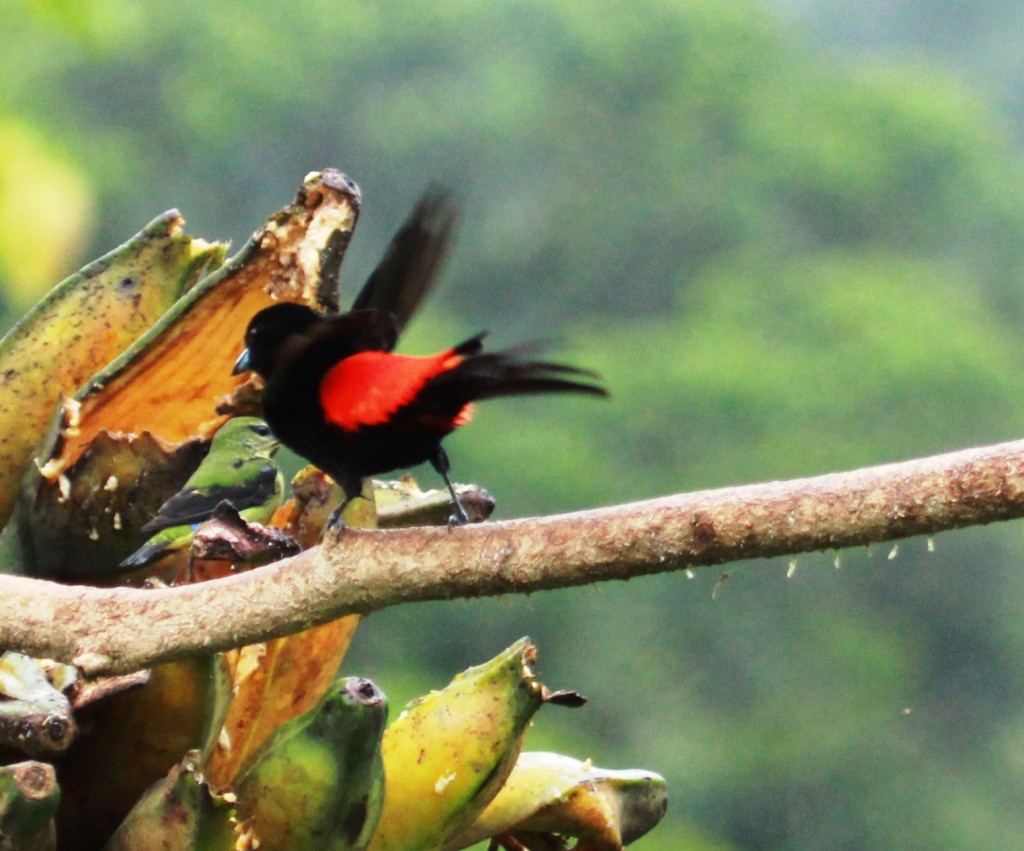
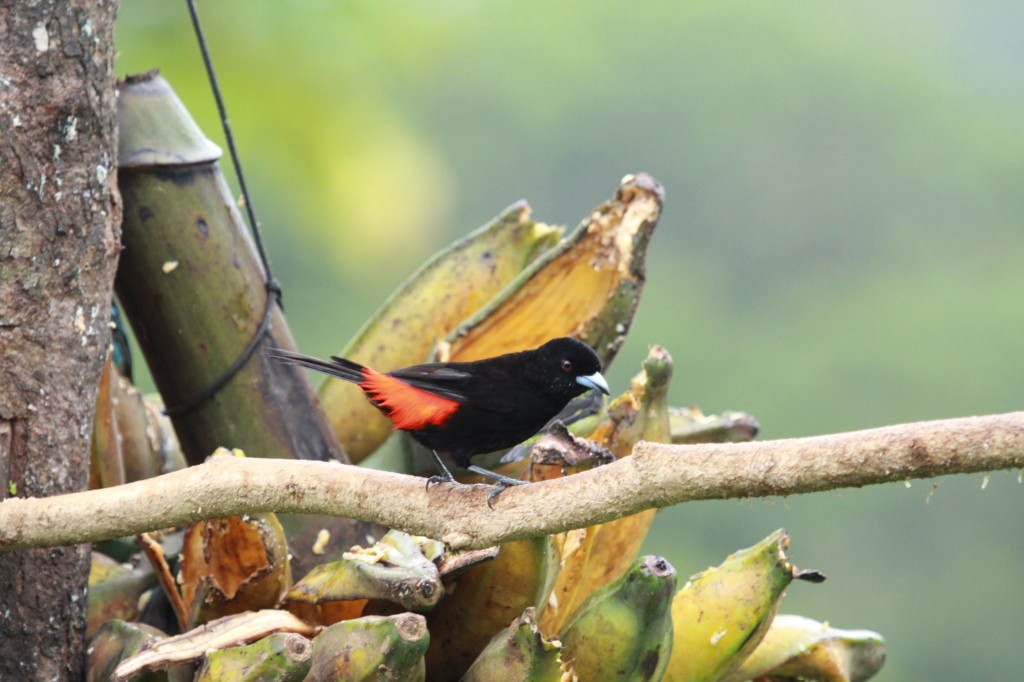
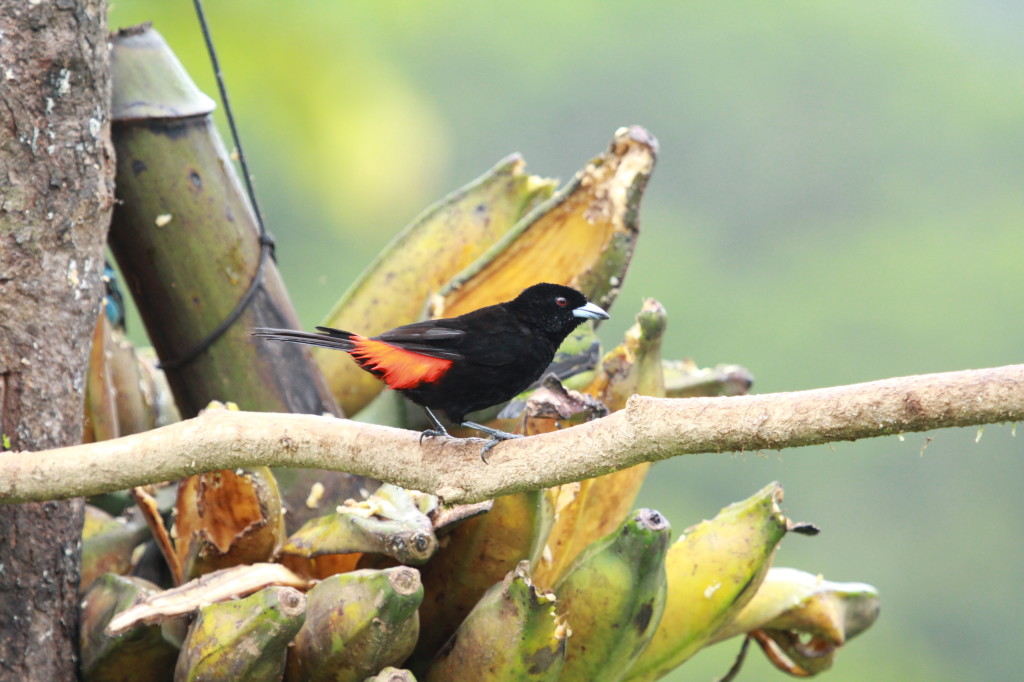
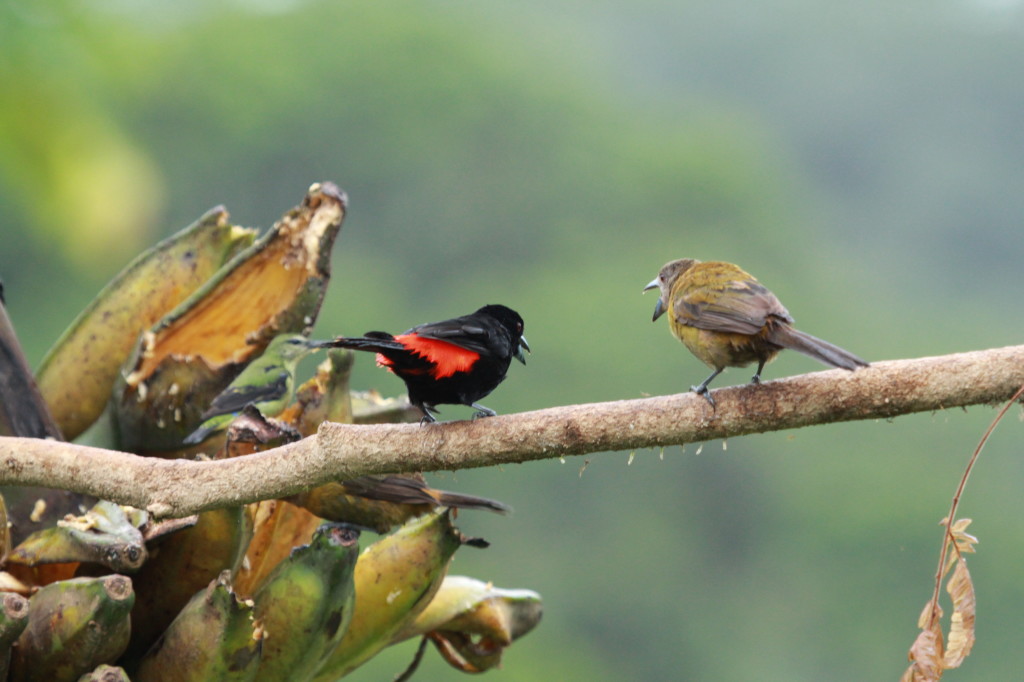
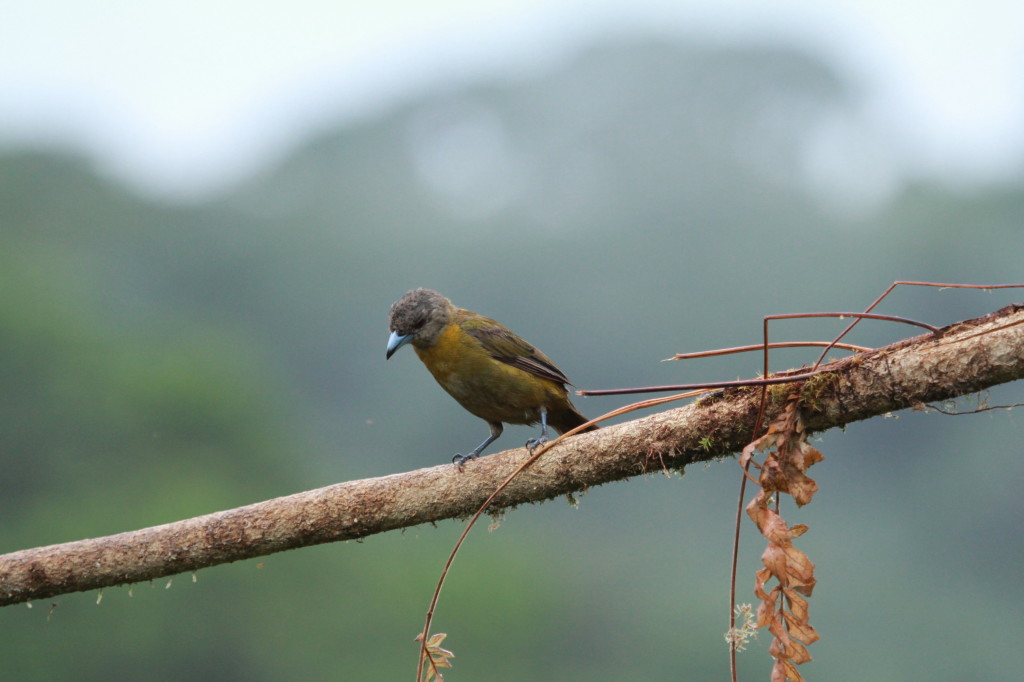
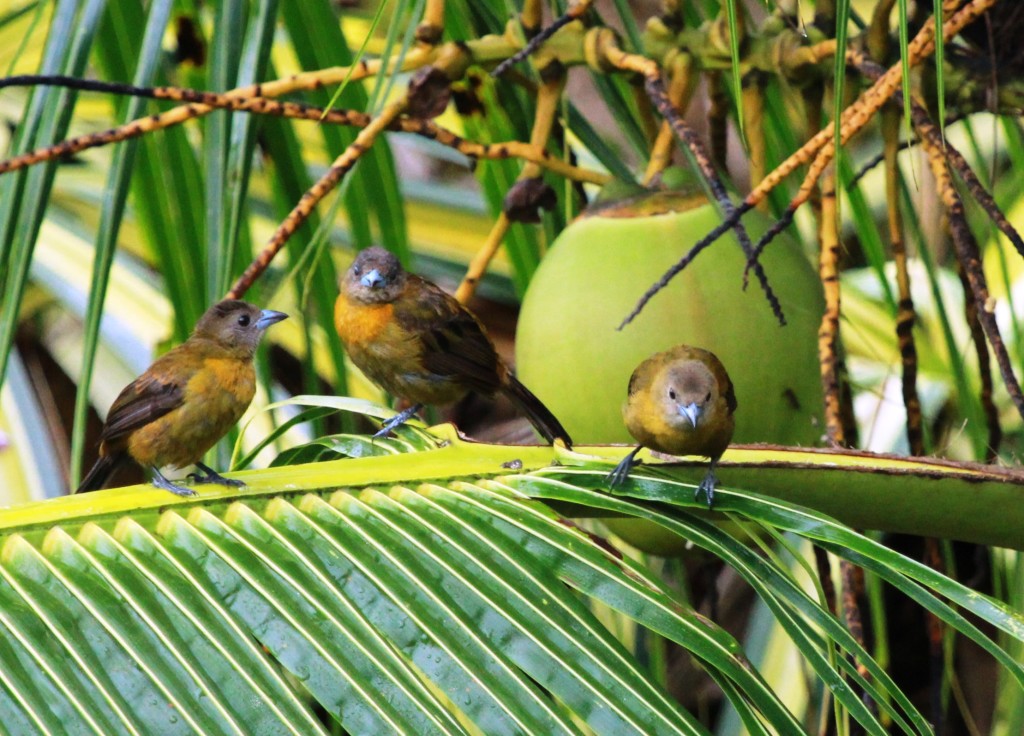
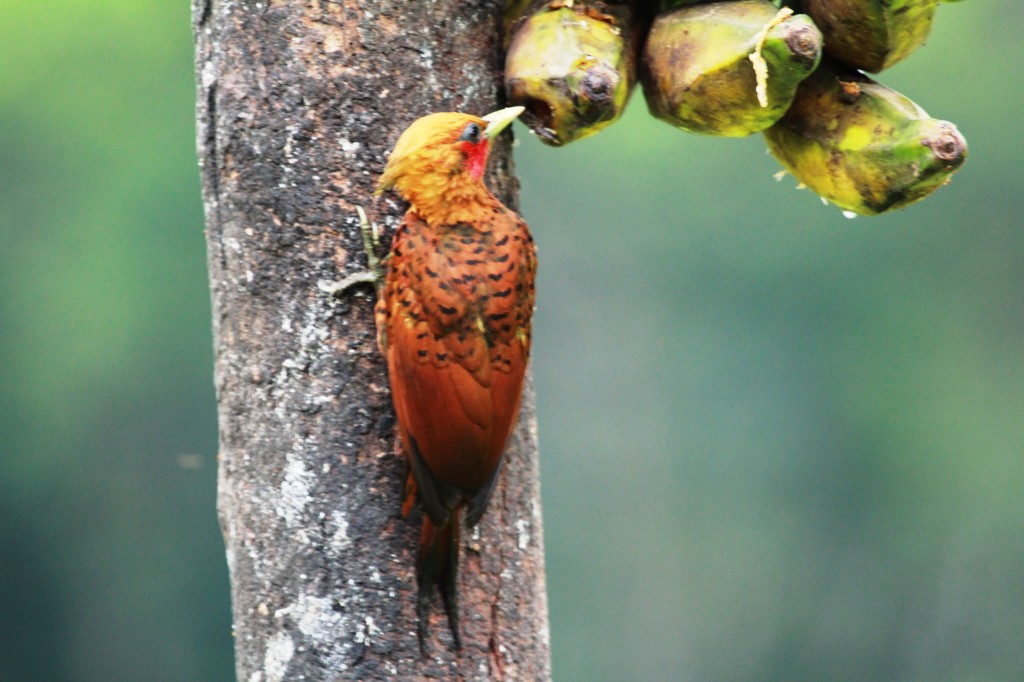
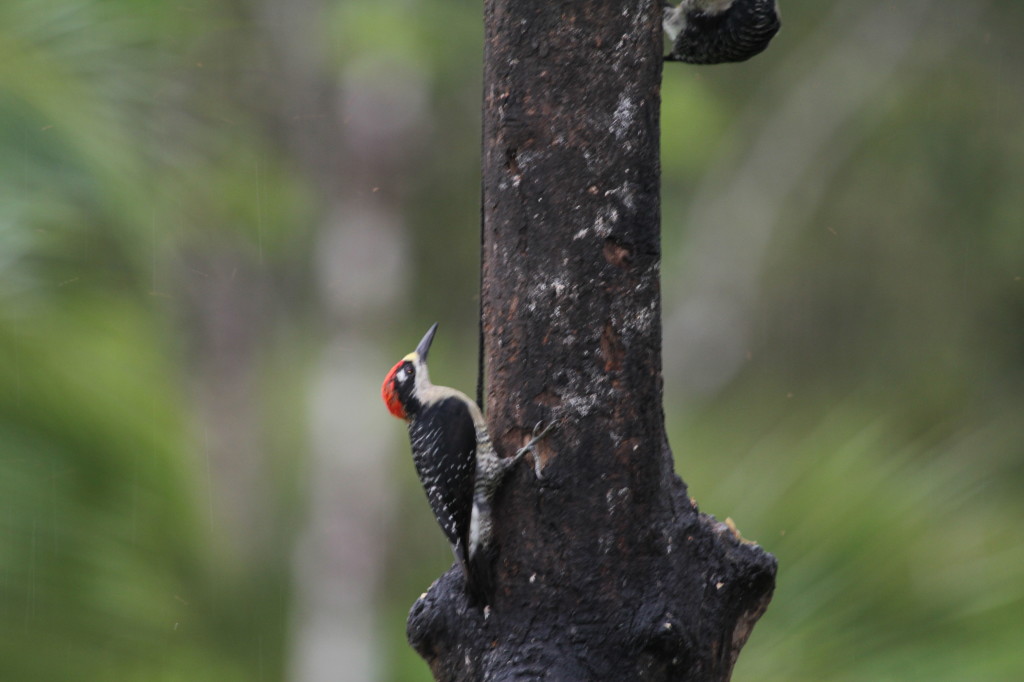
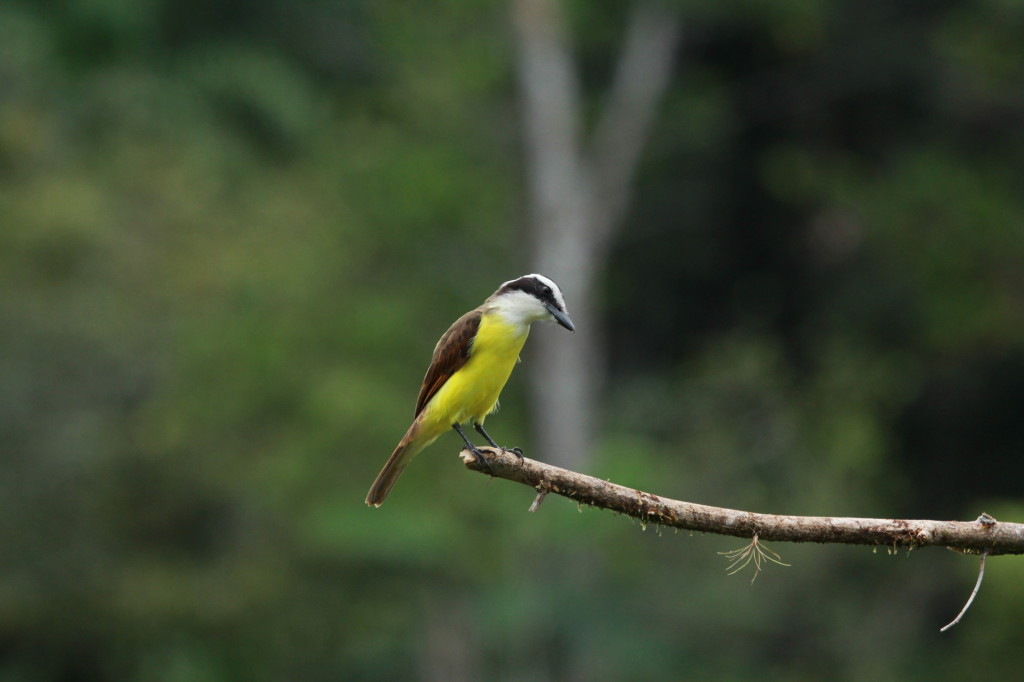
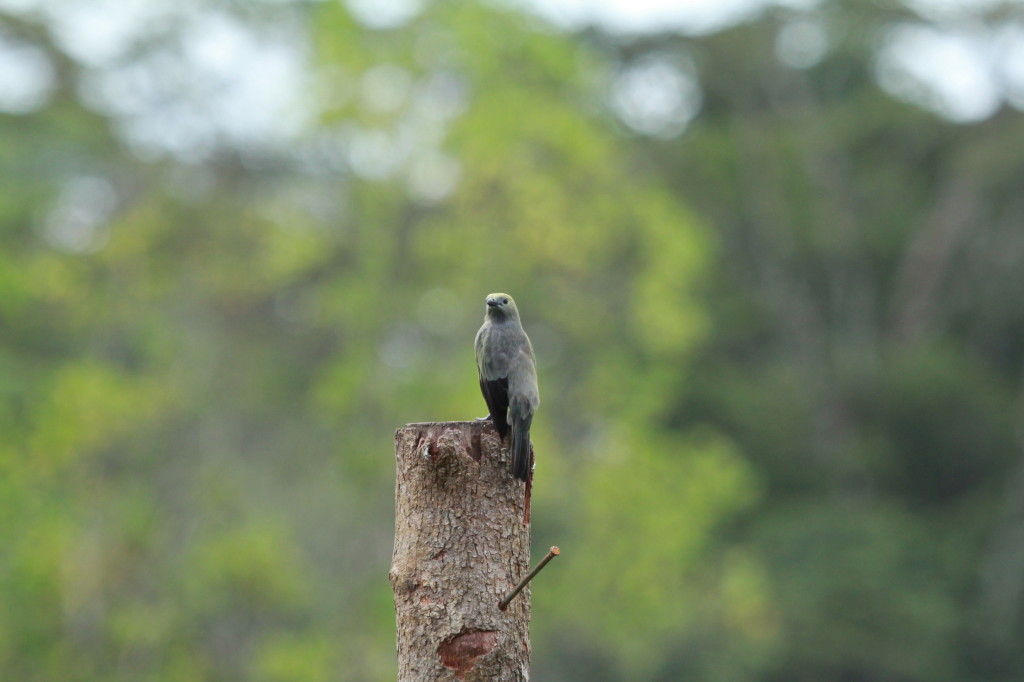
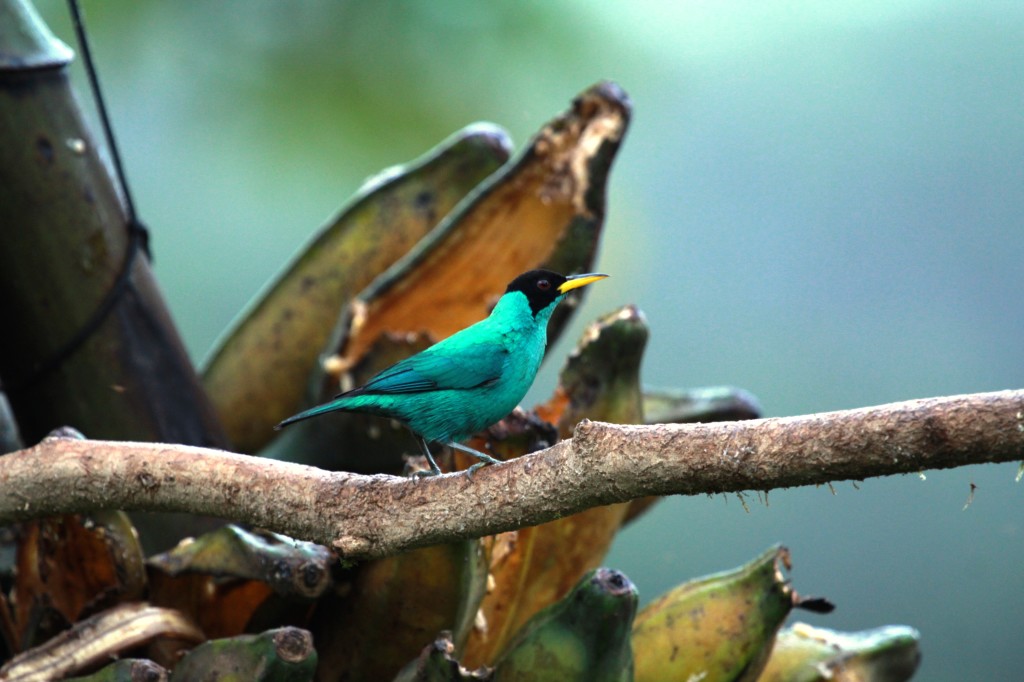
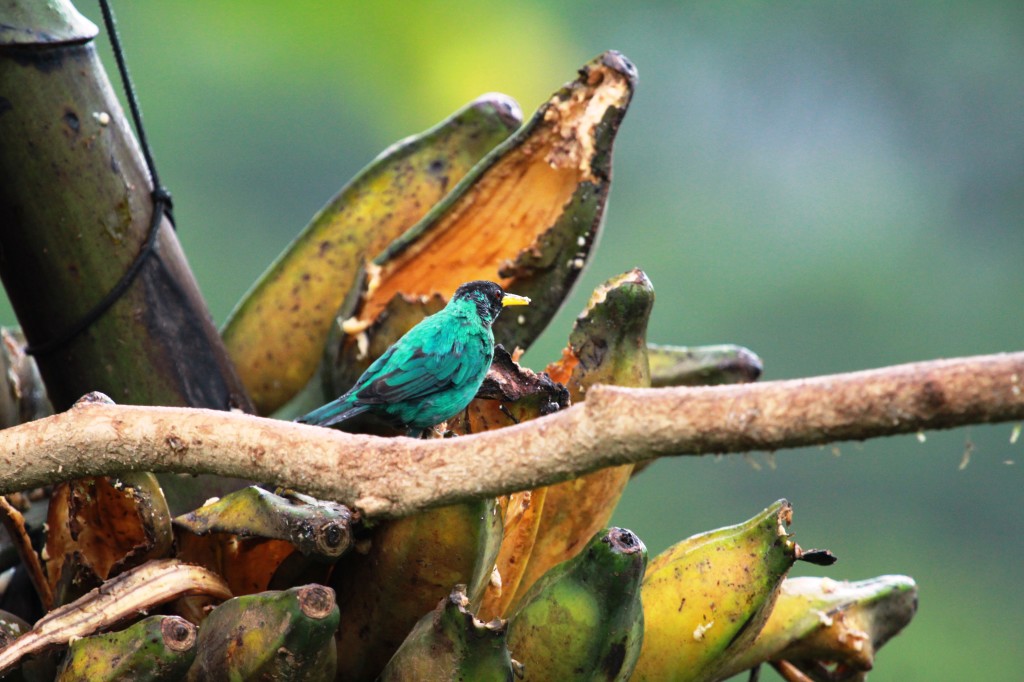
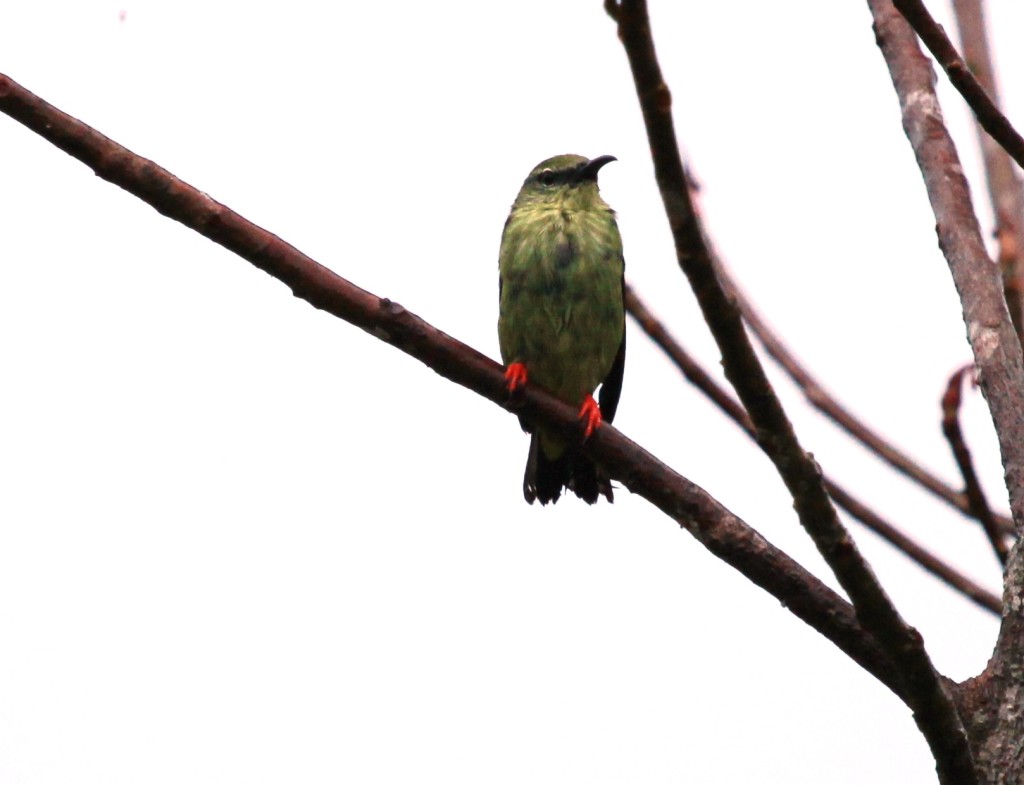
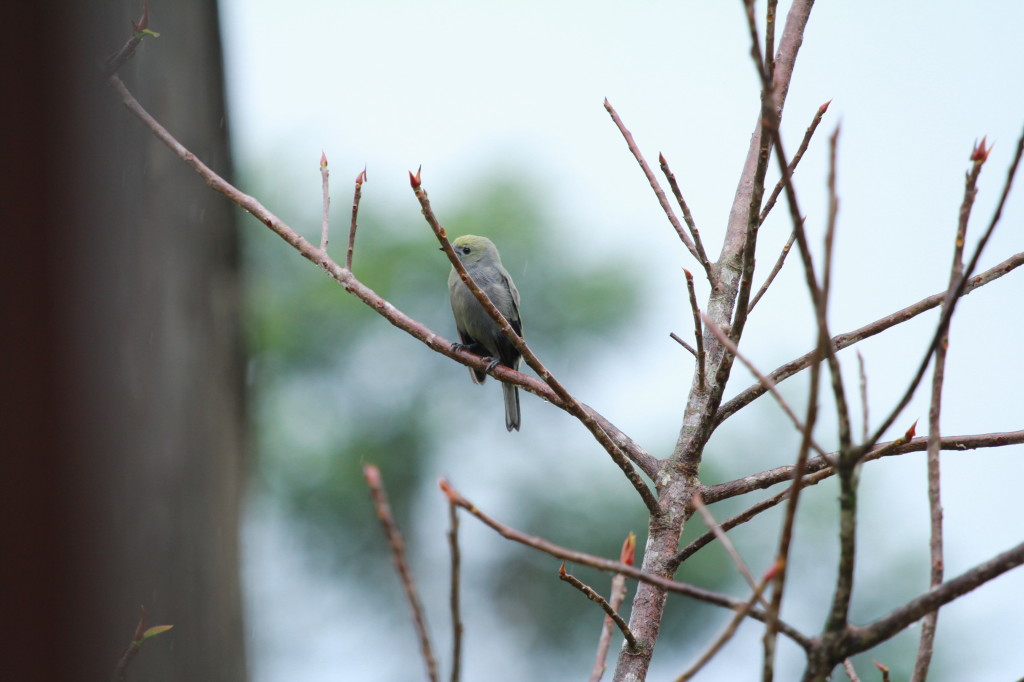
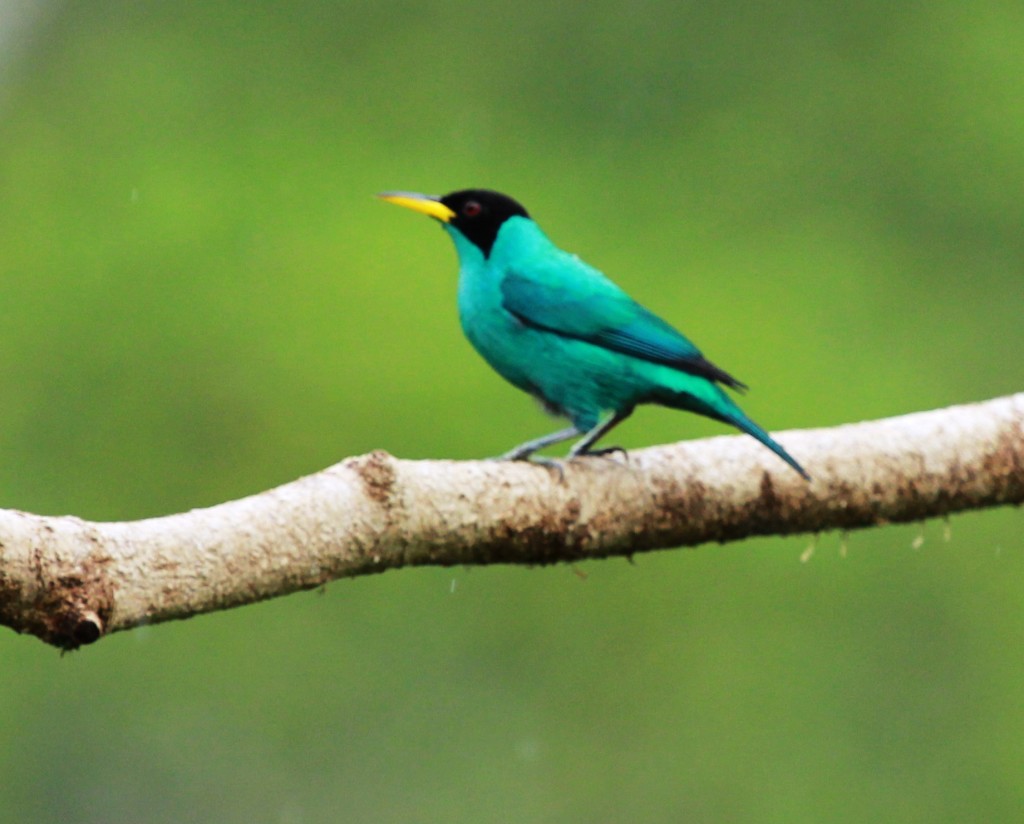
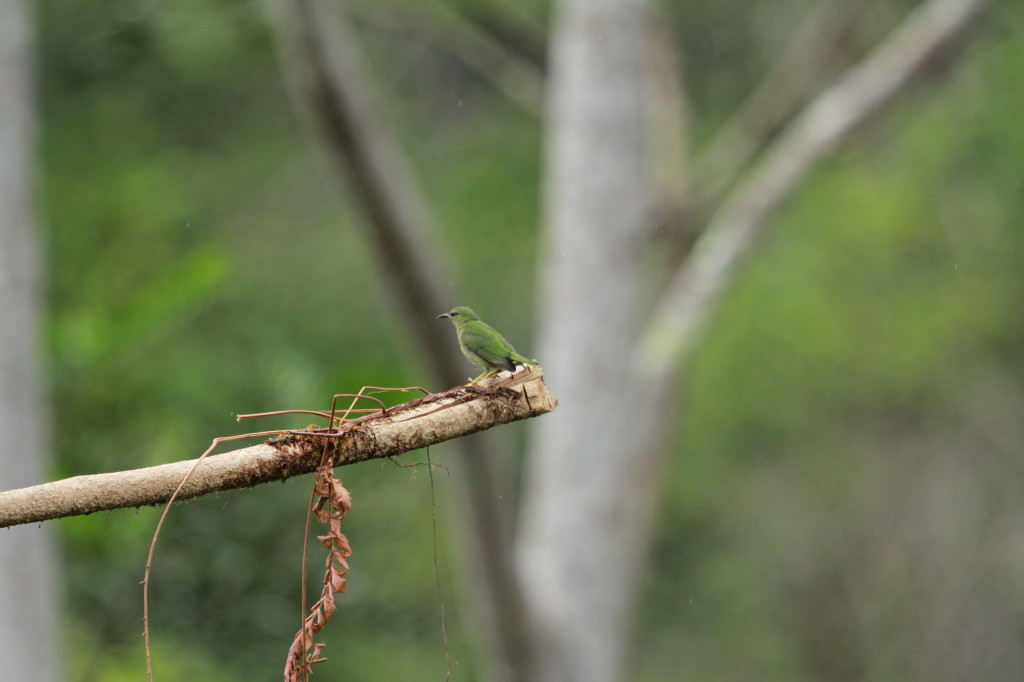
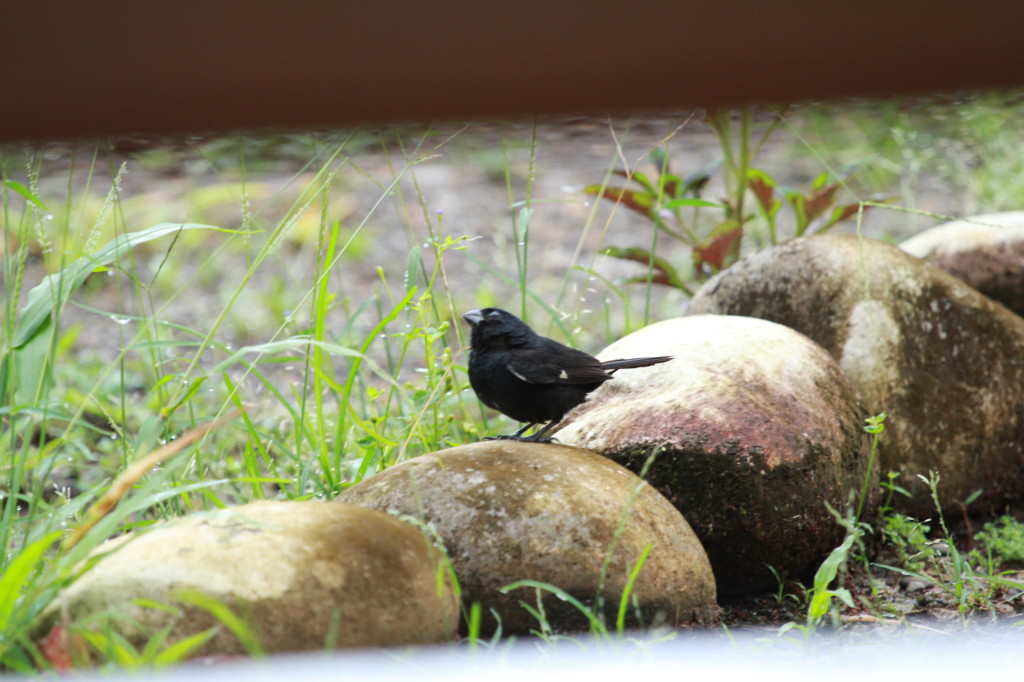
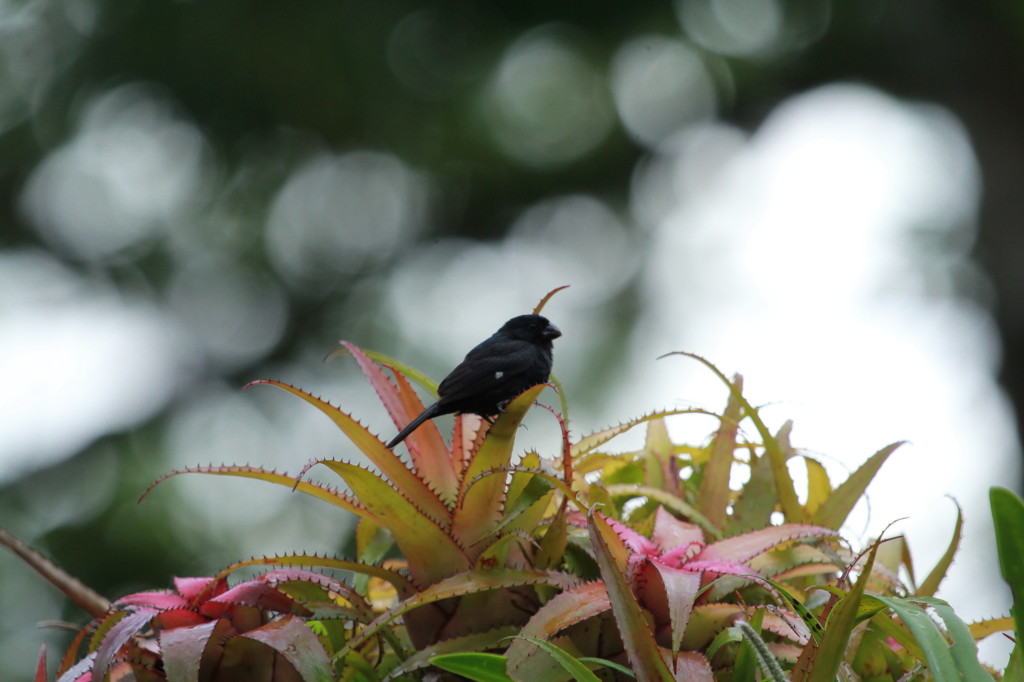
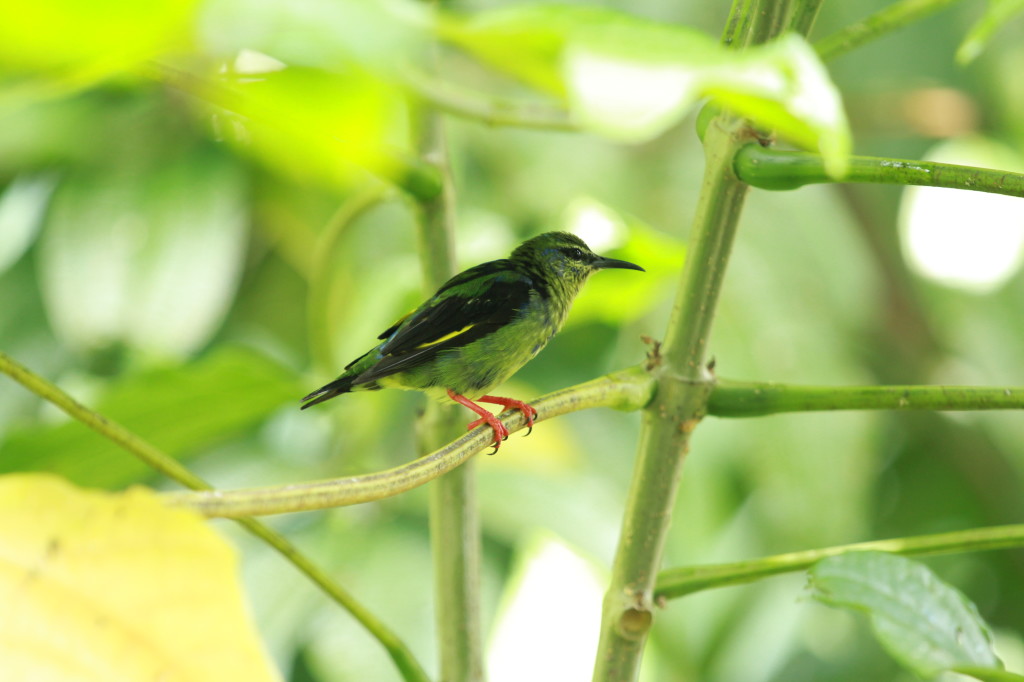
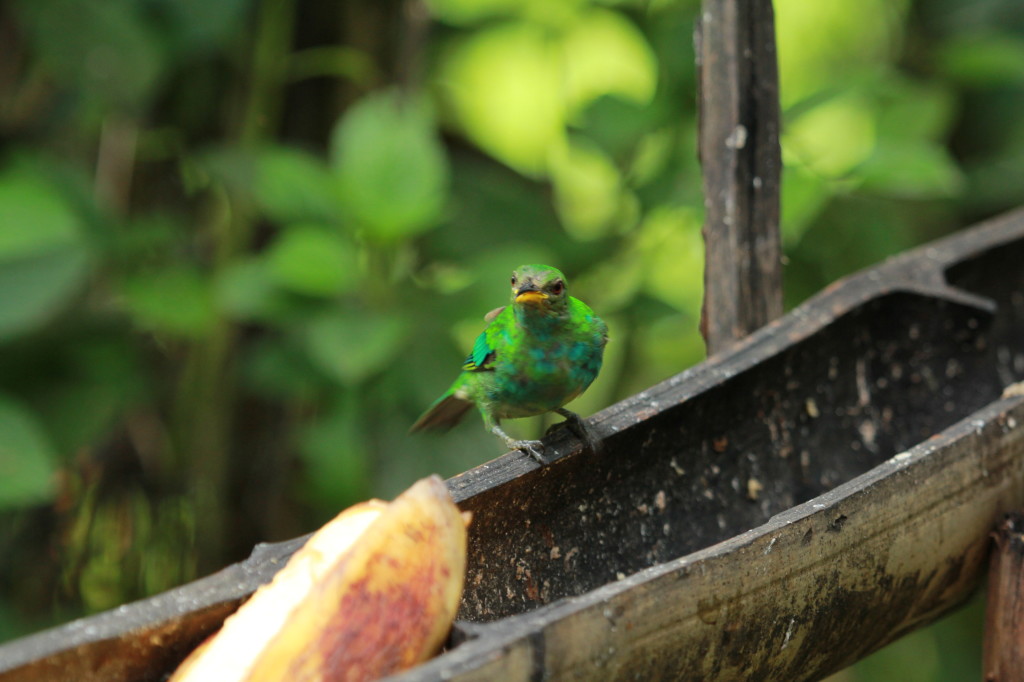
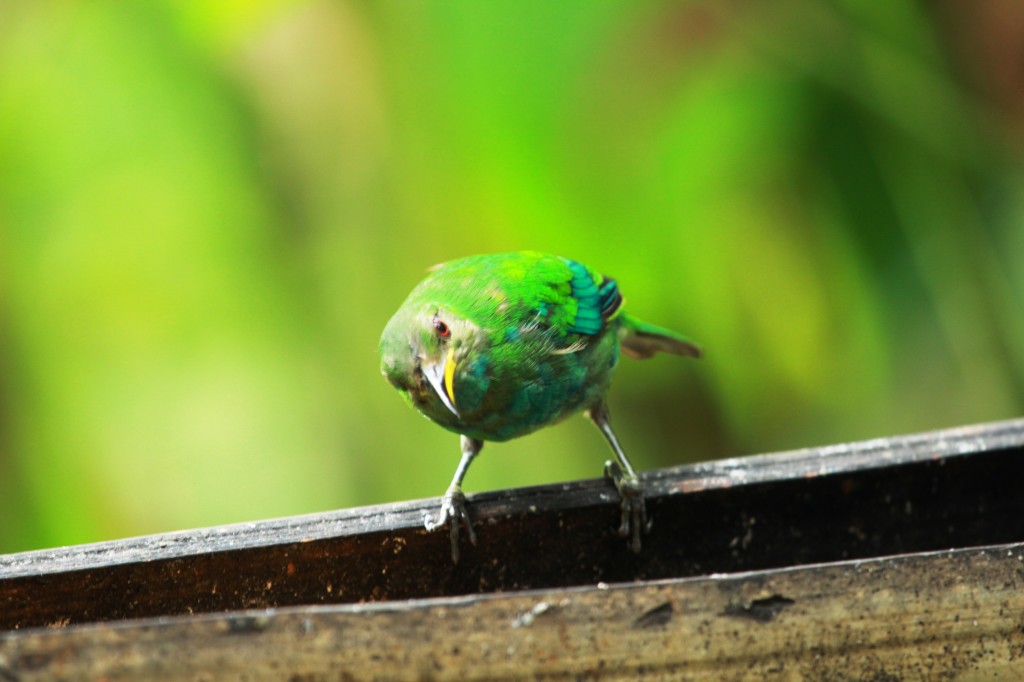
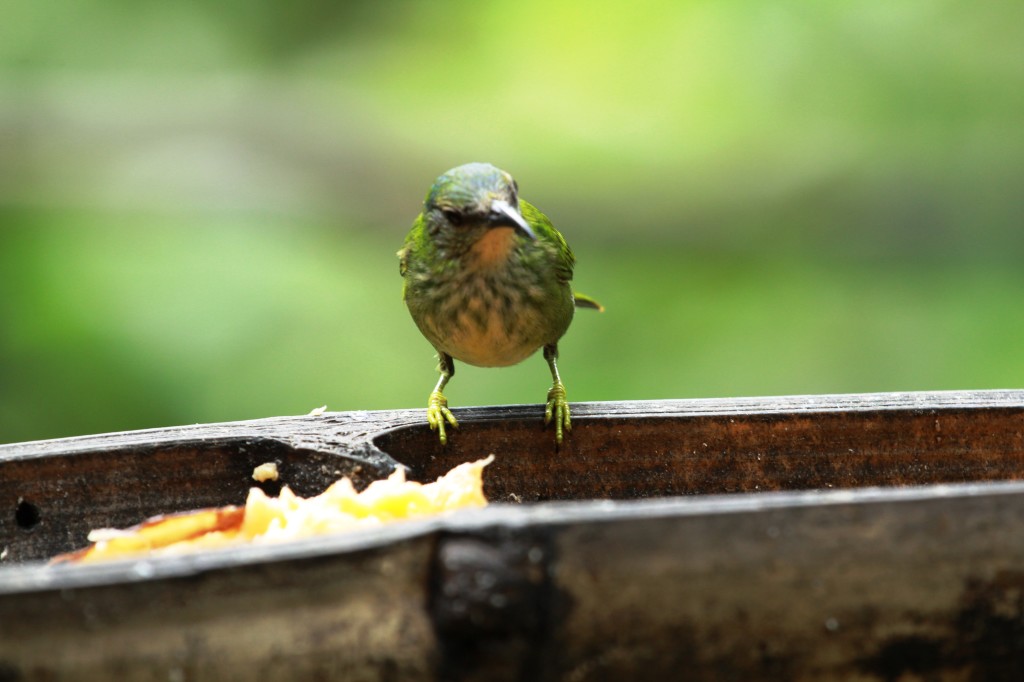
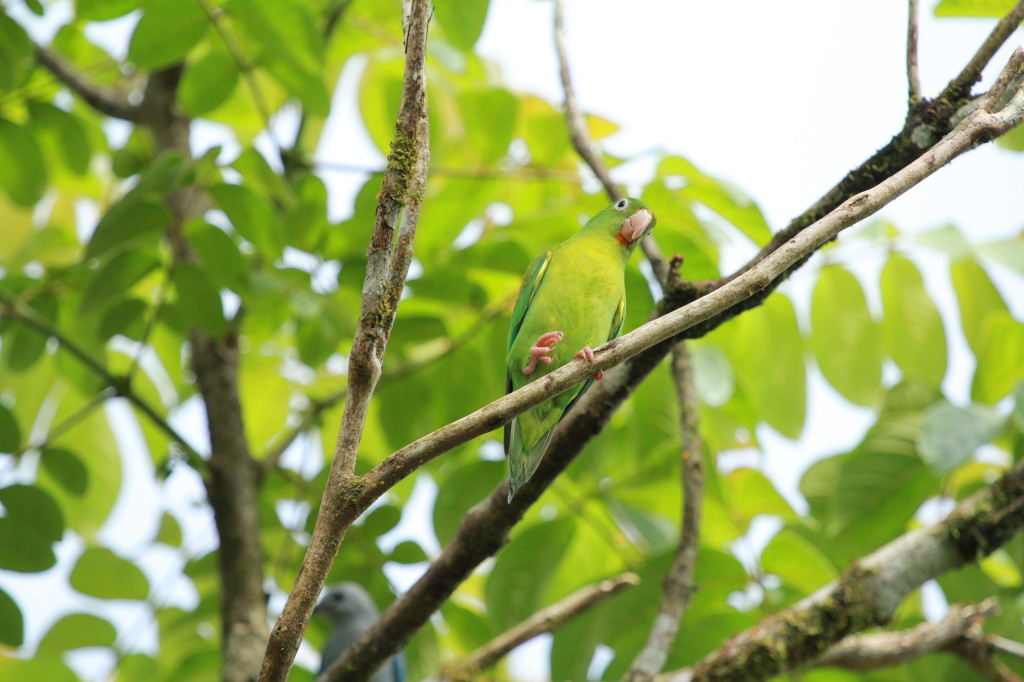
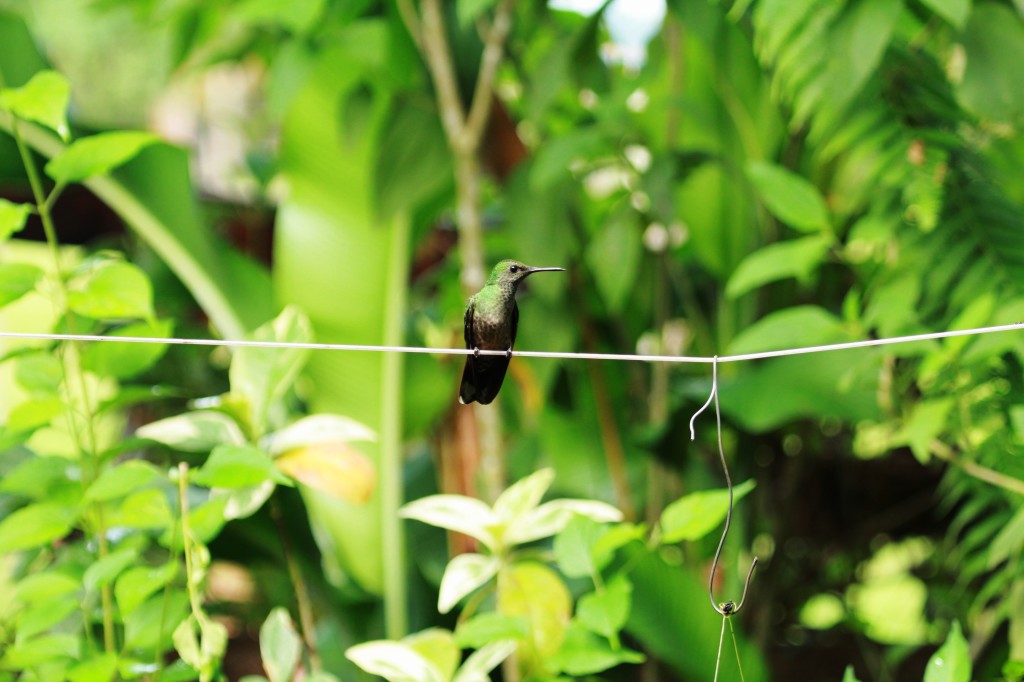
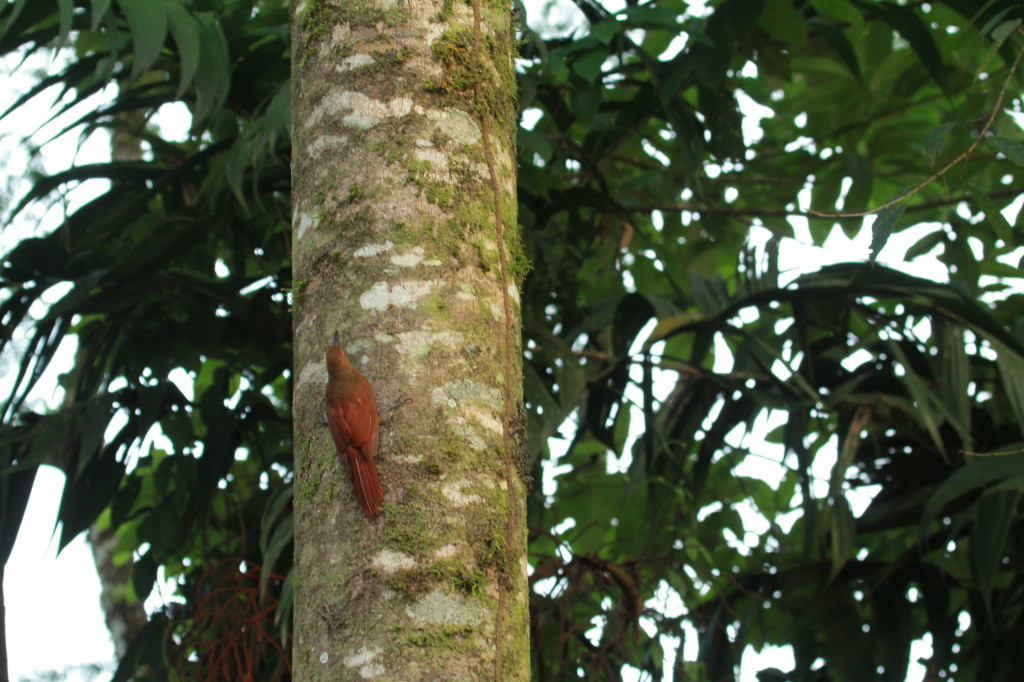
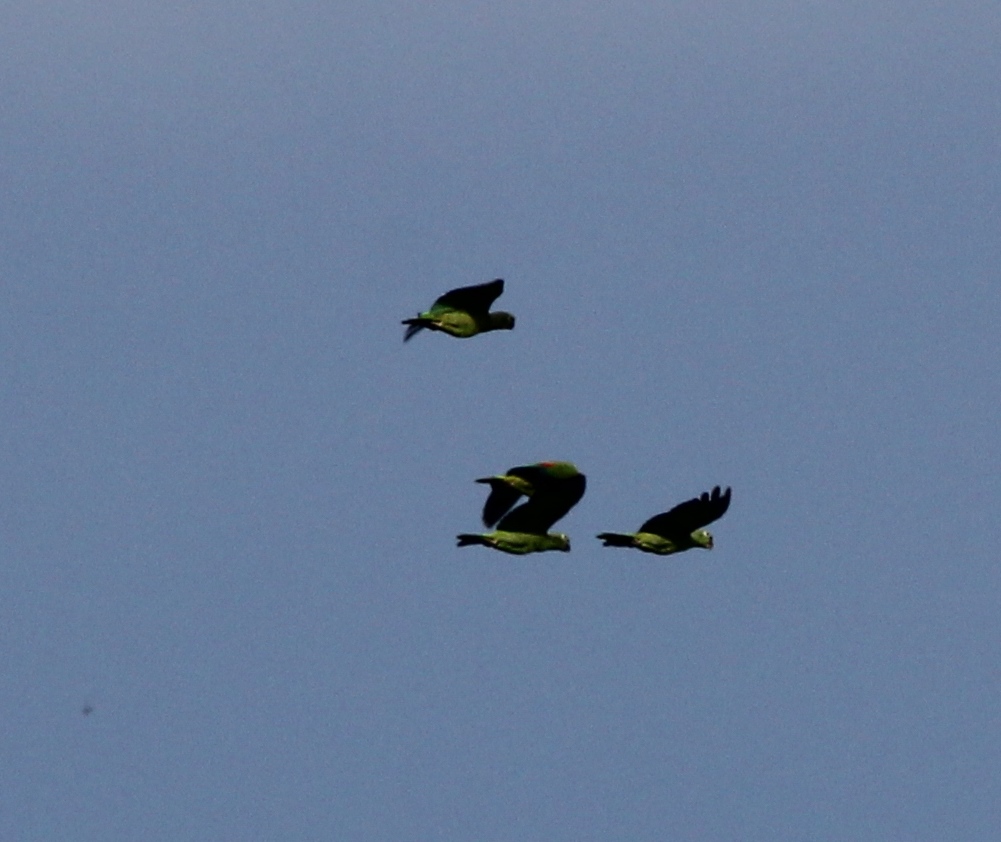
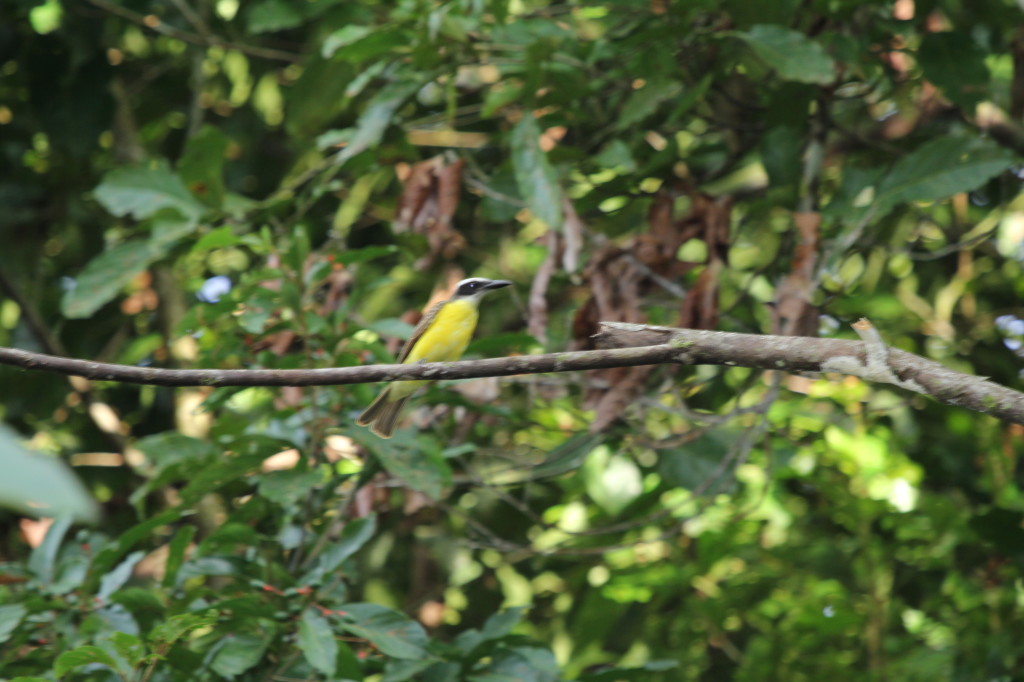
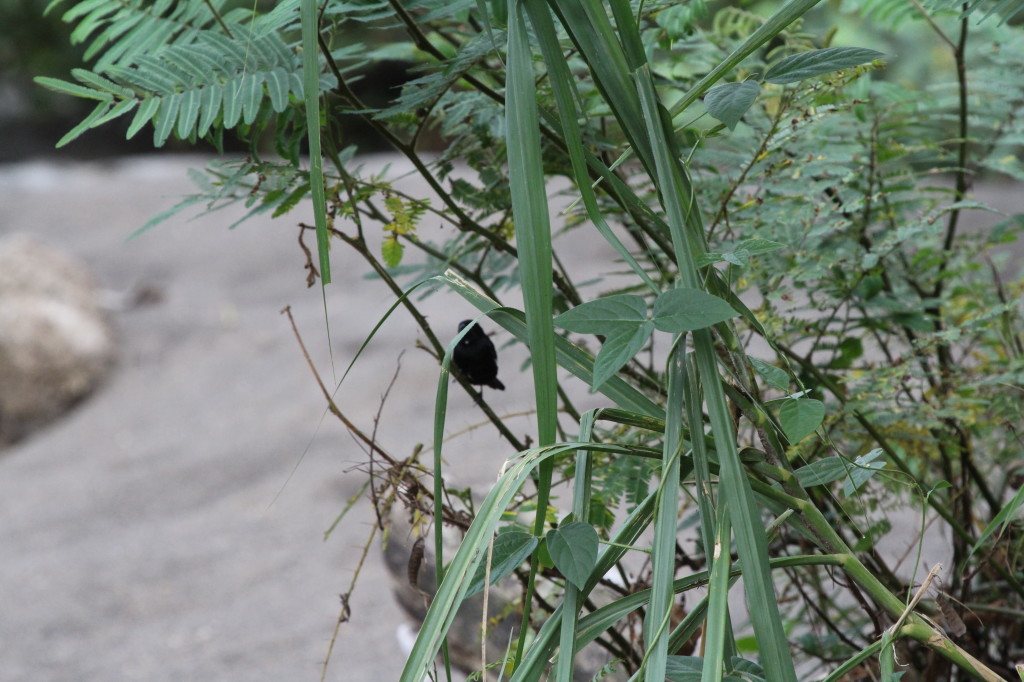
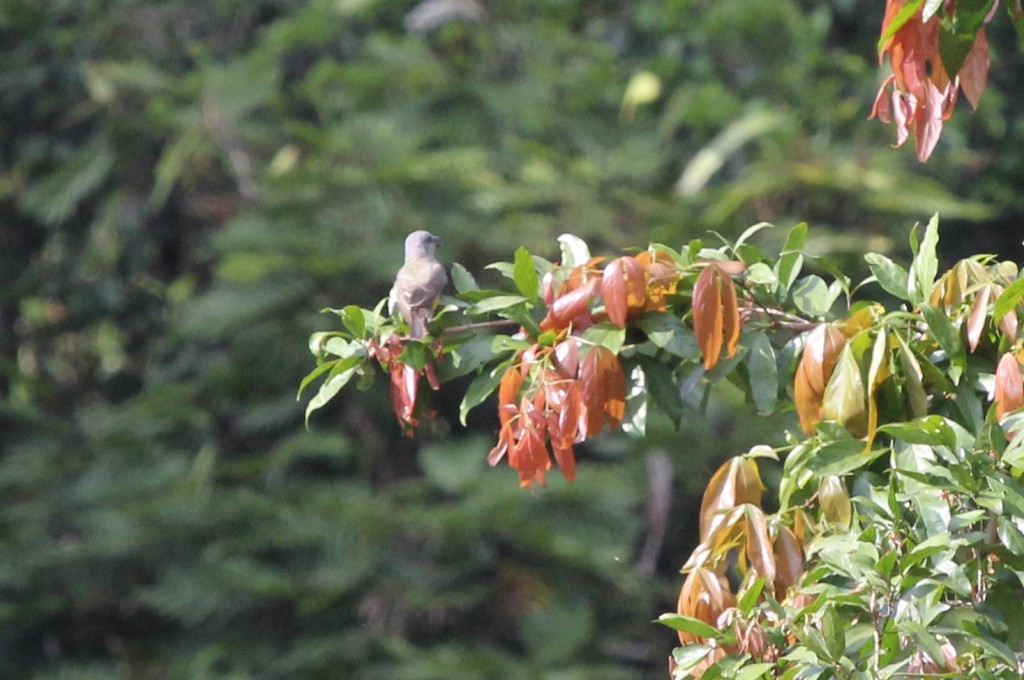
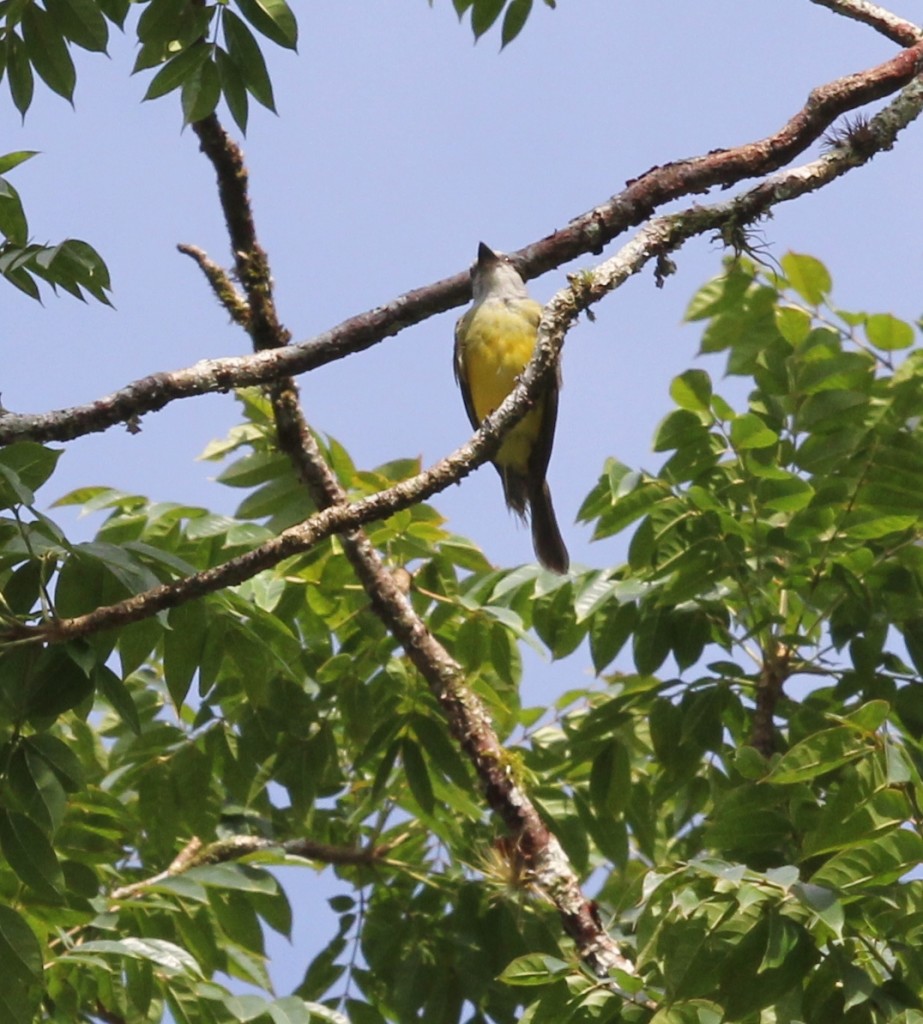
This is the final post in the Laguna del Lagarto series.   Unfortunately I lost the checklist I made with the help of the guides at Laguna del Lagarto so this is from memory as to which birds I saw.  If I find the checklist, I will come back to this post and update it.  I do remember some of the Tanagers but not all of those tiny but gorgeous birds are Tanagers.  The Woodpeckers are especially cute!  Enjoy the photos and if you can help me identify any of these birds please do so in the comments!

.
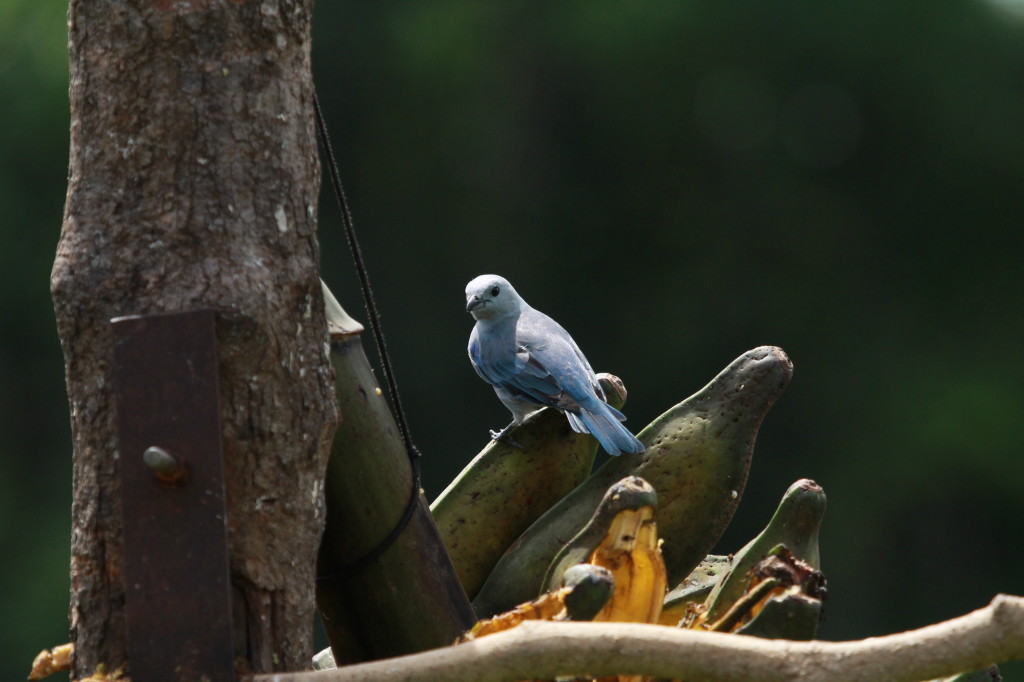
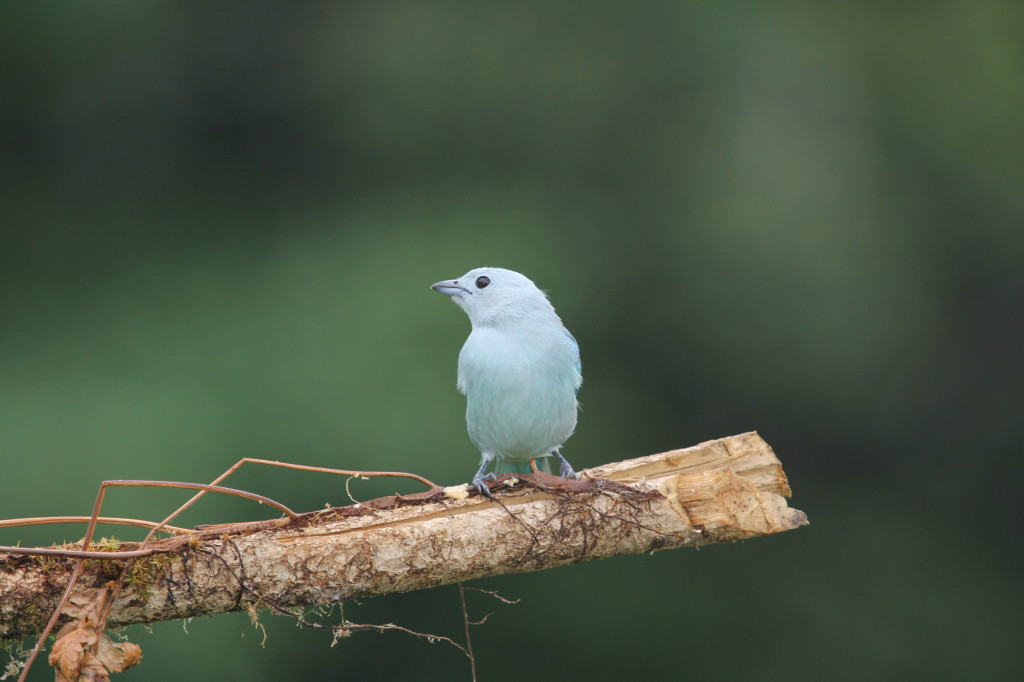
IMG_9735 IMG_9784 IMG_9789 IMG_9854 IMG_9838 IMG_9798

IMG_9691a

IMG_9979 IMG_9984a IMG_9988 IMG_9989 IMG_9992 IMG_9999 IMG_0033a IMG_0159

Woodpeckers

.

IMG_9699 IMG_9858 IMG_0042 IMG_0048 IMG_0126OTHER BIRDS

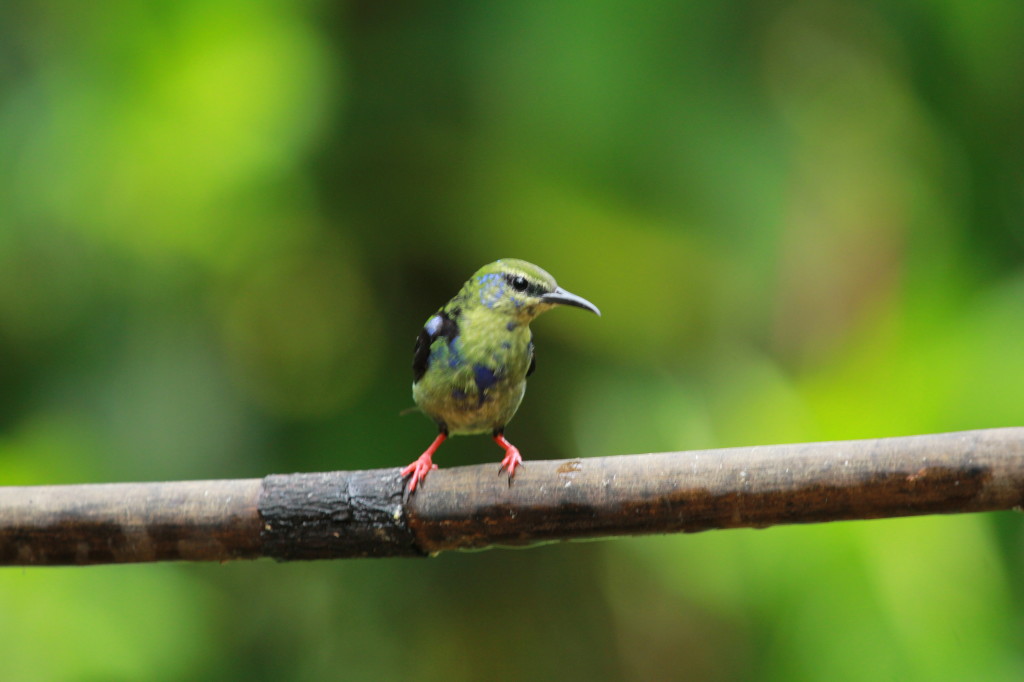
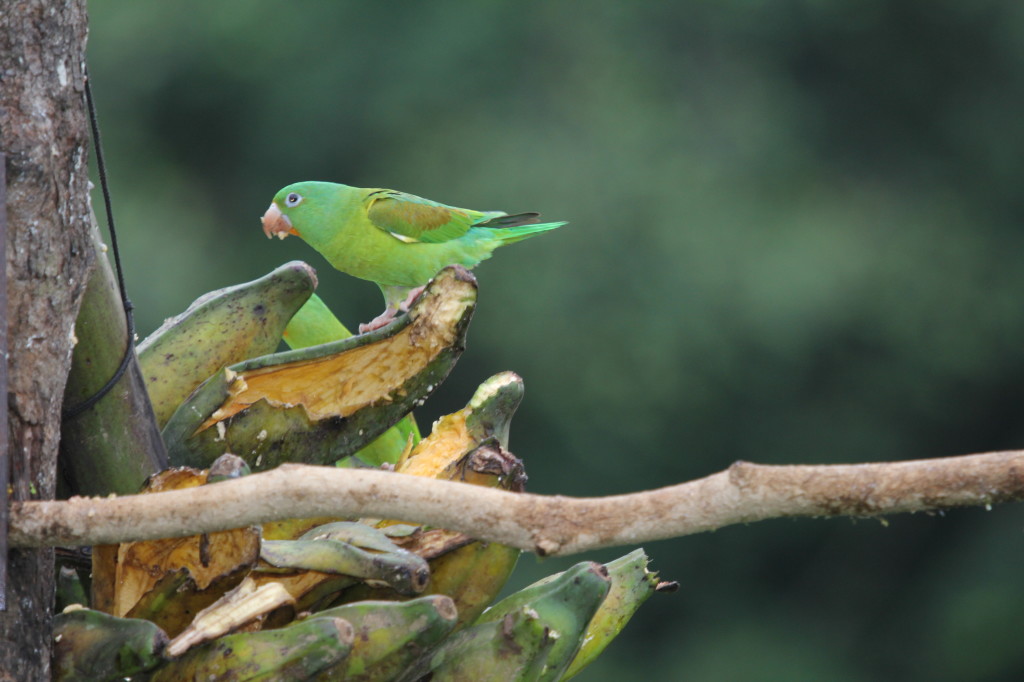
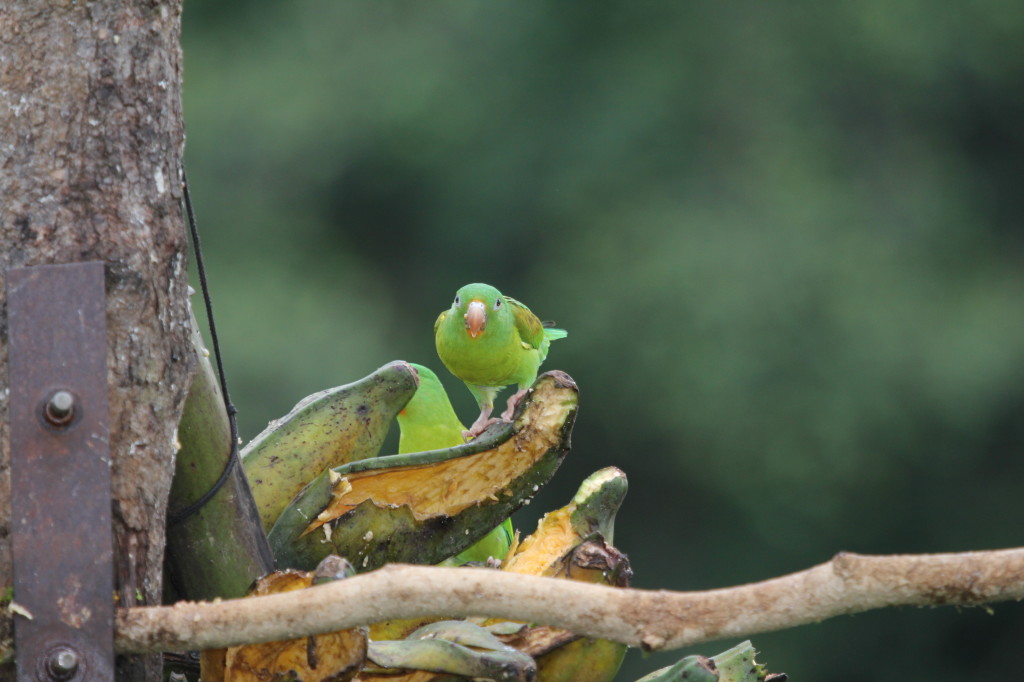
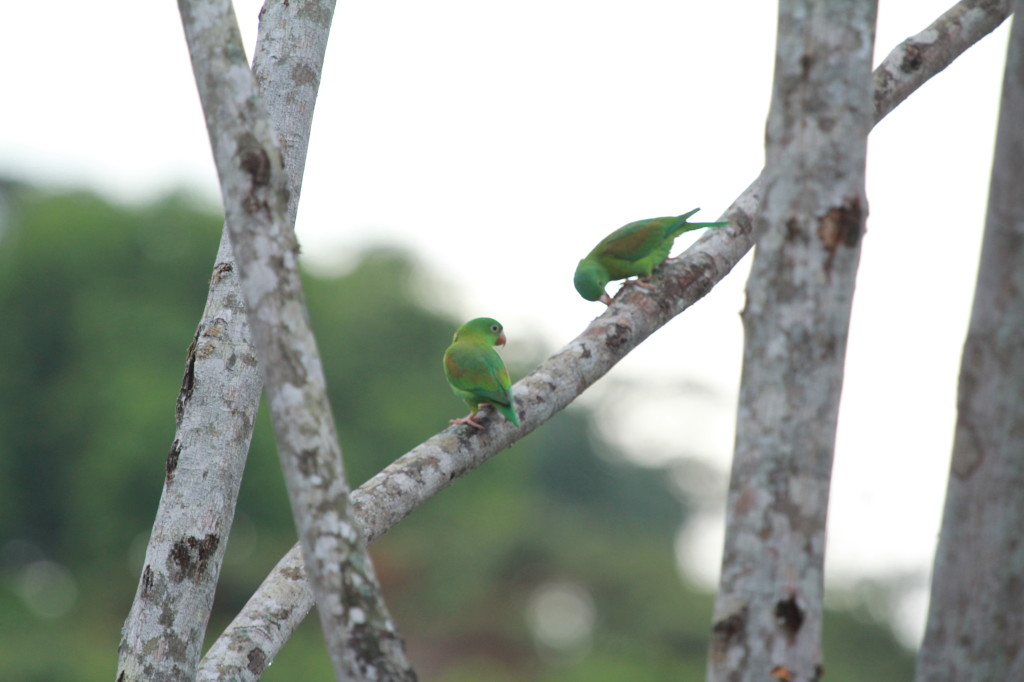
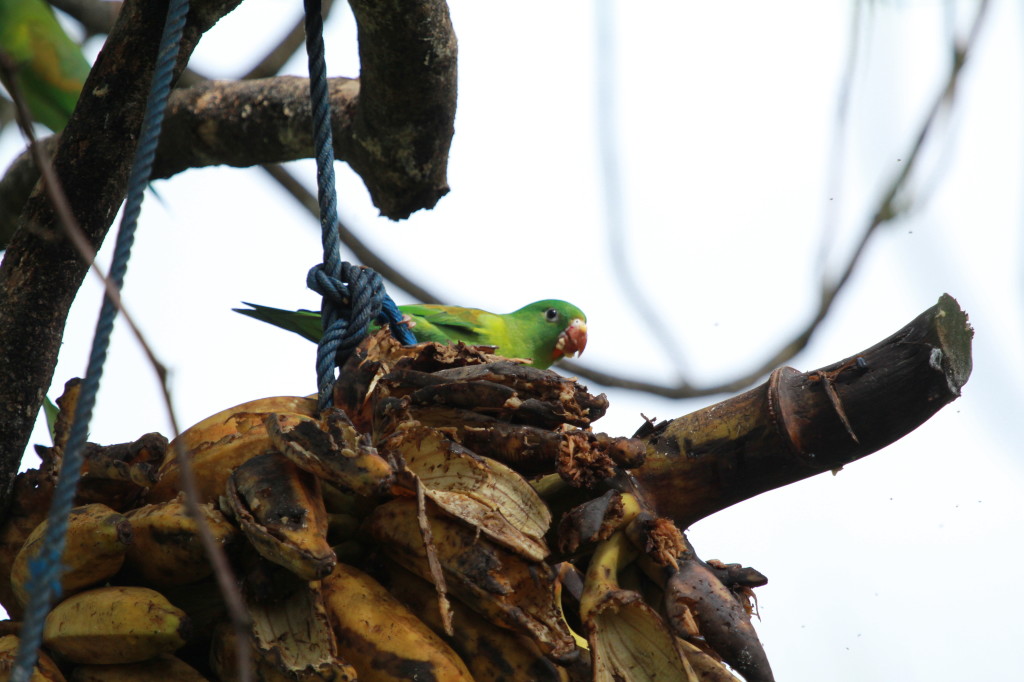
If I can find my notes, I would be able to identify more of these.  Some of the little green birds are the females and they look very similar.
IMG_9689 IMG_9710 IMG_9715 IMG_9720 IMG_9832 IMG_9838 IMG_9853 IMG_9979

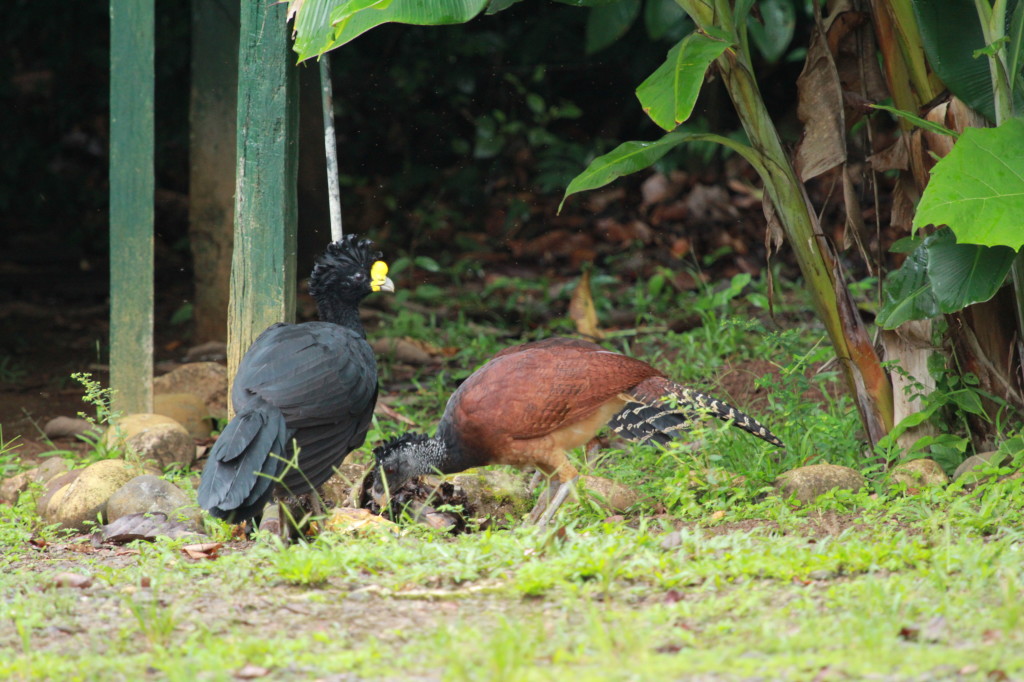
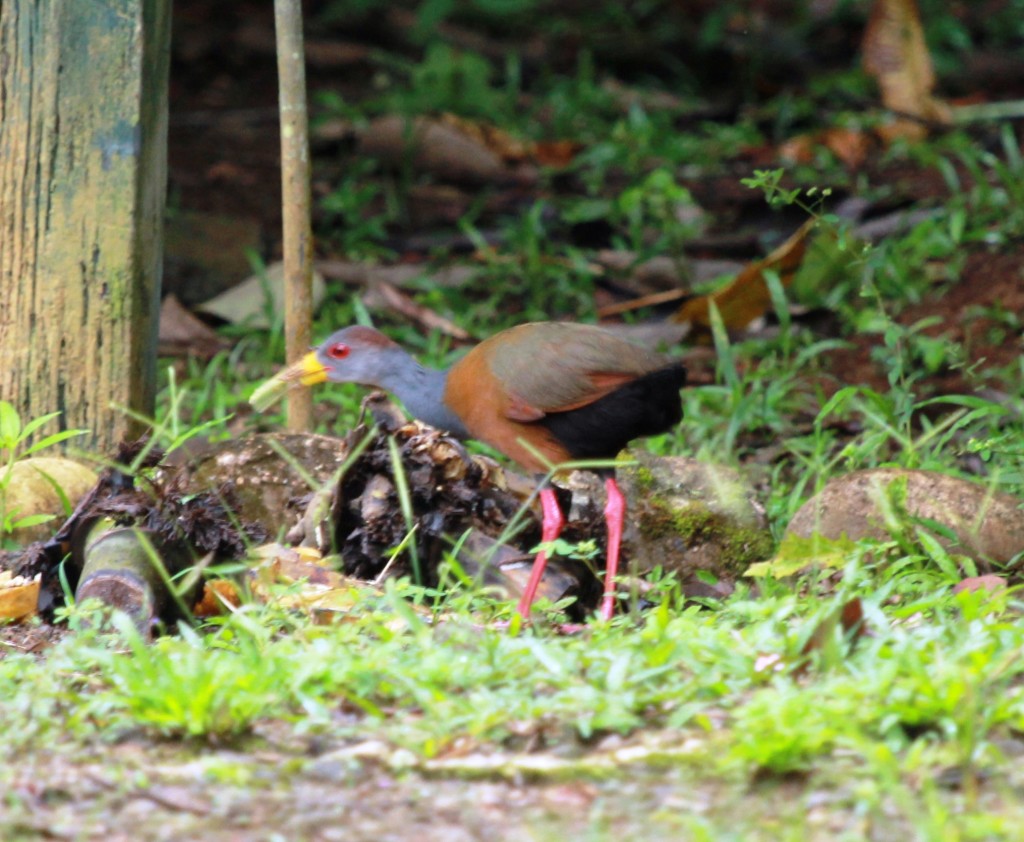
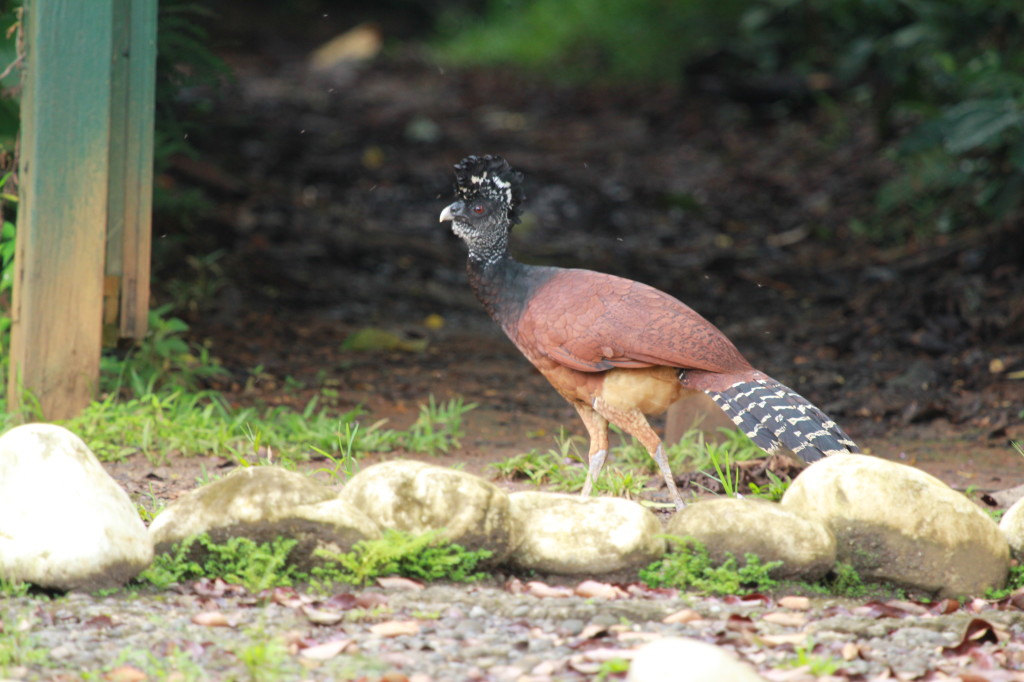
Currasow

IMG_0063 IMG_0120a

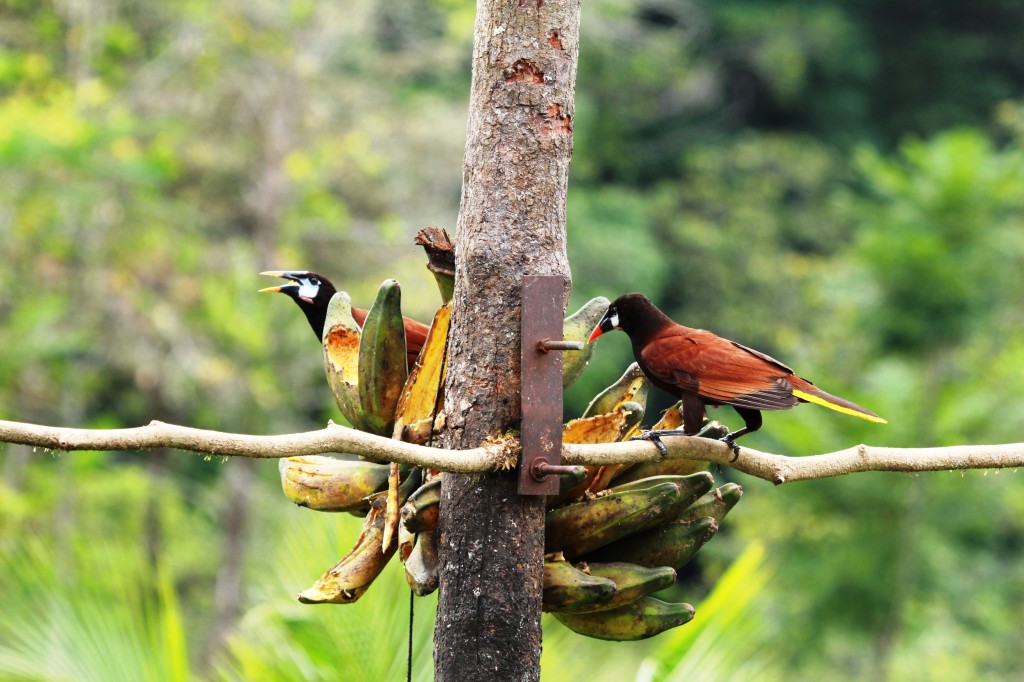
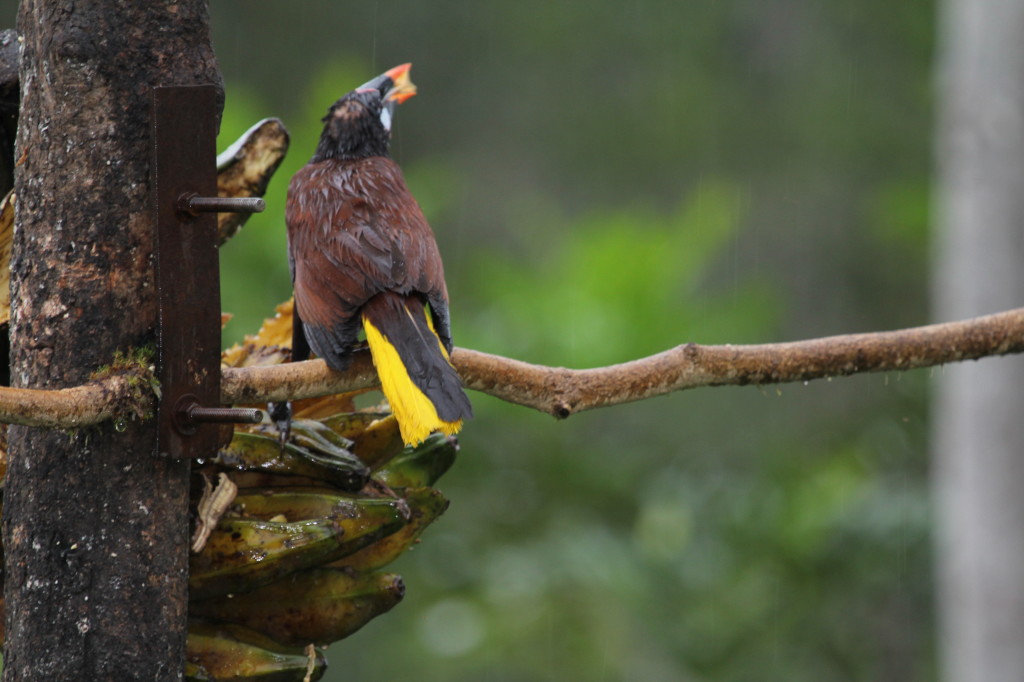
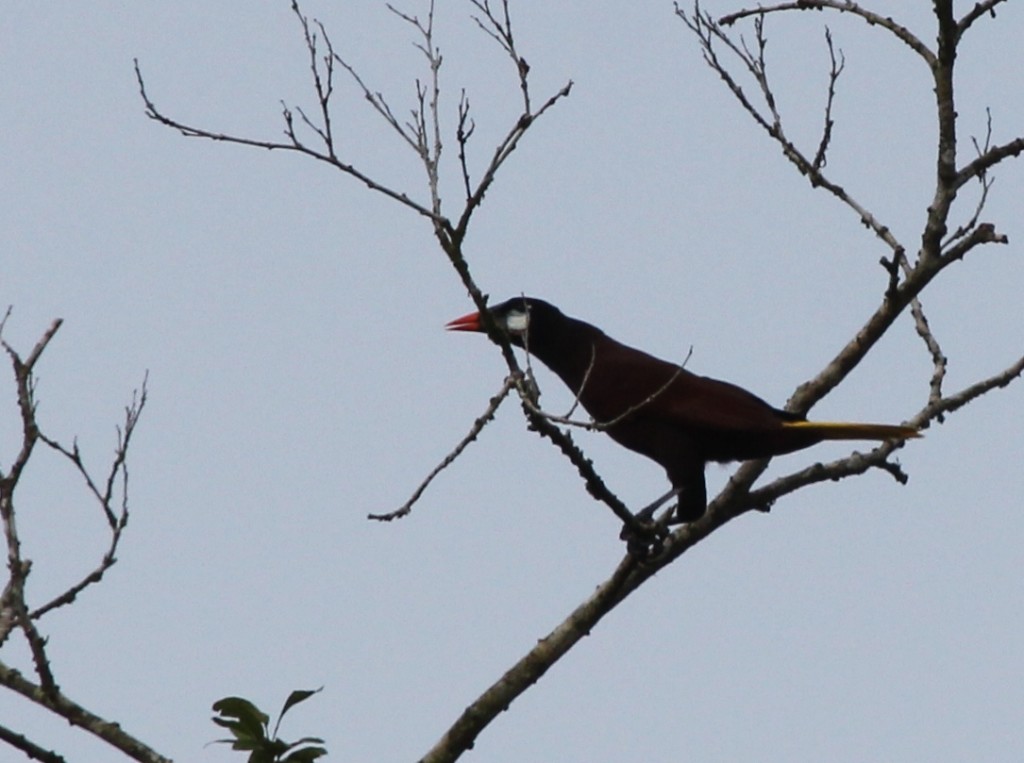
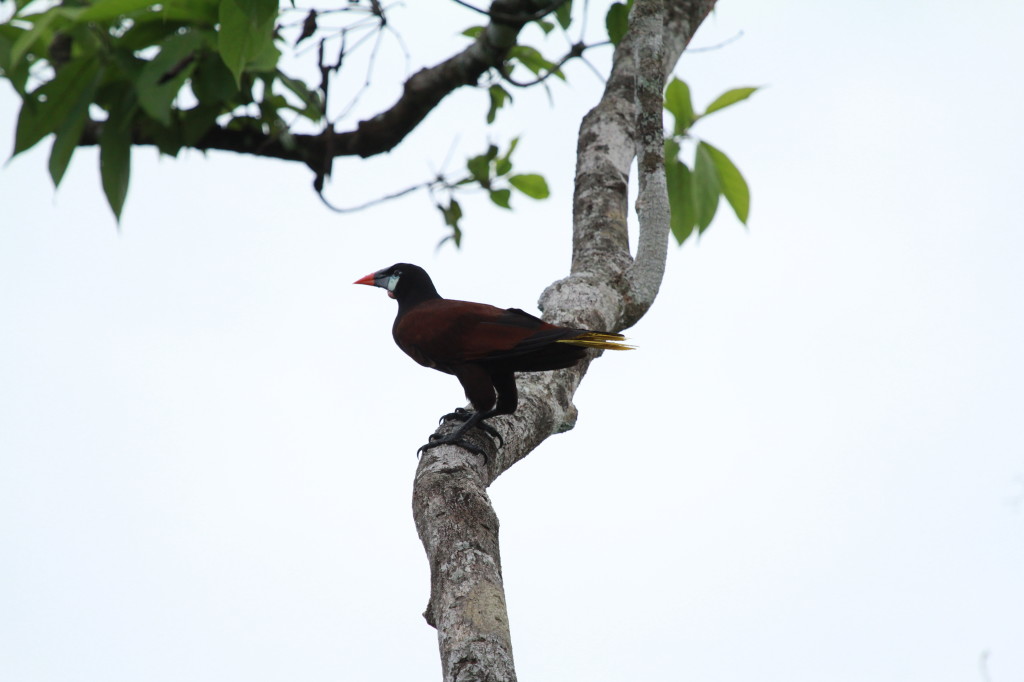
MONTEZUMA OROPENDULA

IMG_0128 IMG_0130 IMG_0131 IMG_0132 IMG_0134

I think this is a

IMG_0157 IMG_0163

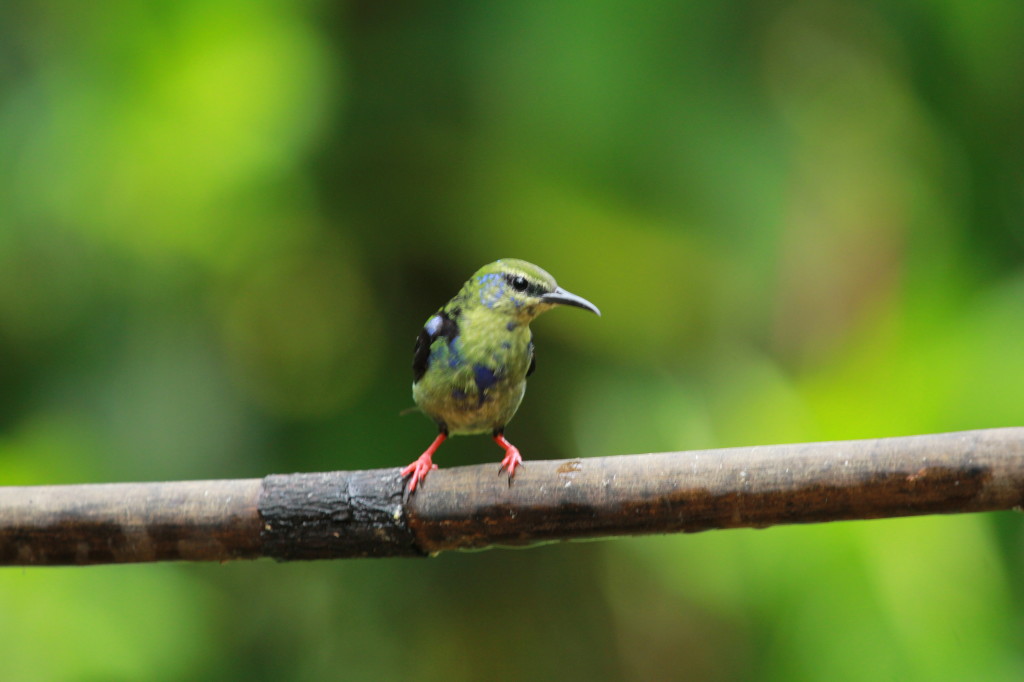
I love this little guy’s red feet!
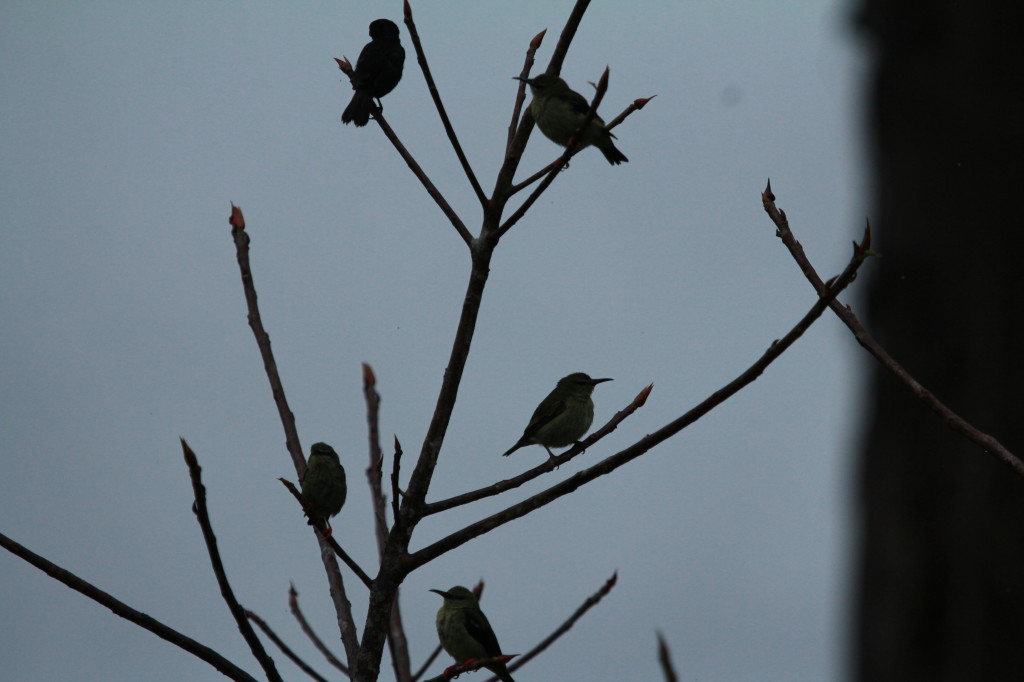
IMG_0168a IMG_0173 IMG_0194 IMG_0195a IMG_0202 IMG_0293 IMG_0299 IMG_0300 IMG_0366 IMG_0368 IMG_0486 IMG_0488 IMG_0490 Zemanta Related Posts Thumbnail

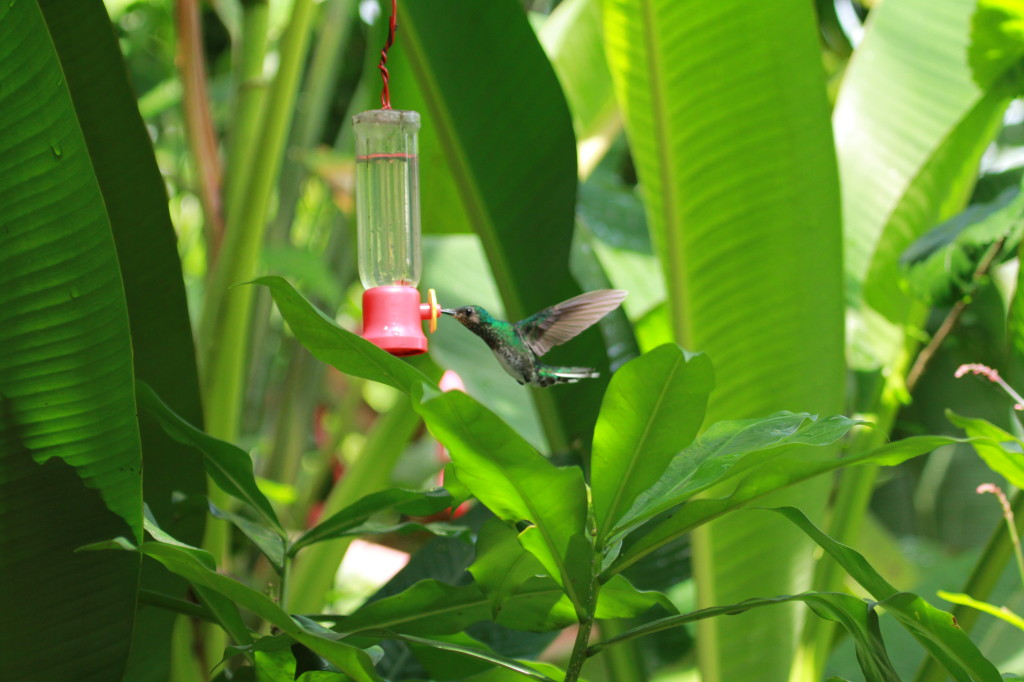
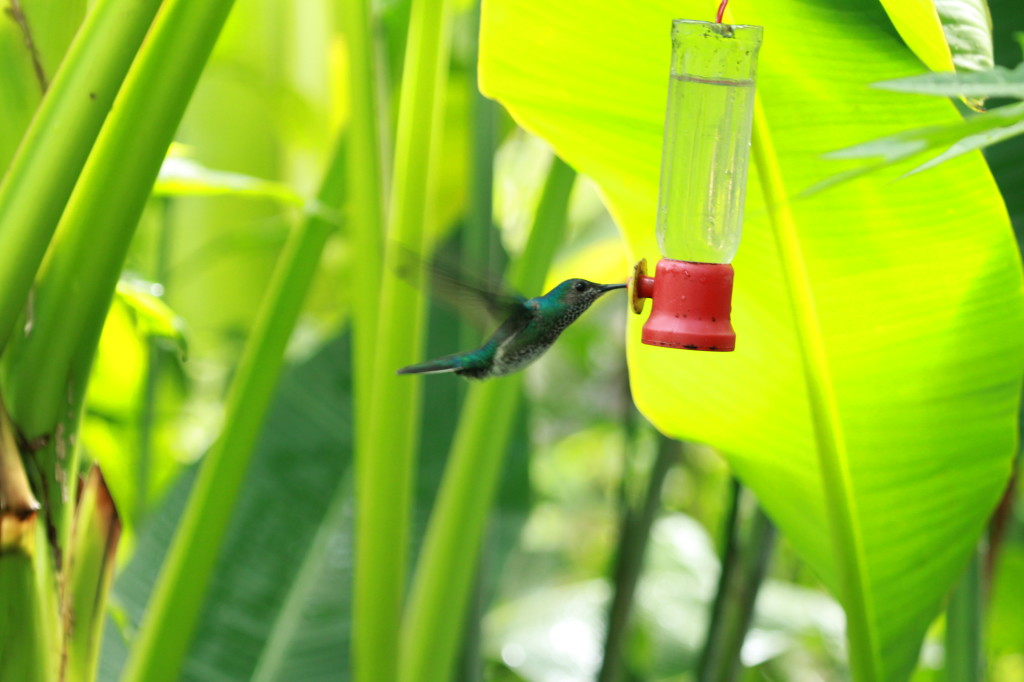
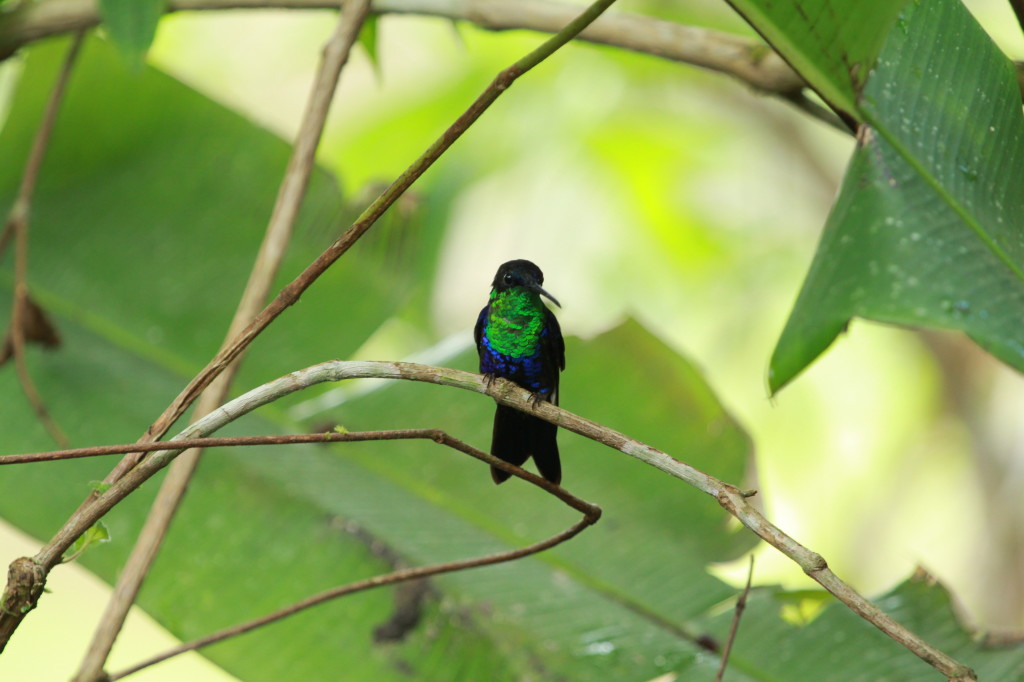
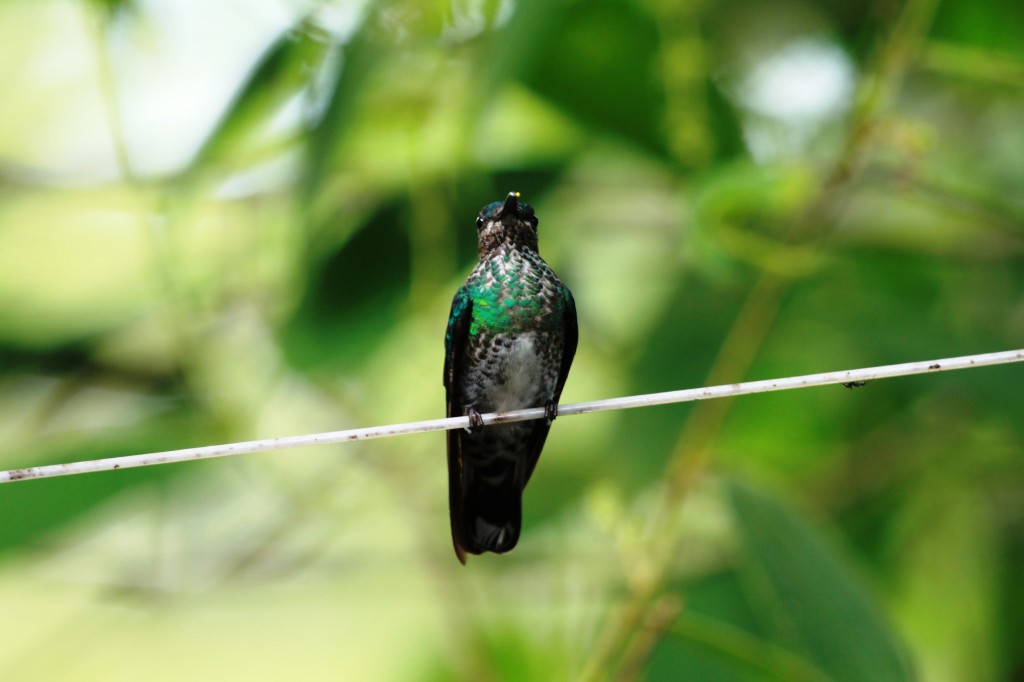
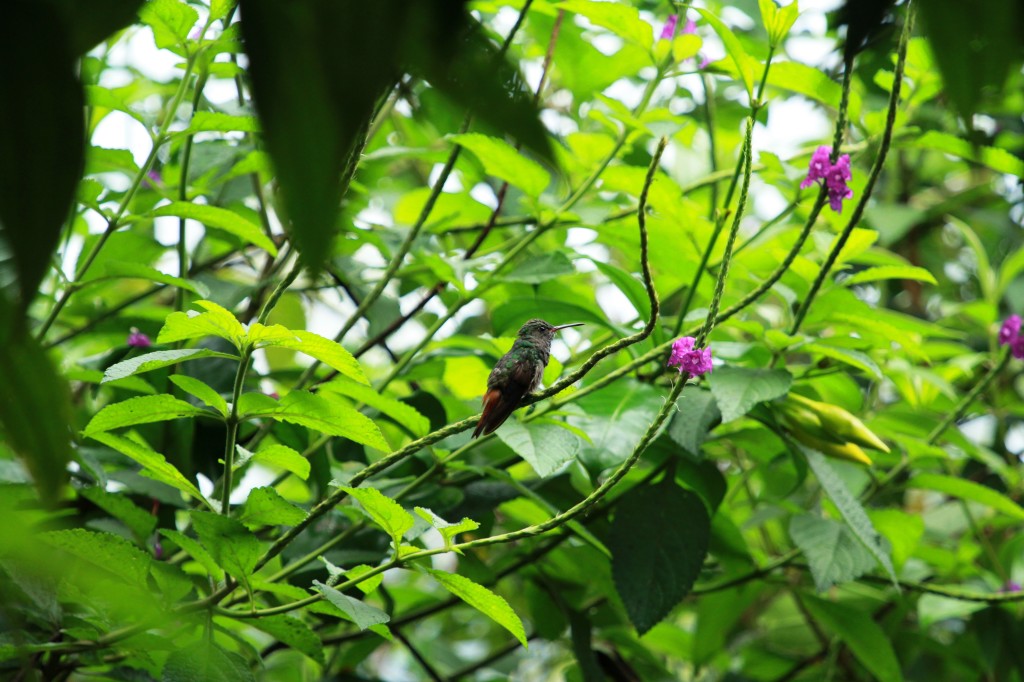
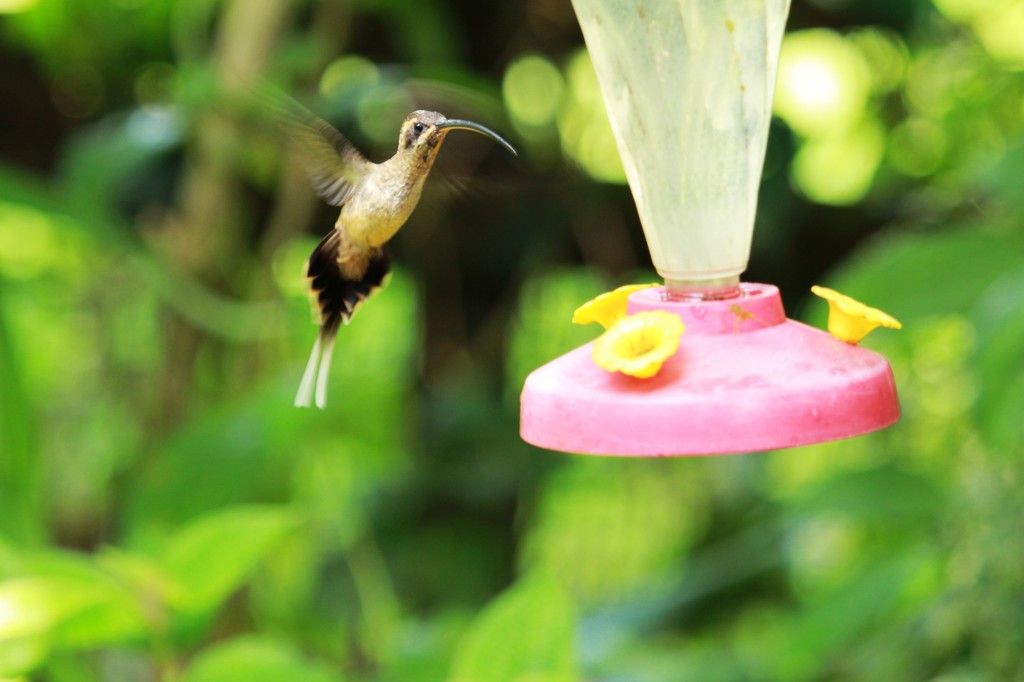
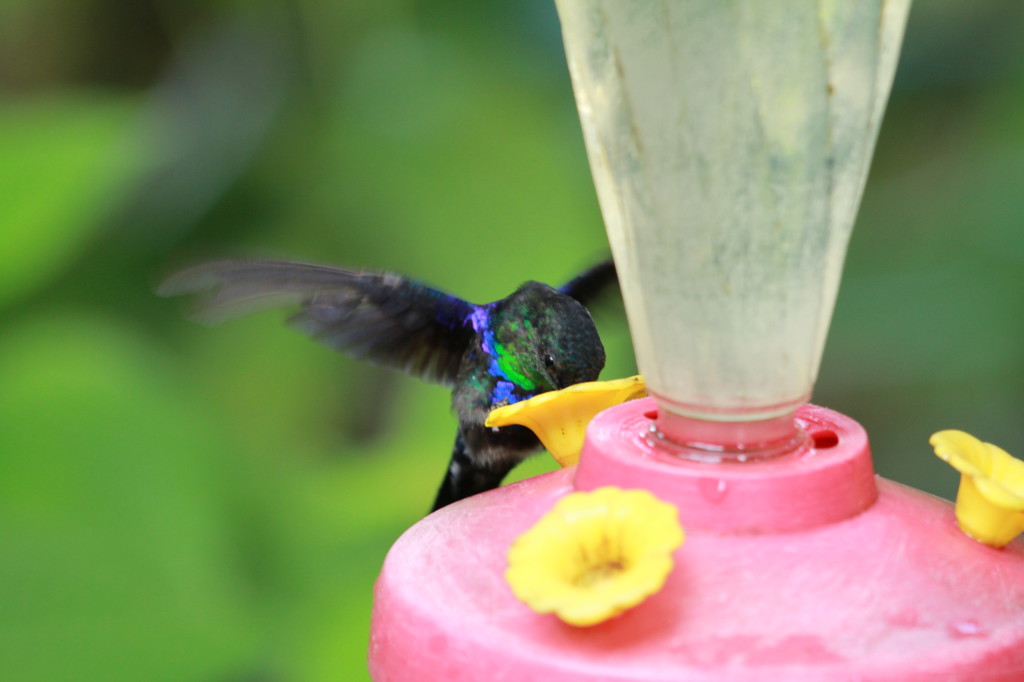
Birds Of Laguna Del Lagarto: Hummingbirds

Since there are so many photos, I am breaking this up into separate posts.  There are other posts for  information on how to get to Costa Rica & Laguna del Lagarto.

Bird List of Laguna del Lagarto

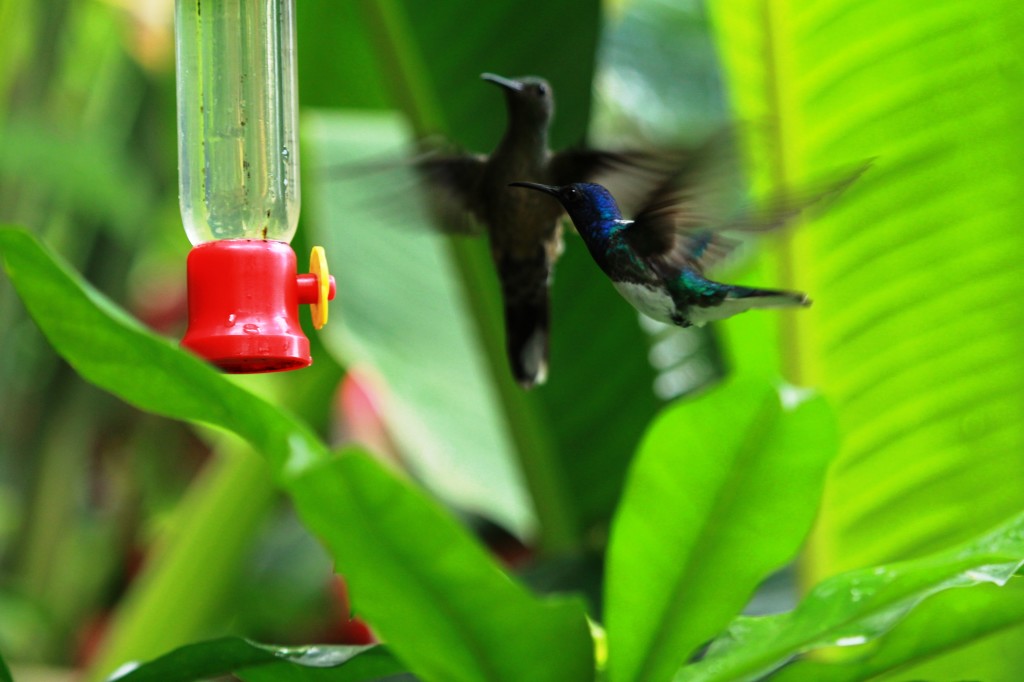
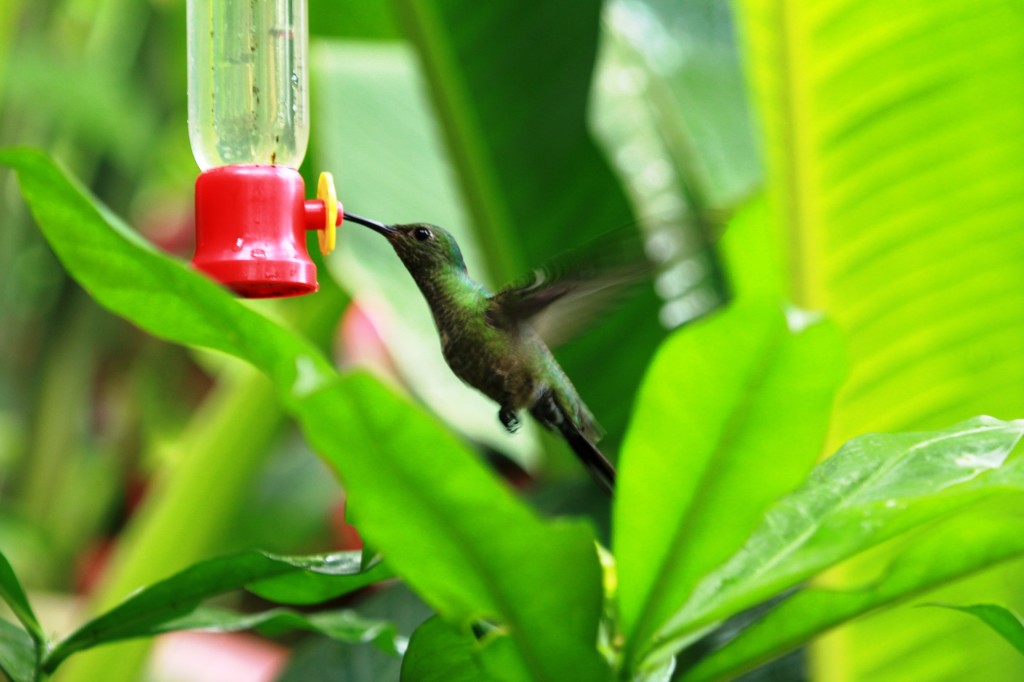
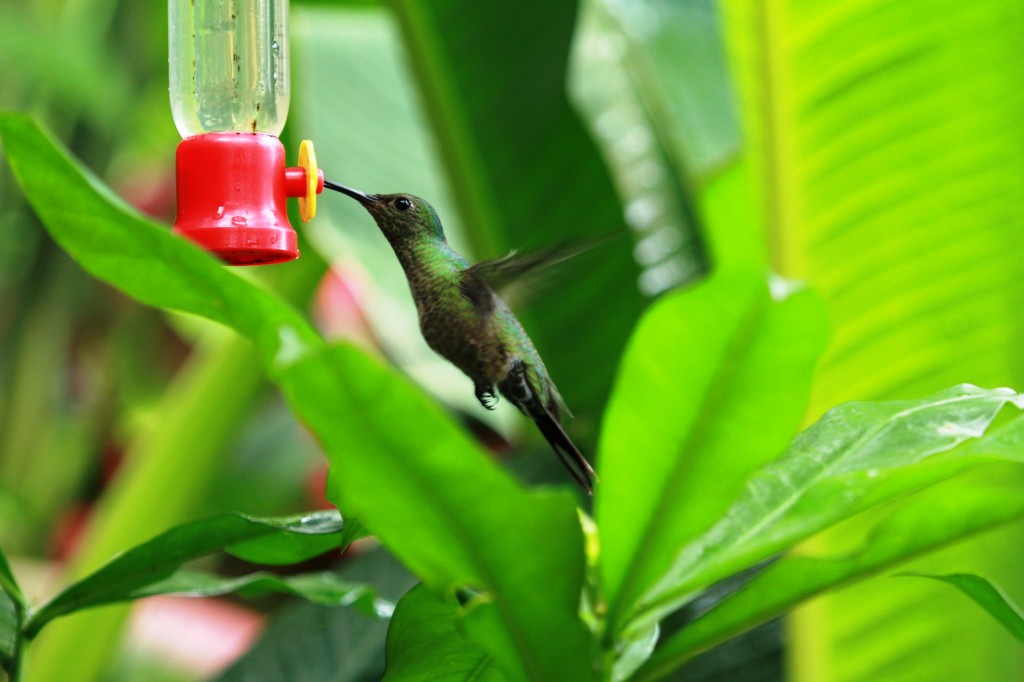
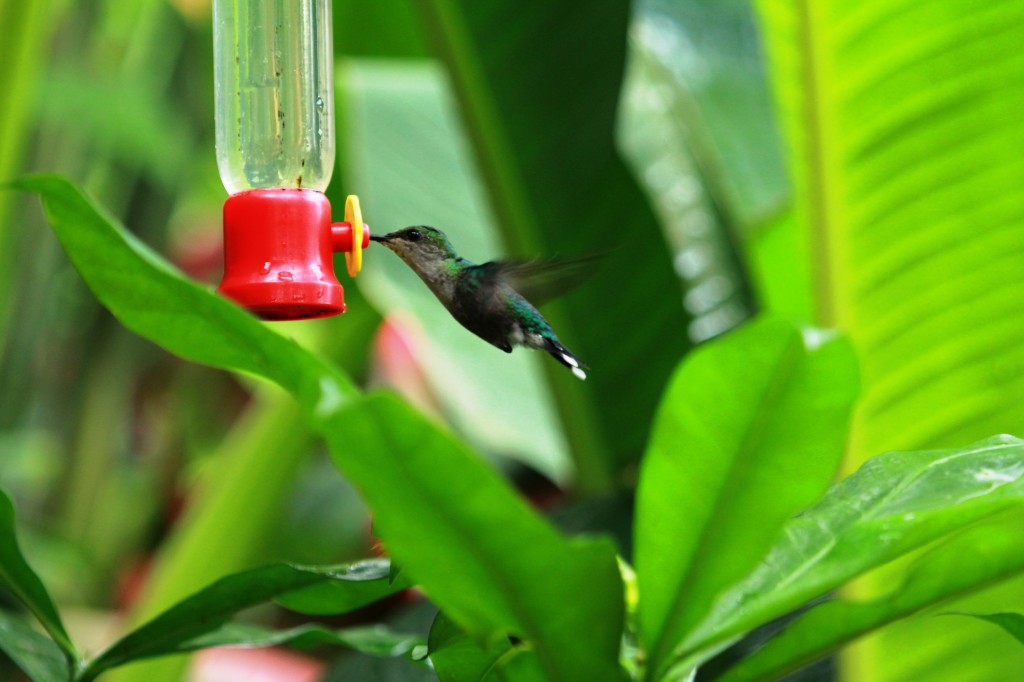
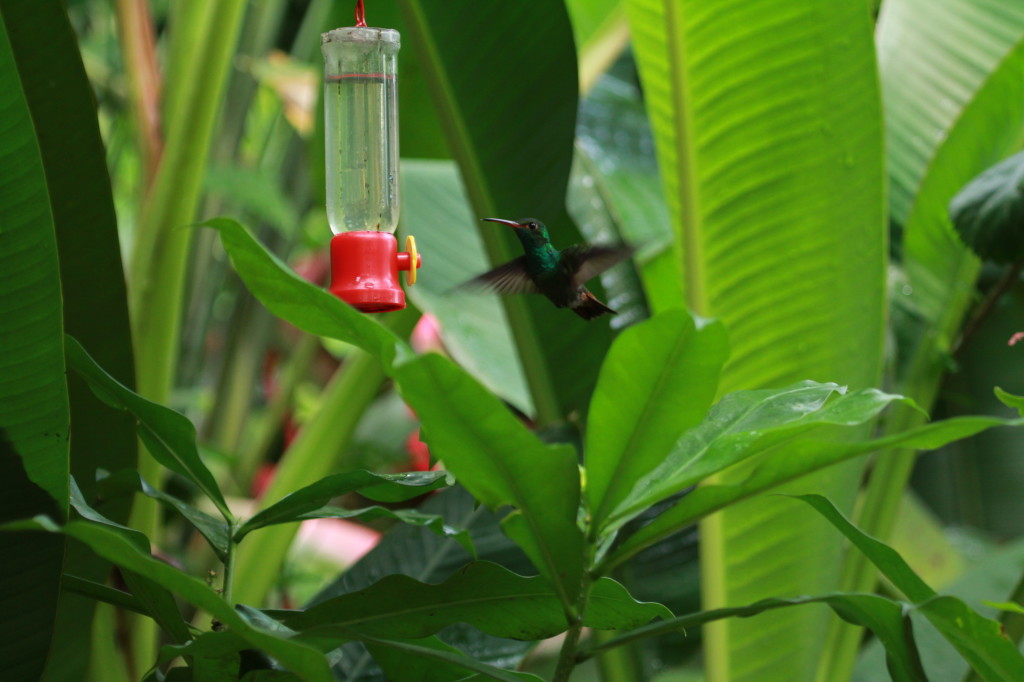
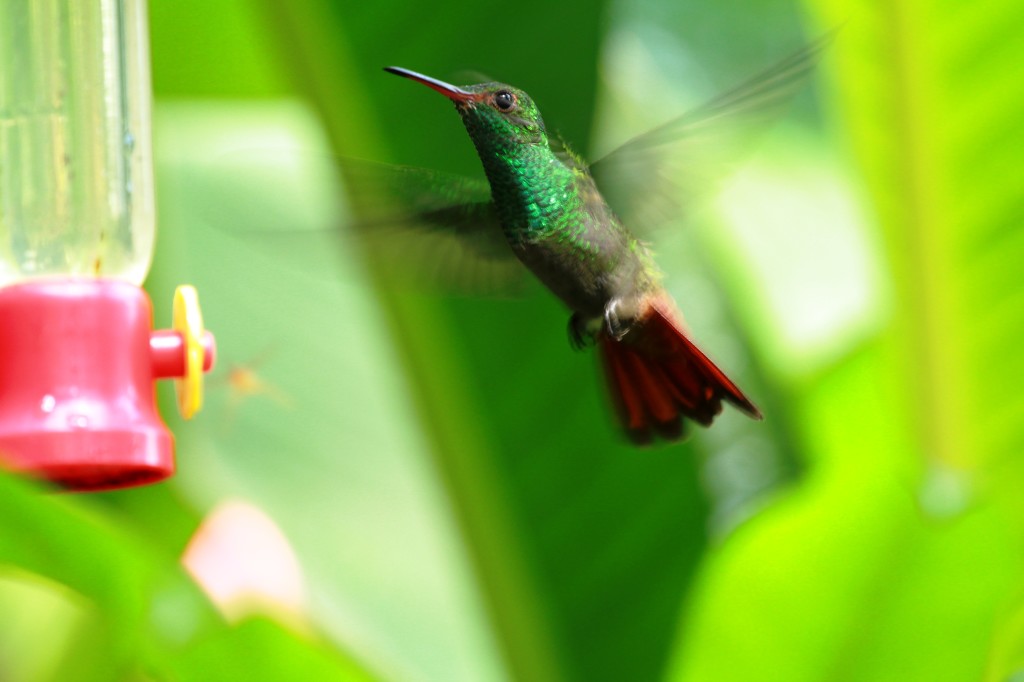
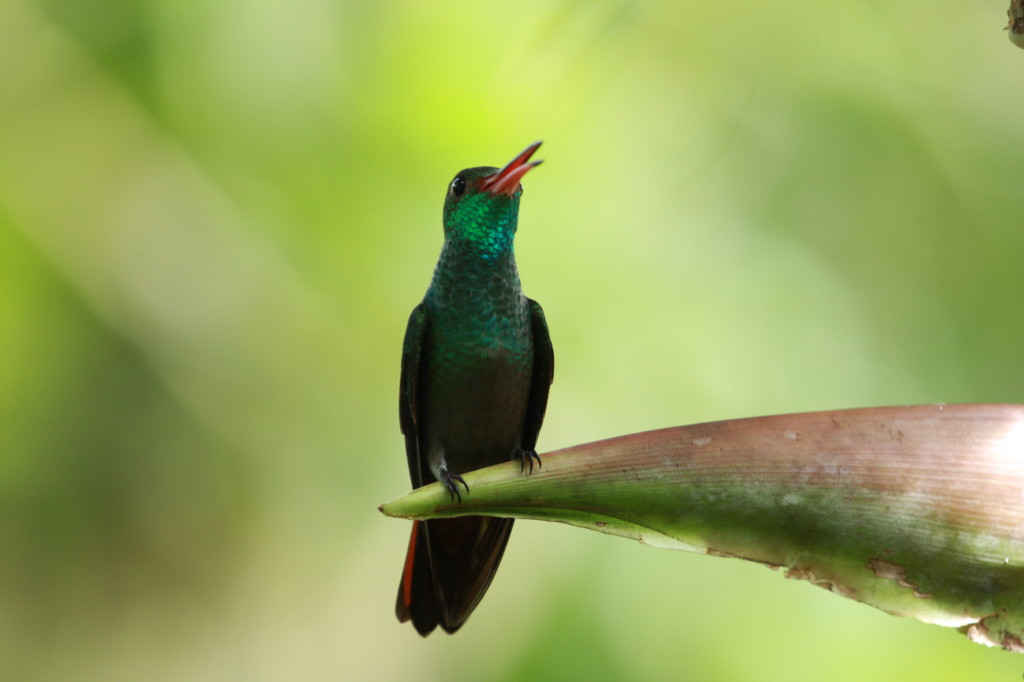
These spectacular little birds are often called “flying jewels” because of their brilliant irridescent colouring.   Unfortunately I lost the checklist I made with the help of the guides at Laguna del Lagarto so this is from memory as to which hummingbirds I saw.  The ones at the lodge were Rufous-tailed Hummingbirds.  The ones at Adolfo’s home garden (feeders) are highlighted in yellow to the best of my memory.  If I find the checklist, I will come back to this post and update it.  Humming birds are slightly easier to photograph than parrots because they are at least closer.  But they sure are fast!
.

IMG_9800 IMG_9860 IMG_0029 IMG_0030 IMG_0141 IMG_0153 IMG_0290 IMG_0323 IMG_0343 IMG_0350 IMG_0355 IMG_0359 IMG_0364 IMG_0366 IMG_0371 IMG_0378 IMG_0383 IMG_0400 IMG_0410 IMG_0415 IMG_0419 IMG_0423 IMG_0427 IMG_0434 IMG_0436 IMG_0442 IMG_0443 IMG_0452 IMG_0454 IMG_0455 IMG_0463 IMG_0466 IMG_0467 IMG_0468 IMG_0474 IMG_0491 IMG_0507 IMG_0511 IMG_0519 IMG_0520 IMG_0521 IMG_0524

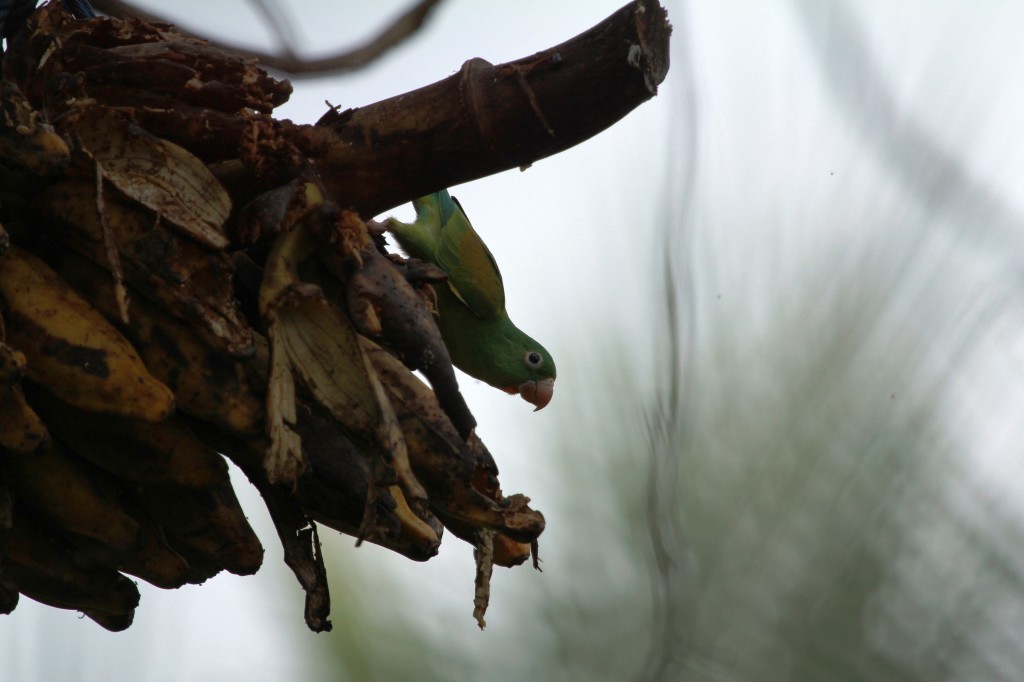
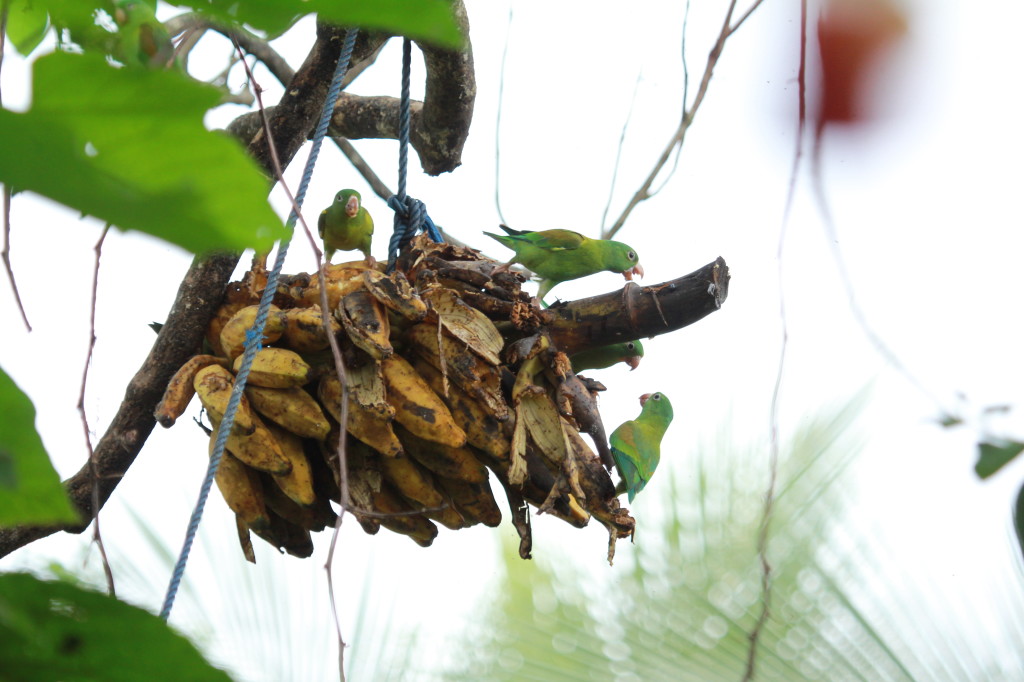
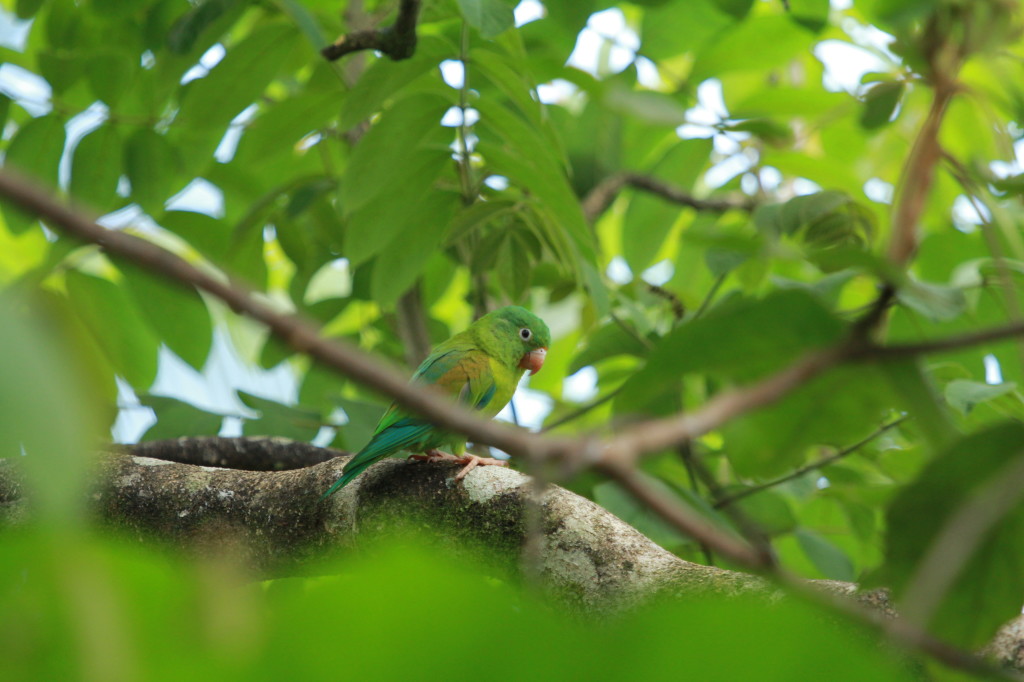
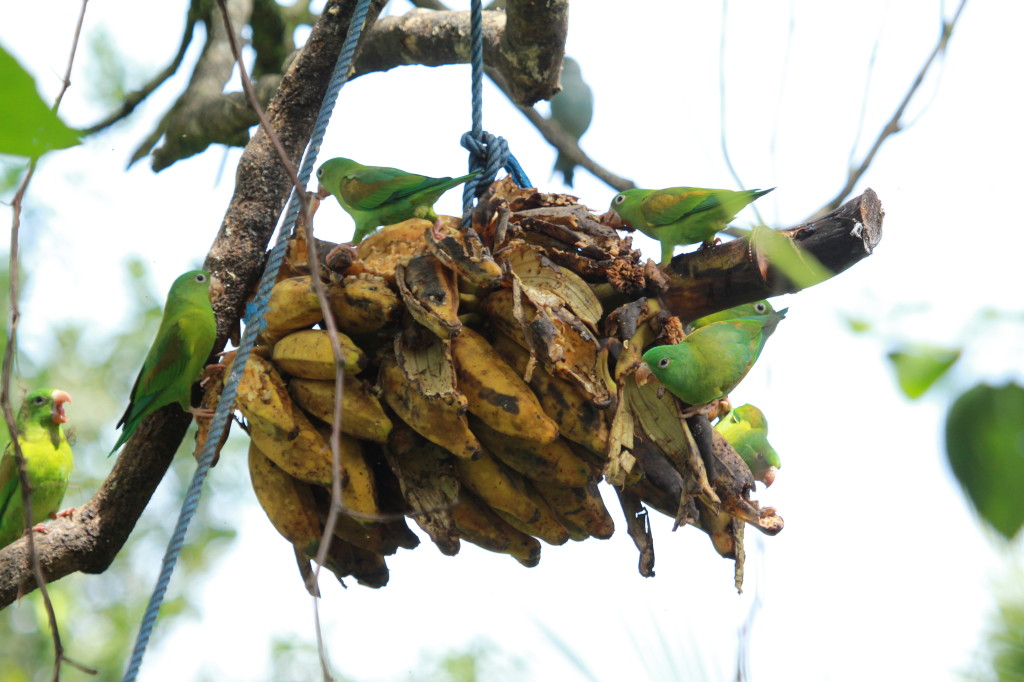
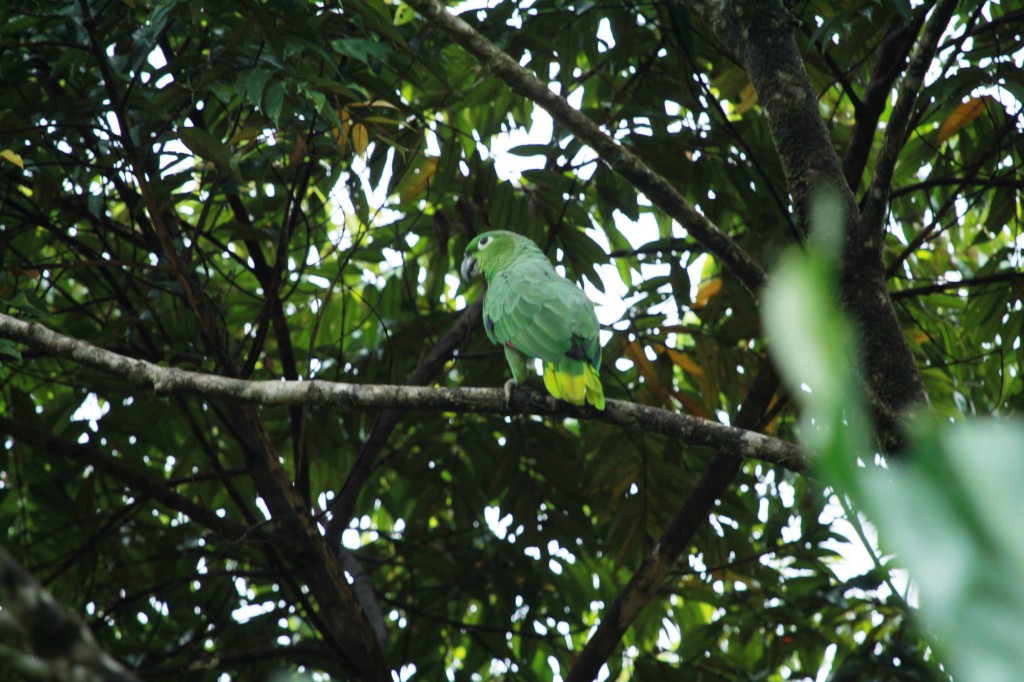
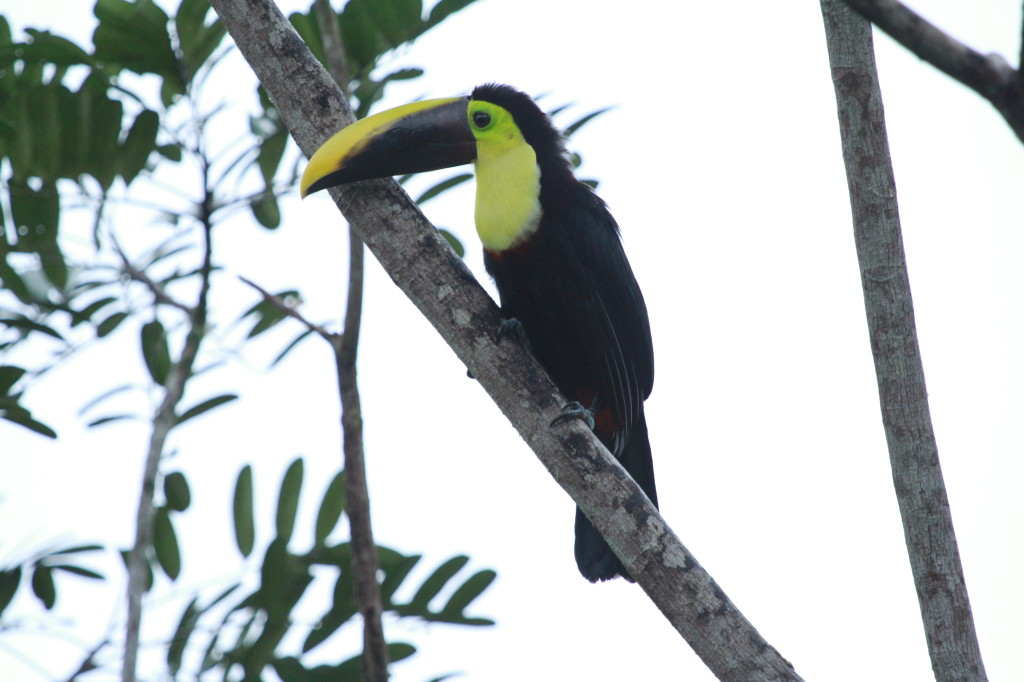
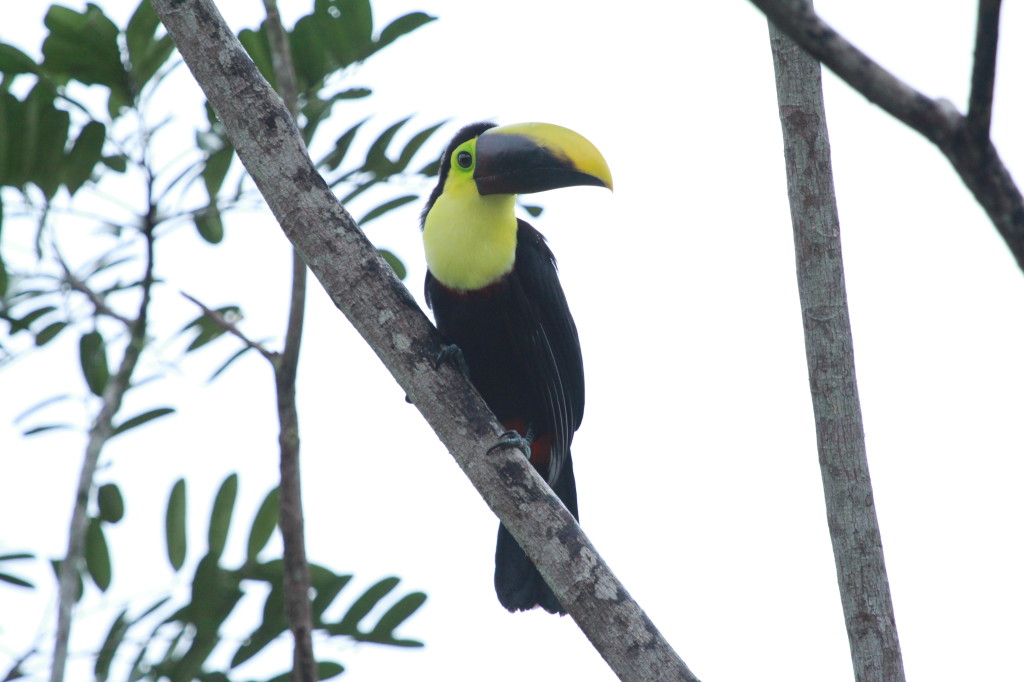
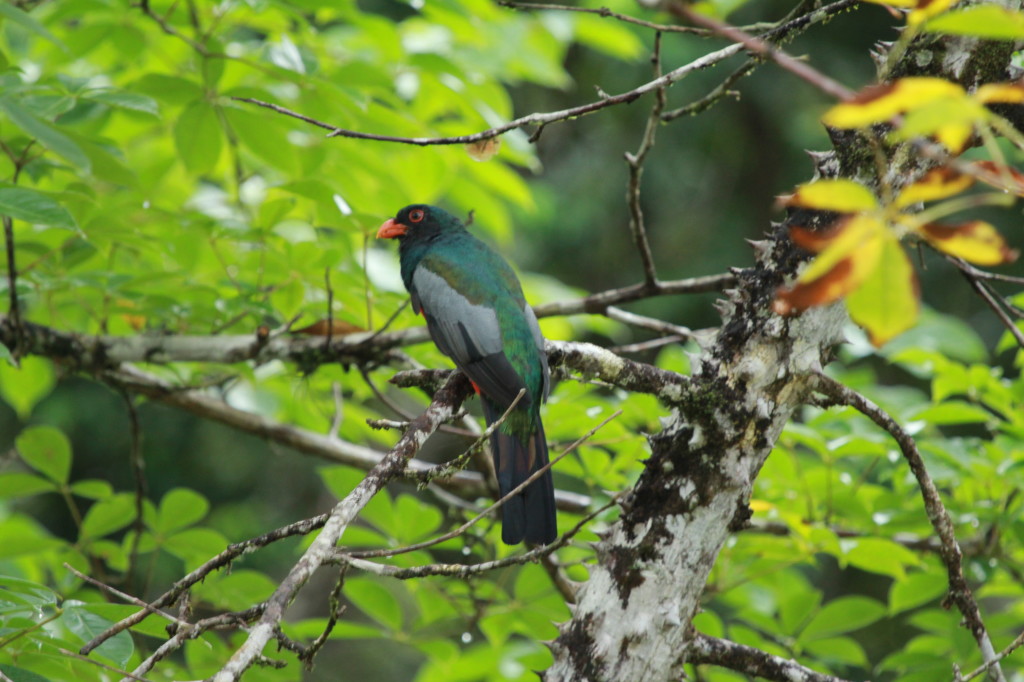
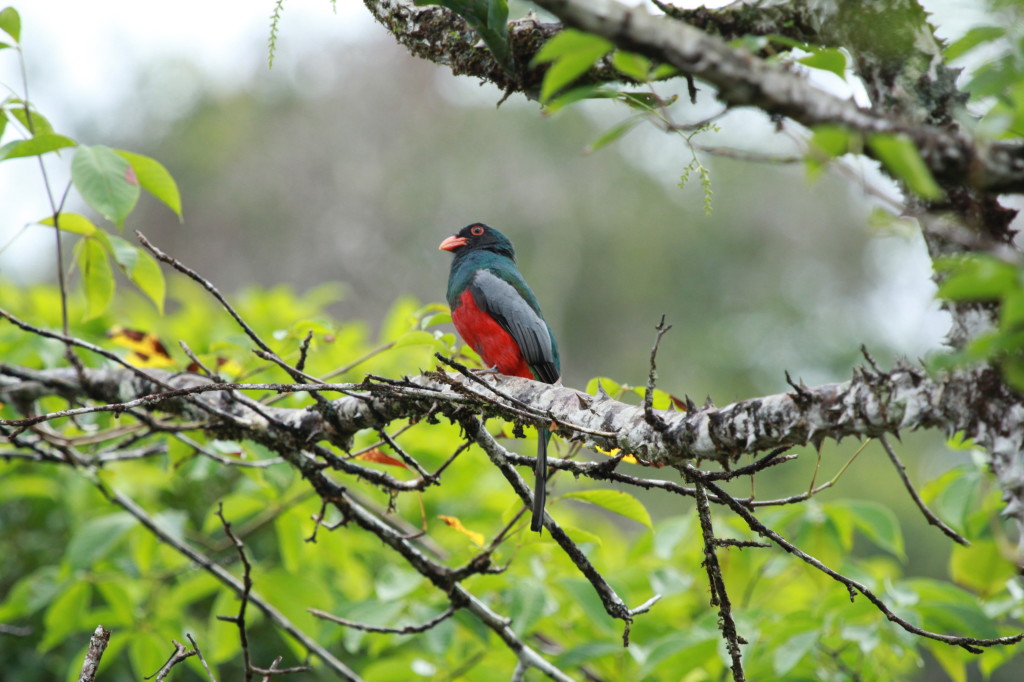
Birds Of Laguna Del Lagarto: Parrots, Toucans, Aracaris & Trogon

Since there are so many photos, I am breaking this up into separate posts.  There are other posts for  information on how to get to Costa Rica & Laguna del Lagarto.

Bird List of Laguna del Lagarto

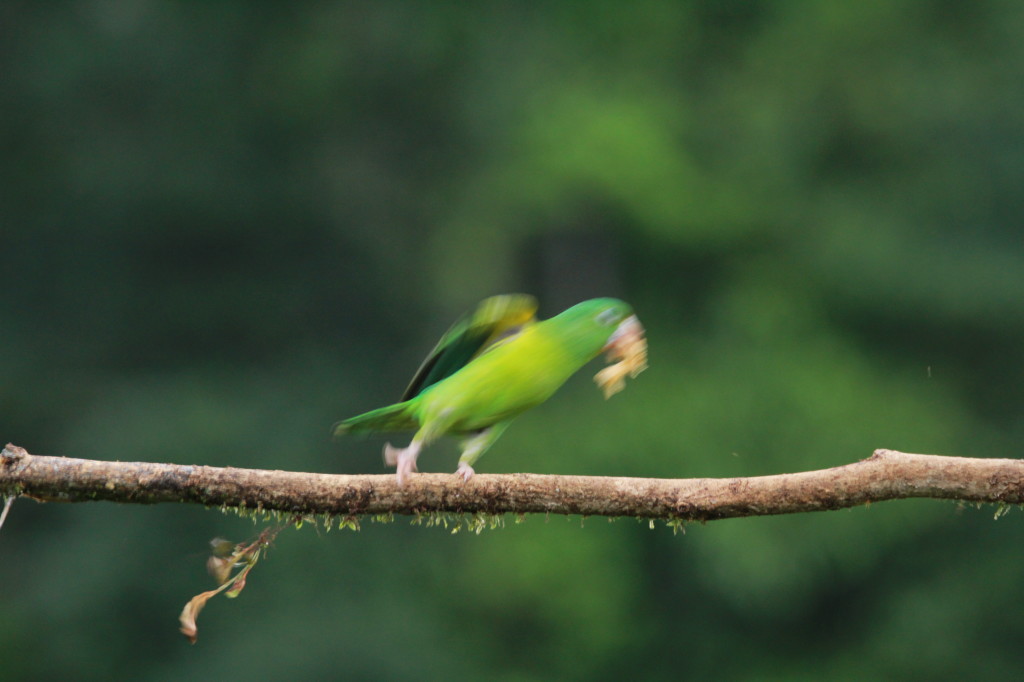
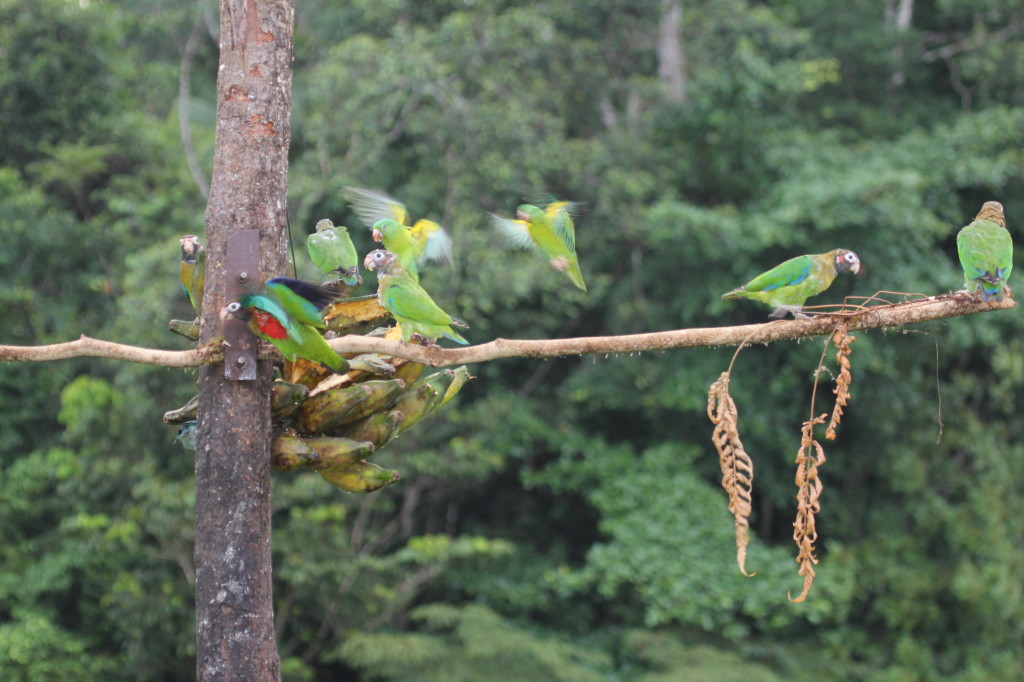
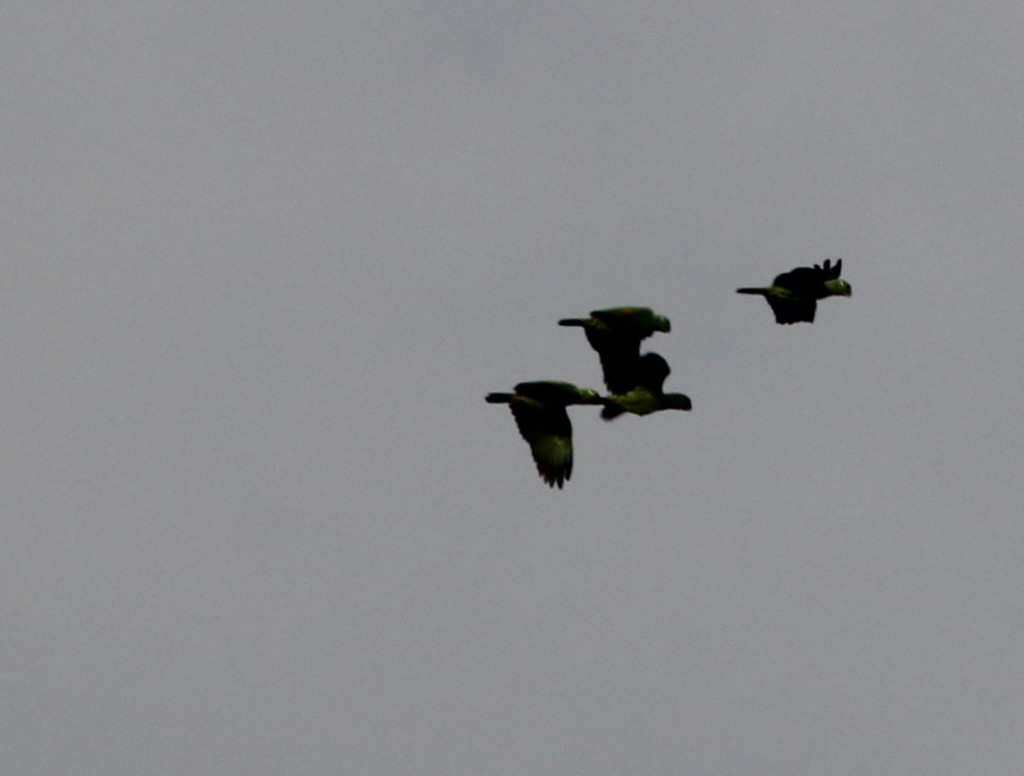
PARROTS

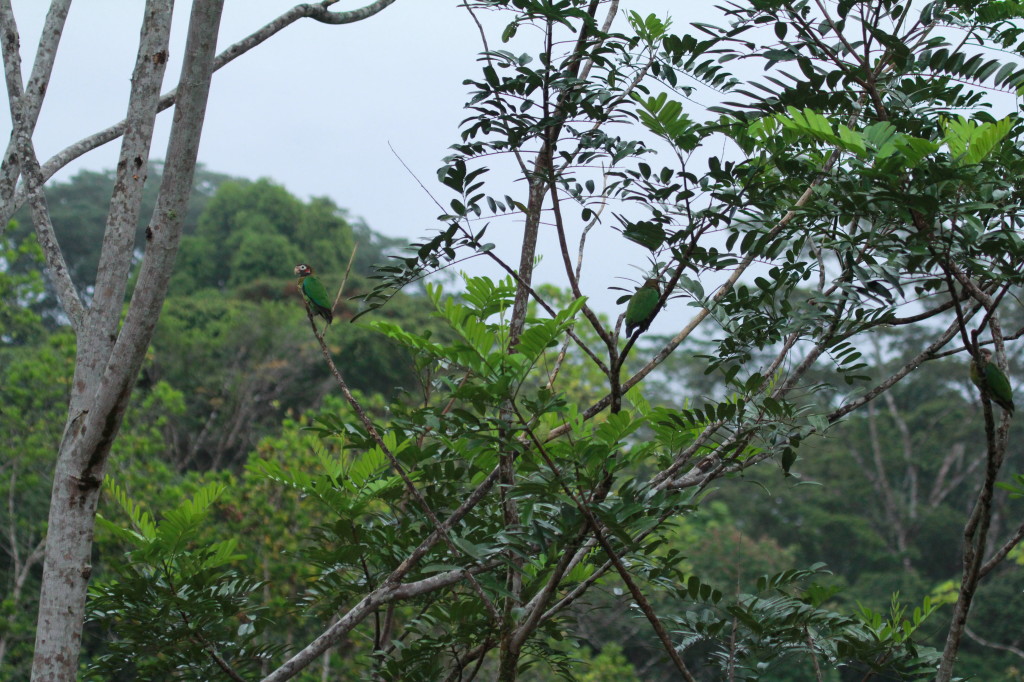
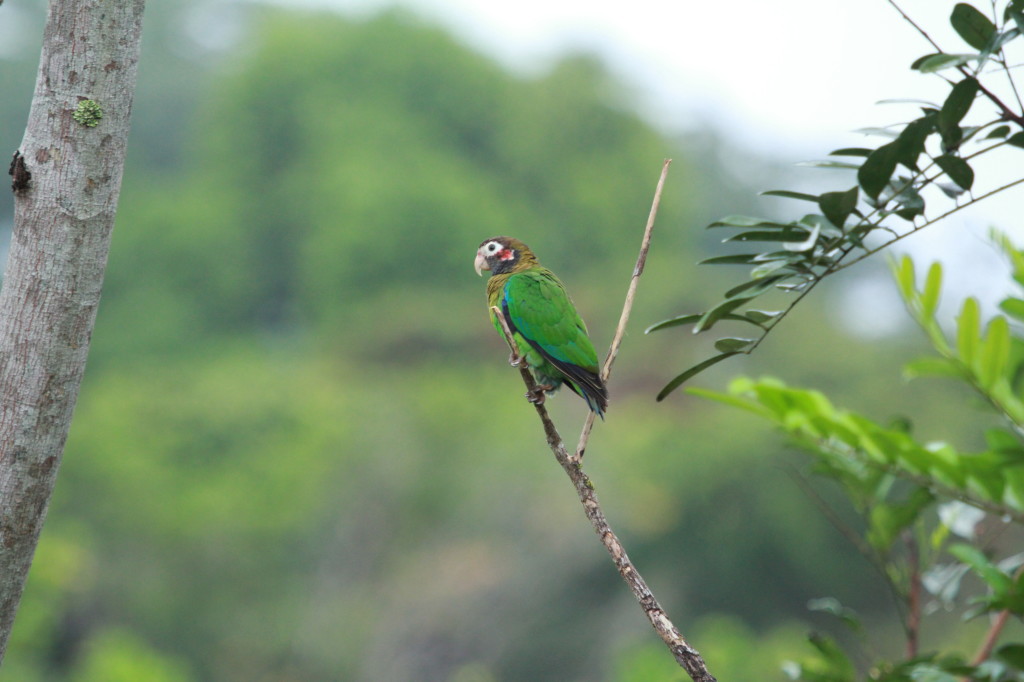
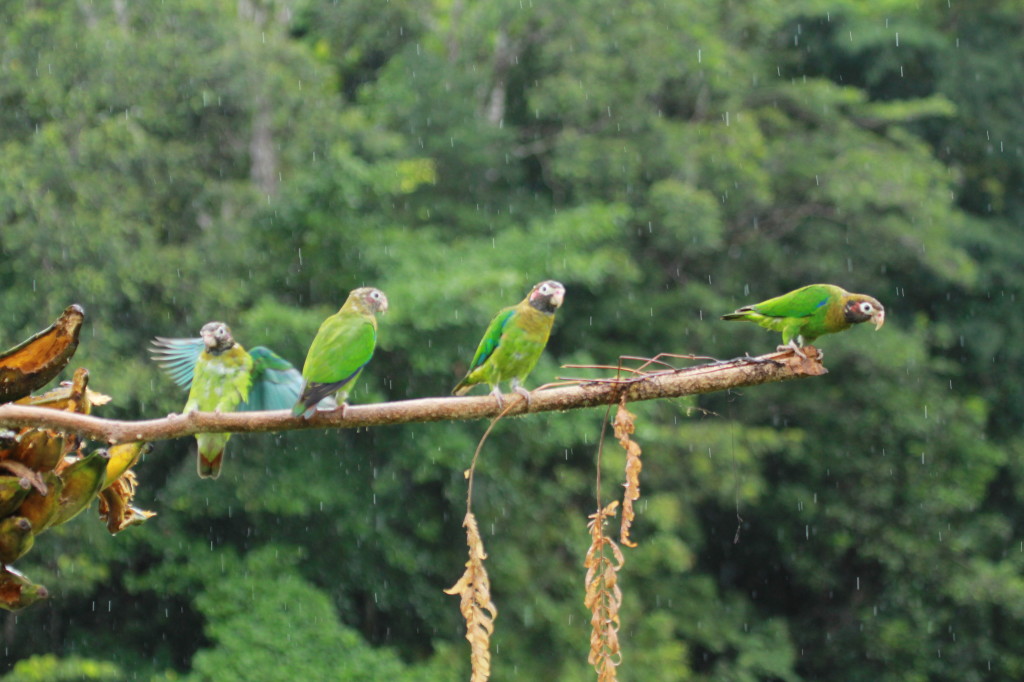
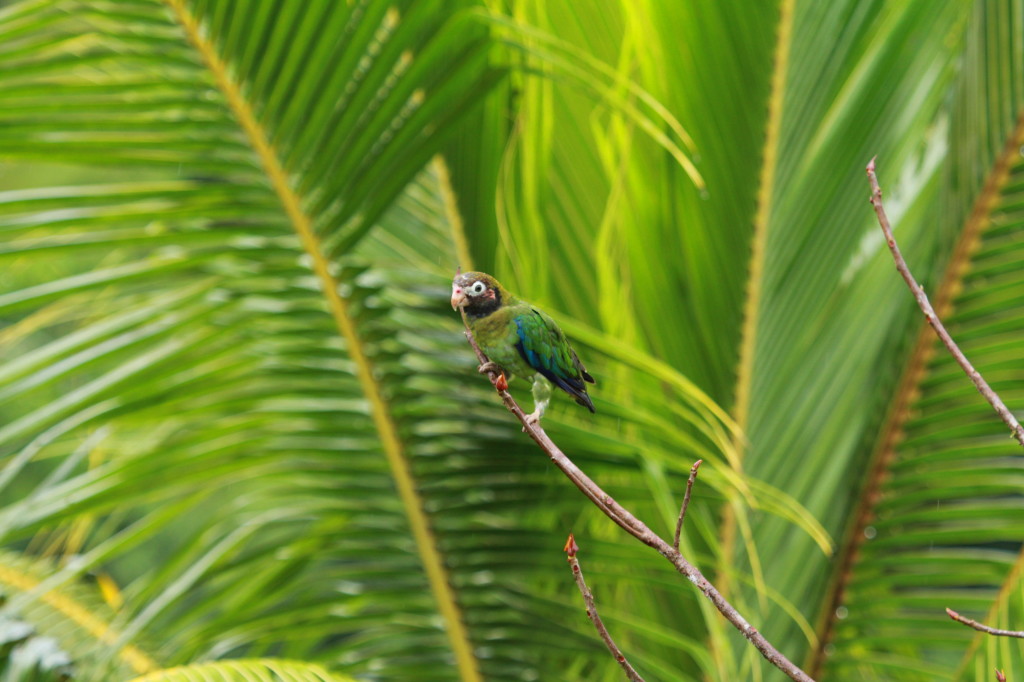
I highlighted in yellow the ones I saw.  I didn’t get photos of the Crimson-fronted Parakeet or Olive-throated Parakeet.  I’ll try to put the photos in order of this list as there are too many to caption.

.

IMG_9670 IMG_0322 IMG_9765 IMG_9776 IMG_9779 IMG_9780 IMG_9797 IMG_0392 IMG_0432 IMG_0438 IMG_0475 IMG_0479 IMG_0498 IMG_9763 IMG_0179 IMG_0053 IMG_9969 IMG_9960 IMG_0185 IMG_0191IMG_9900 IMG_9908 IMG_9914 IMG_9920 IMG_9945 IMG_9947 IMG_9949a IMG_0088 IMG_0099 IMG_0109 IMG_0213 IMG_0221 IMG_0241 IMG_0245 IMG_0303

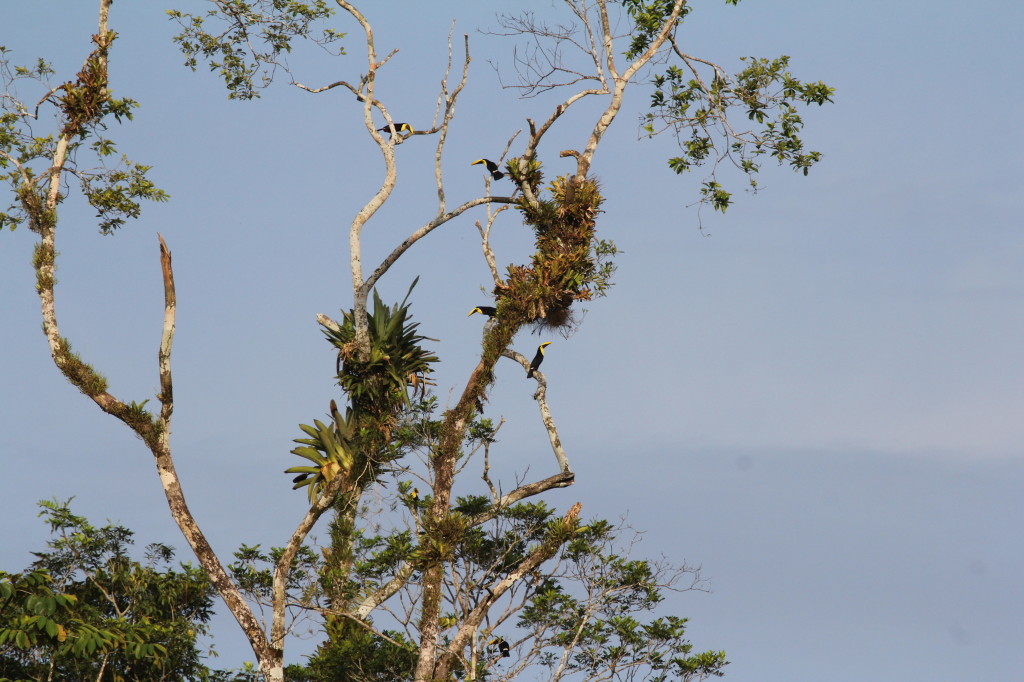
TOUCANS & ARACARIS

.

IMG_9824 IMG_9827 IMG_9823 IMG_9814 IMG_9864 IMG_0306 IMG_0211 IMG_0148 IMG_9970 IMG_9877 IMG_9870 IMG_9869

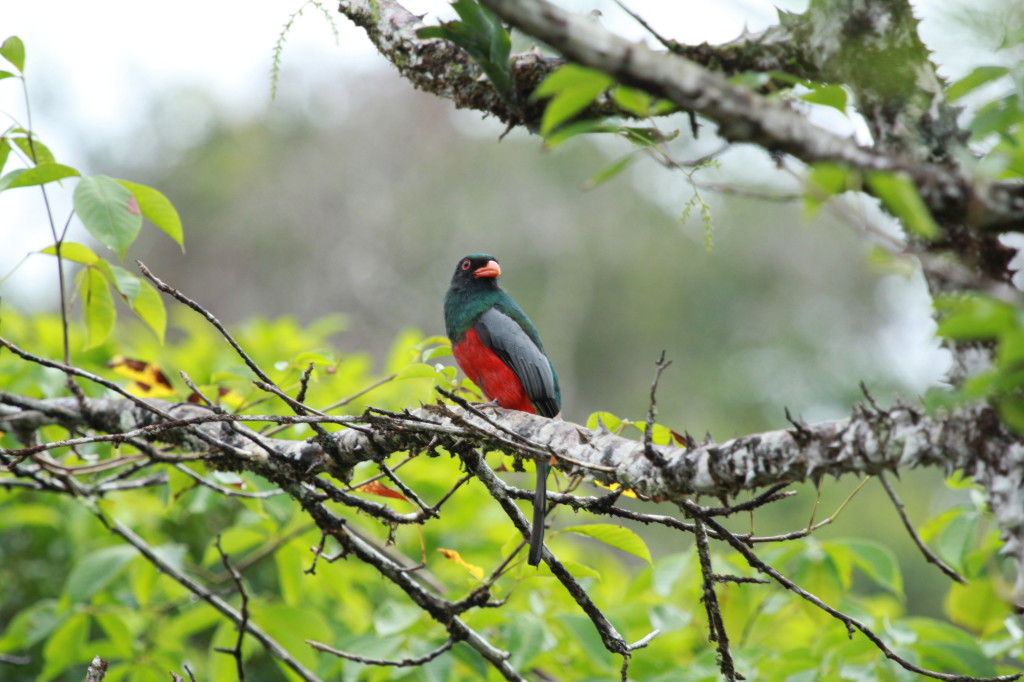
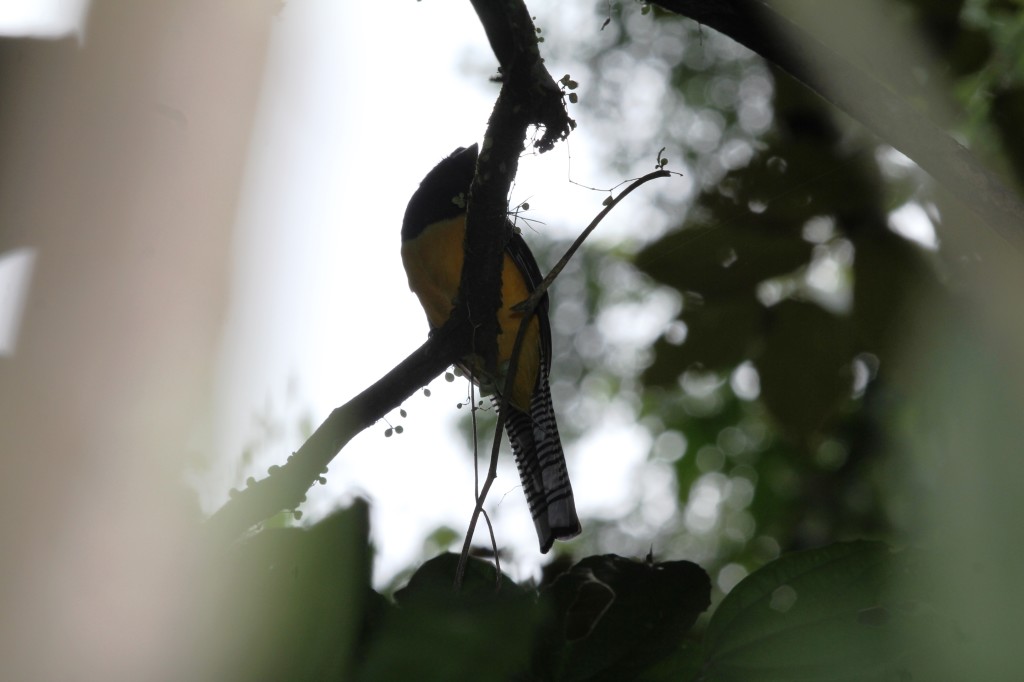
SLATY-TAILED TROGON

.

IMG_9744 IMG_9749 IMG_9751

The Birds Of Selva Verde & Sarapiqui Area

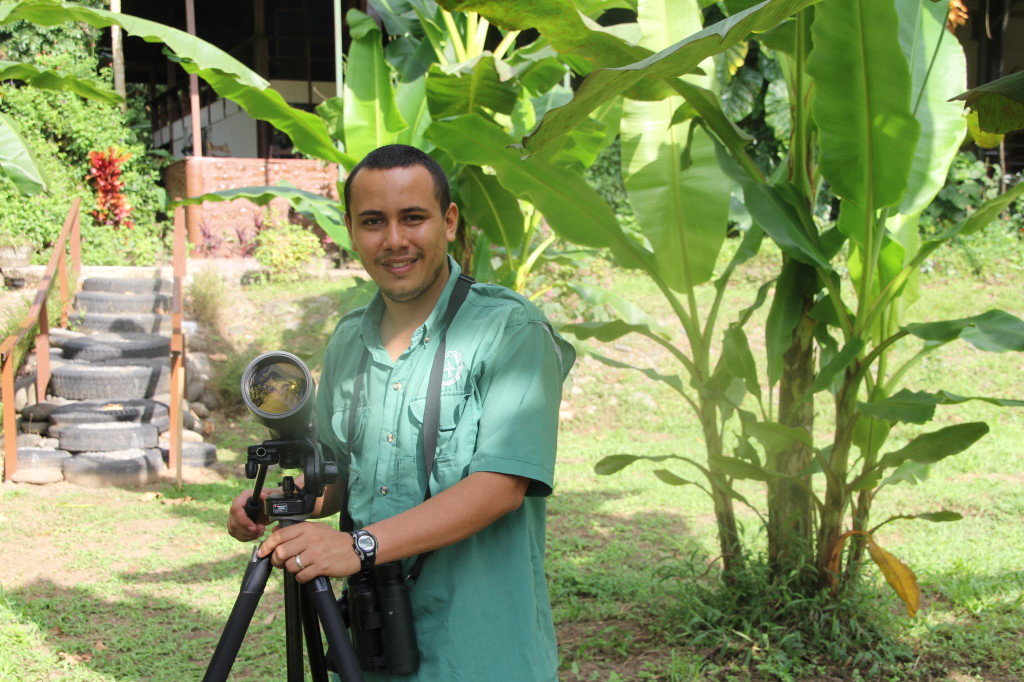
I was really excited about the birding at Selva Verde because of the amazing bird list and superb guides they employ.  We were up at the crack of dawn as usual for our birding walk with one of Costa Rica’s top birding guides, Alejandro Esquival.  He is also the person who gives the lectures around 5pm in a little pavilion near the swimming pool to give you an idea of what can be seen in the area.  Alejandro is also a skilled photographer and has some amazing images on his Flickr page.  He did a fantastic job of finding most of our targeted species and some that were so well hidden we never would have found them on our own.

Our guide, Alejandro Esquival

Our guide, Alejandro Esquival

Selva Verde Lodge has a checklist and more information on their website.  They do a bird count every year around Christmas time as they mention on their blog.  I have copied the parrot section here and highlighted in yellow the ones we saw both the evening before and during the guided walk.

.

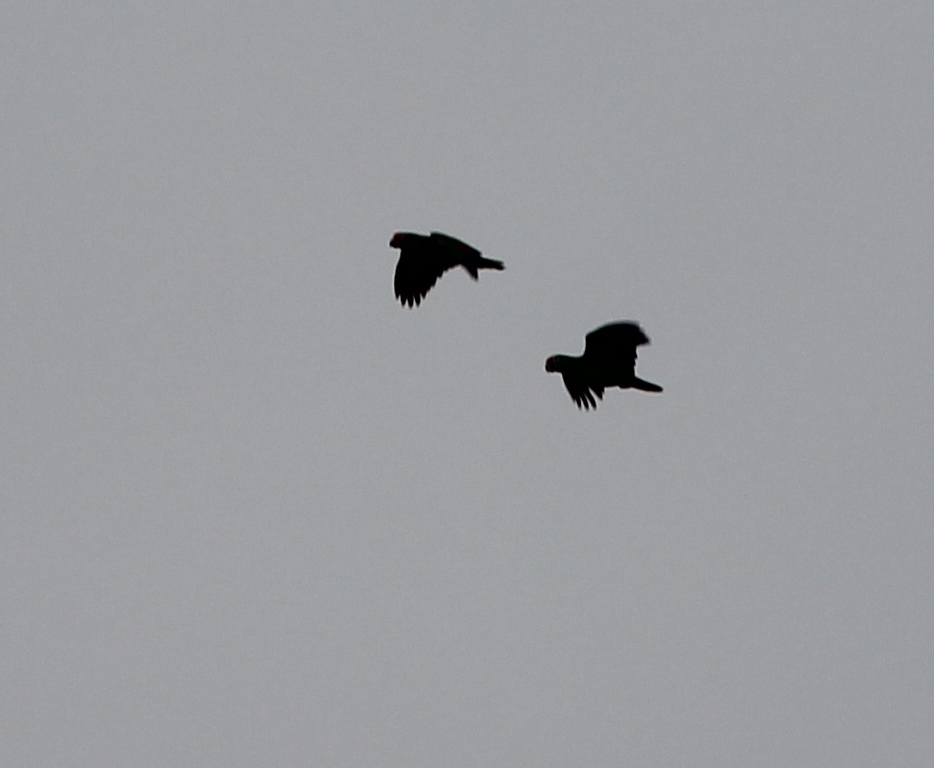
This is one of the best places in the world to see the endangered Great Green Macaw in the wild and we were very lucky to see 2 flying over the swimming pool in the late afternoon.

MY PHOTOS

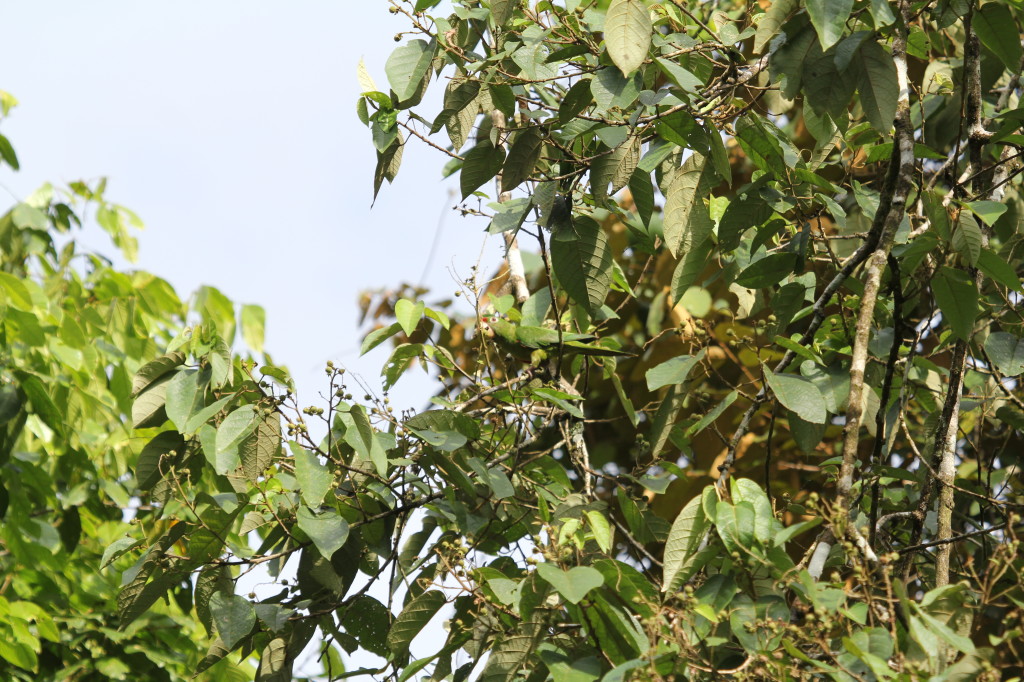
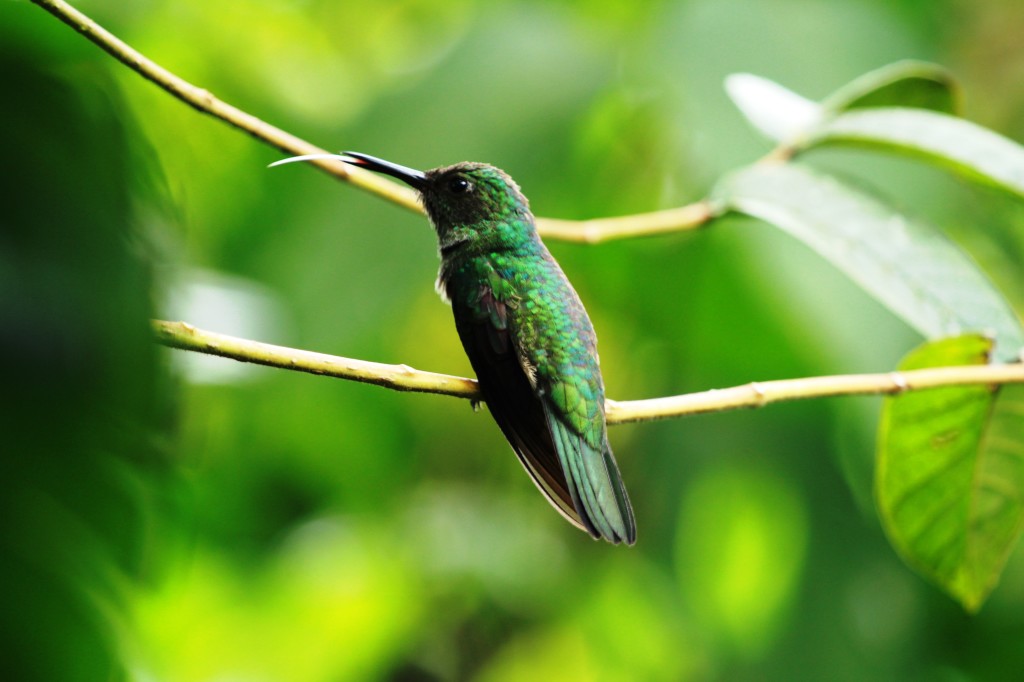
Sorry, most are pretty bad.  The birds were far away and often backlit so I can’t even see the colours.  I tried to identify most of them.  I did get some good ones of the Crimson-fronted Conure with Alejandro’s help.  At least he was perching nicely and holding still!
IMG_9496

Montezuma Oropendula

Montezuma Oropendula

IMG_9509a

Great Green Macaws

Great Green Macaws

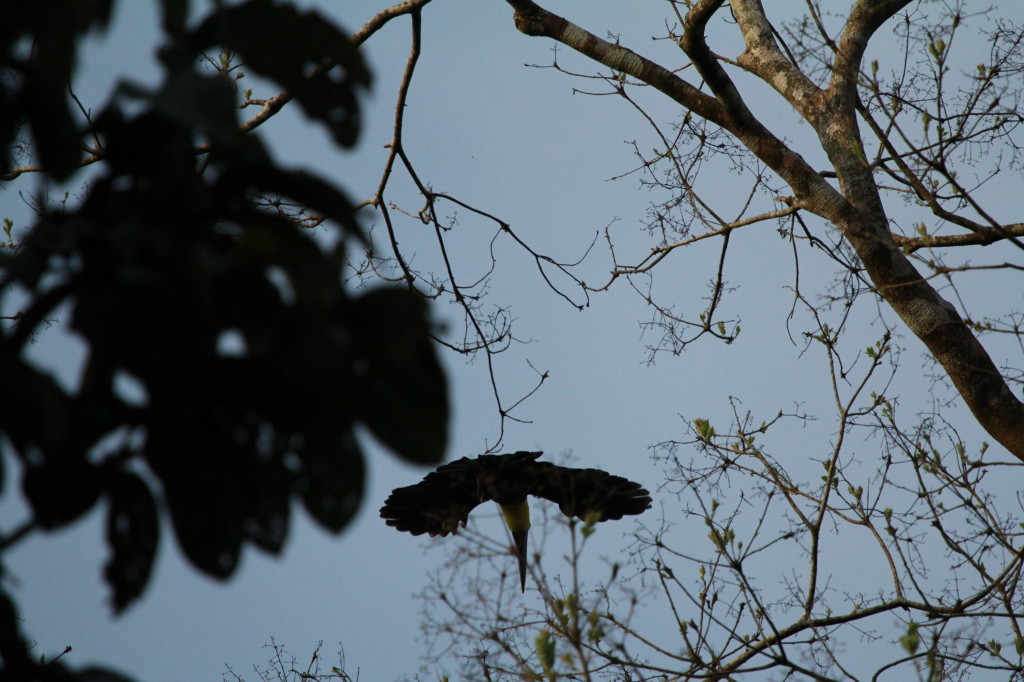
Toucan in flight

Toucan in flight

IMG_9523

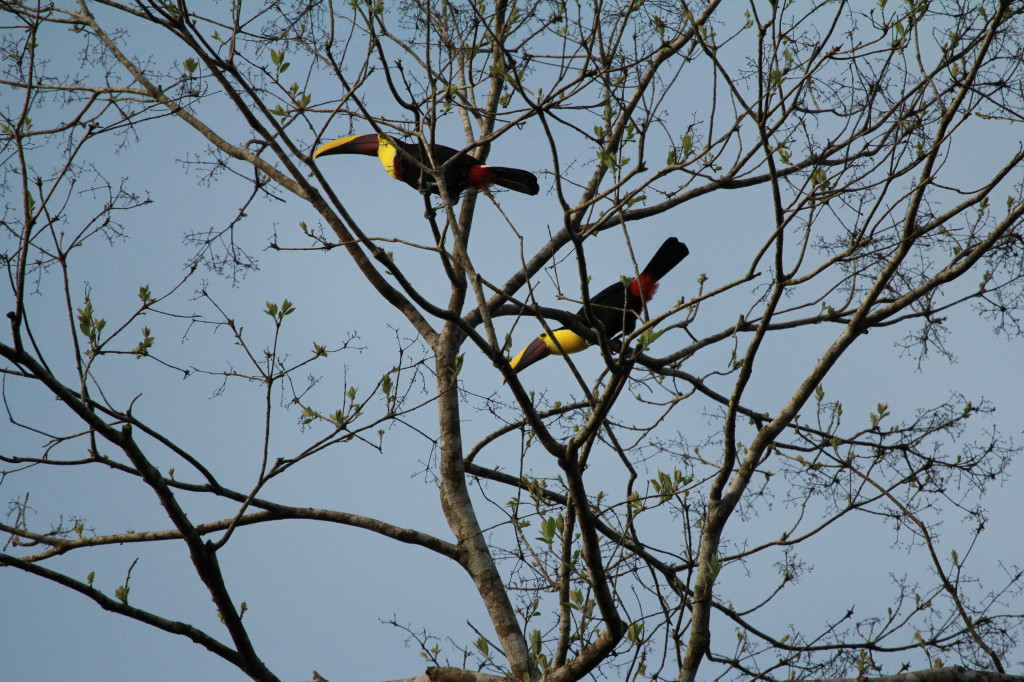
Swainson's Toucan

Swainson’s Toucan

Swainson's Toucans

Swainson’s Toucans

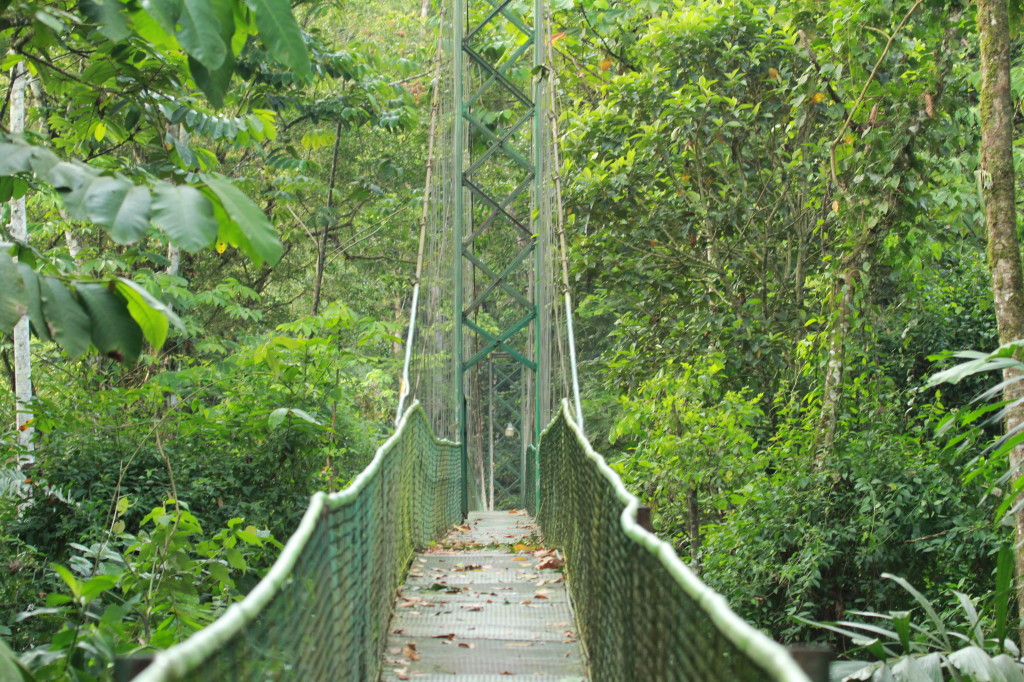
Hanging Bridge, Selva Verde

Hanging Bridge, Selva Verde

IMG_9543 IMG_9545a

Swainson's Toucans

Swainson’s Toucans

Swainson's Toucans

Swainson’s Toucans

Swainson's Toucans

Swainson’s Toucans

Swainson's Toucans

Swainson’s Toucans

IMG_9568

Swainson's Toucans

Swainson’s Toucans

Mealy Parrots

Mealy Parrots

Mealy Parrots

Mealy Parrots

Mealy Parrots

Mealy Parrots

Greater Kiskadee

Greater Kiskadee

IMG_9580 IMG_9585a

Swainson's Toucan

Swainson’s Toucan

Crimson fronted Conure

Crimson fronted Conure

IMG_9596

Mealy Parrots

Mealy Parrots

IMG_9605

Crimson fronted Conure

Crimson fronted Conure

Crimson fronted Conure

Crimson fronted Conure

Crimson fronted Conure

Crimson fronted Conure

Crimson fronted Conure

Crimson fronted Conure

Crimson fronted Conure

Crimson fronted Conure

Crimson fronted Conure

Crimson fronted Conure

Crimson fronted Conure

Crimson fronted Conure

Crimson fronted Conure

Crimson fronted Conure

Crimson fronted Conure

Crimson fronted Conure

Crimson fronted Conure

Crimson fronted Conure

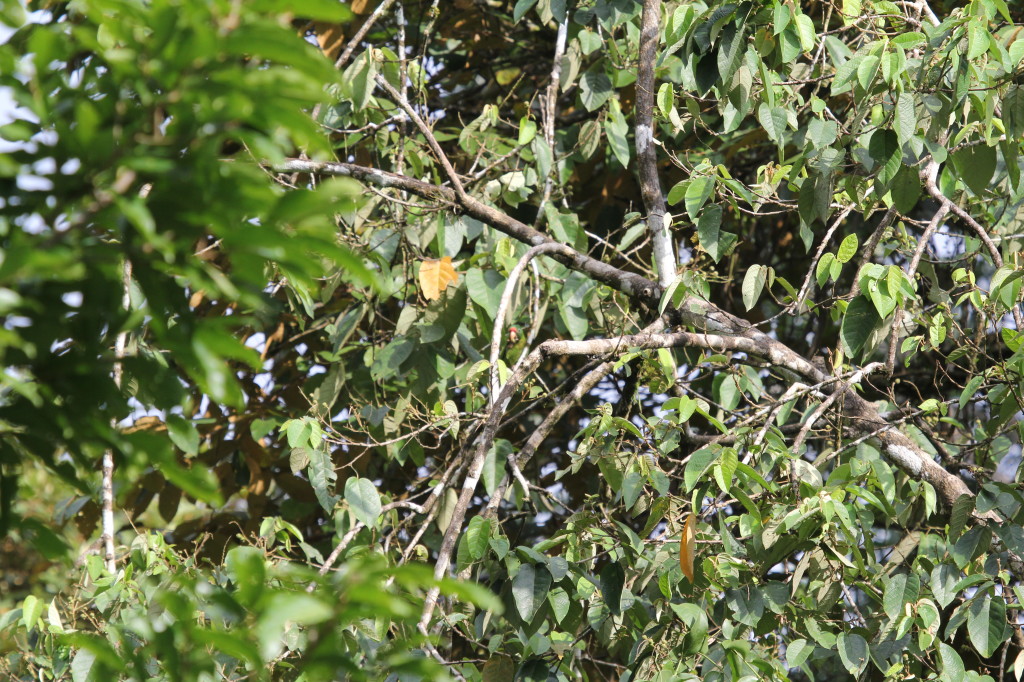
There's a bird in here somewhere!
There’s a bird in here somewhere!

I think this is a female Blue-grey Tanager

I think this is a female Blue-grey Tanager

Greater Kiskadee

Greater Kiskadee

Either Red-lored or Mealy Parrots, I can't see the colours

Either Red-lored or Mealy Parrots, I can’t see the colours

IMG_9640a

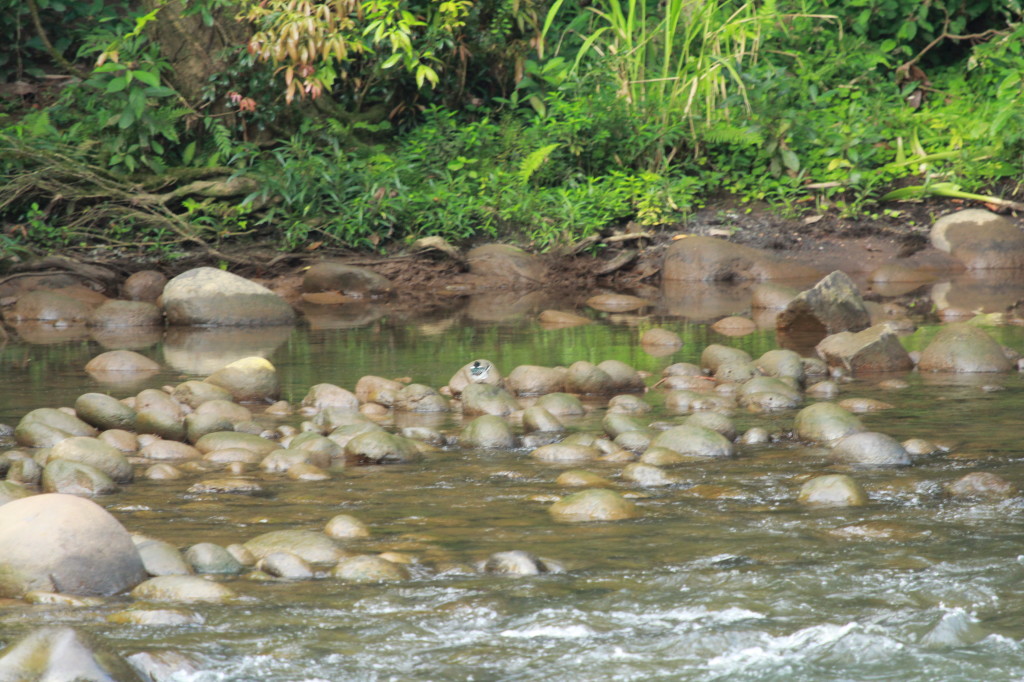
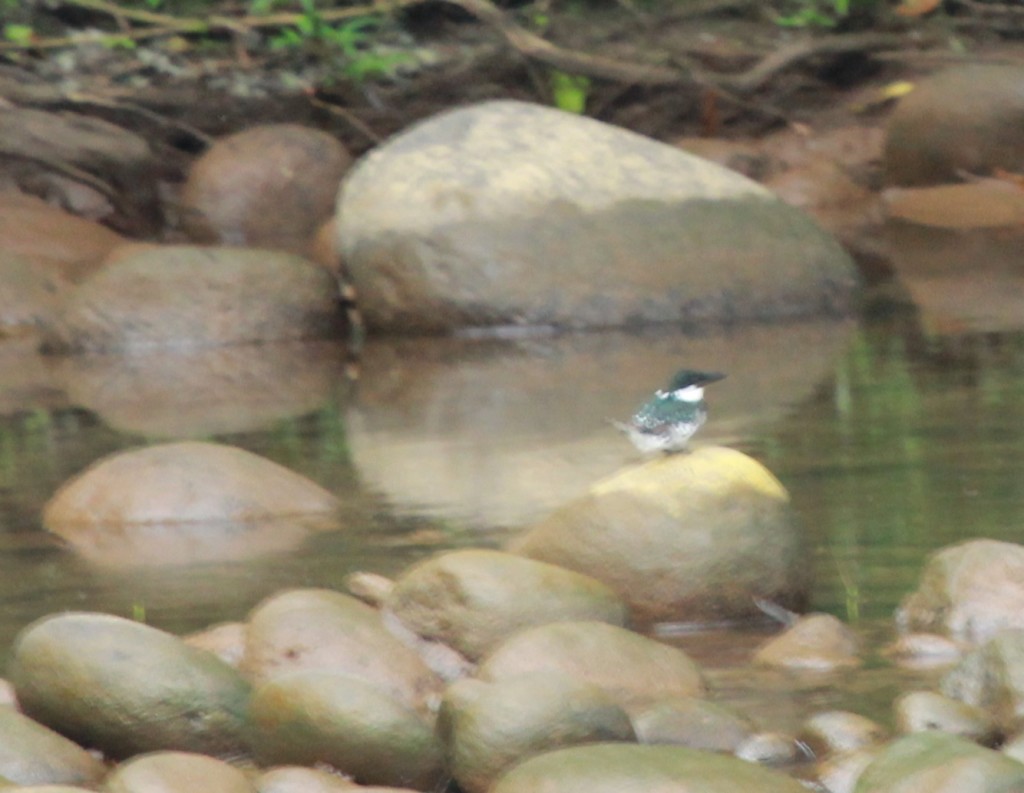
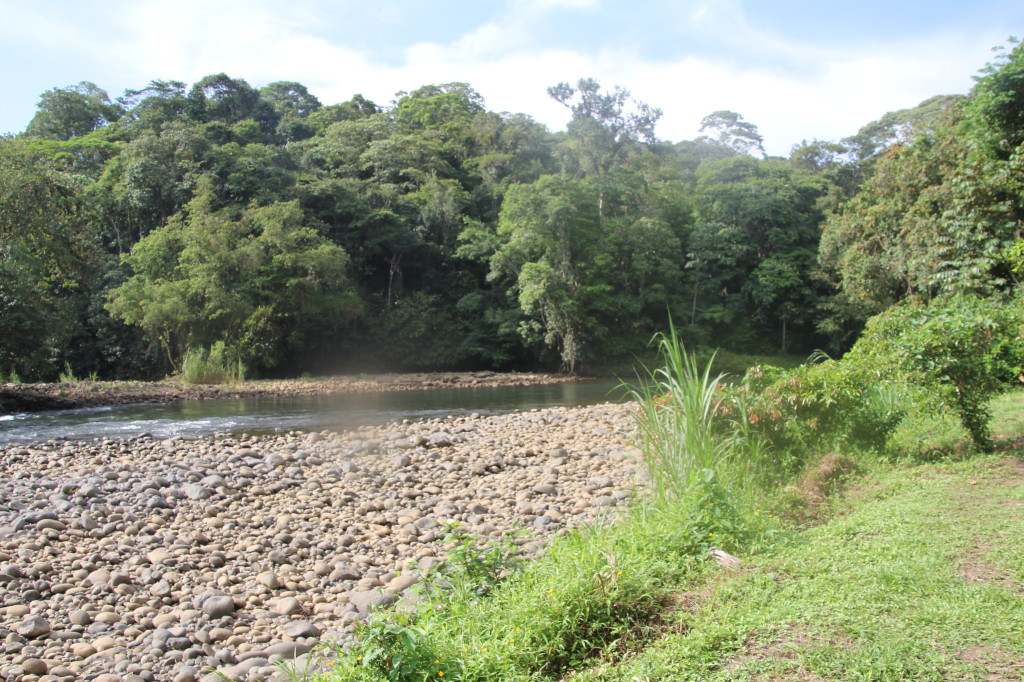
This stream is a great place to see birds, just 10 minutes walk from Selva Verde Lodge

This stream is a great place to see birds, just 10 minutes walk from Selva Verde Lodge

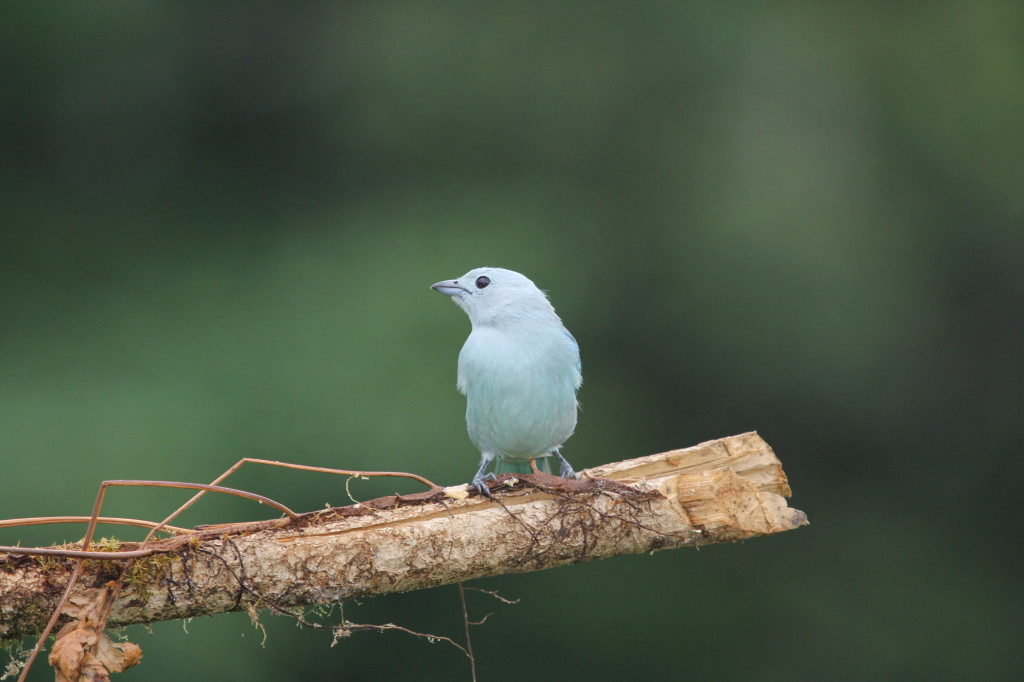
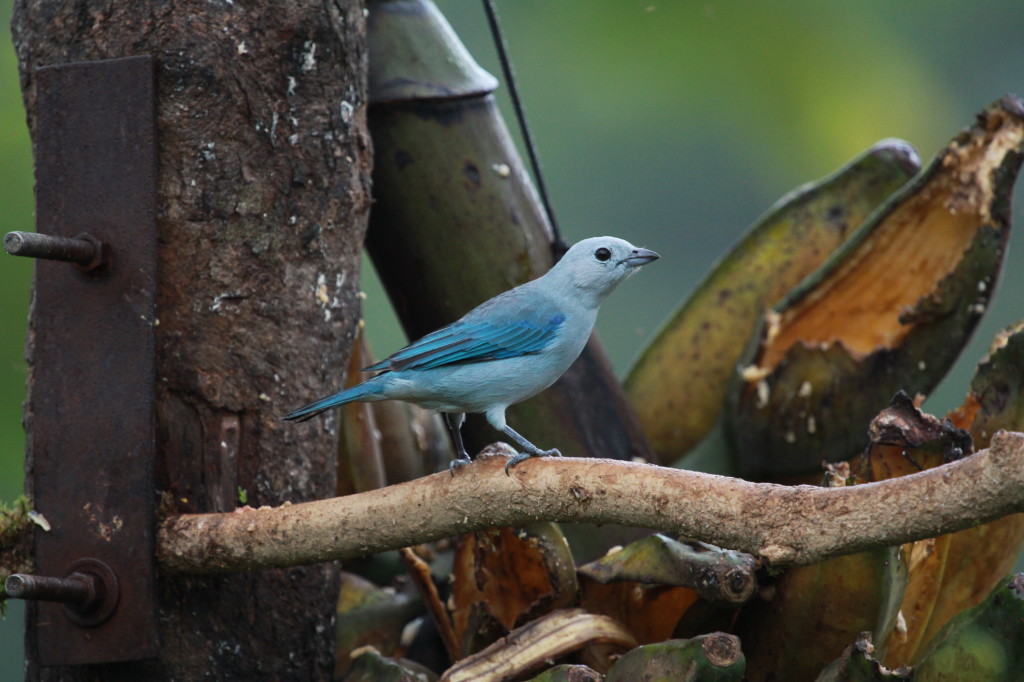
Blue-grey Tanager (Thraupis episcopus)

The Blue-grey Tanager (Thraupis episcopus) is a medium-sized South American songbird of the Tanager family, Thraupidae. Its range is from Mexico south to northeast Bolivia and northern Brazil, all of the Amazon Basin, except the very south. It has been introduced to Lima (Peru). On Trinidad and Tobago, this bird is called Blue Jean.

IMG_9784 IMG_9854This delicately hued little beauty has a wide range throughout Central and South America (easily reached with airline miles) and can be easily seen in most of the national parks.  I saw them in Crooked Tree, Belize; Tikal, Laguna del Lagarto & Savegre, Costa Rica; and Soberania in Panama.

.

The breeding habitat is open woodland, cultivated areas and gardens. The Blue-grey Tanager lives mainly on fruit, but will also take some nectar and insects.  This is a common, restless, noisy and confiding species, usually found in pairs, but sometimes small groups. It thrives around human habitation, and will take some cultivated fruit like papayas (Carica papaya).  Many eco-lodges put bananas out to attract them closer.  I have no problem with this since bananas are part of their normal diet.  Breeding season is from March to July. During this time, the female lays one to three mottled eggs, which she incubates for 12 to 14 days. Once hatched, both parents feed their chicks.

Adult blue-gray tanagers are preyed upon by felines, snakes, birds of prey and crocodilians. Other predators, such as raccoons, eat young birds and eggs. Habitat destruction due to deforestation is the primary threat to this species.

LEARN MORE ABOUT THIS BIRD

Wikipedia

Birdlife

Rainforest Alliance

VIDEO

This one is long but watch for a few minutes to see the bird’s feeding habits and sound.


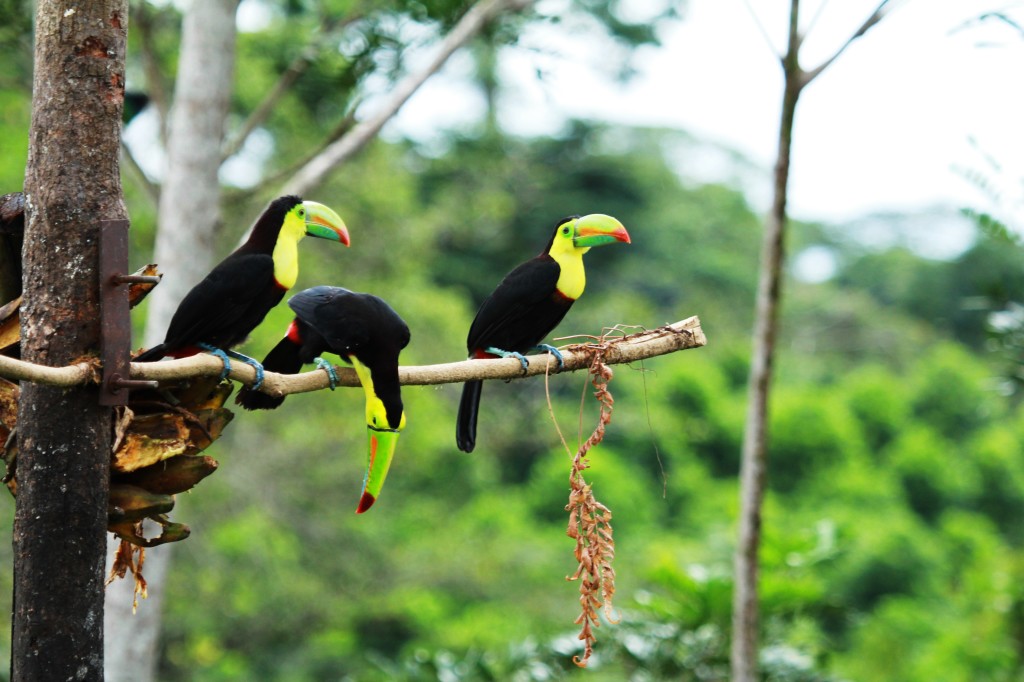
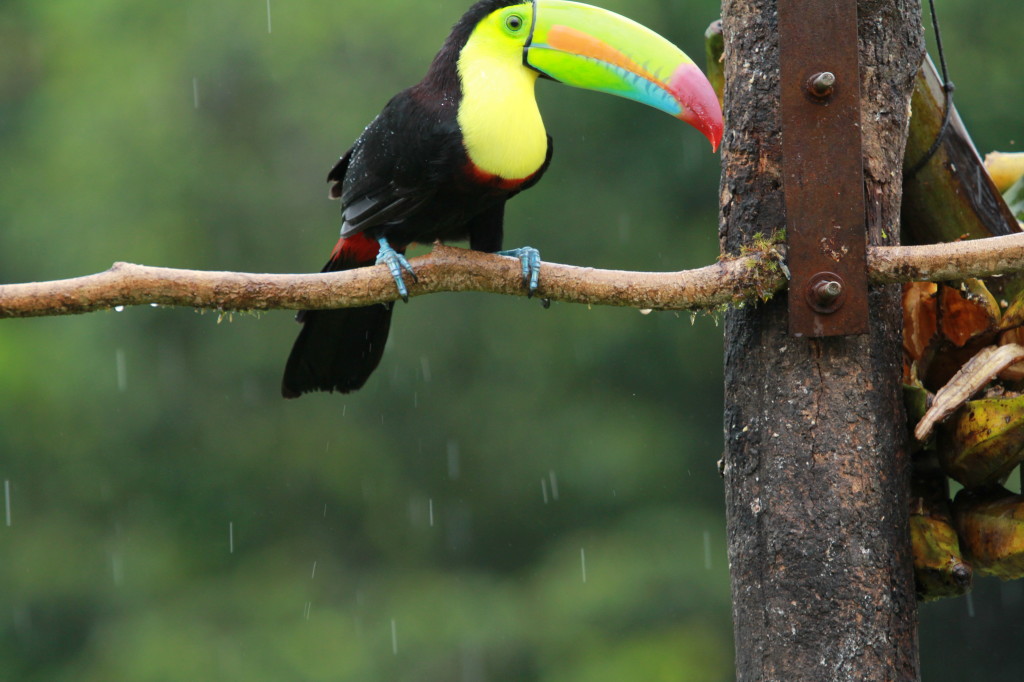
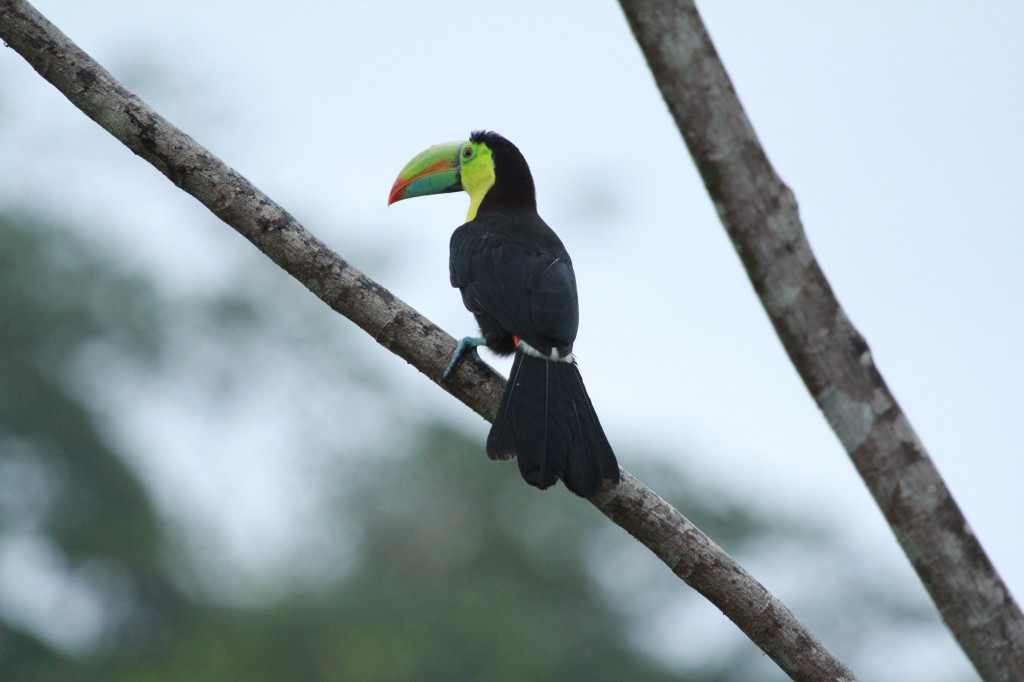
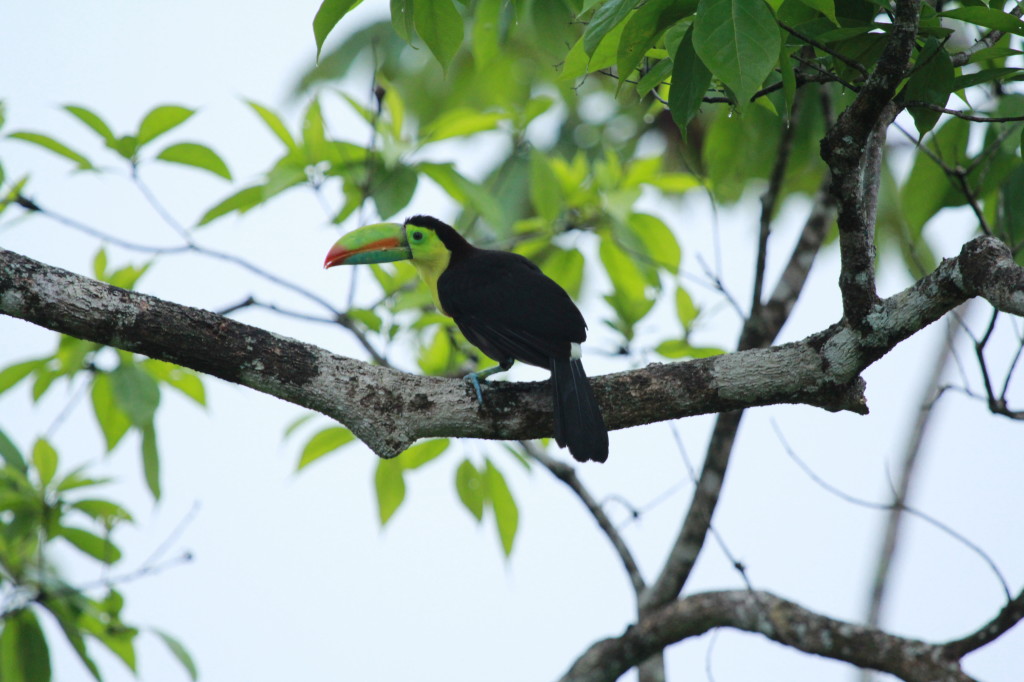
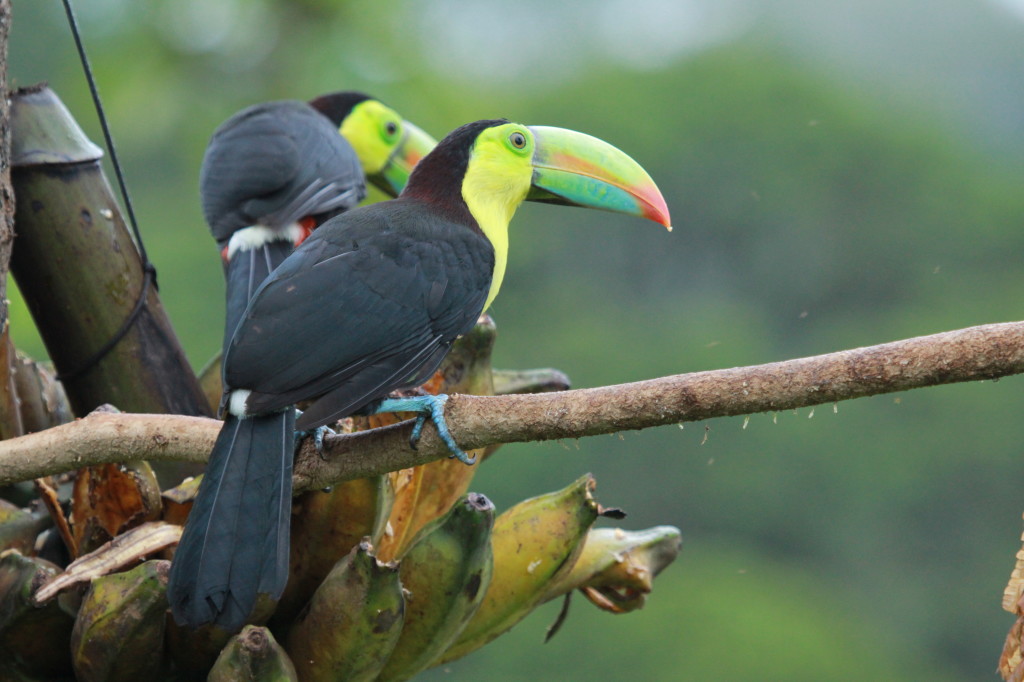
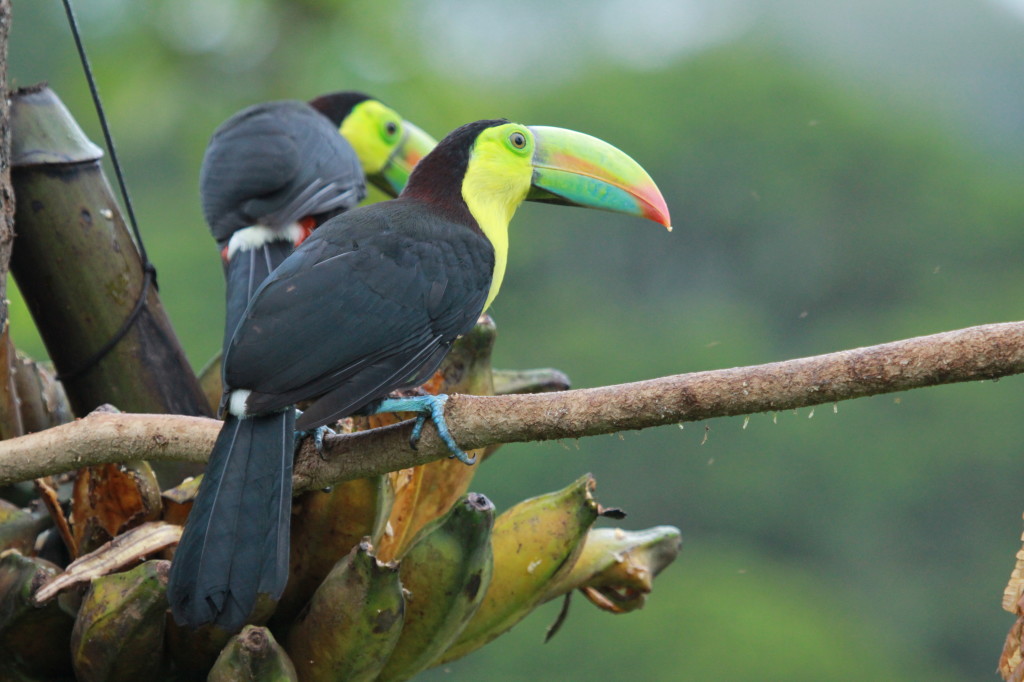
Keel-billed Toucan (Ramphastos sulfuratus)

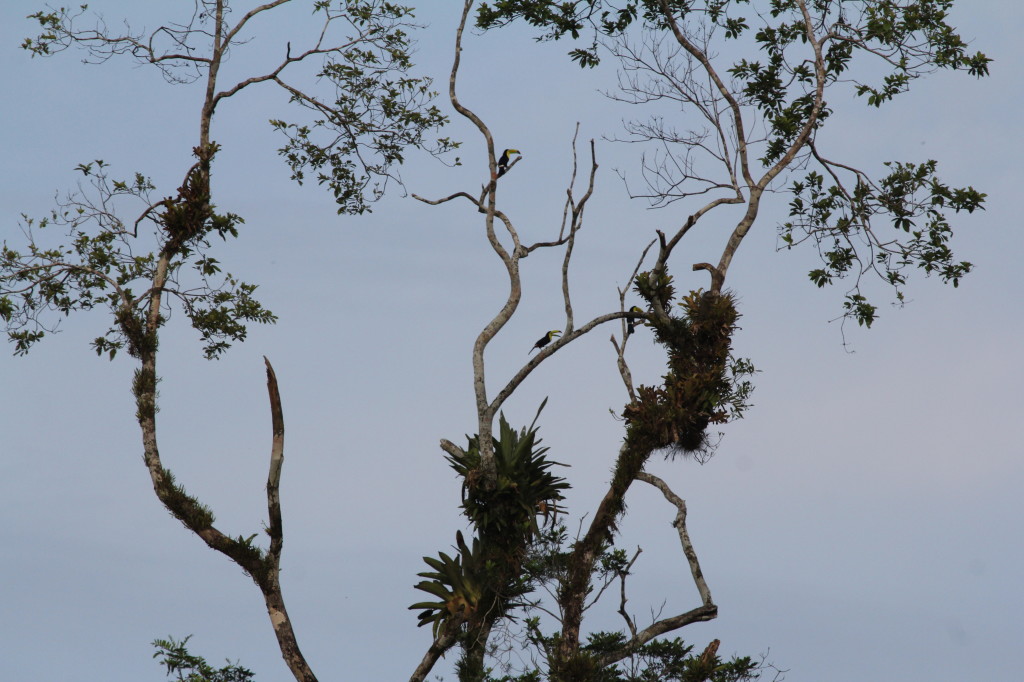
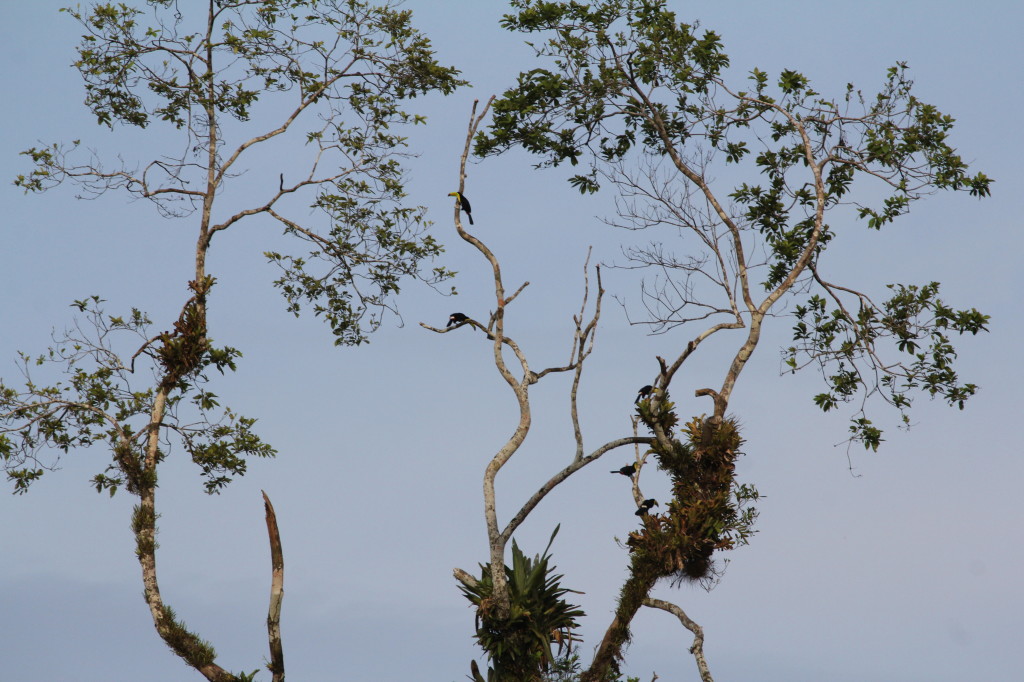
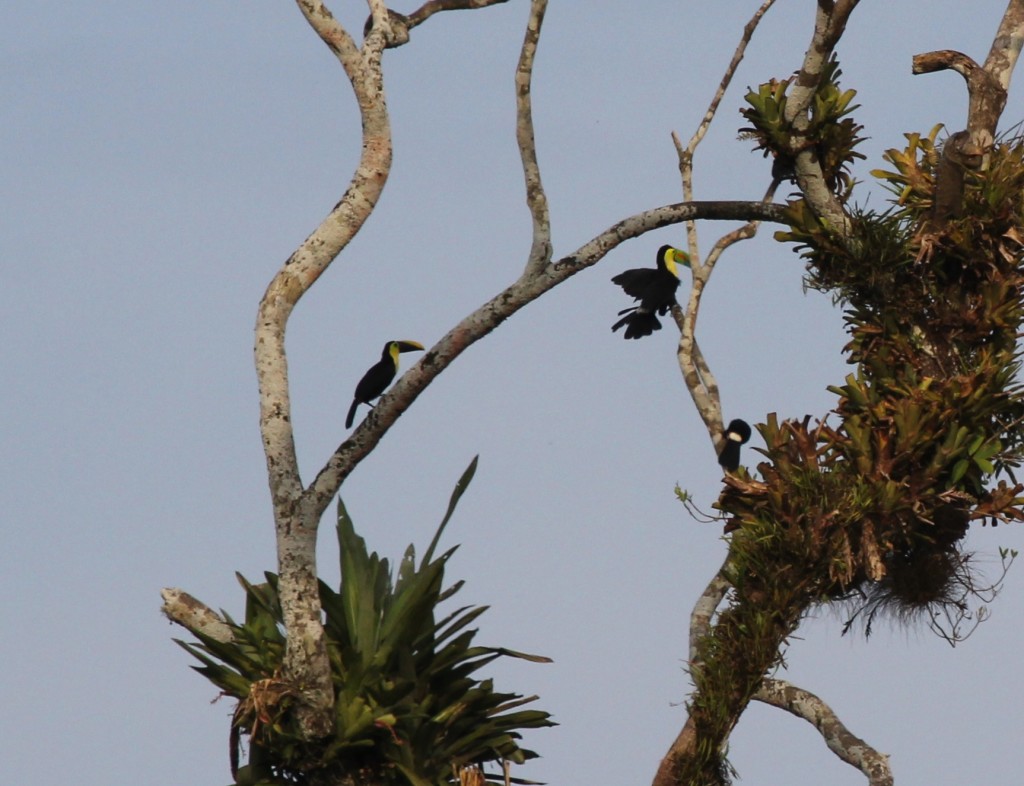
Keel-billed Toucans

Keel-billed Toucans

The Keel-billed Toucan (Ramphastos sulfuratus) can be found from Southern Mexico to Venezuela and Colombia and is the national bird of Belize.  If you want to see them in the wild, a Central American award on your airline of choice will get you to their strongholds in Central America.

.

It roosts in the canopies of tropical, subtropical, and lowland rainforests, up to altitudes of 1,900 m (6,200 ft).  It roosts in holes in trees,often with several other toucans. This can be very cramped, so the birds tuck their tails and beaks under their bodies to conserve space while sleeping. Adding to the lack of space, the bottoms of the holes are often covered with pits from the fruit the toucans have eaten.  Like many toucans, Keel-billed is a very social bird, rarely seen alone. It travels in small flocks of approximately six to twelve individuals through lowland rainforests; it is a poor flyer, and moves mostly by hopping through trees. It has a family structure within the group. Birds will often “duel” with each other using their bills, and throw fruit into each other’s mouths. Keel-billed Toucans live together in these groups, often sharing cramped living quarters of holes in trees. Able to utilize human-altered habitat to some extent,this widespread bird is considered to be a Species of Least Concern by the IUCN.

LEARN MORE ABOUT THIS BIRD

Wikipedia

Rainforest Alliance

Cornell Lab of Ornithology

Birdlife

VIDEO

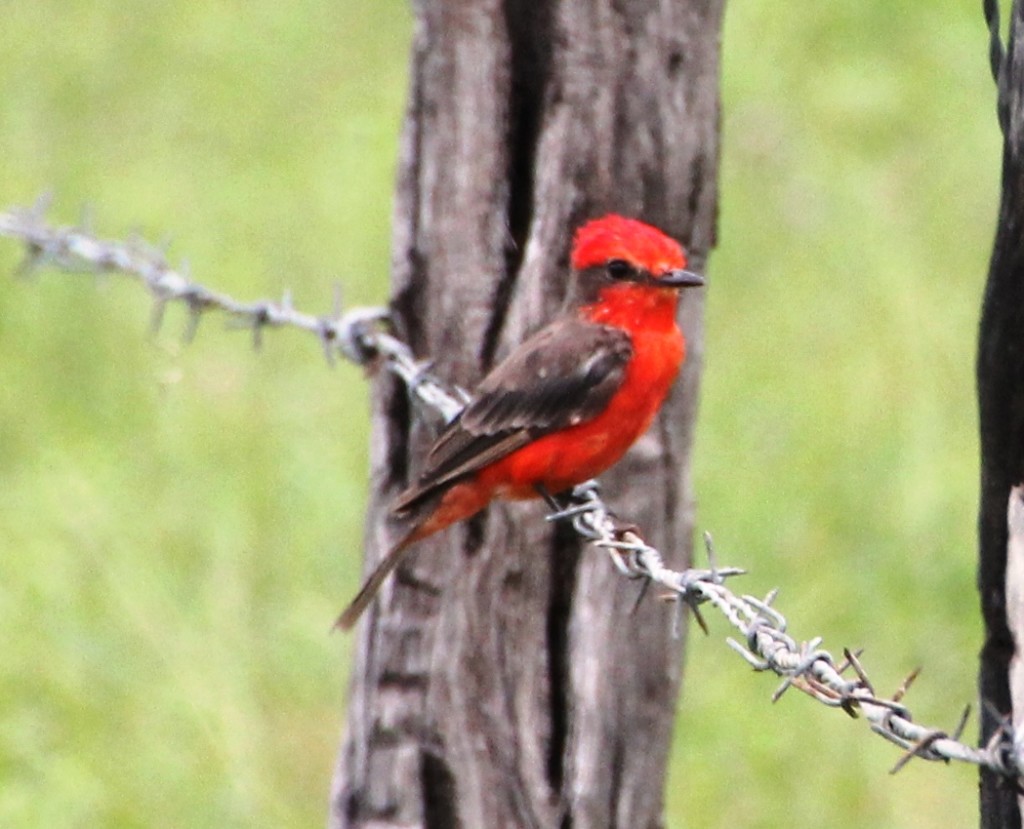
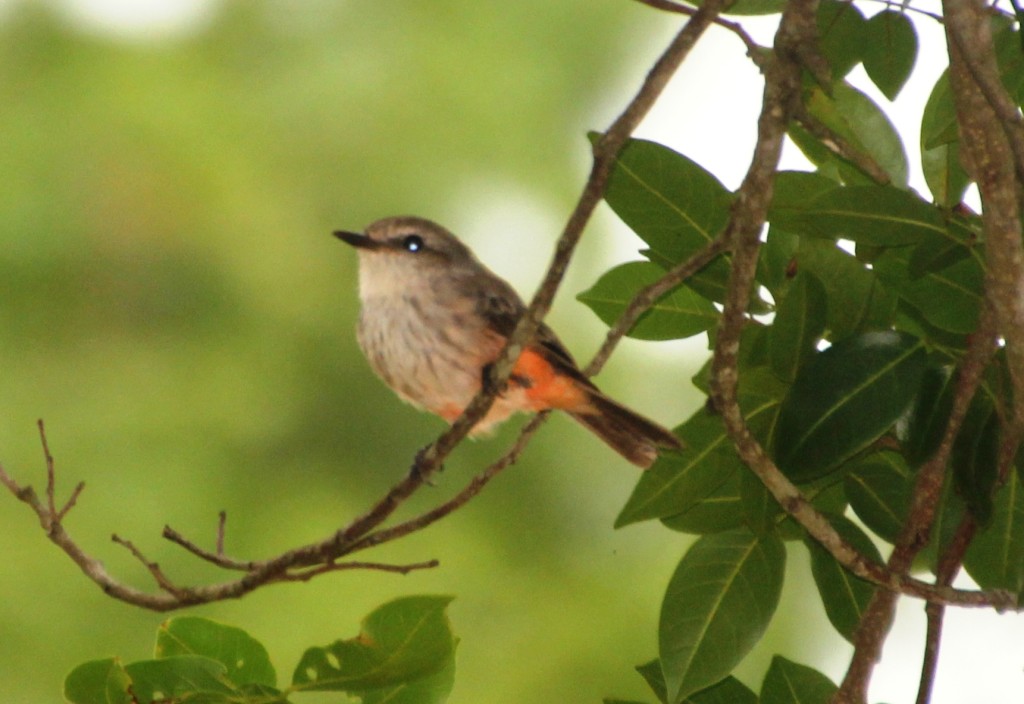
Vermilion Flycatcher (Pyrocephalus rubinus)

The Vermilion Flycatcher (Pyrocephalus rubinus) is a small passerine bird in the Tyrannidae, or tyrant flycatcher family. Most flycatchers are rather drab, but the Vermilion Flycatcher is a striking exception.  The flycatchers feed mostly on insects such as flies, grasshoppers and beetles. These are usually taken in mid-air, after a short sally flight from a perch.

IMG_8976a

Male Vermillion Flycatcher

IMG_9000a

Female Vermillion Flycatcher

They have a widespread range from the southern USA to Mexico, Central and South America.  I saw them in Crooked Tree Sanctuary in Belize.

.

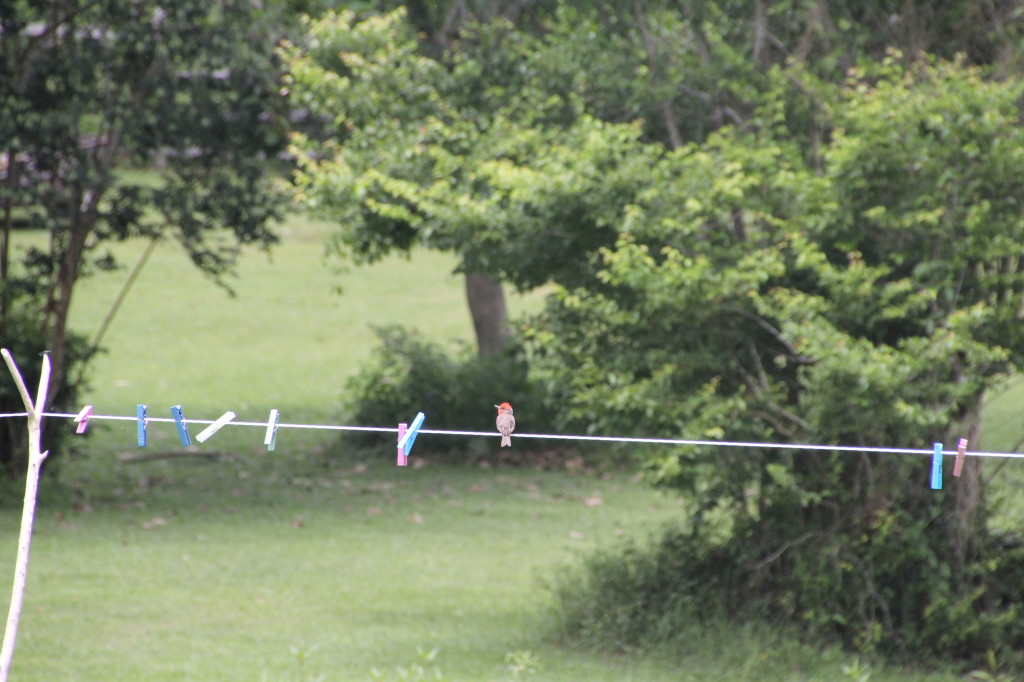
When not catching flies, they sometimes seek employment in laundries!

"Will dry clothes for flies!"

“Will dry clothes for flies!”

OK, so I was kidding on that last one!  Here’s some more information about these beautiful little birds.

Wikipedia

Audubon

Cornell Lab of Ornithology

And nothing like a video clip to see them in action!

Black Swan (Cygnus atratus)

Although the Black Swan is found in wetlands throughout Australia, this graceful bird has had a special association with Western Australia from the earliest times. Aboriginal lore tells how ancestors of the Nyungar people, the indigenous Australians living in the south west of the State, were once Black Swans who became men.  This graceful, elegant bird is the official Bird Emblem of Western Australia.

.


The Black Swan is common in the wetlands of south western and eastern Australia and adjacent coastal islands. In the south west the range ecompasses an area between North West Cape, Cape Leeuwin and Eucla; while in the east it covers are large region bounded by the Atherton Tableland, the Eyre Peninsula and Tasmania, with the Murray Darling Basin supporting very large populations of Black Swans.  It is uncommon in central and northern Australia.

The Black Swan’s preferred habitat extends across fresh, brackish and salt water lakes, swamps and rivers with underwater and emergent vegetation for food and nesting materials. Permanent wetlands are preferred, including ornamental lakes, but Black Swans can also be found in flooded pastures and tidal mudflats, and occasionally on the open sea near islands or the shore.

.

You have many places to choose from to see black swans but why not take the chance to see them in  Western Australia, where they reign as the state emblem?  Take a break from your business trip or sightseeing to relax and watch the black swans in the city of Perth!    You can get to Australia using airline miles.

LEARN MORE ABOUT THIS BIRD

Wikipedia

Birds In Backyards

Birdlife

Birdlife Australia

Government of Western Australia

VIDEO

Black Swans in Perth

Red-bellied Grackle (Hypopyrrhus pyrohypogaster)

The Red-bellied Grackle is an uncommon and distinctive blackbird found only in the Colombian Andes. It is large, long-tailed, and heavy-billed, with a bright red belly and glossy black plumage; adults also have a light yellow eye.

.

It is usually found in noisy groups of up to 50 birds in the forest canopy along edges, often in mixed flocks along with other large bird species such as oropendolas.

Getting to Colombia is easy with airline miles.  Since Colombia is in the northern South America region with Peru, please see this post for details on how many miles you would need.  The main airport, Bogota is well served by both Star Alliance (Avianca, Copa, United, Lufthansa, Air Canada) and One World (American, LAN, Iberia).

.

LEARN MORE ABOUT THIS BIRD

American Bird Conservancy

Birdlife

Cornell Lab of Ornithology

ECO-TOUR OPERATORS

Colombia Birding

Colibri del Sol Bird Reserve

VIDEO