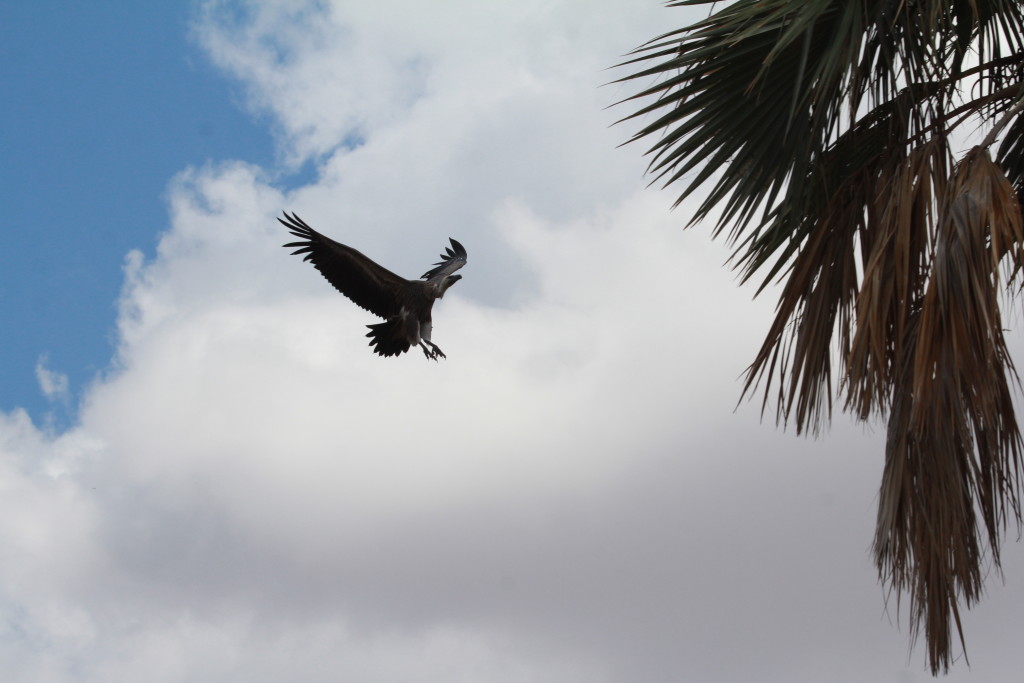
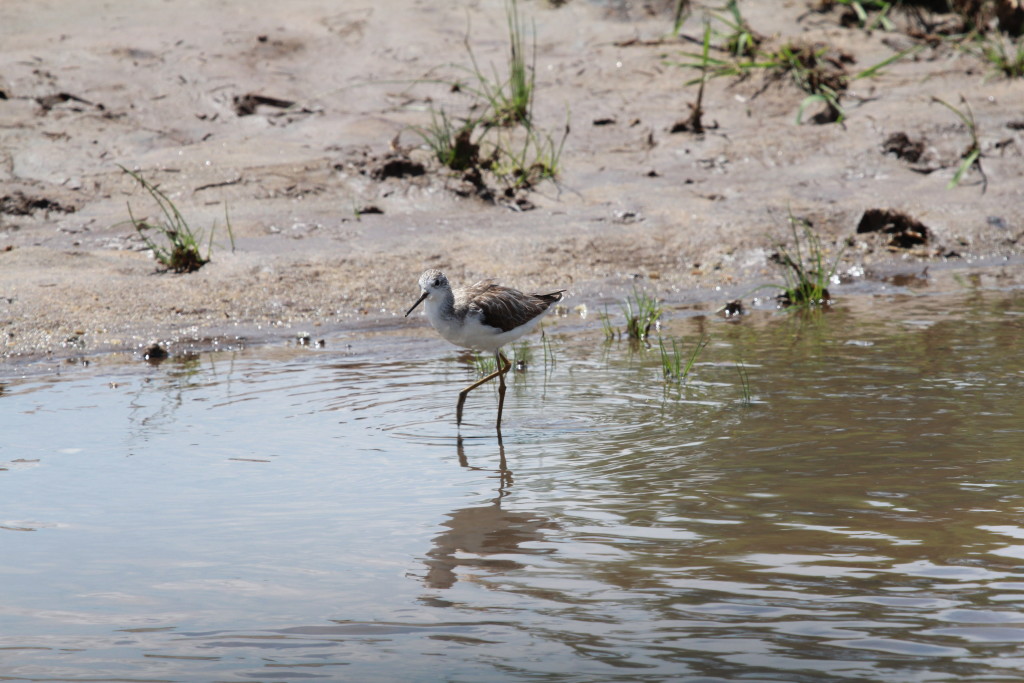
Taking A Break At Tarangire Safari Lodge

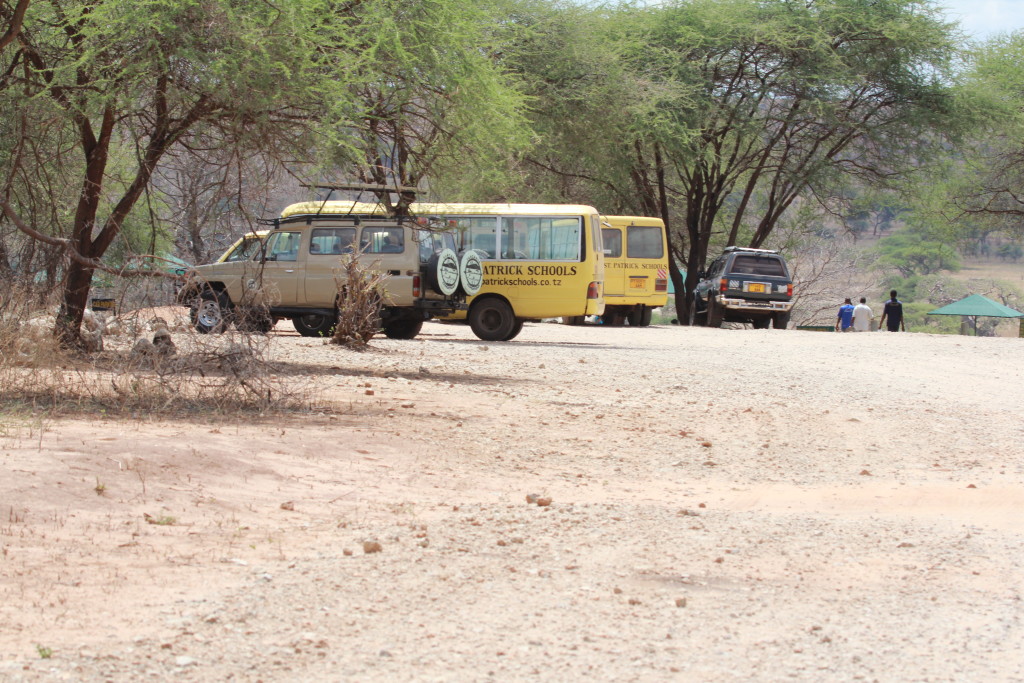
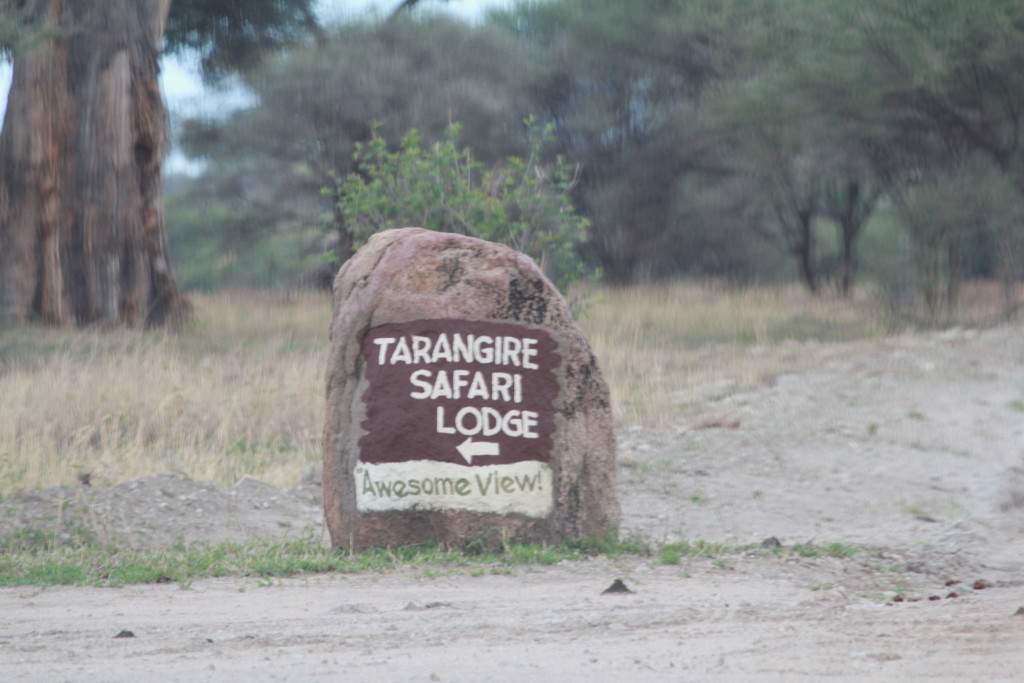
After lunch, we pushed on but it was obvious the birds were taking a break so when we passed a sign leading to Tarangire Safari Lodge, I decided it was time for us to take a break too!

IMG_6612

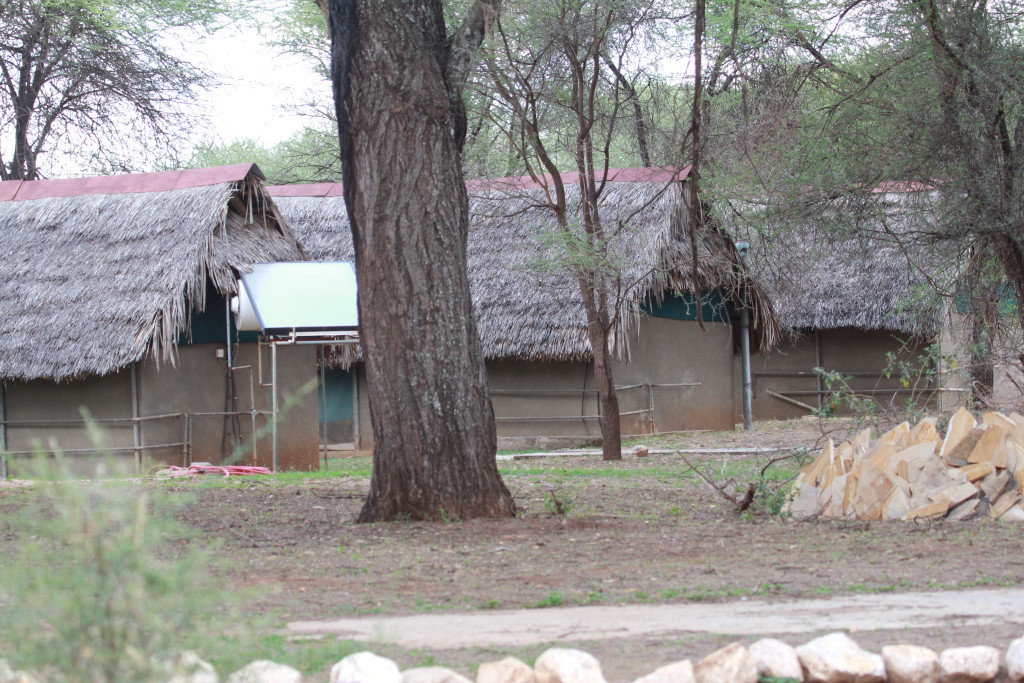
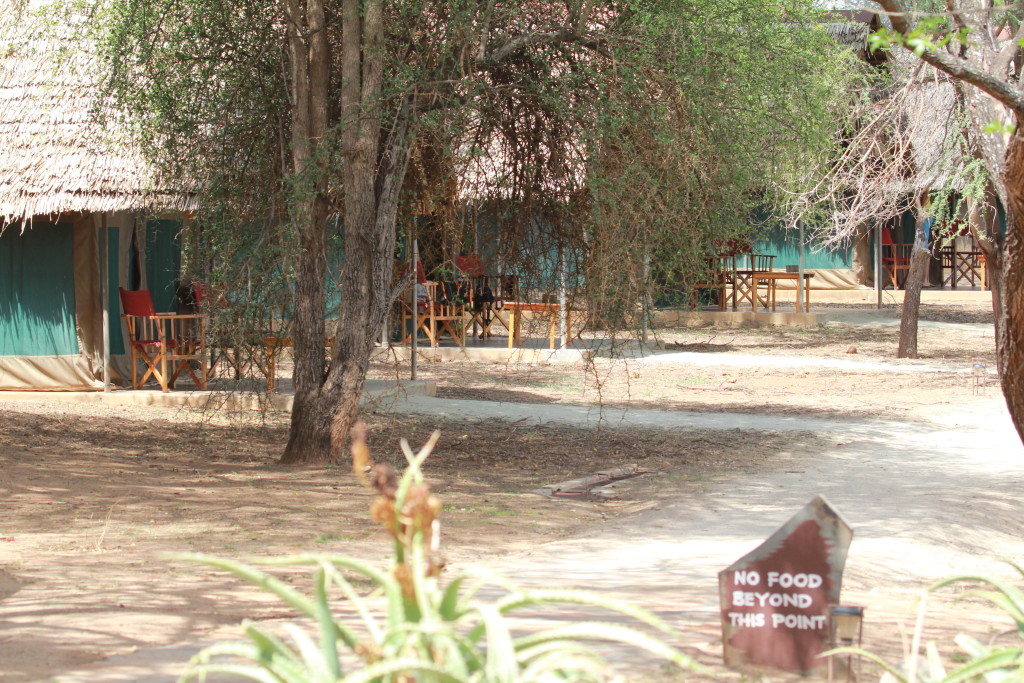
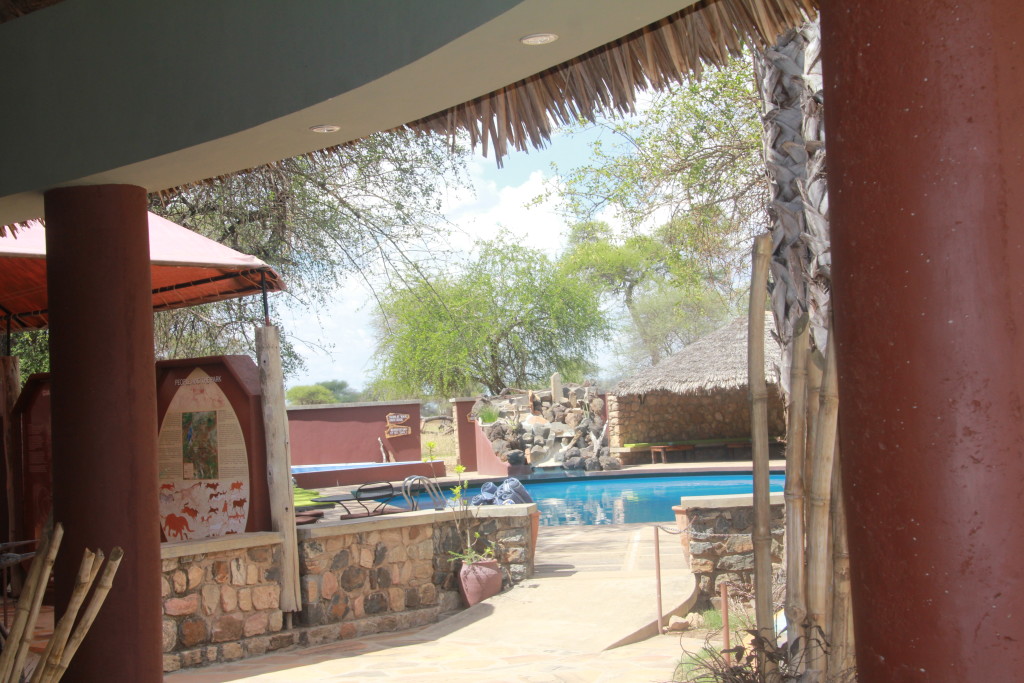
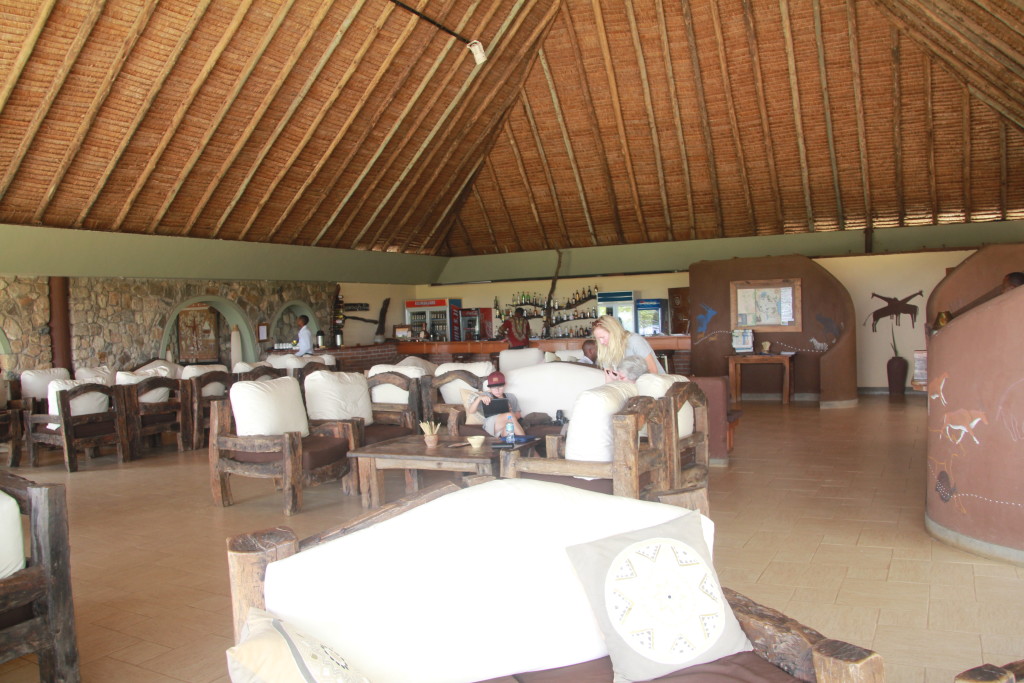
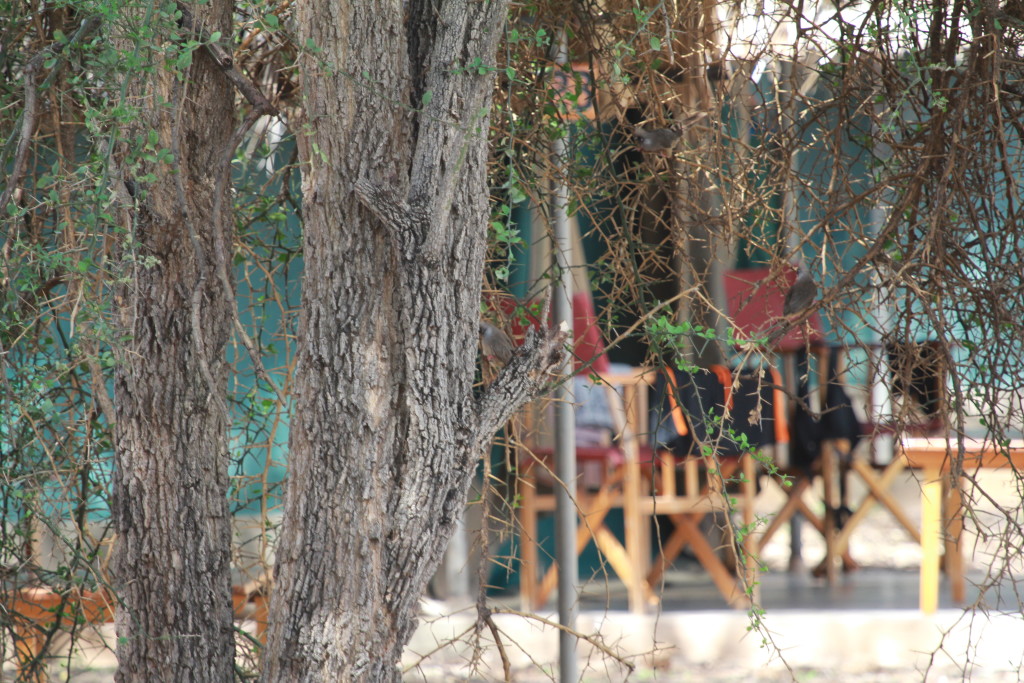
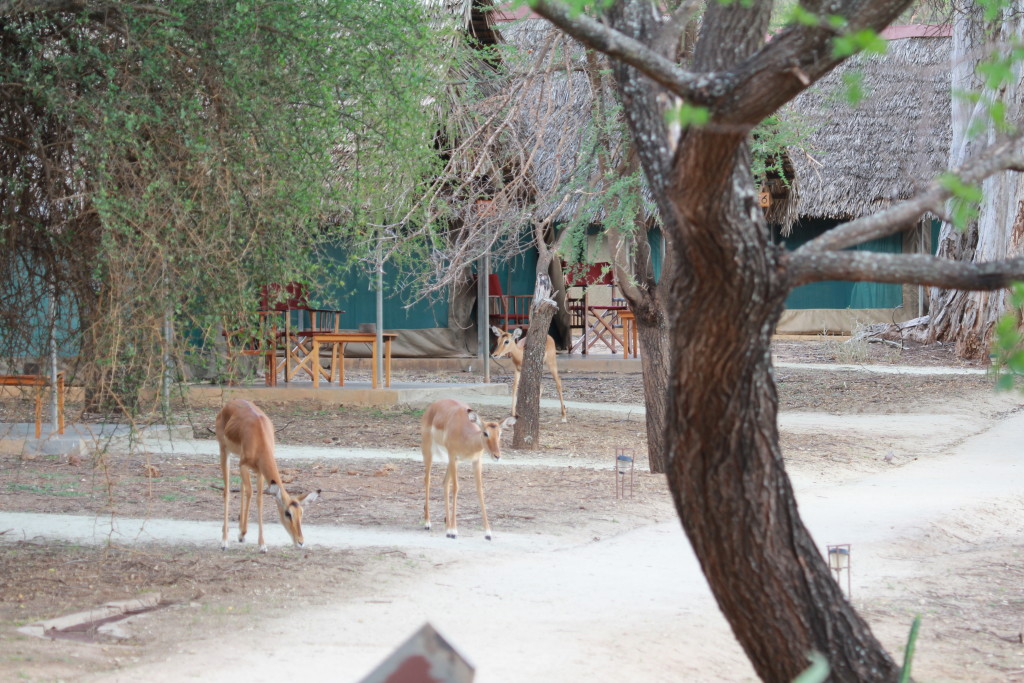
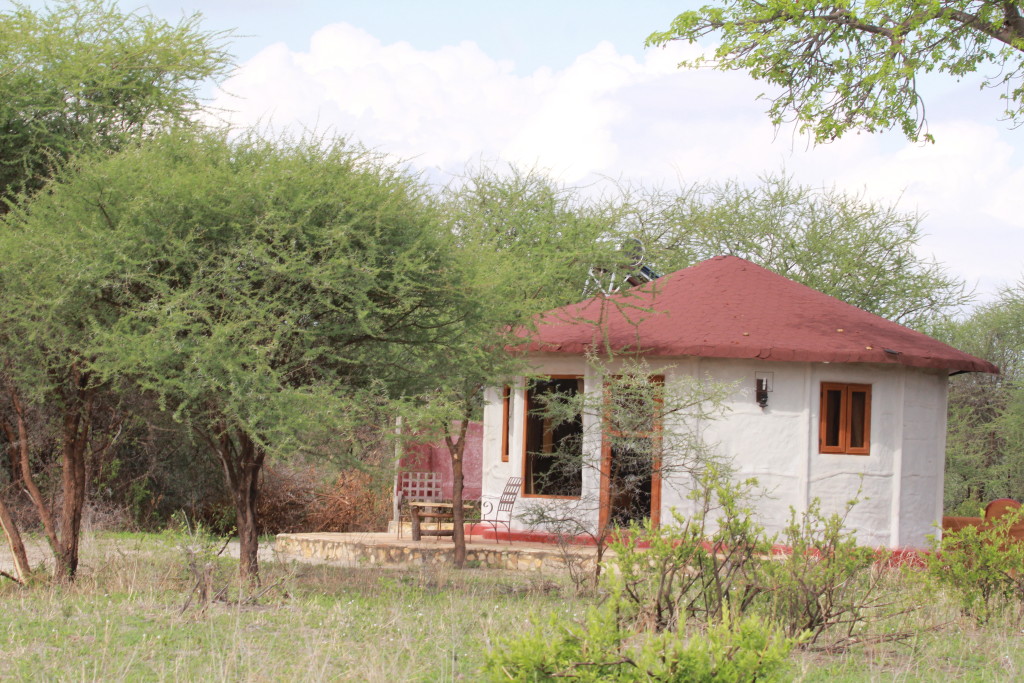
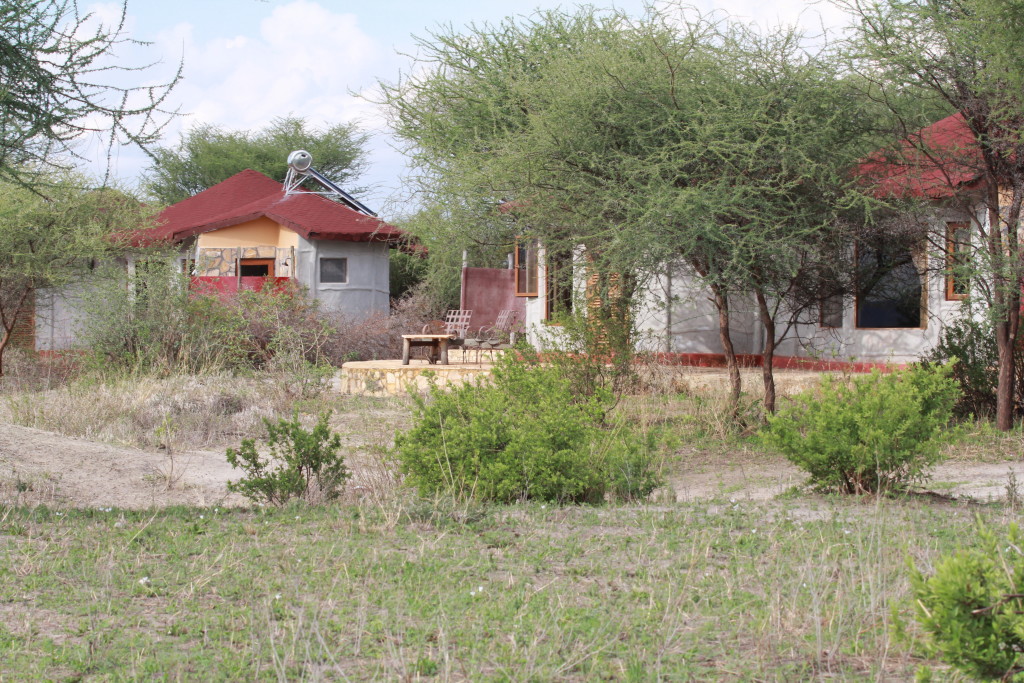
The travel blogger in me was keen to check out the accommodation as well.  Of course I couldn’t enter a bungalow but the grounds and facilities were excellent!  They even had wifi at the restaurant so I could check my emails while resting and sipping cold drinks.  The lucky guests had a pool to cool off in.  It was really hot that day!

IMG_6613 IMG_6614 IMG_6615

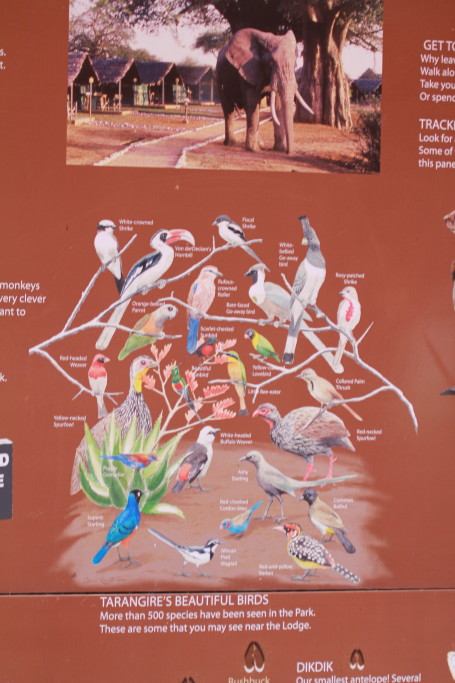
I really loved the poster they had to show what birds frequent the area!

IMG_6616 IMG_6617 IMG_6621

Our driver had gone off to where the other drivers & guides hang out for a nap and promised to pick us up at 4pm.  Ina & I headed to the restaurant to chill out and have some ice-cold drinks.

IMG_6622 IMG_6623

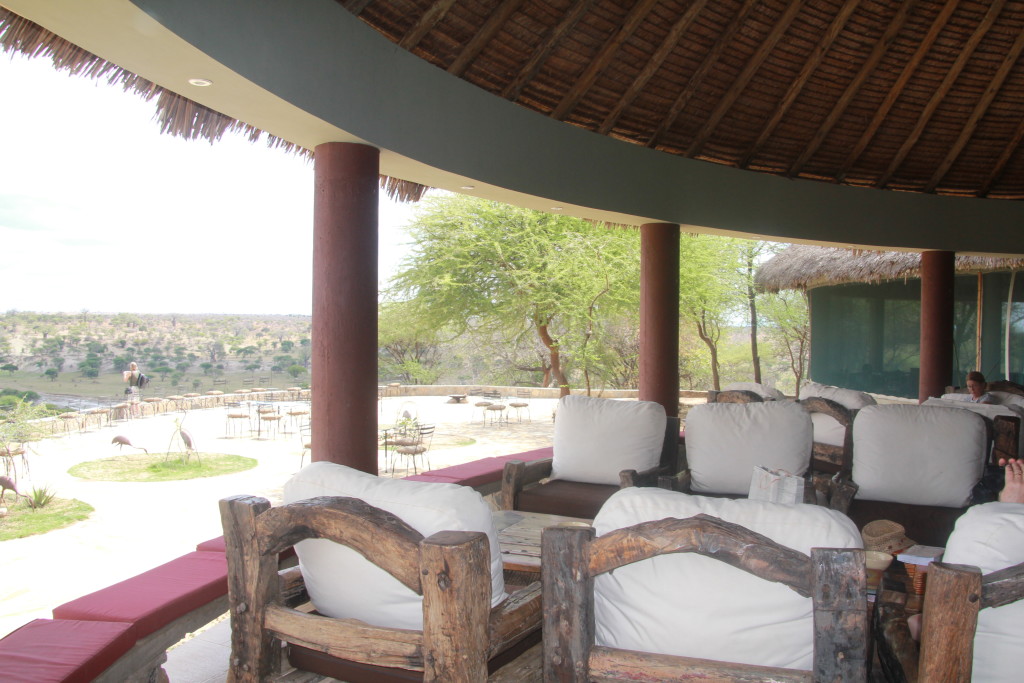
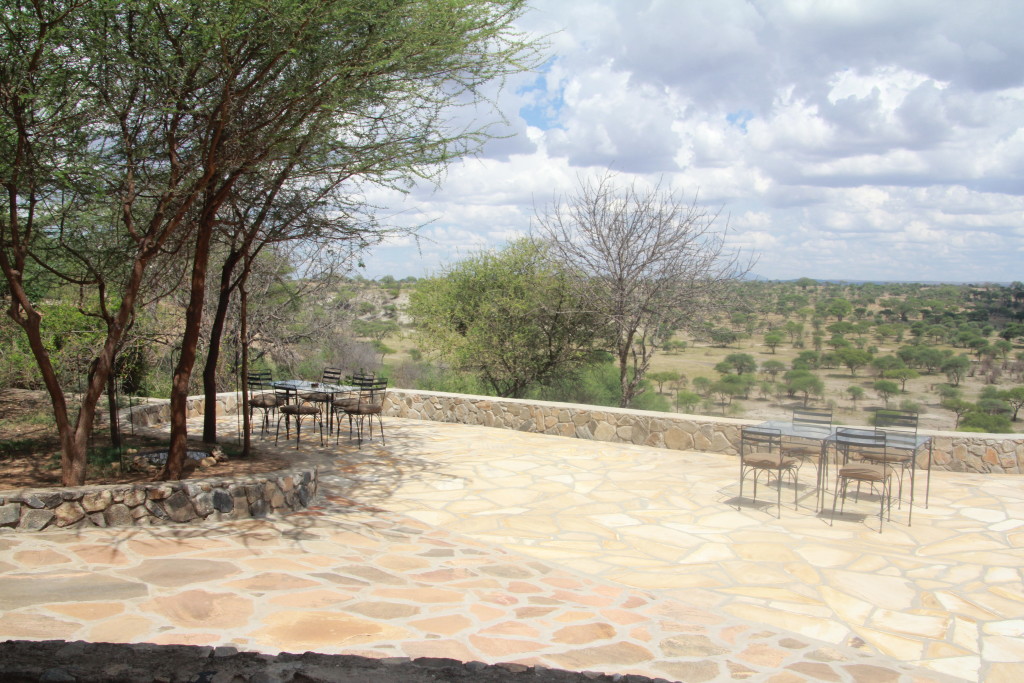
The view from the restaurant is amazing!

IMG_6624 IMG_6625

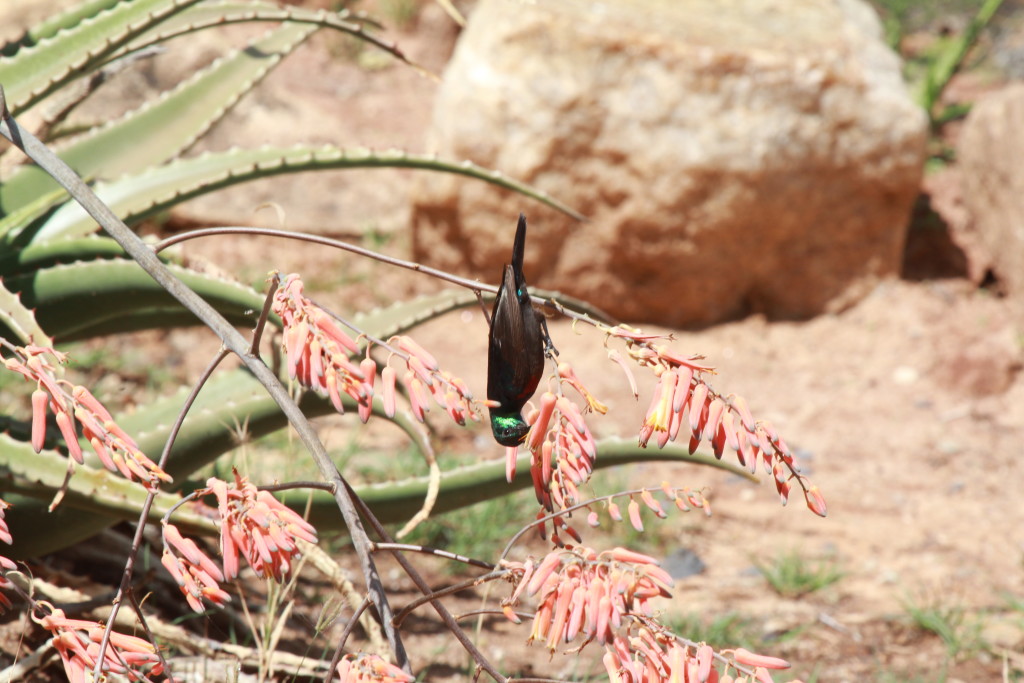
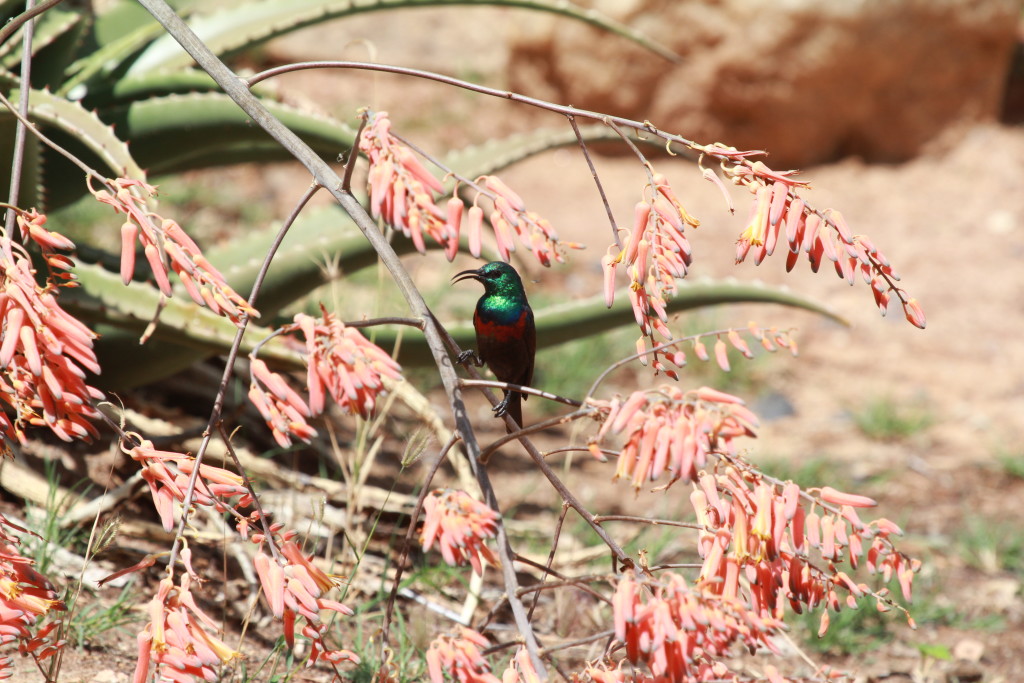
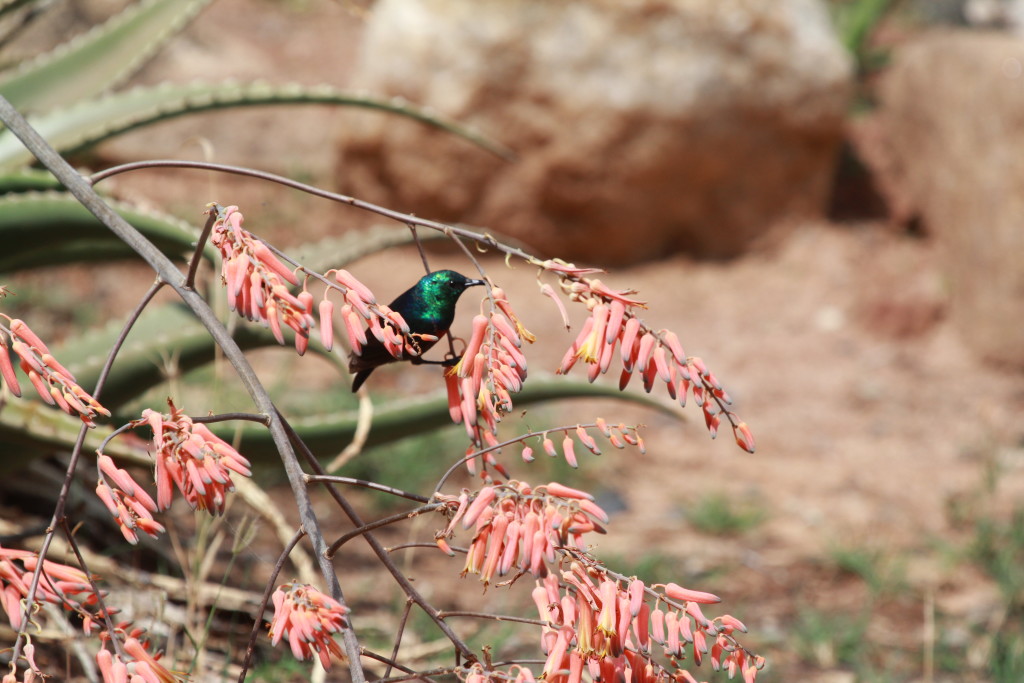
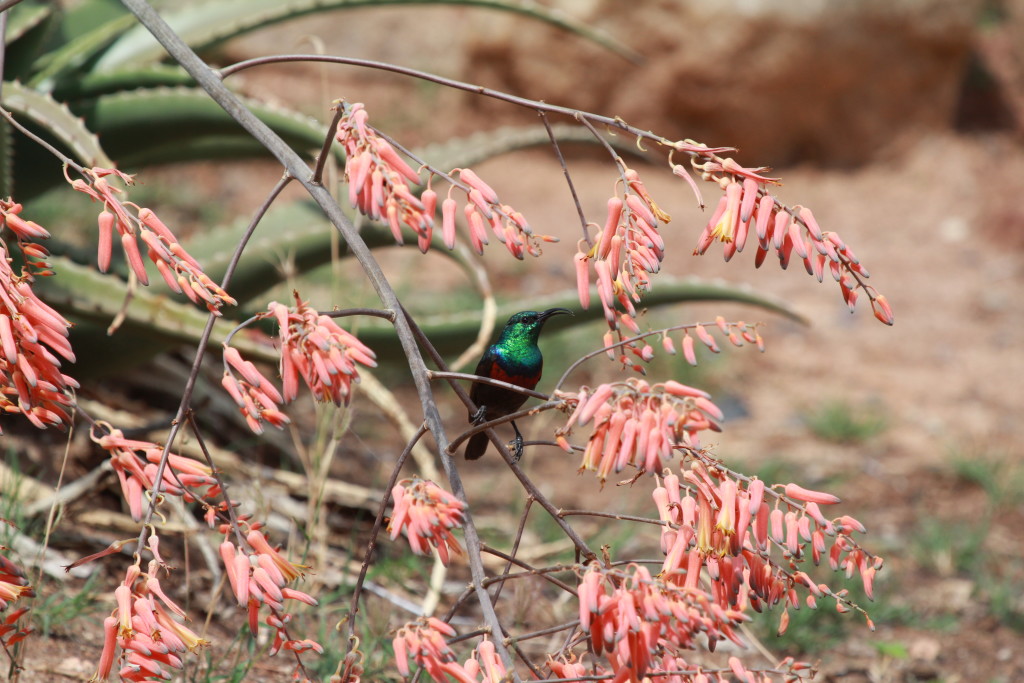
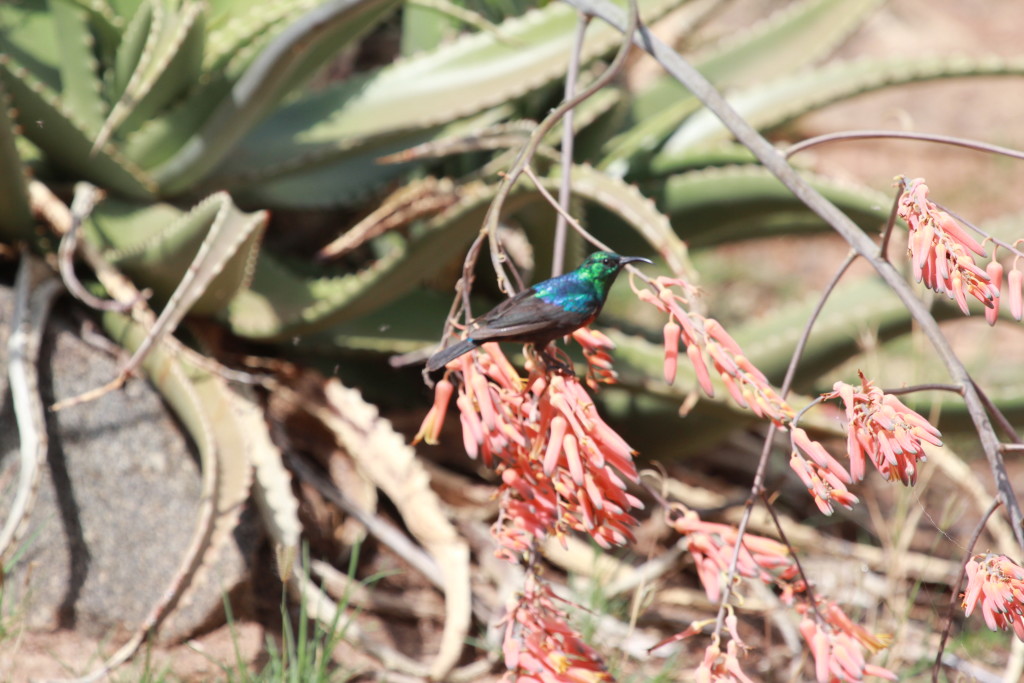
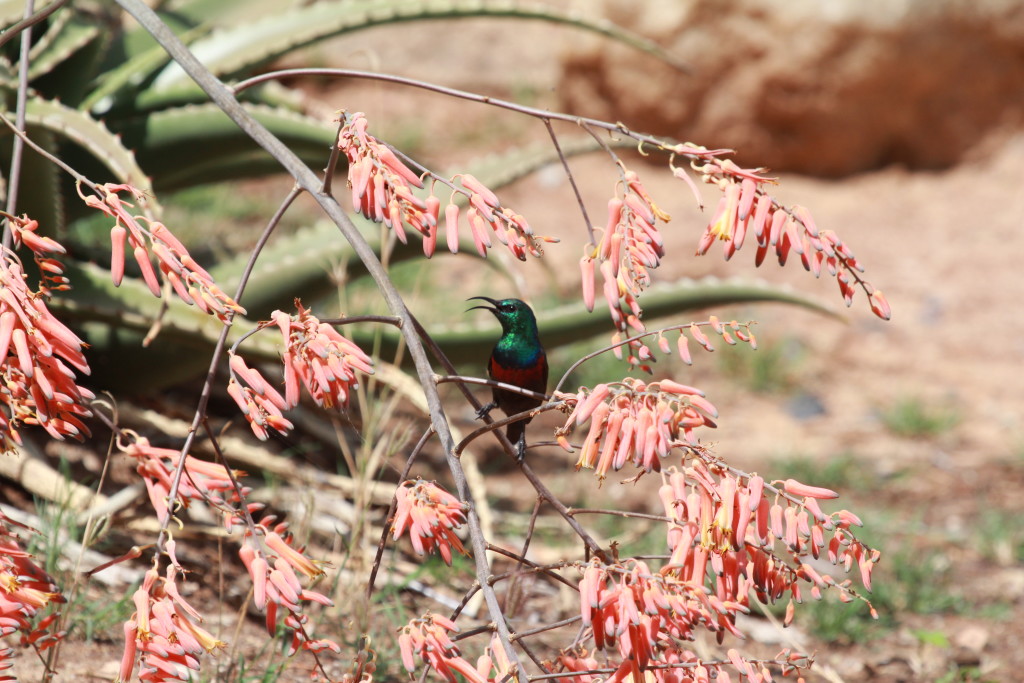
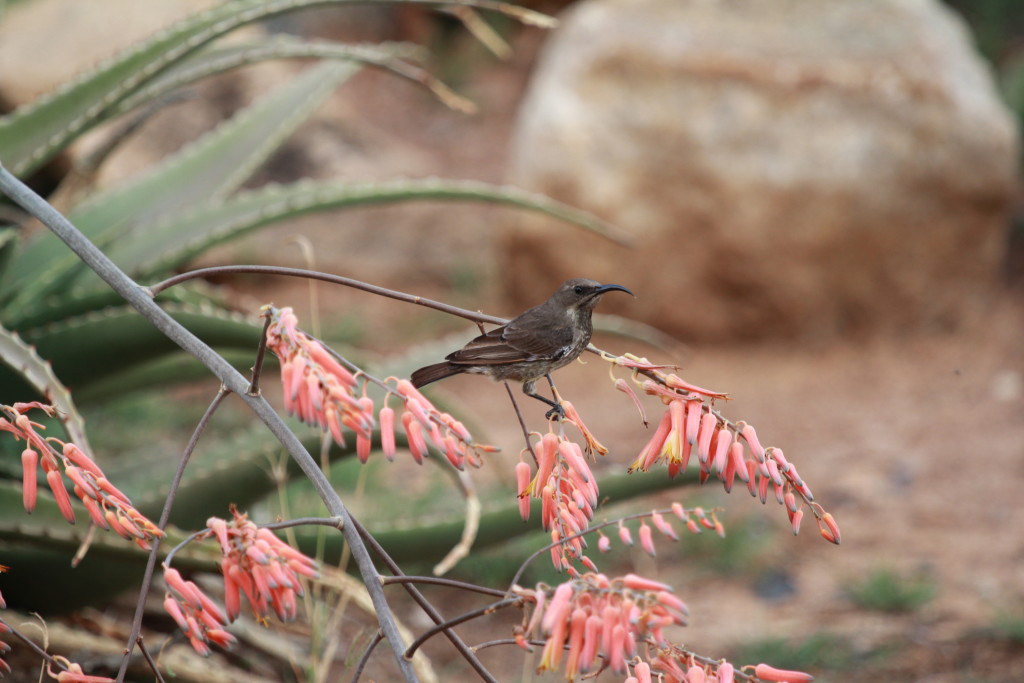
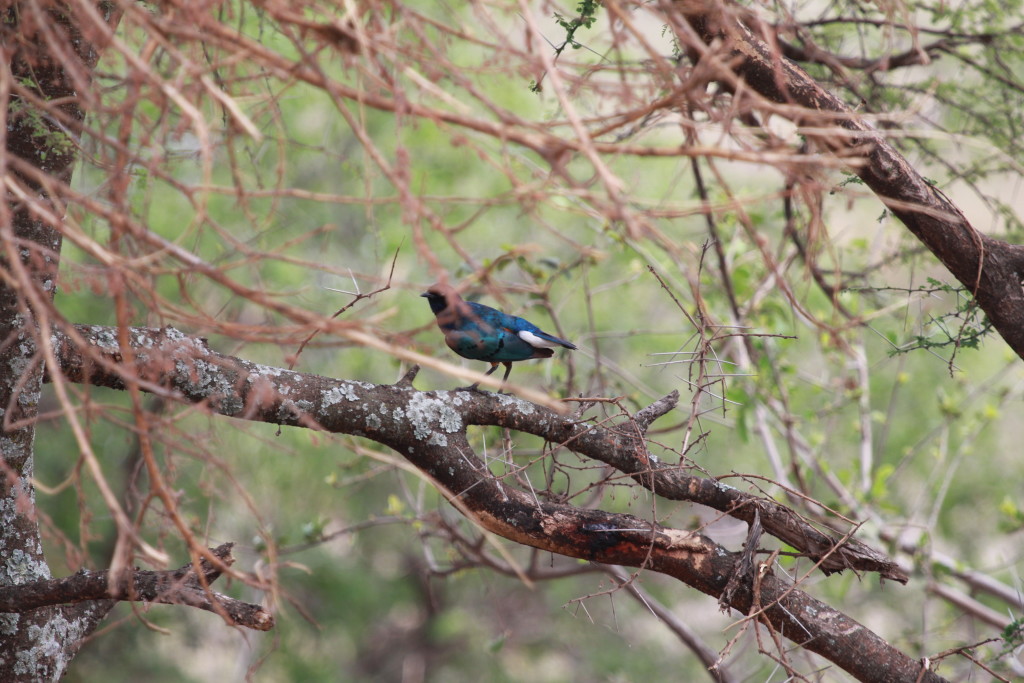
While we were sitting and relaxing, we could see some Beautiful Sunbirds.

IMG_6626 IMG_6630 IMG_6631 IMG_6632 IMG_6634 IMG_6635

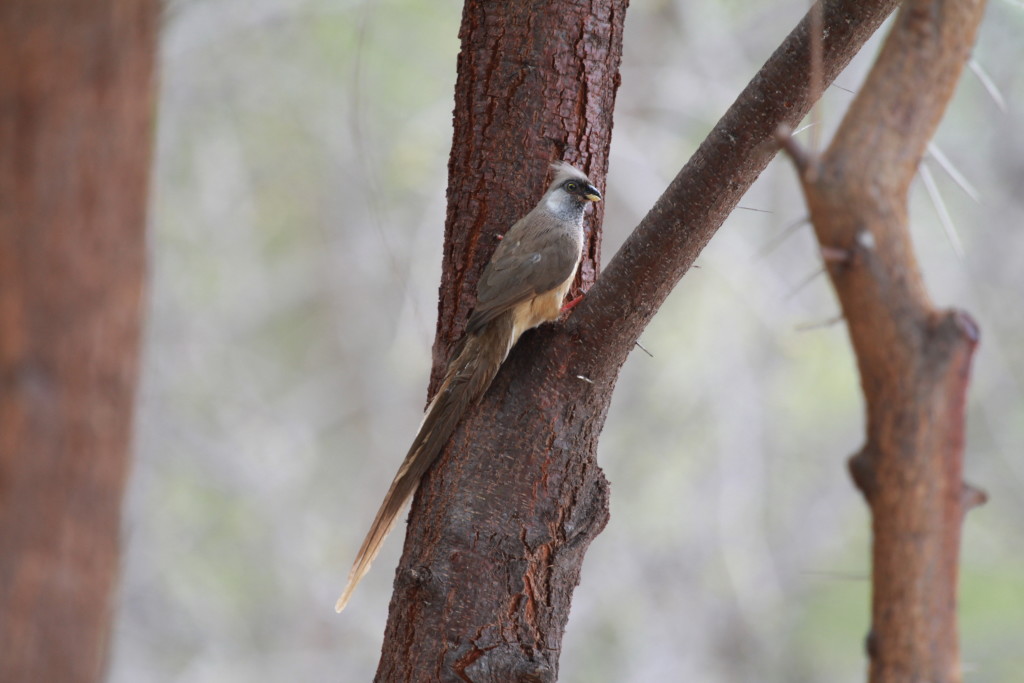
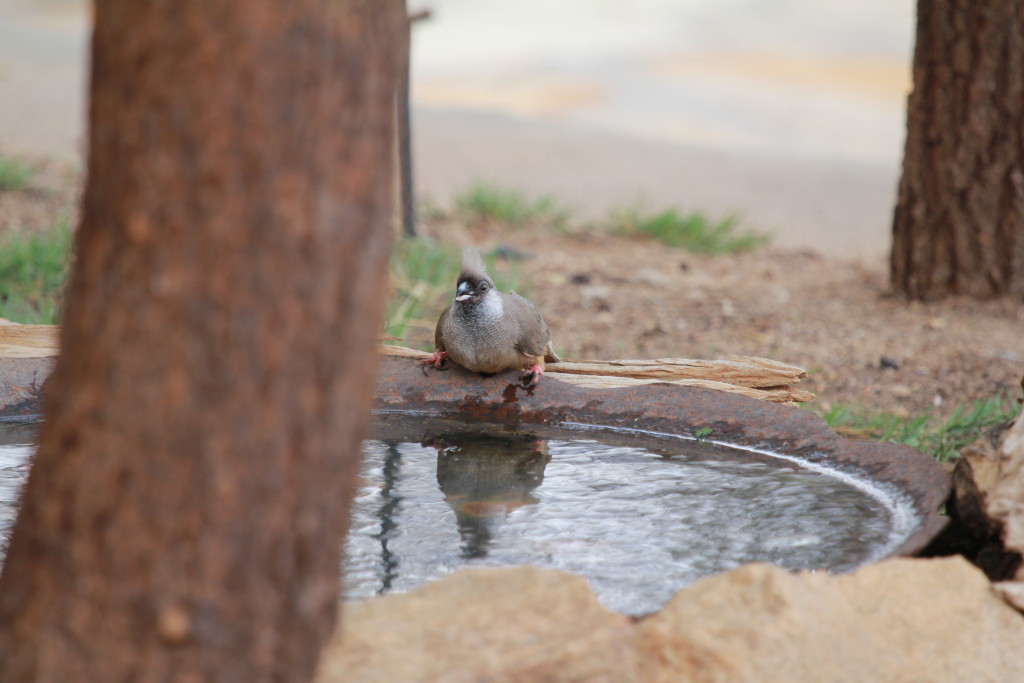
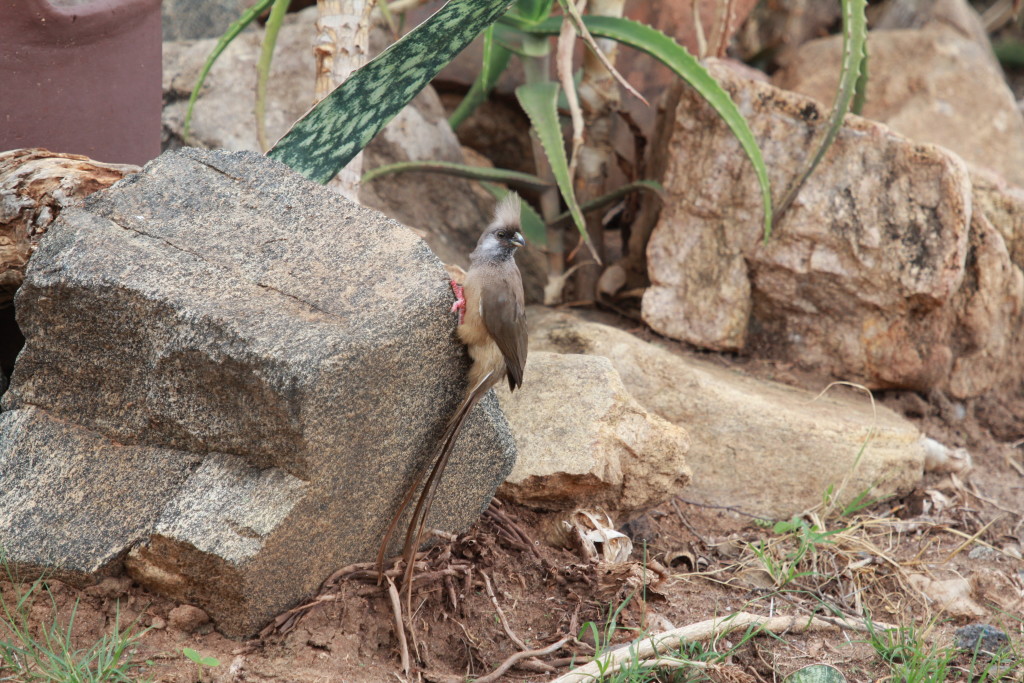
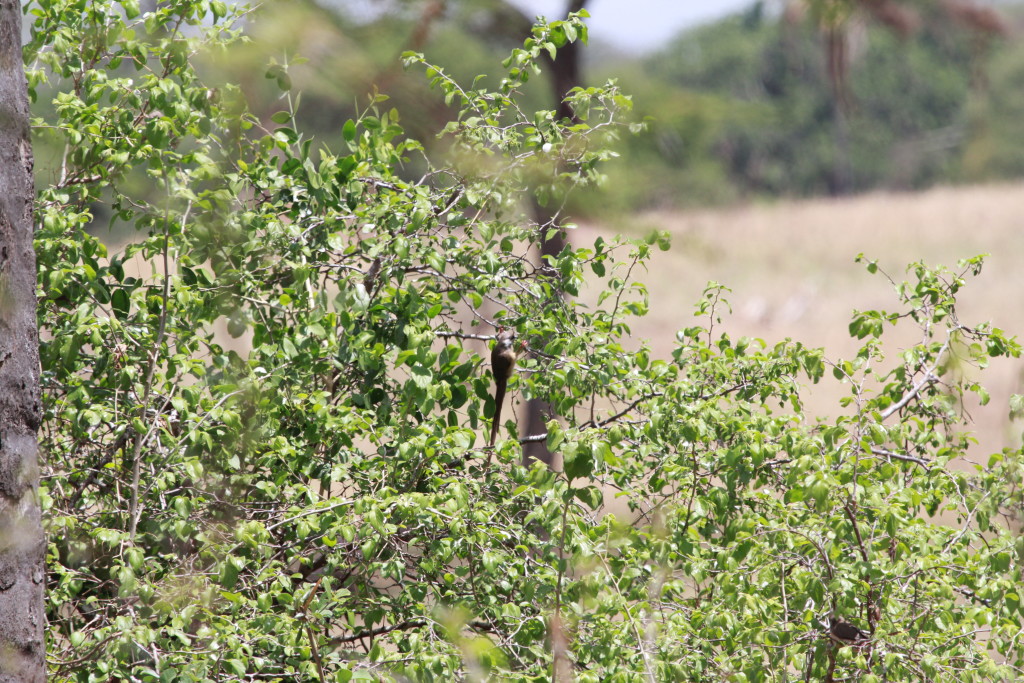
There was also a cute little Speckled Mousebird.

IMG_6653 IMG_6655 IMG_6656 IMG_6658 IMG_6660

Female Beautiful Sunbird

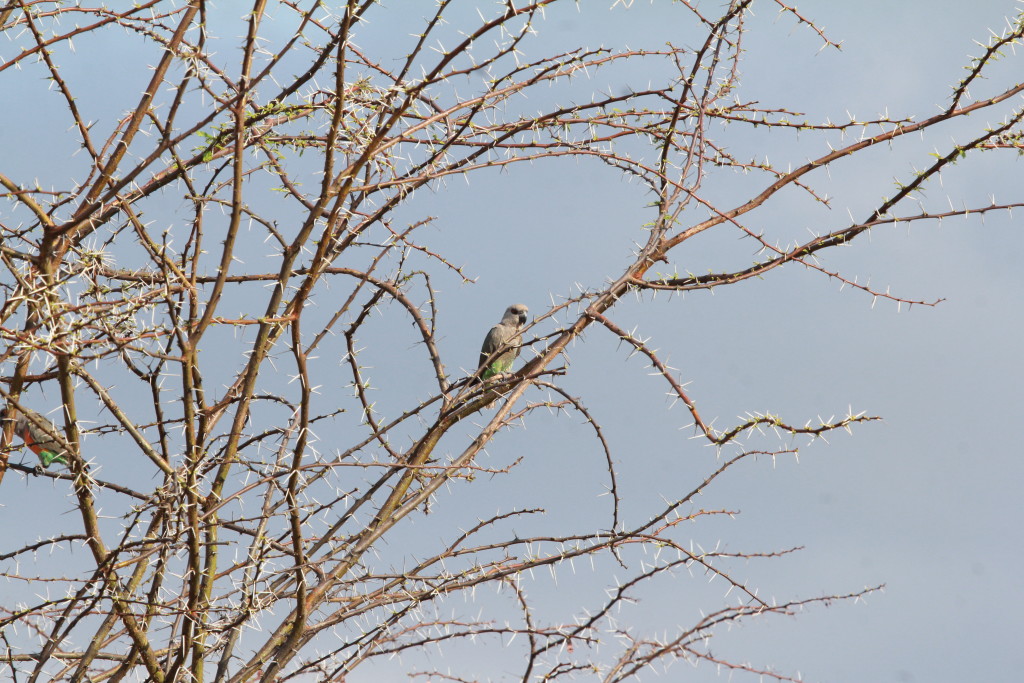
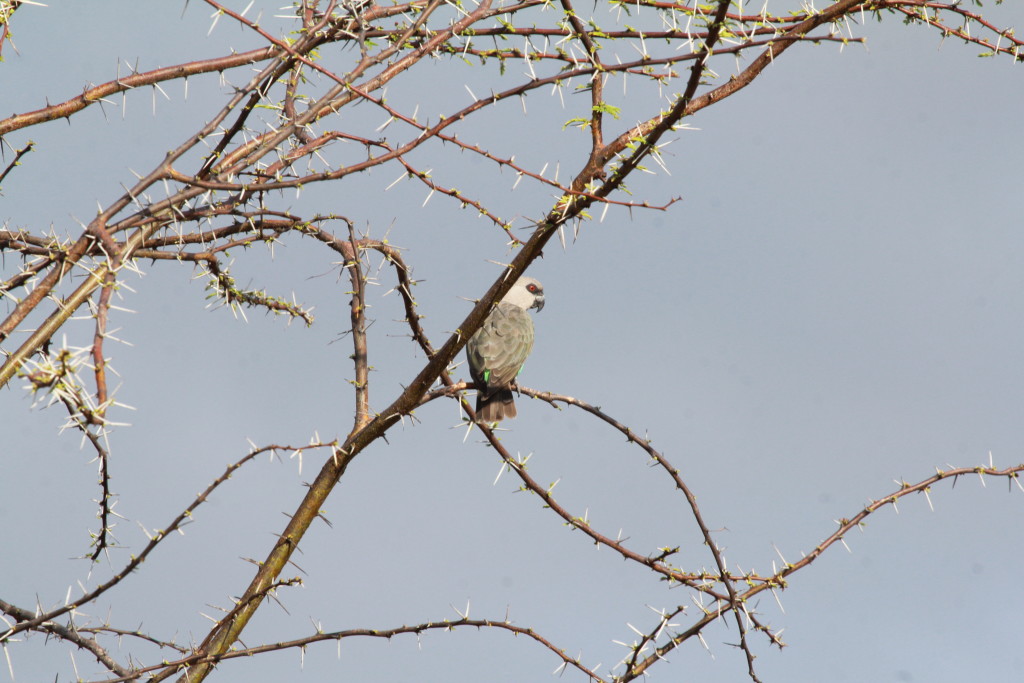
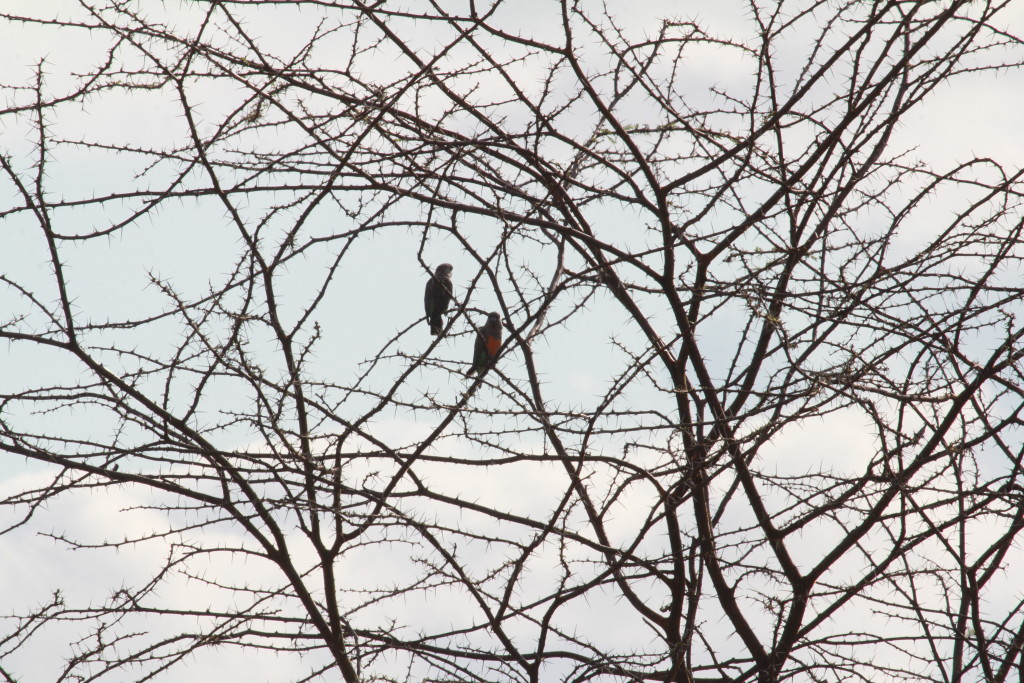
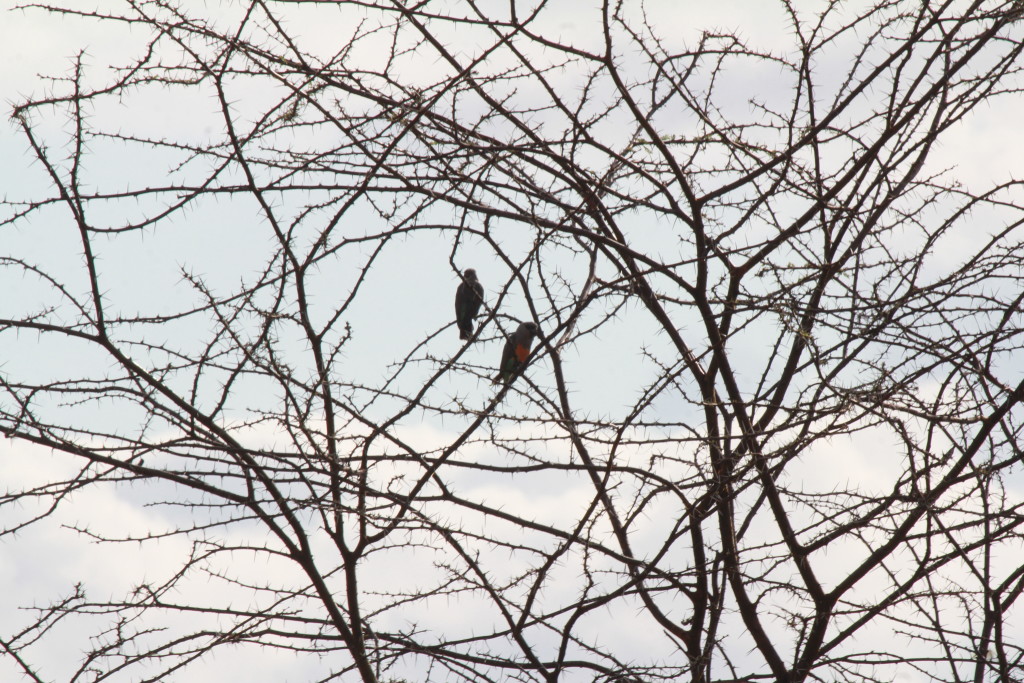
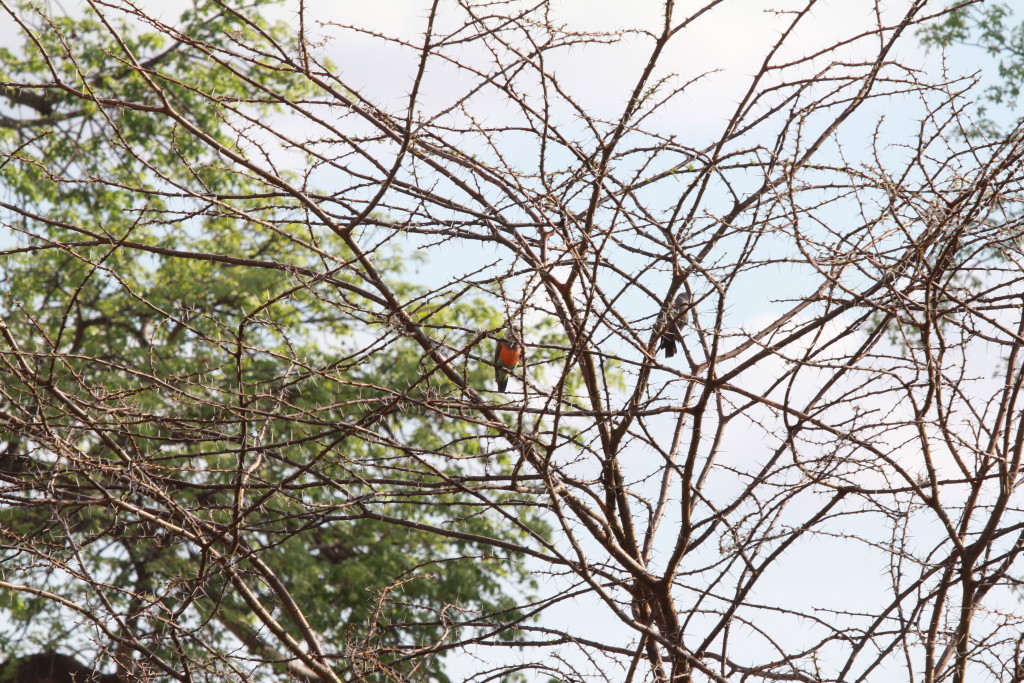
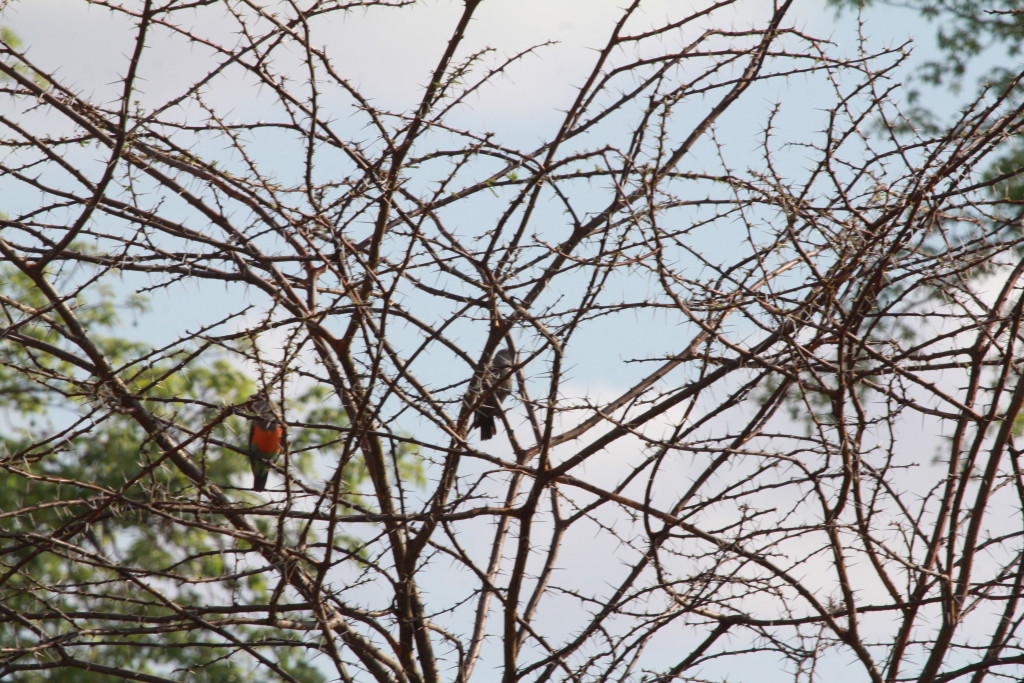
IMG_6663 IMG_6665 IMG_6666 IMG_6667Refreshed and rejuvenated, we were ready to make our final afternoon safari in Tarangire.  I had been talking to some other people who had seen Meyer’s Parrots that morning and I got their guide to tell our guide where to find them.  So off we went!

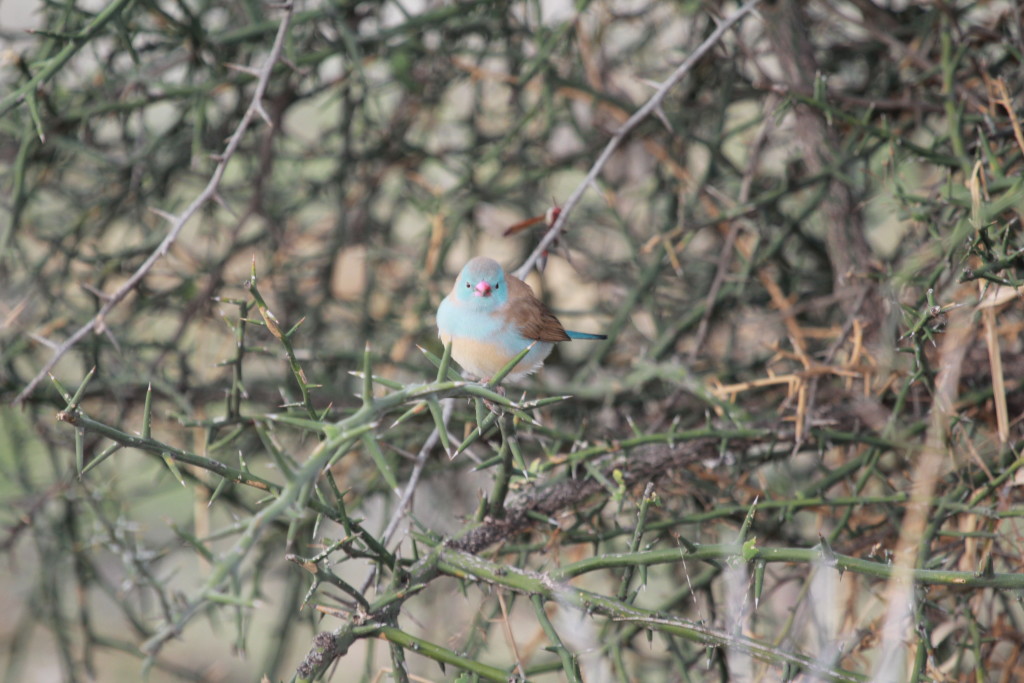
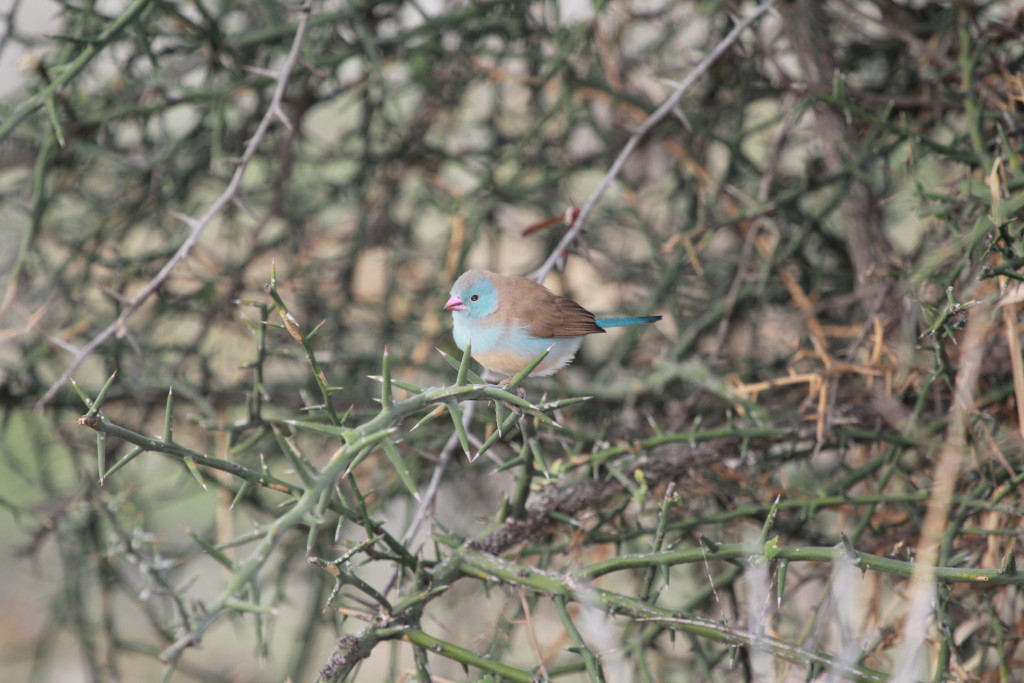
Blue-capped Cordonbleu (Uraeginthus cyanocephalus)


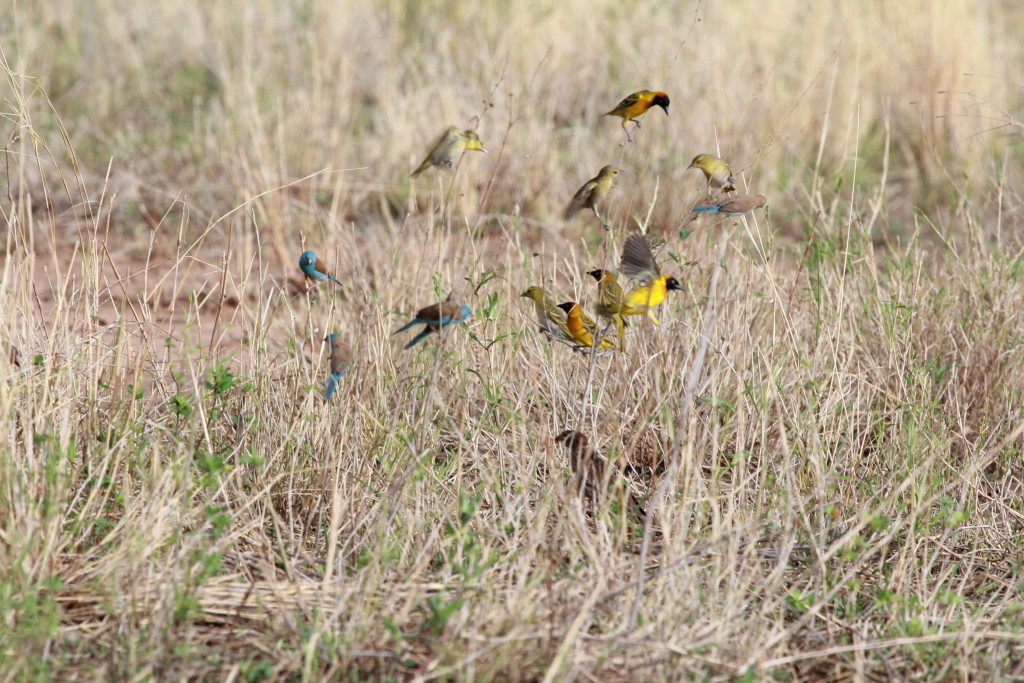
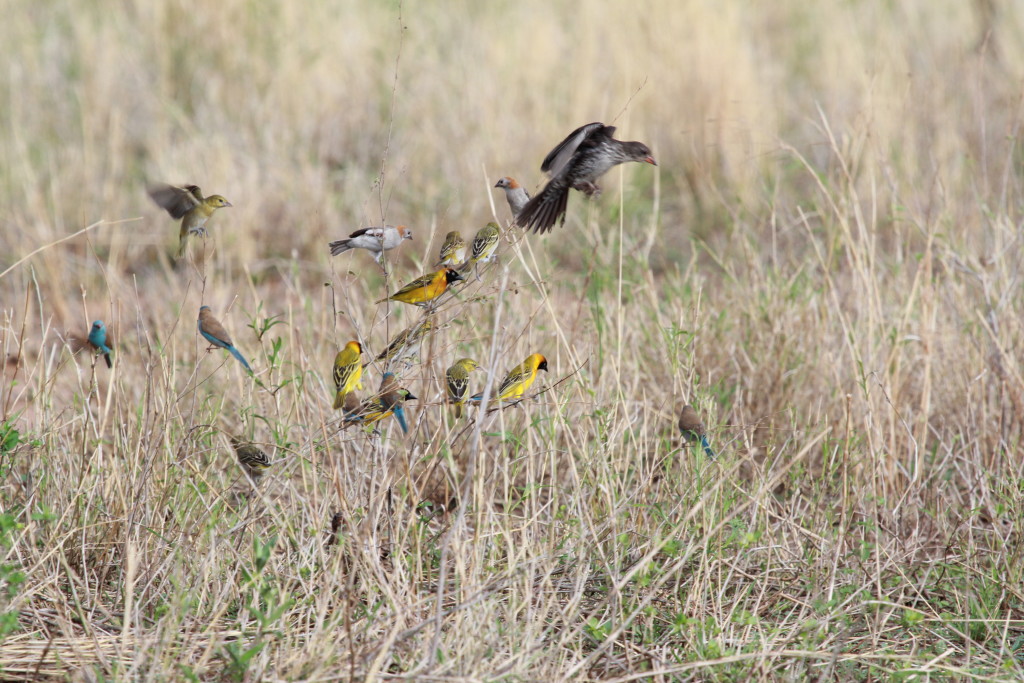
IMG_6430 IMG_6431The delicately coloured Blue-capped Cordon-bleu or Blue-Capped cordonbleu (Uraeginthus cyanocephalus) is native to Ethiopia, Kenya, Somalia, South Sudan, and Tanzania in East Africa.

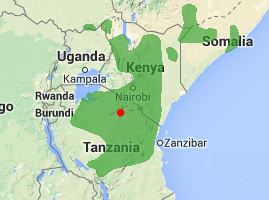
bccb rangeI saw them in Tarangire (red dot) in Tanzania where they were foraging with a mixed flock.  Check the Xeno-canto website below to see other people’s sightings of this elegant little bird.

IMG_6460 IMG_6461LEARN MORE ABOUT THIS BIRD

Wikipedia

Birdlife

HBW

Xeno-Canto

VIDEO

There are some wild bird videos on IBC which also give more reliable locations to see Cordonbleus.

This one from YT shows a captive Cordonbleu demonstrating foraging methods of his wild cousins.

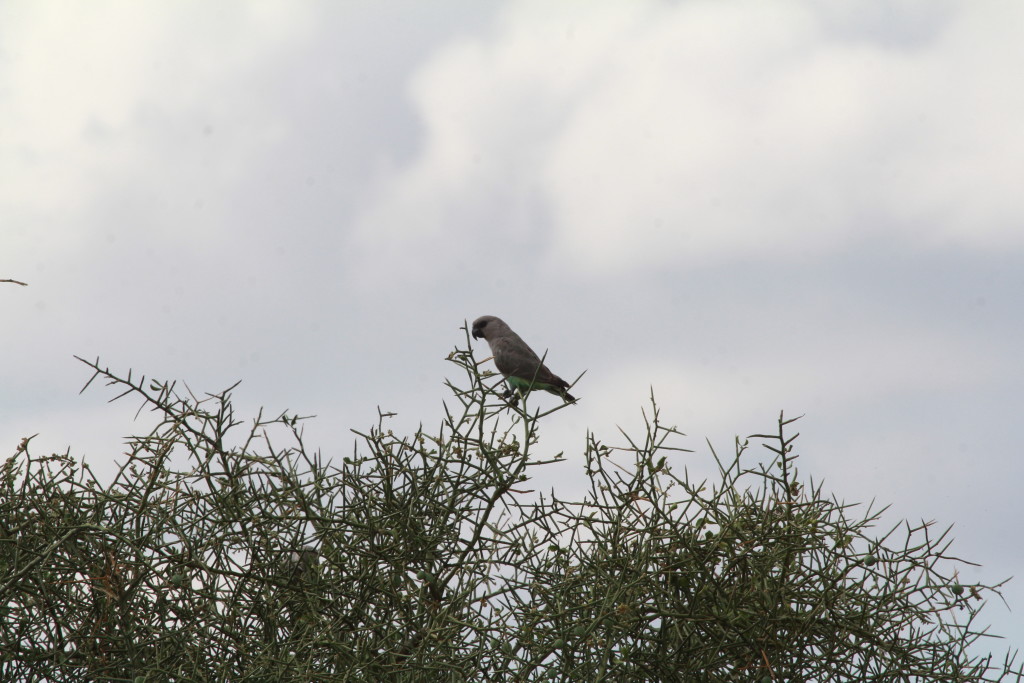
Red-bellied Parrot (Poicephalus rufiventris)

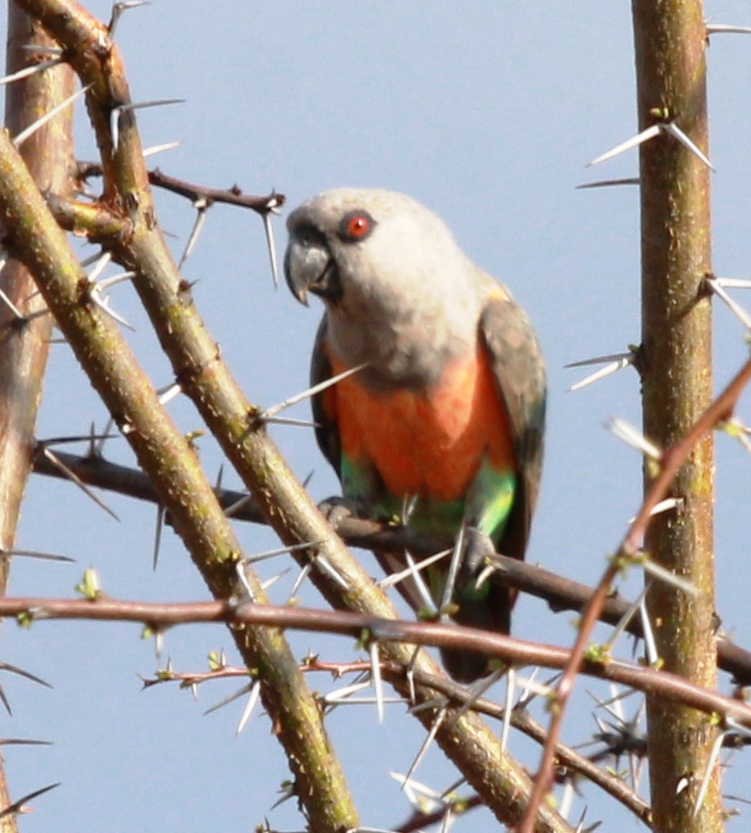
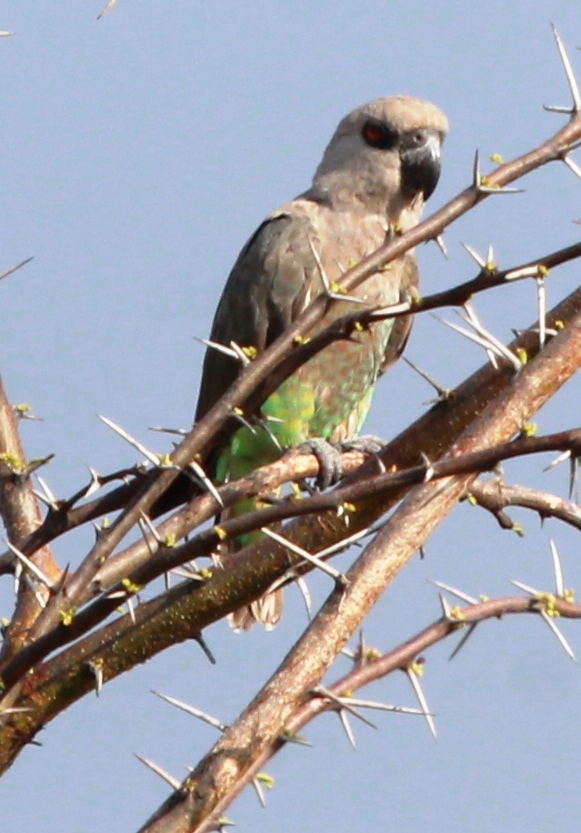
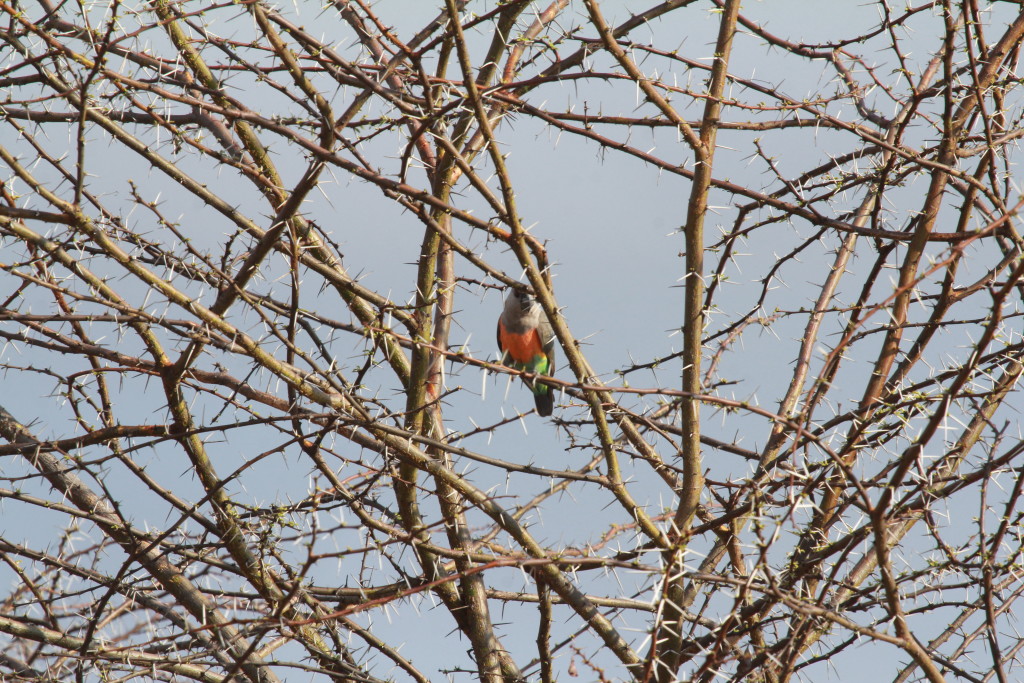
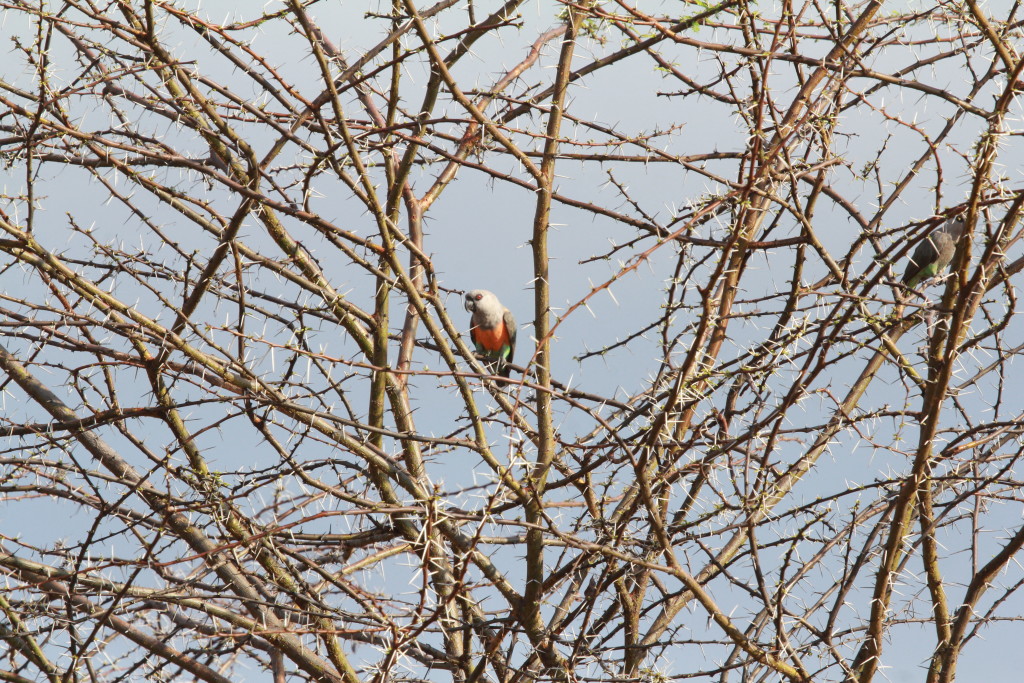
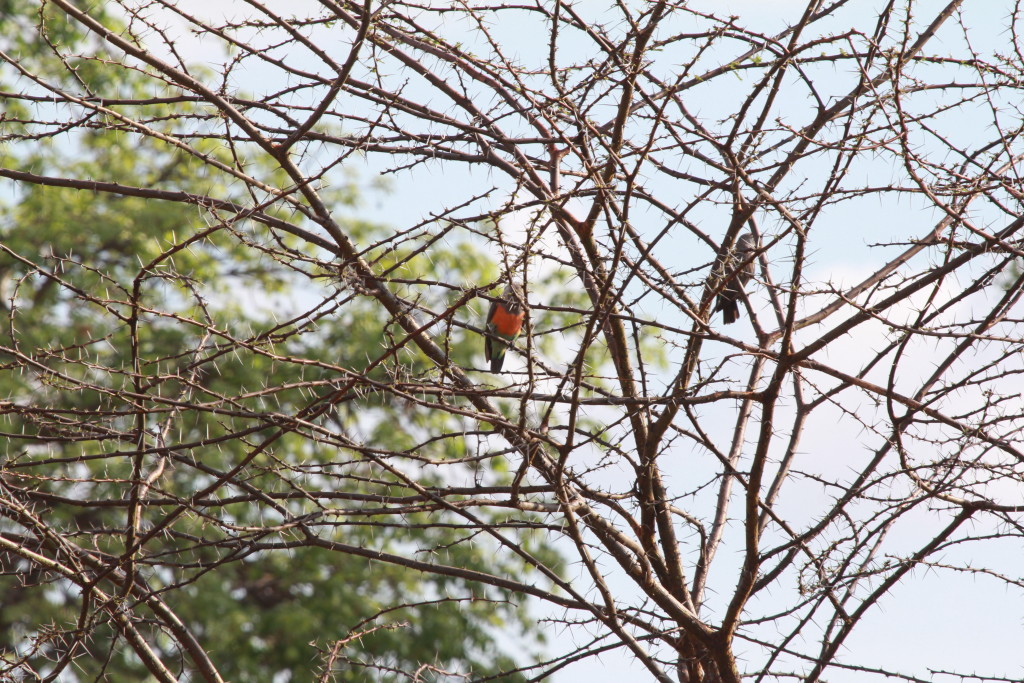
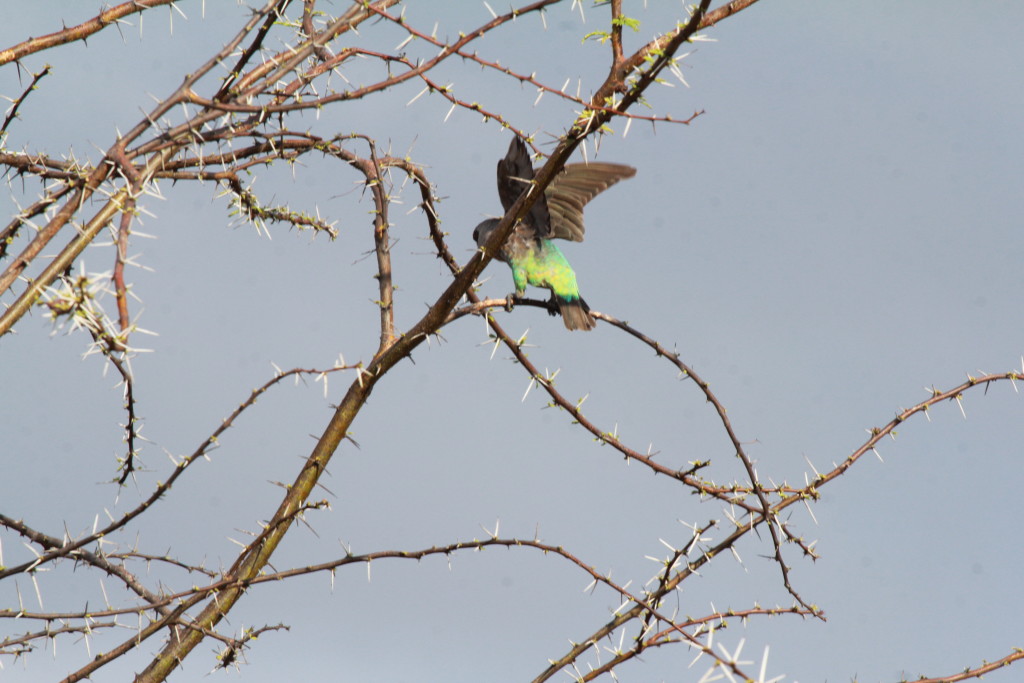
The red-bellied parrot (Poicephalus rufiventris) is a small African parrot about 23 cm (9 in) long of the Poicephalus genus.  Some guidebooks call this the “African Orange-bellied Parrot” so be sure you check the scientific name.  It is a mostly greenish and grey parrot. Males have a bright orange belly and females have a greenish belly.

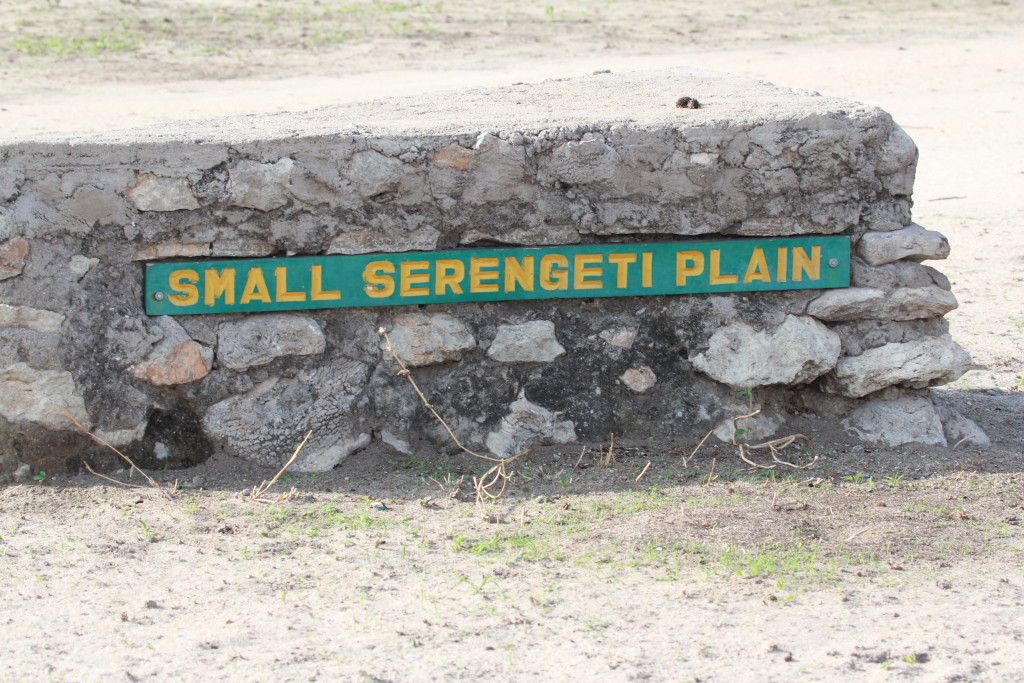
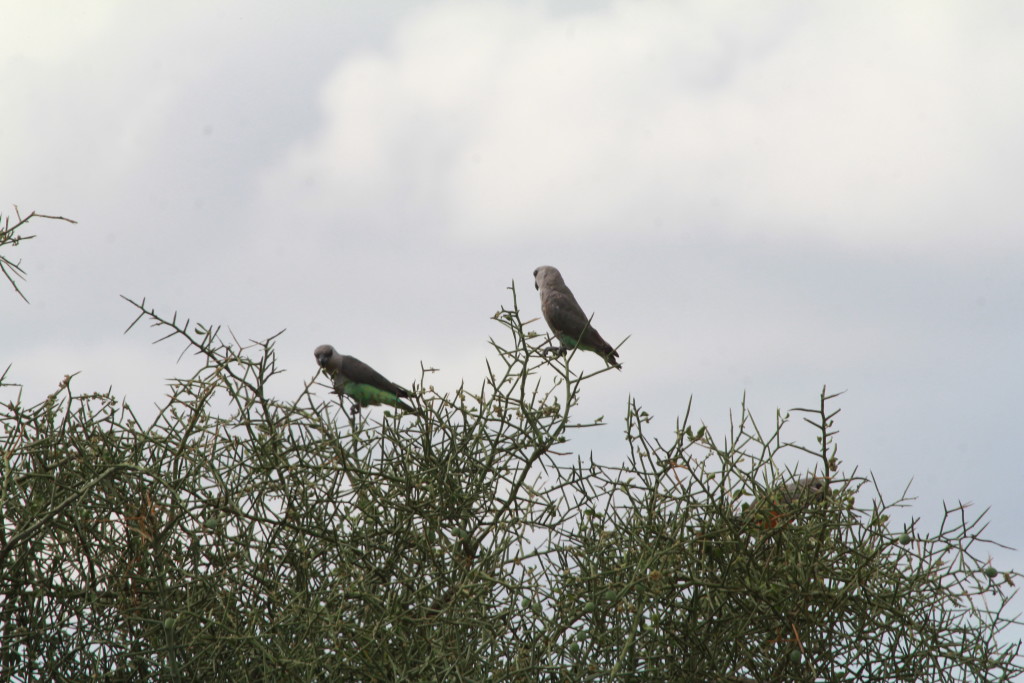
I saw them in two different locations at Tarangire, one in the small Serengeti plain and one near the campground.  Here’s a close-up of the male & female respectively, then some photos showing their environment.

IMG_6475a IMG_6476a

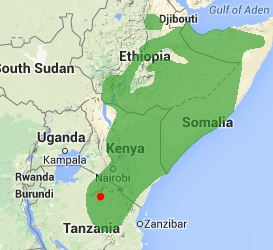
IMG_6472 IMG_6475 IMG_6470 IMG_6478 IMG_6476 IMG_6479 IMG_6482 IMG_6505 IMG_6508They have a decent sized range in East Africa but the easiest places to find them would be Tarangire NP, Arusha NP and possibly Amboseli in Kenya.  The red dot is Tarangire NP location.

RBP rangeLEARN MORE ABOUT RED-BELLIED PARROTS

Wikipedia

World Parrot Trust

Birdlife

HBW


VIDEO

It was a challenge to find a video of these birds in the wild but here’s one.


Visiting Tarangire National Park – Part 1

Many visitors to Tanzania bypass Tarangire National Park in favour of the more dramatic Ngorongoro Crater and the iconic Serengeti.  But for the birder, Tarangire is a must!  Since there are so many photos, this part will take us up to lunch time, the 2nd part will cover the afternoon and early evening.  I have identified what I can, still missing a few so will get back to them – or help me out in the comments!

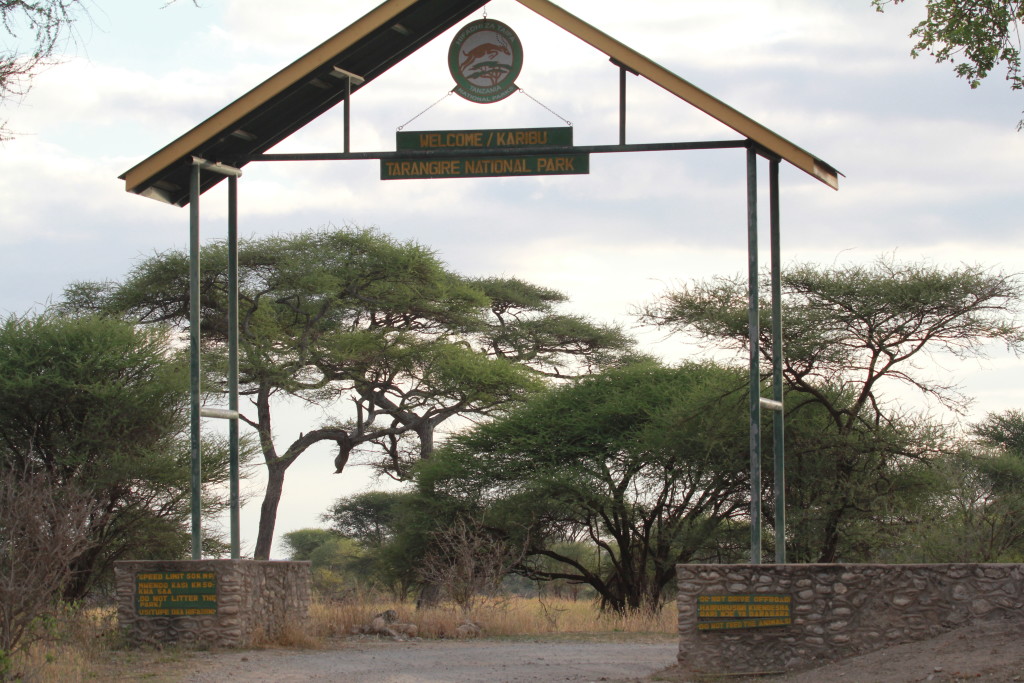
This is the entrance gate nearest to Whistling Thorn Camp.

IMG_6436

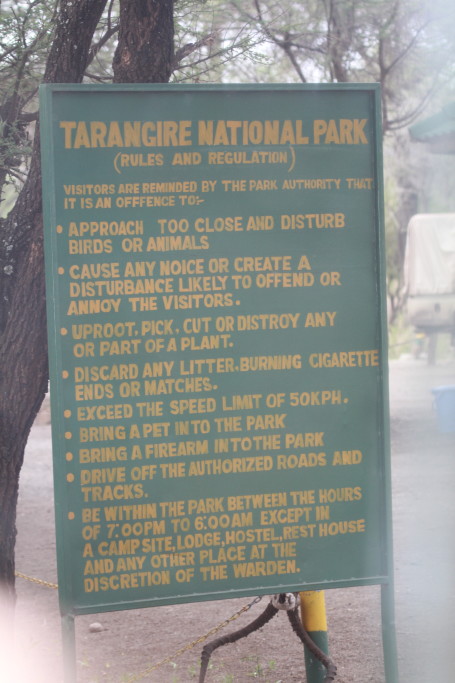
Mind the rules!

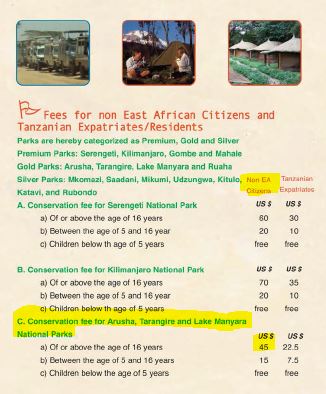
IMG_6437Fees are paid on a 24 hour basis so you want to spend the full day in the park to maximize your wildlife sightings.  If you are staying at a lodge inside the park, you will pay the fee for each 24 hour period you are there.  These fees were valid from July 2013 – June 2015.  Keep an eye on the website to see the new prices taking effect after July 2015.

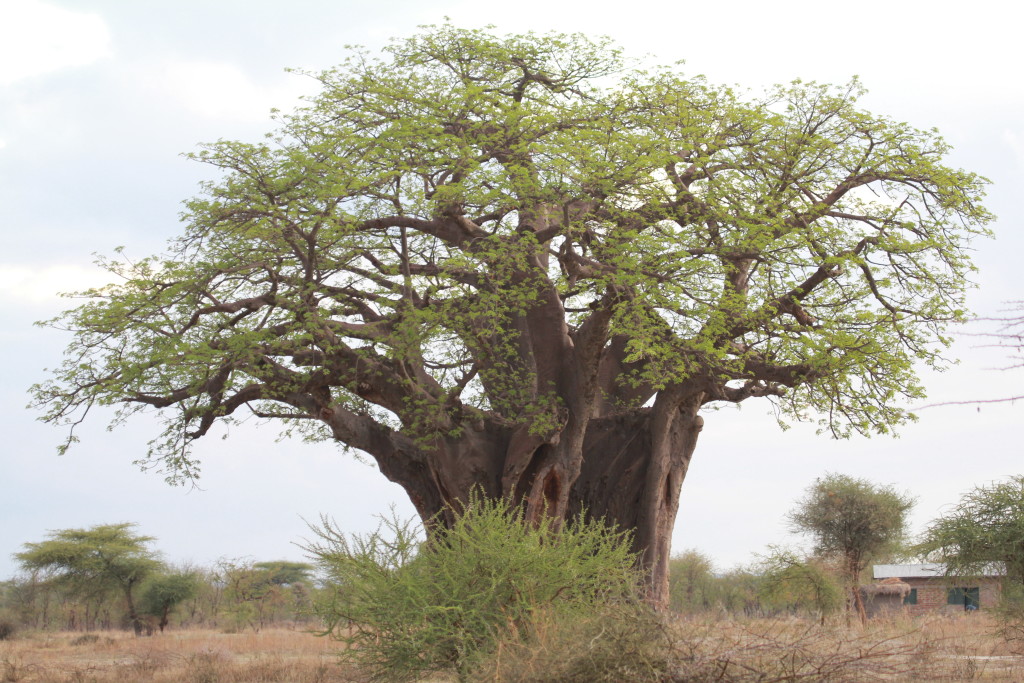
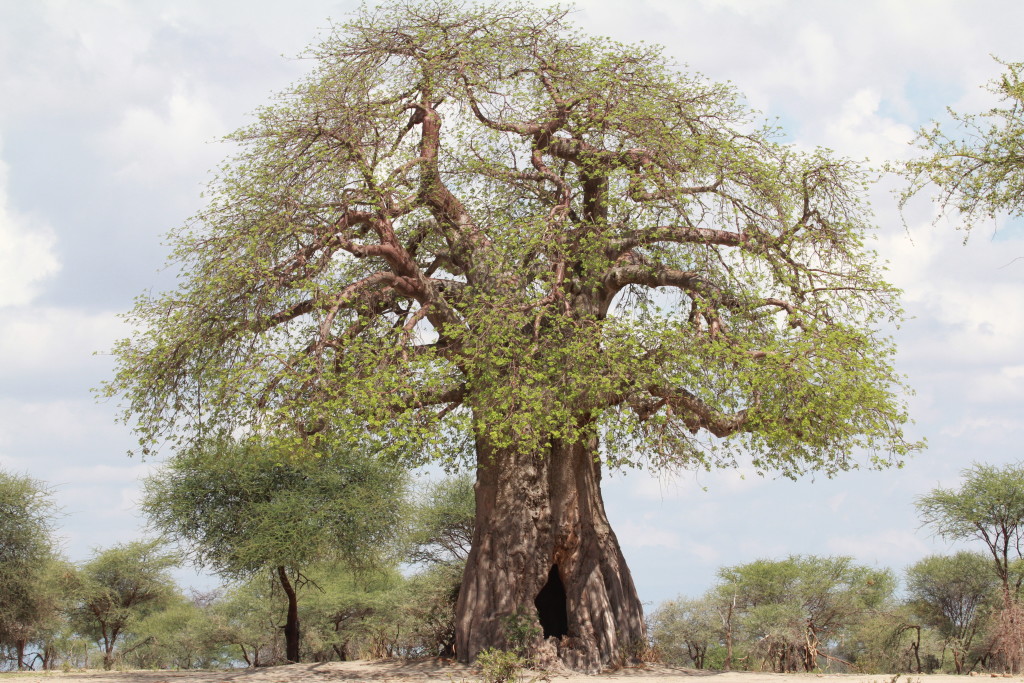
TZ Park fees - Tarangire, ArushaAmazing baobab trees are everywhere!

IMG_6429

Some delicate little Cordon-bleu Waxbills

IMG_6430 IMG_6431

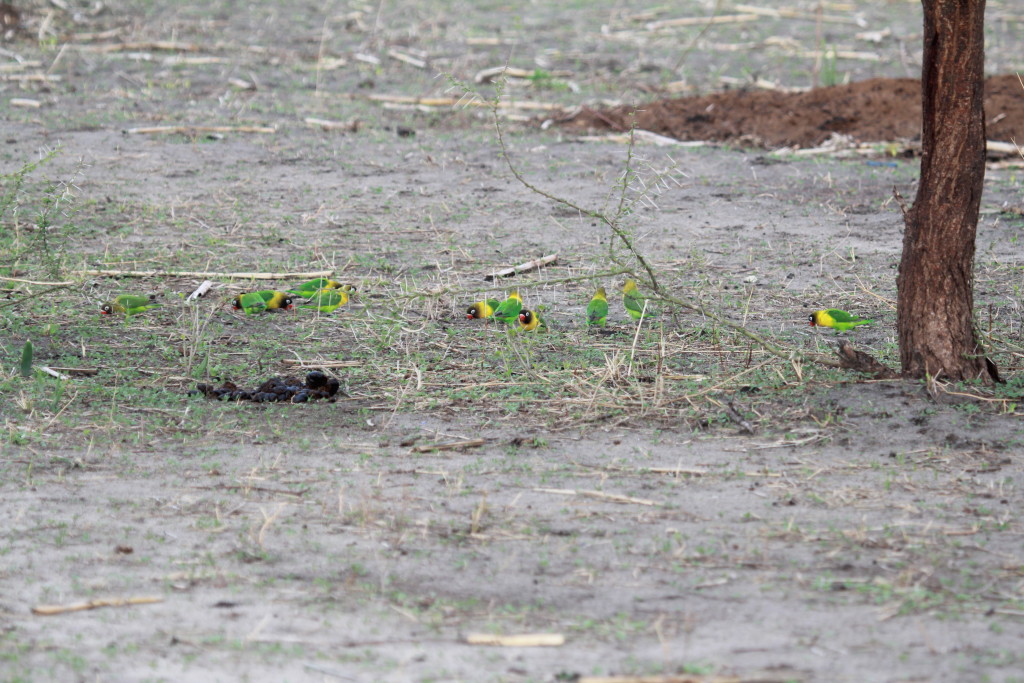
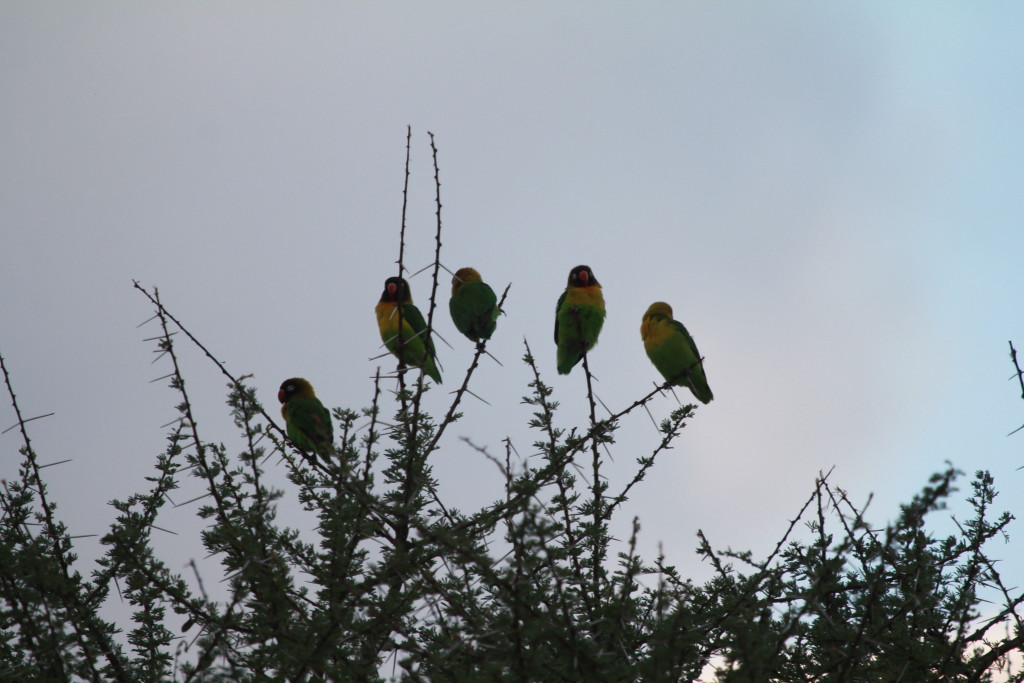
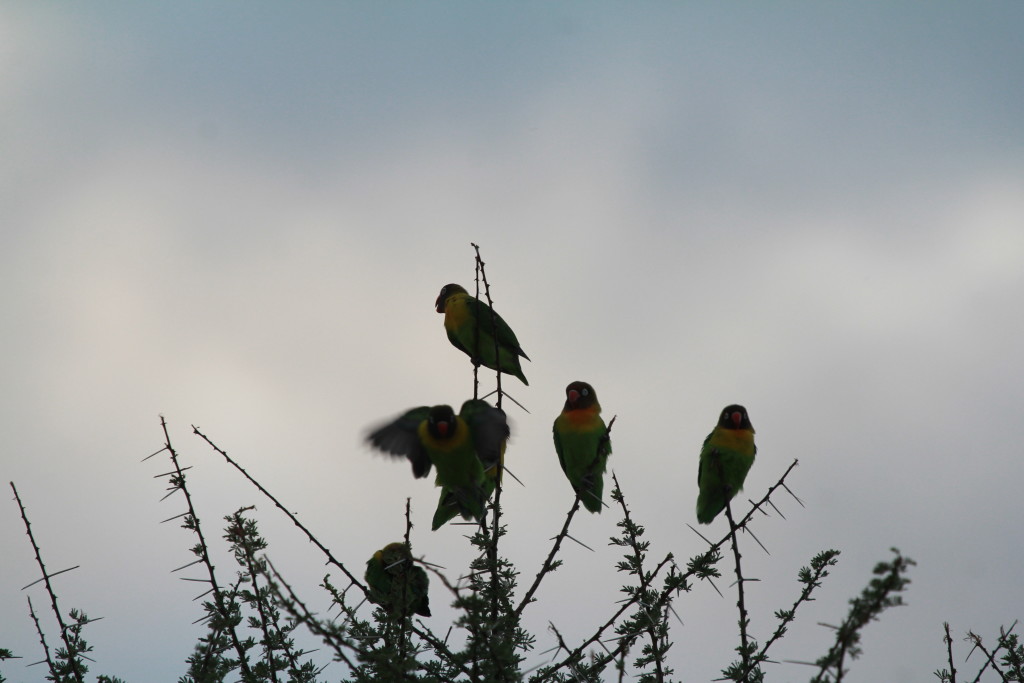
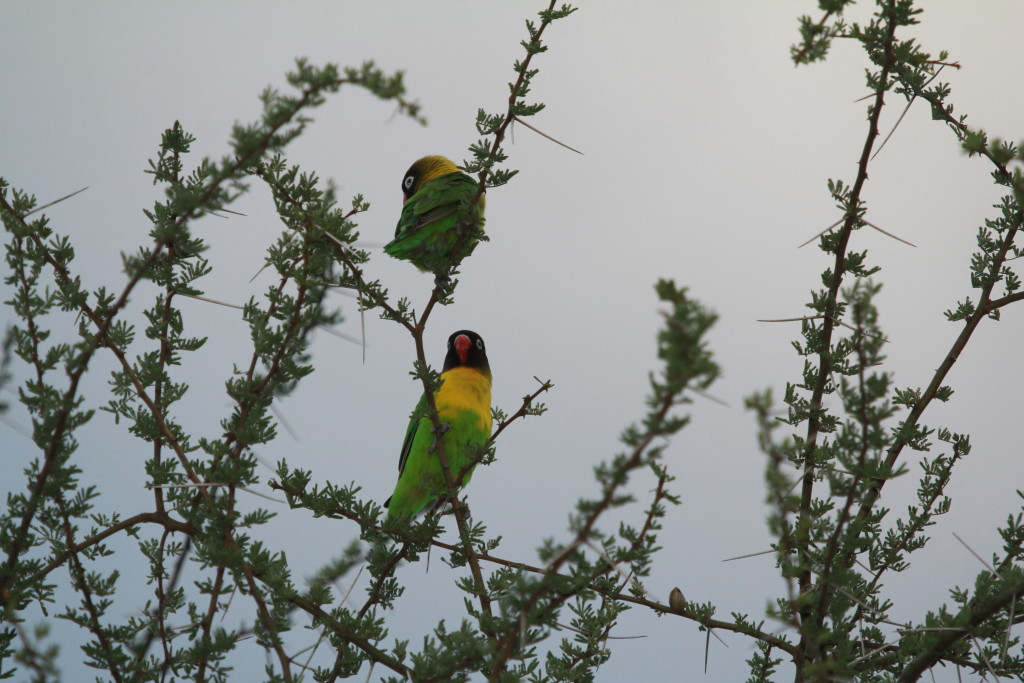
Yellow-collared Lovebirds foraging

IMG_6434

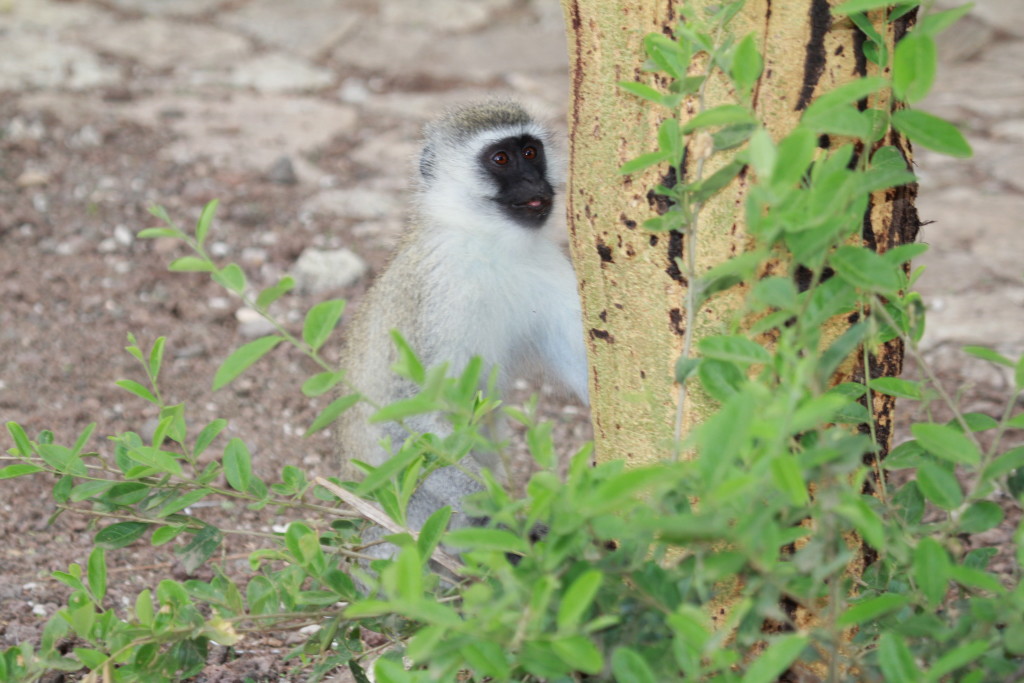
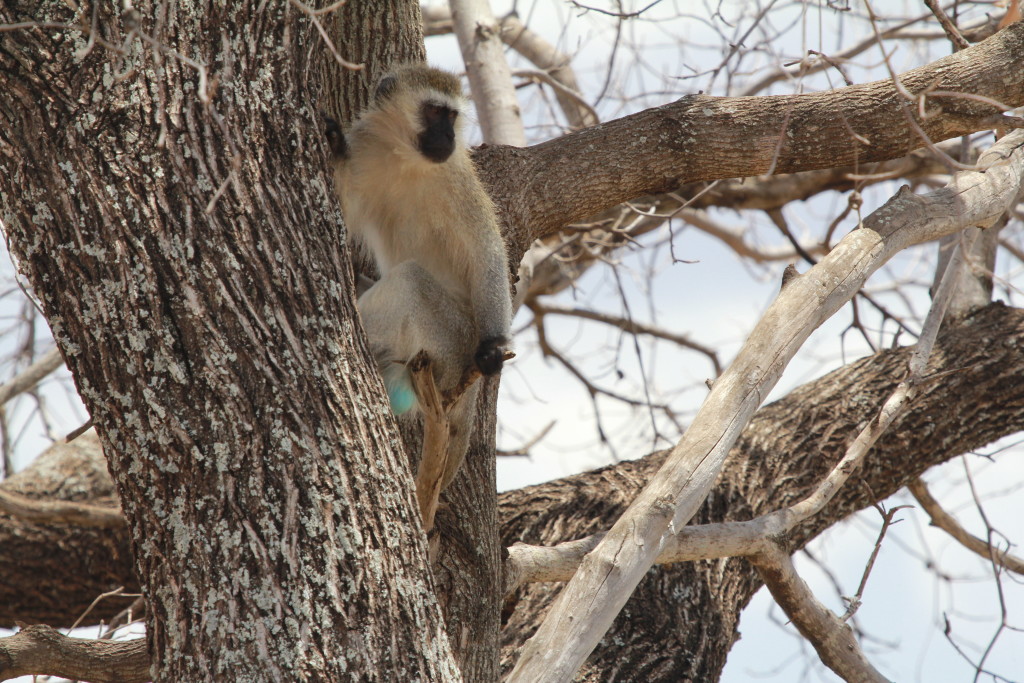
Curious vervet monkey

IMG_6441

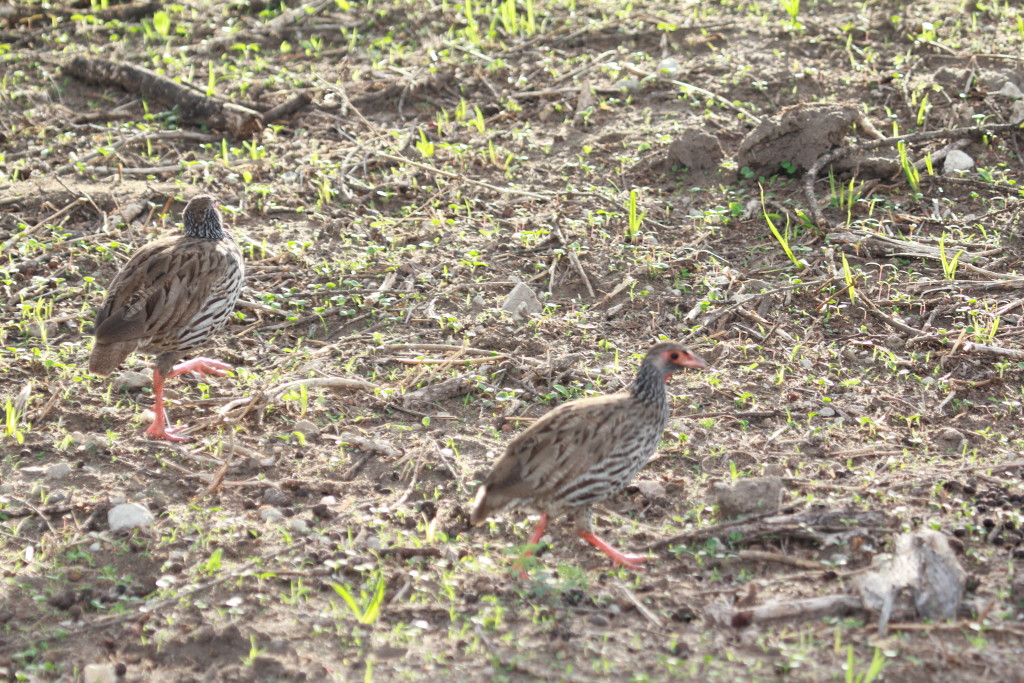
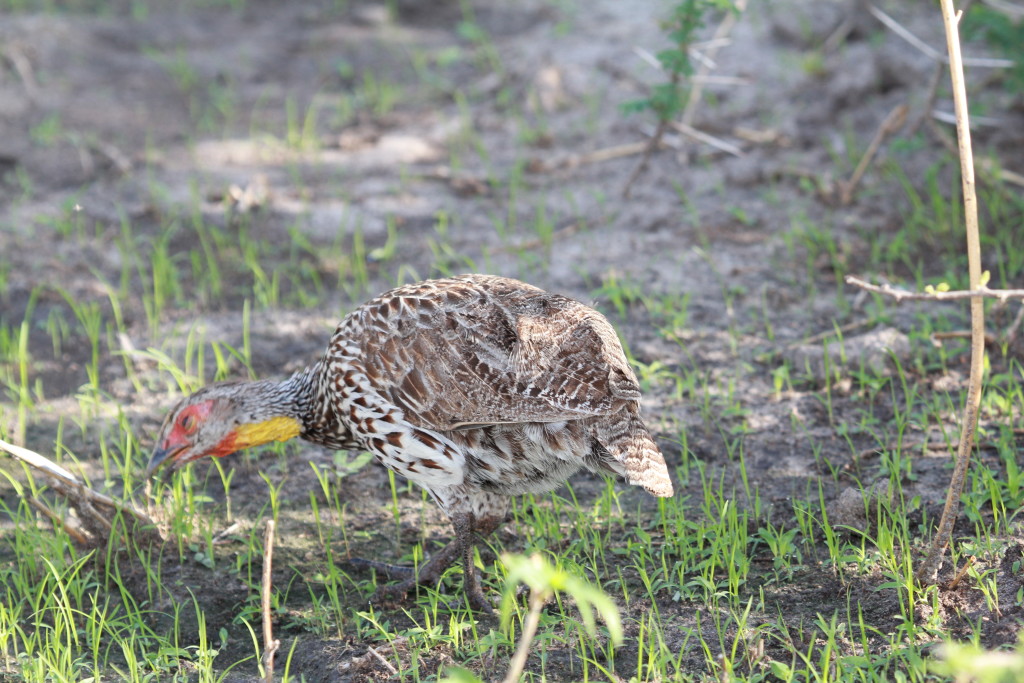
Francolins

IMG_6442

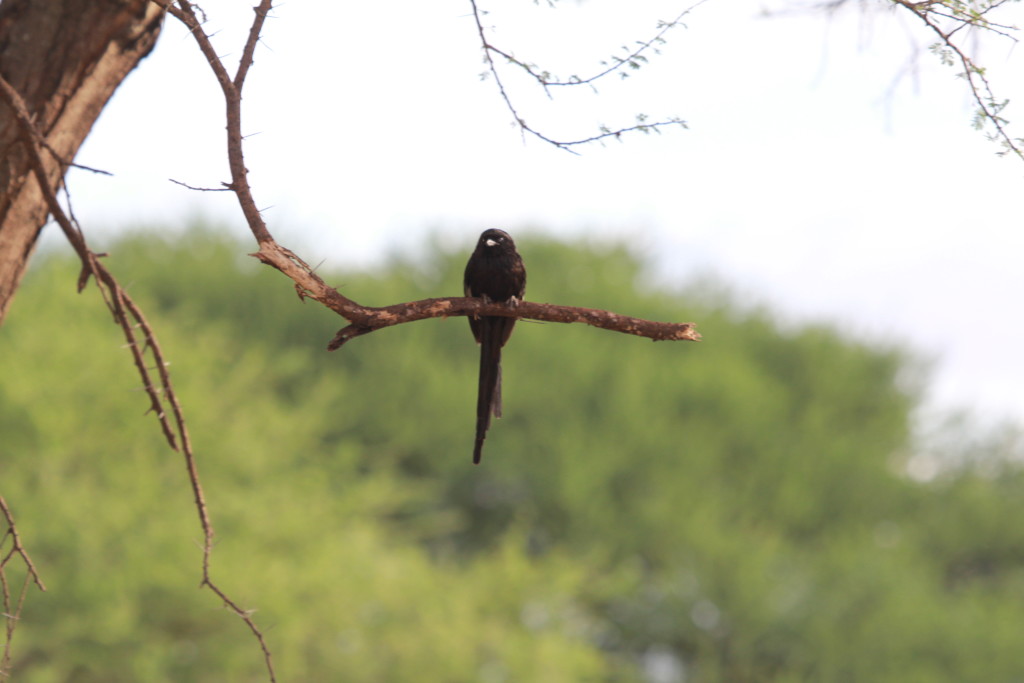
Drongo

IMG_6443

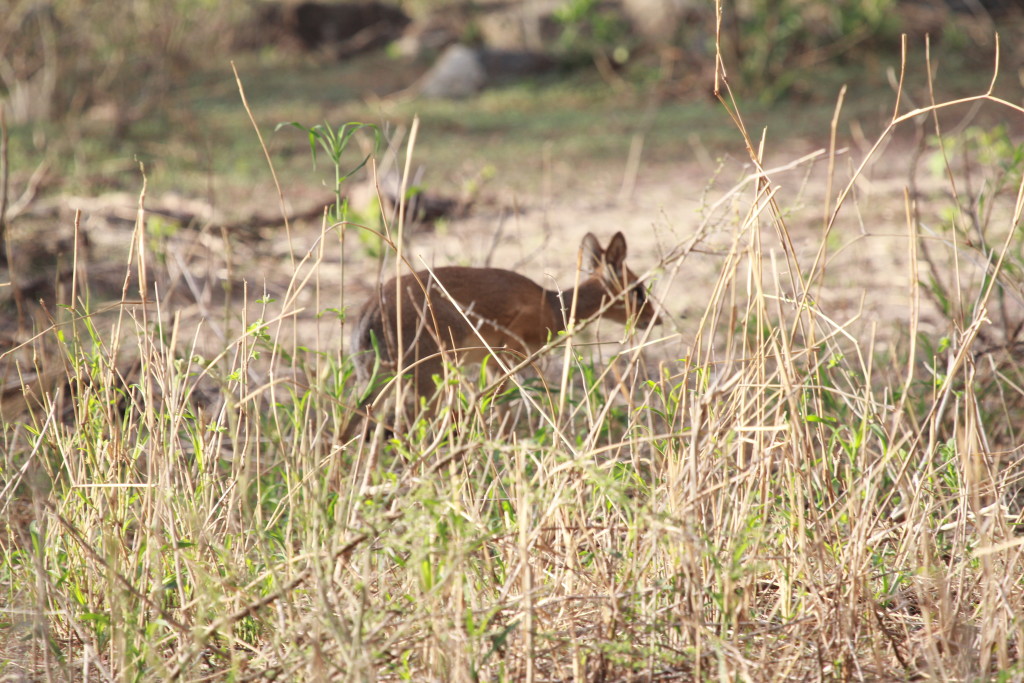
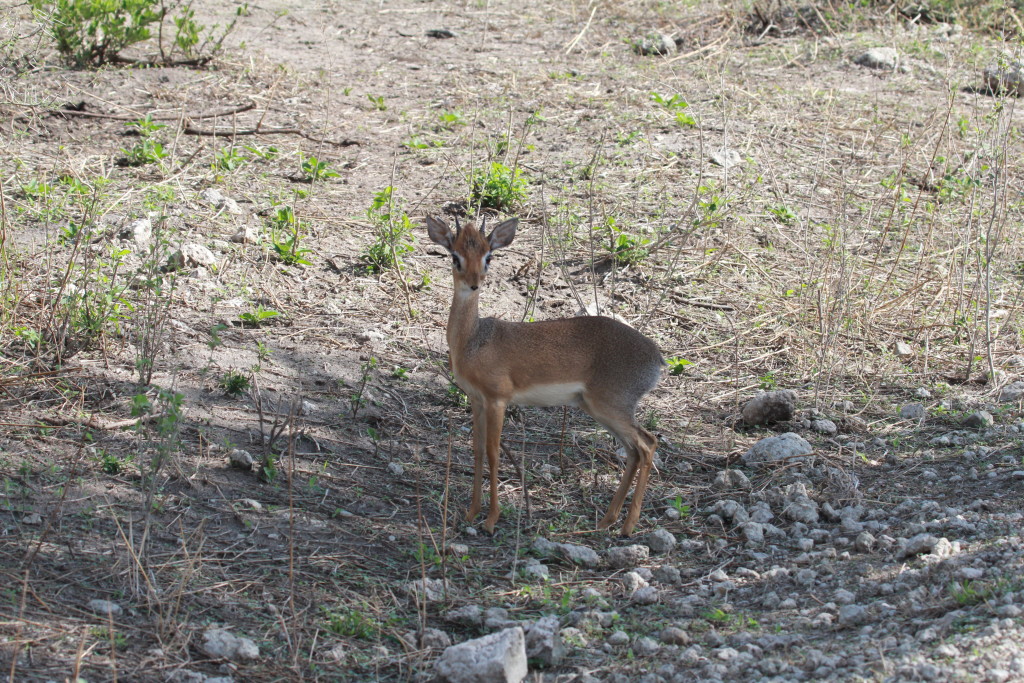
Dik dik

IMG_6446

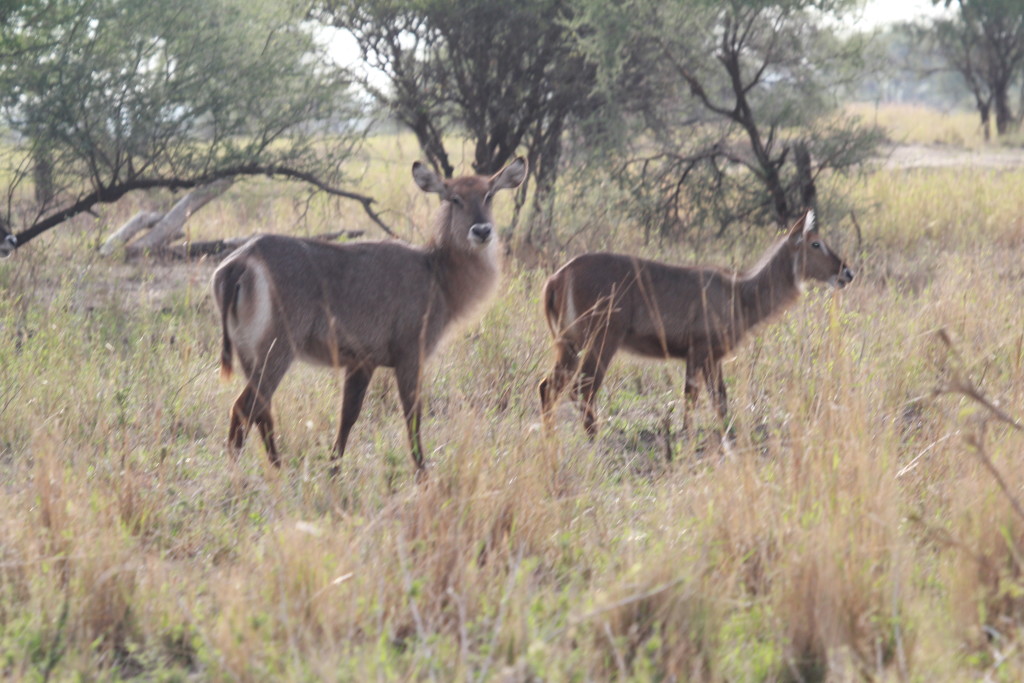
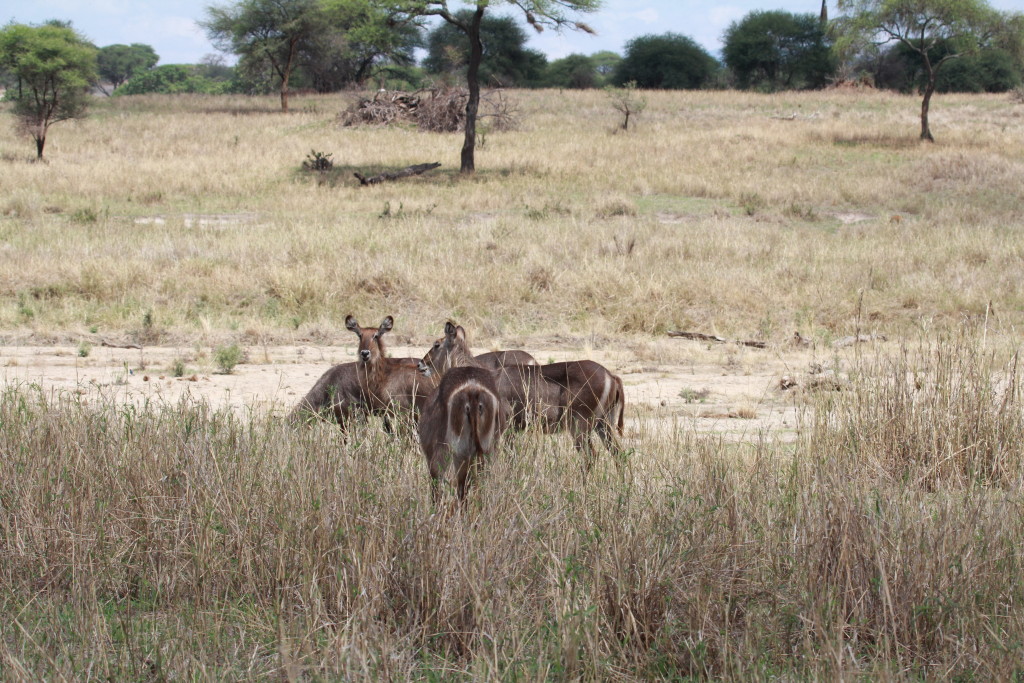
Waterbuck – these guys crack me up as they look like they sat on a freshly painted toilet!

IMG_6447 IMG_6450

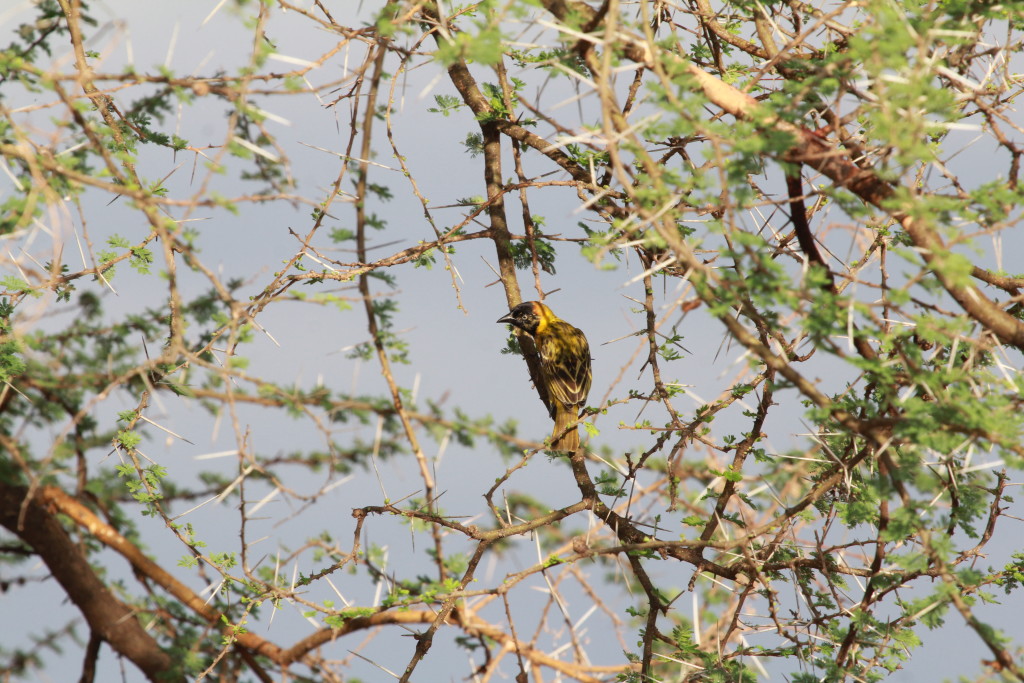
Weaverbird

IMG_6452 IMG_6454 IMG_6459

Mixed flocks foraging – plenty to go around

IMG_6460 IMG_6461

A pair of African Orange-bellied Parrots aka Red-bellied Parrots

IMG_6464 IMG_6467 IMG_6468 IMG_6469 IMG_6470 IMG_6471 IMG_6472 IMG_6475 IMG_6476 IMG_6478 IMG_6479

This is where we saw them

IMG_6482 IMG_6485

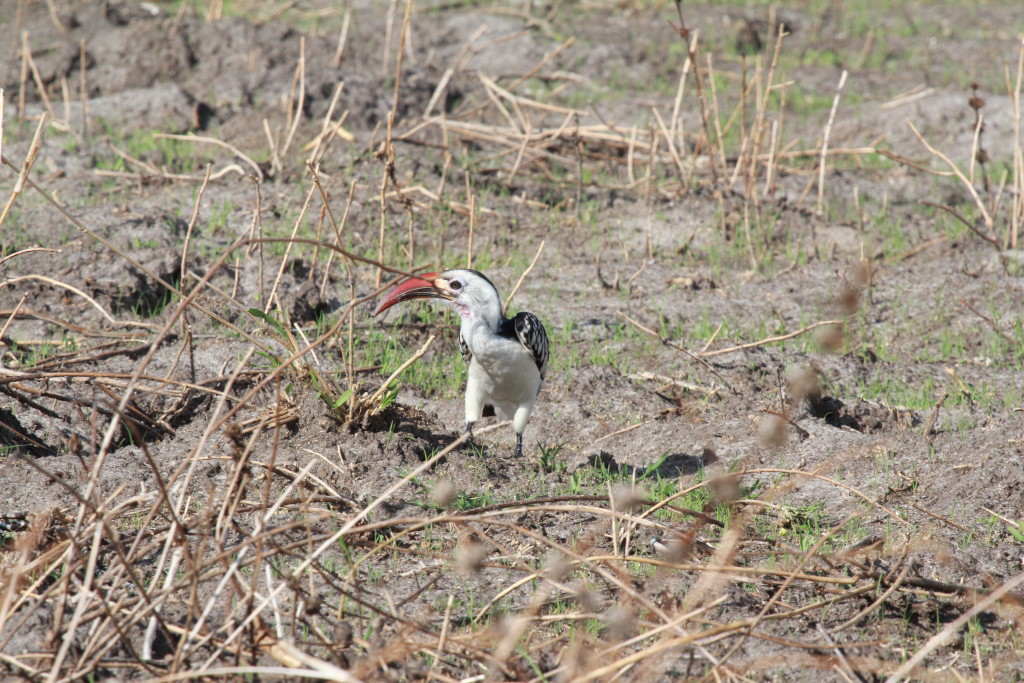
Tanzanian Hornbill

IMG_6486 IMG_6487

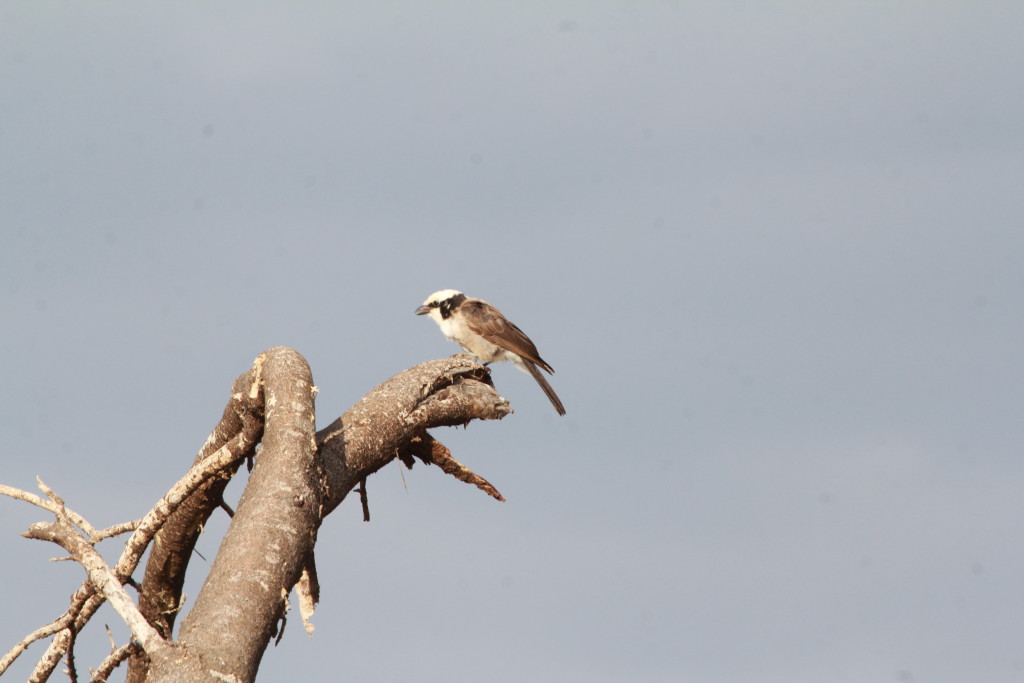
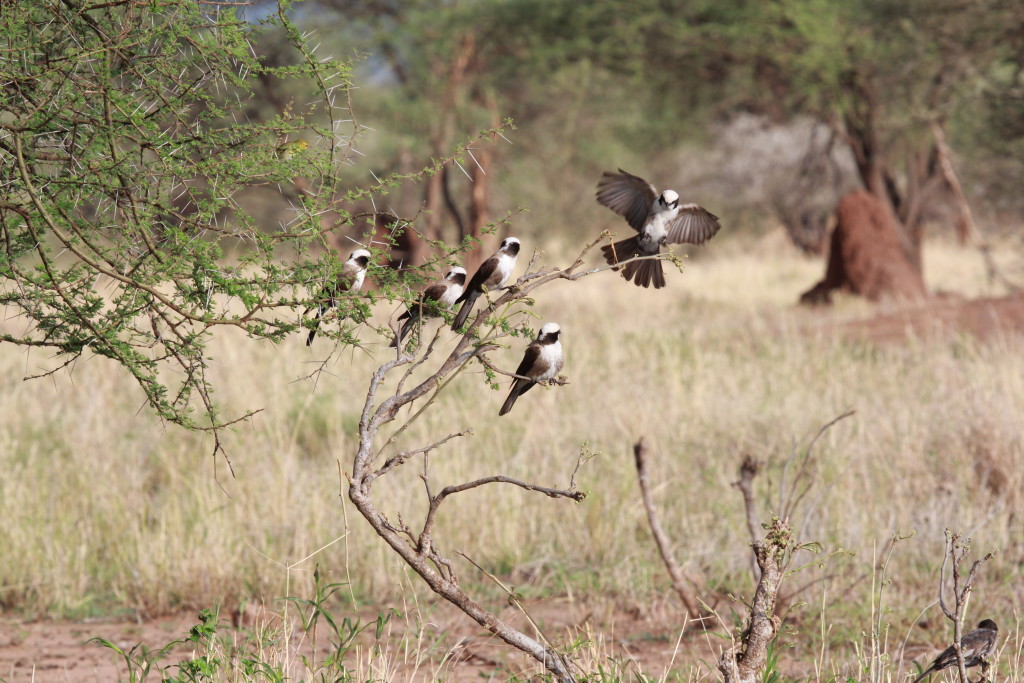
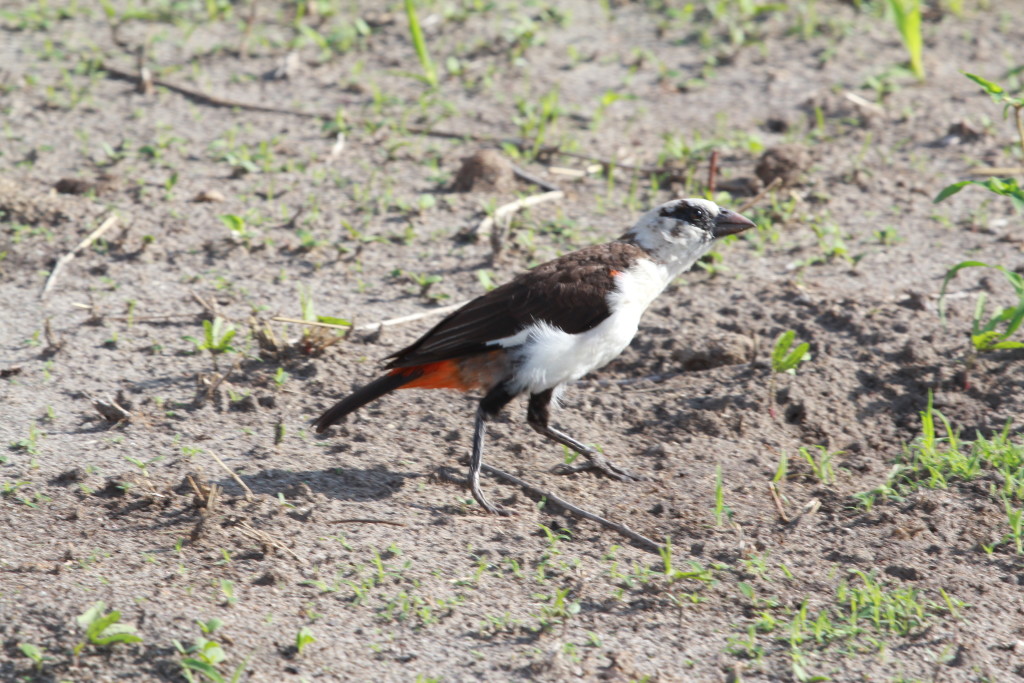
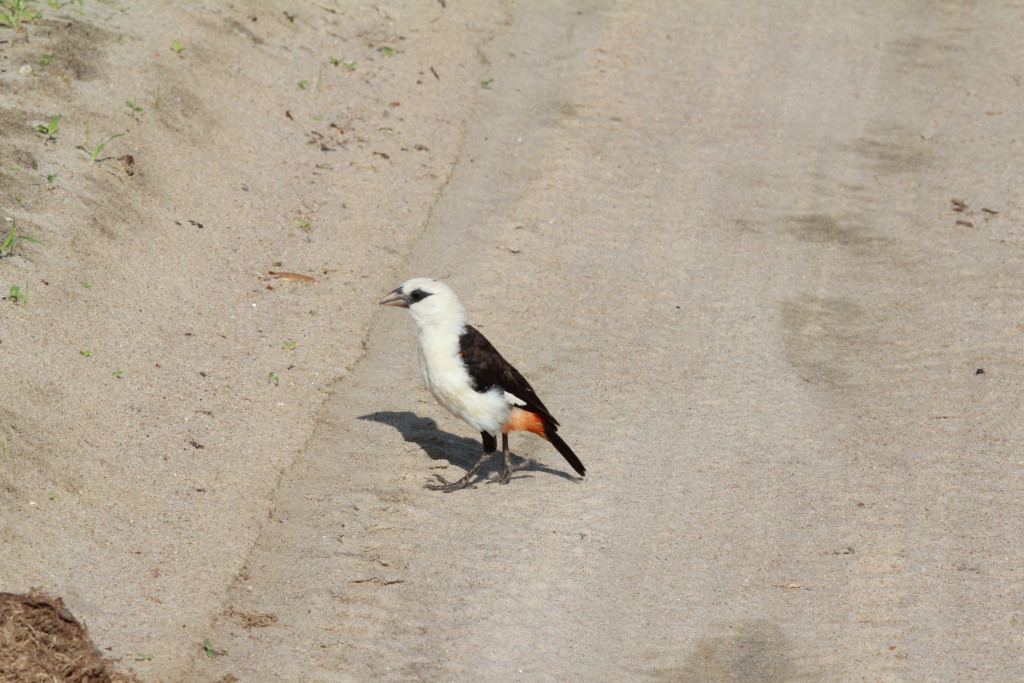
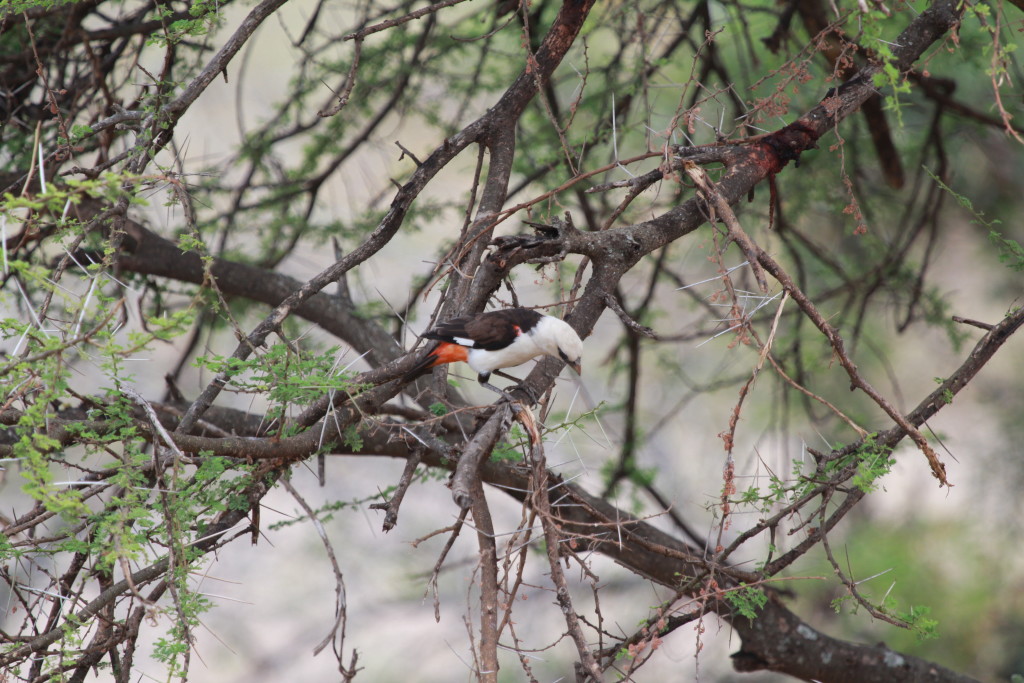
White-headed Buffalo-weaver

IMG_6489 IMG_6490

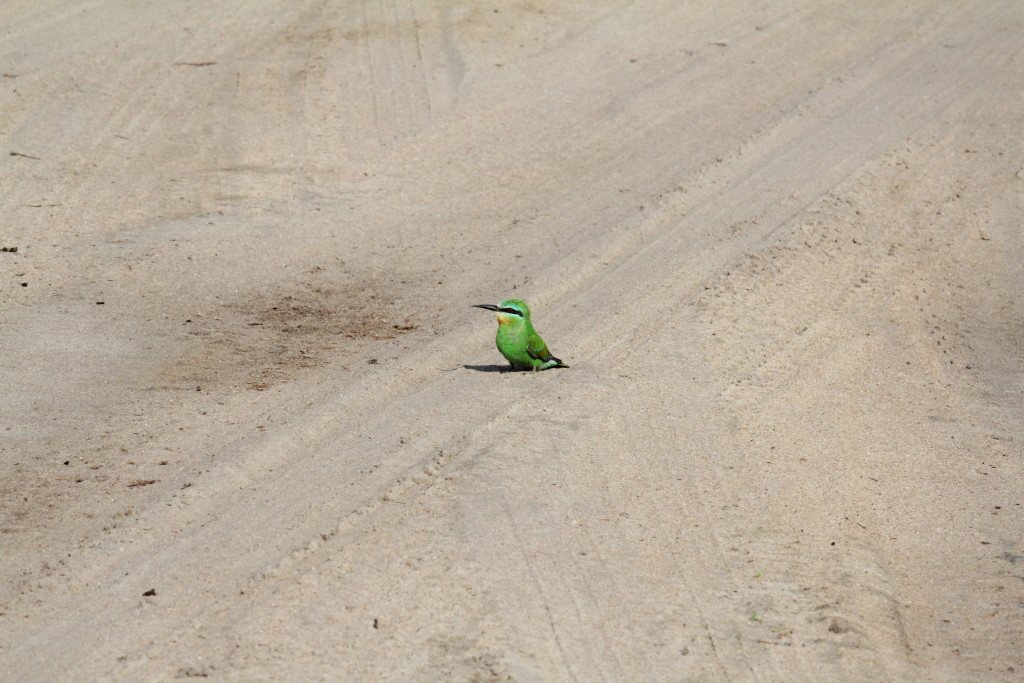
Blue-cheeked Bee-eater

IMG_6492

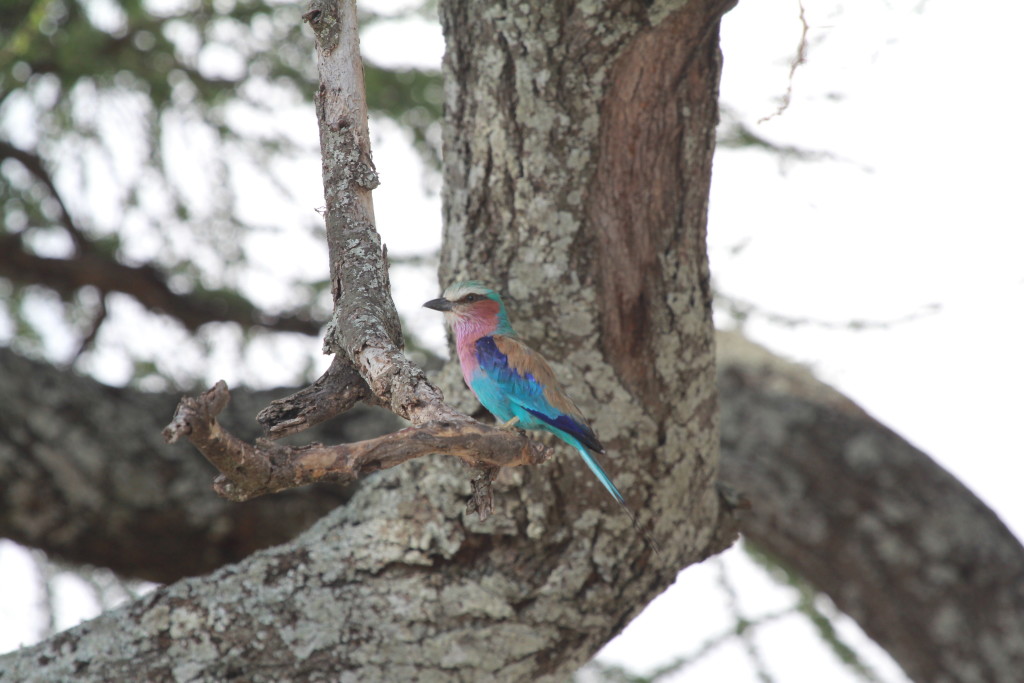
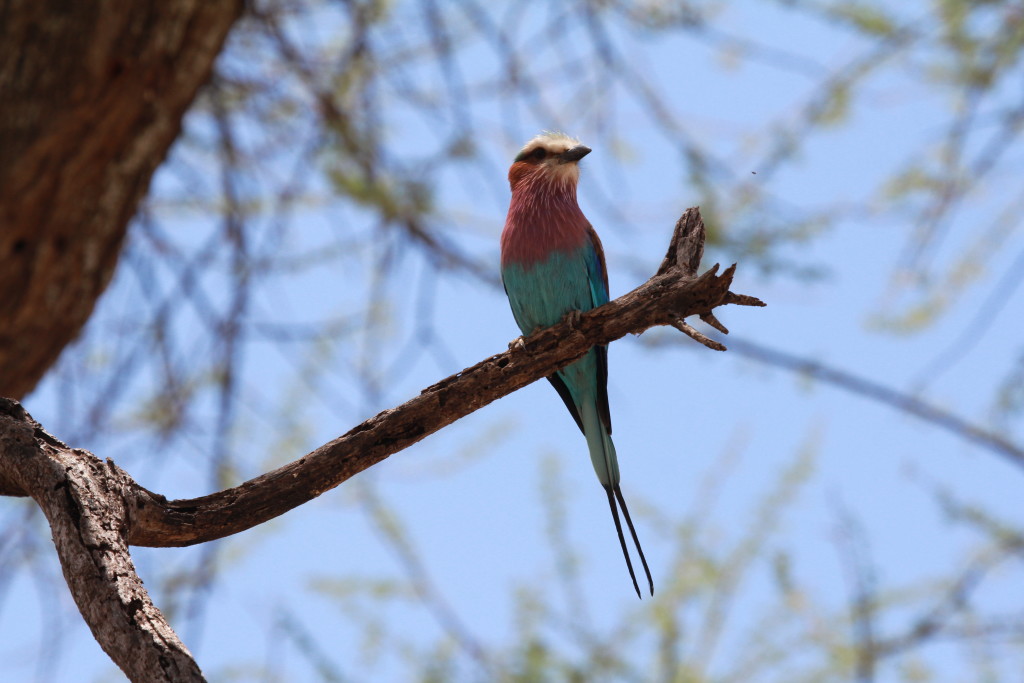
Lilac-breasted Roller

IMG_6496

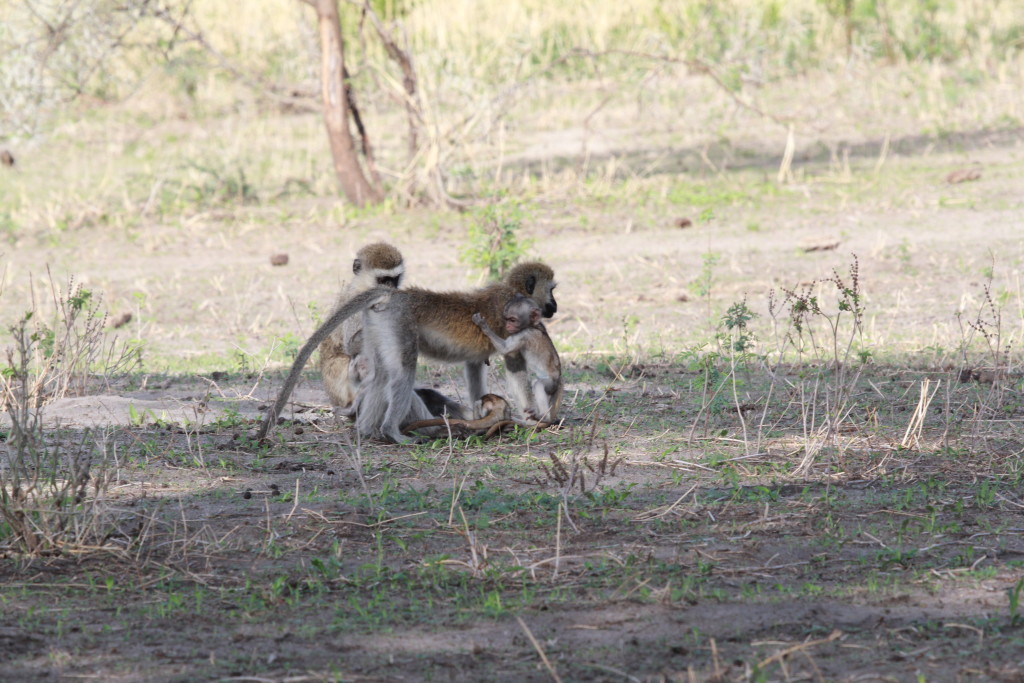
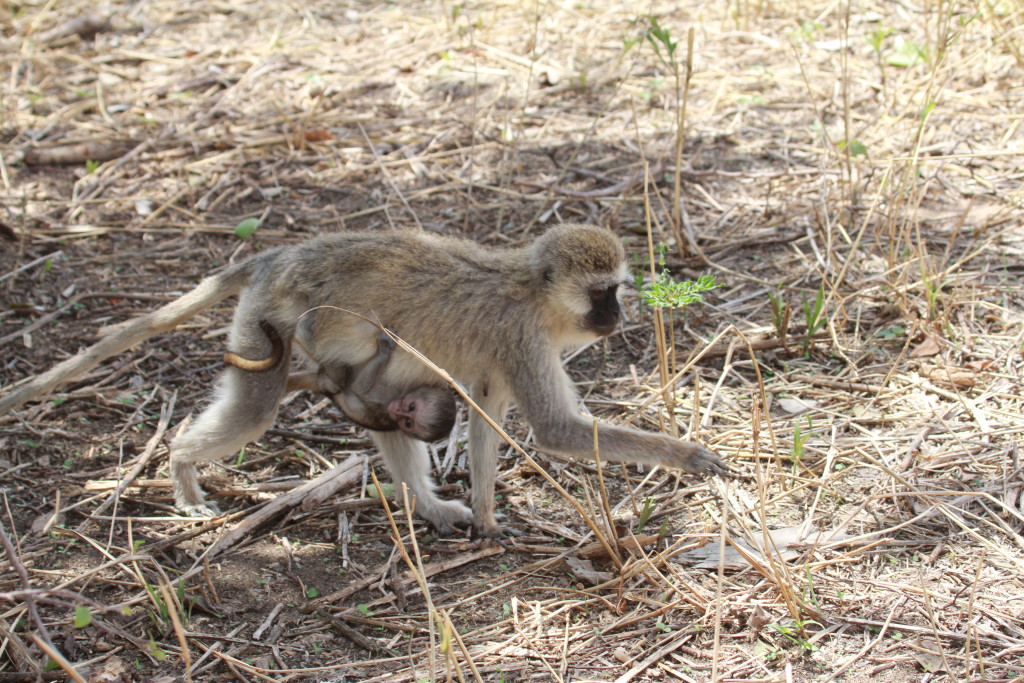
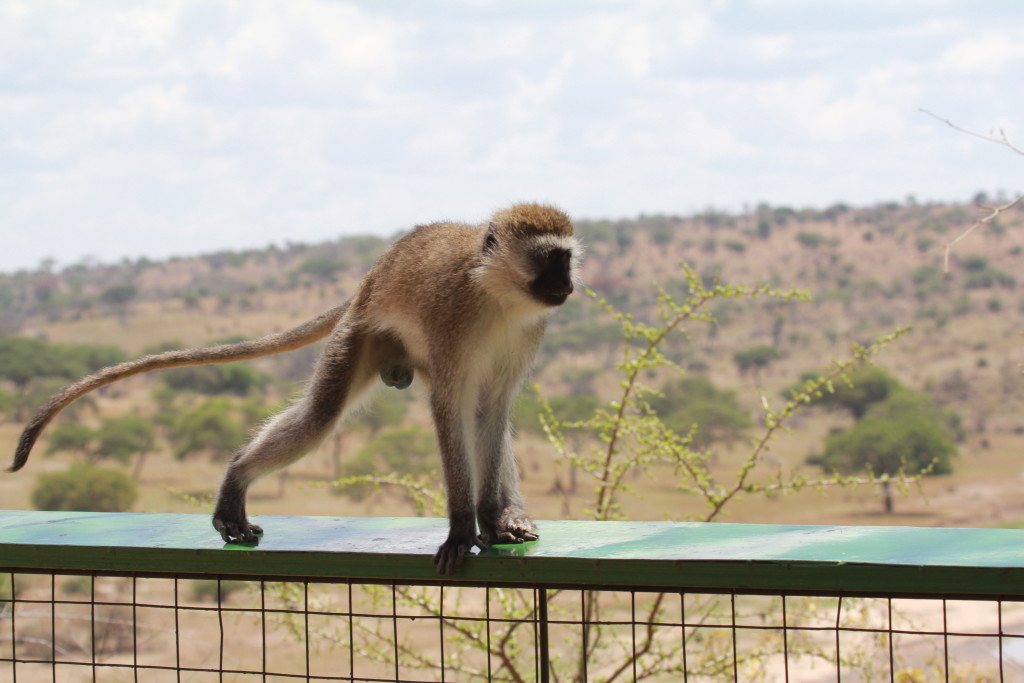
Vervet monkey family

IMG_6500

Picnic ground where we had breakfast

IMG_6502 IMG_6503

More Red-bellied Parrots

IMG_6505 IMG_6508

Dik dik

IMG_6511 IMG_6514

Poachers tree – they used to hide in here and capture wildlife

IMG_6519

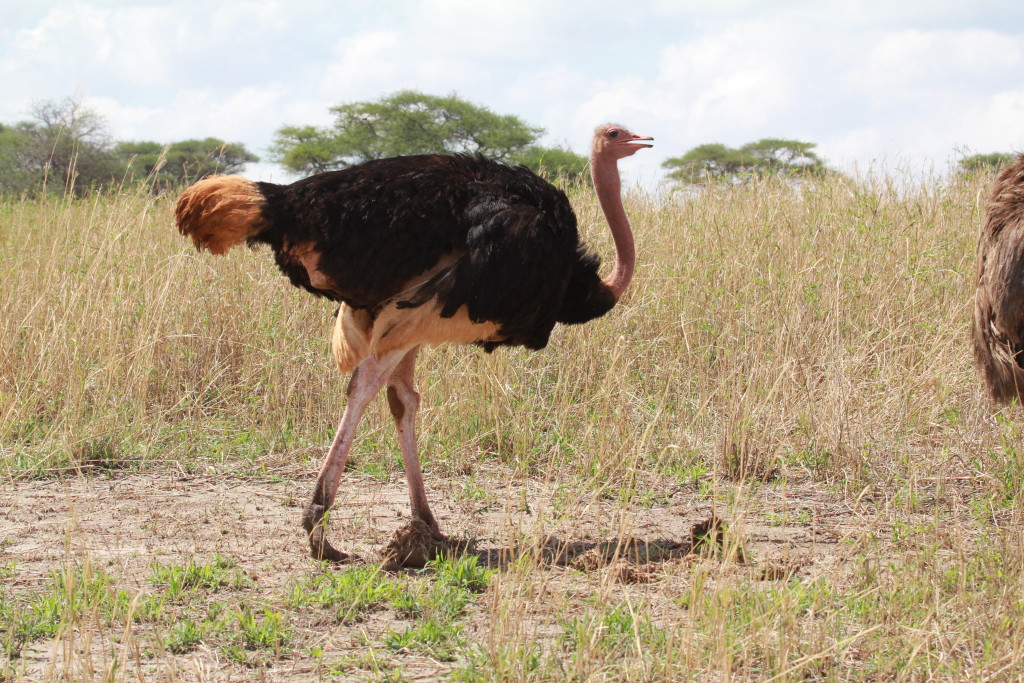
Ostriches

IMG_6525

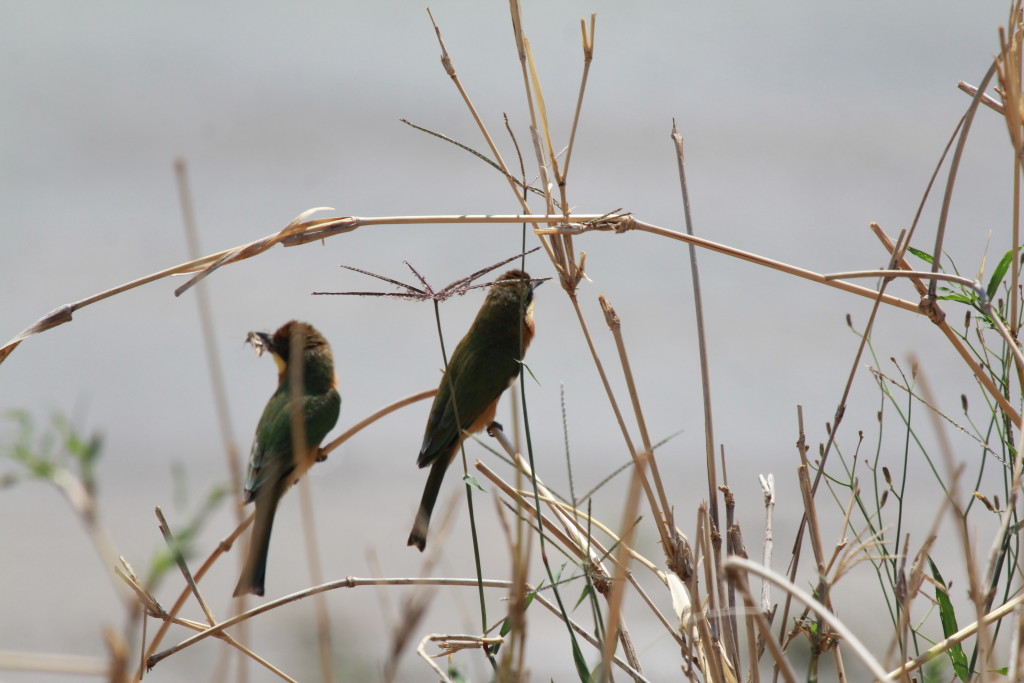
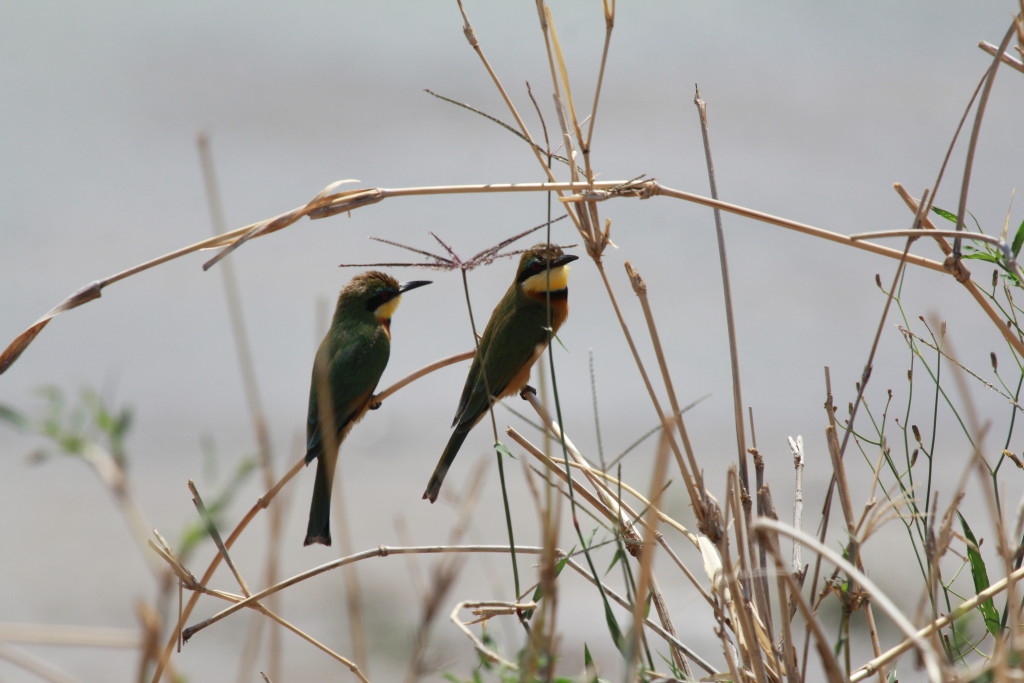
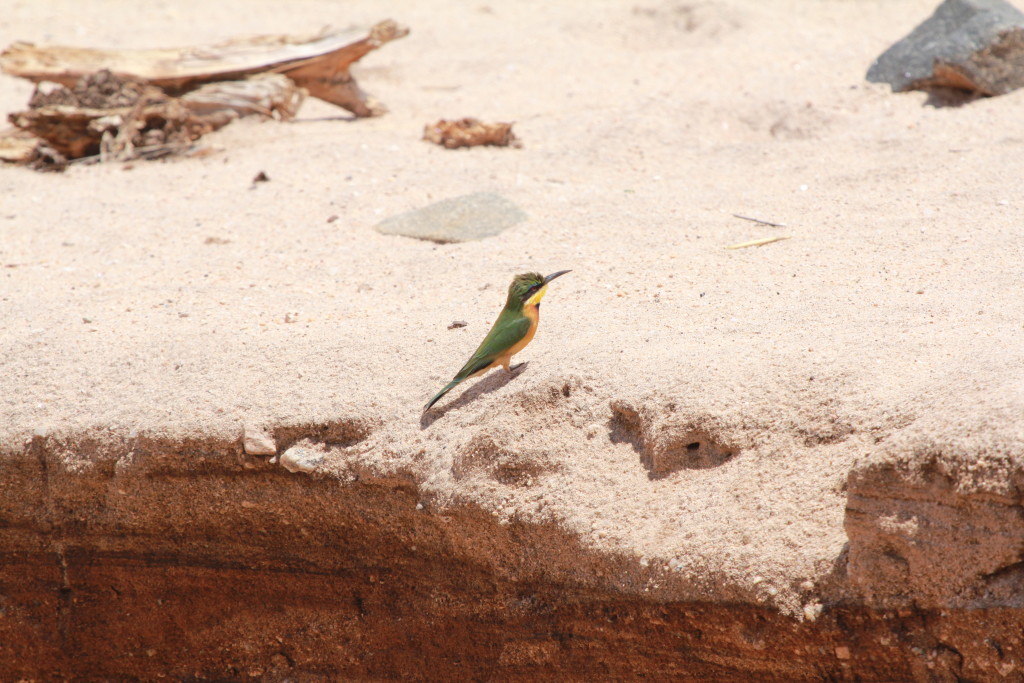
Little Bee-eaters

IMG_6533 IMG_6535

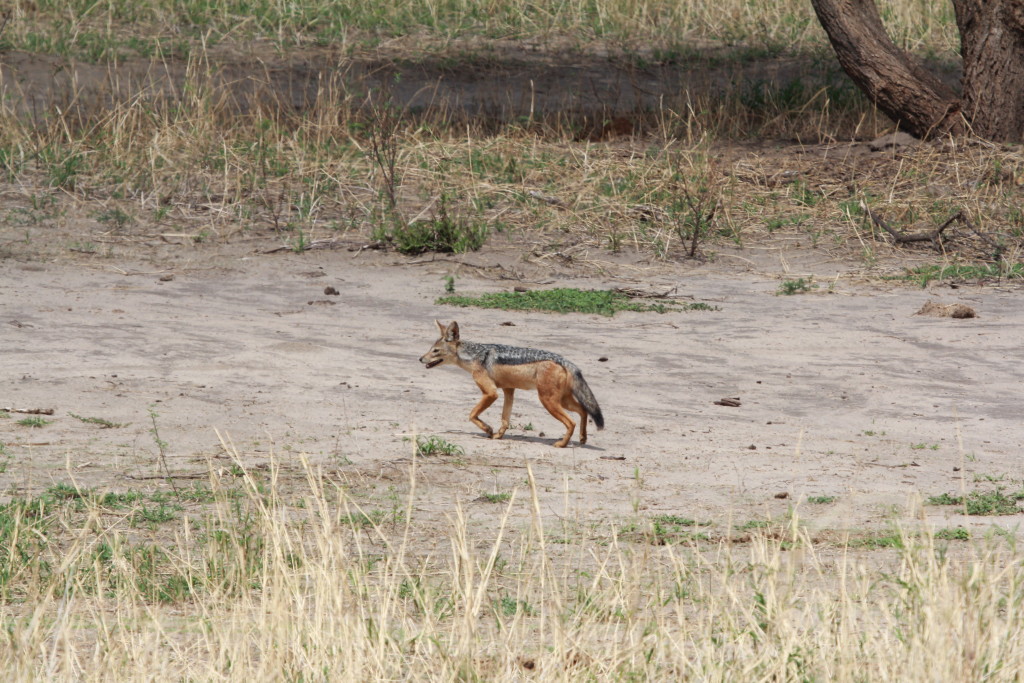
Black backed Jackal

IMG_6536

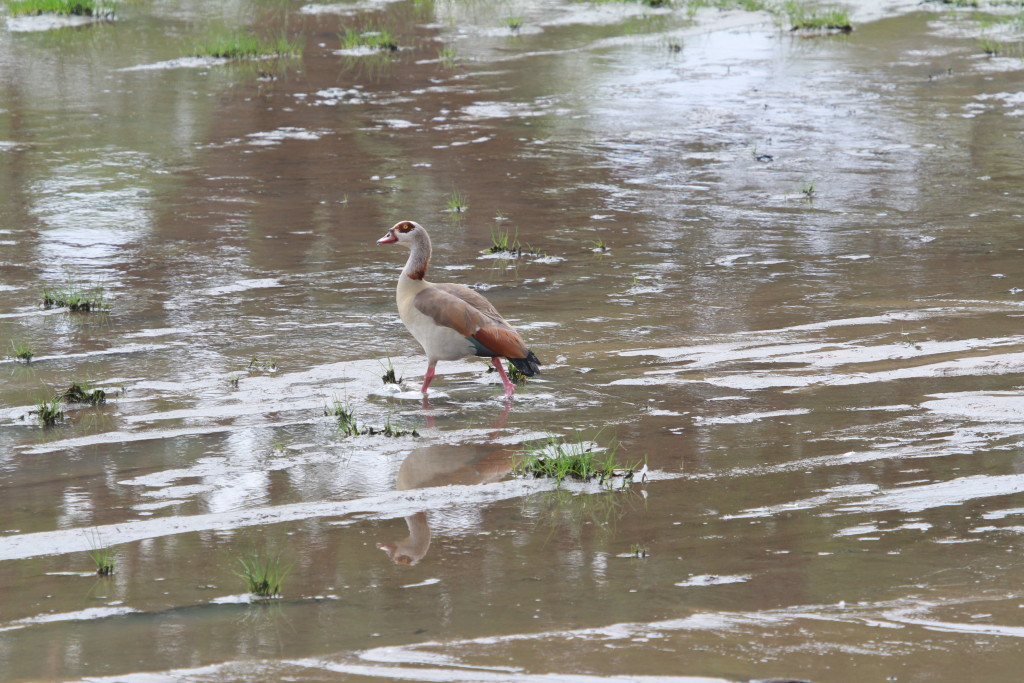
Egyptian Goose

IMG_6539

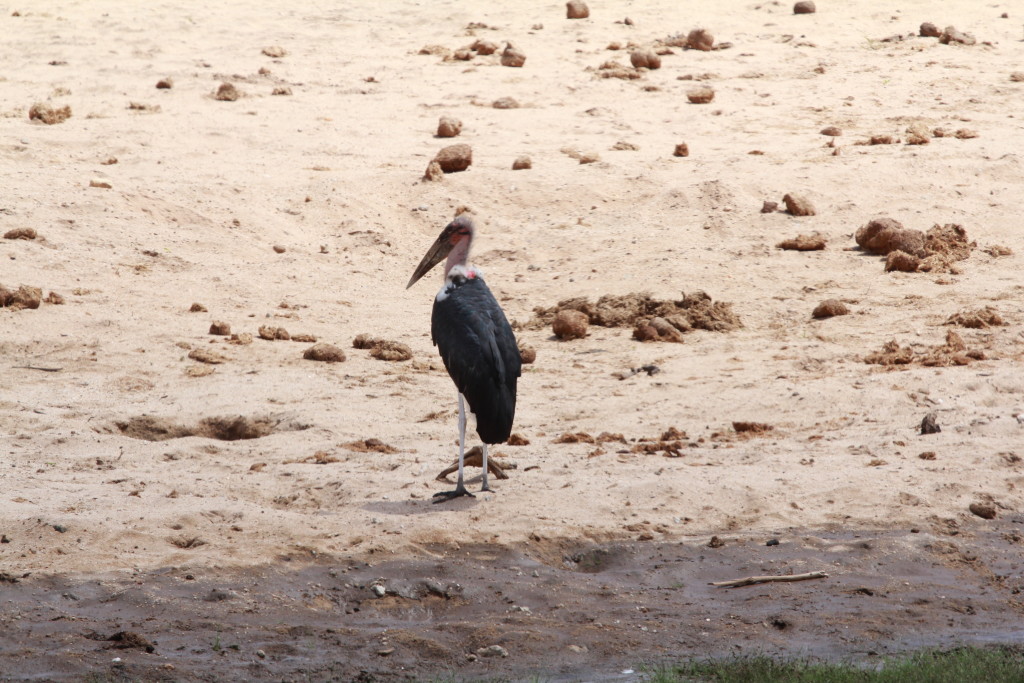
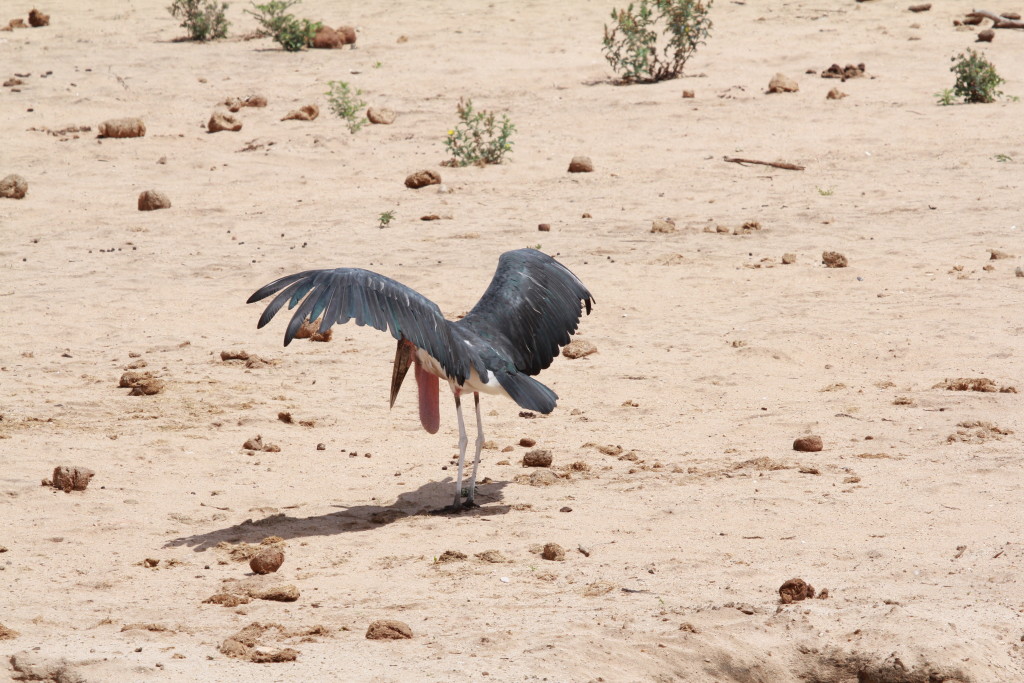
Marabou Stork

IMG_6544 IMG_6545 IMG_6547 IMG_6550

White-headed Buffalo-weaver

IMG_6553 IMG_6557 IMG_6559

Waterbuck

IMG_6560 IMG_6561 IMG_6564

Little Bee-eater

IMG_6566

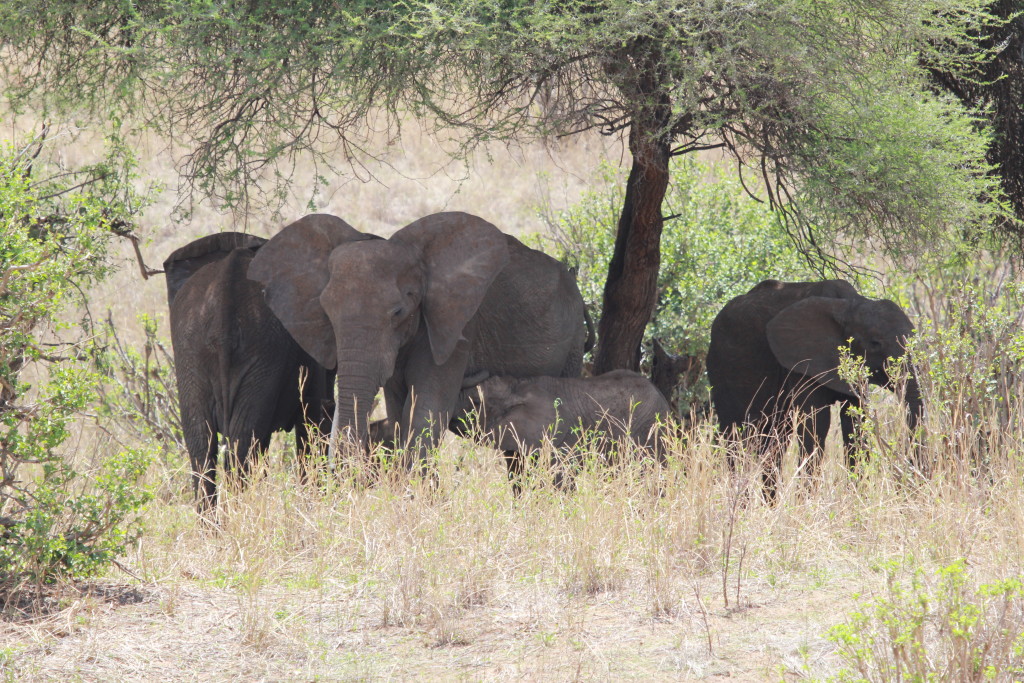
Elephants

IMG_6568

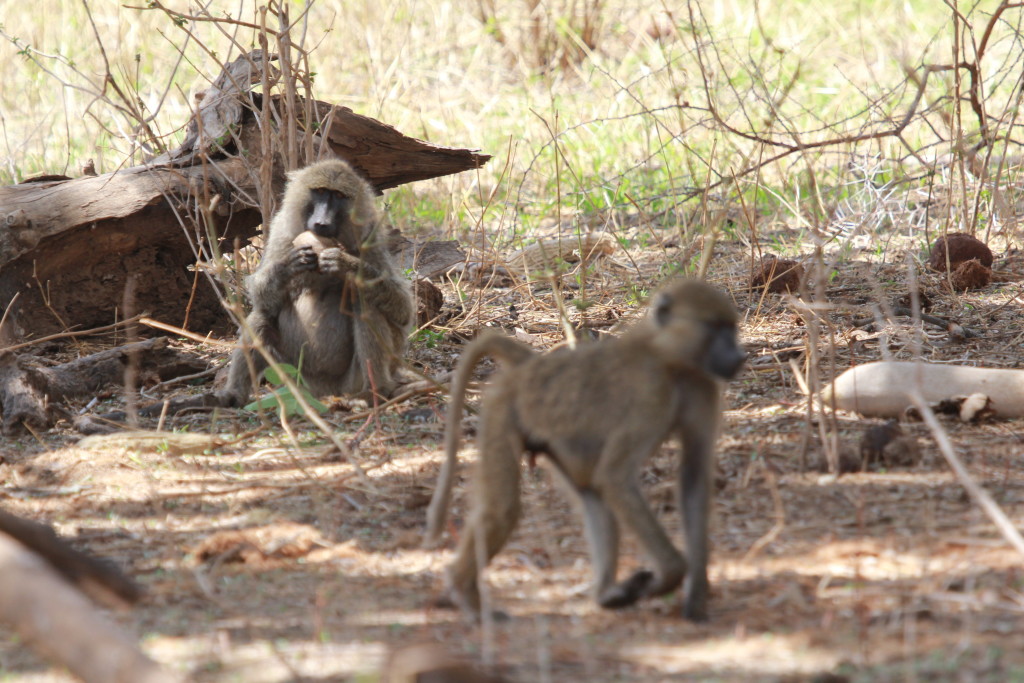
Baboons

IMG_6569

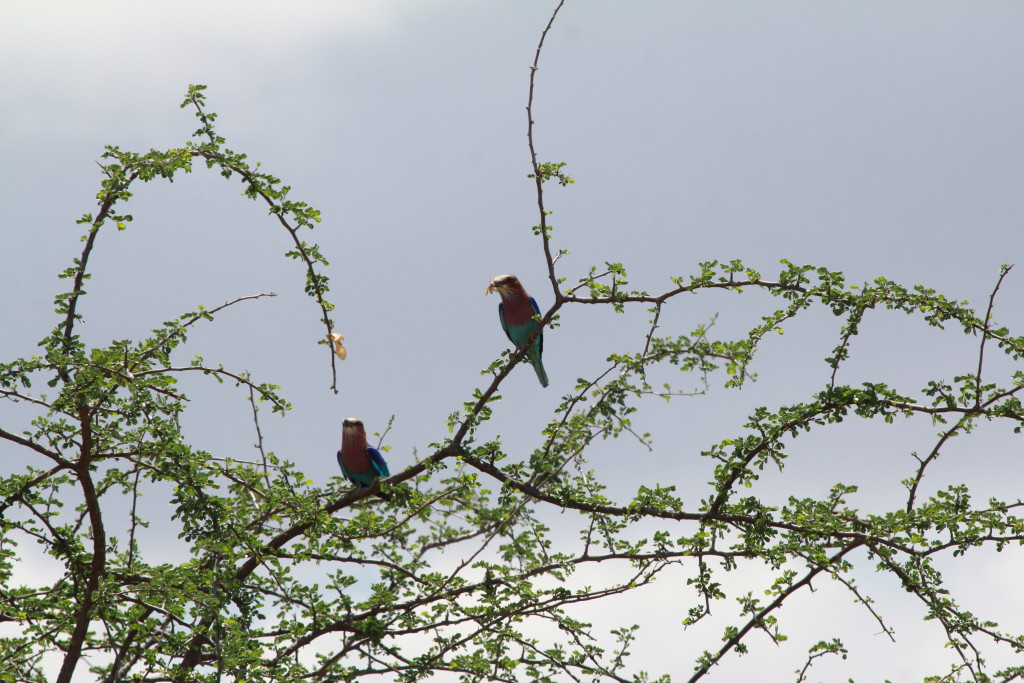
Lilac-breasted Rollers

IMG_6572 IMG_6576

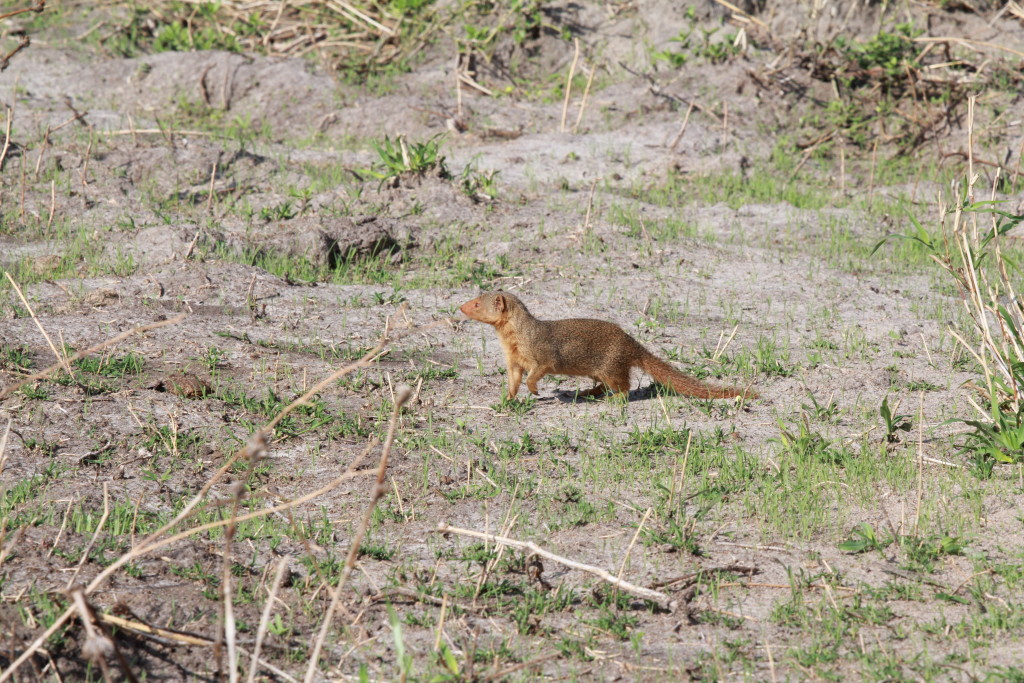
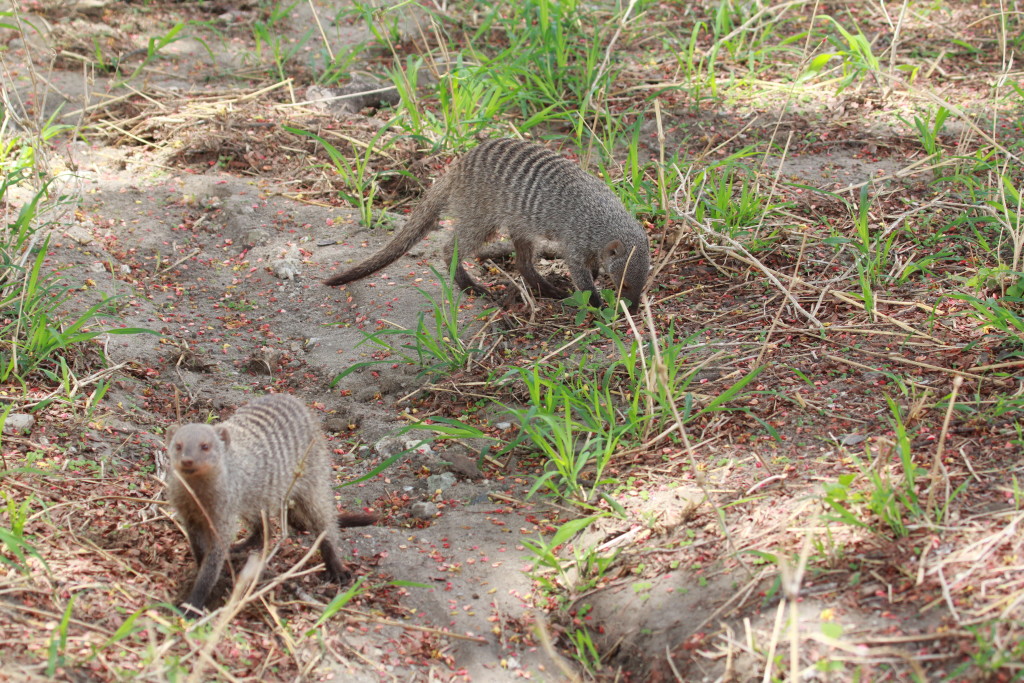
Banded Mongoose

IMG_6579

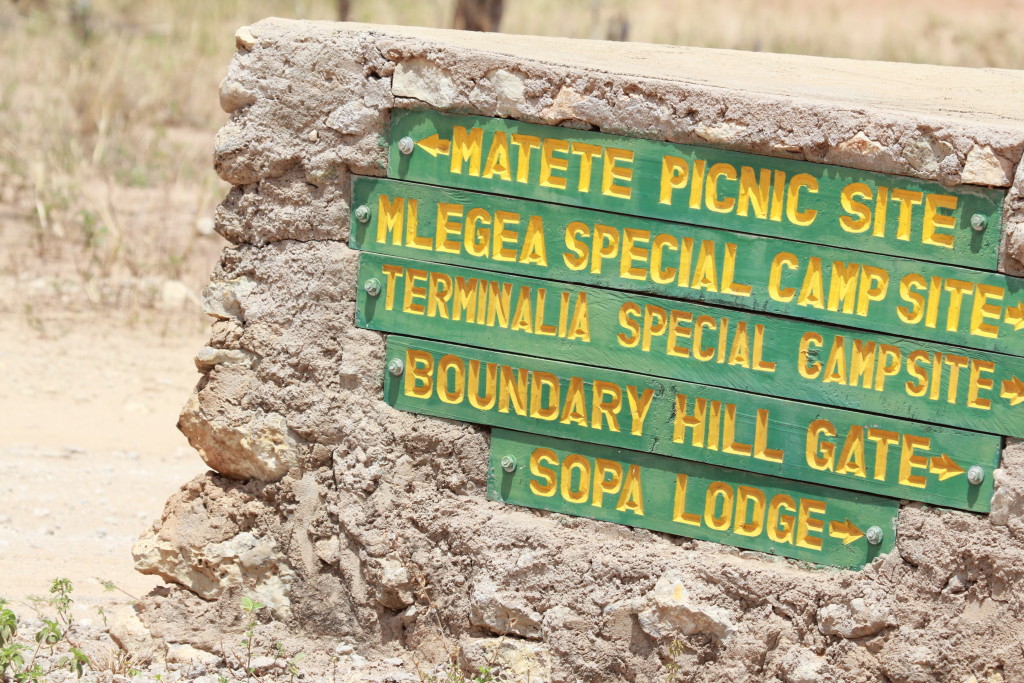
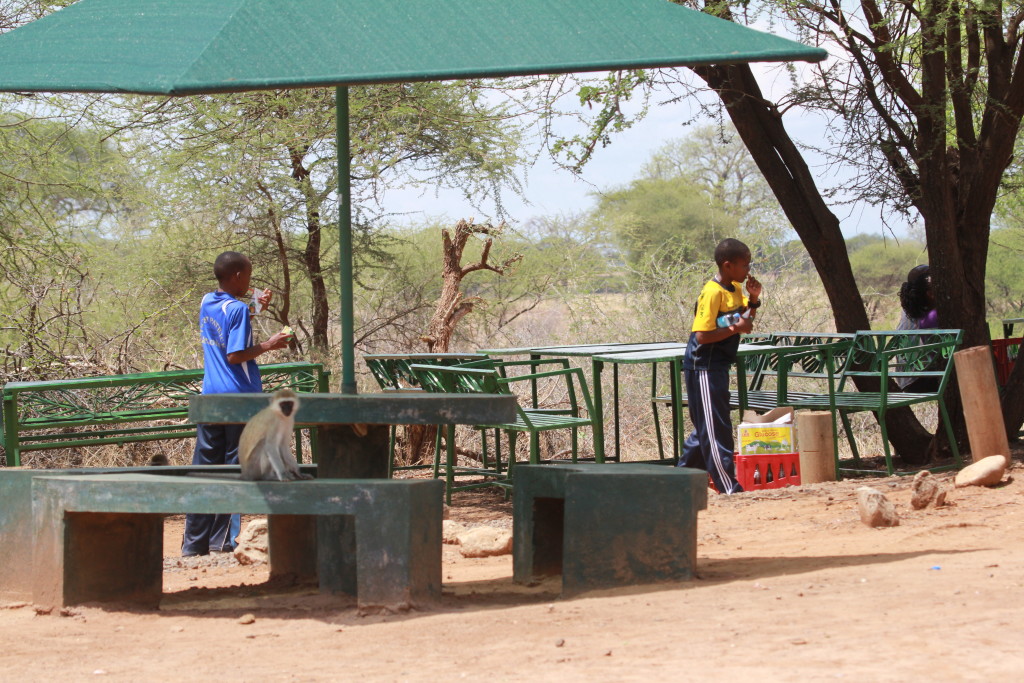
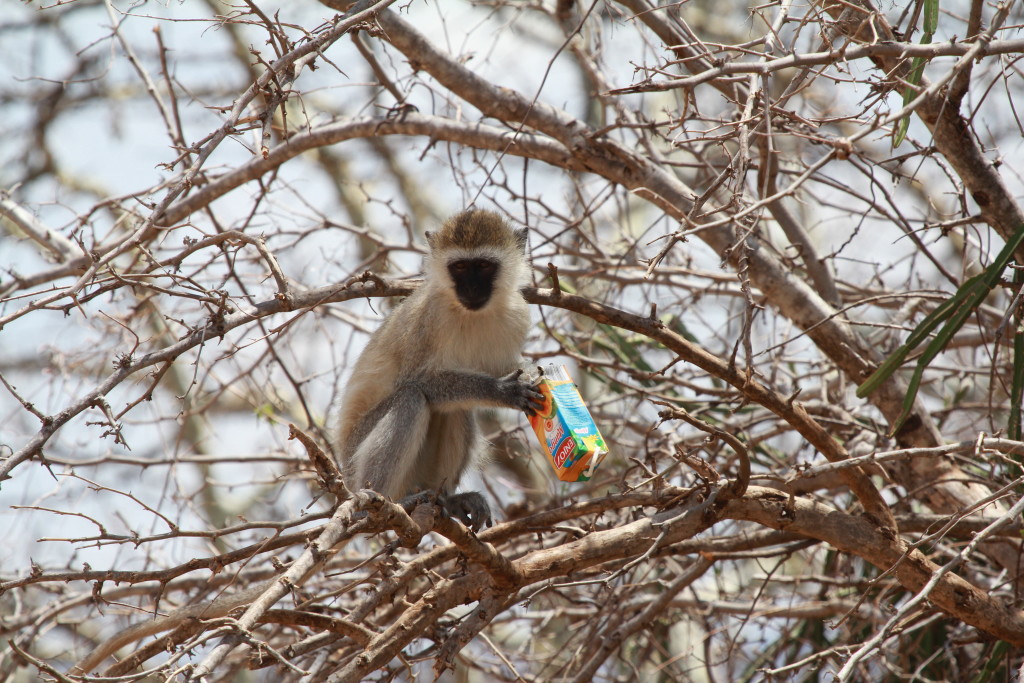
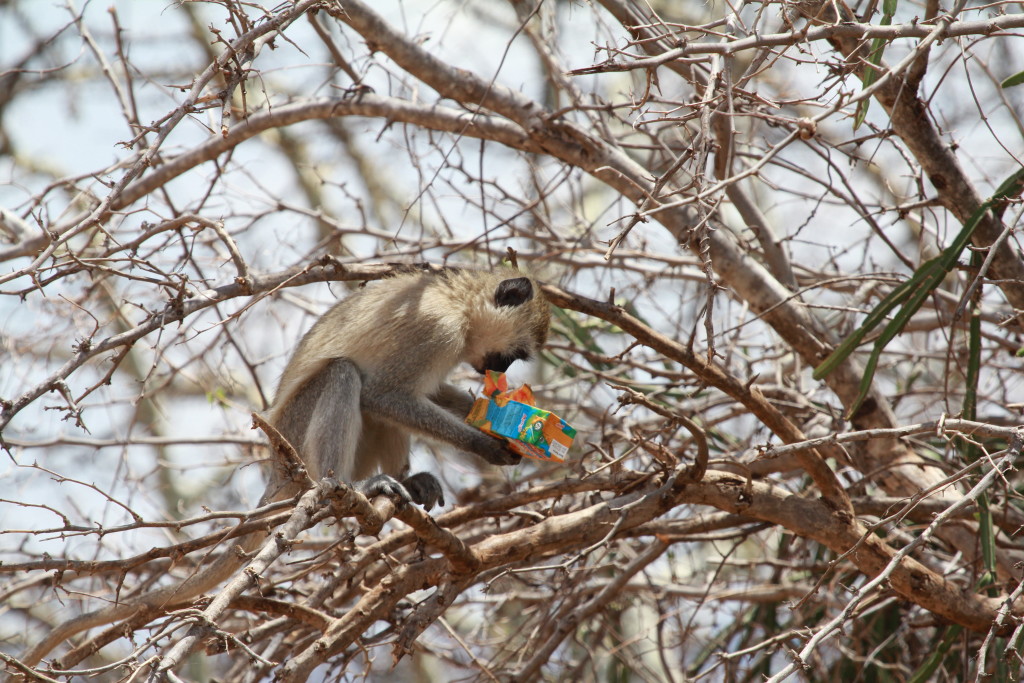
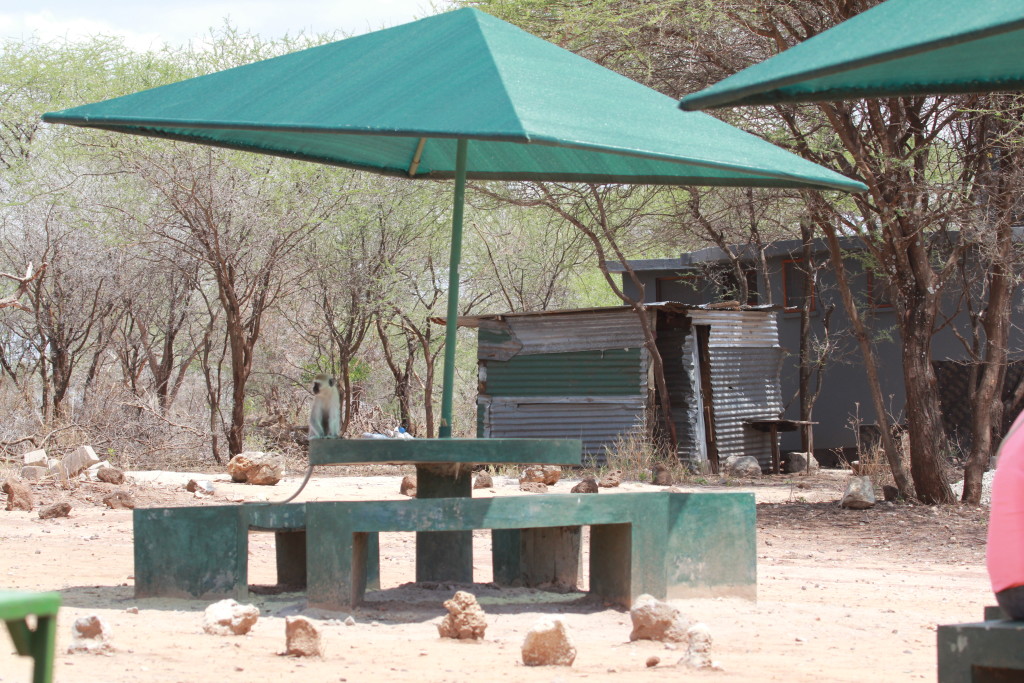
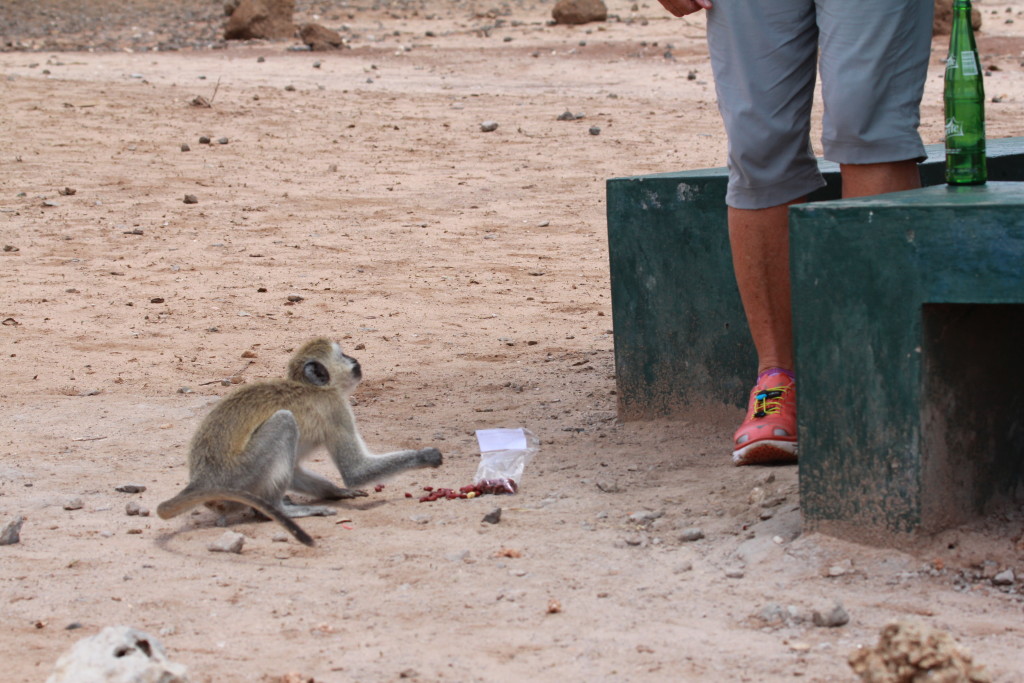
No shortage of monkeys trying to rob the tourists at the lunch stop – Matete Picnic Spot!

IMG_6587 IMG_6588 IMG_6589 IMG_6597

Skilled thieves

IMG_6591 IMG_6592 IMG_6593 IMG_6595 IMG_6594 IMG_6599

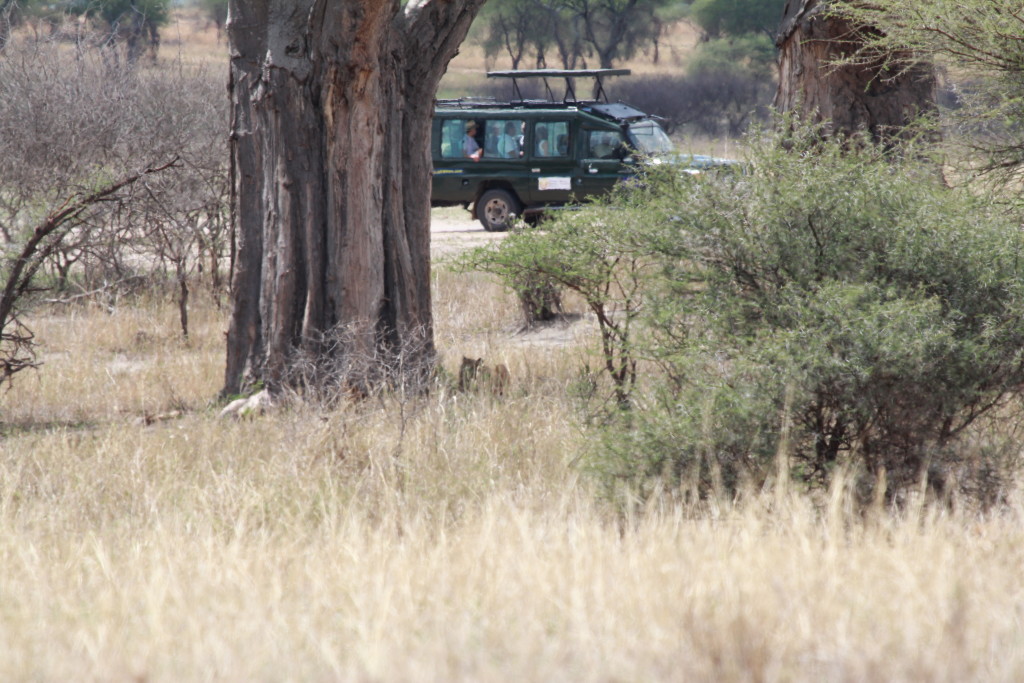
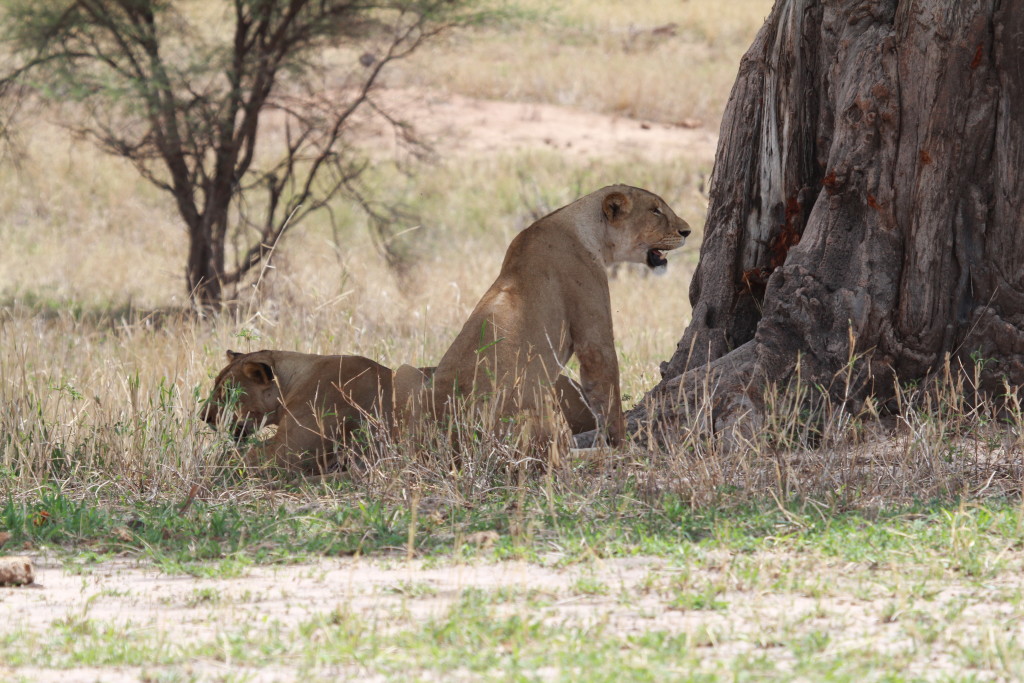
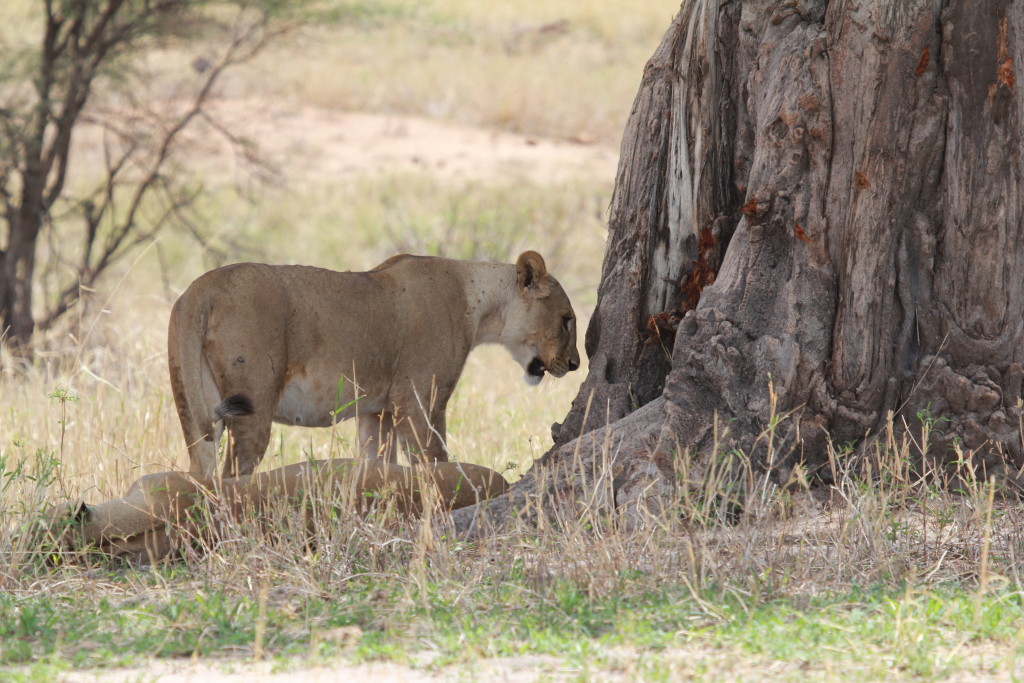
During lunch one of the other drivers told our driver where to find these lions.  It’s nice how they all share information like that!

IMG_6603 IMG_6608 IMG_6609 IMG_6611

Just Returned From Thailand & Malaysia, Recap Of Miles & Points News While We Were Gone, 1000 Free AA Miles

Over the last month it may have looked like business as usual at MTTW because I scheduled a pre-written post to appear each day.  But we spent most of April in Thailand and Malaysia for a relaxed birding trip with plenty of R&R time in Chiang Mai and Koh Samui while maximising a United Airlines award between Australia and South-East Asia.  Then we went to see my husband’s friends & family in the Cook Islands (which also have great birding on some of the islands like Aitutaki & Atiu).

I’ll start blogging about this trip as soon as my series on Africa is finished.  This will be our only overseas trip this year as we have some much needed home renovations to take care of but we will do a short road trip for birding in Outback Queensland later this year.  And there’s no rest for the wicked as I need to get flights for the very extensive trip to Ecuador, Colombia, Caribbean and USA in 2016 booked before AA devalues their program so the race is on!

MILES AND POINTS NEWS FROM APRIL 2015

There have been huge changes that happened in the miles and points world while we were gone.

The Club Carlson Visa devalued by losing the last night free benefit.  You have until 1 June to book an award night that gets the 2nd night free.  This was somewhat expected as the bonus was unsustainable but disappointing still.   I had used this quite a bit in places like Panama, Tahiti, Port Elizabeth, Israel & France.  I also discovered that my planned redemption for next year is no longer available since the San Juan Radisson closed down so I need to figure out what to do with my remaining Club Carlson points.  They just don’t seem to have properties where we plan to travel!  I just paid my annual fee on this card but called in to complain and got 7500 points compensation.  But next year I’ll be saying Adios to Club Carlson and this card.

Chase Ink lost the Lounge Club benefit.  This is not a deal breaker because of the 5x feature on office supply stores, internet, phones, etc but disappointing as we did use these lounges in BKK and PVG to get free internet and snacks in airports we otherwise didn’t have access to lounges as we flew economy this trip.  Our Lounge Club memberships expire end of July and they won’t extend them to end April 2016 so we can use them next year.  Best I can do is reapply and hope they give us new cards but it’s a punt at best.  30 April 2015 is the last date to apply.

British Airways Avios devalued which doesn’t really affect most of us as the best use of Avios – short haul economy redemptions is still the same.

Southwest Airlines devalued in some markets.  This airline was previously just a domestic US carrier so of limited interest to eco-tourists but they are expanding to the Caribbean and Central America.  Since they fly to SJU they are on my radar for the trip next year.  My dummy runs shows scarce availability for award tickets using AA or UA miles between SJU and the mainland USA so I need to have alternatives in mind.

And just to end things on a positive note – AA is giving 1000 free miles just for watching some videos about the program and answering some easy questions.  Experienced miles & pointers will already know the answers and can scroll ahead through the video.  Newbies should watch the videos, it only takes 10 minutes and does give a nice synopsis of the program.

Lodge Review: Whistling Thorn Camp, Tarangire NP, Tanzania

While Whistling Thorn Camp is not located inside the Tarangire National Park in Tanzania, it is within 5km from the border and in the Kwakuchinja Wildlife Corridor area.  Birds are all over the camp and wild animals have been known to walk through as well.  When you walk back to your tent after dinner, you will have a Masai guard to ensure your safety.  It’s all here – bush, birds and nice people to run it!  If I could make one criticism, I do think it is overpriced for the product, which seems to be supported by the fact that there was only one other couple there the first day and we were the only tourists there the 2nd day.  Lowering the price would bring more people in and more potential revenue for the village.

You can book Whistling Thorn Camp through their website.  They take credit cards by email, since I am very cautious I split the number over several emails.

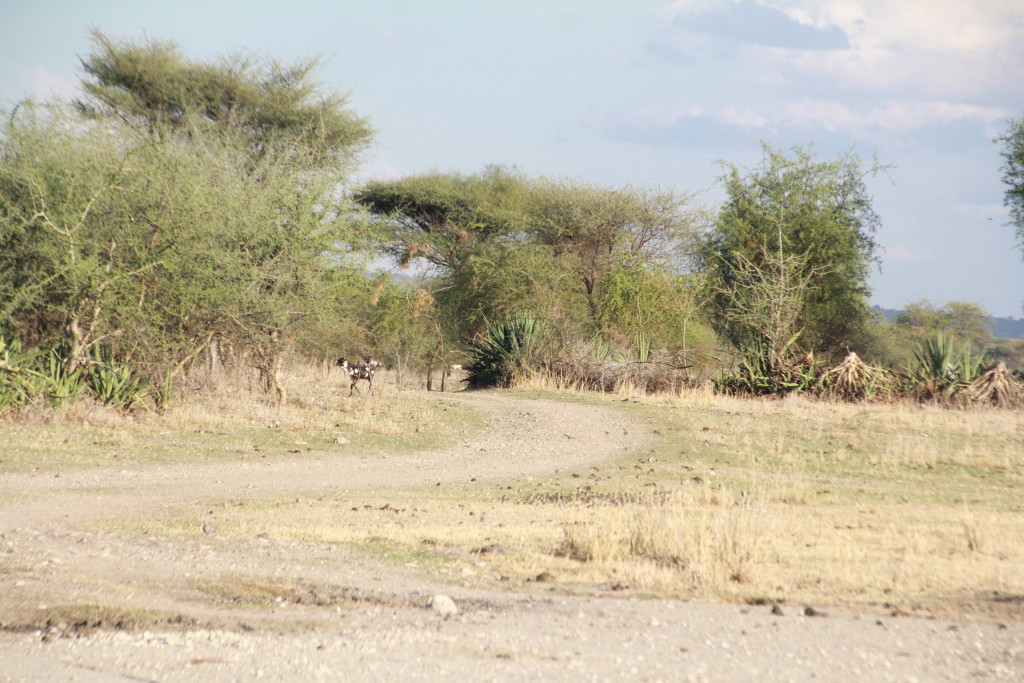
This is the dirt road turnoff that leads to the camp.  It isn’t well marked so make sure your driver has obtained the directions before heading out.

IMG_6377

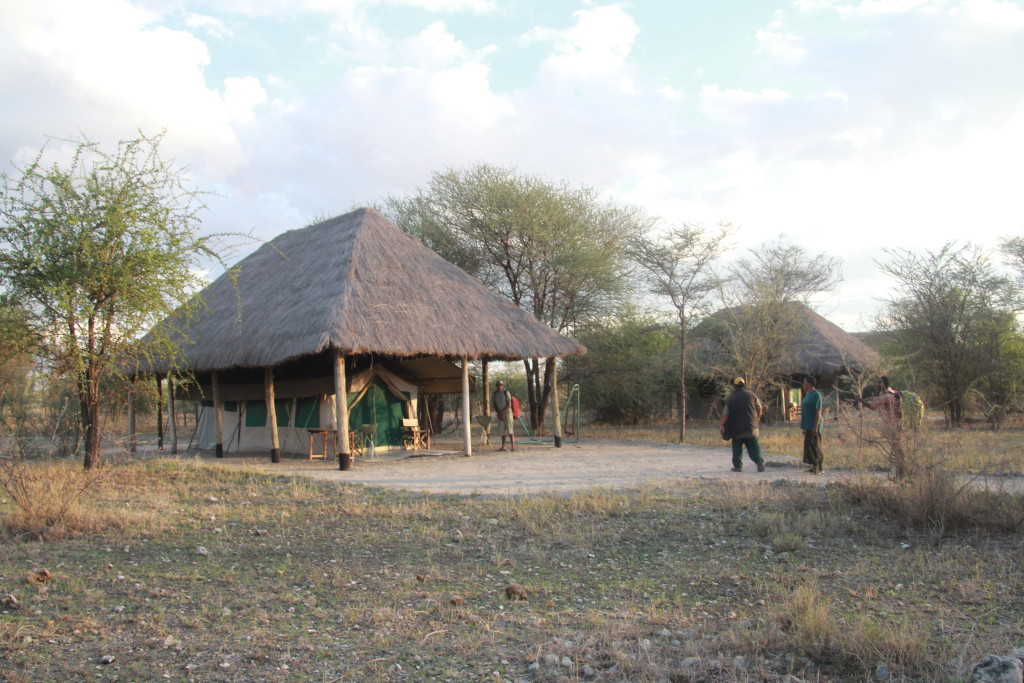
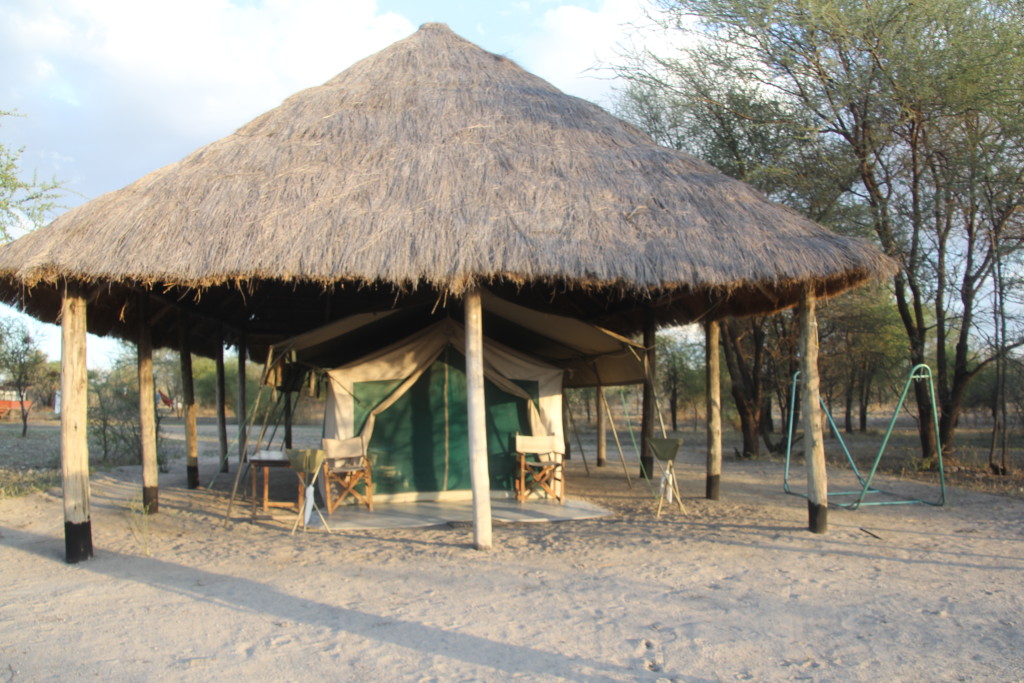
This was our tent, you can see another tent to the right.  They have the thatched roofs overhead to protect from the rain.

IMG_6385

You can sit here and watch birds!

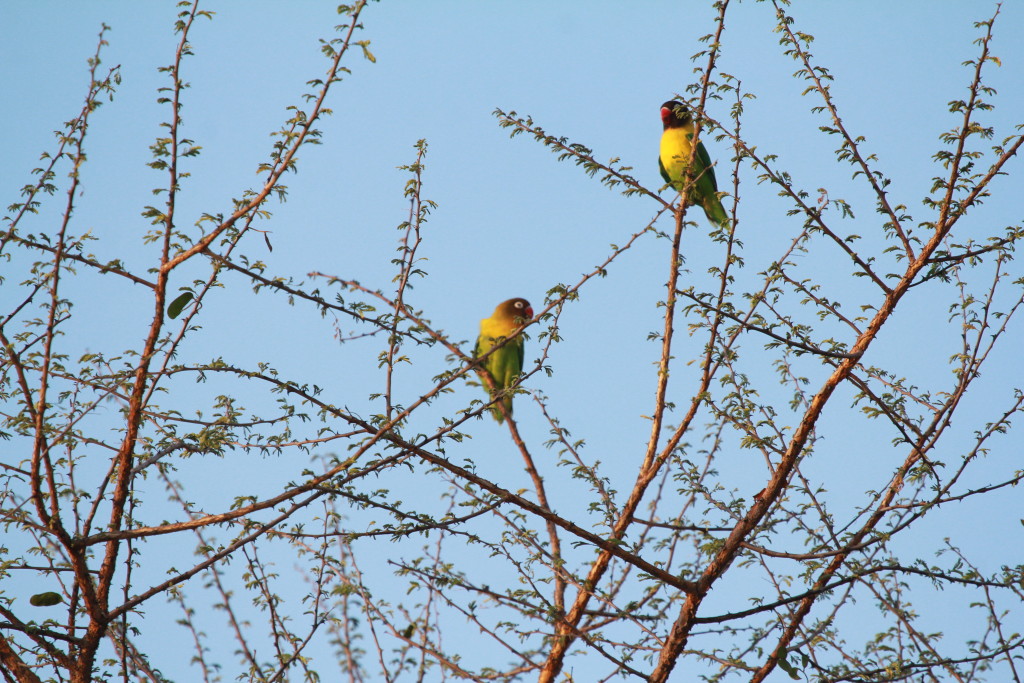
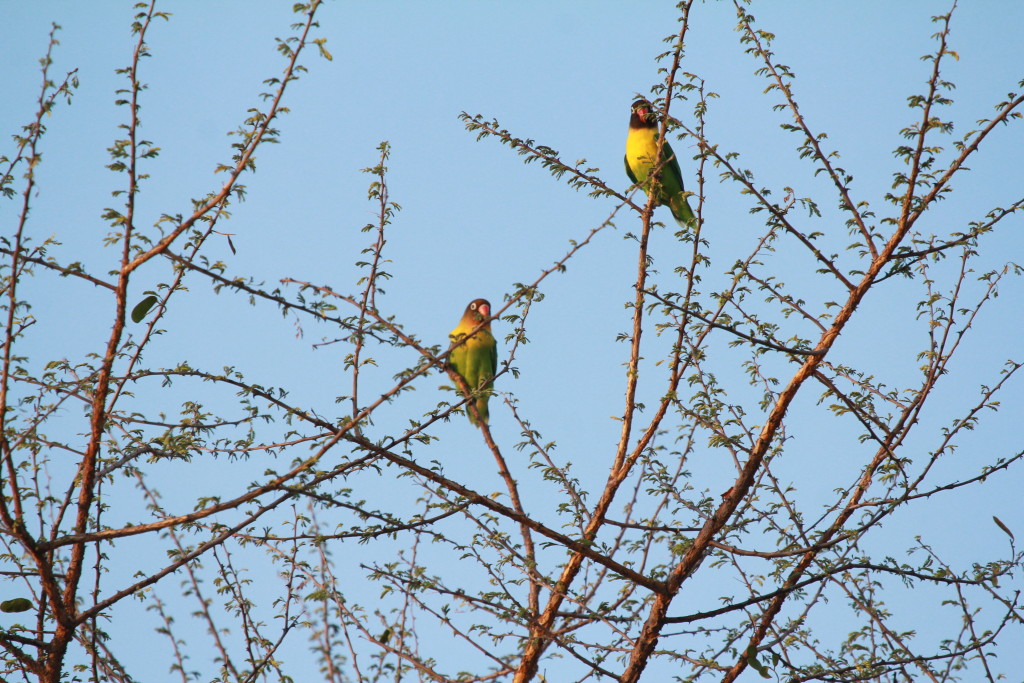
IMG_6386This is the first place where we had both a welcoming committee in the form of adorable Yellow-collared Lovebirds ………………


IMG_6396 IMG_6397

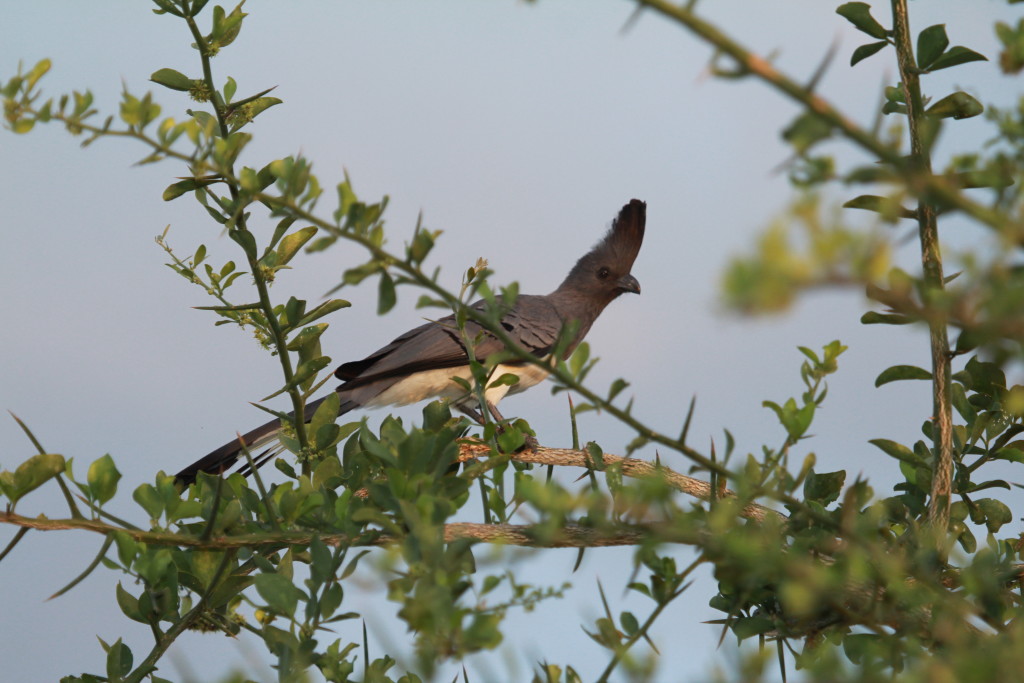
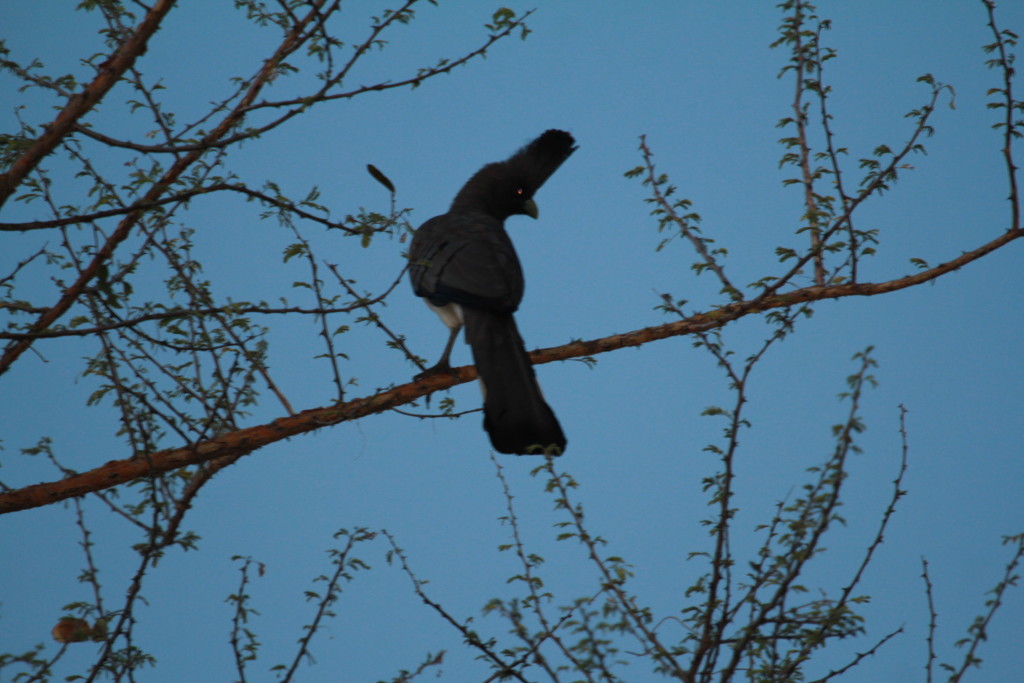
………….. and a Go Away committee!  Notice how much darker this Go Away bird is than the South African one.

IMG_6400 IMG_6404

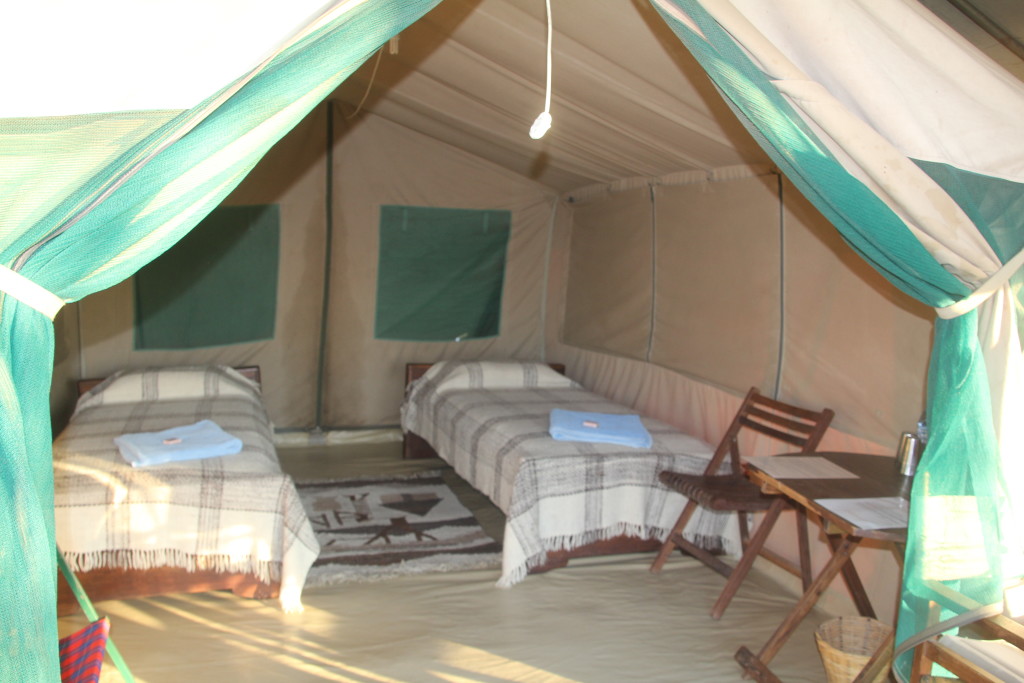
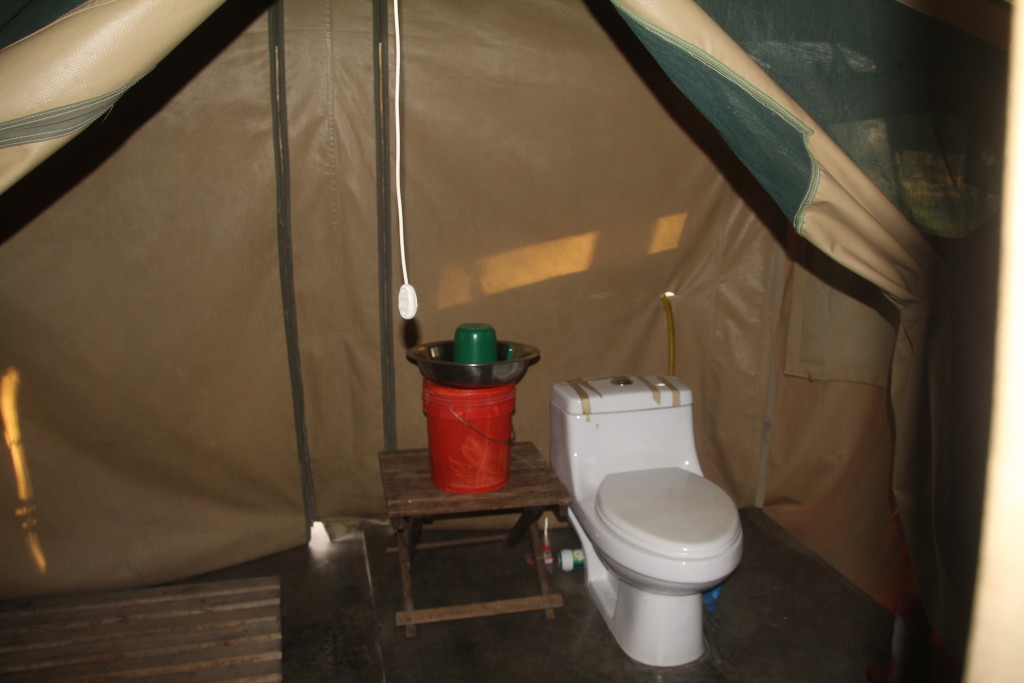
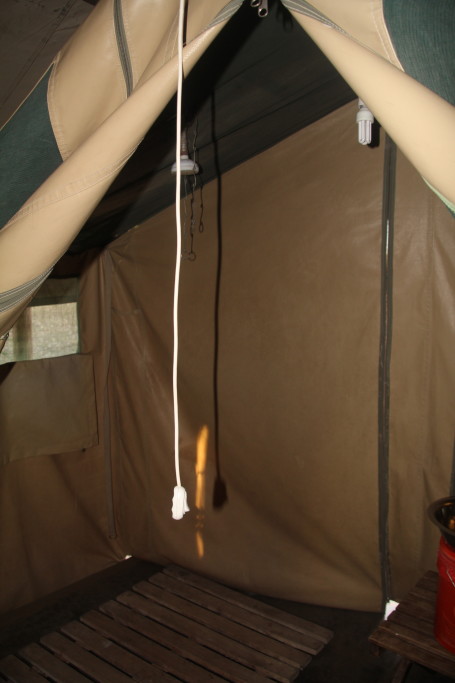
The tents are fitted with 2 single beds.  The rear zipper leads to the bathroom.

IMG_6387

Water for the bathroom is stored in a tank and refilled as needed by the staff.  The shower was warm enough from the heat of the sun and most people shower right after returning from their afternoon safari while the water is still warm.

IMG_6388 IMG_6389

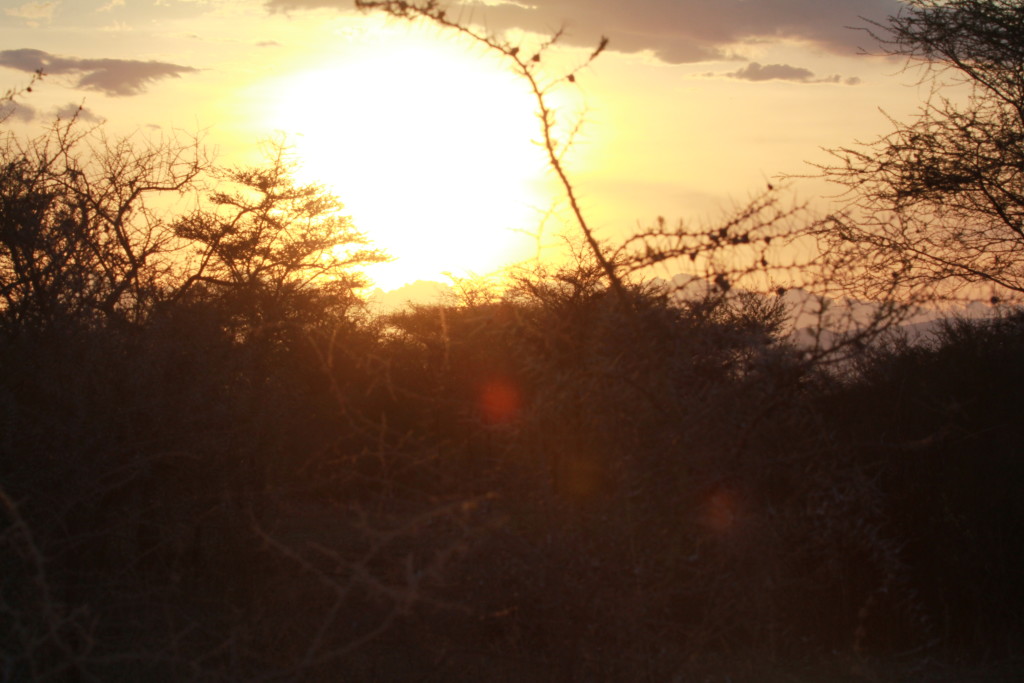
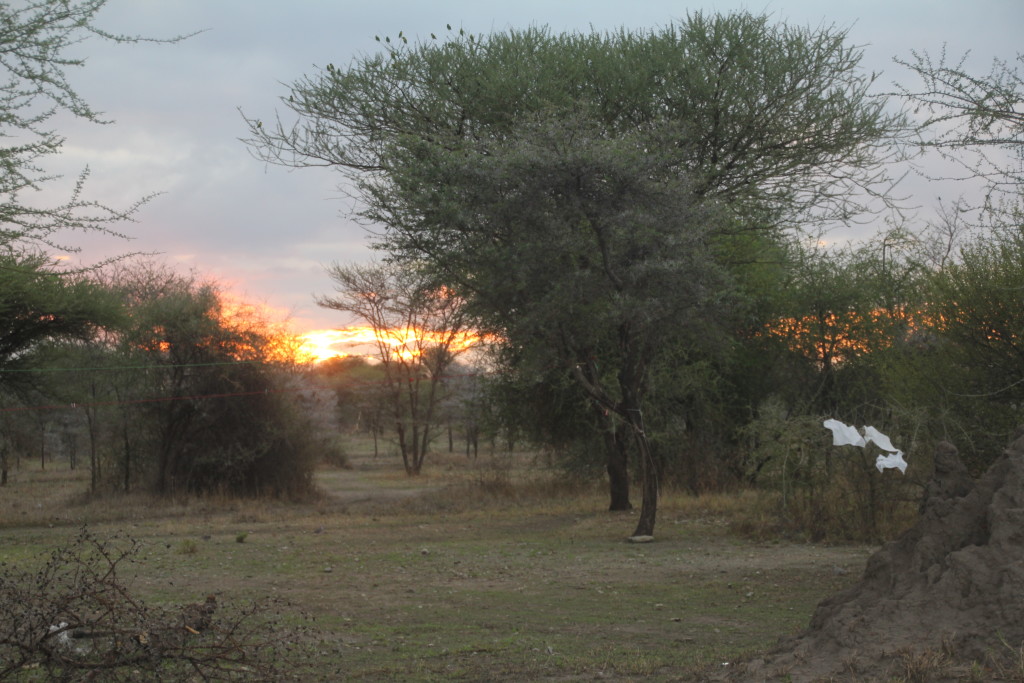
Sunset at camp

IMG_6399

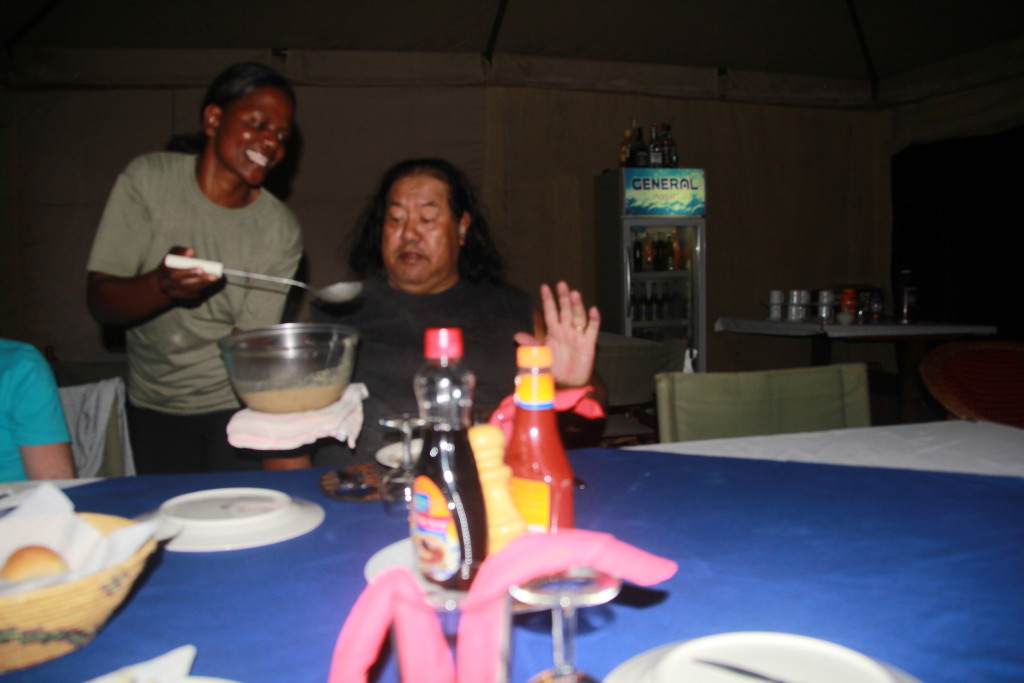
Dinner is served in the reception tent and they do bring plenty of food around!  You won’t g hungry here!

IMG_6405

Waking before sunrise to see birds.

IMG_6407

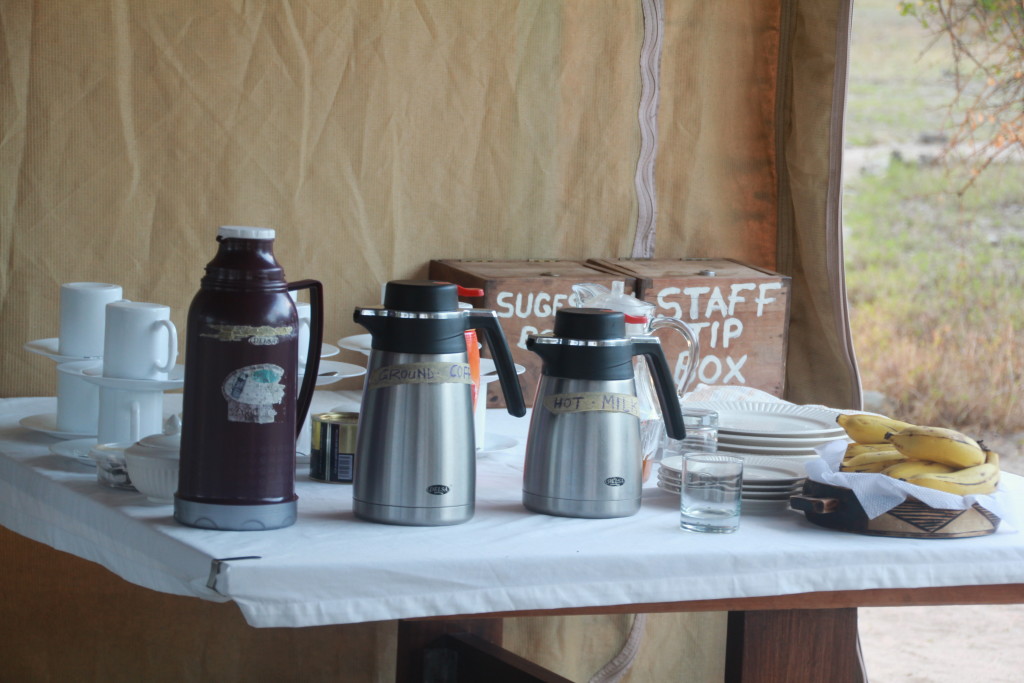
Coffee, tea and fruit are available, they put cereal, bread and other breakfast items out before you leave on your morning safari.  They will pack a lunch for you to take with you.

IMG_6409 IMG_6410

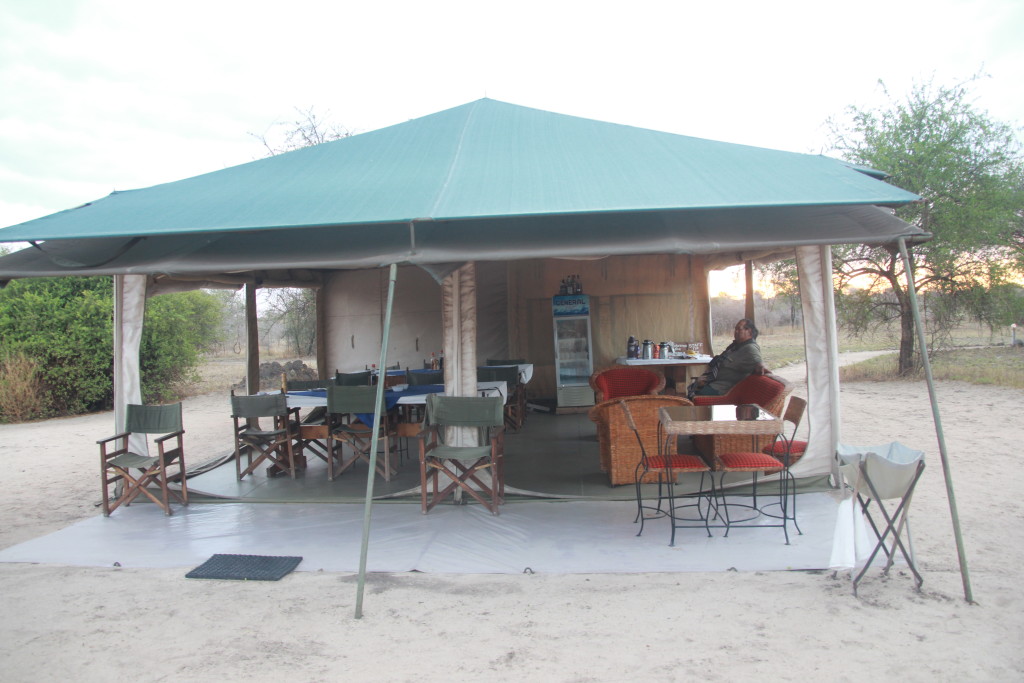
Overall view of the reception/dining tent.  There are electric plugs in the back to charge cameras, no wifi!  Cool drinks are in the fridge and are cool enough if the generator has been on.

IMG_6412

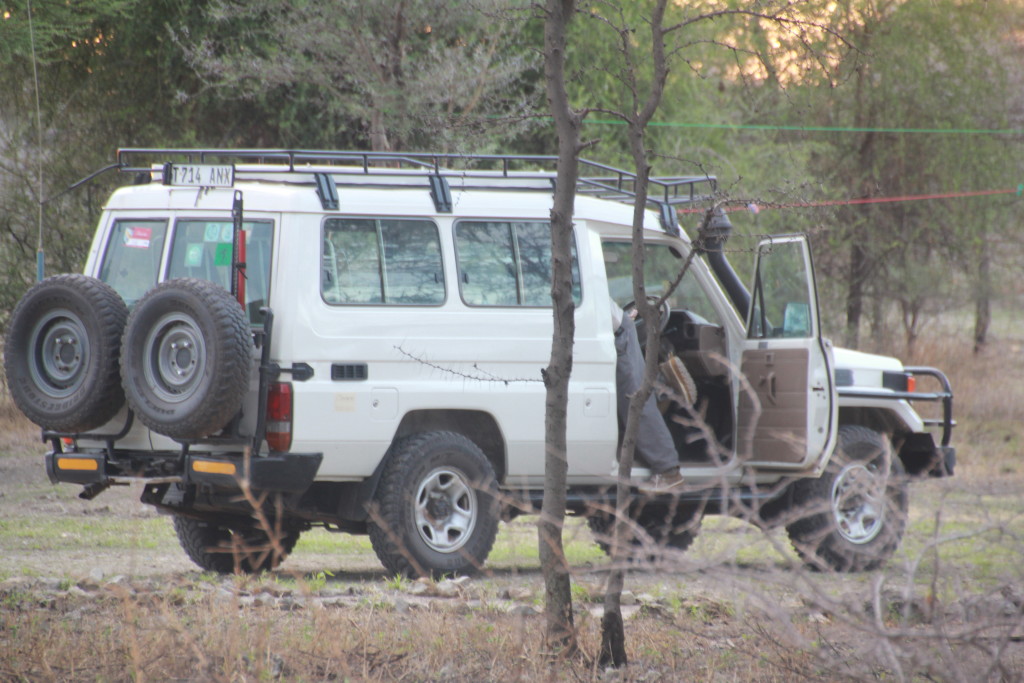
Our Jeep, notice the 2 spare tires.  Always make sure your rental car is well equipped for emergencies.

IMG_6413This is a great place to see Yellow-collared Lovebirds and more!

IMG_6415 IMG_6421 IMG_6423

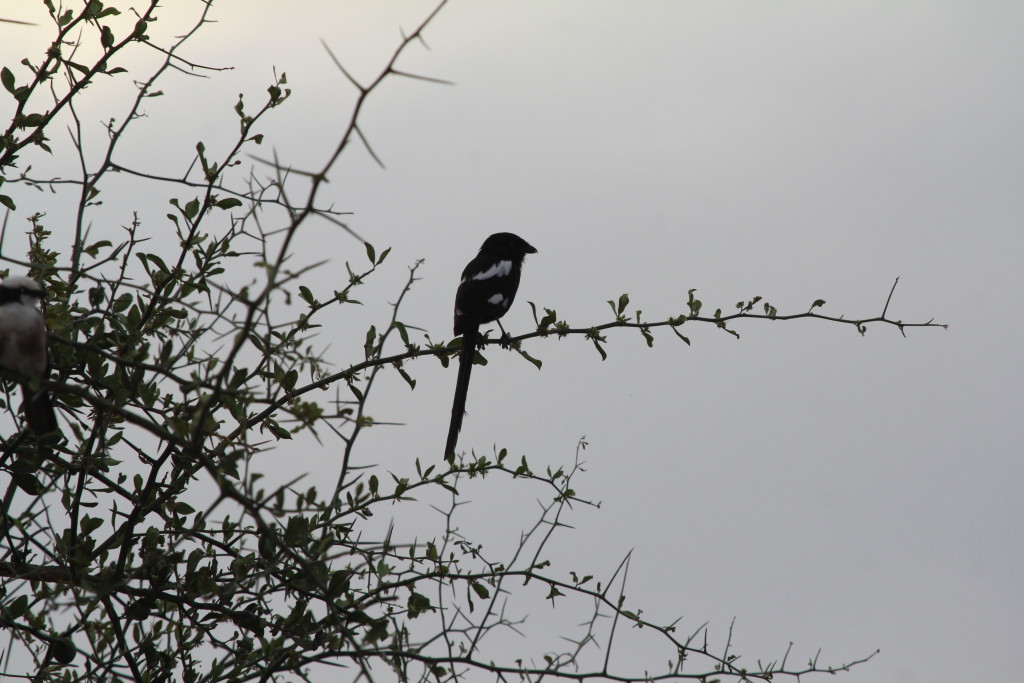
Magpie Shrike

IMG_6425

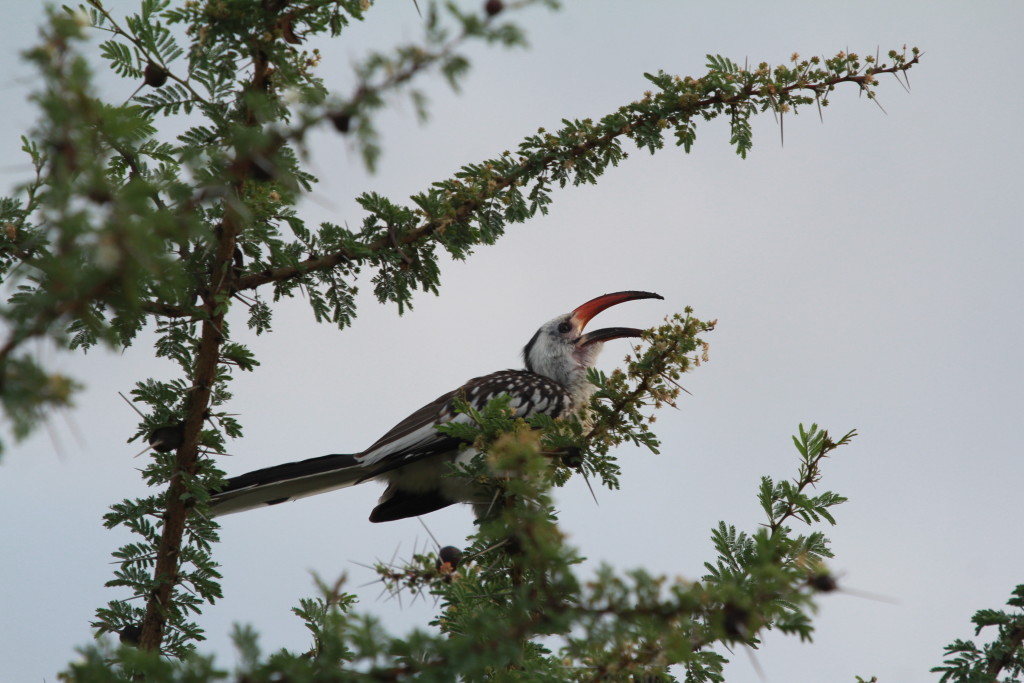
Tanzania Red-billed Hornbill

IMG_6427

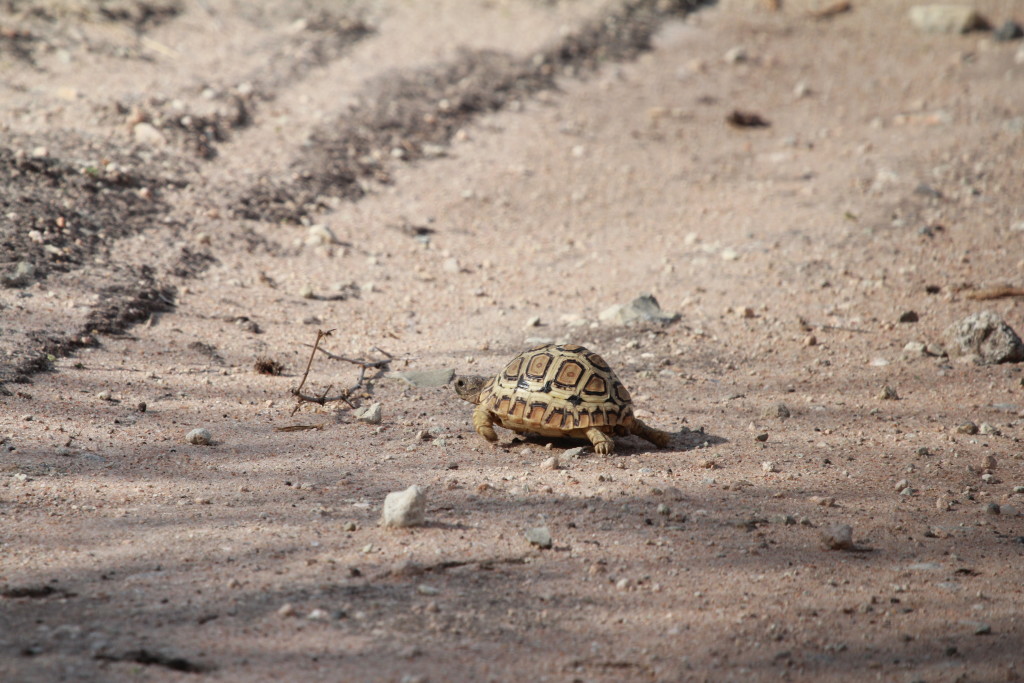
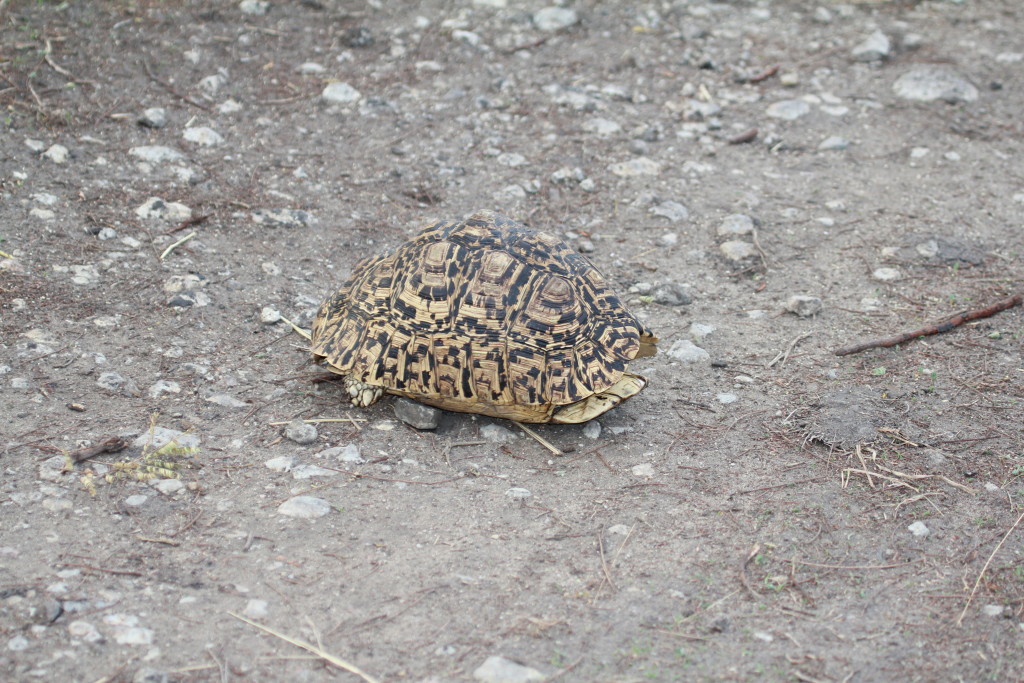
Watch out for turtles in the road, they are very difficult to see, especially when you are looking up in the trees at birds!  This one was lucky, we saw him and waited for him to waddle off the road.

IMG_6428

Welcome To Arusha, Then Off To Tarangire

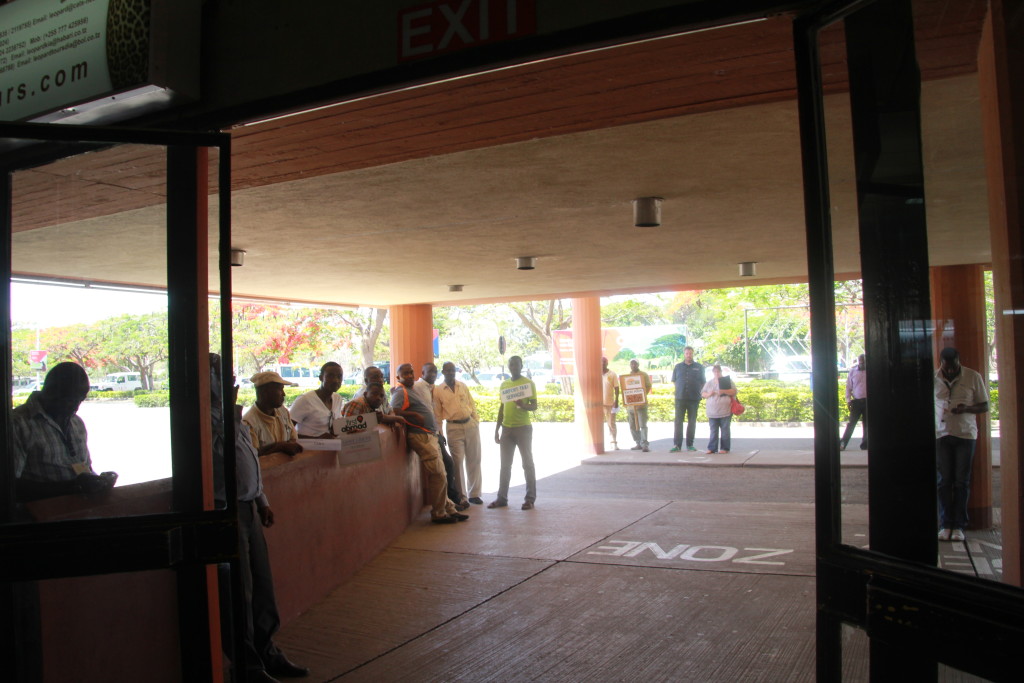
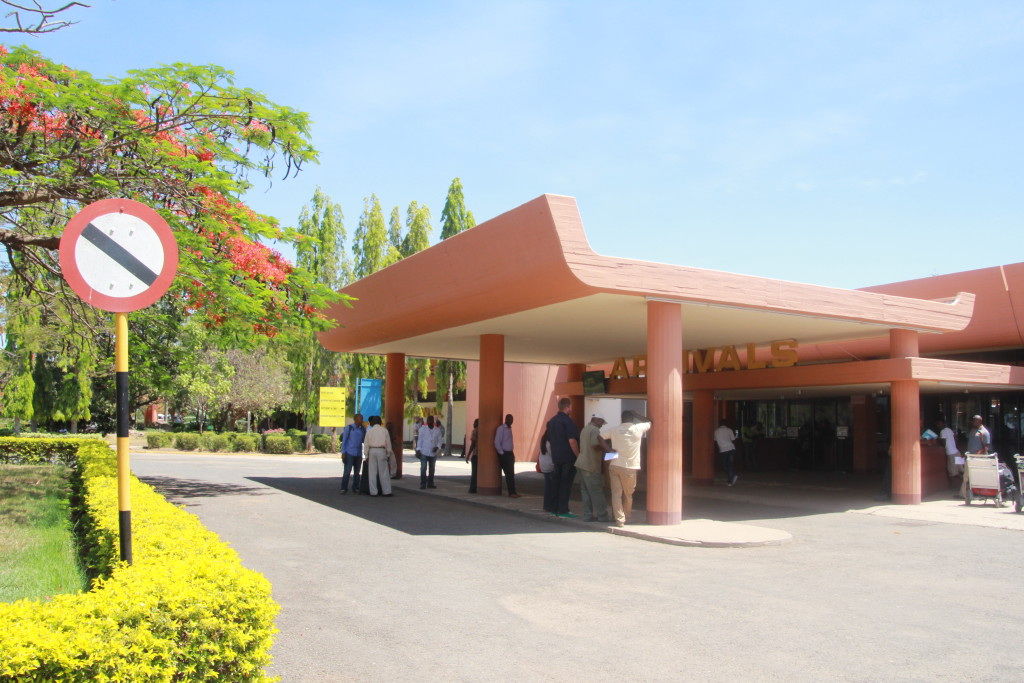
Our birding adventure started as most people’s do – at the Kilimanjaro Airport.  Our driver-guide, Jonas from Fortes Car Hire was there waiting for us.

IMG_6357 IMG_6358

The ATMs just outside the airport didn’t like my Aussie debit card so that meant we had one extra thing to do in Arusha – find a bank!  Jonas ended up taking us to Barclays which happily accepted my card.  Cash in hand, we were ready to go!

IMG_6359

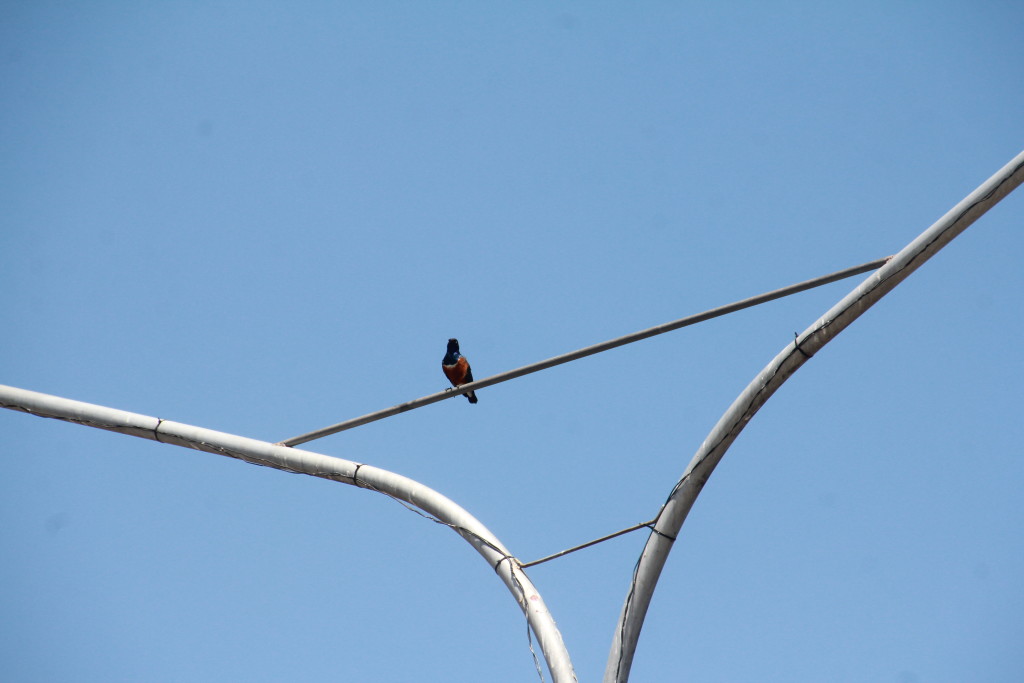
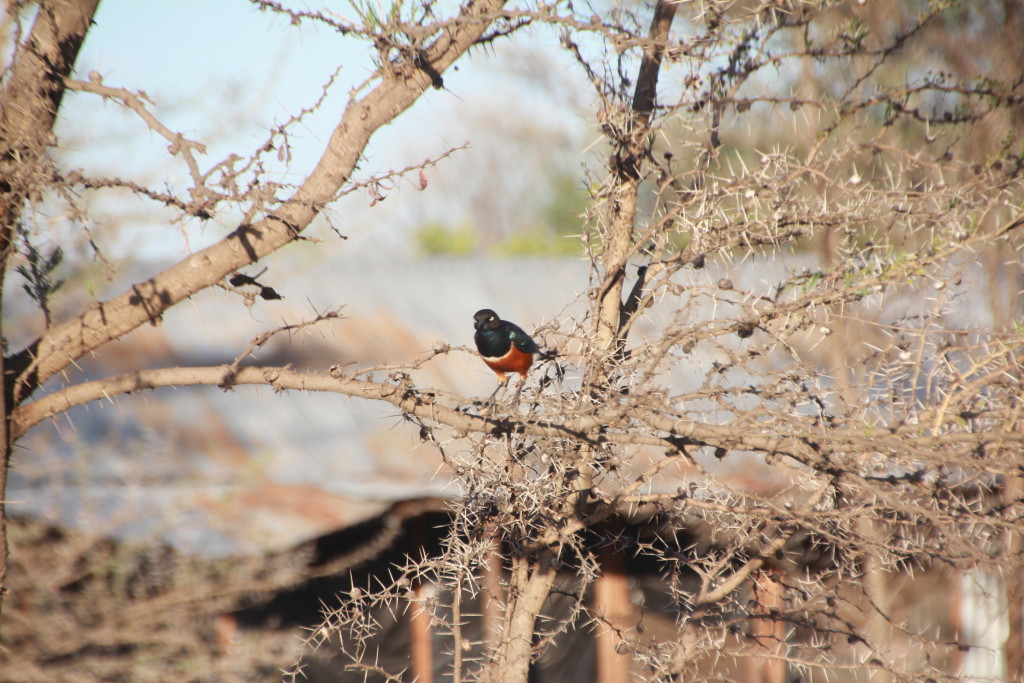
The first bird we saw in Tanzania was right outside the airport – a Superb Starling.  He was the first of many we would see on this trip.

IMG_6360

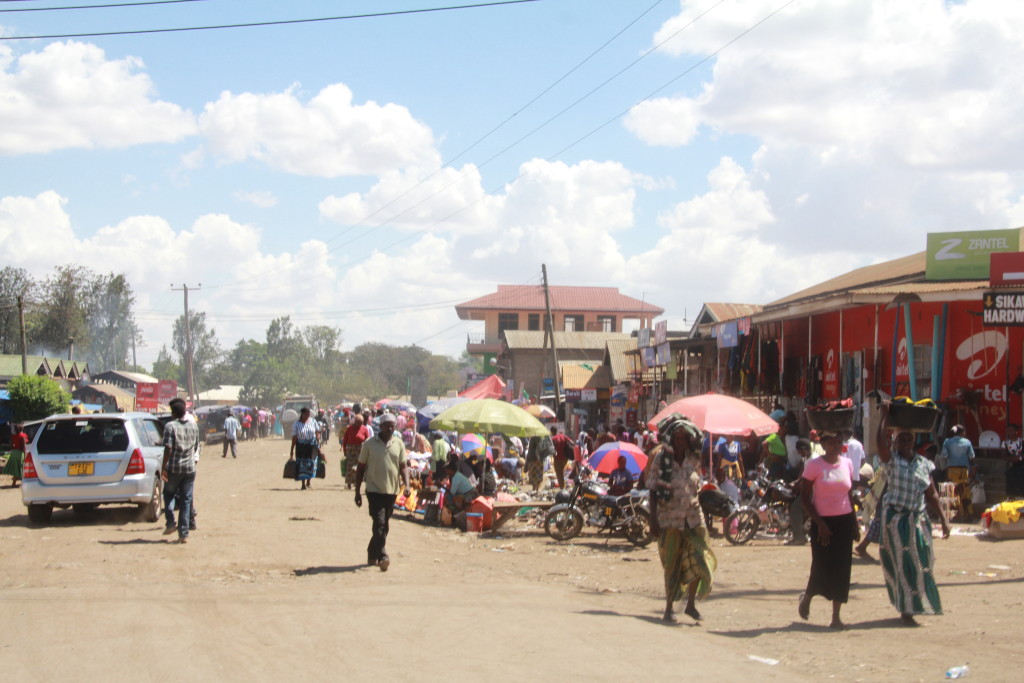
There are lots of small markets like this in Arusha.

IMG_6365 IMG_6366

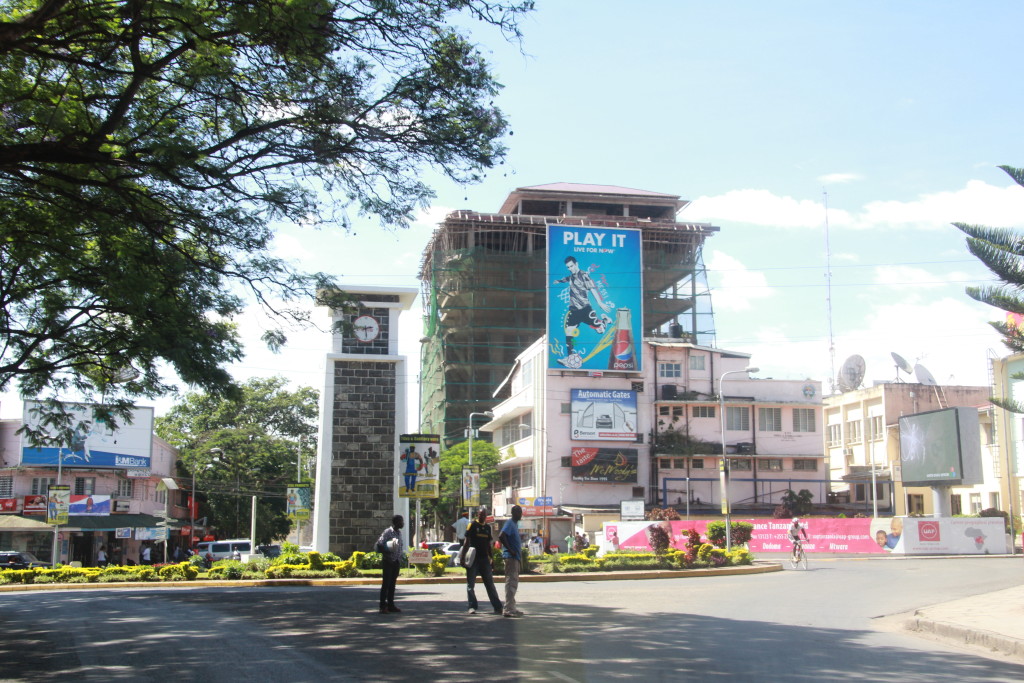
Arusha clock tower

IMG_6367

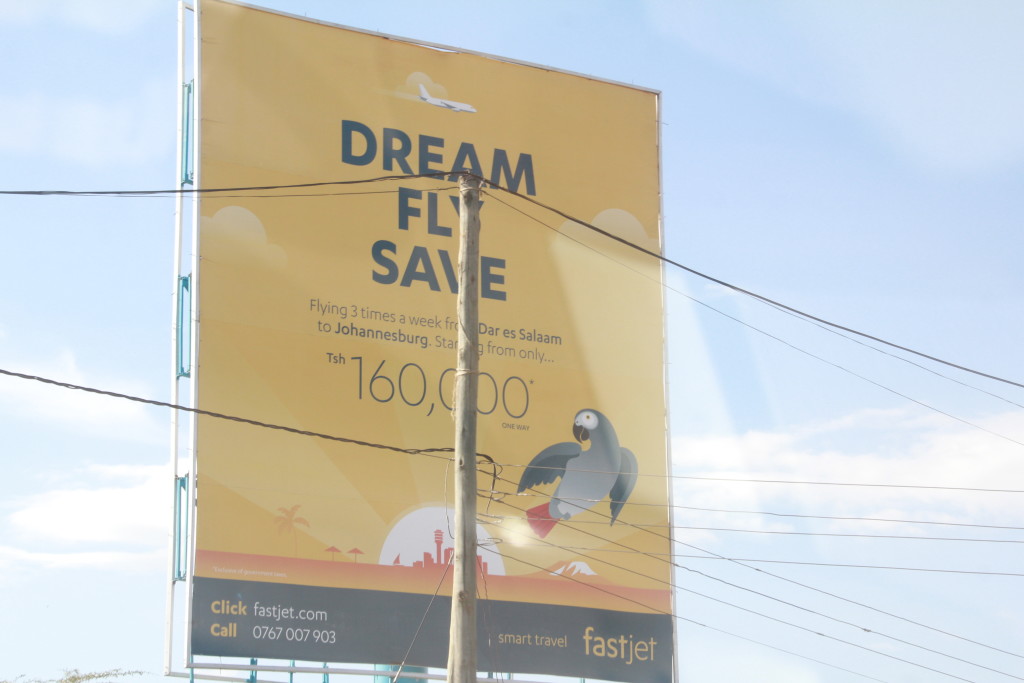
Now why would this billboard catch my eye?

IMG_6369

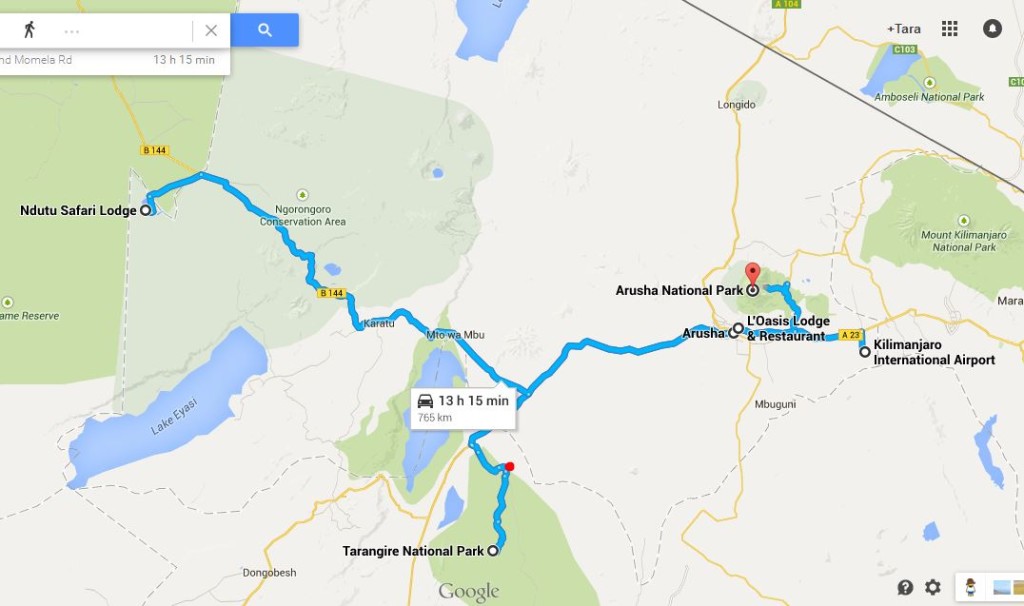
Jonas took us to the Fortes office where I paid the cash for the car/driver hire package.  We also paid the park fees to Fortes as they would then pay the entry for the car, Jonas (Tanzanian) and us (foreigners) at each park entrance.  After finding the main office of Ndutu Safari Lodge closed, I called the lodge to confirm they accepted credit cards and was reassured they did.  Having obtained cash for spending money at the Barclay’s ATM, it was time to hit the road.  Below you can see the route from Kilimanjaro Airport to Arusha, then to Tarangire NP.

Northern Tanzania

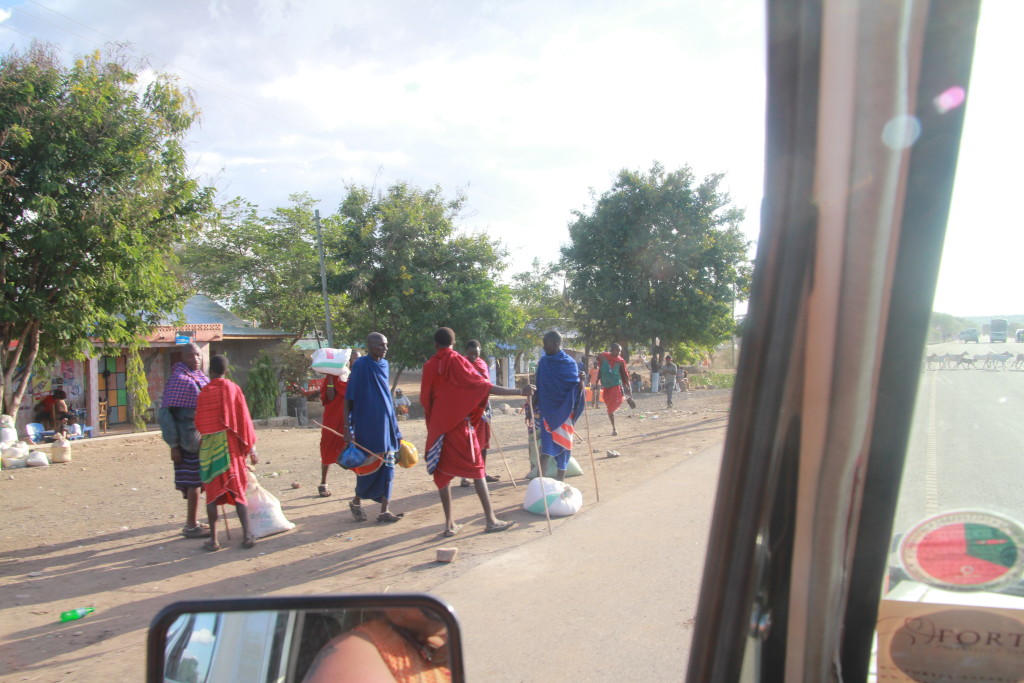
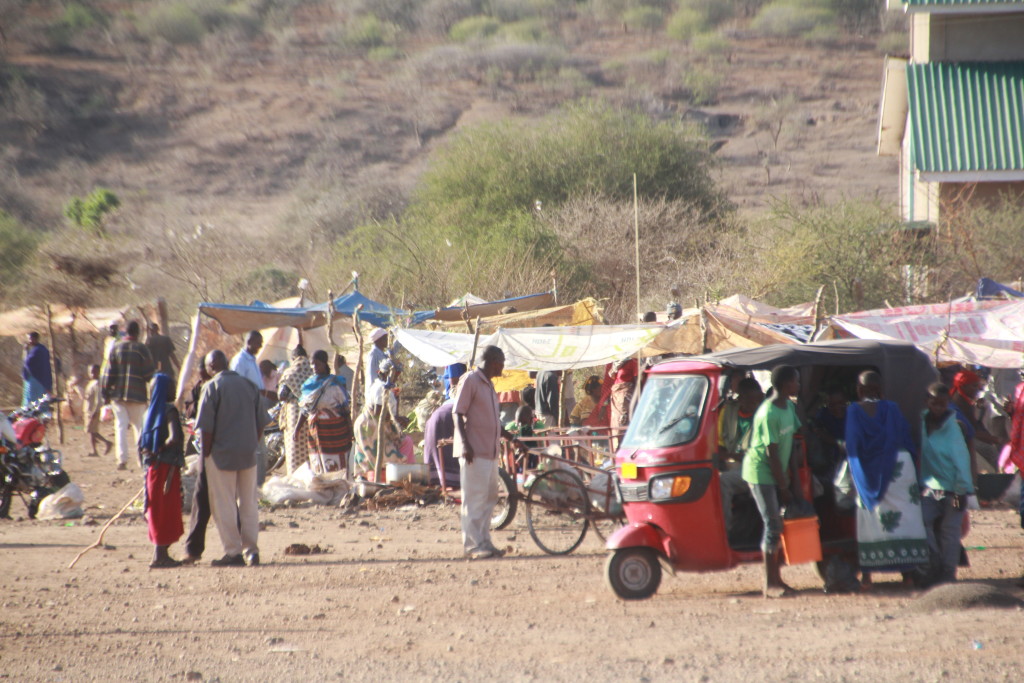
During the 2 hour trip to the Tarangire outskirts, we saw a few Masai markets.

IMG_6372 IMG_6375 IMG_6376

Superb Starling in a thorny tree.

IMG_6381

Not sure about this one but he’s giving us a very suspicious look!

IMG_6383

This was the turn-off to Whistling Thorn Camp.  It’s about 10 minutes from the main road down bumpy dirt roads.  I was glad to get there before dark so we had an hour or so to check out the camp birds – which you will see in the next post!

IMG_6377

Planning A Birding Safari In Tanzania

First of all, everything I write here works for a normal “Big 5” type safari so if you are not particularly into birding you will still find value in this post.  Of course if you ARE into birding, you will find even more value!

East Africa has so much to offer and is easily accessed by airline miles.  If you have limited time and finances you will really have to make some tough decisions on how many parks to visit.  It really helps if you know what species are your priority.  For some people this may be raptors or trying to check off all the endemics.  For me it’s always parrots first, then songbirds, then other birds and mammals.  Don’t get me wrong, I’m not going to bypass lions or cheetahs though!

DO YOUR HOMEWORK

With so much on offer, you have to do lots of research online to find out your best chances of seeing the species you really want to see.  I always check trip reports on Surfbirds and more recently added Cloudbirders to that.  Xeno-canto has mapped locations where birders took sound clips of many species so that can pinpoint them even more.

I also look through trip reports by major birding companies such as Birdquest, VENT, Naturetrek, Rockjumper and more.  The trip reports will show you which parks you need to concentrate on.  Once you have this, you can start contacting birding tour operators or safari companies that are well-recommended for quotes.

HOW I CHOSE MY ITINERARY

I was prioritizing parrots.  There are 6 parrot species in Tanzania that can be found in the northern safari circuit.  The African Grey Parrot isn’t in the northern safari circuit, it is found in a small area near the border with Rwanda & Uganda.

TARANGIRE

Yellow-collared Lovebirds – Agapornis personatus

Red-bellied Parrots – Poicephalus rufiventris

Meyer’s (Brown) Parrots – Poicephalus meyeri

NDUTU (BETWEEN NGORONGORO & SERENGETI)

Fischer’s Lovebirds – Agapornis fischeri

ARUSHA NATIONAL PARK

Jardine’s (Red-fronted Parrot) – Poicephalus gulielmi

Red-headed Lovebird – Agapornis pullarius (longshot)

Fischer’s Lovebirds – Agapornis fischeri (longshot)
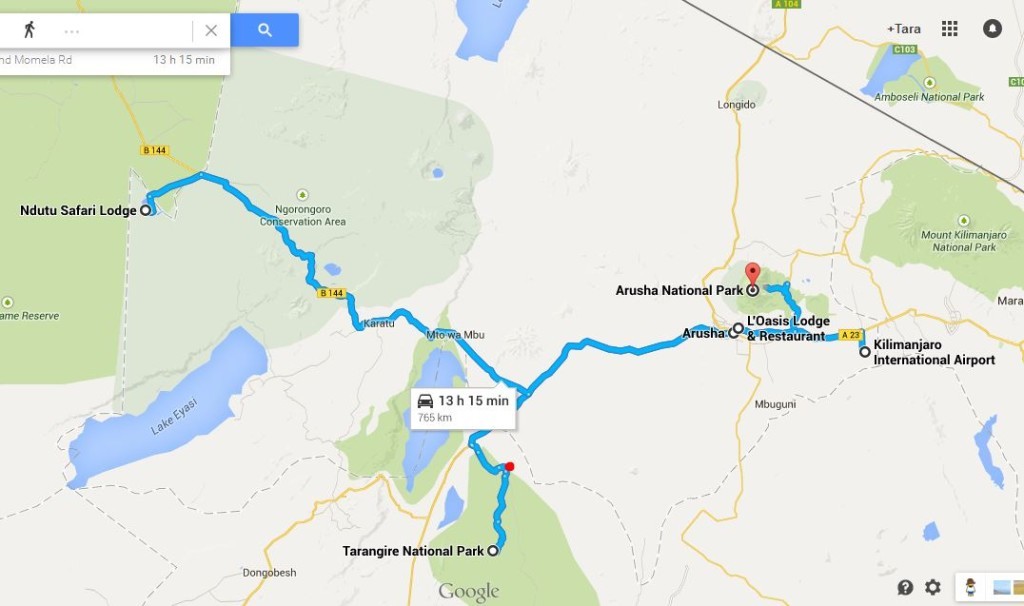
Northern TanzaniaSo here is the map of the 3 parks I chose and other key points such as the airport, the town of Arusha and the hotel we stayed at in Arusha – L’Oasis.  Ignore the 13 hours thing, Google doesn’t know how to drive in Africa!  You will not only be driving from park to park but a lot of safari driving within the park.

HOW TO ORGANIZE YOUR OWN BIRDING SAFARI

In East Africa, where you can’t access the parks by public transport and it’s very rare for tourists to self-drive cars you will have to use some kind of transport with a driver included.  These drivers usually double as safari guides.  You may decide that it’s more convenient to just join an organized tour such as those whom I mentioned above if you can afford it.  Or you can start contacting safari companies in Arusha to see if you can either join an existing tour or make one just for yourselves. These safari companies vary widely in reliability and service so check reviews on Trip Advisor (ignore reviewers with 1 or 2 reviews).  You are looking for reliable vehicles that don’t have trouble, driver guides who have good wildlife knowledge and show an ability to fix problems such as flat tires with minimal disruption to the safari.  You also want quick communication from the head office to your emails and for them to readily answer any questions you have without being evasive or making you feel like you are being placated.

While I was researching the options I found 2 main problems.

1.  Safari companies based outside Arusha were out of my budget.

2.  Safari companies inside Arusha didn’t accept credit cards and wanted money transferred by bank wire in advance of the trip.  Bank wires are the WORST option for miles & points collectors.  You can’t use a credit card and earn points.  You have to have the full amount already in your account, can’t pay it off by installments and you have to pay fees to make the transfer.

So what can you do when you want to pay by credit card or at least cash on arrival?  My answer was to book everything separately.

  1.  Book car hire with driver guide from car hire company, not safari company.  After doing tons of research online, I found Fortes Car Hire.  They actually do have self-drive cars but I wasn’t up to the liability & insurance hassles or to fix our own flat tires and such.  So after several emails back & forth, they agreed to supply a car with driver and to allow me to pay cash on arrival since they didn’t have to front any money to lodges on our behalf.
  2.  Hotels in Arusha and a few pricy safari lodges can be booked online.  Pointshound has a few options or try Hotels.com or Expedia for more options.  The obvious advantage here is instant confirmation and secure credit card payment.  Or contact lodges by direct email and ask if they take credit cards online.  Here’s what I booked.

Whistling Thorn Camp, just outside Tarangire National Park – booked by direct email to parent company Moivaro.

Ndutu Safari Lodge, booked by direct email though they said it wouldn’t be confirmed until it was paid.  Since we went in the off season, there was plenty of room.

L’Oasis Hotel, in outskirts of Arusha as a base for Arusha NP day trip – booked with Hotels.com.

VISA FOR TANZANIA

Most nationalities can get a visa on arrival at Kilimanjaro International Airport.  It’s pretty straightforward, just one form and $50 cash per person for Australians.  Americans pay $100 per person.  The fee varies by your nationality, you can check here.

BEST SEASON TO TRAVEL

It’s a double-edged sword, you can avoid the crowds by going in off season and avoiding the Great Migration (Jan-March & prices skyrocket) but you may run into the rainy season which is really bad news for birders.  Dry weather forces animals to stay closer to watering holes so they are easier to find.  Generally speaking, the dry season is June to October, the rainy season is November to May.  We were there in late November which is shoulder season and it hadn’t started raining yet.  If you have a choice, I would go for Sept-Oct for the best weather, still not high season and good birding.  Regardless of the weather, I would also avoid school holidays in the USA & Europe so that means June, July & August.  Crowds are even worse for birding!
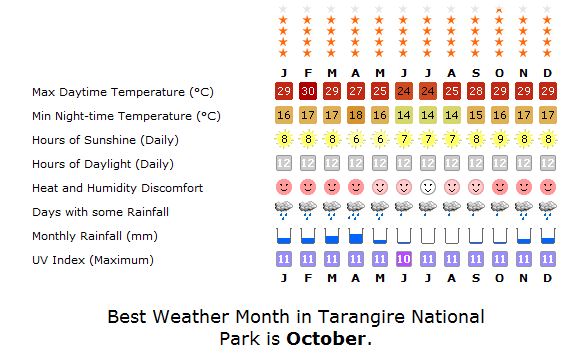
Tarangire WeatherBOTTOM LINE

Obviously a lot of thought and preparation needs to go into a birding safari to Africa.  The lower your budget, the more you have to do yourself.  For most people, this will be a once in a lifetime experience so take your time and get it right!
What It’s Really Like To Travel In Tanzania

Since I am an even worse videographer than photographer, I thought I would share this video posted on YouTube by Rigdon Currie.  He and his family visit several of the same places we did in northern Tanzania with Rockjumper Birding Tours and they spent more time in each place.  He got some great footage that really shows what it’s like to travel in the African bush.  They even got to do a hot-air balloon ride – I’m so jealous!  As for the birds, I’m sure they got more than we did but they stayed longer.  I did see a lot of familiar birds though so I think we did OK too!  So jealous of the leopards!