My Carry-On Bag-Backpack

Some aspects of travel are just not as much fun as others.  The one thing I absolutely HATE is checking bags.  Some airlines will even charge a fee for this.   And then you have to wait around at the destination for it to come out of the carousel–IF it comes out of the carousel!  I just prefer to carry on my bag even if my free award ticket allows me to check a bag for free.  This is the bag my husband and I have been using for the last 2 years and we both love them!

It’s amazing how much you can pack inside one of these Motherlodes!  I can easily get my camera, lenses and usual clothing inside and have room left over for souvenirs!  They are on sale now and come in 7 colours.  I like the green one as it’s so easy to keep track of.  It really makes things easy when we are hiking on a small footpath to get to a jungle lodge.  They also have a laptop pouch in the back which is very well hidden from a potential thief as it sits between your back and the main section of the bag.  It’s very versatile and converts from a bag with a handle to a backpack.  I’ve always preferred backpacks and I don’t care if people stare at me in the lounge.  When it comes to mobility, this bag just makes it so easy to escape the airport and deal with public transport at the destination.  The dimensions (9 x 22 x 14 inches; 4.4 pounds) are designed to maximize your carry-on allowance and be as light as possible, no wheels to add weight, although they do make a similar product with wheels which you can see if you click on the link.

Since most flights also have a weight restriction with the carry-on, I use this bag in conjunction with a Scottevest and put the heavier items in the Scottevest.  Once on the plane, I can easily put the Scottevest along with it’s contents in the Motherlode.

***Please note that this link gives me a small commission at no additional cost to you.  For more information about the Scottevest, please click on the links in this post or on the right side banner ad.  I am happy to answer any questions you may have about these products as I use them in all our trips.
Why Even Innocent Eco-Tourists Should Be Careful

Is anyone else addicted to the Nat Geo series “Banged Up Abroad” aka “Locked Up Abroad“?   I am!  In most cases, the people locked up are involved in drug trafficking and deserve their punishment.  But sometimes, even innocent eco-tourists can stumble into a bad situation, so take a lesson from these Orchid Hunters (who were traveling in Panama which is also a birder’s haven) and be careful where you travel to!


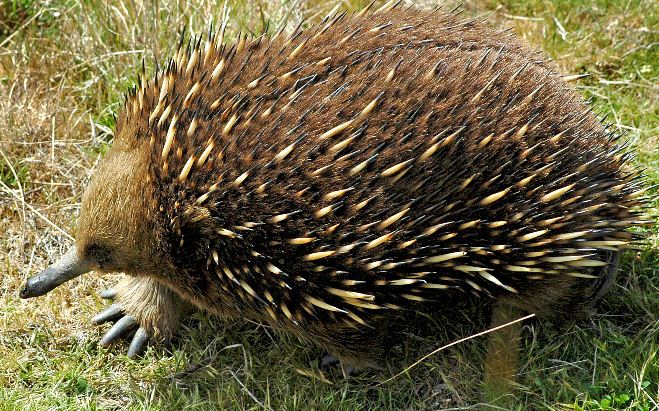
Animal Of The Week – Echidna

This week, let’s have a look at one of our Australian animals, the Echidna.

Echidna

They are fairly common across Australia including Tasmania, though higher density populations are found on islands where foxes do not occur (e.g. Kangaroo Island and Tasmania).  You can learn more about them on this website.  Tasmania seems to be one of the easiest places to see them.  And finally, here’s a short video clip about echidnas.


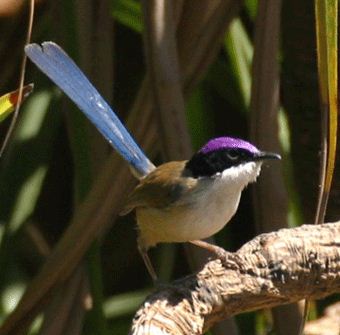
Purple-Crowned Fairy-Wren (Malurus Coronatus)

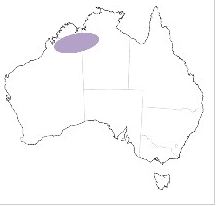
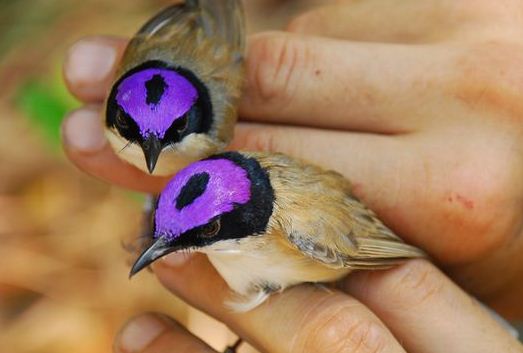
You may see the lovely little Purple-crowned Fairy-wren (Malurus coronatus) if you are birding in the Northern Territory.

Purple-crowned Fairy Wren


Purple-crowned Fairy Wren Habitat


Although they are very pretty little birds when viewed from the side, they become really spectacular when viewed from above in pairs.  Predators will think the eyes belong to some large creature instead of a fragile little bird that might otherwise make a tasty snack.

Purple-crowned Fairy Wren


Purple-crowned Fairy-wrens are divided into two races: – an eastern race (M. c. macgillivaryi) that occurs in the sub-coastal region from the Roper River in the Northern Territory to the Flinders River in Queensland; and – a western race (M. c. coronatus) that occurs throughout the Kimberley region of Western Autralia and the Northern Territory. The two races of Purple-crowned Fairy-wrens never mix and more than 400 km separates them geographically. Sadly, Purple-crowned Fairy-wren populations are disappearing. It is estimated that only about 12,000 breeding birds remain of the western race in the Kimberley.

For more information about this bird, please visit this website.

Destination Hobart, Tasmania (Melaleuca)

GETTING TO HOBART

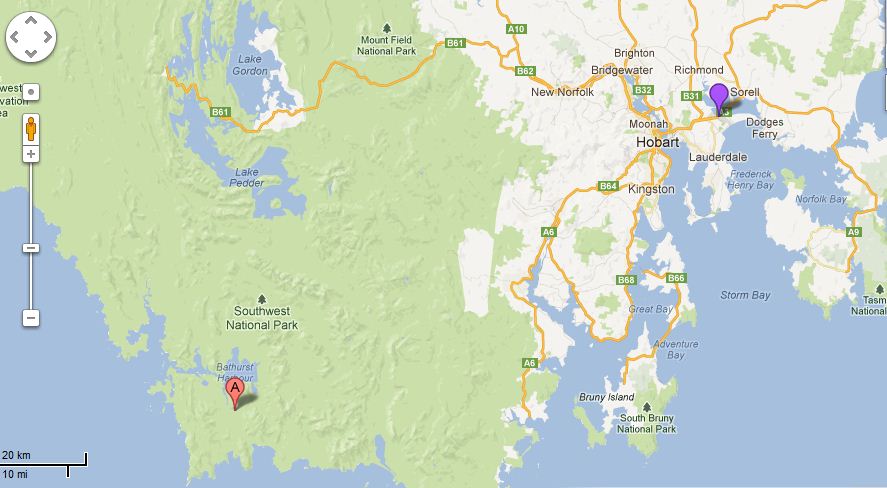
Yesterday, I gave some information about the endangered Orange-bellied Parrot.  Now let’s find out how to get to see them in the wild!   The “A” shows where Melaleuca is in relation to Hobart.

Tasmania is the smallest state in Australia and I am going to assume that if you are coming from overseas, it won’t be your only destination in Australia.  I have another post  about how to get from overseas to Australia on miles.

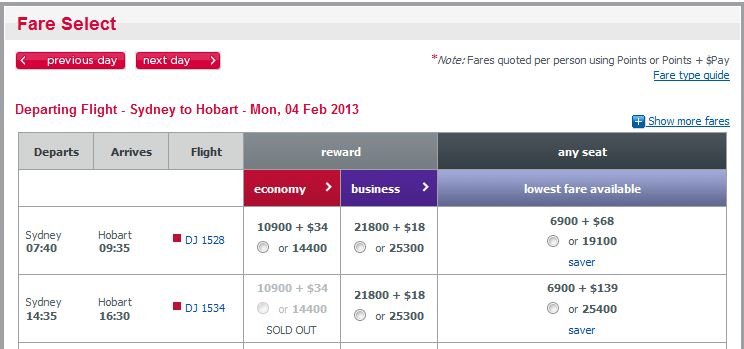
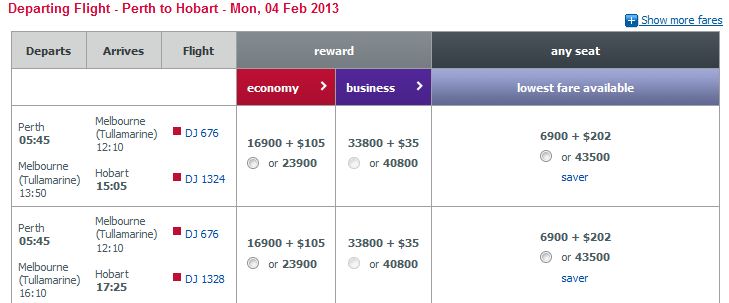
There are two major airlines that fly from the mainland to the main airport, Hobart (HOB) – Virgin Australia and Qantas.  Virgin is not yet in any major airline alliance and there are few opportunities to use other airline partners on domestic Virgin (DJ) flights.  Aussies can readily get Velocity points from credit cards and other partners.  Here’s an example of a round trip redemption from Sydney to Hobart.   From Brisbane it is the same, from Melbourne a bit less and from Adelaide a bit more.  From Perth, it goes up quite a bit.


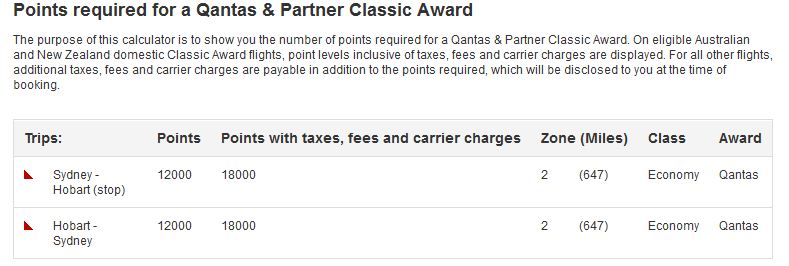
QANTAS also has a distanced based award chart with a handy award calculator.

Sydney and Brisbane both are in Zone 2.

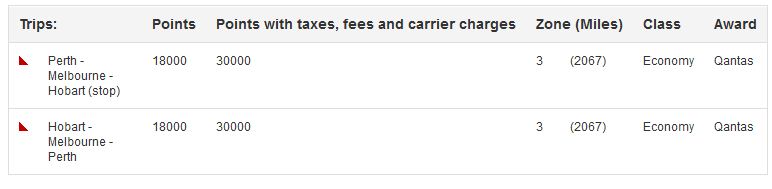
By contrast, have a look at the award cost from Perth.

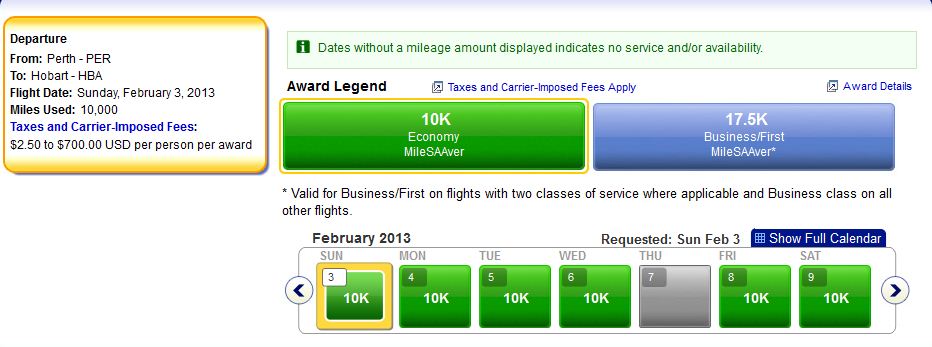
Qantas is a member of One World so it often works out cheaper in both miles and money to use their partner American Airlines to book this flight.  AA has a flat fee of 10,000 miles each way no matter where you are flying to and from in Australia so they are a good bargain for longer flights.


British Airways has a distance based chart but short distances can be a bargain when booked with Avios.  They start as low as 4500 from Melbourne, 9000 from Brisbane up to 12,500 from Perth each way.

WHERE TO STAY

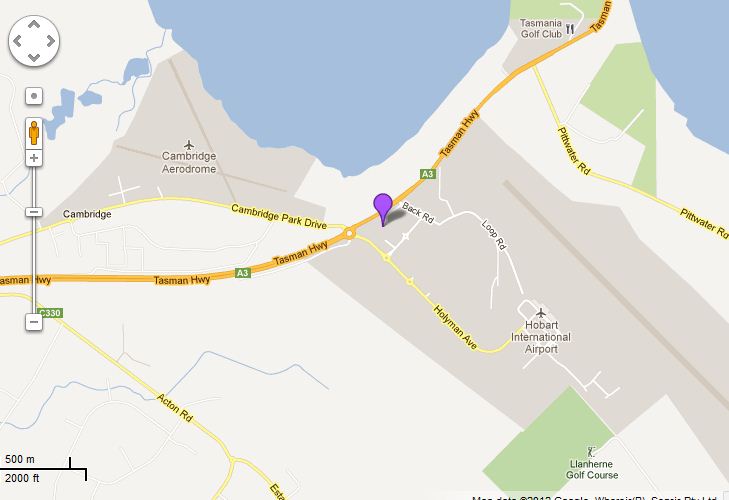
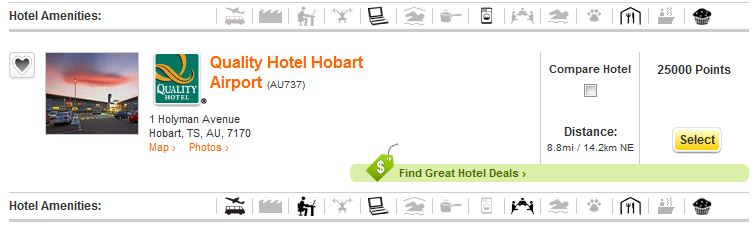
The flights to Melaleuca leave from Cambridge Airfield which is very close to Hobart Airport where your flight from the mainland arrives.  The purple dot indicates the location of the Quality Airport Hotel.  This runs around $125-ish in cash or since they are part of the Choice hotel chain you can use 25,000 points to book it for free!


HOW TO GET TO MELALEUCA FROM HOBART

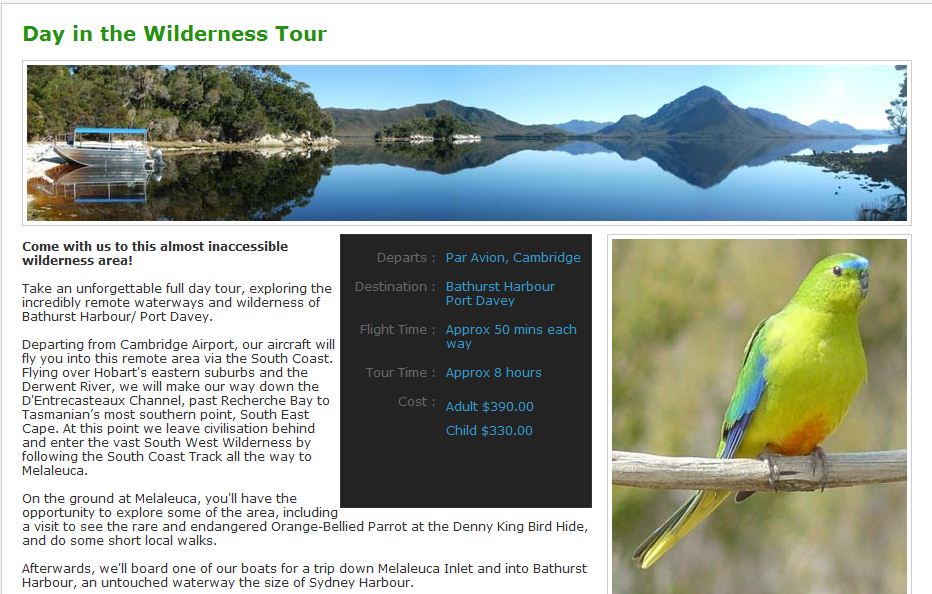
Only small aircraft that seat 6-10 people fly this route.  Par Avion is the main tour operator that does day trips to Melaleuca and take you to the bird hides to see the Orange-bellied Parrots.

 They can also provide flights for people who want to spend a few days at Melaleuca and camp out.  There are more details on their website.

The Tasmania Parks and Wildlife Service website has more information.  Be sure to check out the sound clip of the OBP, they are pretty quiet for parrots!

For bushwalkers and those who are able to fly into the Tasmanian south-west, there is a good chance of seeing Orange-bellied Parrots. At Melaleuca, in the Southwest National Park, a bird hide has been built especially for observing the birds. From mid-October until the end of March, the birds are regular visitors, coming and going throughout the day. However the best times to see them are in the early mornings or late afternoons. There are two bushwalkers’ huts with room for up to 20 people.

If you are VERY lucky, you may also see Ground Parrots like this blogger reports!   Tasmania has a wealth of nature reserves that have great birding, so I would recommend spending at least a week here.  I will be doing more posts later about other birding hotspots in Tasmania.


Orange-Bellied Parrots (Neophema Chrysogaster)

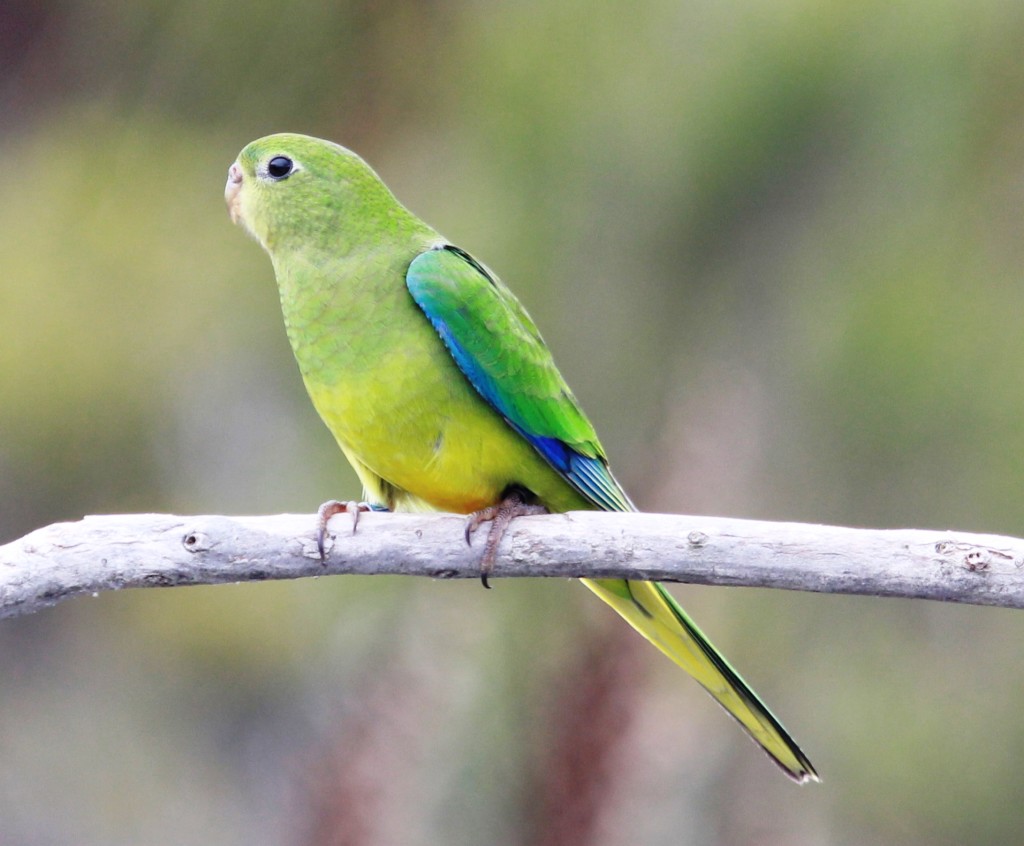
Orange-bellied Parrots (Neophema chrysogaster) are one of the rarest parrots species in the world; and unless something is done, we risk losing them from the planet forever.

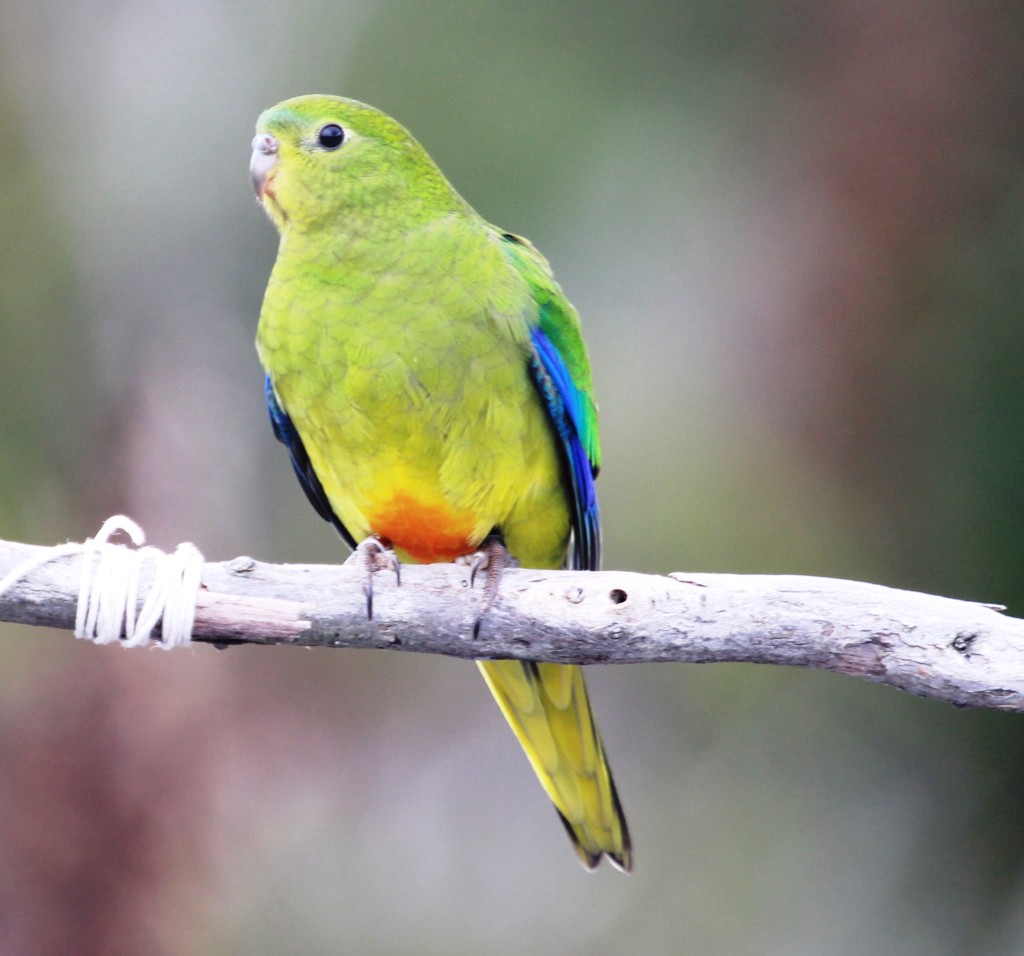
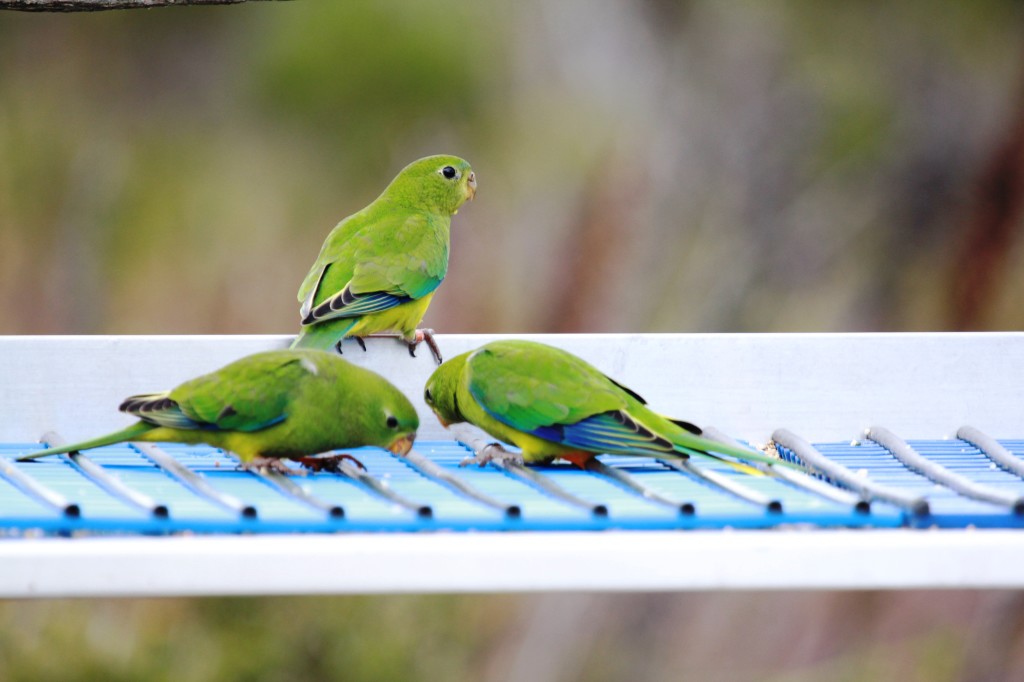
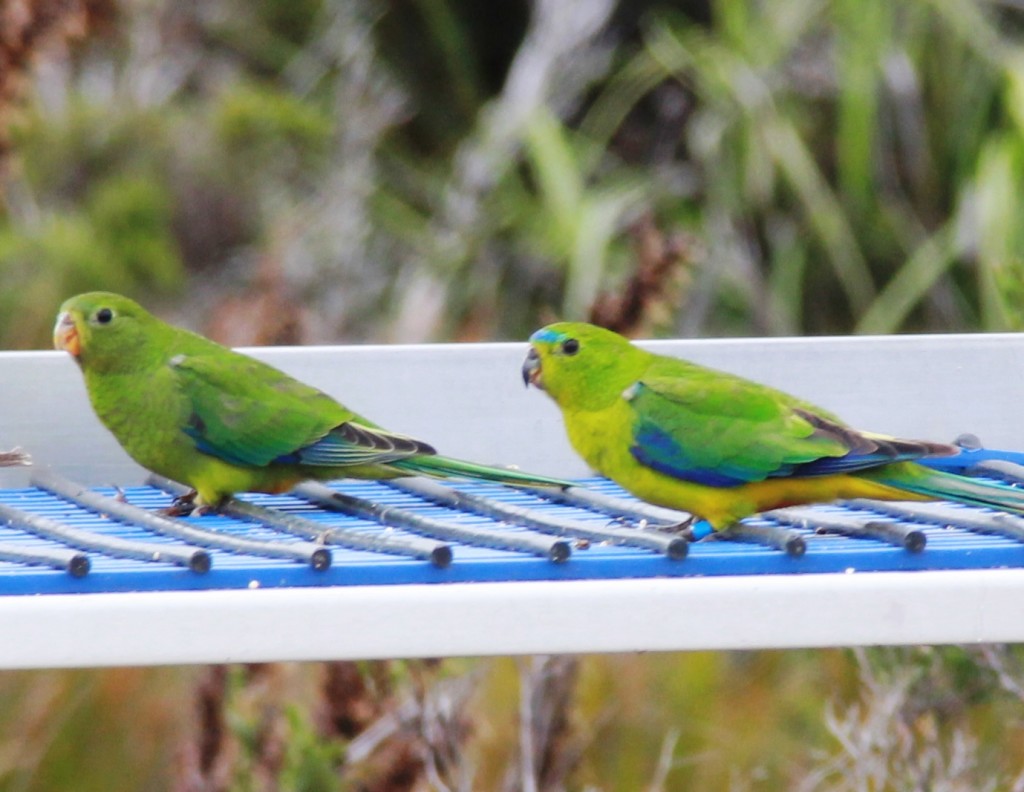
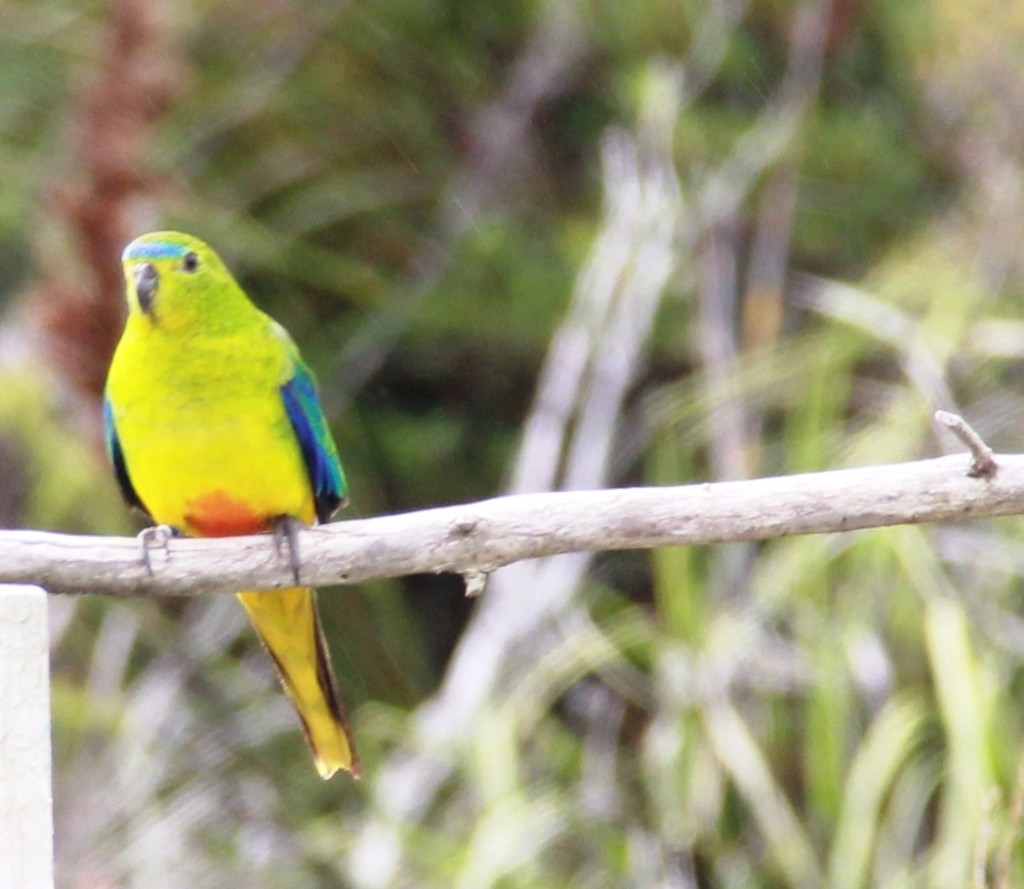
I took the photos below on my trip to see them at Melaleuca, Tasmania in March 2014.

Orange-bellied Parrot (Neophema chrysogaster)

Orange-bellied Parrot (Neophema chrysogaster)

IMG_7315a

Orange-bellied Parrots eating

Orange-bellied Parrots eating

IMG_7376a IMG_7384a

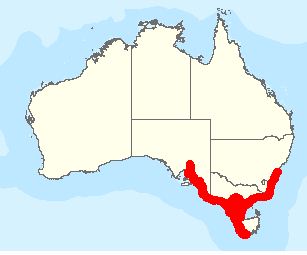
According to this video report, there are only 20 at the traditional breeding grounds at Melalueca, Tasmania.  They are one of only two species of parrot which migrate.  OBPs breed in Tasmania and spend the winter in coastal grasslands on southern mainland Australia. With only 36 wild birds known to be alive after the summer 2011/12 breeding season, it is regarded as a critically endangered species.  This map shows their range.

OBP range

There is extensive information on the species on the Australian Biodiversity site, but I do want to point out the major threats.

The main current threat to the Orange-bellied Parrot is the loss and fragmentation of its non-breeding saltmarsh habitat. Suitable habitat has been lost to the construction of farmland, industrial sites and saltworks (Ashby 1924b; Brown & Wilson 1982; Loyn et al. 1986; Menkhorst et al. 1990; Starks 1995b; Stephenson 1991; Yugovic 1984). The main factors contributing to the loss of Orange-bellied Parrot habitat are:

  • drainage of wetlands for grazing
  • alteration and destruction of saltmarsh for industrial and urban development
  • grazing of native vegetation
  • vegetation clearance for agricultural purposes
  • changes to land use practices
  • recreational activities (OBPRT 2006a).

Potential threats to the Orange-bellied Parrot population include loss of unknown breeding sites, competition from introduced species, predation, Psittacine Circoviral Disease (PCD), collision with structures, ingestion of toxic weeds and reduced availability of food due to the changed species composition at feeding sites (OBPRT 2006a).

Threat Abatement and Recovery

The current Recovery Plan includes the following objectives:

  • To monitor the population size, productivity, survival and life history of the Orange-bellied Parrot.
  • To identify all sites used by Orange-bellied Parrots and better understand migration.
  • To increase the carrying capacity of habitat by actively managing sites throughout the species’ range.
  • To identify, measure and ameliorate threats, particularly in migratory and winter habitats.
  • To increase the number of breeding sub-populations /groups.
  • To maintain a viable captive population.

How can you help?

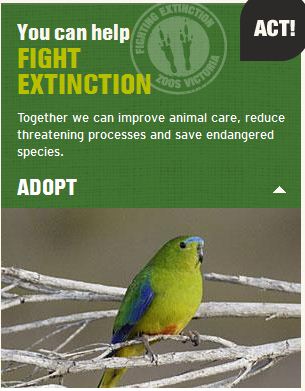
Zoos Australia have a captive breeding program and you can help by virtually “adopting” an Orange-bellied Parrot.

Visit their website to learn more about this.
Orange-bellied Parrots are also represented on Facebook and I recommend you like these pages to keep up to date with what is happening with them.
Orange-bellied Parrot Project

Save the Orange-bellied Parrot


In spite of their rarity, it is still possible to see Orange-bellied Parrots in the wild at Melaleuca, Tasmania.  In this post I  show you how to get there on airline miles and organize a visit.  They can also be seen in coastal Victoria while they spend the winter there but they are more spread out and more difficult to spot.  I recommend making the trip to Tasmania to see them between January-early March when there are both adults and newly hatched babies around.


LEARN MORE ABOUT ORANGE-BELLIED PARROTS

World Parrot Trust

Wikipedia

Birdlife

Birds in Backyards

VIDEO

Polytelis Media has a superb clip from their excellent series on Australian parrots on Youtube.


Frequent Flyer Miles Earning Credit Cards – Australian Edition 2

Last week in Australian Edition 1 I showed you how to use the various American Express cards to get a nice sign-up bonus to kick start your mileage balance.  You will remember that you could also use AMEX Membership Rewards to transfer to a variety of partners including airlines and hotels.  Before we start, I want to point out that these are not affiliate links, you will be clicking straight off the airline’s website.  If you have been on USA based blogs and forums, you will probably have seen that they can get even better sign up bonuses through affiliates but we don’t seem to have that in Australia……………yet!  The only situation where you get more sign up points  than is offered on the bank/airline site is the Amex referral program.  Please use the contact form if you would like me to refer you for this bonus which I discussed in Edition 1.

Now let’s look at airline specific cards.  These are co-branded cards that automatically transfer your points into the airline each month.  Even if you get the Amex, you should also get a Visa or Mastercard as there are a lot of businesses and government fees where you can’t use an Amex.

VIRGIN AUSTRALIA – VELOCITY

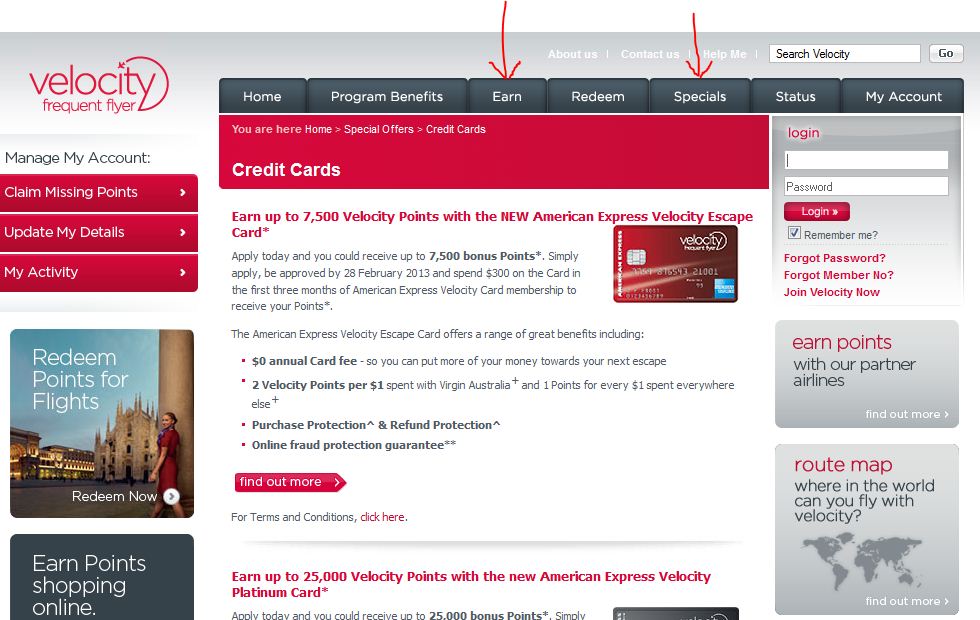
When you click on to their website, you will notice an “Earn” tab and a “Specials” tab.

The “Specials” tab will take you to whatever sign up bonuses are running at the time.  Always check this tab before you sign up for any credit card and make sure you read the T&Cs that go with the card so you know what you have to do to earn the bonus.

Now click on the “Earn” tab and select credit cards to see ALL the credit card options that partner with Velocity.  You will see that just about every bank in Australia has a Velocity card or a rewards card that you can transfer to Velocity.

Here are the banks, quite a lot!

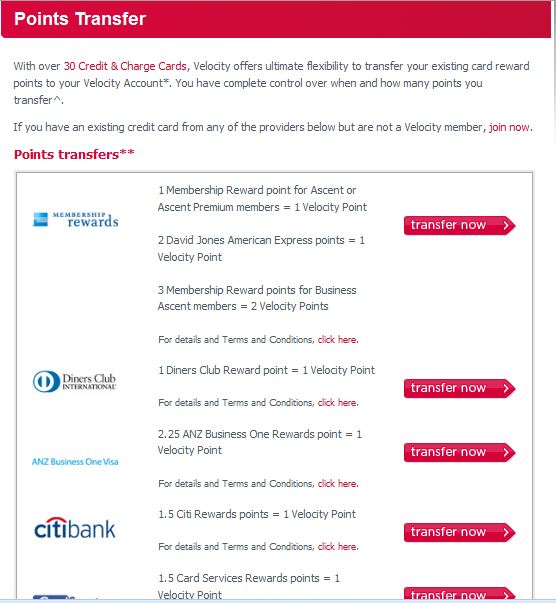
Be sure to check out each bank’s website to look for rewards cards that you can transfer to Velocity.  You will also see different transfer ratios for each one so you have to spend some time reading each one to see which card would give you the best value for annual fee vs transfer ratio and what other benefits the card may have like travel insurance.

***********************************************************************************************************

***********************************************************************************************************

QANTAS FREQUENT FLYER

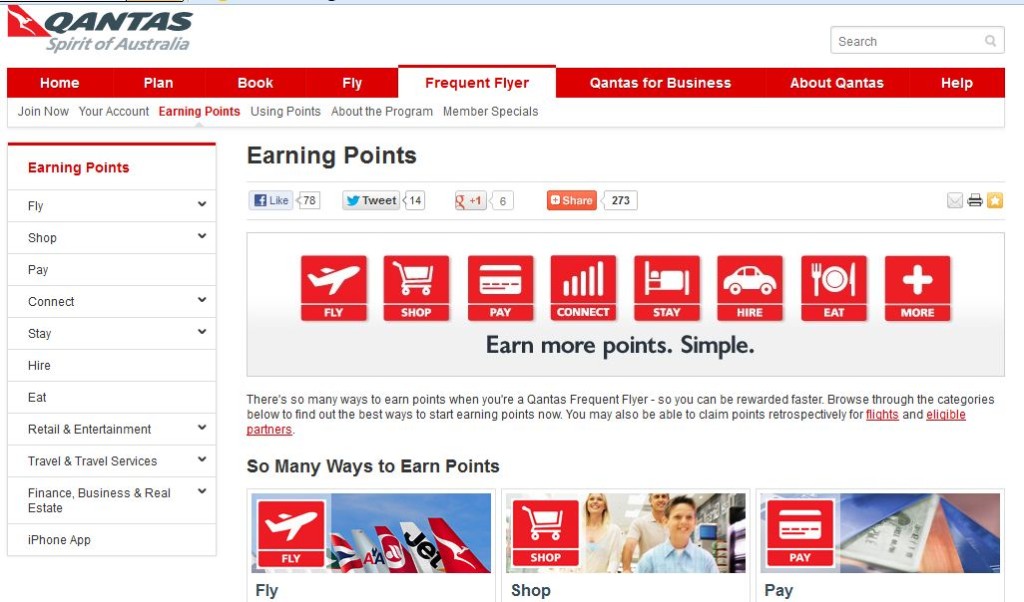
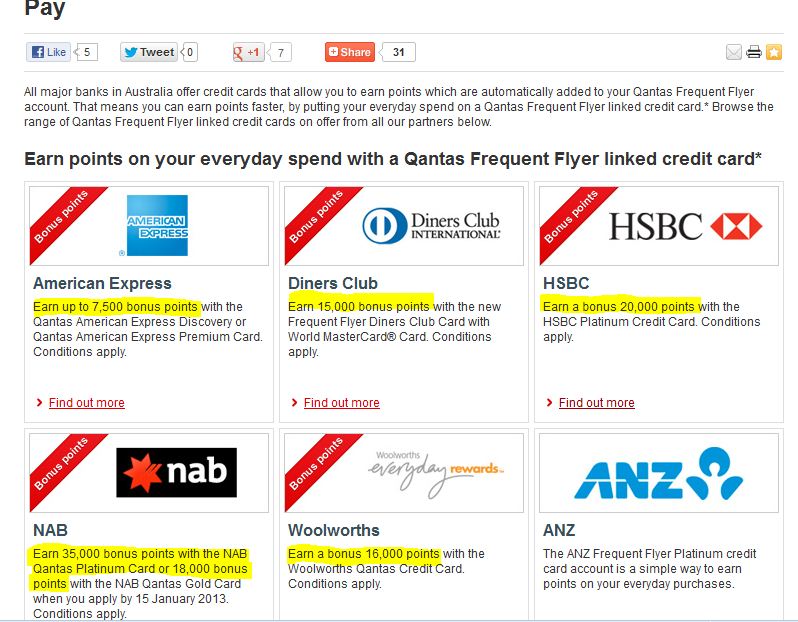
Now let’s look at Qantas options.  From their homepage, go to the Frequent Flyer tab and select Earning Points, then “Pay”.

This page is set up a bit differently from Velocity.  If there are any specials, they will be on this page.  I have highlighted in yellow the bonuses that are current as of this post date.

.

.

With Qantas, it is also worthwhile to check its partner Jetstar because their credit card also has the option to credit the points to Qantas.

No matter which credit card you choose, always make sure you are prepared to pay it off every month because if you incur interest, then the miles and points are less valuable.  Be sure to read the T&Cs of each card, check for annual fees, interest rates and minimum spend within a specified time to get the sign up bonus.  If you haven’t already, you should join both Qantas Frequent Flyer and Virgin Velocity because they will email you special deals that may include targeted sign up bonuses.

In the next post in this series, I will show you (Aussies) how to get miles and points for FREE just from every day living!

Recap – Building Your Eco-Tourism Adventure

Over the past couple of weeks, I have shown you the different elements to consider when building your customized ecotourism adventure and how to facilitate it with miles and points so you have more to spend on the eco-lodges and supporting the local economies.  During the course of this blog, I will be adding MANY destinations that are ideal for birders and eco-travelers in general but this is a good start!


1.  Identify the goal of your trip.  What bird species are you most interested in?  Are birds the only focus or do you want other animals too?  Use the right guidebooks and resources to help you plan.  Use the maps in the book to help you locate the best places to see your target species.

2.  Be familiar with airline alliances.  There are 3 alliances:  Star Alliance, One World and Sky Team.  Know which one can get you to your destination as easily and cheaply as possible.  Check this example of using miles to get to Lima, Peru.  Know how to use airline partners such as credit cards, online shopping malls and services you already use such as phone companies, internet providers, supermarkets and insurance companies to get free miles for paying for things you already use.  Don’t shop more, shop smarter!  Check the resources tab at the top of this blog for advice on this.

3.  Know how to save money by using hotel points for free nights at the gateway city before you head off into the bush.  Depending on your flight schedule, you may need a gateway hotel in your home country before the flight and/or the destination country between your international connection and domestic flight to the staging point.  See this example of Lima, Peru.

4.  Research how exactly you get to your main destination.  Can you fly?  Drive?  Take a bus or riverboat?  Or maybe a combination?  What do you have to pay for and what is included in the cost of your eco-lodge’s package.  See this example of Tambopata National Reserve for ideas on how to do this.

5.  Know how to choose an eco-lodge in an area where there are many options available.  How do you find the various options?  See this example of Tambopata National Reserve’s lodges and how I analyzed an area where there are a lot of choices and sorted them out by my priorities.

6.  Read as many reviews as possible of the lodges and try to get a feel of the people who posted them.  For example, one lodge may get a bad review because they were too remote and hard to get to by someone who likes more of a bar/social scene.  Or one lodge may get a bad review because there were or were not facilities for kids.  Trip Advisor, Fat Birder and Surfbirds all have lodge reviews or trip reports from people of all walks of life so try to find reviews by people who are similar to you.  Here is a review I did for Tambopata Research Center.  My priorities were sustainable, helping conservation efforts, abundance of parrots and other birds and preferably adults or at least teens only(no small kids).  Remoteness, social life not an issue but I did need to keep in a budget.  They have packages of various sizes to suit most anyone.

7.  If you don’t know, don’t be afraid to ask questions!  Use the comments on any of my posts if you have a specific question or want to request advice on a specific location.

Refugio Amazonas And Tambopata Research Center Lodge Reviews

Last week, I did a comprehensive post on all the lodges that are available in Tambopata National Reserve.   I have only been to two lodges so in the other post, I was only able to assess the lodges by their websites and what other had said about them on Trip Advisor.  Now I can give a more personal review.  I am reviewing these two lodges together as they are part of the same group and if you visit Tambopata Research Center (TRC), you will have one night at either Refugio Amazonas or Posada Amazonas before and after the TRC trip because it is a LONG way down the river!

Refugio Amazonas

The journey to get there is half the fun and the birding begins right away!  I have a full account on my main website Feathered and Free which actually reads more like a blog post so I won’t copy everything again.  The service was amazing from the moment we were picked up at the airport in Puerto Maldonado, given our safety gear and leaf lunches to the nature walks and birding.  Our guide, William was well trained, knew all the species and had a good eye for spotting them.

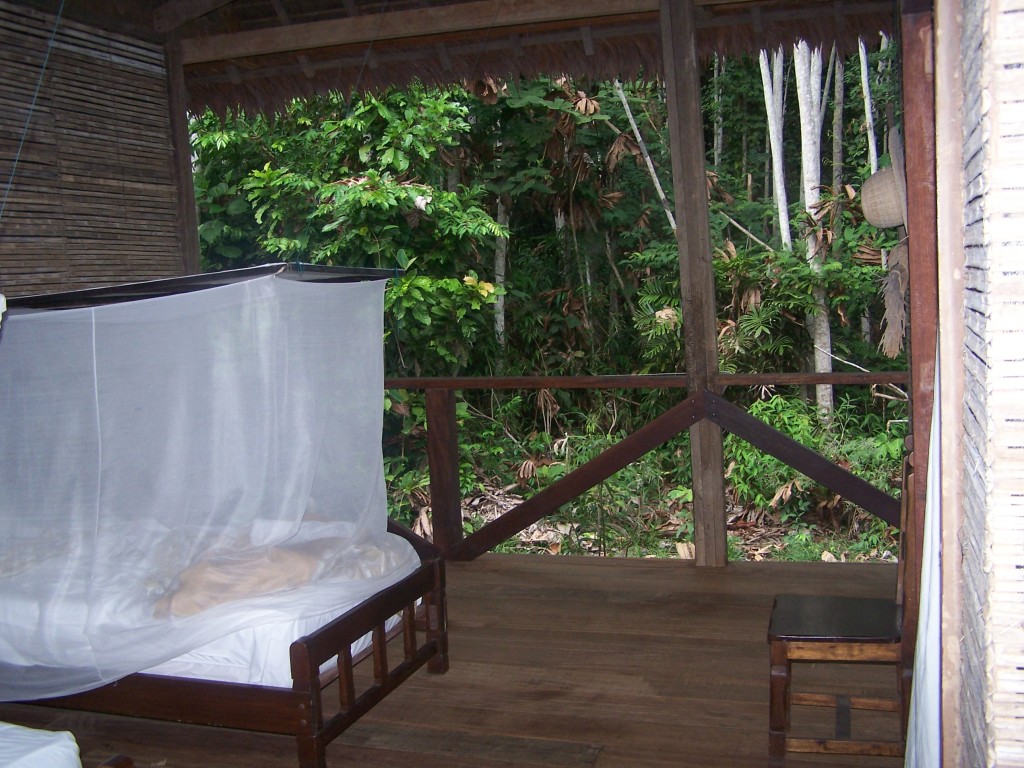
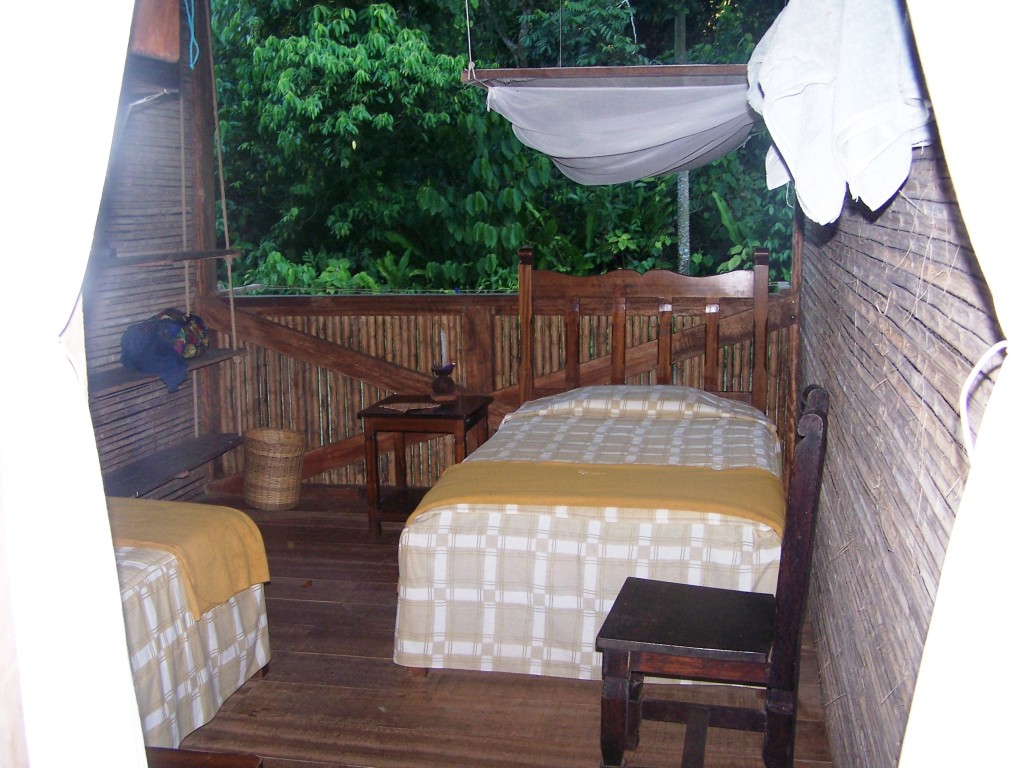
Refugio Amazonas Room

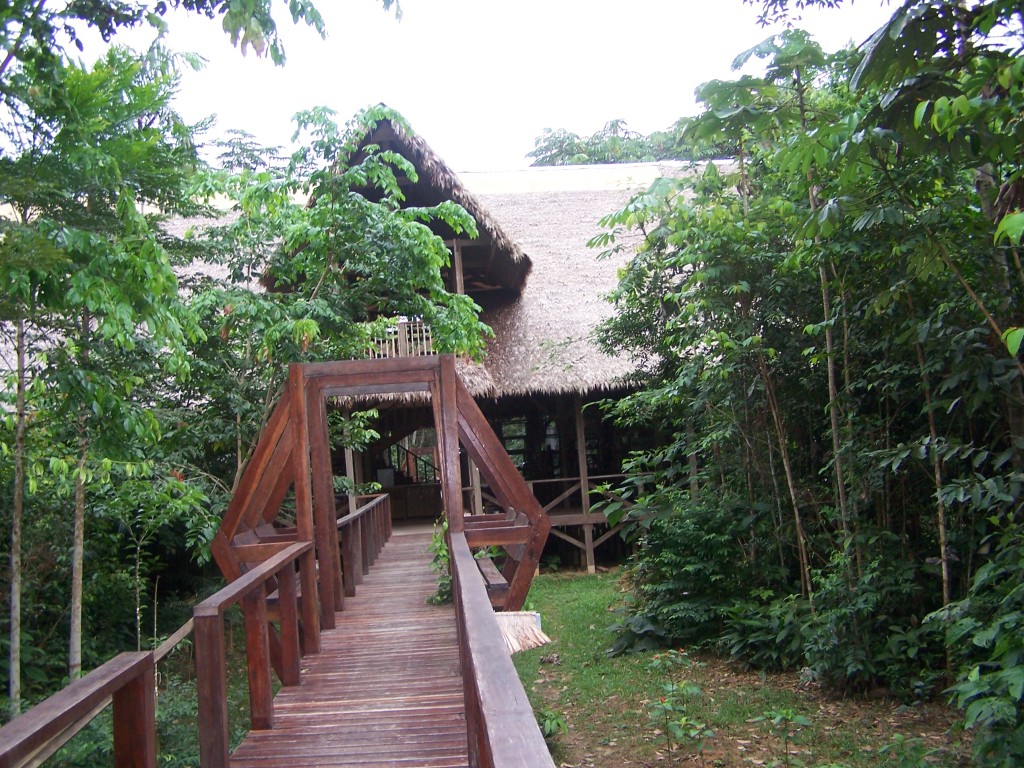
The lodges were both beautifully laid out and in harmony with the rain forest.  What I really love is how the rooms are open to the jungle and you can see and hear everything that goes on 24 hours a day!  Mosquito nets are provided and we found the beds very comfortable.  People are warned not to leave personal effects and food out as macaws and monkeys can and will take anything they find. Meals are done buffet style and the food was excellent!  We were amazed at how they could cook the variety of dishes they did out in the middle of the rainforest!  There is a well-stocked bar and library where you could take a book and relax in a hammock during the siesta time.

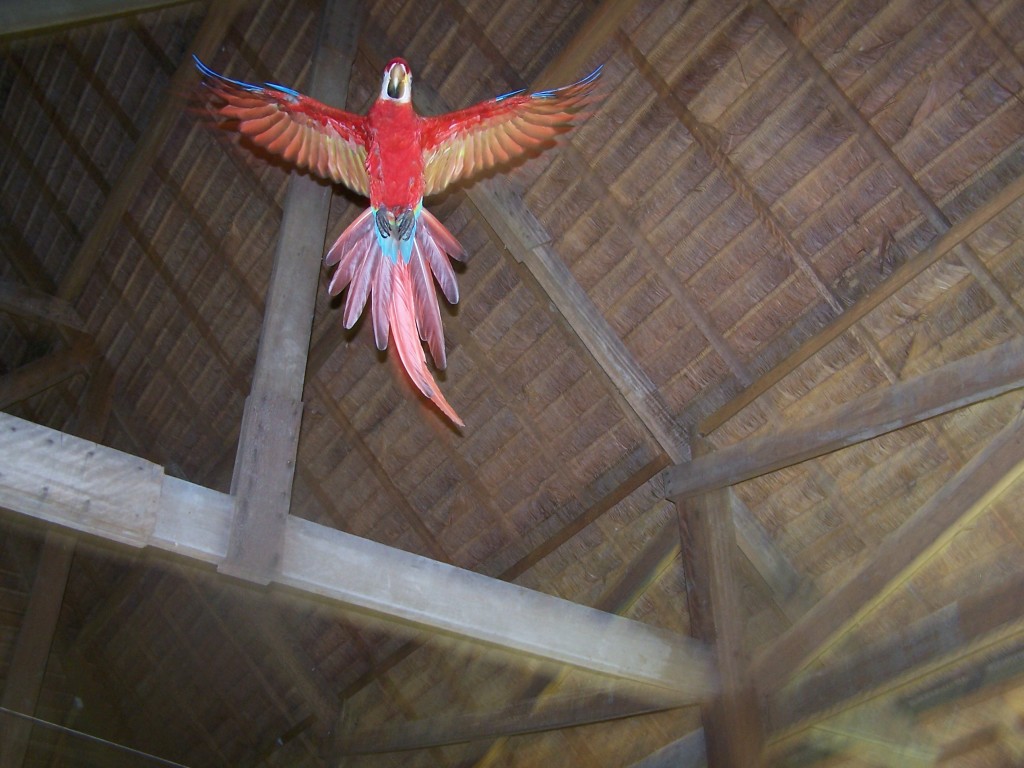
TRC Room

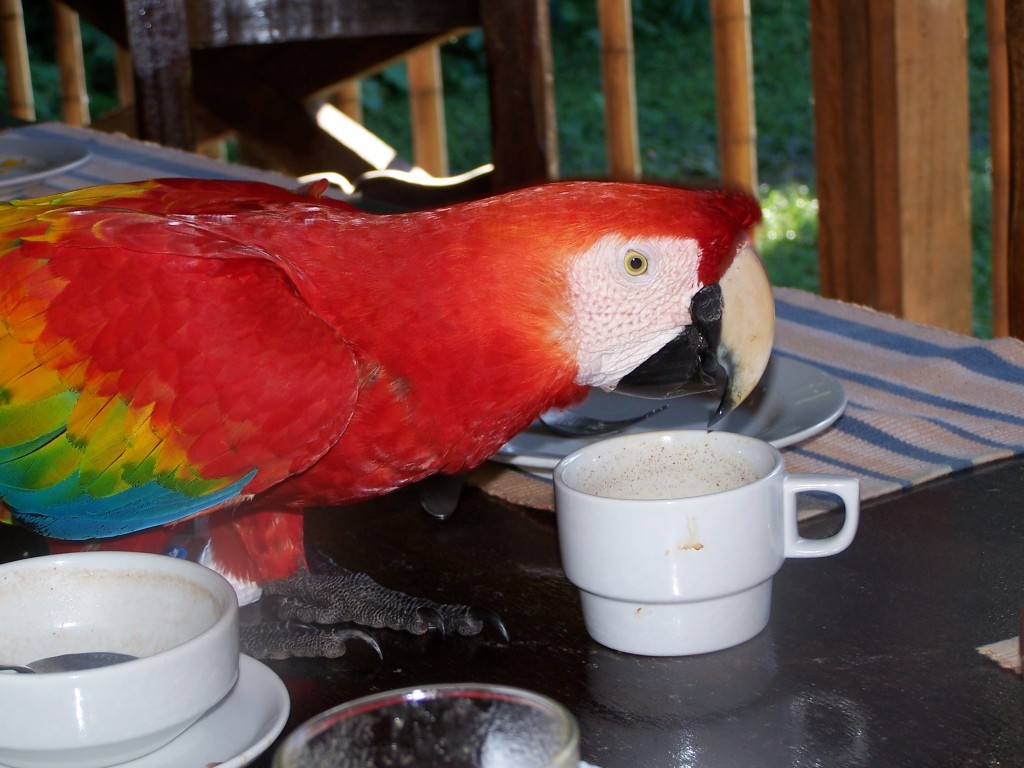
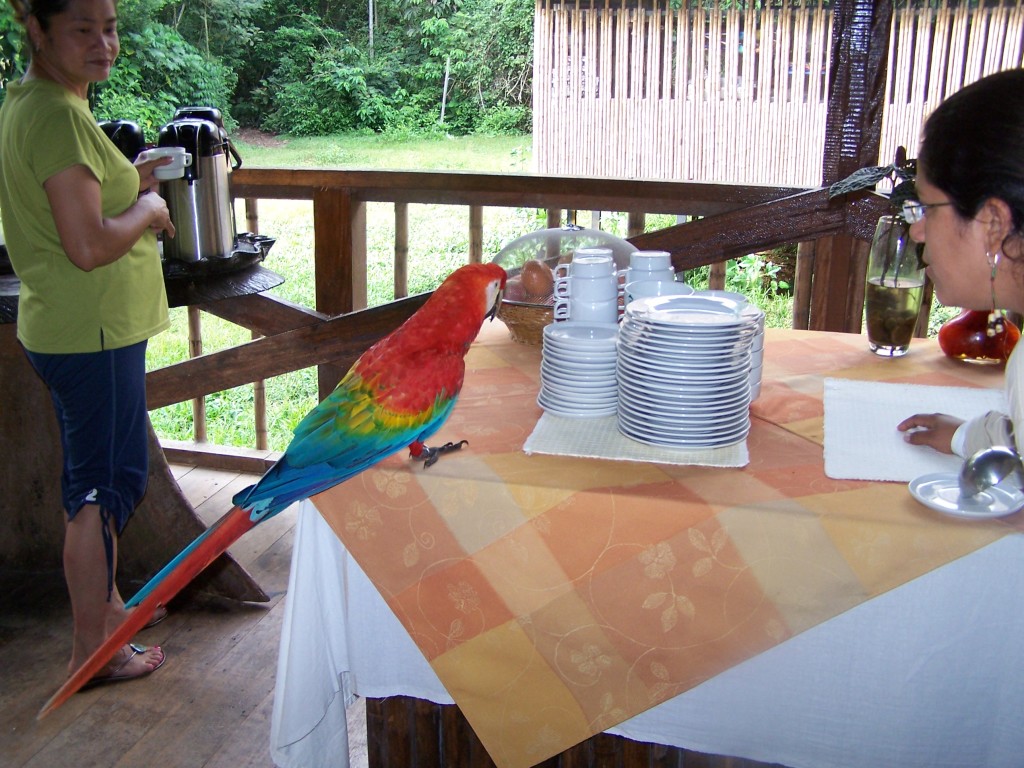
Macaws can and do come into the rooms!

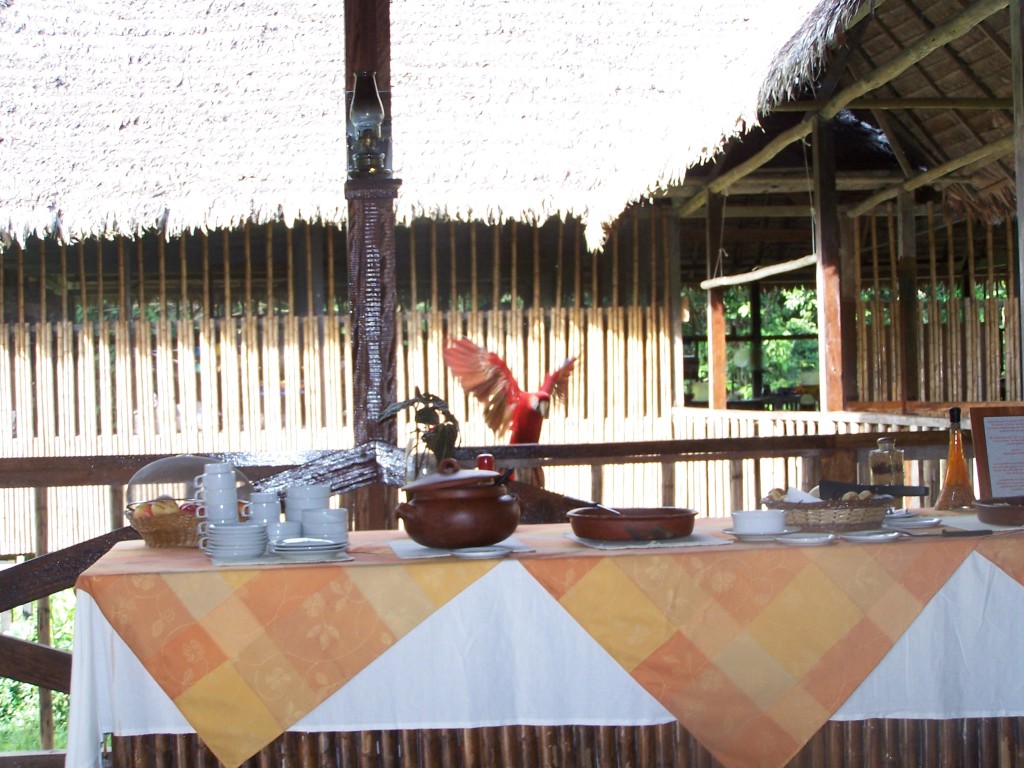
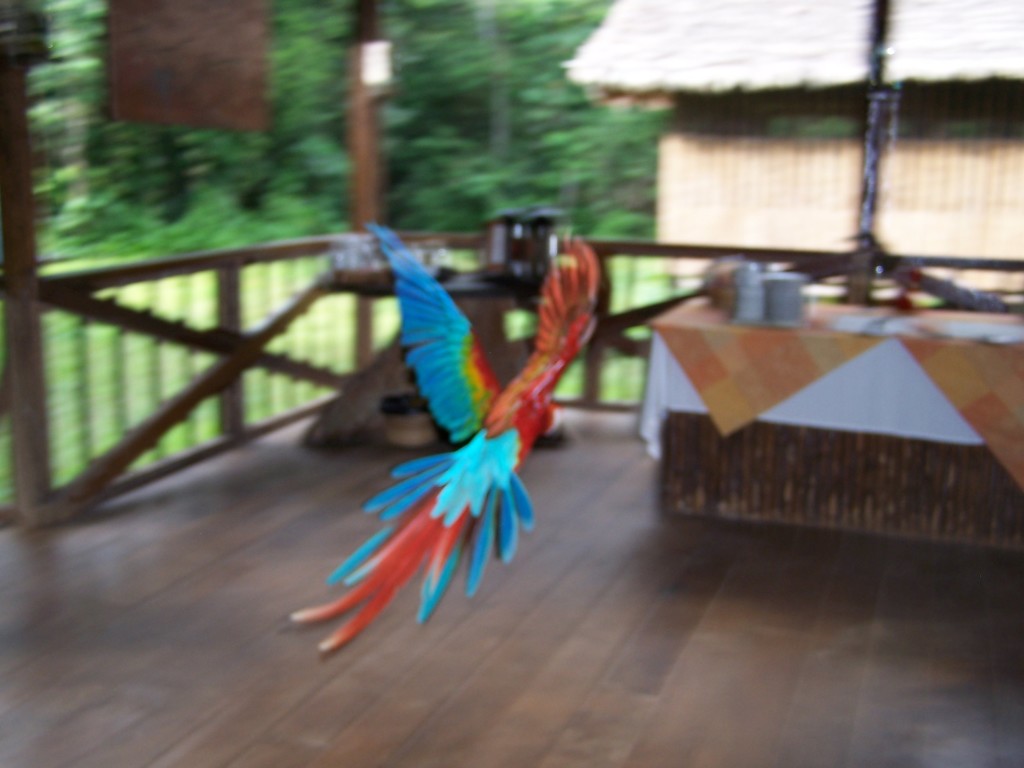
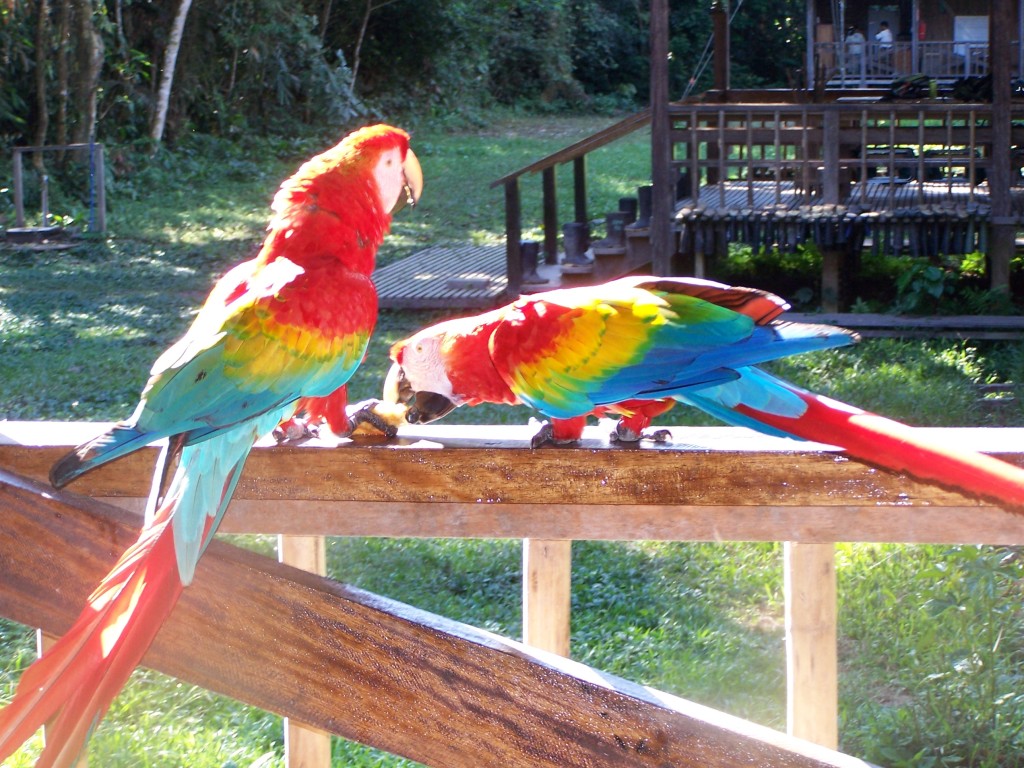
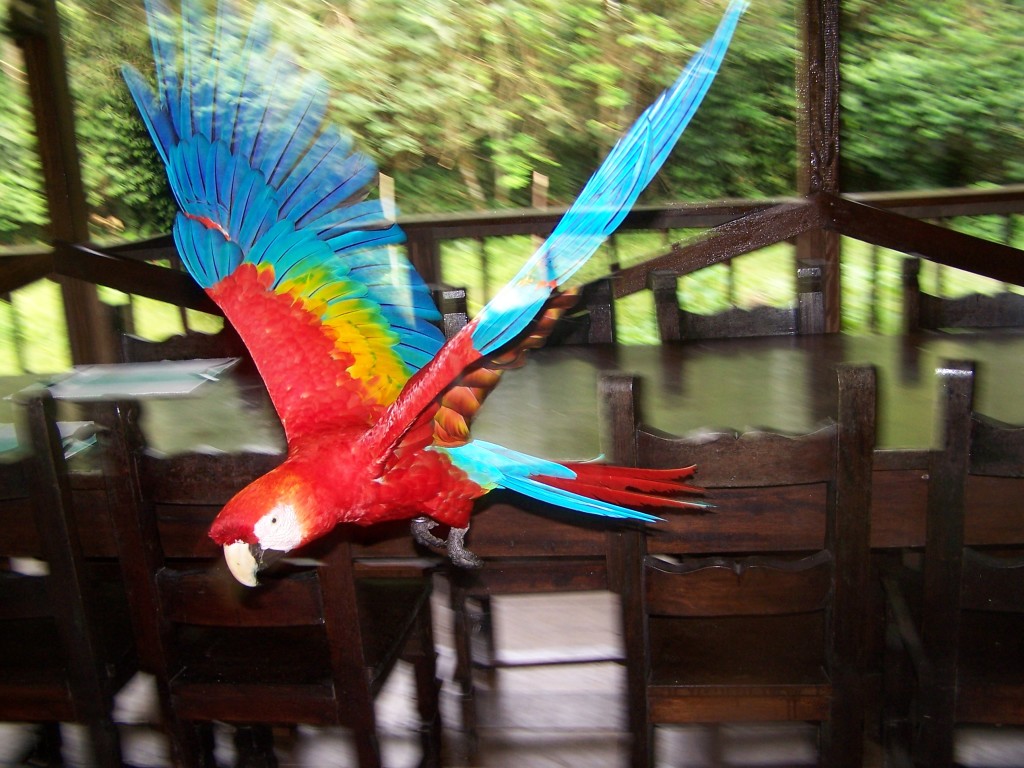
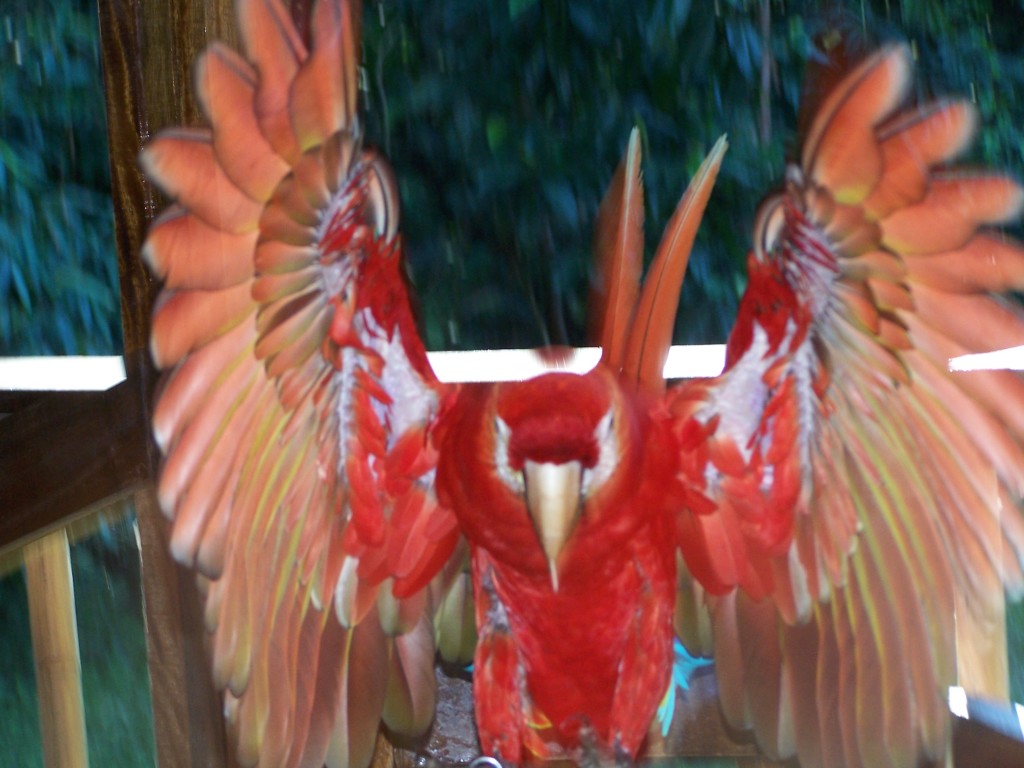
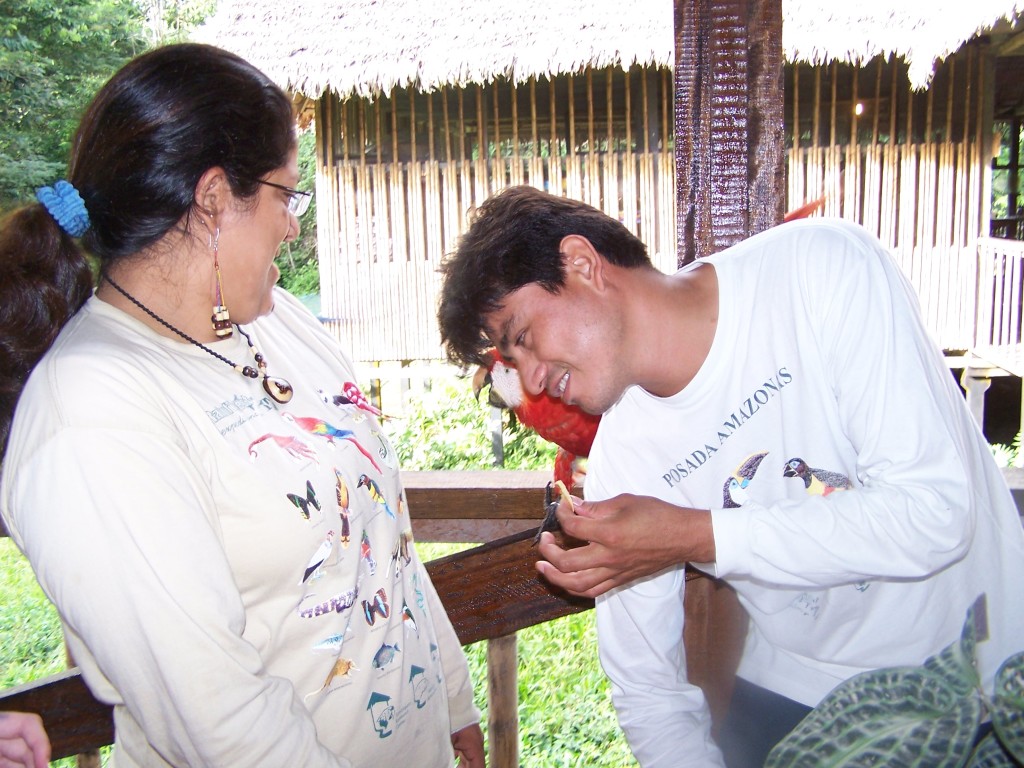
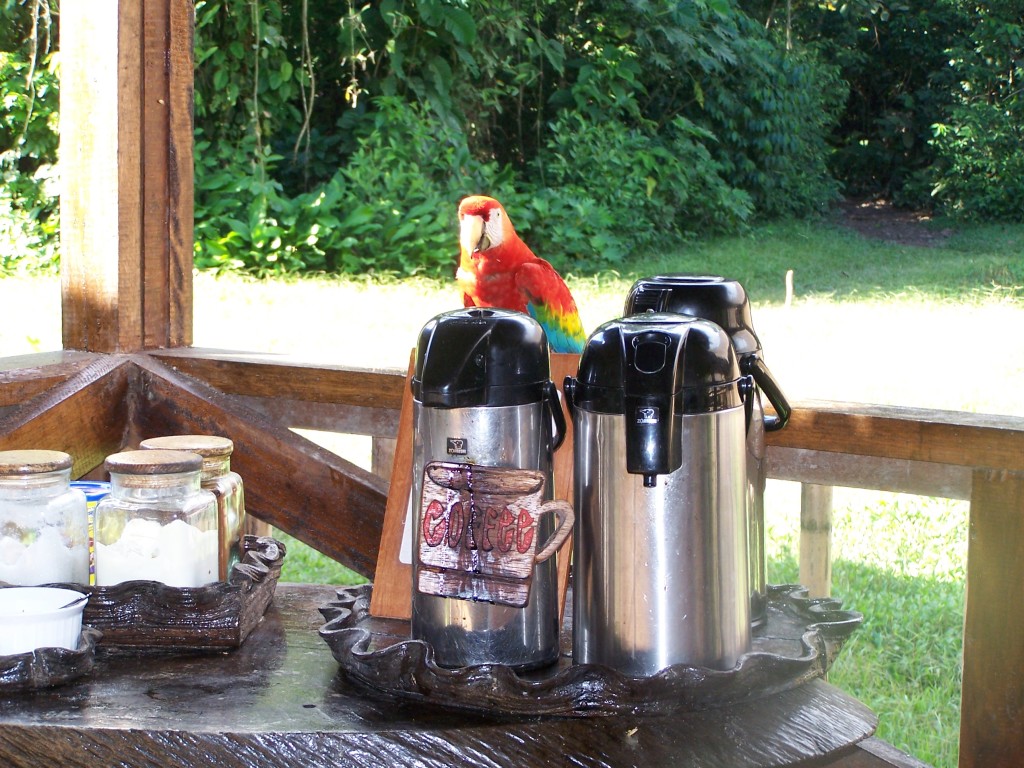
At TRC, there are several semi-tame Scarlet Macaws that were rescued from nests in cases where the parents weren’t feeding them.  This often happens with a 2nd chick, the parents sometimes neglect the younger in favor of the elder one.  These semi-tame macaws are called “Chicos”, and they would not be alive today if they hadn’t beed rescued and fed by researchers.  Although they are totally wild and free, they have come to realize that free food is a good thing, so they usually come around at breakfast time hoping to steal as much from the buffet and people’s plates left unattended as possible.  It’s quite hilarious as they are experts at faking out the lodge staff and work in teams to distract the staff while their mate swoops in to steal something!


VIDEO CLIPS!

Macaws Casing the Joint

Pancake Thieves


TRC will give you a lifetime of memories and if you do stay here, the only thing you will regret is that you didn’t stay longer!

OTHER POSTS IN THIS SERIES

Getting to Peru

Gateway Lima

Getting to Tambopata

Choosing an Eco-Lodge

Tambopata Eco-Lodges

Review of Refugio Amazonas and Tambopata Research Center

United Airlines Donates 10 Million Miles To Charity (Incl. Conservation International)

Don’t you just love when big corporations such as United Airlines want to give something back?  They have 38 charities listed HERE and you can vote once per day who you want to win.  They are all very worthy causes but since this blog is about conservation and eco-travel, I want to draw your attention to Conservation International.

Conservation International (CI) empowers societies to responsibly and sustainably care for nature, global biodiversity, and the long-term wellness of humanity by using a foundation of science, partnership, and field demonstration. Founded in 1987, CI has over 900 biologists, social scientists, economists, policy experts, communicators, educators, and other professionals working in more than 40 countries on 4 continents with over 1,000 international partners.

Winning a large number of frequent flyer miles would allow them to send more biologists and researchers to projects to help conserve the local wildlife.

Even if you find yourself drawn to one of the other charities, just please vote!  It feels good to help worthy causes!