The new Pointbreaks list is out with various hotels on offer for 5000 points valid for booking through June 30, 2013. This is a new development as previously most lists were only valid for 2 months and this list is valid for over 3 months.
Central and South America are popular birding destinations and odds are you will have an early morning flight at some point so why not save your money here and spend more on supporting locals in the national parks?
There’s a couple good ones in Asia. In India, Jaipur is a gateway to the famous Bharatpur Bird Sanctuary but you would only need an overnight in the city because it is much nice to stay within the sanctuary as I did in Sept 2011.
Check the other hotels in the Asia tab on the main Pointbreaks site to see if any suit your plans as a gateway city.
Don’t plan to spend all your time in these hotels even if they are fantastic bargains. None of them are in national parks where you can see birds, the best use for these hotels is when you are connecting to and from a flight. Do plan to spend most of your time in local eco-lodges, preferably within the sanctuaries or parks.
West Papua is one of the world’s most dazzling locations for eco-tourism and birding. The Indonesian state shares the island with the nation of Papua New Guinea and both are in the top 12 countries to see wild parrots. There are endemic species to both countries and some which can only be found in each individual country, but the crime problem in Papua New Guinea has scared off a lot of potential tourists. Here’s a few facts to know before you go.
West Papua is safe to travel in. There may be petty pickpocketing in markets but violent crime and robberies are extremely rare.
Communication is difficult. Internet speed in the cities, usually accessed from your hotel make dial-up look fast. Most West Papuans communicate with text messages via their cell phones but many remote areas such as the Arfak Mountains don’t even have cell phone coverage.
Getting around can be expensive. There are special deals from time to time like the one on Sriwijaya Airlines but you need to keep looking for them. There are no international airports (except Jayapura to/from PNG) so you need to enter Indonesia via Bali, Jakarta, Manado or Makassar. You can see how to do that with frequent flier miles or shop around for the best fares. I strongly recommend adding a few days in Bali at the end of the trip for R&R and cheap massages because you WILL have sore muscles.
Some of the birding locations are among the most physically challenging you will ever do, especially if you are targeting parrot-rich countries. Trails are non-existant in Arfak and the Nimbokrang swamp forest trail consists of slippery planks. You will be walking through primary rainforest with your guides hacking away bushes as you go. You will get filthier and muddier than you have ever been in your life!
Although West Papua is considered a destination for advanced birders, I would say if it’s on your bucket list just do it! You won’t get any younger and the fitter you are for this destination, the better! I am still amazed that I made it up to the Garden Hut at the Arfaks, took me 4 hours with me collapsing every 20 metres! The guides and porters happily run up and down the same distance in about 30 minutes!
High season is roughly June-August. There will be several large groups there at this time so you will need to have everything booked in advance. If you go outside this time, you should still try to make contact with the guides in advance but in cases like Zeth Wonggor in Mokwam, you can’t contact him directly but if you just show up he will take care of you and assign you a guide if he happens to be busy. If you aren’t with a group, try to avoid going at the same time they will be there as hides to see BOPs are limited.
There are some small home-stays and lodges, but in many other cases you will be camping in the bush with no bathroom facilities.
You will experience extremes of temperatures from the hot, humid lowlands to the chilly nights in Arfak.
Photography is very difficult. The birds blend in well with the trees, many are small like the Pygmy Parrots and Fig Parrots so it will be difficult to focus on them. Expect to get a lot of beautiful shots of leaves! There will be some clearings where you can get good shots of birds flying overhead but you will need to be quick and shoot handheld with at least a 400mm lens. Start working out so you can balance 3kgs of camera/lens and focus that little red dot on the bird flying rapidly overhead!
Don’t bother trying to do laundry. Bring old clothes in muted natural or dark shades as they are going to get trashed anyways and discard them when you can’t stand them anymore. You can always buy new clothes in Bali-cheap! Consider giving your shoes/boots to your guide or porter at your last birding stop, many of them work in thongs and you aren’t going to want to clean them up anyway. The more experienced guides prefer gumboots as they are best for the muddy conditions you will be trekking in so buy a cheap pair and give them away at the end. If you wear large shoes, you won’t be able to buy them in West Papua.
These are the 5 main destinations for birders in West Papua.
West Papua Birding Destinations
A — Raja Ampat (Sorong)
B — Arfak Mountains (Manokwari)
C — Biak/Numfor (Biak)
D — Nimbokrang (Jayapura)
E — Habema Lake (Wamena)
Having said all that-the rewards are great! You will see some of the most spectacular birds in the world like the Birds of Paradise (BOPs), Parotias, Bowerbirds and of course the dazzling array of Parrots!
Over the next several installments of this series I will go into more detail for each location, recommend guides and how to contact them and show you where to stay.
I have already blogged about how to get to the Kochi airport and how to use your miles to get to India. Getting from the airport to the sanctuary is economical and very easy. As you come out, you will notice a kiosk for prepaid taxis. They are safe and reliable. The one thing you may want to do is get directions from your accommodation in Malayalam as it is easy to get lost getting to the lodges. To get back to the airport, your lodge manager will be able to arrange another taxi. The region is pretty spread out and you will need transport to get to the birding areas so you may want to consider hiring the driver for a few days. This can be negotiated at the kiosk. Otherwise, the lodge manager will organize a driver for you.
Kochi Prepaid Taxi
TRAIN
You can also get to Thattekkad by train. The nearest station is Aluva which is close to the airport or Ernakalum if you are coming from the south. You can see the relative distances on this map. “A” is the airport and “B” is the train station. If you can’t get a prepaid taxi from the train station you can always take a taxi to the airport and use the prepaid taxi kiosk.
Map Of Thattekad/Kochi Region
You can’t book Indian trains if you don’t have an Indian mobile phone and credit card, however Clear Trip makes it very simple. This is how I booked the trains for our trip in 2011. Most people will book AC 2 Tier which gets you a bunk in an Airconditioned carriage. Of the trains between Bangalore and Aluva, the Kanyakumari or the Ernakulam Exp both offer AC 2 Tier and have convenient departure and arrival times.
Bangalore to Aluva
All you need to do now is set up an account, book your tickets and pay online! Trains are fun to travel on and you will find the local Indians very friendly and happy to chat.
The Thattekkad Bird Sanctuary also known as the Dr. Salim Ali Bird Sanctuary is located in the Indian state of Kerala. The nearest airport is Kochi. From the airport, you can get a prepaid taxi to Thattekkad.
Thattekkad Bird Sanctuary Location
It covers an area of barely 25 km² and is located about 60 km north-east of Kochi (Kerala state, India), and was the first bird sanctuary in Kerala. Salim Ali, one of the best known ornithologists described this sanctuary as the richest bird habitat on peninsular India.Thattekkad literally means flat forest, and the region is an evergreen low-land forest located between the branches of Periyar River, the longest river in Kerala. The weather remains pleasant throughout the year at Thattekad. Though Kerala is a good destination to visit during monsoon (June-September), it is advisable that plans to visit the sanctuary are not made during the rainy season. Large part of the sanctuary becomes inaccessible because of the rains. The best season to visit is between October and April. My biggest mistake in 2011 was going in September though the weather wasn’t as bad as it could have been and we did see lots of birds including my target bird, the Malabar Parakeet.
If you intend to visit the sanctuary on a day trip, ensure you reach as soon as the visiting hours start. The sanctuary is open from 6 AM-6 PM. Indian nationals will have to pay an entry fee of Rs. 10. An additional fee will have to be paid if you are carrying camera (Rs 25) and video camera (Rs. 150).
Monsoon is best avoided. In addition to the danger of wild animals lurking in the undergrowth, you will also have to deal with blood sucking leeches.
Hire a guide for your visit to the sanctuary. In addition, to helping you make the most of your bird sighting exercise, guides can also help protect you from potential dangers. Guides are available at the entrance of the sanctuary or at the Assistant Wildlife Warden’s office.
The bird list is amazing so no wonder this sanctuary attracts keen birders from all over the world! The highlights include: Malabar Parakeet, Malabar Starling and Malabar Grey Hornbill. The other species like Wynaad Laughingthrush, Rufous Babbler, White-bellied Blue Flycatcher, White-bellied Treepie, Grey-headed Bulbul, Nilgiri Flowerpecker or Crimson-backed Sunbird need some luck and some time but are all possible. Thattekad is also a very good spot for the enigmatic Sri Lanka Frogmouth and for different owls.
ACCOMMODATION
We stayed at the Hornbill Camp and loved it! I will do a review of this lodge in a separate post, but for now here are Trip Advisor reviews of the lodges near Thattekkad. Many of the reviewers also mention their birding guides so they are doubly helpful. Always pay attention to the profile of the reviewers, obviously reviews from birders would be more relevant to us than honeymooners or family trip folks.
El Yunque National Forest aka the Caribbean National Forest is the only tropical rain forest in the United States National Forest System. It is home to the highly endangered Puerto Rican Parrot, but actually finding them in the vast forest will be quite a challenge. First, you will need to get to El Yunque. I recommend hiring a car so you can get there as early as possible. If you are staying in San Juan at one of the hotels on points, it will be about an hour’s drive, 58 km.
San Juan to El Yunque
A better idea would be to stay in an eco-lodge in the rainforest. Since I haven’t been there (yet) personally, I looked at Trip Advisor to see which lodges were getting good reviews, 3 of them were all rated very highly.
I highly recommend using a specialist bird guide. I like the looks of Adventours who also have the Birding Puerto Rico site and seem to have years of experience, locally owned and operated and dedicated to conservation. Parrots are most vocal in the early morning and late afternoon and tracking them by sound is your best bet. Since the population of parrots is so small, you will need a local guide who is familiar with the habits of the parrots but as always with birding, there is no guarantees. Birding Puerto Rico recommends the Arecibo area for your best odds to see the Puerto Rican Amazon. Also worth noting is that they have special permission to enter the national park early and leave later than you normally can.
El Yunque National Forest – Only 45 minute drive from San Juan, El Yunque is a must see nature wonder. We have special permits to go birding to the Forest before and after the gates are open/close to the general public. On previous full-day birding trips we have spotted 16 of our 17 endemic species.
Be sure to support the local conservation projects while you are there.
This group in the video below only got to see the nest boxes put up by research scientists, although to be fair it looks more like a generic rainforest tour than a group of birders.
With a dazzling list of birds, including 12 species of parrots, Seram is one of the top birding destinations in Asia.
WHERE IS IT?
Seram is in Indonesia between Sulawesi and West Papua.
Seram
HOW DO YOU GET THERE?
Seram is served by Ambon (AMQ) Pattimura Airport. The only possibility to get there with miles is on Garuda which is due to join the SkyTeam later in 2013. Garuda connects in Makassar (UPG) to other destinations in Indonesia or overseas. Most other airlines also use Makassar as a staging point to get to Ambon such as Lion Air, and Sriwijaya. Other useful flights especially to birders are Wings Abadi (Lion Air partner) to Sorong and Manokwai and the Batavia and Lion Air flights to Jakarta and Surabaya from where you can connect to Bali.
Buying tickets on Garuda and even more so the smaller airlines can be tricky as they are finicky about which credit cards from which country they accept. Garuda usually takes Australian and some Asian countries credit cards but not USA credit cards. Batavia takes Paypal. Sriwijaya and Lion advertise Visa and Mastercard but not everyone will be able to buy a ticket online. Garuda can be booked on Expedia but at a premium. I’ve read good things about a couple of Indonesian travel agencies which can book domestic tickets though have not used them myself. Try Ticket Indonesia, which also has a nice booking engine or Travelindo.
Once in Ambon, you need to take a ferry across to Seram. The cheapest and most popular option is the car-ferry from Liang on Ambon to Kairatu on Seram, which is also used by the direct buses connecting the two islands. Those in a hurry to get to Masohi can opt for speedboats, or even a daily hydrofoil from Tulehu.
WHERE TO STAY IN SERAM
There’s a nice introduction to Seram and Manusela on this forum. Seram has some small losmen (guesthouses) in Sawai that you don’t need to book, just show up. I would suggest first contacting Indonesian Parrot Project and asking them to recommend a guide and place to stay. This is a taste of what to expect.
Birdquest has organized tours to Seram if you prefer to travel with a group. If you are more independent, this trip report gives you a good idea of what to expect even though it is a few years old.
WHAT BIRDS CAN YOU SEE?
The complete birdlist is here, but just take a look at the parrots! Of course Moluccan Cockatoos are top of the list, but there are also beautiful non-parrots such as Lazuli Kingfishers to see as well and if you are lucky, you may see a shy Seram Bandicoot running off into the bush.
You will need a good bird guide and I recommend you read this birding page by the local group Burung Nusantara as they have several recommended guides if you can’t get one from Indonesian Parrot Project.
Heading north on the cross-island road brings you eventually to the turn-off to Sawai (2-3 hours from Masohi), or you can continue a couple of hours more to Wahai. In Sawai there is a nice guesthouse, Penginapan Lisar Bahari, owned by Pak Ali. He can also arrange a longboat to visit the offshore islands nearby. The road from the turn-off to Sawai can be a bit of a mess, so another option you could explore is to stay at the Parrot Rehabilitation Centre nearer the turn-off. Accommodation here would be very basic, and may not be possible at all depending on what is going on at the time. From Sawai you can access the forest all the way to the high pass by car or ojek (motorbike taxi), and the 5-6km from the turn off to Sawai village is easy enough on foot. Continuing along the road as far as Wahai brings you to more accommodation options, but takes you further from the montane birding action of the passes.
To help with logistic arrangements, cars, guides, finding accommodation and dealing with the national park, the best bet is hook up with one of the Ambon-based agents that know Seram very well (such as Pak Ceisar, Vino and gang, see listings below). These guys are also pretty passionate about nature conservation and have been involved with the Parrot Rehabilitation Project for many years. Alternatively you can make your way to the National Park offices in Wahai by public transport (occasional buses from Masohi), and fix things up that way, or even just make your own way to Sawai and let Pak Ali take care of arrangements. Whatever option to go for you will probably find yourself hooked up with the same local guides anyway, as there are not so many people living in this part of Seram and they all seem to know each other! At time of writing the National Park is pretty relaxed about formalities, so none of the heavy-handed pressure for useless guides or obscure payments yet!
To get to Boano there are four daily ferries from Liang (in Ambon) to Kairatu (in Seram), the latest leaving at around 18:00. From Kairatu it is easy to get an public minibus (angkot) to Piru (1½ hours, Rp. 25,000) or to charter a car/minibus (maybe Rp. 200,000). From Piru it is then best to head to the closet town to Boano; the village of Masika (a further 45 minutes by motorbike taxi/ojek; Rp. 50,000). Masika does not have any accommodation though it is possible to stay with the boatman, Hamza (+6281945089177). Hamza is easy to contact him beforehand (though he only speaks Indonesian) and can arrange a charter to Pulau Boano (45 minutes, Rp. 400,000). He can also pick you up from Boano easily for the same cost and knows exactly where to take birders now.
You should ideally head to the main village on Boano first, to report your presence. Head for the village head’s house at the top of the village (the one with the bright yellow steps!). An option for a local guide is a guy named Pak Ade (+6287847079134). He speaks some English and can be contacted in advance to meet you in Boano Town (‘Boano Utara’). In this way he could help with the required formalities. Expect to pay Pak Ade around Rp 2-300,000 per day. Having reported to the village head, and equipped yourself with a guide, your next move is to get across the island to the village of Huhua. Options are to walk or get a boat (as mentioned above). In Huhua you can arrange accommodation at the house of Pak Ibrahim (one of the few locals in Huhua that speaks Indonesian – yes, we mean Indonesia – not English!!). Sleeping here will be pretty basic, so bring a sleeping bag liner or even a hammock.
Seram is not the easiest place to get to for birding but it’s well worth the effort!
From Crowned-Pigeons and Birds-of-Paradise, to endemic Pheasants and Pittas, not to mention a wide variety of parrots such as Cockatoos, Lories, Fig Parrots, Eclectus and more – Indonesia has some of the world’s best birdwatching. Spanning two continents and home to over 1,600 species (including almost 400 endemics) there are plenty of reasons to come birding in Indonesia, then come again and again.
I have found the Burung Nusantara website a tremendous resource for planning my own trip to West Papua in the near future. They also have comprehensive guides on how to get to the birding hotspots, what species to look for and how to organize guides. Some places where birders flock to such as the Arfak Mountains and Raja Ampat don’t have email or cell phones so it can be very difficult to get ahold of guides or book things in advance. In the low season, it should be feasible to just show up and ask for a guide, preferably one of the recommended guides on this site as they have good experience and skills. In the busy season, you will probably need to find some way to book in advance, otherwise you may find that the best guides are already booked by major birding tour operators.
Here’s a selection of recommended birding hotspots and where you can read more about them. In future posts, I will take each one in more detail as to how to get there and organize the birding in that area and how you can reach Indonesia from your country using your frequent flyer miles.
Wilson’s Bird-of-Paradise; Red Bird-of-Pardise; King Bird-of-Paradise; Northern Cassowary; Western Crowned-pigeon; Pheasant Pigeon; Black Lory; Beach Kingfisher; Bruijn’s Brush-turkey.
NIMBOKRANG
Key species:
Northern Cassowary; Pale-billed Sicklebill; Blue-and-Black Kingfisher; Brown Lory; Twelve-wired Bird-of-Paradise; Shovel-billed Kingfisher; Victoria Crowned Pigeon; King Bird-of-Paradise; Blue Jewel Babbler; Brown-necked Crow; Hook-billed Kingfisher; Vulturine Parrot; Papuan Hawk-owl; Lesser Bird-of-Paradise; Brown-collared Brush-turkey; Greater Black Coucal; Papuan Nightjar; Grey Crow; Black-sided Robin; Lowland Peltops; White-eared Catbird; Wompoo Fruit-Dove; Coroneted Fruit-Dove.
BIAK AND NUMFOR
Key species:
Long-tailed Starling, Biak Black Flycatcher; Biak Paradise-kingfisher; Biak Lory; Geelvink Pygmy-parrot; Biak Scops-owl; Biak Monarch; Biak Coucal; Biak Scrubfowl; Biak Gerygone; Biak White-eye; Numfor Paradise-kingfisher.
LORE LINDU
Key bird species:
Small Sparrowhawk; Bare-faced Rail; Sulawesi Woodcock; Metallic Pigeon; Ornate Lorikeet; Yellow-and-green Lorikeet; Ochre-bellied Hawk-Owl; Cinnabar Hawk-Owl; Speckled Hawk-Owl; Diabolical Nightjar; Scaly Kingfisher; Purple-bearded Bee-eater; Cerulean Cuckoo-shrike; Pygmy Cuckoo-shrike; Chestnut-backed Bush-Warbler; Blue-fronted Flycatcher; Sulawesi Blue-Flycatcher; Geomalia; Sulawesi Thrush; Great Shortwing; Olive-flanked Whistler; Maroon-backed Whistler; Malia; White-backed Woodswallow; Sulawesi Myna; Fiery-browed Myna; Mountain Serin
Aitutaki is the quintessential Pacific island. Swaying palms, stunning sunsets, crystal clear water and friendly people draw many normal tourists here each year.
To get to the Cook Islands main airport, Rarotonga, please see this post. Many people make a day trip here from Rarotonga, but I think you need to spend a few days here as there is just so much to do and see! The best value is combining Aitutaki with Atiu so you get to see both the Tahitian Blue Lorikeet and the Rimatara Lorikeet. I have pretty well covered how to do this on the Atiu post here.
BEST LAGOON CRUISE FOR BIRDERS
Although most tourists are attracted to the lagoon and fantastic snorkelling and scuba diving, there are also attractions for birders. In fact, Aitutaki offers some of the easiest birding in the world! If you want to see the stunning Red-tailed Tropicbirds, you can take one of the lagoon cruises that visit the island where they breed. We did the “Yellow Boat” cruise which I felt was the most comfortable boat. Not too big and crowded, not too small that it was hard to get in and out of it after snorkelling.
WHERE TO STAY FOR BIRDING
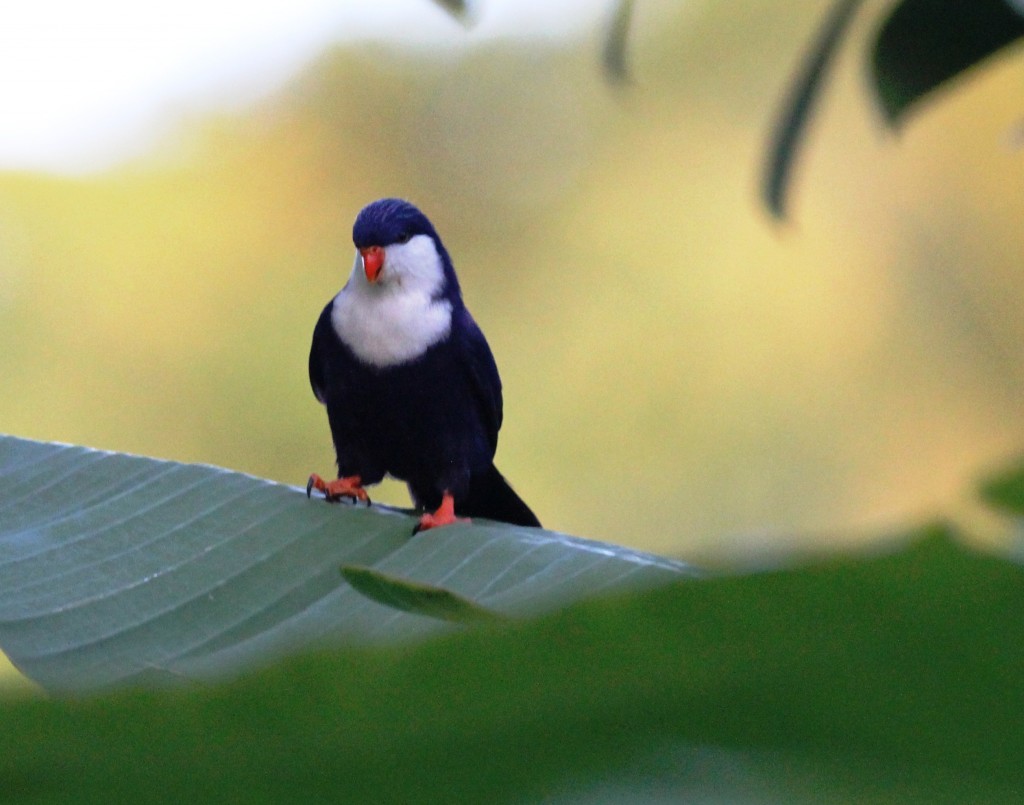
After doing a lot of research, I discovered that the “Kuramoo” Tahitian Blue Lorikeets can be easily seen at the banana plantation across the street from Paradise Cove Lodges. It was pretty cool to have the coconut tree through the deck!
We loved this place! I knew we would based on research and it is also in the right location for the activities we had planned. I really got a sense of the value being offered here when the Yellow Boat folks dropped us all back at our hotels after the cruise, I got a peek at other hotels and what people were paying for bungalows that weren’t even on the beach! The sunsets here are postcard spectacular!
Joe is a lovely host and booked everything we wanted, even got a masseuse to come to our rooms for a special treat! As a birder, I really appreciated having banana trees across the street where Blue Lorikeets (Kuramoo) could be easily seen.
Blue Lorikeet (Vini peruviana) checking me out!
ISLAND NIGHTS ON AITUTAKI
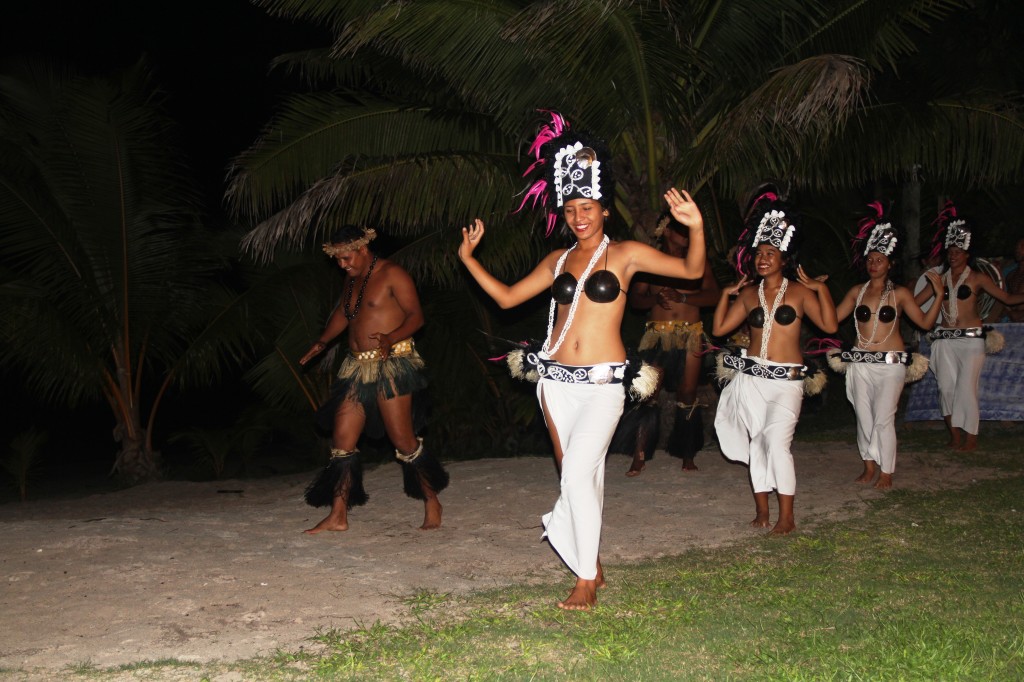
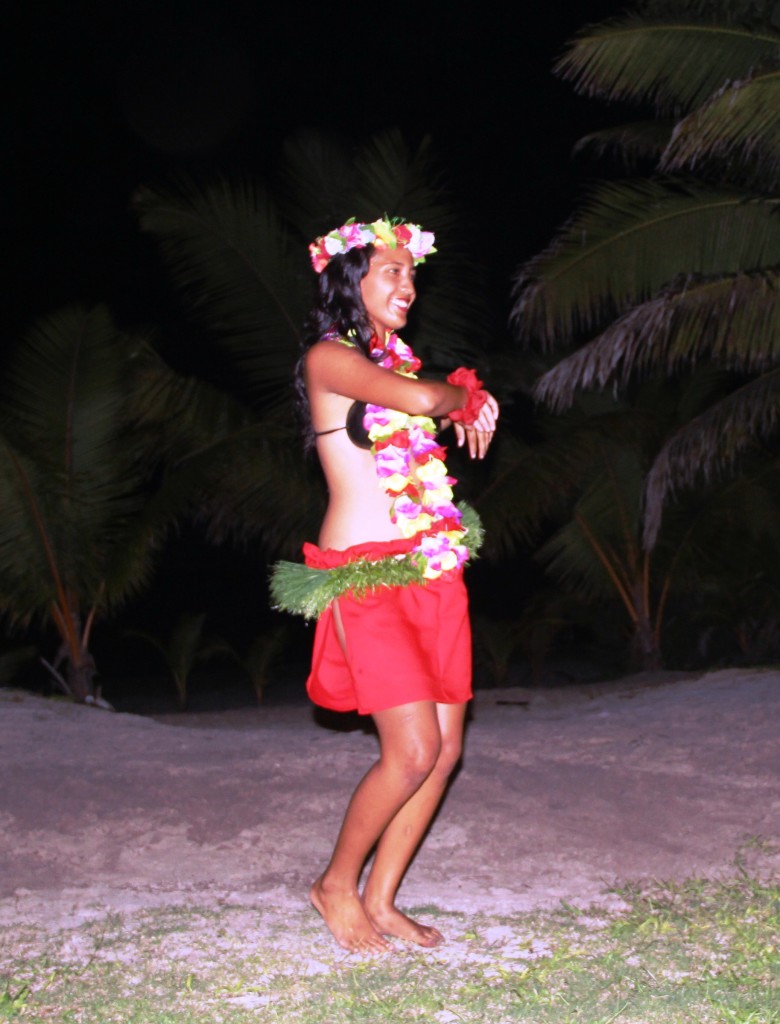
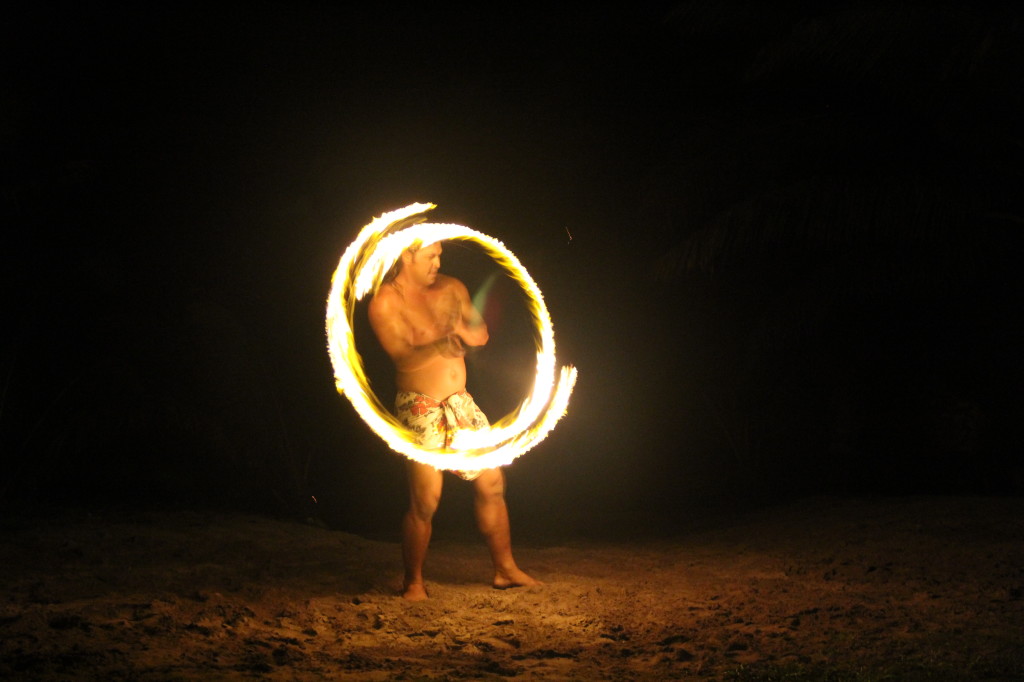
Cook Island dancing is amazing and no one should leave without experiencing an island night! The dance groups are true family affairs with the older folks teaching the youngsters and sharing their culture. We really enjoyed the island night at Tamanu, which was just 5 minutes down the road from Paradise Cove.
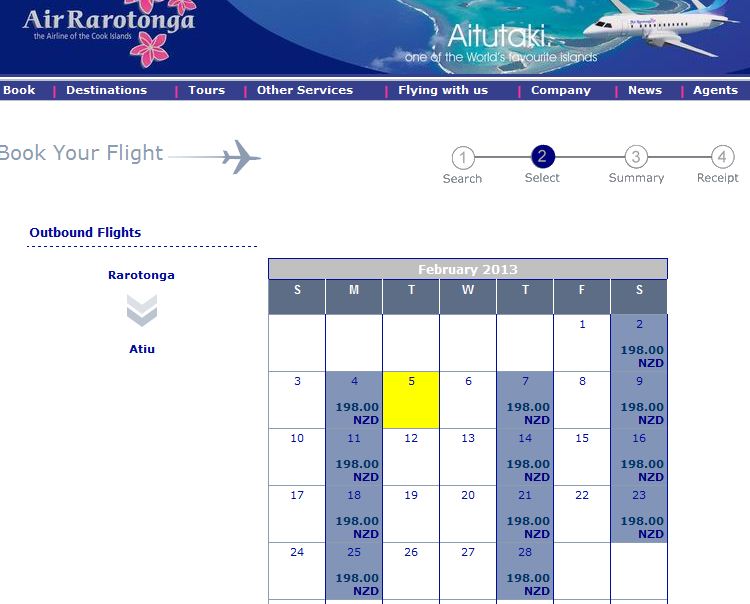
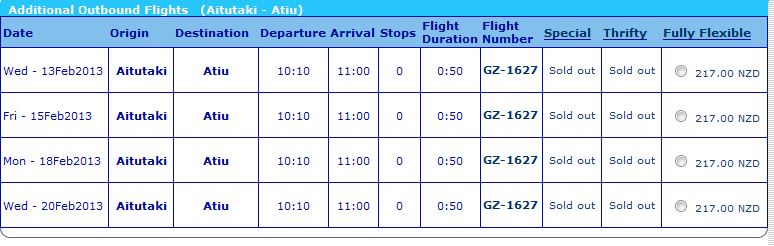
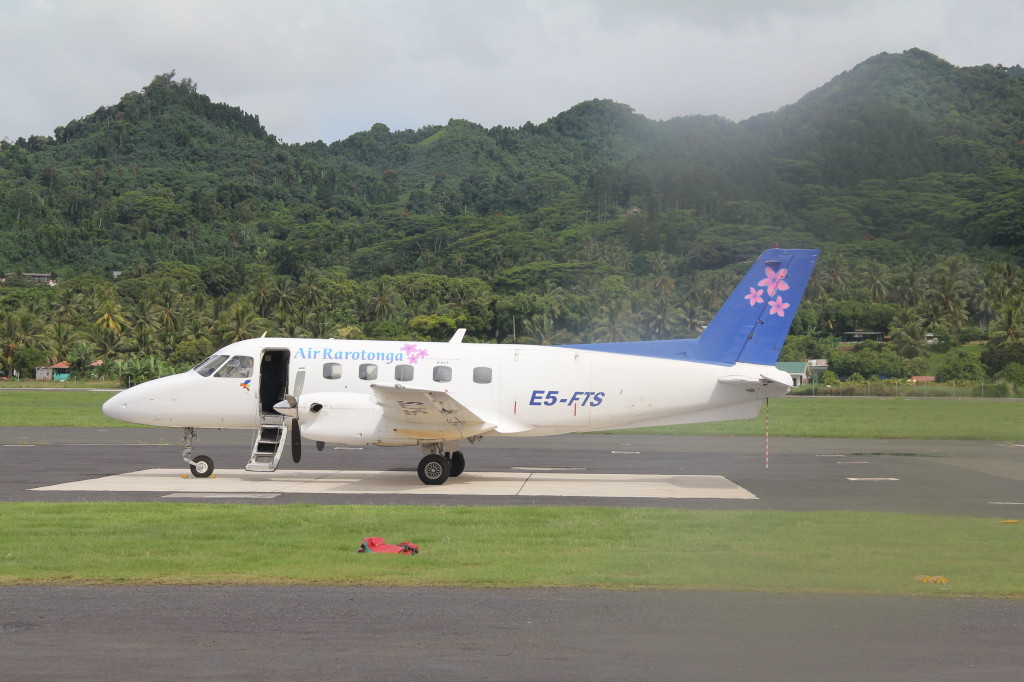
A few days ago, I wrote about the beautiful Rimatara Lorikeet and that the easiest way to see them is to travel to Atiu in the Cook Islands. I will save the “how to get to the Cook Islands on miles” for a separate post as there is a lot to cover just on Atiu. You have to start from Rarotonga (RAR) and pay for a ticket on Air Raro as they don’t have any frequent flyer alliances. It’s pretty much the same price year round though could go higher in peak travel periods.
There are only 3 flights a week from RAR but there are also weekly direct flights from Aitutaki so you can do a two island trip without having to return to Raro in between.
There is an excellent tourist information website about Atiu so I will link it here but would like to point out the following excerpt which is of great interest to eco-travelers.
The makatea is clad with jungle and riddled with caves. The dark of one cave, called Anataketake, is the home of the indigenous bird called the Kopeka. An excursion to this cave is conducted frequently and provides a real experience to nature lovers and bush walkers. There are many other caves and in fact you could spend a week exploring underground caves and find even more caves to explore. The raised central plateau is where we all live. It is cooler and breezier. Outside the central populated plateau are many nature walks through the lush tropical jungle. Being the land of the birds we also specialise in guided bird tours where Birdman George explains the fauna and flora on Atiu as well as Atiu’s part in the recovery programme for a back from the brink Rarotongan bird called the Kakerori and for the colourful and endangered Rimatara lorikeet called the kura.
BEST BIRDING GUIDE
There are a handful of small family run guest houses on Atiu but the one I prefer as a birder is Atiu Villas. The owner, Roger Malcolm and his wife Kura are very involved in the conservation project of the Rimatara Lorikeets and the birds can often be found on the lodge’s premises or in the banana plantation down the road. Roger can also book a tour with the island’s top birding guide Birdman George. Here is an interview I did with him a few years ago.
George is actively involved with monitoring the habits and breeding results of the Lorikeets so he always knows where they can be found, where their nests are and if there are any juveniles around. George has a regular full day tour he does which also takes in the Kopeka Cave and some island sights which is a great introduction to the island and it’s native flora and fauna. He is also happy to tailor a tour if you want to concentrate on the lorikeets. The first time we visited Atiu, we did the full day tour, the second time, we had him concentrate on the lorikeets and we got to see quite a few, including some very cute youngters! George doesn’t have a website or email but you can book him via Roger at Atiu Villas.
BEST LODGING FOR BIRDERS
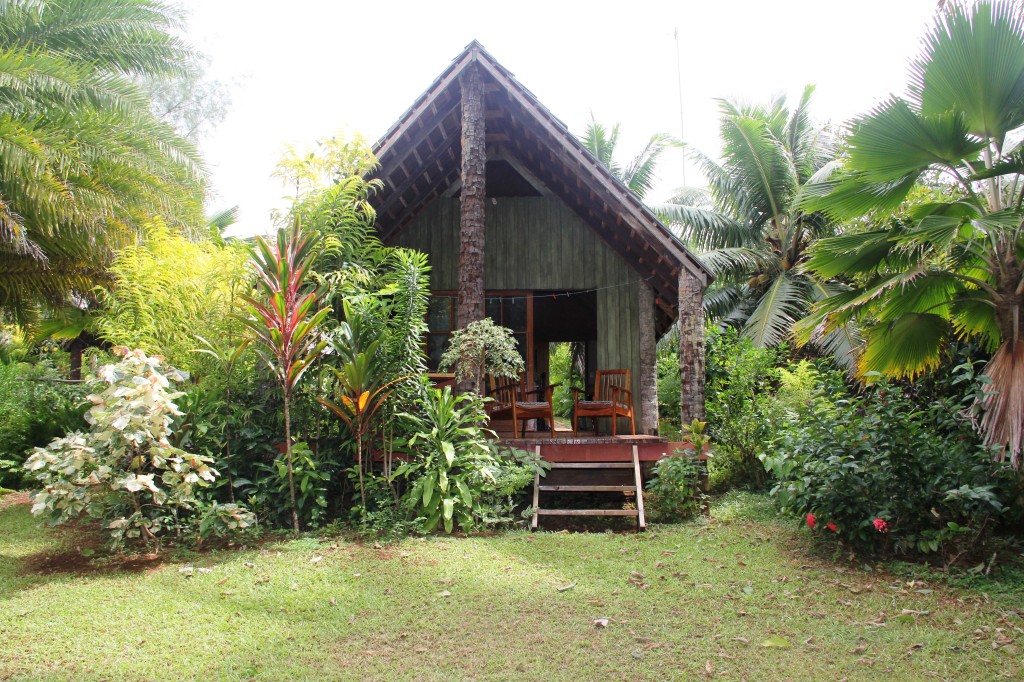
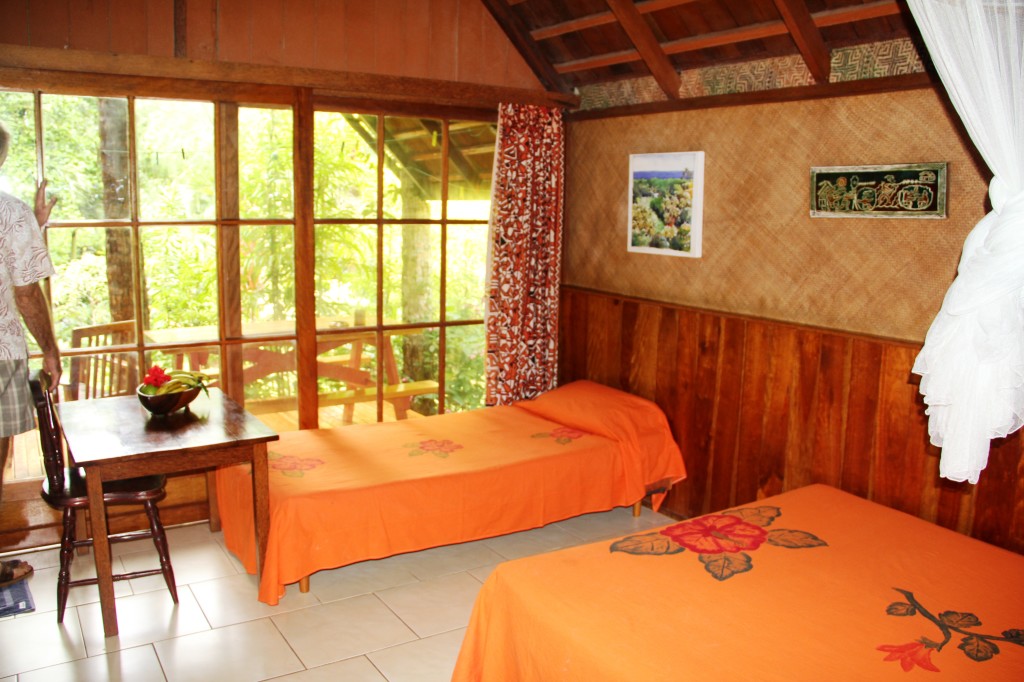
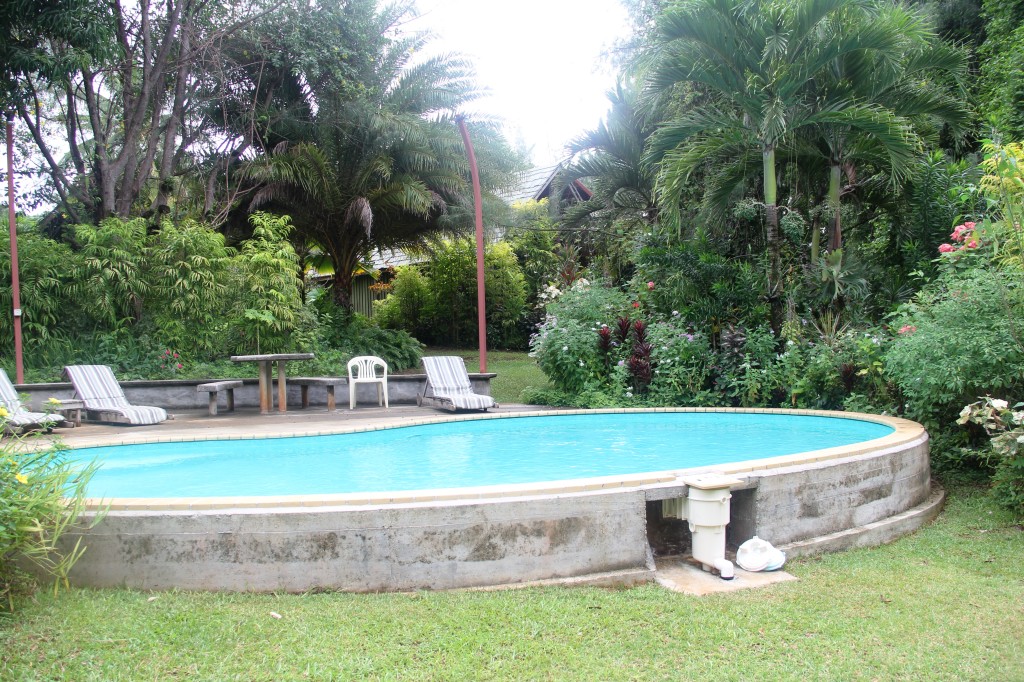
Atiu Villas is a really charming lodge, well situated in lush tropical gardens and is the only accommodation in Atiu that has a swimming pool. Kura is a fantastic cook and makes delicious evening meals that you must book in advance. They have a special where by booking on-line you could qualify for either our early booking more than 12 weeks out) or late booking (within 7 days of arrival) discount. This can save you 15% or 40% of the cost of accommodation.
Atiu Villas
Atiu Villas Room
Atiu Villas Pool
But don’t just take my word for it, Atiu Villas gets rave reviews from everyone on Trip Advisor!
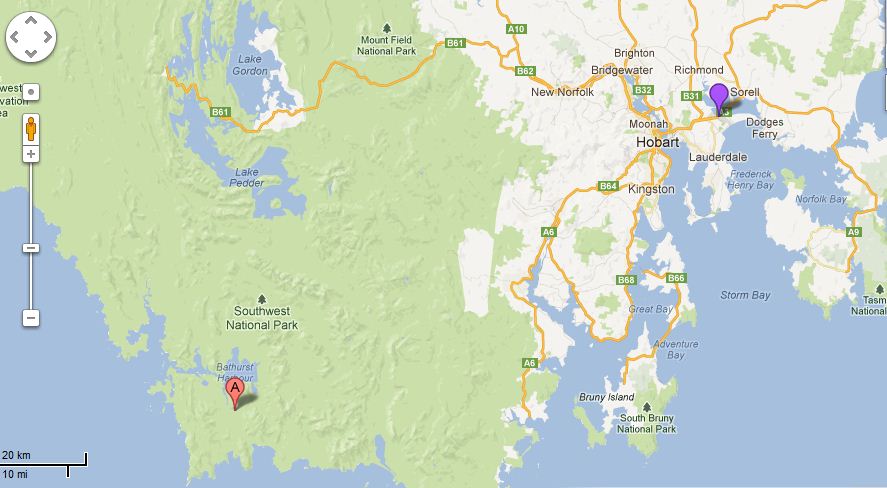
Yesterday, I gave some information about the endangered Orange-bellied Parrot. Now let’s find out how to get to see them in the wild! The “A” shows where Melaleuca is in relation to Hobart.
Tasmania is the smallest state in Australia and I am going to assume that if you are coming from overseas, it won’t be your only destination in Australia. I have another post about how to get from overseas to Australia on miles.
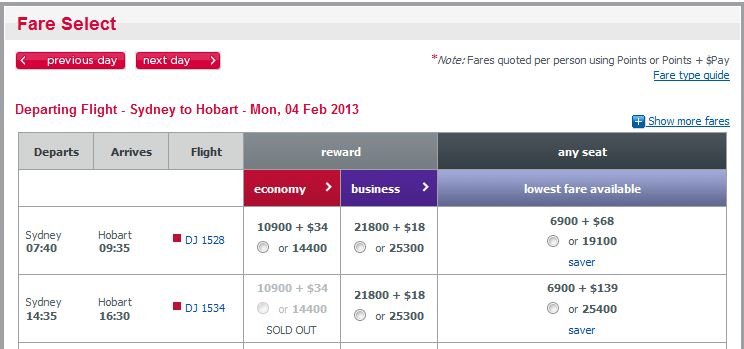
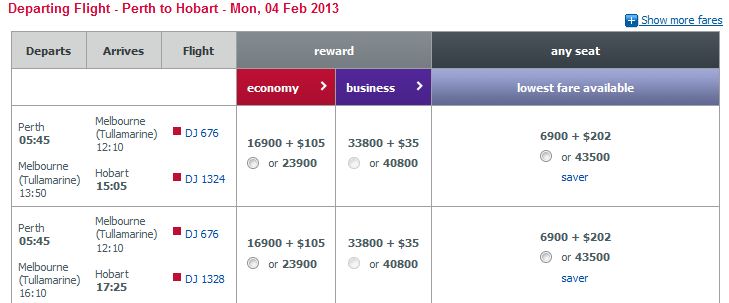
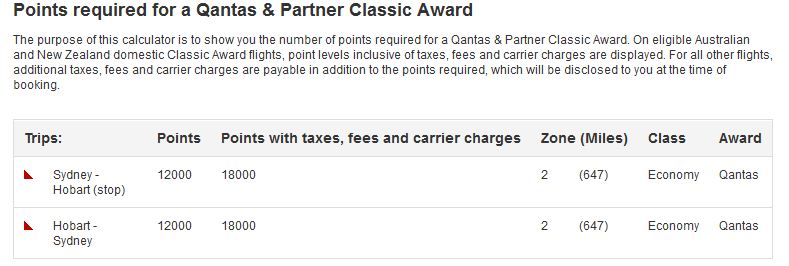
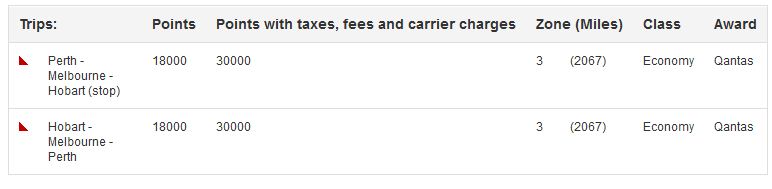
There are two major airlines that fly from the mainland to the main airport, Hobart (HOB) – Virgin Australia and Qantas. Virgin is not yet in any major airline alliance and there are few opportunities to use other airline partners on domestic Virgin (DJ) flights. Aussies can readily get Velocity points from credit cards and other partners. Here’s an example of a round trip redemption from Sydney to Hobart. From Brisbane it is the same, from Melbourne a bit less and from Adelaide a bit more. From Perth, it goes up quite a bit.
QANTAS also has a distanced based award chart with a handy award calculator.
Sydney and Brisbane both are in Zone 2.
By contrast, have a look at the award cost from Perth.
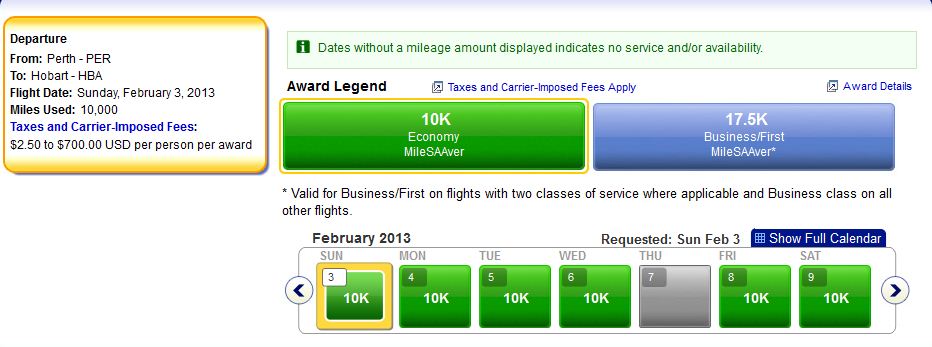
Qantas is a member of One World so it often works out cheaper in both miles and money to use their partner American Airlines to book this flight. AA has a flat fee of 10,000 miles each way no matter where you are flying to and from in Australia so they are a good bargain for longer flights.
British Airways has a distance based chart but short distances can be a bargain when booked with Avios. They start as low as 4500 from Melbourne, 9000 from Brisbane up to 12,500 from Perth each way.
WHERE TO STAY
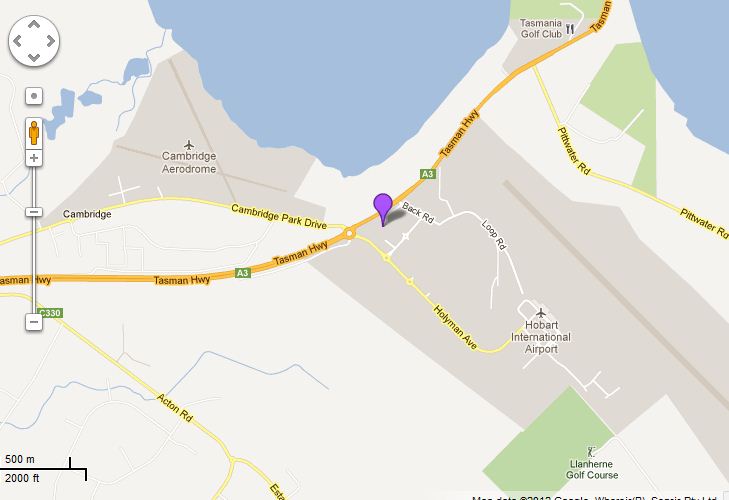
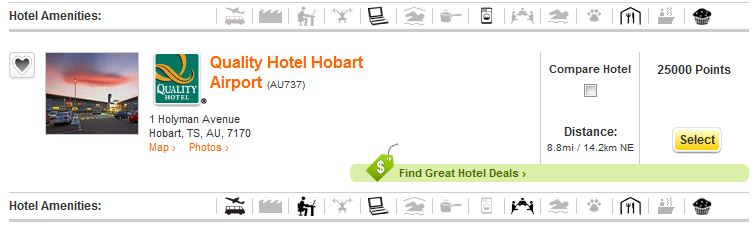
The flights to Melaleuca leave from Cambridge Airfield which is very close to Hobart Airport where your flight from the mainland arrives. The purple dot indicates the location of the Quality Airport Hotel. This runs around $125-ish in cash or since they are part of the Choice hotel chain you can use 25,000 points to book it for free!
HOW TO GET TO MELALEUCA FROM HOBART
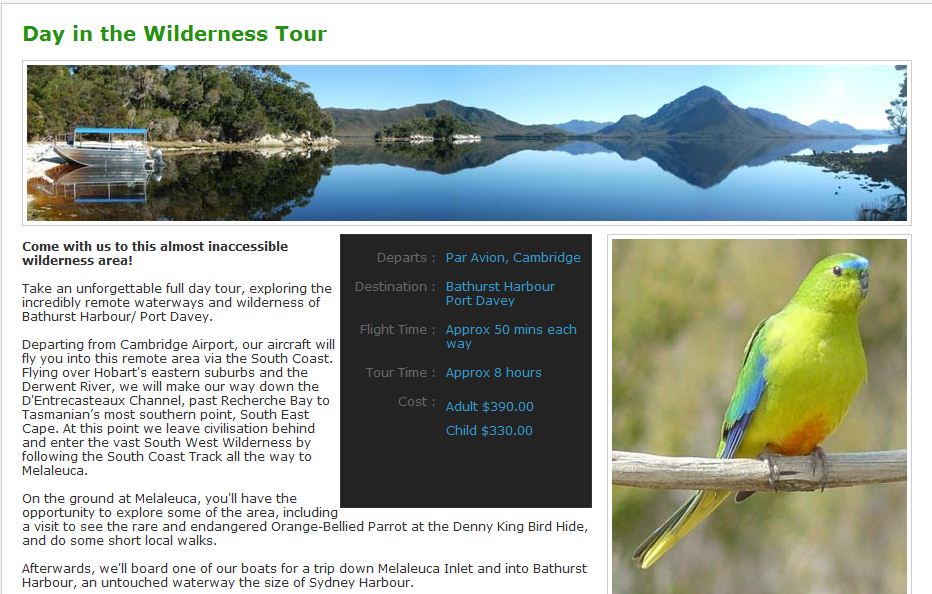
Only small aircraft that seat 6-10 people fly this route. Par Avion is the main tour operator that does day trips to Melaleuca and take you to the bird hides to see the Orange-bellied Parrots.
They can also provide flights for people who want to spend a few days at Melaleuca and camp out. There are more details on their website.
The Tasmania Parks and Wildlife Service website has more information. Be sure to check out the sound clip of the OBP, they are pretty quiet for parrots!
For bushwalkers and those who are able to fly into the Tasmanian south-west, there is a good chance of seeing Orange-bellied Parrots. At Melaleuca, in the Southwest National Park, a bird hide has been built especially for observing the birds. From mid-October until the end of March, the birds are regular visitors, coming and going throughout the day. However the best times to see them are in the early mornings or late afternoons. There are two bushwalkers’ huts with room for up to 20 people.
If you are VERY lucky, you may also see Ground Parrots like this blogger reports! Tasmania has a wealth of nature reserves that have great birding, so I would recommend spending at least a week here. I will be doing more posts later about other birding hotspots in Tasmania.




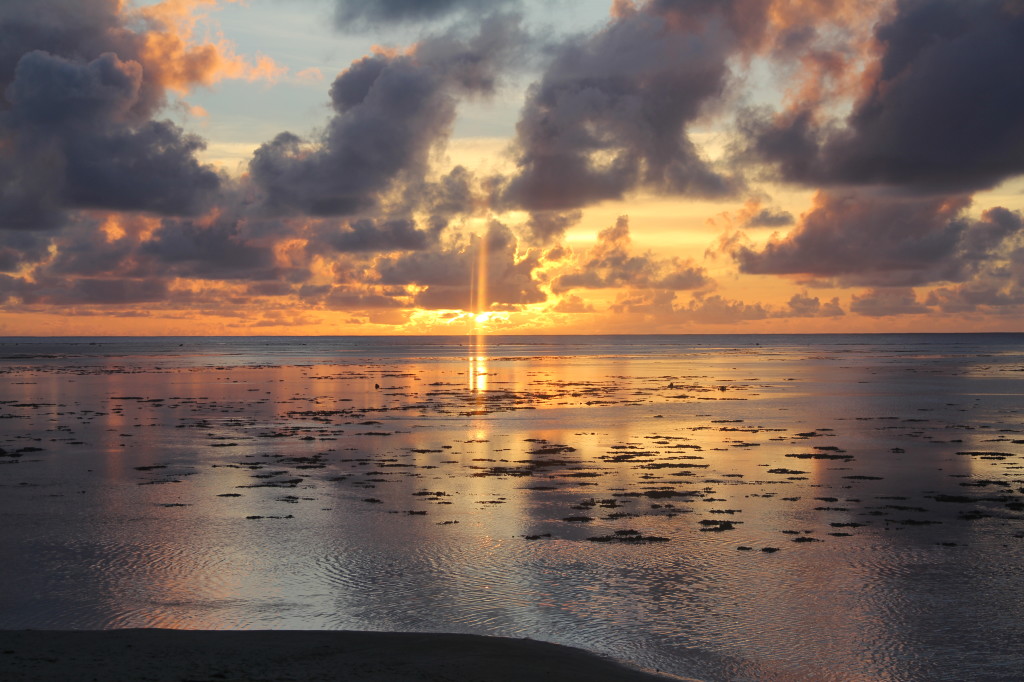
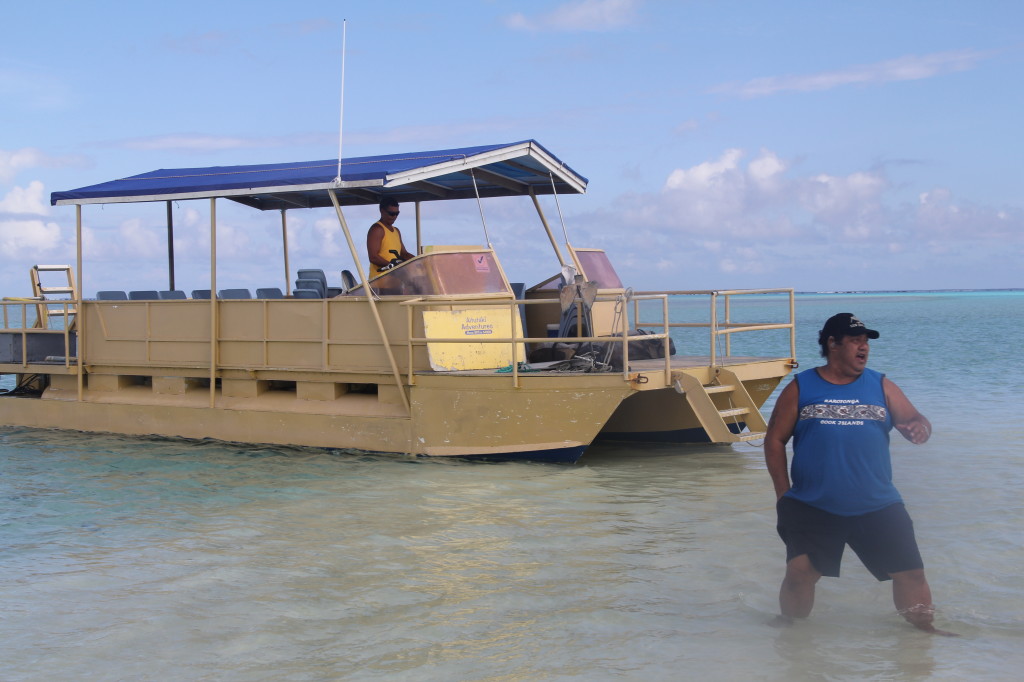
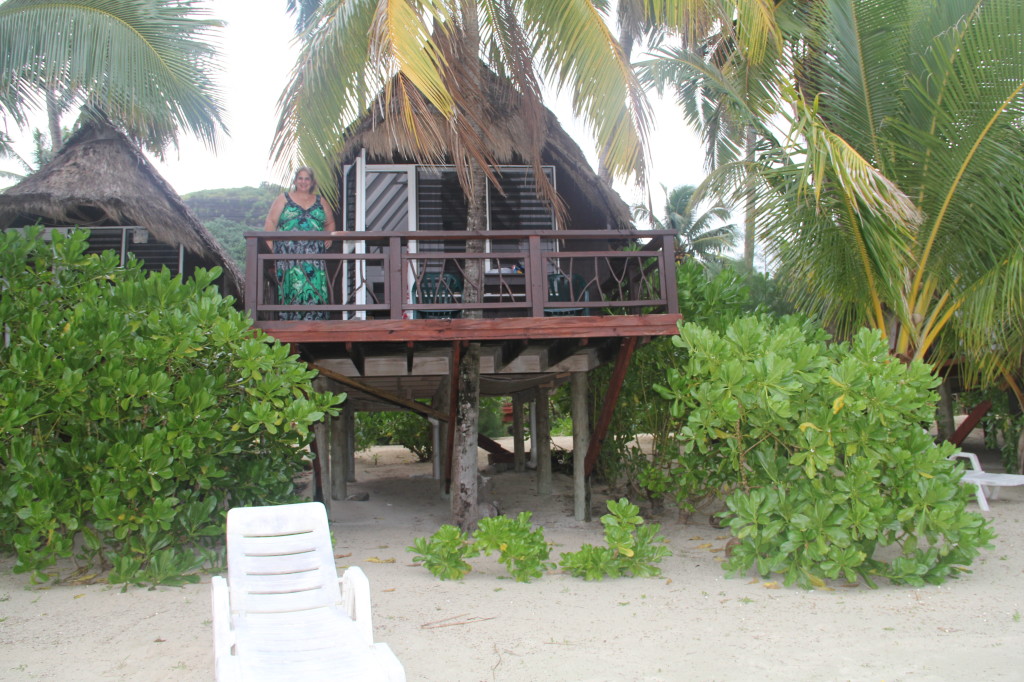 We loved this place! I knew we would based on research and it is also in the right location for the activities we had planned. I really got a sense of the value being offered here when the Yellow Boat folks dropped us all back at our hotels after the cruise, I got a peek at other hotels and what people were paying for bungalows that weren’t even on the beach! The sunsets here are postcard spectacular!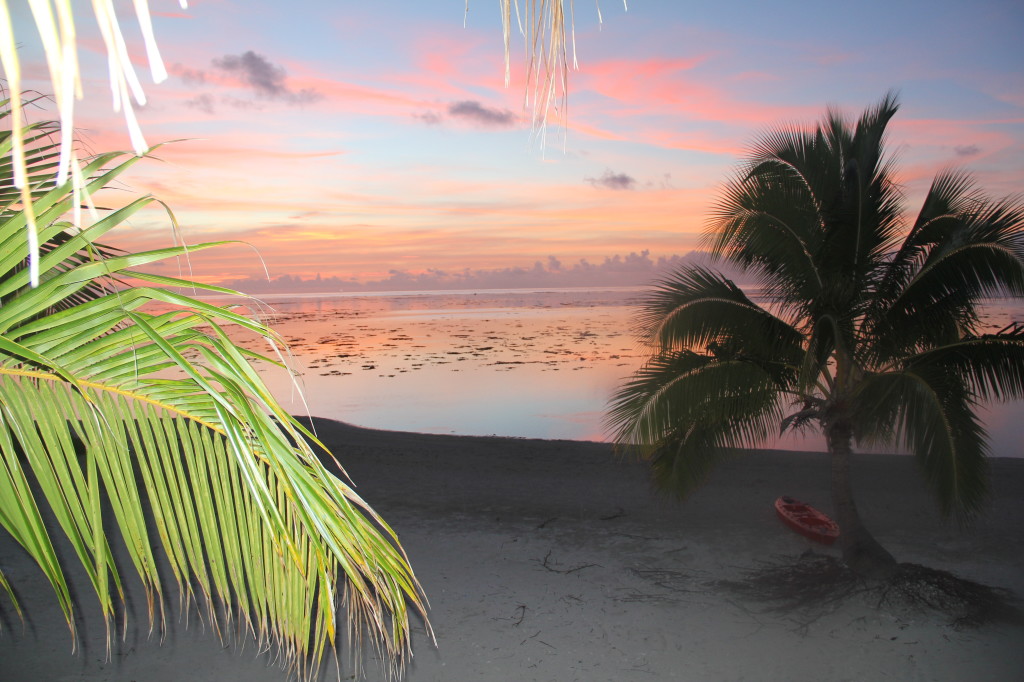
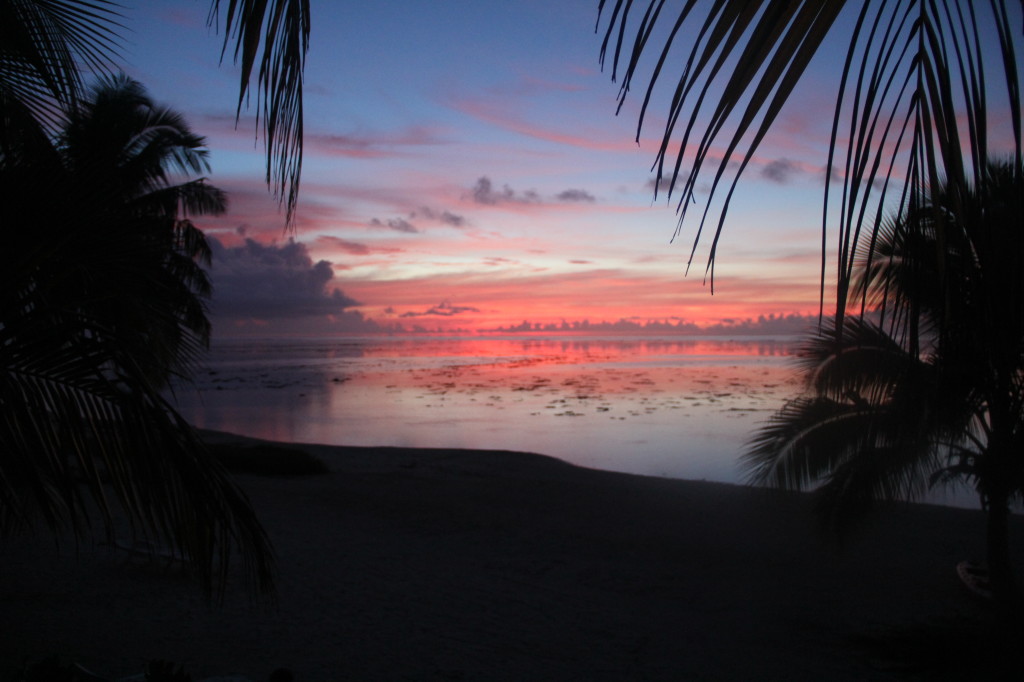
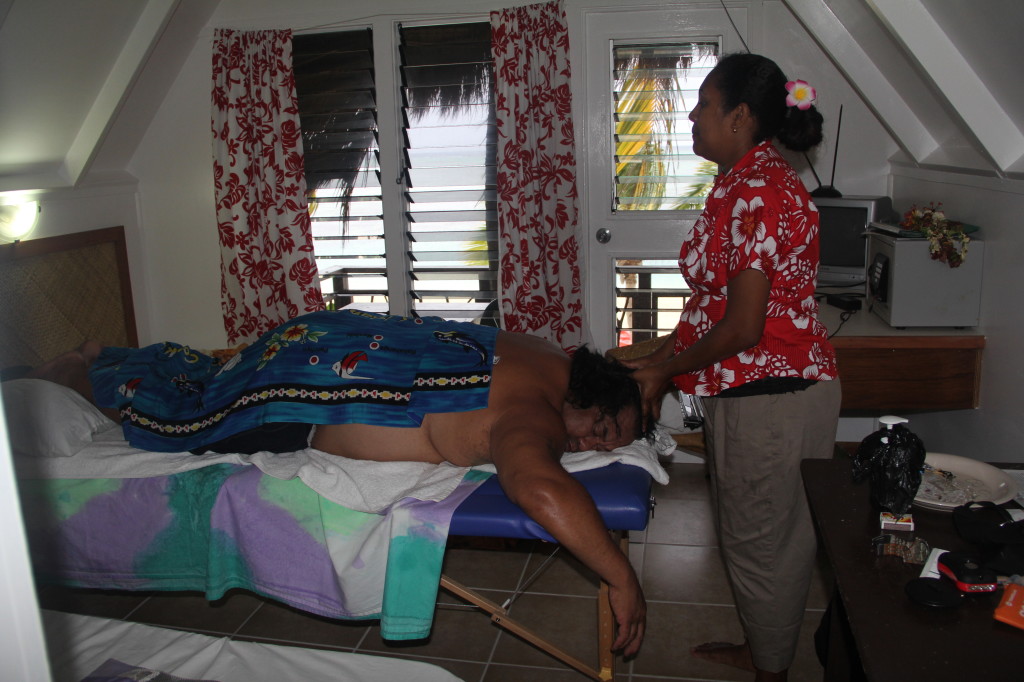 As a birder, I really appreciated having banana trees across the street where