Why We Need To Protect These Birds

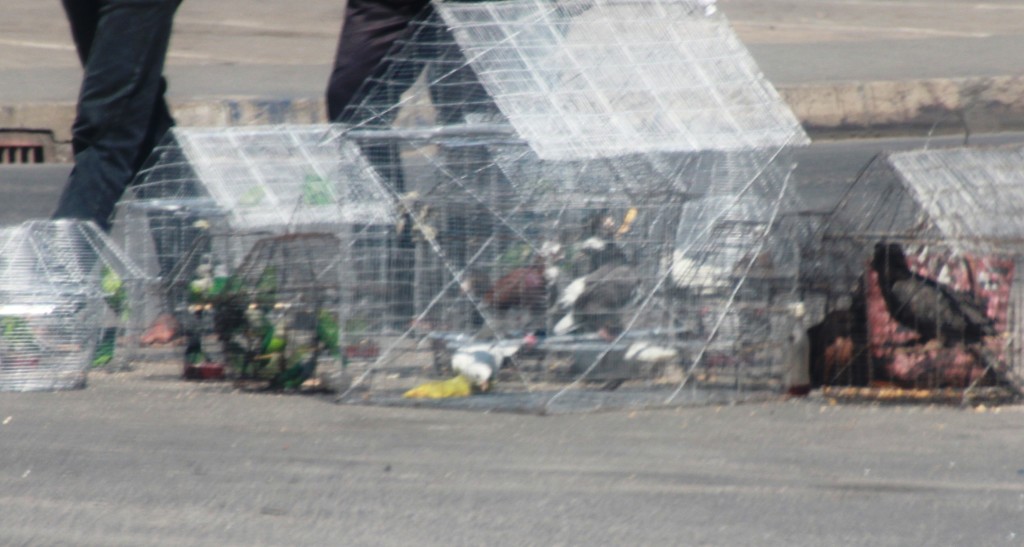
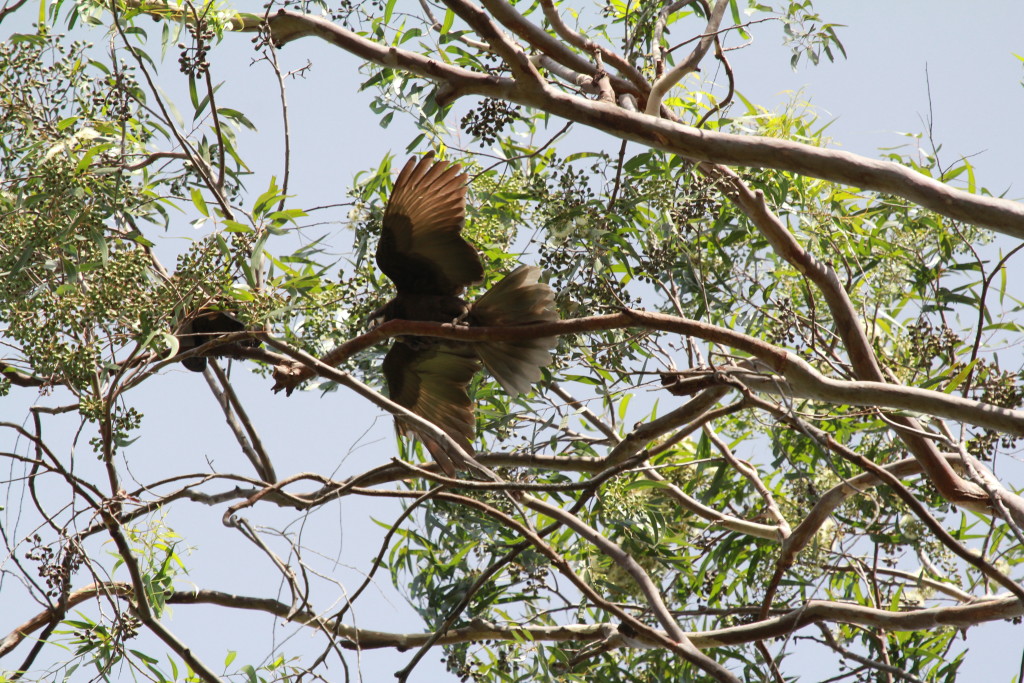
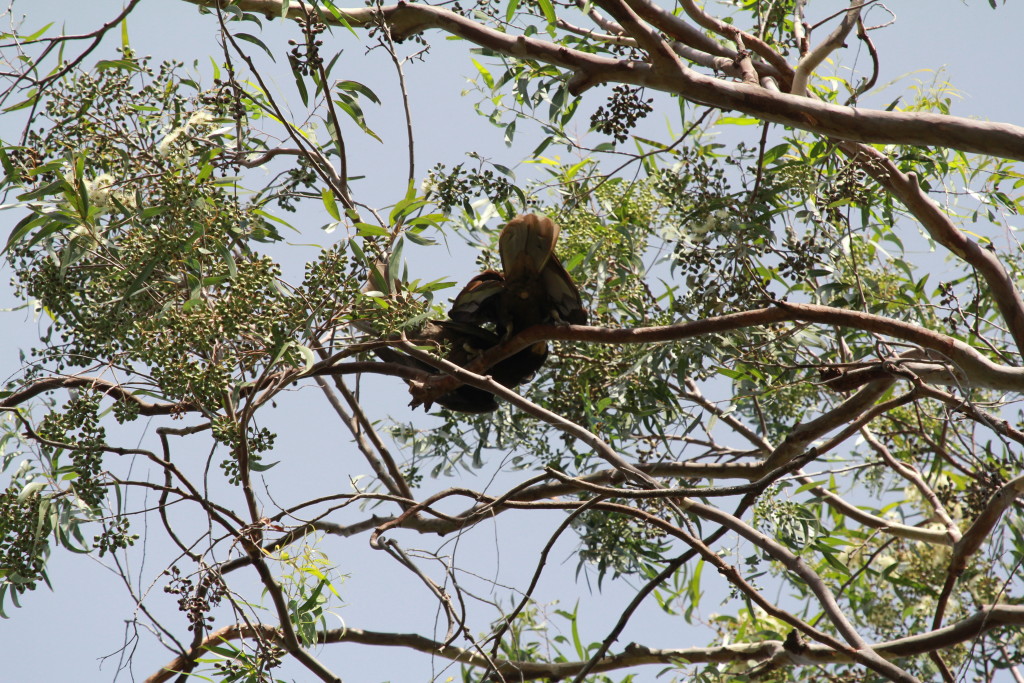
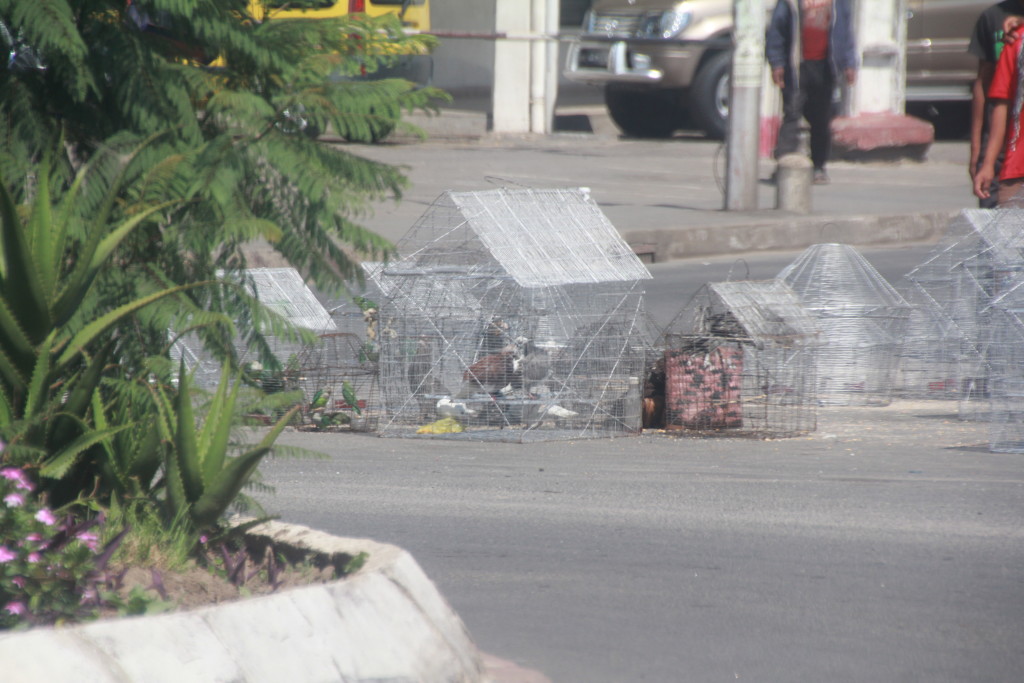
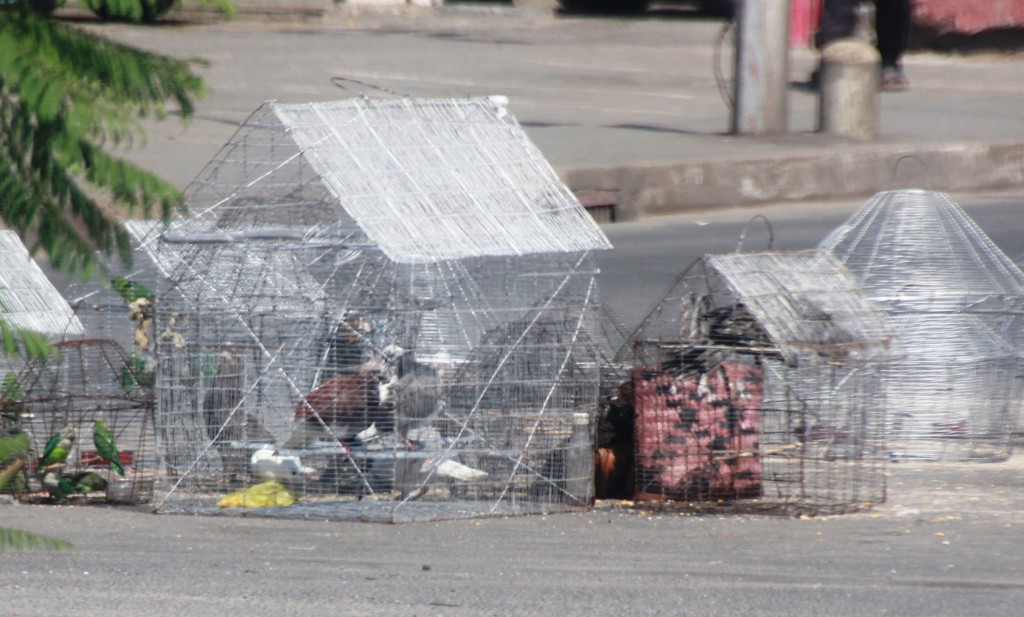
As we were driving to the airport on the last day, I was dismayed to see a man sitting in the street median selling endemic birds, obviously wild-caught.  I was sitting in a taxi and trying to take pics through the traffic so these aren’t great shots but you can clearly see the little green birds on the left which are Grey-headed Lovebirds and there is at least one Vasa Parrot on the right.  I don’t know what the laws are in Madagascar are, I tend to think it must be illegal otherwise I would have seen more such sellers.  It’s so heartbreaking to see them like this when I just got back from seeing their cousins in the wild.  These birds are probably being captured outside of parks that cater to birders that don’t have park rangers and tourists tramping through each day.

If anyone knows what authority I can send these pics to to help catch these people, please comment below.  Unfortunately, I didn’t get the seller in the pics but a local Malagasy may recognize this location.
IMG_5802 IMG_5802a IMG_5803 IMG_5803a

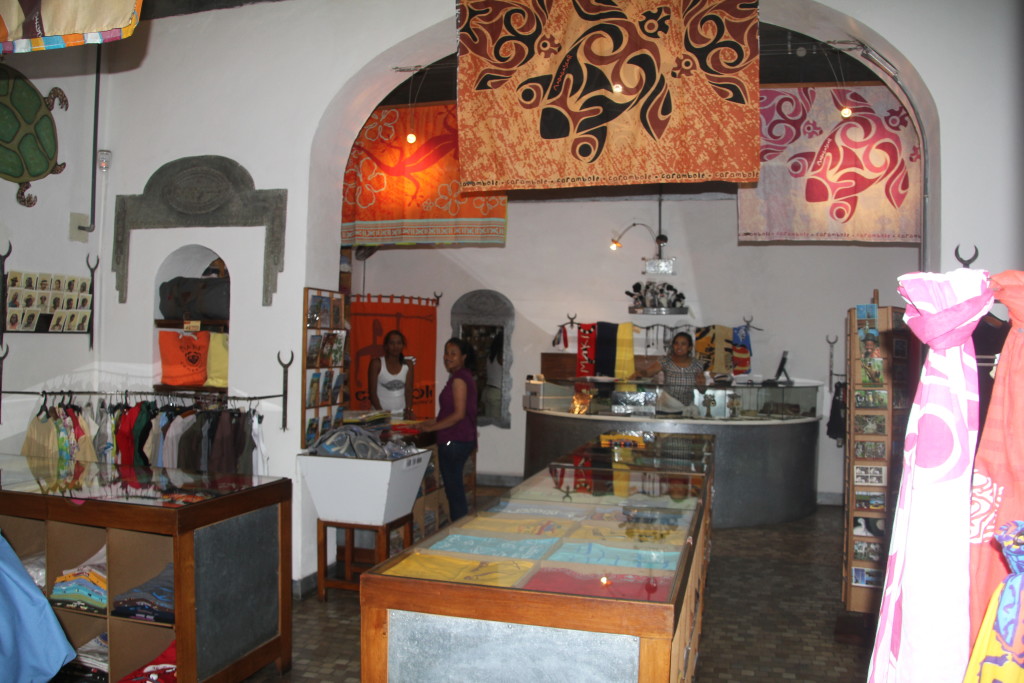
Shopping In Antananarivo – Souvenirs Of Madagascar

The one disappointing thing was that there weren’t many handicrafts being sold at any of the places we visited and I always like to bring souvenirs home.  Preferably ones that are made by locals and contribute to the local economy so they benefit from eco-tourism.
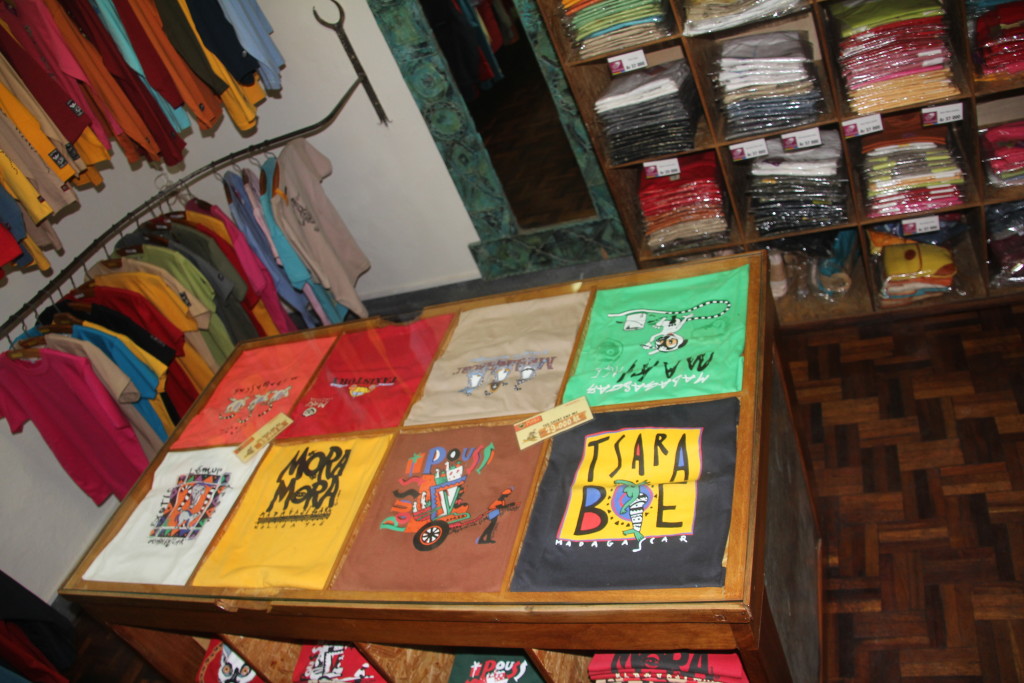
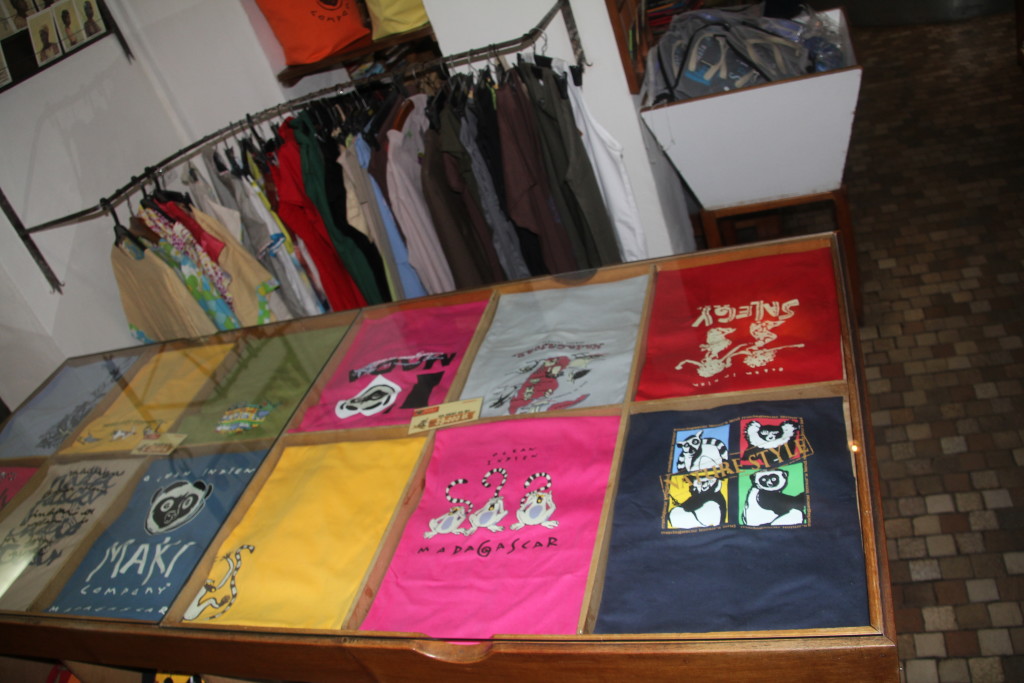
Since I live in Australia where the quarantine laws are very strict about bringing in anything that is of plant (such as wood carvings) or animal origin, I try to avoid such things unless the item is a rare find and of course not made out of any endangered species.  I really like paintings, embroideries, batiks and jewelry depicting birds.  And no trip to Madagascar is complete without a few t-shirts to proclaim to all your friends back home you have been here!

IMG_5785 IMG_5784 IMG_5783 IMG_5782

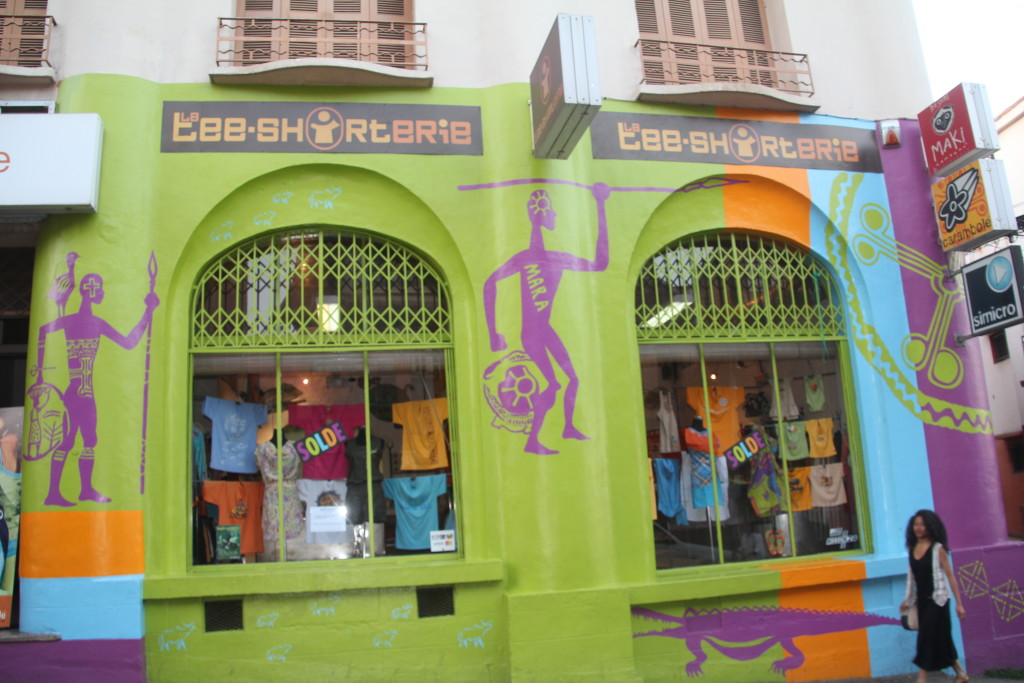
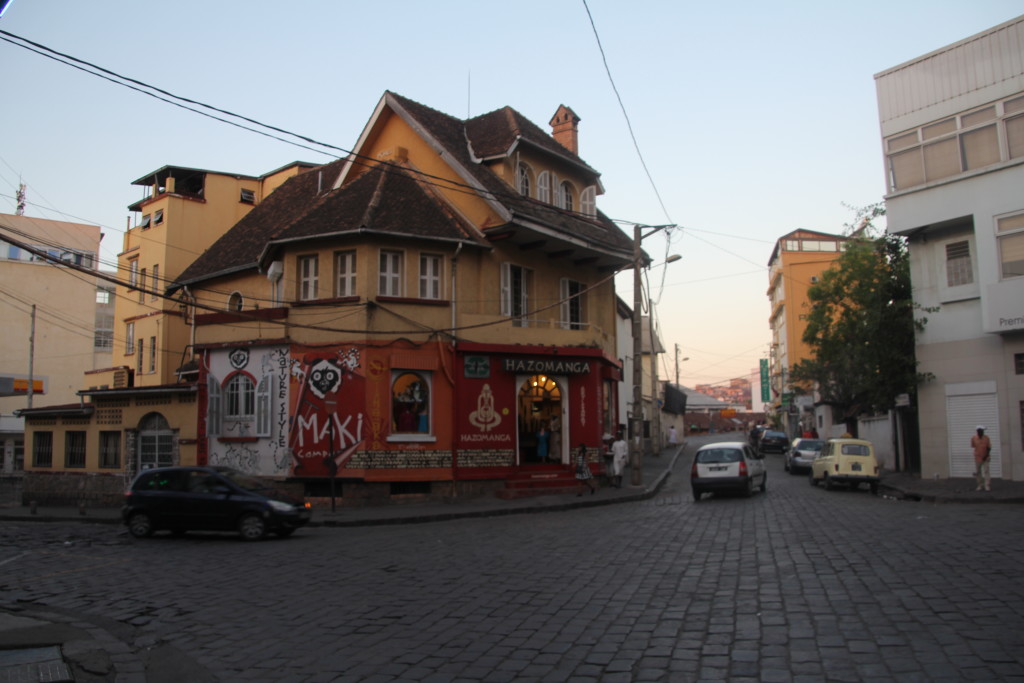
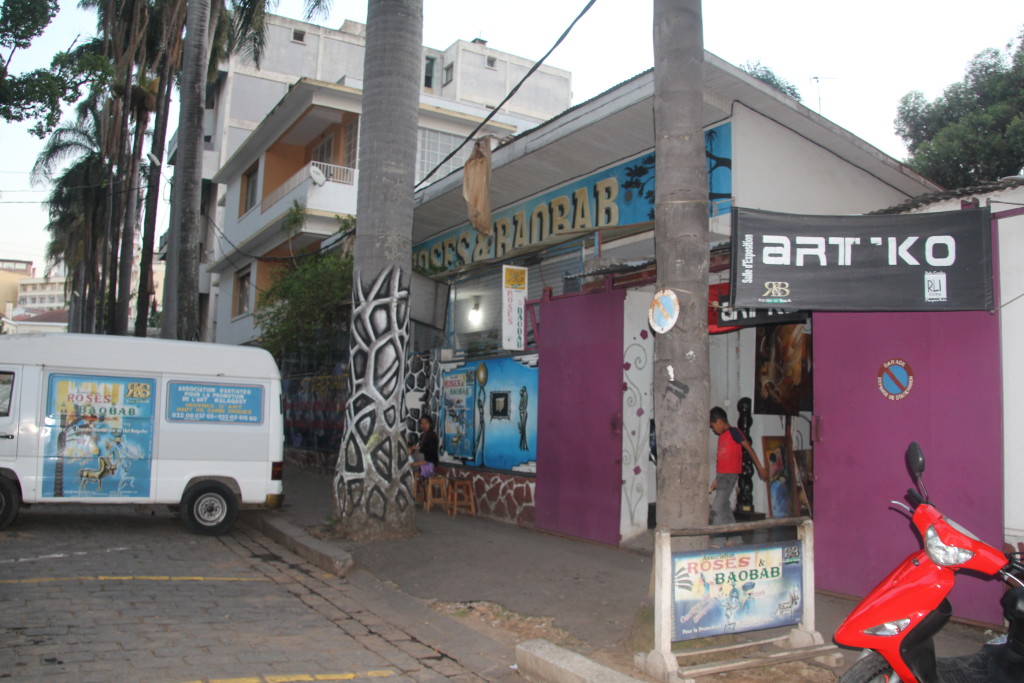
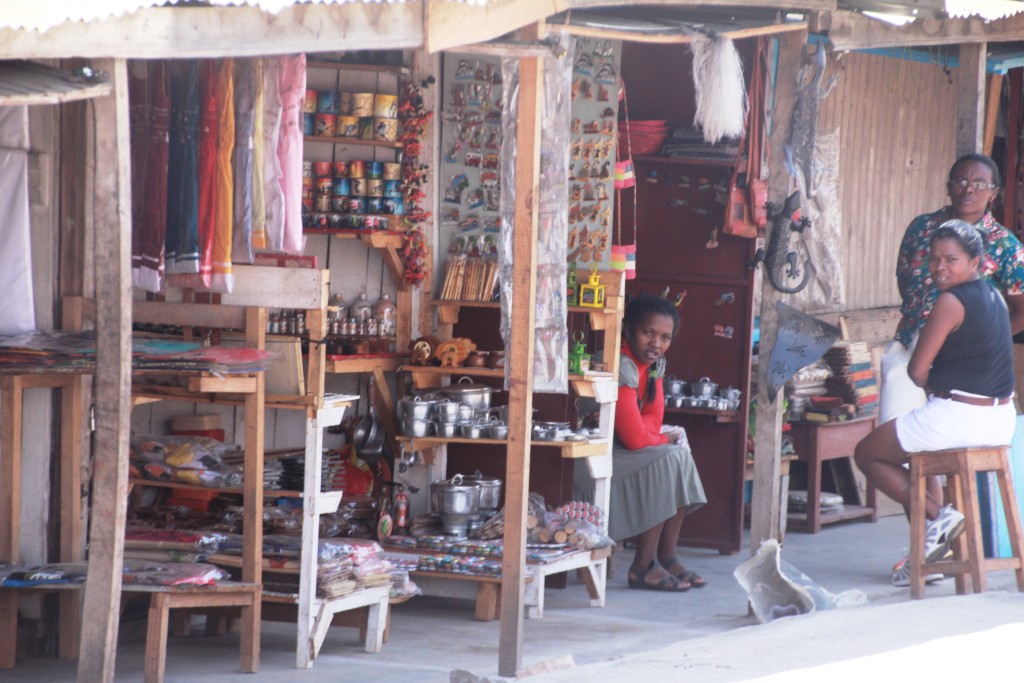
There are a few souvenir shops in downtown Tana, some of which accept credit cards.

IMG_5786 IMG_5787 IMG_5788

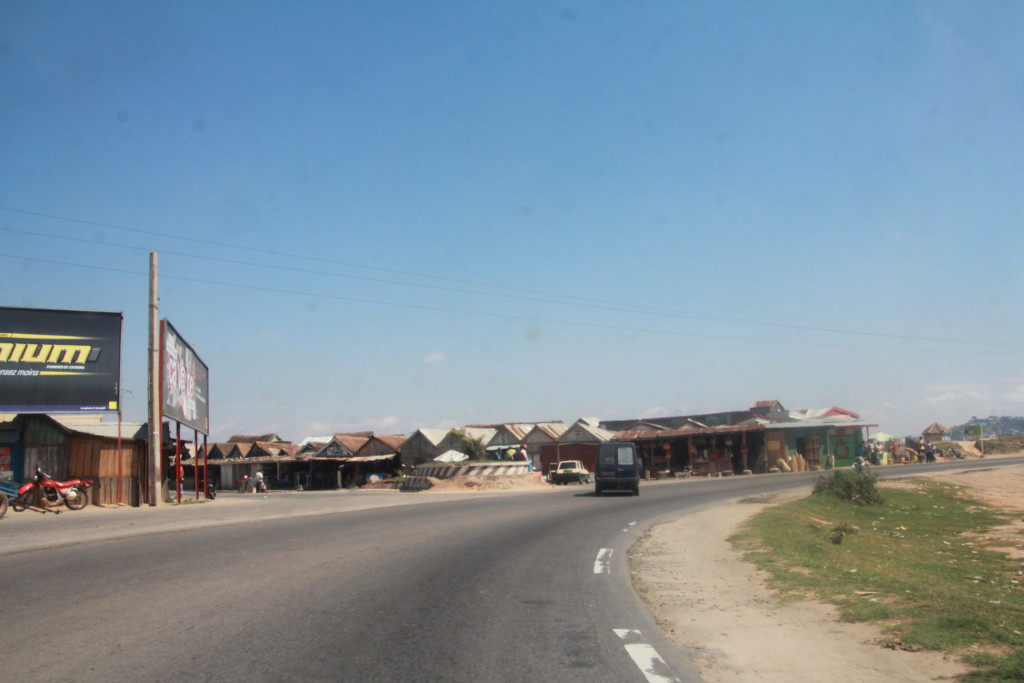
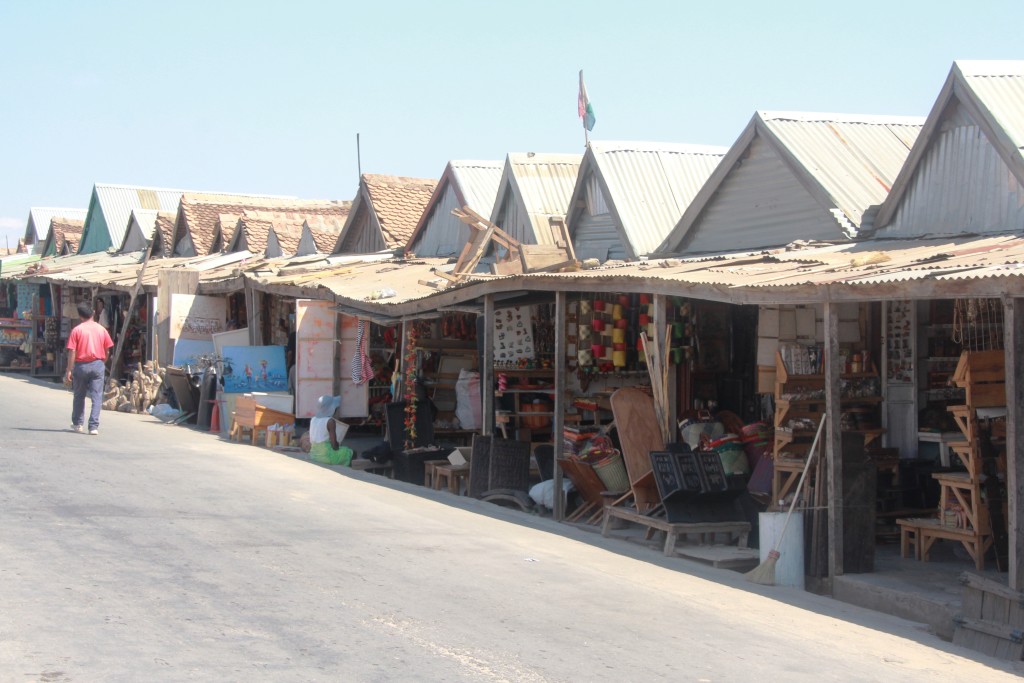
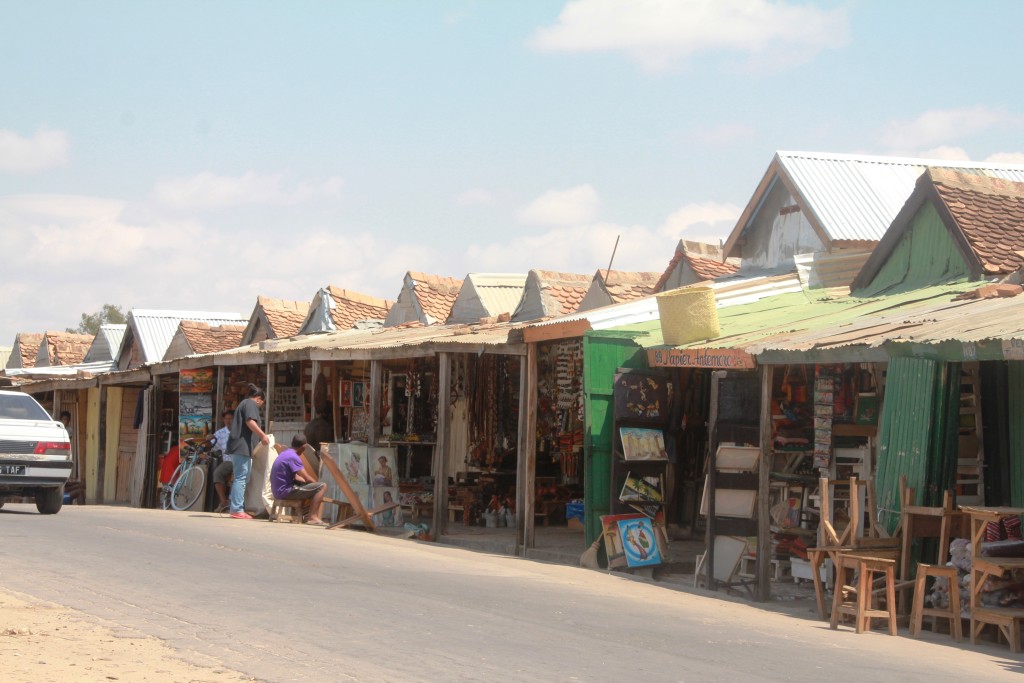
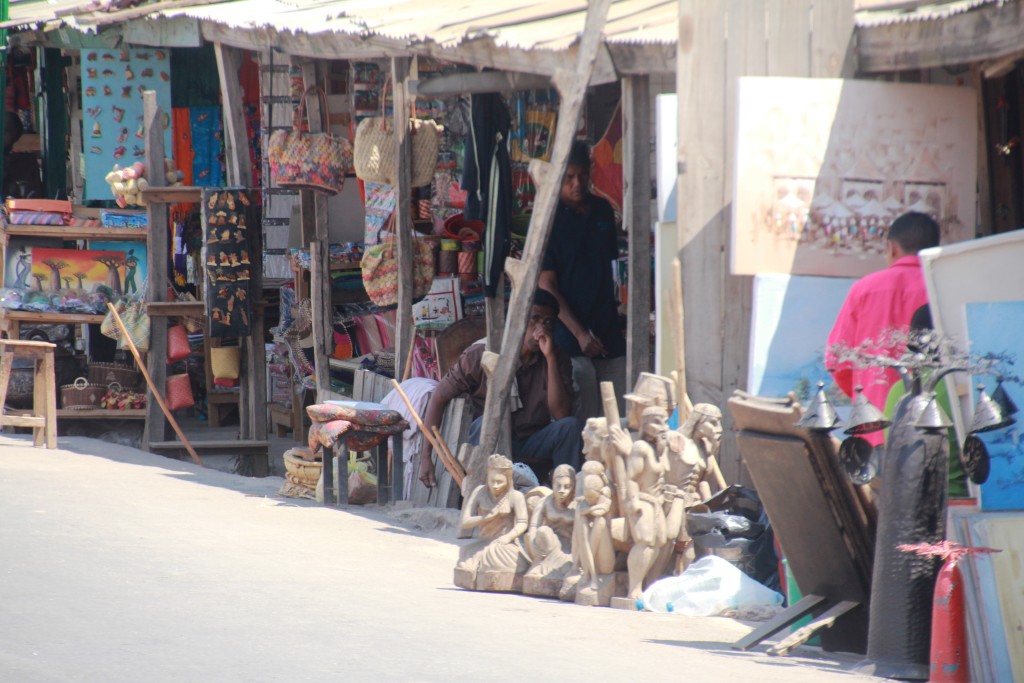
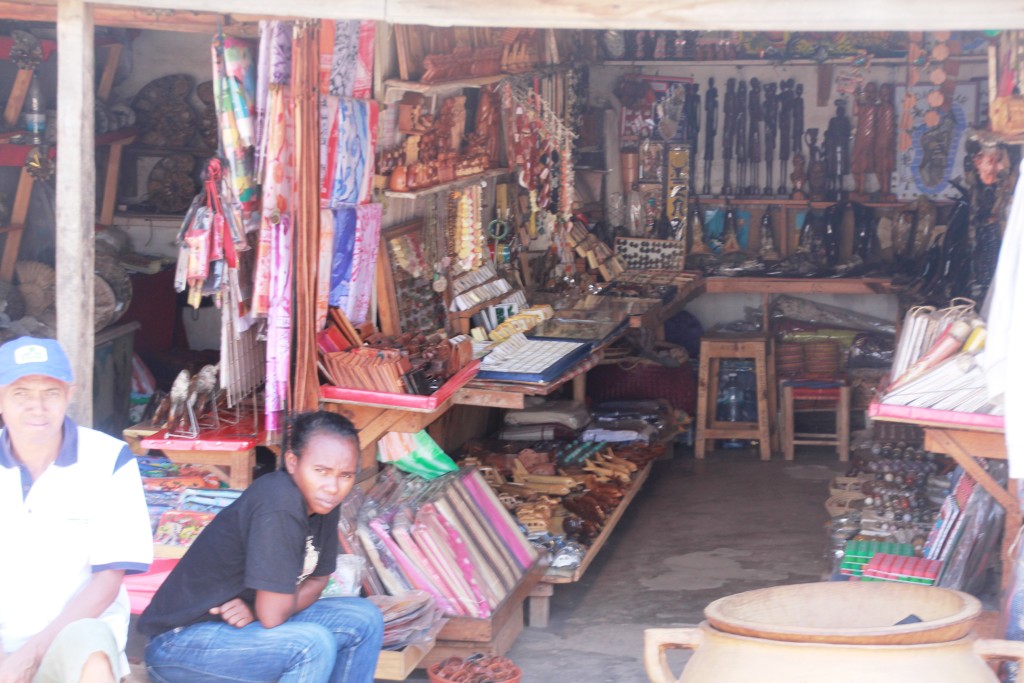
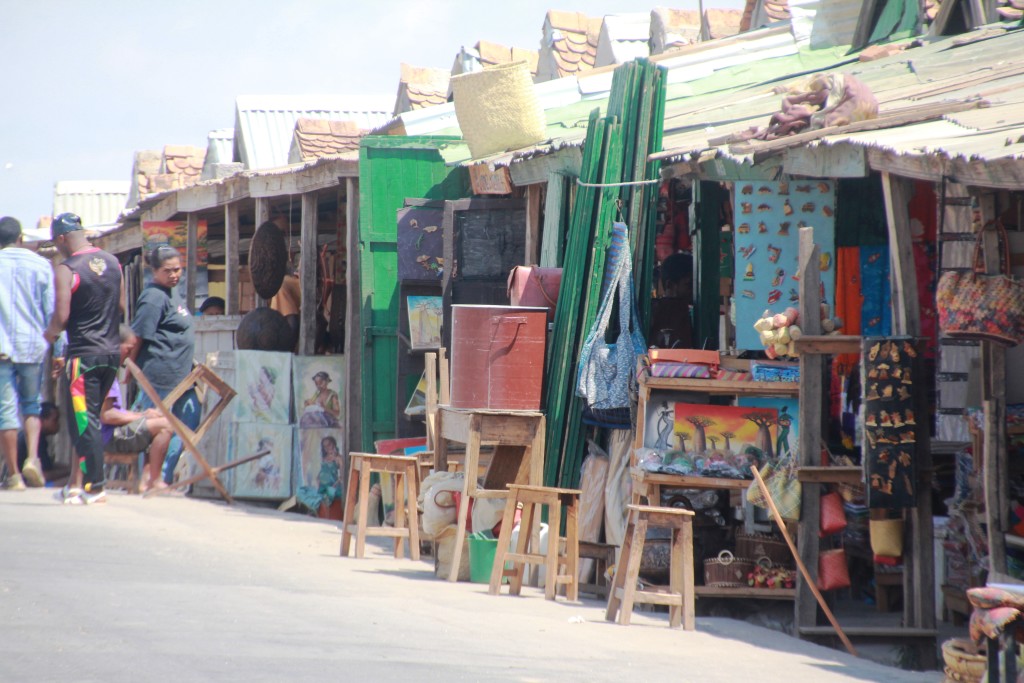
There is also a market out near the airport with about 50 small shops selling all kinds of handicrafts.  Cash only but bargaining is expected!

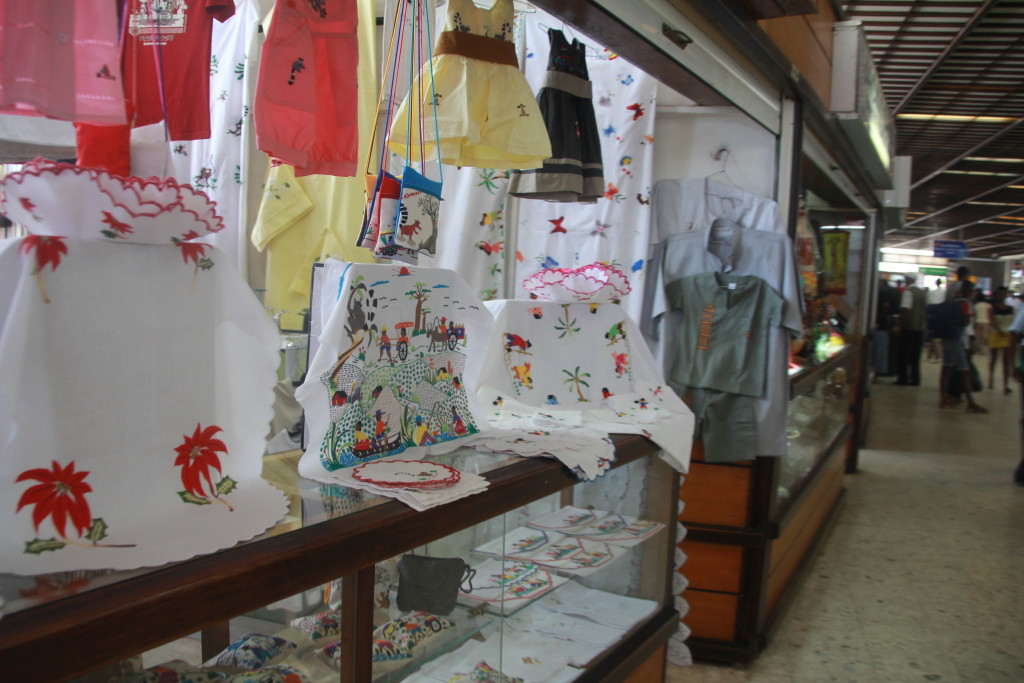
IMG_5804 IMG_5805 IMG_5810 IMG_5806 IMG_5807 IMG_5808 IMG_5809I ended up buying a table cloth with embroidered birds, a few fridge magnets and a couple embroidered wallets.  Word quickly got out that I liked birds espececially and a few stall holders came running up to me clutching any merchandise with a bird on it!

Back at the airport, after we paid the taxi, checked in and had no further use for Ariary, I spent the last few notes on an embroidered doily at one of the kiosks in the lobby.

IMG_4857

Volunteer At The Ara Project, Costa Rica

Do you love working with parrots? If so, we need your help! Join us for a rewarding experience working with large macaws in Costa Rica.

At the Ara Project’s breeding and release center you will see wildlife, visit a beautiful country and learn about a different culture, and meet new people. Best of all, you will make a difference in the lives of endangered macaws.

Full details are on their website.

Read about my visit to the Ara Project (prior to relocation).

IMG_0823

Use miles to get to Costa Rica for free and hotel points just after you arrive to get your bearing, then transfer to the project.

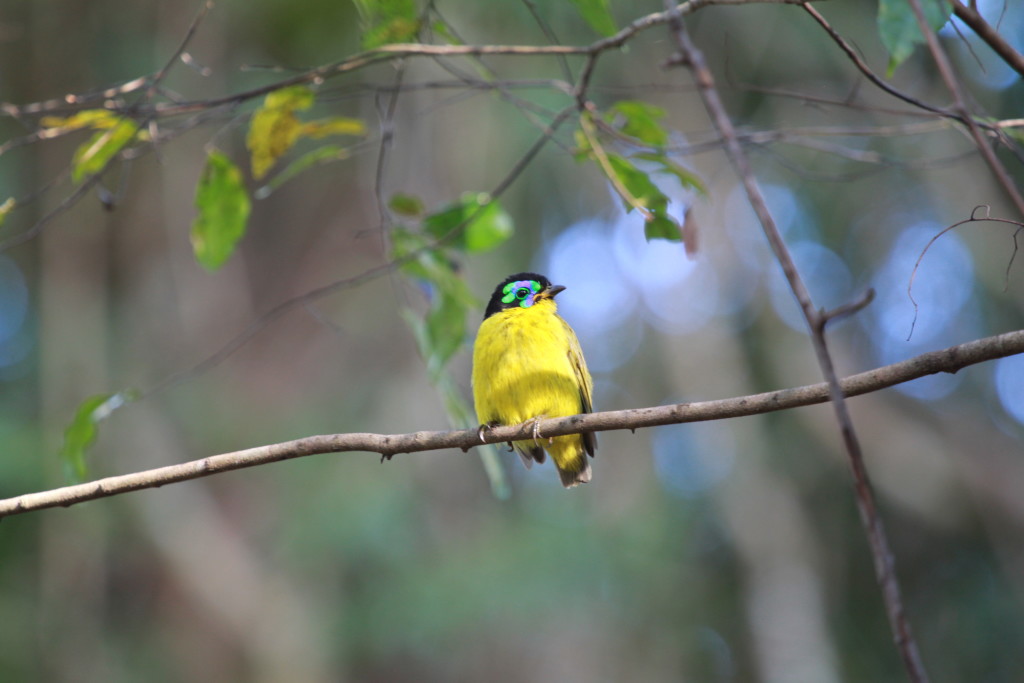
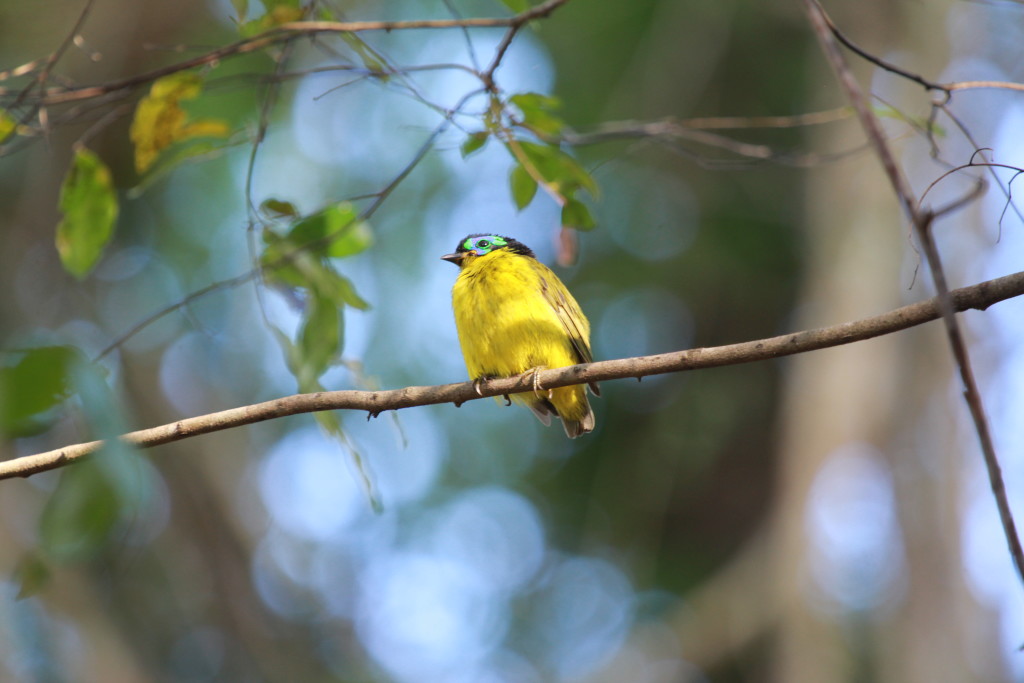
Schlegel’s Asity (Philepitta schlegeli)

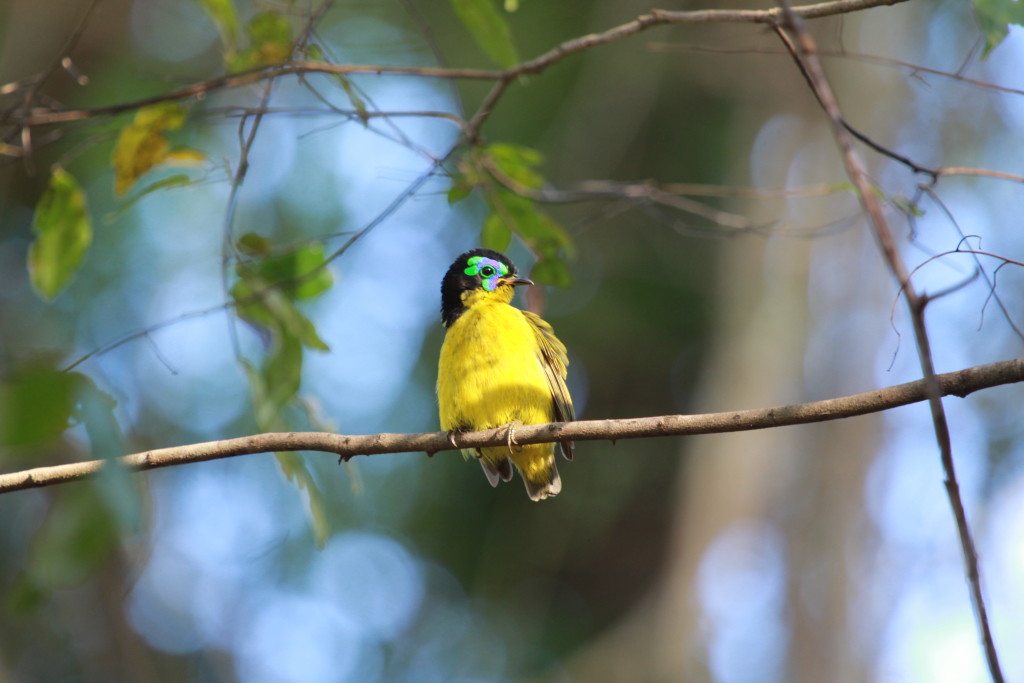
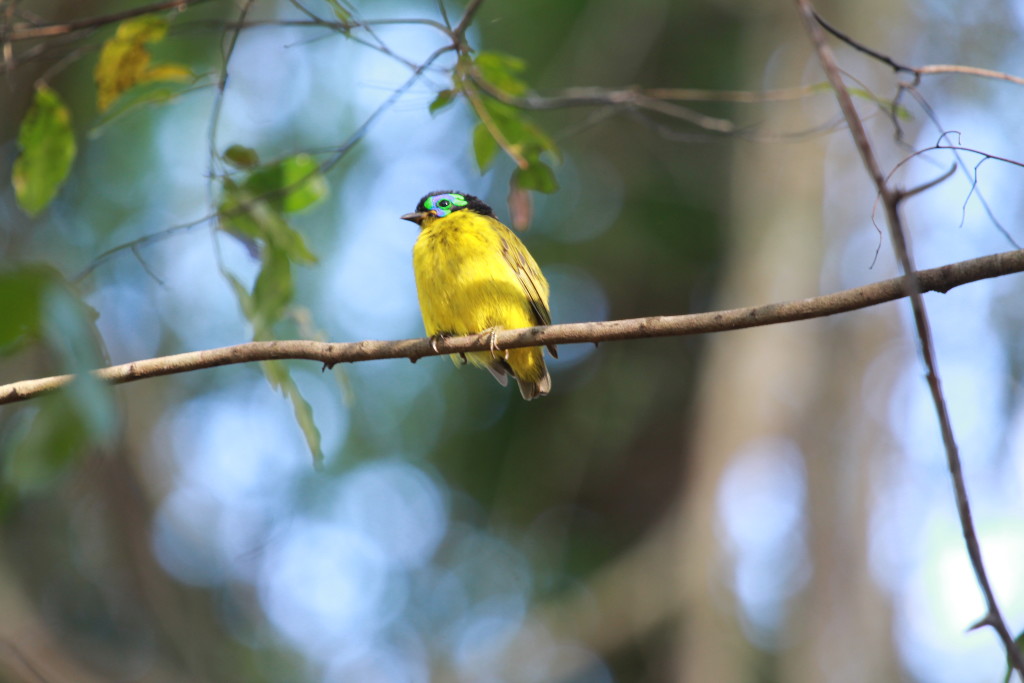
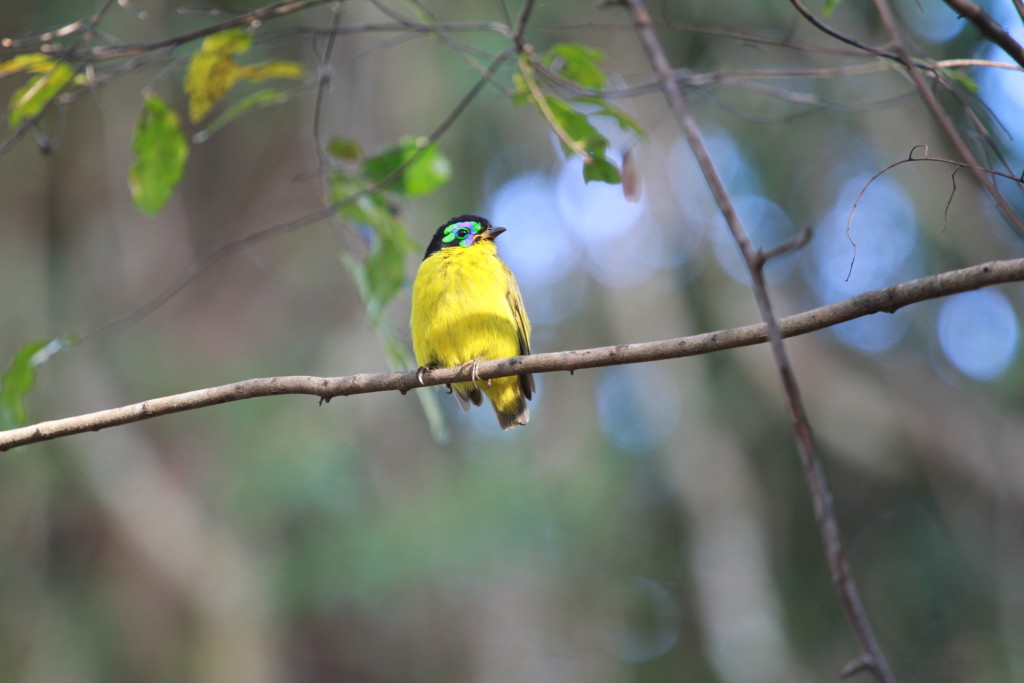
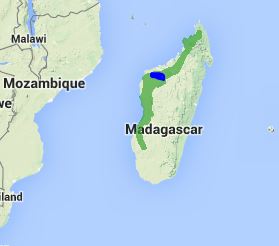
The Schlegel’s asity (Philepitta schlegeli) is a species of bird in the Philepittidae family. It is endemic to Madagascar. Its natural habitats are subtropical or tropical dry forests and subtropical or tropical moist lowland forests. It is threatened by habitat loss.

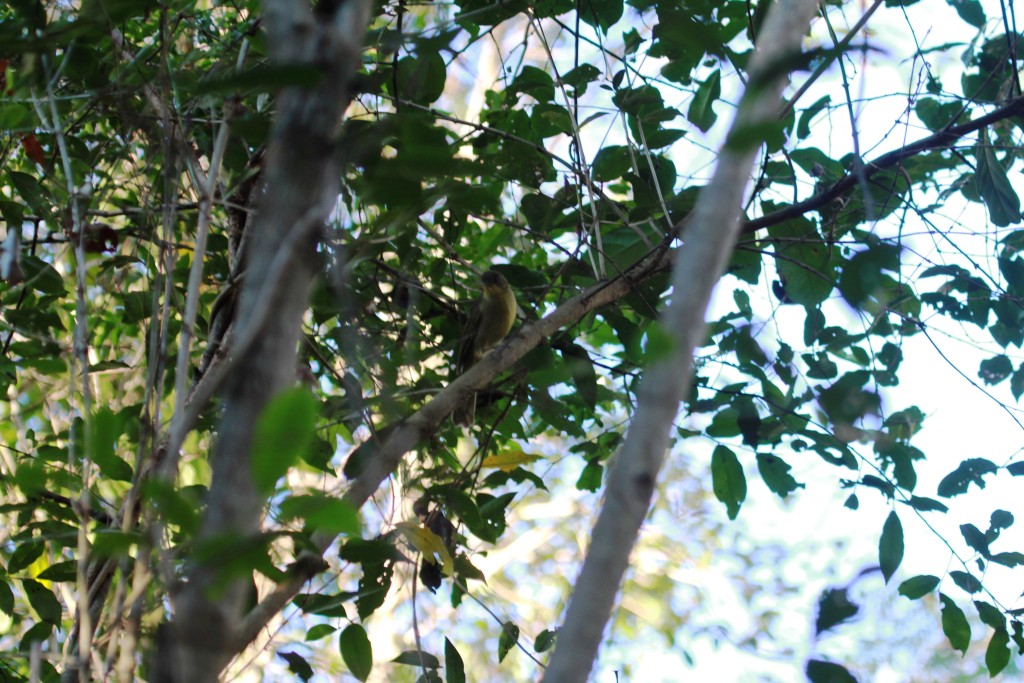
I was lucky enough to see one in Ankarafantsika NP. This little guy just knew he was cooler than cool and sat there for several minutes showing off to a thrilled group of birders!

IMG_5697 IMG_5711 IMG_5709 IMG_5707 IMG_5704 IMG_5701

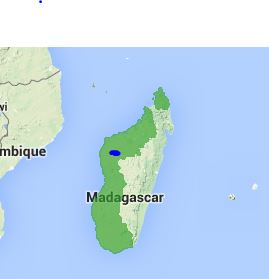
I am not 100% sure of the name of the circuit but all the guides know where to find this bird as it is very highly sought after!  Don’t let the wide range fool you, every reference I could find online to sightings of Schelgel’s Asity are in Ankarafantsika.

SA rangeLEARN MORE ABOUT THE SCHELGEL’S ASITY

Wikipedia

Birdlife

Encyclopedia Britannica

Xeno-Canto

VIDEOS

Sadly there aren’t many videos of this little beauty.  From what I hear, they are very hard to find and very few people get good photos even, never mind video!  Makes me feel extra lucky!  There are a few on IBC.

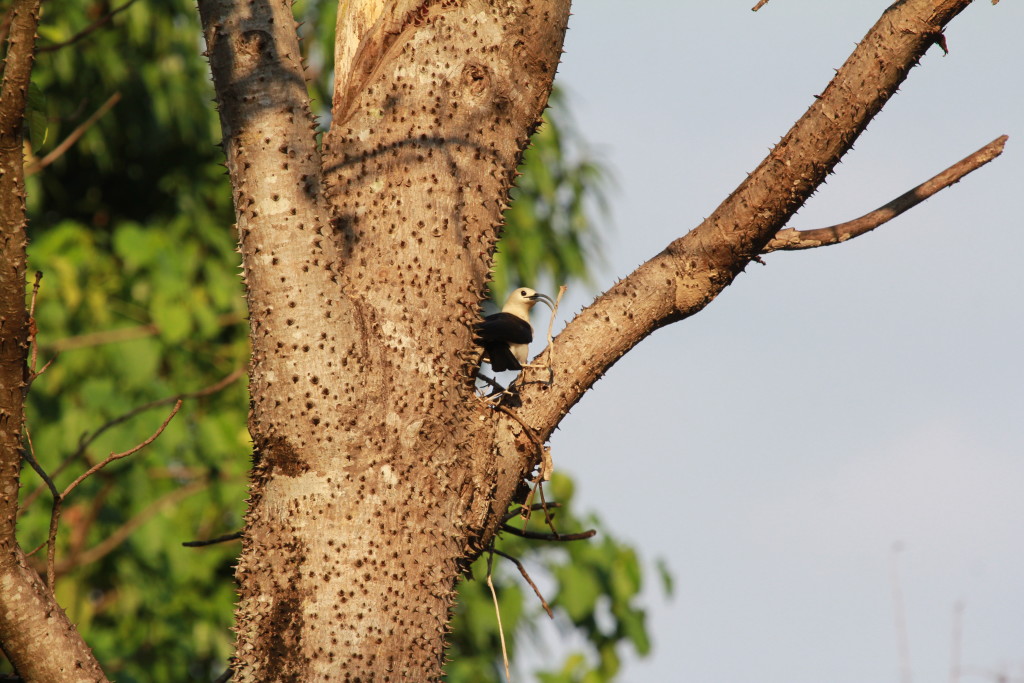
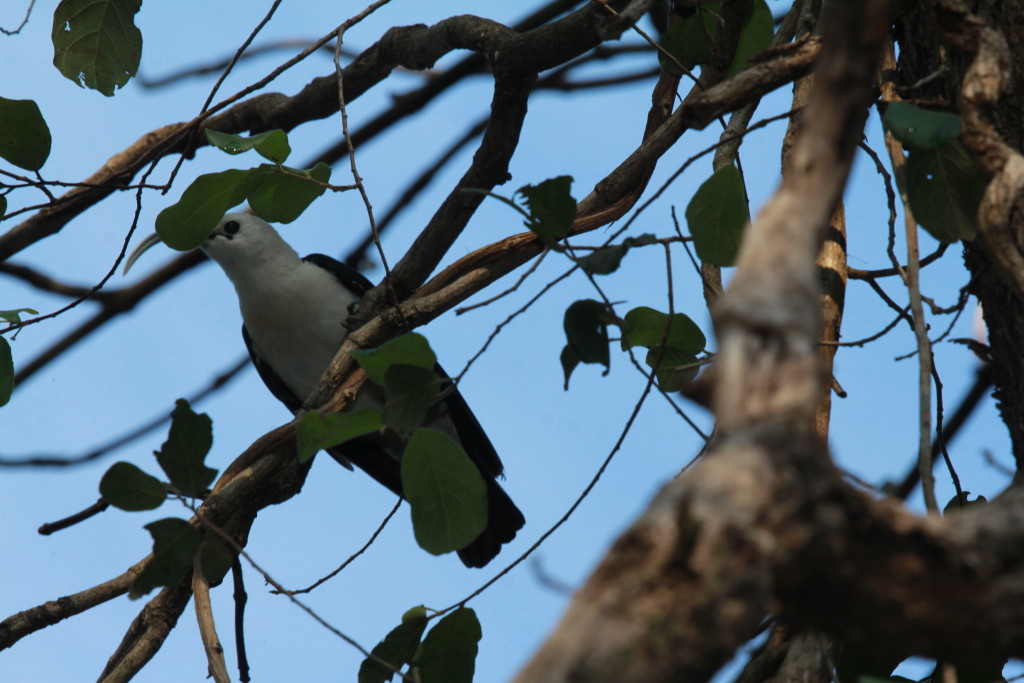
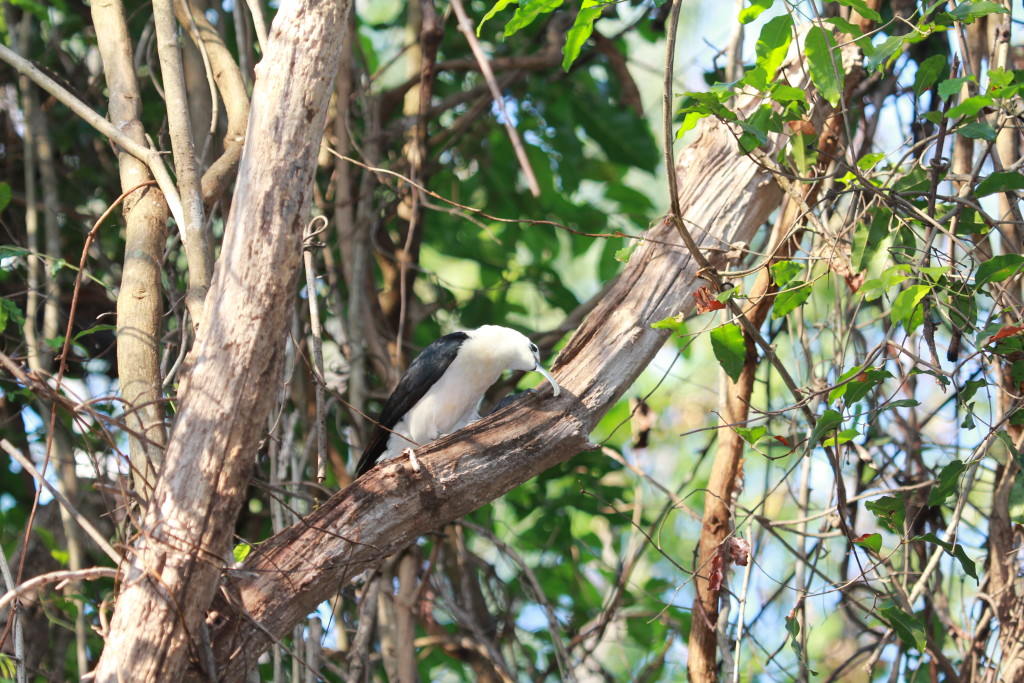
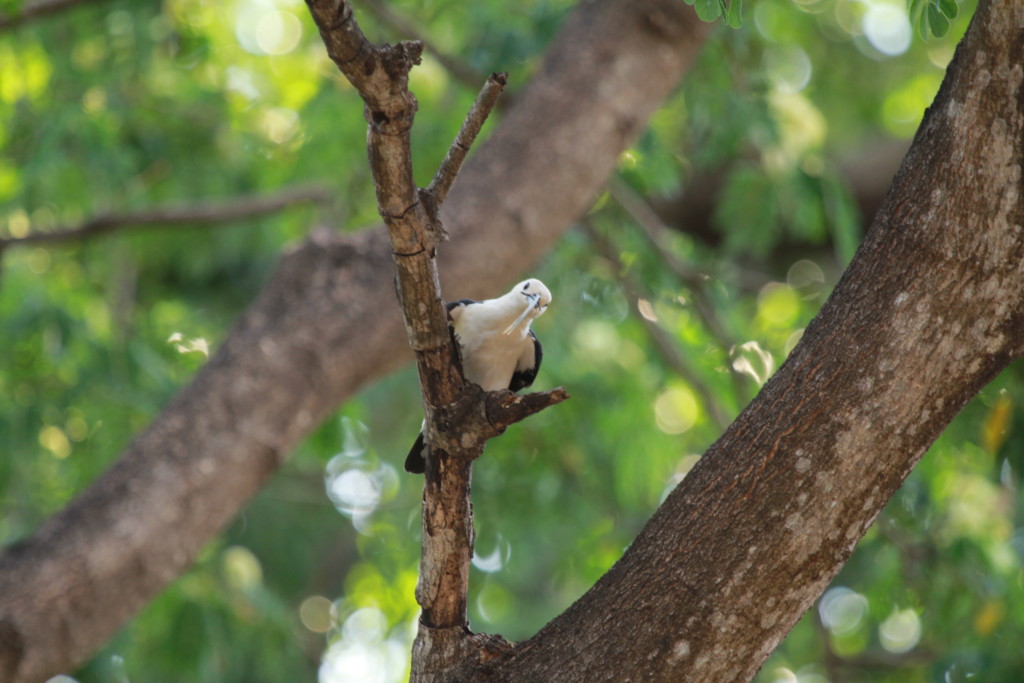
Sickle-billed Vanga (Falculea palliata)

The sickle-billed vanga (Falculea palliata) is a species of bird in the vanga family Vangidae. It is monotypic within the genus Falculea. It is endemic to Madagascar. Its natural habitats are tropical dry forests and tropical dry shrubland.

I took these photos in the car park at Ankarafantsika NP.

IMG_5344 IMG_5375 IMG_5376 IMG_5768Sickle-billed Vangas can be found in western Madagascar and if you want to get them easily, there is at least one nesting pair in the car park of Ankarafantsika.  They are there throughout the day.  They can also be seen in Ifaty and Andohahela NPs.

SBV rangeLEARN MORE ABOUT SICKLE-BILLED VANGAS

Wikipedia

Birdlife

Xeno-Canto

VIDEOS

The only embeddable clip I could find appears to be at a bird park but at least you can see the bird close up and hear his call.  For wild Vangas, there are some clips on IBC.


The Ankoririka Circuit, Ankarafantsika

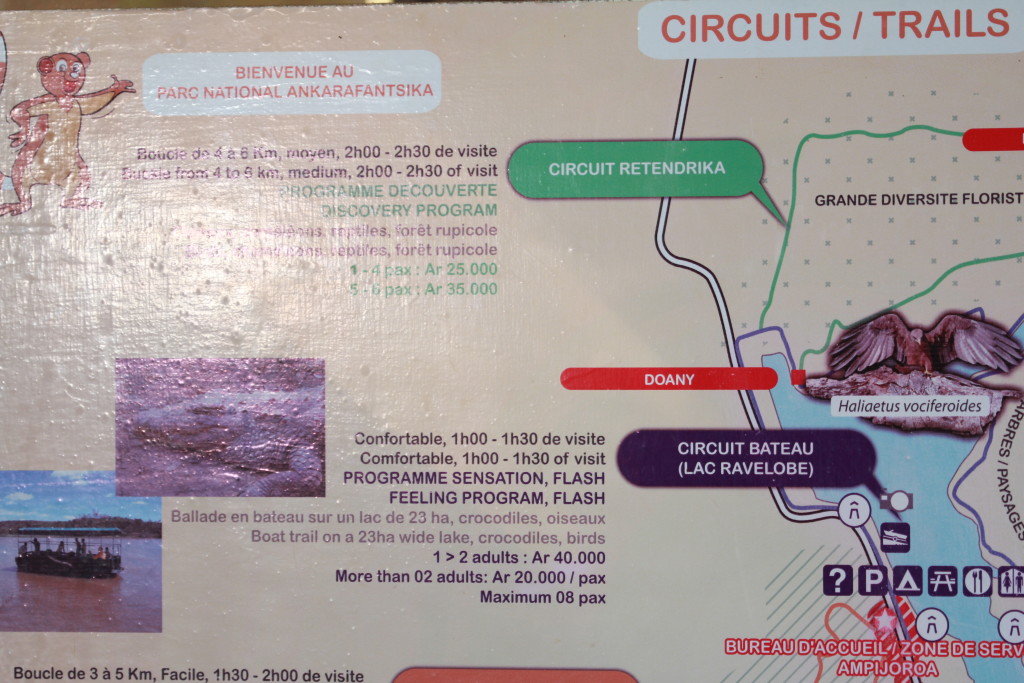
I’m going to qualify this post with a caution that I think this is the circuit we did the 2nd morning.  It could also have been the Retendrika Circuit as that one seems to be in the same area.   I am going from the description of the birds we saw there and the one from the website.  If you tell them you want to see the Schlegel’s Asity, they will take you to this place.

Duration : 3h
Distance : 9 km  (Don’t panic, you won’t have to walk that far if you are only after the Schlegel’s Asity)!

Guidance :
Ar 25,000 for 1 to 5 persons/day
Ar 37,000 for more than 7 persons / day

IMG_5366

IMG_5688

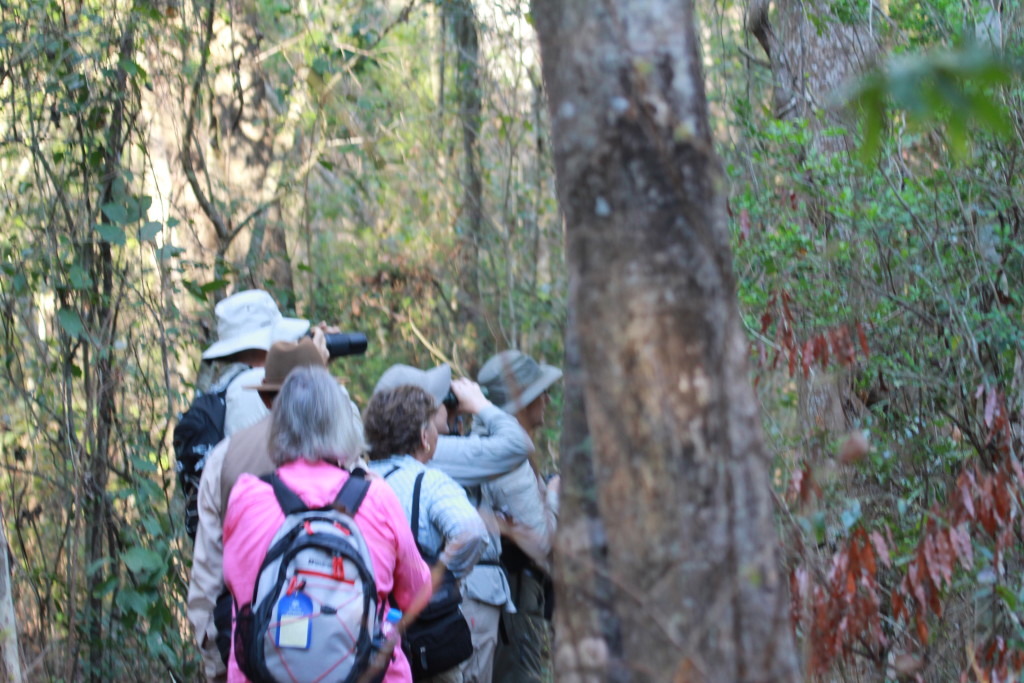
Another birding group was also looking for the bird.  That was a good thing as their guide found the Asity first and alerted our guide.  It’s nice how they work together!

IMG_5692

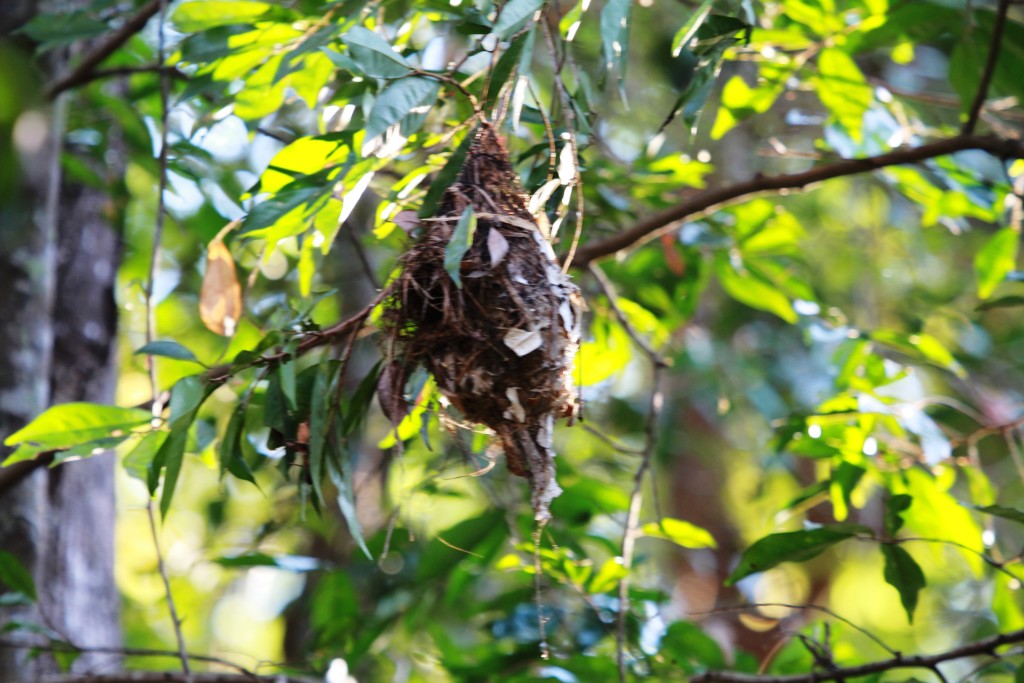
The nest of the Schlegel’s Asity

IMG_5693

And there he is, in all his glory!  This Schlegel’s Asity was super-cool and he knew it!  He posed for the whole group, turning his profile both ways and just showing off!

IMG_5697 IMG_5700 IMG_5702 IMG_5707 IMG_5709

The group moved off through the bush, the next target would be a White-breasted Mesite.

IMG_5715

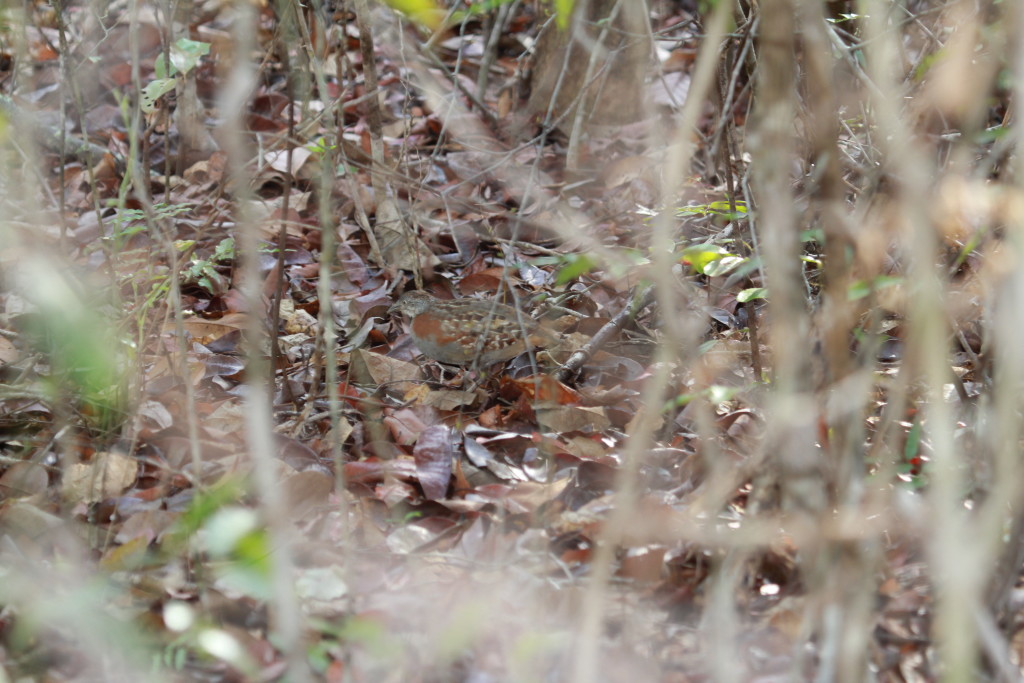
We did eventually find one in the bush but he scurried off before I could get a decent shot.  You can’t win ’em all!

IMG_5719 IMG_5722

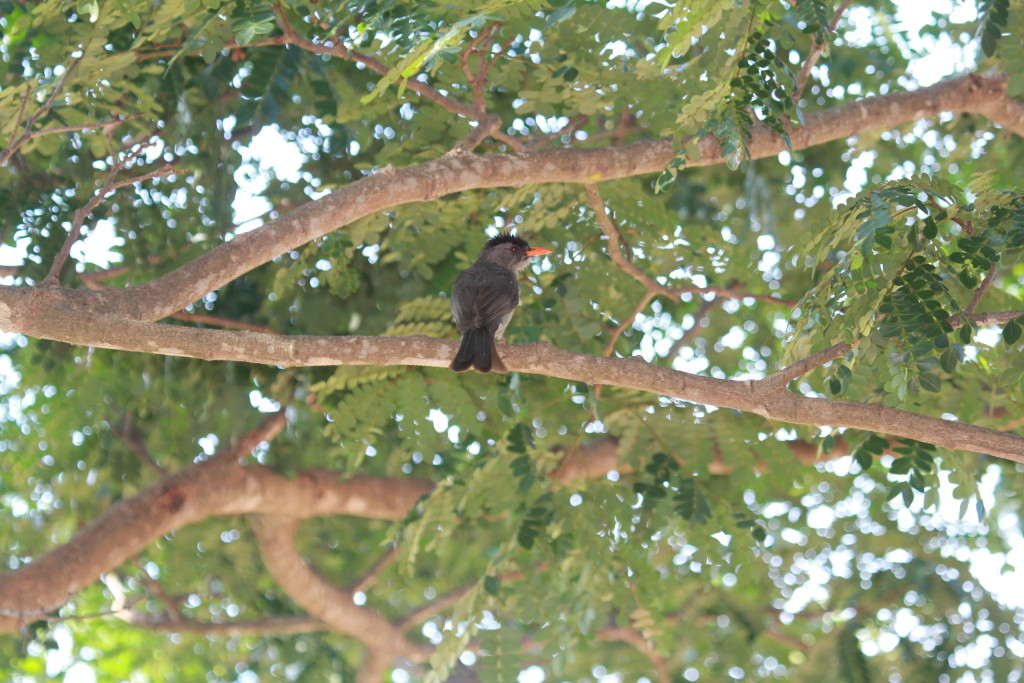
Malagasy Bulbul

IMG_5723

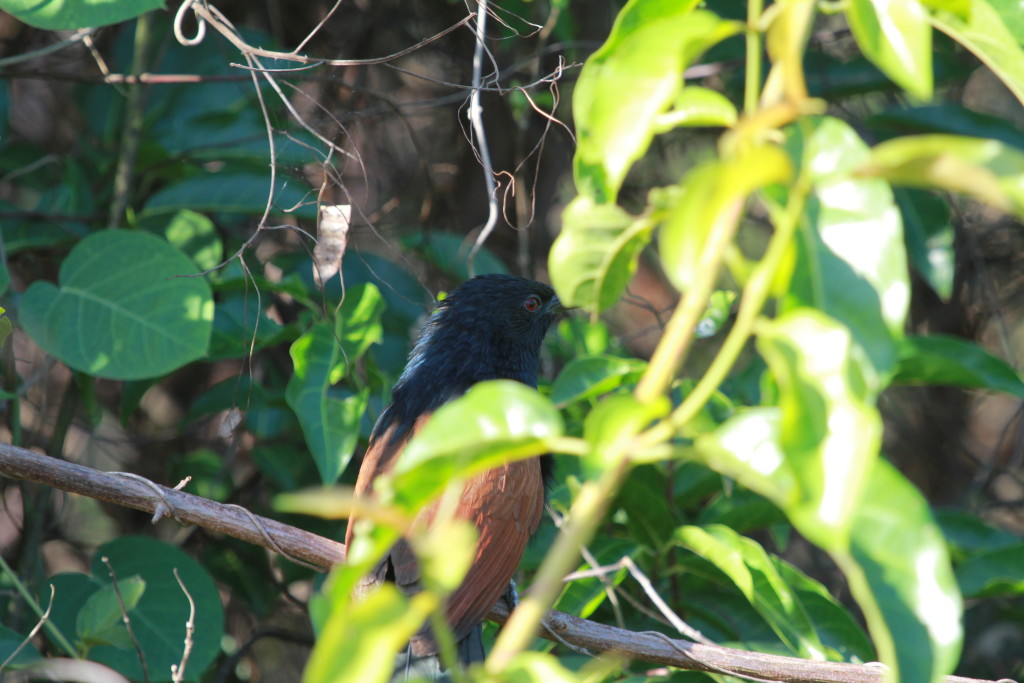
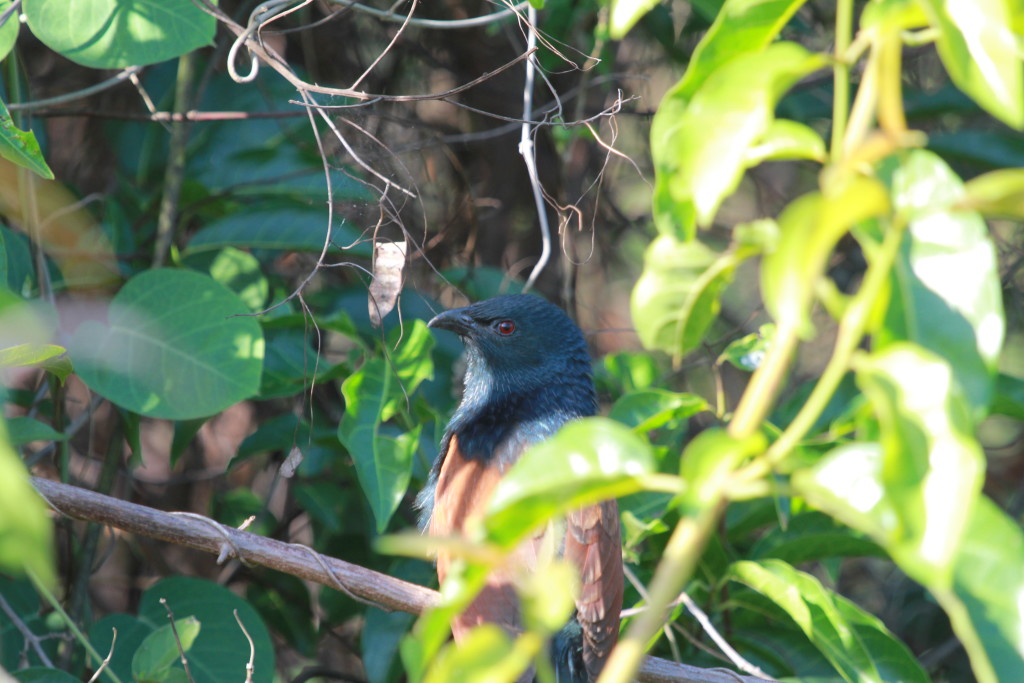
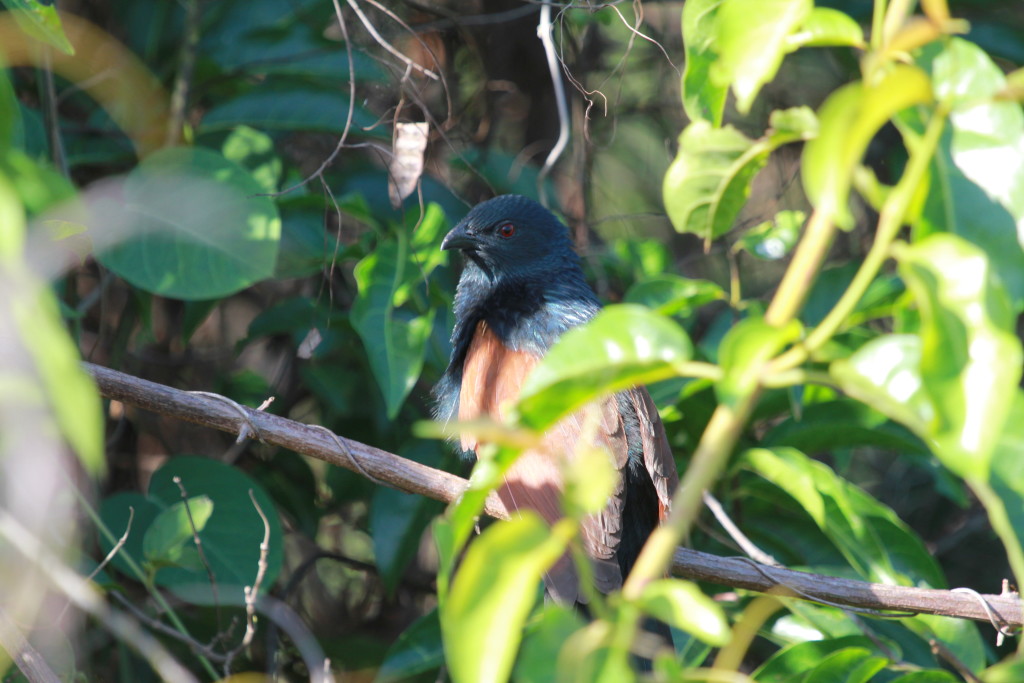
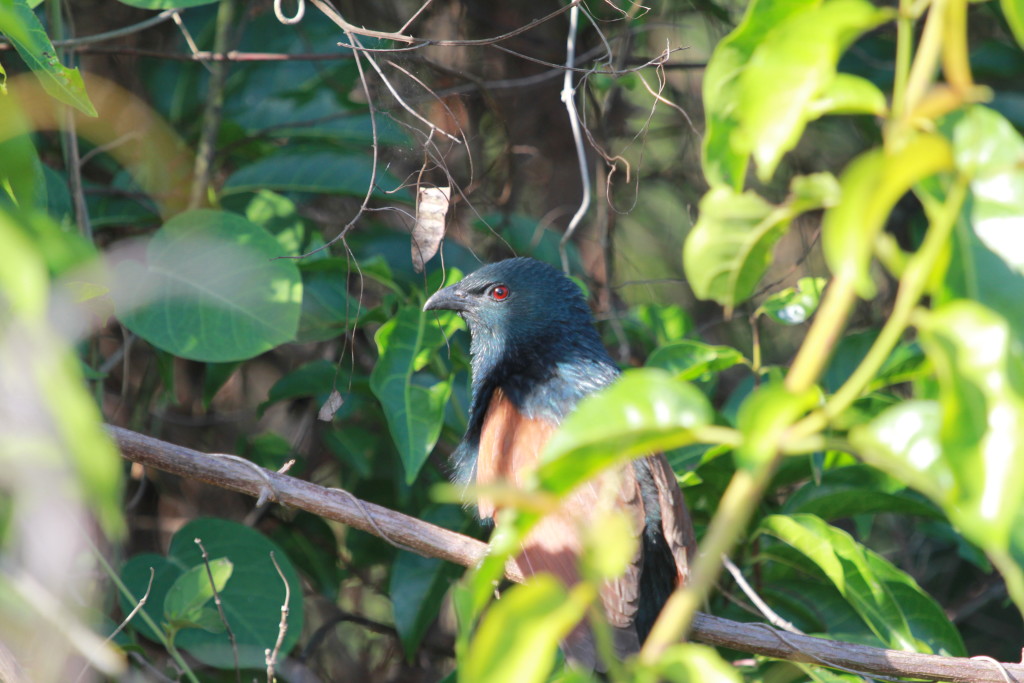
Malagasy Coucal

IMG_5726 IMG_5727 IMG_5728 IMG_5729

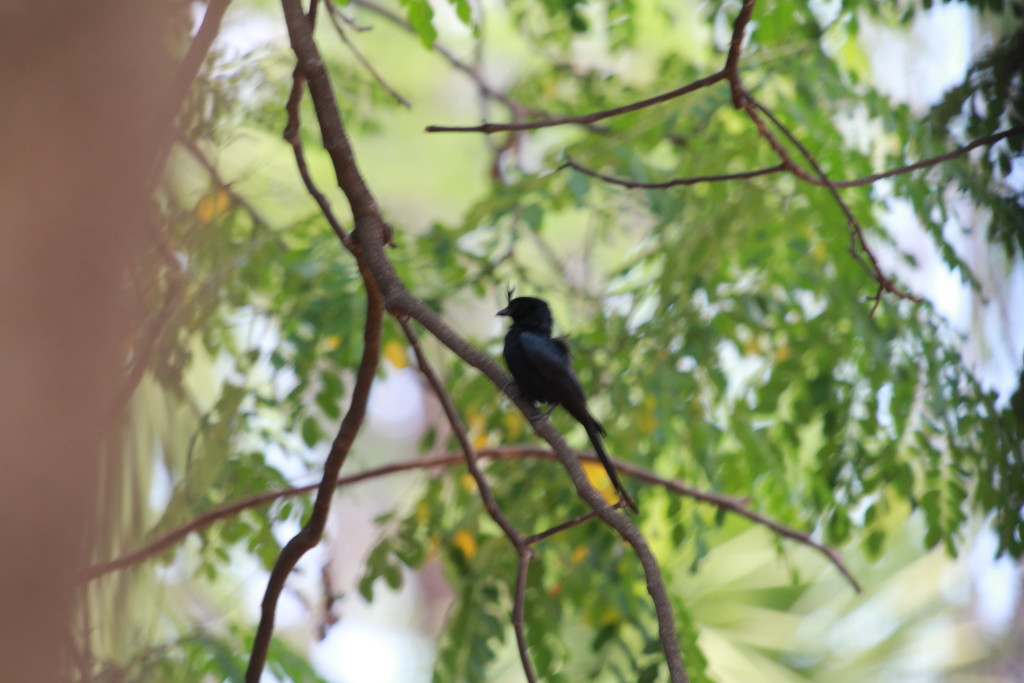
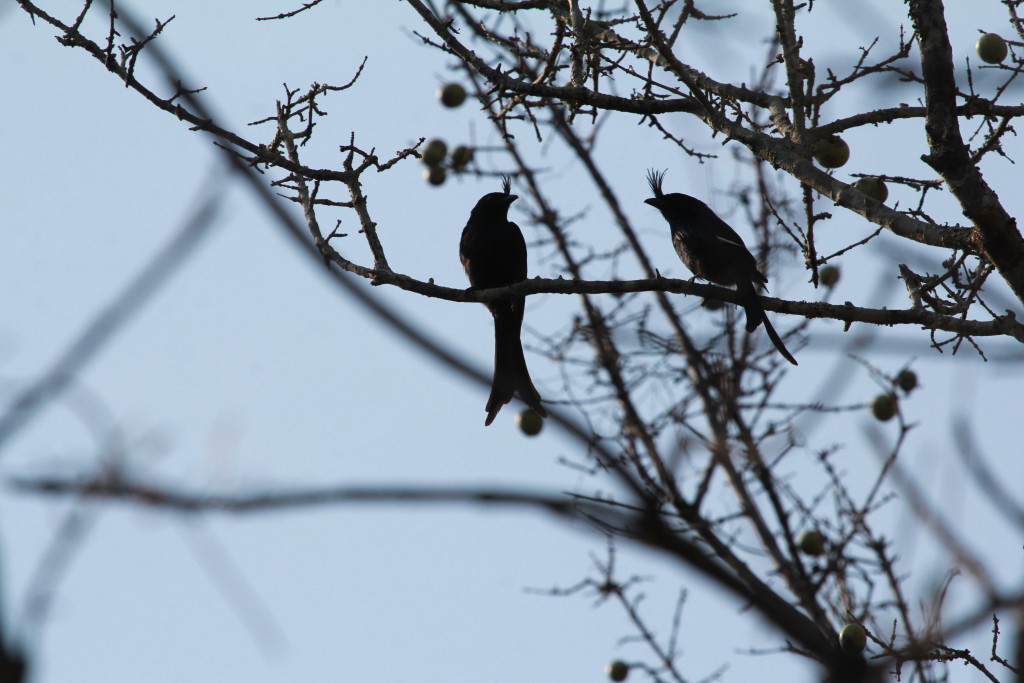
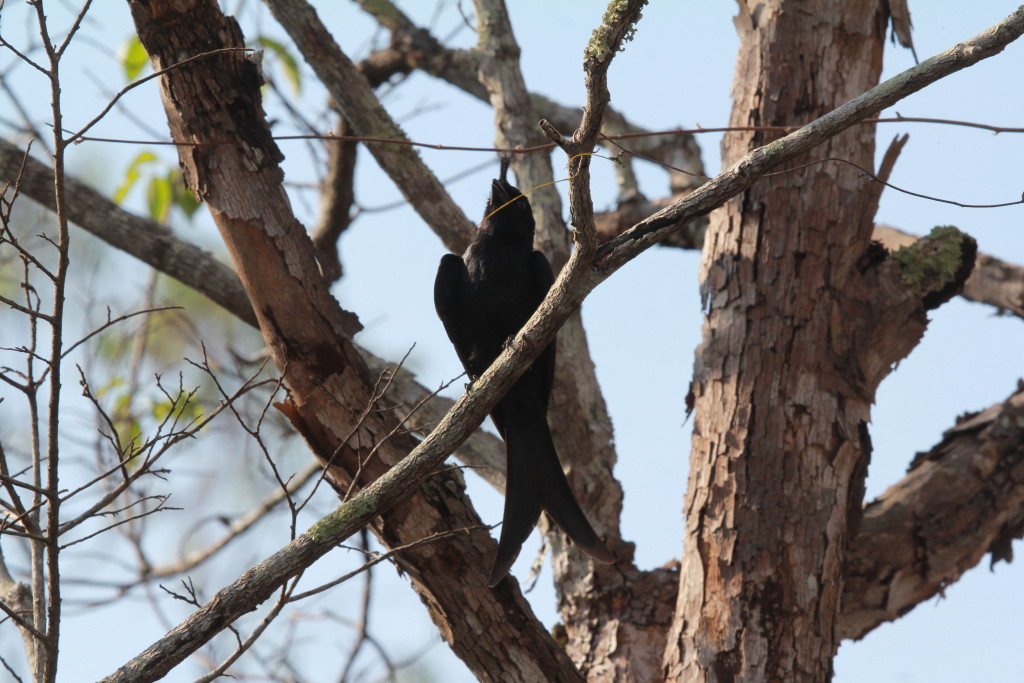
Crested Drongo (Dicrurus forficatus)

The crested drongo (Dicrurus forficatus) is a species of bird in the Dicruridae family.  The nominated race is endemic to Madagascar, and found throughout the island, and some of the larger inshore islands including Nosy-Bé. The Dicrurus forficatus potior subspecies on only found on the Comoro Islands.

I took these photos in the car park of Ankarafantsika NP.

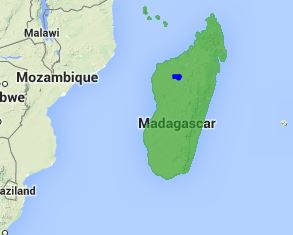
IMG_5764 IMG_5390 IMG_5399They have a very large range and can be seen anywhere in Madagascar.  They are found easily in Ankarafantsika pretty much everywhere from the car park to the actual trails in the park.  It’s nice to have such a cool looking bird easily found!

MFC rangeLEARN MORE ABOUT THE CRESTED DRONGO

Wikipedia

Birdlife

Internet Bird Collection

VIDEOS

I can’t find anything embeddable but there are a couple brief clips on IBC.


The Lemurs Of Ankarafantsika

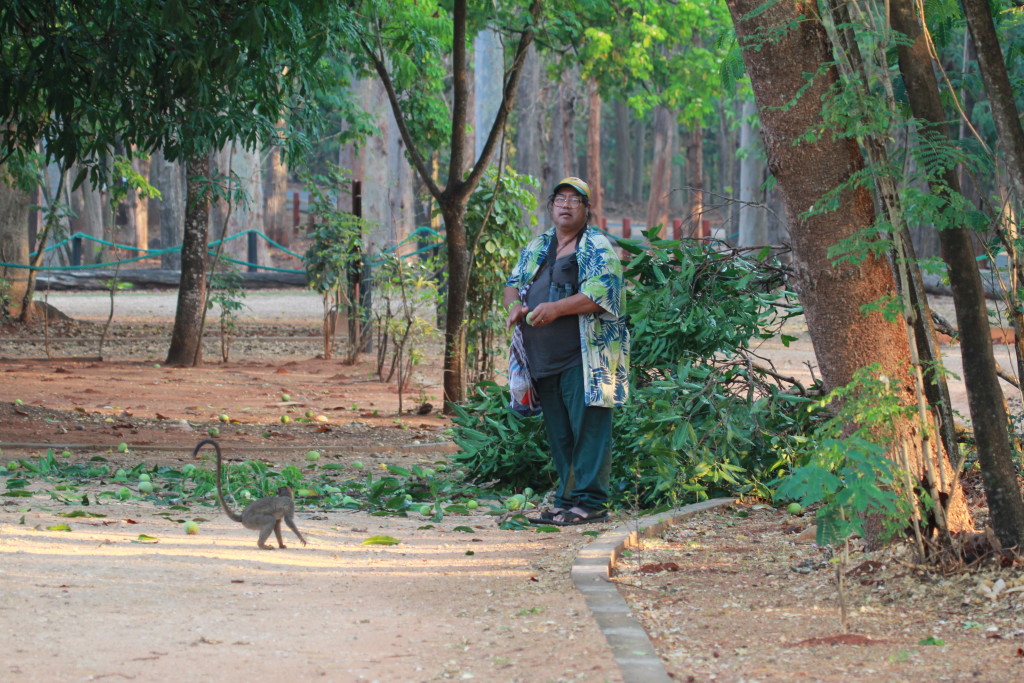
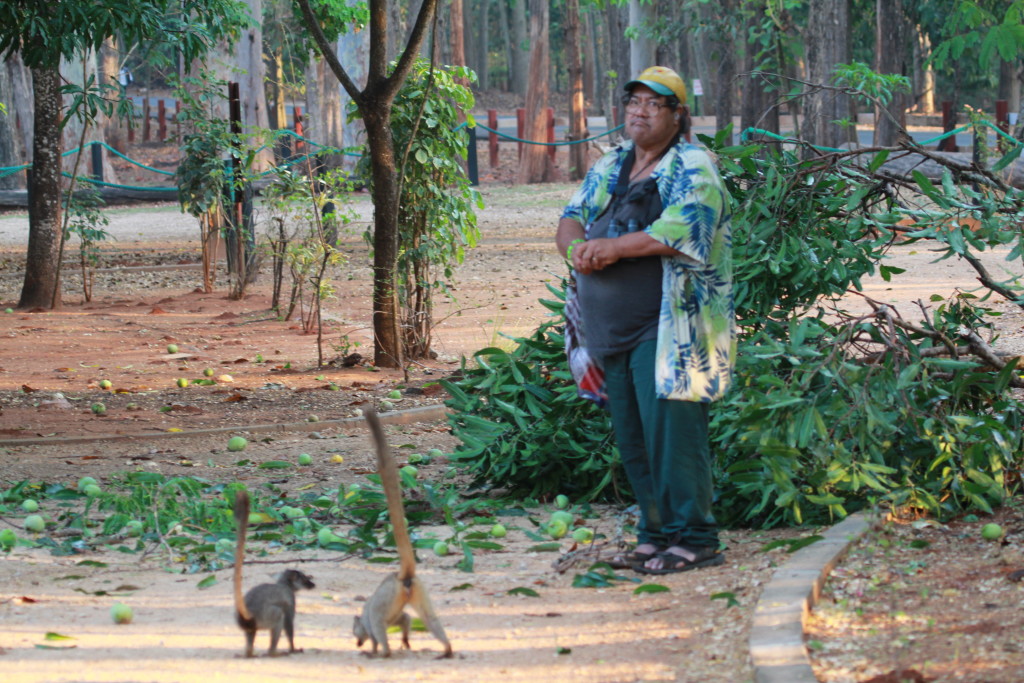
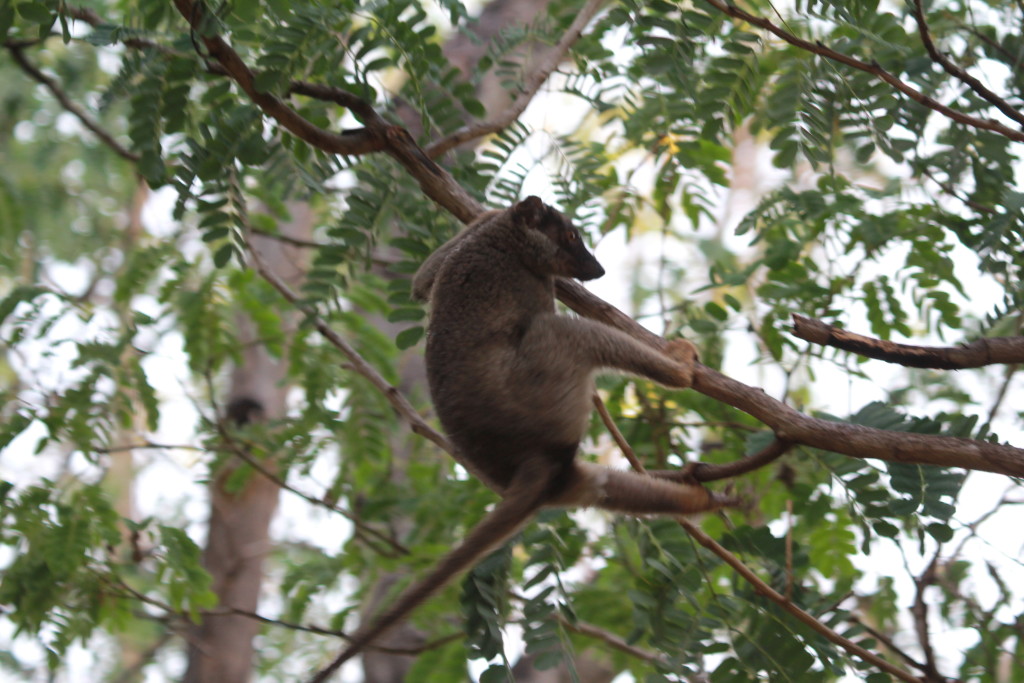
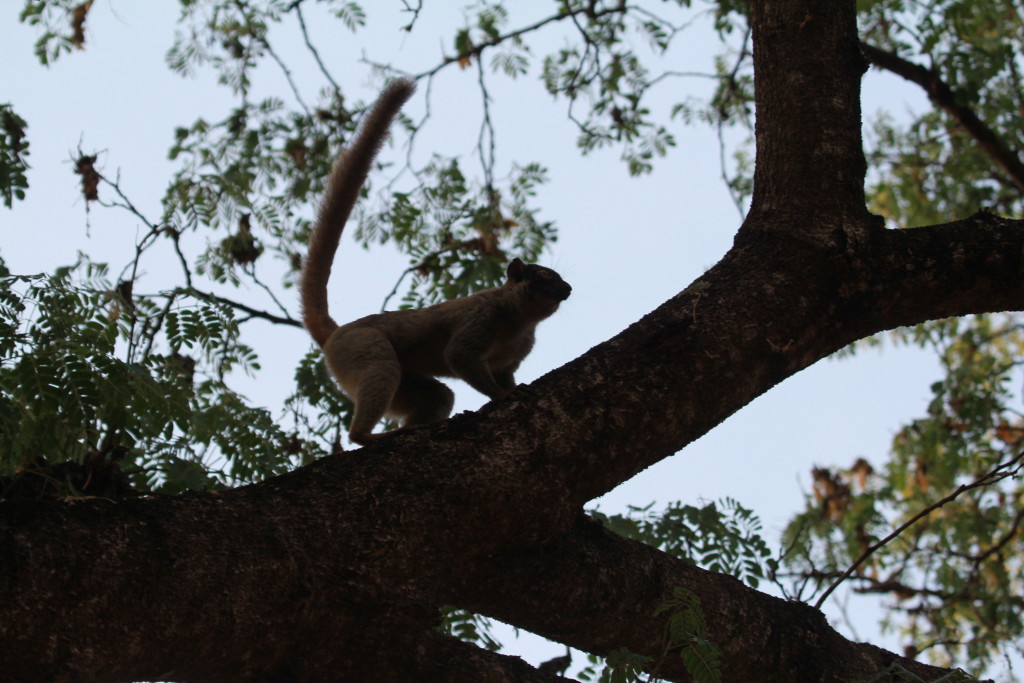
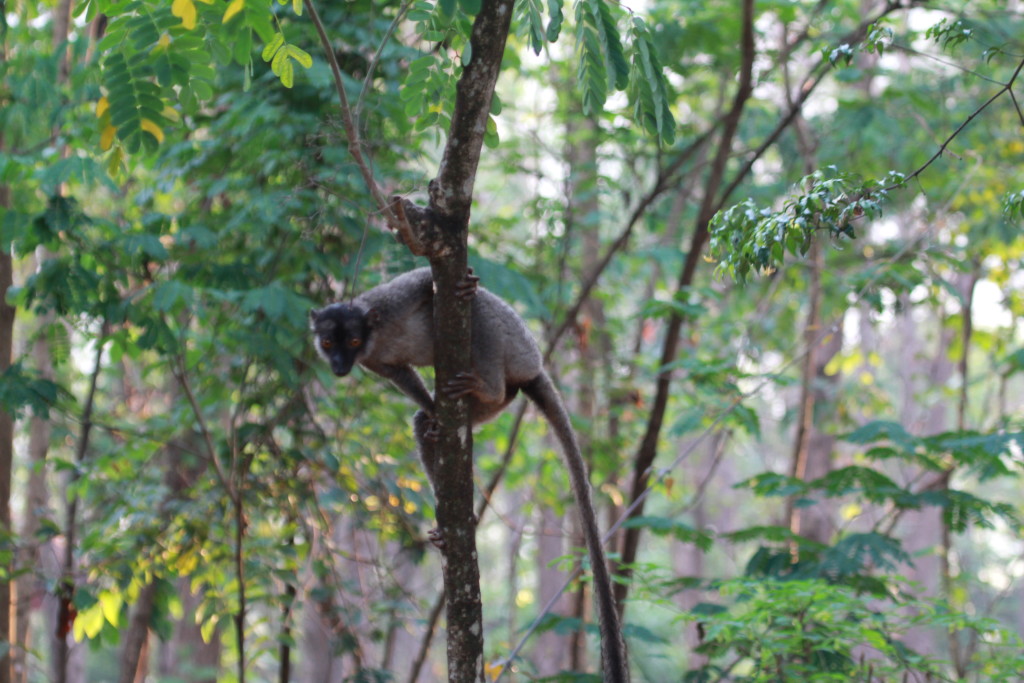
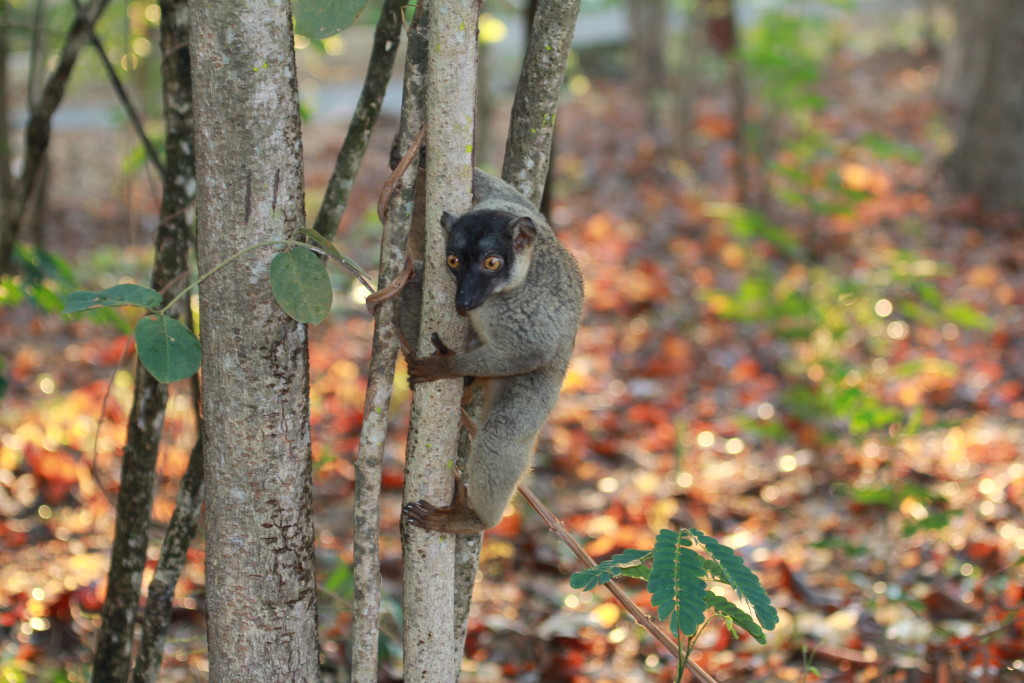
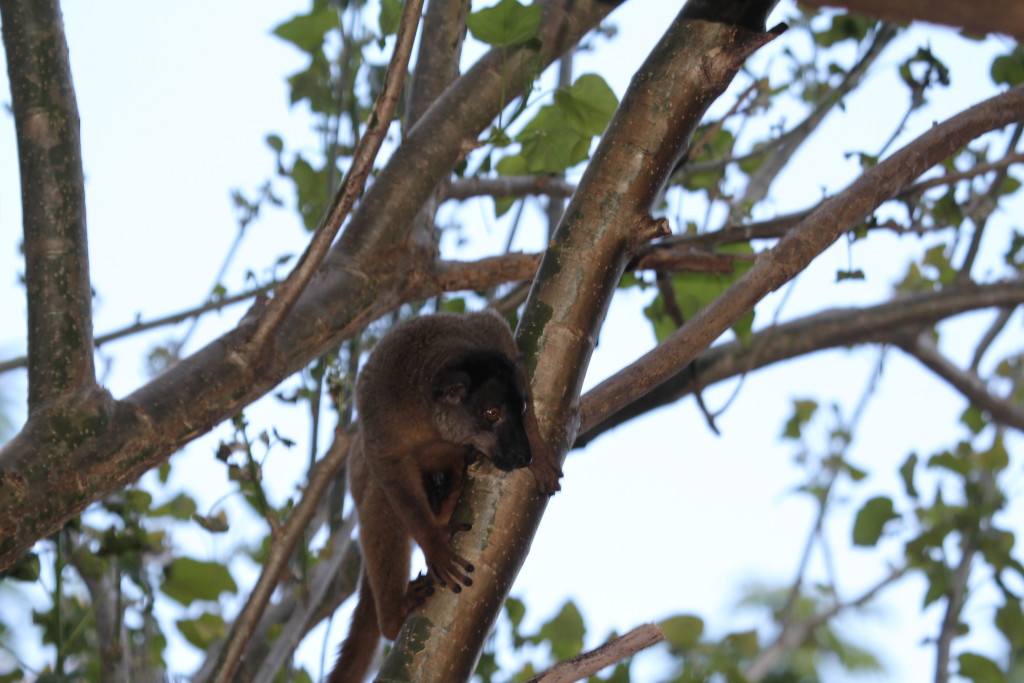
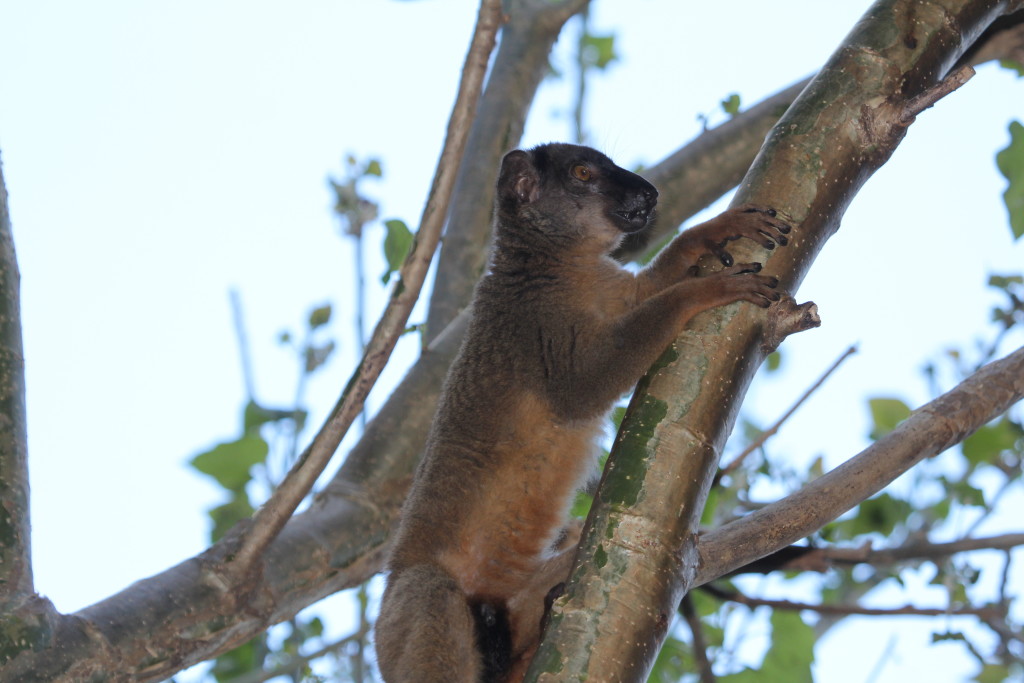
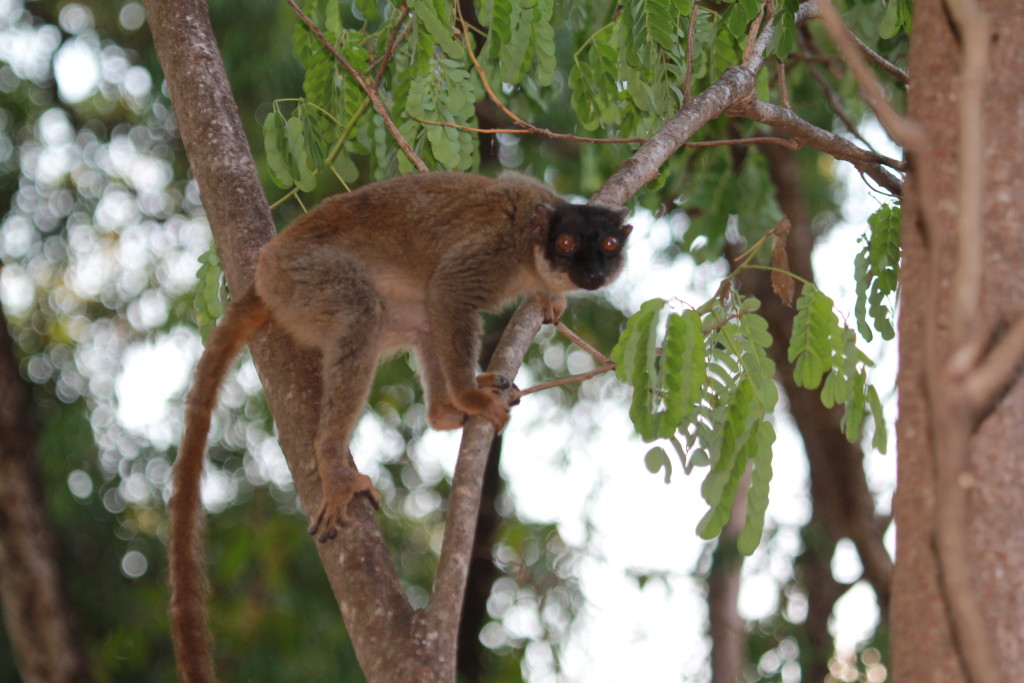
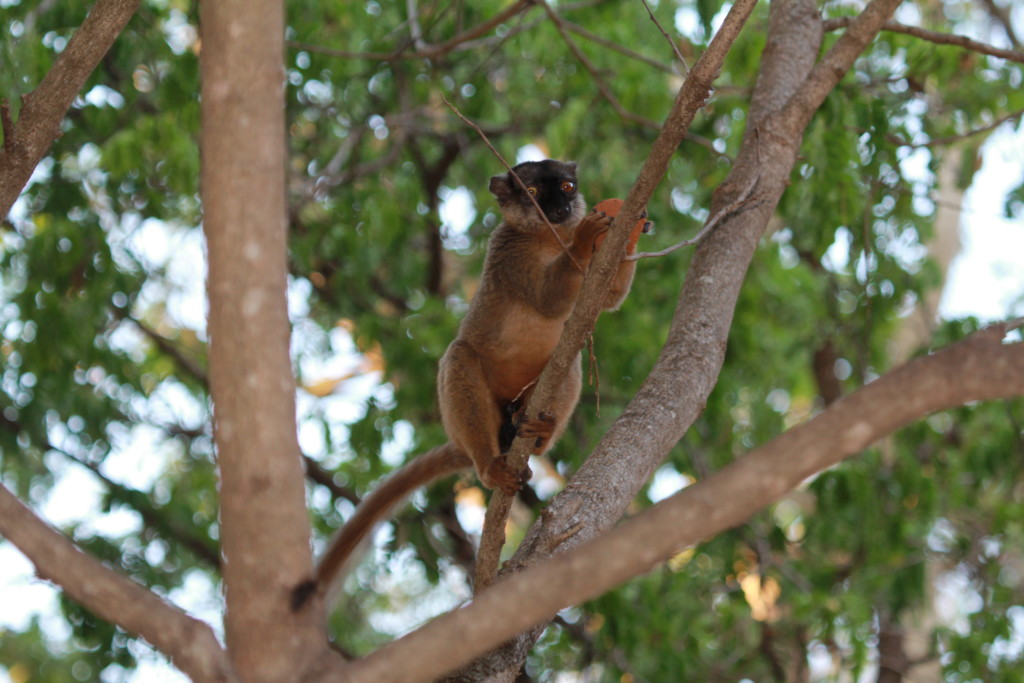
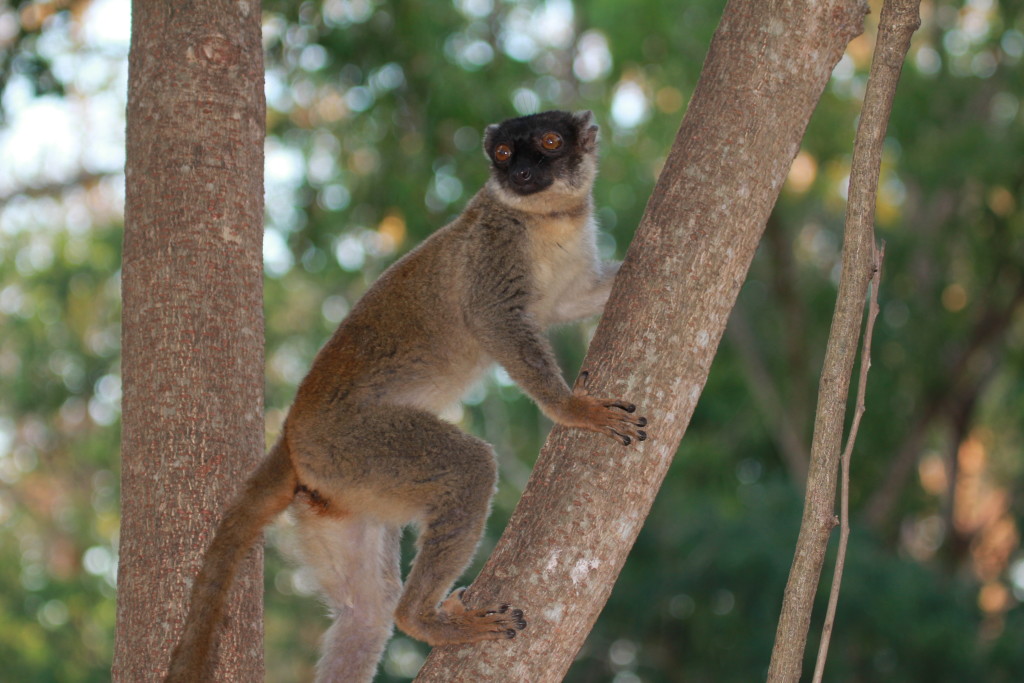
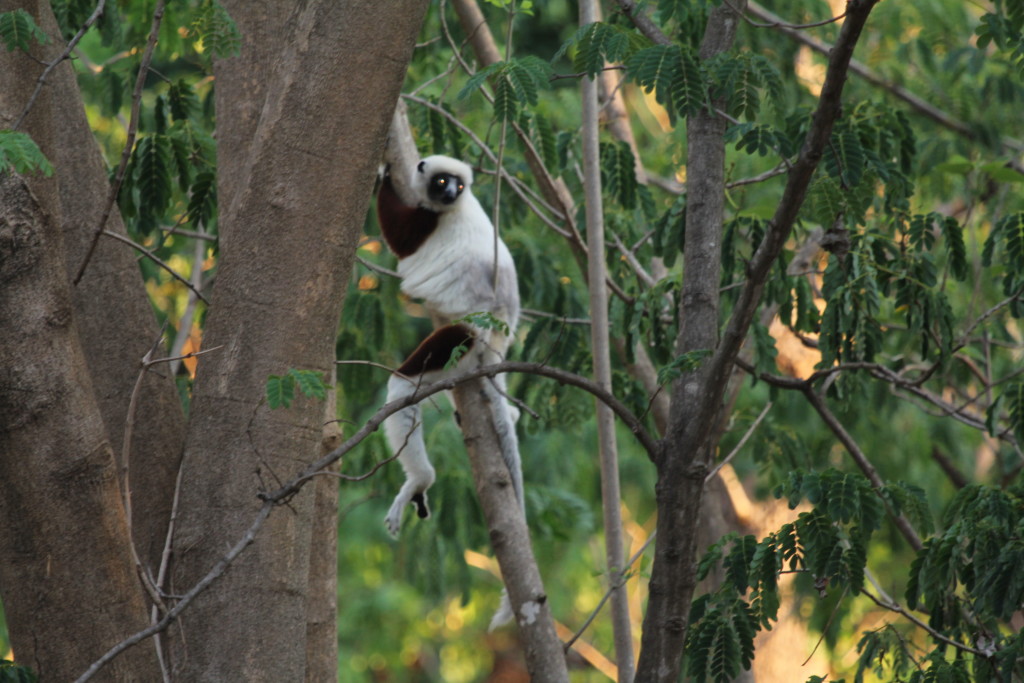
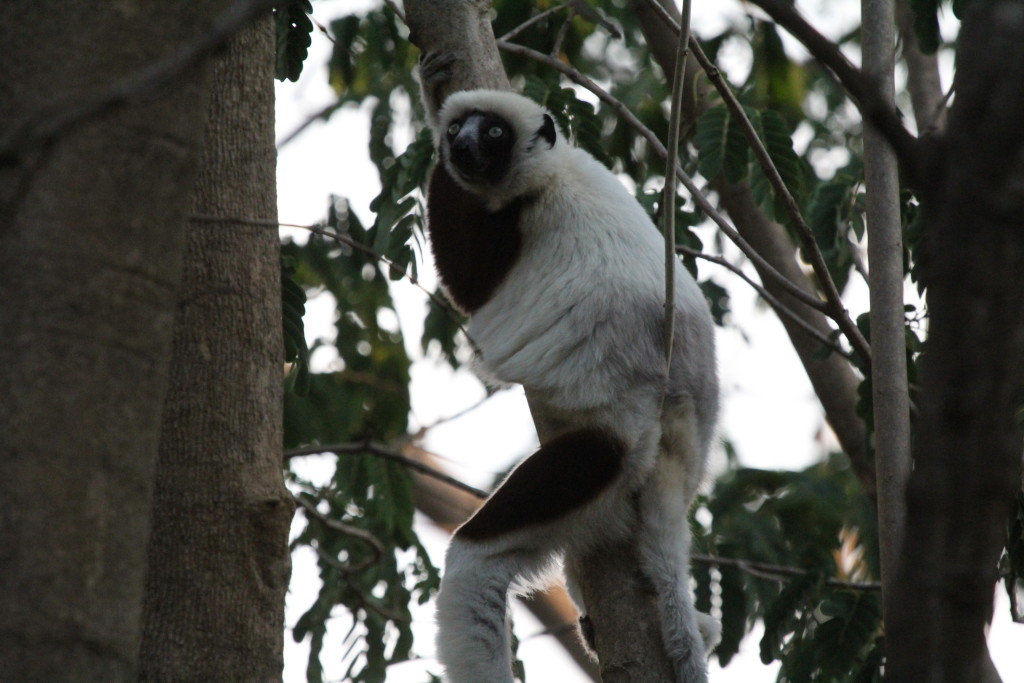
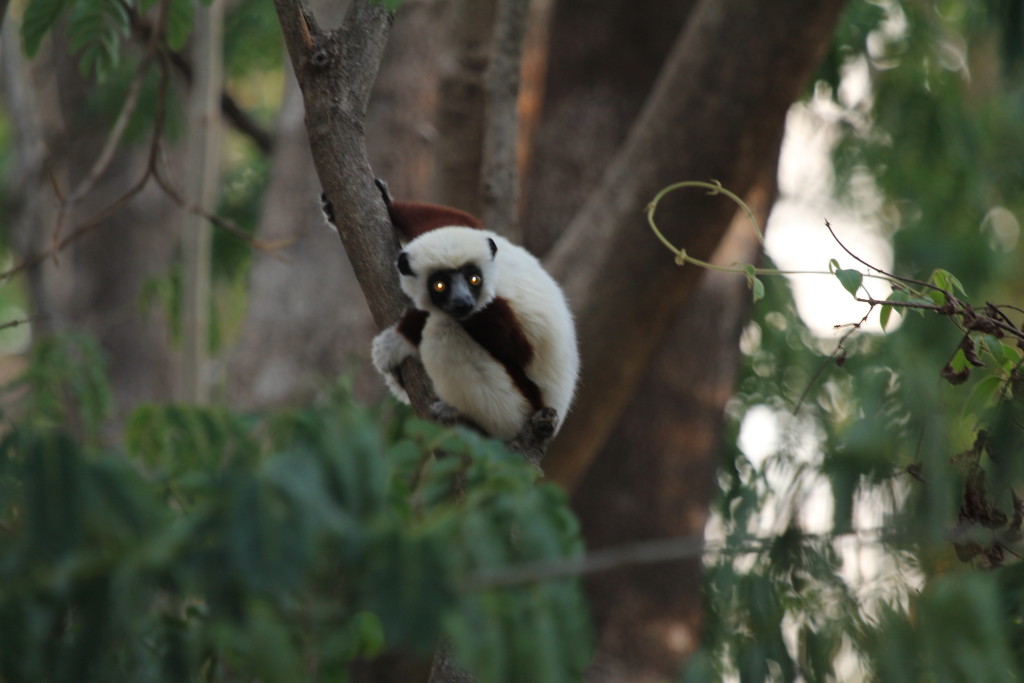
Continuing on from yesterday’s post where we met the birds that hang out in Ankarafantsika’s car park, we will now meet the lemurs.  Although you will also see them while hiking in the actual park, these photos were all taken in the car park.  My husband was a bit surprised by how close they came.

IMG_5276 IMG_5278

Common Brown Lemurs

IMG_5269 IMG_5272 IMG_5280 IMG_5282 IMG_5290

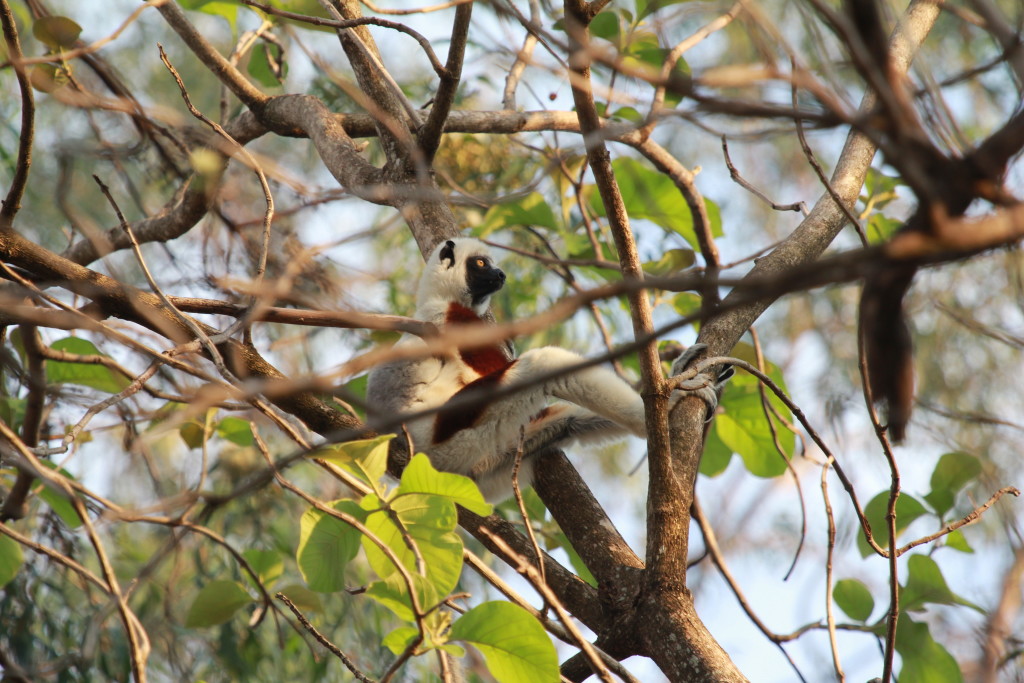
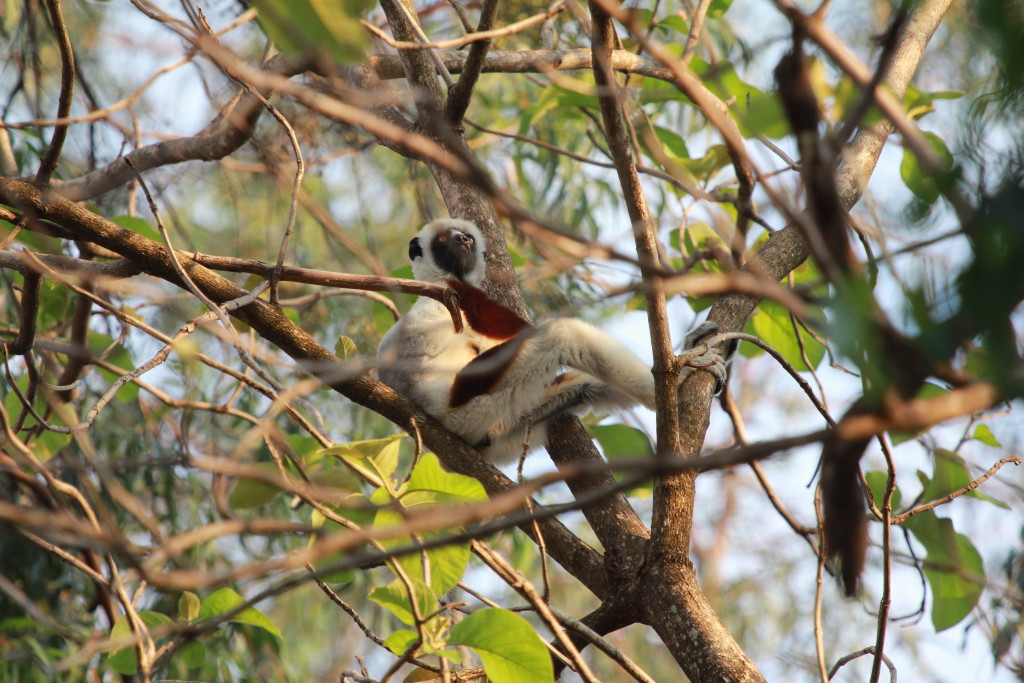
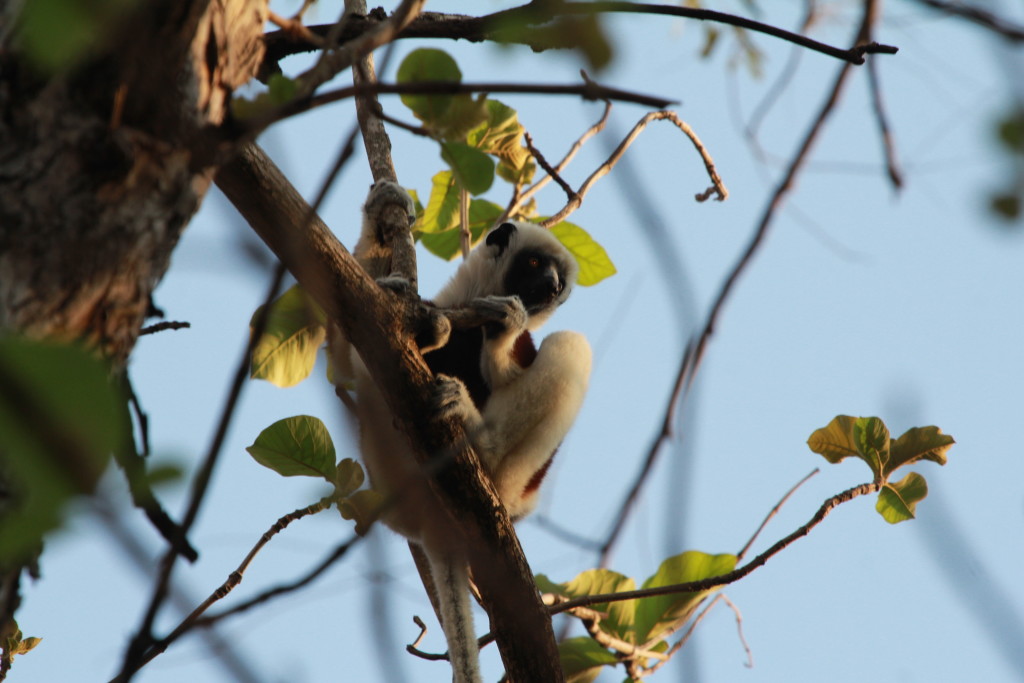
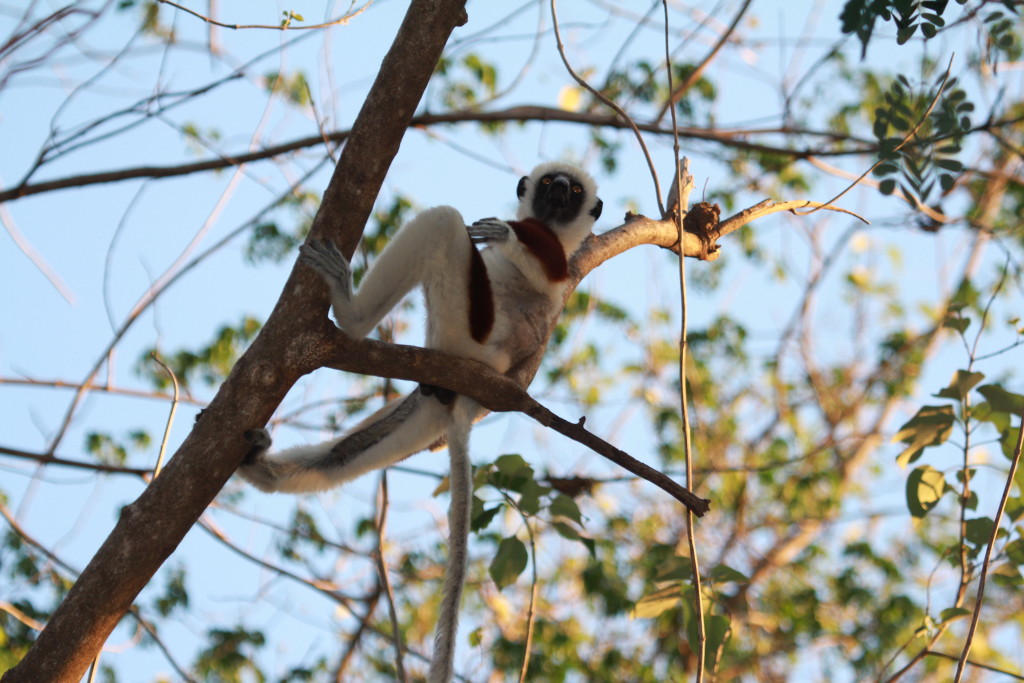
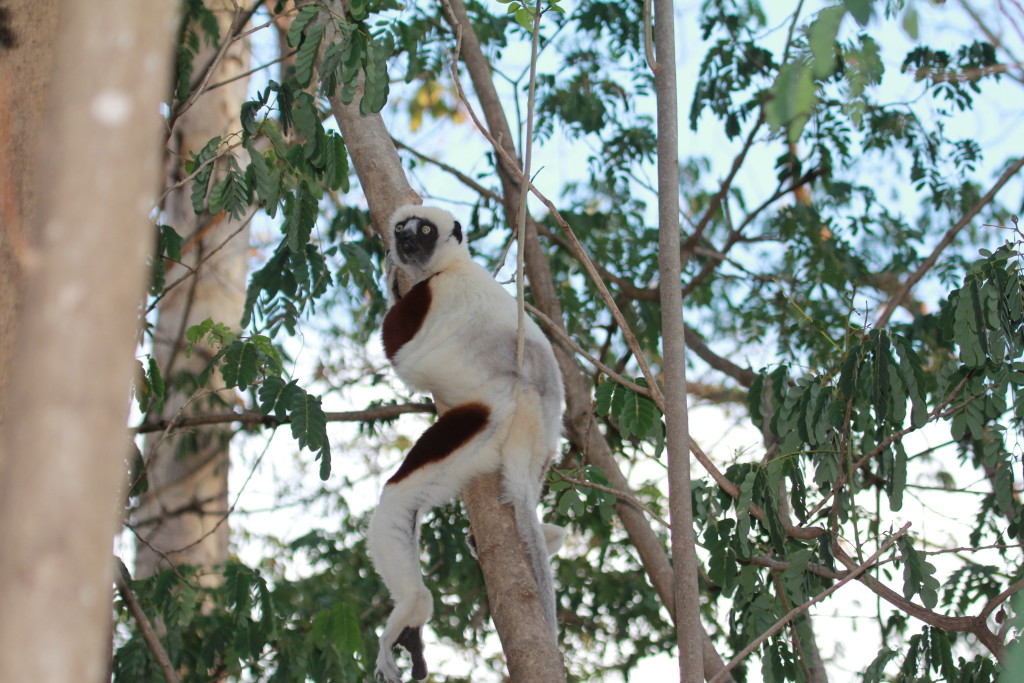
Coquerel’s Sifaka – my personal favourite!

IMG_5299 IMG_5301 IMG_5303 IMG_5662 IMG_5664 IMG_5675 IMG_5676 IMG_5678 IMG_5668 IMG_5670 IMG_5671 IMG_5672 IMG_5679

In the evening we also saw a few of the shy nocturnal species.  Unfortunately I couldn’t get any decent photos as it was dark and they were far away enough so that a flash wouldn’t have helped and would have frightened them off.  We saw Dwarf Lemurs, Golden-brown Mouse Lemurs, and Grey Mouse Lemurs.

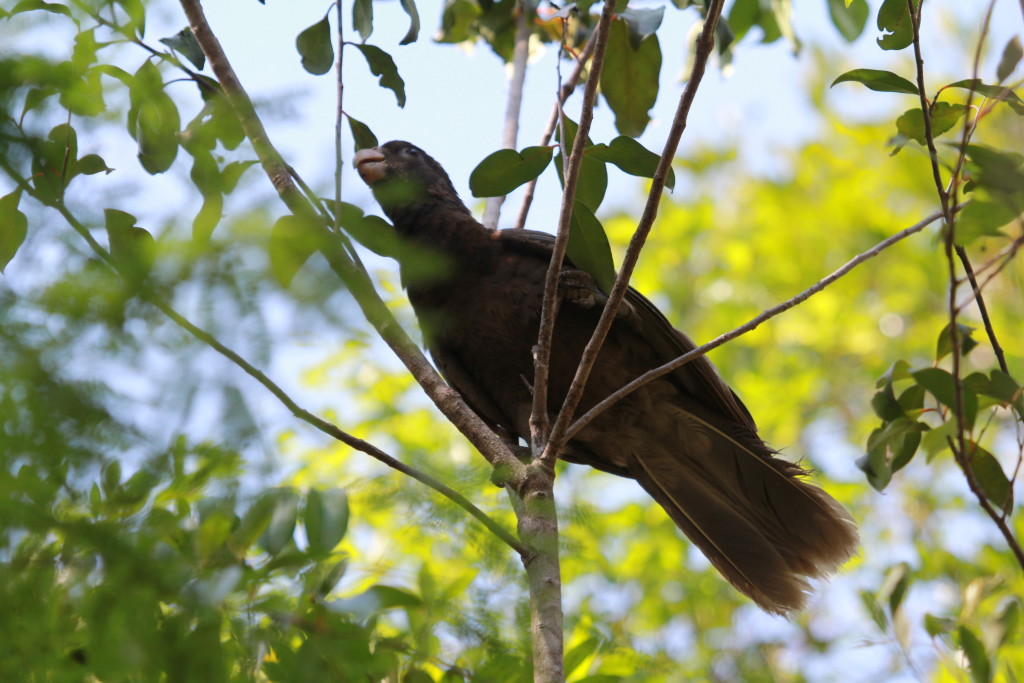
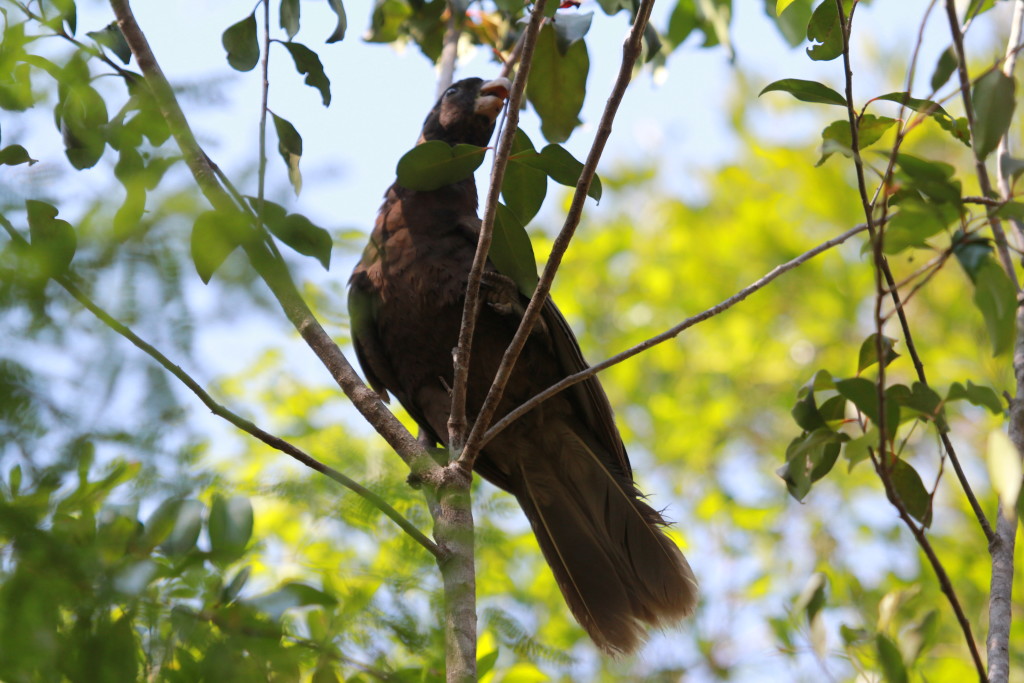
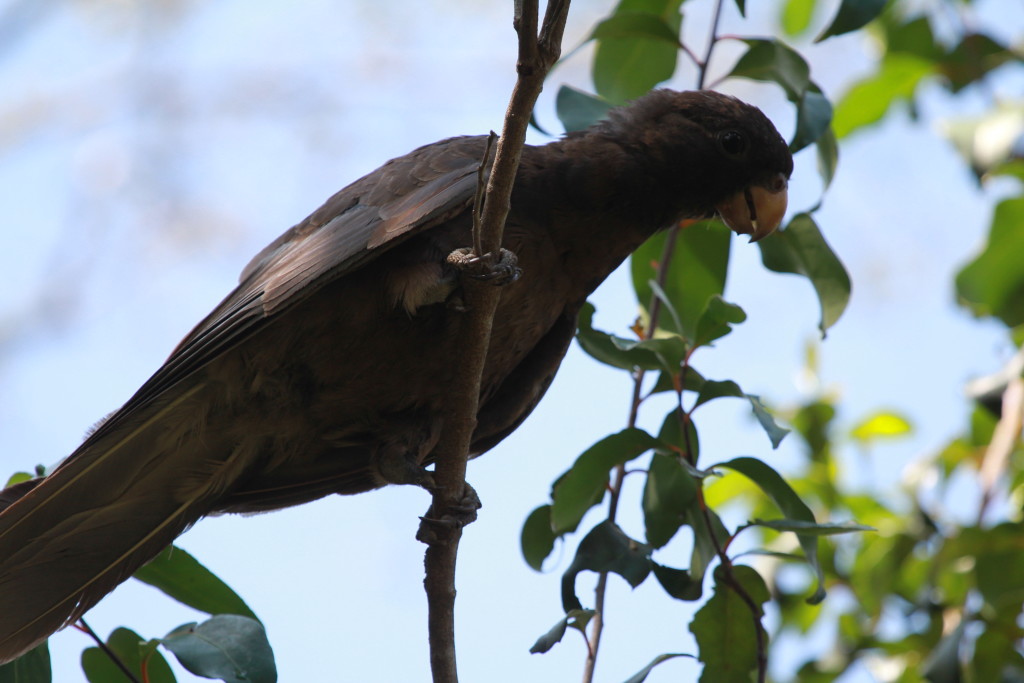
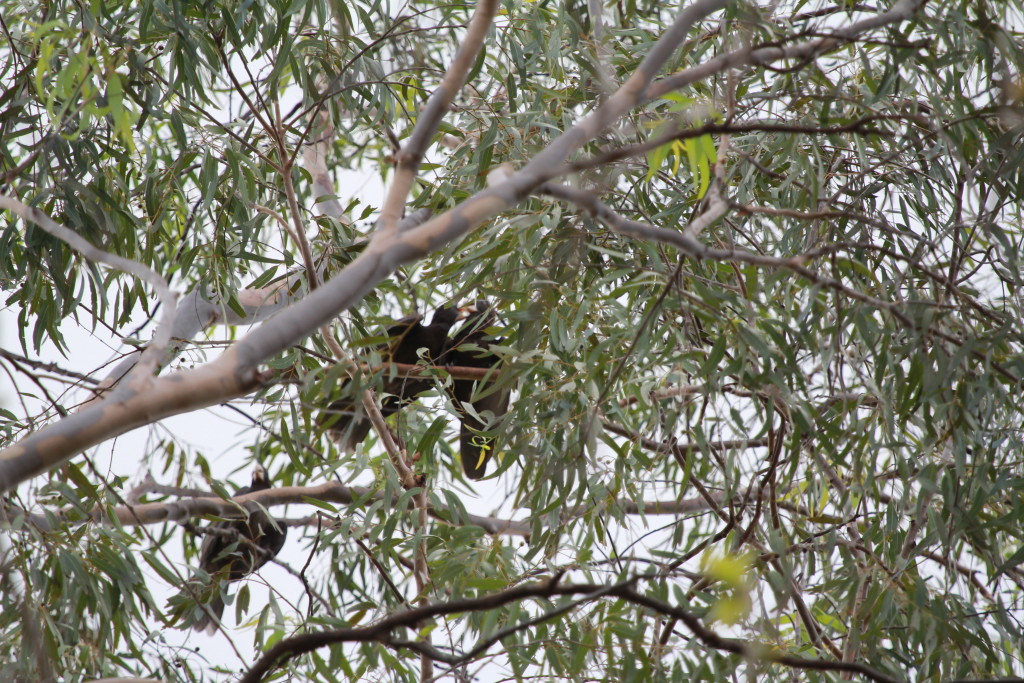
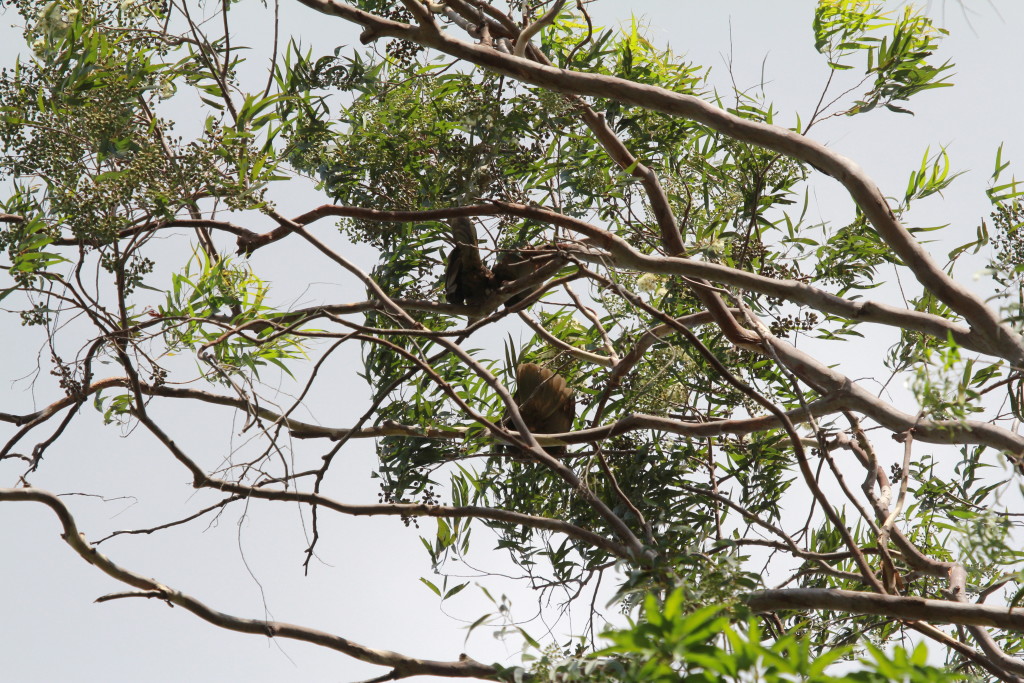
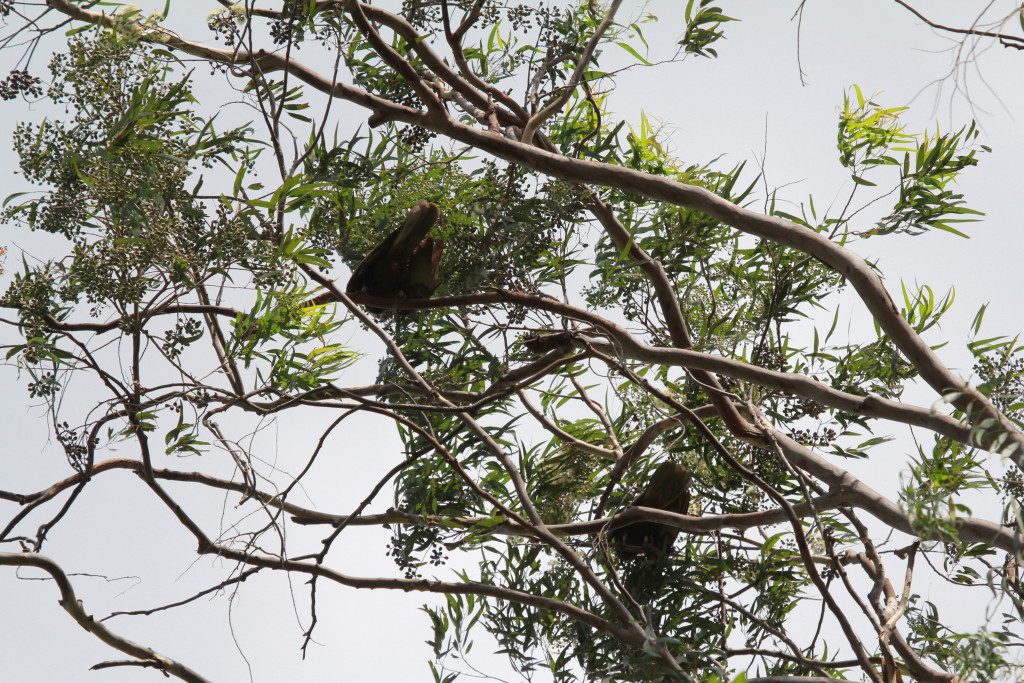
Greater Vasa Parrot (Coracopsis vasa)

The Greater Vasa Parrot (Coracopsis vasa) is one of two species of vasa parrot, the other being the lesser vasa parrot C. nigra. The greater vasa parrot can be found throughout Madagascar and the Comoros. In Madagascar it is more common in portions of the Madagascar dry deciduous forests, compared with the lesser vasa parrot which is more common in the humid forests of the east coast.

I took these photos in Ankarafantsika NP.

IMG_5444 IMG_5446 IMG_5461

This pair was clearly in a romantic mood!

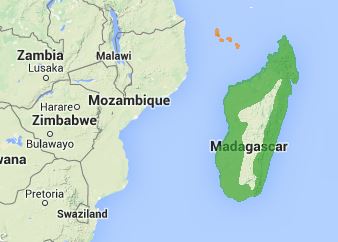
IMG_5749 IMG_5752 IMG_5754 IMG_5756 IMG_5760They can be found in various places around Madagascar except in the interior.  Their population is decreasing so if you want to be sure of seeing them, head to Ankarafantsika where there is a good sized flock.

GHLB RangeLEARN MORE ABOUT GREATER VASA PARROTS

Wikipedia

World Parrot Trust

Birdlife

VIDEO

I can’t find many videos of them in the wild, at least not that I can embed here so head over to IBC for a brief clip.

And here’s a clip of a breeder describing the characteristics of a Greater Vasa Parrot.