Help Save Africa’s Parrots

If you have found my blog helpful at all this year, the best way you can thank me is by helping to save wild birds through this campaign.

“Tragically, parrots of many species are becoming increasingly endangered in the wild.
Their forests are being destroyed, they are being taken from the wild for the pet trade…
but, there is hope!”

Dr. Jane Goodall, Ph.D., DBE
Founder, the Jane Goodall Institute & UN Messenger of Peace

The World Parrot Trust does an annual fundraiser in which all funds are matched.  This means that if you donate $100 it becomes $200 and so on.  Every year they focus on different projects and this year they are focusing on the parrots of Africa.  I am planning a trip there in 2015, I do make a point of visiting their projects just as I did in Belize and Costa Rica this year so I have seen with my own eyes the good they do.

Watch a special message from Dr. Jane Goodall

Featured Video


Dr. Jane Goodall, founder of the Jane Goodall Institute & UN Messenger of Peace, has been long dedicated to wildlife conservation, and works to improve the lives of communities living alongside threatened species.

Watch her very special message about Africa’s parrots, and the importance of saving them.

Tell the world – Save Africa’s Parrots


Join us through social media and become an ambassador for parrots. Use your network of friends and family to help expand support for conservation efforts in Africa and get the latest news on related issues and reports.

FACEBOOK


Become a fan on WPT’s Save Africa’s Parrots Facebook page! It is a great place to socialize and share your passion for parrots.

TWITTER


Follow us on Twitter to stay updated with news from the world of African parrot conservation & welfare.

Many parrot populations in Africa are at risk of disappearing forever.

As you know, the wildlife trade, habitat loss and other threats endanger many of Africa’s parrots: Grey parrot numbers have plummeted. Timneh parrots have disappeared from much of their range. Cape parrots are battling against the loss of habitat and disease, and many more parrots in Africa face similar dangers.

But, there is good news, and reason to hope…

WPT has been working in Africa for many years but recognizes the need for more to be done. Thankfully trade is down, and field research and conservation efforts are growing.

Our experience has led to the development of WPT’s Africa Conservation Programme (WPT-ACP), an innovative effort focusing on:

  • Working with in-country partners to conserve parrots and habitats
  • Researching parrot populations to make better decisions on how to protect them
  • Investigating threats that put them at risk
  • Collaborating with law enforcement to protect parrots from the wildlife trade
  • Aiding efforts to improve wildlife law enforcement and management of
    confiscated birds
  • Reaching local communities to raise awareness of why parrots must remain wild

Our current work is focused on researching Timneh parrots in the Bijagós archipelago of Guinea-Bissau, initiating community education to protect Grey parrots in Uganda, and expanding a population monitoring project for Cape parrots in Limpopo, South Africa. (Read full details »)

With your help we can do much more…

Because of the urgent need for these efforts to continue, WPT-ACP is now dedicated to a multi-year commitment on behalf of these birds to help at-risk parrots throughout Africa.

All of this effort requires time and money. Just one gift from you of $25, $50 or $100 will help us to continue this vital work of research, encouraging wildlife law enforcement, confiscation, rescue, rehabilitation of birds caught in the trade, protecting habitat and public education.

Your gift, doubled!
If you donate before January 2014, your gift will be matched by our generous sponsors
dollar for dollar
. That’s twice the impact your gift can make for the parrots!

Will you join our team and help Save Africa’s Parrots today?
The Tambopata Macaw Project Talk

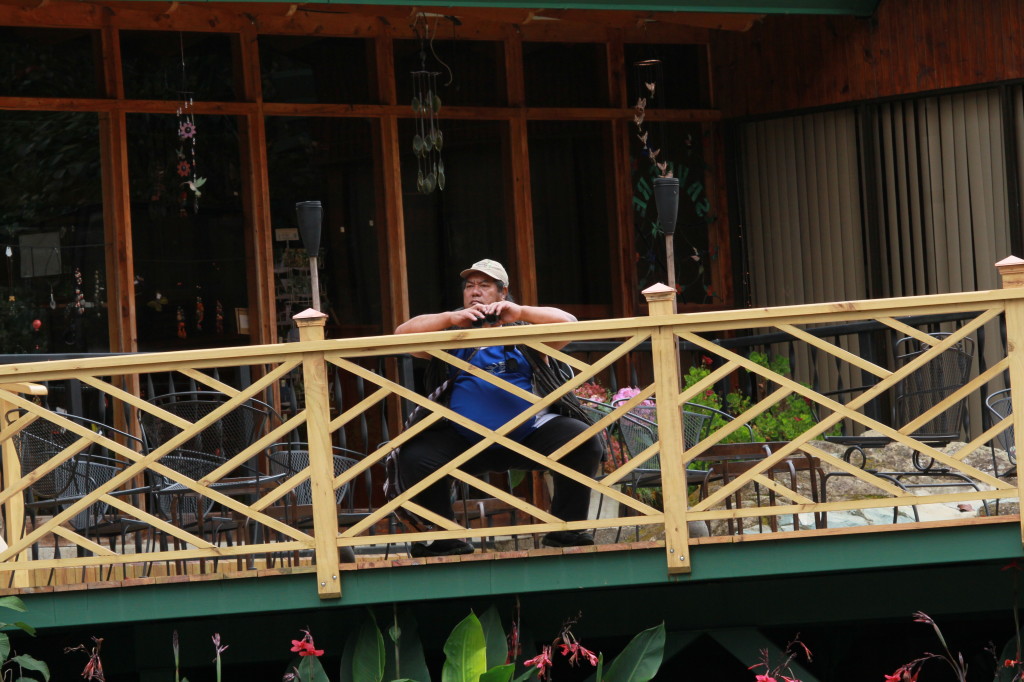
Dr Donald Brightsmith, the manager of the Tambopata Macaw Project gives a lecture on the use of the clay lick by the various parrot species.  He also shows how the researchers study the growth of the baby parrots.

If you would like to see this amazing place for yourself, start with my article here and also learn how the use of frequent flier miles can get you all the way to Puerto Maldonado so all you have to pay is the taxes and the cost of the Tambopata Research Centre package!

Part 3: Birding At Savegre, Costa Rica – Hotel Grounds

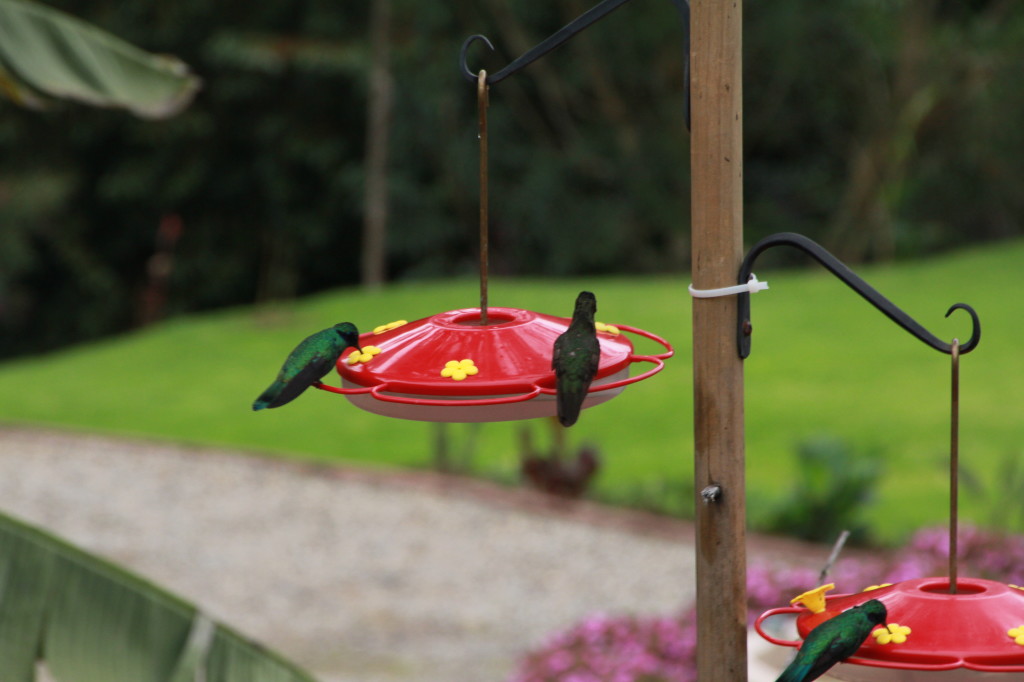
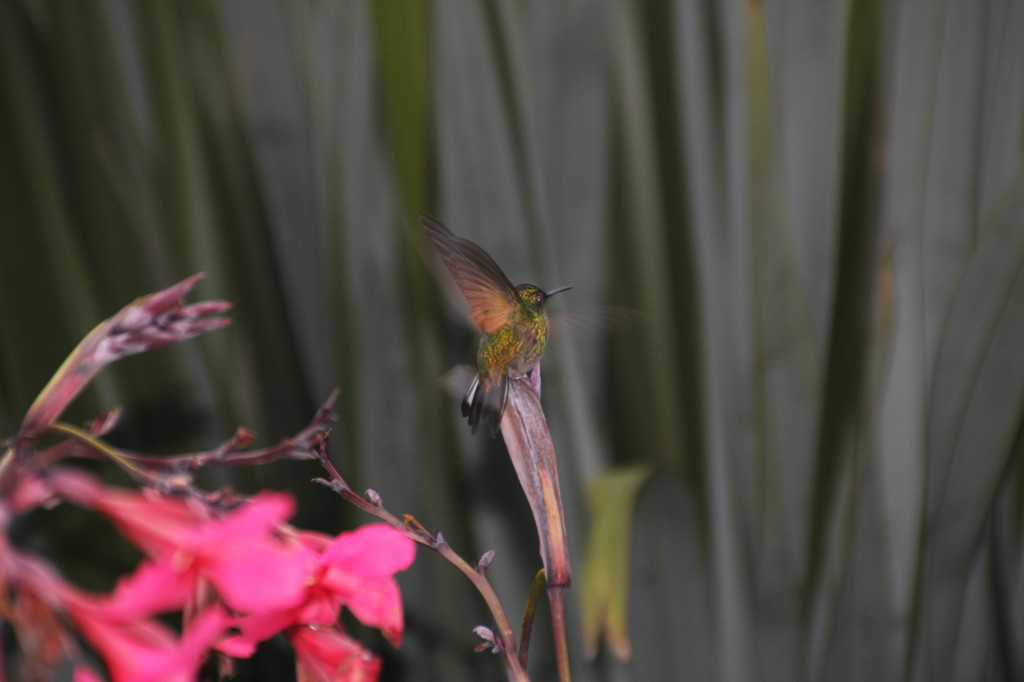
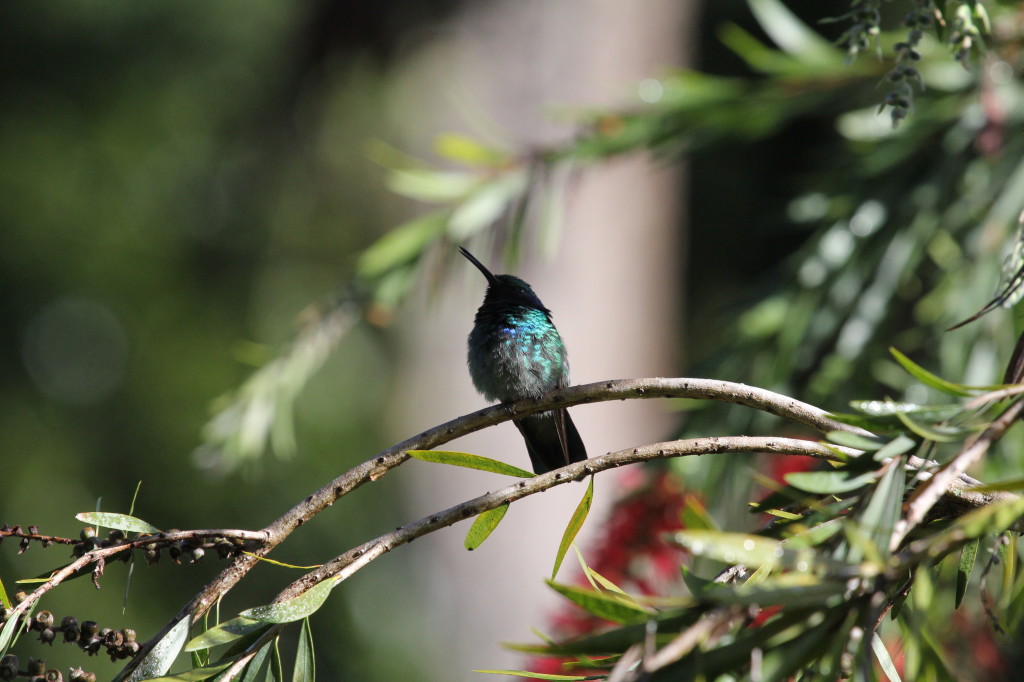
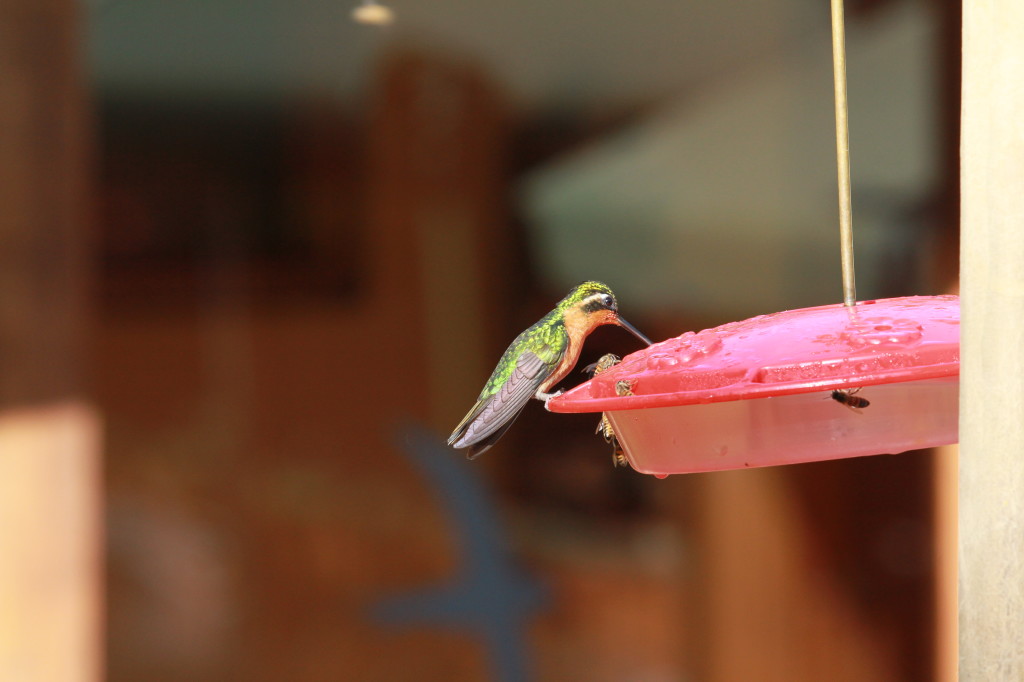
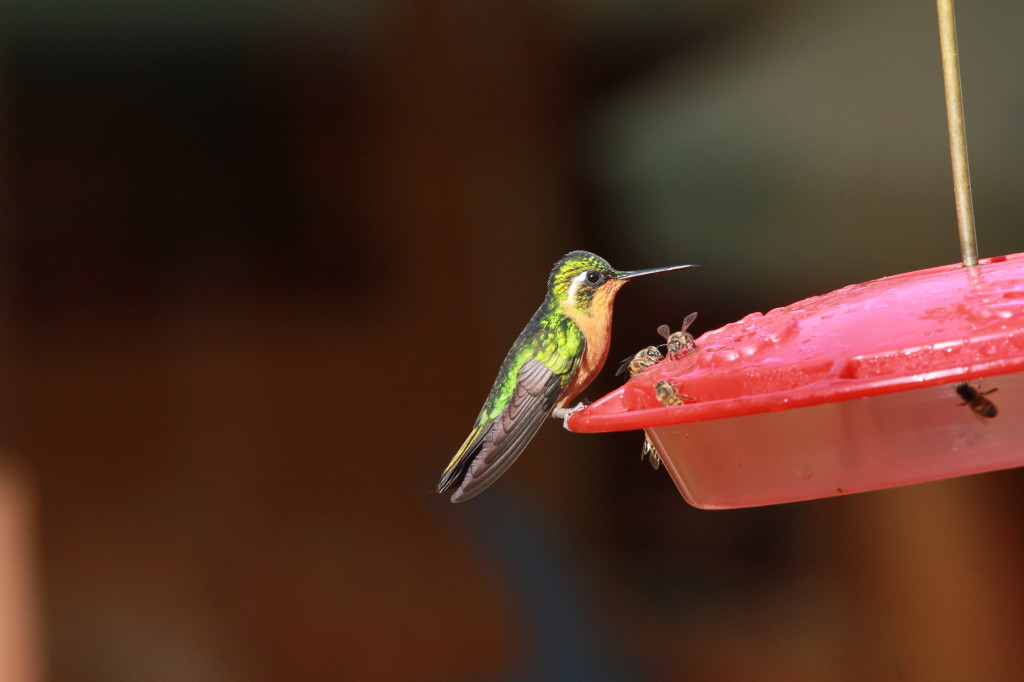
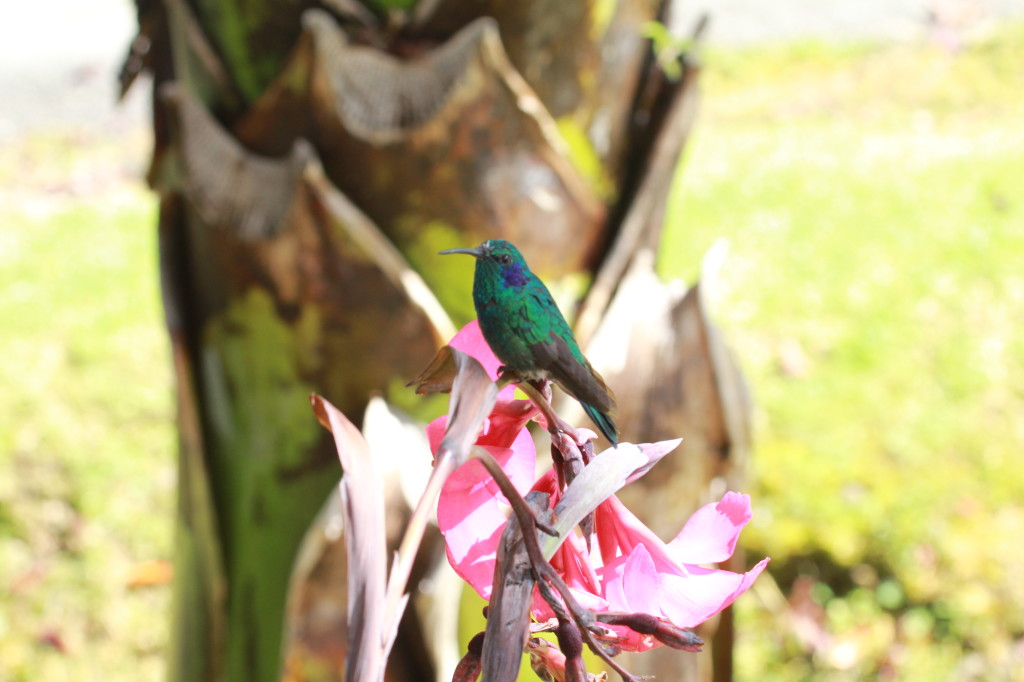
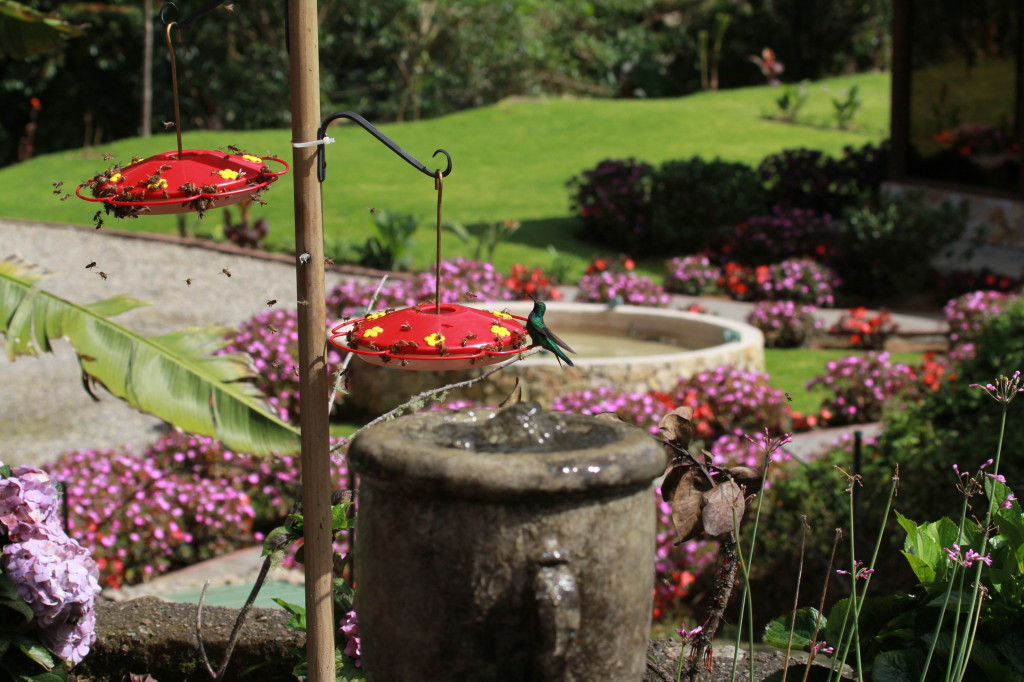
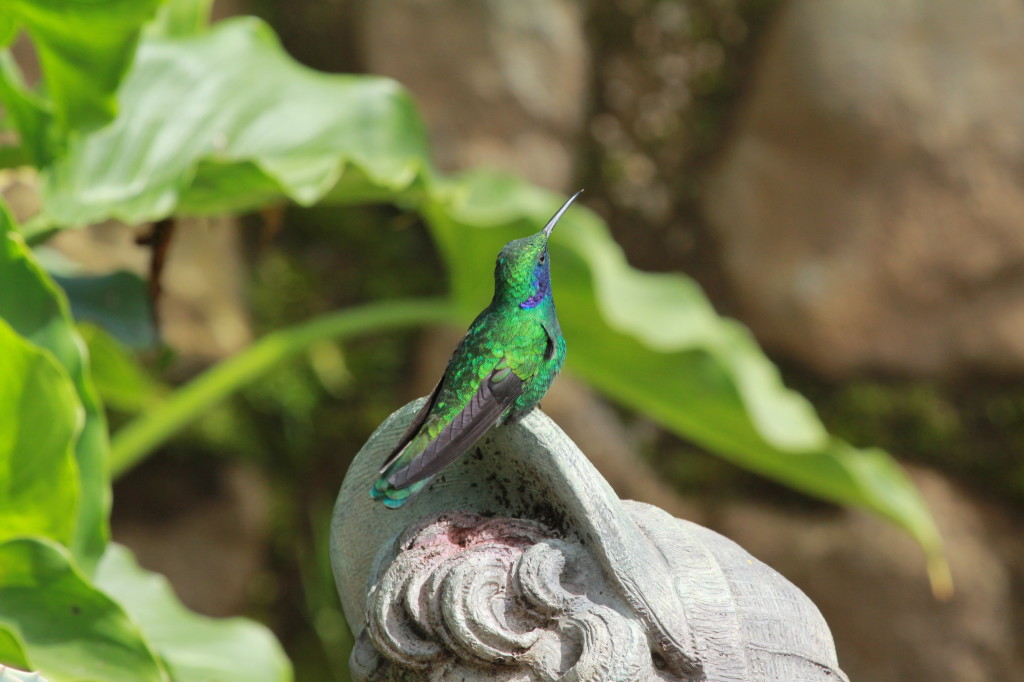
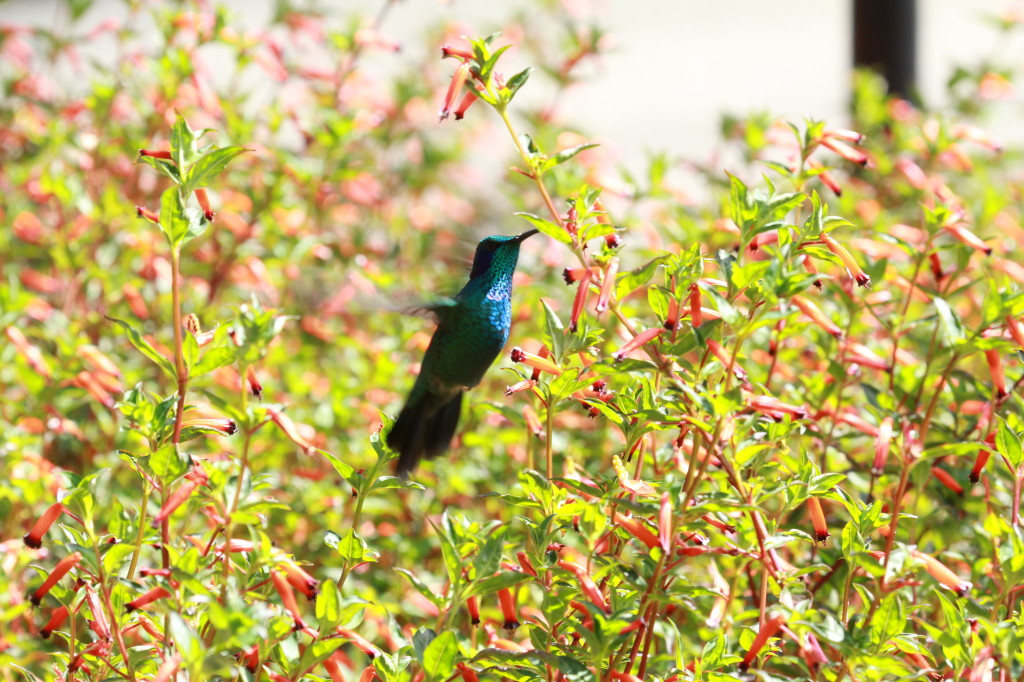
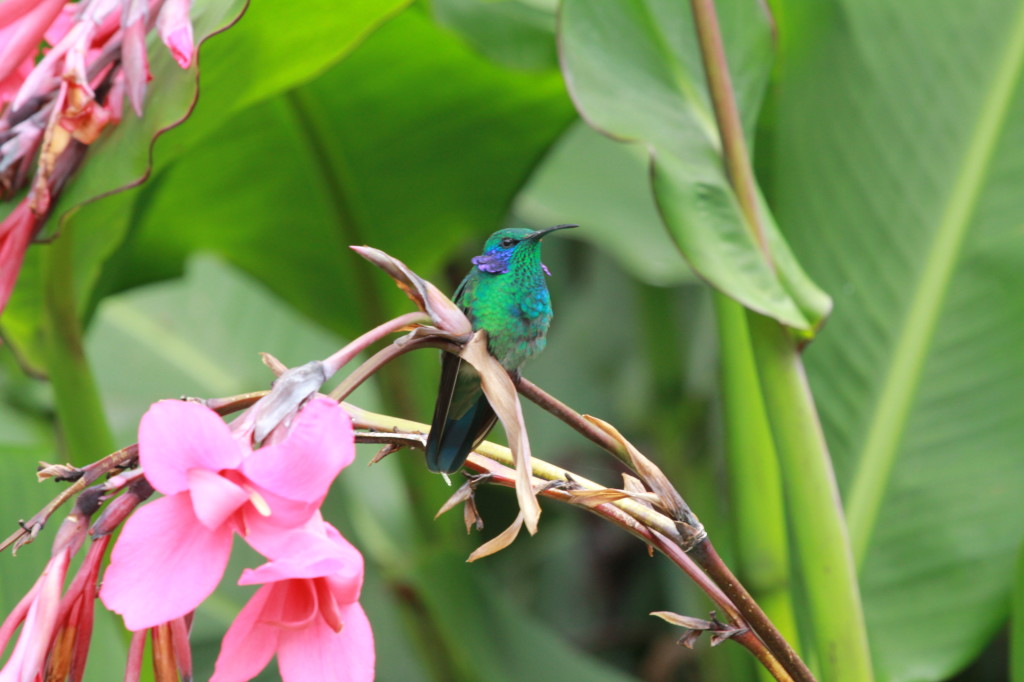
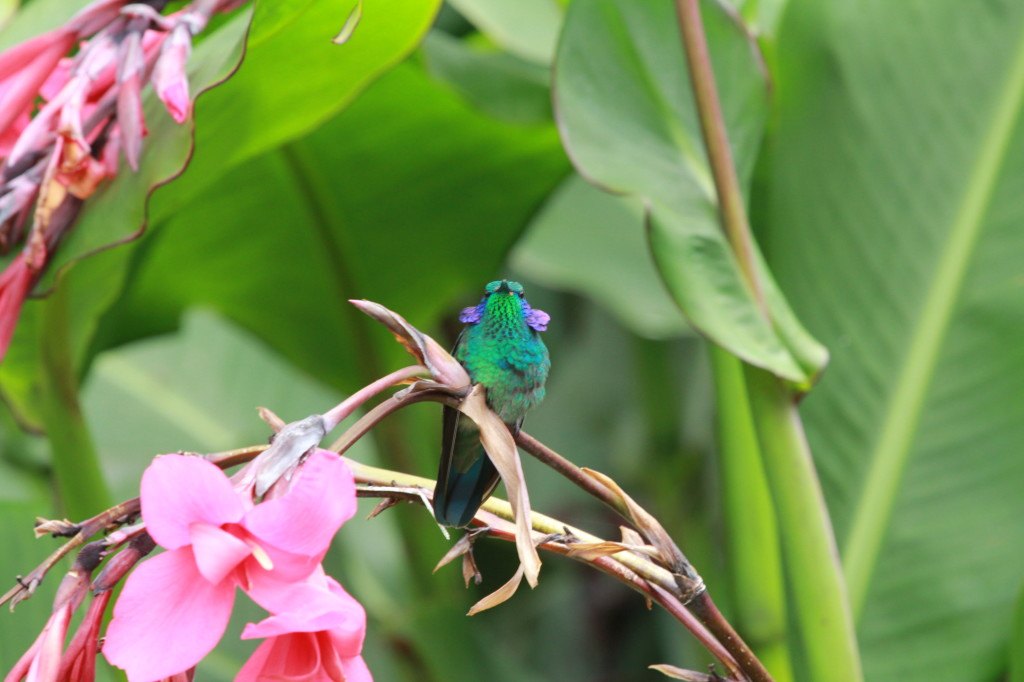
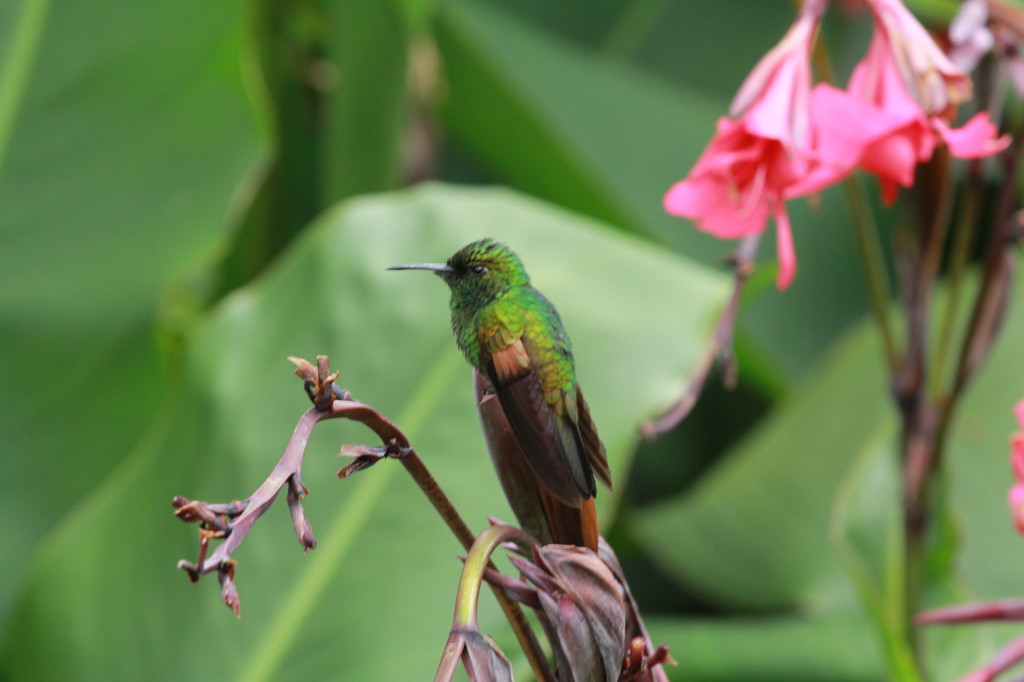
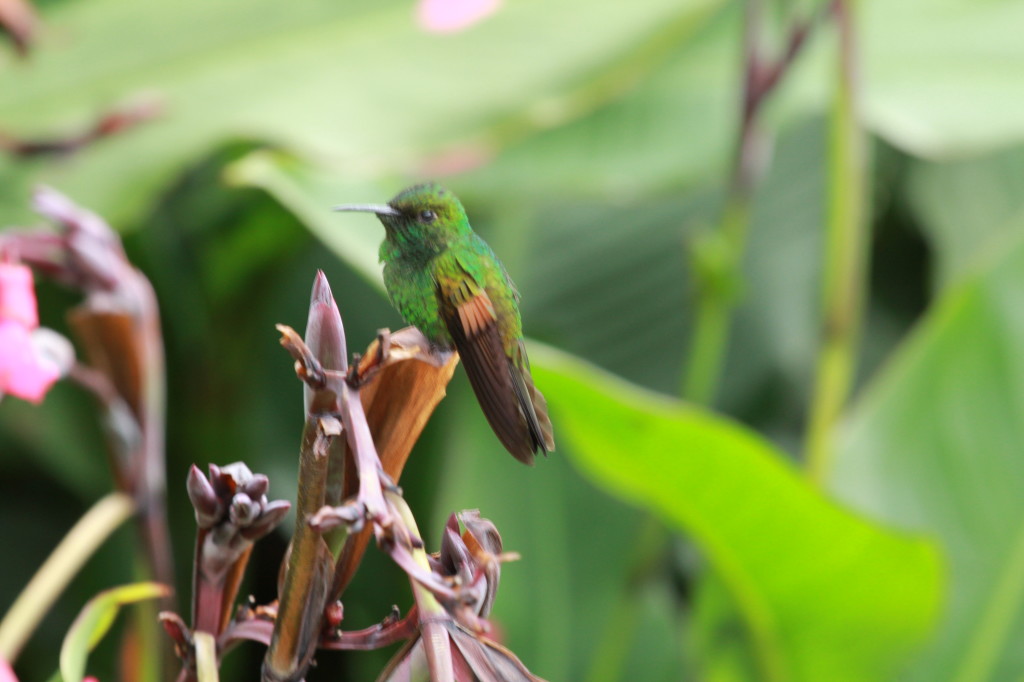
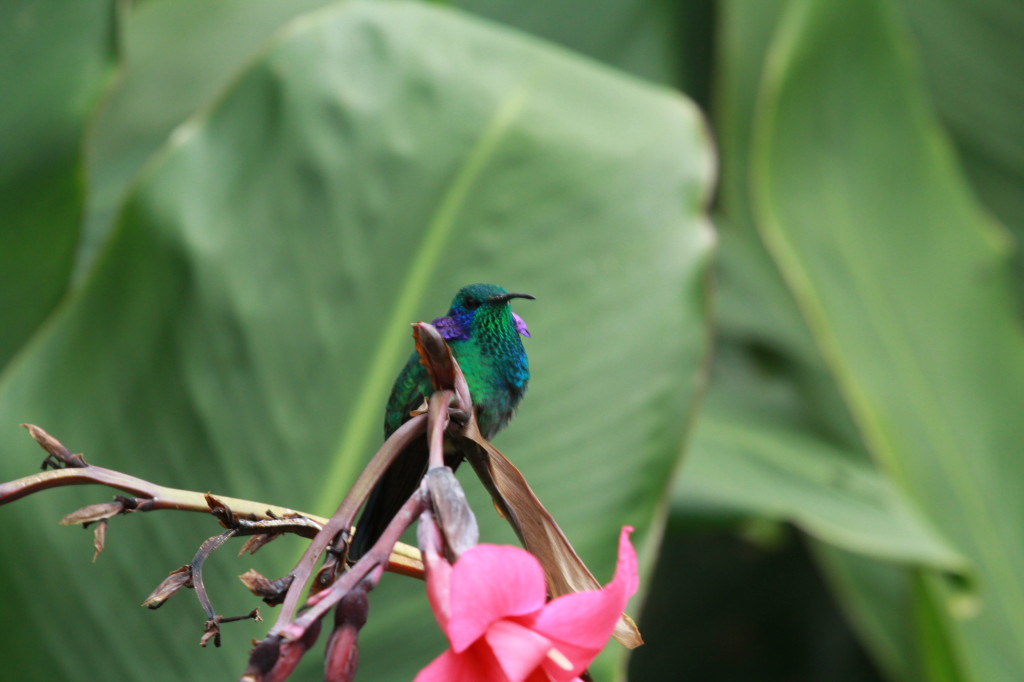
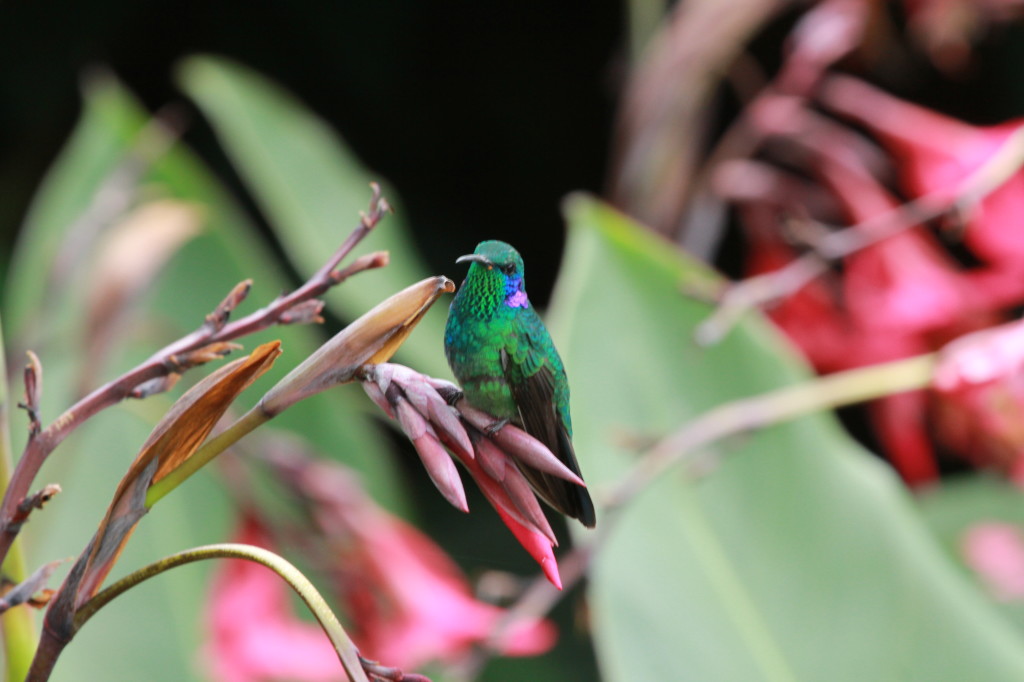
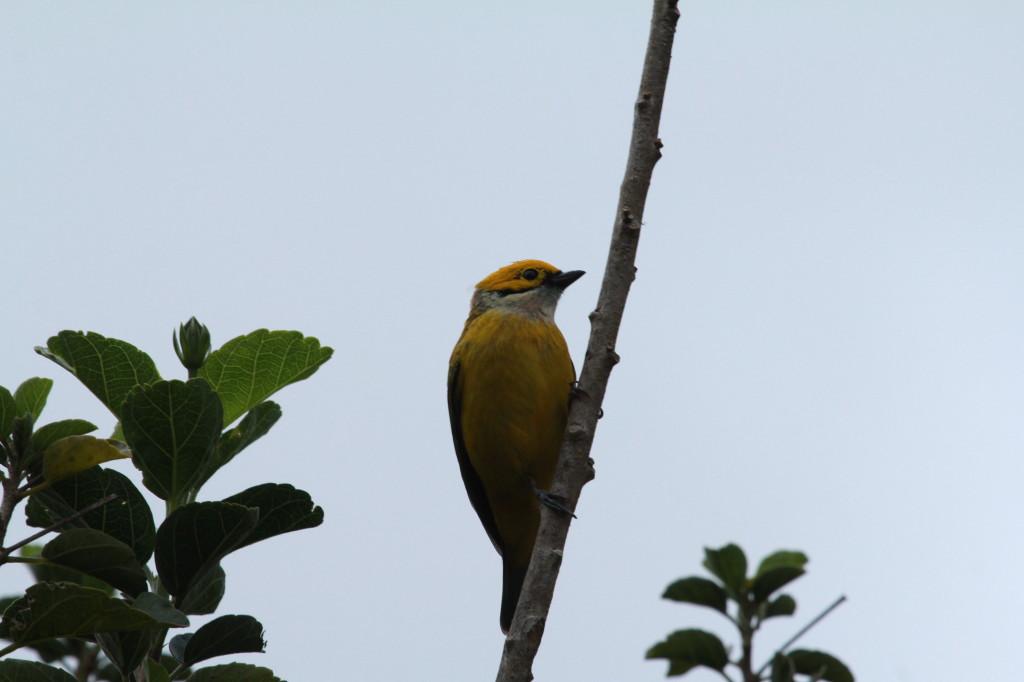
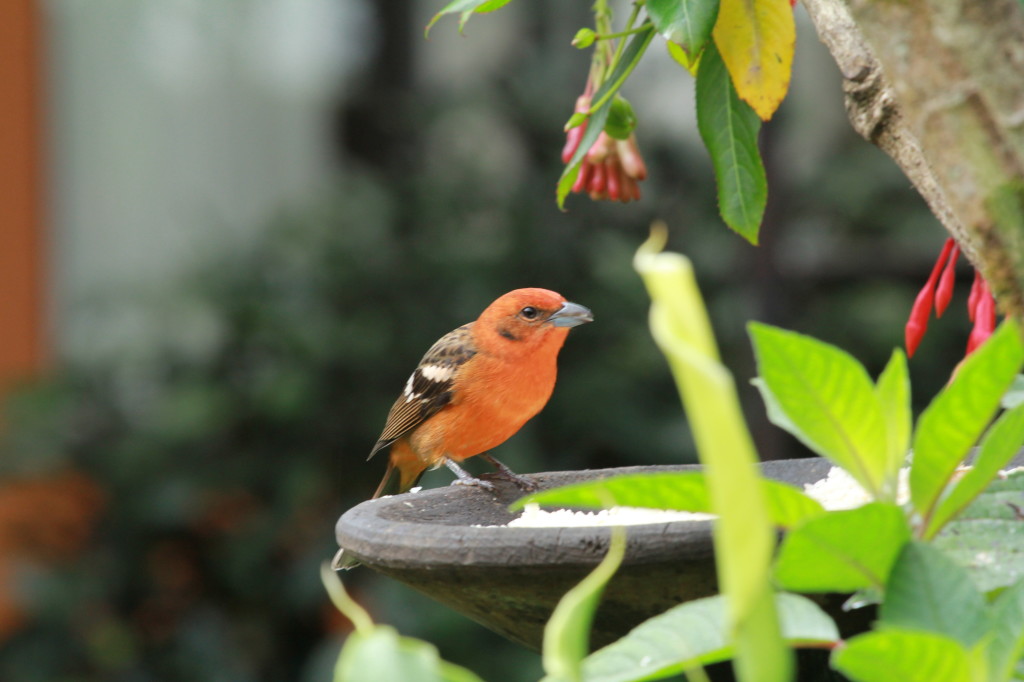
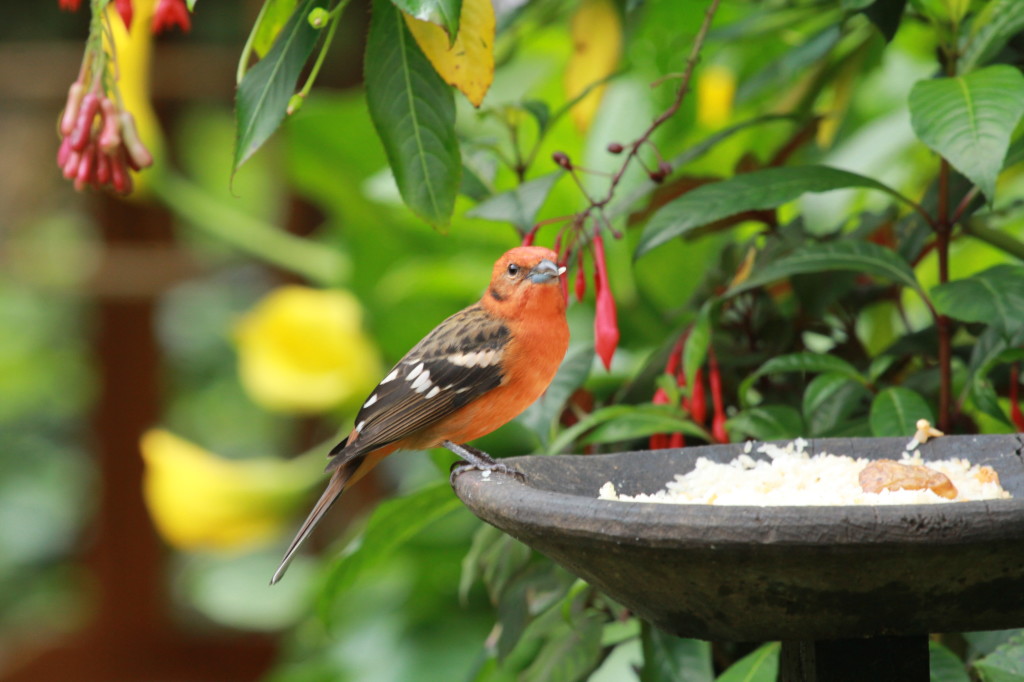
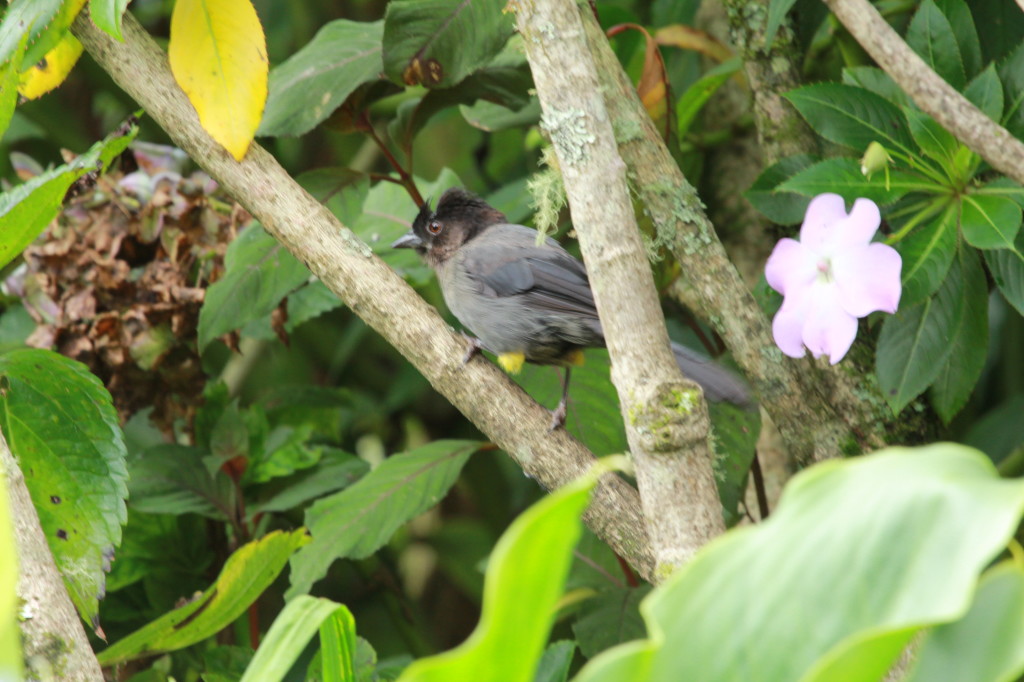
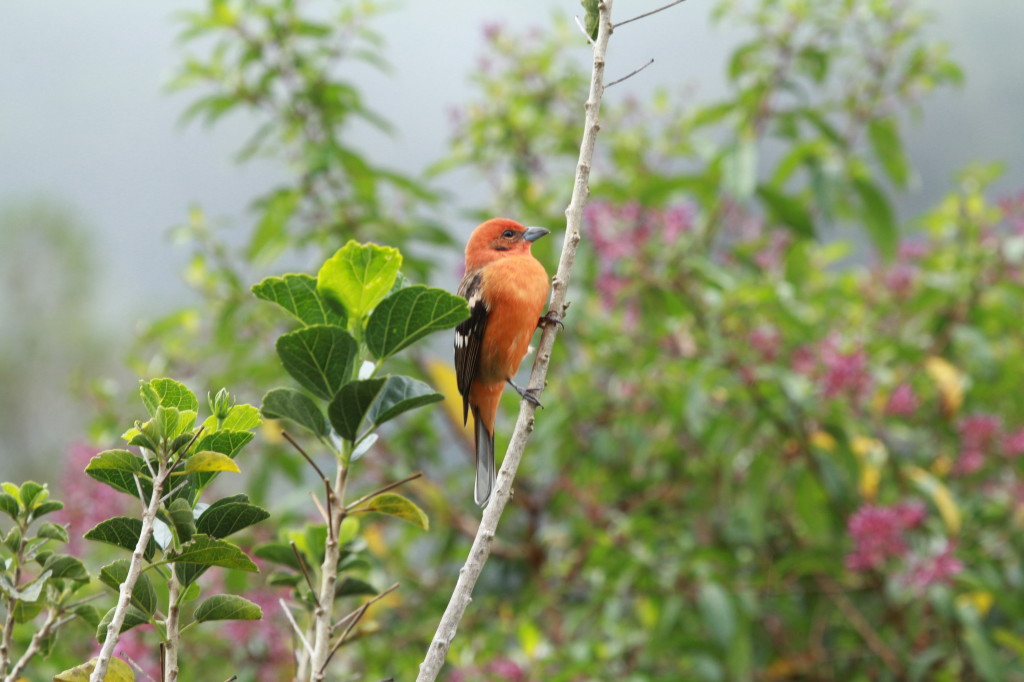
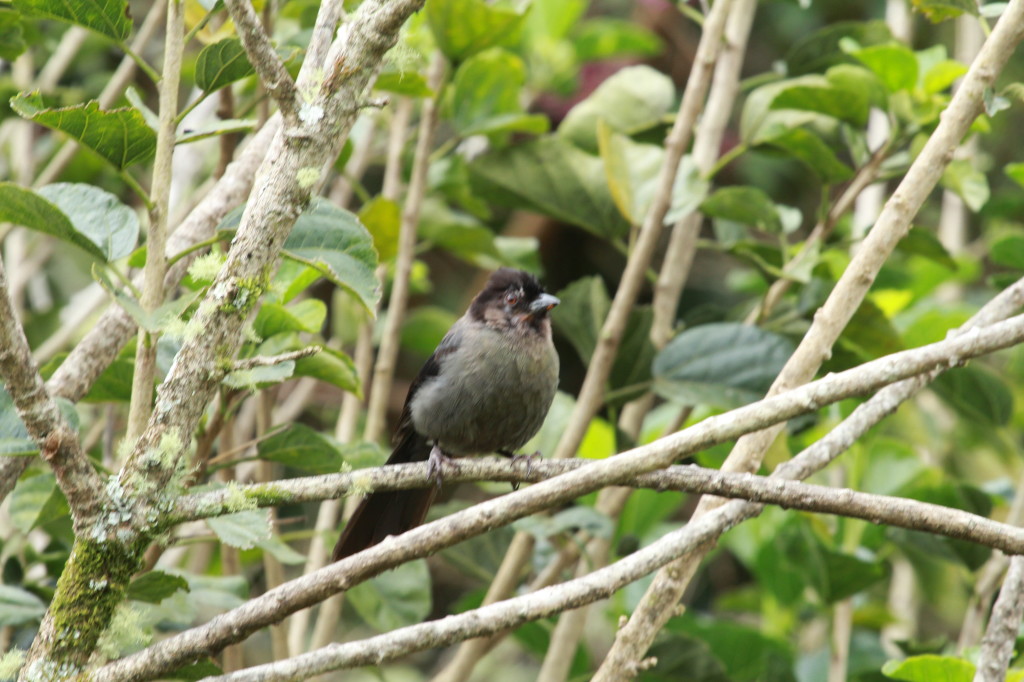
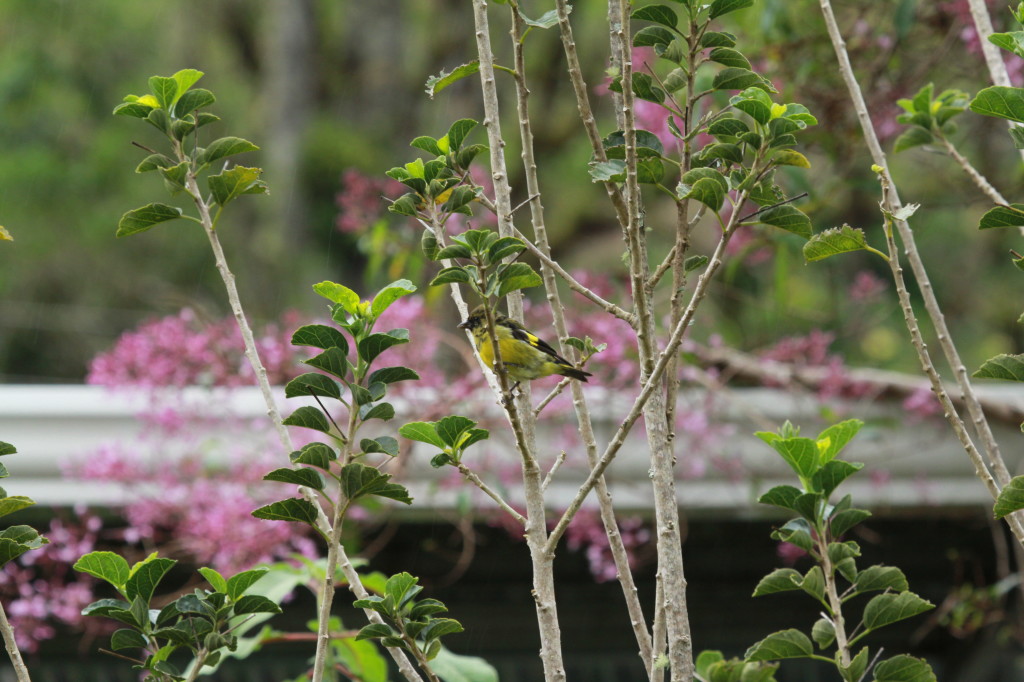
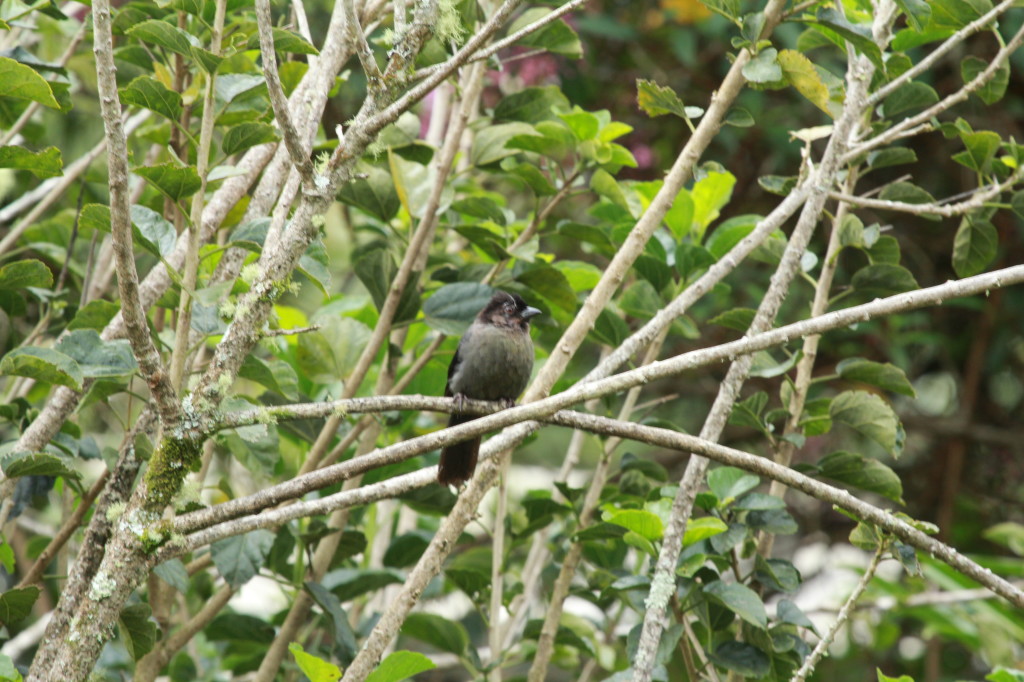
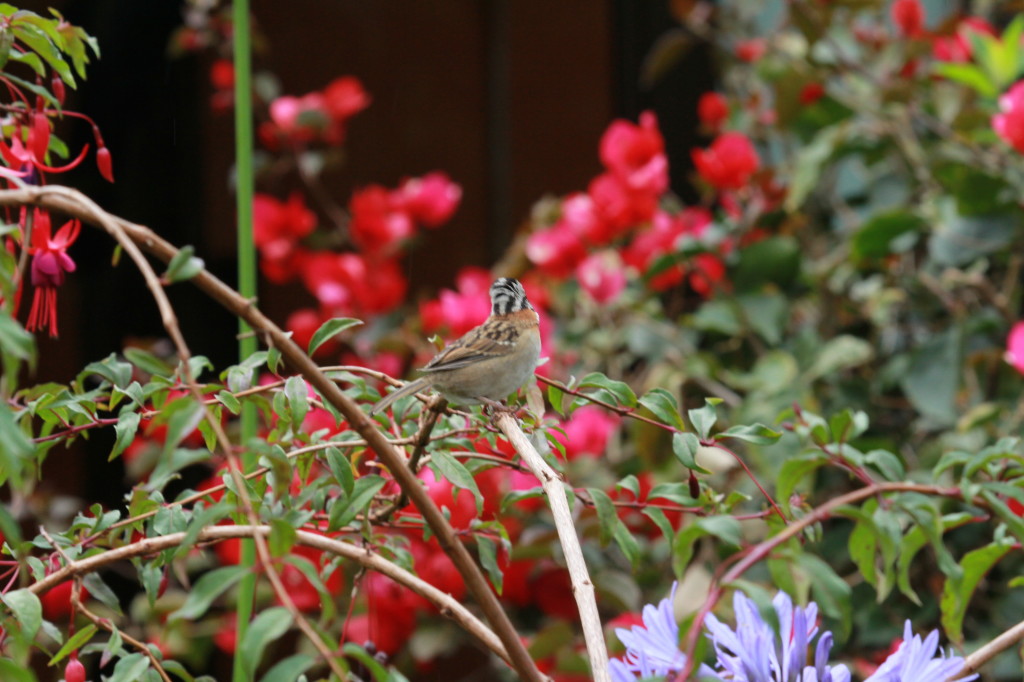
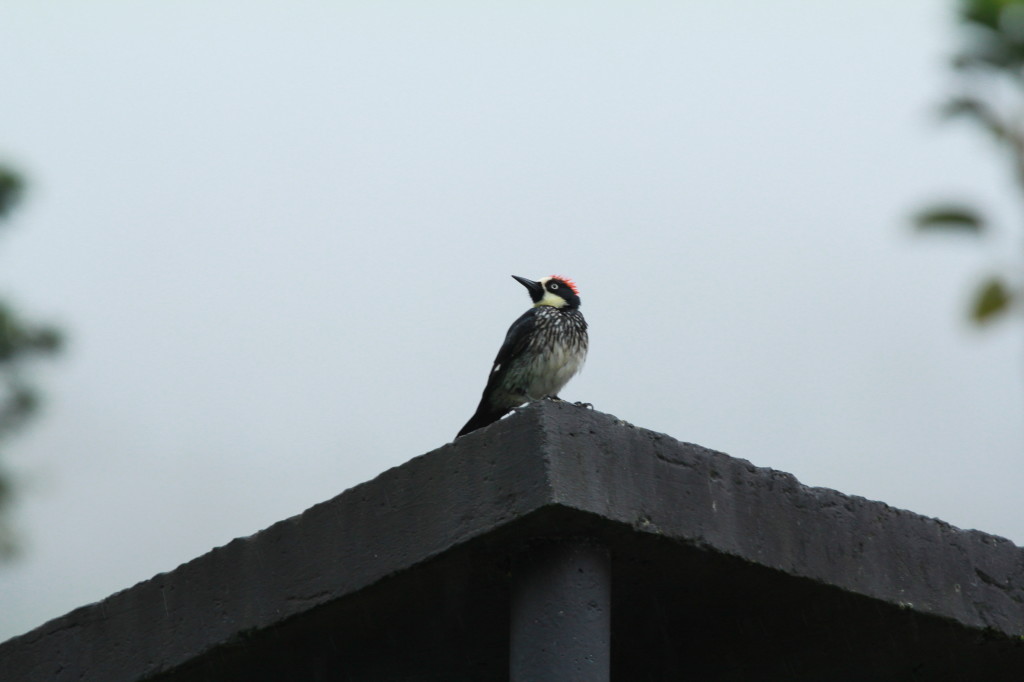
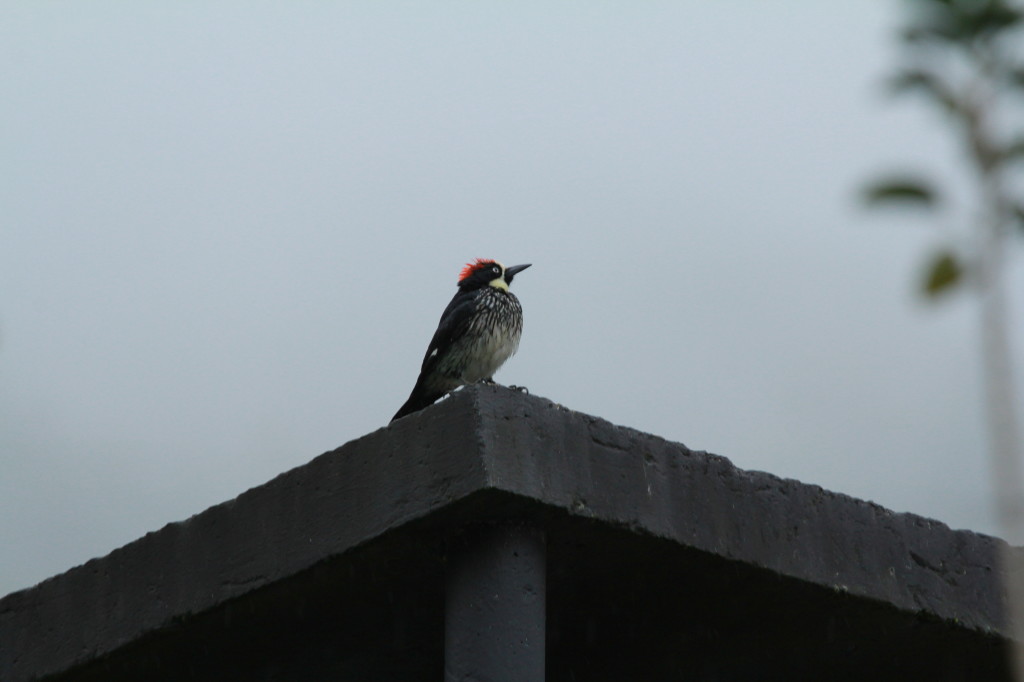
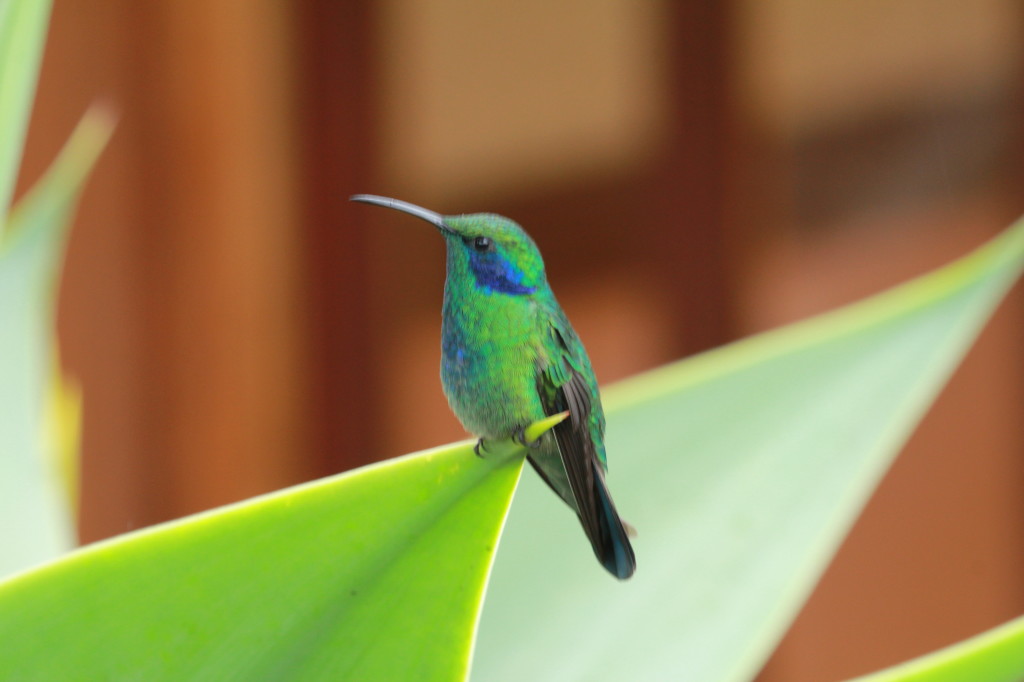
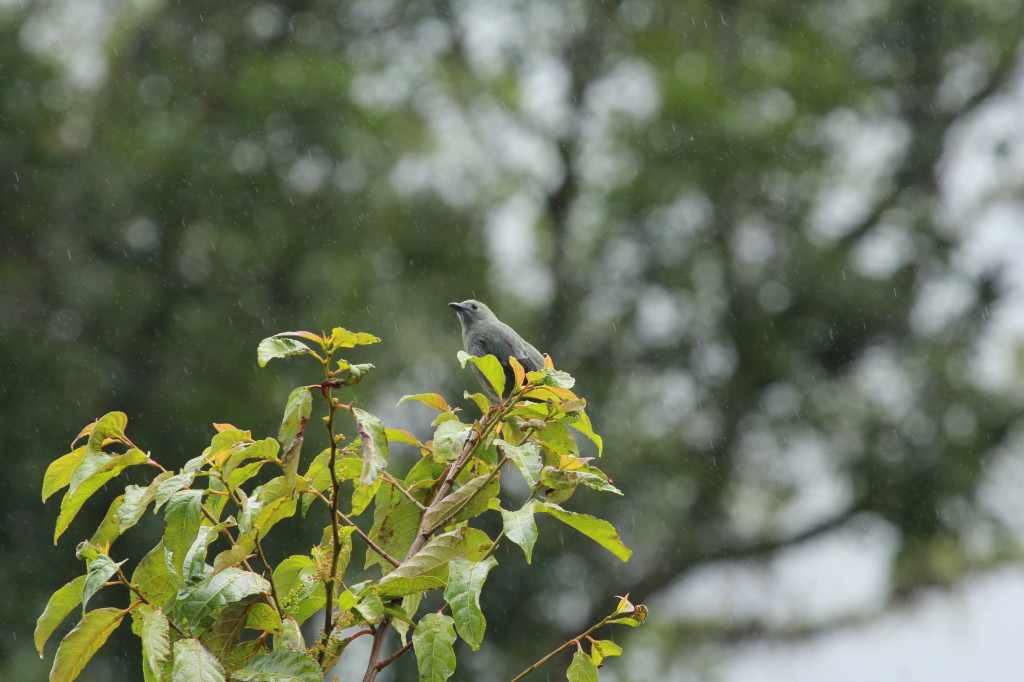
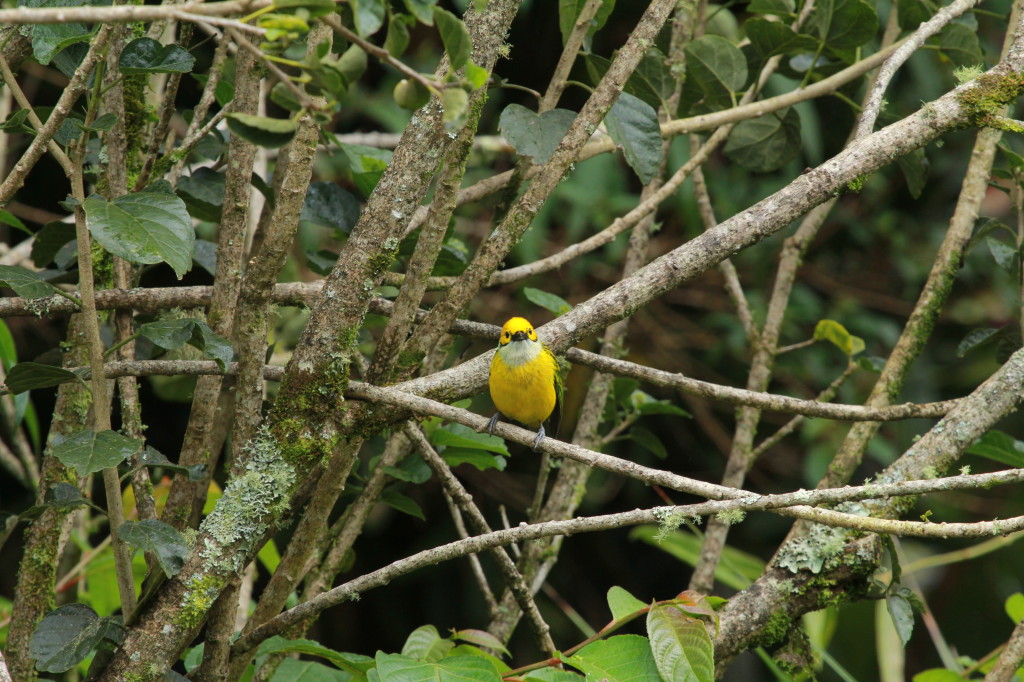
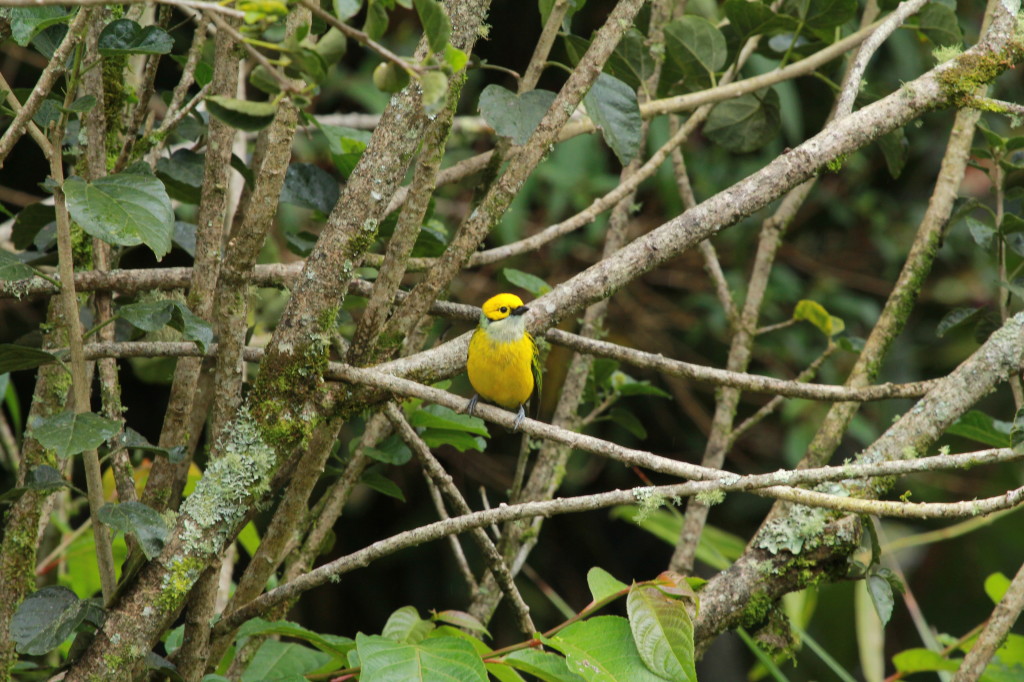
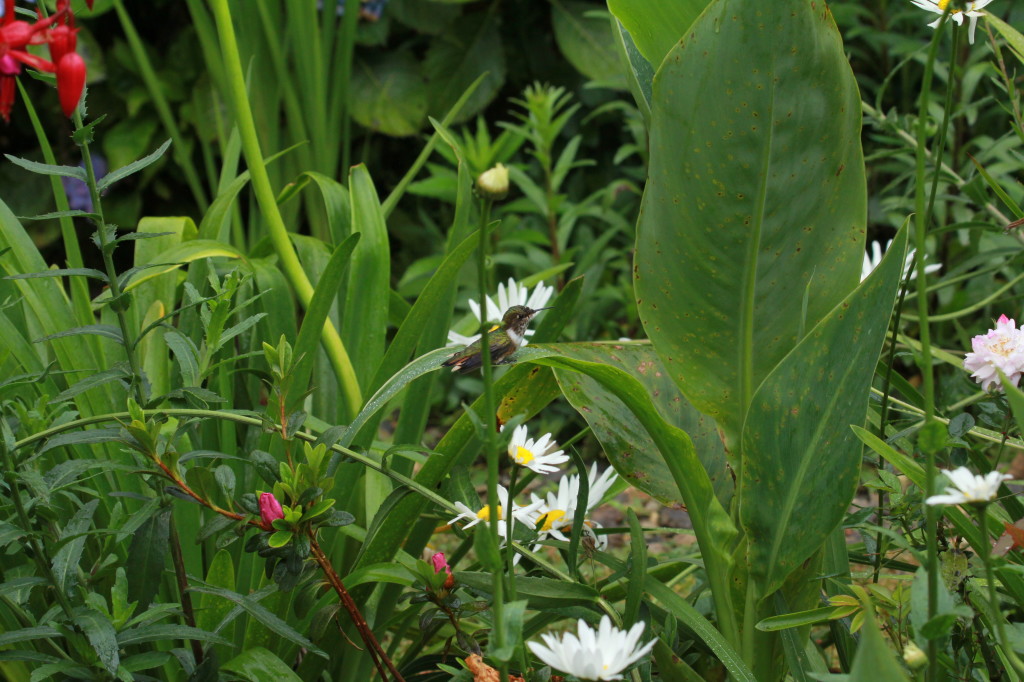
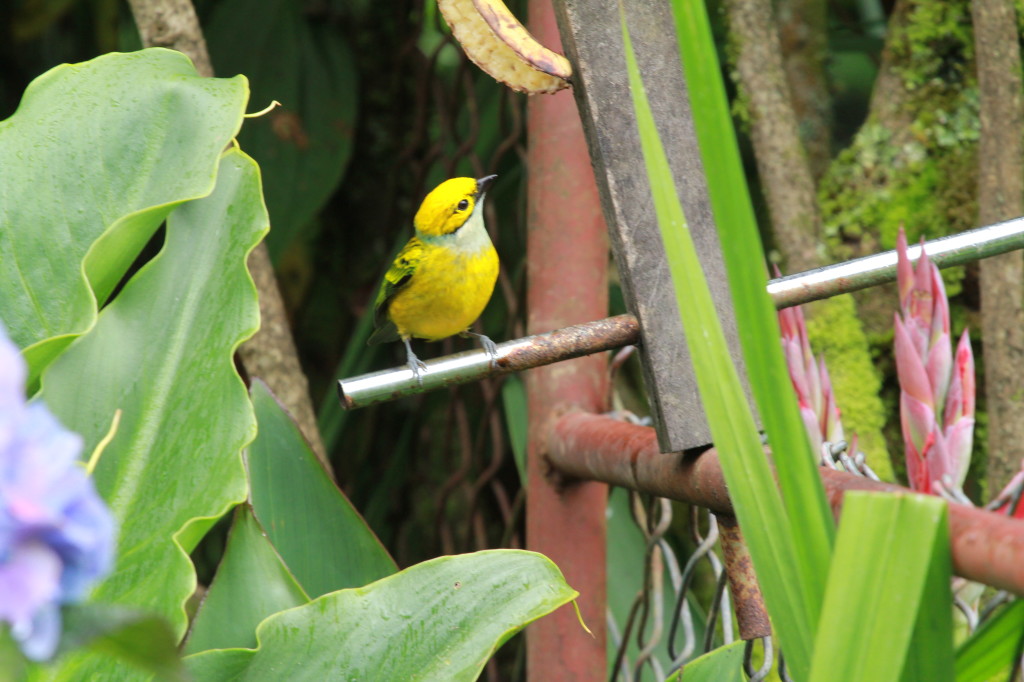
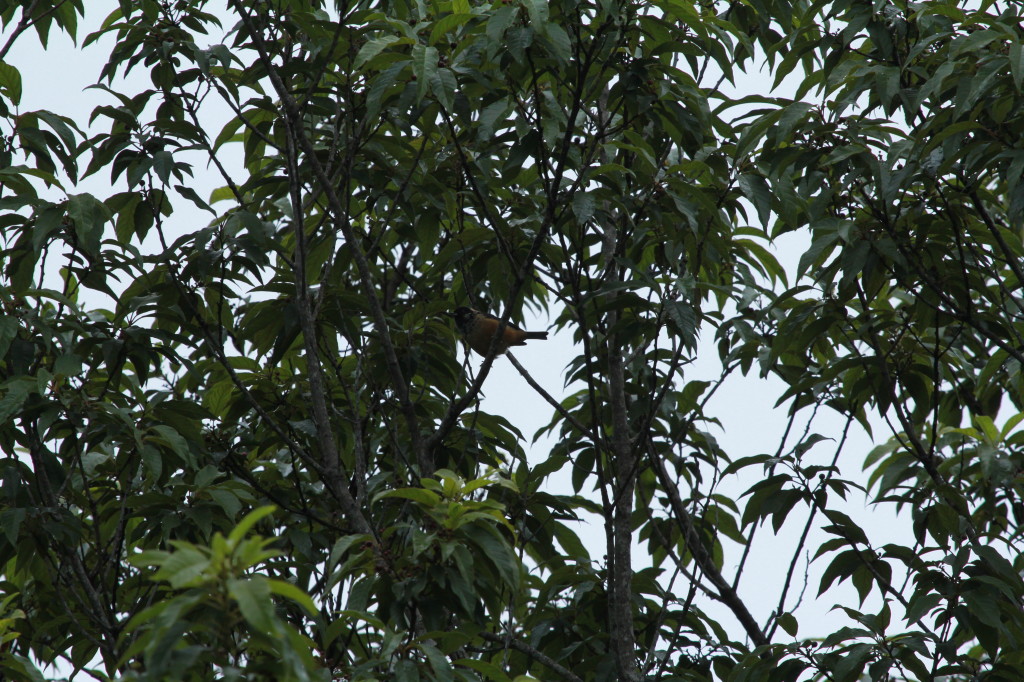
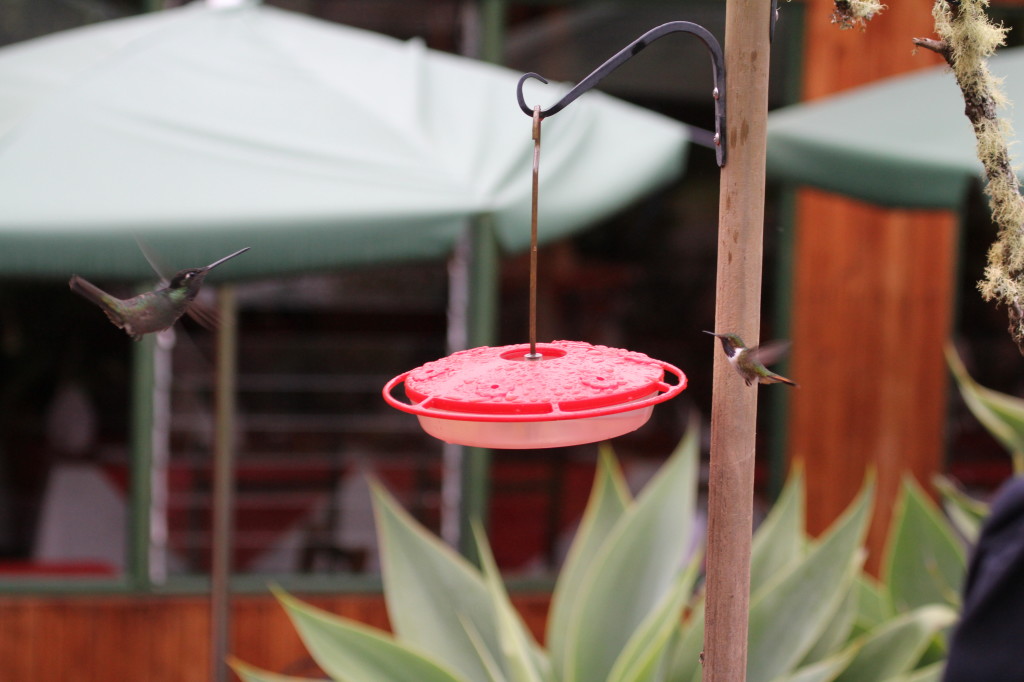
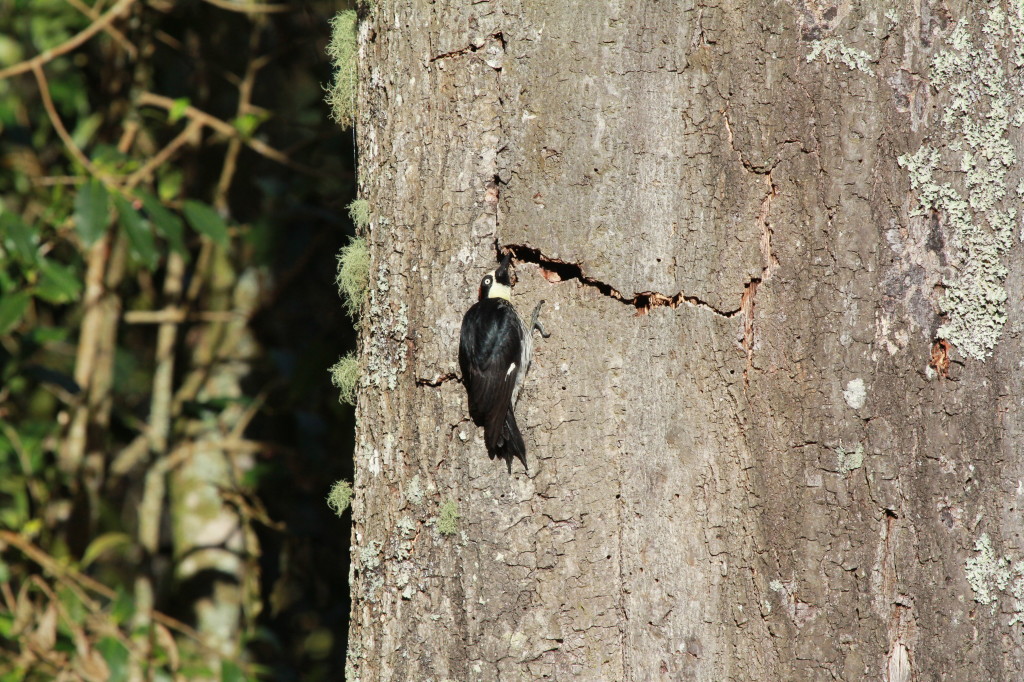
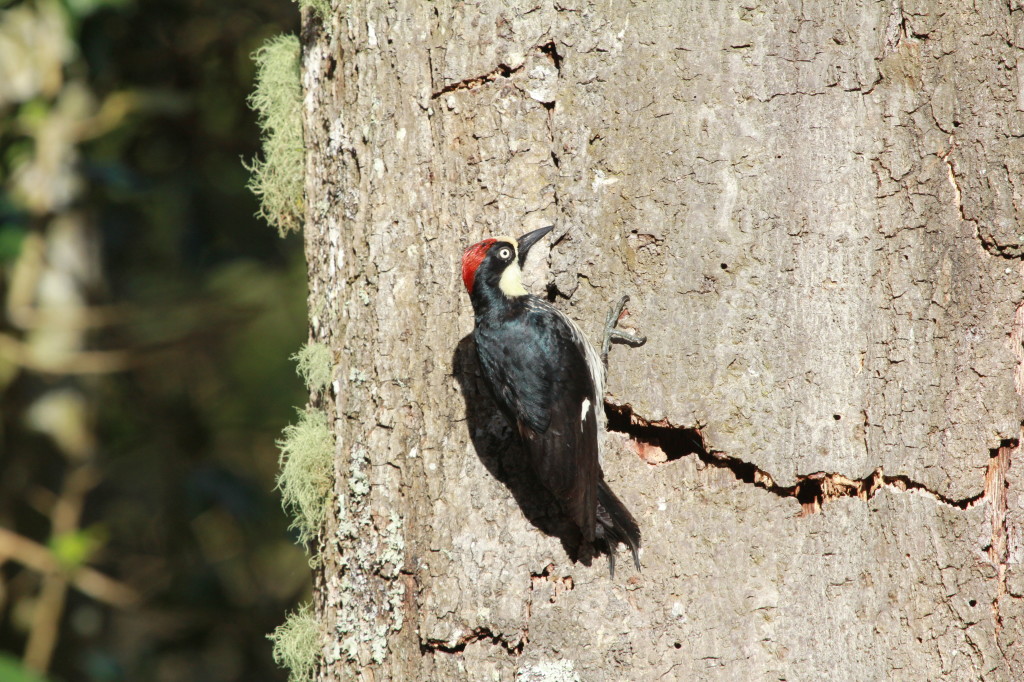
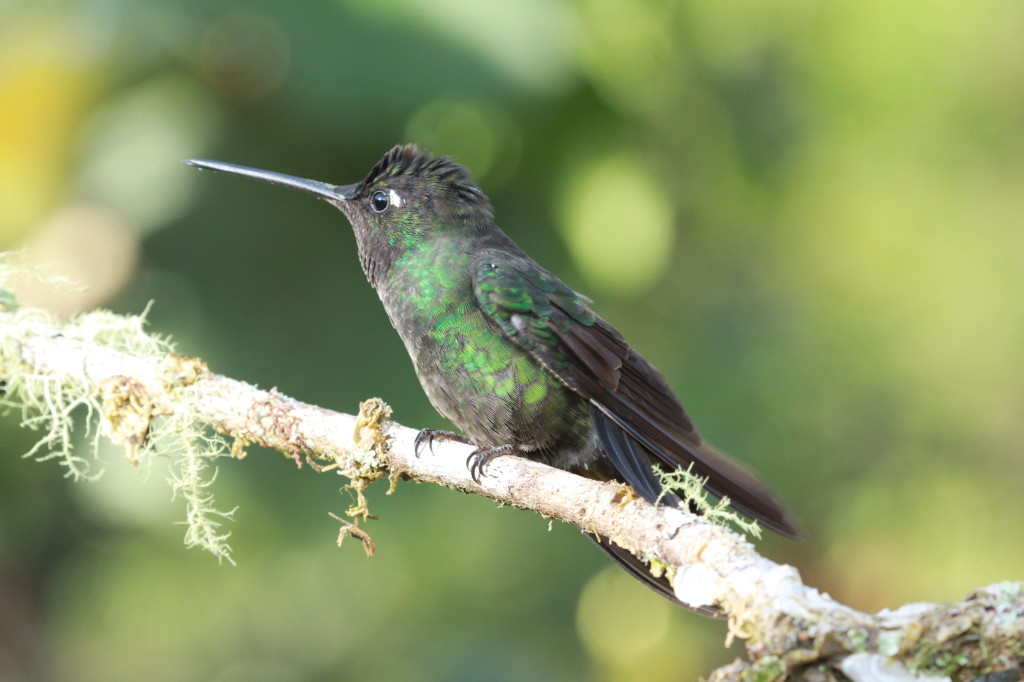
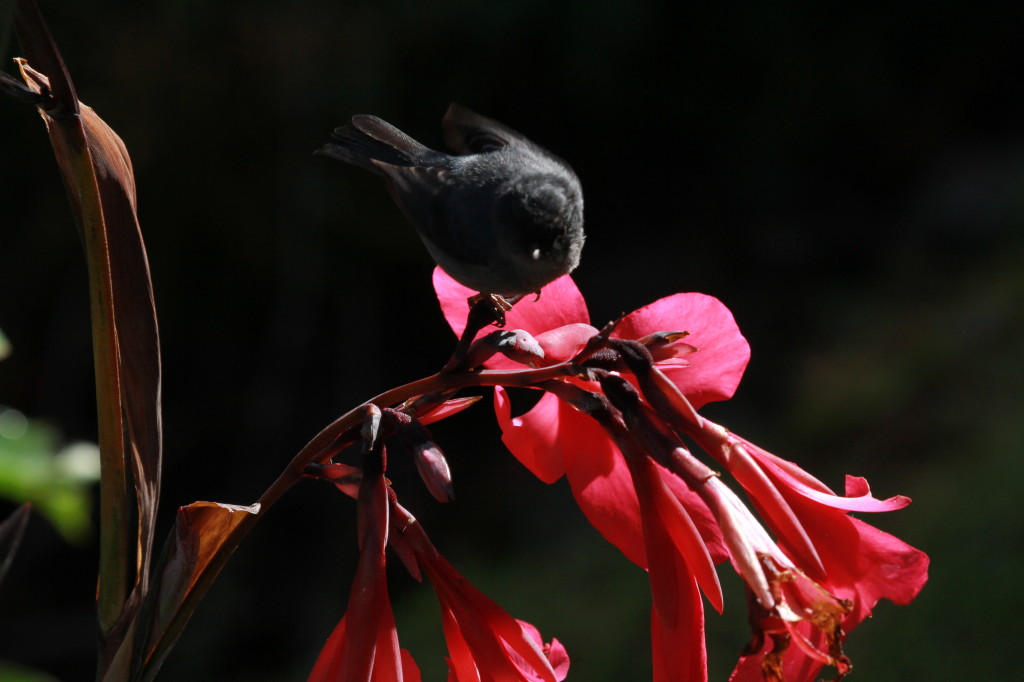
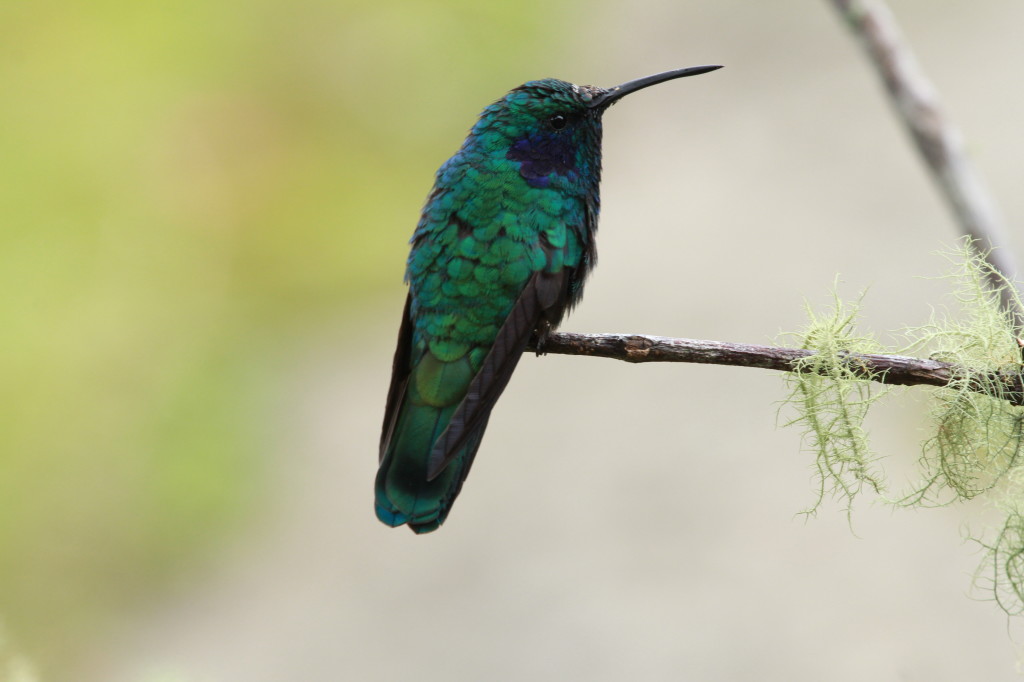
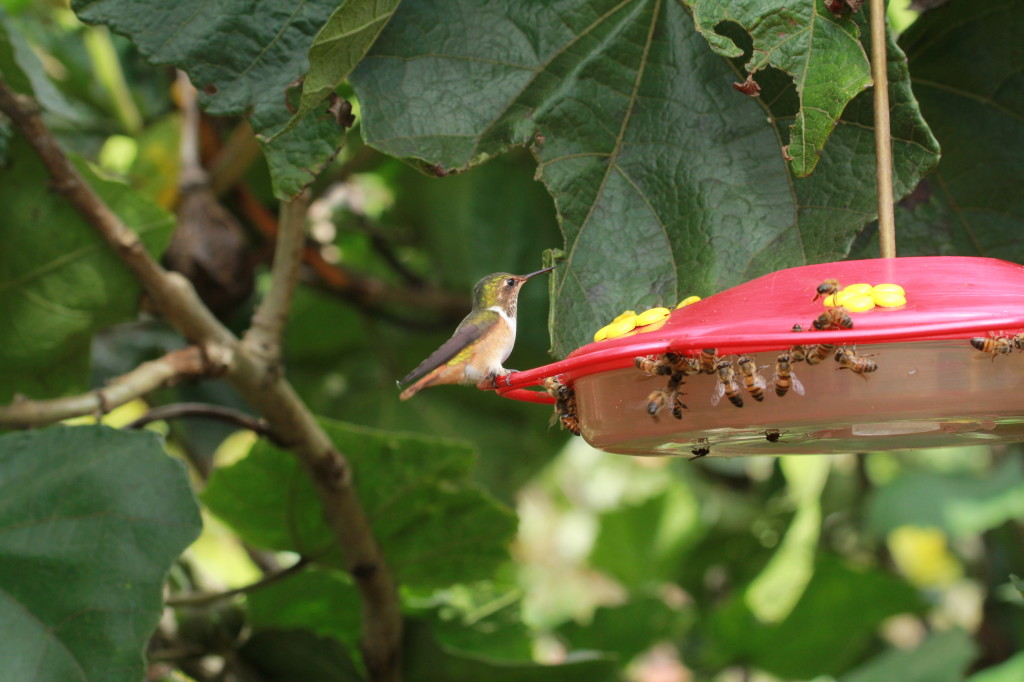
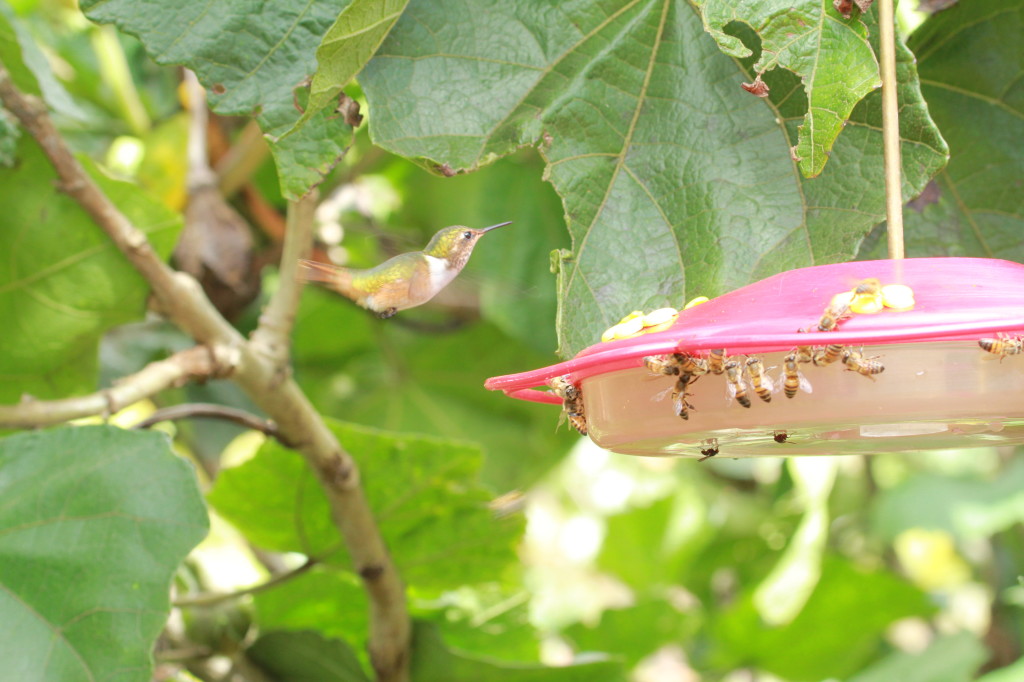
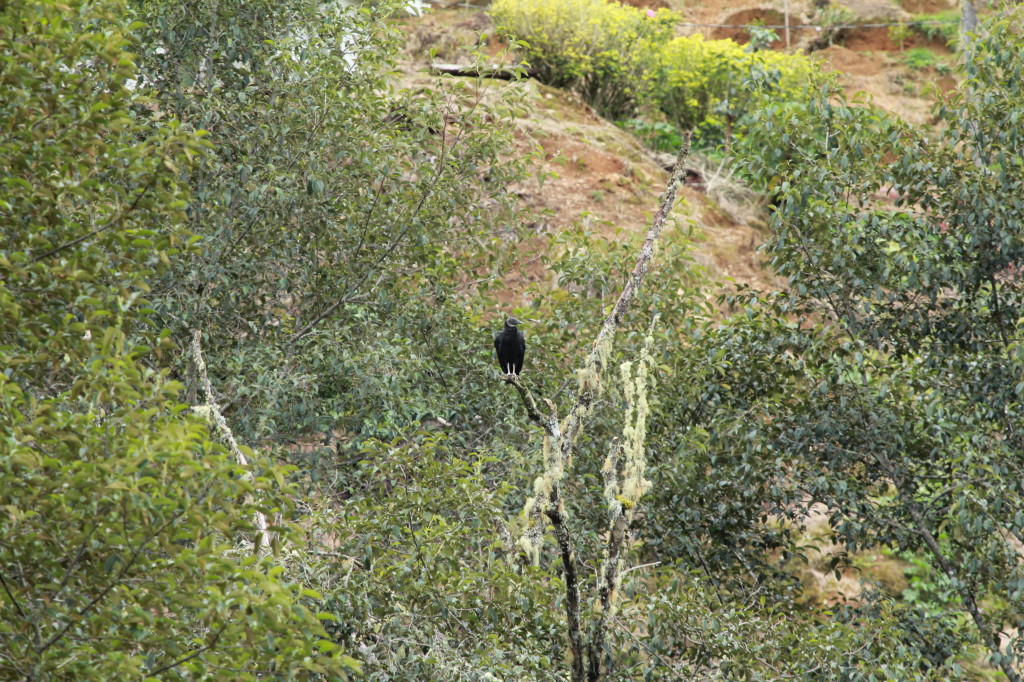
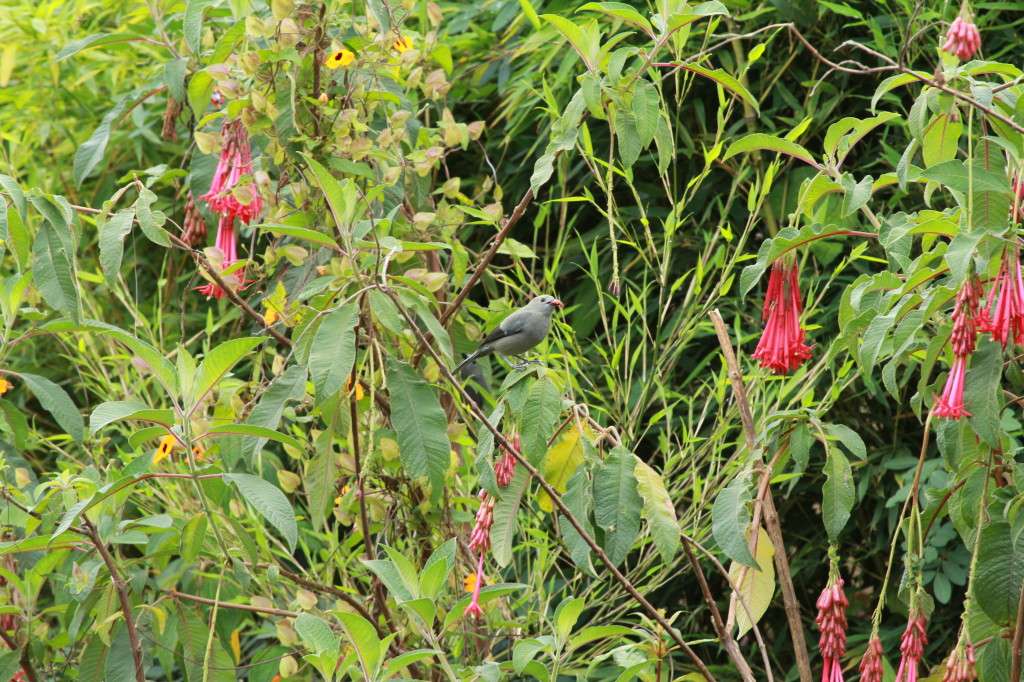
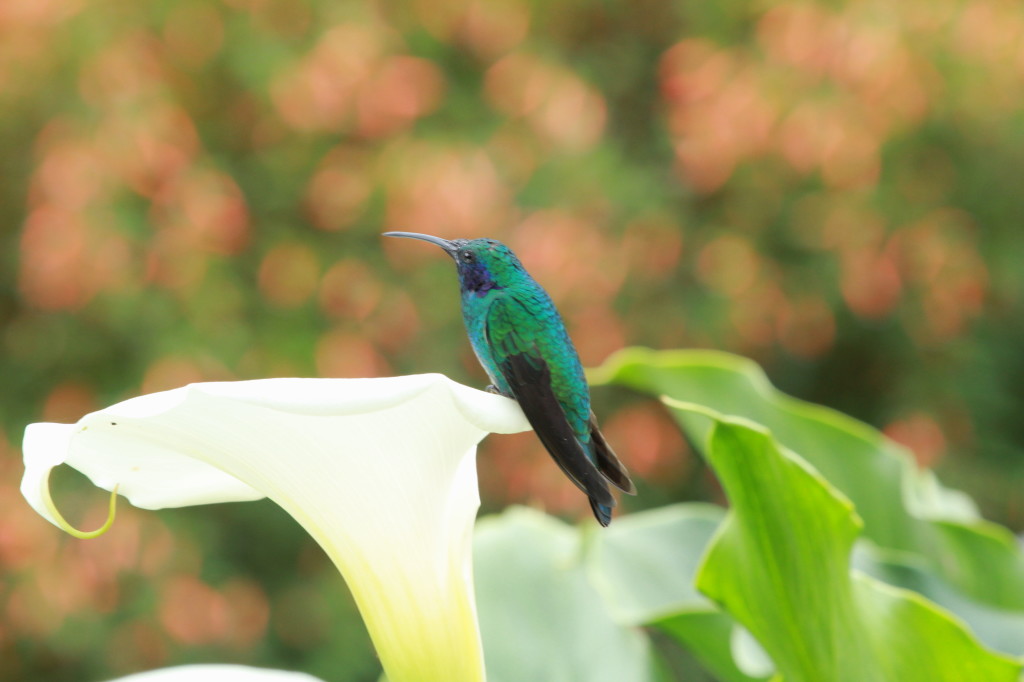
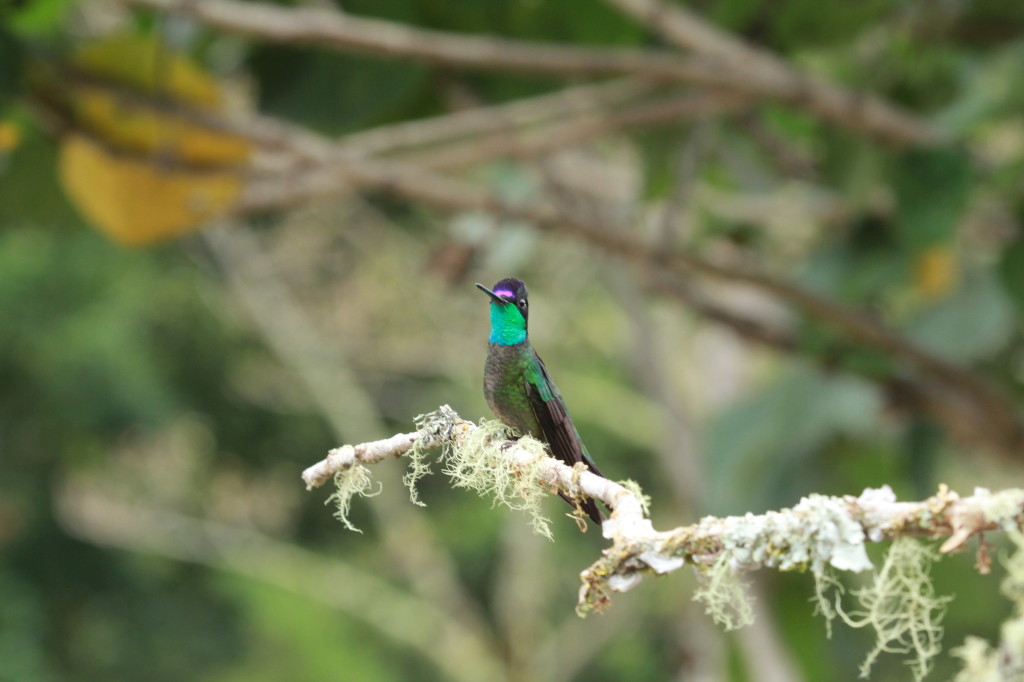
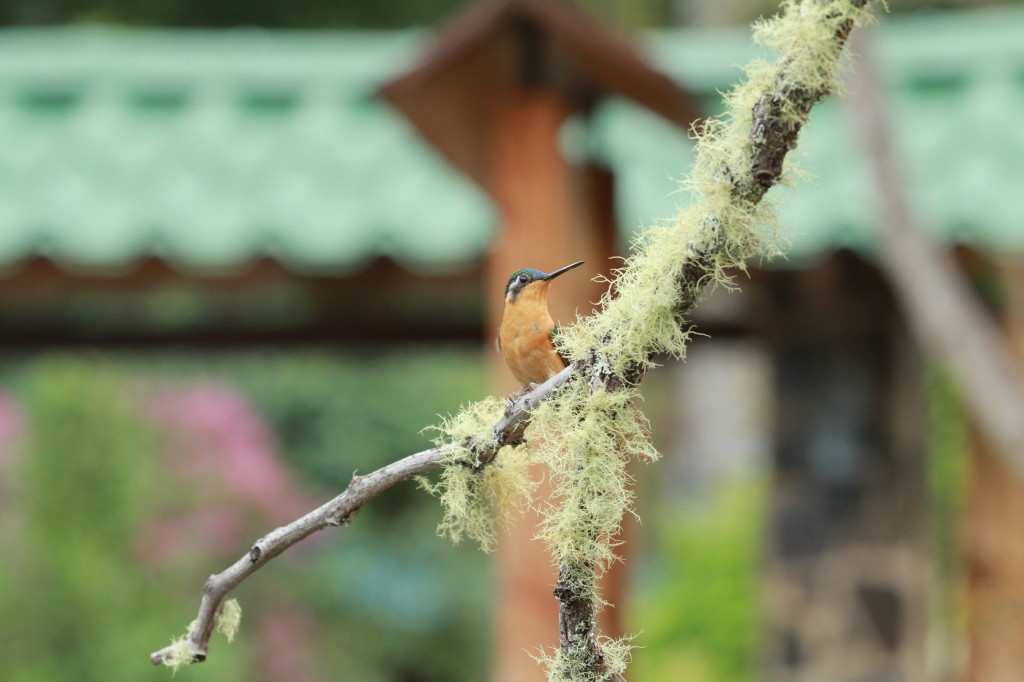
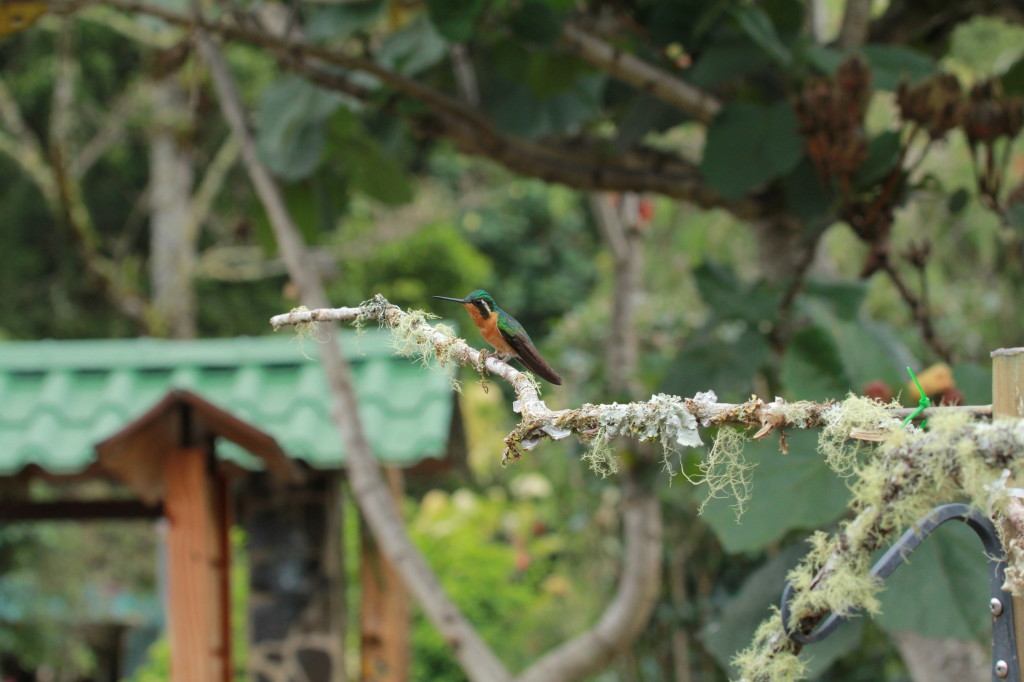
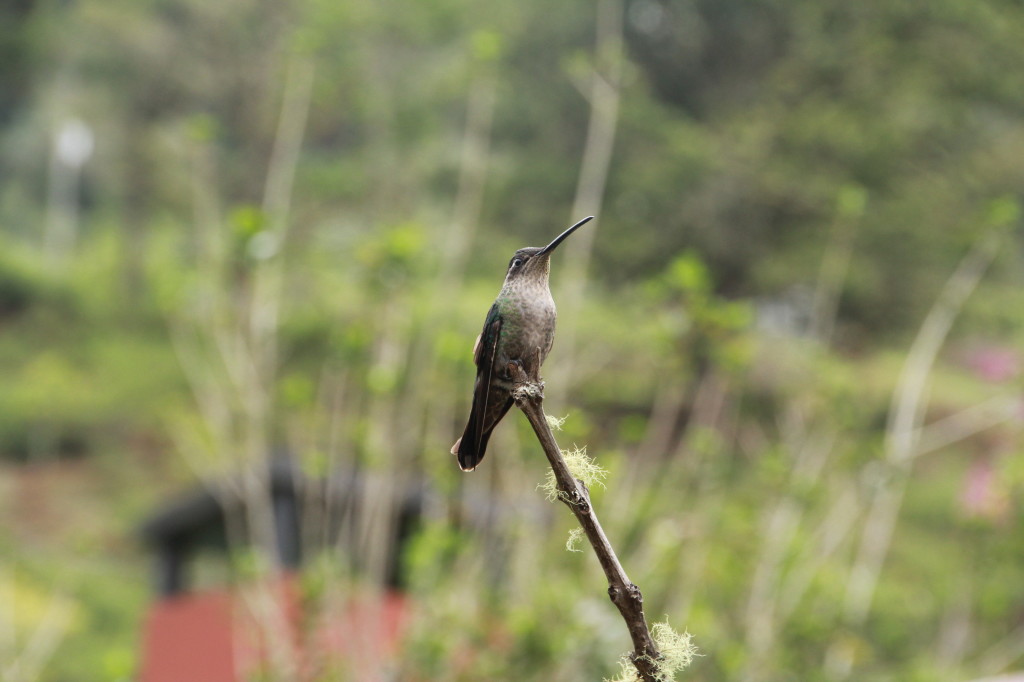
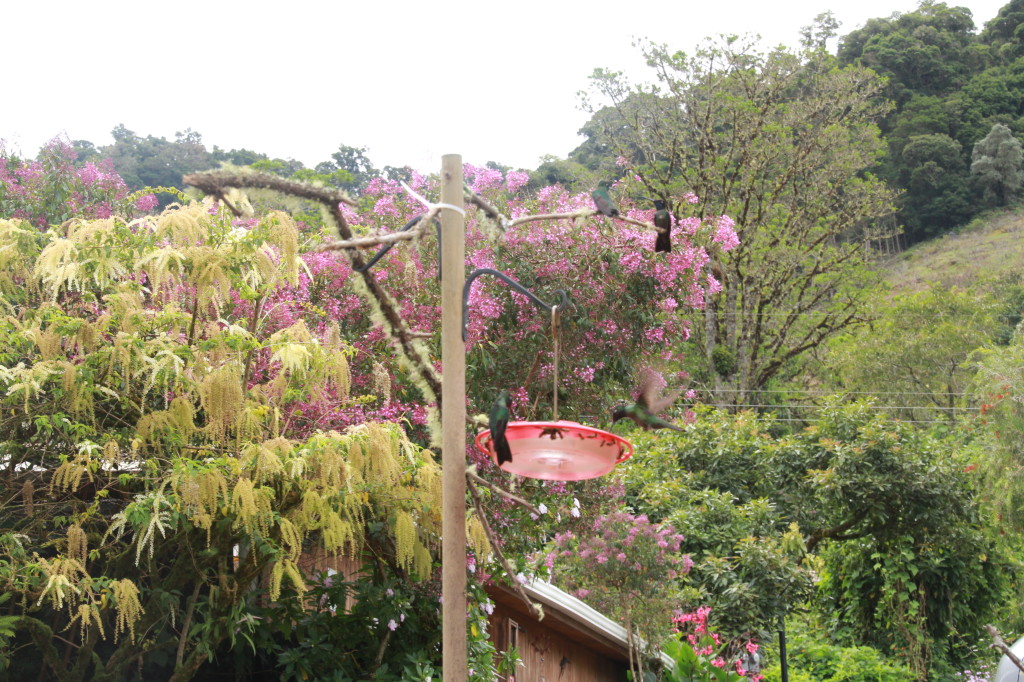
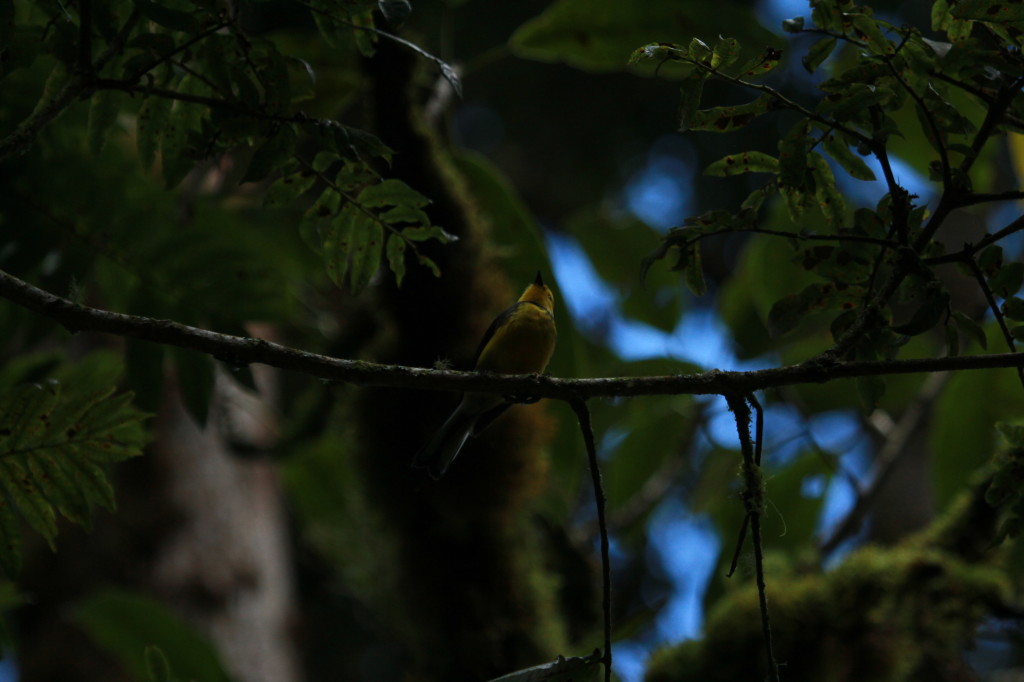
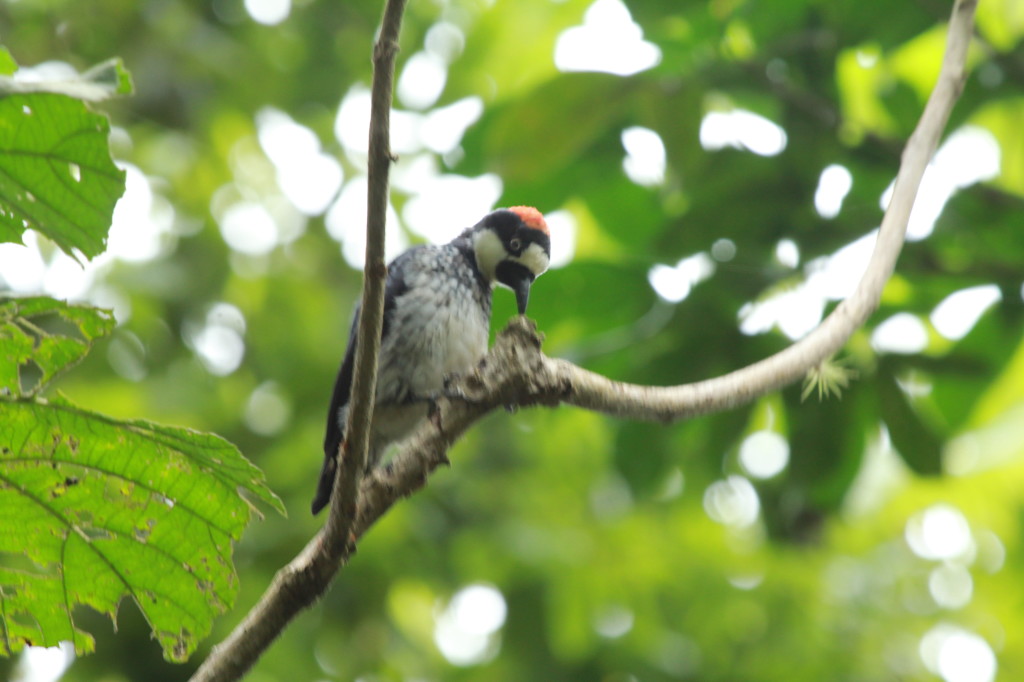
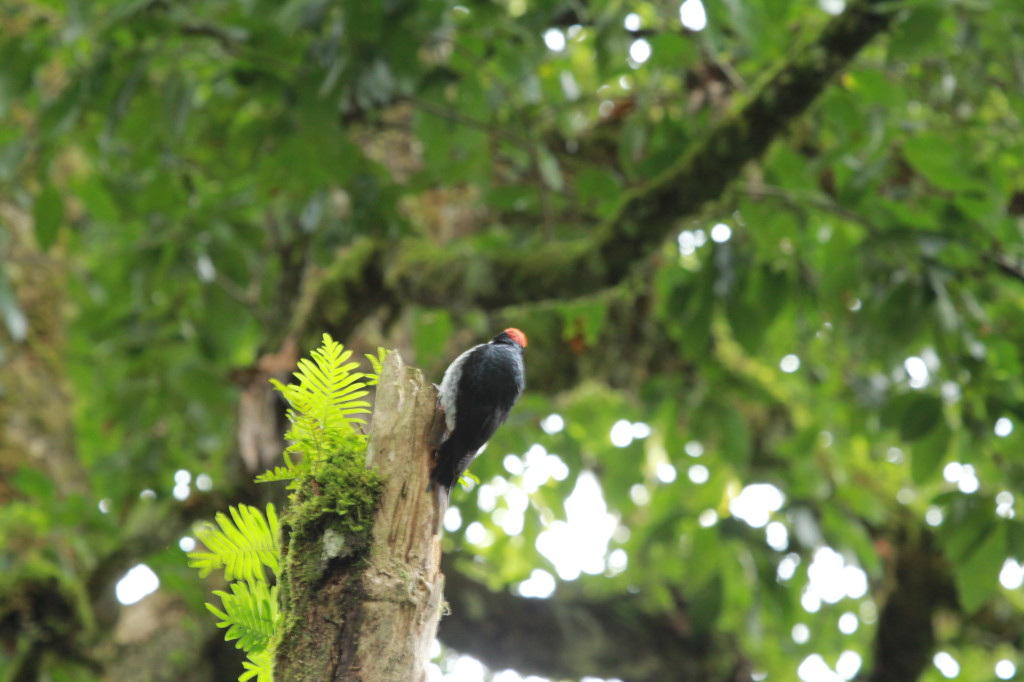
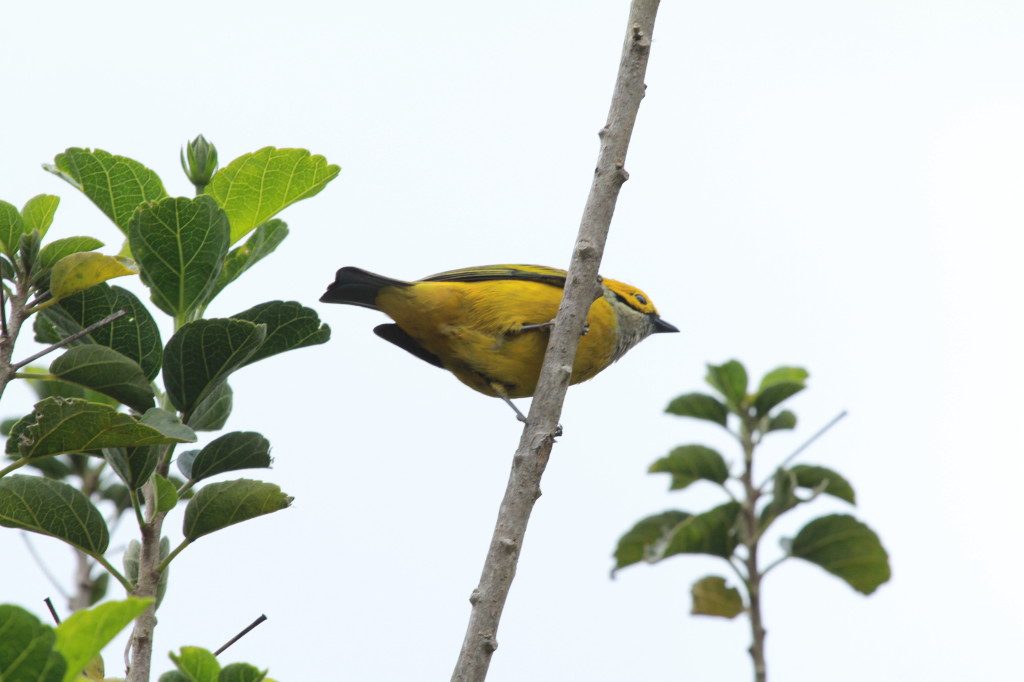
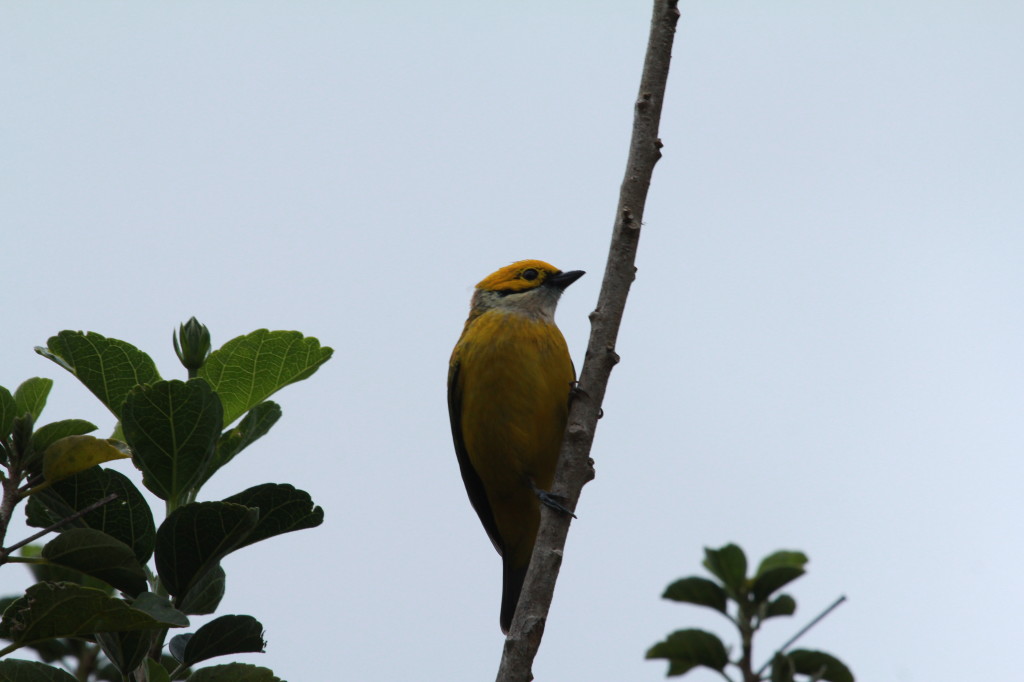
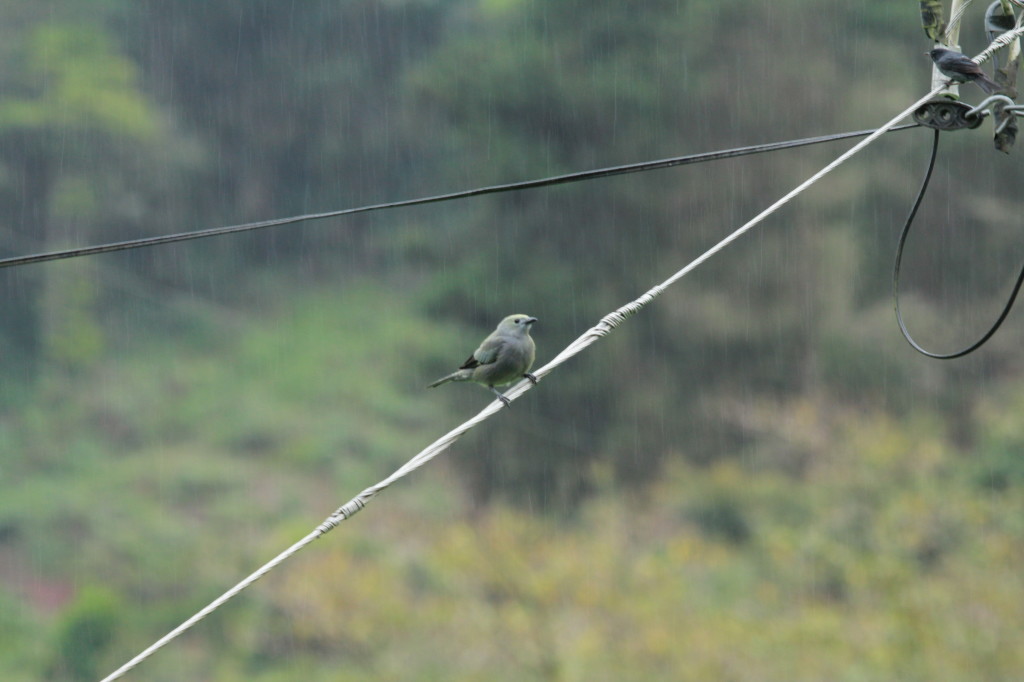
In this final chapter of my series about birding in Savegre, I would like to point out the delights of birding around the grounds of the Savegre Hotel.  In most places, there is a definite siesta time during which birds are inactive around mid-day and the best time to see them is in the early morning and late afternoon.  Hummingbirds, however need to feed every 15 minutes so you can spend many happy hours just watching them fly around the grounds and sipping nectar from the feeders.  There are also lots of flowers for them to feed on.  Not only can you see the Hummingbirds, there are also various Woodpeckers, Tanagers, Warblers and many other birds.  A complete bird list is here.  These photos were taken over 2 days just in the grounds of the Savegre Hotel.

IMG_1185 IMG_0994 IMG_1006 IMG_1019 IMG_1026 IMG_1028 IMG_1029 IMG_1030 IMG_1032 IMG_1137 IMG_1138 IMG_1140 IMG_1143 IMG_1145 IMG_1146 IMG_1147 IMG_1148 IMG_1194 IMG_1198 IMG_1199 IMG_1200 IMG_1201 IMG_1202 IMG_1204 IMG_1211 IMG_1216 IMG_1222 IMG_1224 IMG_1231 IMG_1234 IMG_1240 IMG_1244 IMG_1251 IMG_1253 IMG_1256 IMG_1261 IMG_1264 IMG_1265 IMG_1268 IMG_1269 IMG_1270 IMG_1274 IMG_1278 IMG_1279 IMG_1281 IMG_1286 IMG_1290 IMG_1291 IMG_1300 IMG_1306 IMG_1309 IMG_1310 IMG_1311 IMG_1312 IMG_1314 IMG_1316 IMG_1317 IMG_1318 IMG_1320 IMG_1321 IMG_1322 IMG_1323 IMG_1324 IMG_1326 IMG_1327 IMG_1330 IMG_1332 IMG_1334 IMG_1339 IMG_1340

Part 2: Birding At Savegre, Costa Rica – Nature Reserve

After our visit with the beautiful Resplendent Quetzals, we went back to the lodge where Marino returned the SUV and we headed off on our walk.

Hotel Savegre is proud to offer visitors the opportunity to visit our private nature reserve of almost 400 hectares (988 acres) through a network of trails of around 30 km. (18.6 miles) that start and end at the hotel. The reserve has a spectacularly high level biodiversity that attracts visitors from all over the world. It is also a scientific field research site, but for our guests it is mostly a place of great peace and tranquility.
Part of the reserve is secondary forest regrowth, once felled for cattle grazing but which we decided years ago to return to its natural state. Four of the six trails are interconnected and visitors are given a trail map to explore the forest in complete safety. However, we recommend you use a naturalist guide to better see and interpret everything this life-giving world can tell you, and so you don’t miss a single detail that might otherwise escape you.

We invite you to explore our reserve by walking the trails we have carefully designed to meet the interests and physical capabilities of our guests. They are graded according to their difficulty from 1 (very easy) to 5 (technically challenging) in terms of length and terrain. To help you choose which trail is best for you, we also give the distance and approximate time it takes from and returning to the hotel:

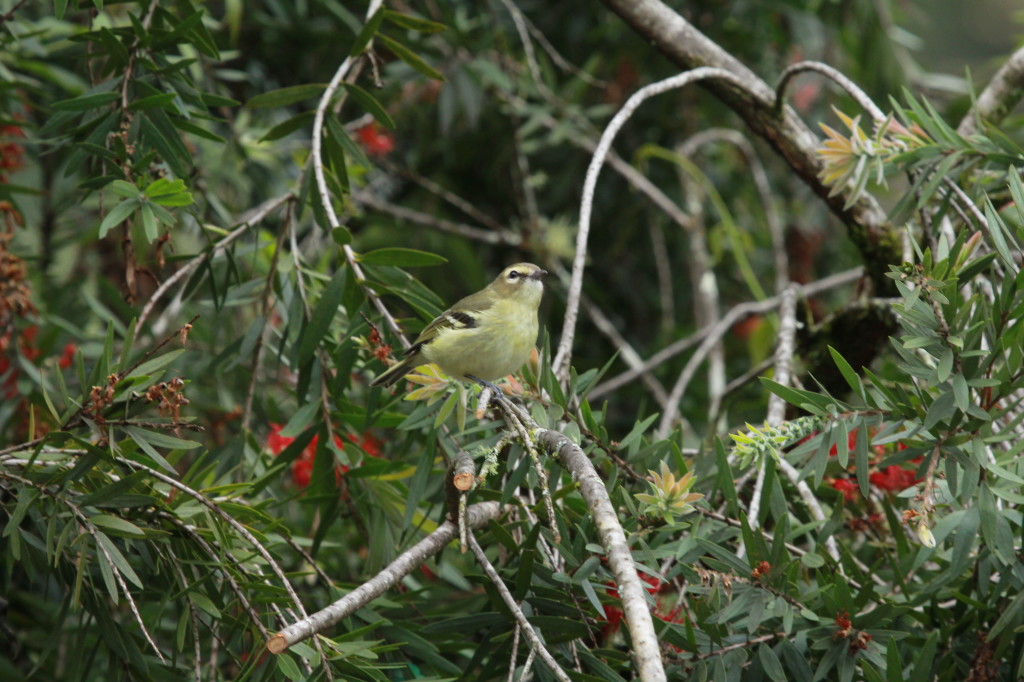
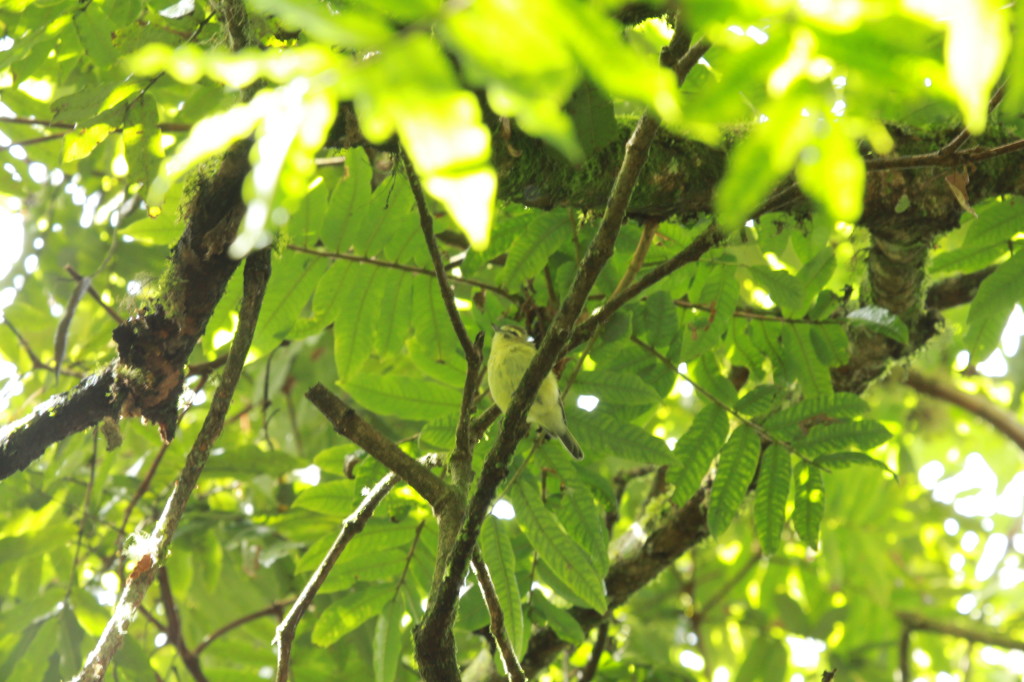
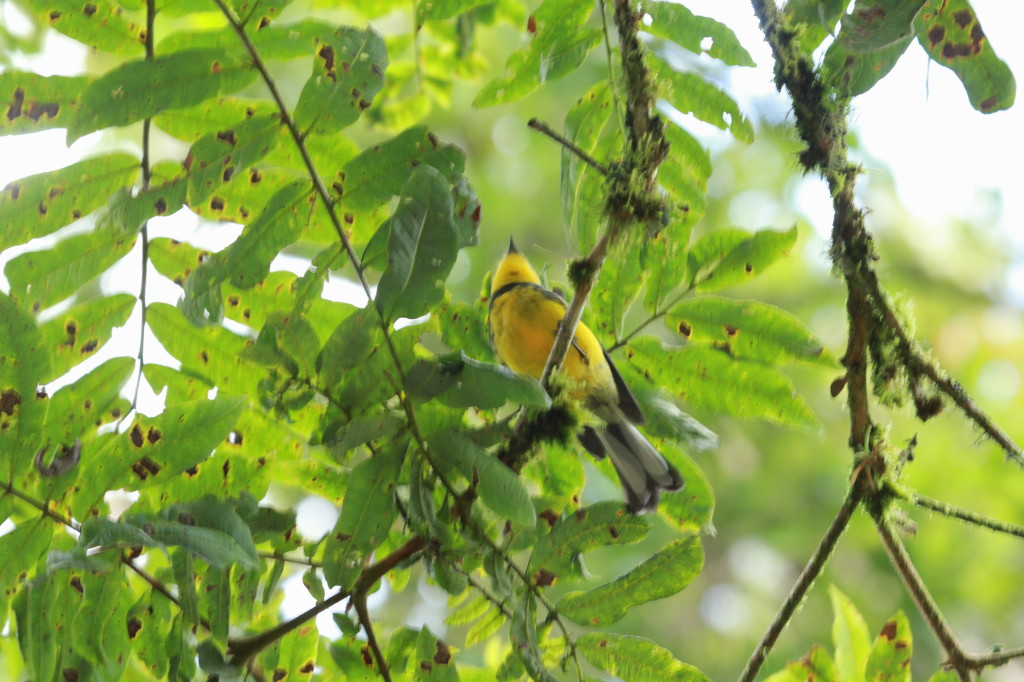
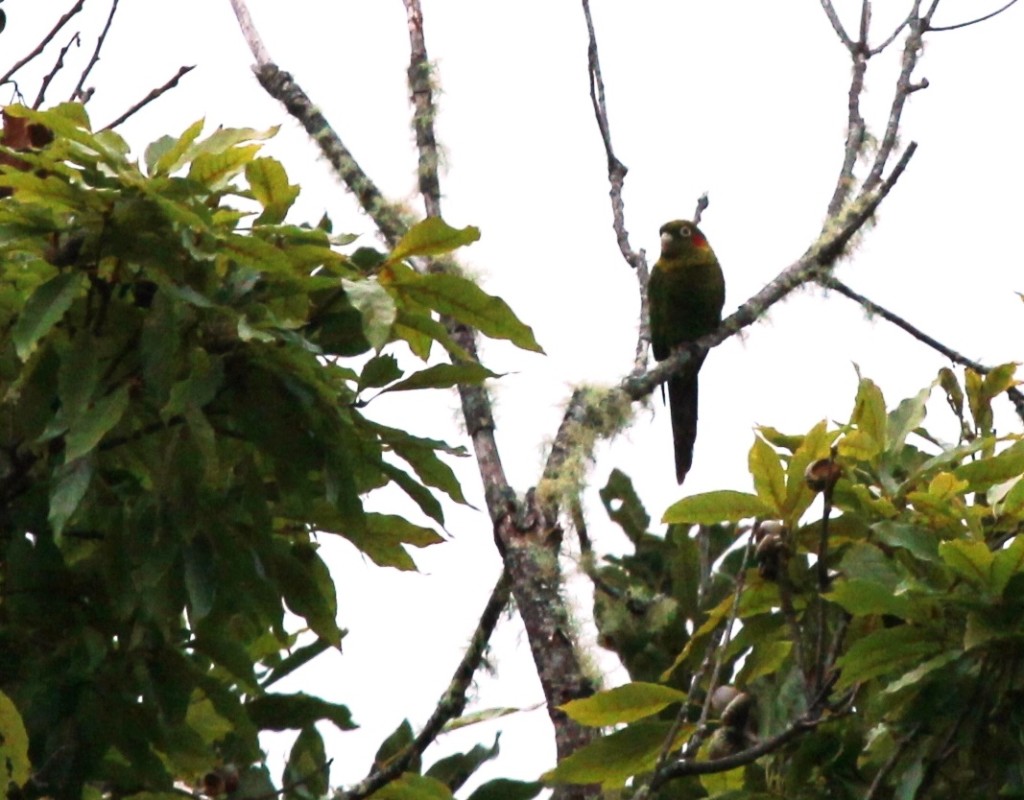
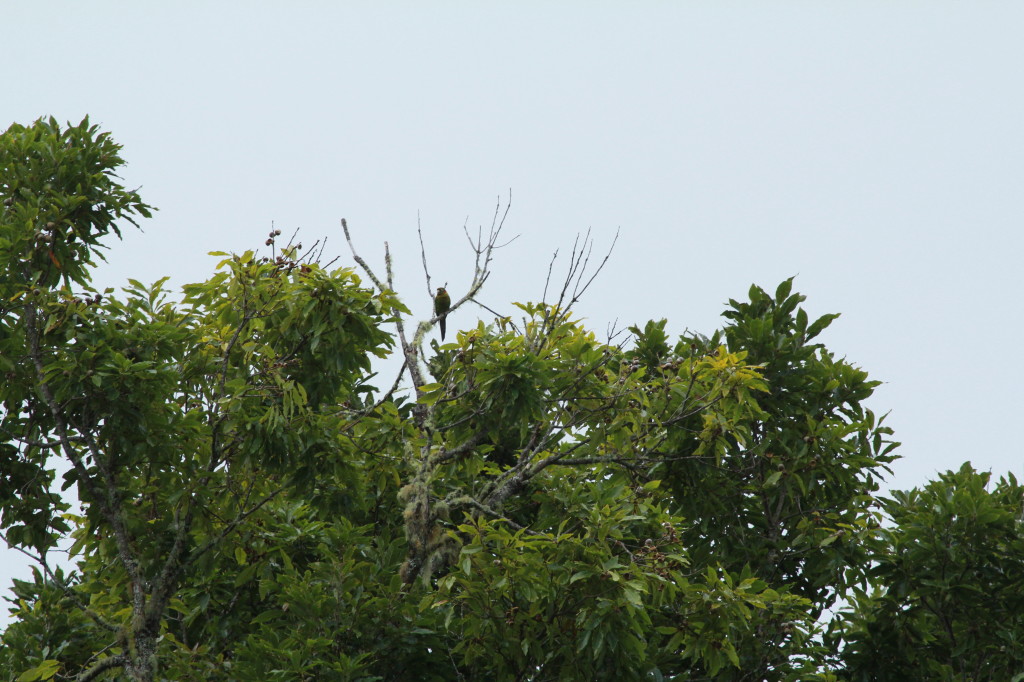
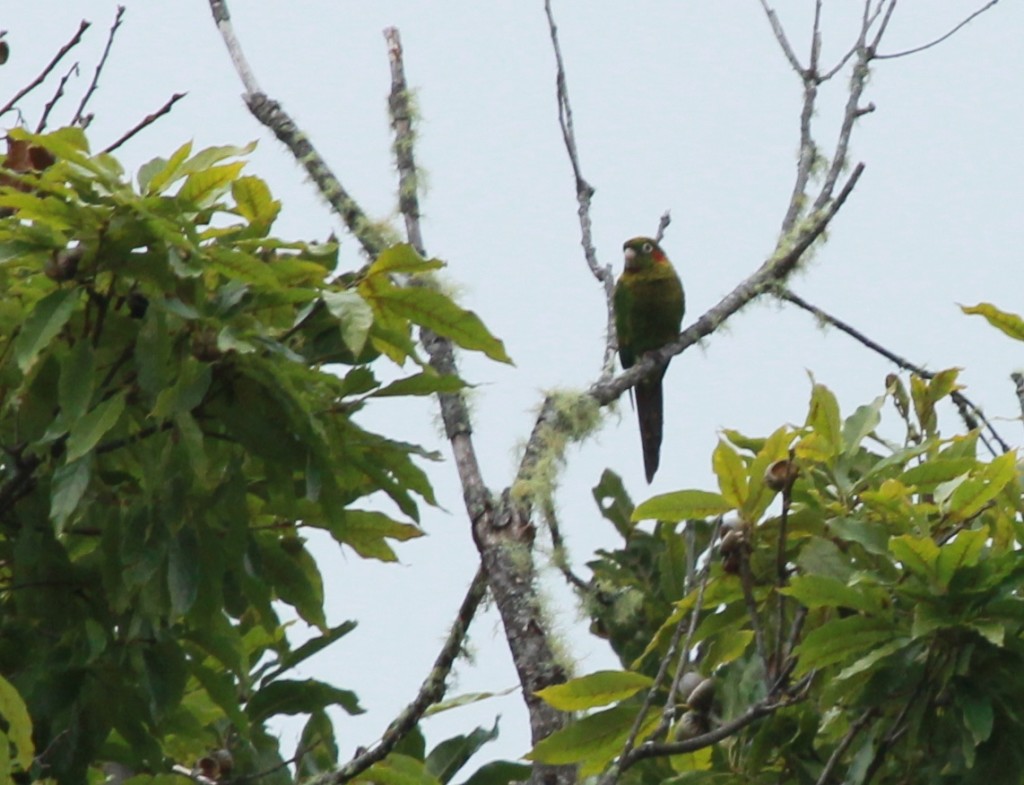
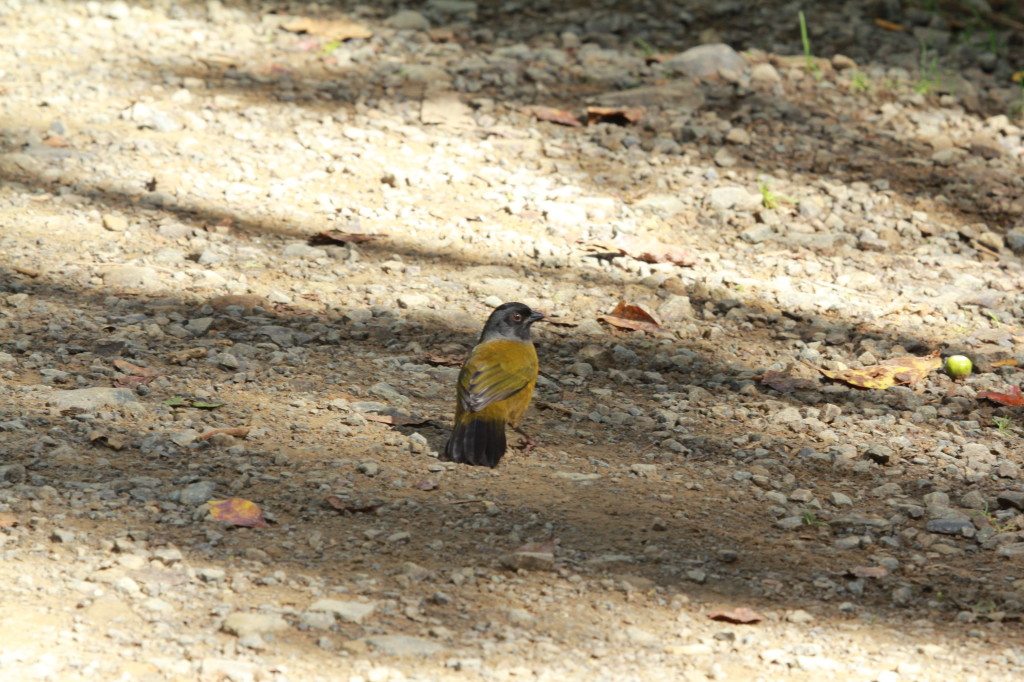
It’s a beautiful area with streams running through, lots of trees except for one open field and a small lake.  We saw quite a few birds, including the Sulphur-winged Conure.  I had been hoping for Barred Parakeets as well but they are rare that time of year (Aug-Sept).  These photos are of the birds we saw on the forest walk.  A complete bird list for Savegre/San Gerardo de Dota is found here.

IMG_1173

Marino Chacon

IMG_1153 IMG_1159 IMG_1162 IMG_1165 IMG_1172 IMG_1176 IMG_1183 IMG_1187 IMG_1190 IMG_1208 IMG_1209a IMG_1211 IMG_1214a IMG_1216 IMG_1217 IMG_1219 IMG_1220 IMG_1222 IMG_1245 IMG_1245b IMG_1247 IMG_1247a IMG_1249 IMG_1265


Part 1: Birding At Savegre, Costa Rica – Resplendant Quetzals

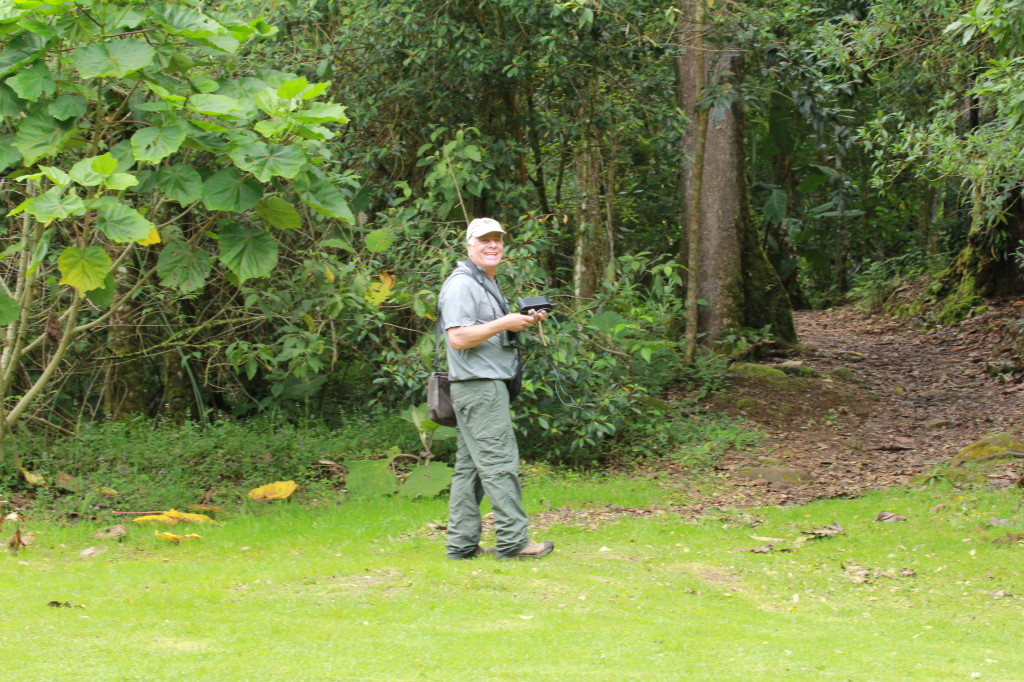
Yesterday, I reviewed the Savegre Hotel & Spa.  Today I will tell you about the birding experiences and the guide.  Our guide was Marino Chacon, a member of the founding family of Savegre Hotel.  You can read the history of his family here.  Marino knows the local birds well and has a scope to help you see them better.

As with most birding excursions, you start early in the morning.  You can either book a visit to the Resplendent Quetzal area or a 5 hour tour which includes a birding hike in the forest behind the lodge which is your best chance to see Sulphur-winged Conures.

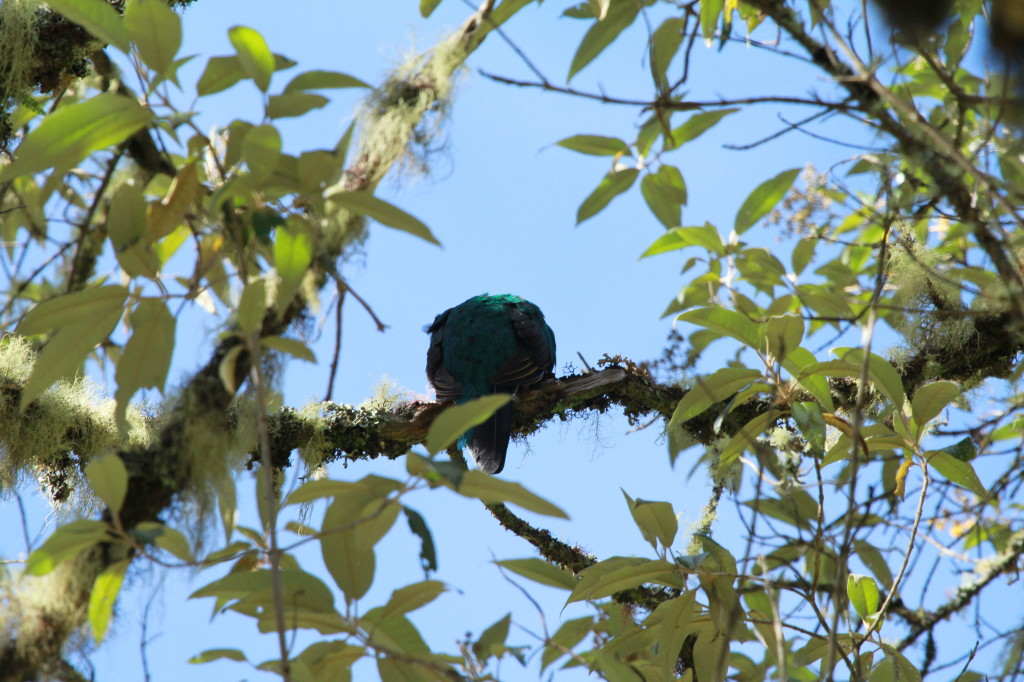
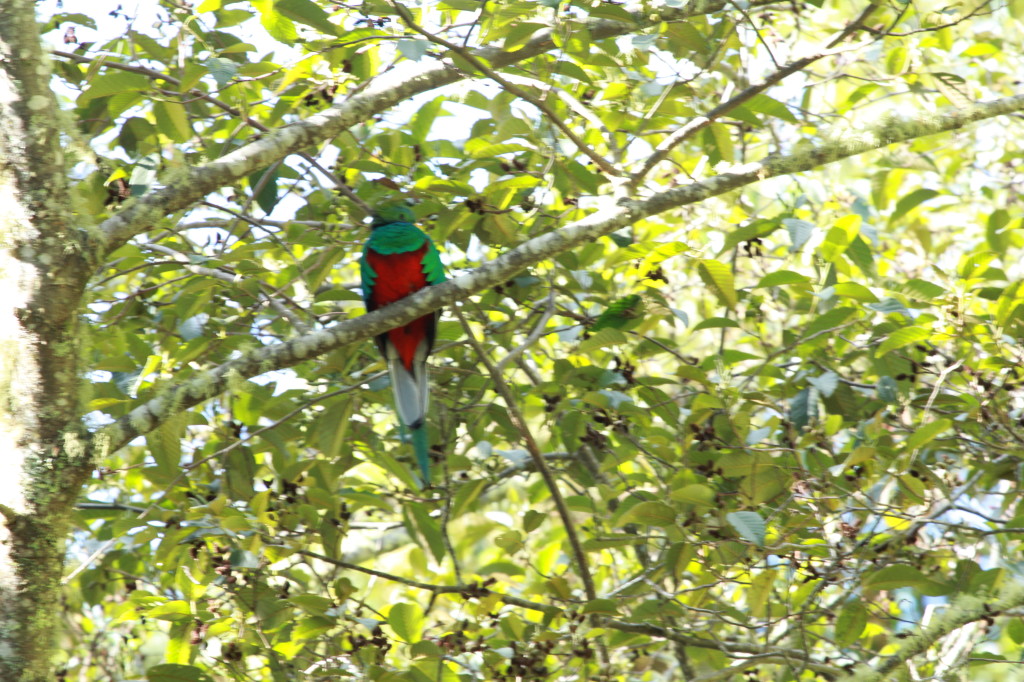
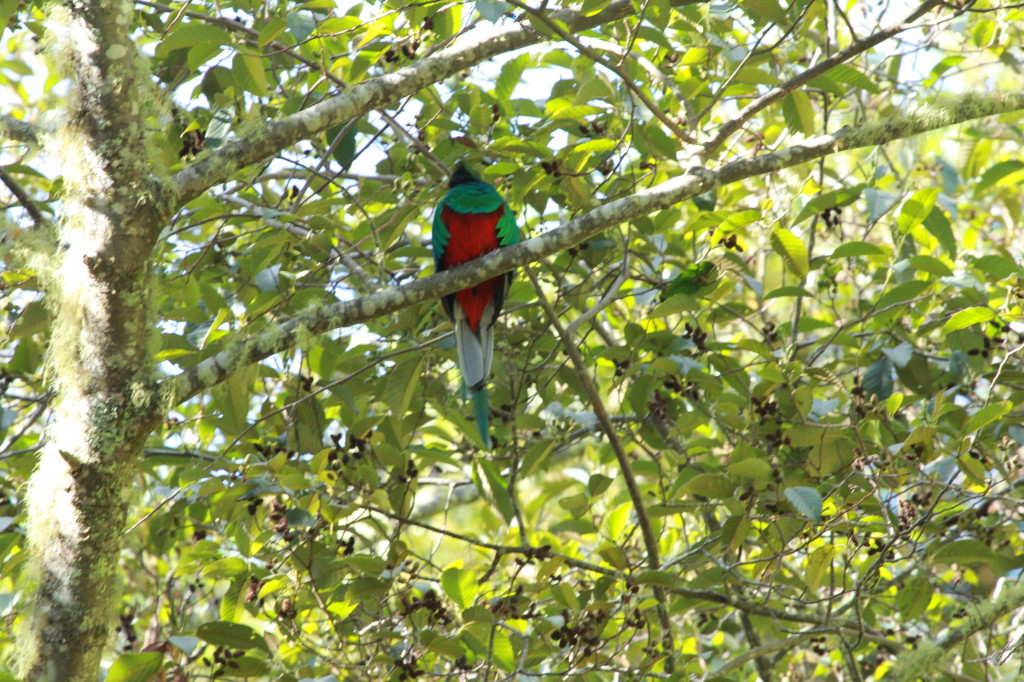
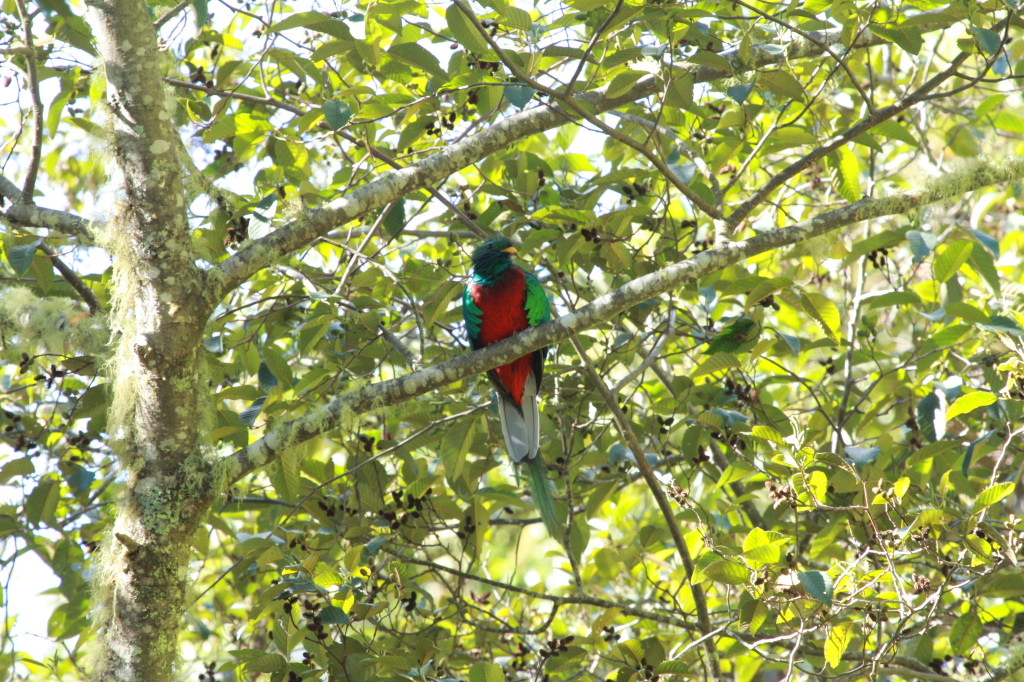
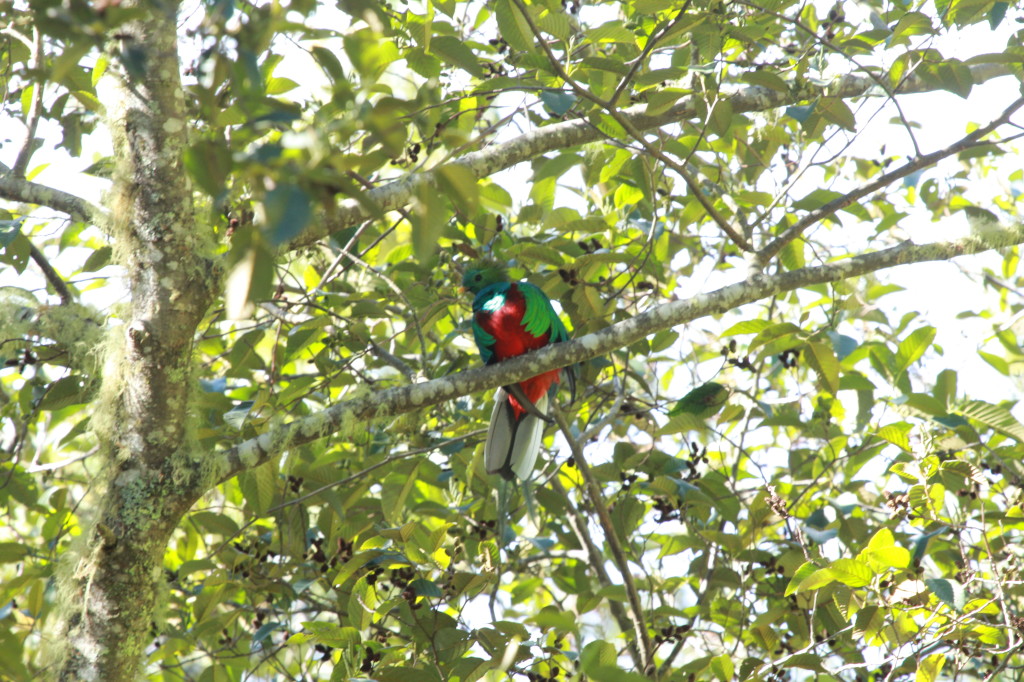
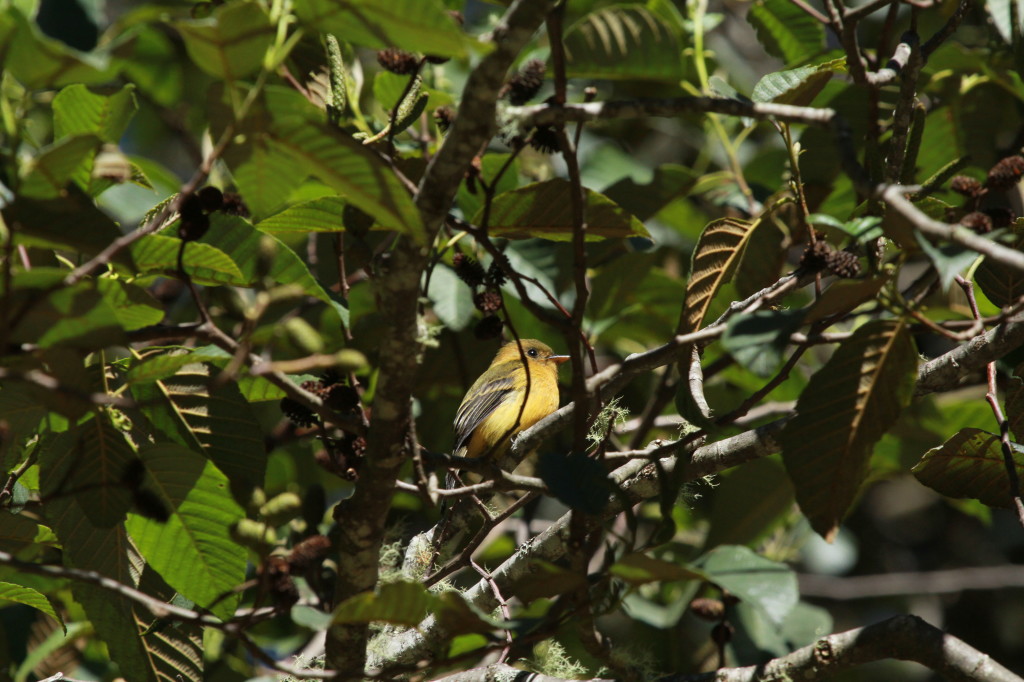
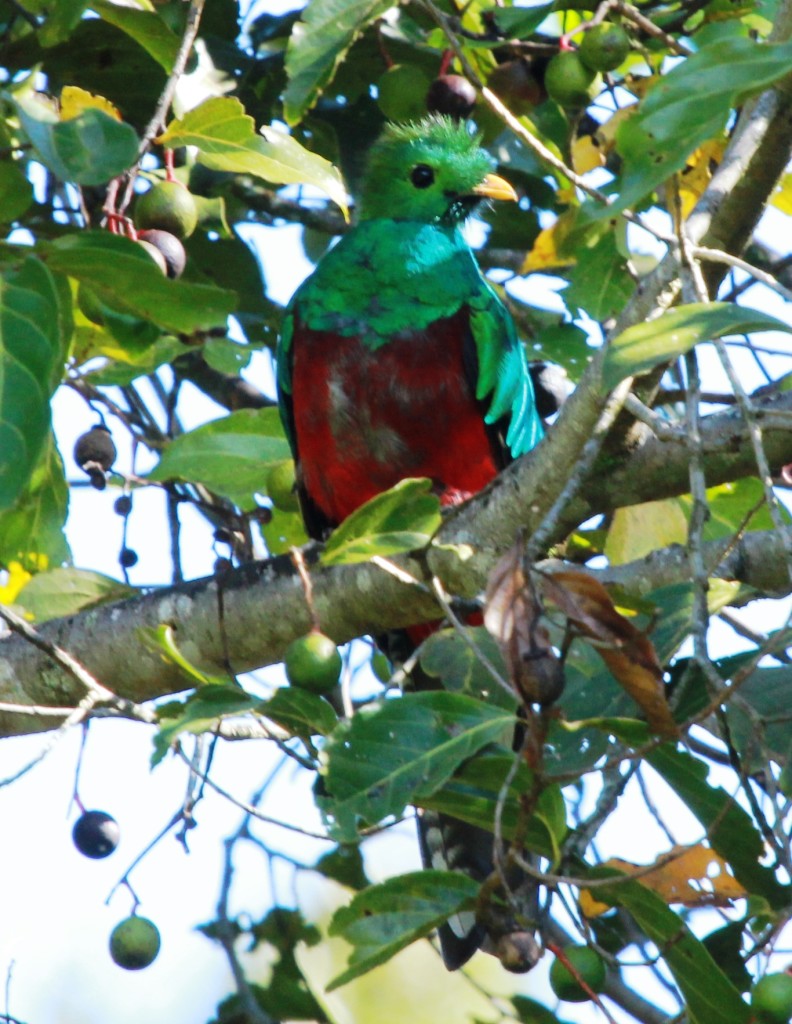
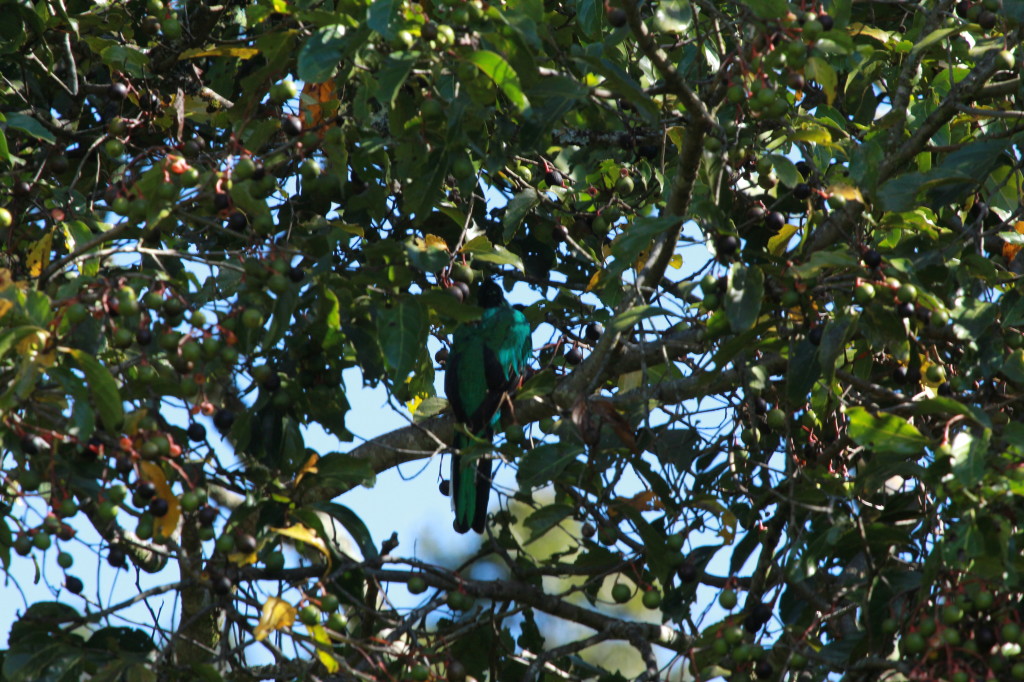
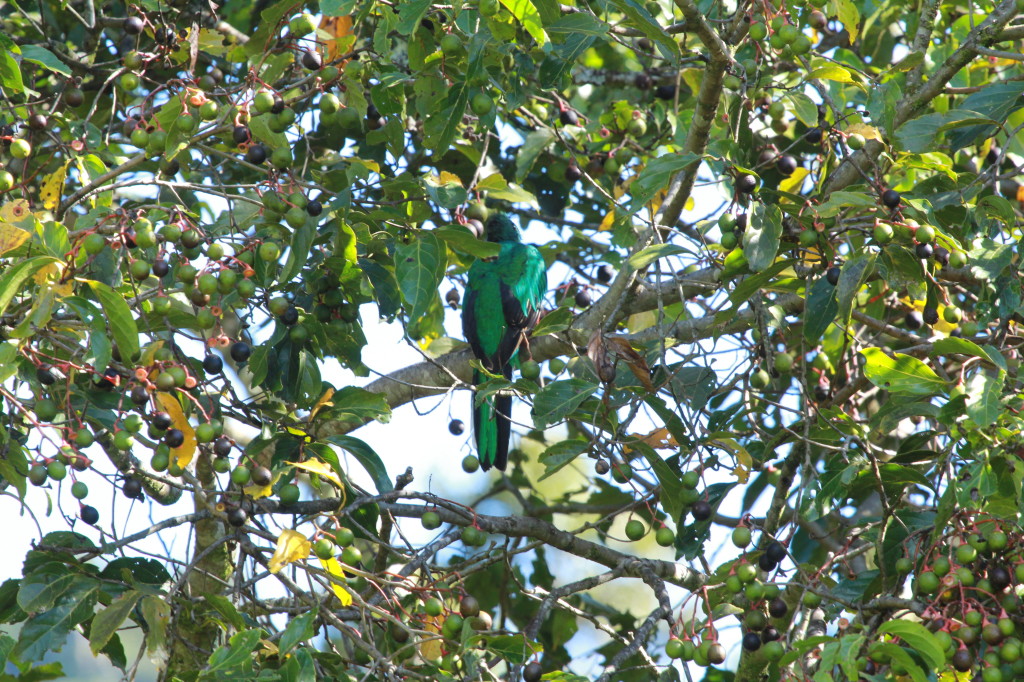
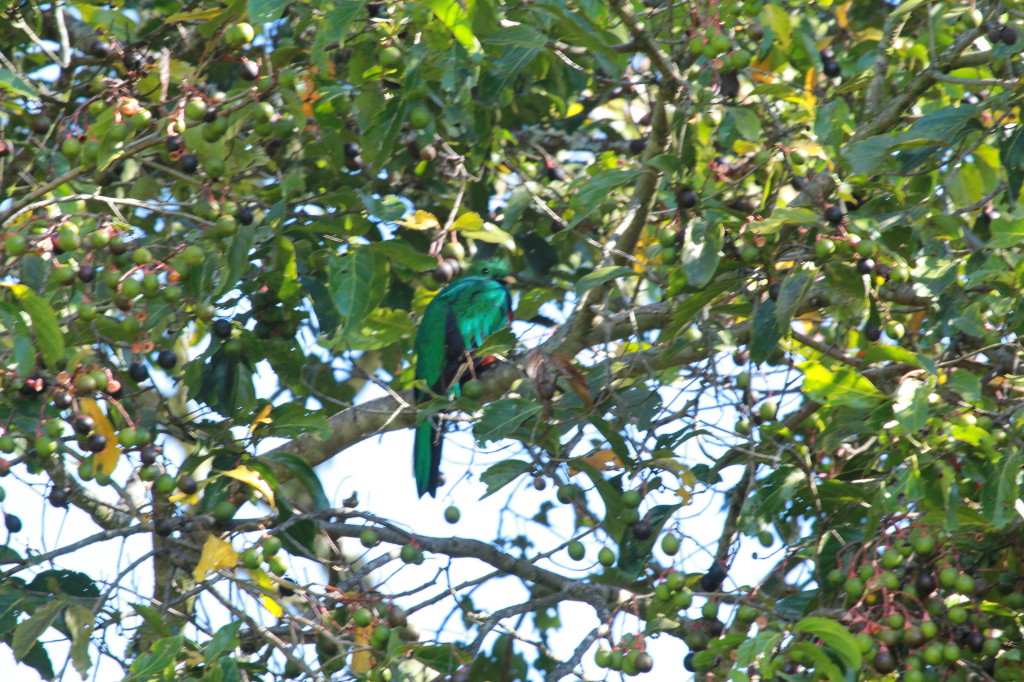
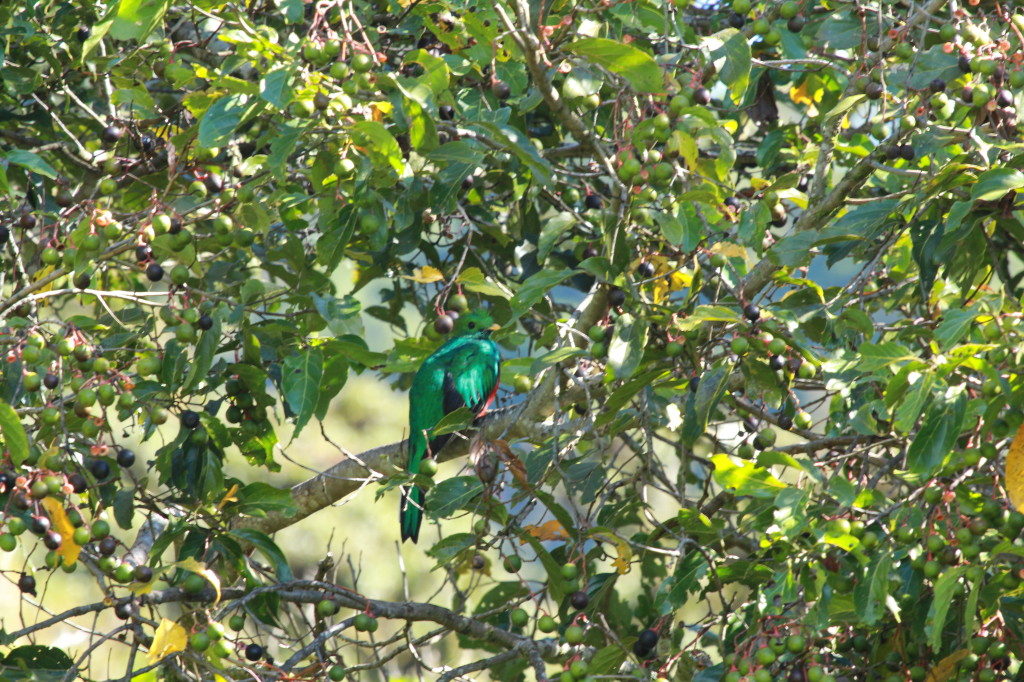
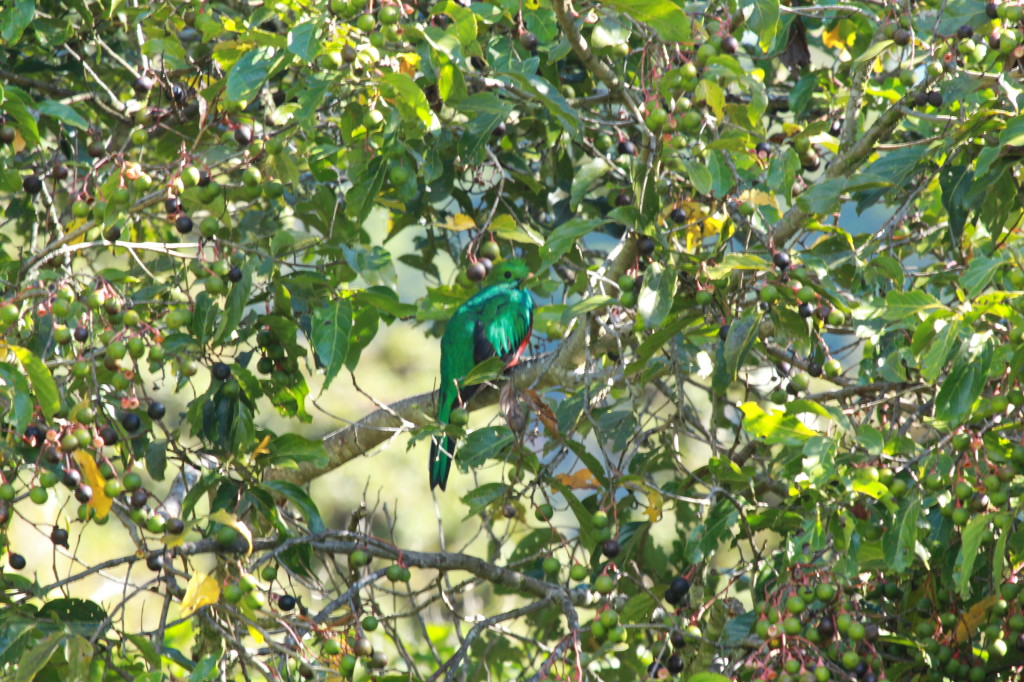
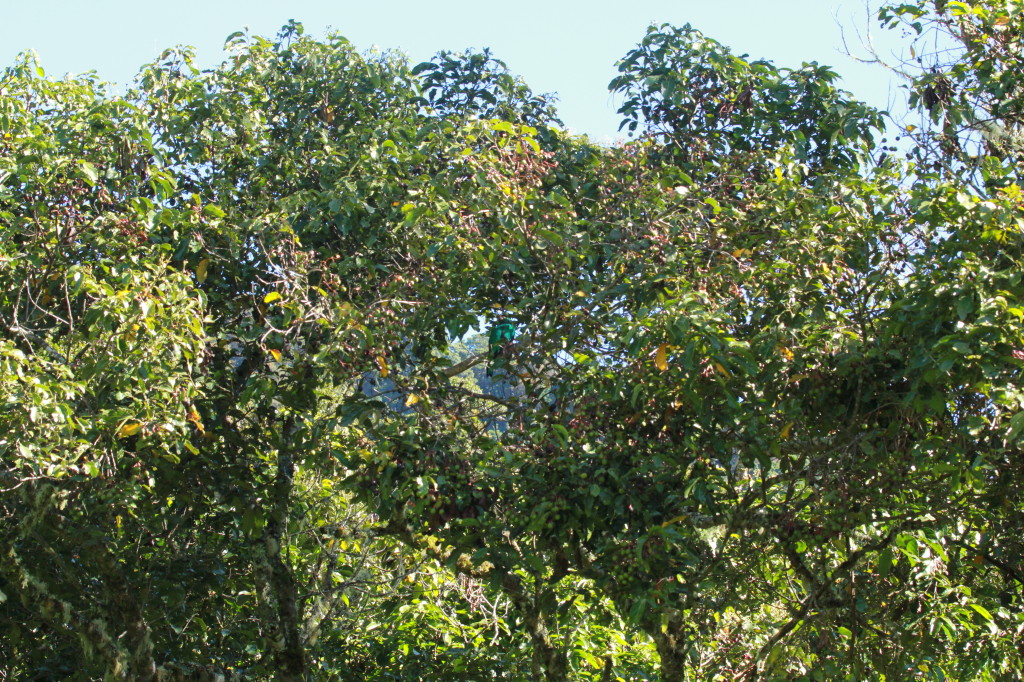
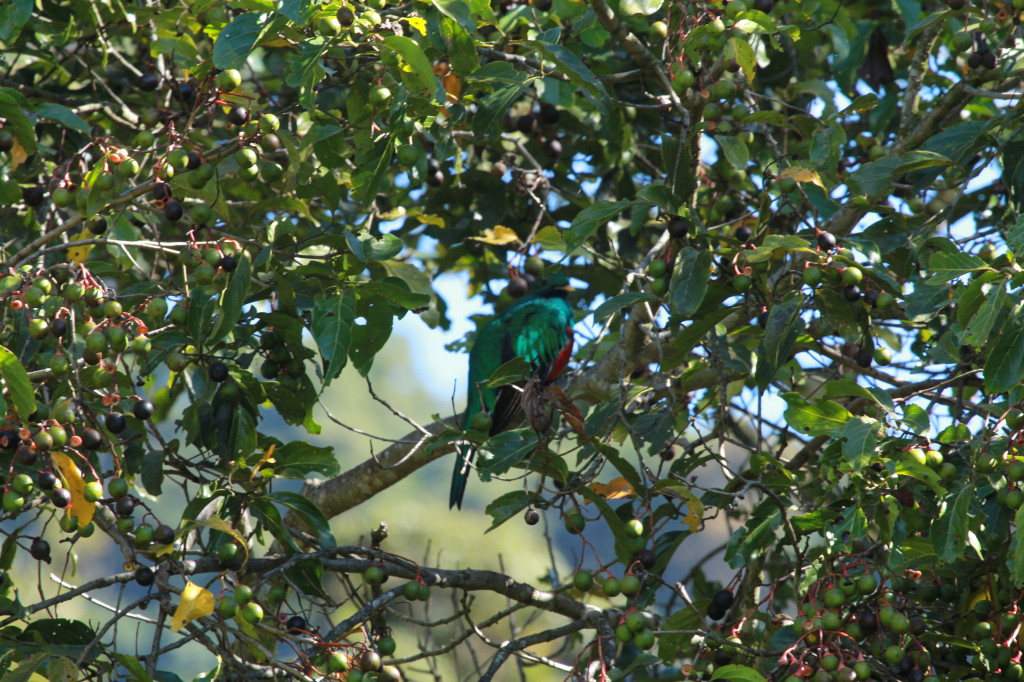
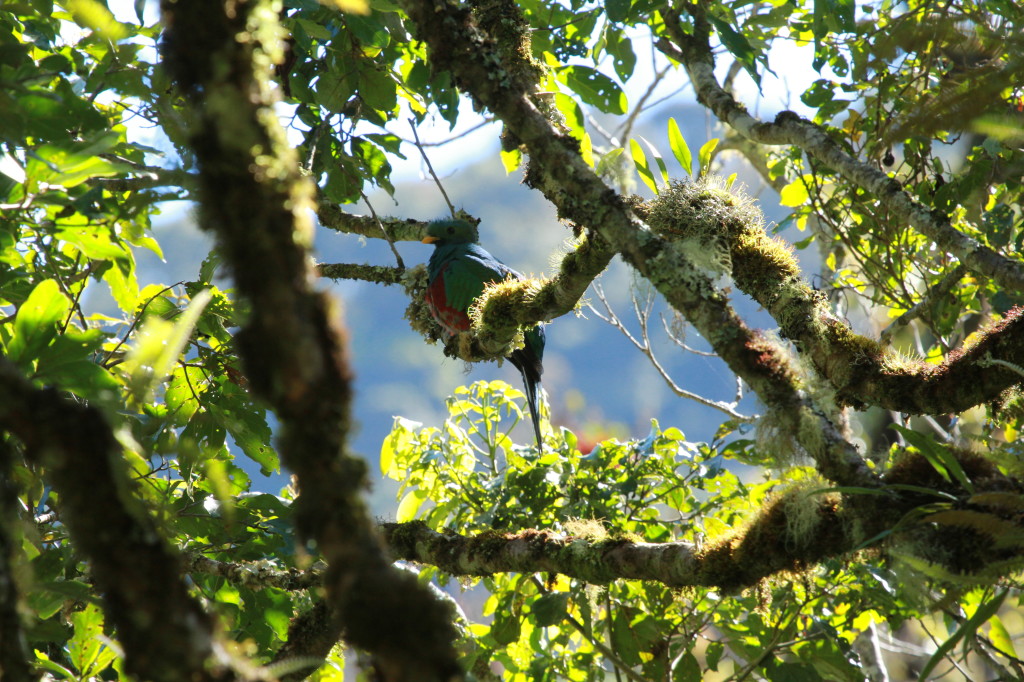
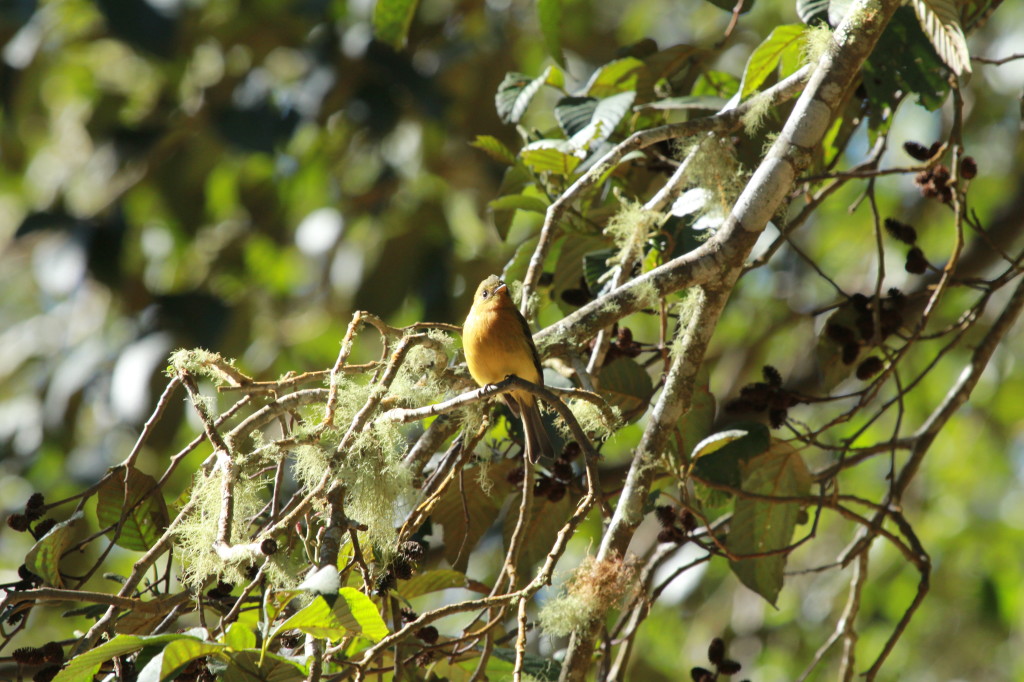
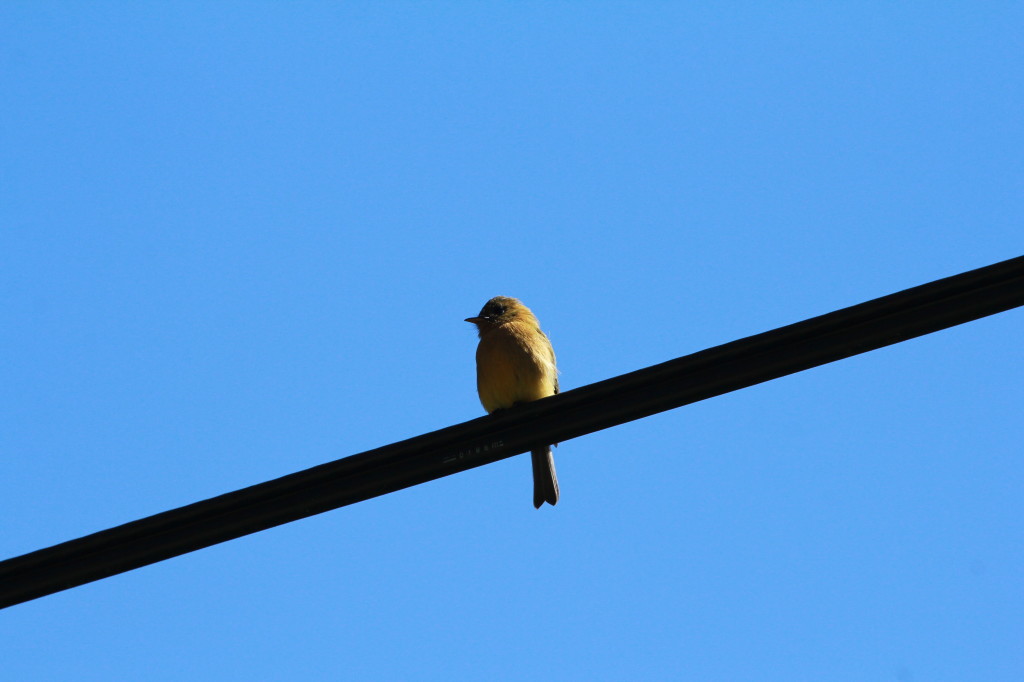
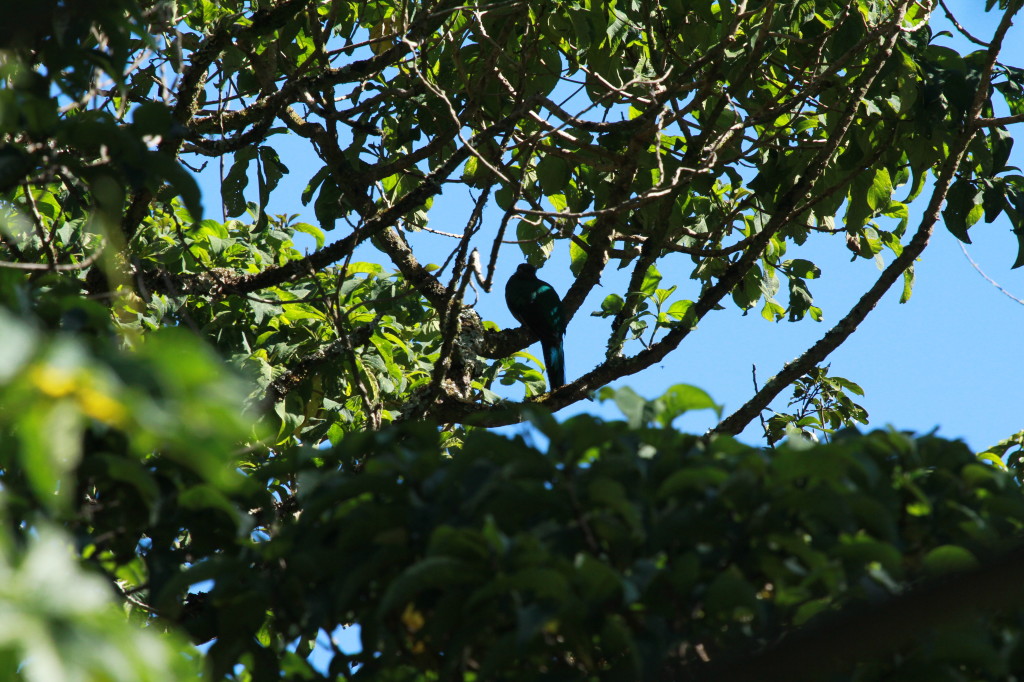
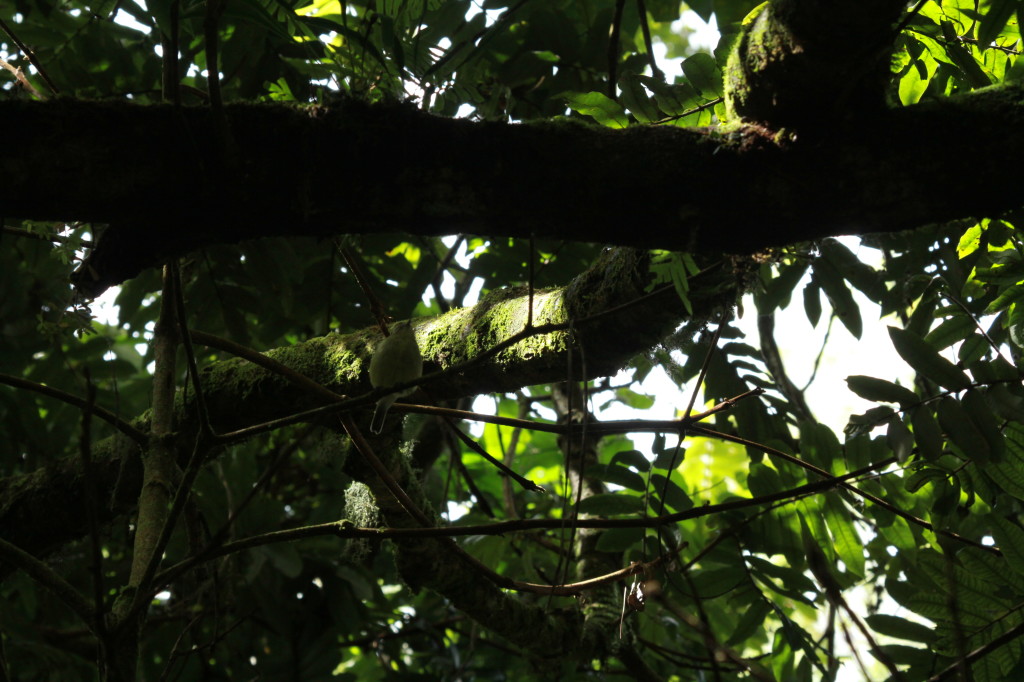
By the time we got to the Quetzal area, another group of birders had beat us there so it was easy to find them.  We saw 6 in all which is not bad for the slow season.  There were 2 adult males, 2 adult females and 2 juvenile males.  Here are a  few pics of the Quetzals and some other birds in their habitat.

IMG_1035 IMG_1036 IMG_1041 IMG_1053 IMG_1060 IMG_1064 IMG_1071 IMG_1073 IMG_1076 IMG_1082 IMG_1083 IMG_1092a IMG_1095 IMG_1097 IMG_1102 IMG_1107 IMG_1109 IMG_1110 IMG_1111 IMG_1126 IMG_1127 IMG_1129 IMG_1134 IMG_1150

Lodge Review: Savegre Hotel Natural Reserve & Spa, Costa Rica

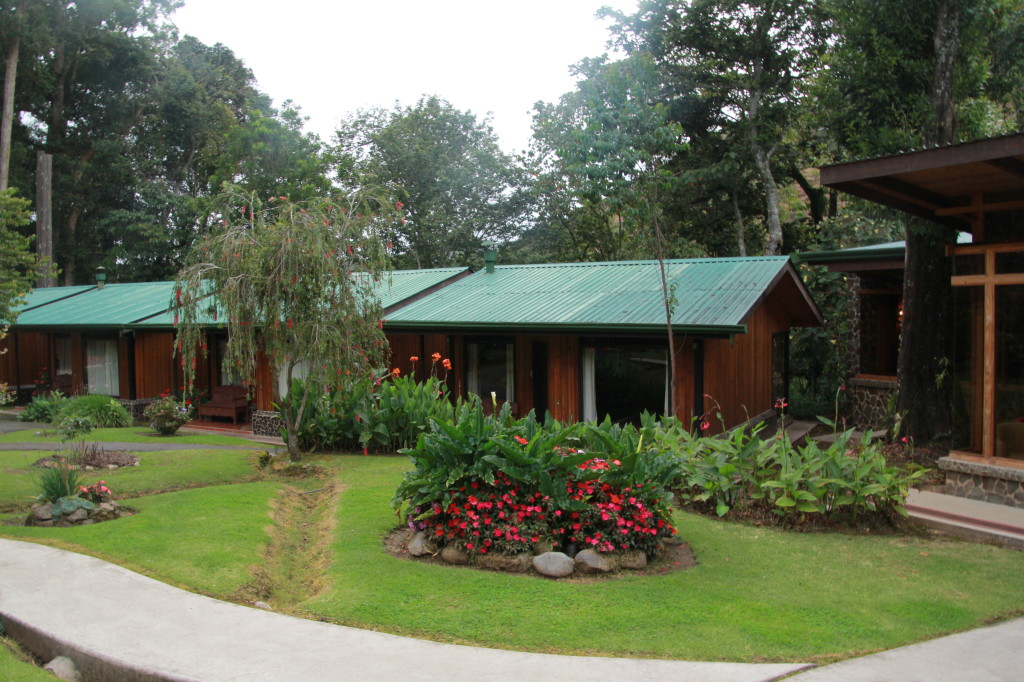
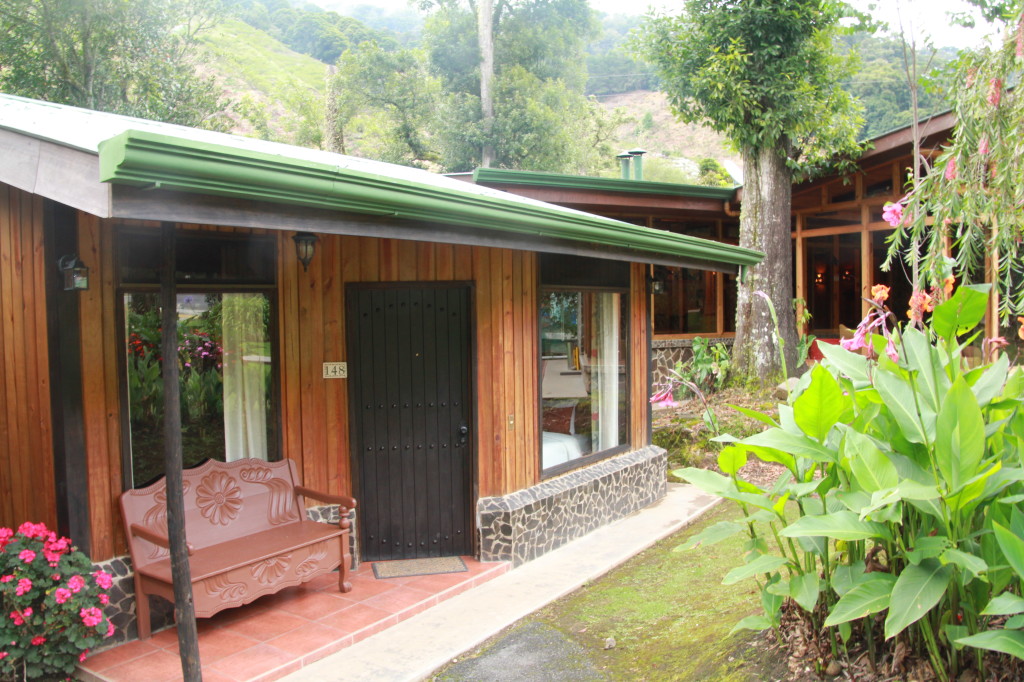
Eighty-nine kilometers (55.3 miles) south of San Jose in a private natural reserve of 400 hectares and just 9 km. (5.5 miles) from Los Quetzales National Park, Hotel Savegre is the ideal starting point for exploring Costa Rica’s magnificent tropical cloud forest in all its beauty.

This outstanding eco-lodge in the tiny town of San Gerardo de Dota was my favourite lodge of the trip!  The lodge and rooms are warm and comfortable.  The food was fantastic and reasonably priced.  The garden is full of hummingbirds, tanagers and other birds…………..and there are Resplendent Quetzals just down the road!

GETTING THERE

I covered the bus ride in the previous post.  If you advise the lodge you are enroute, they will meet your bus at the 80km spot and drive you to the lodge for $25 each way.  If you need advice on how to get to Costa Rica, see my posts on Central America awards and Costa Rica.

IMG_1342

THE LODGE & ROOMS

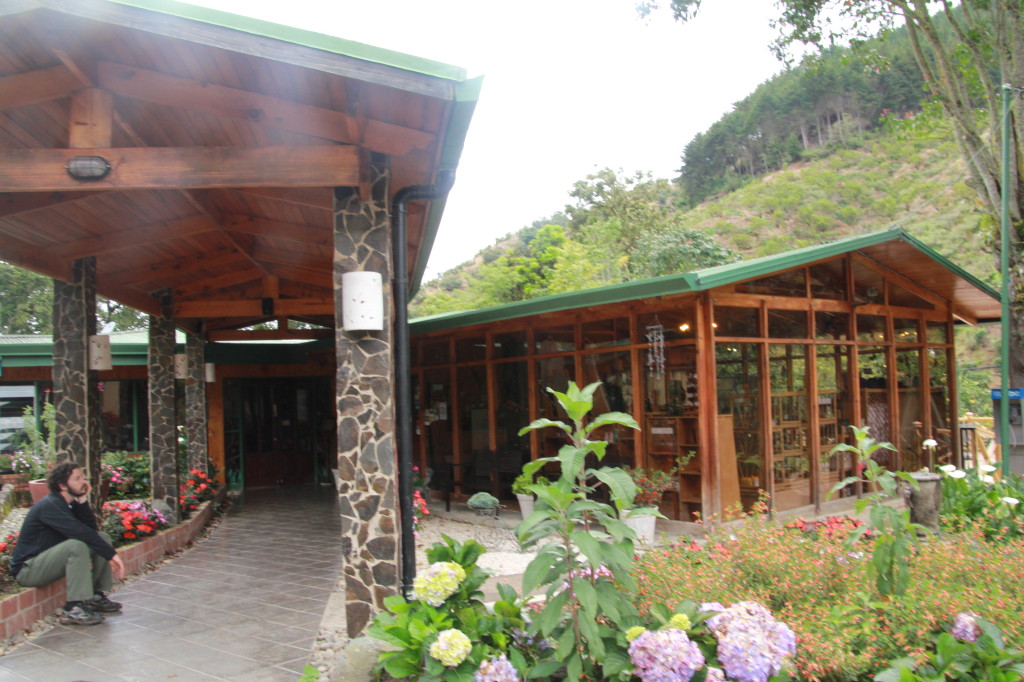
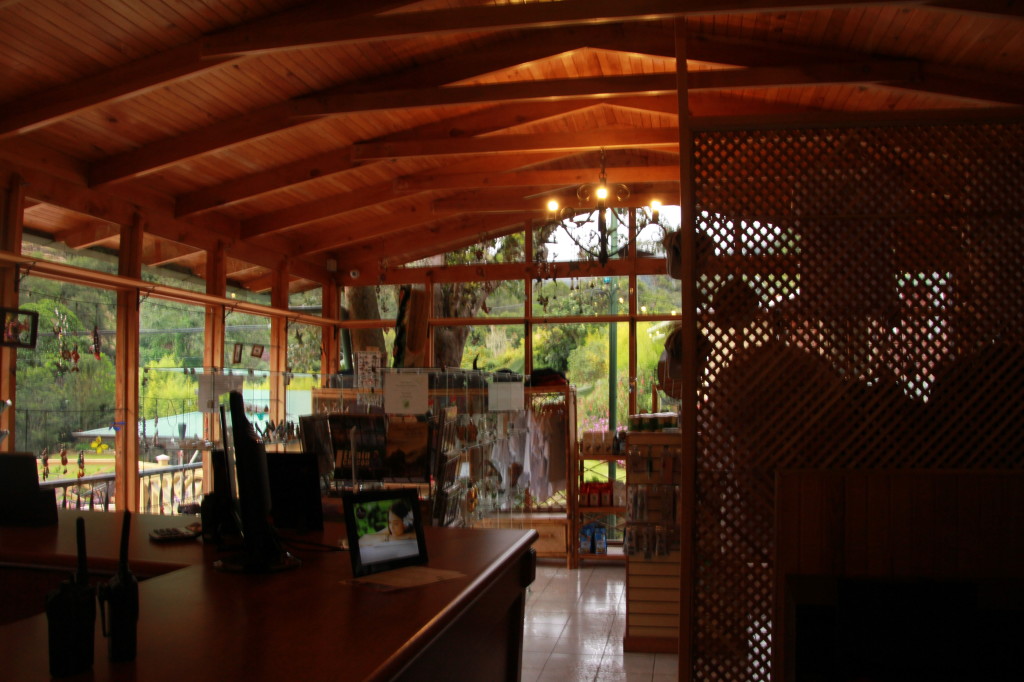
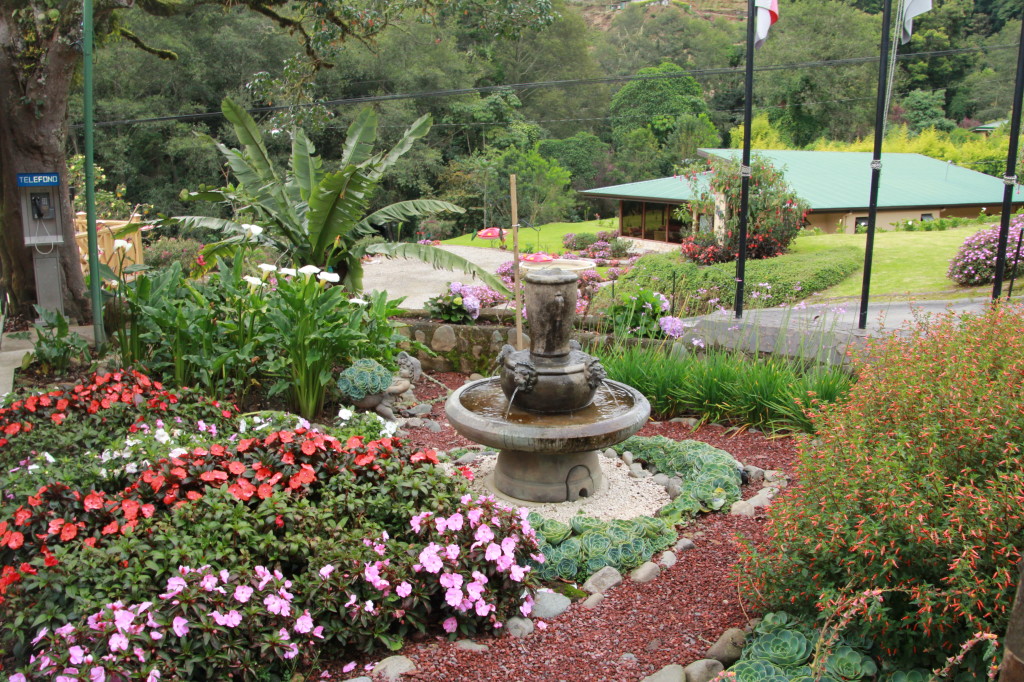
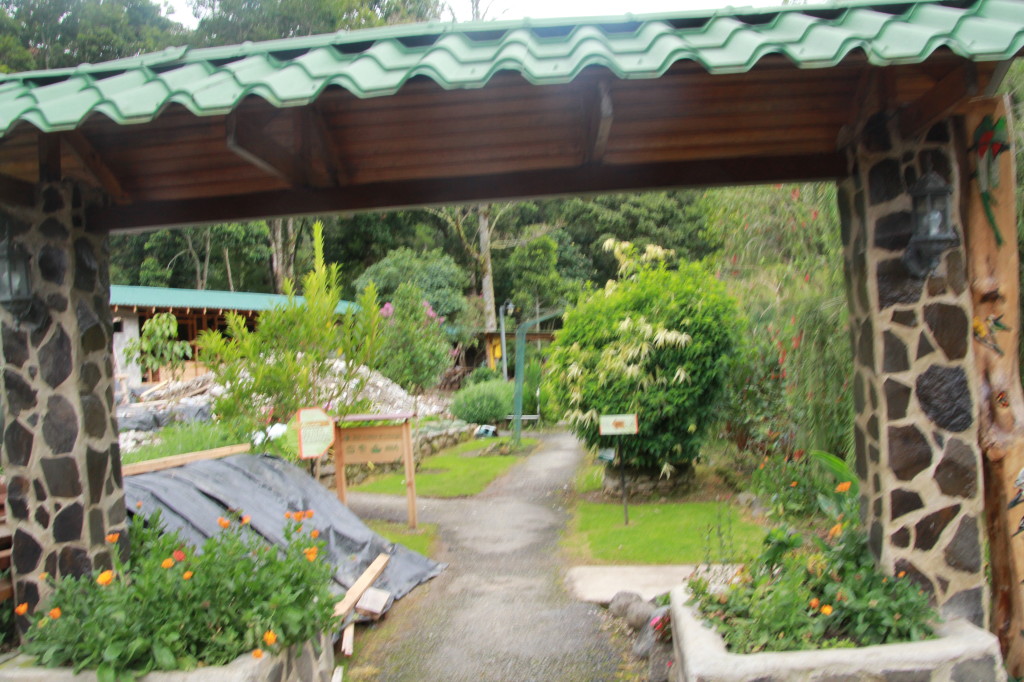
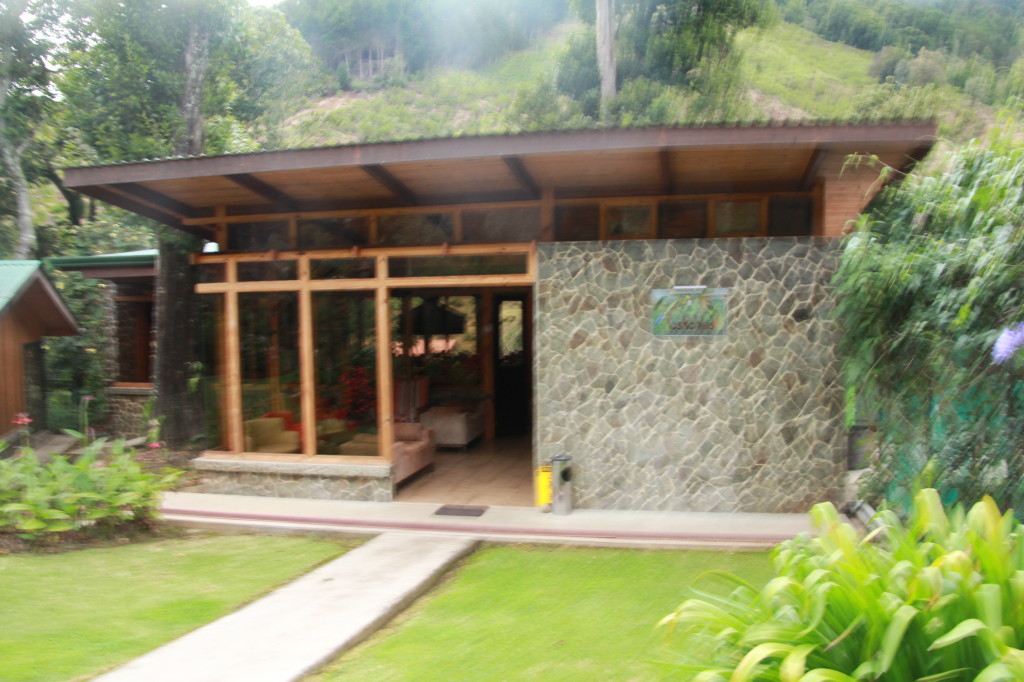
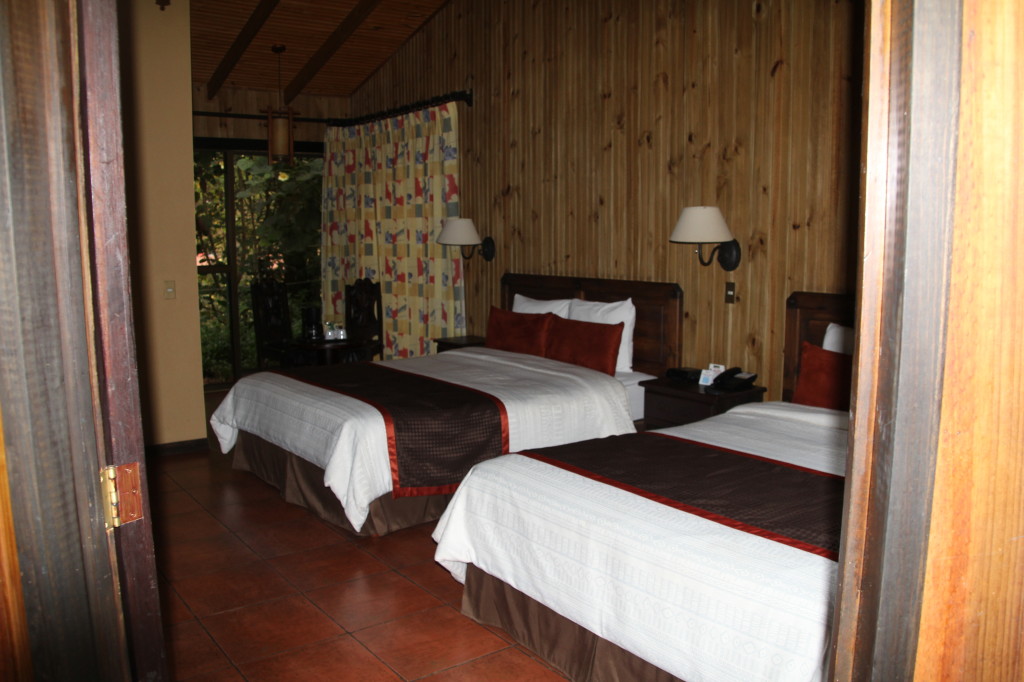
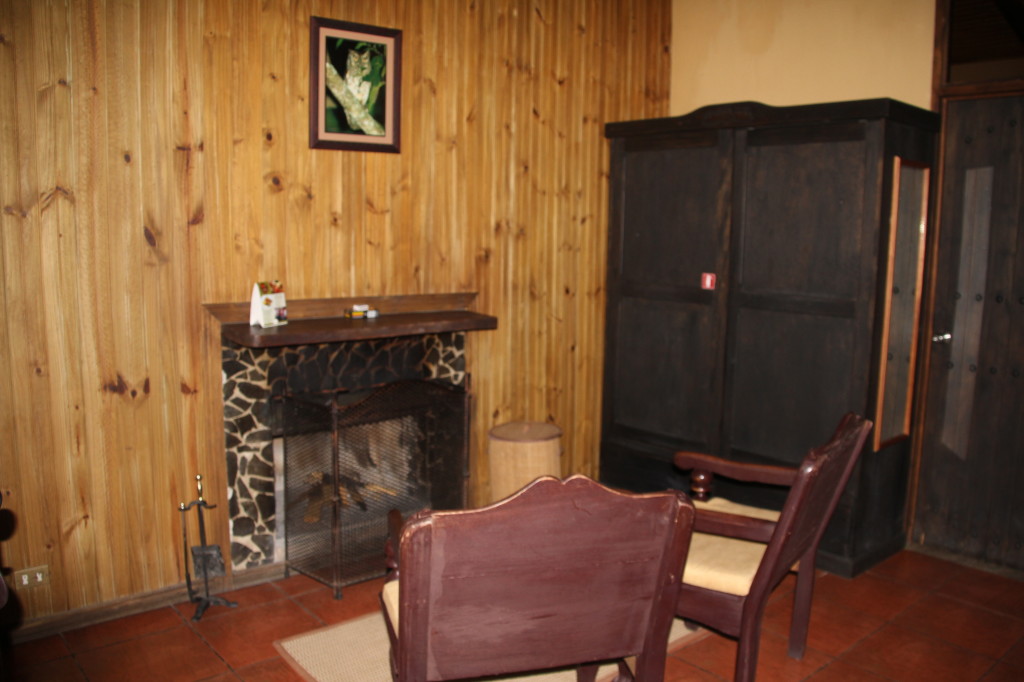
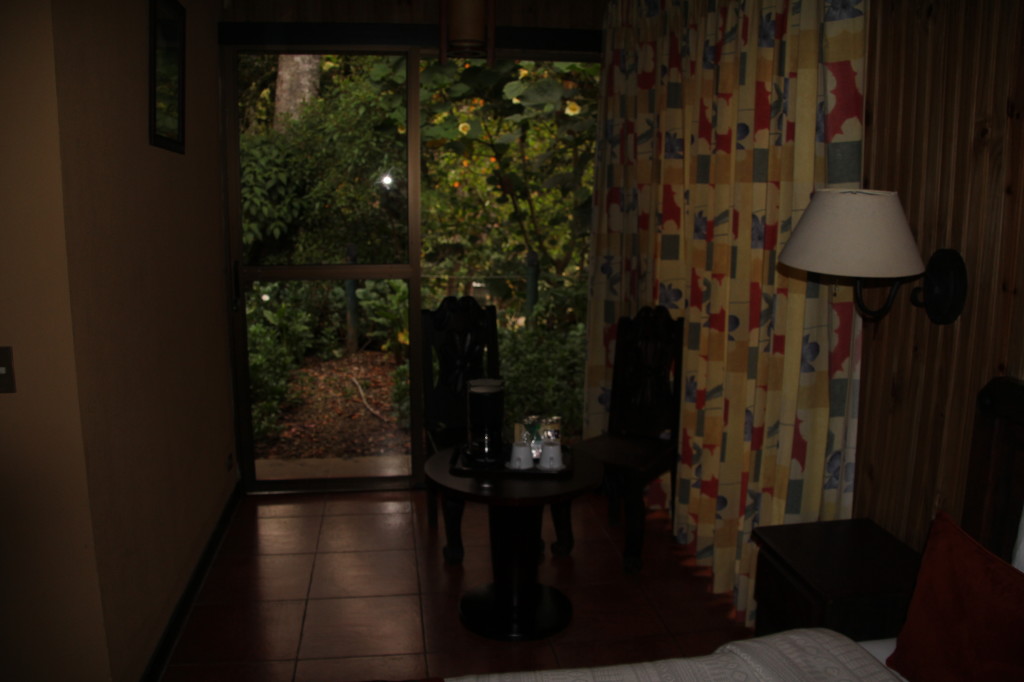
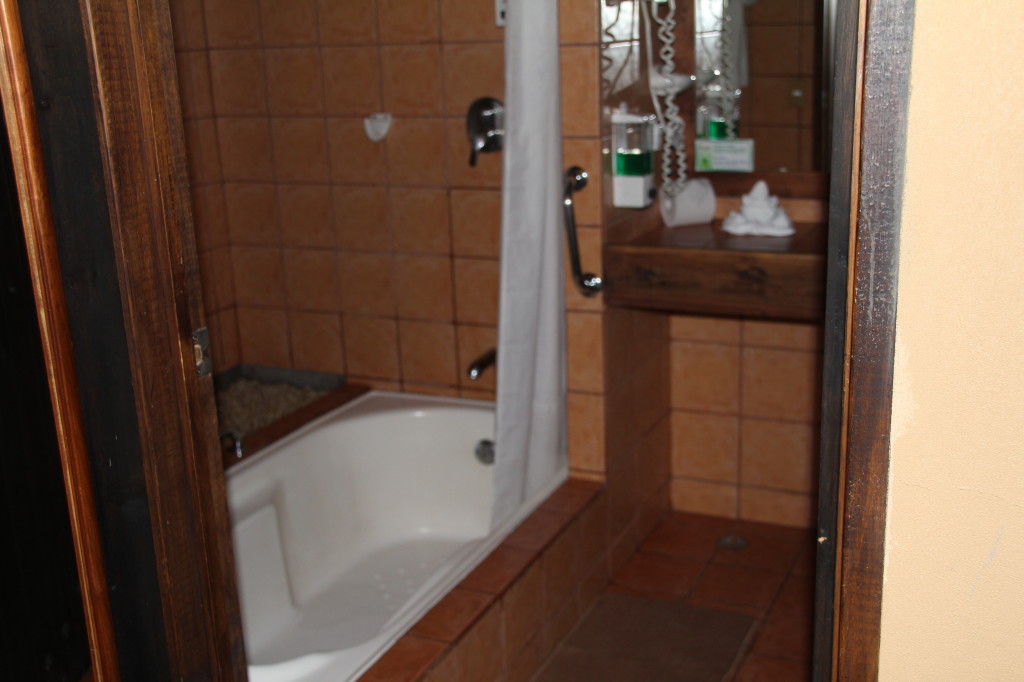
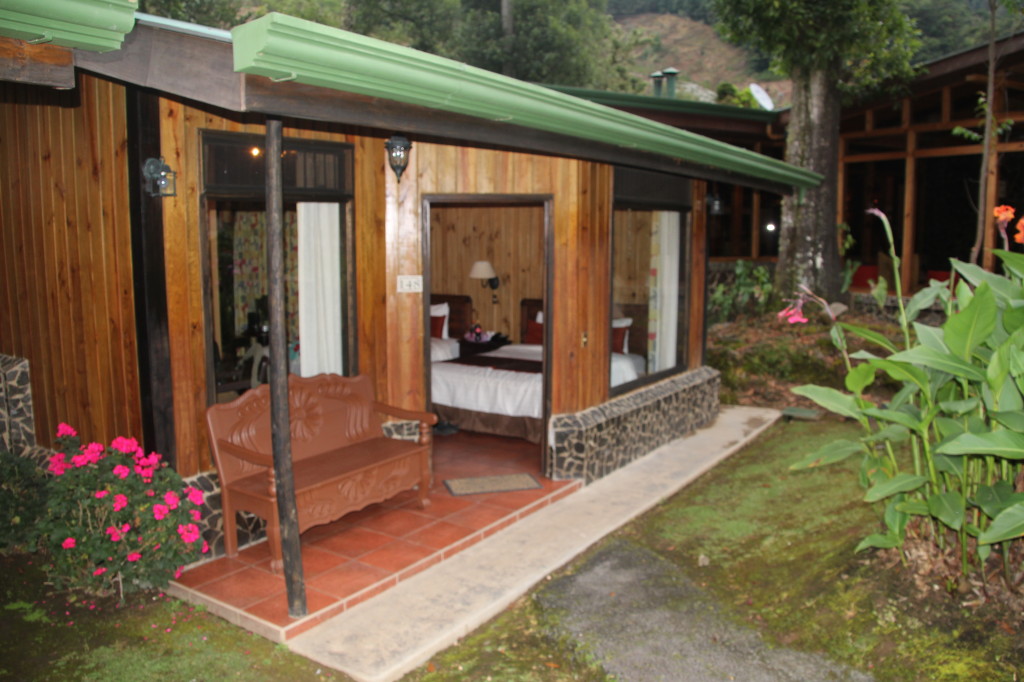
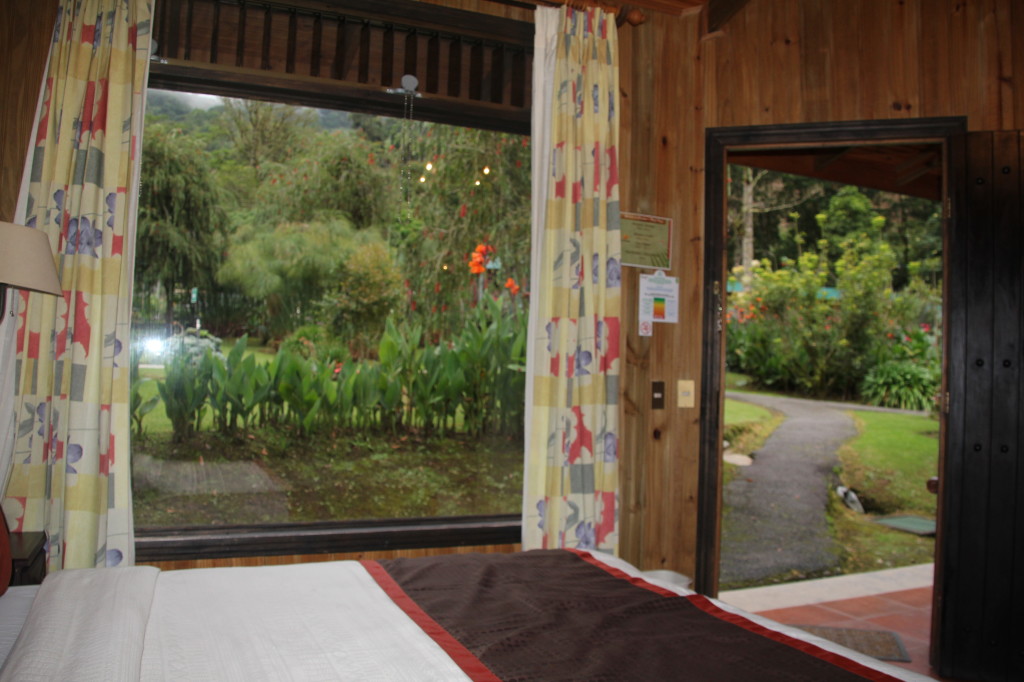
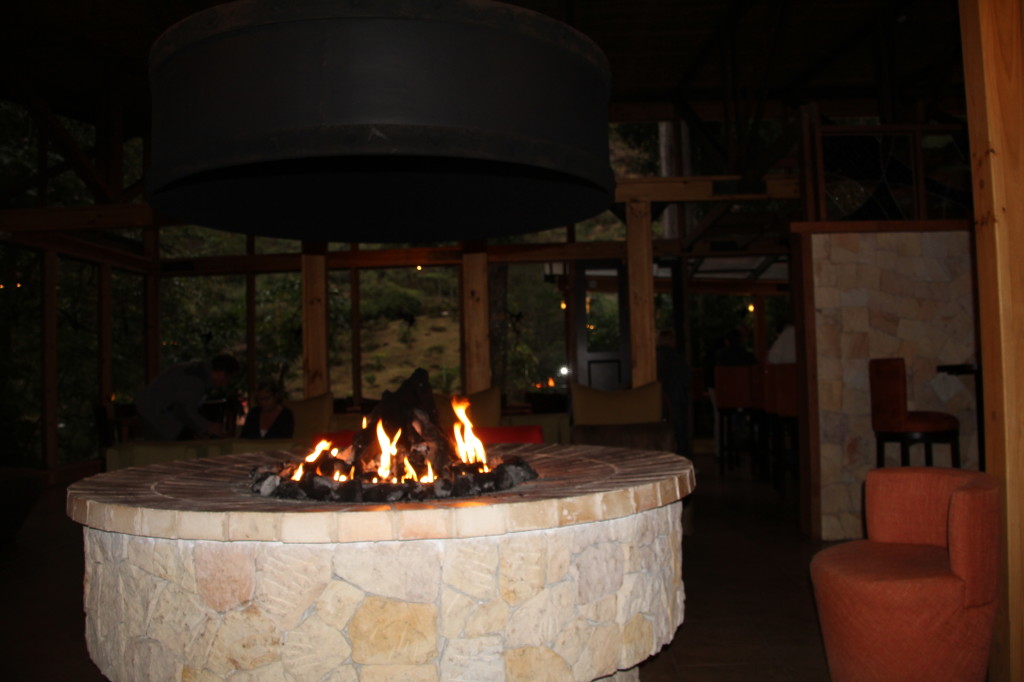
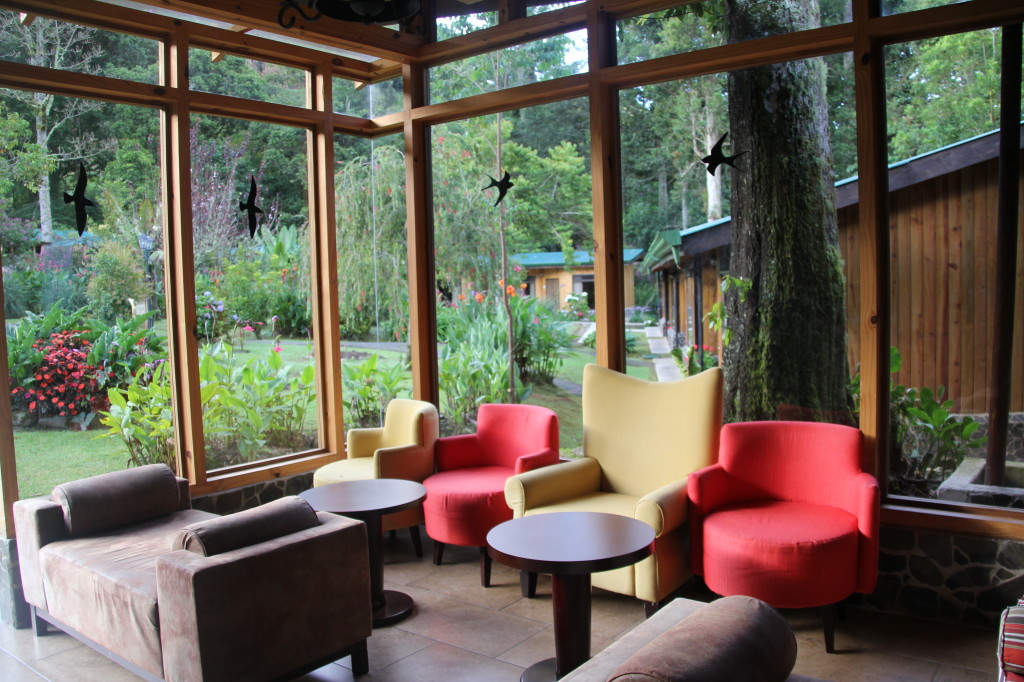
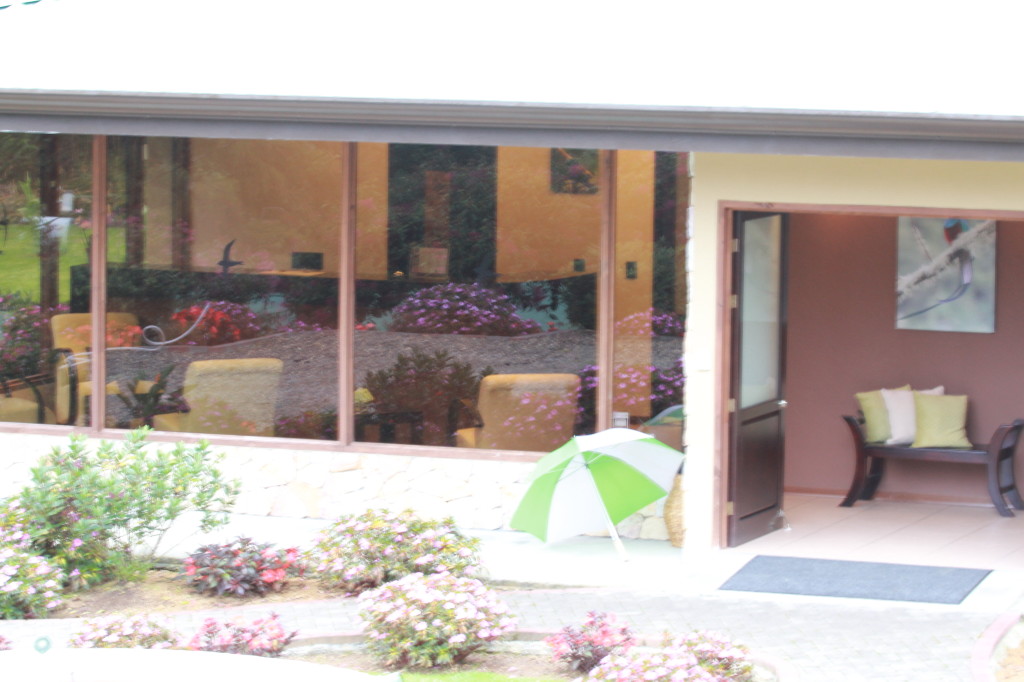
We were there in August which is low season and there weren’t a lot of people there.  Even though I had booked the cheaper room online, we were upgraded to a Junior Suite.  Everything is rustic looking but immaculately clean.  The reception area has a small gift shop next to it (yes I bought lots of Quetzal stuff).  The garden paths are well-maintained and we got a room right next to the bar (how convenient).  The fireplace kept us warm in the chilly mornings and got our laundry dry.  It was nice to have a bathtub to relax in and the back glass door that opened into the rainforest.

IMG_0988 IMG_0989 IMG_0990 IMG_0991 IMG_0992 IMG_0996 IMG_0997 IMG_0998 IMG_0999 IMG_1001 IMG_1002 IMG_1003 IMG_1004 IMG_1008 IMG_1009THE RESTAURANT

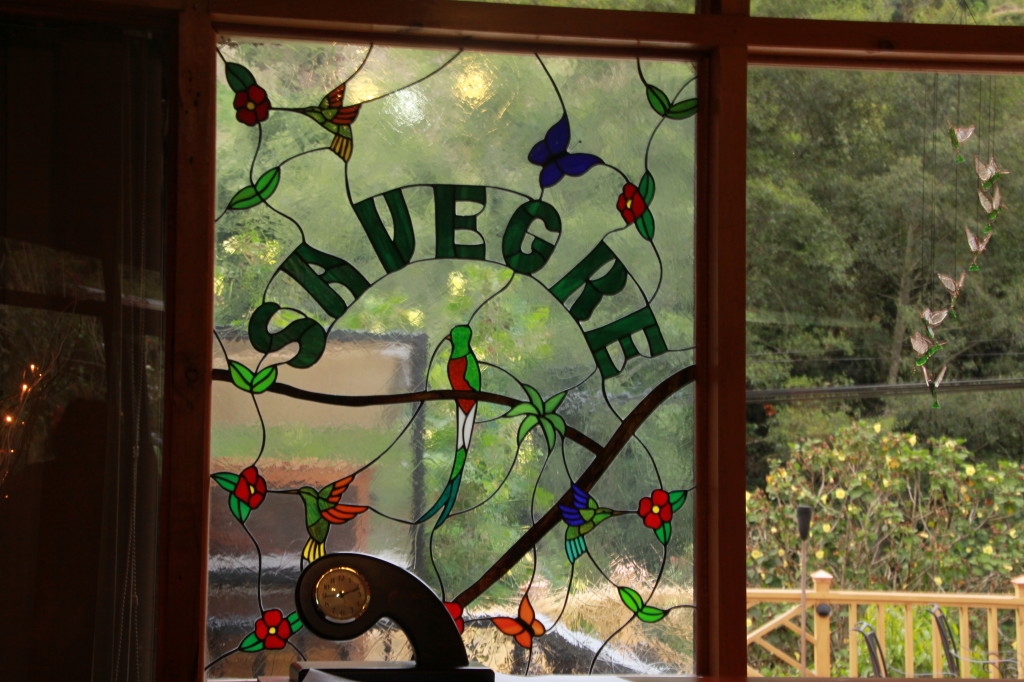
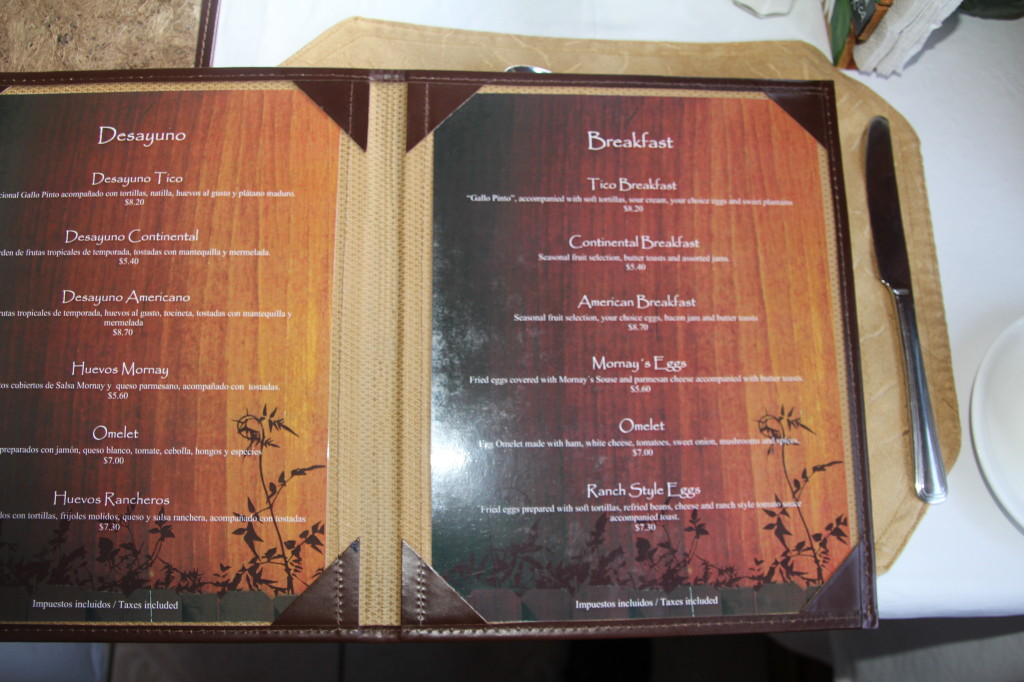
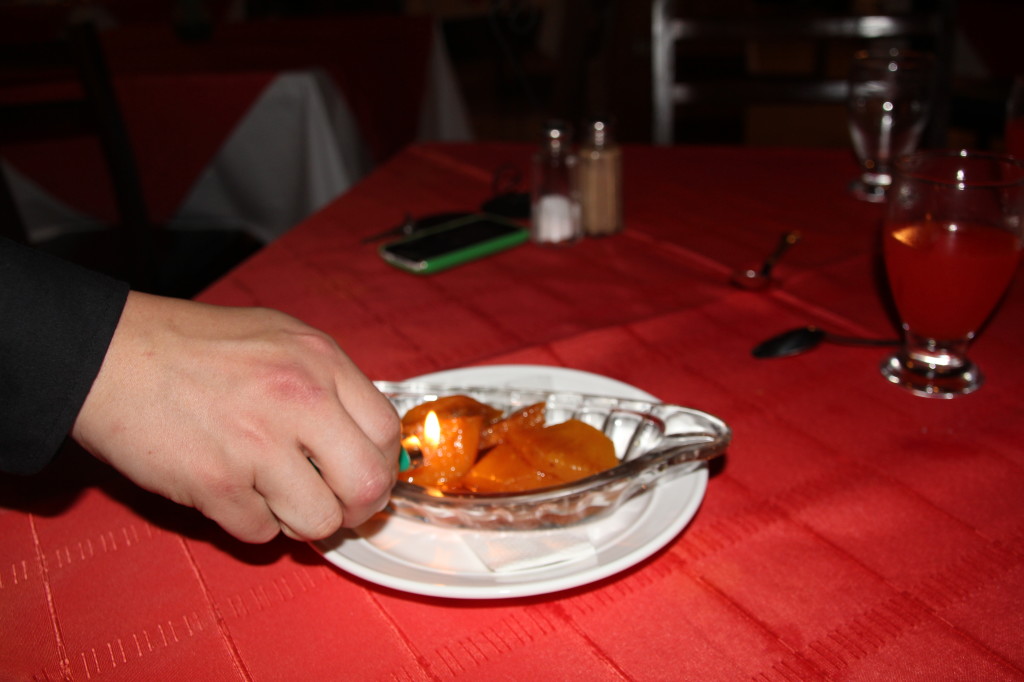
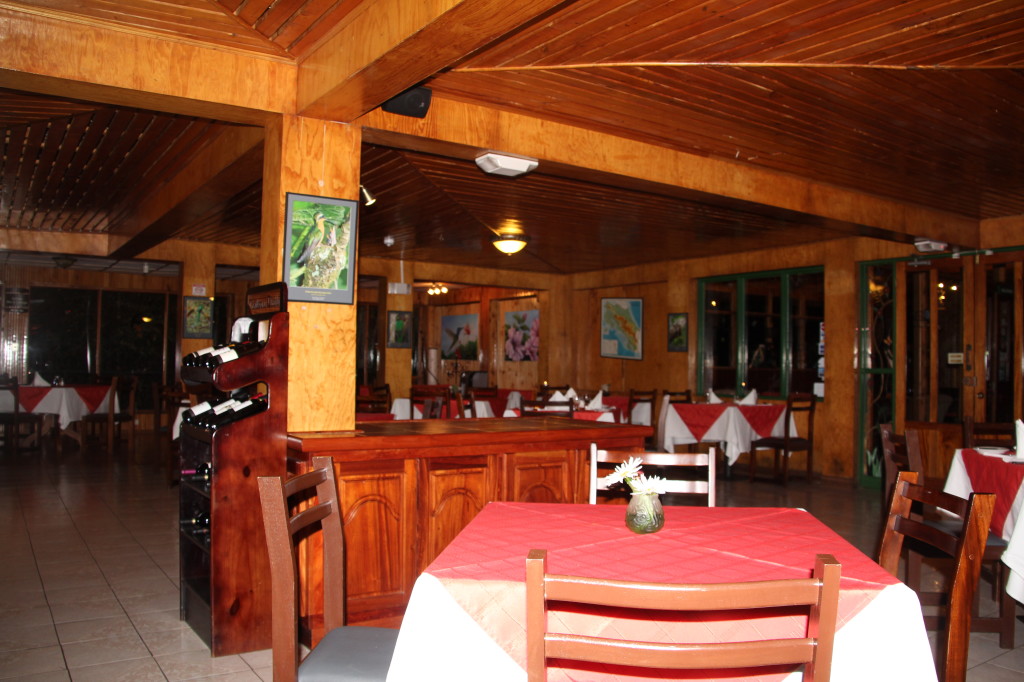
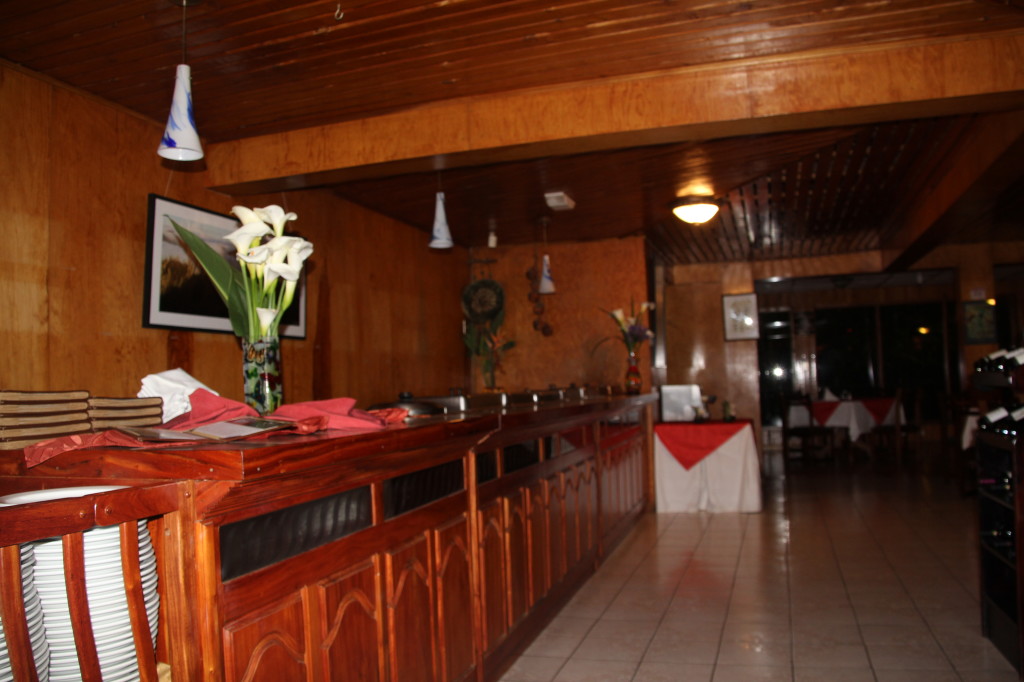
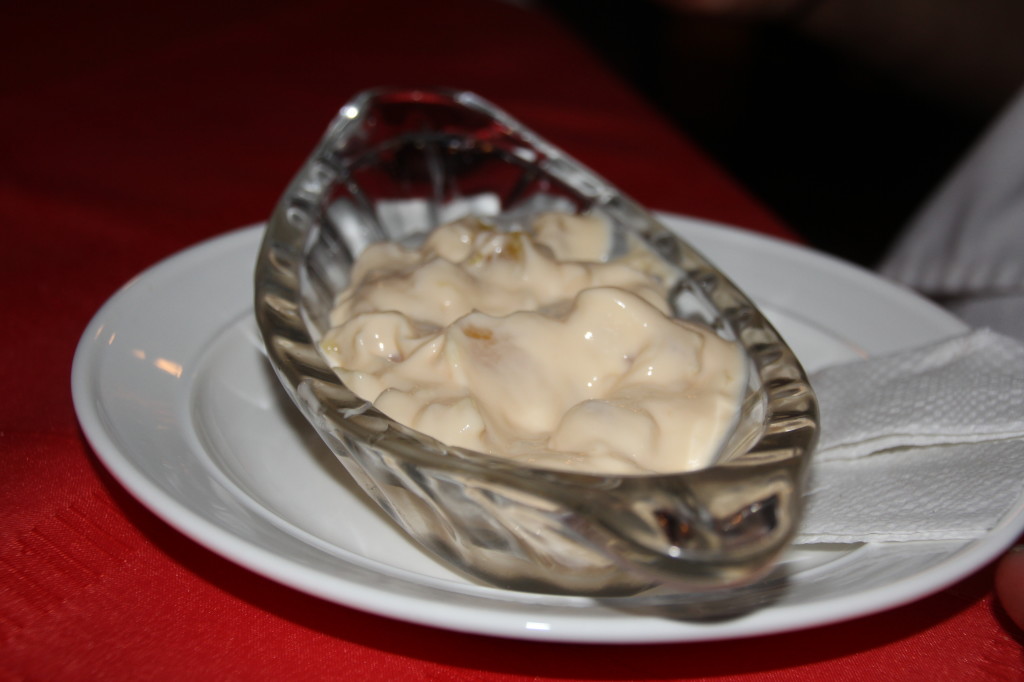
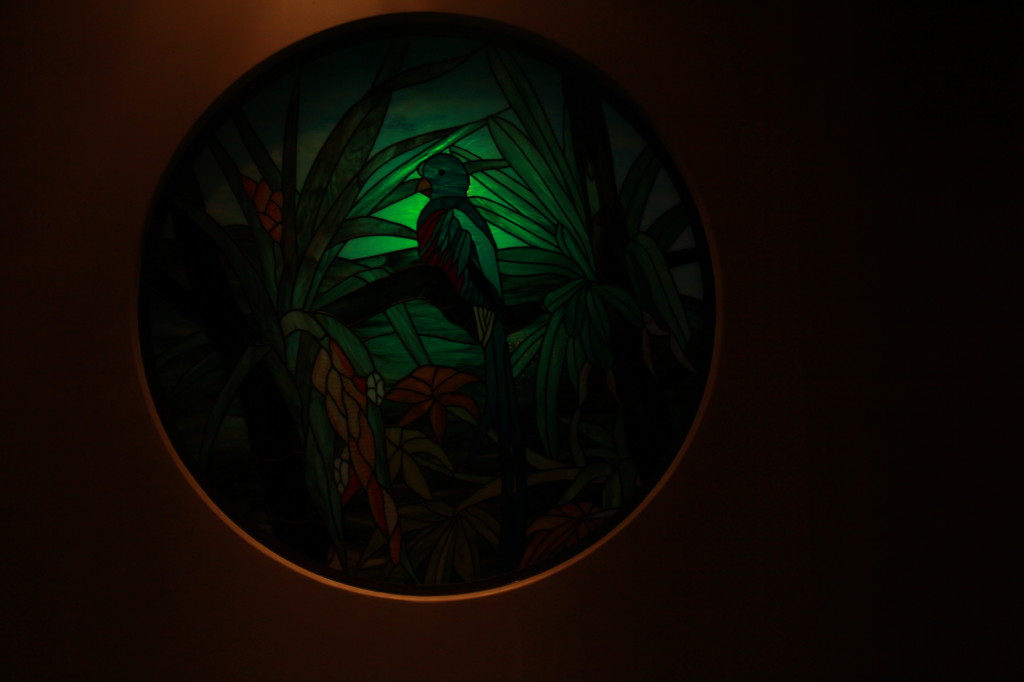
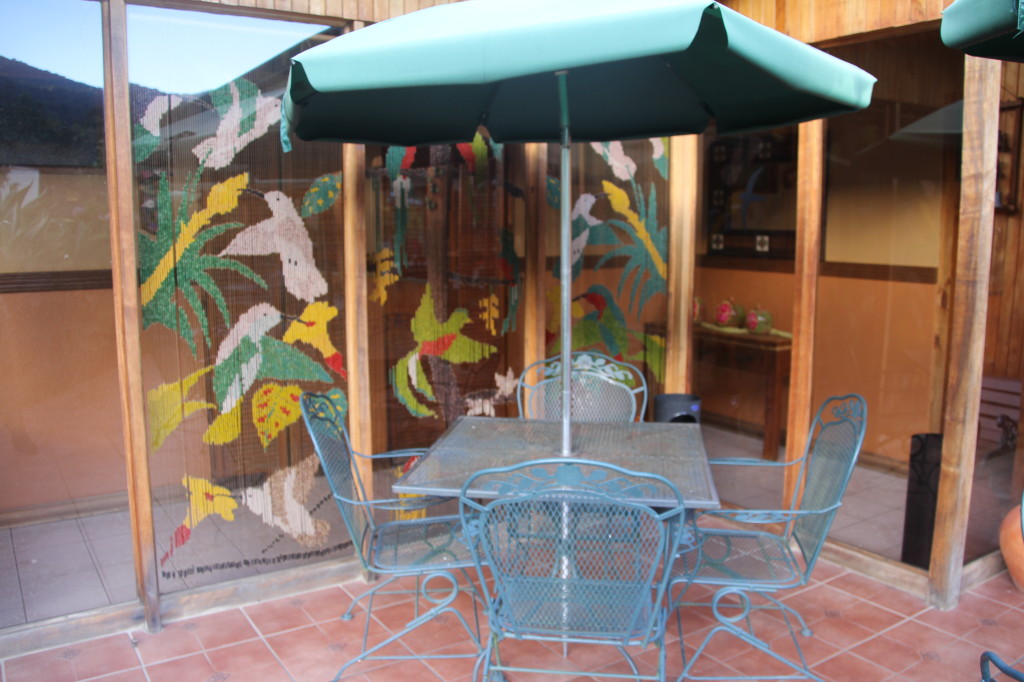
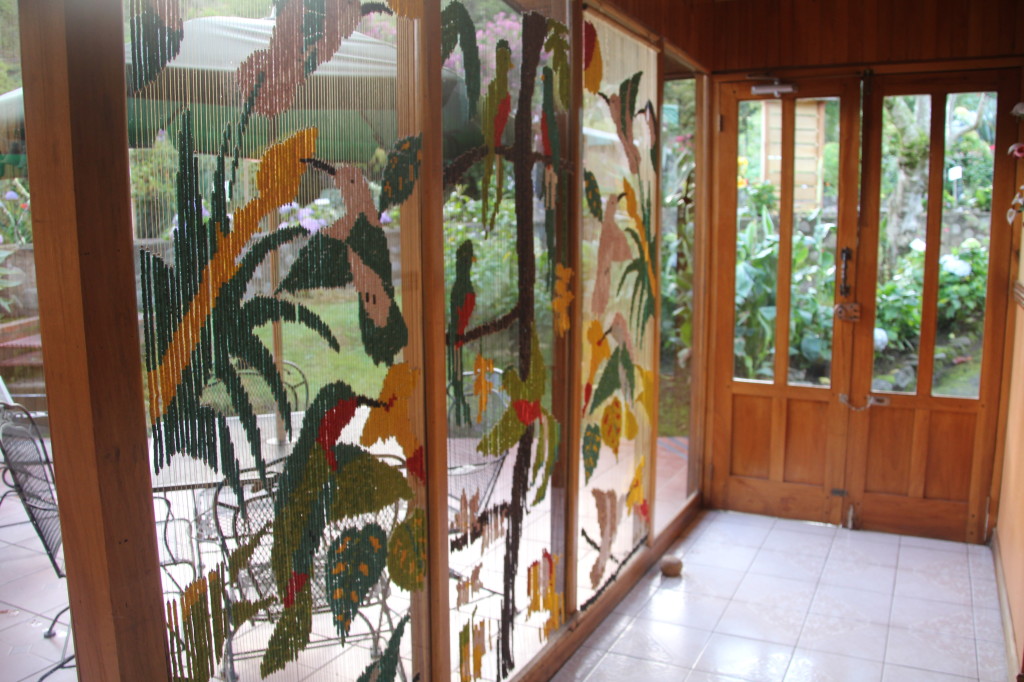
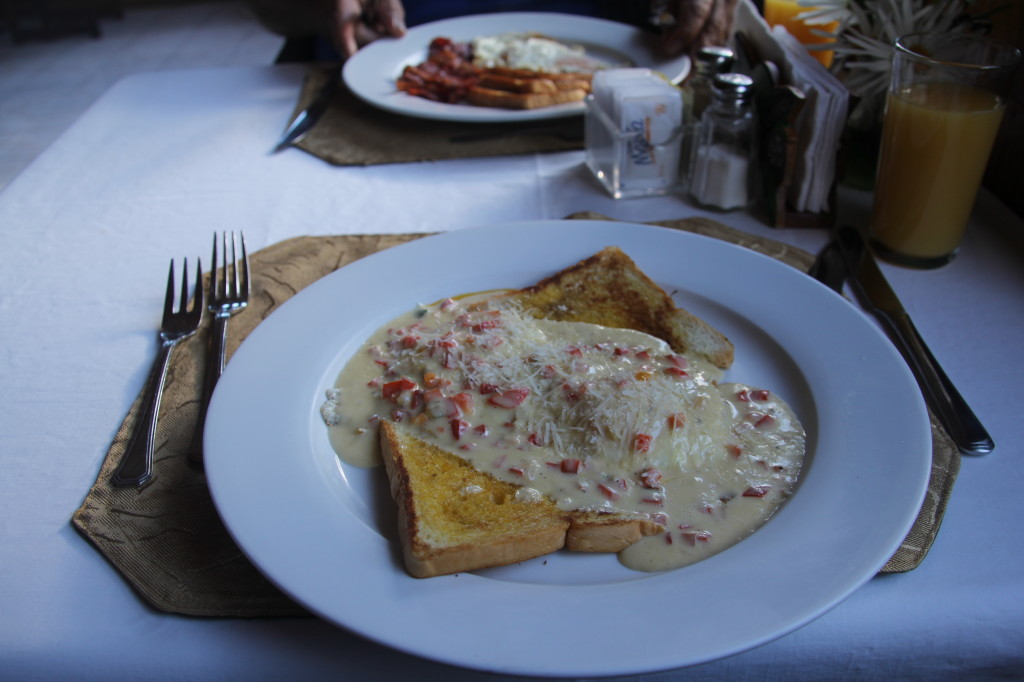
I was amazed at how good the food was, and it was reasonably priced too!   I didn’t get a shot of the dinner menu but there was a chicken dish cooked with some kind of fruit that was superb!  Since there weren’t many people, all meals were a la carte.  Breakfasts were excellent, especially the Ranch Style Eggs!  The windows look out into the garden and there are nice photos of the local birds and some bird art around the restaurant and adjacent bar.

IMG_1024 IMG_1016 IMG_1010 IMG_1013 IMG_1014 IMG_1015 IMG_1020 IMG_1012 IMG_1021 IMG_1022 IMG_1025

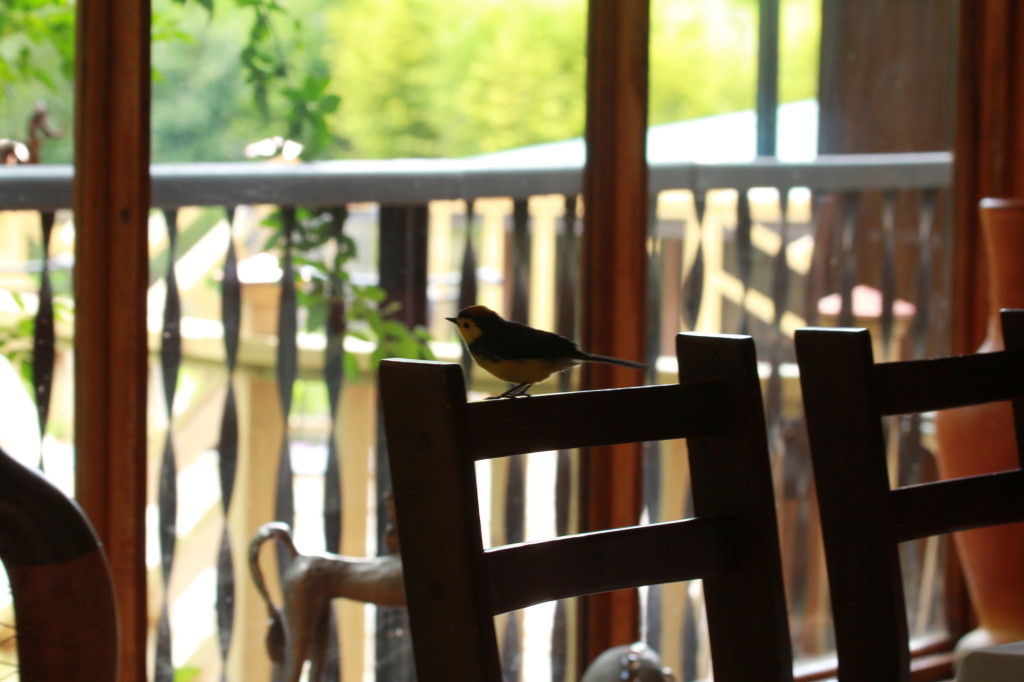
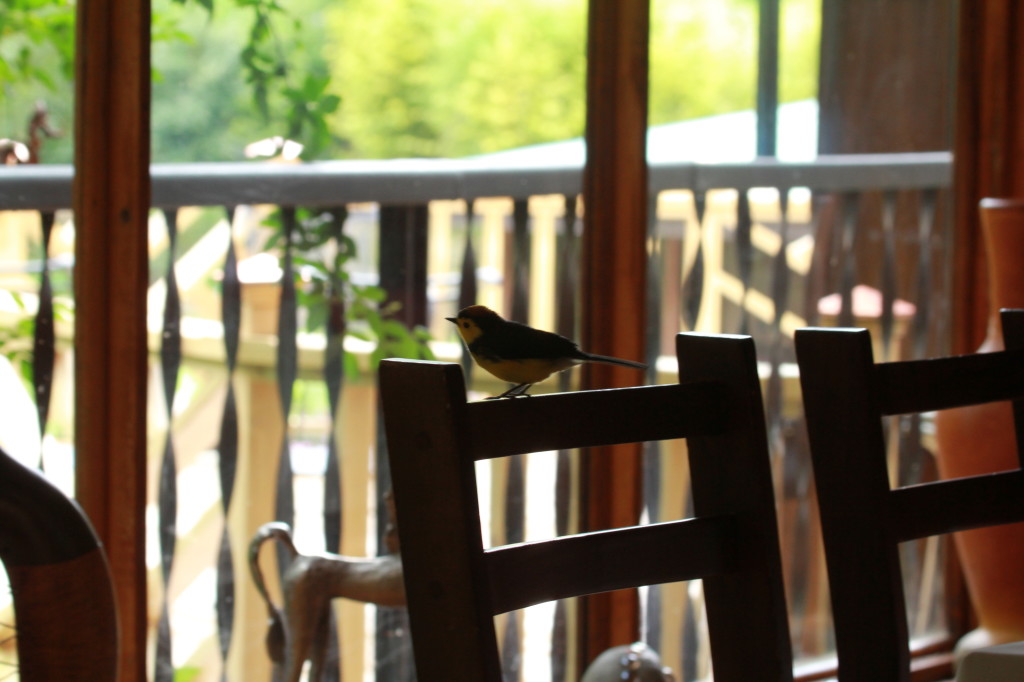
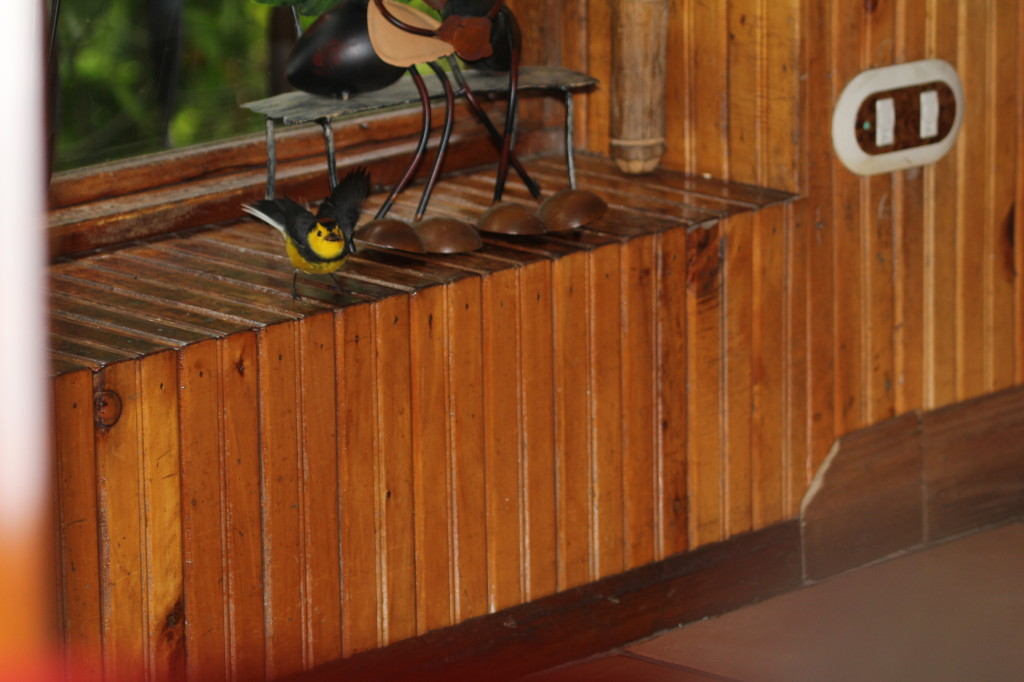
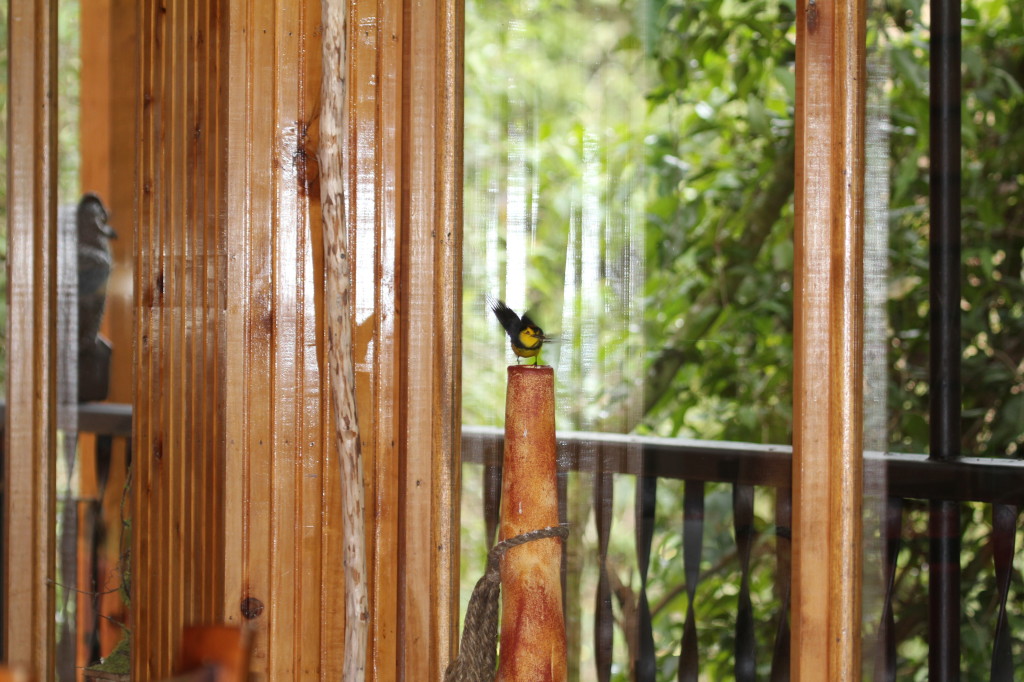
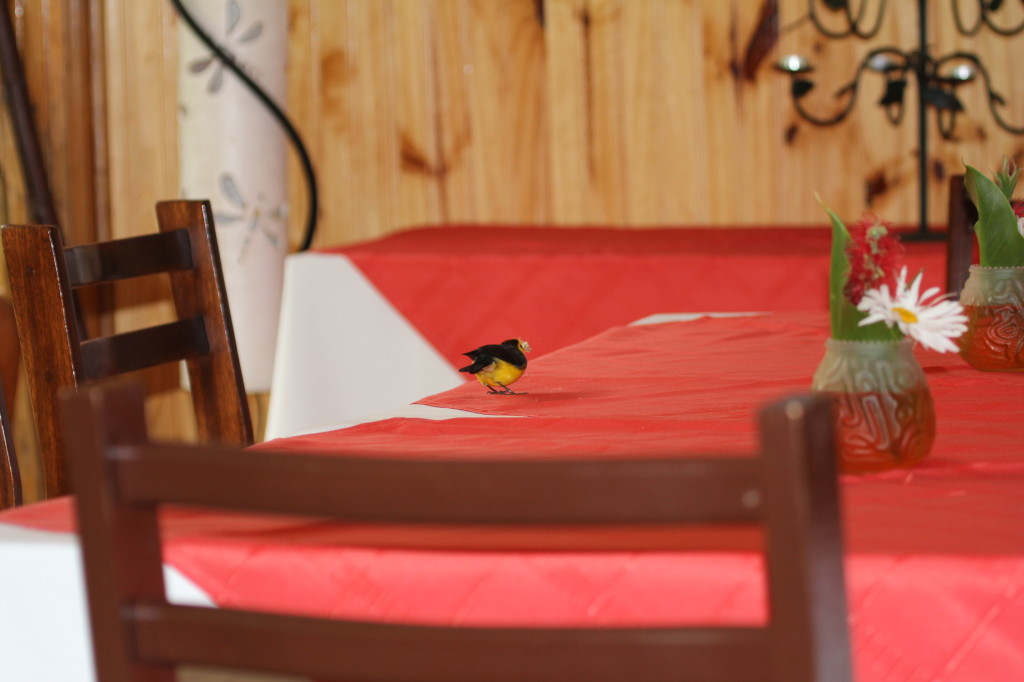
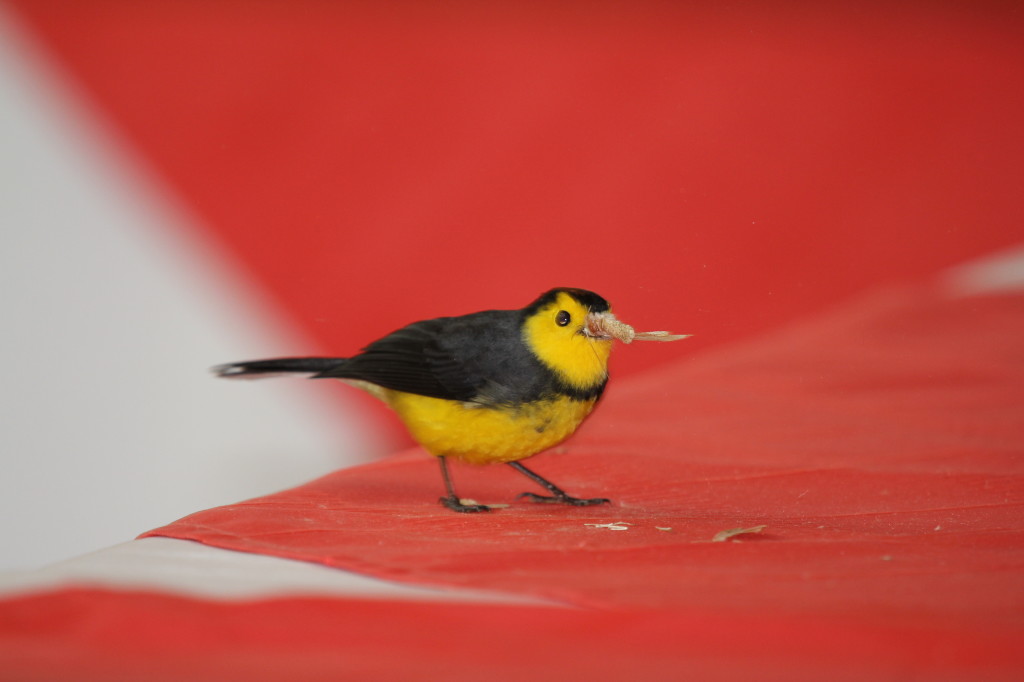
A cute little Collared Whitestart managed to get in.  We were happy to have company but he found his way outside again.

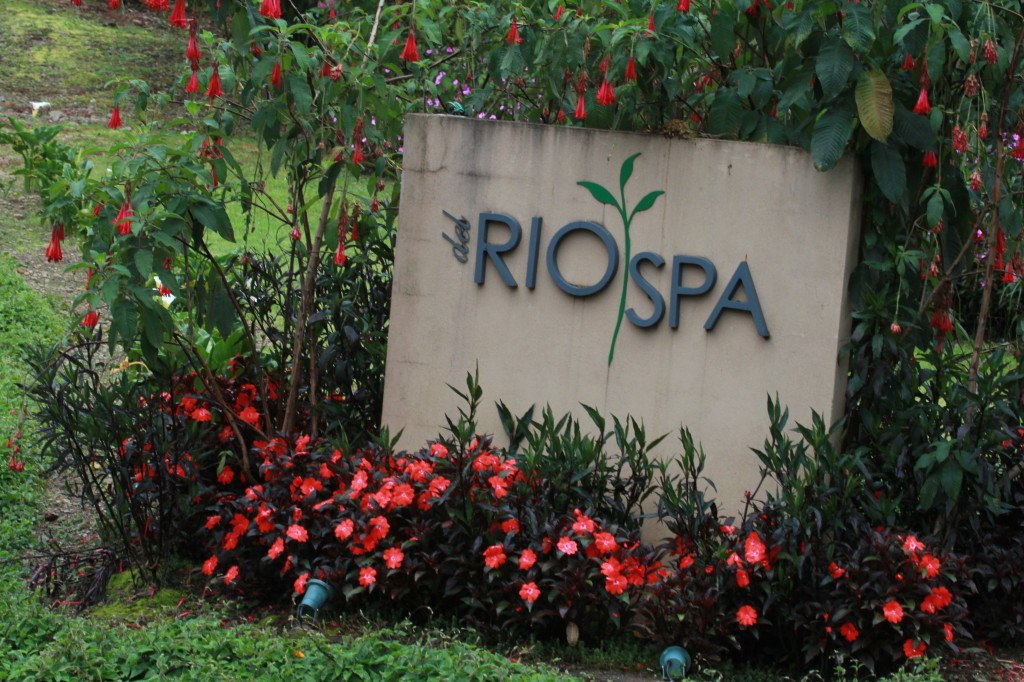
IMG_1291 IMG_1292 IMG_1293 IMG_1295 IMG_1298 DEL RIO SPA

This was a great place to relax and I love a jacuzzi with a view!  The one thing I would have preferred is a stronger massage.  The masseuse had a very light touch which was relaxing but didn’t do a lot for my aching muscles.  You can use the facilities as long as you want when you have a massage so it is a relaxing way to spend the afternoon while the birds are also relaxing.

IMG_1303 IMG_1304BOOKINGS

Although you sometimes see this property on hotel booking sites such as Hotels.com & Expedia, I was unable to find availability so I am not sure if they still partner with these sites.  It is easy to book it online on their own booking engine.  Sometimes there are specials available.  Reviews on Trip Advisor are excellent, everyone loves this place!

Coming next: Birding Savegre!

Resplendent Quetzal (Pharomachrus mocinno)

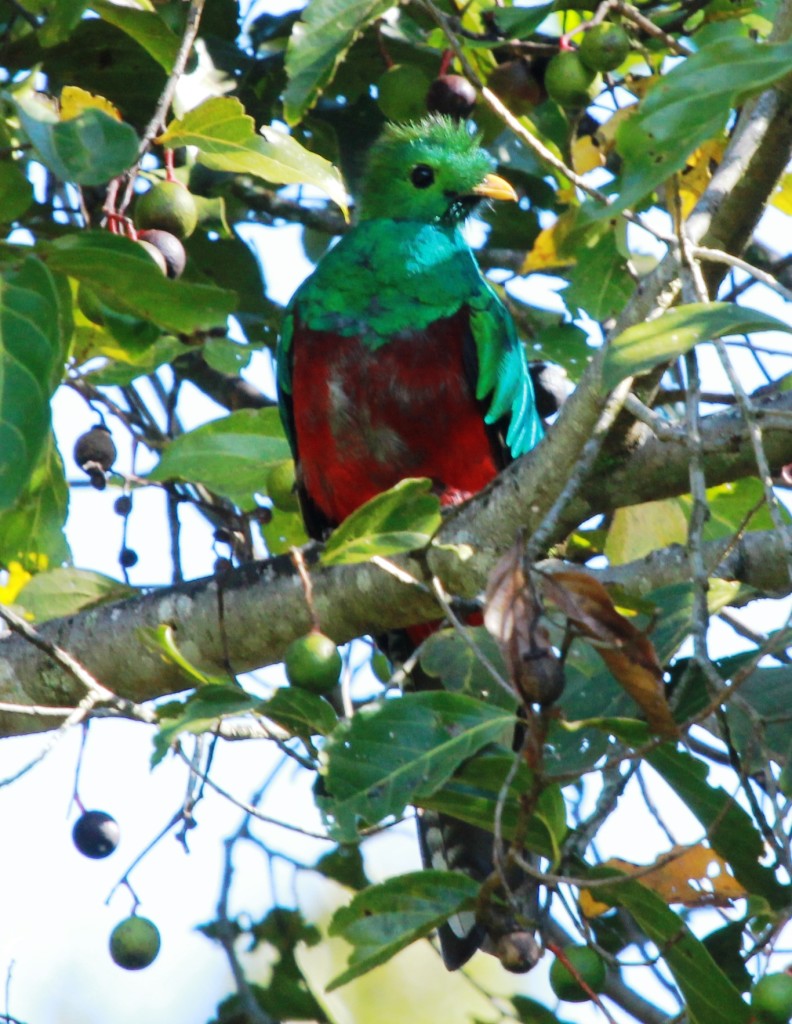
All birds are beautiful in one way or another but the Resplendent Quetzal (Pharomachrus mocinno) is spectacularly gorgeous!   They look like little gods come down to earth and when you see one, you will wonder if you should be worshiping it or photographing it.

IMG_1092aThe Resplendent Quetzal (Pharomachrus mocinno) is a bird in the trogon family. It is found from southern Mexico to western Panama (unlike the other quetzals of the genus Pharomachrus, which are found in South America and eastern Panama). It is well known for its colorful plumage. There are two subspecies, P. m. mocinno and P. m. costaricensis.

This quetzal plays an important role in Mesoamerican mythologies. The Resplendent Quetzal is Guatemala’s national bird, and an image of it is on the flag and coat of arms of Guatemala. It is also the name of the local currency (abbreviation GTQ).

In ancient Mayan culture, the quetzal bird’s tail feathers were used as currency.  The Resplendent Quetzal was considered divine, associated with the “snake god”, Quetzalcoatl by Pre-Columbian Mesoamerican civilizations. Its iridescent green tail feathers, symbols for spring plant growth, were venerated by the ancient Aztecs and Maya, who viewed the quetzal as the “god of the air” and as a symbol of goodness and light. Mesoamerican rulers and some nobility of other ranks wore headdresses made from quetzal feathers, symbolically connecting them to Quetzalcoatl. Since it was a crime to kill a quetzal, the bird was simply captured, its long tail feathers plucked, and was set free. Quetzalcoatl was the creator god and god of wind, often depicted with grey hair. In several Mesoamerican languages, the term for quetzal can also mean precious, sacred, or erected.

WHERE TO SEE THEM IN THE WILD

Their habitat is montane cloud forest from Southern Mexico to Panama.  I was lucky enough to see them in 2 locations in Costa Rica – Monteverde & Savegre/San Gerardo de Dota.  Use your airline miles to get to Central America, then use shuttles or public transport to get to these locations.

Red dots are Monteverde & Savegre in Costa Rica

Mature male with fully grown tail feathers

.

Females are less spectacular but still beautiful.

INTERESTING LEGENDS OF RESPLENDENT QUETZALS

From Wikipedia:

Until recently, it was thought that the Resplendent Quetzal could not be bred or held for any long time in captivity, and indeed it was noted for usually killing itself soon after being captured or caged. For this reason it is a traditional symbol of liberty. However, a zoo in Mexico has kept this species since 1992, and in 2004 breeding in captivity was announced (Orellana, 2004).

The bird is of great relevance to Guatemalan culture, being a character in the widely popular legend of the local hero Tecún Umán, a prince and warrior of the Quiché (K’iche’) Maya during the latter stages of the Spanish conquest of the region. This quetzal was his nahual (spirit guide). The Quiché repelled several attacks from the Spanish army, even though outmatched in weaponry (guns, armor and cavalry against spears and arrows).

Legend has it that on the day the conquistador Pedro de Alvarado fought against Tecún Umán, there was a quetzal flying overhead. On the first strike Tecún Umán, on foot, managed to disable Pedro de Alvarado’s horse. Alvarado was then given another horse and on the second strike ran through Tecún Umán’s chest with a spear. The quetzal flew down and landed on Tecún Umán, dipping its chest in the warrior prince’s blood. It is there that the bird acquired its distinctive red chest feathers.

It is debatable whether these events happened, but the Maya fought fiercely for their land and freedom during the conquest. One Mayan legend claims that the quetzal used to sing beautifully before the Spanish conquest, but has been silent ever since; it will sing once again only when the land is truly free.

LEARN MORE ABOUT THIS BIRD

Wikipedia

Birdlife

Cornell Lab of Ornithology

TED Case Studies

VIDEOS


See how this Quetzal’s tail flicks every time he calls!

Find Your International Flight Faster At Qantas.com

Qantas has announced the latest updates to the way you book flights at qantas.com that help you find the flight you want faster. You can now combine cash^ and Award˜ fares in the same booking and choose to use Qantas Points* for taxes, fees and carrier charges when flying domestically or leaving Australian shores for a trip overseas on Qantas (QF), Jetstar (JQ) and selected flights on partner airlines.

I’ll let the video tutorial do all the talking!

Getting From Tarcoles To Savegre With Public Transport

A couple weeks ago, I wrote a post on getting around Costa Rica.  This route is a perfect chance to show you how easy it is to get from one Costa Rican birding Mecca to another.  You do not need prior reservations, just hop on the next bus.  None of the buses we took were full, but we were traveling in the slow season.

A – Tarcoles
B – San Jose
C – Savegre

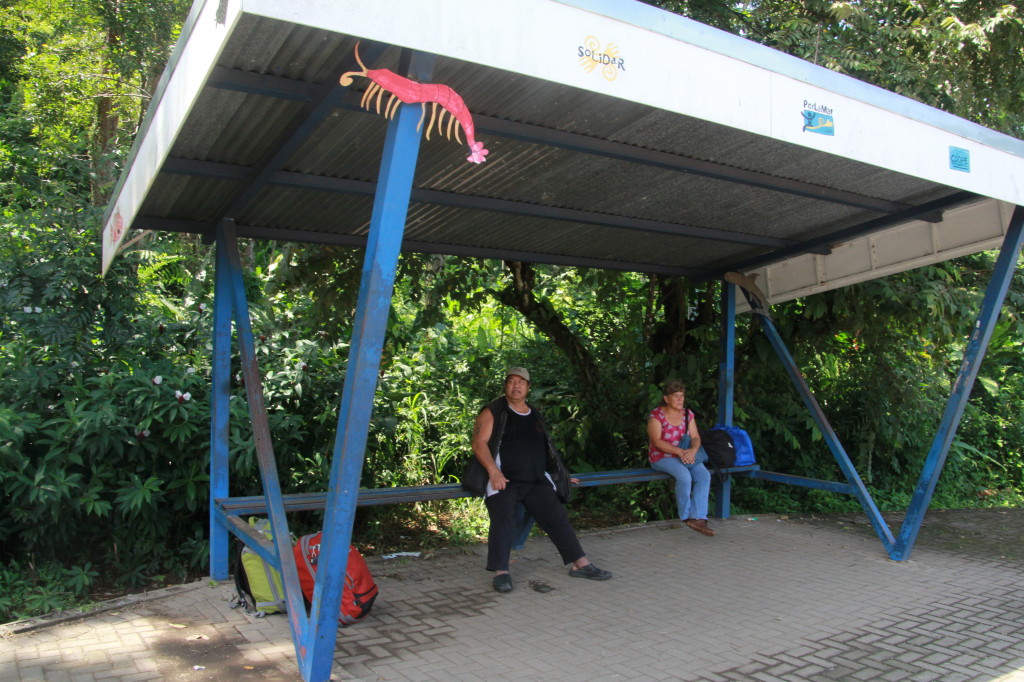
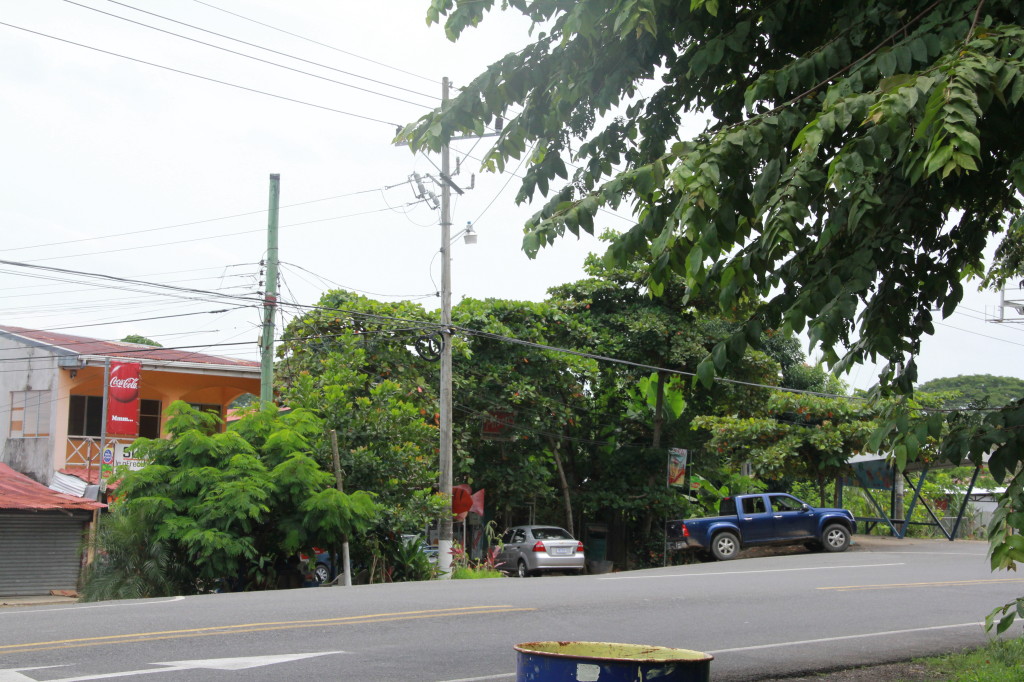
The bus stop nearest to our accommodation at Villas Lapas is on the main road and buses travel every hour to the capital city of San Jose.  There are no direct buses to Savegre, as in most cases you will need to change in San Jose.

IMG_0970

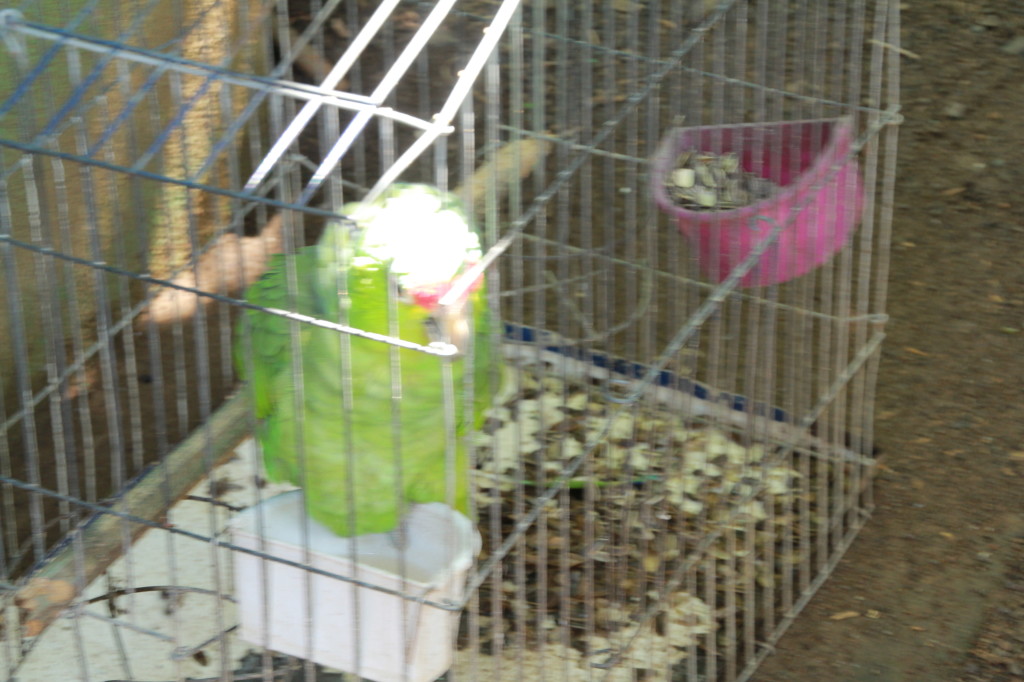
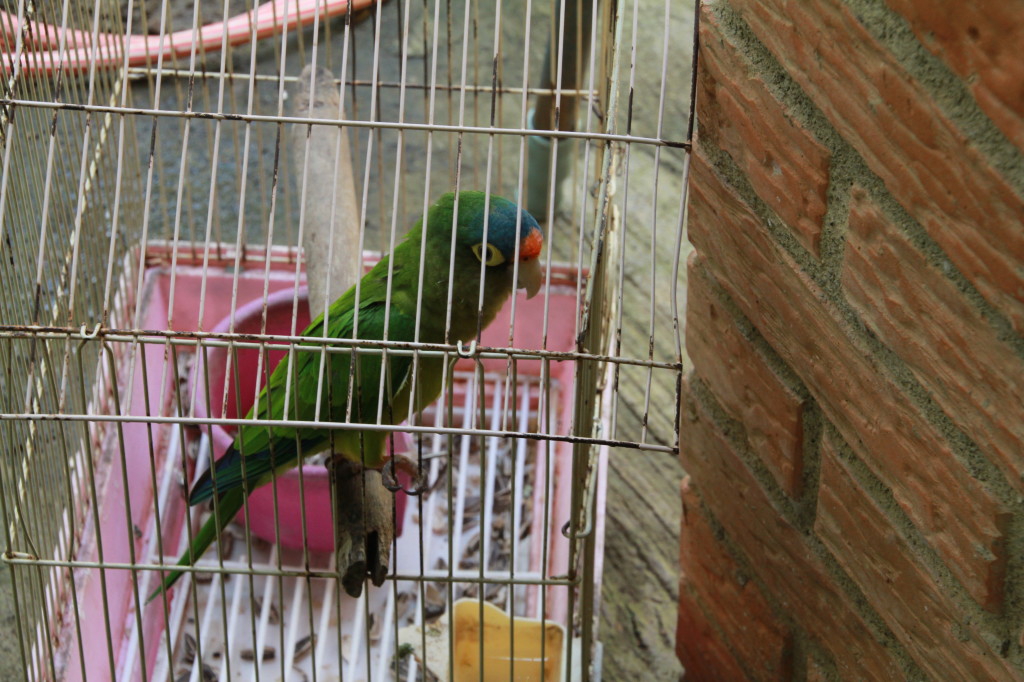
Across the street from the bus stop is a small shop.  I went over there to get some drinks and was surprised to hear the squawking of a parrot nearby close to the ground.  I played “dumb tourist” to investigate further.  I was dismayed and shocked to see a forlorn looking White-fronted Amazon and Orange-fronted Conure in tiny cages.  I really wanted to let them out but feared repercussions with the law so I snapped a couple pics quickly before the people in the house came out.

IMG_0973 IMG_0969 IMG_0968I knew at my next destination, Savegre; someone would know how to report this to the authorities and if they didn’t, Ara Project would.

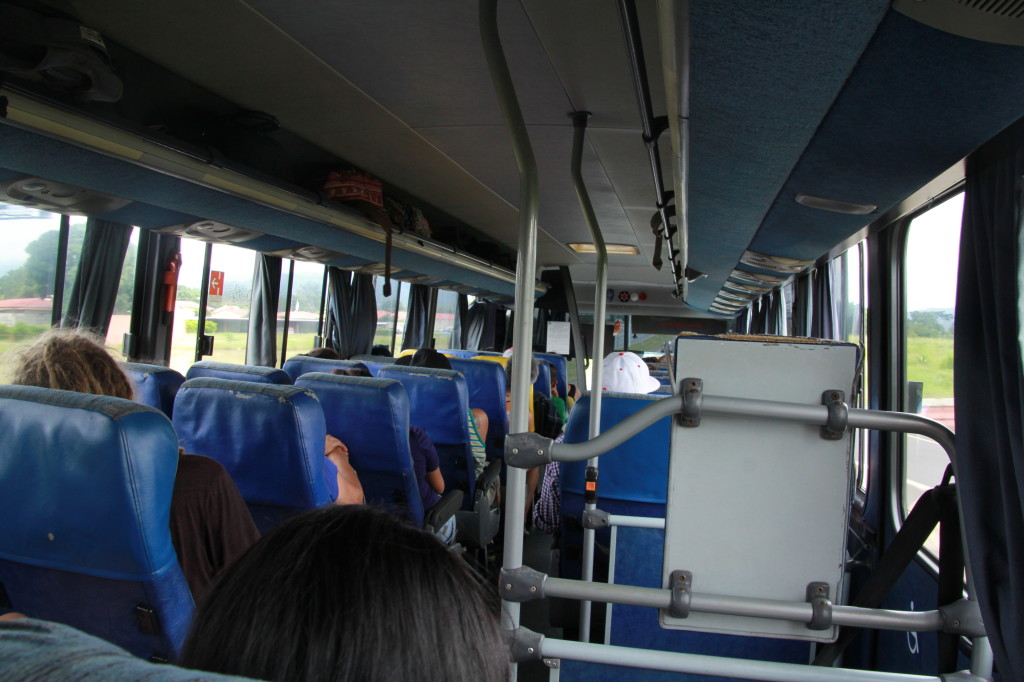
IMG_0975The bus came and we bought tickets from the driver for around $8-ish.  The ride to San Jose is nothing special as it goes on the highway, but there were some interesting views.

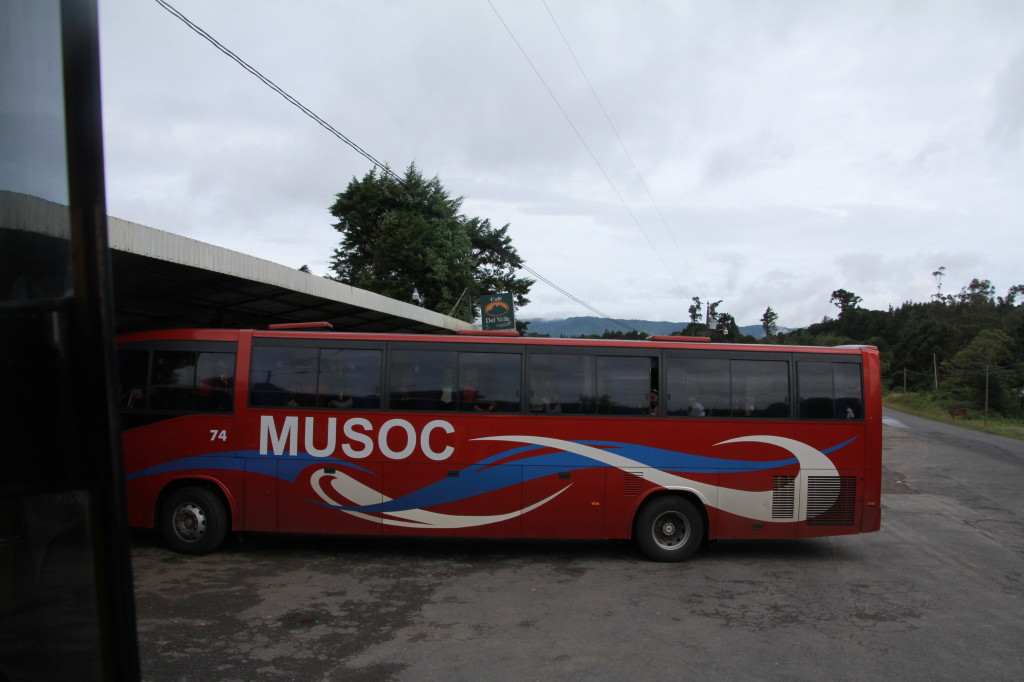
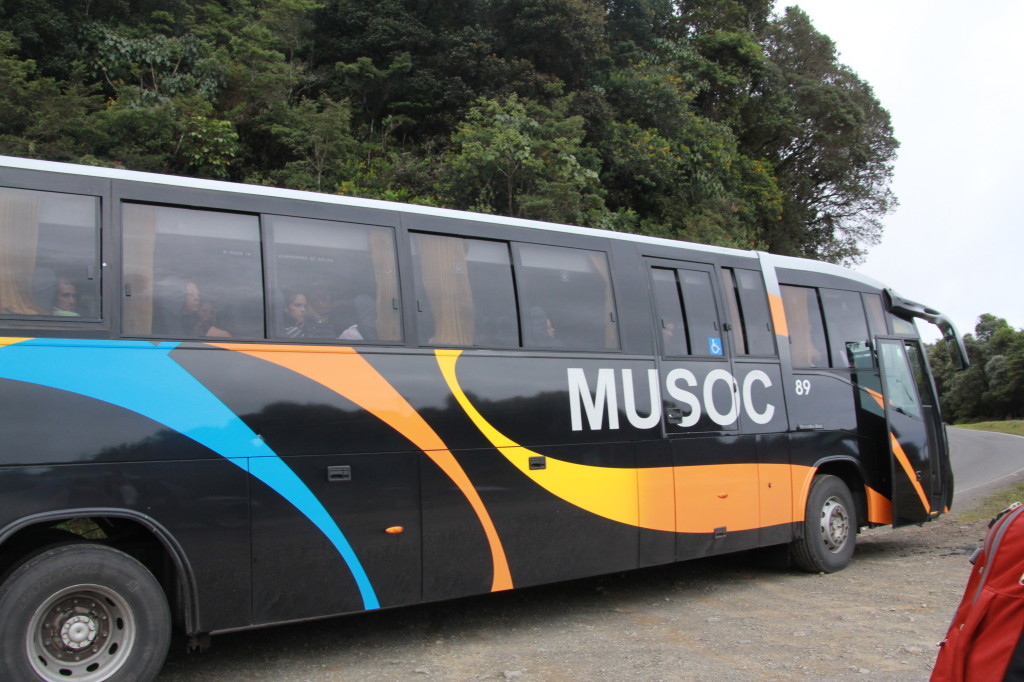
IMG_0978 IMG_0980 IMG_0981Once in San Jose, we had to change from the Puntarenas bus station to the Musoc bus station.  We bought some sandwiches from Subway to bring with us for the 2nd leg of the trip, then used a taxi to get to the Musoc station which has moved from where it shows on the map below.  Unfortunately, there is no central bus station in San Jose so you have to use taxis to get from one to another.

.

We bought tickets for a bus leaving in 15 minutes (service is roughly every 60-90 minutes) and had to scramble to find a payphone to call the Savegre Lodge so they could meet us at the drop off point.  We couldn’t find one so the ticket lady finally made the call for us.  The buses go to San Isidro de Perez Zeledon and you should buy a ticket for the “indirecto” or “colectivo” service.  Make sure the driver knows to drop you at Km 80 for San Gerardo de Dota.

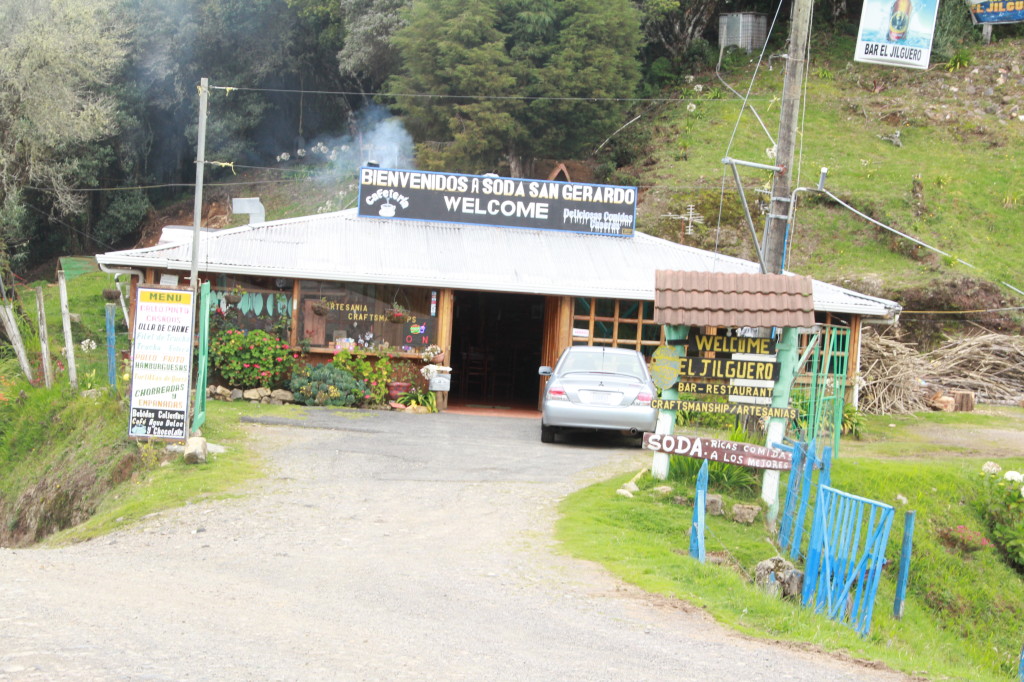
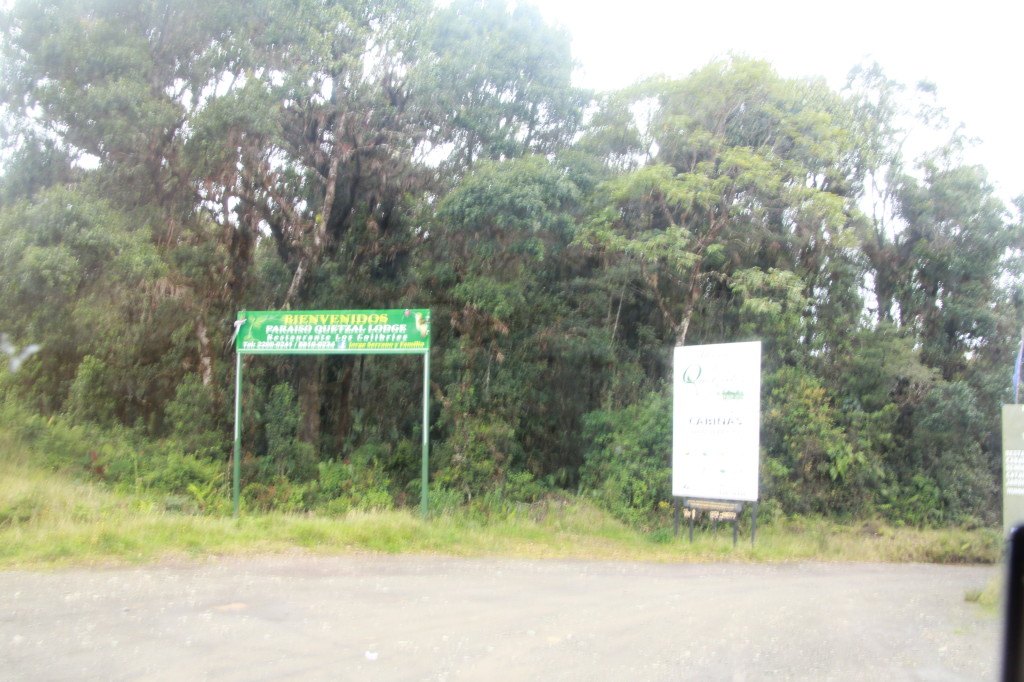
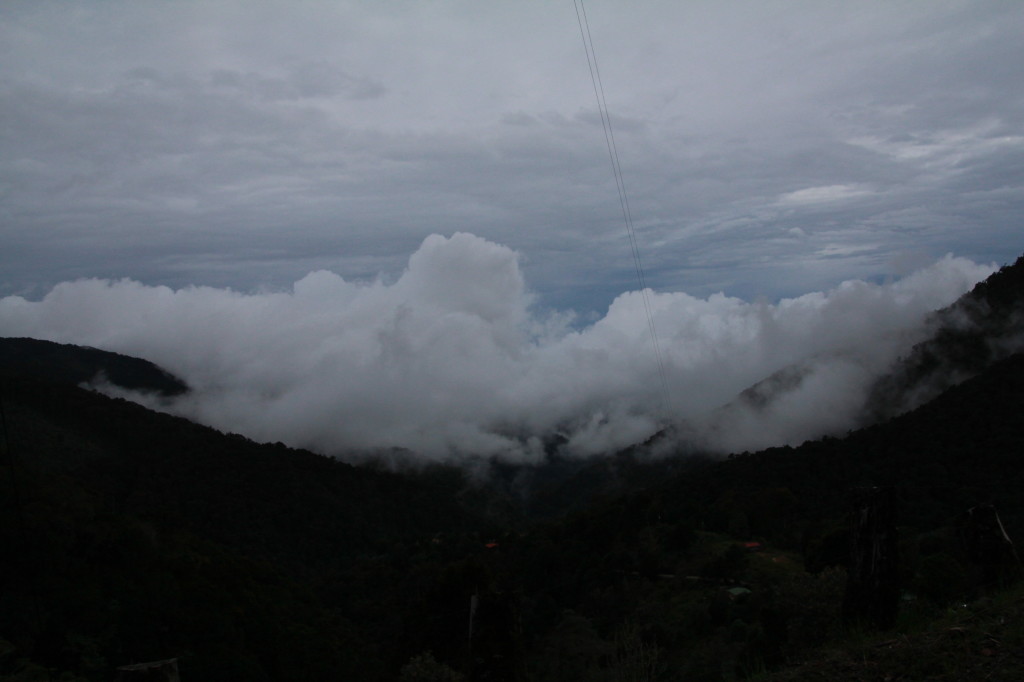
IMG_0982 IMG_0984 IMG_0985 IMG_0986This journey was beautiful with the spectacular mountain scenery.  One stop was made at a small cafe for snacks and pit stops.  Half an hour later, the bus pulled over to KM 80 (we had asked him to let us know as we were tourists and unfamiliar with the area) and the truck from Savegre was waiting for us to begin our next adventure!

If you Google map this route, it looks like you are being dropped off in the middle of nowhere.  Actually, there is a small cafe at the junction.   The road leads to the small town of San Gerardo de Dota.