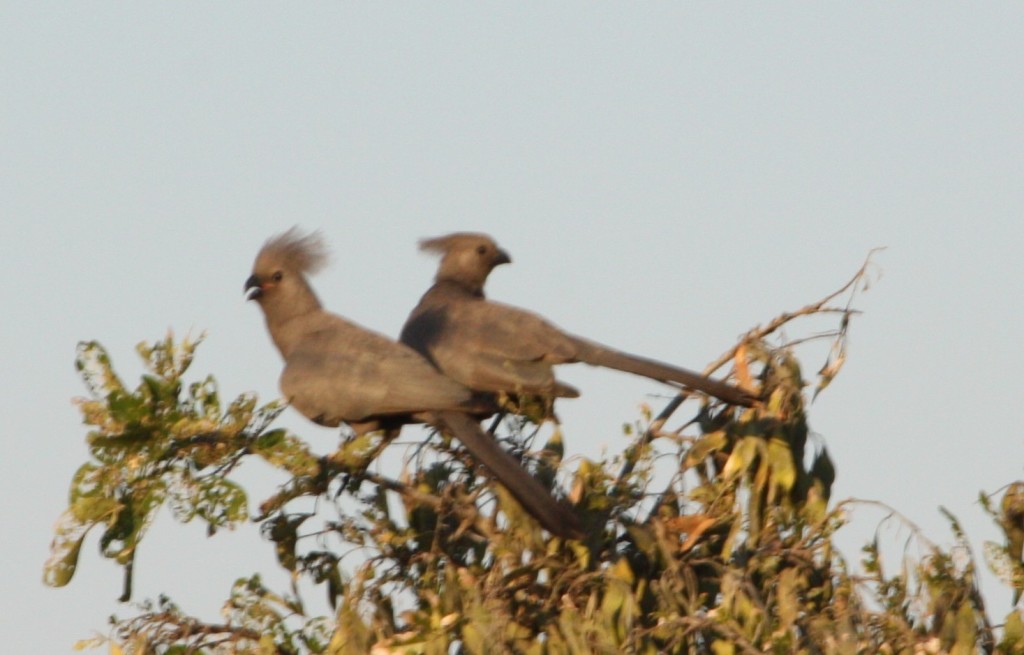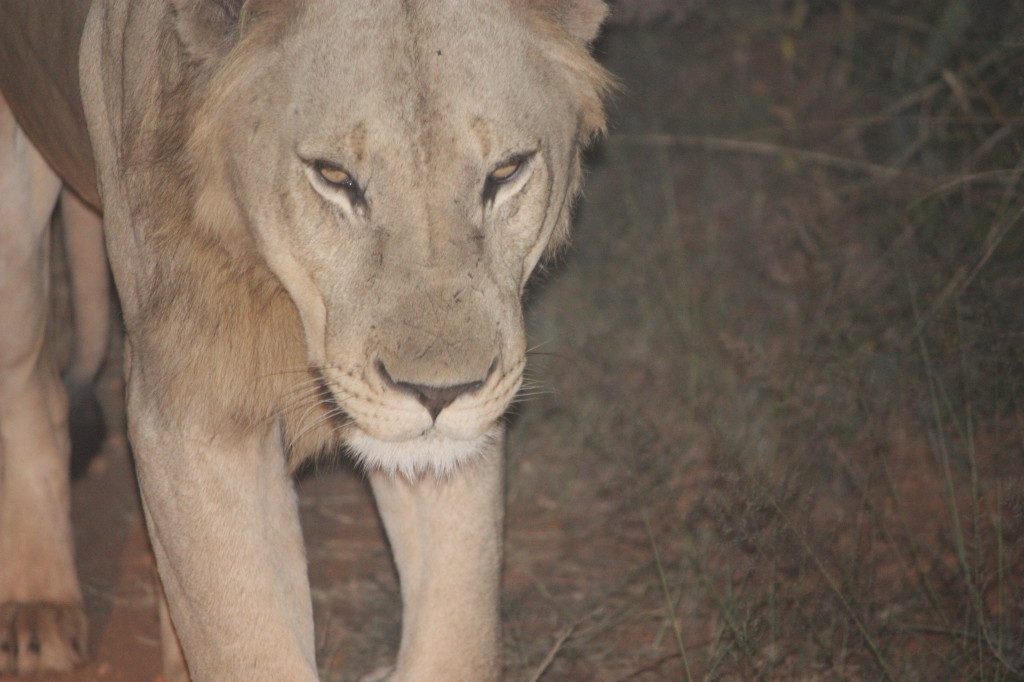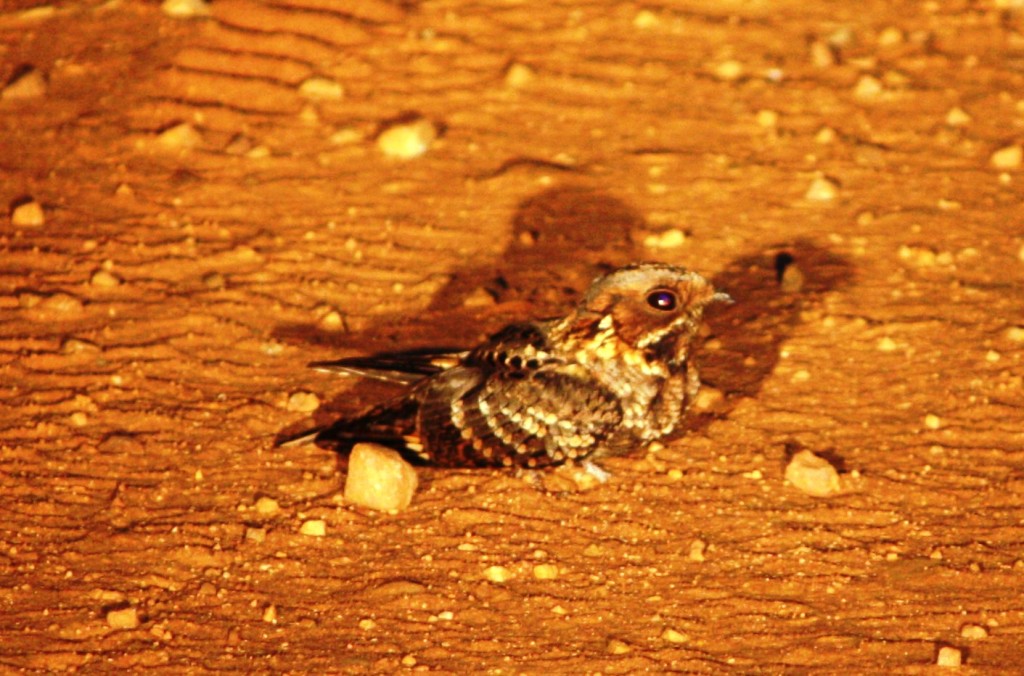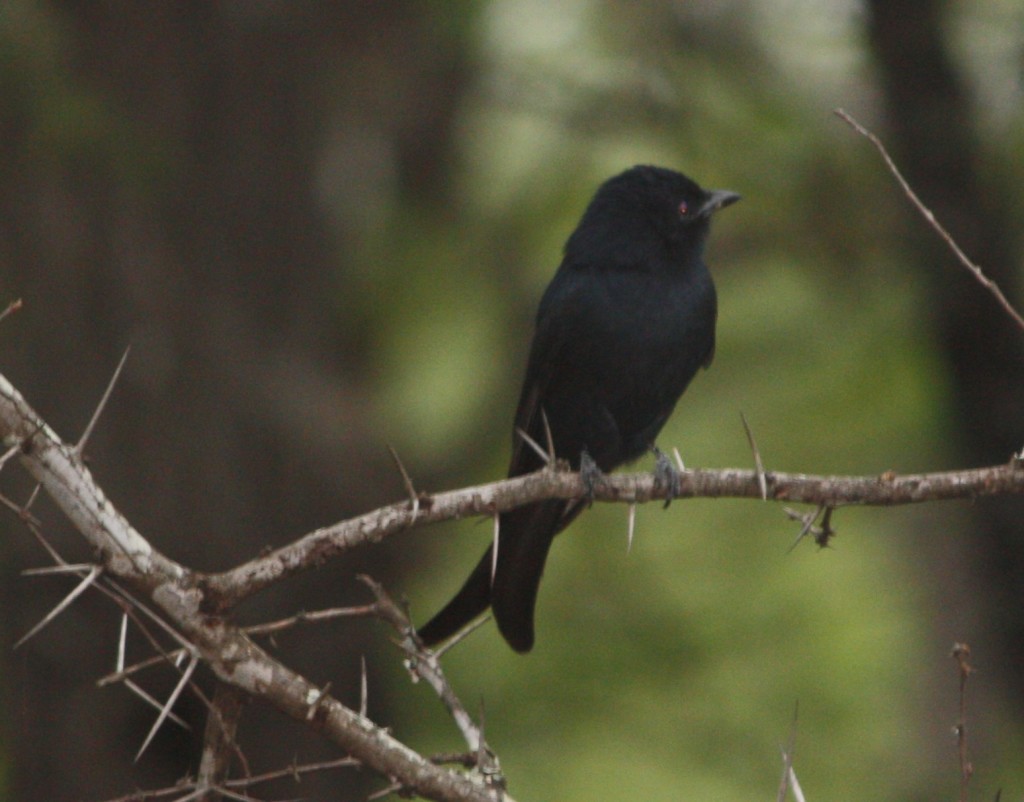
My Birding Adventure in Magoebaskloof, South Africa

GETTING THERE IS HALF THE FUN

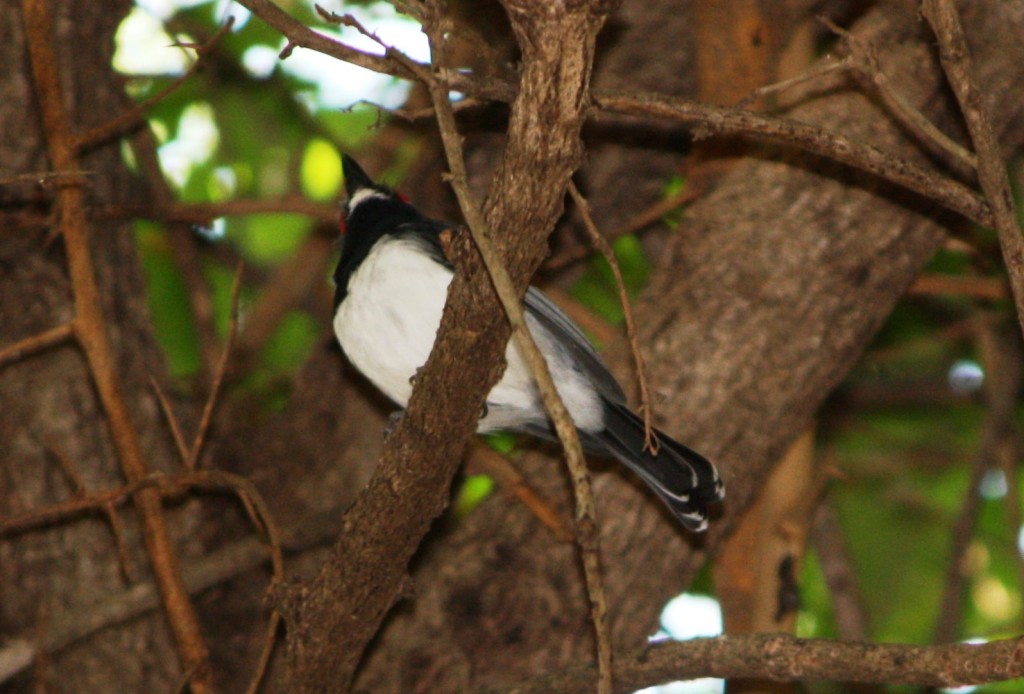
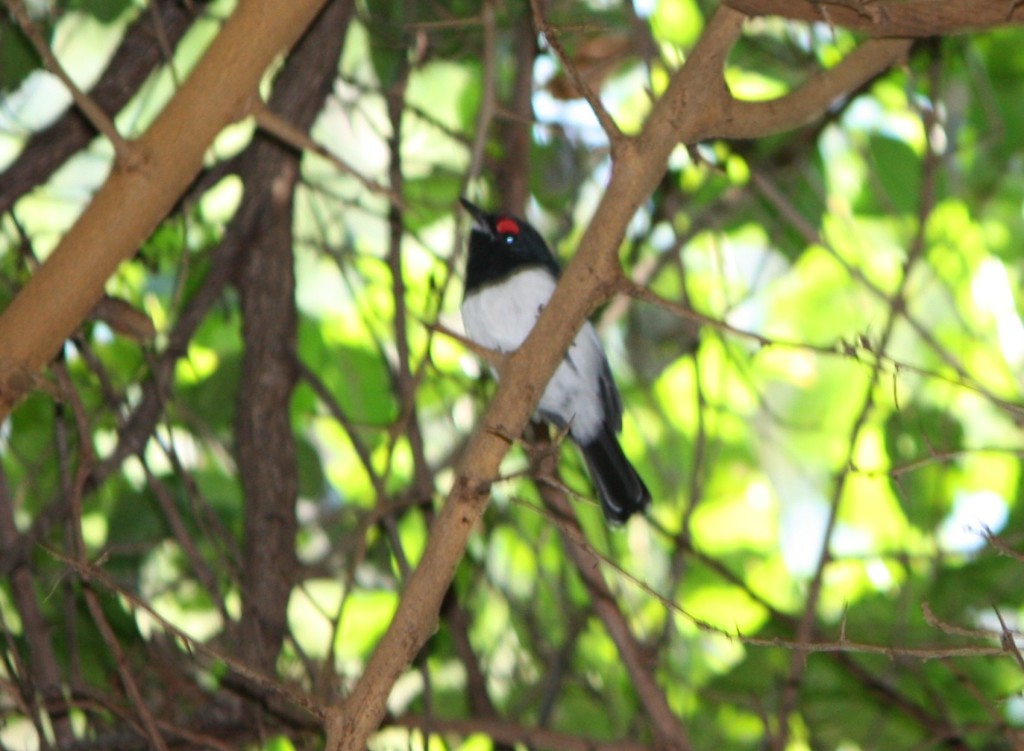
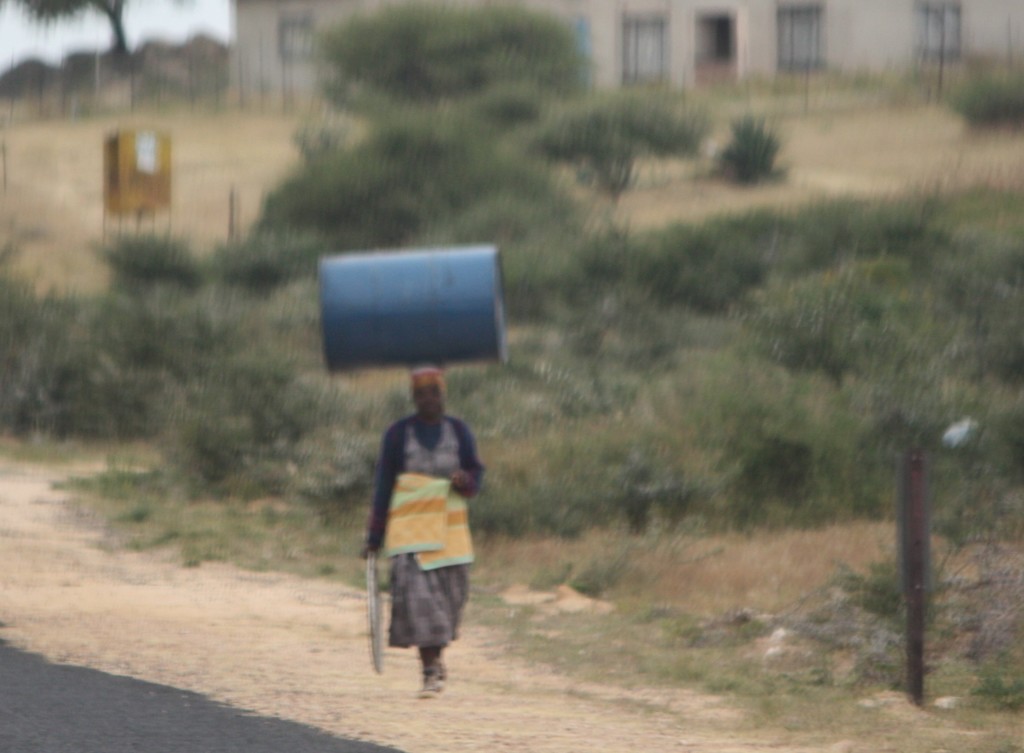
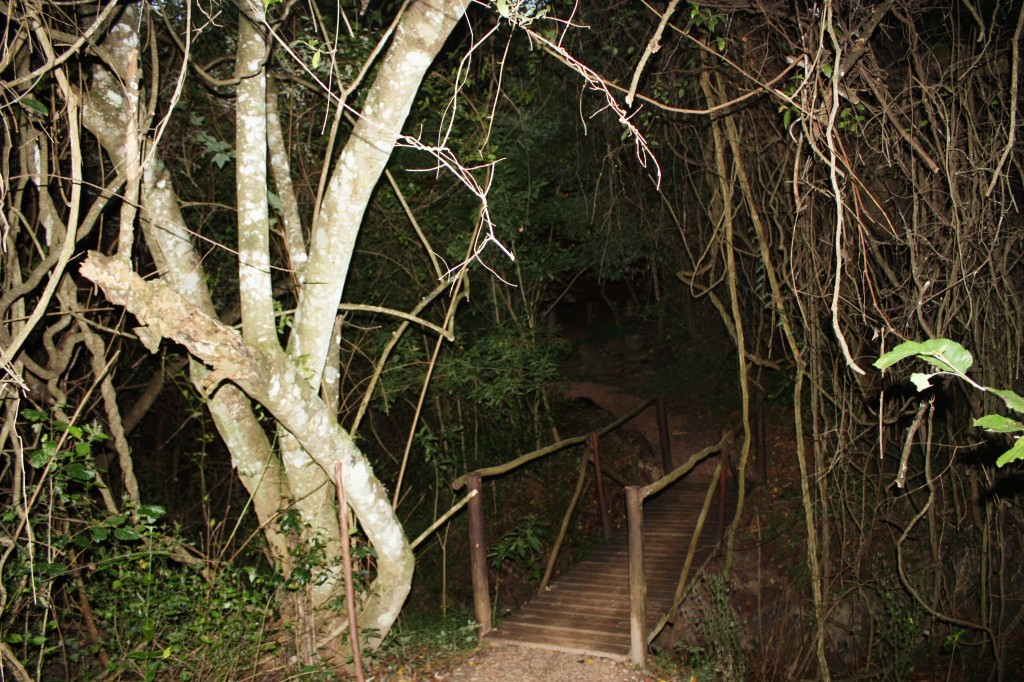
The Magoebaskloof region is well known amongst bird watchers in South Africa as a premier area to spot rare species like Cape Parrot, Bat Hawk, Black-fronted Bush-shrike, Narina Trogon, Green Twinspot, Orange Ground Thrush, Southern Double-collared Sunbird and many more.  Kurisa Moya is a beautiful eco-lodge located right in the prime birdwatching area and you can even do some short bird walks on the property.  It’s quite an adventure to get there from Kruger National Park if you arrive after dark as there are NO lights along the mountain road once you turn off and it’s hard to see the signs.  We saw people like this lady walking along with the most amazing items carried on their heads!
IMG_1630

We got lost a couple times bouncing along the muddy back roads in a rented Ford Focus and I was afraid we would fall into a pothole and be lost forever!  It’s actually much easier if you are driving from Johannesburg via Polokwane, there is a tarred road the whole way up to the access road.
IMG_1570

We did finally arrive and David Letsoalo greeted us at the gate and showed us how to get to the Forest Lodge.  It wasn’t until the next morning that we would see just how gorgeous the area really was!  The Forest Lodge is a wooden log cabin that sits high in the canopy of the indigenous forest. From your private deck, three metres up, you are eye-to-eye with the Samango Monkeys picking the ripe fruit from nearby trees and can watch the crimson flash of Knysna Turacos (louries) soaring past. You may see bushpigs and bushbuck drinking from the stream below, or vervet monkeys peering in your bedroom window.

David picked us up early the next morning in his 4×4 truck, there was no way our Focus was going to get around the mountain roads.  Using his truck does cost extra depending on where you are going.  It had been raining the last few days, the ground was wet and there was mist everywhere.  You could barely see two metres in front of you.
IMG_1518 IMG_1581

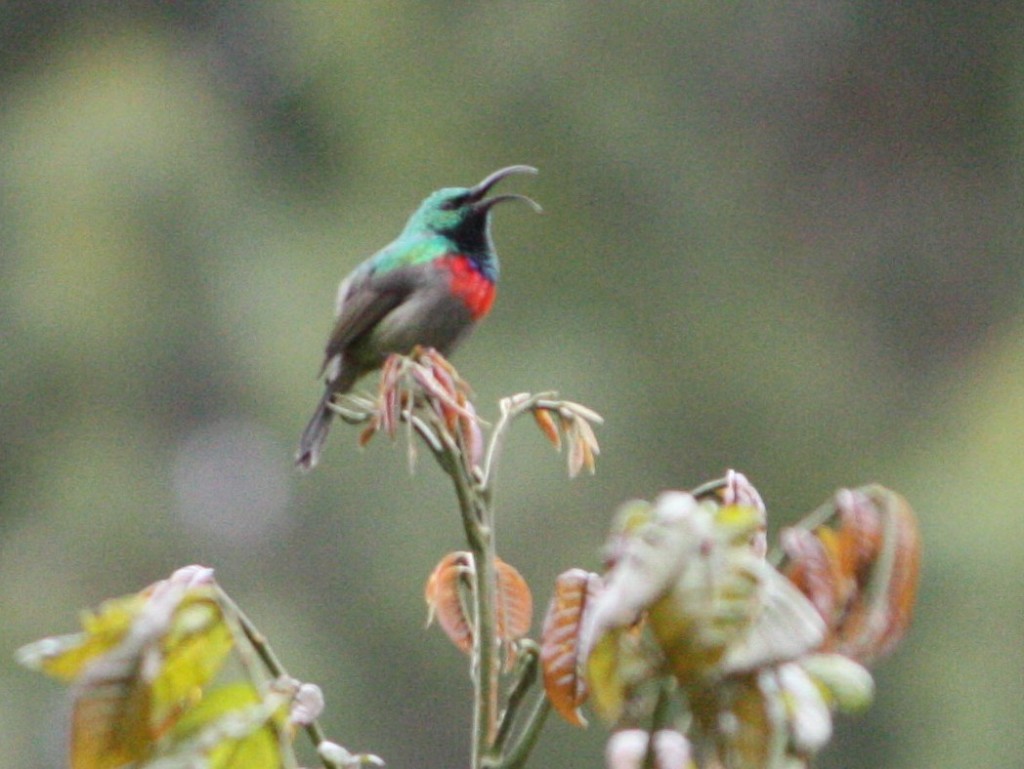
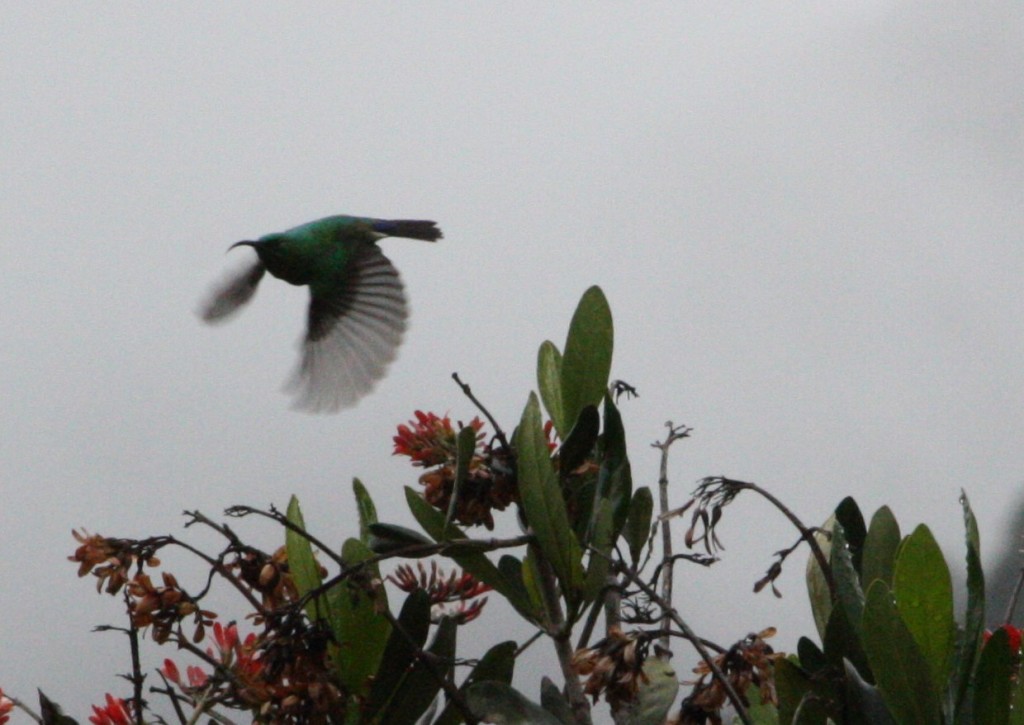
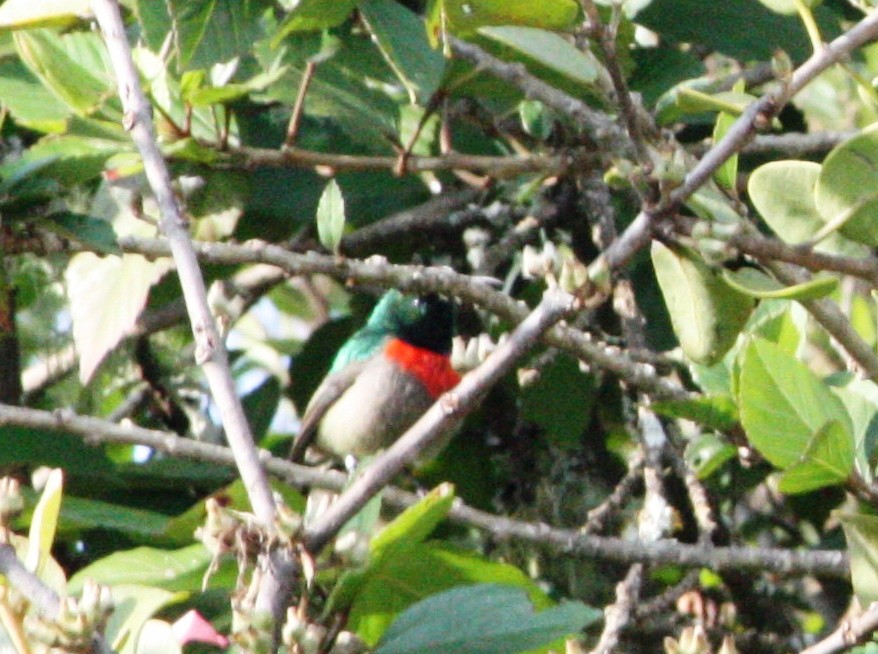
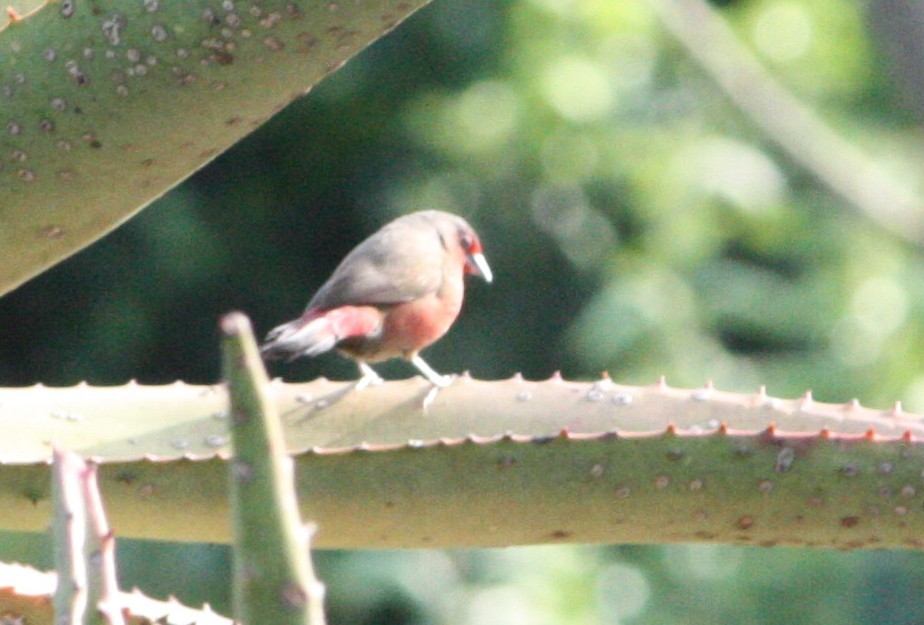
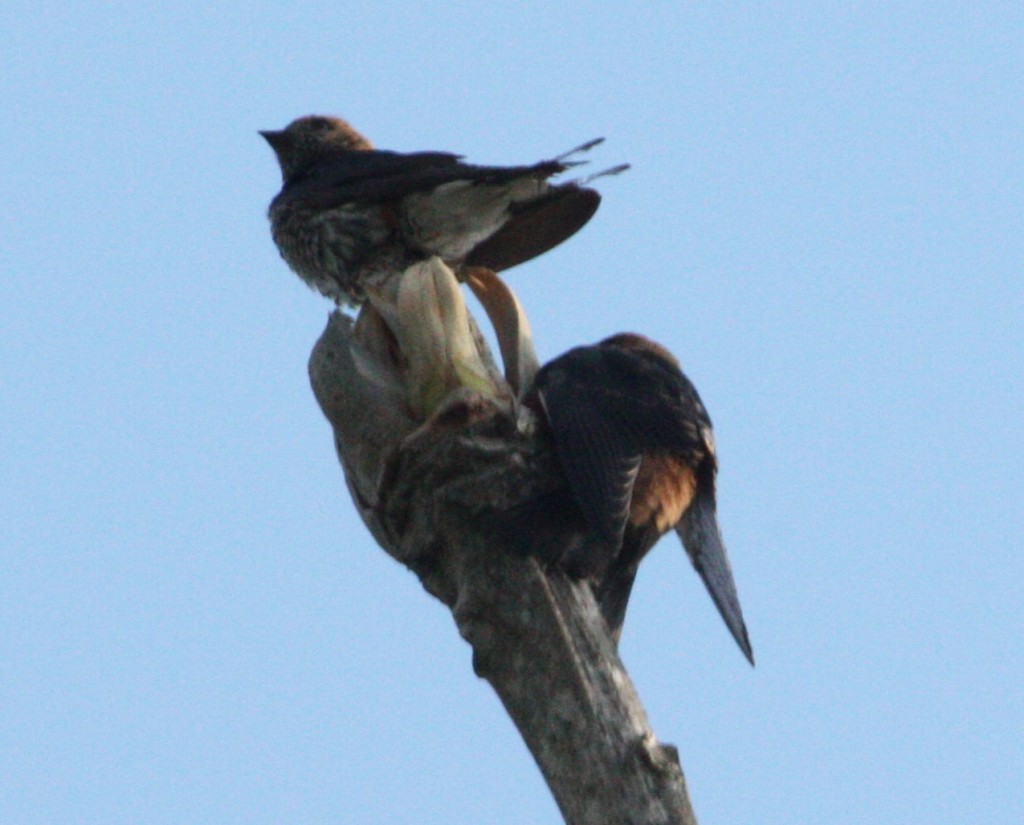
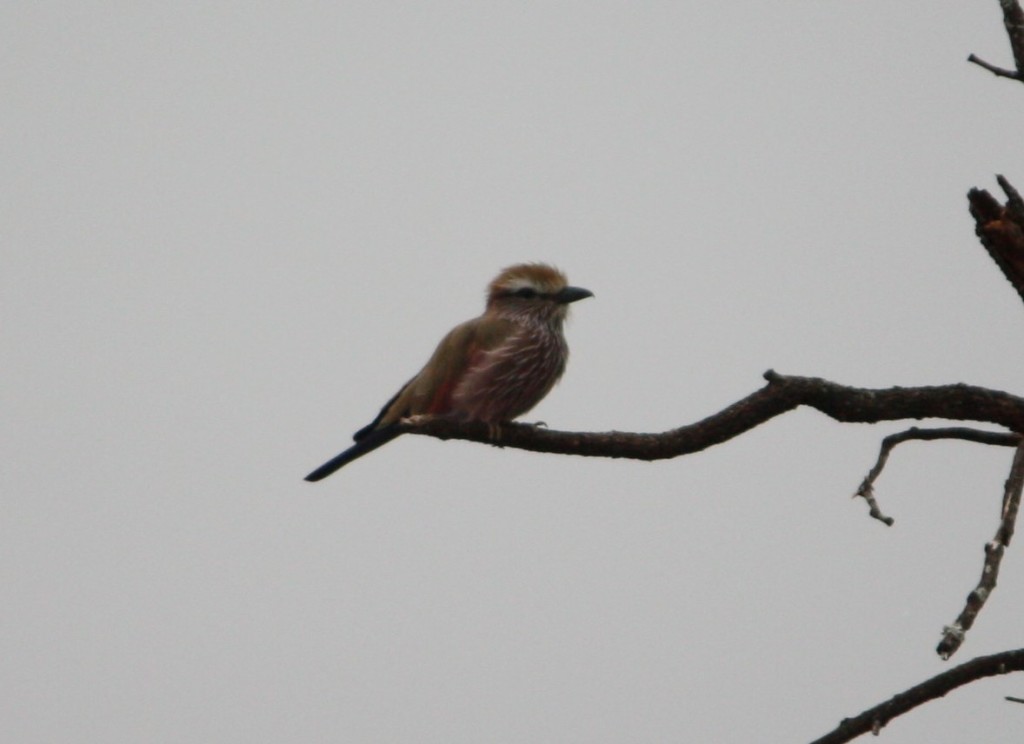
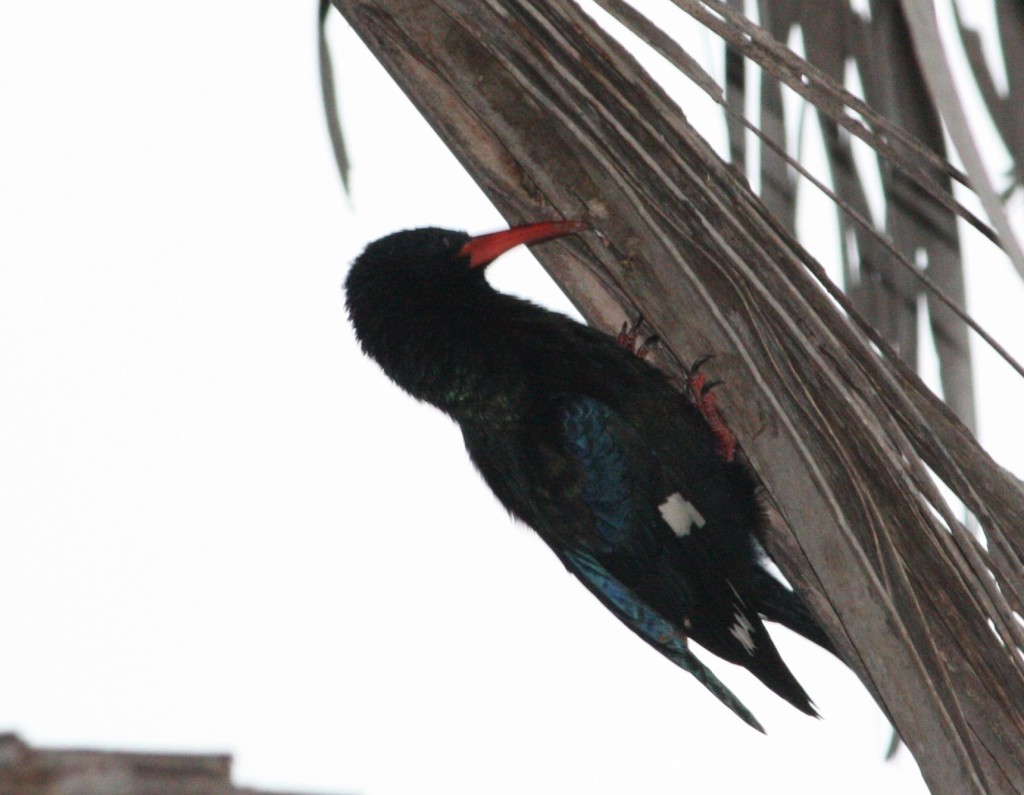
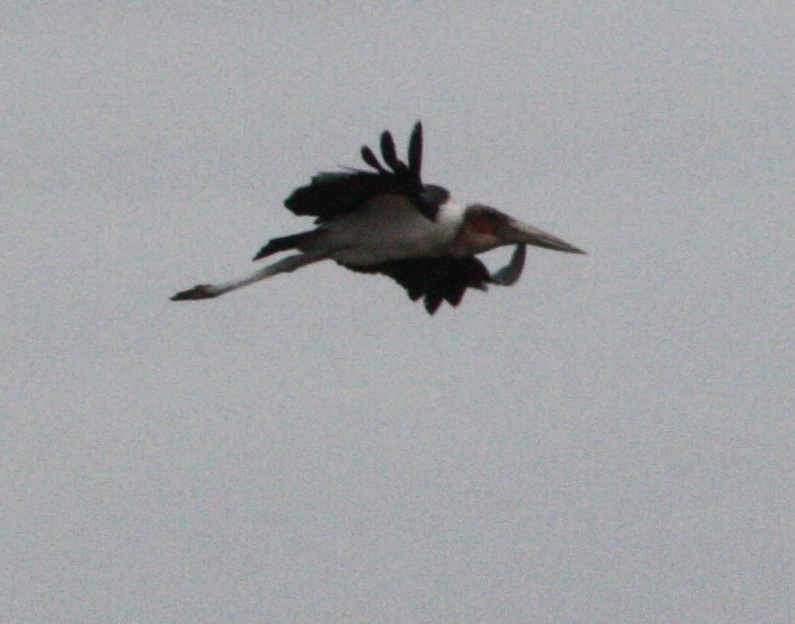
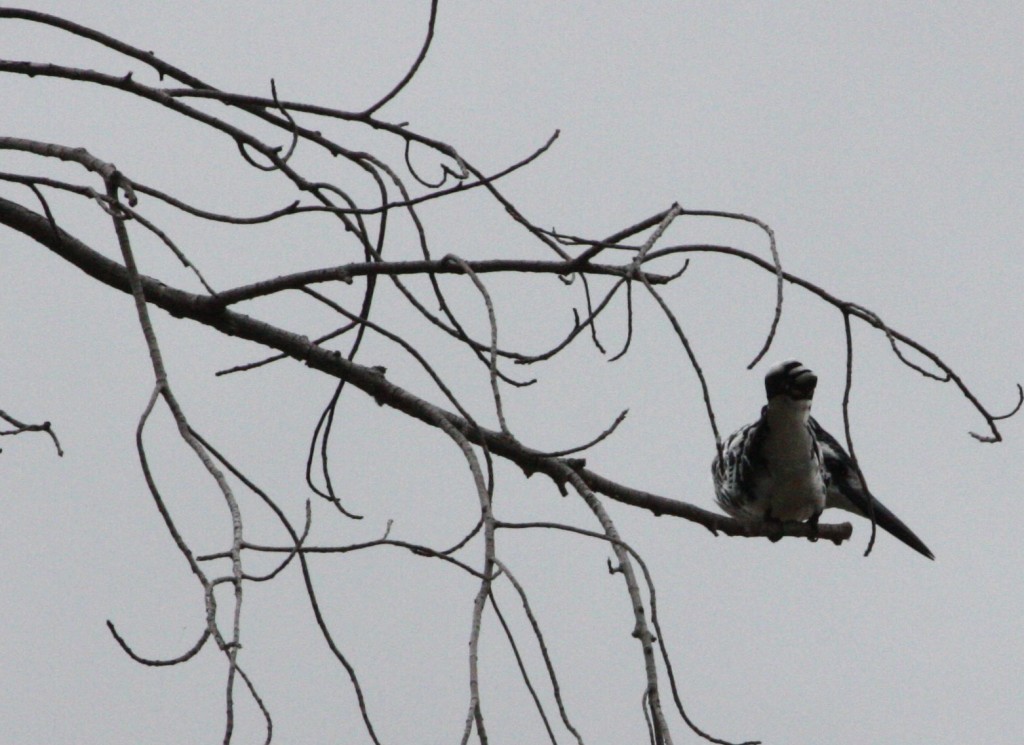
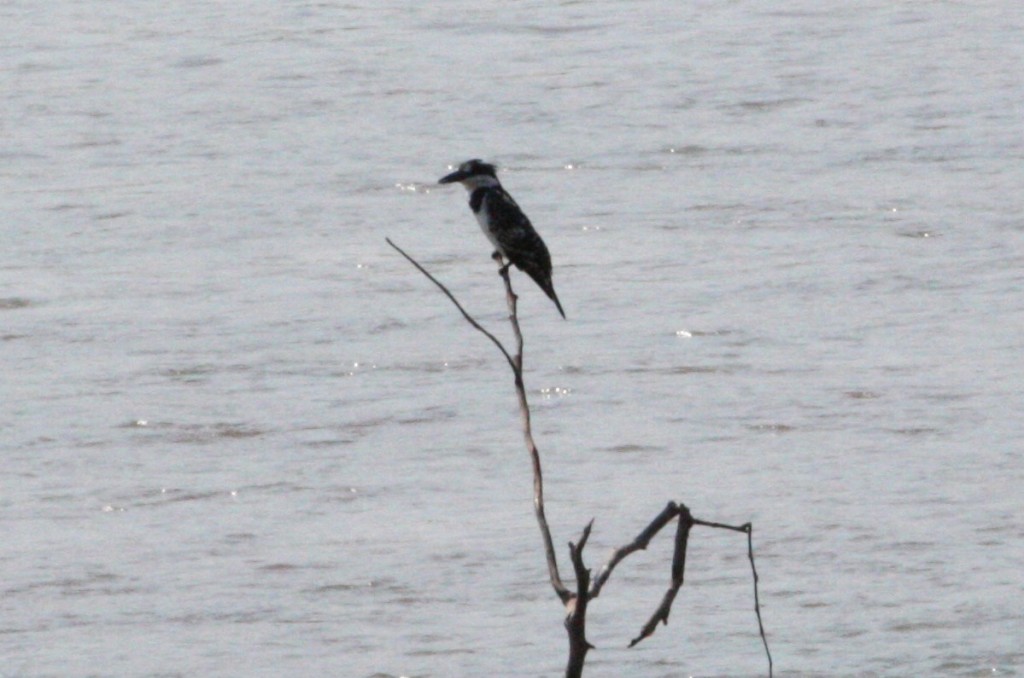
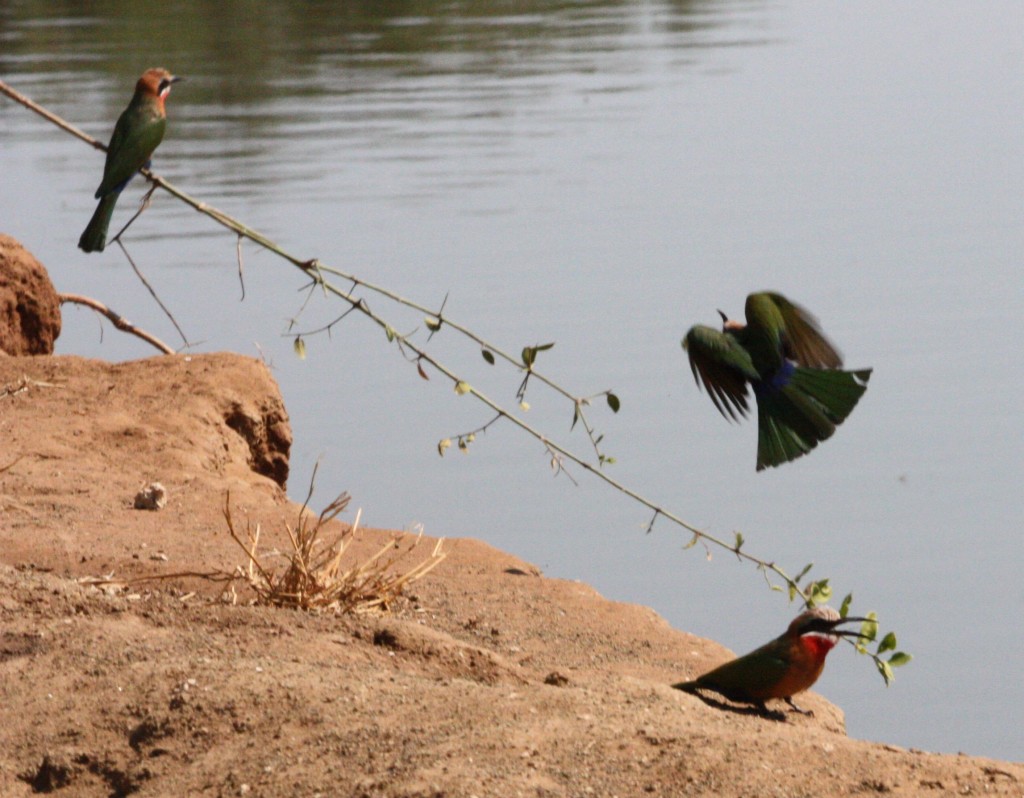
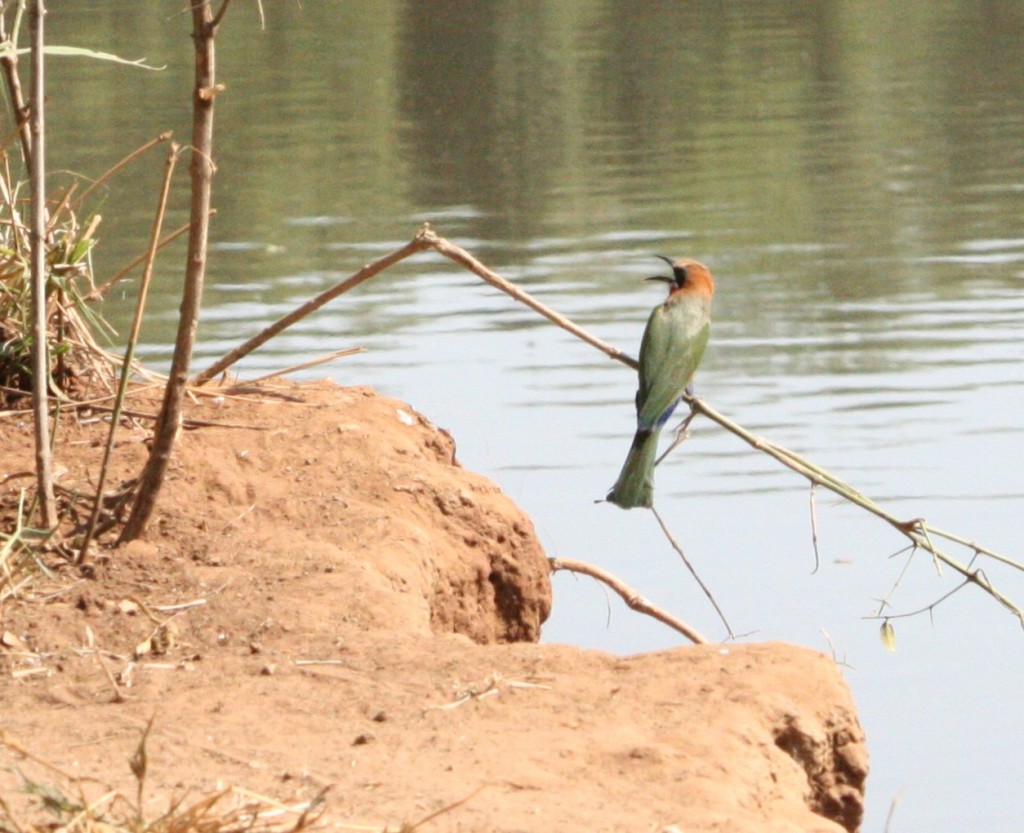
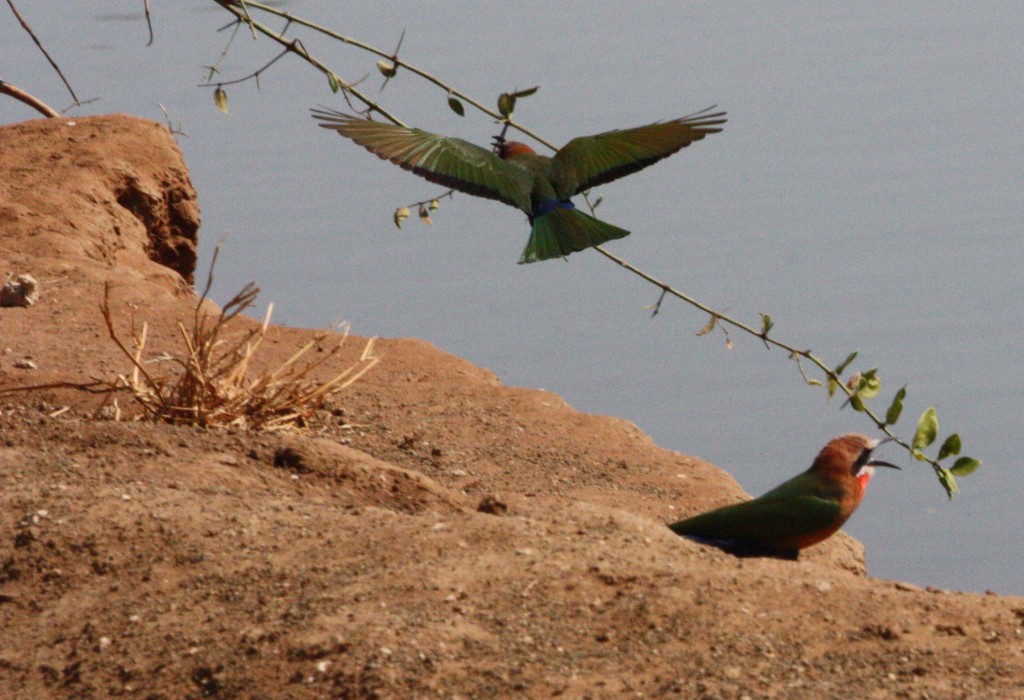
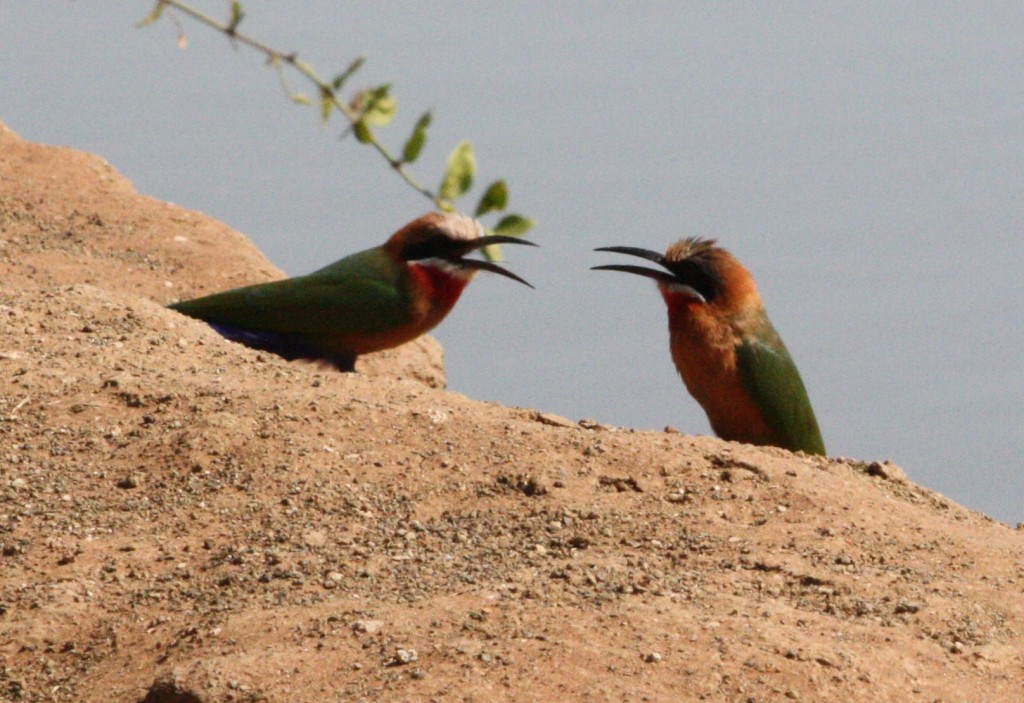
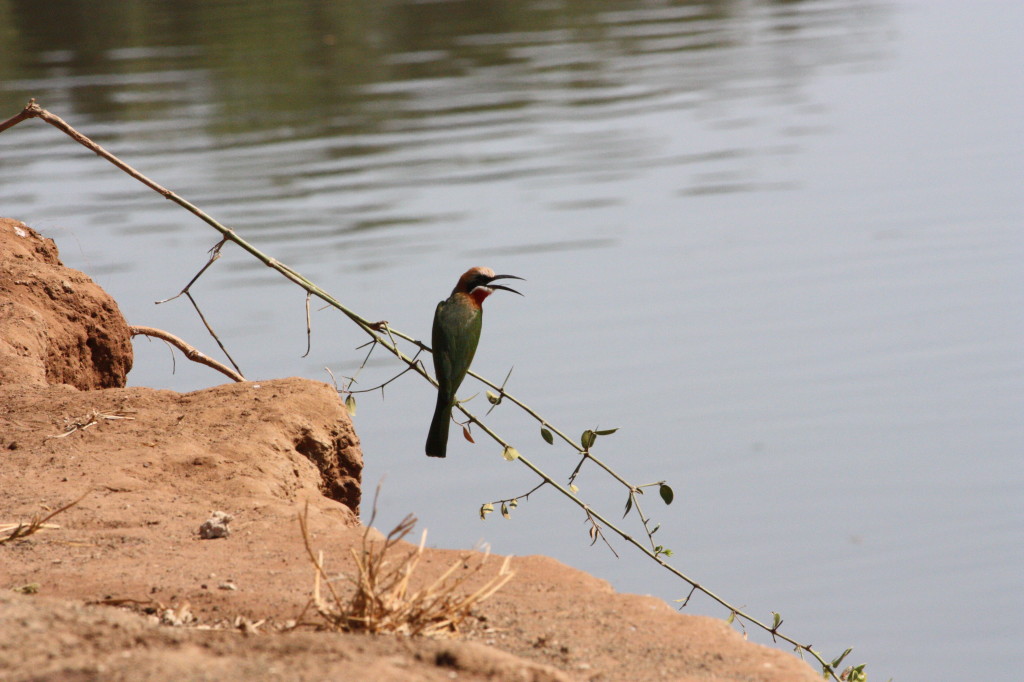
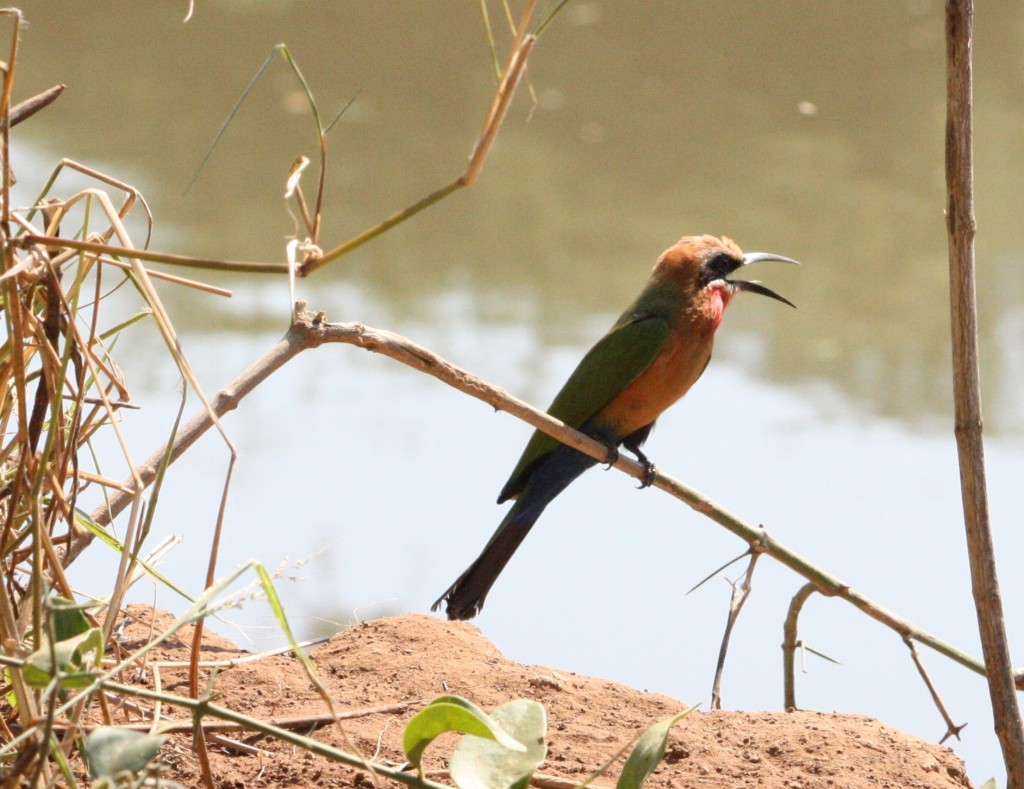
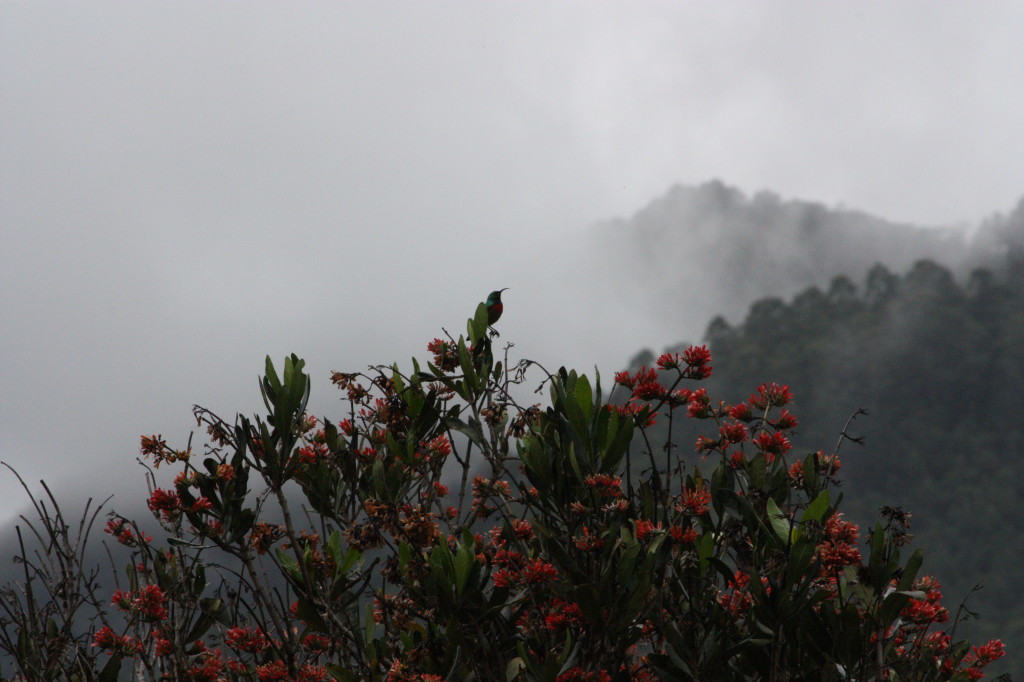
 David knew the roads well and we headed off to the Woodbush Forest to look for the rare and endangered Cape Parrot.  He parked on the mountain ridge as a good vantage point and listened carefully.  Several birds were calling and of course David knew them all.  It took a while, but he finally identified the Cape Parrots calling way down in the valley.  We hopped back in the truck headed down the road, stopping to listen as the calls got louder (closer).  Finally, he pulled over to the trees where there was a flock of Cape Parrots.  We could hear them perfectly and see the movement in the dense foliage but the birds just refused to come out and be photographed.  We waited patiently for about half an hour, then all of a sudden, they took off down the mountain and we could see them flying off into the distance.  There was no chance to get any decent photographs as they didn’t come out from the trees.  Dejected, we got back into the truck and David took us to some other places to see other birds, including the famous bat hawks.  We saw lots of gorgeous sunbirds, kingfishers, and some bee-eaters.  I really needed a better lens as they tend to perch far from anyplace where humans are walking.
IMG_1498 IMG_1509 IMG_1514 IMG_1519
IMG_1624
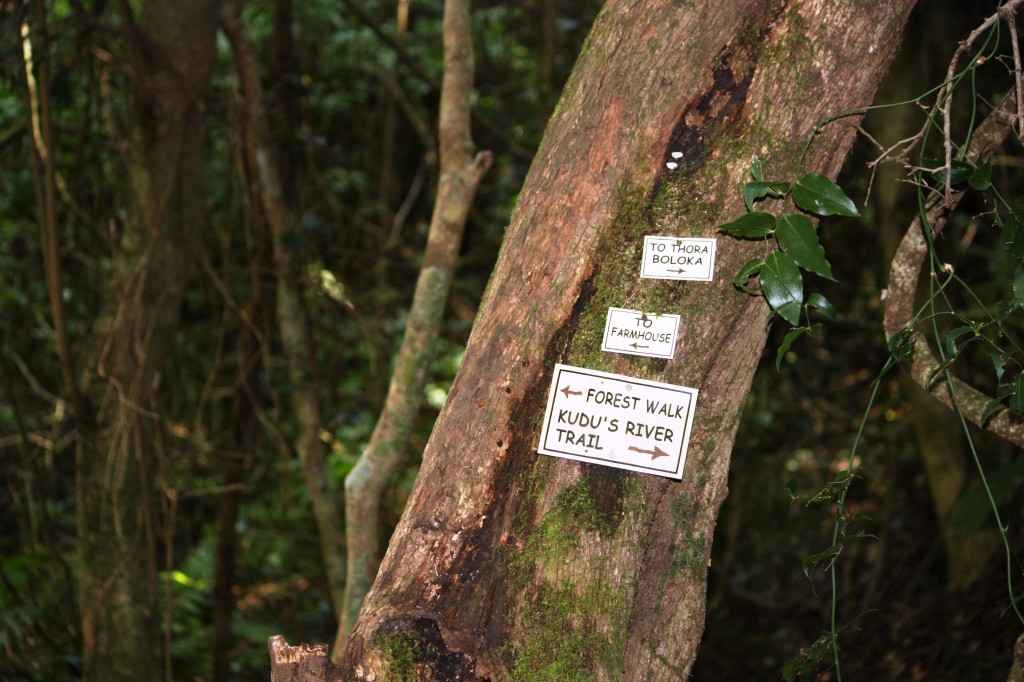
David brought us back to Kurisa Moya before lunch time and we ate on the deck overlooking the rain forest.  There are maps of the walking trails on the property in the cabin so we set out to do a couple of the walks.  There is one that started right behind our cabin called “Birder’s Loop” that we did first.  It was frustrating as we could hear the birds up in the trees but they wouldn’t come down closer.  It was still pretty misty too.  Then we did another trail called Umsenge Forest Walk that led us through more forest trails and this time we saw some Samango monkeys frolicking in the trees.
IMG_1524 IMG_1527 IMG_1530 IMG_1531 IMG_1533

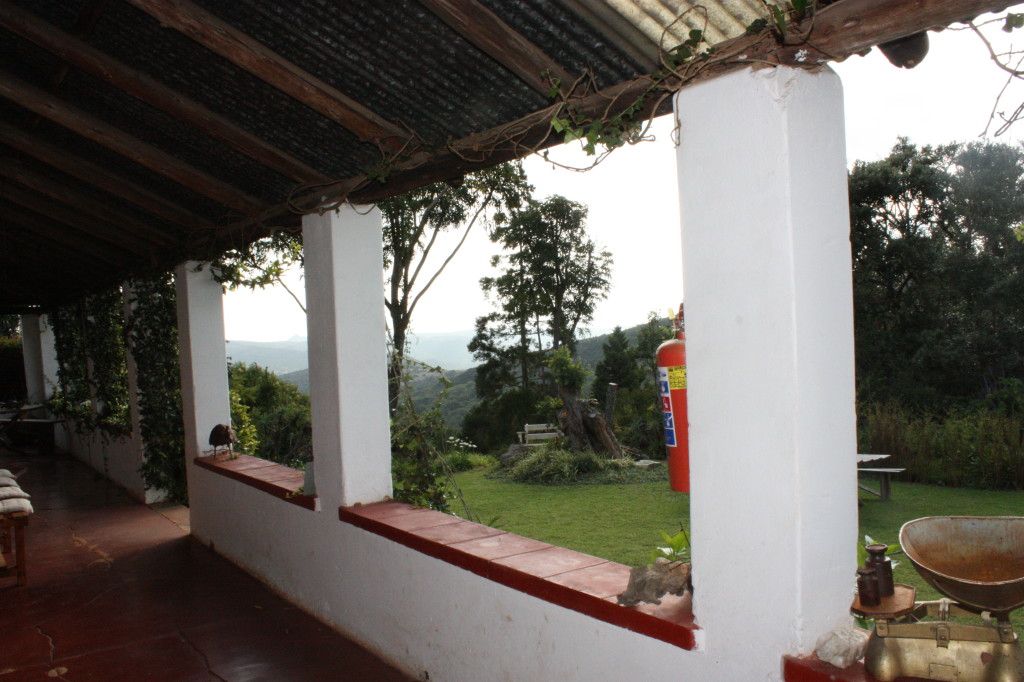
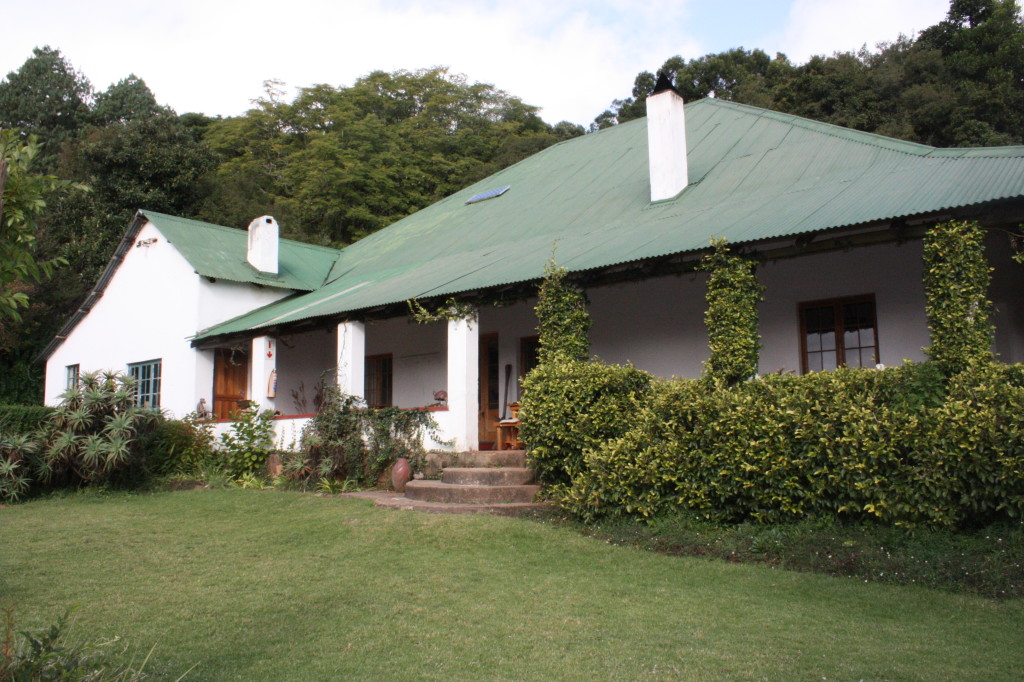
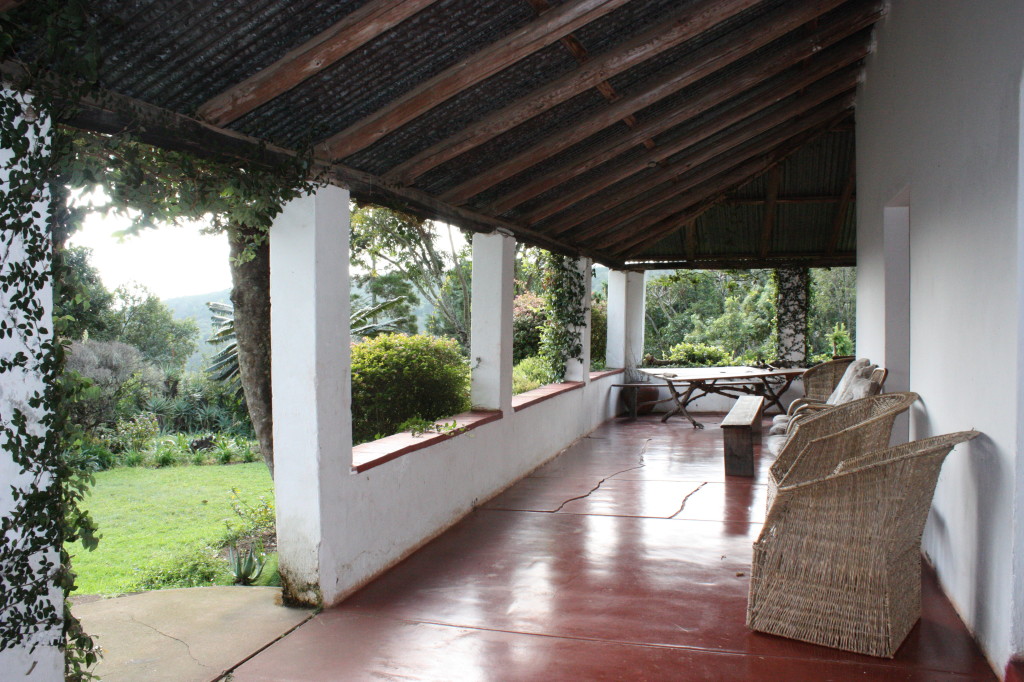
The walk ended at the farm house.  Since there were no other guests around and most of the staff had gone off to vote (there was an election that day), we just sat on the veranda enjoying the view and watching for any birds that happened by.  I did manage to get some better photos this time!  Still no Cape Parrots, but we did see some beautiful sunbirds.  Lisa, the manager came back and let me use her computer to check my flights and the weather the next day.  It was still going to be drizzly but since we only had one more day in Magoebaskloof, we had to go for it.
IMG_1534 IMG_1535 IMG_1536 IMG_1538 IMG_1539 IMG_1547 IMG_1551 IMG_1555 IMG_1565

CAPE PARROTS IN THE MIST

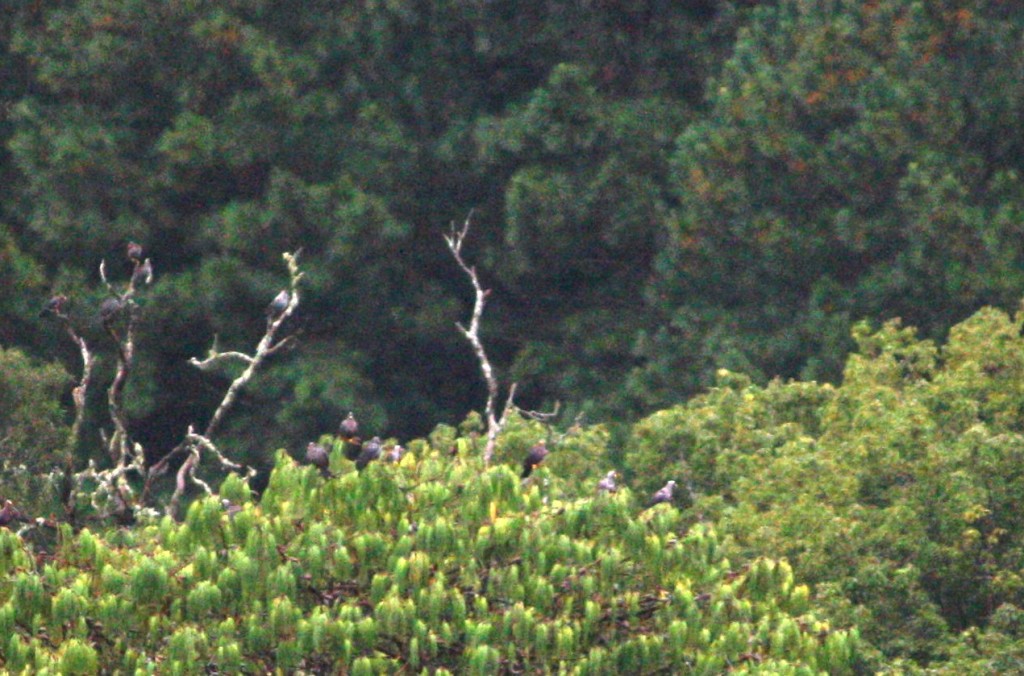
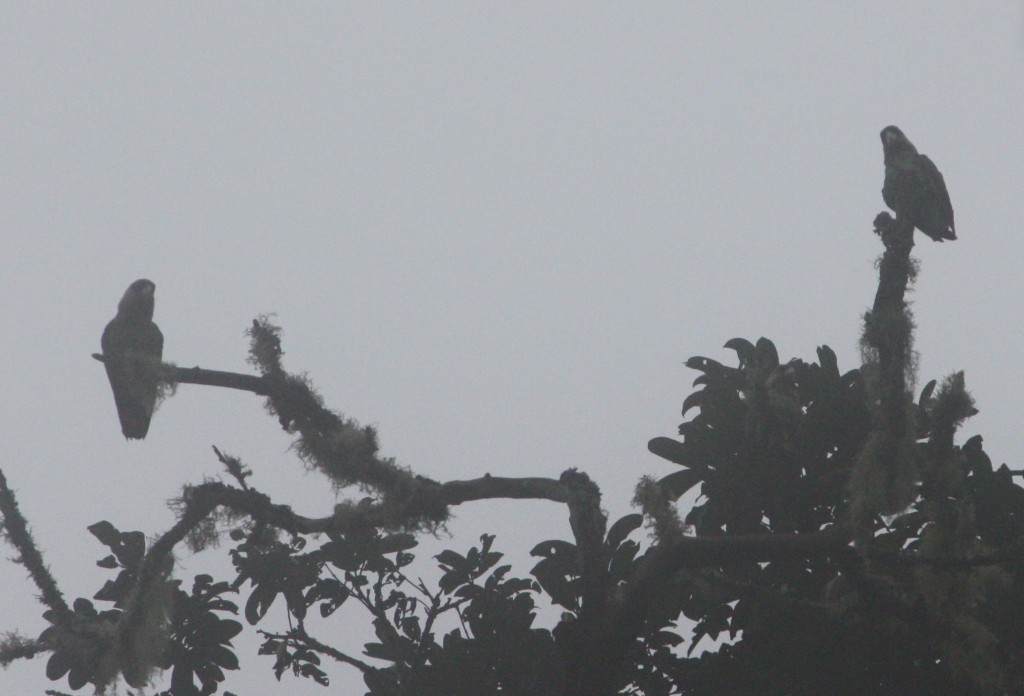
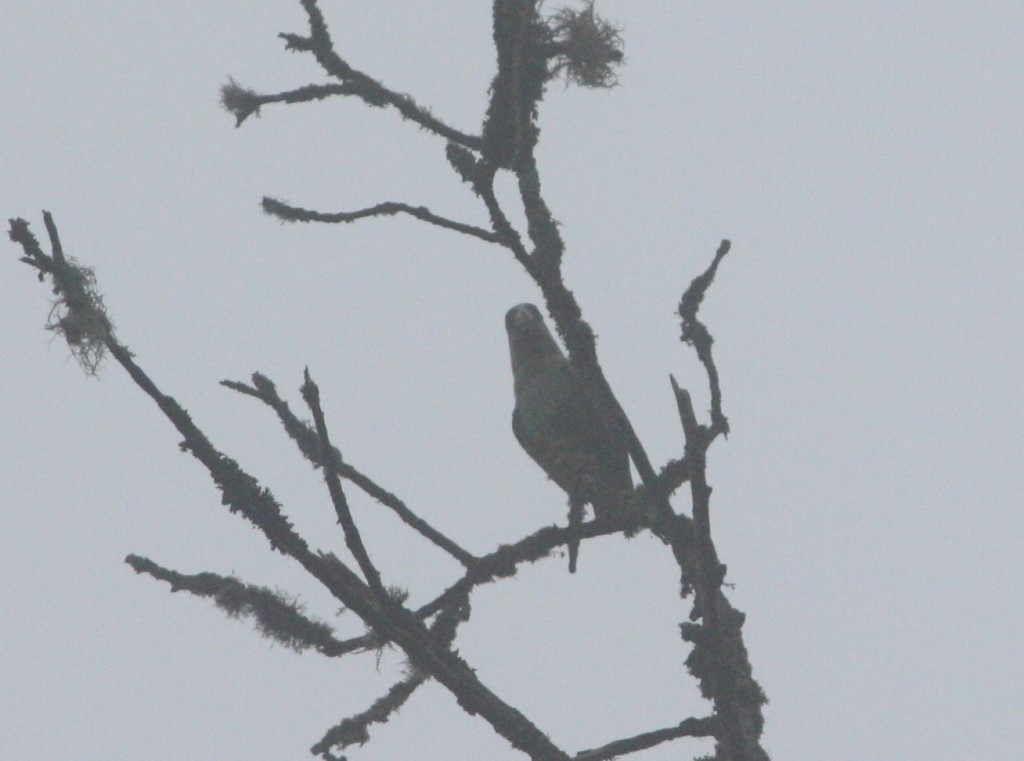
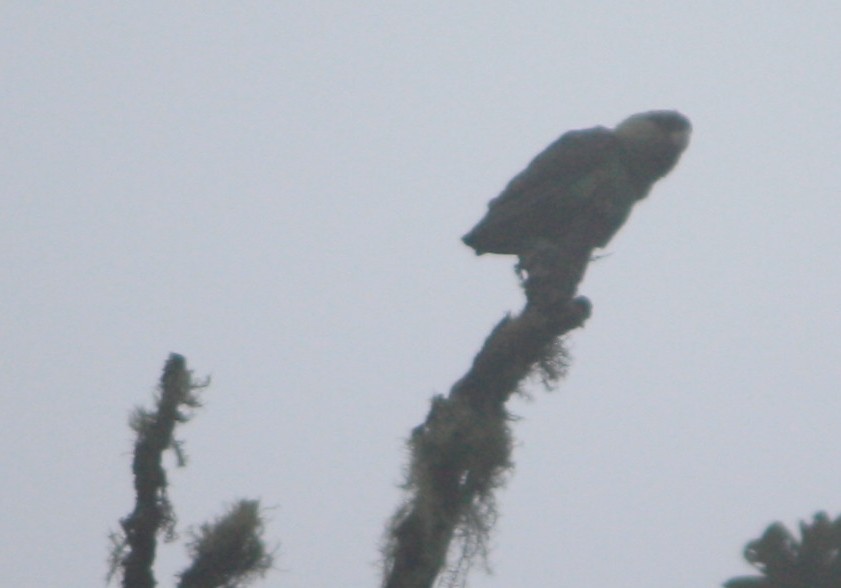
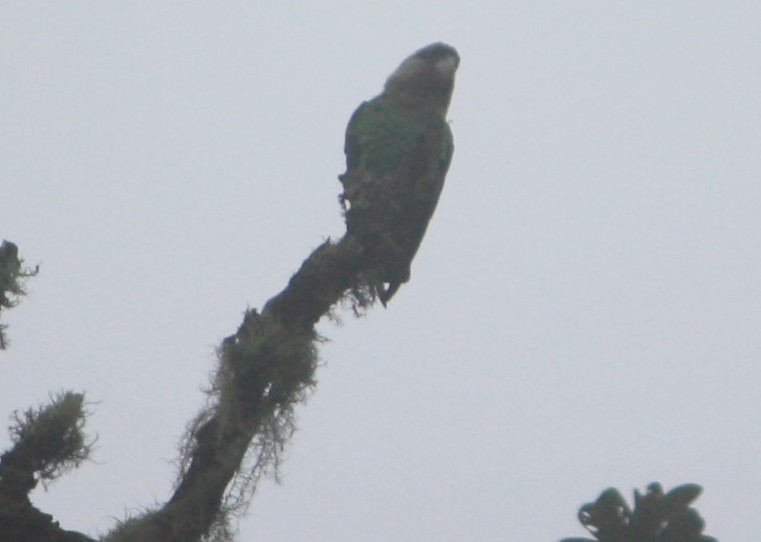
David picked us up again at 6am and we went back to the Woodbush Forest and listened again on the ridge.  It took a while but the Cape Parrots finally made themselves heard down in the valley again.  They were basically in the same area they were yesterday.  We went back to the area and saw some Samango monkeys so I sat in the car taking photos while David walked up the road a bit.  Suddenly, he came running back.  “Cape Parrots”, he said excitedly, “There in the trees!”  I followed him up the road and sure enough, there was one lonely Cape Parrot out on a limb WAAAAAAY up in a tree.  I had to really push the lens to get him!  One by one, three more Cape Parrots joined him in the tree all squawking at the top of their voices.   A few more flew in and luckily for us, some of them perched in the front of the tree so I could get some photos and videos.  Then with more shrieks to the wind, they were off.  They circled once as if to say goodbye to us, then it was off to their foraging grounds.  We waved at them to thank them for gracing us with their presence feeling immensely privileged to have seen them at all!
IMG_1592 IMG_1597 IMG_1610 IMG_1612 IMG_1615 IMG_1618

***Originally published on my Parrot Conservation website Feathered and Free.

Destination: Magoebaskloof, South Africa

Easily accessible from both Johannesburg and Kruger National Park, the Magoebaskloof region is a mecca for birders.

Magoebaskloof is a beautiful mountainous area in the Limpopo Province at the very North Eastern tip of the Drakensberg mountain range. Fondly called “The Land of the Silver Mist” by historians and locals alike, the mountains and valleys of the area are regularly shrouded in a soft mist. This mist belt has resulted in the lush afro-montane forests that make the area a welcome green oasis in the Limpopo bushveld.

The name means Magoeba’s Valley, but the Magoebaskloof is in fact a series of valleys named after a tribal chief who had his head chopped off by warriors serving under Boer commander Abel Erasmus in 1895.

.

The main town in Magoebaskloof is Haernertsburg and there are several stores here where you can stock up on snacks, drinks and food for self-catering.  There is a good list here. 

The area boasts many charming small hotels and Bed & Breakfast type places.  I can personally recommend Kurisa Moya (lodge review) for birders.  There is a good accommodation list here and you can also check Trip Advisor for recommendations.

If birding (and Cape Parrots) are your main attraction to this area, stay tuned for my birding trip report from 2009!

Choosing The Itinerary For “The Mother Of All Africa Trips”

Yesterday, I posted about how I will use airline miles to make a dream trip to Africa come true.  Today, I will show you how I chose the specific places I did.  Africa has such a huge variety of wildlife habitat, you really need to know what species you are most interested in seeing.  For first time travelers, this will usually be the “Big 5” – elephants, lions, rhinoceros, leopards and buffalos.  For birders, there are more decisions to be made and more species you need to consider.  Here’s how I did it.

ANALYZE REQUIREMENTS

1.  Can get miles from credit cards but don’t have much cash.  Need destinations that can be reached on Star Alliance airlines.

2.  Need to maximize destinations for number of parrot species found nearby.

3.  Need to avoid long land trips that would be expensive if it would require private guides and transport.

4.  Need to avoid having to pay too much in advance, prefer to pay when we arrive if possible.

5.  Need to visit national parks where guides can be found on site rather than paying to transport one around with us.

PRIORITIZING TARGET SPECIES

PARROT SPECIES IN AFRICA (INCLUDING NEIGHBOR ISLANDS)

The species that I have identified as being in range for this trip will be highlighted in green.  As I said, I am most interested in seeing as many parrot species as possible but the habitas I have chosen are rich in all kinds of wildlife!  You can use the same technique to narrow down your travel plans whether you are interested in leopards, elephants, eagles or lemurs.  Just research where your priority species can be found, find the nearest airport where you can redeem your miles and enjoy ALL the wildlife you encounter along the way!

1. Rose-ringed Parakeet – Psittacula krameri.  We have seen them in several places in India and feral populations in Europe.  Not a priority but may see them during the trip.

2. Mauritius Parakeet  – Psittacula echo.  Habitat in Black River Gorges National Park, easily driven from hotel in Mauritius.

3. Gray Parrot – Psittacus erithacus.  Has large range but many places difficult, expensive or possible unsafe to travel to.  Easiest place to see them near Star Alliance airport is in Ghana at Kakum National Park.

4. Greater Vasa Parrot – Coracopsis vasa.  Madagascar endemic, easiest place to find them near Star Alliance airport is Andasibe National Park.

5. Lesser Vasa Parrot – Coracopsis nigra.  Madagascar endemic, easiest place to find them near Star Alliance airport is Andasibe National Park.

6. Red-headed Lovebird – Agapornis pullarius.  Probably out of range for this trip.  Habitat in Central Africa, not easily accessible.

7. Black-winged Lovebird – Agapornis taranta.  Found in Ethiopia.  Slim chance to see them if there is a long layover at Addis Ababa.

8. Black-collared Lovebird – Agapornis swinderniana.  Habitat not easily accessible, best chance is in Ghana.

9. Black-cheeked Lovebird – Agapornis nigrigenis.  Found in Zambia, not in range for this trip.

10. Peach-faced Lovebird – Agapornis roseicollis.  Tried but failed to see them in Kgalagadi National Park in 2009.  Other habitats in Namibia but out of range for this trip.

11. Fischer’s Lovebird – Agapornis fischeri.  Found in Tanzania, targeting them in Arusha, Tarangire and Serengeti.

12. Yellow-collared Lovebird (Masked Lovebird) – Agapornis personatus.  Found in Tanzania, targeting them in Arusha, Tarangire and Serengeti.

13. Nyasa (Lilian’s) Lovebird – Agapornis lilianae.  Found in Zambia & Zimbabwe, out of range for this trip.

14. Grey-headed Lovebird –  Agapornis canus.  Madagascar endemic, easiest place to find them near Star Alliance airport is Anatanarivo’s Tsimbazaza Park.

15. Red-fronted (Jardine’s) Parrot – Poicephalus gulielmi.  Targeted in Arusha National Park and possible Ghana.

16. Cape Parrot – Poicephalus robustus.  Southern coast of South Africa.  Will try to find them as close as possible to Port Elizabeth.

17. Brown-necked Parrot –  Poicephalus fuscicollis.  Subspecies of Cape Parrot.  Have seen in Magoebaskloof, planning on return visit.

18. Brown-headed Parrot – Poicephalus cryptoxanthus. Easiest to find in northern Kruger National Park.

19. Red-bellied Parrot – Poicephalus rufiventris.  Found in Tanzania, targeting them in Tarangire.

20. Yellow-fronted Parrot – Poicephalus flavifrons.  Very small range in Ethiopia, probably out of range for this trip.

21. Meyer’s Parrot – Poicephalus meyeri.  Several subspecies spread out over southern and central Africa.  Best places to target them are northern South Africa and Tanzania’s Tarangire and Serengeti.

22. Niam-Niam Parrot  – Poicephalus crassus.  Very small and inaccessible range in Central African Republic.  Out of range for this trip.

23. Rüppell’s Parrot – Poicephalus rueppellii.  Found in Angola and Namibia.  Out of range for this trip.

24. Senegal Parrot  – Poicephalus senegalus.  Wide-spread in West Africa but easiest place to see using Star Alliance airports would be Shai Hills, Ghana near Accra.

As you can see, with just the few stop-overs I planned in my airline miles redemptions; I can try for 17 out of 24 possible species of parrots in Africa and the neighboring islands of Madagascar and Mauritius.

RESOURCES I USED

To determine where parrot species can most easily be seen where, I use mostly two resources.

Joseph Forshaw’s “Parrots of the World” which is my birding travel “Bible”.

Surfbirds Trip Reports which have full lists of which birds people have seen on birding trips worldwide.


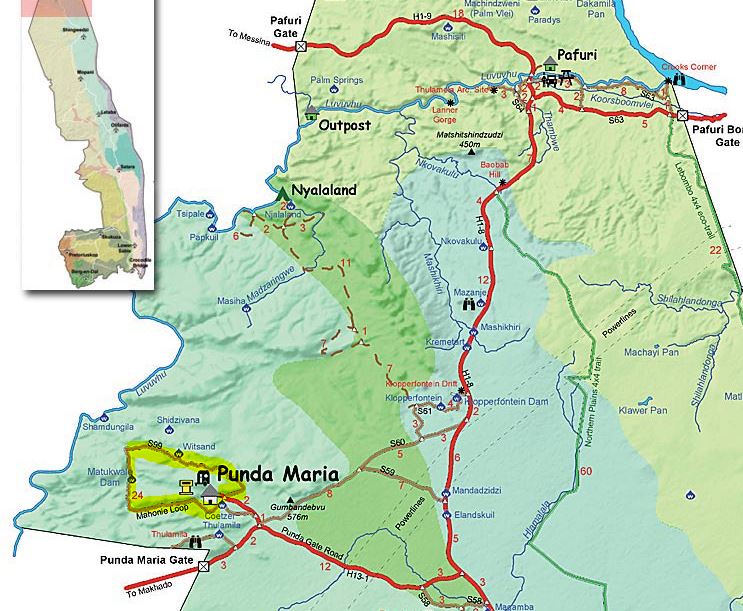
Northern Kruger Park’s Mahonie Loop

The Mahonie Loop is right next to the Punda Maria Rest Camp in northern Kruger Park and is a treasure trove of wildlife.

Mahonie Loop

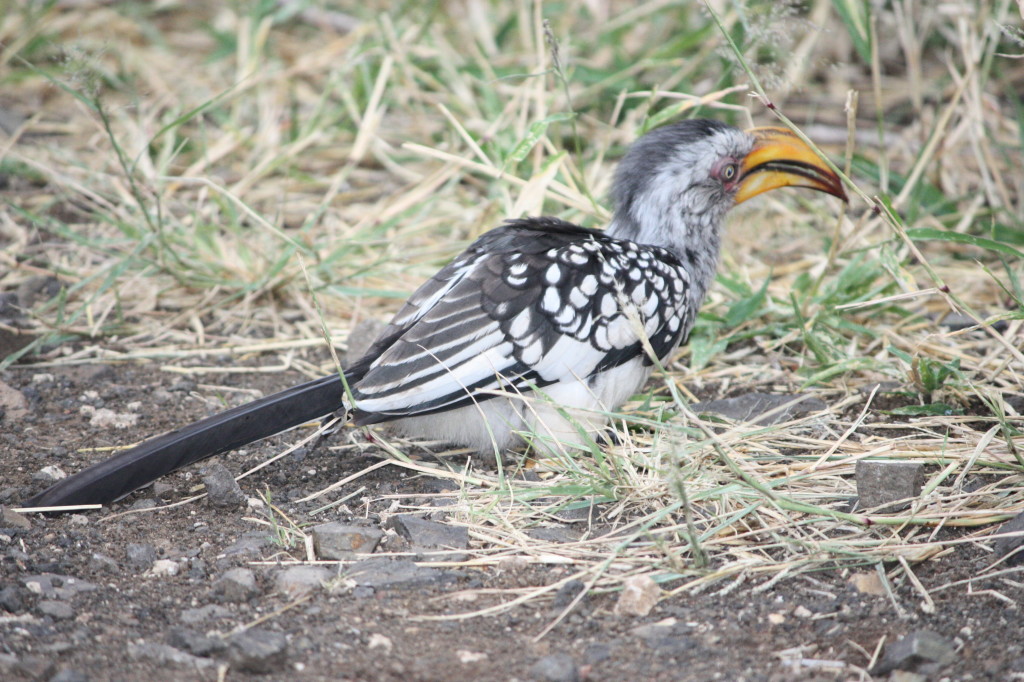
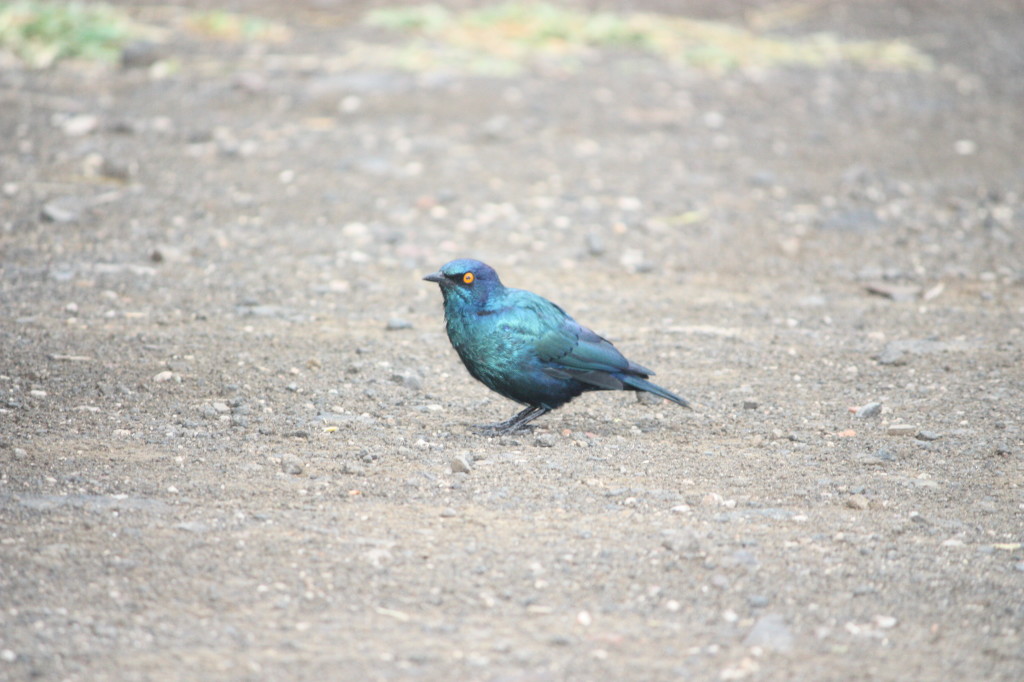
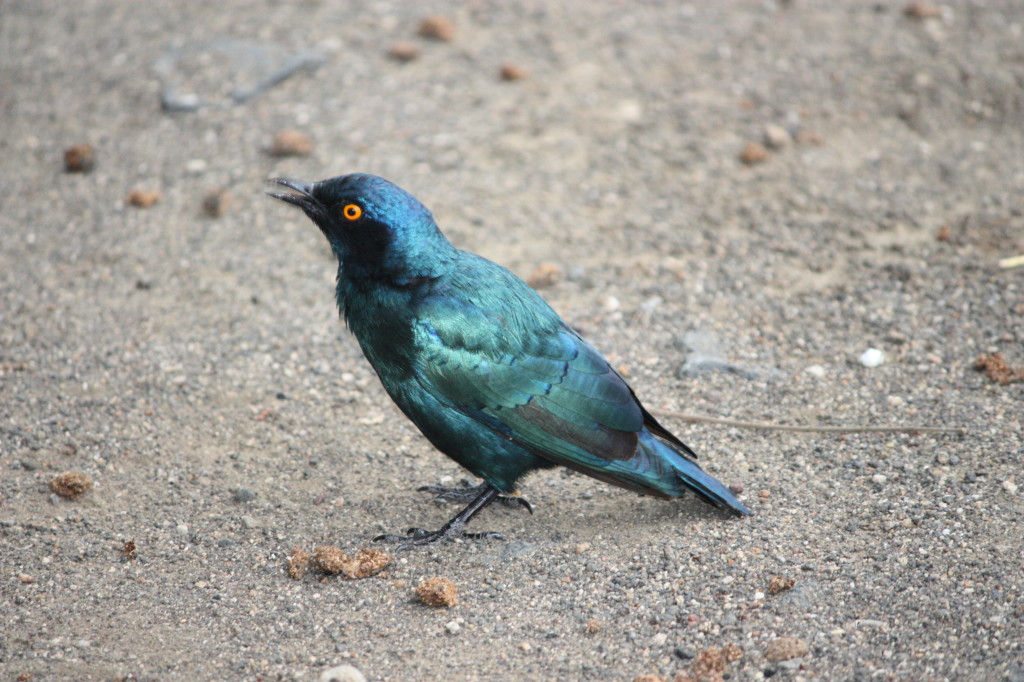
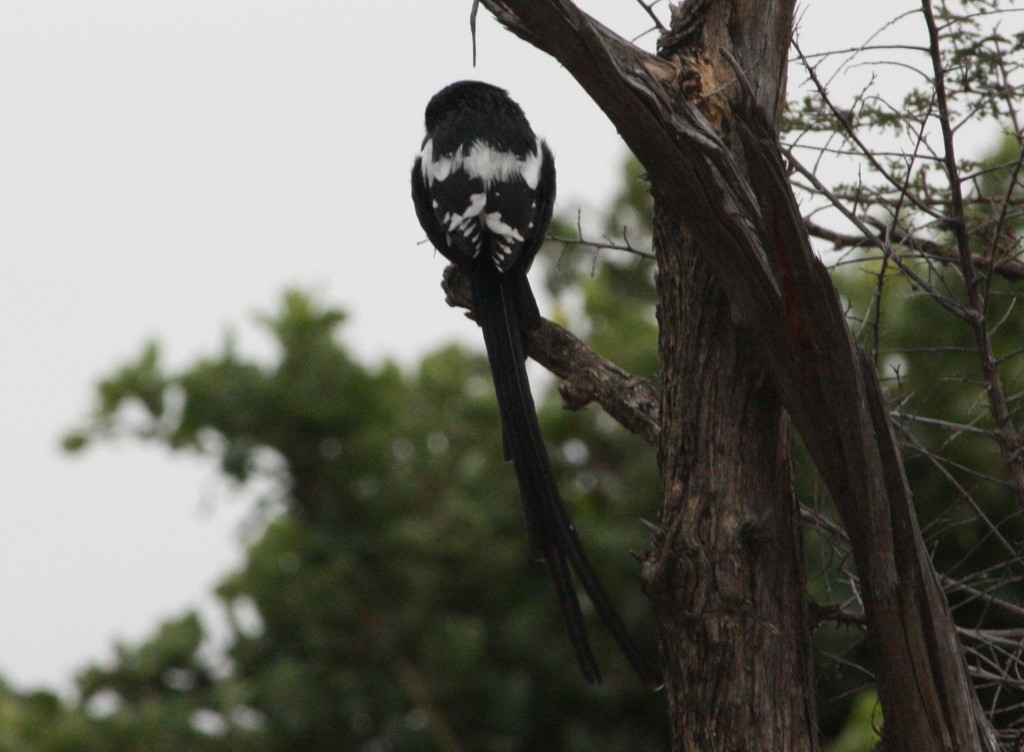
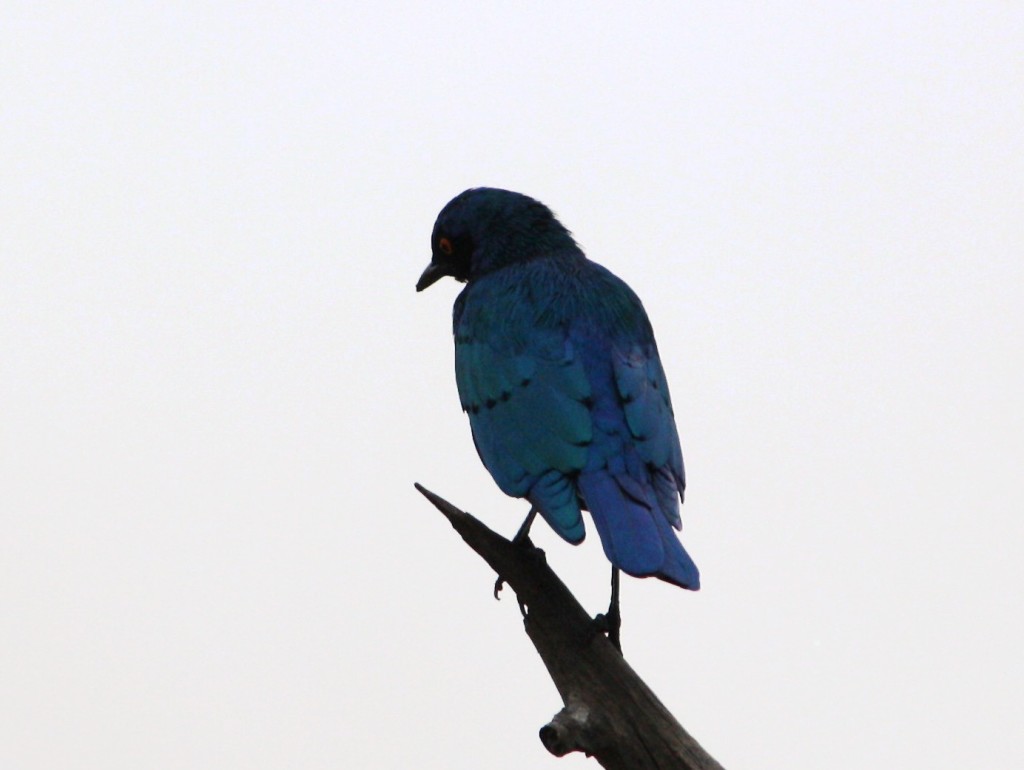
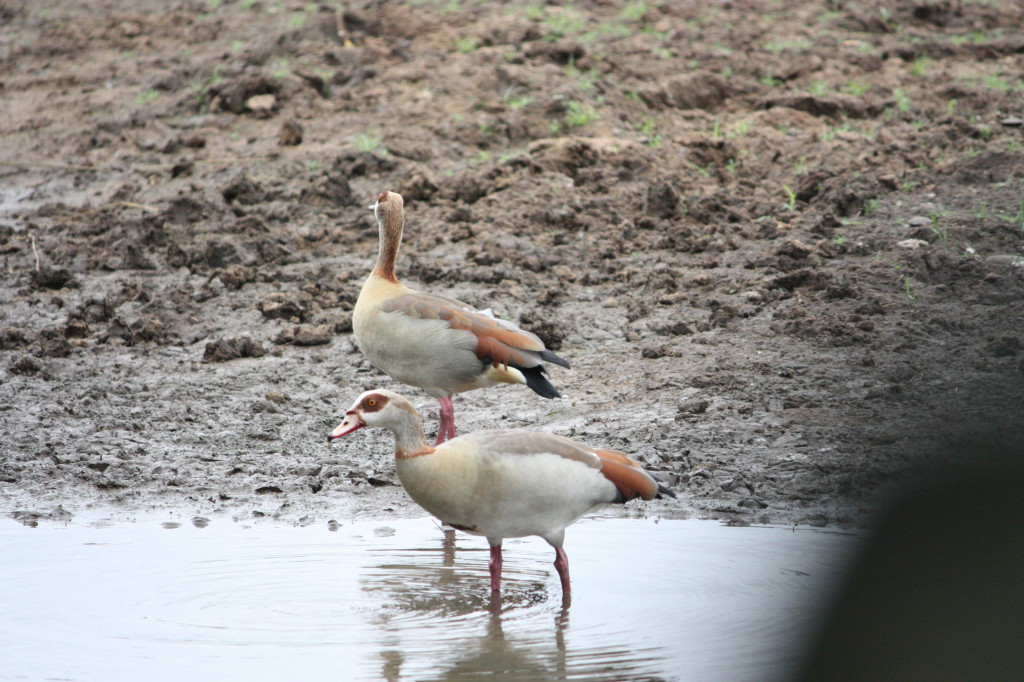
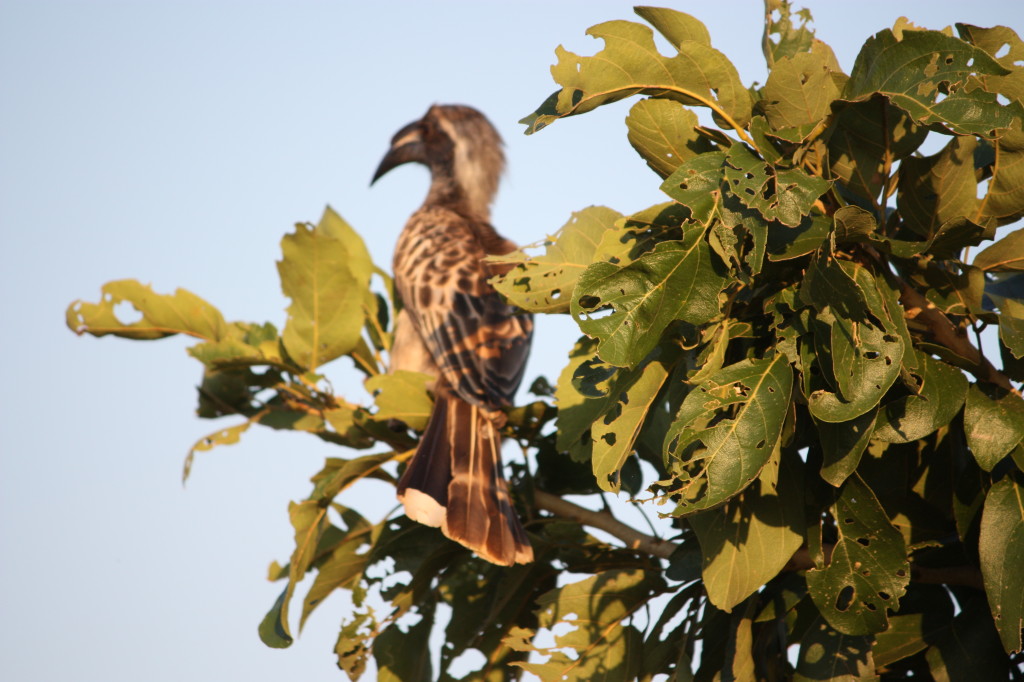
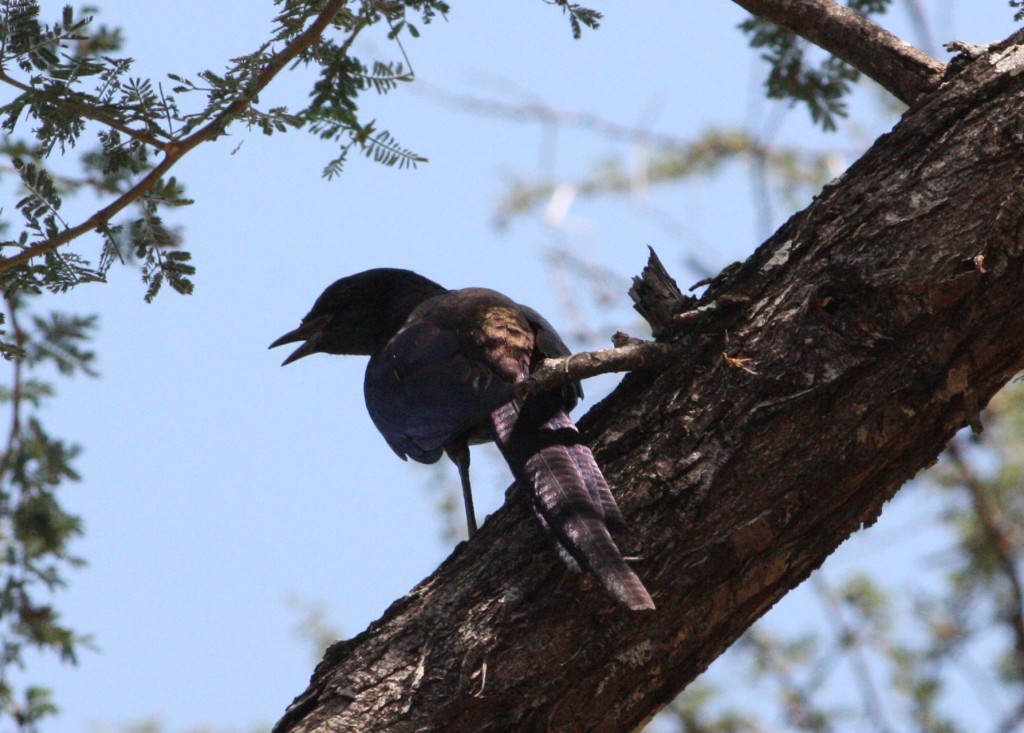
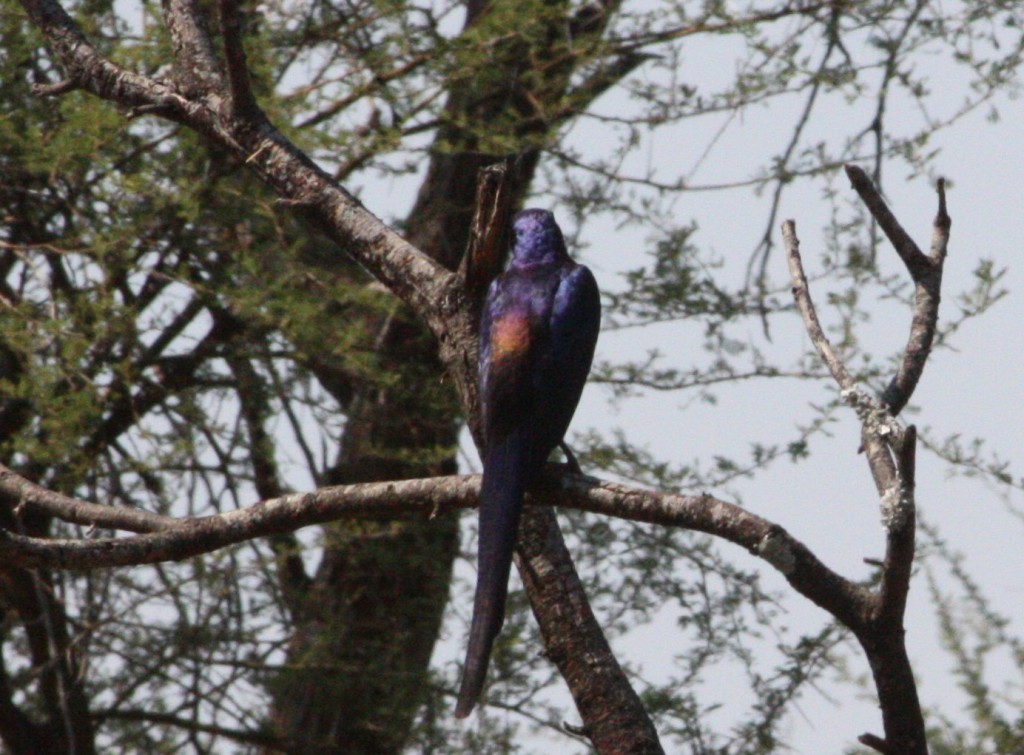
We did this drive twice during our trip, once with the ranger guides from Punda Maria and once on our own the following day.  Although I am primarily a birder, there are plenty of animals in this area so traditional safari goers won’t be disappointed.  You can see photos of our night drive on the Punda Maria post.  Below, these photos are of birds we saw during our afternoon drive.  We had been hoping for Brown-headed Parrots which are regularly seen here but couldn’t find them.

The Mahonie Loop is listed as one of Siyabona’s Top Ten Birding Drives in Kruger National Park.

Here’s a few photos from our trip in April 2009.

IMG_1175

Mousebirds froom Kruger Park

Mousebirds froom Kruger Park

IMG_1211 IMG_1195 IMG_1379 IMG_1381 IMG_1386 IMG_1387 IMG_1388 IMG_1392 IMG_1401 IMG_1402 IMG_1403 IMG_1405 IMG_1411 IMG_1413 IMG_1423 IMG_1424 IMG_1429 IMG_1436 IMG_1442 IMG_1464 IMG_1443 IMG_1444 IMG_1449

Pafuri – A Kruger Birding Hotspot


Pafuri is situated on the Luvuvu River at the northern tip of the Kruger Park. It is an exciting birding spot with a high concentration and variety of birds. Birding Big Day teams have recorded 24-hour lists of over 260 species for the area. The prime habitat is riverine forest, and this is backed up by the sandy river bed itself, patches of acacia woodland, cliffs, and all surrounded by dry mopane and baobab woodland. The nearest camp is Punda Maria, although there is a very attractive picnic site on the river. Birding is best if you leave Punda Maria when the gates open, and drive straight down to Pafuri (about 60 km).  There’s more information here about specific birds in this area.

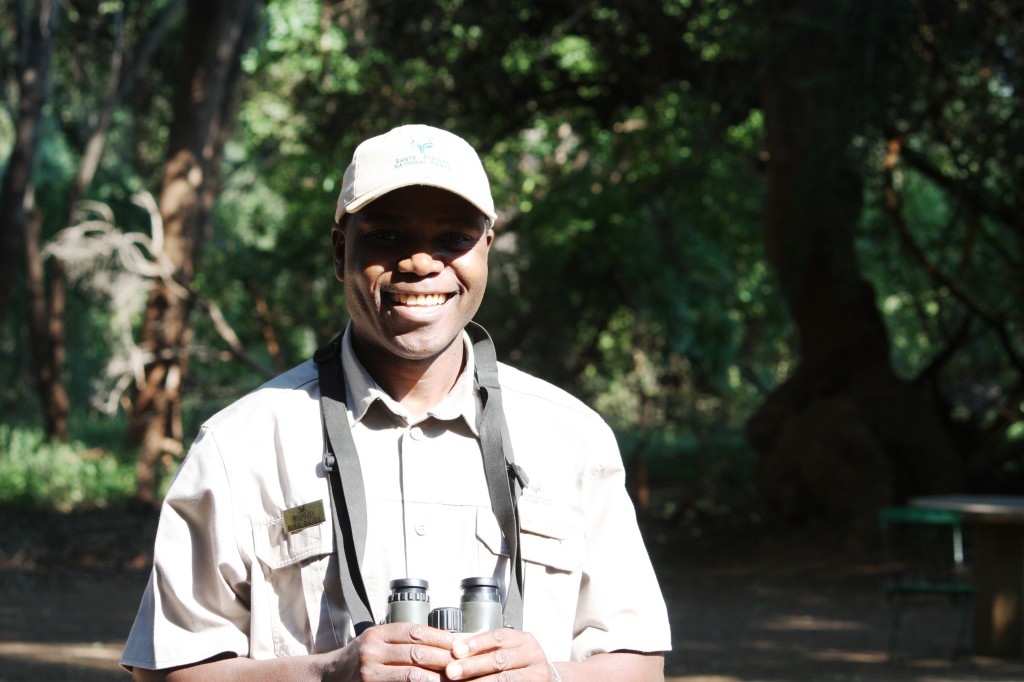
IMG_1284There is an amazing ranger based at Pafuri named Frank.  He knows all the local birds and is happy to help you identify what you see there or point you in the right direction if you are seeking any particular species.

IMG_1300In my case, I was seeking Brown-headed parrots.  They are frequently seen in this area and Frank did his best to help me find some but no luck.  At one point he thought he heard some across the river but they refused to come any closer.

IMG_1299 IMG_1317 IMG_1303 IMG_1301 IMG_1265 IMG_1258

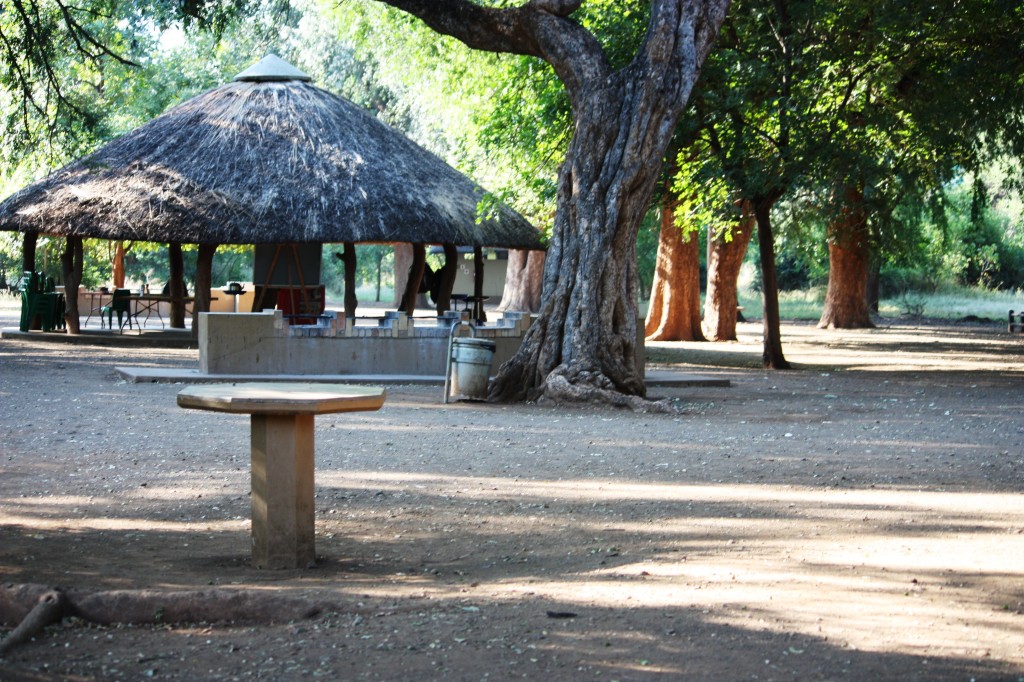
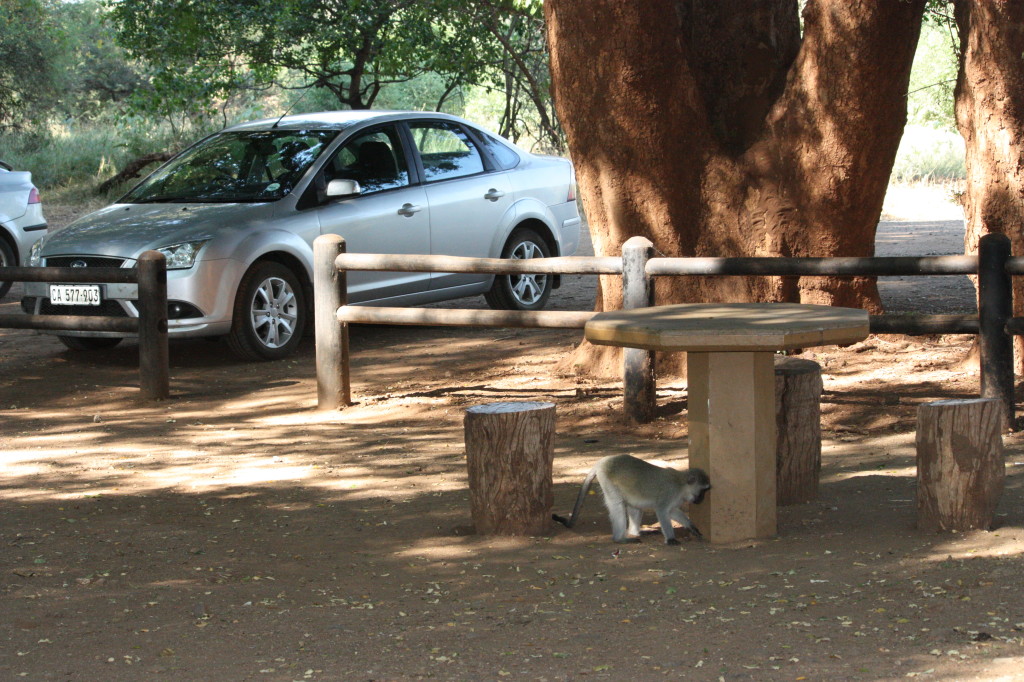
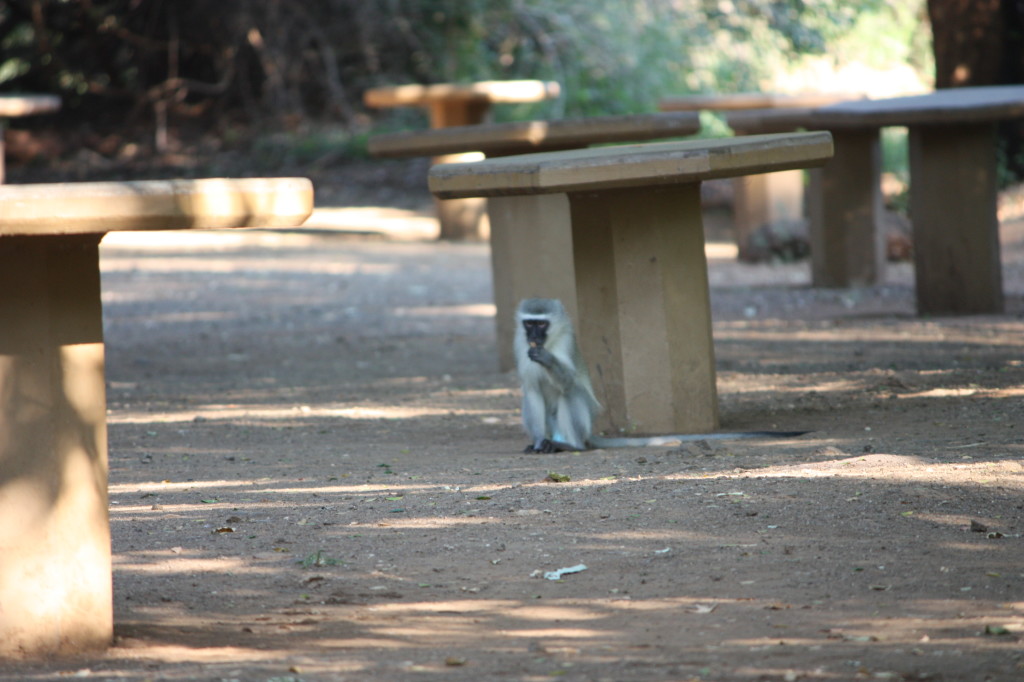
The picnic area is really nice and if you got up early to leave Punda Maria for the drive here, it’s a great place for breakfast.  But beware of theiving monkeys!

IMG_1283 IMG_1285 IMG_1288 IMG_1290 IMG_1305

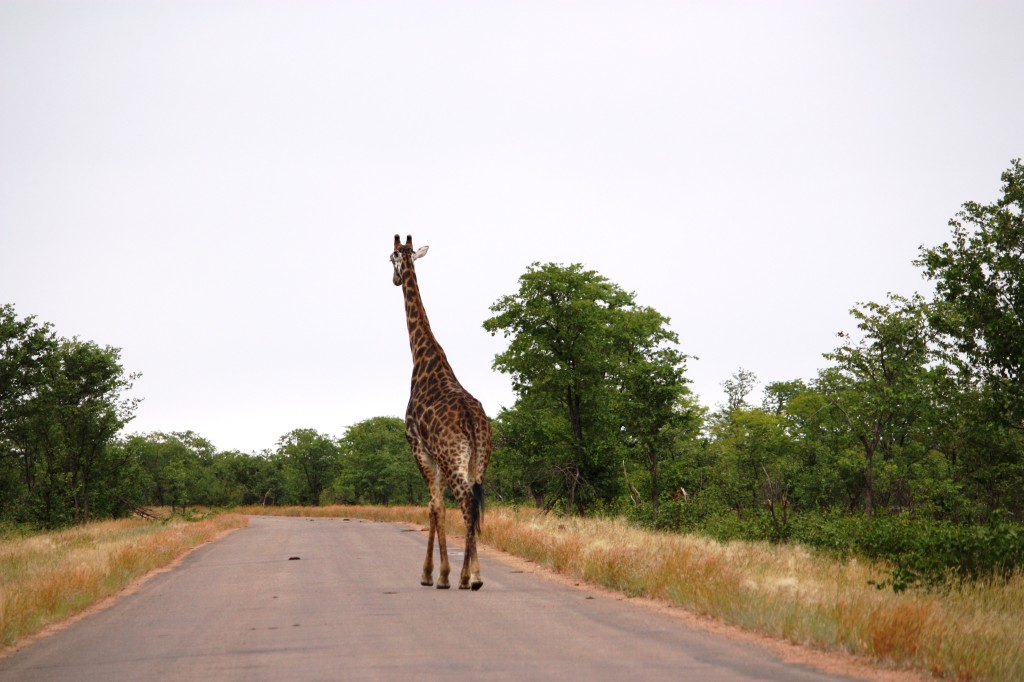
The drive to and from Pafuri can be very birdy and you may get lucky with some animal sightings too.

IMG_1353 IMG_1349 IMG_1348 IMG_1344 IMG_1341 IMG_1340 IMG_1338 IMG_1334 IMG_1333 IMG_1331 IMG_1330 IMG_1329 IMG_1324 IMG_1321 IMG_1312 IMG_1265 IMG_1258

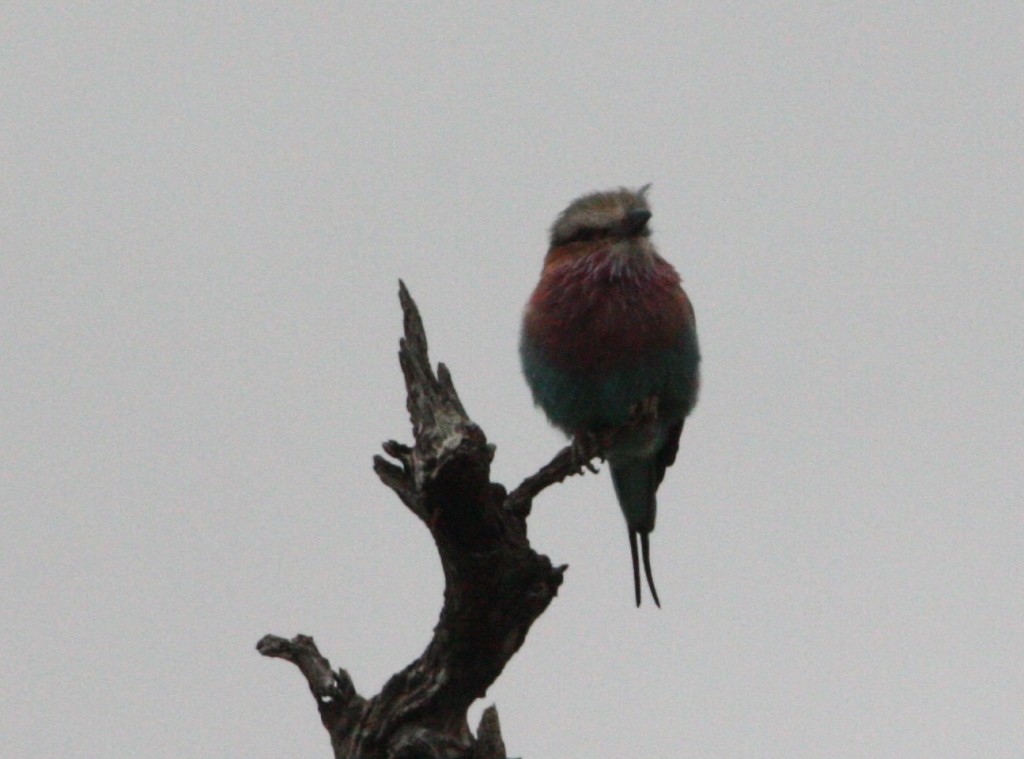
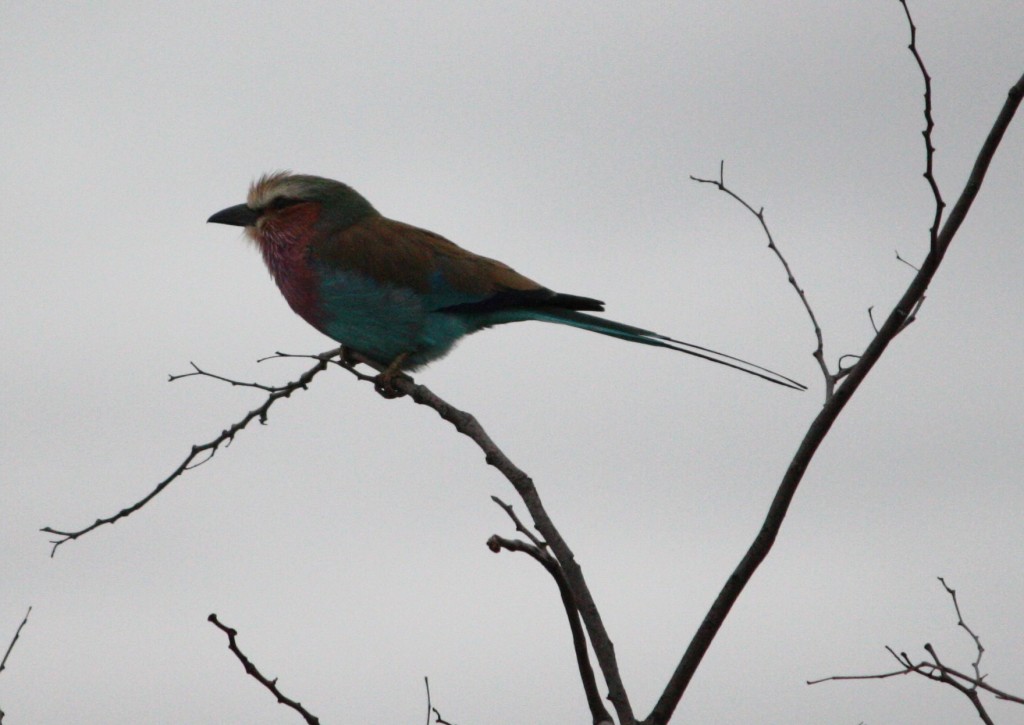
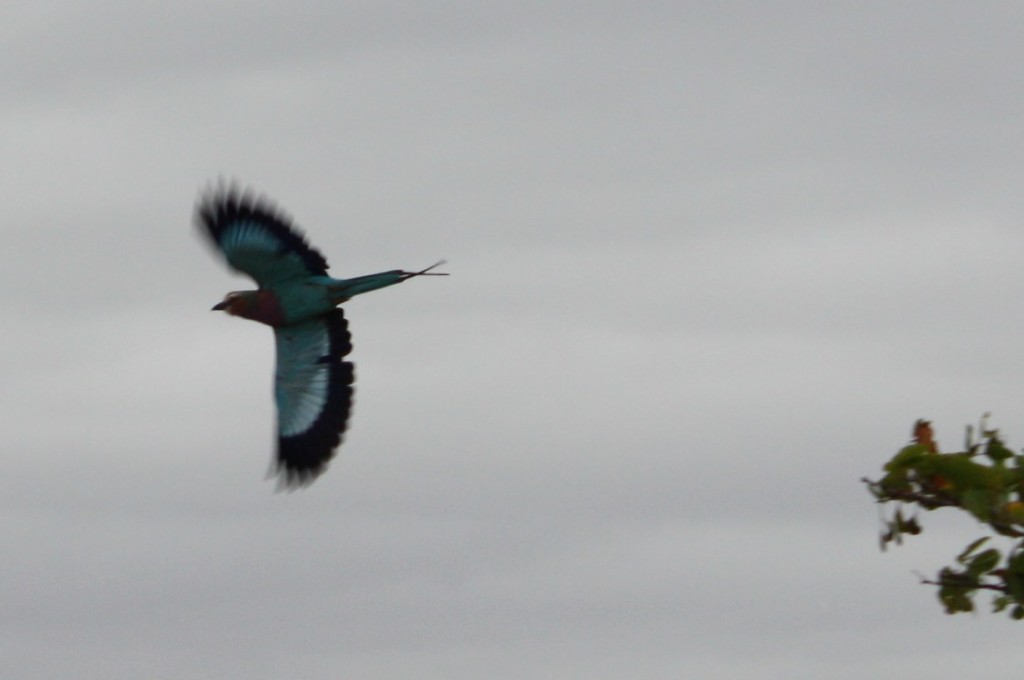
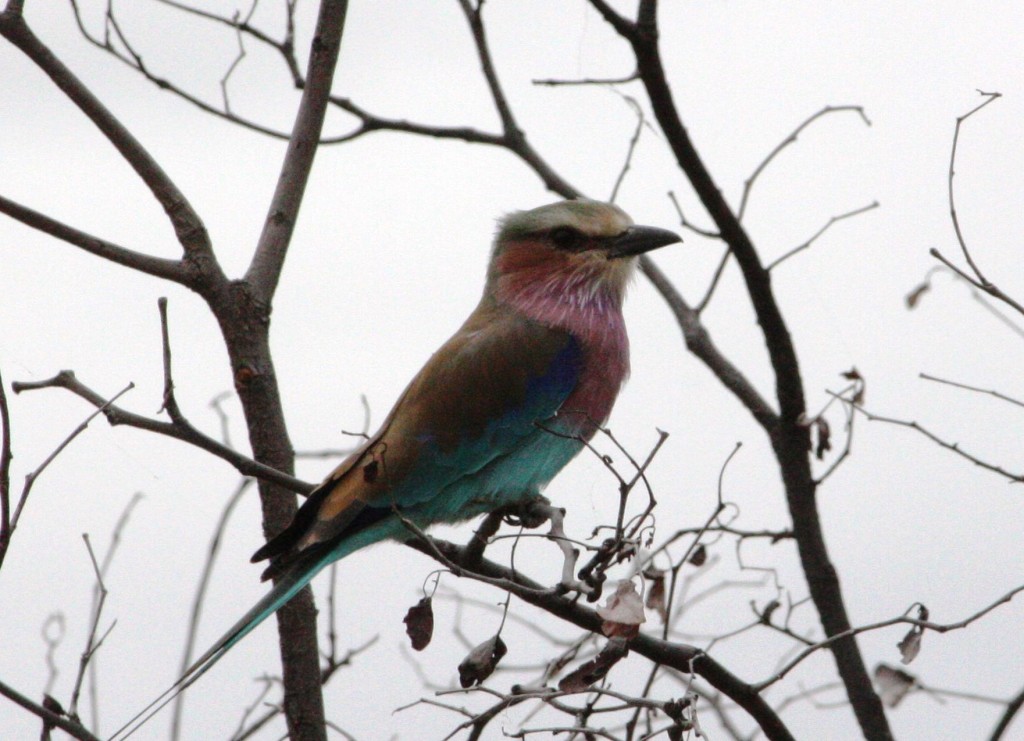
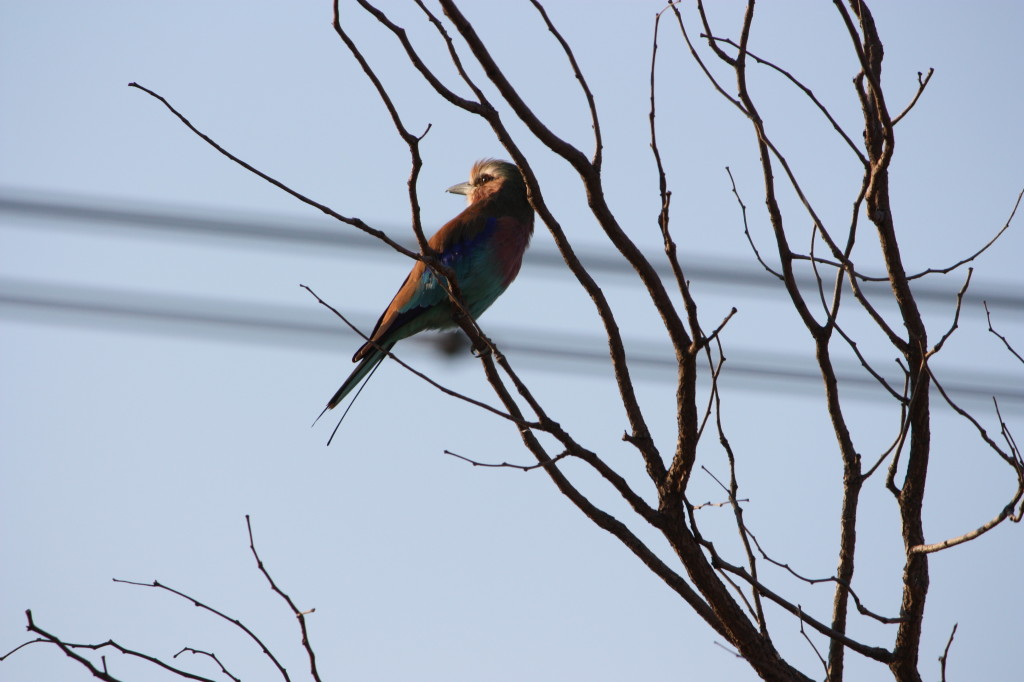
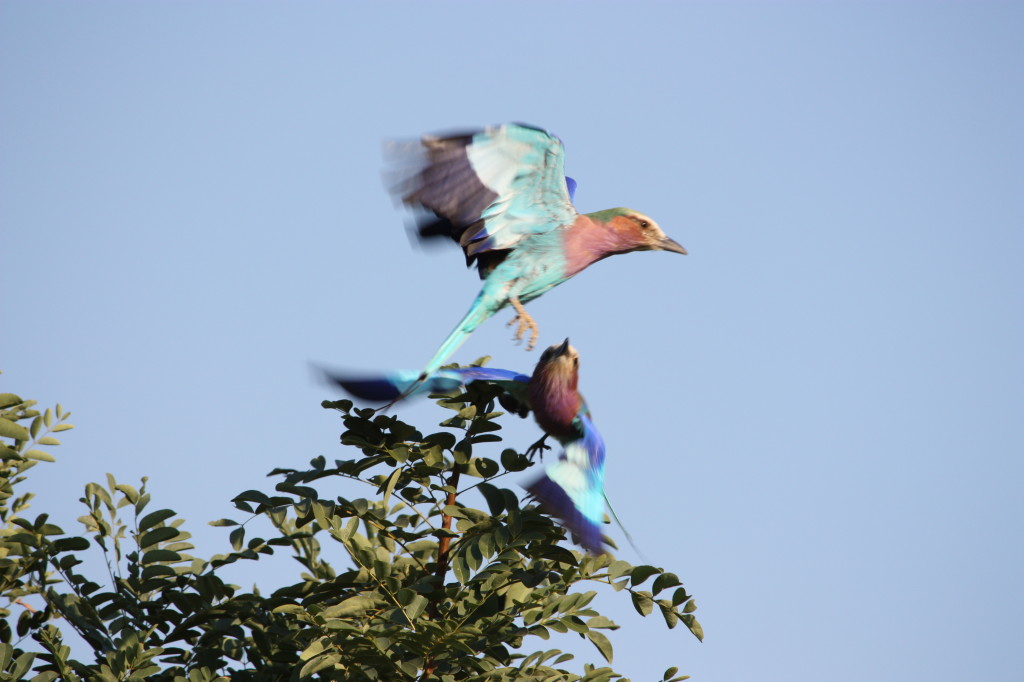
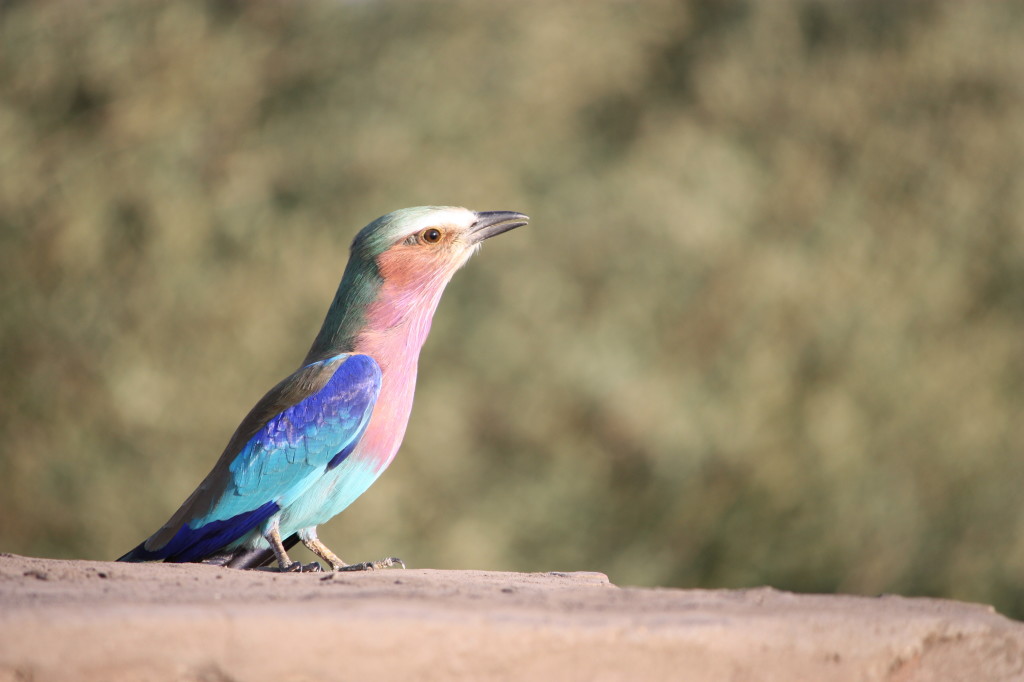
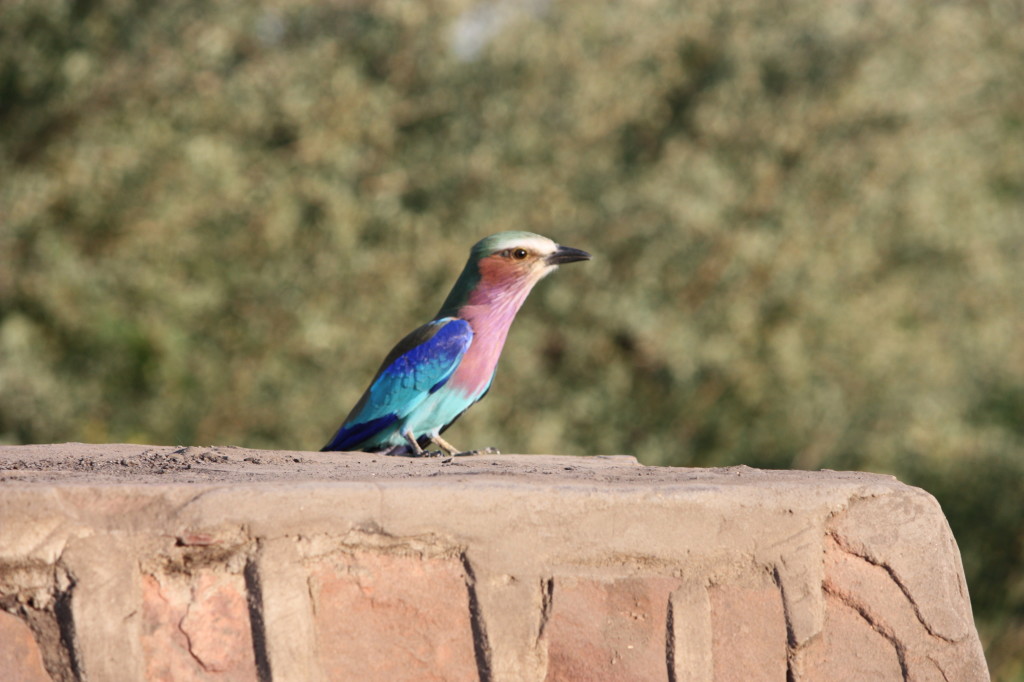
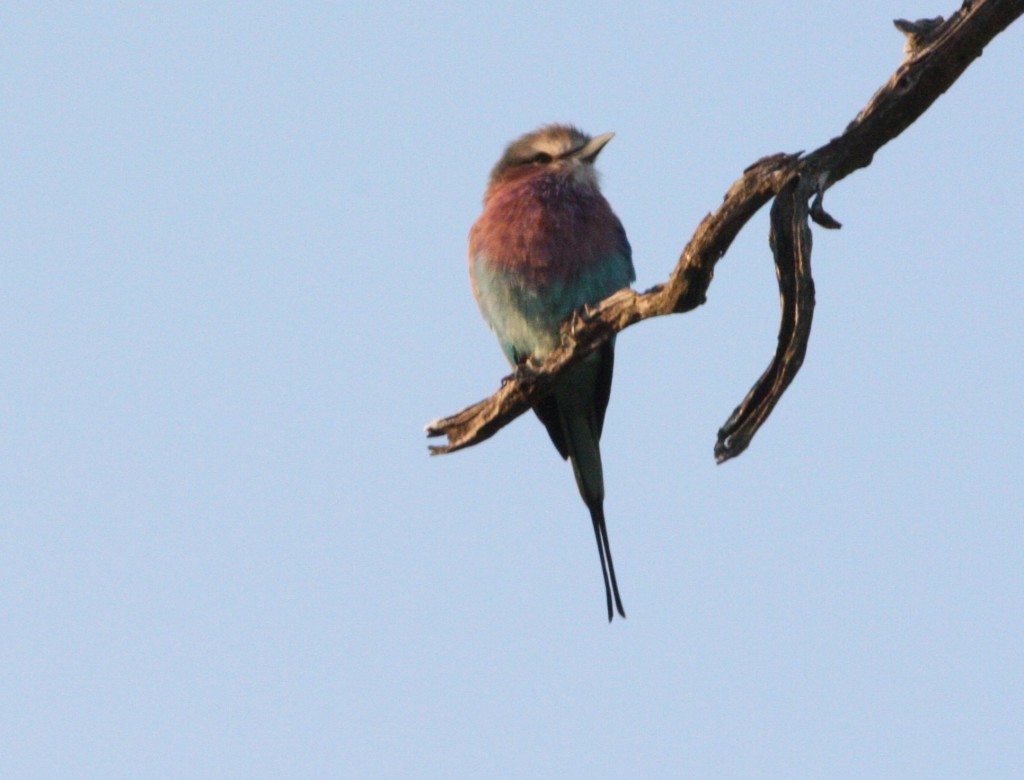
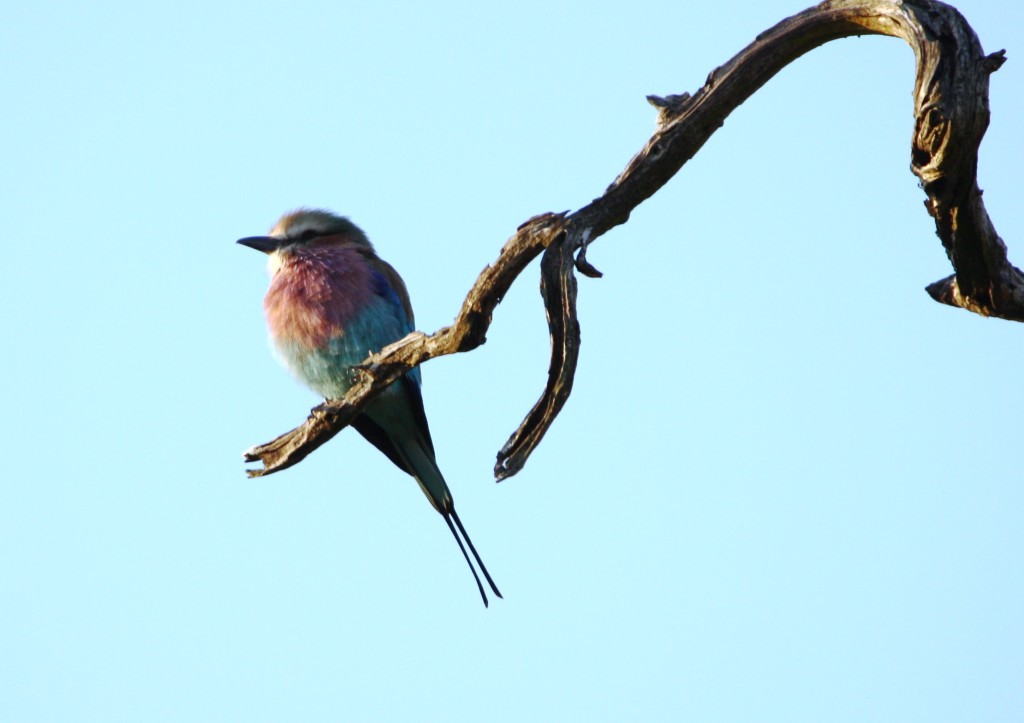
Lilac-breasted Rollers are some of my favourite birds and are easily seen in Kruger.

IMG_1275 IMG_1274 IMG_1272 IMG_1256 IMG_1253

Brief Overview Of Kruger National Park

It’s unthinkable to come all the way to South Africa and not visit Kruger National Park.  It is one of the largest game reserves in Africa. It covers an area of 19,633 square kilometres (7,580 sq mi) in the provinces of Limpopo and Mpumalanga in northeastern South Africa, and extends 360 kilometres (220 mi) from north to south and 65 kilometres (40 mi) from east to west.  You can easily drive yourself there in a rental car from Johannesburg or you can join an organized safari.  With such a huge area and wide variety of habitats to choose from you may be wondering how you can chose at all?

OVERVIEW

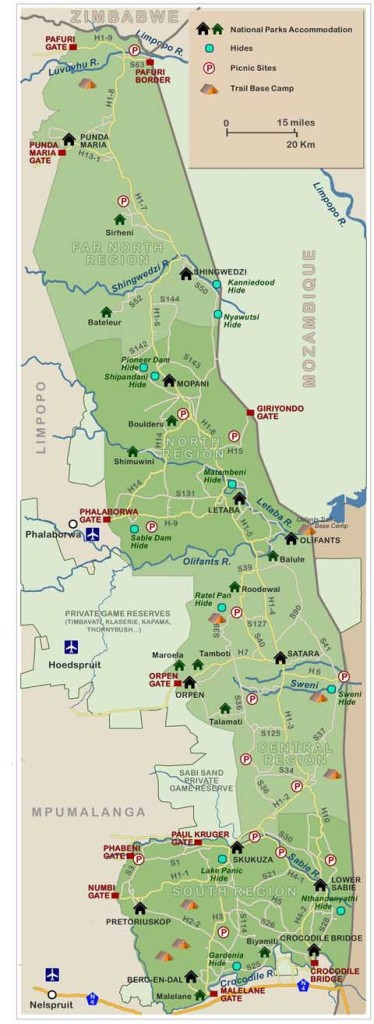
First you need to decide on which part of the park you want to see.  It’s way too big to try to cover it all in one visit so best to figure out which species you want to see, research the best possible places to see them, then decide if you want a private safari camp or one of SAN-Parks rest camps.  Here is a map to show where they are located.
map-kruger-national-park-smallAll the Big Five game animals are found at Kruger National Park, which has more species of large mammals than any other African Game Reserve (at 147 species).  Out of the 517 species of birds found at Kruger, 253 are residents, 117 non-breeding migrants, and 147 nomads.   You won’t be able to see everything so choose a few species an concentrate on finding them and just enjoy everything else that comes along.  There are numerous blogs and forums about African safaris so I am not going to try to compete with them but rather write from a birder’s perspective.  Siyabona Africa has a great introduction to birding in Kruger NP.
BIRD LISTS FOR KRUGER NATIONAL PARK

Kruger NP Bird Guide

SANParks Bird List

Avibase


HOW I DECIDE ON MY TARGET SPECIES

Parrots are my all-time favourite types of birds so I tend to seek them out first and choose my safari location accordingly.  There are 2 species of parrots found in Kruger – Brown-headed Parrot (Poicephalus cryptoxanthus) and a sub-species of Cape Parrot (Poicephalus fuscicollis).  There is an easier place to find Cape Parrots, the Woodbush Forest in Magoebaskloof so I base myself at the northernmost SANPark rest camp-Punda Maria.  The best place to see Brown-headed Parrots is near Pafuri which  is best accessed from Punda Maria Camp.  I will be doing a full review in the next post.

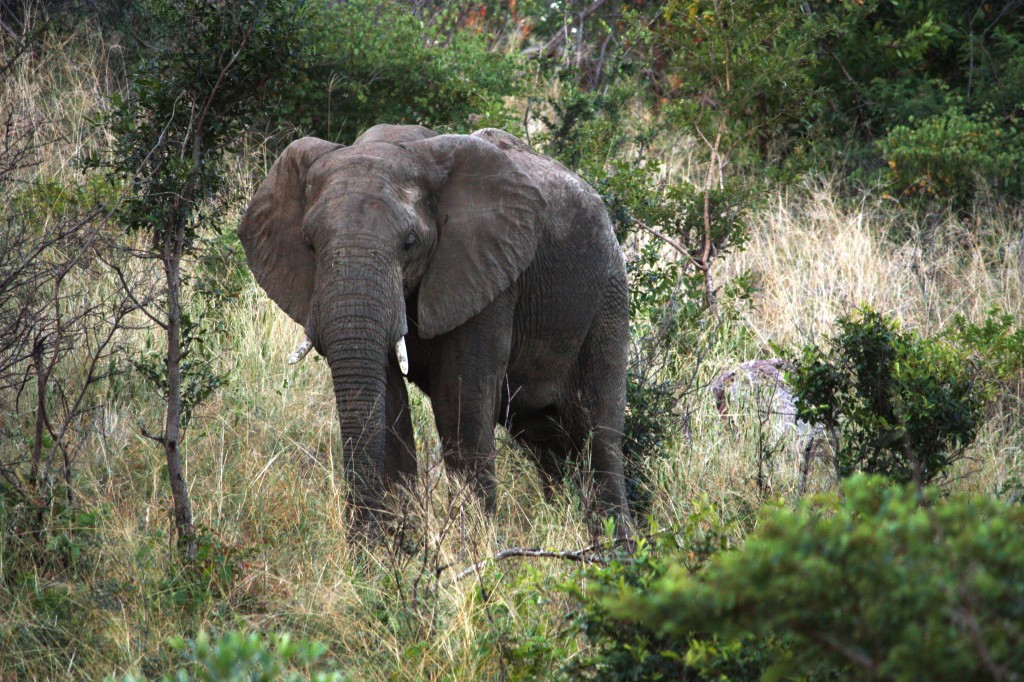
You won’t miss out on the Big 5 by targeting a bird species.  We saw lions and elephants even on a short visit to nothern Kruger.  You can also visit several rest camps and target different species.


Johannesburg – Gateway To South Africa

Johannesburg’s (abbreviated to Jo’burg) reputation precedes it.  Luckily for eco-tourists, there is no need to linger unless you have business there or plan to visit friends in the area.  It’s a good idea to plan your flight so you arrive in the morning, can pick up a rental car and drive straight to the game park of your choice.  The southern part of Kruger National Park is about a 4 hour drive.  But sometimes you will have to spend a night there because your flight arrives too late and you shouldn’t drive around there at night for safety reasons.

GETTING THERE

Jo’burg is the main international gateway to South Africa and has a good variety of airlines.  More details can be found in my Getting to South Africa post.

AIRPORT HOTELS

If you arrive at night or have an early flight out, I recommend you stay at one of the airport hotels, preferably one with an airport shuttle.  The only option on hotel points is the INTERCONTINENTAL JOHANNESBURG O.R.TAMBO AIRPORT HOTEL for 30,000 IHG Rewards points.  It’s literally a walk across the street and normally goes for $300-400 so it’s a great use of points or Chase Visa annual voucher.  Trip Advisor reviews

Other hotels that you will have to pay cash (OK, credit card) for include the following.  I will link to their reviews on Trip Advisor but you should try to book them on PointsHound to earn frequent flyer miles for them.  For just an overnight stay, you want a hotel with their own airport shuttle (pref free) and onsite catering so you don’t have to venture out at night.

The Aviator Hotel OR Tambo

Protea Hotel O.R. Tambo Airport

Southern Sun O.R Tambo International Hotel

Garden Court O.R. Tambo International Airport Hotel

Sunrock Guesthouse

City Lodge Johannesburg Airport – Barbara Road

WHAT TO DO AND SEE IN JOHANNESBURG

If you do find yourself staying a few days here there are some interesting places to visit.

Apartheid Museum

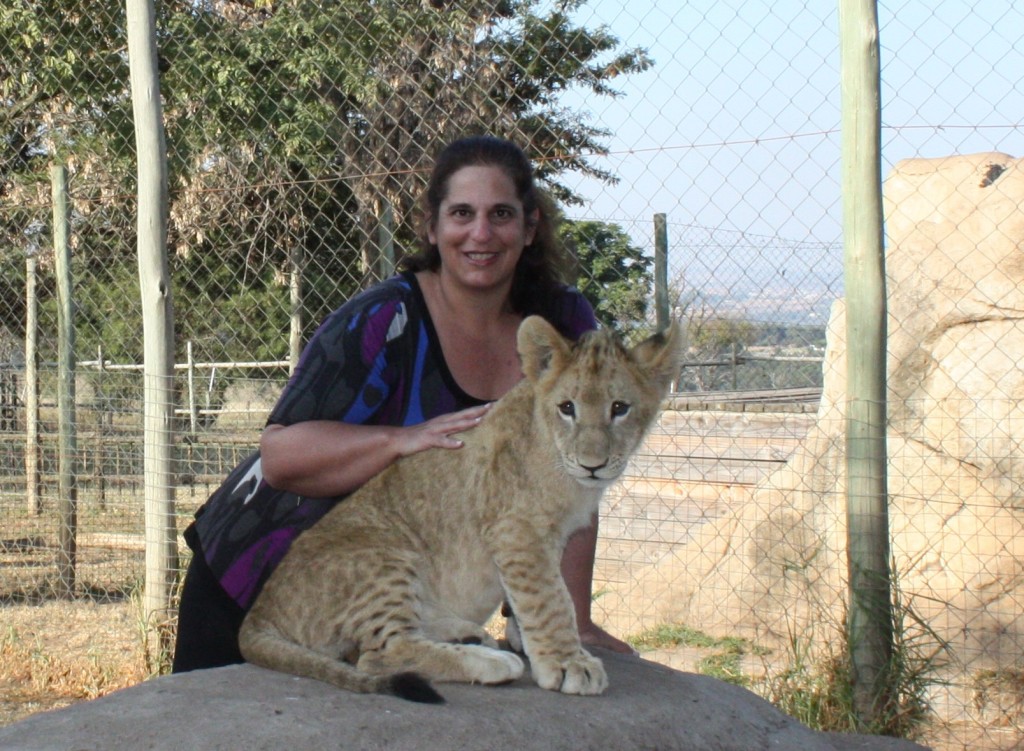
Lion Park

IMG_1642

Gold Reef City

Guided Tour of Soweto (never try this without an official tour)

Lesedi Cultural Village (great fun, we did it in 2009)

IMG_1123 IMG_1135 IMG_1147 IMG_1151


Eyre Bird Observatory, Western Australia

WHERE IS IT?

The Eyre Bird Observatory is a loooong way from anywhere!  First you have to get to Perth which can be done with frequent flyer miles.  You could also take a domestic flight to Esperance, then hire a 4WD.  The drive can be half the fun if you are after a full-on Aussie Outback experience.  It’s about 643km or 7 hours from Esperance across the Nullarbor.

The red dot is the approximate location of the Eyre Bird Observatory

You can actually get as far as Cocklebiddy on the Eyre Highway with a normal car but then you would have to get the caretakers to pick you up and leave your car in Cocklebiddy which would be risky with a rental car.

.

BACKGROUND INFORMATION

The Eyre Bird Observatory lies within the Nuytsland Nature Reserve and was established as Australia’s first bird observatory by Birds Australia (formerly the RAOU) in 1977.


The observatory is a lovely old stone building within walking distance of the beach. It was built in 1897, near the site where explorer Edward John Eyre found water during his overland journey Adelaide to Albany in 1841, to serve as the Eyre Telegraph Station. The station was deserted in 1930 and remained so until its restoration in 1977.


The building incorporates a fine natural history library and a small museum, which provides some history of the Eyre Telegraph Station and the telegraph line between South Australia and Western Australia. It also contains information and displays on the coastal environments, including past activities such as whaling.

STAYING THERE

Information and bookings by Birdlife Australia.

The Observatory accommodates up to eight overnight guests. Because of our limited facilities, to avoid disappointment, advance bookings for overnight stays and meals are essential.


Overnight Guests


Accommodation in the historic Old Telegraph Building is basic with shared bathroom and toilet facilities. There are three bedrooms, one with a double bed and bunks, one with a double bed and two singles, and one with two singles and bunks.


Acacia room sleeps 4Guests should note:


  • Bookings are essential. Please contact the caretakers
  • Up to a total eight guests can stay on any one night
  • You will need to bring your own bed linen—Sleeping bag, sheets, pillowslip, towel—to reduce water used for laundry purposes
  • Three meals per day are included in the cost of the booking


Bunk room sleeps 4Prices for Accommodation


All prices include GST (Effective January 2012)
Adults      $90  per person
Children (4-14 years)     $45  per person
Courses (6 nights)  $560  per person


10% discount for Seniors Card, YHA and BirdLife Australia members


Payments


Payments can be made by credit card (Visa/MasterCard) or cheque made out to Eyre Bird Observatory.


Eyre Bird Observatory is a not-for-profit facility, with the fees directed to cover our running cost. Fees for courses cover transport within the nature reserve for course outings, tuition by experienced leaders, accommodation in shared rooms, and hearty meals!

Eyre Bird Observatory
PMB 32, Cocklebiddy via Norseman WA 6443

T 08 9039 3450
F 08 9039 3440
E eyre@birdlife.org.au

WHAT BIRDS CAN YOU SEE?

Major Mitchell Cockatoos

Check Eremaea for the latest bird list.  If you’re a parrot lover, you can usually find Major Mitchell Cockatoos, Purple Crowned Lorikeets and Port Lincoln Parrots.

MORE INFORMATION

Birdlife Australia

Nullarbor.net

DEC

This video gives an idea of what it’s like to visit this remote Australian outback region.


Adopt A Little Penguin At Phillip Island And AAT Kings Will Pay Half

This is a very clever way to get “normal” tourists in a more eco-tourism frame of mind.  I got this email yesterday.  Visiting the penguins at Philip Island is a very popular day trip for anyone visiting Melbourne, Australia so it’s nice that this tour operator – AAT Kings is helping to conserve them!

Adopt a Little Penguin
at Phillip Island and AAT Kings will pay half of the adoption fee*
AAT Kings, along with our sustainable tourism partner The TreadRight Foundation are proud to work with Phillip Island Nature Parks to aid the protection and preservation of Victoria’s coastal wildlife. With a grant of $95,000 over two years, AAT Kings will contribute to continued research and management of Australia’s most famous colony of Little Penguins.

When you book an AAT Kings Phillip Island Day Tour, you too can contribute to the Penguin Foundation’s work in research and conservation by adopting a Little Penguin.

 Read more about TreadRight,
our sustainable tourism partner.
$75 Adopt a Penguin Package

Pay only $37.50* AAT Kings Pays half

Includes

Bullet point Penguin Foundation membership
Bullet point Plush penguin toy
Bullet point Penguin Foundation adoption certificate
Bullet point Amazing Penguin fact sheet
Bullet point Personalised thank you card and photo
Bullet point Penguin Foundation’s e-newsletter
Bullet point Complimentary Penguin Parade ticket
Bullet point An exclusive invitation to the
Penguin Foundation Members’ Open Day
Phillip Island

Full Day Phillip Island Tour
+ Adoption Package
Adult $176.50
Child $107.50
Tour code: K10A
*Conditions apply. Read More

Perth – Gateway To Western Australia

It’s no wonder that Australia is high on the wish list of eco-tourists, especially those who wish to see lots of parrot species and many other birds too.  And don’t forget Australia’s amazing mammals such as kangaroos, koalas and wallabies (not the rugby playing ones)!  Australia is a huge country and you won’t be able to see it all in one go if you have the usual 2-4 weeks annual leave so you need to break it up into separate trips.  In this series, we will be looking at Western Australia and some of it’s best eco-tourism hotspots.  Perth is a great place to start your birding/eco-travel adventure and if you have miles and points you can save a bundle!

GETTING TO PERTH

Perth is the only international airport serving Western Australia.  There are several options for using your miles to get from your home country to Australia.  Perth specifically is served by:

STAR ALLIANCE

Air New Zealand – Auckland

Singapore Airlines – Singapore

South African – Johannesburg

Thai Airways – Bangkok

ONE WORLD

Qantas (home carrier) – Singapore,

Jetstar (Qantas affiliate) – Jakarta, Denpasar

Cathay Pacific – Hong Kong

Malaysian – Kuala Lumpur, Kota Kinabalu

Qatar Airways (future One World) – Doha

SKYTEAM

China Southern – Guangzhou

Garuda (future Skyteam) – Jakarta, Denpasar

NON-ALLIANCE AIRLINES

Virgin Australia – Phuket

Emirates – Dubai

Air Mauritius – Mauritius

DOMESTIC ROUTES

The only two airlines you are likely to be able to redeem miles on are Qantas and Virgin Australia.  Here are their route maps with their domestic connections.

QANTAS

Qantas routes to Perth

VIRGIN AUSTRALIA

Virgin Australia routes to Perth

WHERE TO STAY ON POINTS

Parmelia Hilton – 60,000 and up, varies by season and room

Hyatt Regency Perth – 12,000

Four Points by Sheraton (SPG) – 12,000

Holiday Inn Perth City Centre (IHG) – 35,000

Crowne Plaza Perth (IHG) – 40,000

Comfort Hotel Perth City (Choice) – 30,000

Comfort Hotel Wentworth Plaza (Choice) – 20,000

BEST OPTIONS IF YOU ARE PAYING CASH

Accor Hotels – Quite a few but unless you use these properties a lot you would be better off using Pointshound to book these or any other independent hotel of your choice.  All else being equal, I would choose a hotel based on location and proximity to public transportation.