Some Avian Delights Of Amazonia

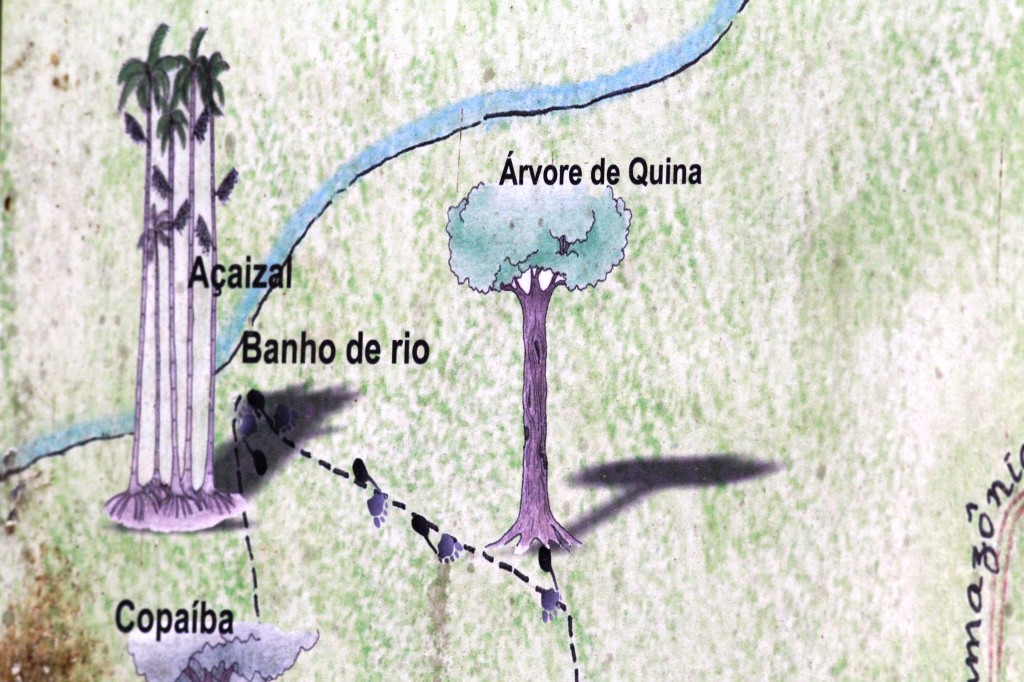
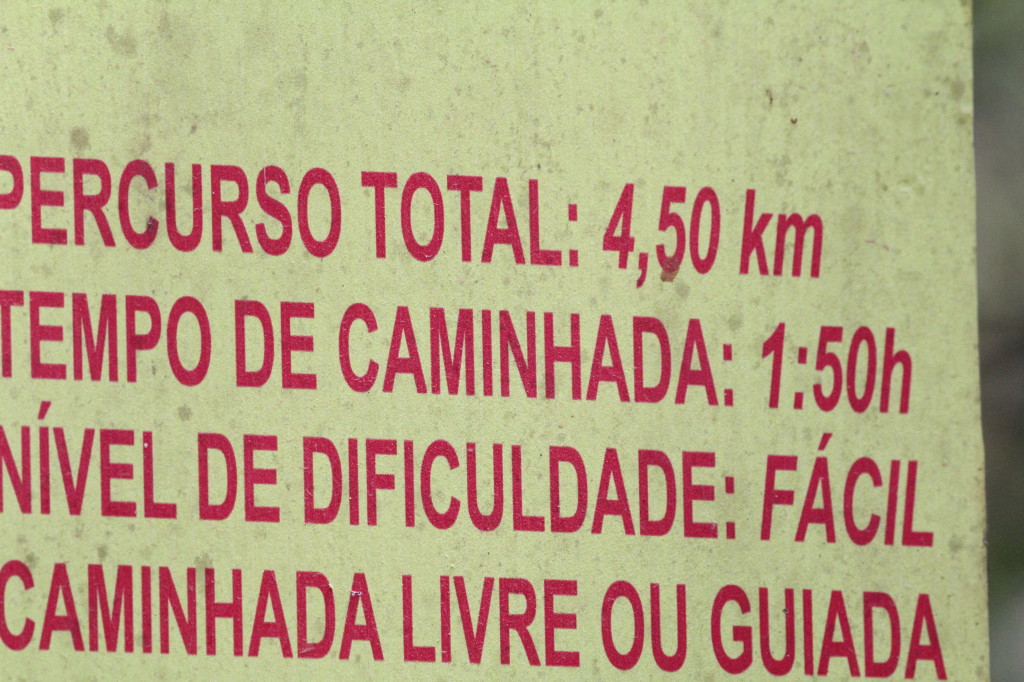
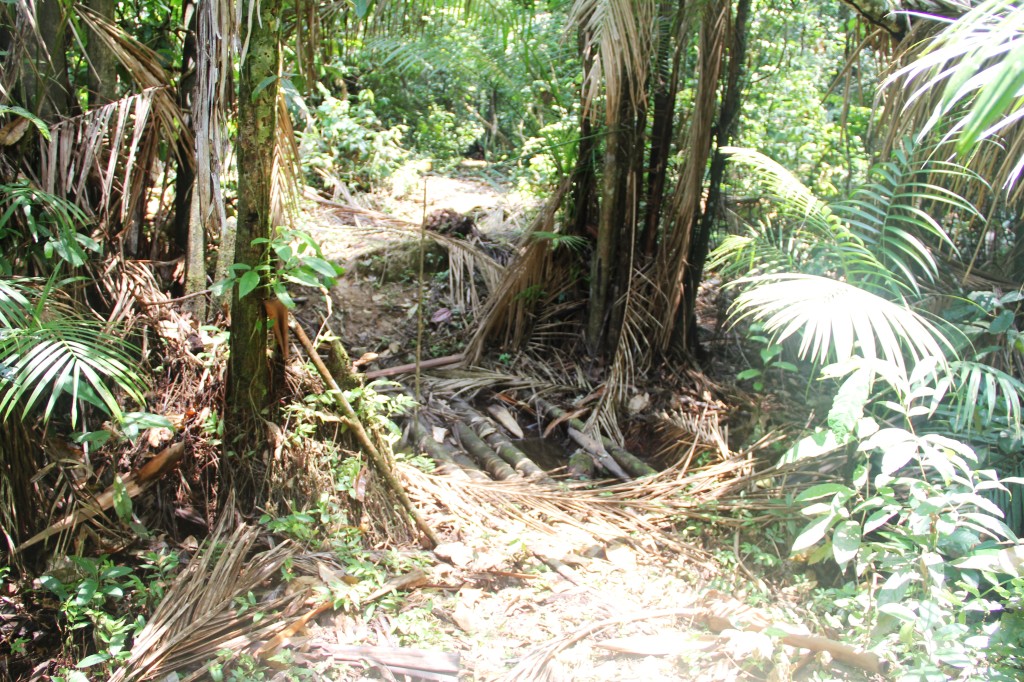
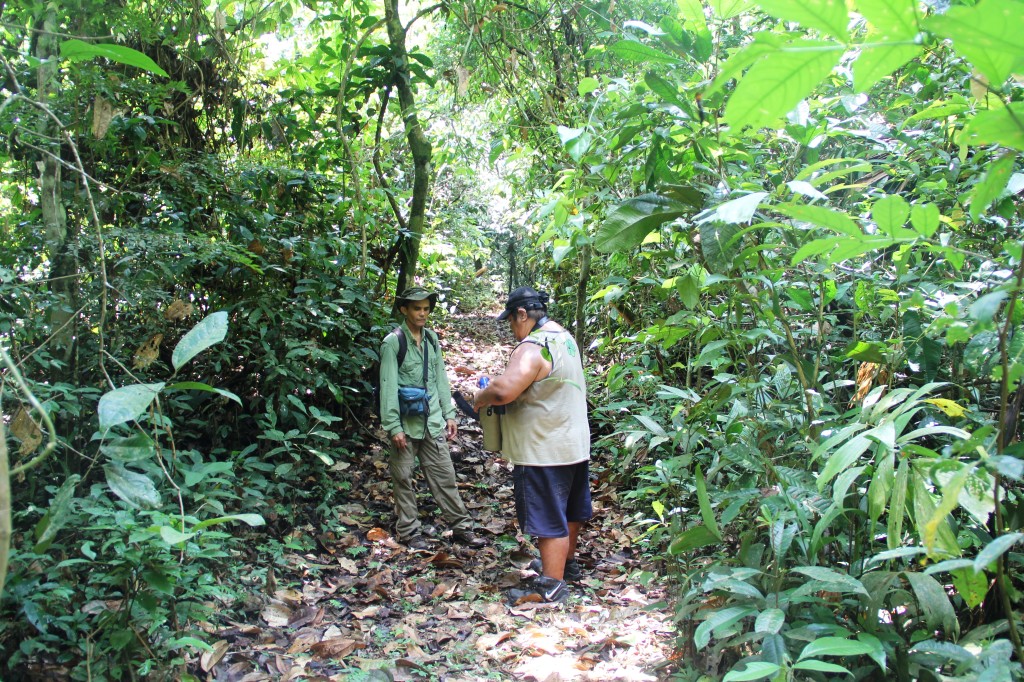
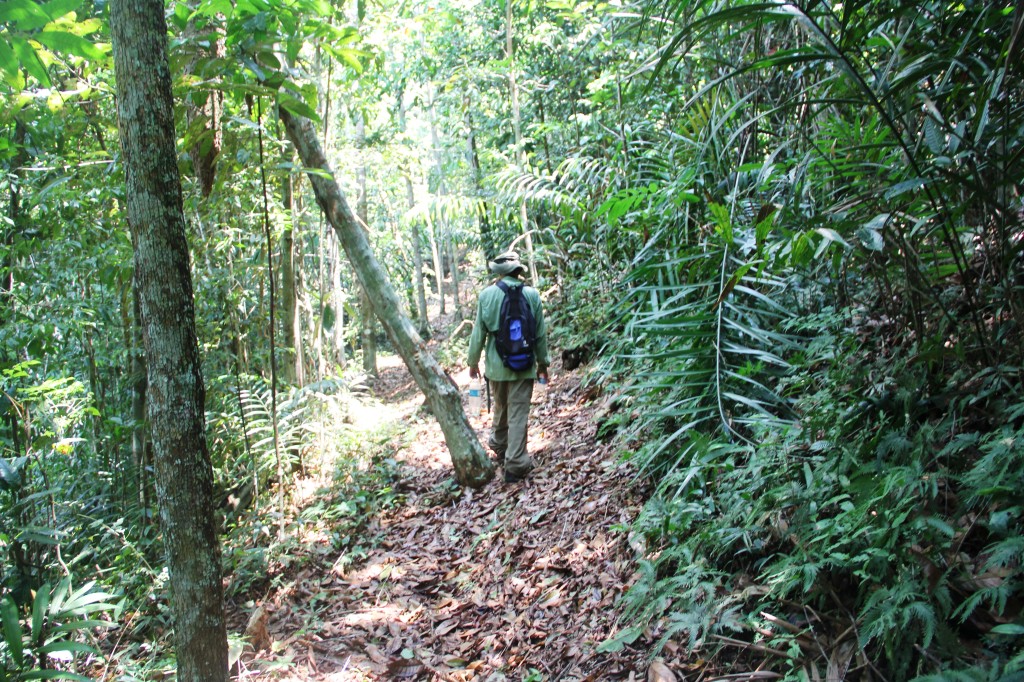
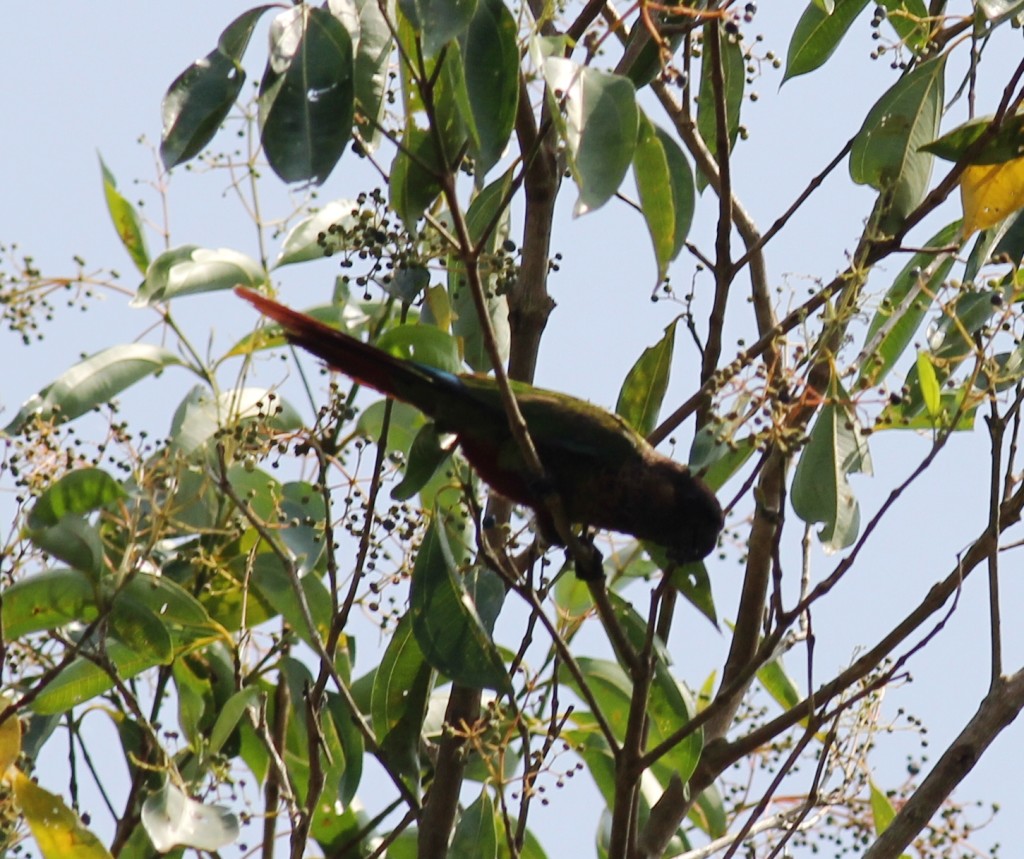
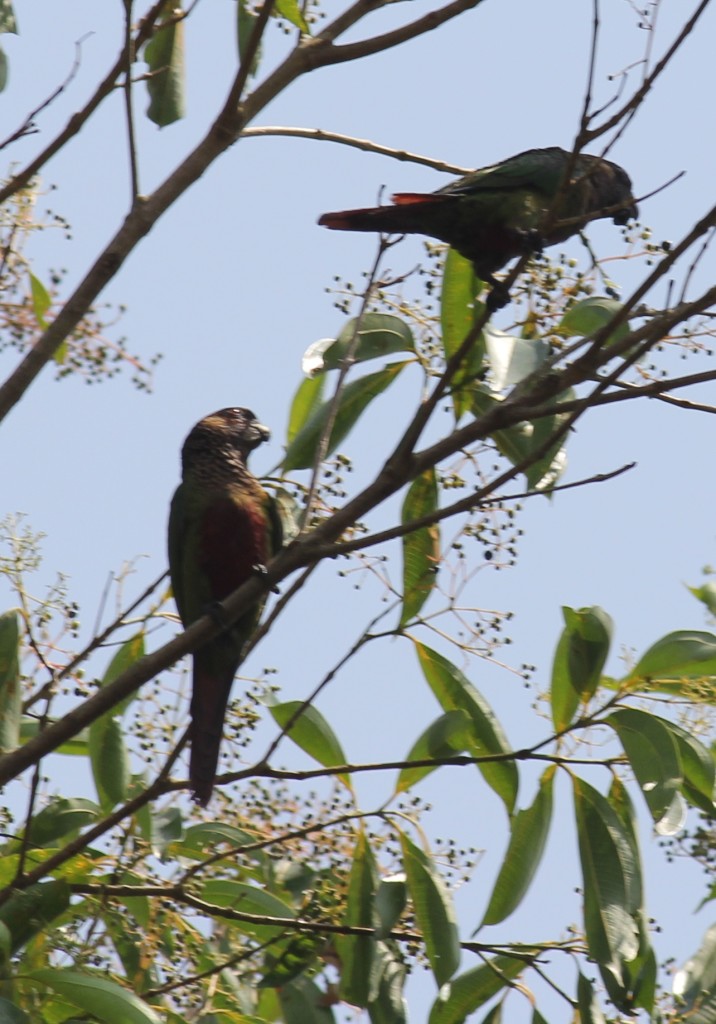
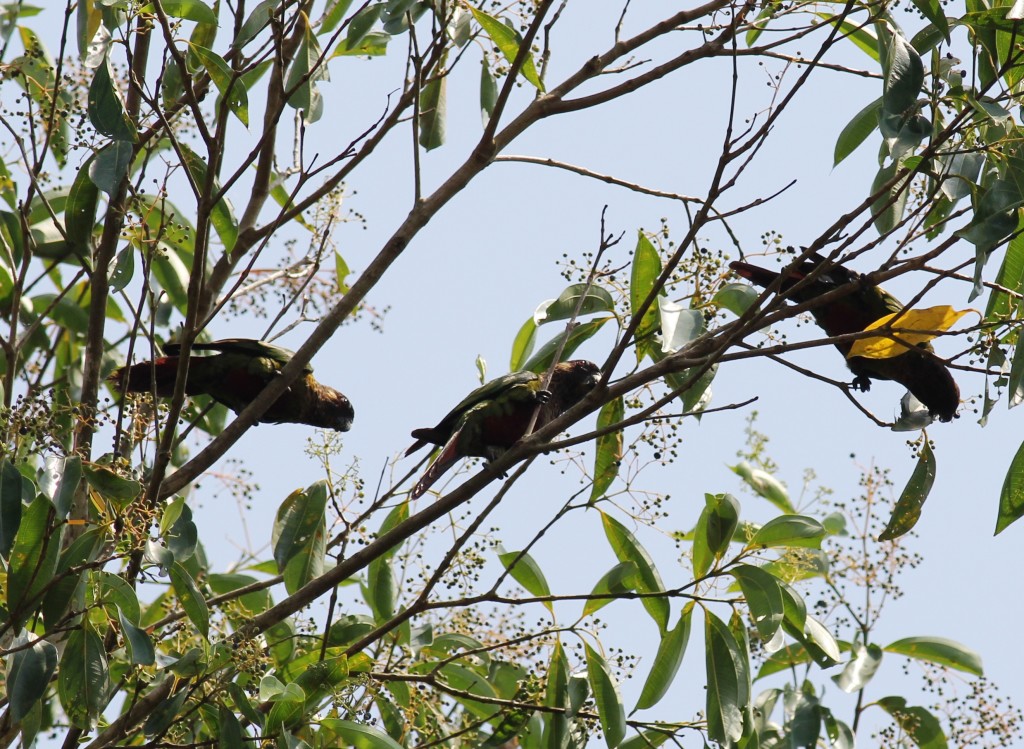
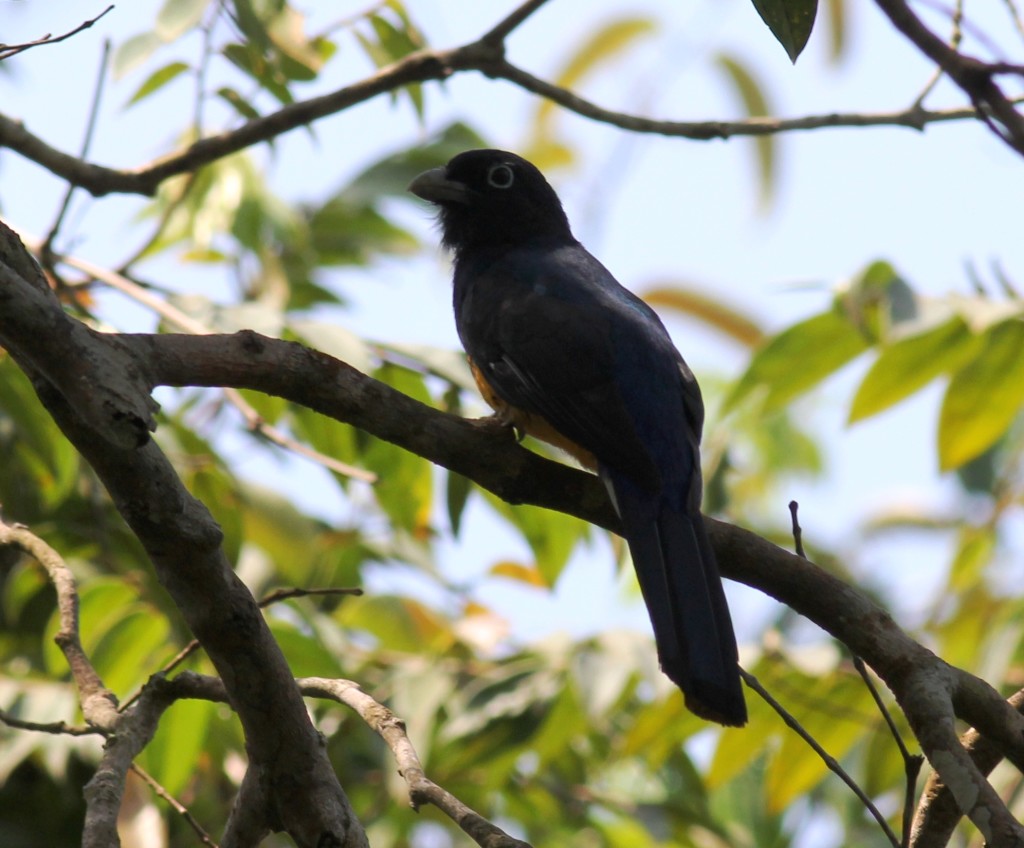
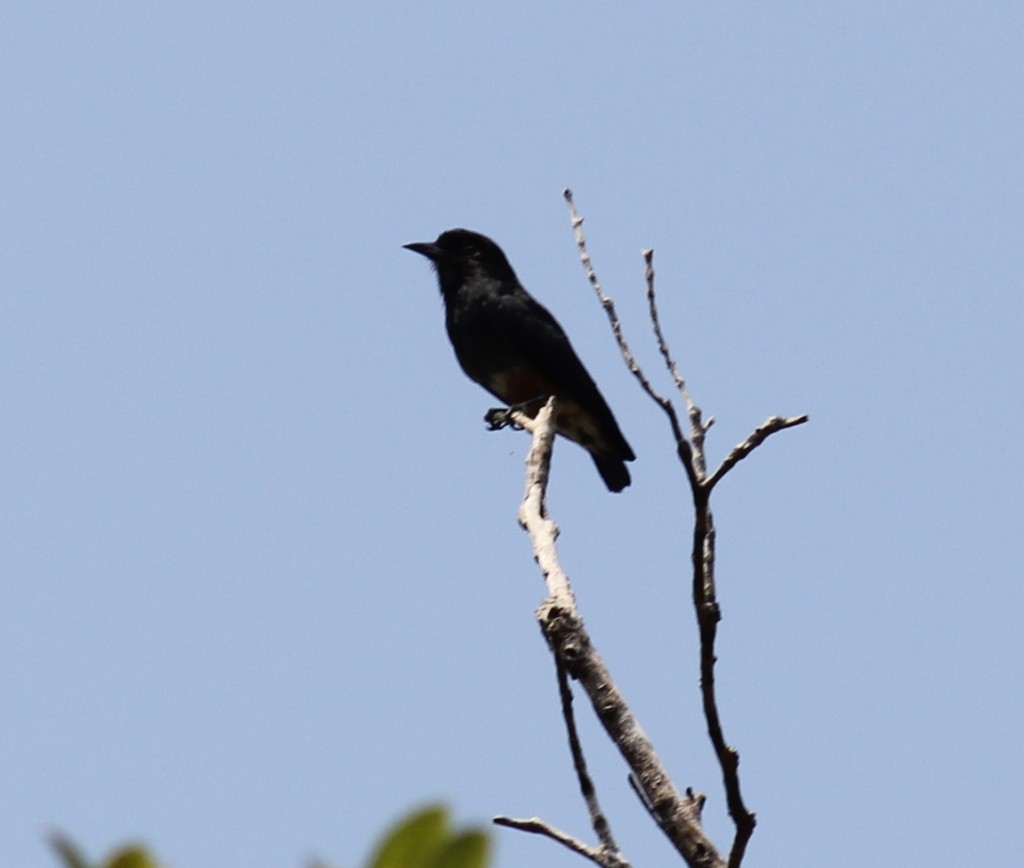
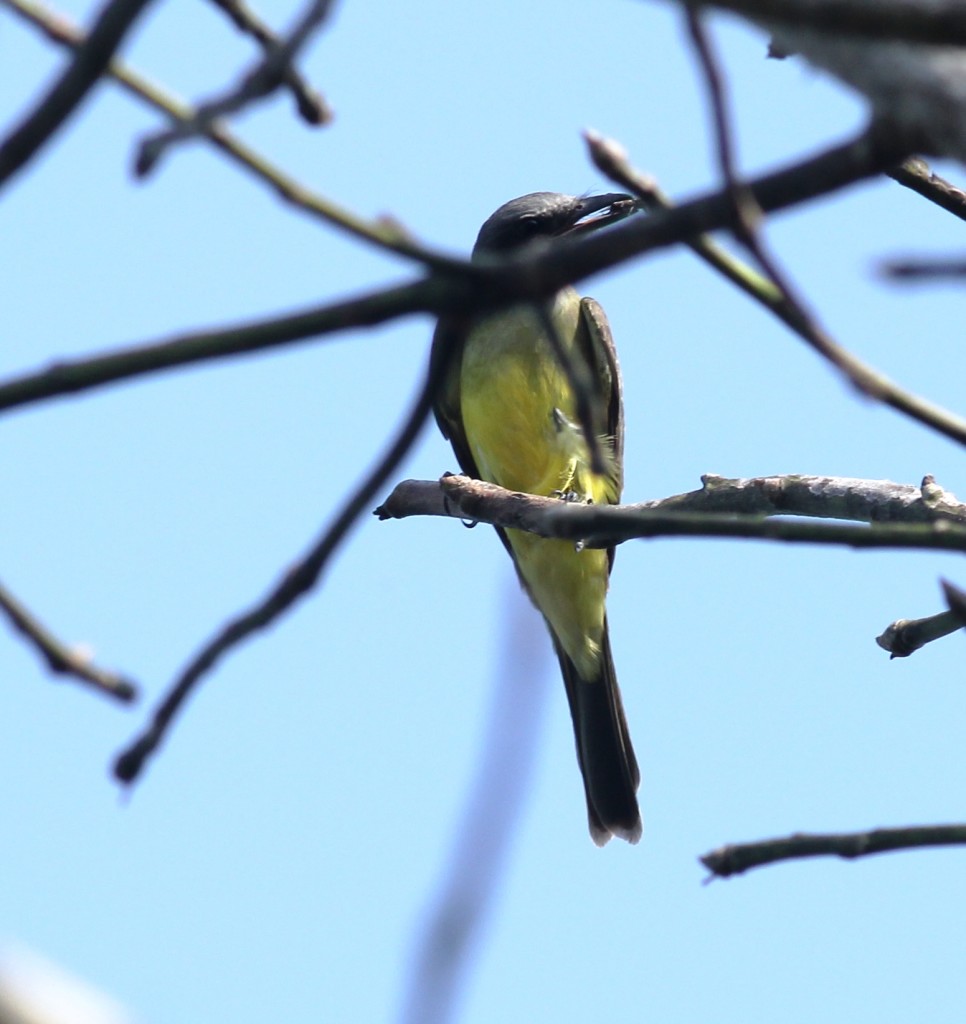
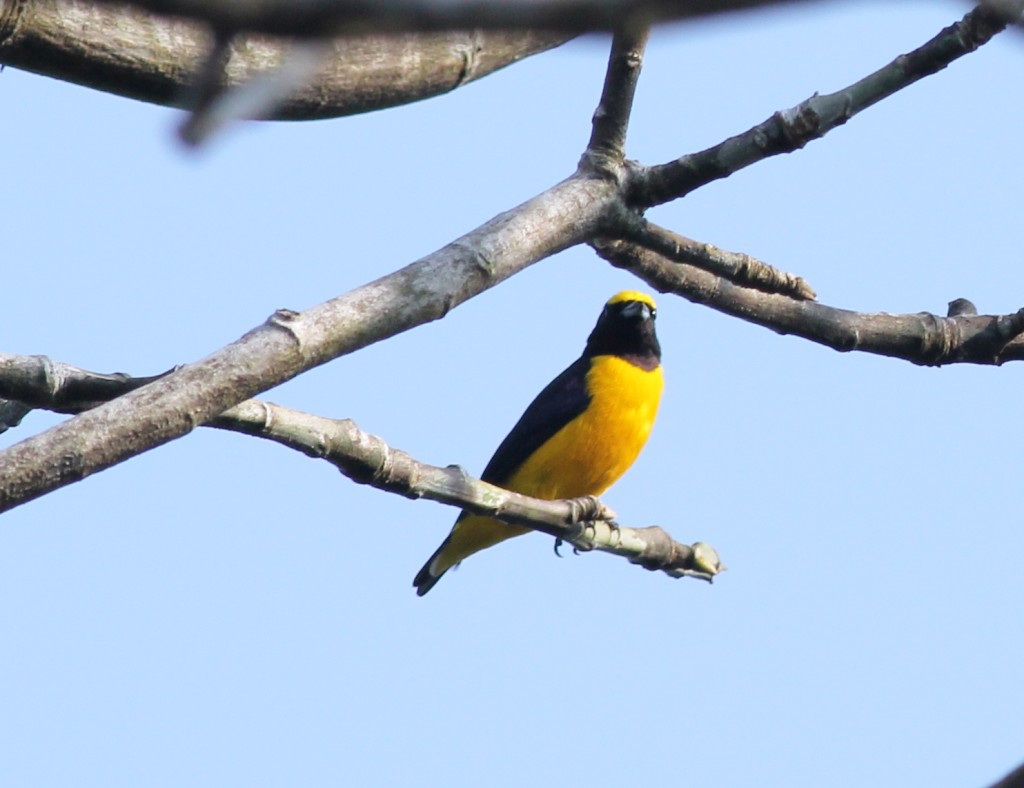
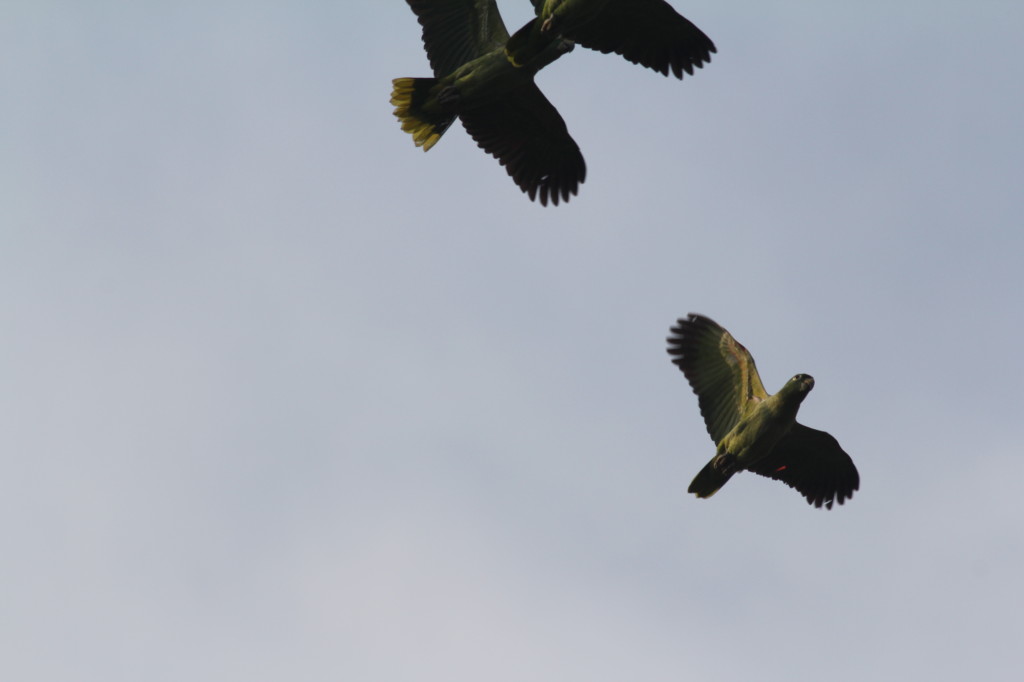
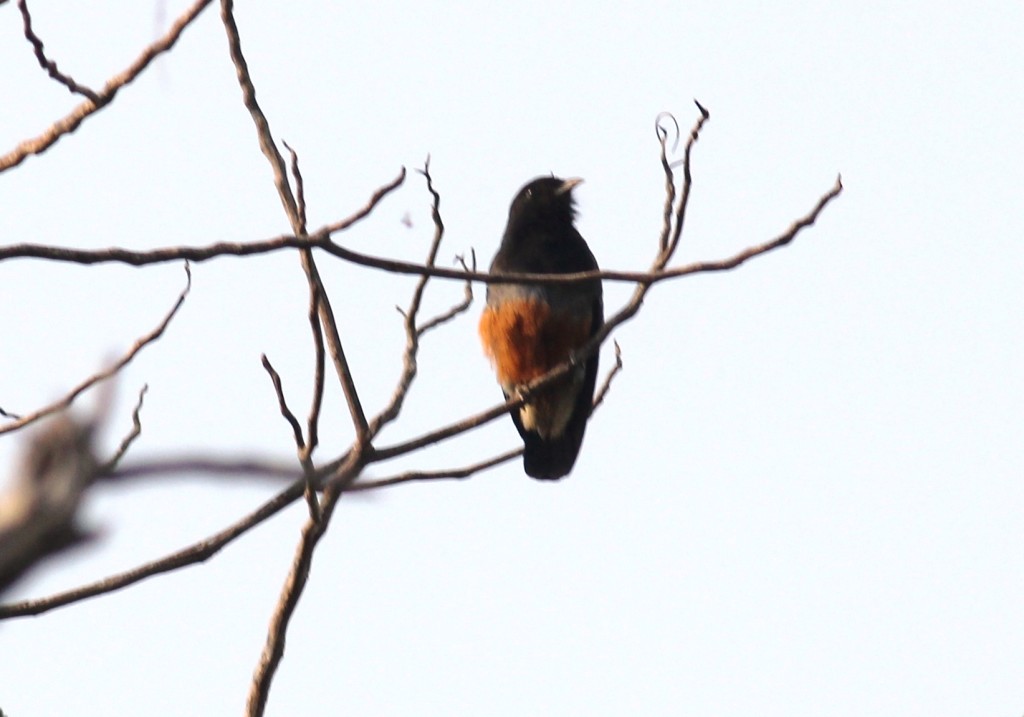
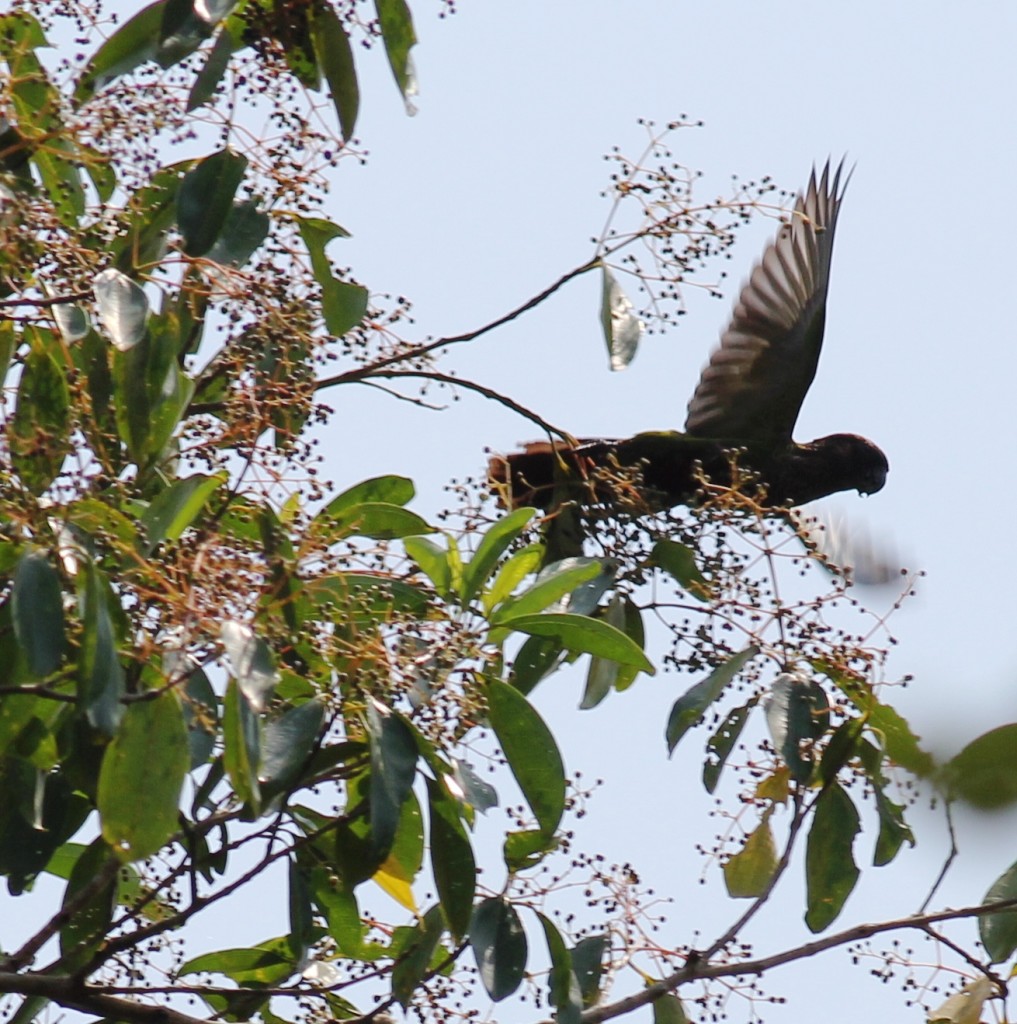
To finish off my series about Amazonia National Park, I’d like to show you some of the beautiful birds you can see there.  Since we didn’t have a car, we could only bird in the immediate vicinity of Urua.  Gilberto took us on the Acaizal Trail which is a challenging 4.5 km hike up and down slippery slopes.  The main target bird here is the Vulturine Parrot (Pyrilia vulturina), but we didn’t have any luck.  This species seems to be quite a challenge as other birders have had trouble too.  You can check out this trip report starting from 1 August for another perspective.  But sometimes there is success as you can see from Bradley Davis’ (Birding Mato Grosso) trip report from a few years ago!  He did quite well with the Acaizal Trail!  Maybe you will too!
M14 M15 M16 M17 M18 M19 M20 M22

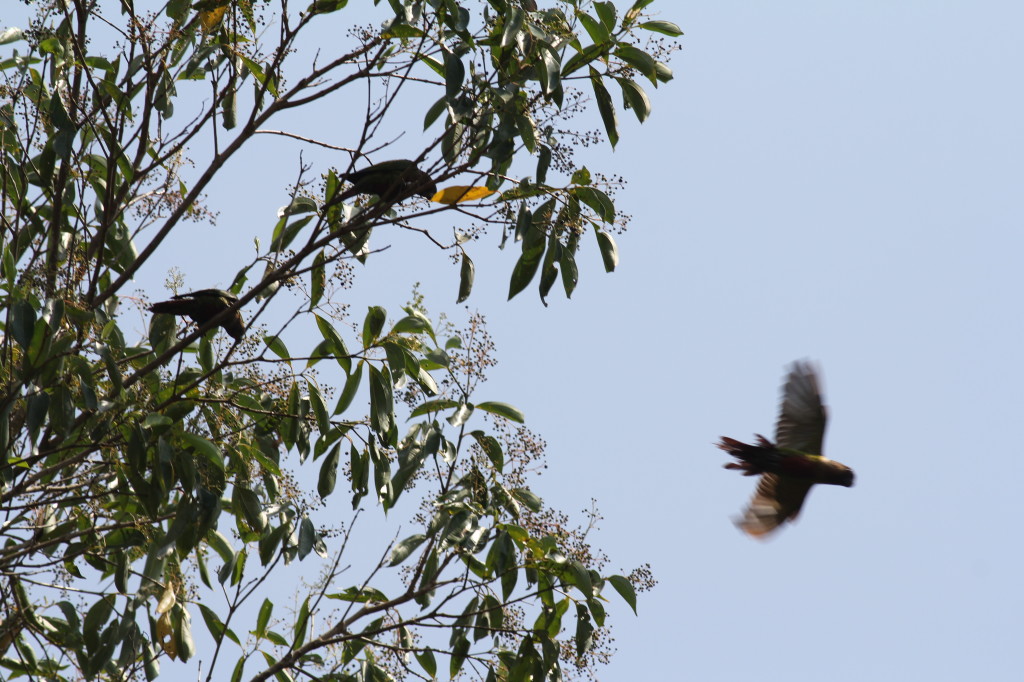
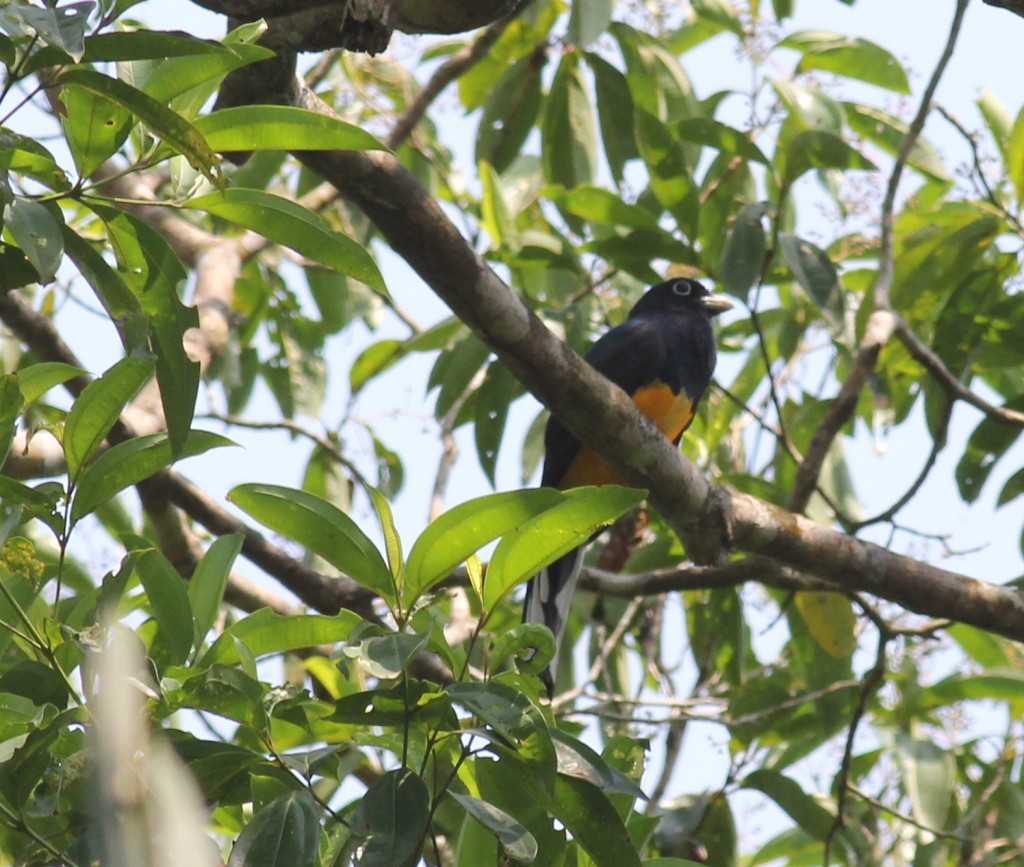
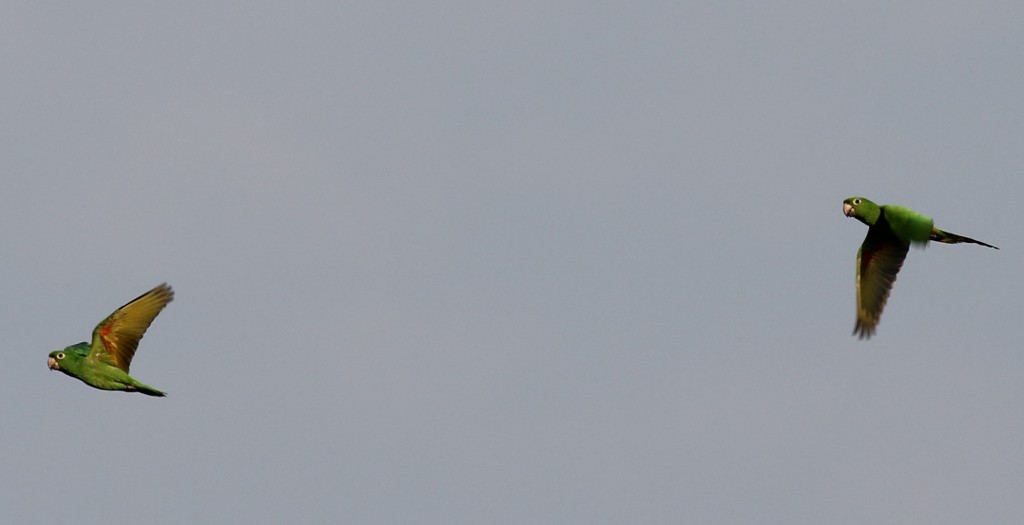
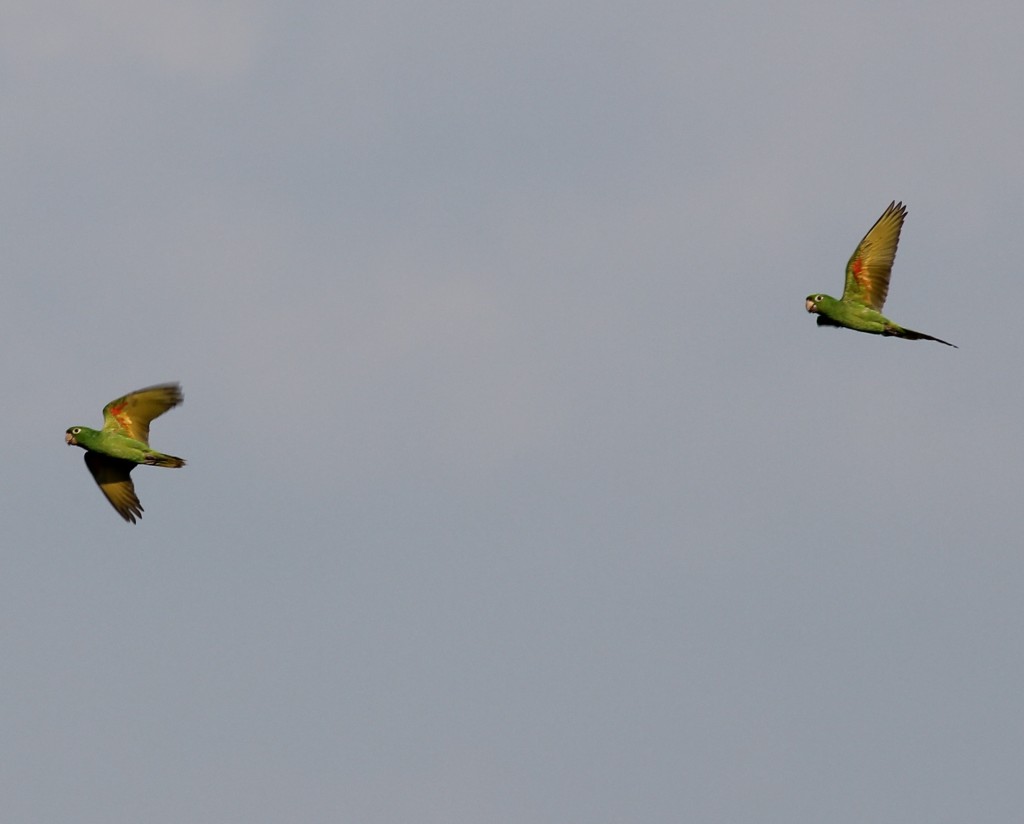
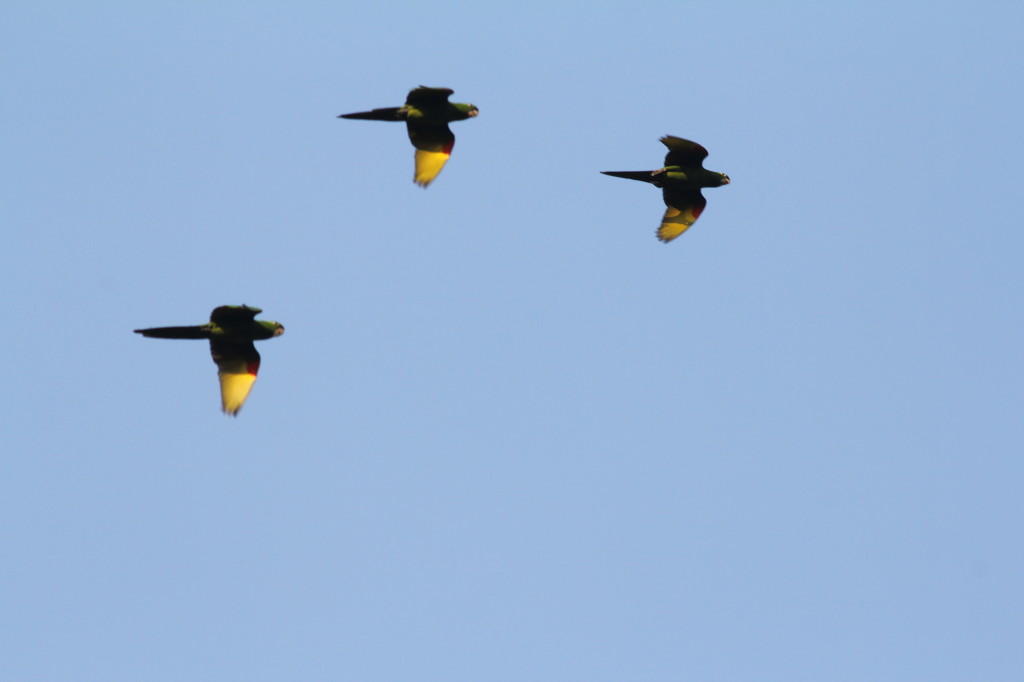
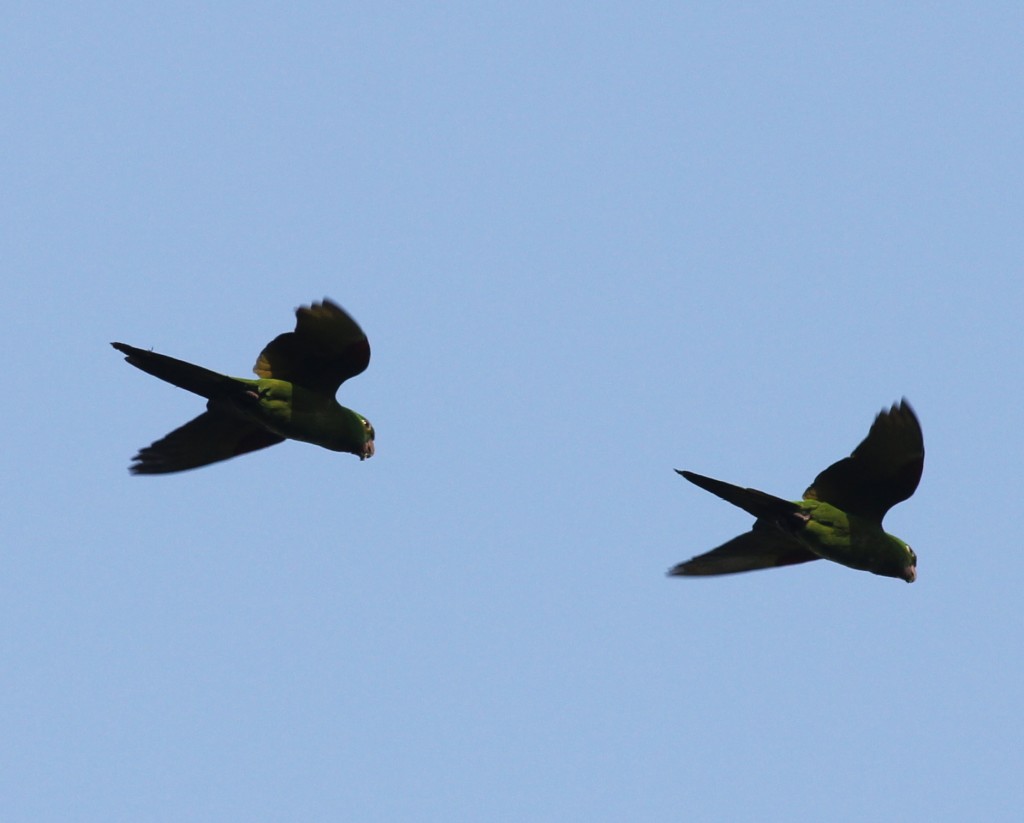
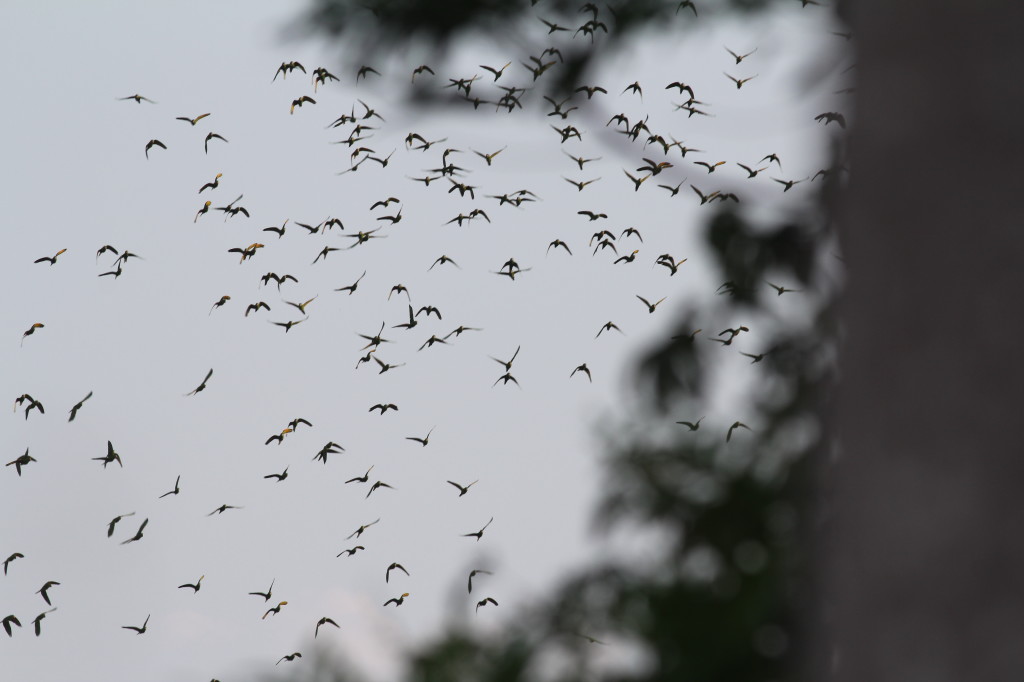
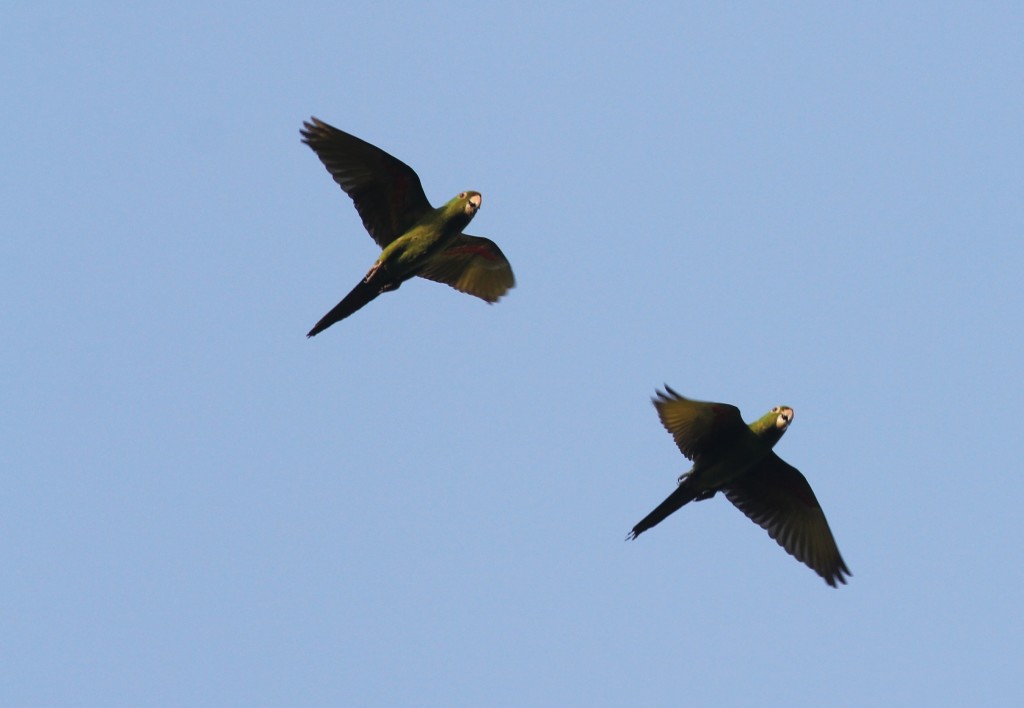
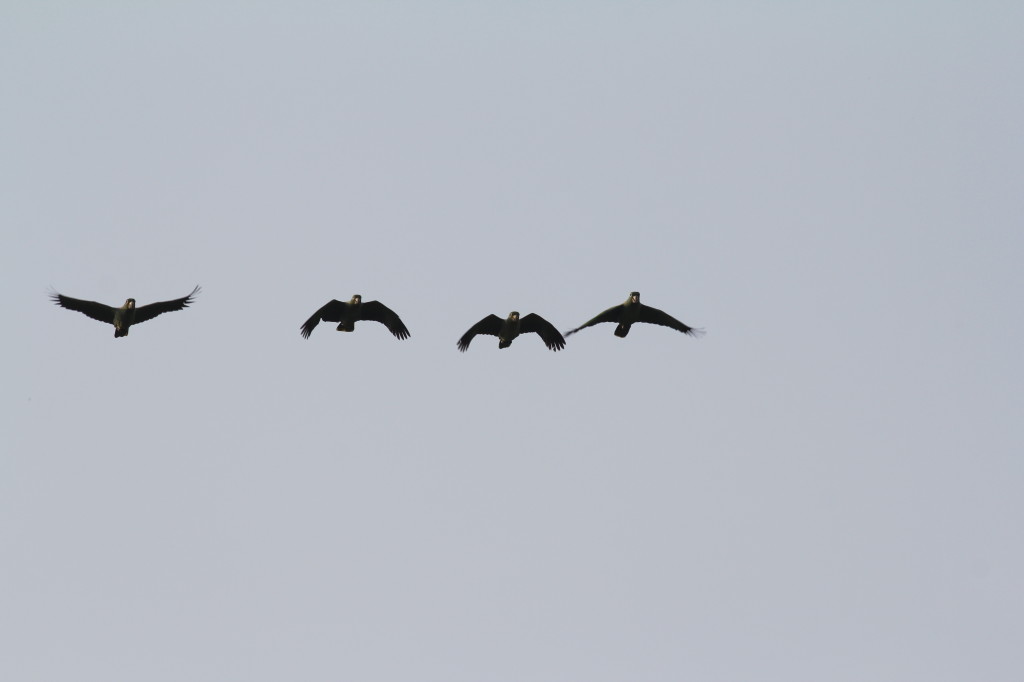
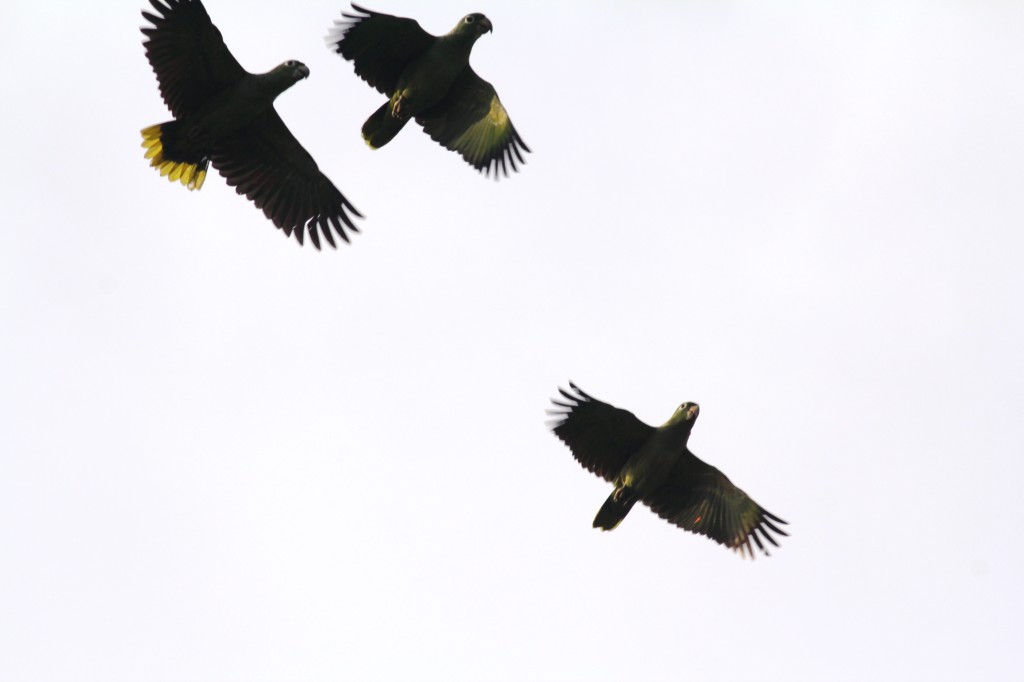
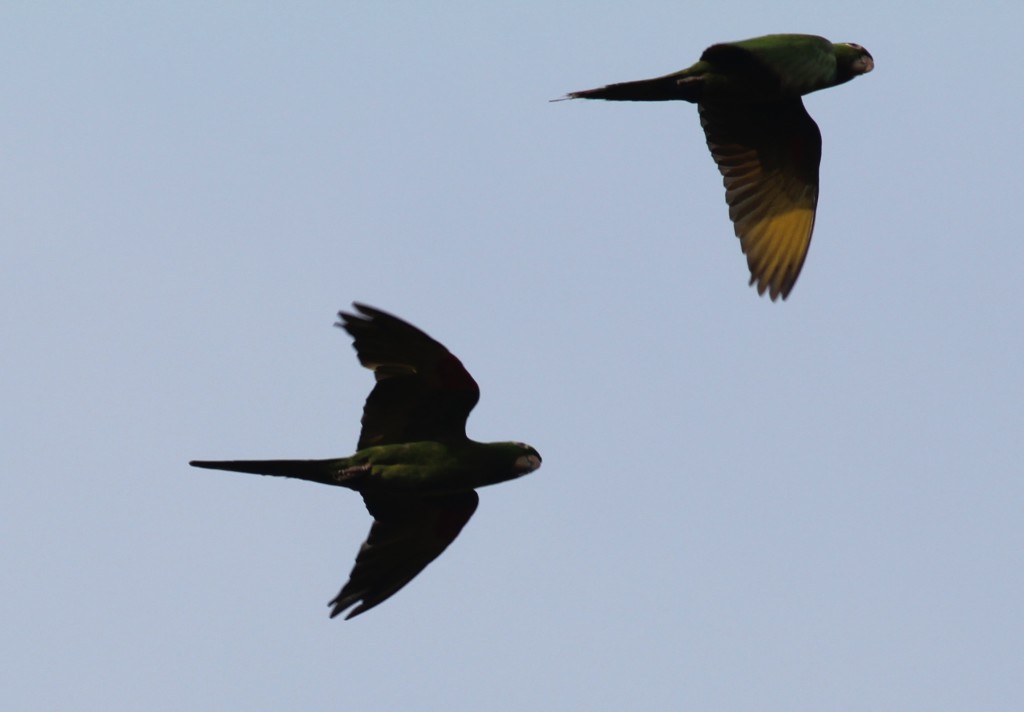
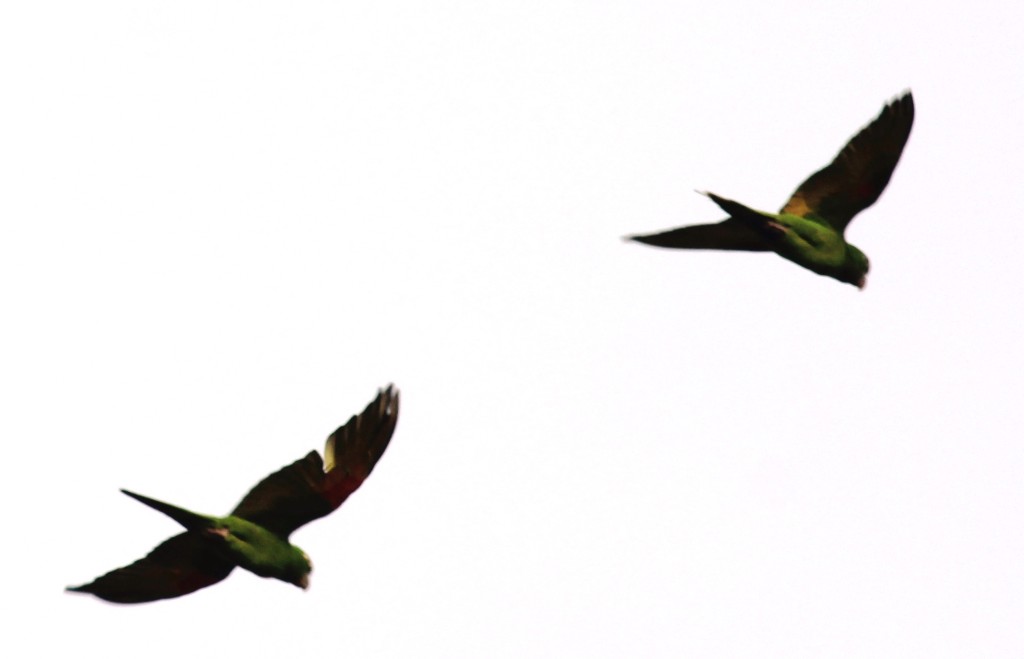
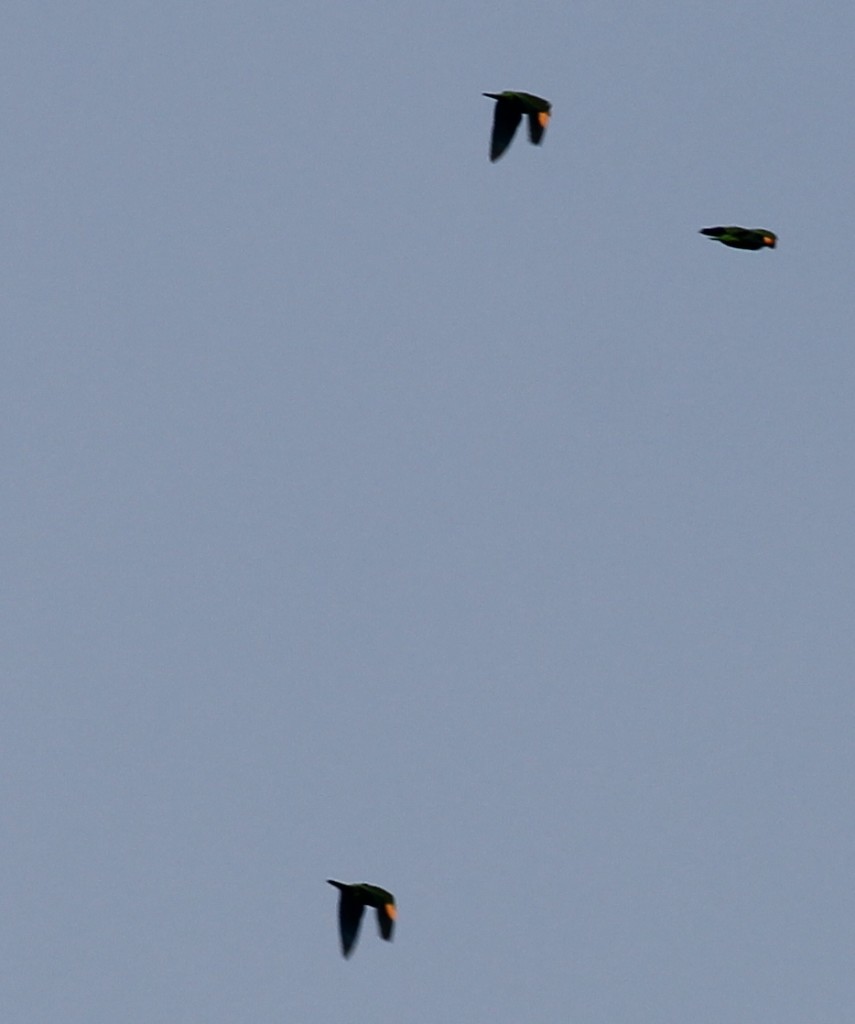
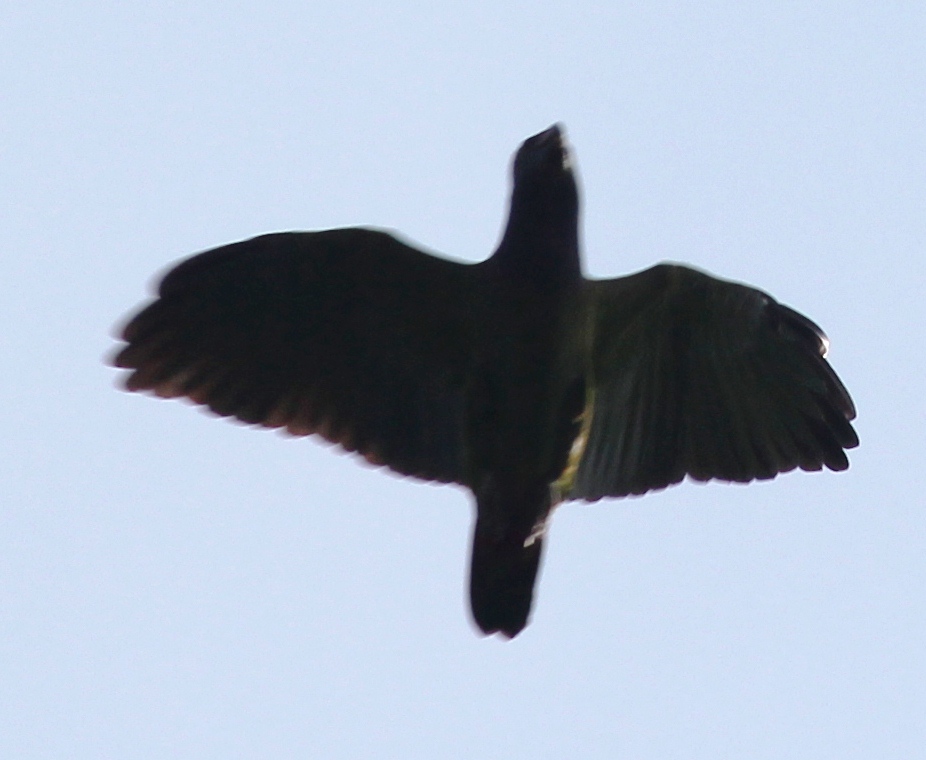
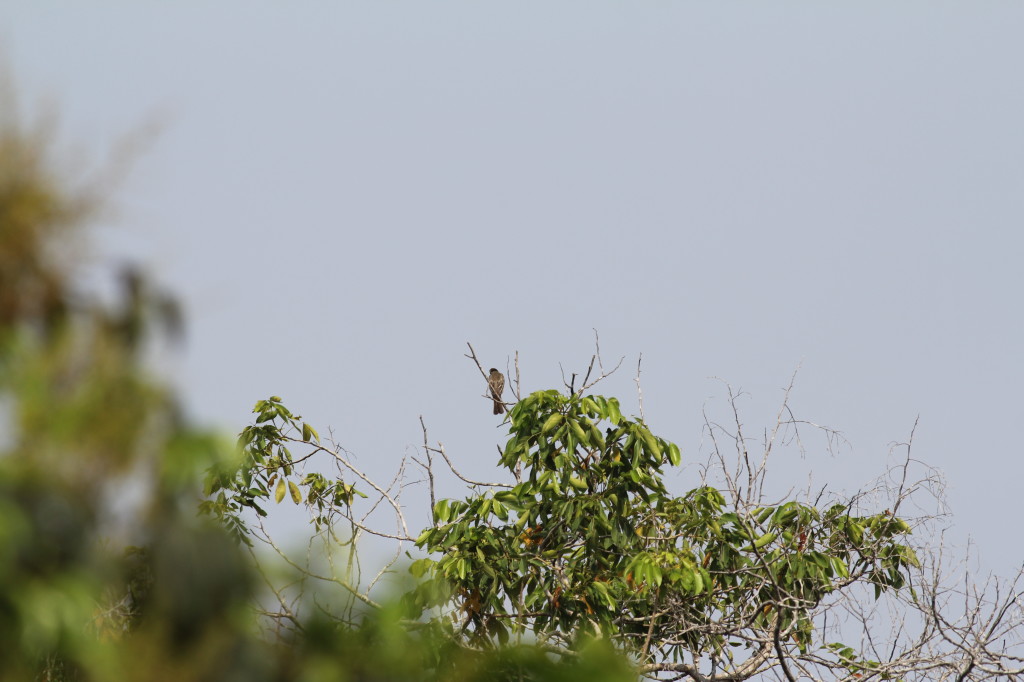
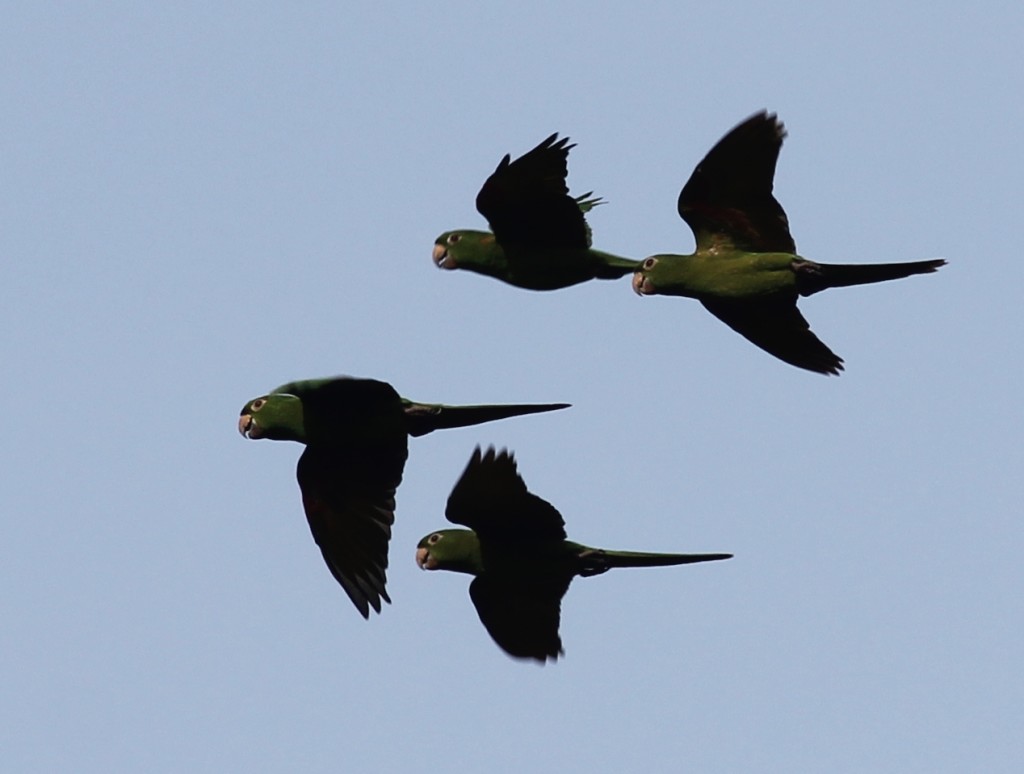
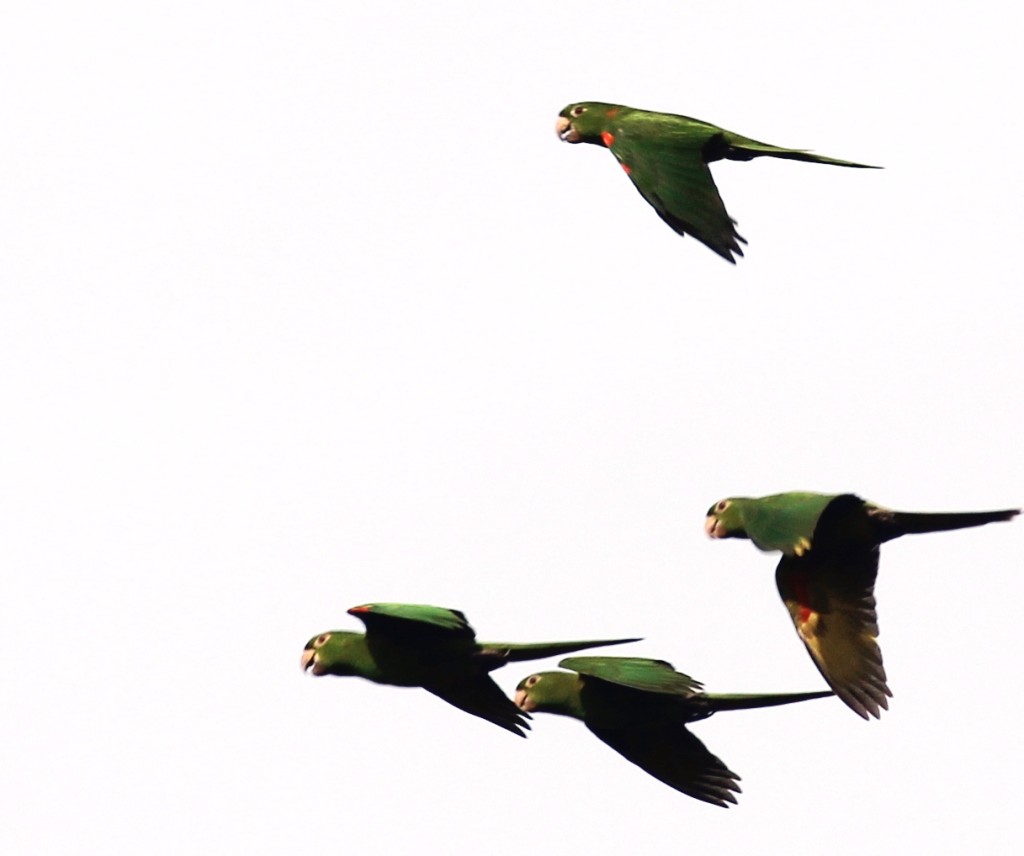
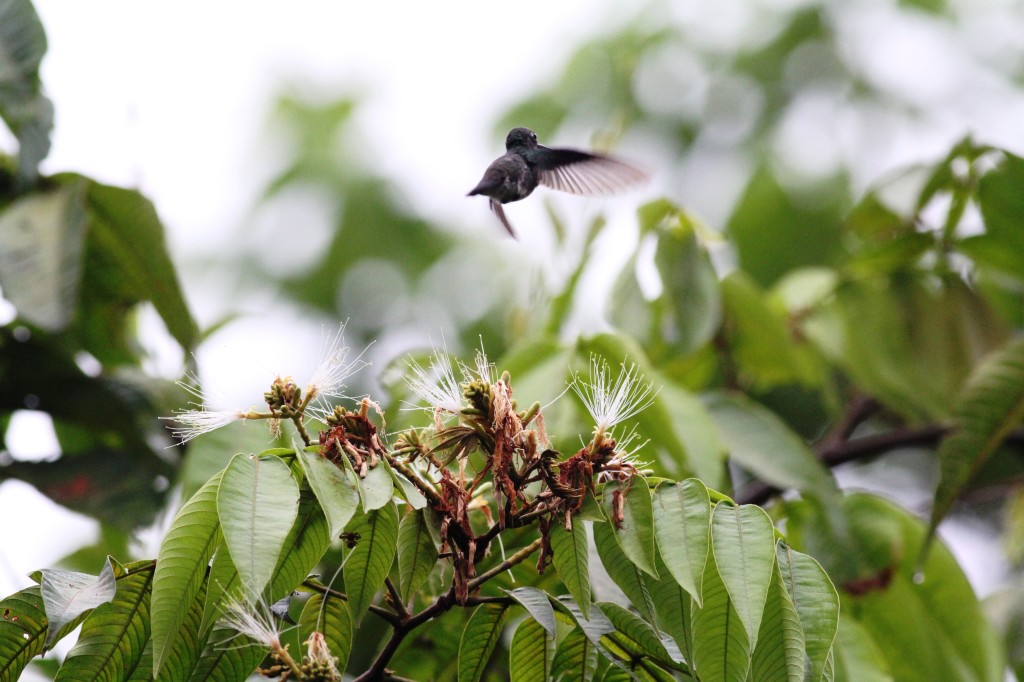
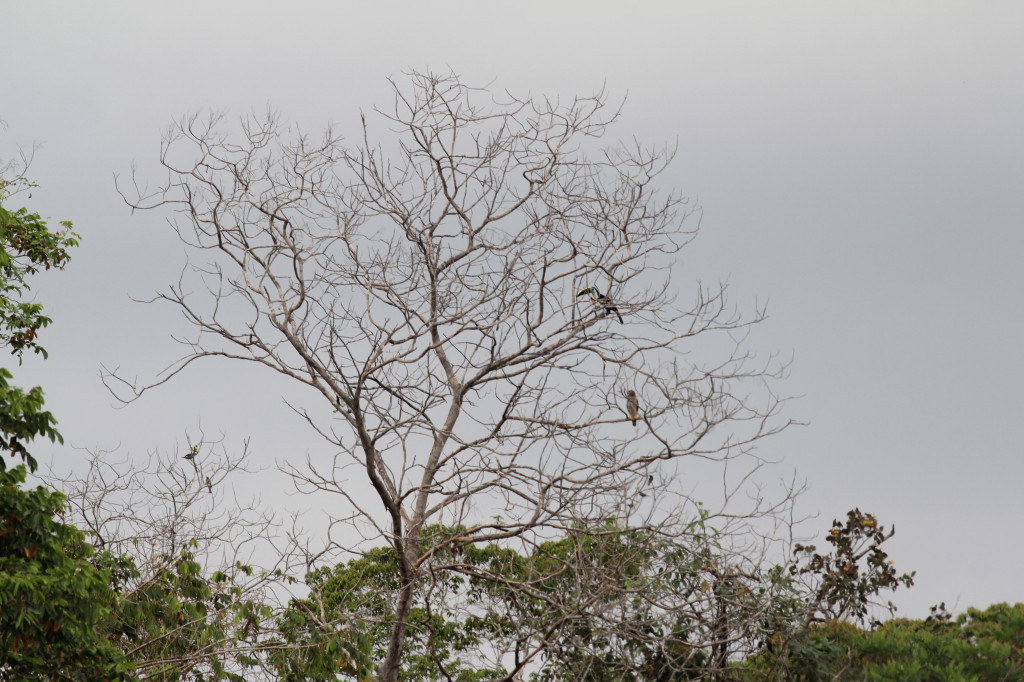
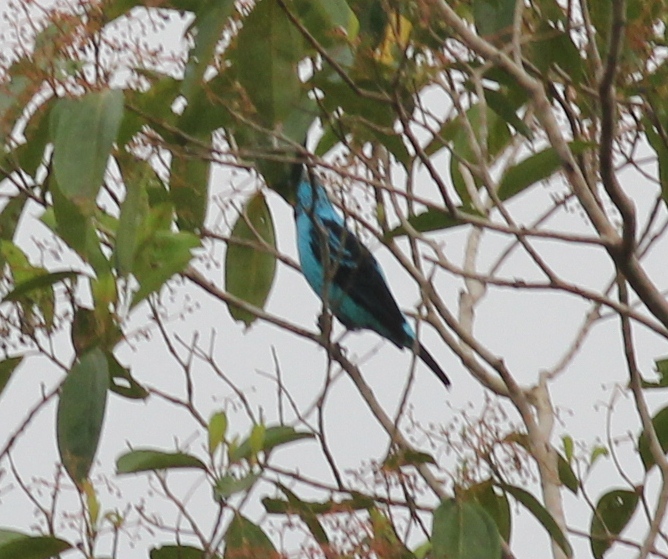
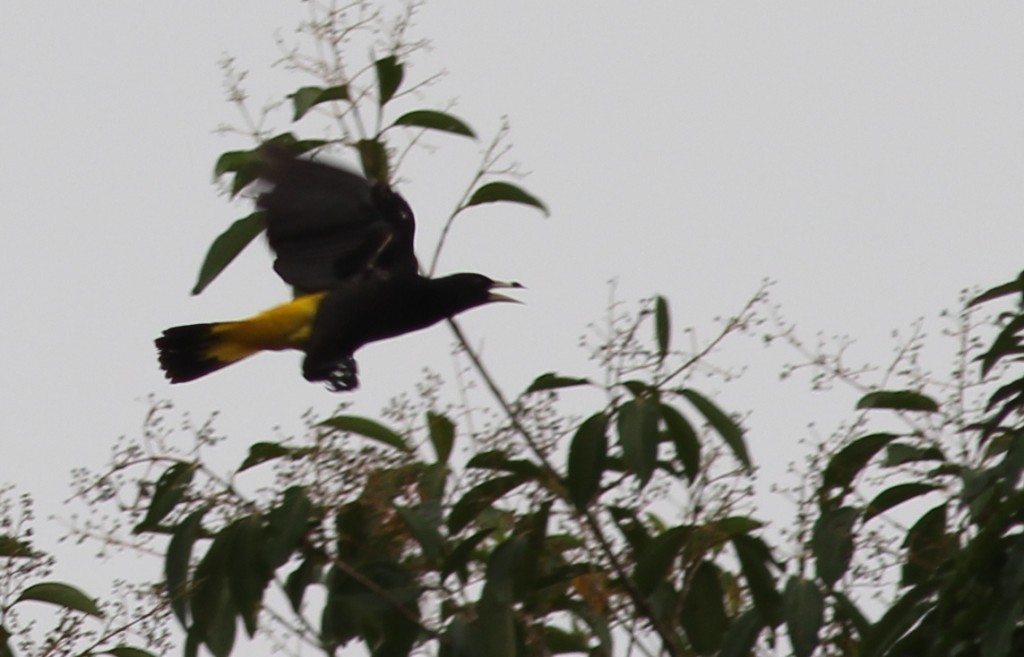
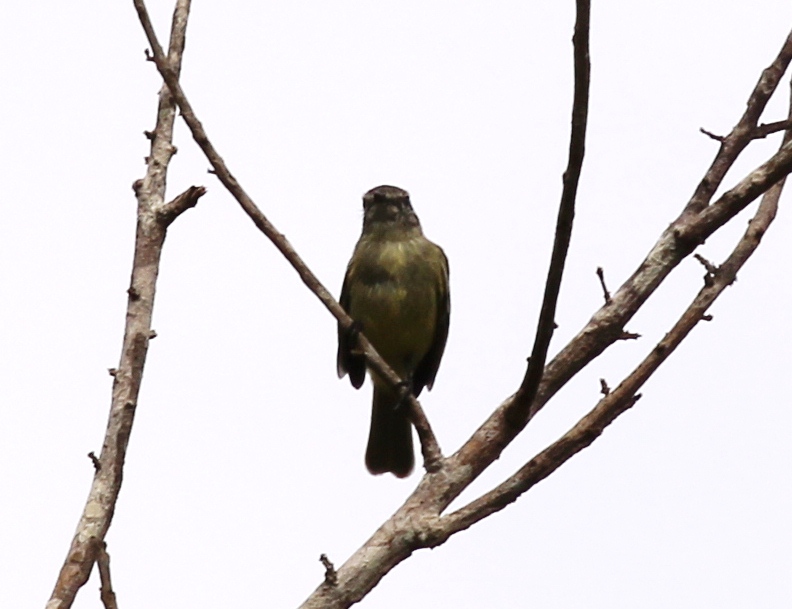
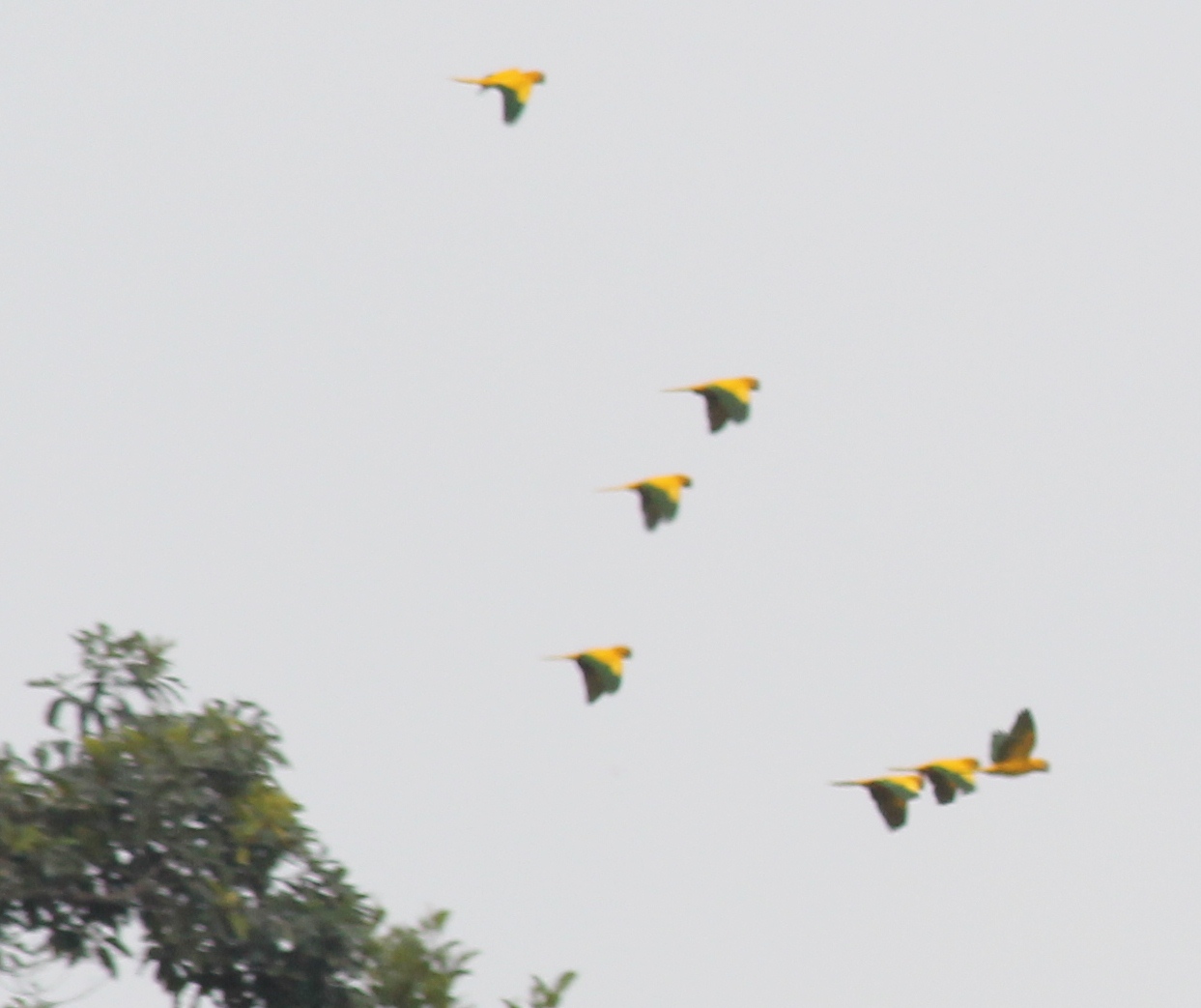
The best birding in our case was also the easiest, right around the Urua guard post.  Although I am far from being a good photographer, even I get lucky sometimes and captured some good birds in flight shots!  The one thing you learn when you become a birder, don’t regret the birds you didn’t get to see, be happy for the ones you did see and also be happy that your presence is helping to keep them safe in their homes!

Enjoy the photos!
M03 M05 M07 M08 M09 M11 M12 M13 M23 M24 M28 M34 M35 M46 M47 M48 M50 M59 M62 M63 M65 M66 M67 M70 M71 M72 M82 M91 M93 M94 M95 M97 M99 N01 N03 N04 N05 N06 N07 N13 N16 N20 N22 N24 N25 N26 N27 Q04


Stunning Birds In Waigeo, Easy Birding

Actually the first day of birding wasn’t THAT easy.  We had hired a normal car to get up the hill from which we would have a short hike to the hides for Wilson’s Bird of Paradise and the Red Bird of Paradise.  We got about halfway up, then the road became so bad (potholed) that only a high-clearance 4WD was going to get up the hill.  It was hot and a tough slug up but at least we weren’t walking in mud!  The next day, we used a 4WD truck and had a very pleasant and much easier day of birding.  There are lots of birds to see in Raja Ampat.  There’s a full birdlist on Avibase.  Since I was targeting parrots and the 2 BOPs, I will copy the parrot list here and highlight in red the ones we actually saw during our 2 day stay on Waigeo.

Psittacidae
Orange-fronted Hanging Parrot Loriculus aurantiifrons
Yellow-capped Pygmy Parrot Micropsitta keiensis
Palm Cockatoo Probosciger aterrimus
Sulphur-crested Cockatoo Cacatua galerita
Black Lory Chalcopsitta atra
Violet-necked Lory Eos squamata Endemic (country/region)
Rainbow Lorikeet Trichoglossus haematodus
Black-capped Lory Lorius lory
Red-flanked Lorikeet Charmosyna placentis
Red-cheeked Parrot Geoffroyus geoffroyi
Great-billed Parrot Tanygnathus megalorynchos
Eclectus Parrot Eclectus roratus
Moluccan King Parrot Alisterus amboinensis Endemic (country/region)
Double-eyed Fig Parrot Cyclopsitta diophthalma
Large Fig Parrot Psittaculirostris desmarestii


Benny leads the way

Benny leads the way

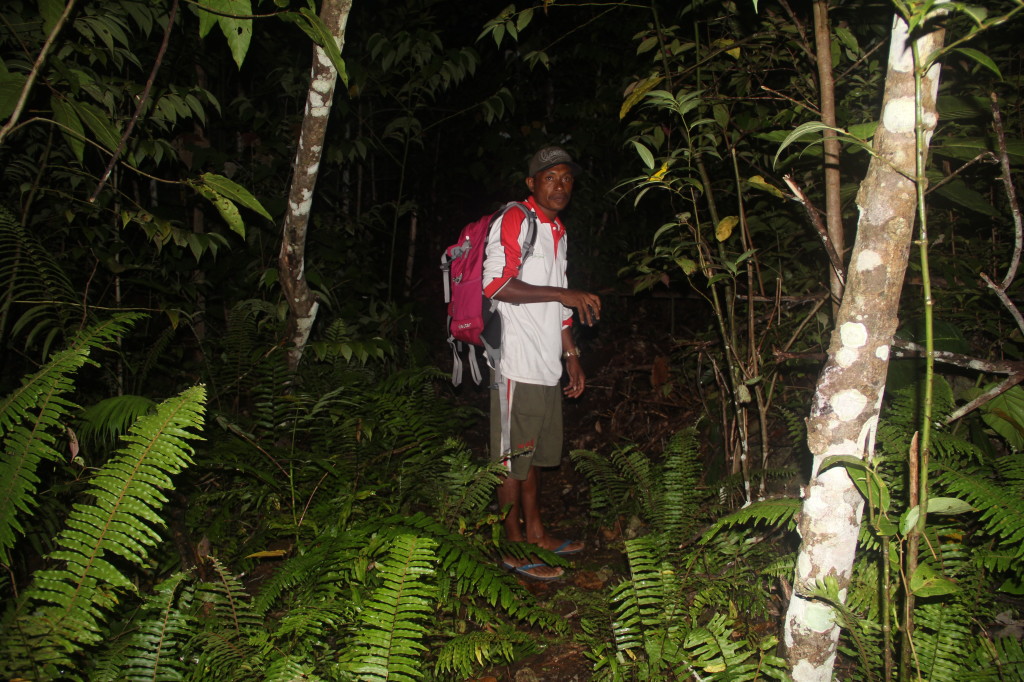
Hasna from HamuEco Lodge had organized Benny to be our guide as he knows the locations of the Wilson’s Bird of Paradise and Red Bird of Paradise (BOPs) and had even built hides in their display grounds.  He charged us 150,000 rupiahs per person per day and he can be reached on his mobile phone 0852 54881306 or though Hasna at HamuEco via their Facebook page.  Once you get up the hill, it’s a short walk to the grounds where you see the BOPs.   It’s not too steep but can be muddy after rain.  There are plenty of fallen logs to sit on if you need a rest.  Once you are in the hide, you need to be very quiet so you don’t scare the birds away.

Walking through unspoiled rainforest to the Wilson BOP display grounds

Walking through unspoiled rainforest to the Wilson BOP display grounds

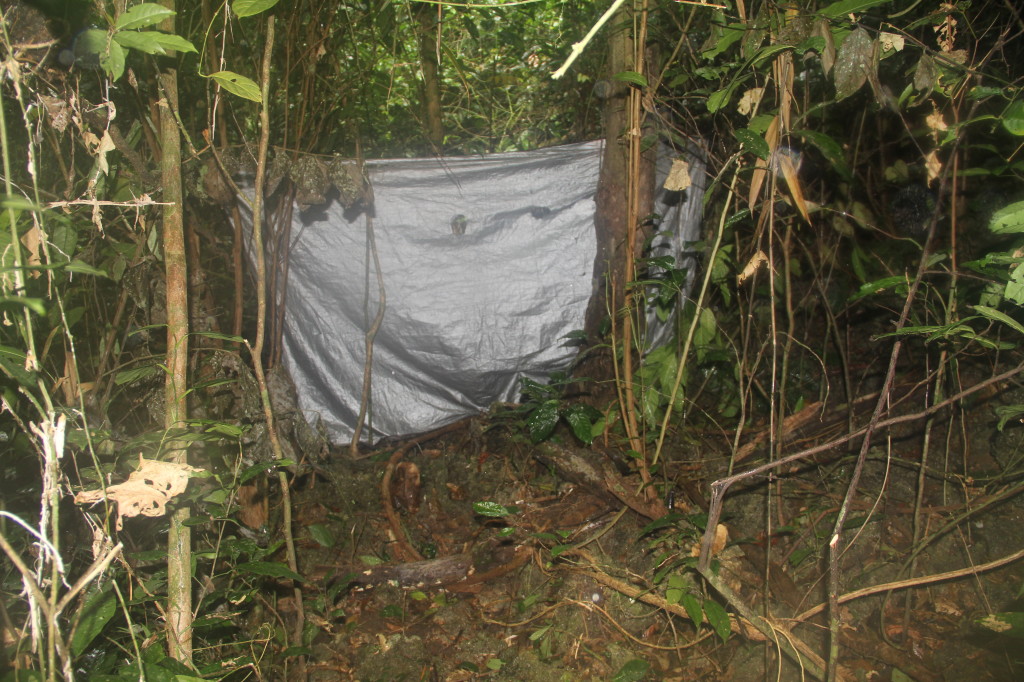
The hide Benny made to conceal us from the Wilson's BOP, unfortunately he wasn't fooled!

The hide Benny made to conceal us from the Wilson’s BOP, unfortunately he wasn’t fooled!

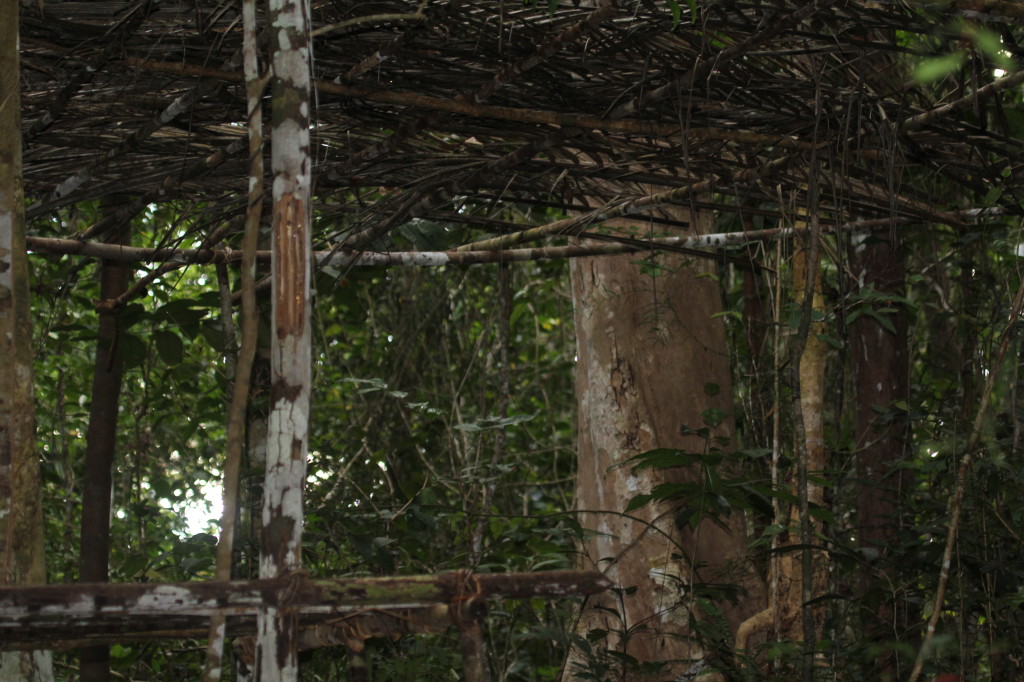
The Red BOP hide was larger and featured wooden log benches

The Red BOP hide was larger and featured wooden log benches

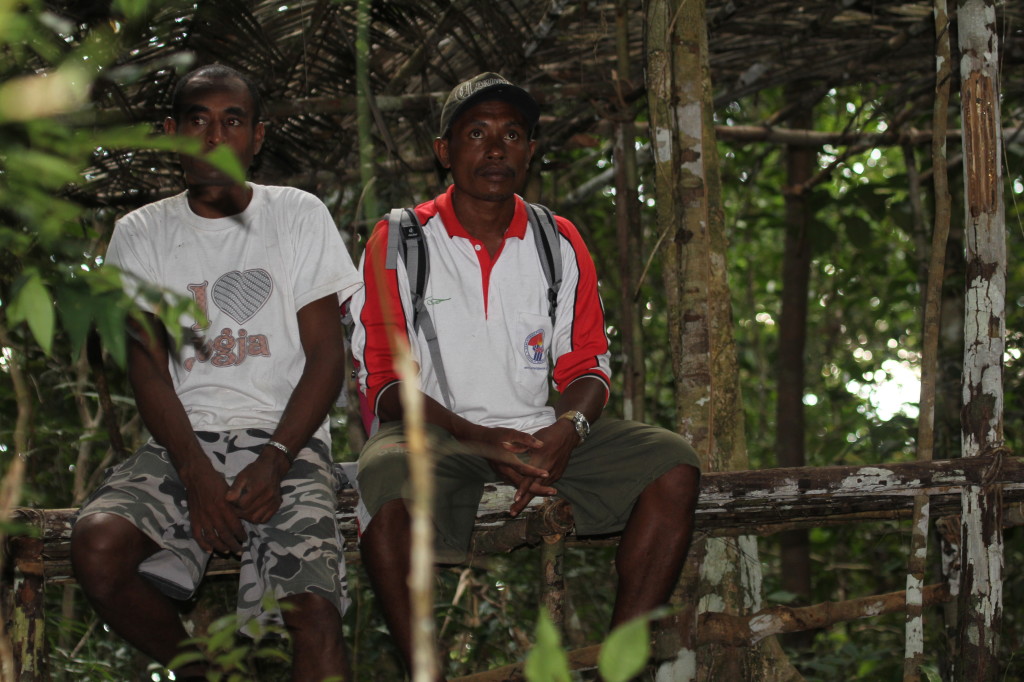
Benny and friend in the Red BOP hide

Benny and friend in the Red BOP hide

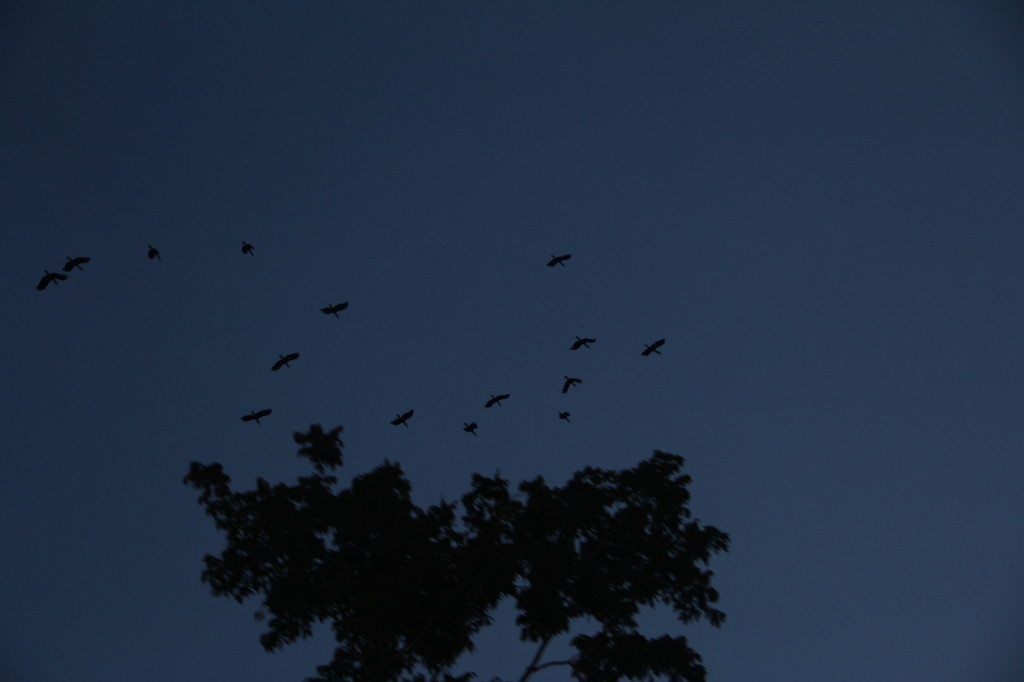
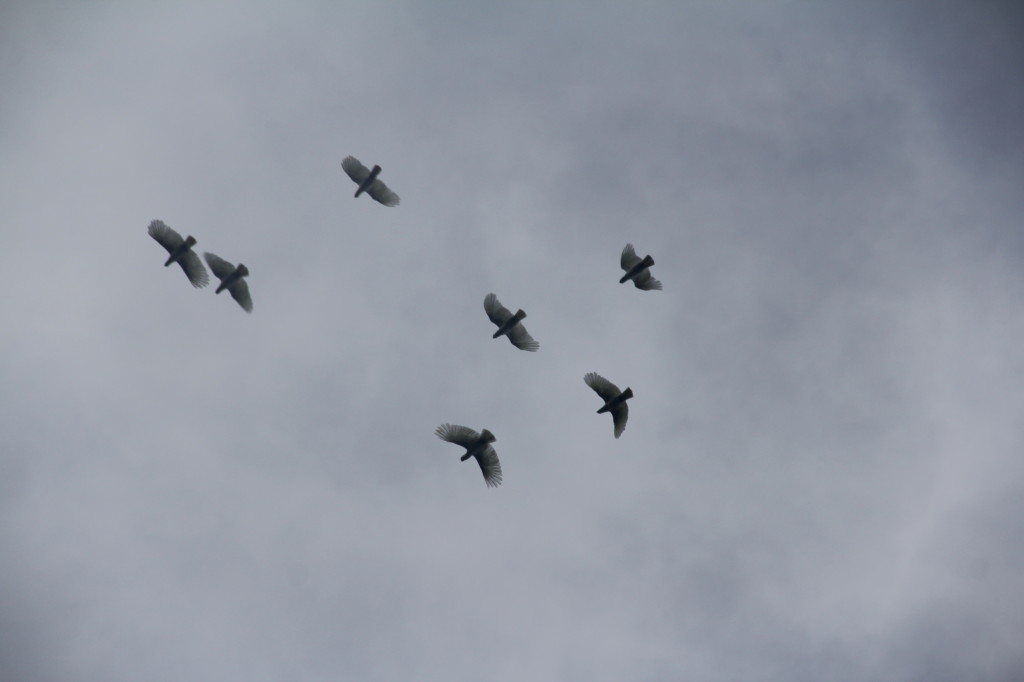
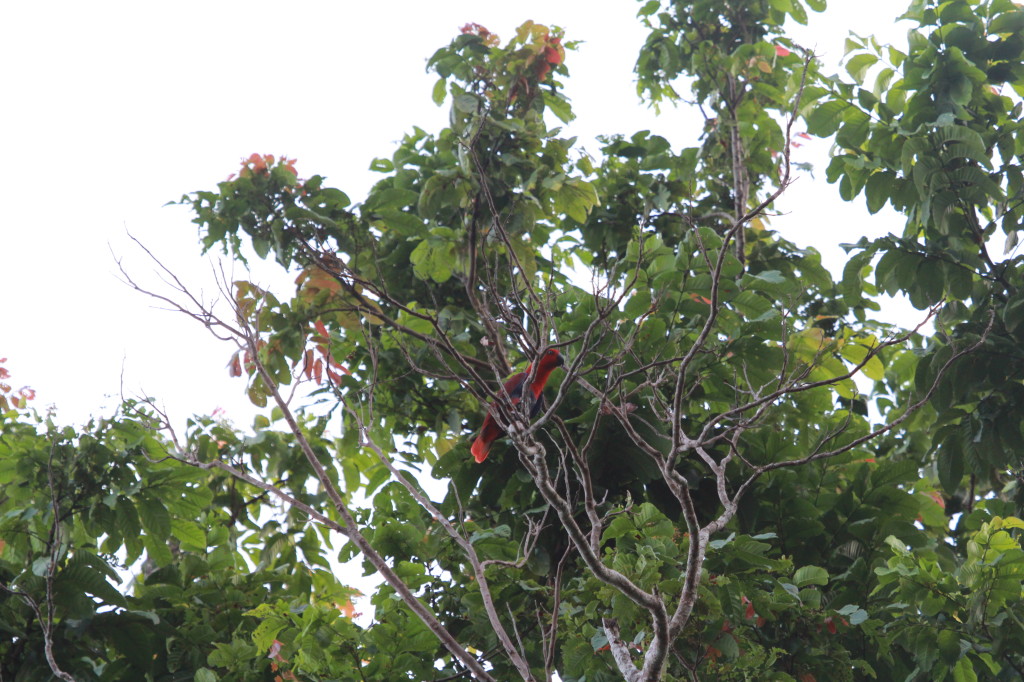
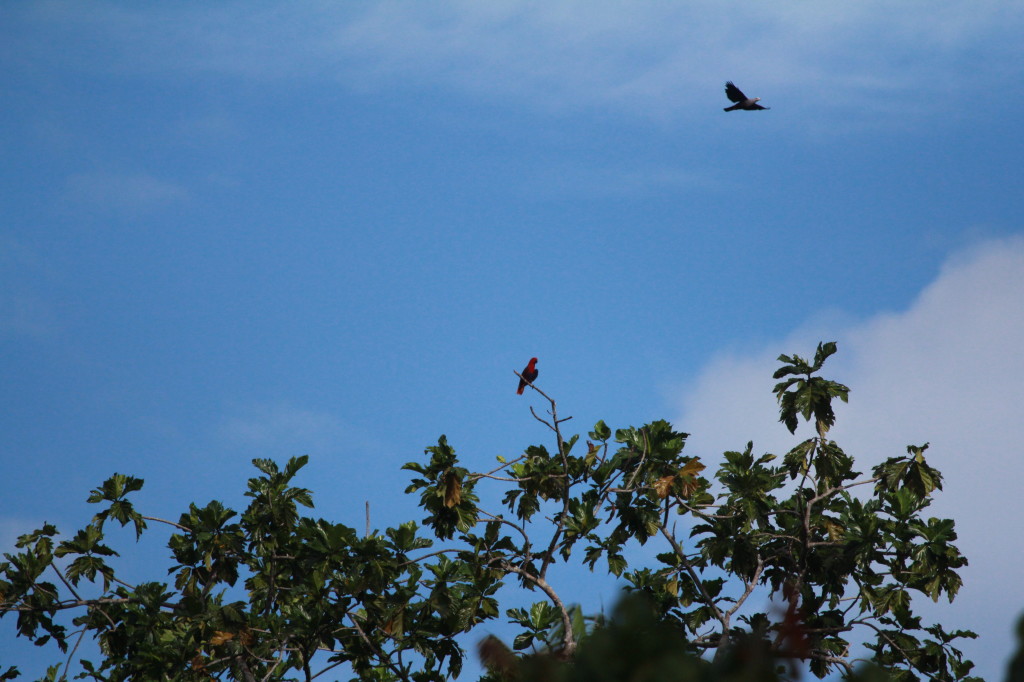
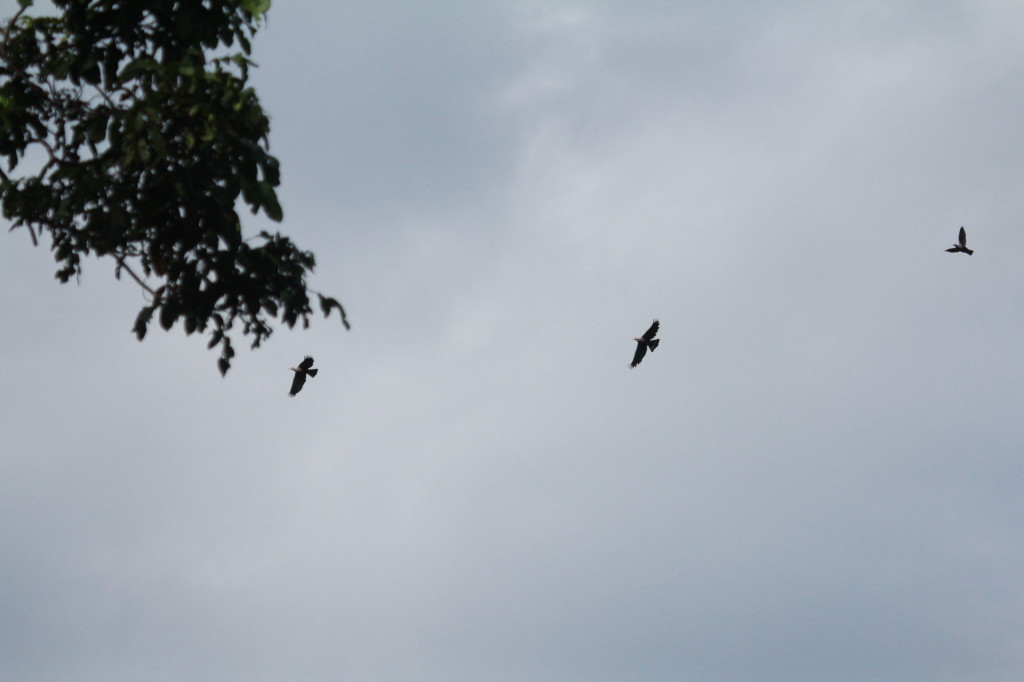
Of course there are several parrot species in Waigeo too and they can easily be seen flying overhead on the same hill you walk up for the BOPs.  I also saw Palm Cockatoos flying over the trees while relaxing in my overwater bungalow at HamuEco.  Once again, I didn’t get very good shots other than the Eclectus Parrot who was perching.  The other parrots were what I call “Video Game Birds” – meaning they fly quickly overhead or off in the distance.  My challenge is to try to get the little red dot in my viewfinder on the flying bird and hold it long enough to get a shot, all the while trying to hold 3 kgs worth of camera and 400mm lens!  I never was any good at video games, LOL!  Don’t consider these as professional photos, they are far from it.  What they are good for is showing you how far you will be from the birds and what sort of gear you will need to bring in an attempt to get photos.  I didn’t bring a tripod as it’s pretty much useless for flying birds and hiking through the rainforest.  I didn’t have much choice about the back-lighting so sorry about all the silhouettes!
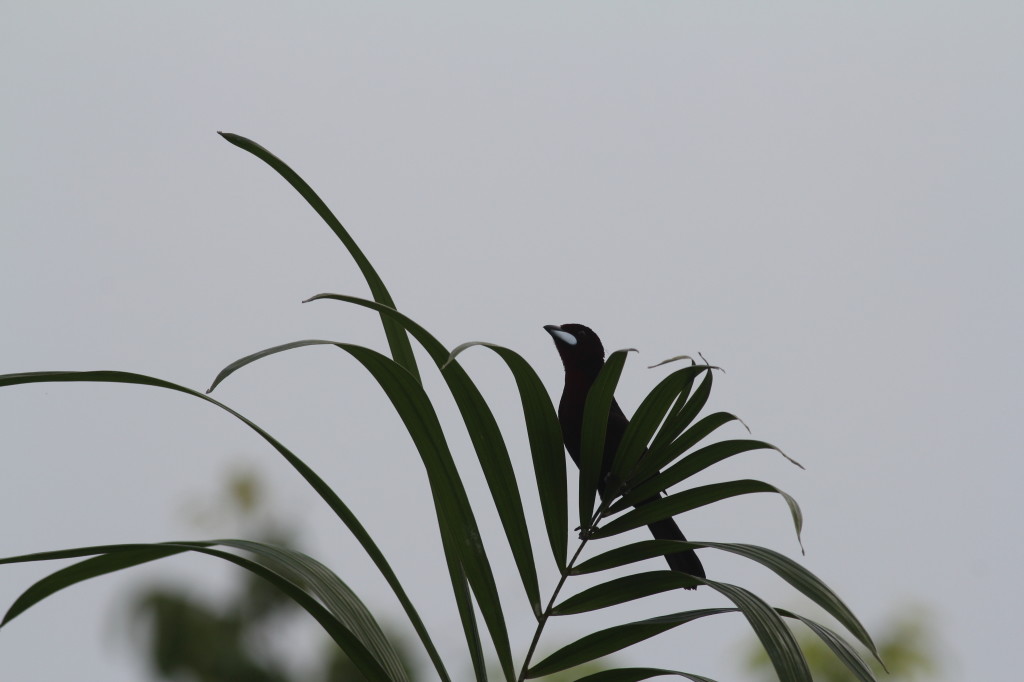
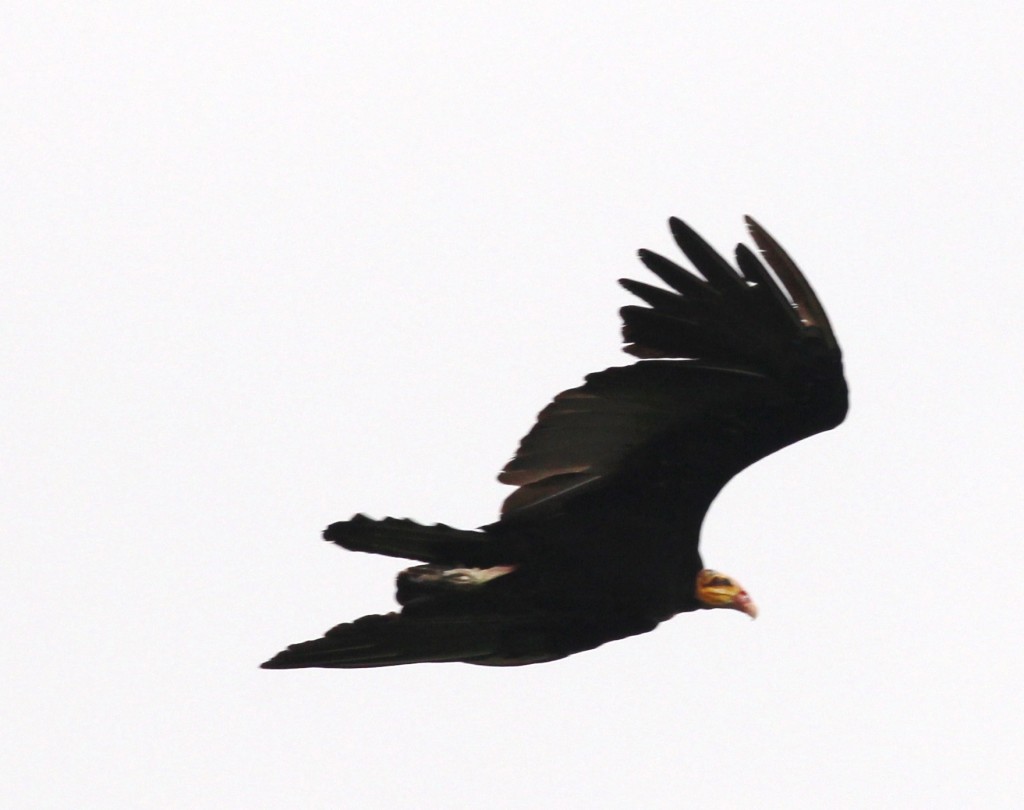
A flock of Blyth's Hornbill fly overhead at dawn

A flock of Blyth’s Hornbill fly overhead at dawn

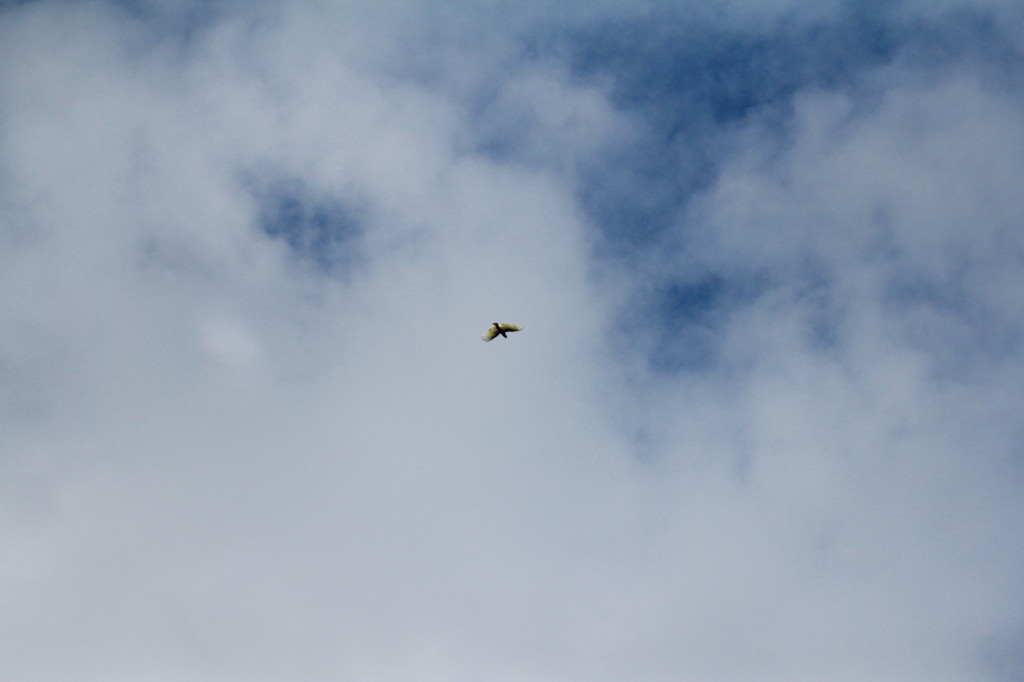
Sulphur Crested (Triton subspecies) Cockatoos

Sulphur Crested (Triton subspecies) Cockatoos

IMG_7867

Female Eclectus Parrot

IMG_7870

This Palm Cockatoo was too fast for me

IMG_7880

And there goes another Palm Cockatoo!

IMG_7881

Peregrine Falcon

Perching Female Eclectus Parrot

Perching Female Eclectus Parrot (yes, that was at full 400mm zoom!)

IMG_7891

Pair of Eclectus Parrots

IMG_7892

Female Eclectus Parrot in flight

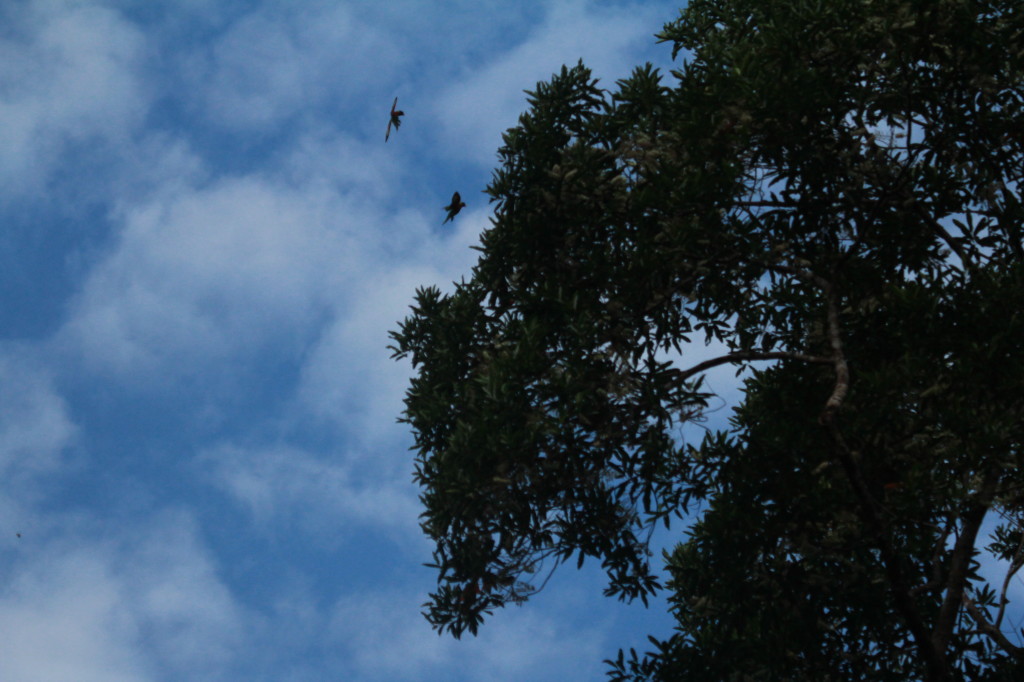
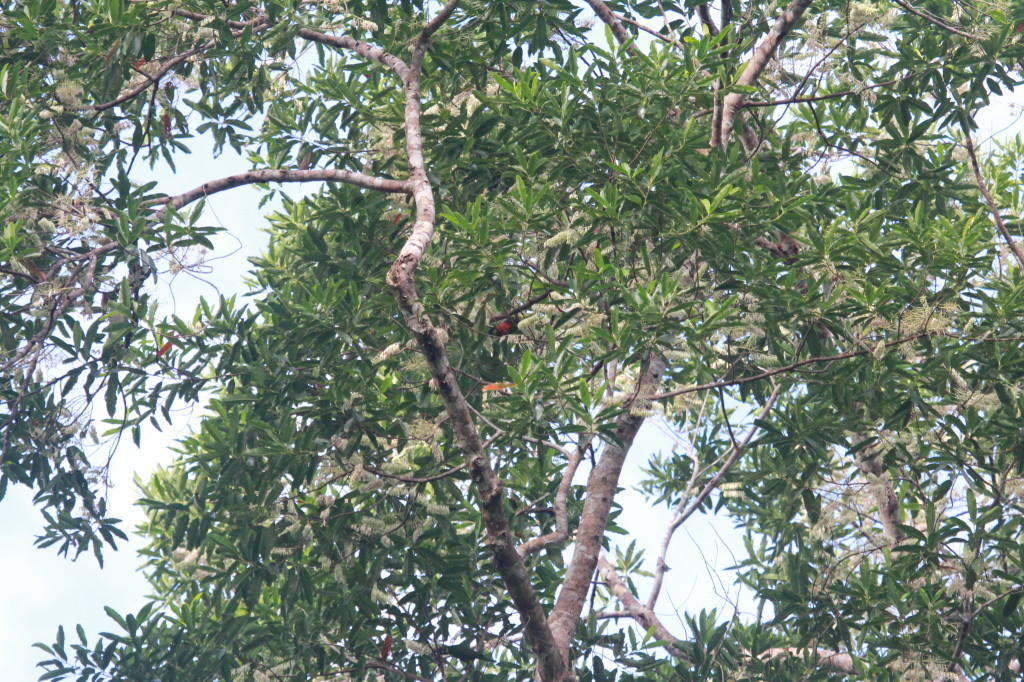
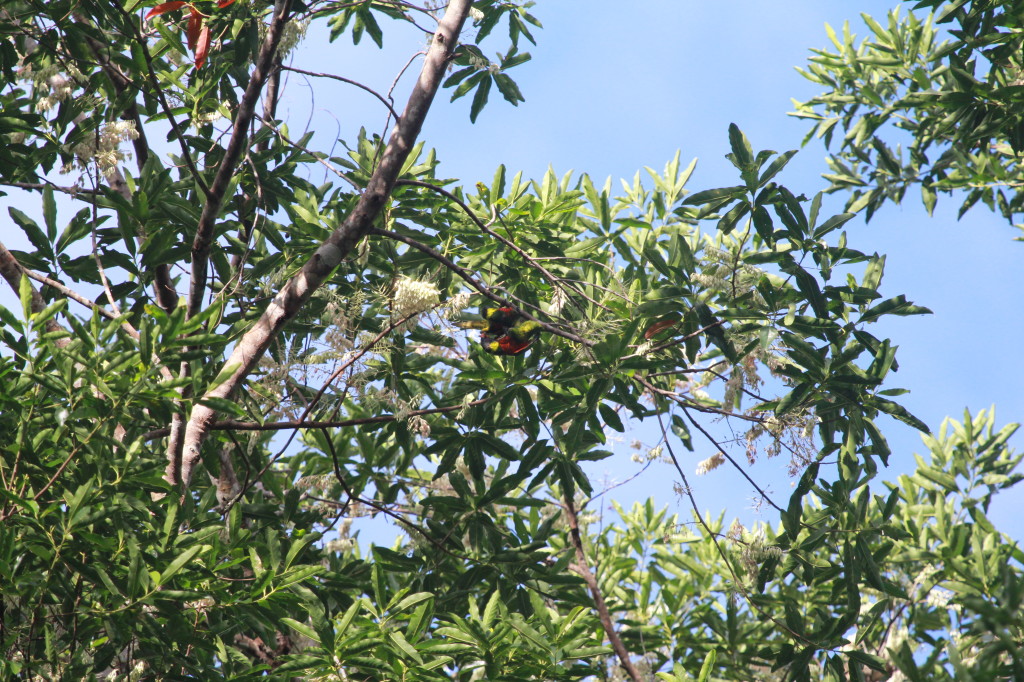
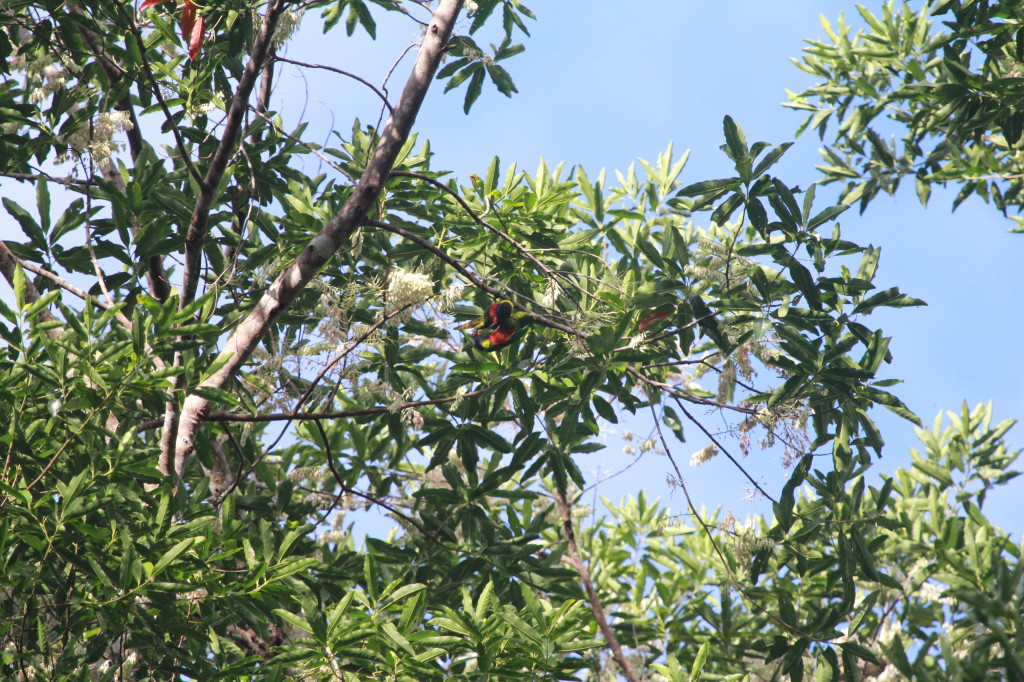
Find the hidden Rainbow Lorikeet (he has his wing up)

Find the hidden Rainbow Lorikeet (he has his wing up)

That tiny speck about a third down in the middle is a butterfly!

That tiny speck about a third down in the middle is a butterfly!

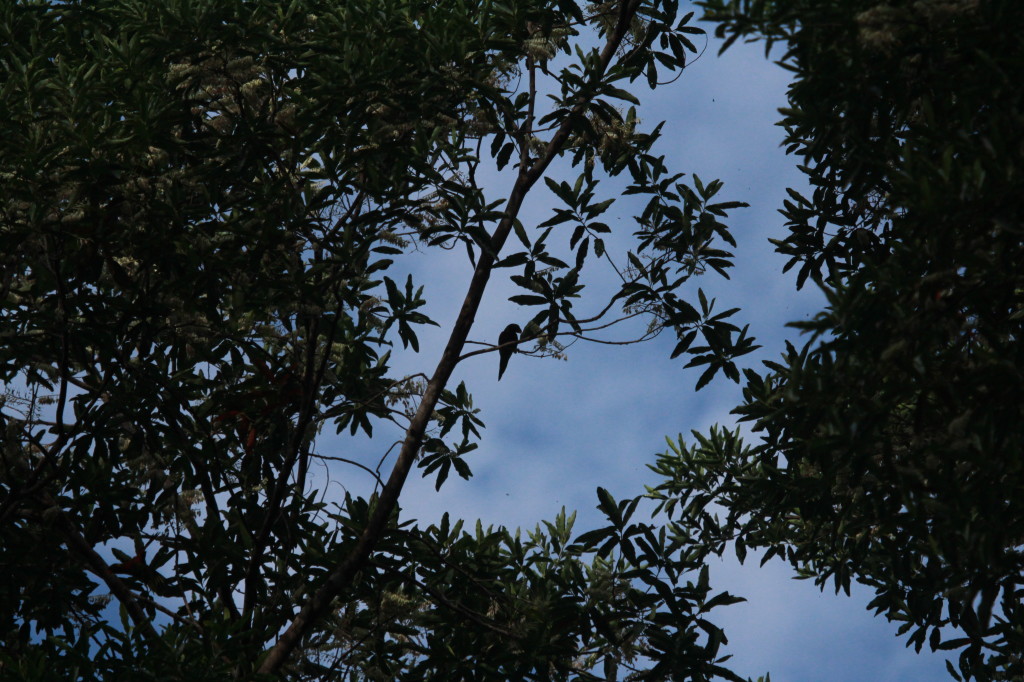
Too dark to see what kind of lorikeets these are

Too dark to see what kind of lorikeets these are

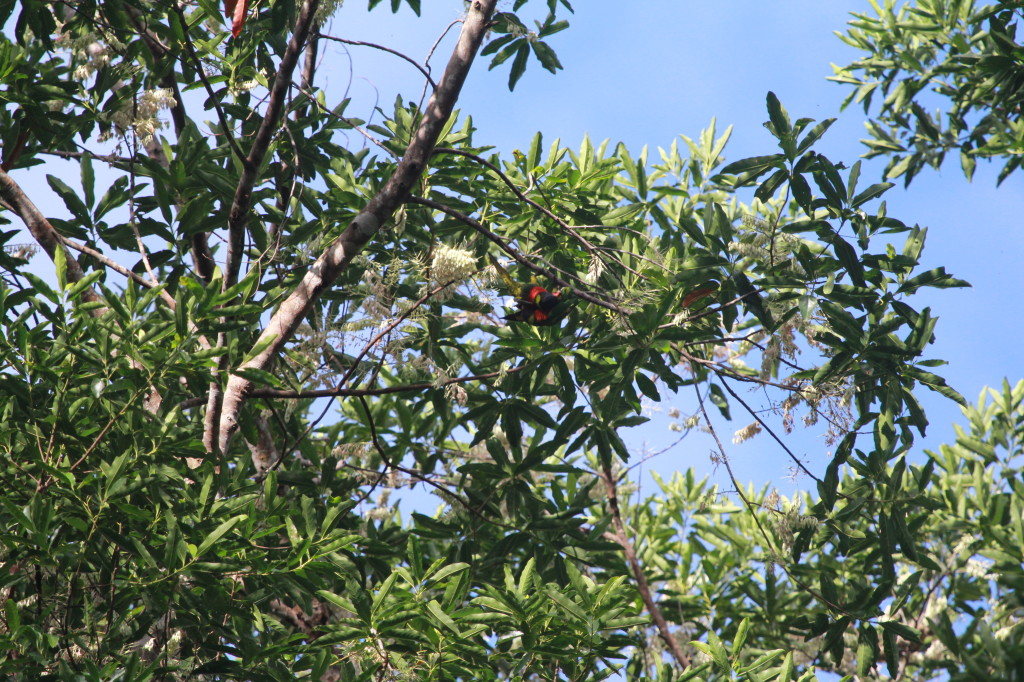
Rainbow Lorikeets

Rainbow Lorikeets

Lorikeet in silhouette

Lorikeet in silhouette

Rainbow Lorikeet eating

Rainbow Lorikeet eating

Rainbow Lorikeets mating

Rainbow Lorikeets mating

Rainbow Lorikeets mating

Rainbow Lorikeets mating

Rainbow Lorikeets mating

Rainbow Lorikeets mating

An ethereal looking Triton SC Cockatoo

An ethereal looking Triton SC Cockatoo

Male Eclectus in flight

Male Eclectus in flight

Female Eclectus perching pretty, not sure about the bird flying overhead

Female Eclectus perching pretty, not sure about the bird flying overhead

Not sure what these birds are

Not sure what these birds are

OTHER ISLANDS IN RAJA AMPAT

As I  mentioned in my other post, if you are with a tour group, you will probably go to Batanta and Salawati with a chartered boat.  The birdlist for Batanta is pretty much the same as Waigeo (see above).  The birdlist for Salawati has more in common with that of the Sorong Lowlands which I will cover in a separate post.


Red Bird Of Paradise – Dancing In The Trees

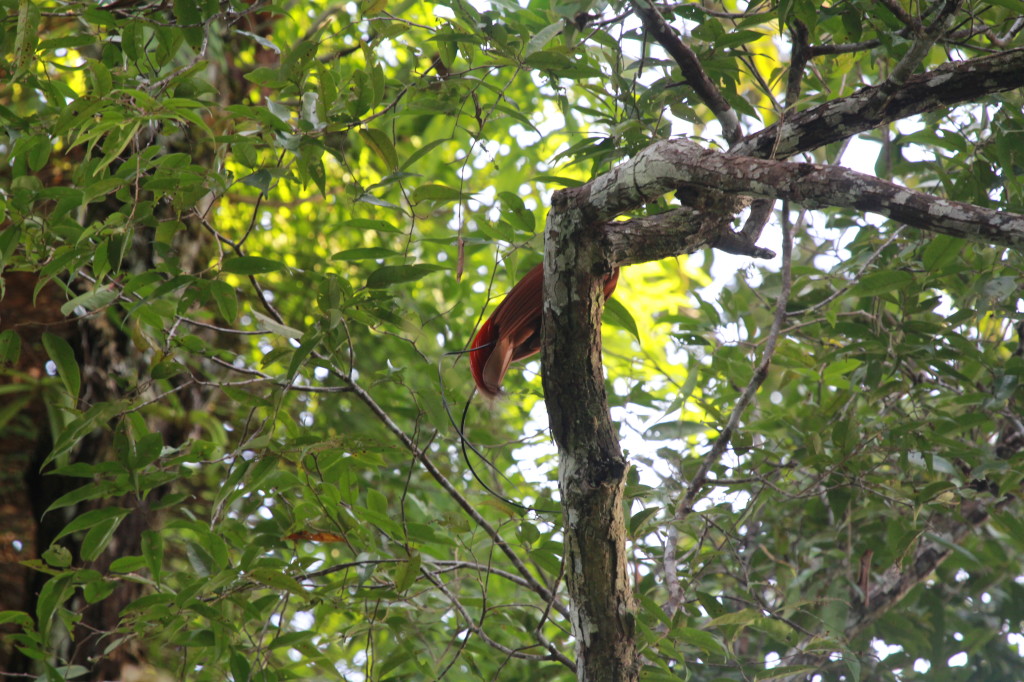
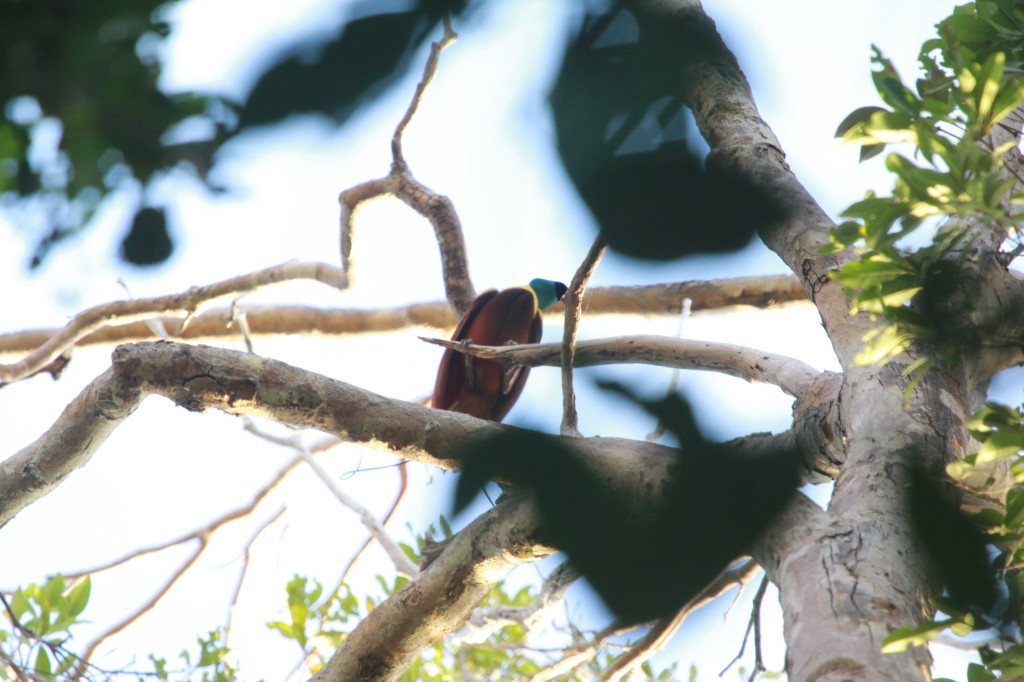
Red Bird of Paradise (Paradisaea rubra), Waigeo

Red Bird of Paradise (Paradisaea rubra), Waigeo

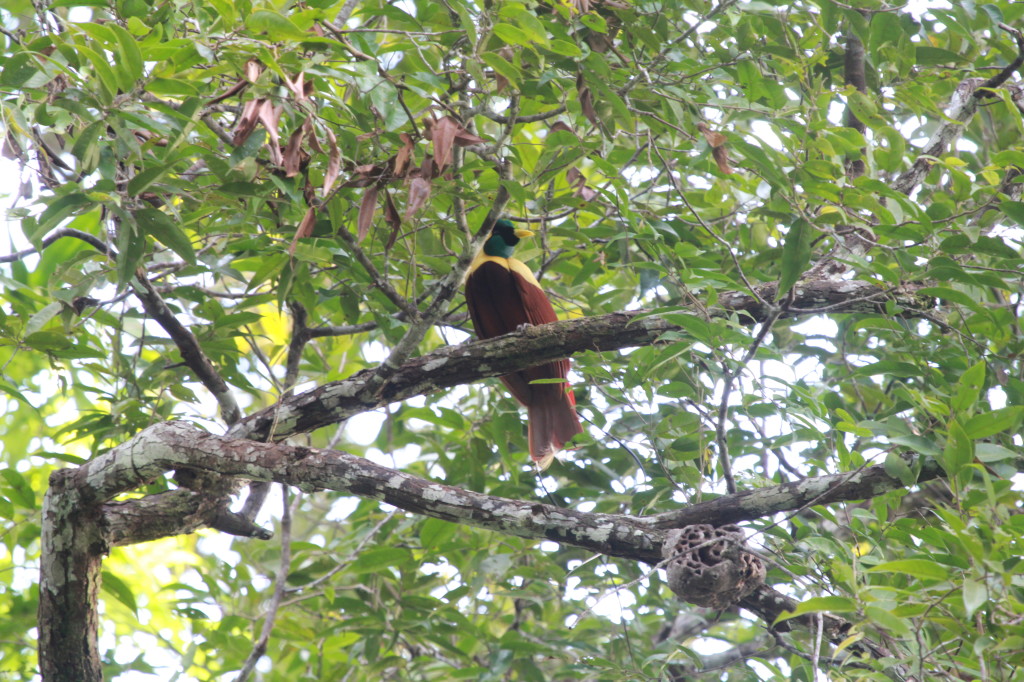
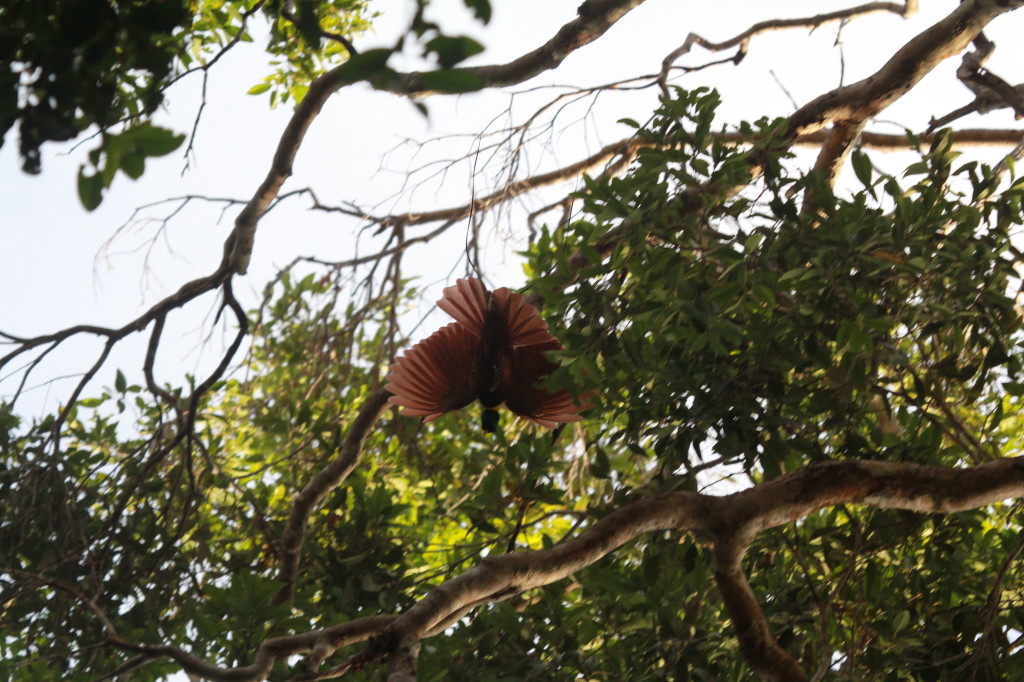
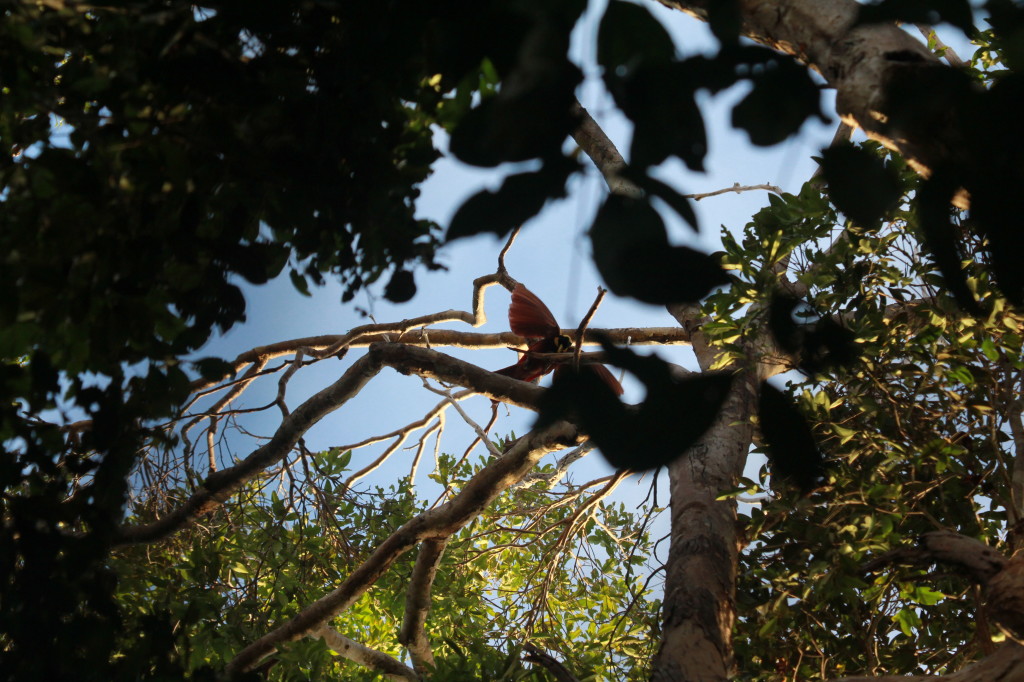
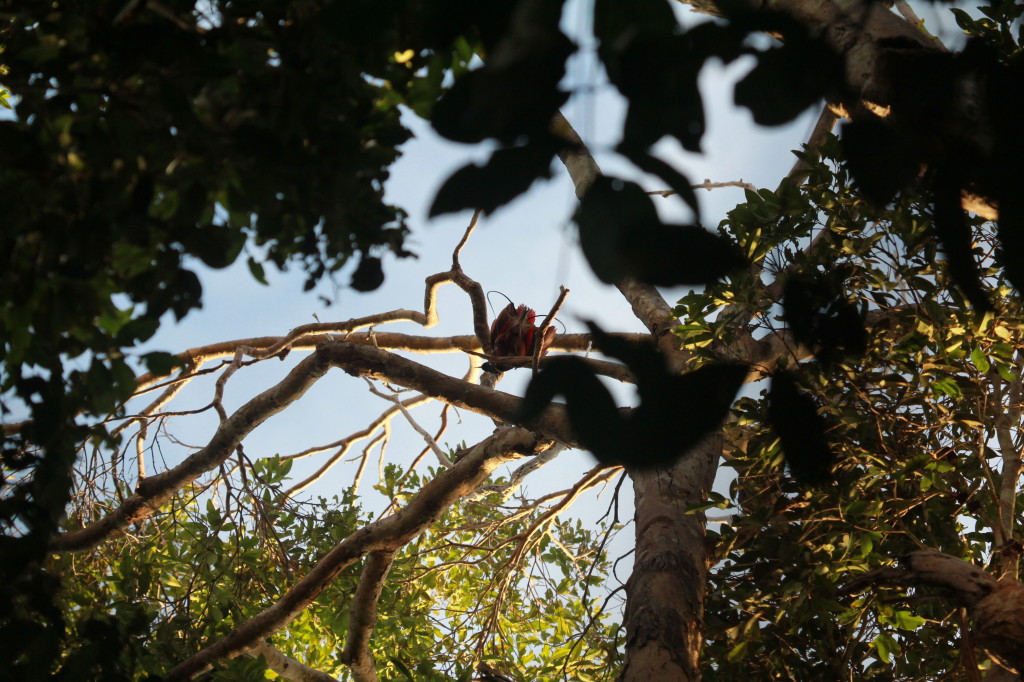
An Indonesian endemic, the Red Bird-of-paradise (Paradisaea rubra, also Cendrawasih Merah) is distributed to lowland rainforests of Waigeo and Batanta islands of Raja Ampat, West Papua. This species shares its home with another bird-of-paradise, the Wilson’s Bird-of-paradise.   They are easier to see because they dance in the trees in the same place and don’t seem to mind spectators sitting in the hide below.

Red Bird of Paradise (Paradisaea rubra), Waigeo- dancing in the trees

Red Bird of Paradise (Paradisaea rubra), Waigeo- dancing in the trees

Yeah, you better be watching me!

Yeah, you better be watching me!

IMG_7962

OK where did the lady BOPs go?

Large, up to 33 cm long, brown and yellow with a dark brown iris, grey legs and yellow bill. The male has an emerald green face, a pair of elongated black corkscrew-shaped tail wires, dark green feather pompoms above each eye and a train of glossy crimson red plumes with whitish tips at either side of the breast. The male measures up to 72 cm long, including the ornamental red plumes that require at least six years to fully attain. The female is similar but smaller in size, with a dark brown face and has no ornamental red plumes. The diet consists mainly of fruits, berries and arthropods.

IMG_7959

Red Bird of Paradise (Paradisaea rubra), Waigeo – dancing in the trees

IMG_7953

Red Bird of Paradise (Paradisaea rubra), Waigeo – fancy moves

IMG_7949

Red Bird of Paradise (Paradisaea rubra), Waigeo – trying to impress the ladies

For a stunning professional shot by a Nat Geo photographer, read the fascinating story of the lengths they go through to get these shots!  There’s also a video showing a Nat Geo crew filming other Birds of Paradise which shows more of their technique.  Climbing trees is probably out of scope for the typical eco-tourist!

This is my “real life” pitiful attempt to get them dancing on video.

 And this one appears to have been filmed on Batanta (Waigeo doesn’t have that sign overhead) by someone staying at a dive resort on Kri Island.  The resorts are quite nice, but not cheap!  Bonus footage of a Paradise Kingfisher!

Tiny And Spectacular – Wilson’s Bird Of Paradise

Wilson’s Bird-of-paradise, Cicinnurus respublica

This gorgeous little Bird of Paradise is only found on 2 islands, Waigeo and Batanta in Raja Ampat where they share the habitat of the Red Bird of Paradise.  Of these, Waigeo is the easiest place for independant travelers to reach on public transport but most organized birding tours will go to Batanta.  The Wilson’s Bird-of-paradise, Cicinnurus respublica, is a small, up to 21 cm long, passerine bird of the Paradisaeidae family. The male is a red and black bird-of-paradise, with a yellow mantle on its neck, light green mouth, rich blue feet and two curved violet tail feathers. The head is naked blue, with black double cross pattern on it. The female is a brownish bird with bare blue crown.  In the field, the blue bare skin on the crown of the bird’s head is so vivid that it is clearly visible by night; the deep scarlet back and velvet green breast are lush, the curlicue tail gleaming bright silver.

They are not easy to photograph, these little guys are fast!   We were all in the hide, trying to be inconspicuous and get photos as the bird darted in and out of his bower.  I couldn’t get a clear shot, he was just too tiny to focus on and he was too fast.  This was the best I could do.  You can barely see his head, that blue dot about 1/3 down in the center of the photo.  He wasn’t fooled by the hide in the least.  At one point, he zoomed right over my head, less than a foot away and off into the bush as if to say, “LOL, I know you’re there!”

Wilson's Bird-of-paradise, Cicinnurus respublica

Wilson’s Bird-of-paradise, Cicinnurus respublica

Nothing like seeing and hearing the bird in action.  Not my video, this is a professional one from YouTube.  Why can’t I ever get footage this clear?

David Attenborough finds the rare exotic Wilson’s bird of paradise

My guide, Benny tried that same thing with the leaves but we couldn’t lure him into coming down.  To be fair, I simply wasn’t able to hold as still as I should have as I was sitting on a very uncomfortable rock!  This was the best I could do, couldn’t quite focus on the bird.  At least you can hear him at the end!

And finally, here he is – up close and personal with Lab of Ornithology

Home Decor With The Vogelkop Bowerbird

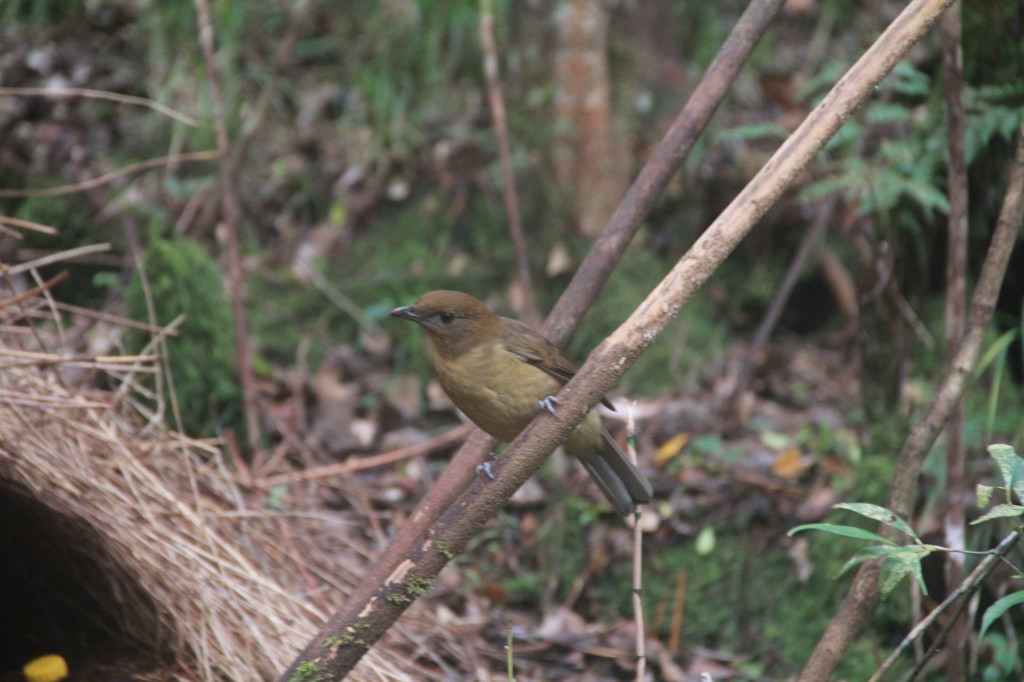
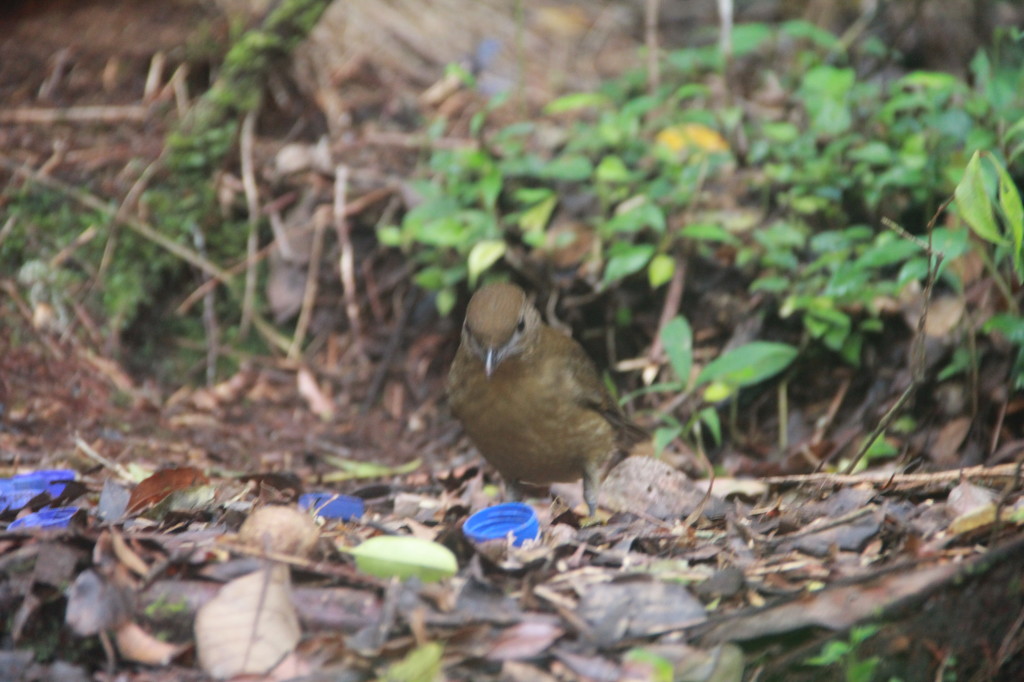
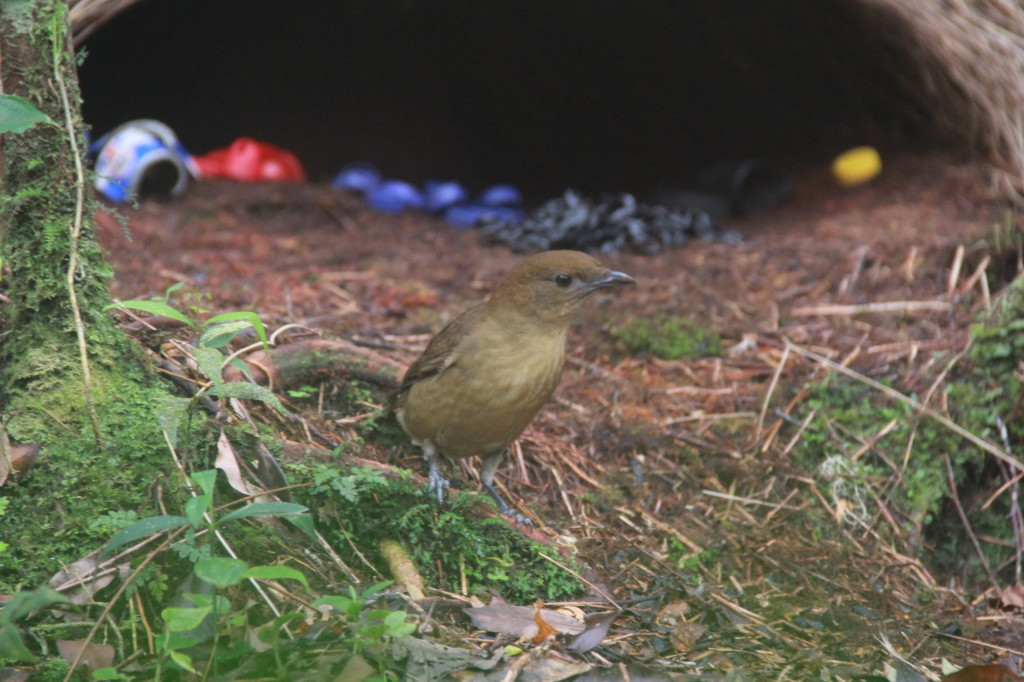
The Vogelkop Bowerbird (Amblyornis inornata), also known as the Vogelkop Gardener Bowerbird, is a medium-sized, bowerbird of the mountains of the Vogelkop Peninsula at West  Papua, Indonesia.

By far, the easiest place to see them is in the Arfaks where Zeth Wonggar has built hides at their display grounds.  Like other Birds of Paradise, they stay at the same display grounds year round so that makes them predictable.  Good for eco-tourists but not good if they are being stalked by trappers.

Vogelkop Bowerbird Range

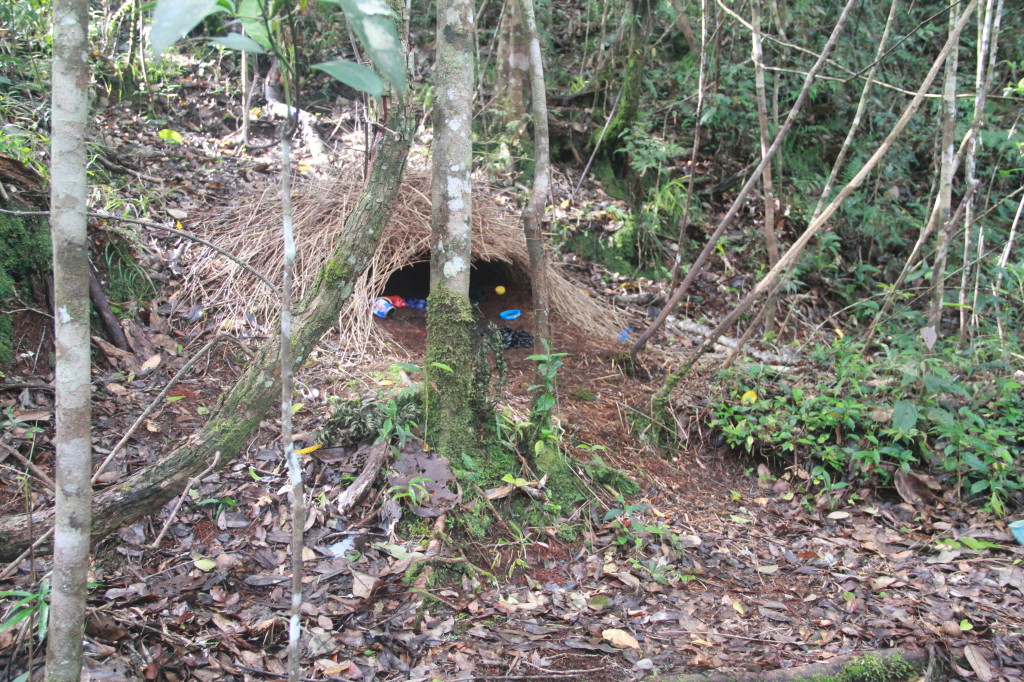
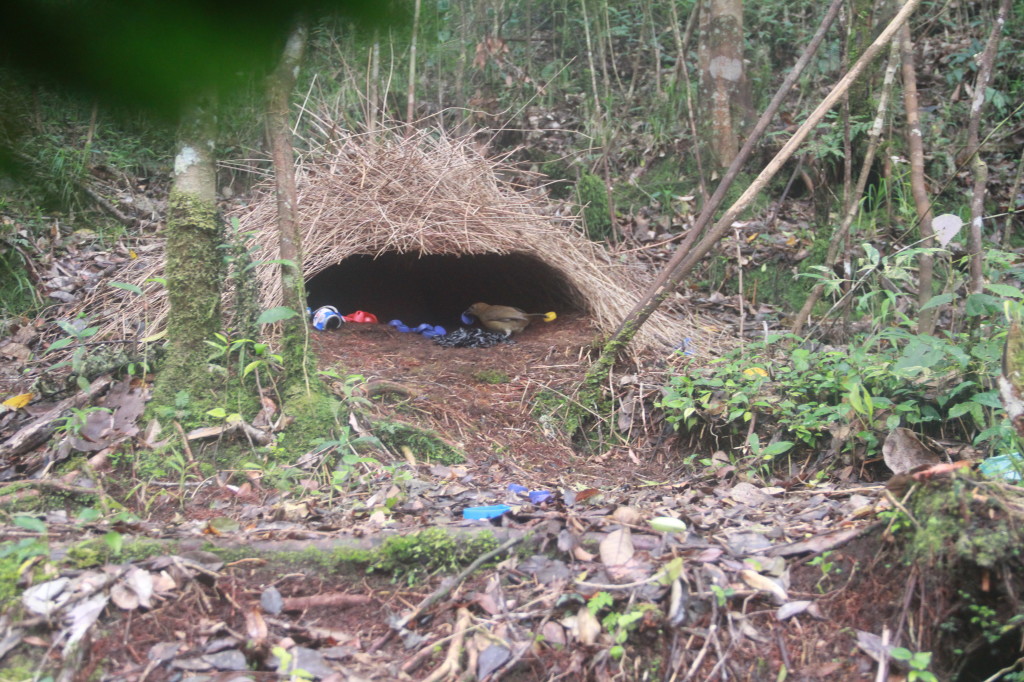
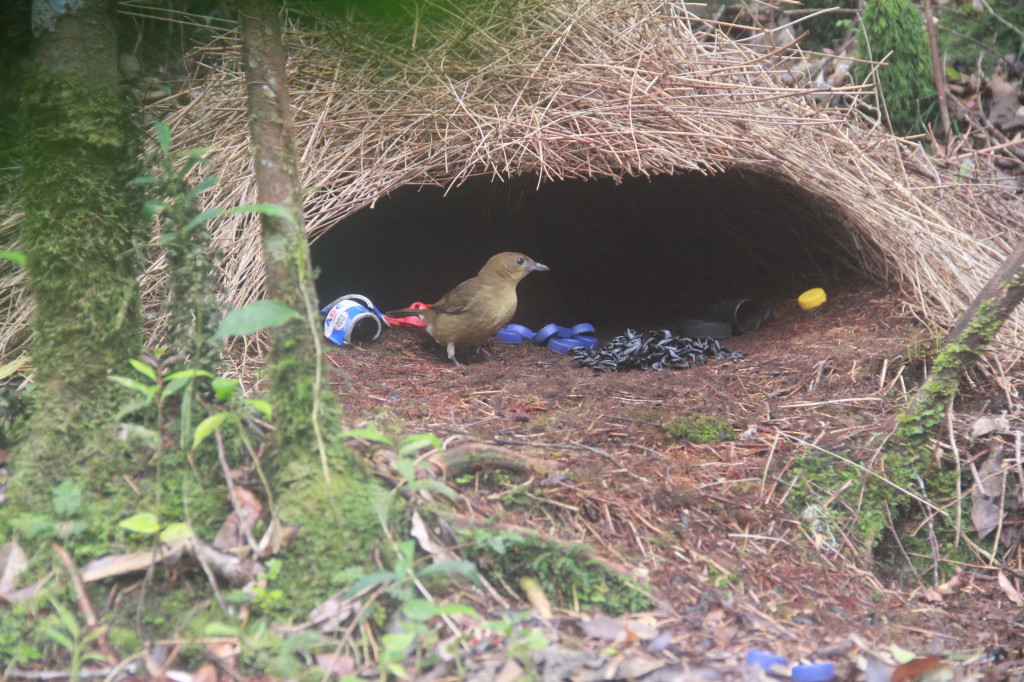
The bower is a cone-shaped hut-like structure some 100 cm high and 160 cm in diameter, with an entrance usually propped up by two column-like sticks. A front “lawn” of some square meters area is cleaned of debris and laid out with moss. On this, and in the entrance of the bower, decorations such as colourful flowers or fruit, shining beetle elytra, dead leaves and other conspicuous objects are collected and artistically arranged.

Males go to great lengths to ensure that their displays are in prime condition, replacing old items as needed, as well as trying to outdo their neighbours by finding more spectacular decorations, and arranging them appropriately.

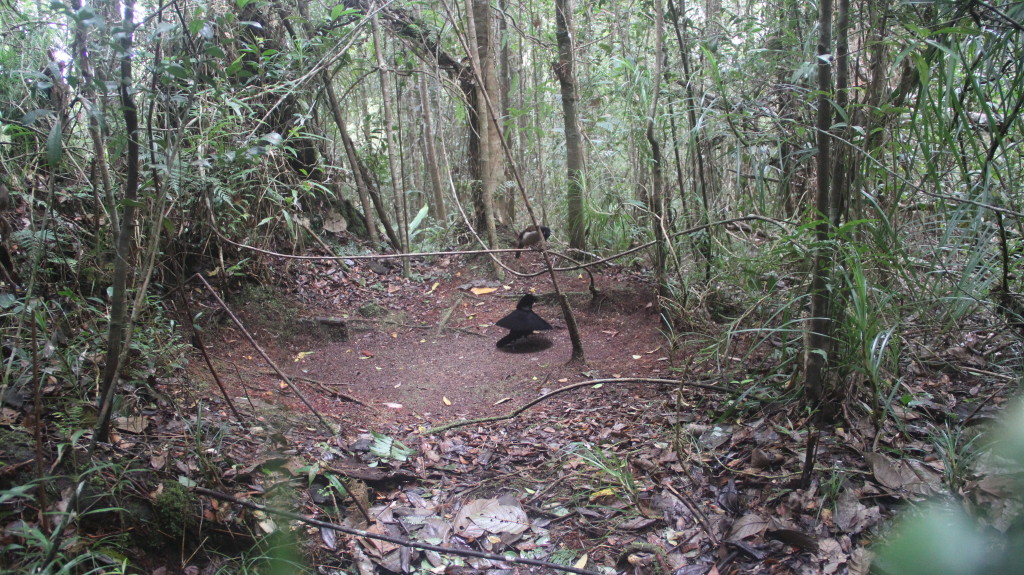
Vogelkop Bowerbird's Bower at Arfak

Vogelkop Bowerbird’s Bower at Arfak

Vogelkop Bowerbird arrives and is not happy his decor has been messed up.

Vogelkop Bowerbird arrives and is not happy his decor has been messed up.

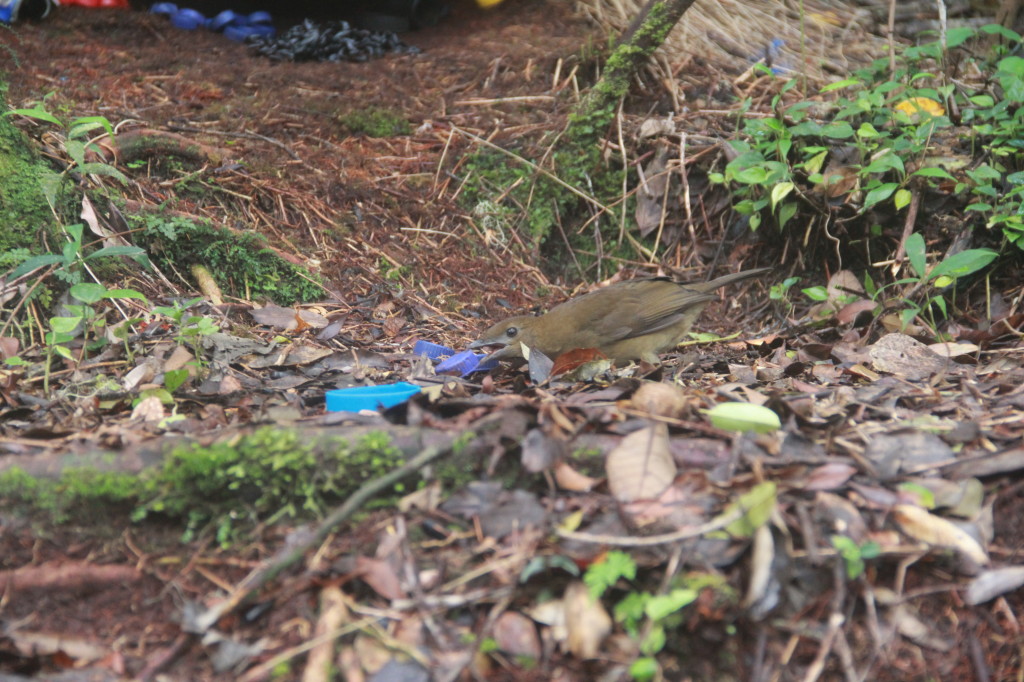
Eeek!  Who made this mess?

Eeek! Who made this mess?

Everything must be in it's proper place!

Everything must be in it’s proper place!

Gathering up his decor!

Gathering up his decor!

One final check-everything looks good.  Bring on the paparazzi!

One final check-everything looks good. Bring on the paparazzi!

OK lady Bowerbirds, come and check out my awesome bower!

OK lady Bowerbirds, come and check out my awesome bower!

Surely this is worthy of Better Homes and Gardens!


Western Parotia – The Feathered Lord Of The Dance

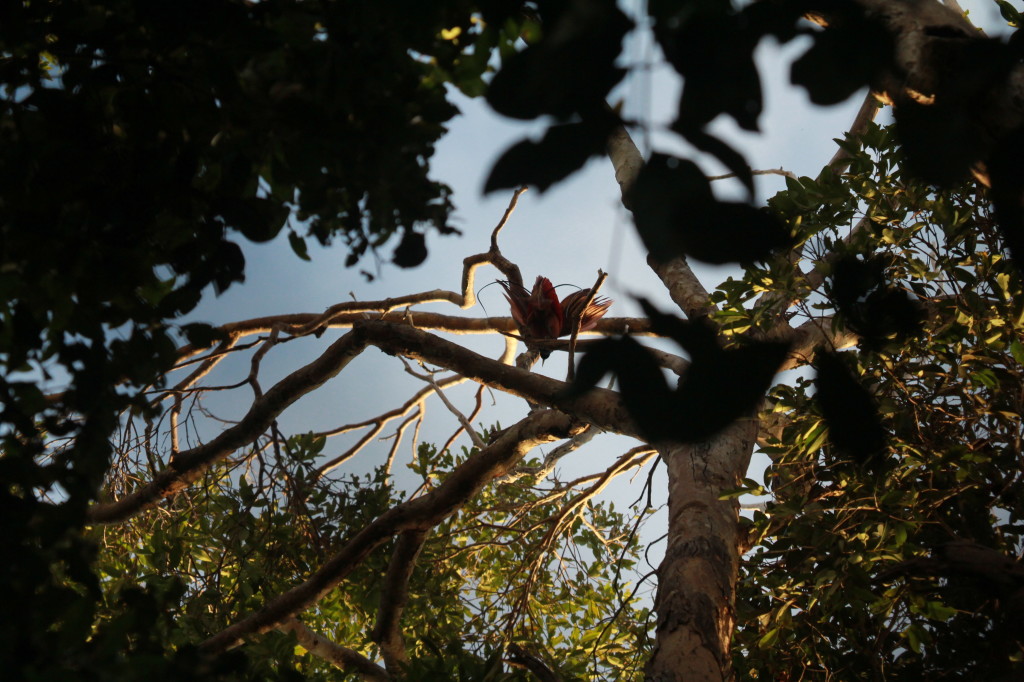
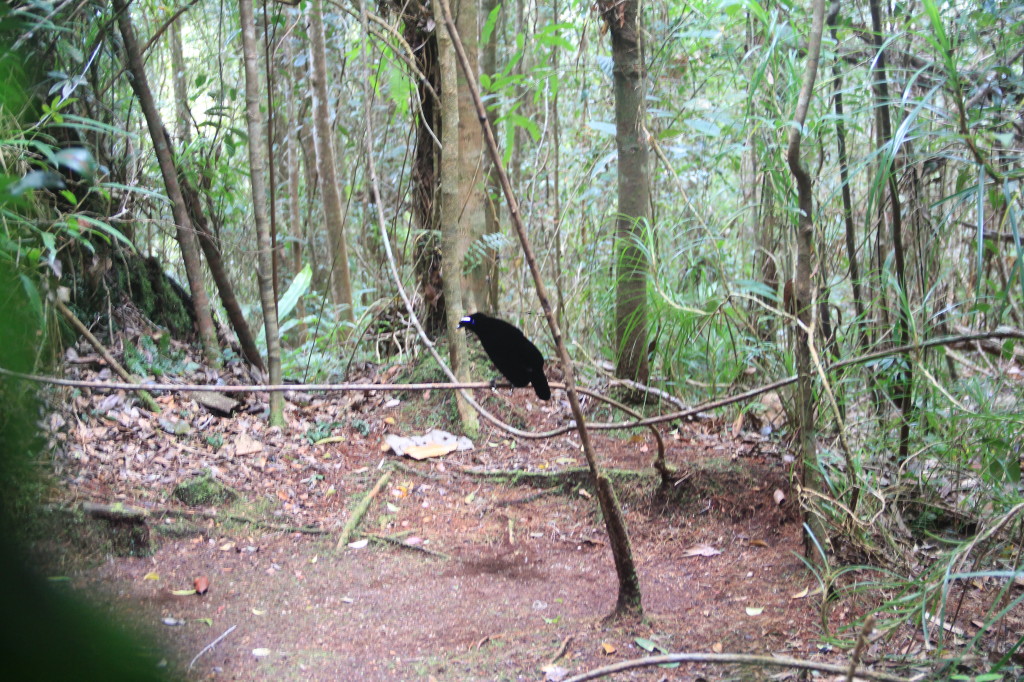
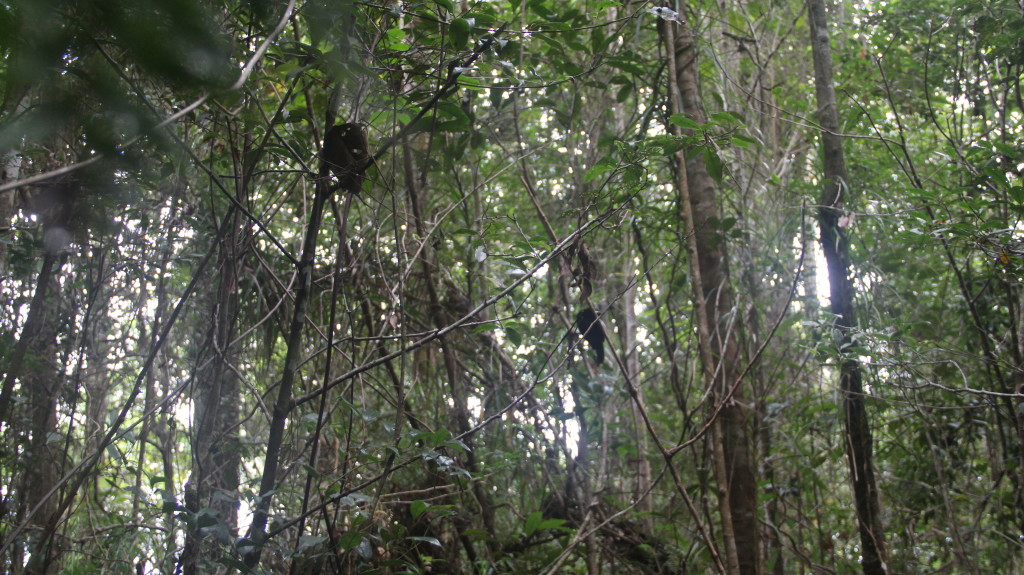
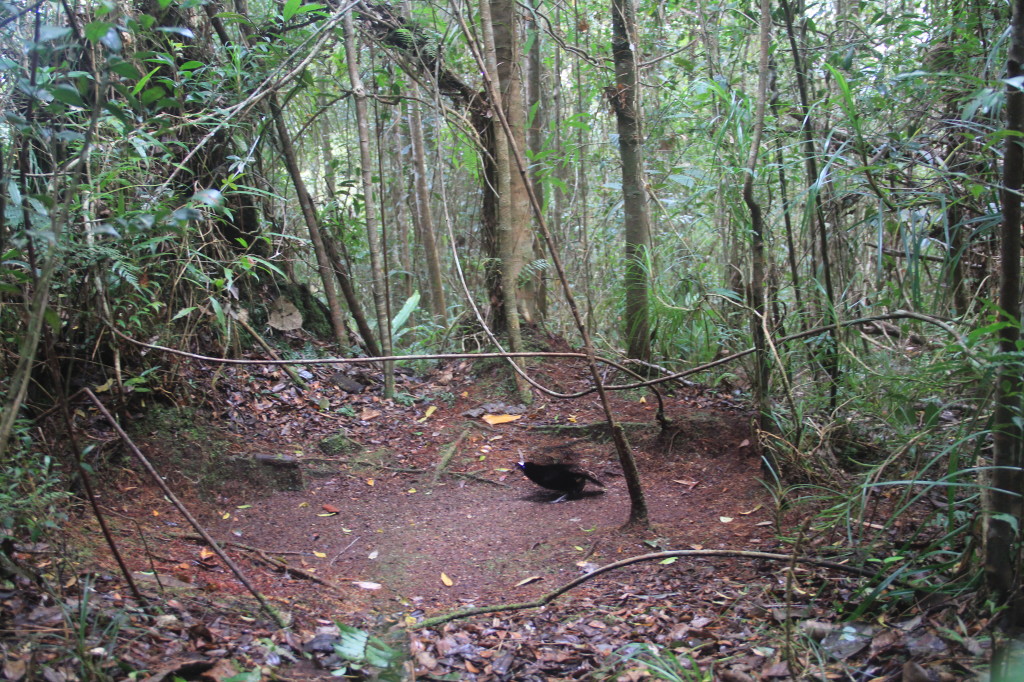
The Western or Arfak Parotia, Parotia sefilata, is a medium-sized, approximately 33 cm long, bird of paradise with a medium-length tail.   Although their range is geographically limited, they are widespread in their range and not considered to be endangered.  By far, the easiest place to see them is in the Arfaks where Zeth Wonggar has built hides at their display grounds.  Like other Birds of Paradise, they stay at the same display grounds year round so that makes them predictable.  Good for eco-tourists but not good if they are being stalked by trappers.

Western Parotia Range

The first visit in the afternoon saw the bird unsuccessfully trying to call in some females so he could strut his stuff.

Western Parotia calling for females so he can dance for them

Western Parotia calling for females so he can dance for them

We were up at dawn and back in the hide and this time our feathered friend managed to lure a few females in closer.

Western Parotias gather in the trees at dawn

Western Parotias gather in the trees at dawn

Western Parotia sees females overhead and prepares to dance

Western Parotia sees females overhead and prepares to dance

One female Western Parotia comes in for a closer look while the male shows his best moves.  There were a couple other females higher up in the branches.

One female Western Parotia comes in for a closer look while the male shows his best moves. There were a couple other females higher up in the branches.


You can’t blog about the “Feathered Lord of the Dance” (my nickname for this bird) without showing his moves, so here’s a compilation of clips taken the afternoon before and the morning we saw him dance.  This little guy tried so hard to entice the females, I was so hoping he would “get lucky” but although he got some feminine interest he wasn’t able to “seal the deal”.


If you are curious about how Parotias use the iridescent patches on their heads, see my post on Extreme Photography where a Nat Geo crew shows the lengths they went to to get the same angle the female Parotia sees.


Greater Bird-Of-Paradise, (Paradisaea apoda)

The spectacular Greater Bird-Of-Paradise, (Paradisaea apoda) was not in the range of our trip but since I posted about Lesser Birds of Paradise, I thought I should show you the difference.  The colouring is very similar but they are the largest member in the genus Paradisaea, with males measuring up to 43 cm (17 in) (excluding the long twin tail wires). The female is smaller, at only 35 cm (14 in).

Greater Bird-Of-Paradise, (Paradisaea apoda)

It is much harder to find them in the wild as their range isn’t in any of the main birding hotspots of West Papua which is generally the easiest place to get to for Birds of Paradise.  Some organized birding groups do go to Papua New Guinea but they are not cheap!

Distribution

This clip of the mating ritual of Greater Birds of Paradise was filmed on the Aru Islands.  In the image above, this is the smaller island with the green highlighting south of New Guinea to the left side.

Lesser Bird-of-paradise, (Paradisaea minor)

The official name of this exquisite bird just seems wrong!  How can anything so beautiful be “lesser” to anything?

Lesser Bird-of-paradise, (Paradisaea minor)

They are found exclusively on the island in New Guinea in the northern half of the island.  The similar looking larger Greater Bird of Paradise is in the southern part of the island.  For the eco-tourist, your best chance of seeing one is going with a highly skilled guide such as Pak Jamil in Nimbokrang.  I didn’t get a good look at one as during our visit they stayed deep in the trees but we could hear them calling.   Birding is never a sure thing, sometimes you get lucky, sometimes you don’t.  They do stay in their display area but sometimes the trees block your view and I didn’t have the gear to slosh through the mud to get a better view.

Distribution


This video shows their beauty up close!

Twelve-wired Bird-of-paradise (Seleucidis melanoleucus)

The intriguing Twelve-wired Bird-of-paradise (Seleucidis melanoleucus) is widely distributed throughout New Guinea and Salawati Island of Indonesia.  I caught a glimpse of one in the swamp forest of Nimbokrang while birding with Jamil.  Much to my frustration, my camera battery had somehow gone flat overnight so I wasn’t able to get a pic of my own so have to rely on this one from Wikipedia.

Twelve-wired Bird-of-paradise

The best place to see the Twelve-wired Bird-of-paradise in in West Papua and visiting Nimbokrang you have the advantage of one of the top birding guides in Indonesia – Pak Jamil.  I will be doing a separate blog on how to organize this.

Distribution

There’s a lot of great information about them in this video with David Attenborough.


Birding In Biak

We only had one day to hit the popular birding spots but I was pretty confident that we could get the main parrots species I wanted to see and as many other endemic birds as possible.  We arrived around 5:30 in the morning and were met at the airport by our guide Jefta.  He took us to the Aerotel Irian across the street which I had booked online so we could drop off the bags, get the camera gear ready and meet Benny from Discover Papua who had organized our day trip.  I had previously negotiated a price for 1 day birding with guide, lunch box and taxi of Rp. 1,350,000 (about $135).  I paid Benny in cash and then off we went with Jefta and the driver.  This was an easy birding day as we simply drove from one place to another, mostly birding from the side of the road or walking a short ways into the bush.  This suited us just fine as we were a bit tired from the red eye flight.

According to Burung Nusantara, the key species on Biak are Long-tailed Starling, Biak Black Flycatcher; Biak Paradise-kingfisher; Biak Lory; Geelvink Pygmy-parrot; Biak Scops-owl; Biak Monarch; Biak Coucal; Biak Scrubfowl; Biak Gerygone; Biak White-eye.

We successfully found the Biak (Black-winged) Lory and Red-flanked Lories flying overhead in a couple of spots and the Geelvink Pygmy Parrot in a tree in the Warafri area but they stayed deep in the foliage and I couldn’t get a clear shot of them.  I barely managed to get a couple shots of the Triton Cockatoos also in the Warafri area.  They are a sub-species of the Sulphur-crested Cockatoos we have in Australia.

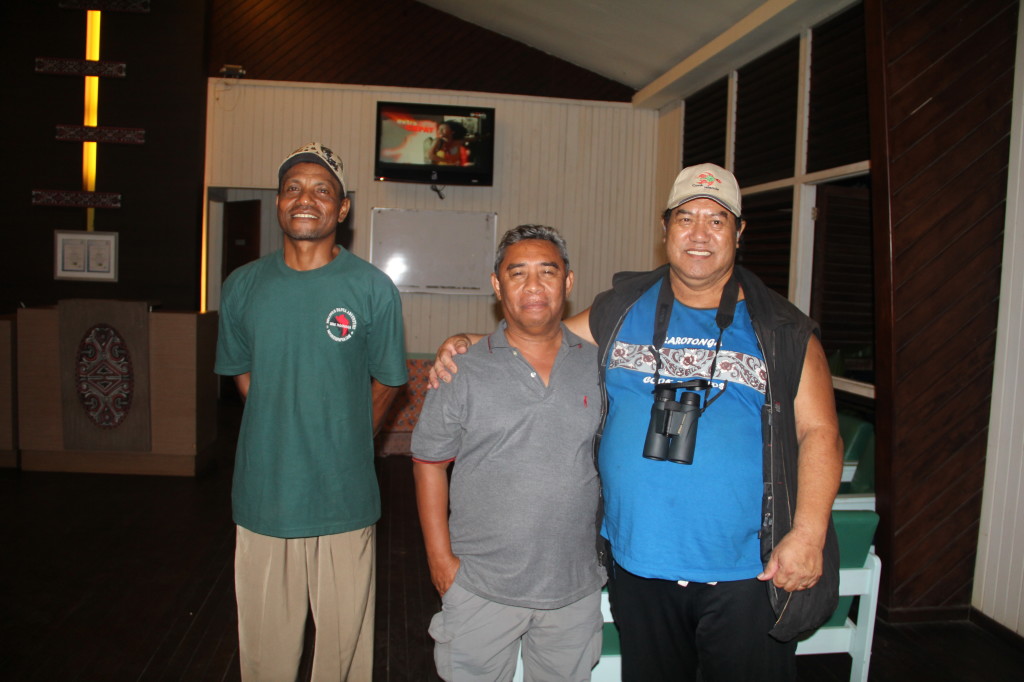
Jefta, Benny and Ina

Jefta, Benny and Ina

I’ve identified the birds that I can, hopefully some friends will see this and fill in the blanks.   I should have written them down when we were there.

Triton Cockatoo

Triton Cockatoo

Long-tailed Starling

Long-tailed Starling

Long-tailed Starling

Long-tailed Starling

See that tiny dot, I think that's pne of the Lories

See that tiny dot, I think that’s one of the Lories

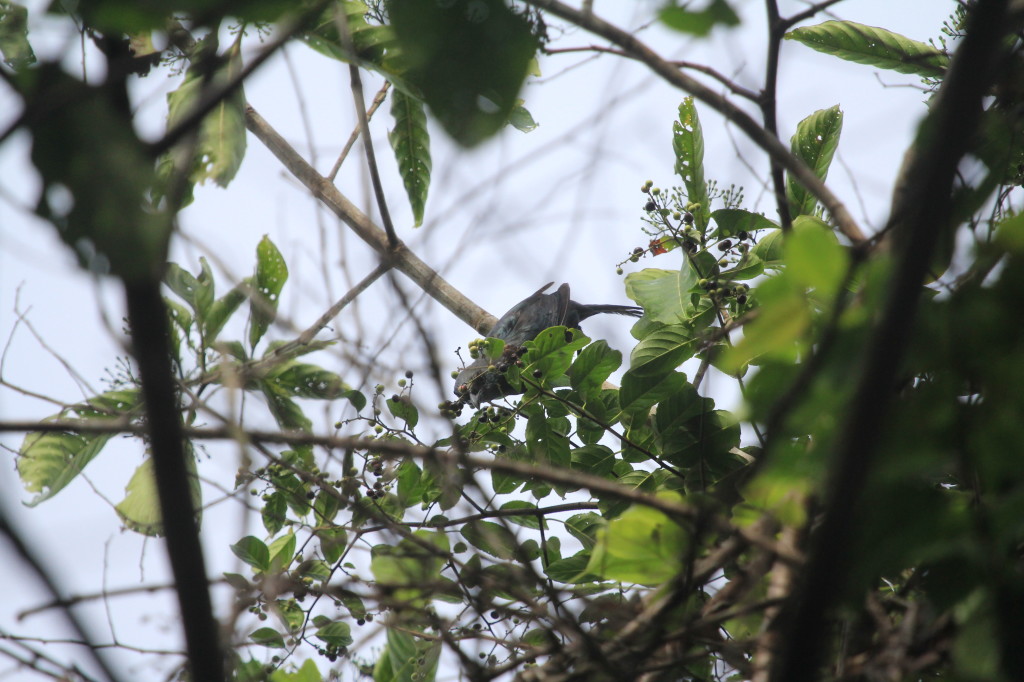
Not sure but I think its a fruit dove

Not sure but I think its a fruit dove

Fruit Dove

Fruit Dove

Find the hidden Geelvink Pygmy Parrots!

Find the hidden Geelvink Pygmy Parrots!

IMG_7294

IMG_7299


Biak Coucal

Biak Coucal

IMG_7333


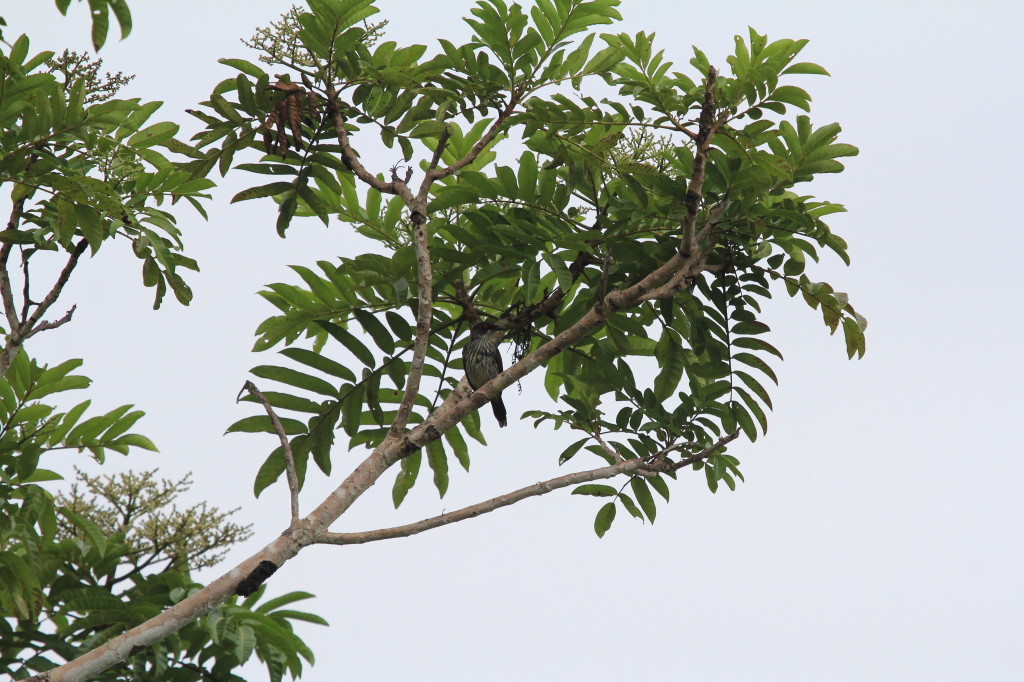
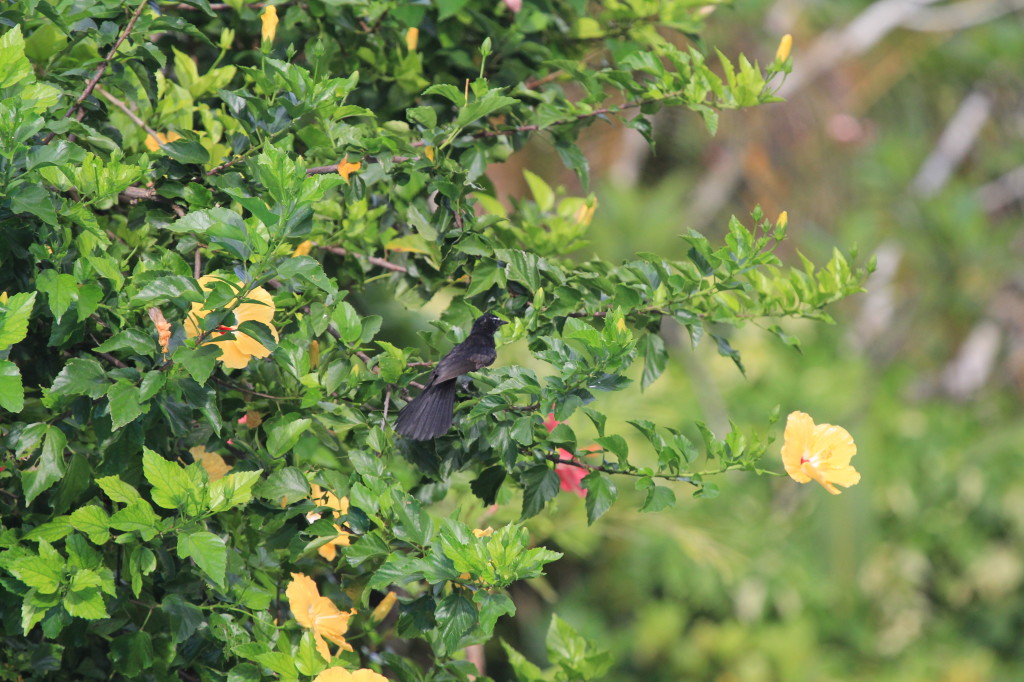
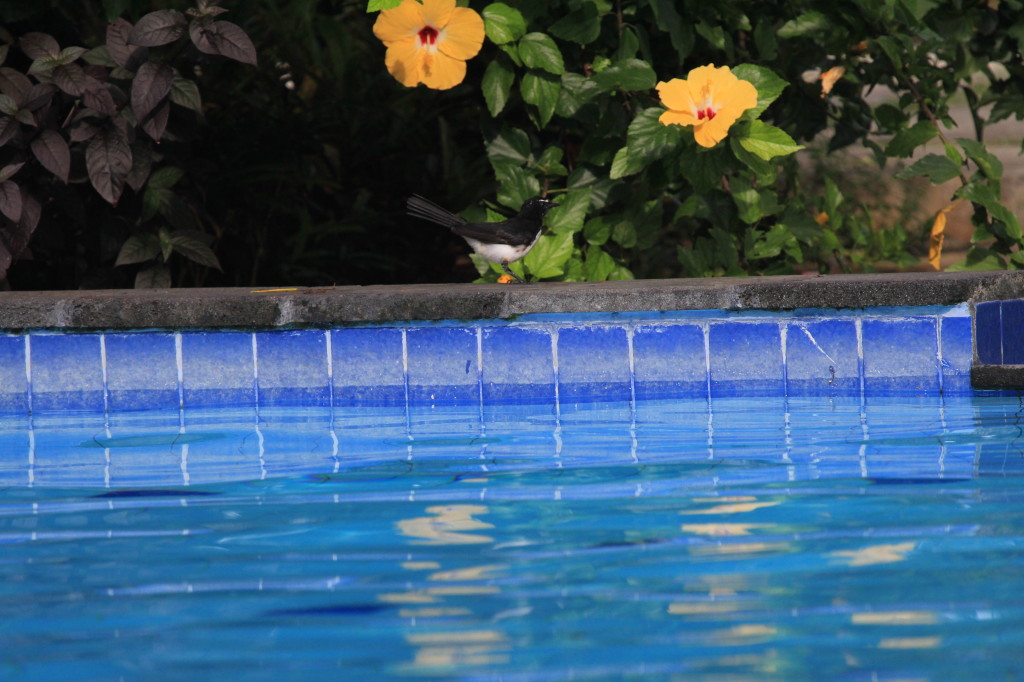
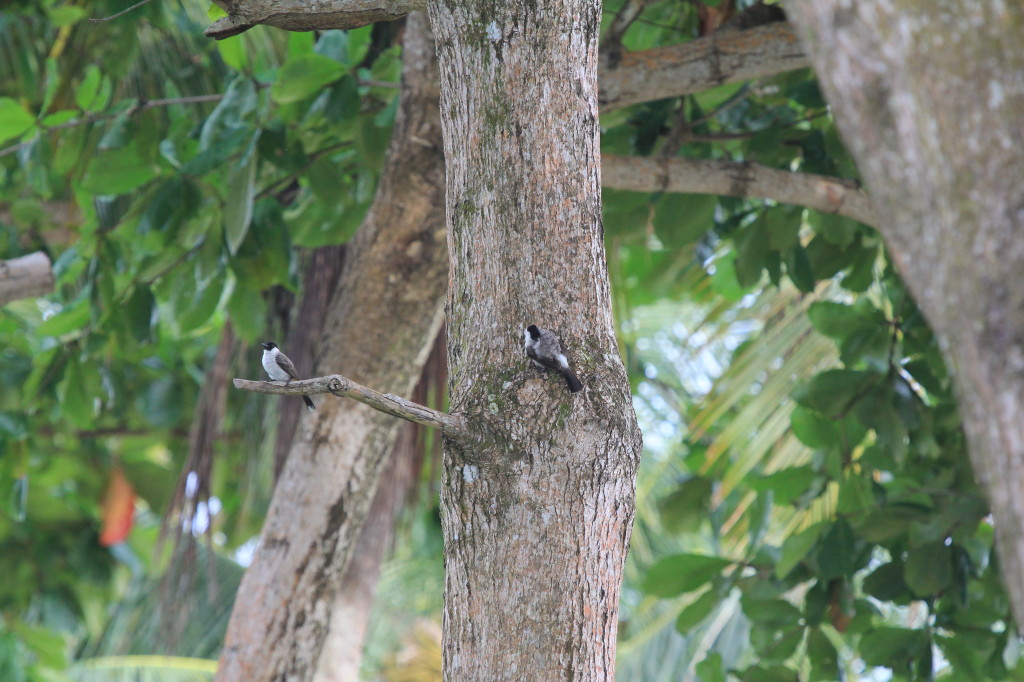
Back at the hotel, we saw several birds around the pool and garden, this time closer up!

IMG_7347

IMG_7348

IMG_7351

IMG_7356