Big Scottevest Father’s Day Sale

There are some really amazing deals going on with top travel gear outfitter, Scottevest!  Eco-tourists should consider the excellent Tropiformer jacket which is designed for the conditions we travel in and very versatile.  It’s 40% off which makes it a bargain at $96, but be quick as the sale ends 13 June or while stocks last.  Click on the image to get to the sale page.  This is my affiliate link and I do get a small commission on your purchases for which I thank you.

Scottevest Faher’s Day Sale

The Fine Print: Father’s Day 25%-40% Off Deals

* The sale runs from 12:01AM MT on Tuesday, June 4th, 2013 until 12 Noon MT on Thursday, June 13th (aka until close of shipping on the last shipping day before Father’s Day). Although unlikely, we reserve the right to end the sale early or extend it.

* 25% – 40% off sale pricing applies only to the specific items listed on this page, and for the specific percentage off as shown per product. These deals cannot be combined with any other coupons, discounts or offers. No promo code is required for the discounts, and no additional promo codes or discounts may be applied to these items.

* The discount applies to IN STOCK items only (no rainchecks), and does not apply to prior purchases. Only while supplies last.

* Our normal Return Policy is in effect.


Inspiring The Next Generation

I make a point of “liking” all eco-tourism pages I find on Facebook and sometimes I see some great posts being shared.  One thing I think is extremely important is to share our love of nature and a sense of stewardship of planet Earth with the next generation.  They will inherit this world from us and pass it on to further generations in turn.  Have a look at this high school group vising Tambopata in Peru and learning about their wonderful native species!  Please share this post with any teenagers you know who may find this interesting.  Tambopata has some voluntourism positions available from time to time, what better way to develop an everlasting appreciation of nature and wildlife!  They also practice sustainable “green” tourism.

Maria Marta’s Jungle Photography

If these beautiful photos inspire you, visiting Tambopata is easier than you think.  Start here!  

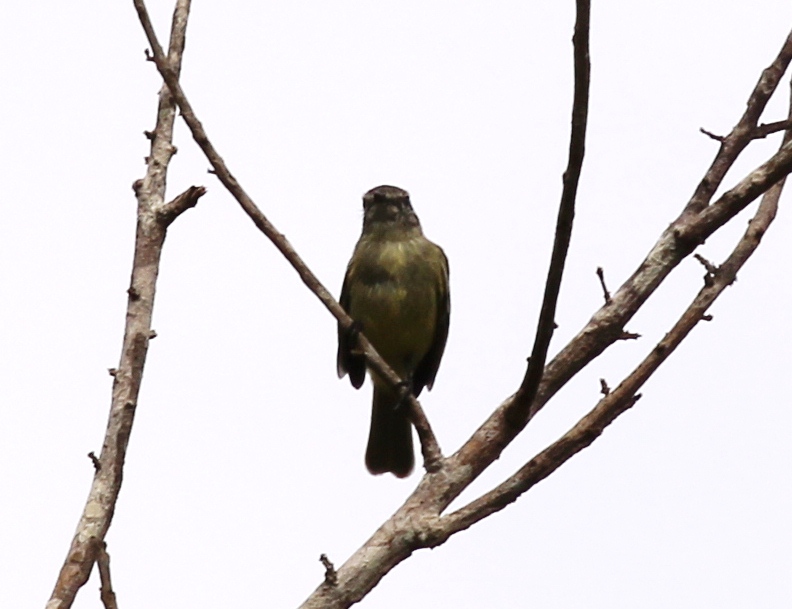
Some Avian Delights Of Amazonia

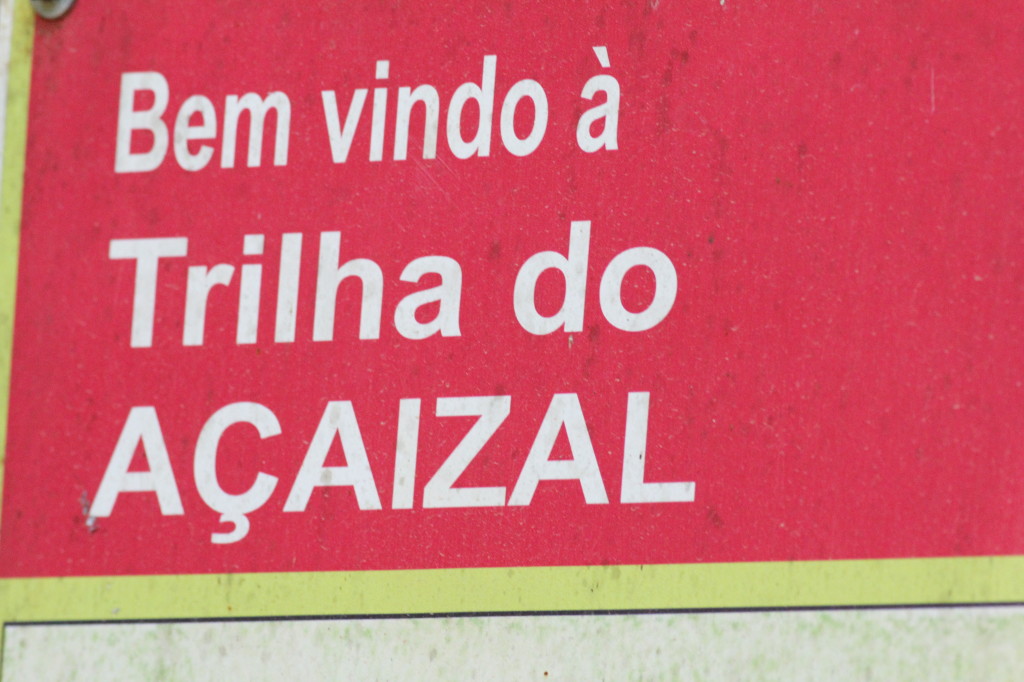
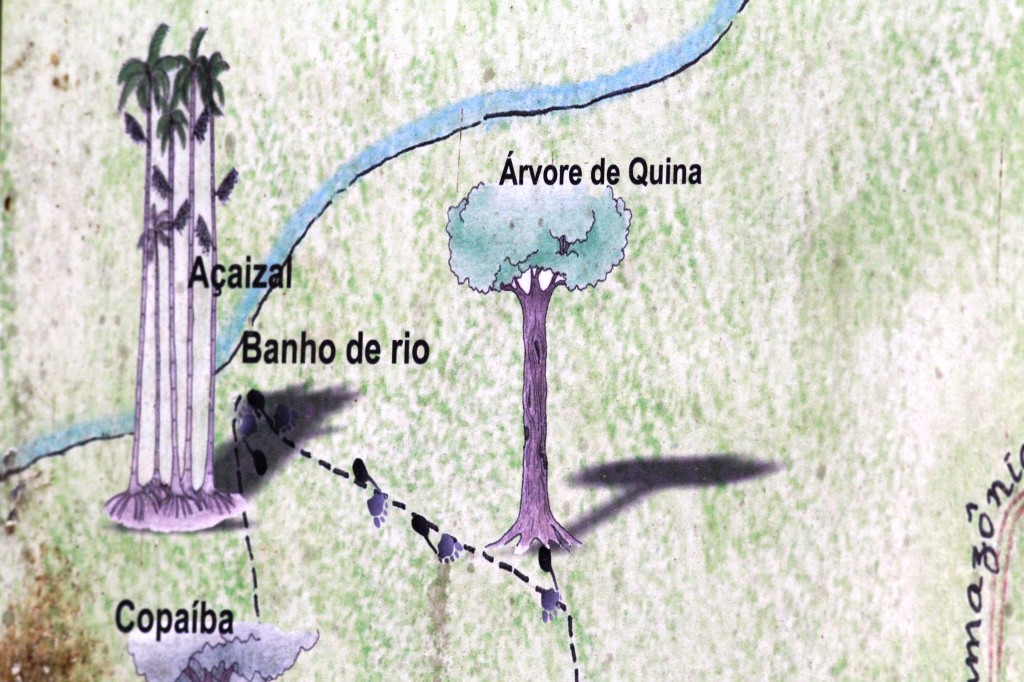
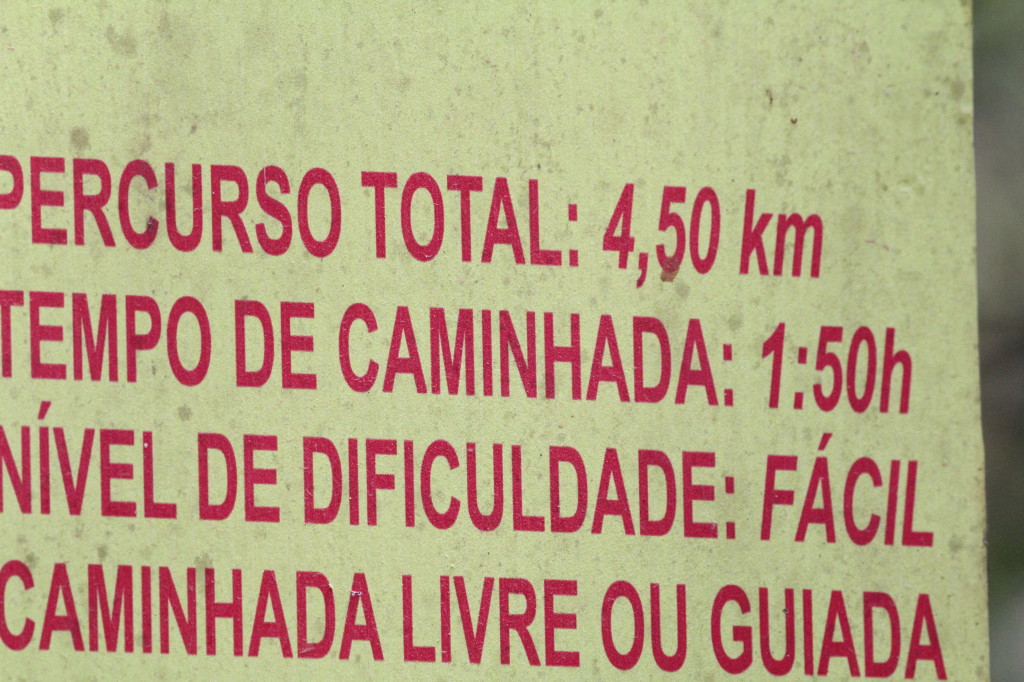
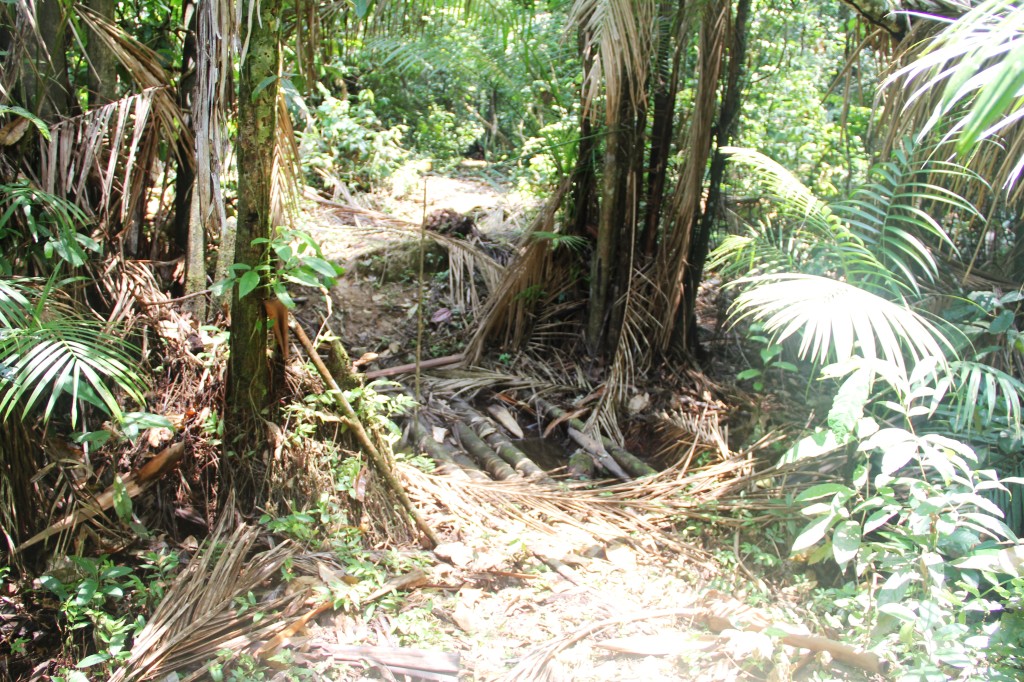
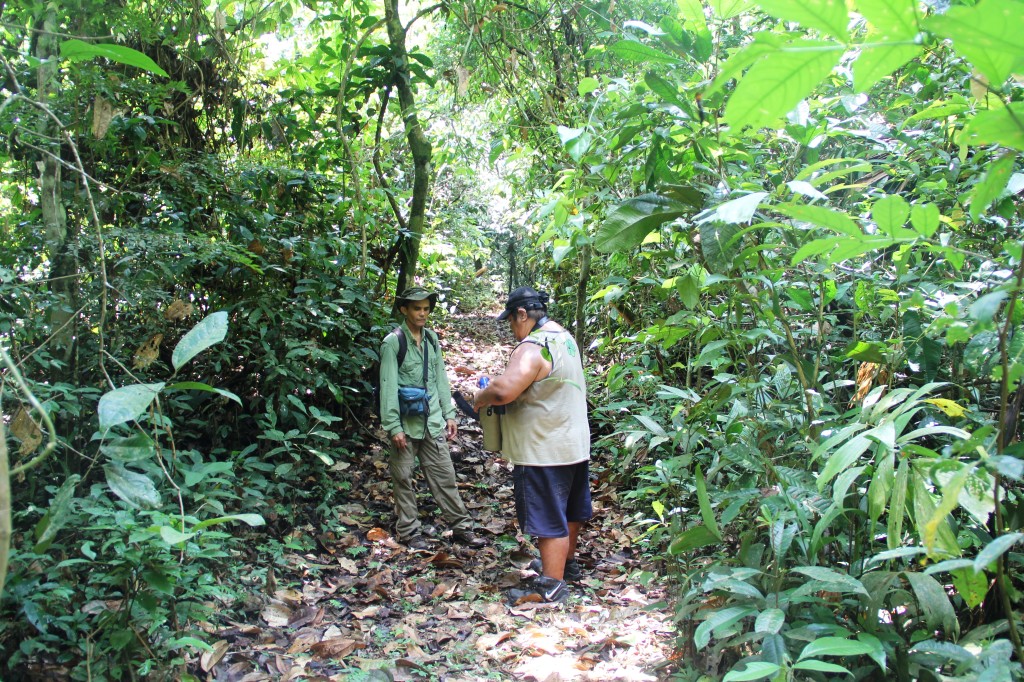
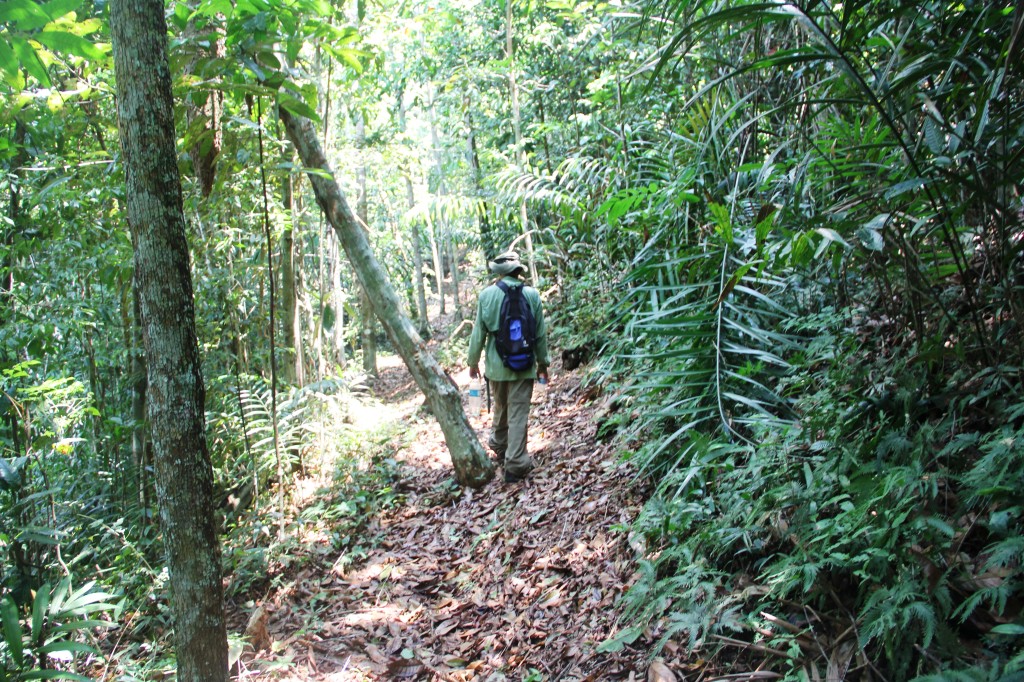
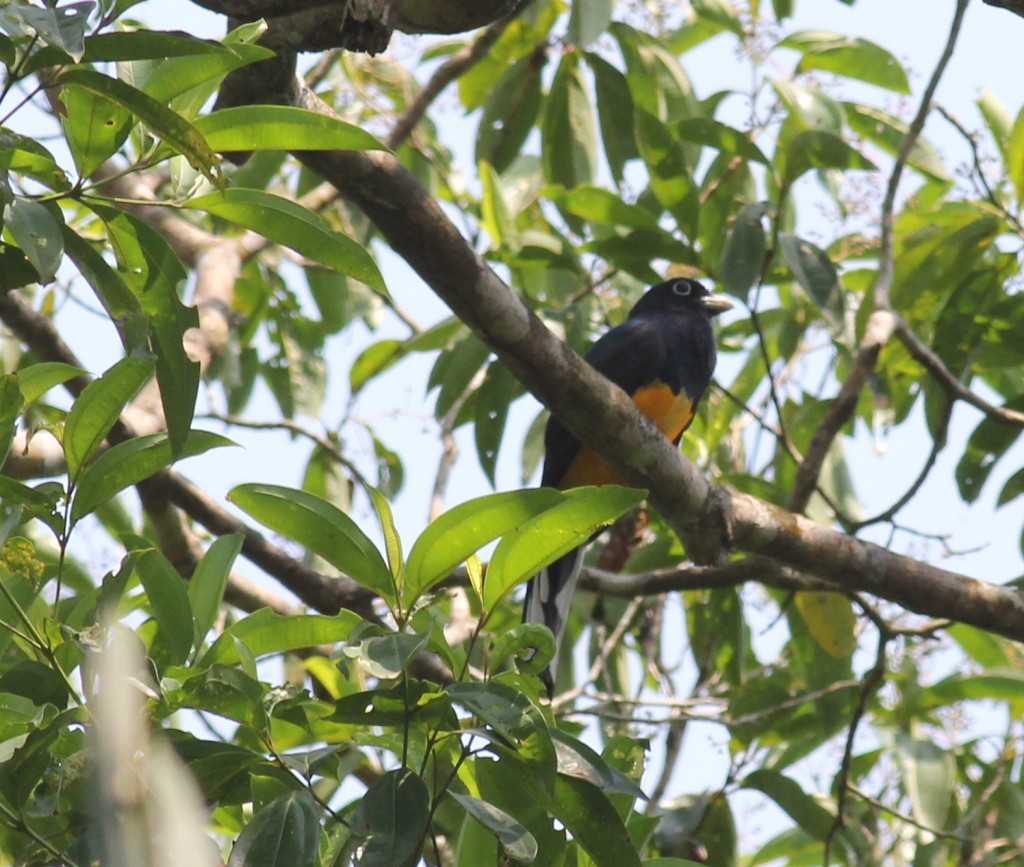
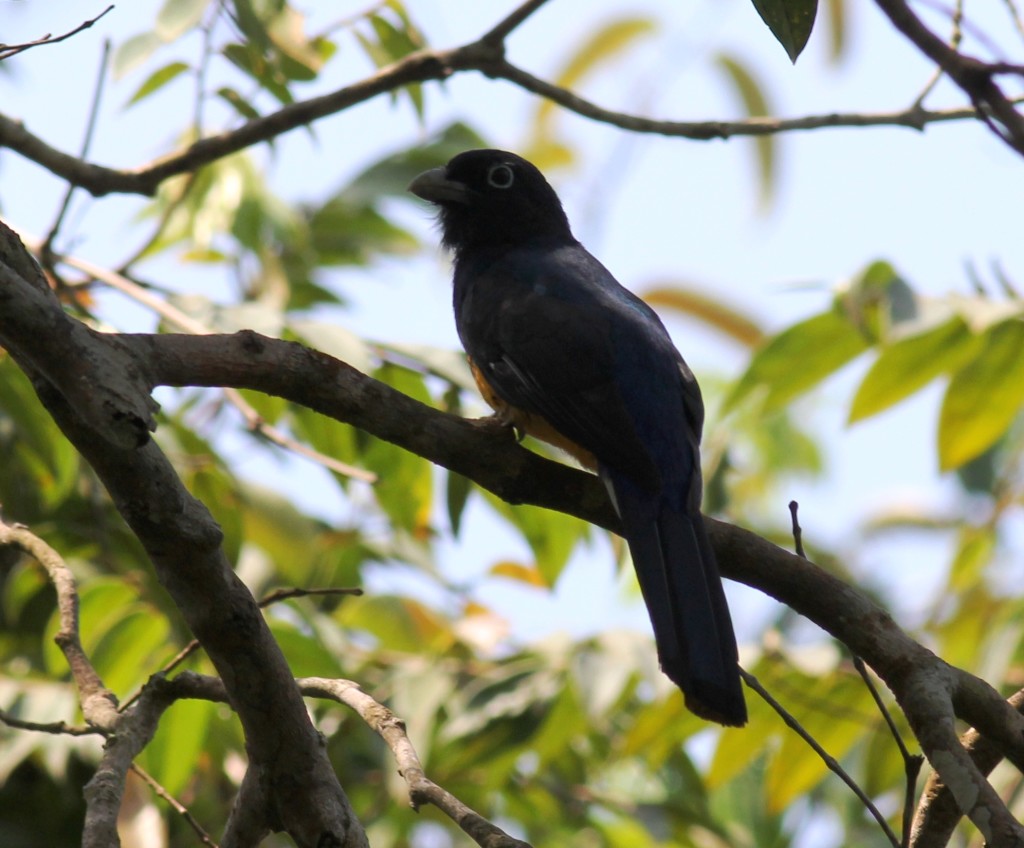
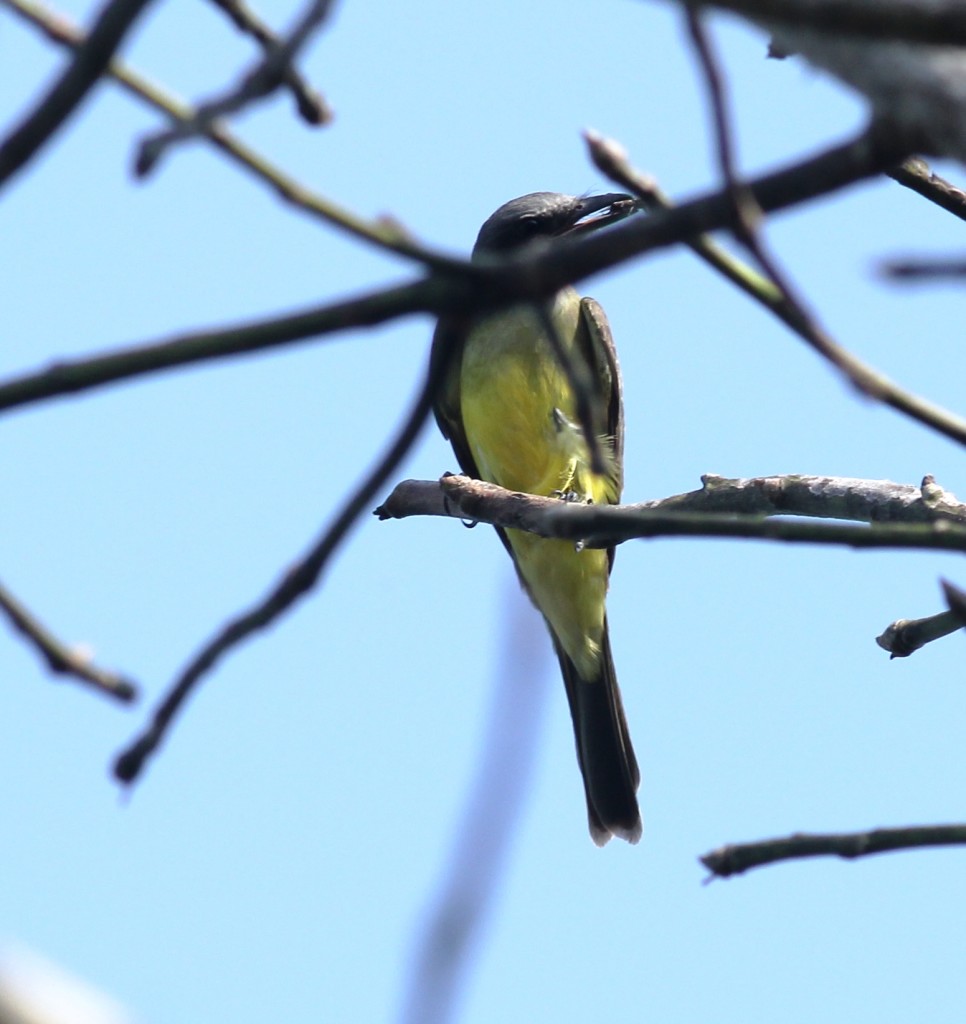
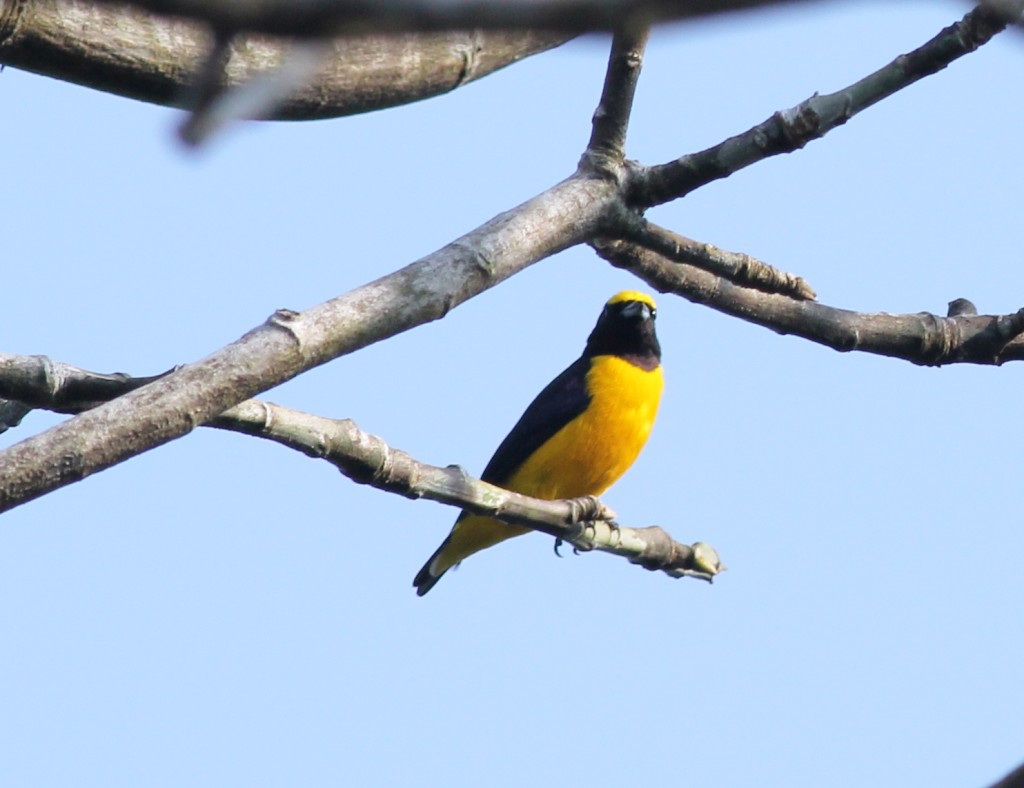
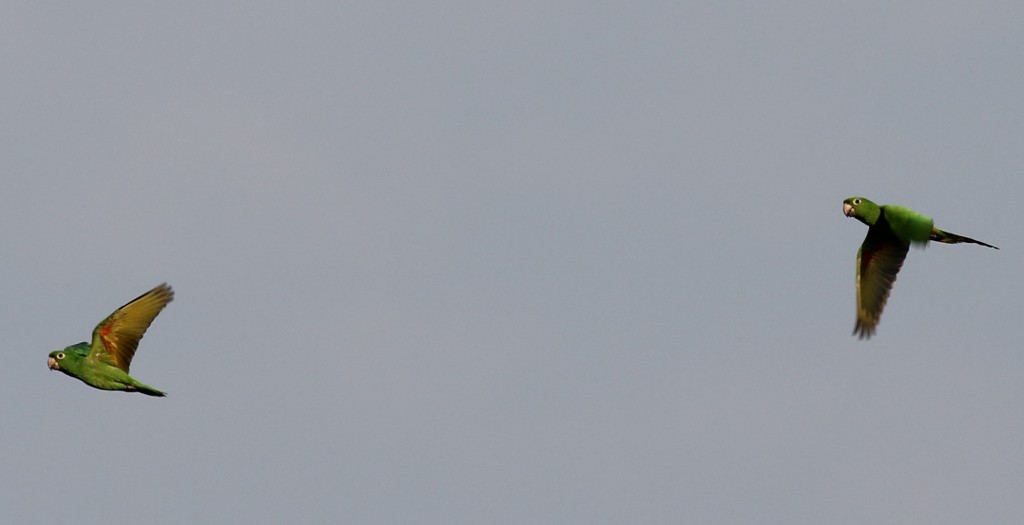
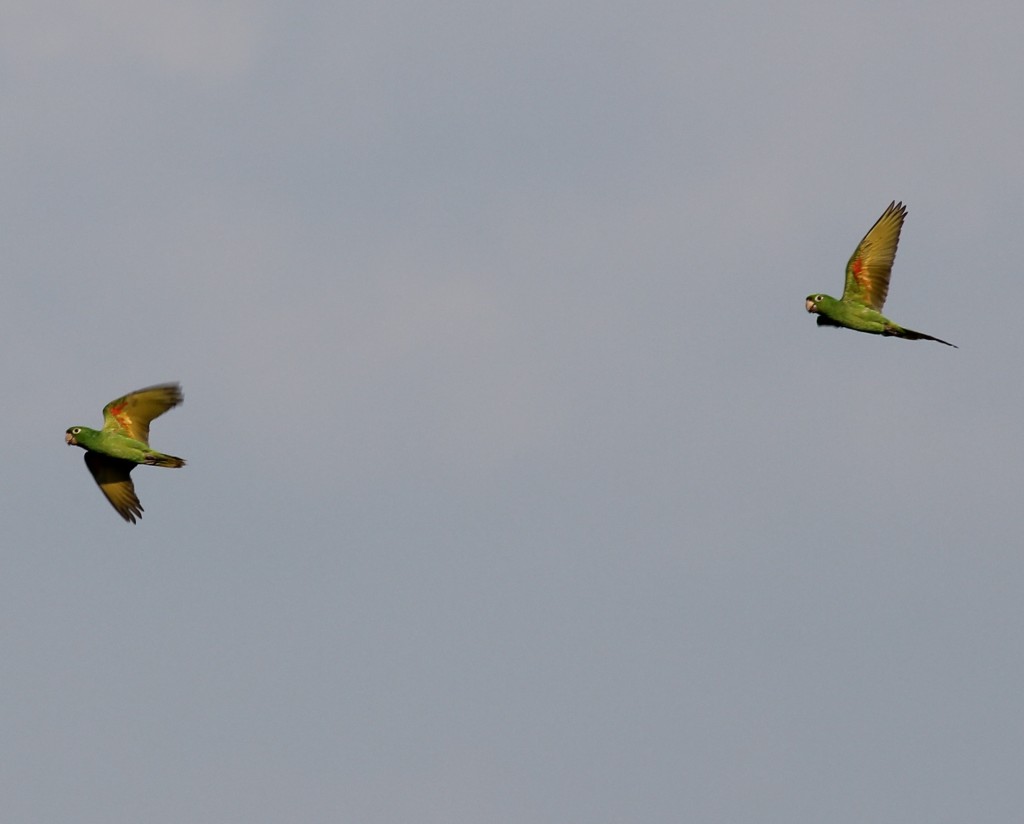
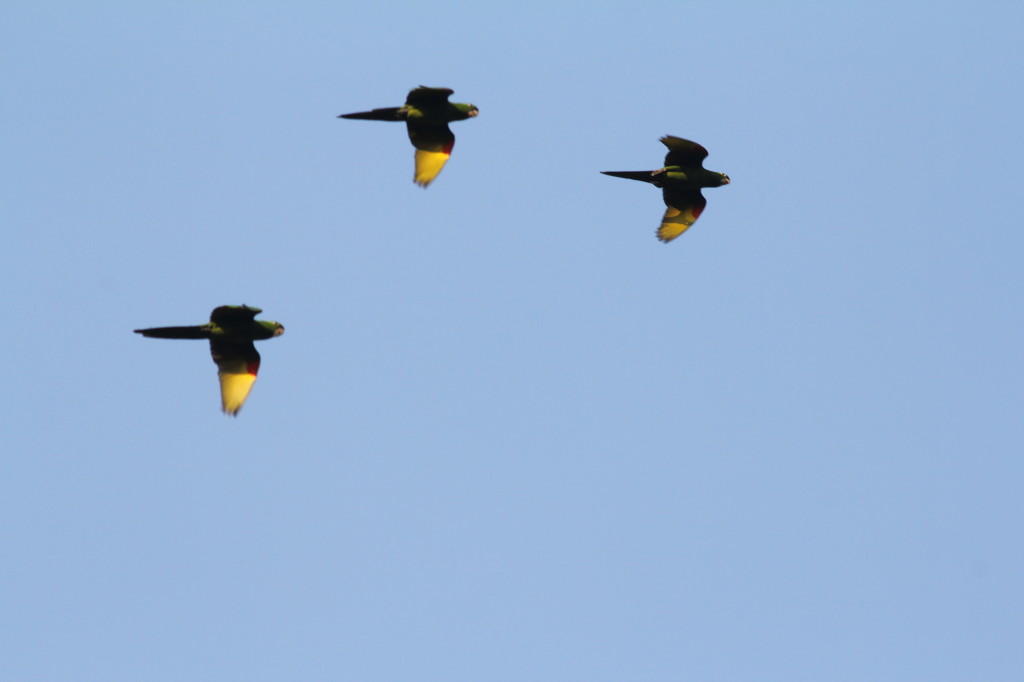
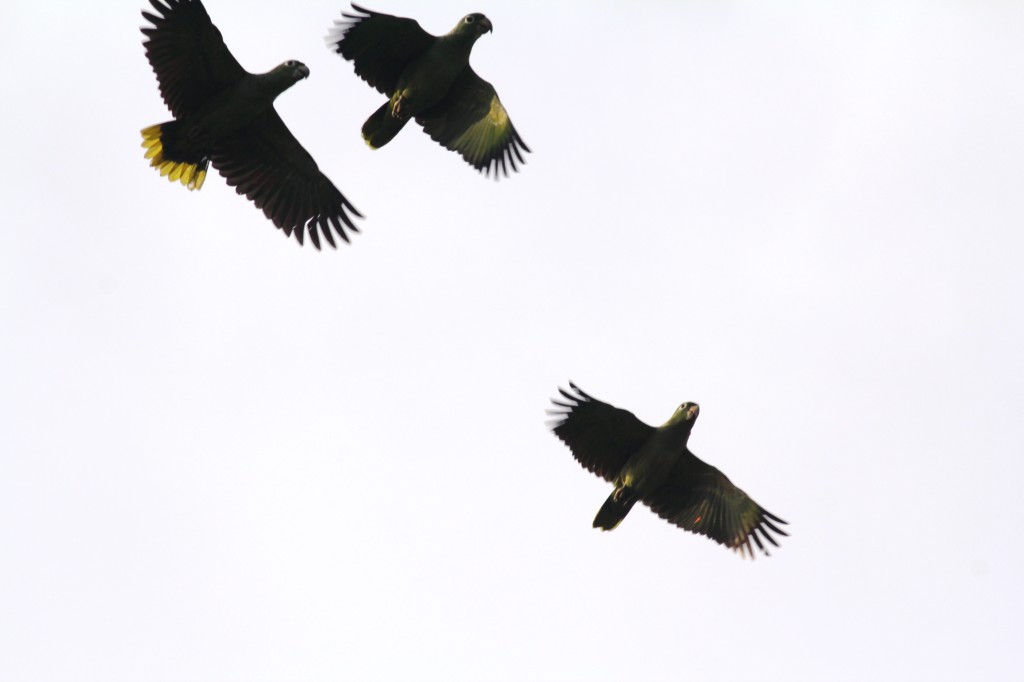
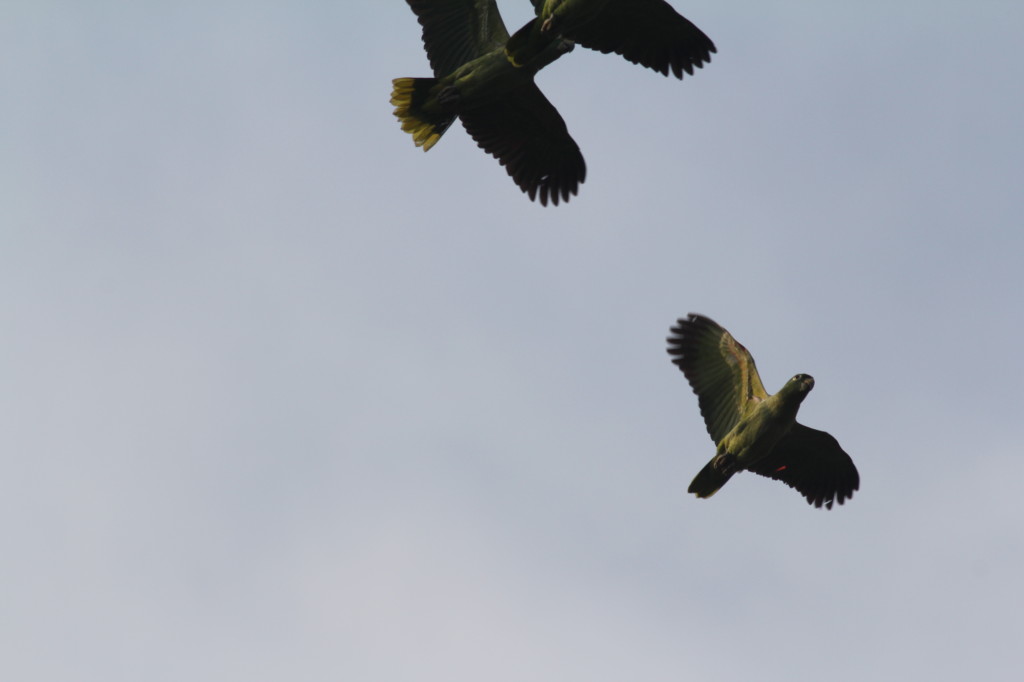
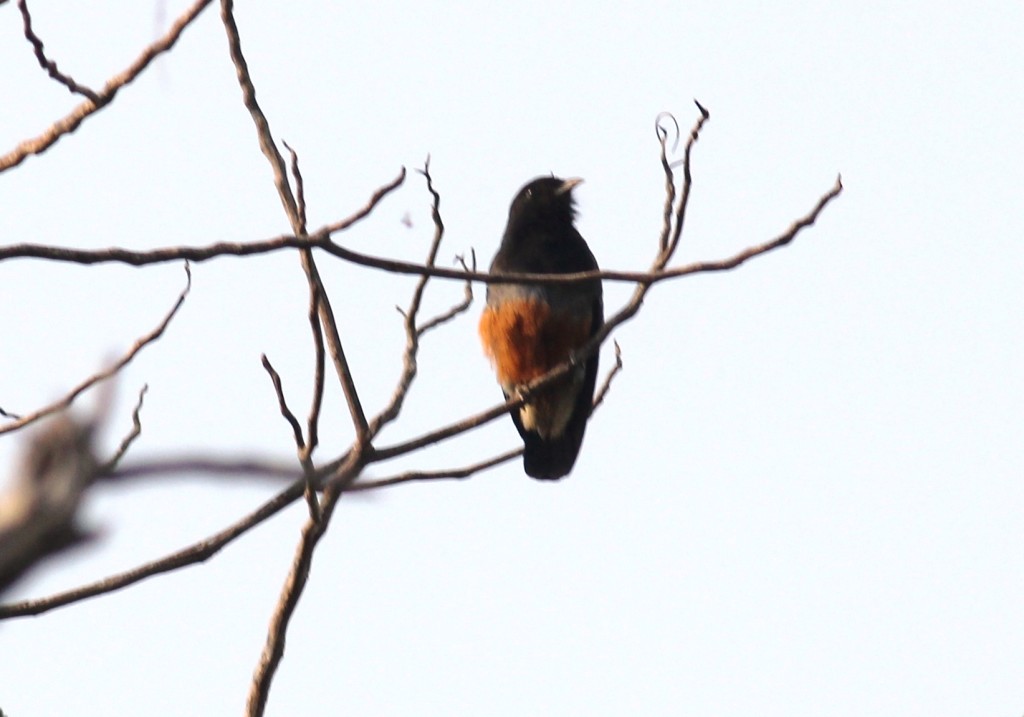
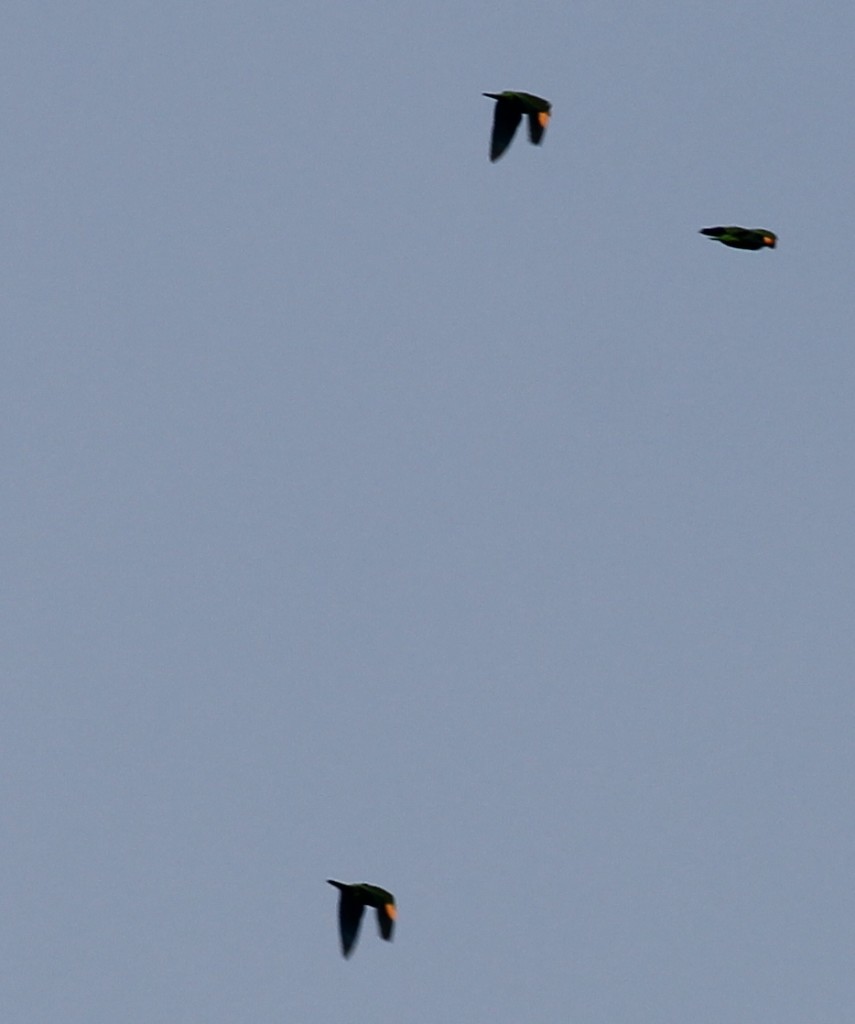
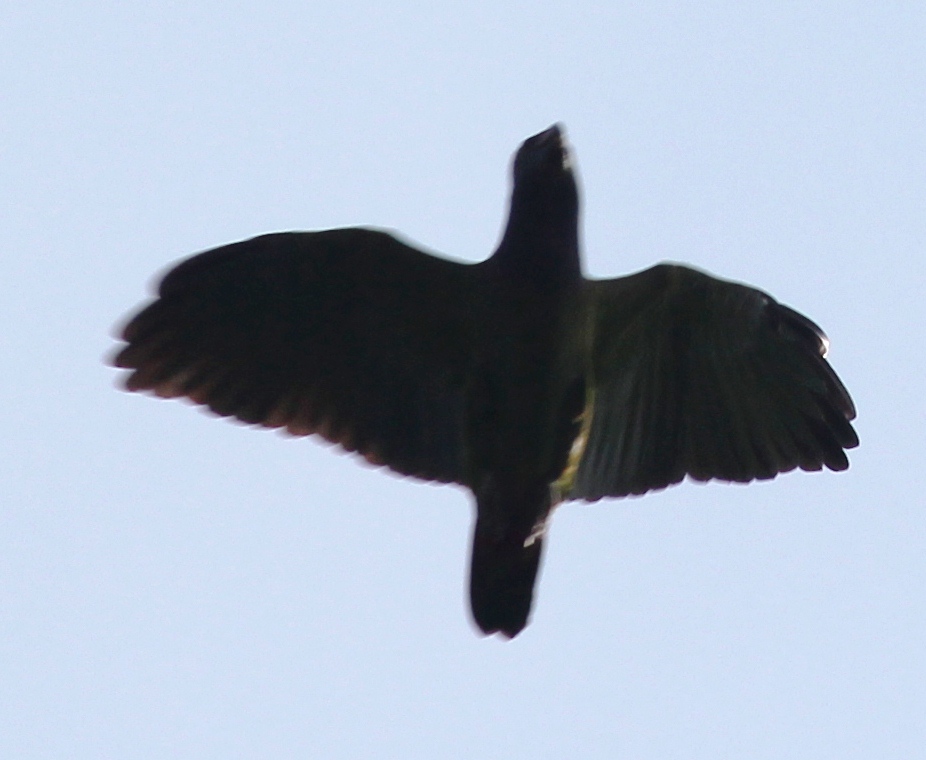
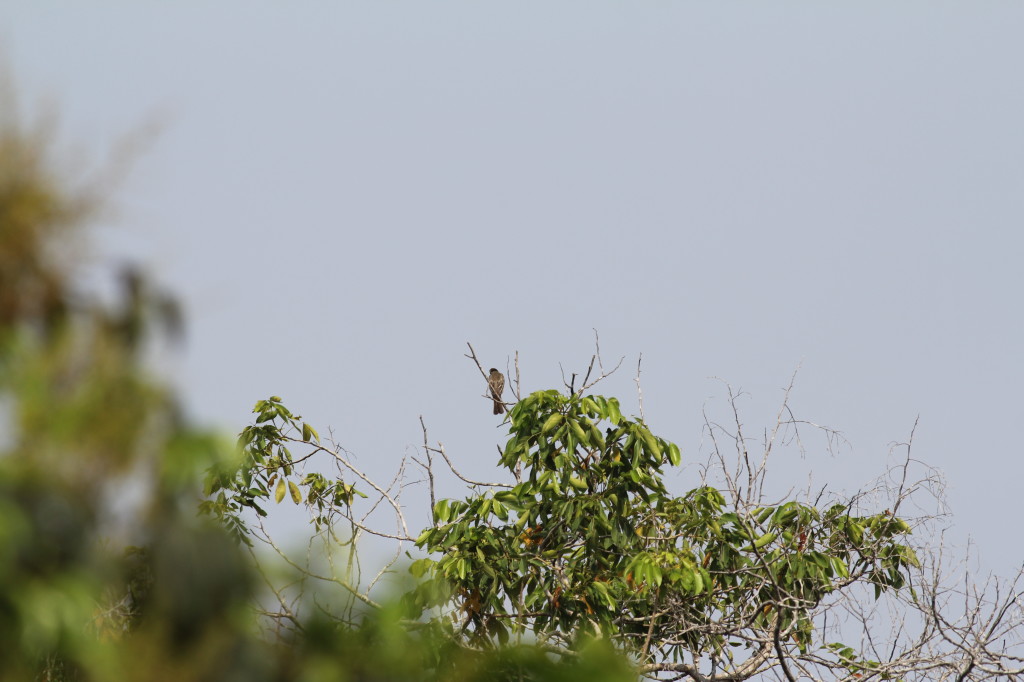
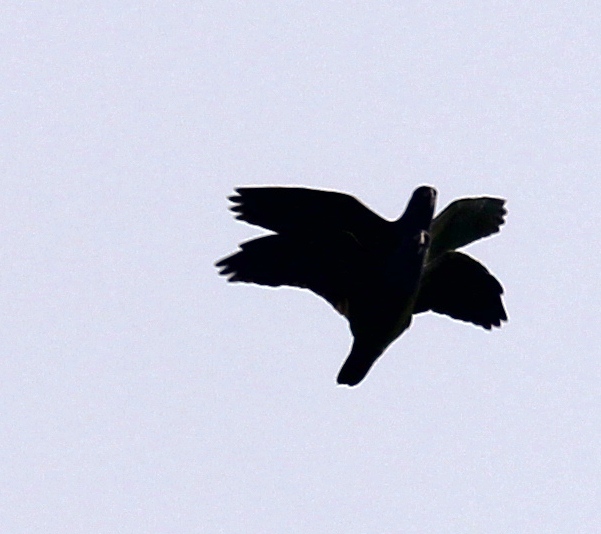
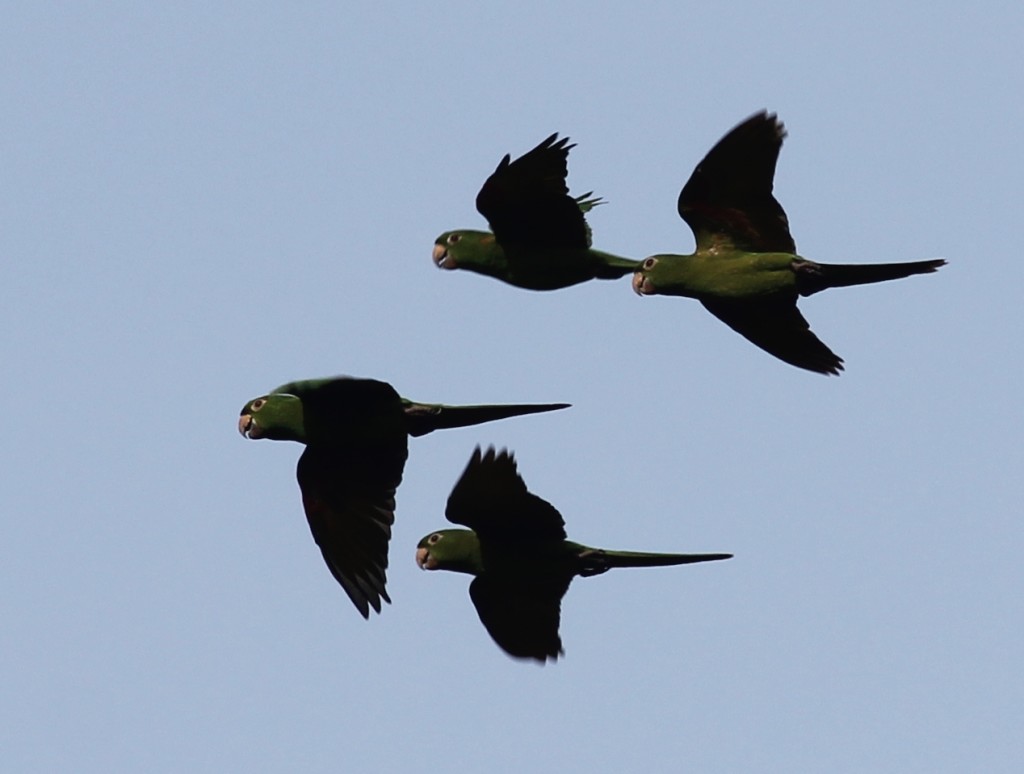
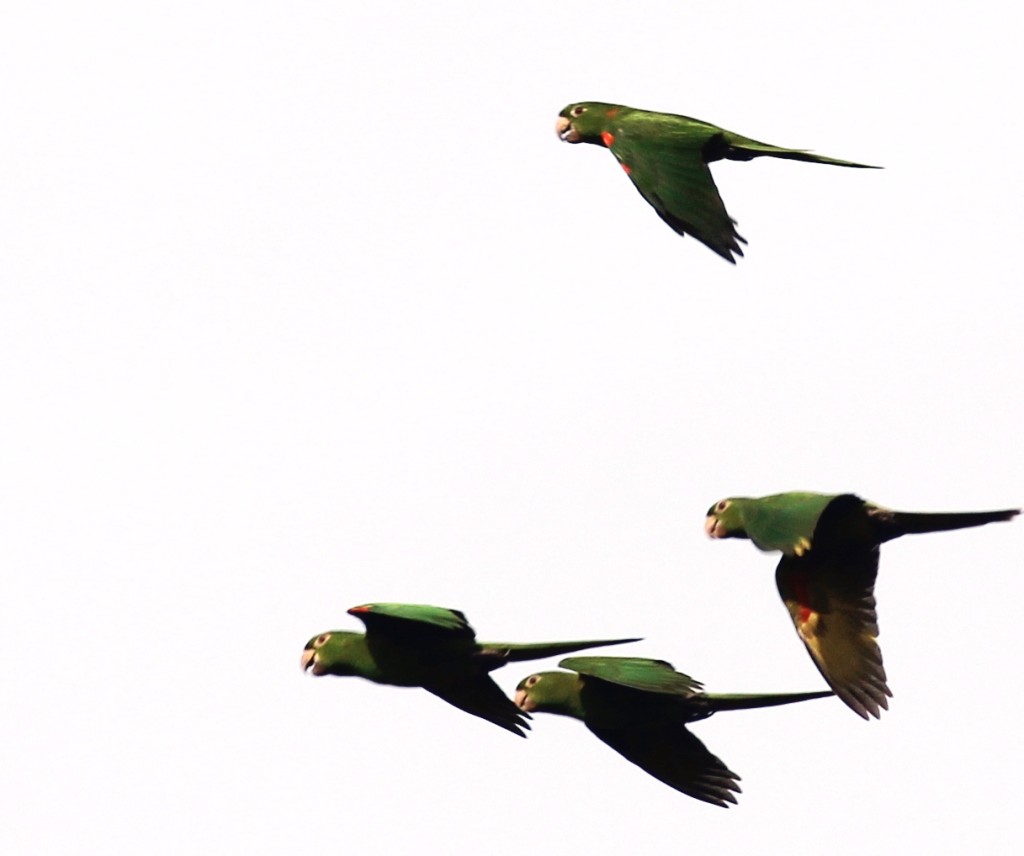
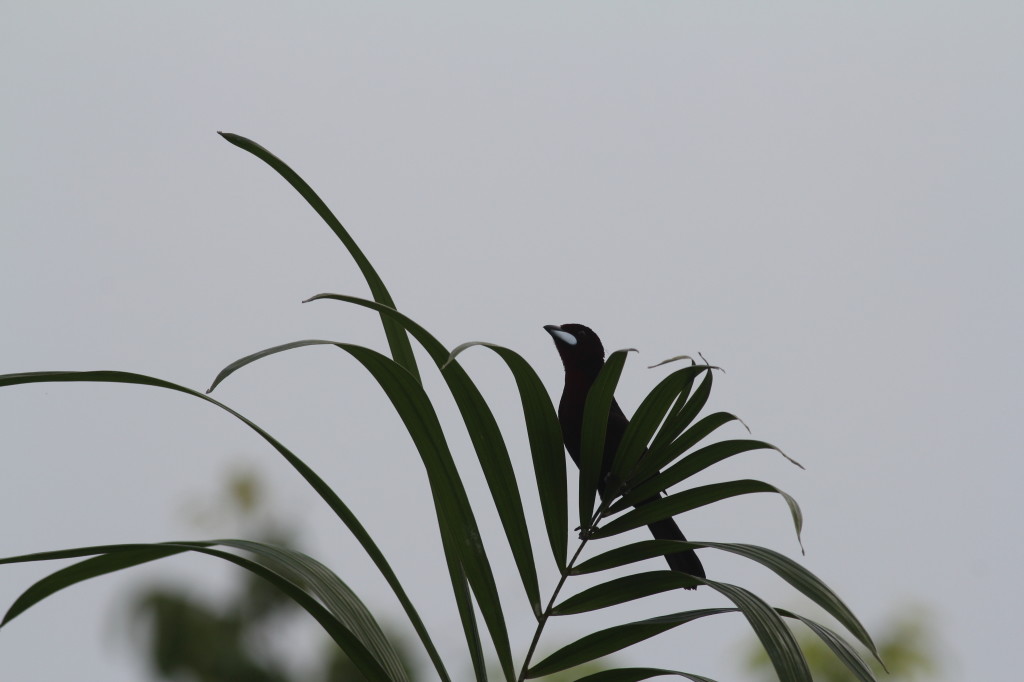
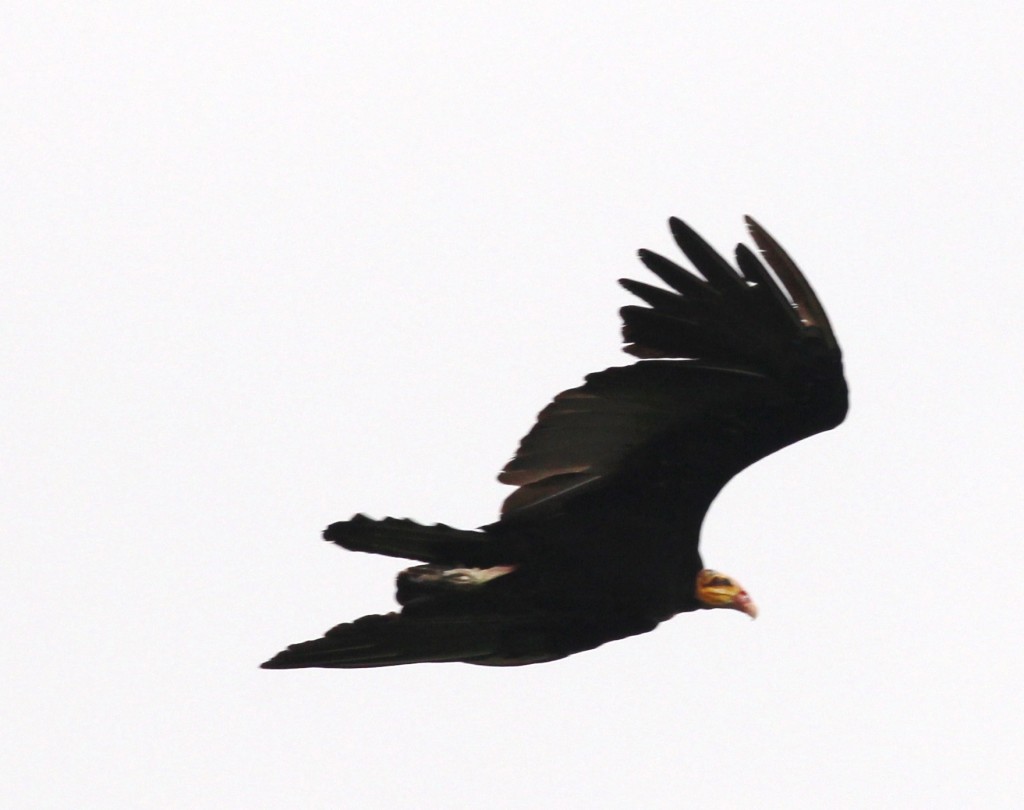
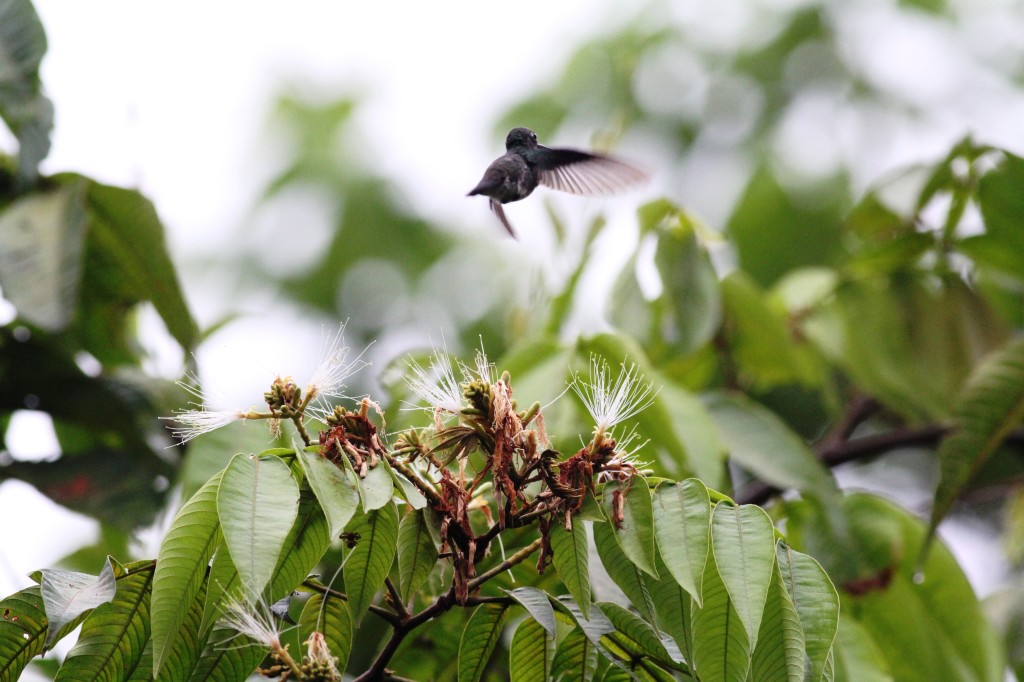
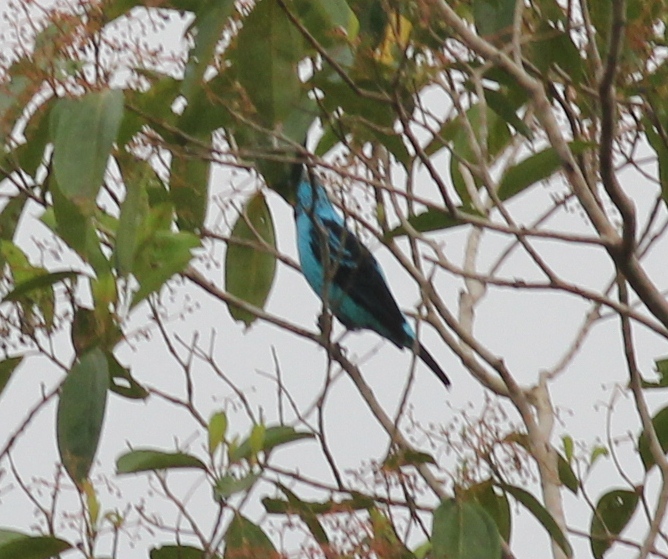
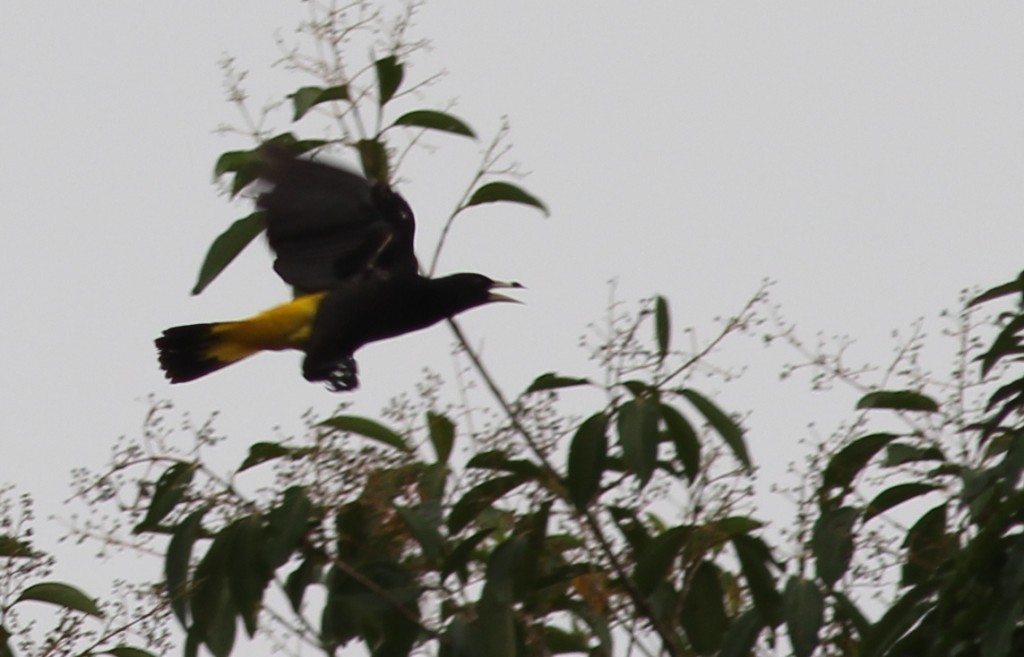
To finish off my series about Amazonia National Park, I’d like to show you some of the beautiful birds you can see there.  Since we didn’t have a car, we could only bird in the immediate vicinity of Urua.  Gilberto took us on the Acaizal Trail which is a challenging 4.5 km hike up and down slippery slopes.  The main target bird here is the Vulturine Parrot (Pyrilia vulturina), but we didn’t have any luck.  This species seems to be quite a challenge as other birders have had trouble too.  You can check out this trip report starting from 1 August for another perspective.  But sometimes there is success as you can see from Bradley Davis’ (Birding Mato Grosso) trip report from a few years ago!  He did quite well with the Acaizal Trail!  Maybe you will too!

M14 M15 M16 M17 M18 M19 M20 M22

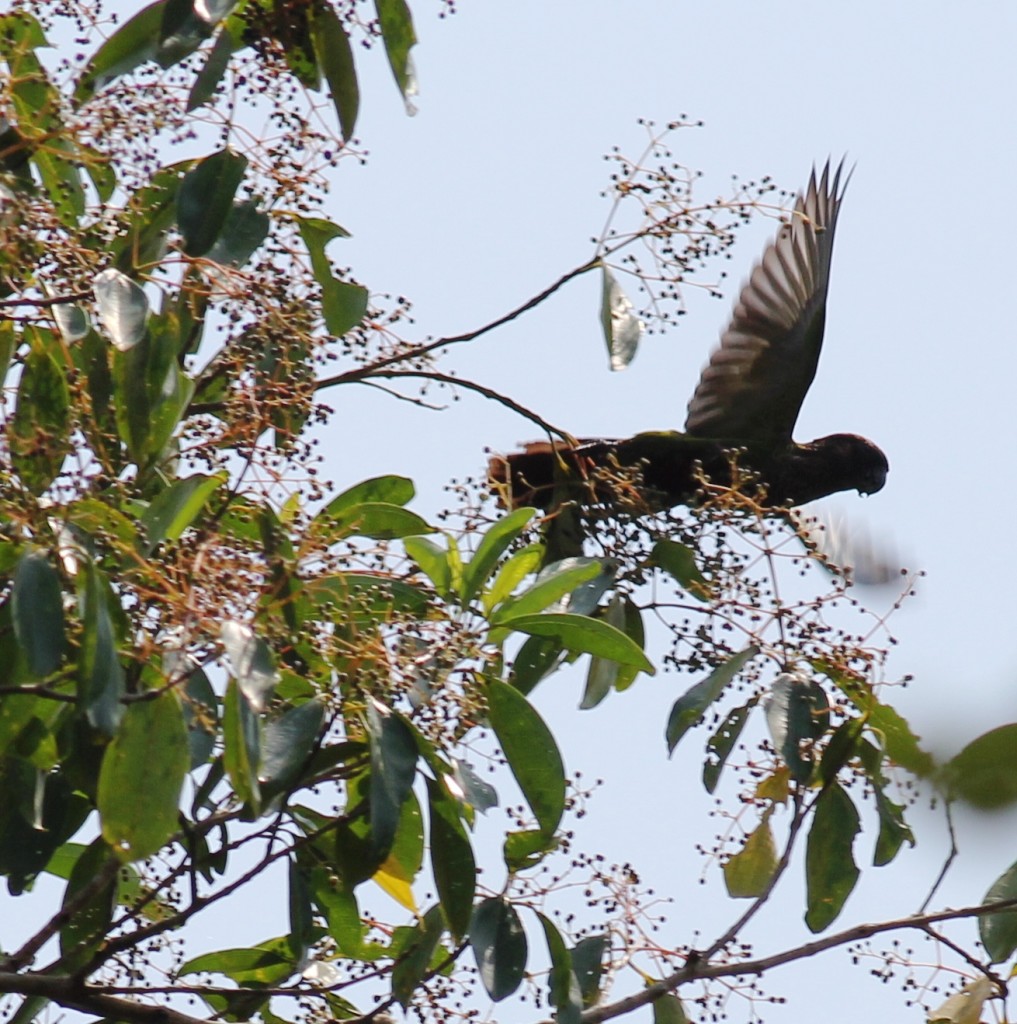
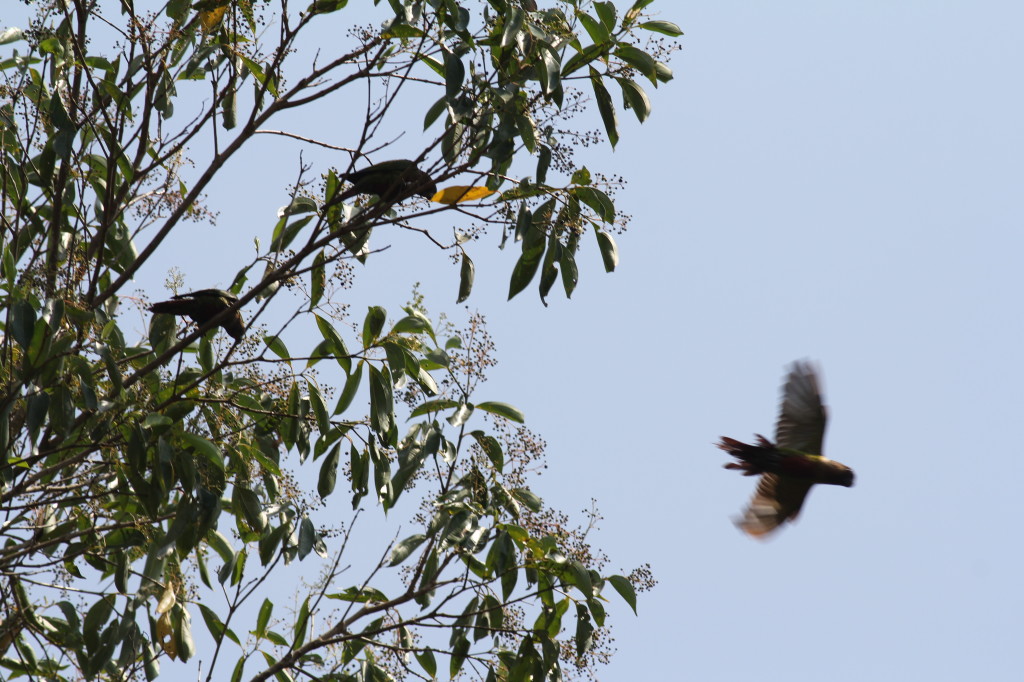
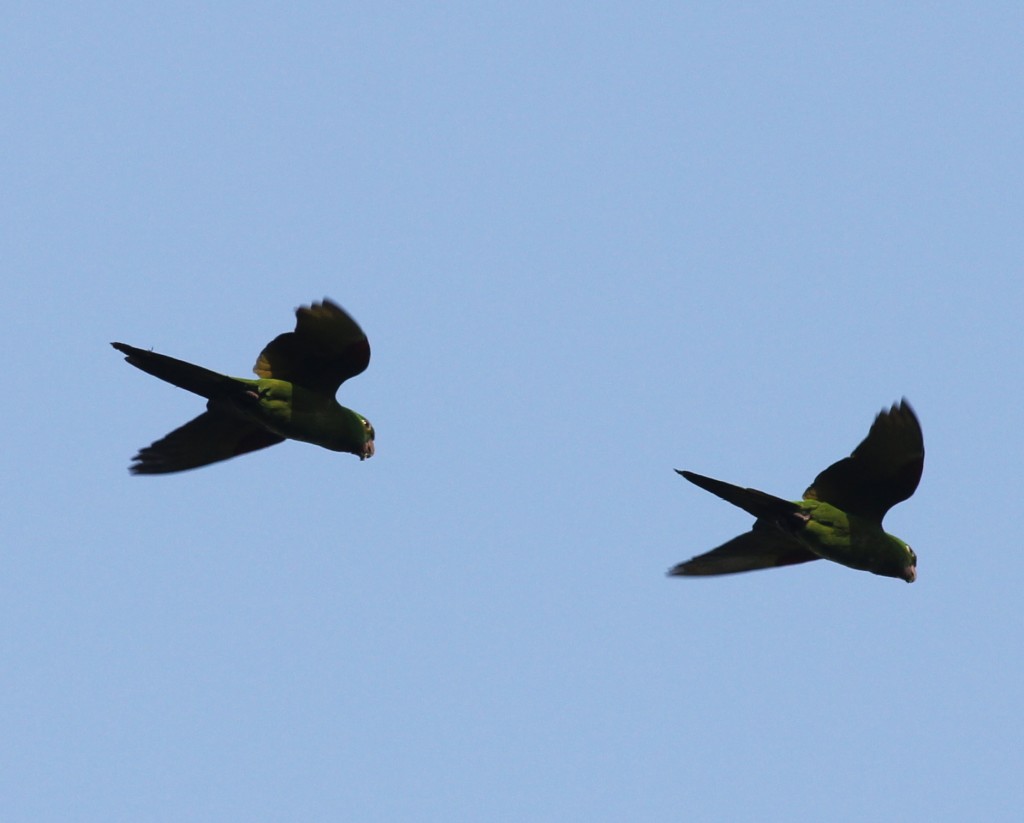
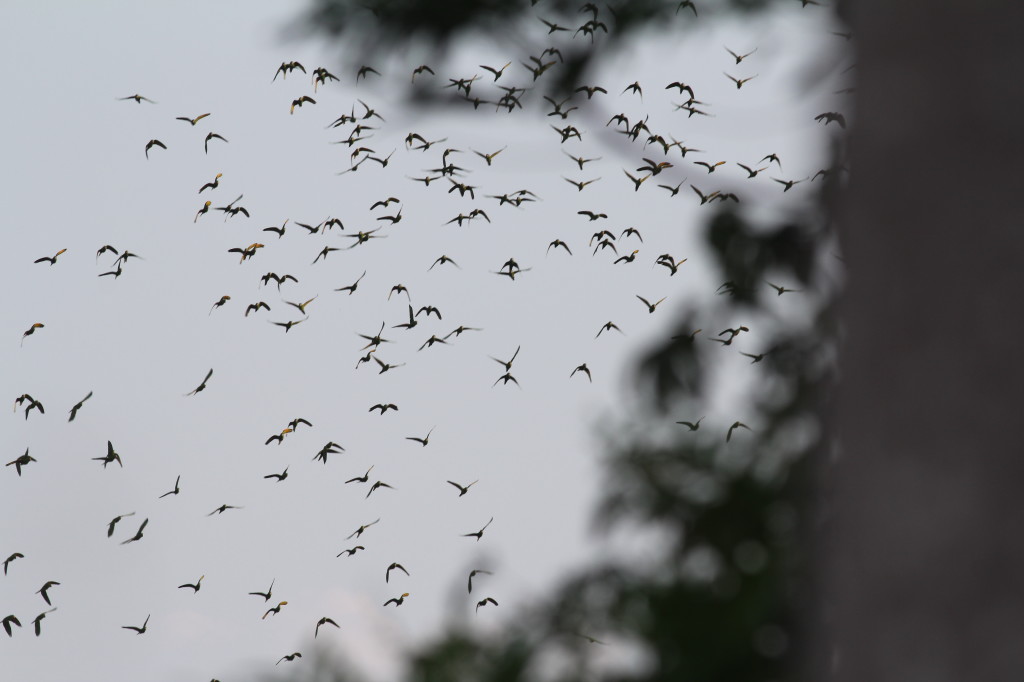
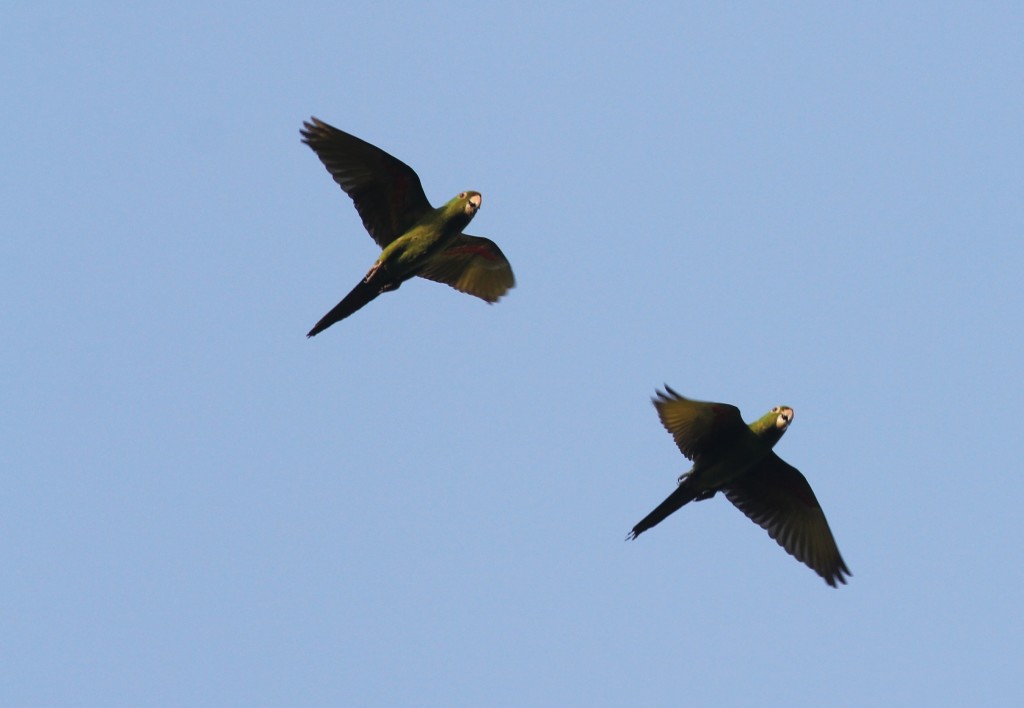
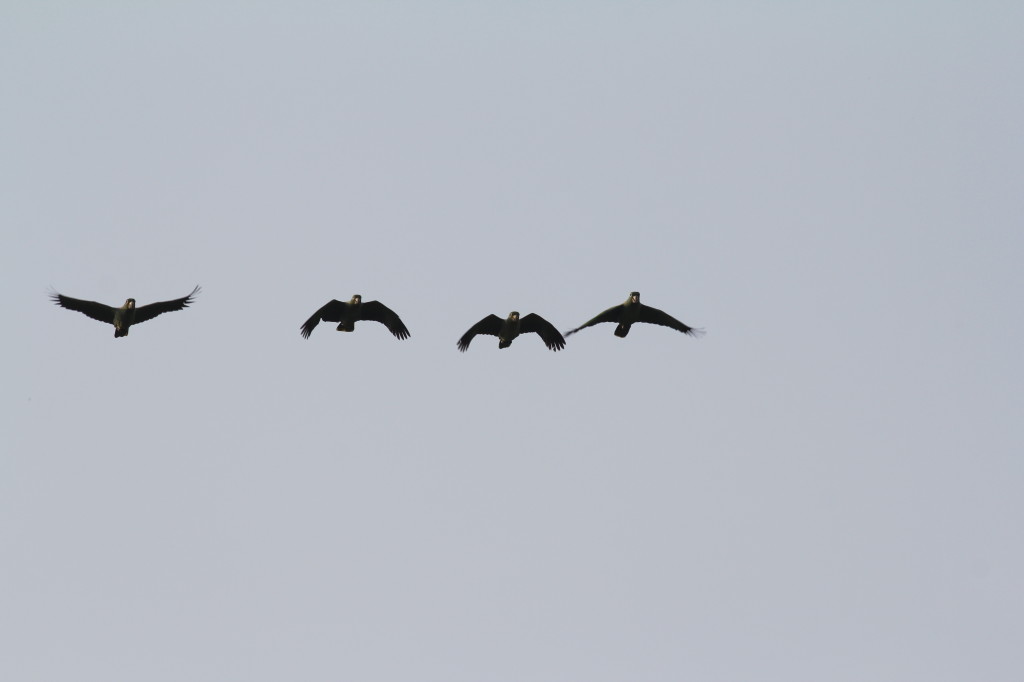
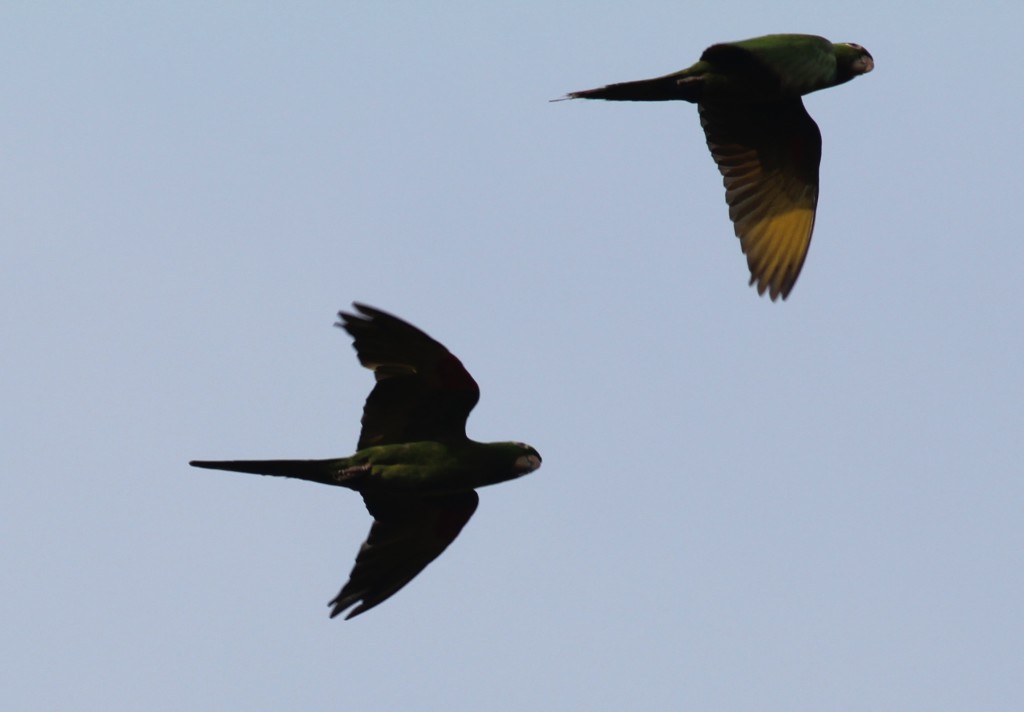
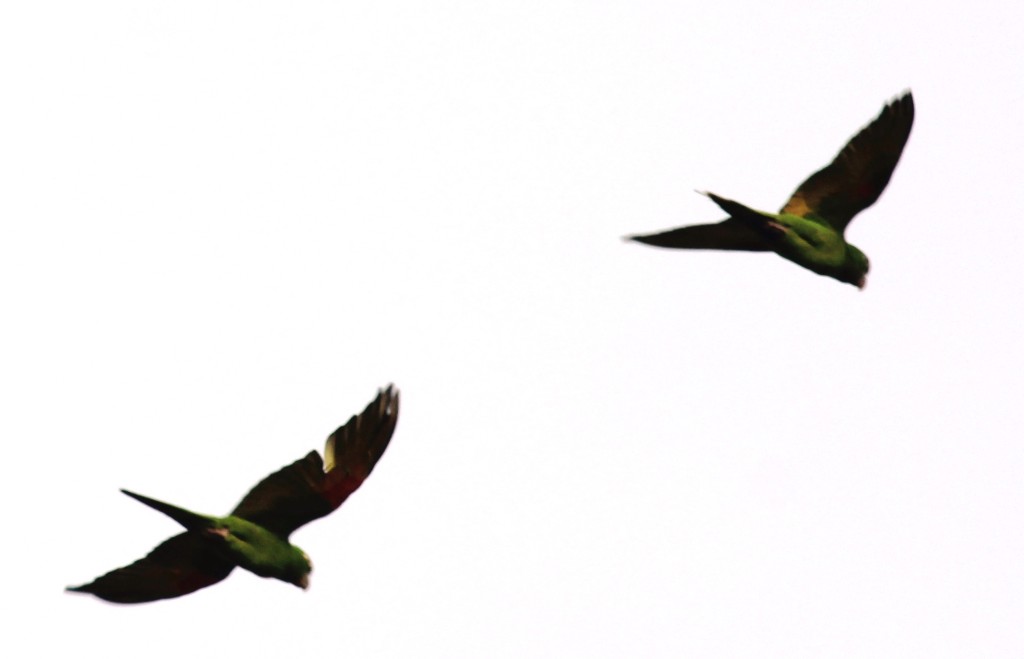
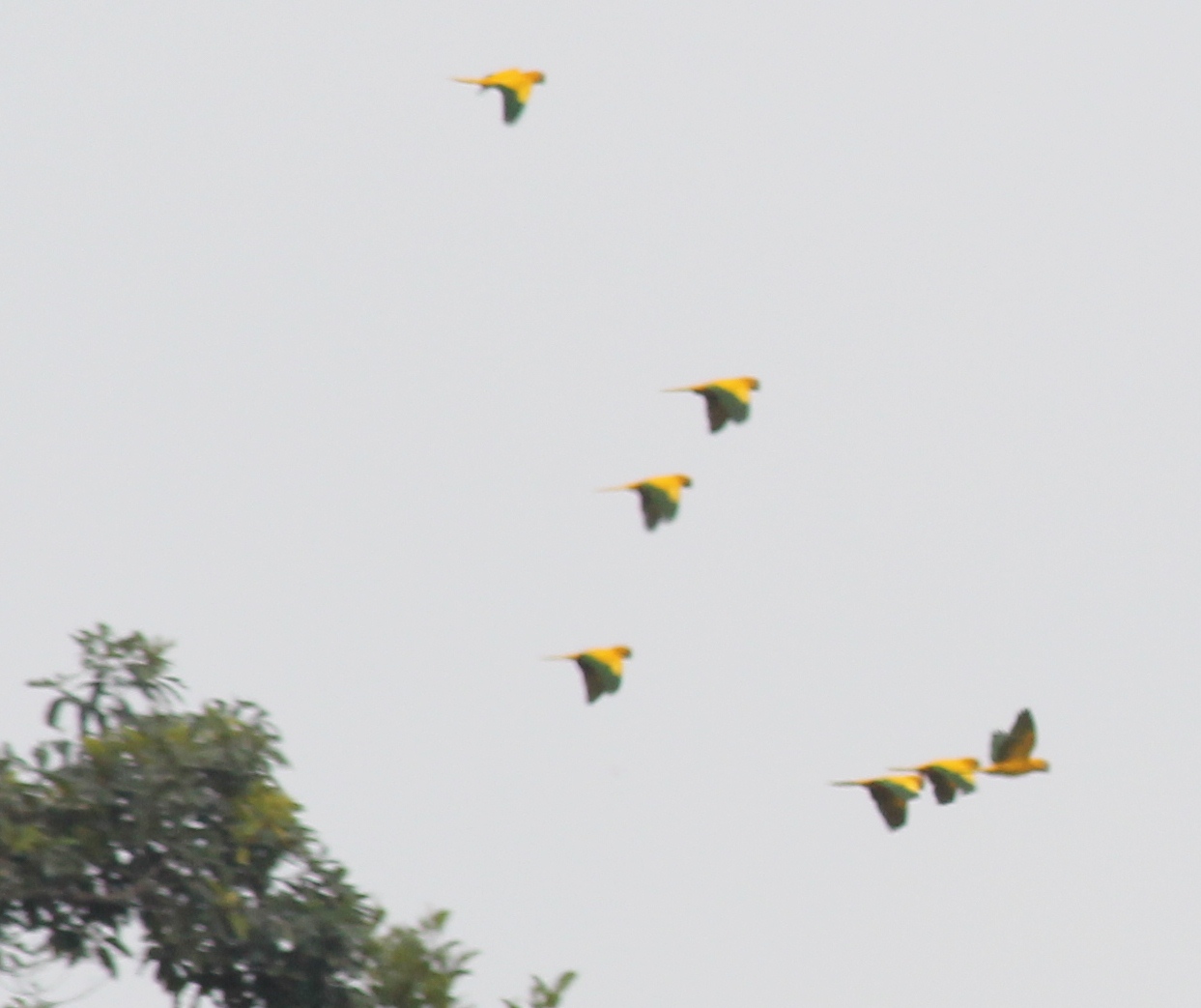
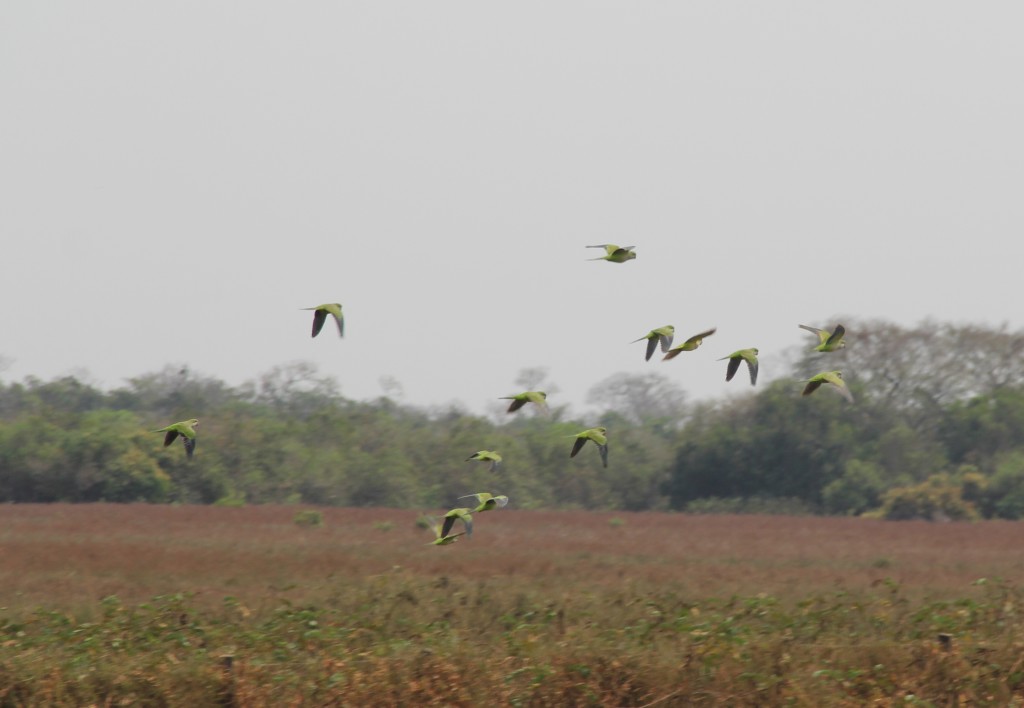
The best birding in our case was also the easiest, right around the Urua guard post.  Although I am far from being a good photographer, even I get lucky sometimes and captured some good birds in flight shots!  The one thing you learn when you become a birder, don’t regret the birds you didn’t get to see, be happy for the ones you did see and also be happy that your presence is helping to keep them safe in their homes!

Enjoy the photos!

M03 M05 M07 M08 M09 M11 M12 M13 M23 M24 M28 M34 M35 M46 M47 M48 M50 M59 M62 M63 M65 M66 M67 M70 M71 M72 M82 M91 M93 M94 M95 M97 M99 N01 N03 N04 N05 N06 N07 N13 N16 N20 N22 N24 N25 N26 N27 Q04


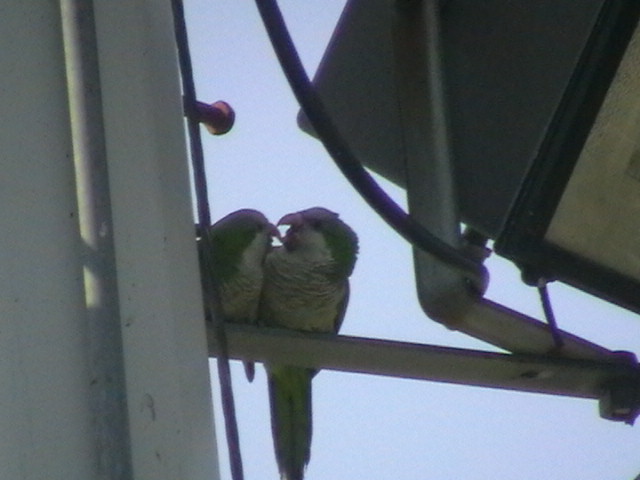
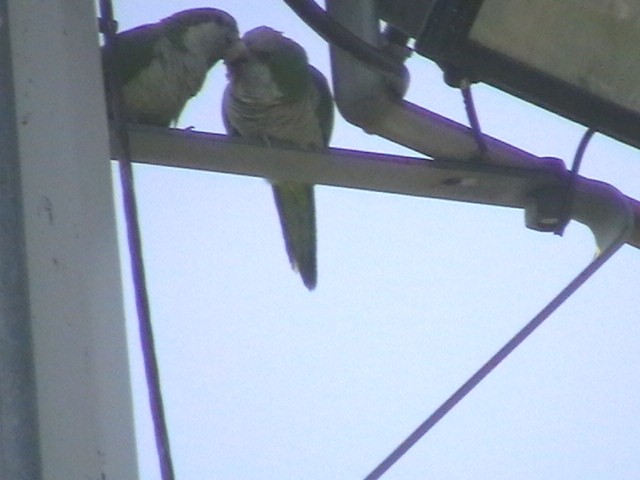
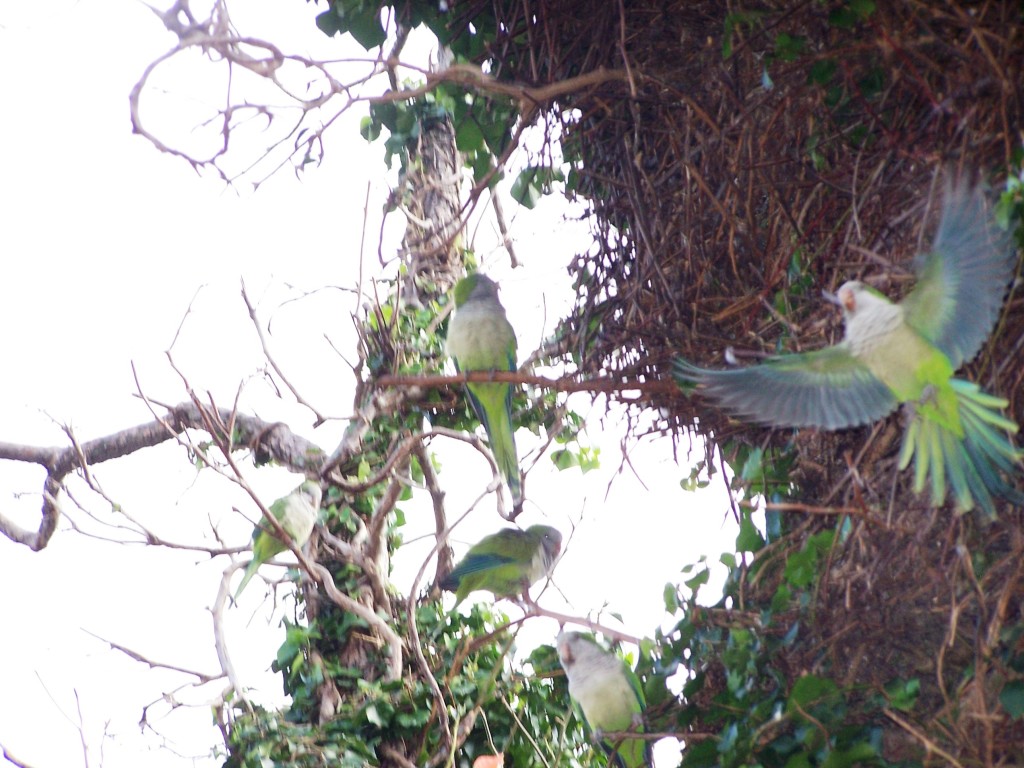
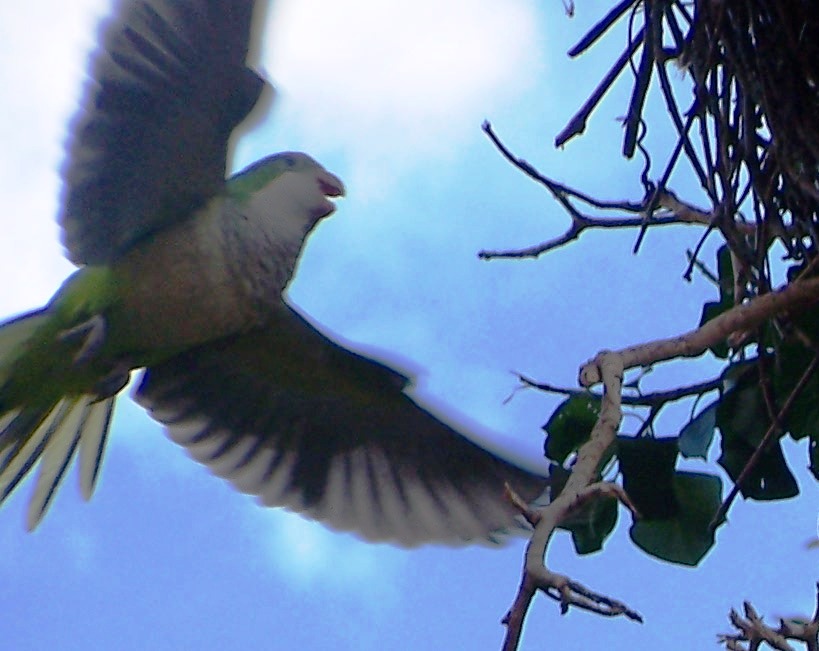
Quaker Parrot (Myiopsitta monachus)

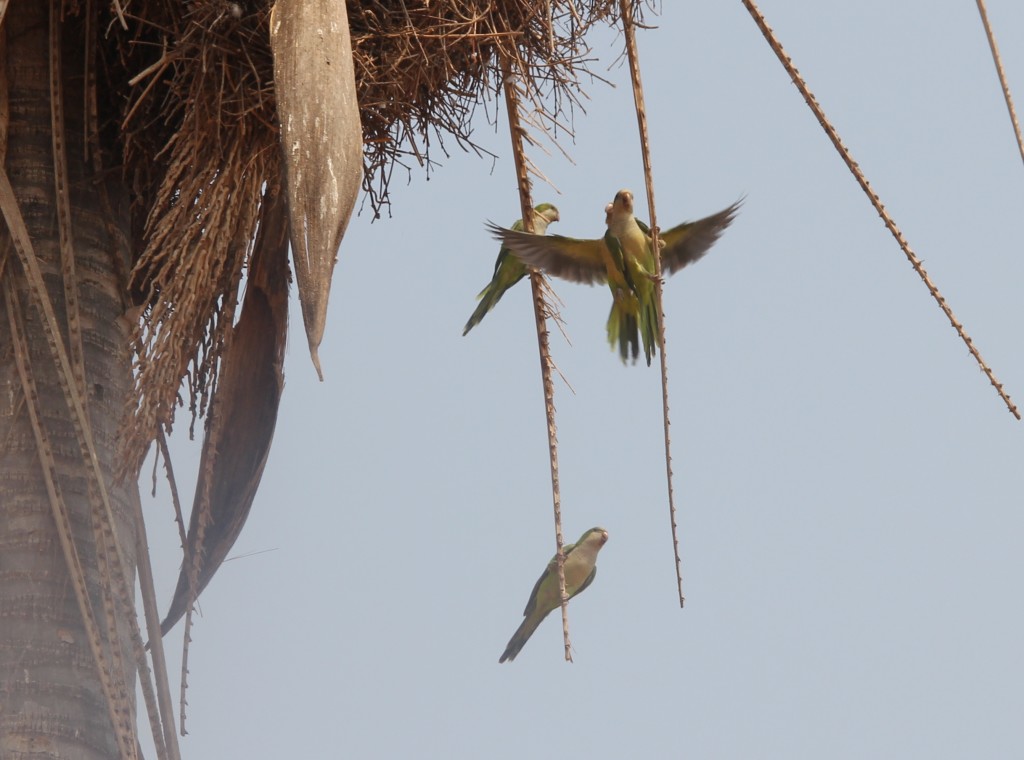
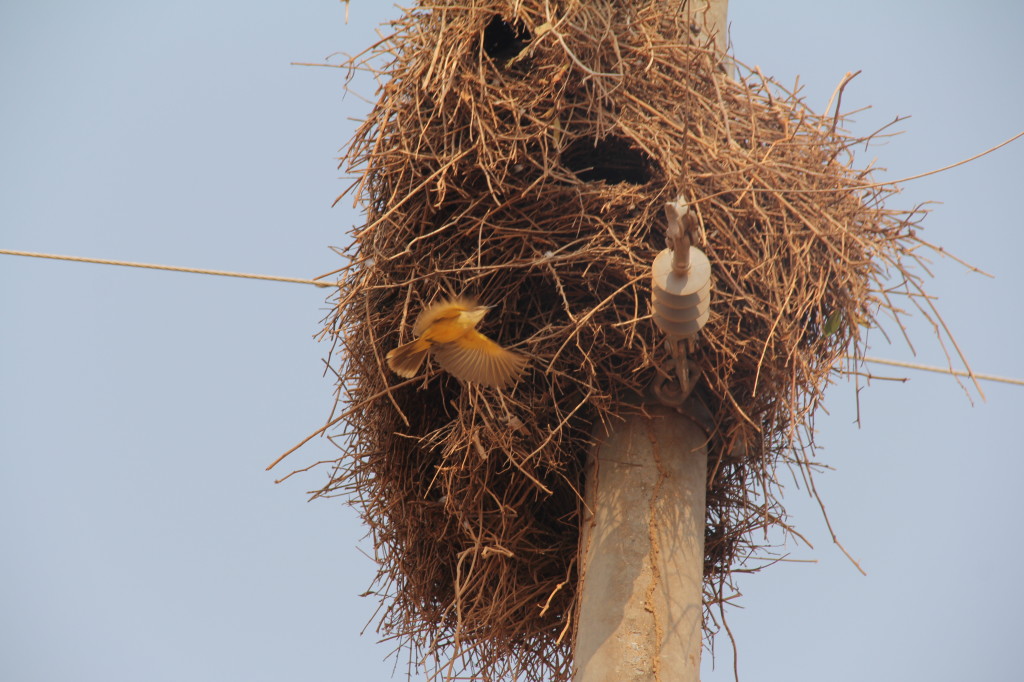
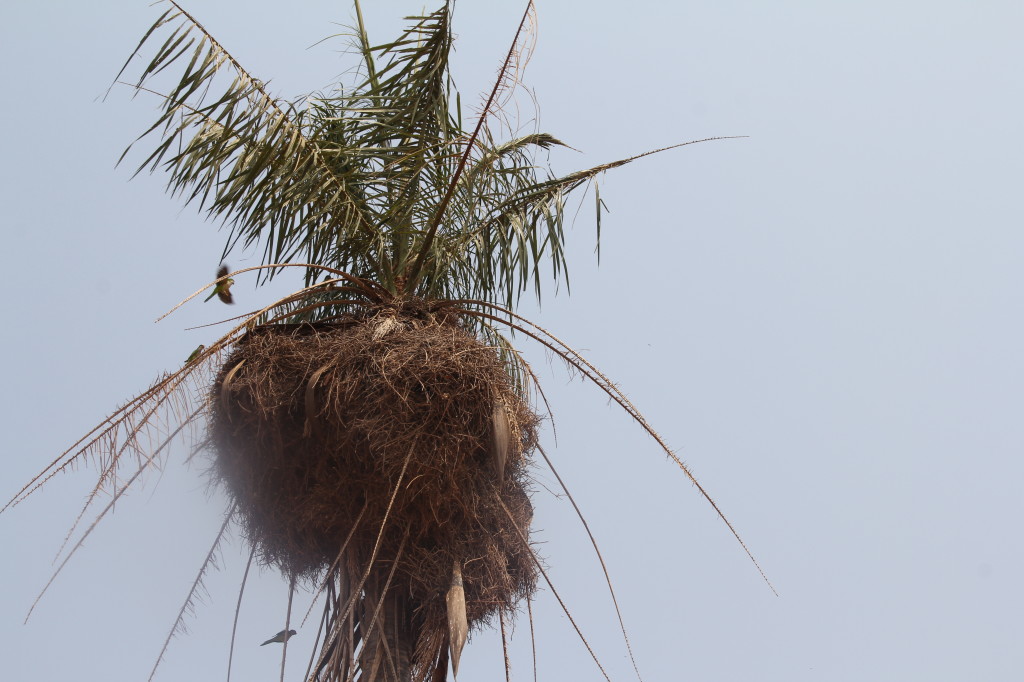
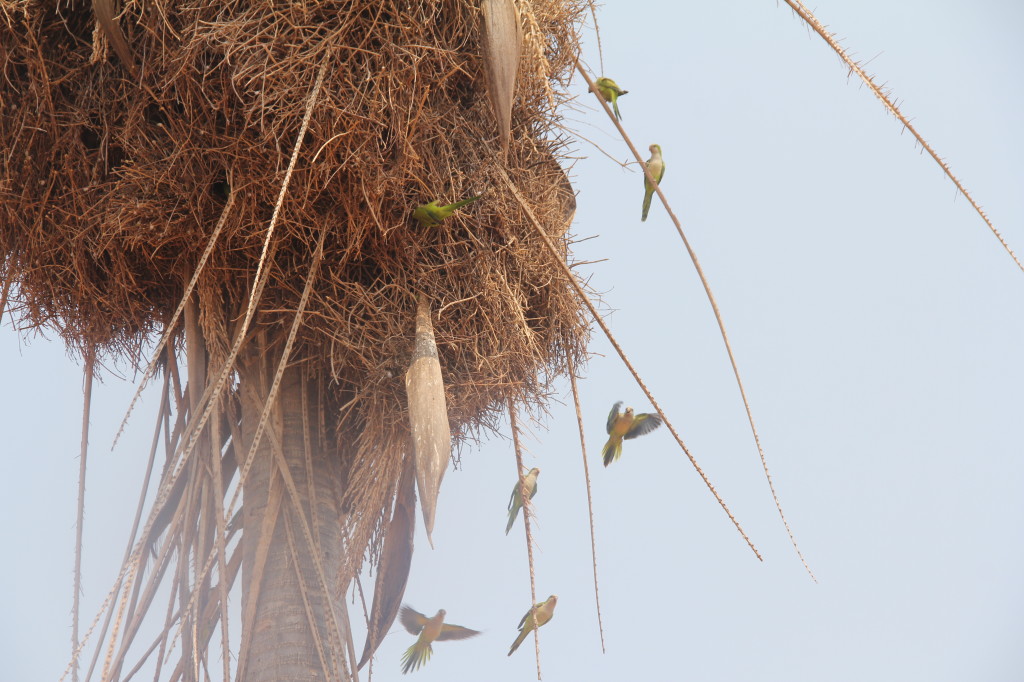
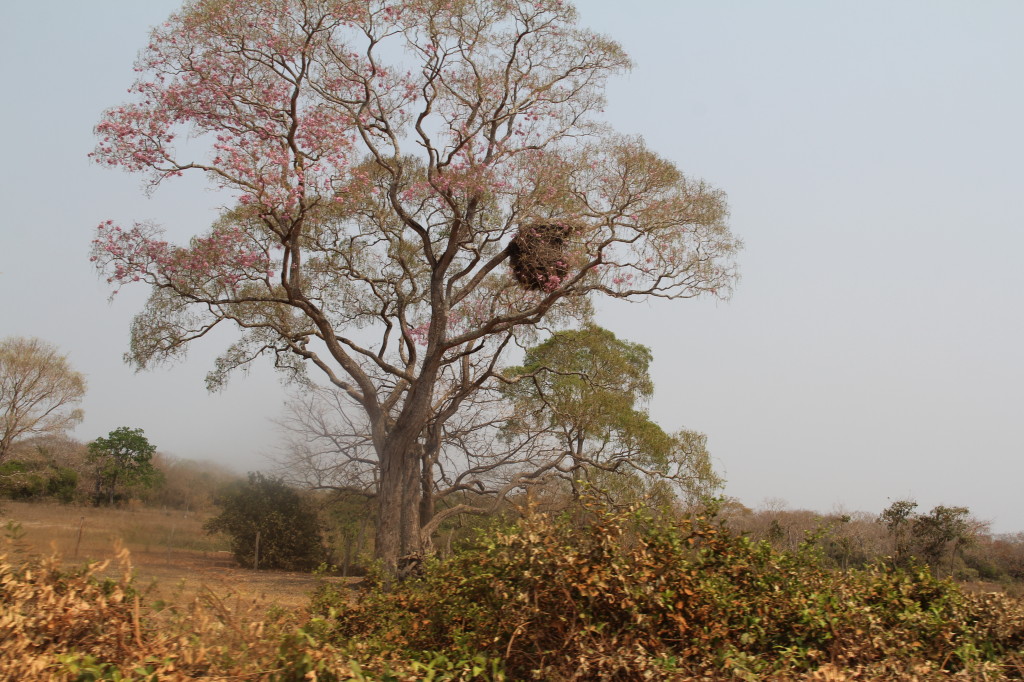
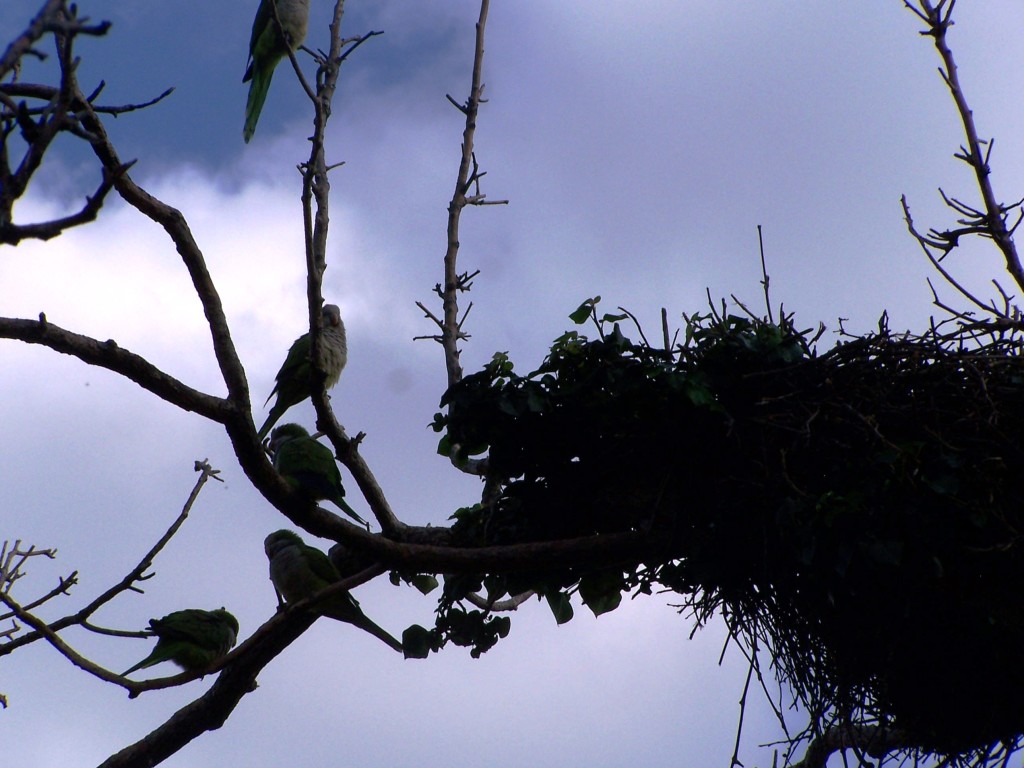
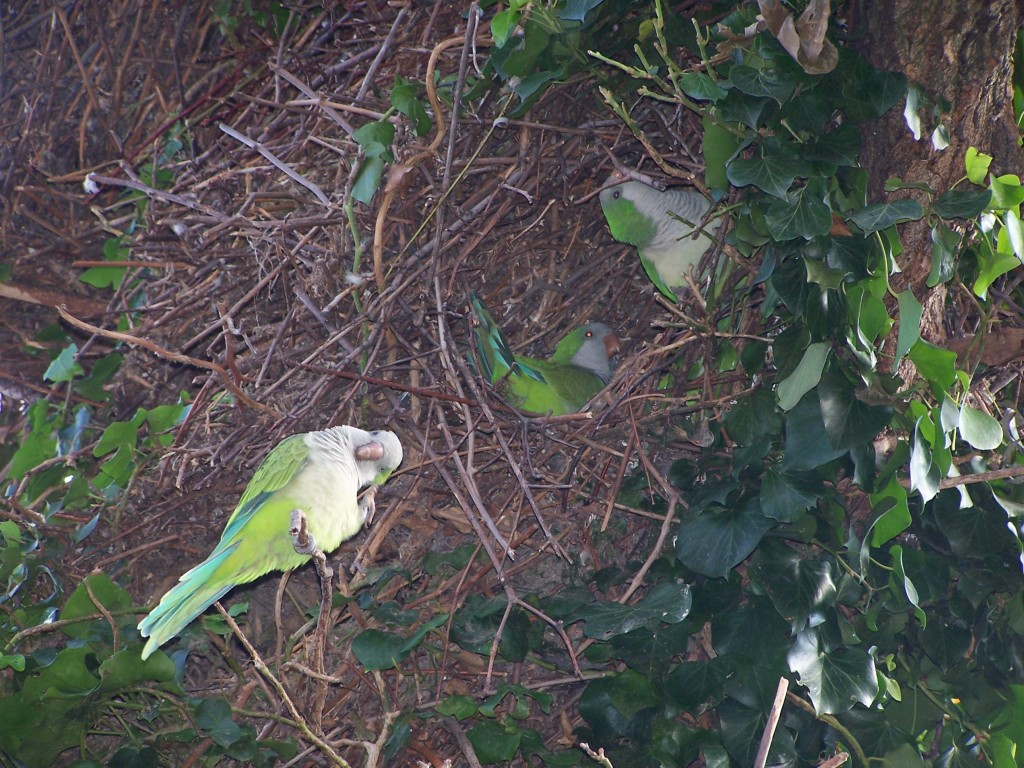
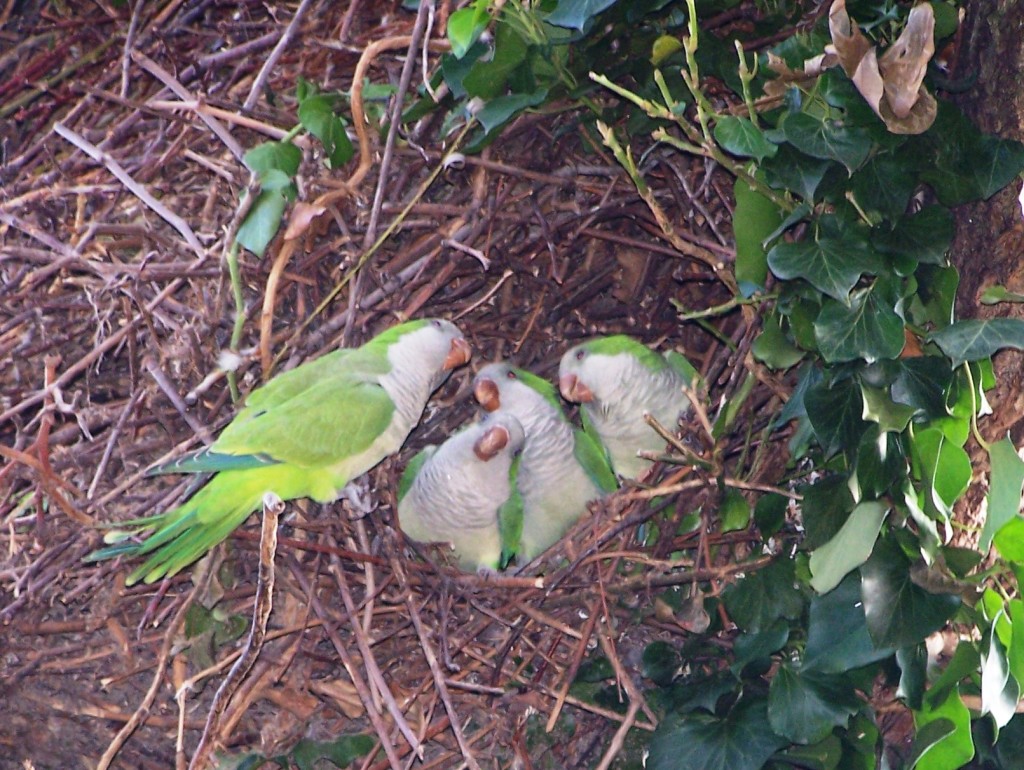
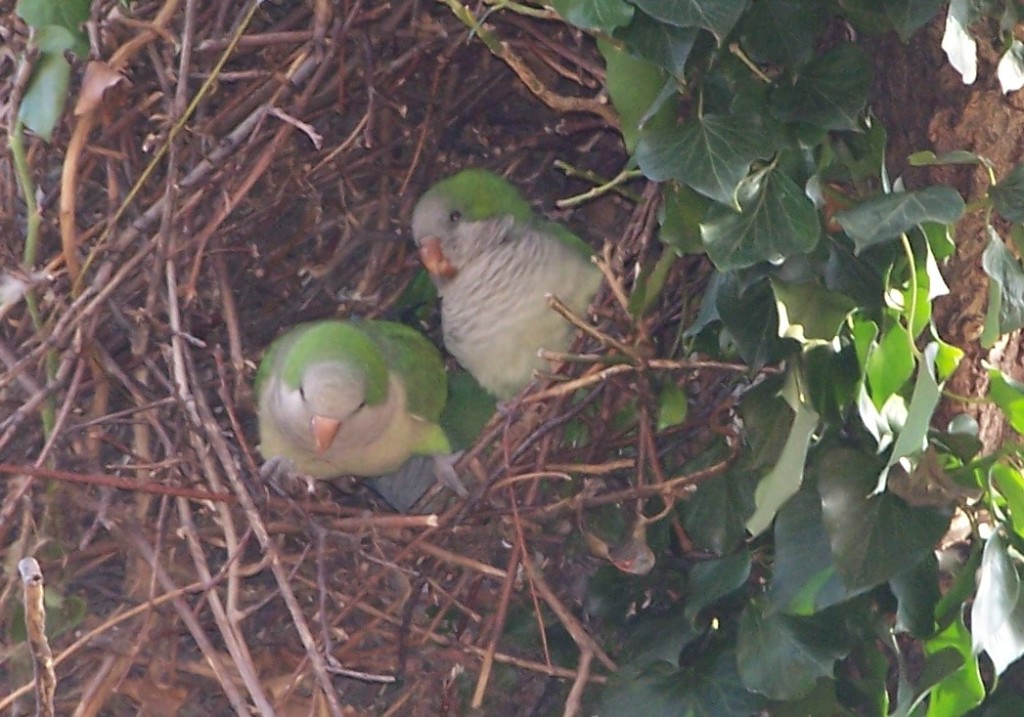
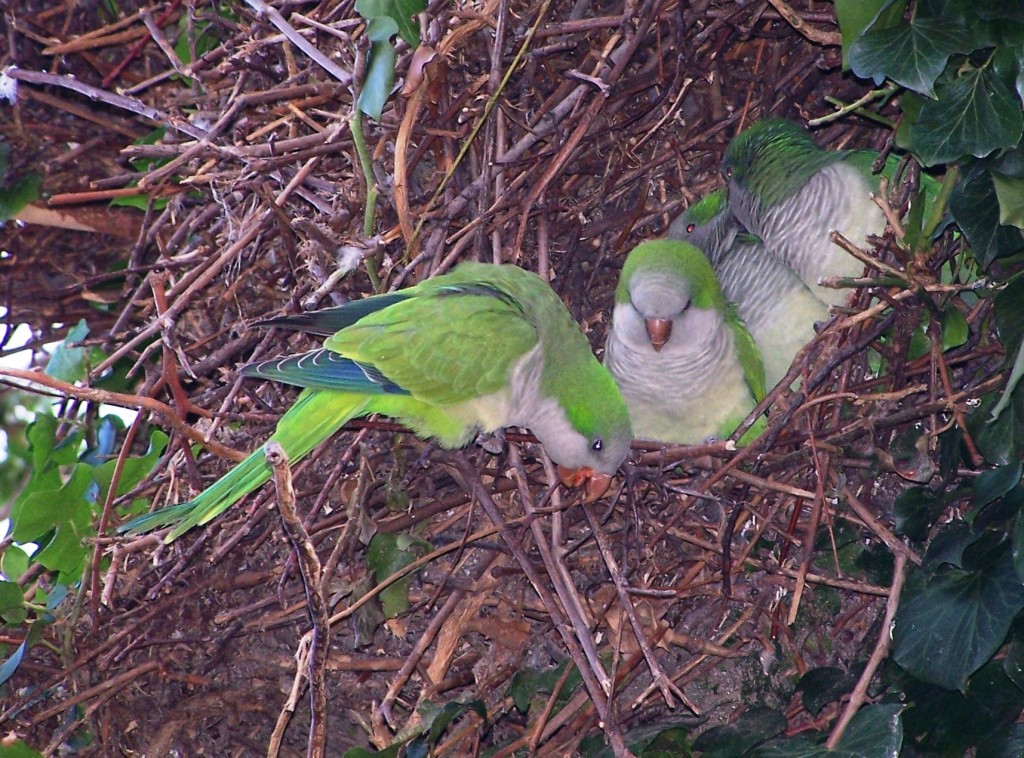
Quaker Parrots building a nest in the Pantanal, Brazil

Quaker Parrots building a nest in the Pantanal, Brazil

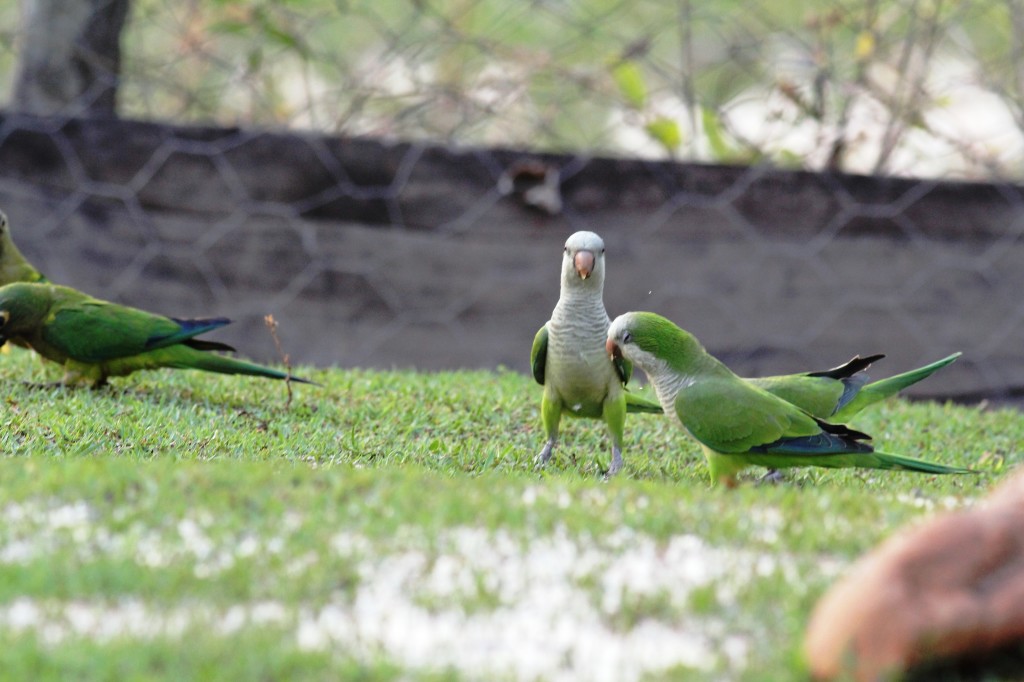
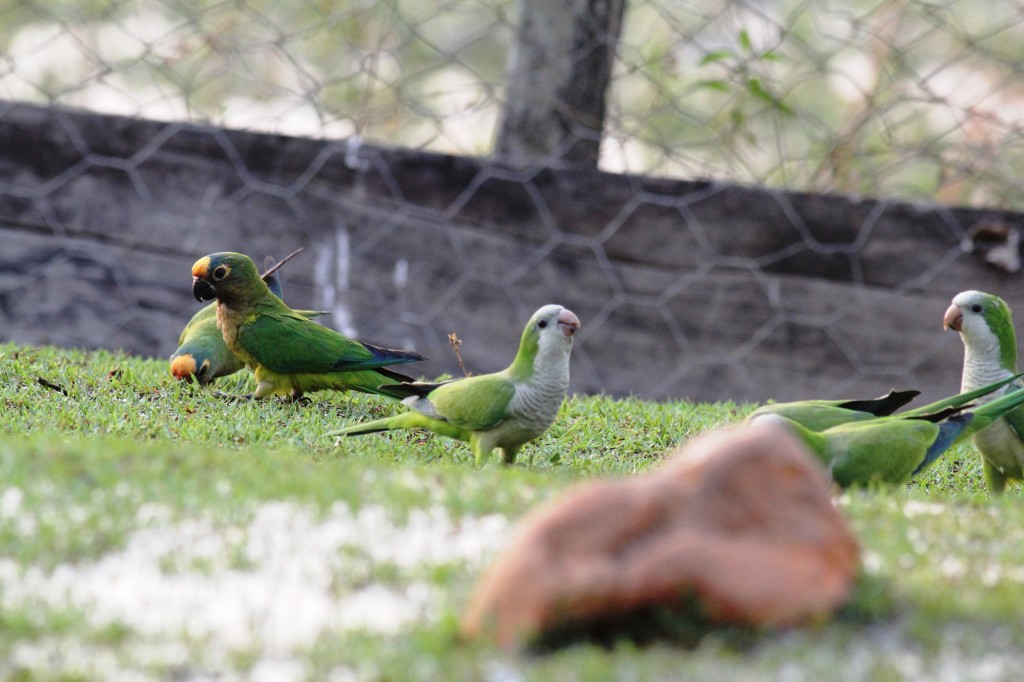
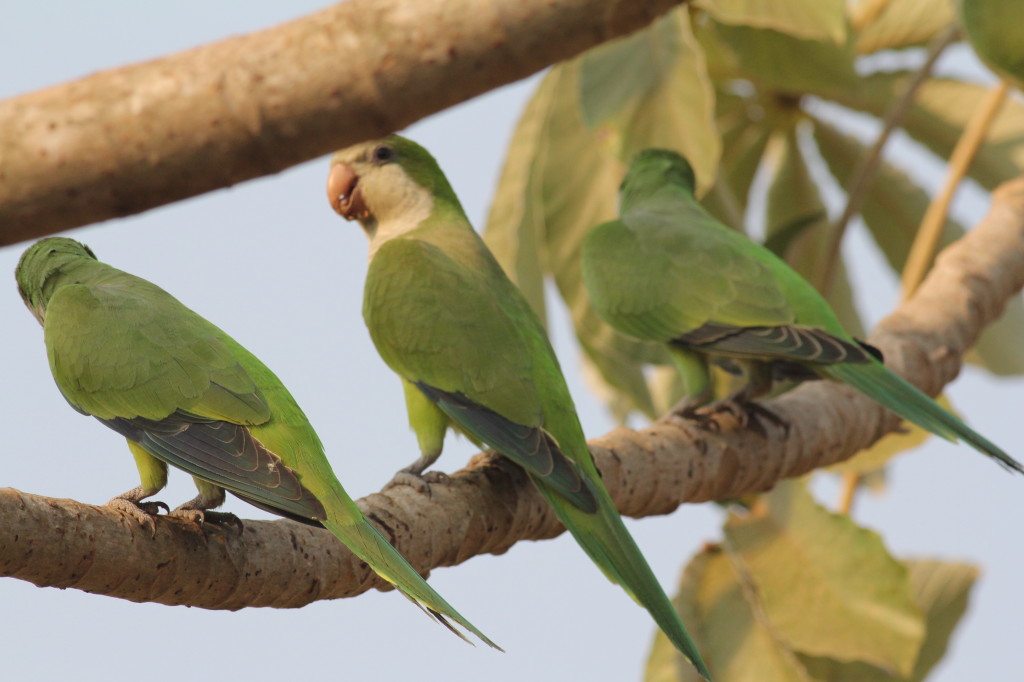
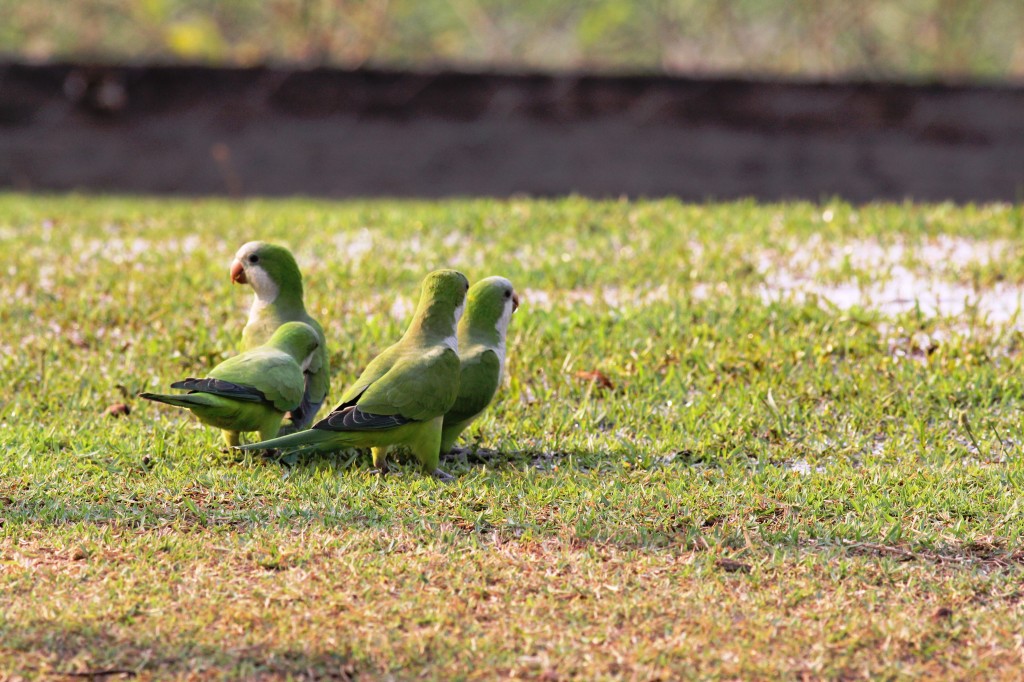
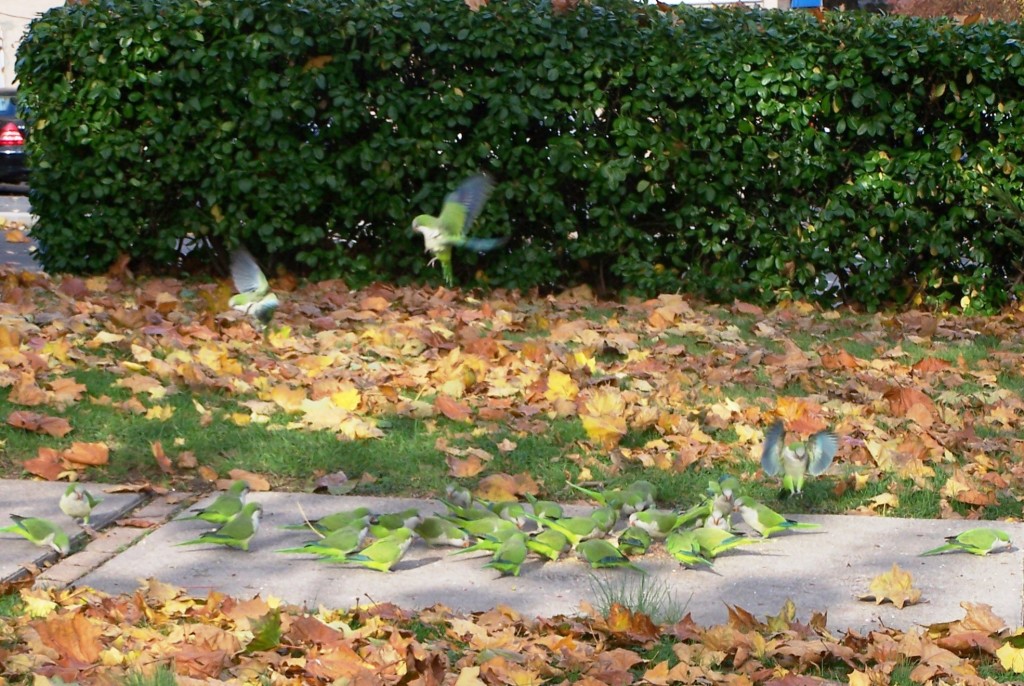
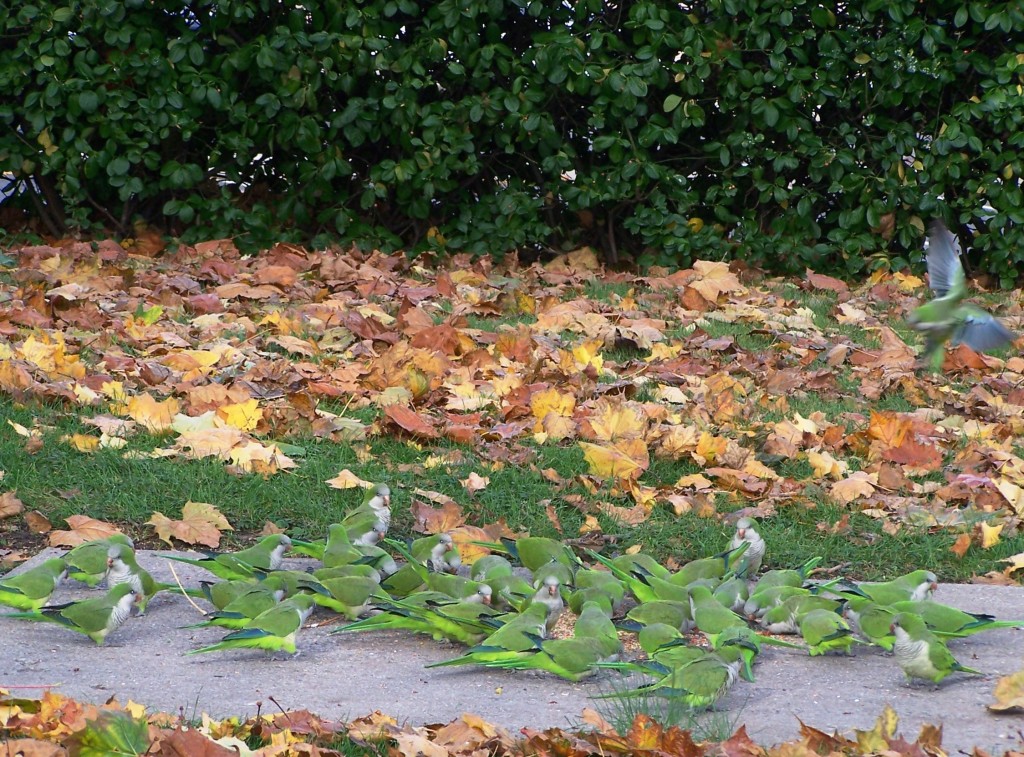
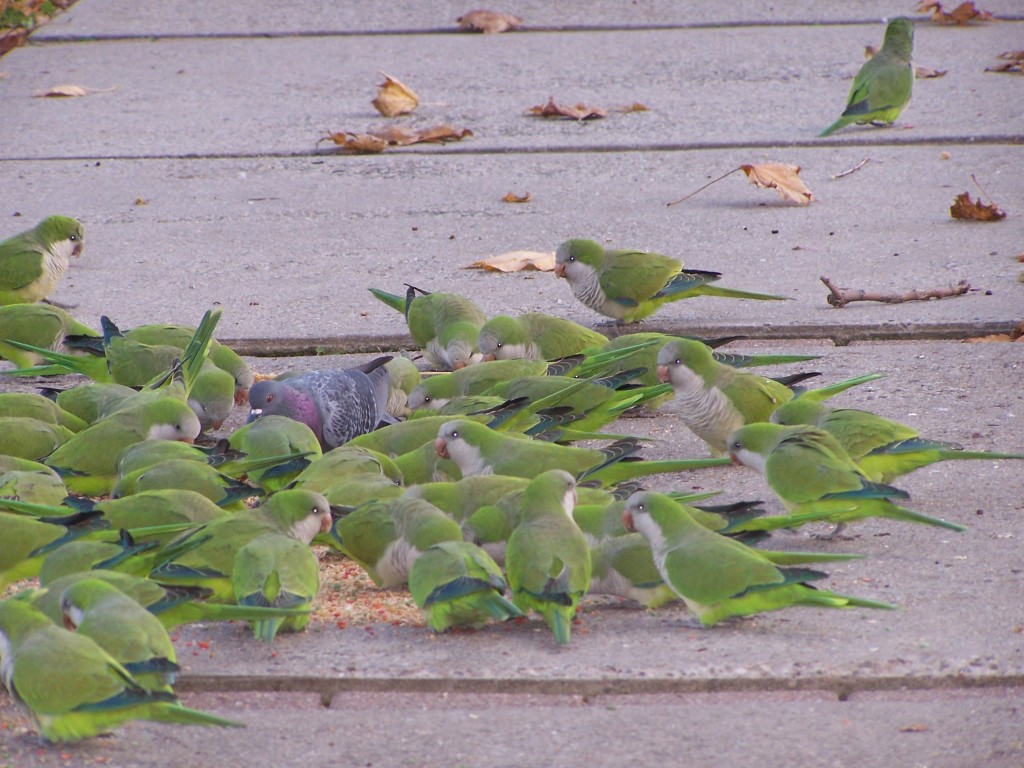
Quaker Parrot, (Myiopsitta monachus) aka Monk Parakeets are native to the Pantanal in Brazil and northern Argentina.

Quaker Parrot Habitat

Self-sustaining feral populations have been recorded in several US states and various countries of Europe (namely Spain, Gibraltar, Italy, Great Britain and Belgium), as well as in Brazil, Israel, Bermuda, Bahamas, Cayman Islands, Puerto Rico and Japan. As it is an open woodlands species, it adapts readily to urban areas.

In areas where they have been introduced, some fear that they will harm crops and native species. Evidence of harm caused by feral colonies is disputed, and many people oppose killing this charismatic bird. However, there have been local bans and eradication programs in some areas of the USA. Outside the USA, introduced populations do not appear to raise similar controversy, presumably because of smaller numbers of birds, or because their settlement in urban areas does not pose a threat to agricultural production. The UK appears to have changed its view on its feral populations and the Department for the Environment, Food and Rural Affairs is to remove Monk Parakeets from the wild,[12] as it believes that they threaten local wildlife and crops.

WHERE TO SEE THEM

The easiest place to see them in their native habitat is the Pantanal, Brazil.  It is also pretty easy to find them in the USA, especially Brooklyn, Edgewater and several cities in Florida.

AVIAN ARCHITECTS

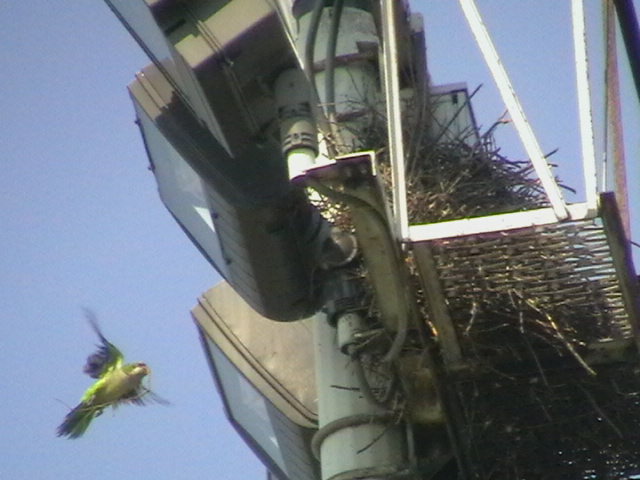
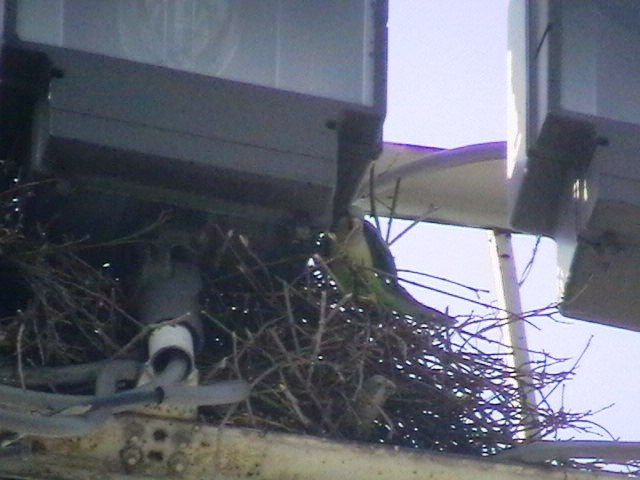
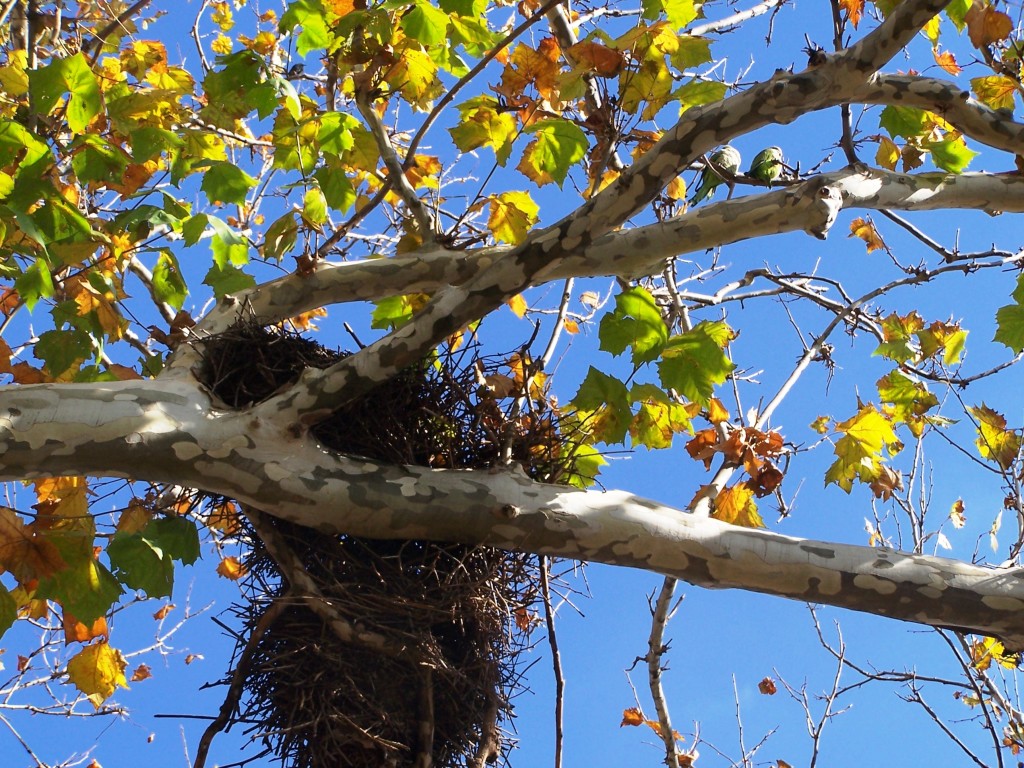
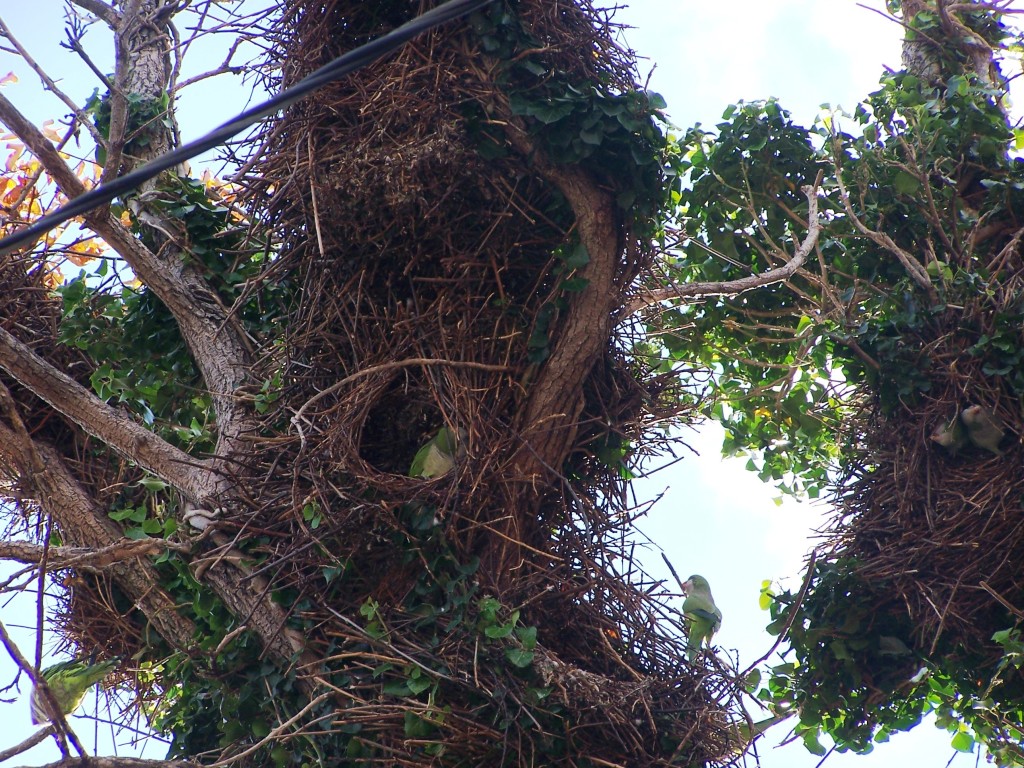
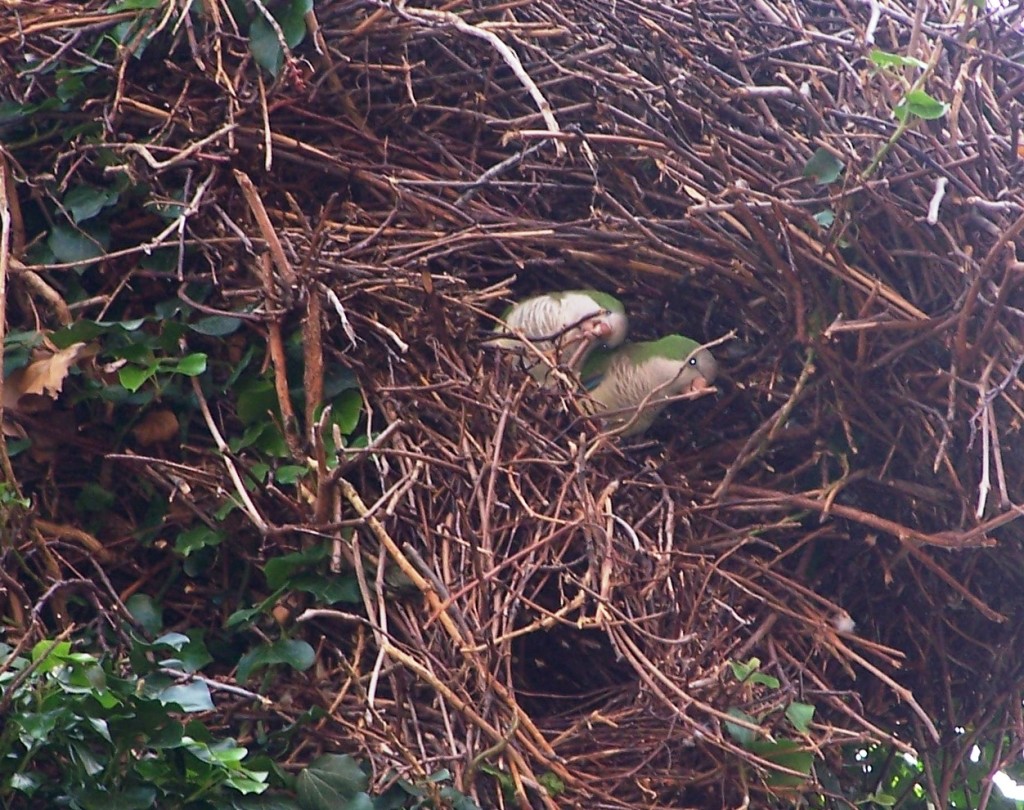
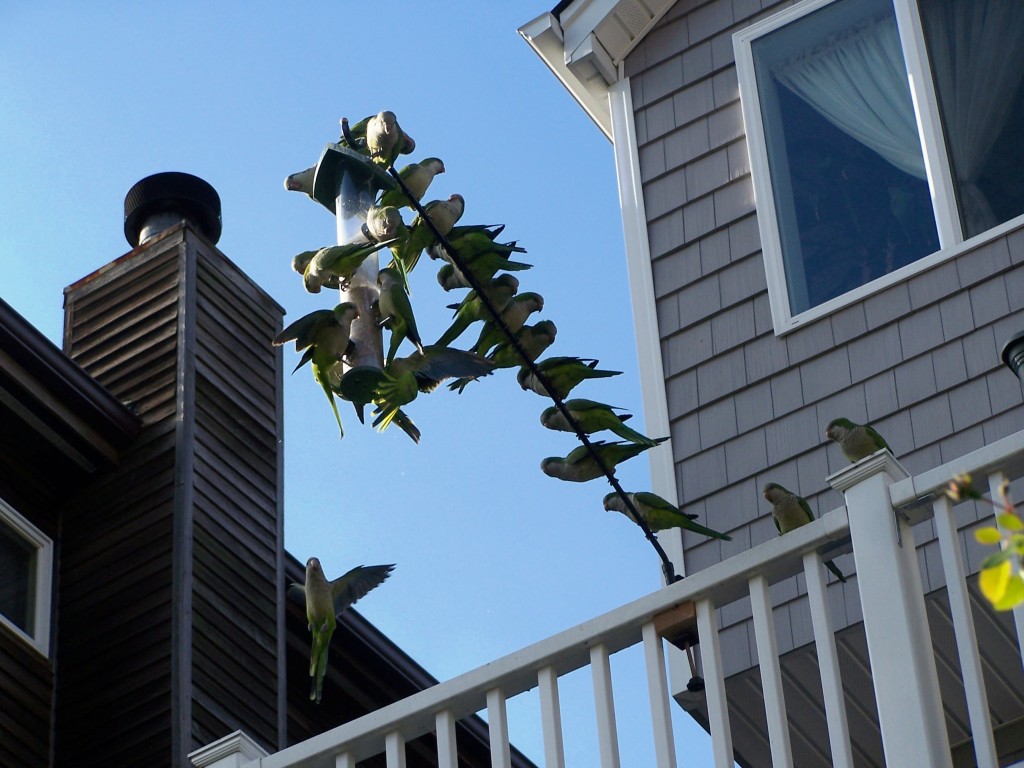
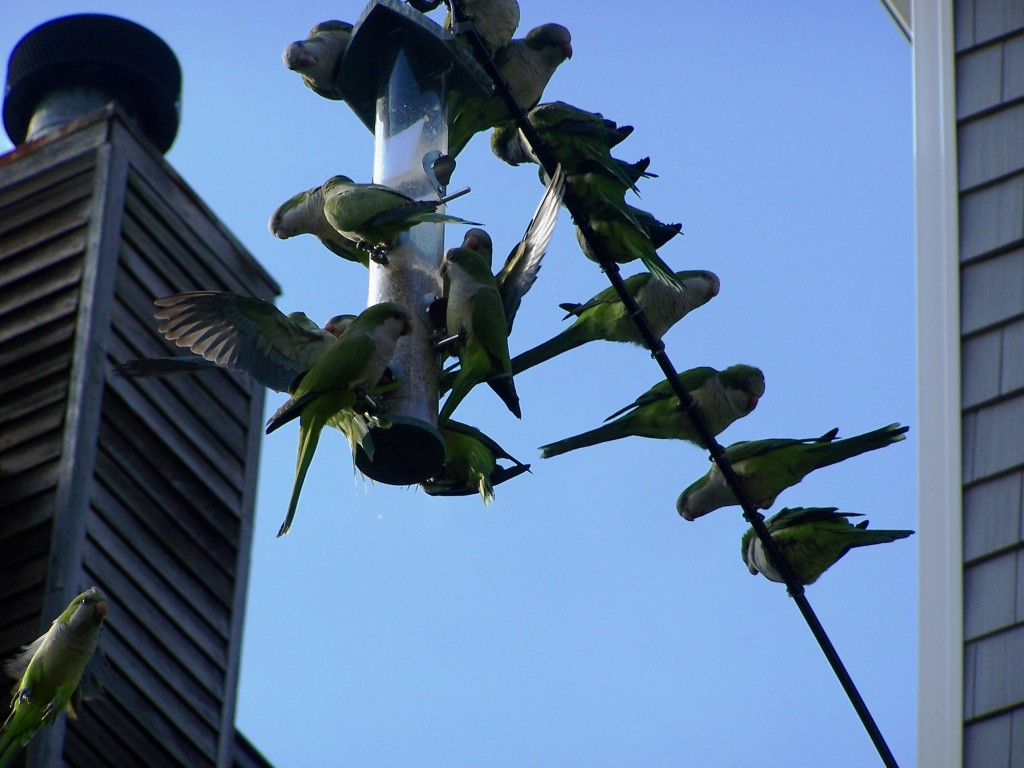
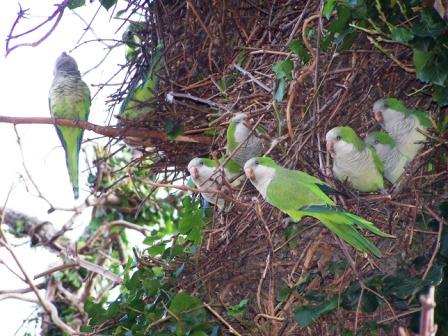
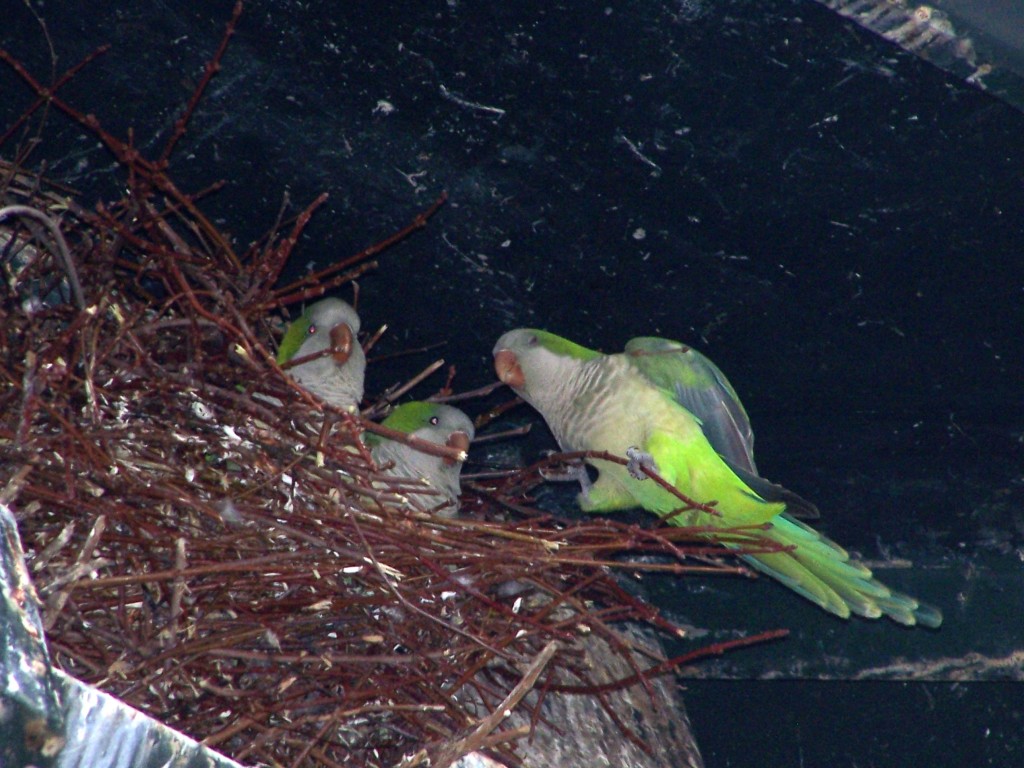
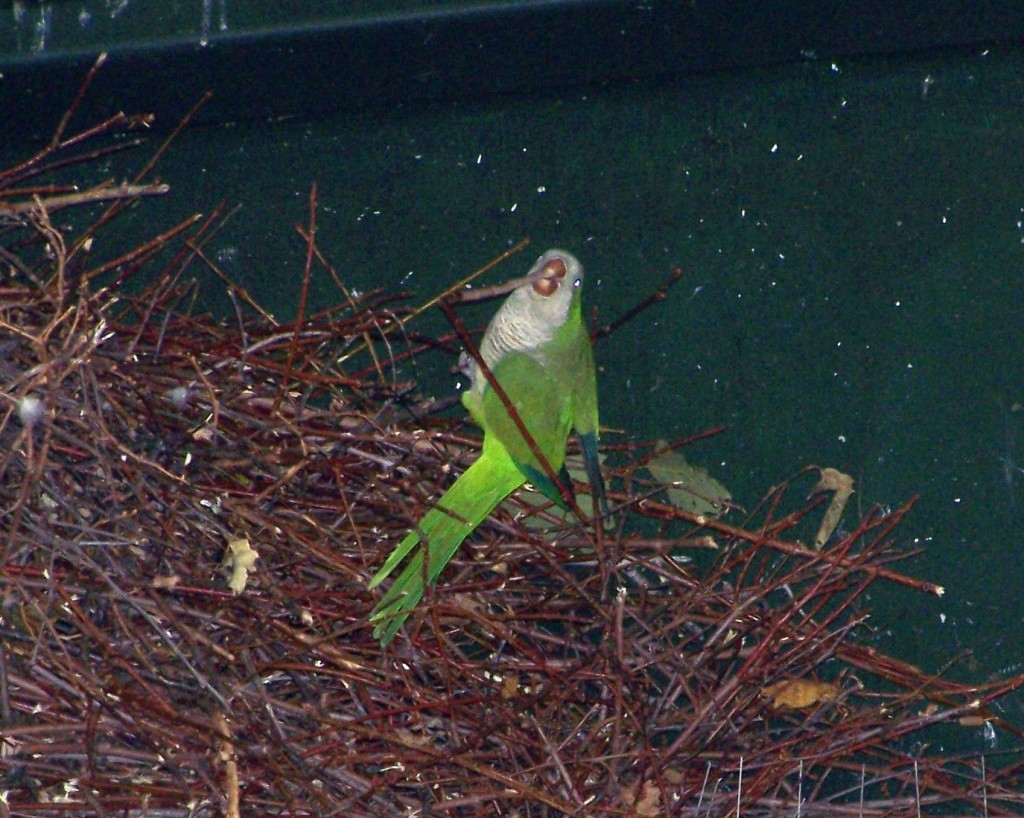
They build some pretty amazing communal nests, here are some photos of them I took in the Pantanal, Brooklyn and Edgewater.

P-05 P-16 P-18 P-21 IMGA0160 IMGA0150

100_0468 100_0470 100_0472 100_0473

Although this is a pet Quaker, you can see the construction technique up close.

LEARN MORE ABOUT QUAKERS

World Parrot Trust

Brooklyn Parrots

Edgewater Parrots

Quakerville

Parrots in the City

Quakermania

WILD QUAKER PHOTOS

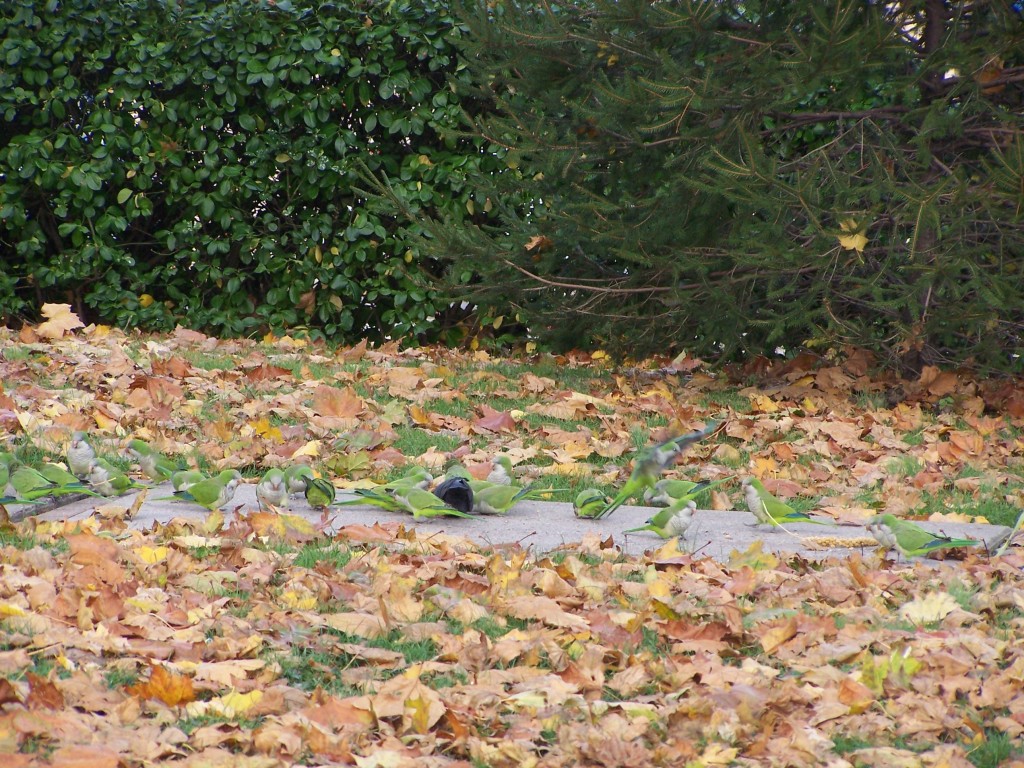
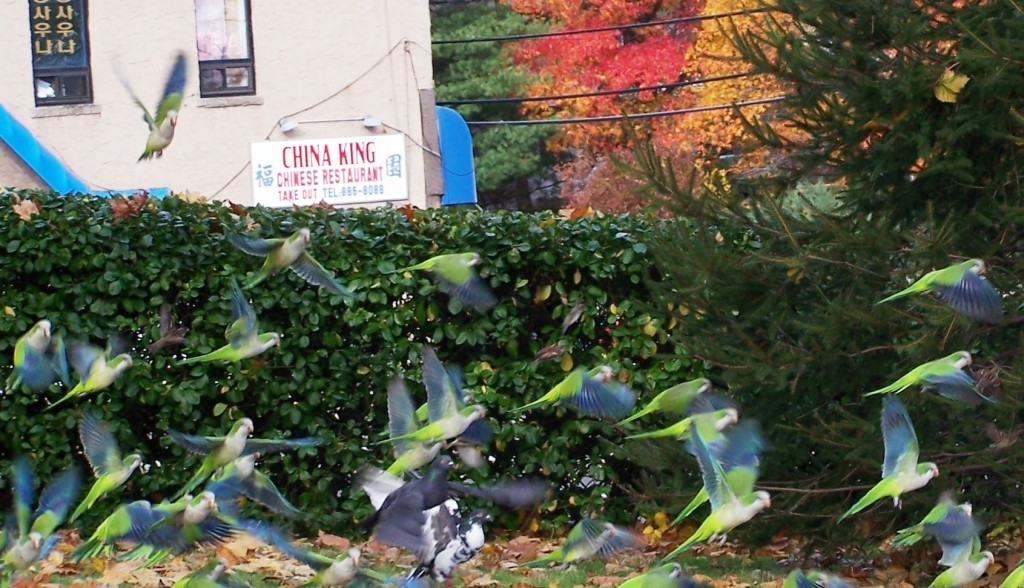
A few I took in the Pantanal and USA.

ZA-34 ZA-31 ZA-15 ZA-13 P-14 IMGA0158 IMGA0155100_0481 100_0484 100_0492 100_0493 100_0496 100_0501 100_0503 100_0505 100_0507 100_0509a 100_0519 100_0522 100_0531 100_0533 100_0535 100_0536 100_0547 100_0549

Eco-Lite: Wild Parrots In Brooklyn, New York

OVERVIEW

Eco-tourism in New York?  Even an eco-lite mini trip?  You may be surprised that a colony of immigrant Quaker Parrots (originally from Brazil and Argentina) are thriving in Brooklyn, New York!  So whether you live in New York or are just passing through and have some time to spare, why not connect with these intelligent, playful little parrots?

HOW DO YOU GET THERE?

New York has 3 major airports and you can get there on any major airline alliance.  Going on the basis that anyone who is interested in this excursion is already in New York, I am going to concentrate on how to get there on public transport.  If you can be there on the first Saturday of a month, you can join the Wild Brooklyn Parrot Safari run by Brooklyn Parrots.  Otherwise, you can just get to Brooklyn College.

Brooklyn College is easy to get to via public transportation. From Manhattan, take the Number 2 (7th Avenue IRT) southbound express to the end of the line. Walk one block Southwest on Hillel Street past Starbucks, and look for the main Brooklyn College gate.

The tour begins at the entrance at 11:00 AM sharp. Please give yourself extra time because the MTA is doing construction on their lines during weekends. Driving instructions are at Brooklyn College’s main Web site. Parking is easy to come by in the neighborhood. NOTE: the entrance to Brooklyn College has relocated due to construction. The new temporary entrance is a few steps to the north along Campus Road – we’ll meet there.

HOW MUCH IS IT?

Free!!!

HOW LONG SHOULD YOU SPEND THERE AND WHAT SHOULD YOU SEE?

If you are doing the tour, it probably lasts a couple of hours.  This is a good amount of time to spend even if you go on your own.  The parrots can be easily spotted in the lights around the football field.  According to Brooklyn Parrots, you need photo ID to enter the campus.

VALUE TO CONSERVATION

There is some controversy with the parrots’ presence in Brooklyn.  They are not native to the area, they are immigrants and not by their choice.  Brooklyn Parrots and  History detectives suggests they have been there since the early 60’s.  Even Oprah (or at least one of her bloggers) has taken an interest in them!   The value to conservation here isn’t the traditional financial support by purchasing a ticket or reading scientific descriptions in a well-laid out zoo.  The value is in taking the opportunity to see a species of bird that you normally would have to travel 1000’s of miles to see, observing their behaviour, watching them nesting and just appreciating them for the wonderful little creatures they are!  There are occasional campaigns to kill them usually by power companies so once you learn to appreciate them, you will be more likely to defend them when they are in danger.  Some power companies have stopped killing them.  They aren’t hurting anyone and have earned their right to live!

WHERE TO STAY NEARBY ON POINTS

There is no shortage of hotels in New York and virtually all chain hotels have many properties although not necessarily in Brooklyn.  I did a search on Hotels.com to find locations that are less than 5 miles from Brooklyn College, even though I know full well that most people visiting New York will be staying in Manhattan.  Honestly, that’s what I would be doing as it’s easy to commute to Brooklyn by subway.  Just in case someone might be going for an event at Brooklyn College, here’s a few I found.

BEST WESTERN

5 Properties in Brooklyn ranging from 32000-36000.

CHOICE

Comfort Inn, Brooklyn Cruise Terminal – 25000 points.

Union Hotel – 25000 points.

IHG

HIX Brooklyn – 25000 points

HIX Brooklyn Downtown – 20000 points.

Indigo Brooklyn – 40000 points.

MARRIOTT

Fairfield Inn & Suites Brooklyn – 40000 points.

PHOTOS

I took these photos back in 2007 when I was there with a P&S.  It shows how they build nests in the lights of the football field.  There are MUCH better photos on Brooklyn Parrots blog.

IMGA0150 IMGA0155 IMGA0158 IMGA0159 IMGA0160


How To Visit Amazonia National Park (Parque Nacional da Amazônia)

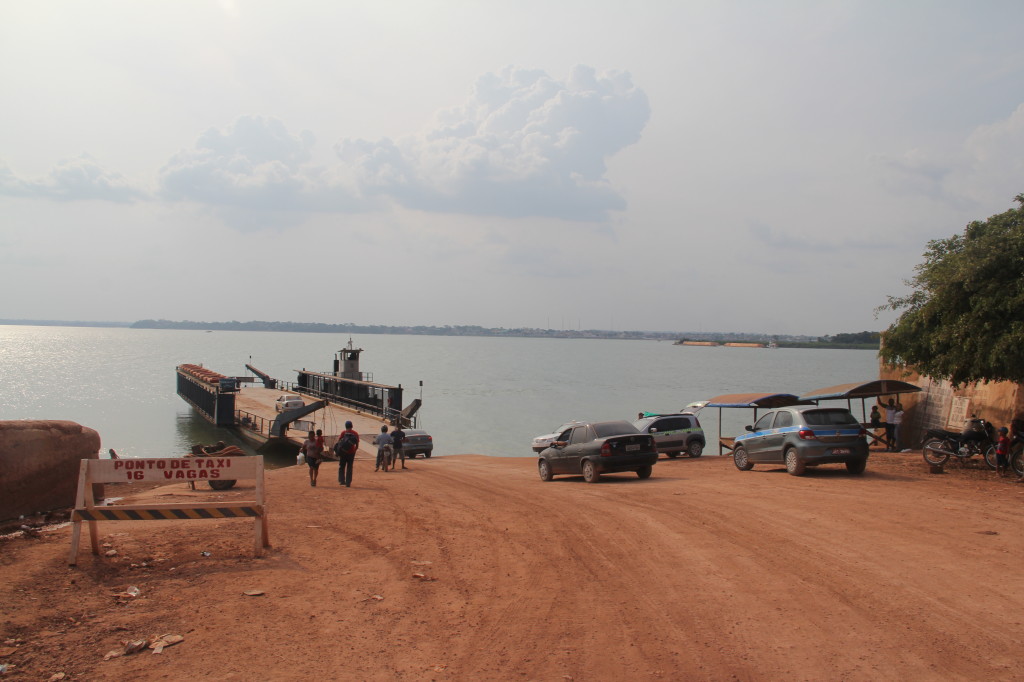
To recap previous posts that show you how to get here:  First you need to get to Brazil.  Most people will either originate or transit the USA and enter Brazil at Manaus if this park is their final destination.  From Manaus, fly to Santarem, then get a boat to Itaituba.  Visit IBAMA in Itaituba and get your permit.

The red dot is Urua, where you will be staying.

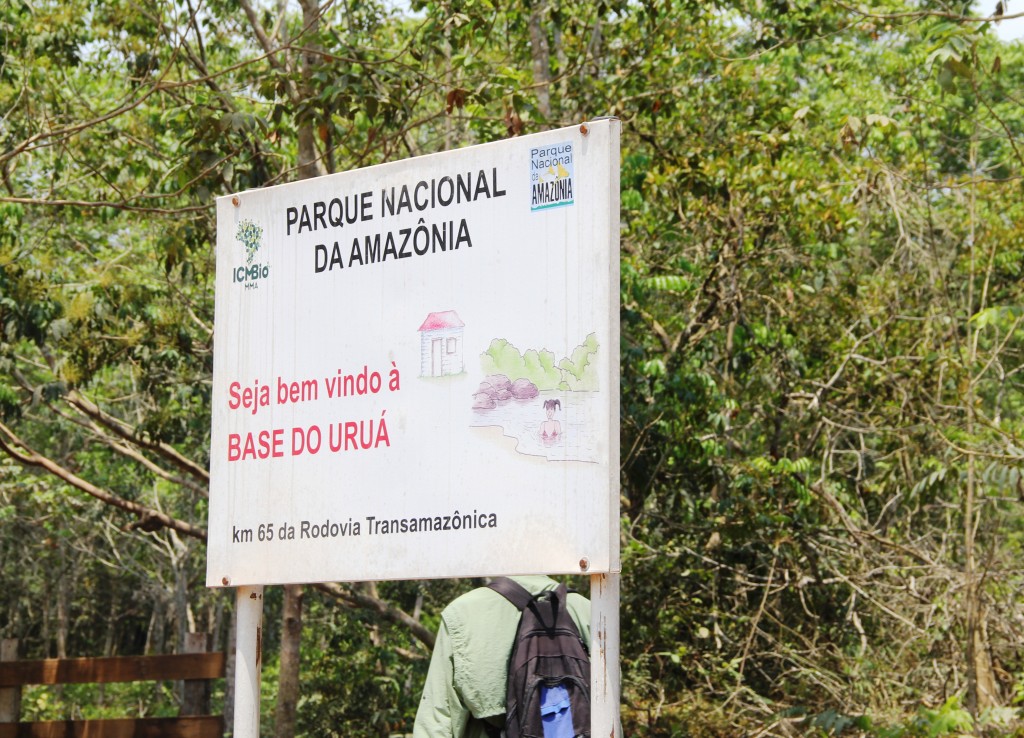
So now we are in Itaituba, ready to visit Amazonia National Park (Parque Nacional da Amazônia)!  If you are interested in seeing Golden Conures, you will need a good guide and I can heartily recommend Gilberto Nascimiento Silva who is one of the park rangers.  He and the other park rangers are based at Urua which is about a 2 hour drive from Itaituba.  The best option is to hire a car which is what I had planned to do but didn’t realize I wouldn’t be able to outside of business hours.  A car will give you more options to visit different trails within the park and also to drive to a village to buy more food if you wish.

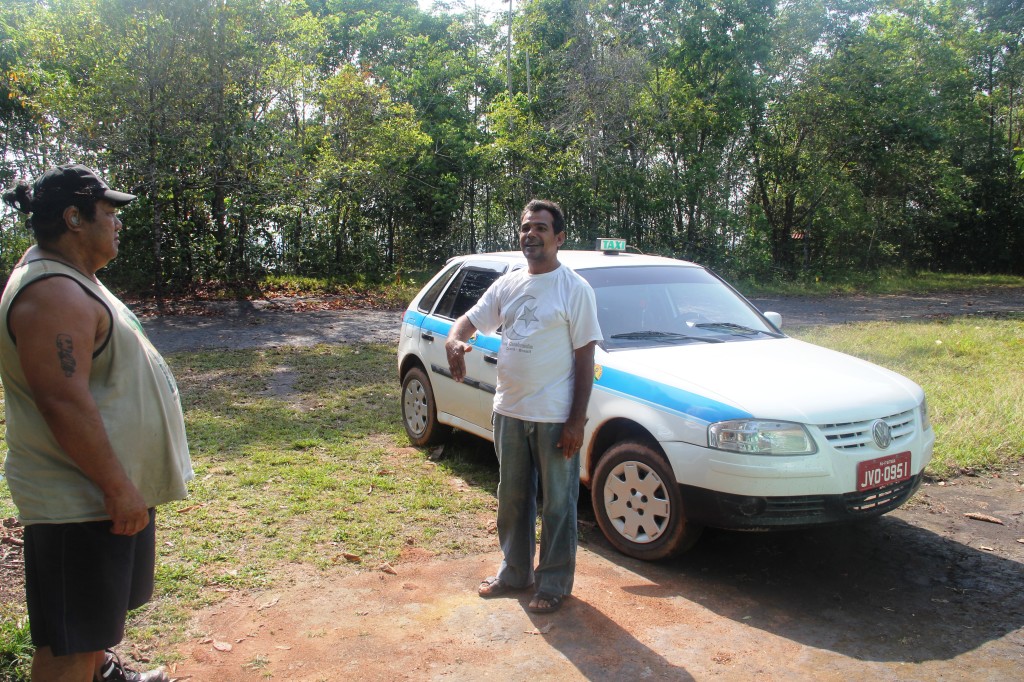
Without a car, your options are bus or taxi.  There is a Jacareacanga-bound  bus at around 10 or 11 am but if you don’t want to wait, you can get a taxi for R$150.  We had to try a couple times to persuade taxi drivers to go out there and they weren’t quite sure how to get there.  Finally we found one and negotiated the price.  We already had park permits via email and had to stop at IBAMA so the staff could explain to the taxi how to get there. To get back, there is supposed to be a bus around 2pm, if we had waited we would have missed the speedboat to Santarem so hitched with a local couple and paid them the bus fare of R$25 each.  Gilberto spoke to the driver and arranged this for us.

Taxi

Taxi

Initially reluctant, the taxi driver seemed to enjoy the park and hung around for an hour after driving us there.

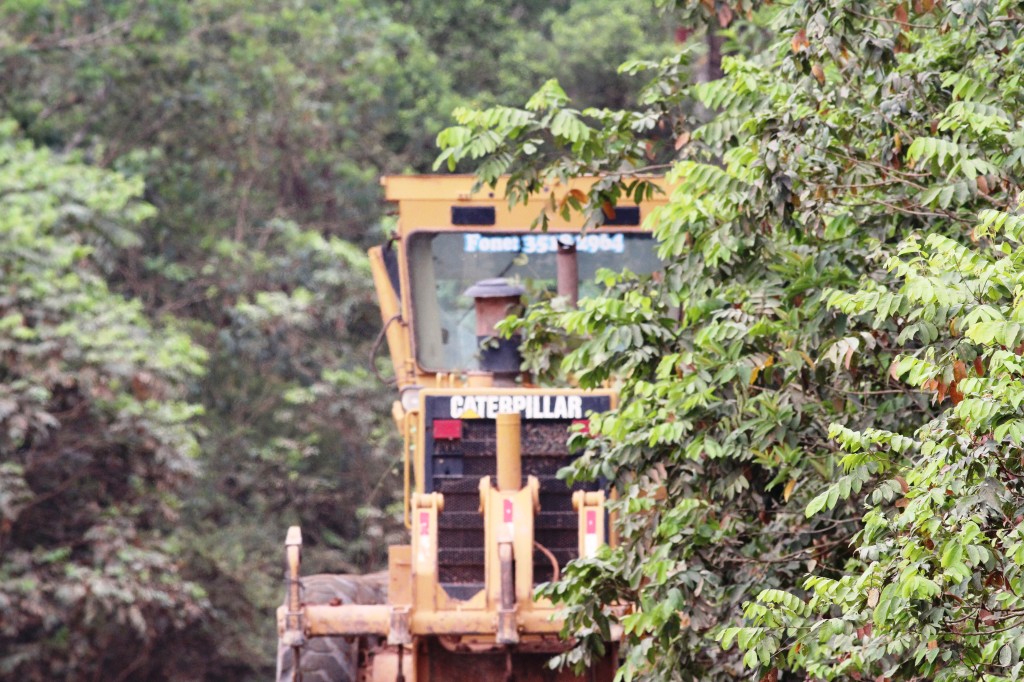
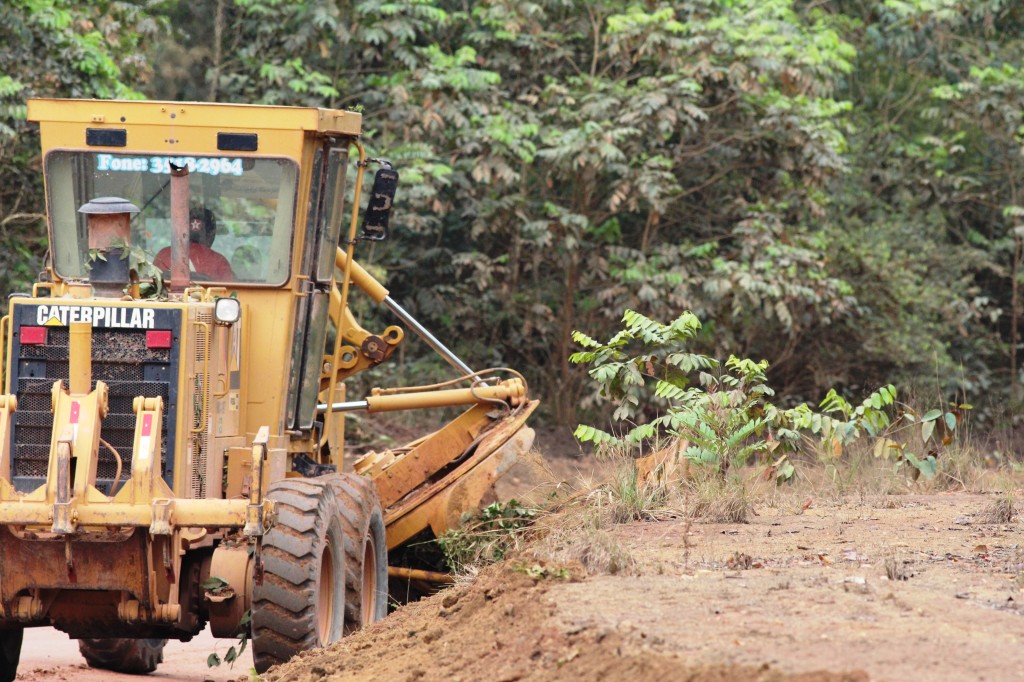
Sadly, you will see deforestation in action enroute as they are trying to enlarge the road.

U23 U22

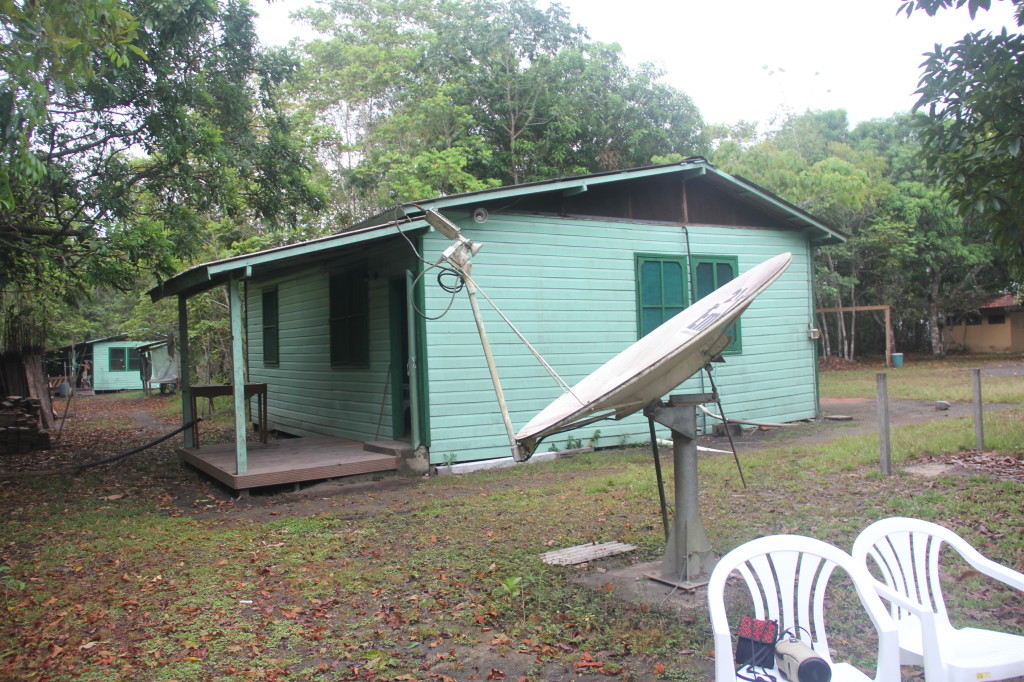
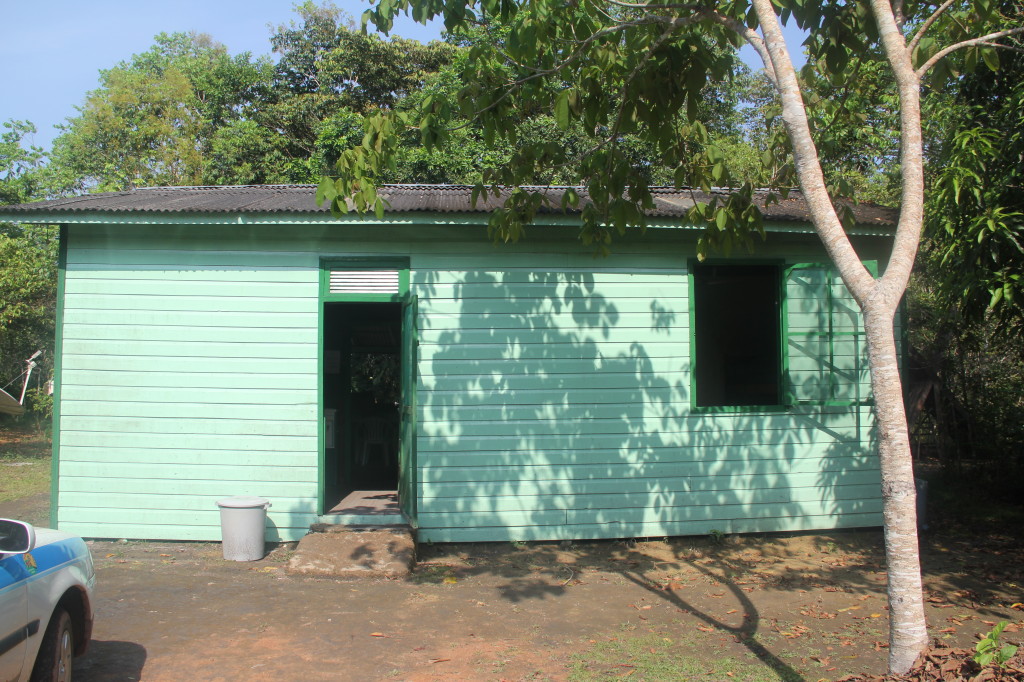
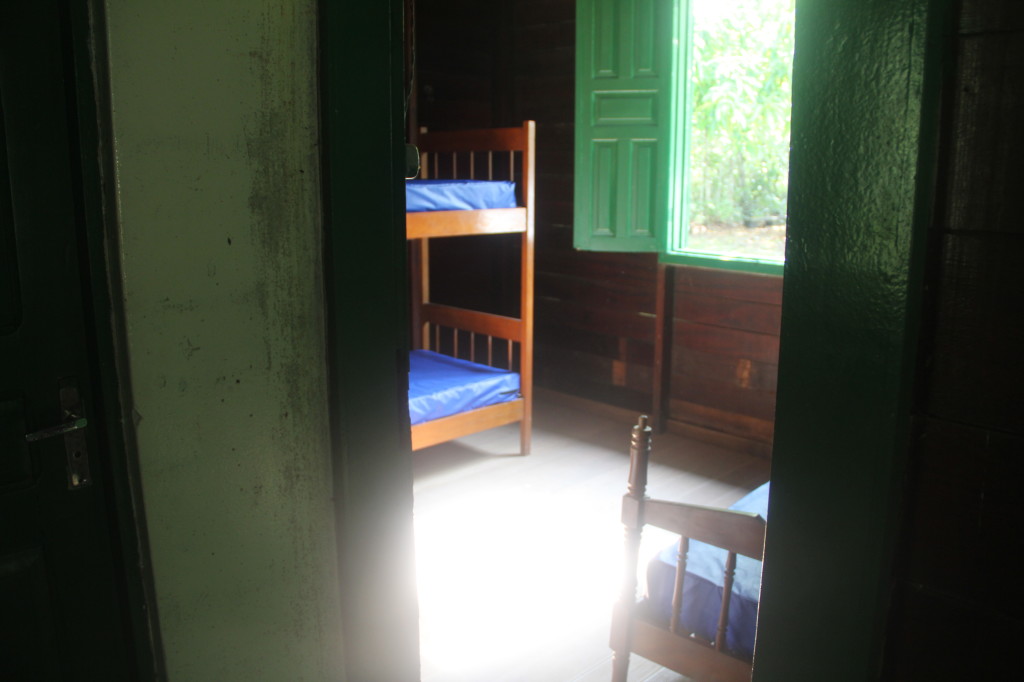
Accommodations at Urua are very simple.  If you are a backpacker you will be fine but if you are used to luxury lodges of the Pantanal, you may be in for a surprise.  As of Sept 2012, there was no cost to stay in the bunkhouse as long as you have a permit.  The only cost is paying the ranger, Gilberto to guide you for R$50 per visit.  This is a fixed price, no need to bargain.  You will need to bring all your food and drinks with you from Itaituba.  There is nothing for sale in the park or within walking distance.

U00 U023 U01 U02 U03

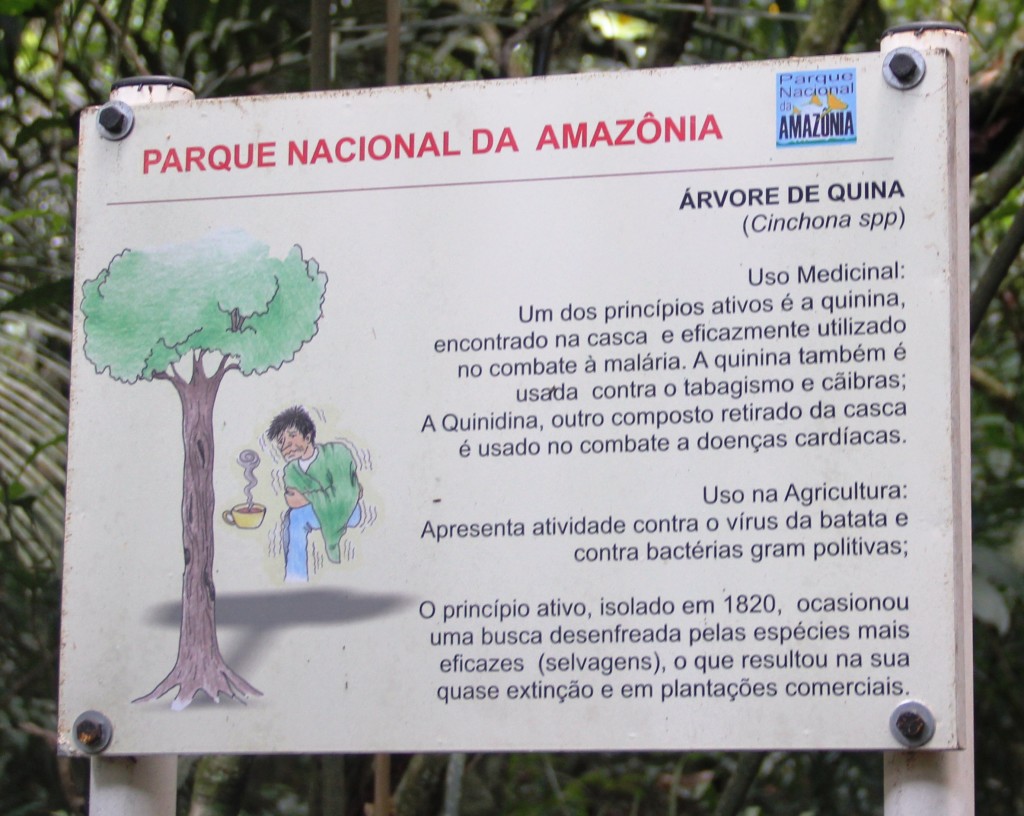
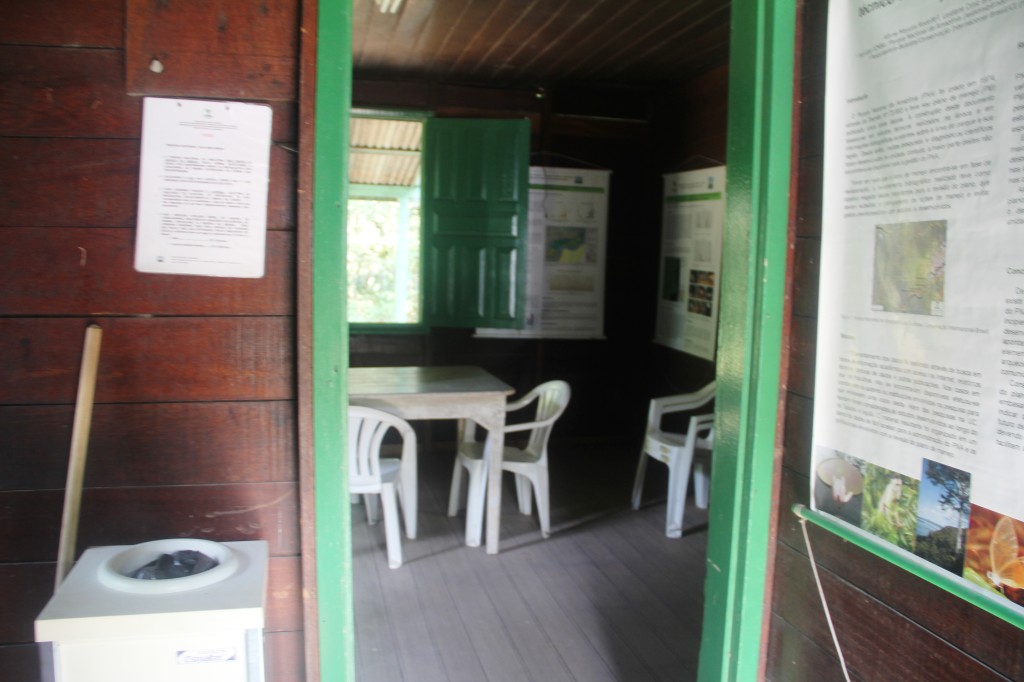
There are cooking facilities but no fridge.  If they have room, the rangers will put your water bottle in their fridge so you have cold water after hiking around.  It gets very hot and humid there, mosquitoes are everywhere so bring coils and repellent.  Malaria is present in the Amazon region though luckily we didn’t get it.  The generator operates for a couple hours around lunch time and again from 5-8pm so you can charge your batteries.  There are posters on the wall with some of the local wildlife and Gilberto has the excellent Avifauna Brasiliera guidebook.  He doesn’t speak English but he is happy to point out the photos in the book of the species you see so you can make note of them.

U10 U04

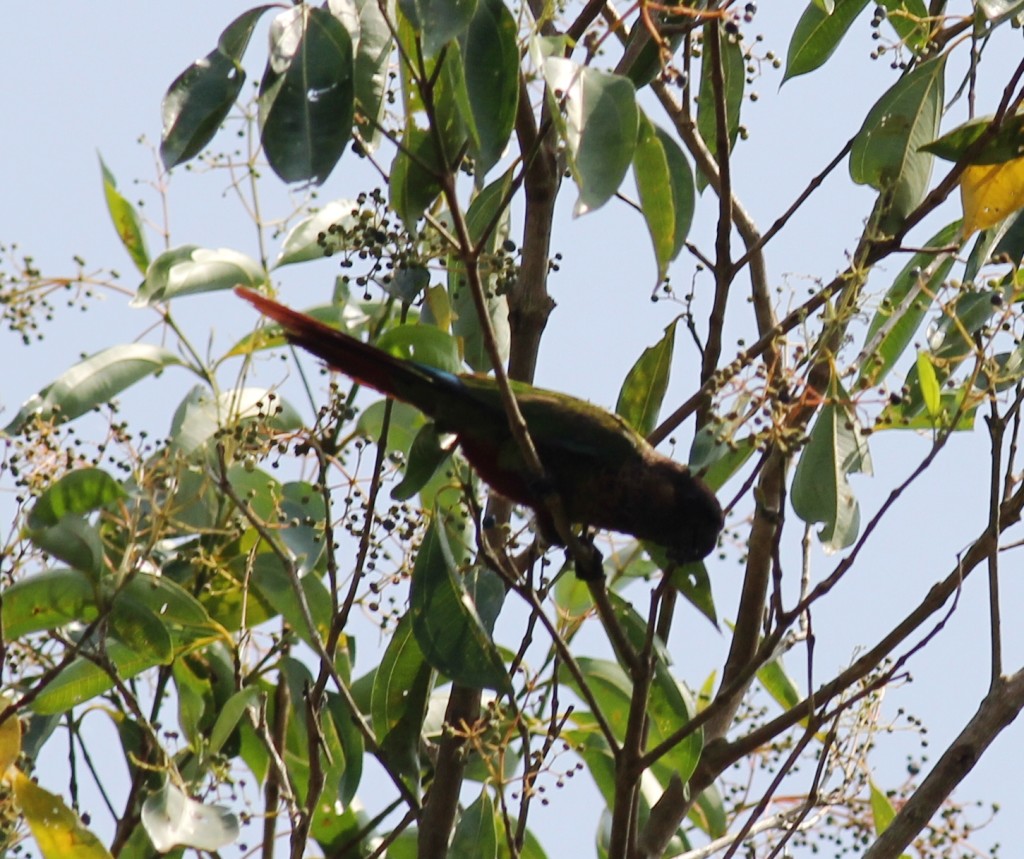
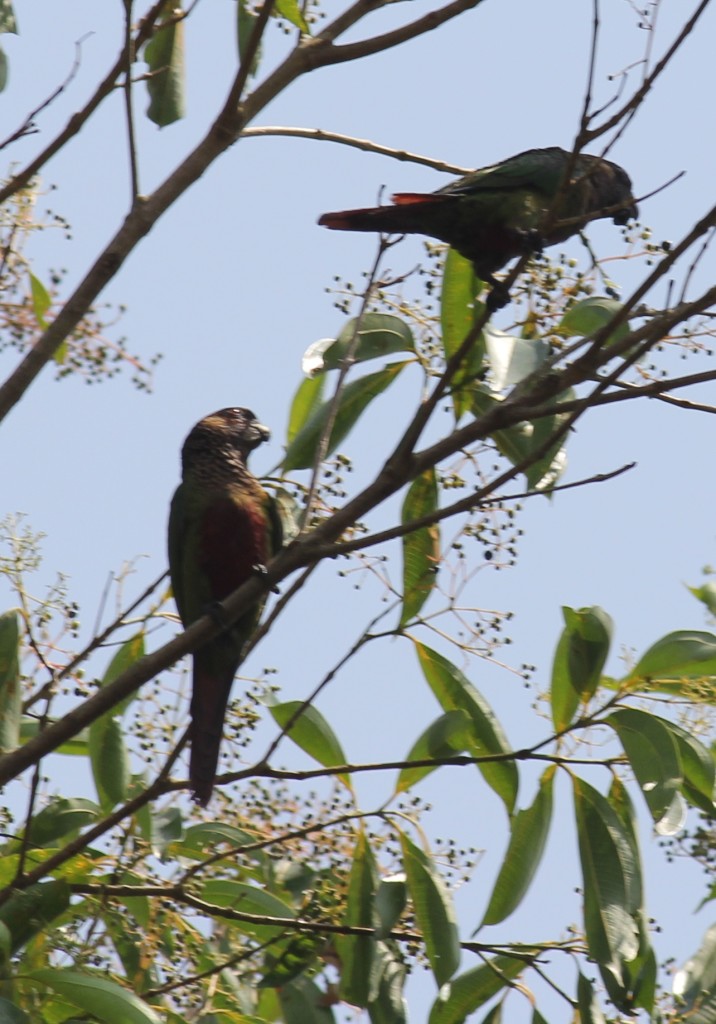
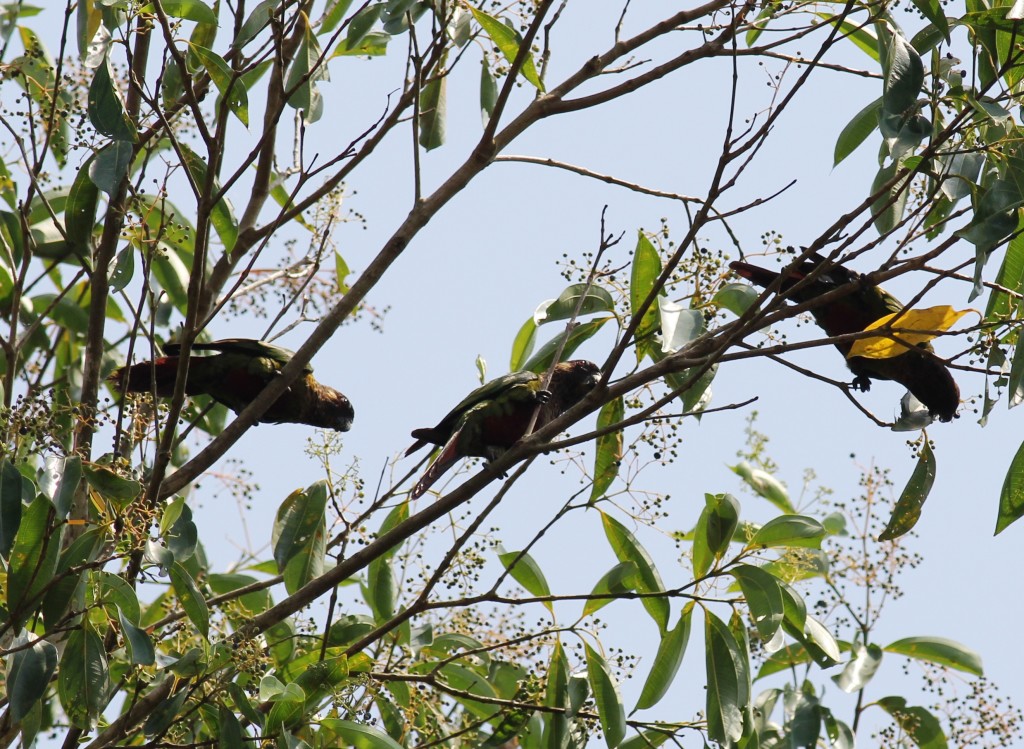
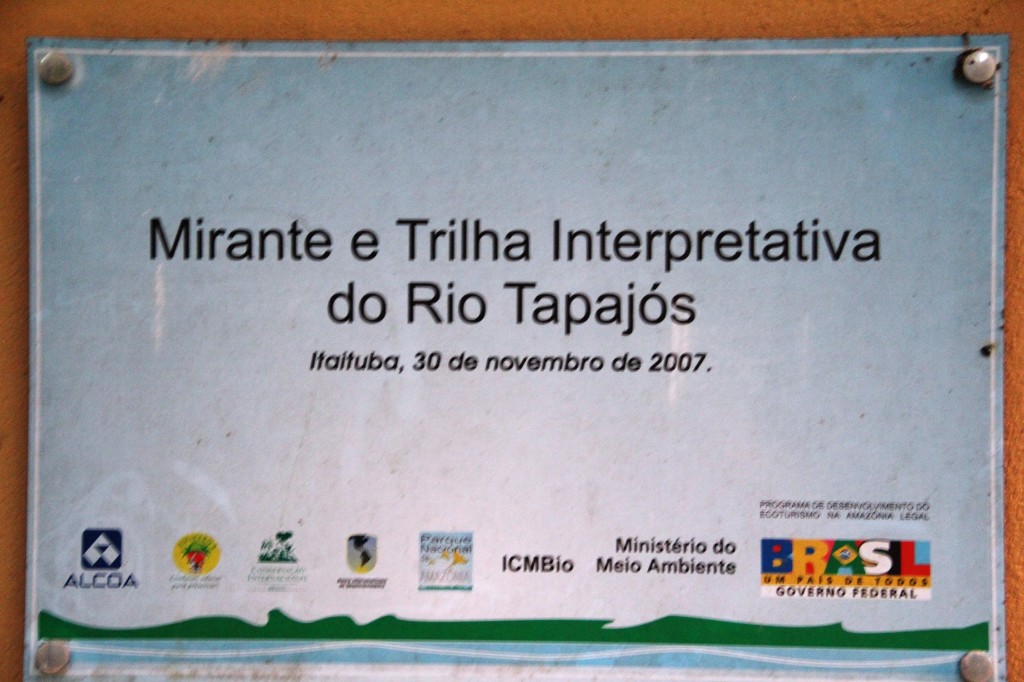
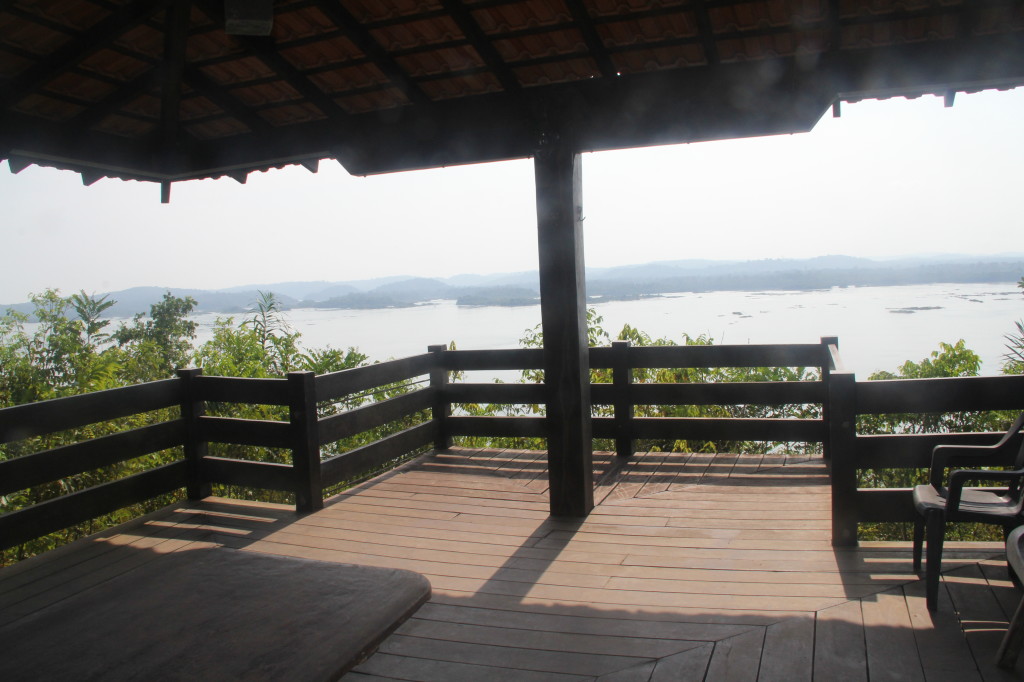
There is a lookout over the Tapajos River and it’s an excellent place to sit and watch for birds.  We saw large flocks of White-eyed Conures, a few Festive Amazons, Santarem Conures, Short-tailed Parrots and a Painted Parakeet.  Also lots of toucans!  More about the birds on the next post in this series so stay tuned!

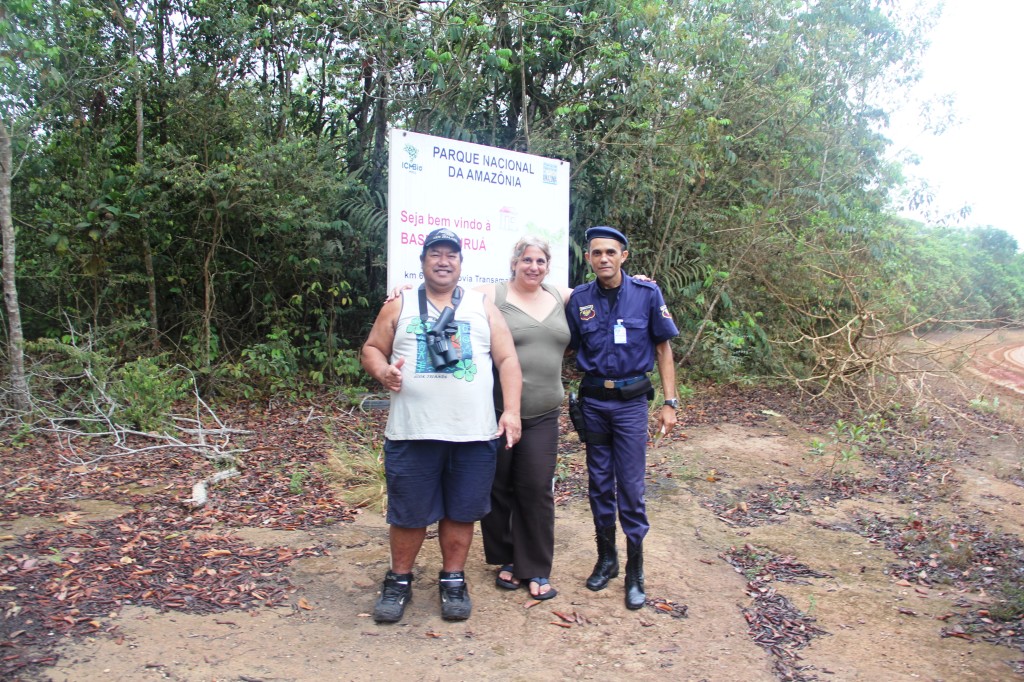
Ina (my husband), me and Gilberto

Ina (my husband), me and Gilberto

WEBSITES ABOUT AMAZONIA NATIONAL PARK (IN PORTUGUESE)

BRAZIL.GOV

ICMBIO


Which Airlines Charge Fuel Surcharges

HT:  Extra Pack of Peanuts

Another travel blogger, Extra Pack of Peanuts has a superb post on airline fuel surcharges (YQ taxes).  You definitely want to avoid these as they can really blow your budget!

If you’ve been following my strategy of joining my Top 8 Frequent Flier programs for eco-tourists, here’s the ones you need to look out for:

AA – Avoid redeeming on BA & IB, others have no YQ charged

UA – No YQ charged

US – No YQ charged

AV – No YQ as of this date.

BA & IB – I recommend transferring all Avios to BA as IB doesn’t allow one-way redemptions.  There are no YQ charges on my recommended uses on LAN, you are also safe on Aer Lingus, AA in the Americas, Air Berlin and flights within Europe.

QF – Charges YQ on most redemptions.  However if you use them for domestic or short Pacific region flights it’s not too much.  I did a sample booking for BNE-NAN and ALL taxes including Aussie taxes was $84.

VA – No YQ on VA flights and you can use points to pay for the other taxes.  I only recommend using Velocity points for domestic Australian or short-haul Pacific though they sometimes have good rates to the USA.  Nothing wrong with the airline but AA, UA and US are cheaper on this route.

SQ – No YQ on UA, US or NZ flights within the South Pacific (as of 2012 at least).


Itaituba – Gateway To Amazonia National Park (Parque Nacional da Amazônia)

The first thing I want you to know about Itaituba is don’t arrive there on a weekend!  It was too late for me to reschedule as I had Cristalino booked for specific days and it was sold out so I couldn’t change it.  Don’t count on being able to change money here or the ATMs accepting foreign cards, bring cash from Manaus, Santarem or elsewhere.  The 3 most important things you need to do in Itaituba are:

  • 1.  Get a permit from IBAMA to visit Amazonia National Park.
  • 2.  Stock up on food to take out there.
  • 3.  Preferably hire a car as transport there is very limited.

I got lucky and a new birding friend helped me get the permit in advance from IBAMA but that person has transferred out from the Itaituba office and is no longer around to help.

Itaituba can be reached by plane from Manaus or Santarem on Azul, by bus from Mato Grosso or by boat from Santarem.

Map of Itaituba

In this map, the “A” in the bubble is the IBAMA office.  You can see the jetty where the ferry from Miritituba will drop you if you arrive by bus.  There are a couple supermarkets within a block of the jetty.  The red dot with the arrow is Juliana Park Hotel which is your best bet if you get stuck in Itaituba overnight.

IMG_5831 IMG_5832IBAMA OFFICE

Av. Mal. Rondon, s/n. Aeroporto Velho. Itaituba – PA. (IBAMA/ Parque Nacional da Amazônia).  (93) 3518-4519

Any taxi can take you there.  You will need your passport, maybe an extra photocopy and it wouldn’t hurt to bring some passport photos just in case.  The permit was free in 2012.  They are open M-F “business hours” so plan to get there before 4pm.

CAR HIRE COMPANIES

Chicão: (93) 3518-7199  or  (93) 9976-5214
J. Farias – (93) 3518-1055
Jacy Car – (93) 3518-3025
The estimate is R$100 per day, you will probably need insurance on top of that.  They were closed by the time we got there since our bus was late and we didn’t get to town until 4:30ish.  It would seem that car hire companies are closed on Sundays too.  We didn’t try to book in advance due to the language difficulties.

SHOPPING

There are small supermarkets in the area near the jetty where you can get very basic goods.  Although the guards at Urua have limited refrigeration for their own use, don’t count on them being able to store your perishables.  We bought tinned goods like cocktail sausages, corned beef and other items like rice, Ramen noodles, biscuits/cookies and water.  You can boil water when you are there if you can’t carry too many bottles of water.  There are larger supermarkets called Duvalle and Tradição but they are further away.  Looking back, I wish we had made the effort to go there for a better selection of goods.

SPENDING THE NIGHT

With luck, you will be able to arrive in Itaituba, get your permit, do your shopping and get straight out to the park.  If you do get stuck here overnight, the Juliana Park is a small, clean budget hotel.  Here is a snippet on hotels from the Bradt Guide which is all I could find online.  It’s a bit out of date but I agreed with their assessment of Juliana Park and can add that the WIFI is free and really helped trying to communicate with the manager using Google Translate back and forth.

OTHER WAYS TO GET TO AMAZONIA NATIONAL PARK

From Itaituba to Amazonia National Park, we could have taken a bus at around 10 or 11 am but wanted to get there early for birding so took a taxi for R$150. Even though we already had the park permits we still had to stop at IBAMA so the staff could explain to the taxi how to get there.
To get back, there is supposed to be a bus around 2pm, if we had waited we would have missed the speedboat to Santarem so hitched with a local couple and paid them the bus fare of R$25 each.  Our guide at Urua, Gilberto helped us get the lift.

Taking A Boat On The Tapajos River Between Itaituba & Santarem

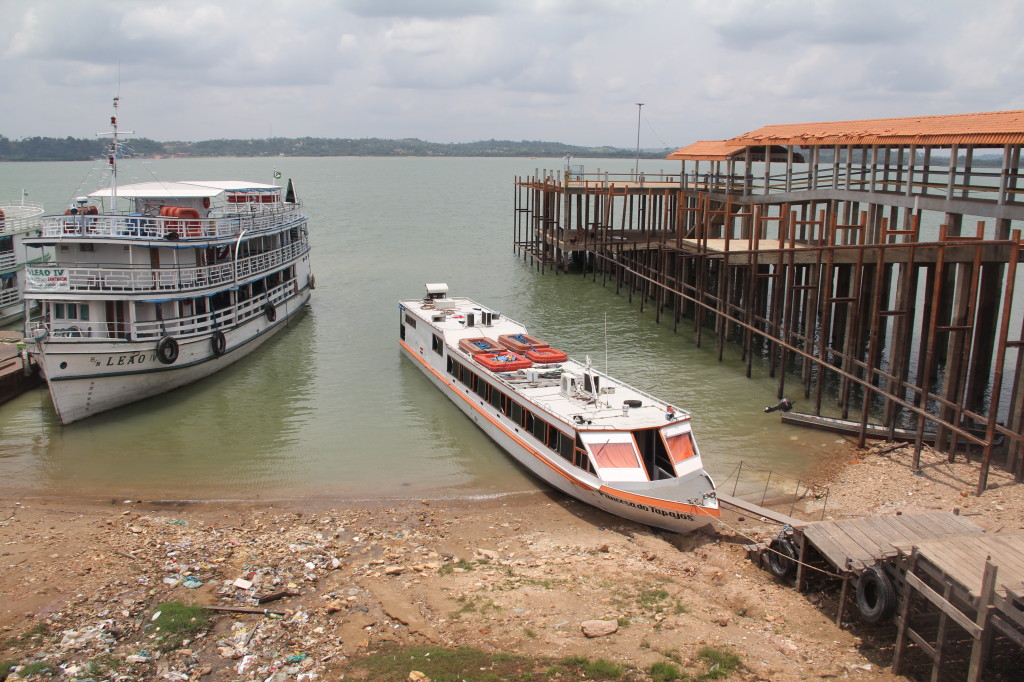
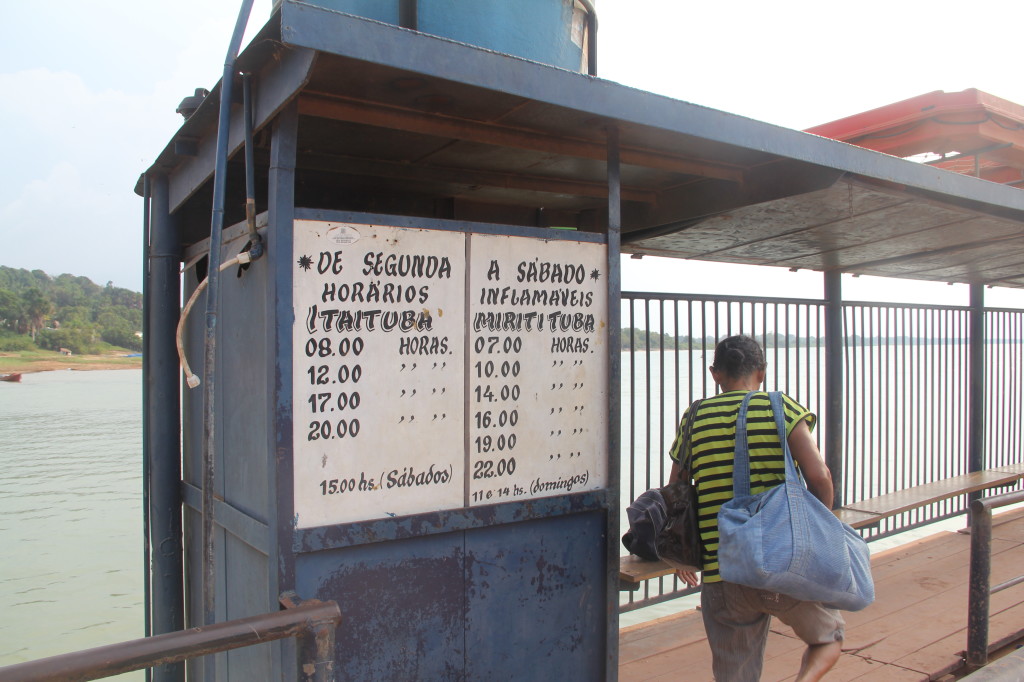
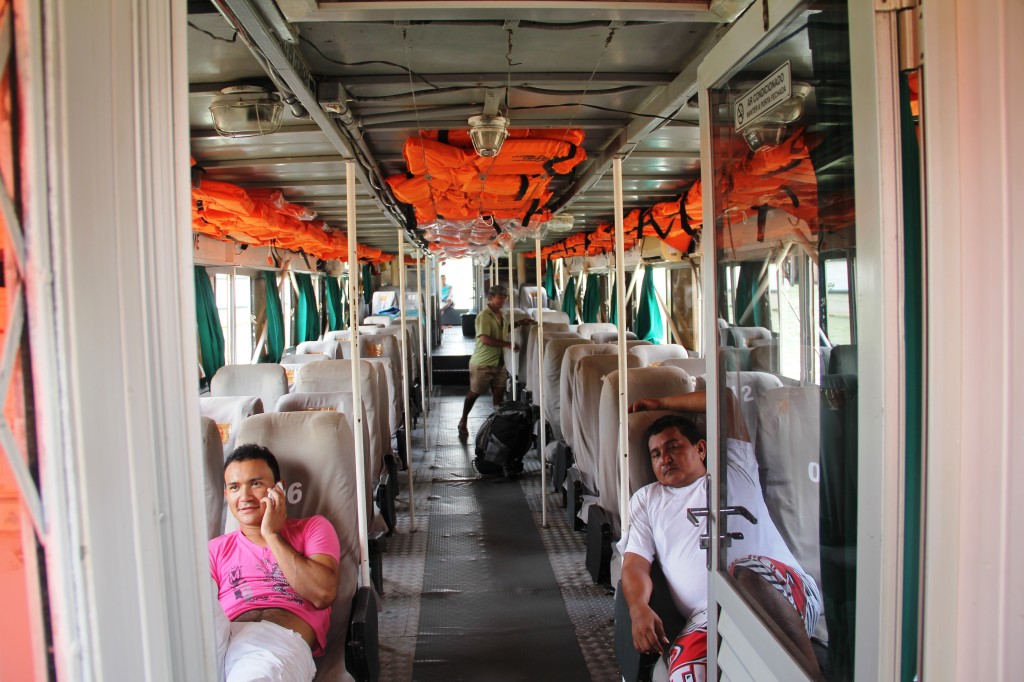
Once you have touched down in Brazil, preferably at Manaus and flown onwards to Santarem; you aren’t done yet!  You still need to get to Itaituba and get a permit for the Parque Nacional da Amazônia and drive out there.  The most pleasant way to travel is by speedboat down the Tapajos.  We did this journey in the direction of Itaituba to Santarem since we had arrived in Itaituba by bus from Mato Grosso.

I don’t speak Portuguese but from what I can tell, this is the official blog of the company that runs the launches.  I did my best with Google Translate!

Ships to Itaituba.
All days out boats from Santarem to Itaituba carrying cargo, packages and passengers. They leave at 16:00 (only on Sunday leaves at 14:00 hours). The vessels are castor and are usually boat medium and large making this trip that lasts about 17:00 usually.

Has the boats that depart at 13:00 hours and arrive in Santarem Itaituba about 21:30 the same day.


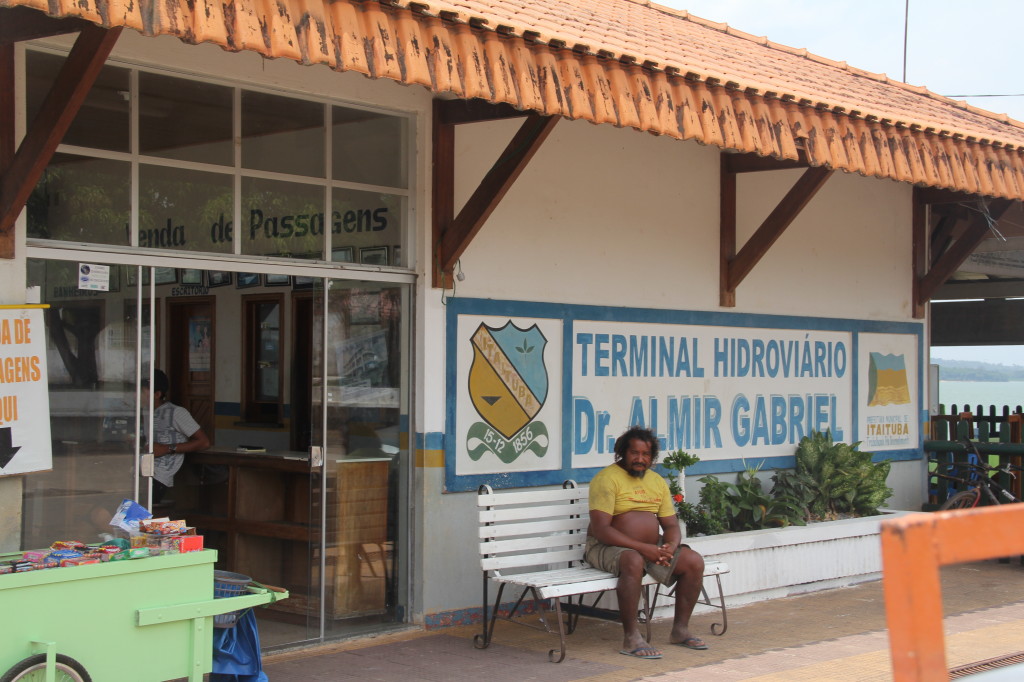
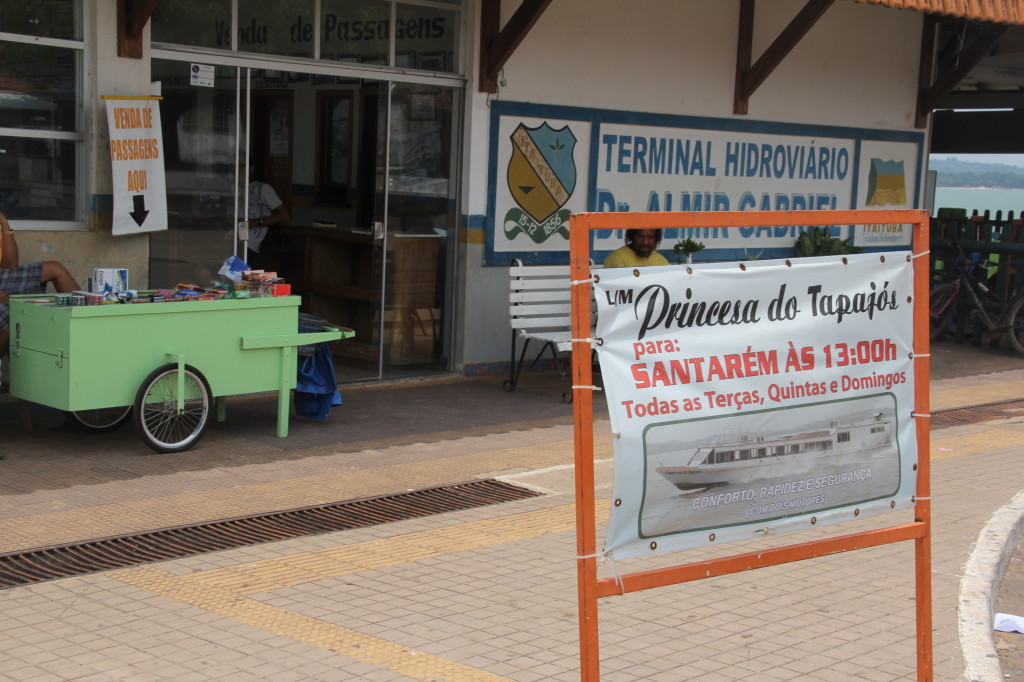
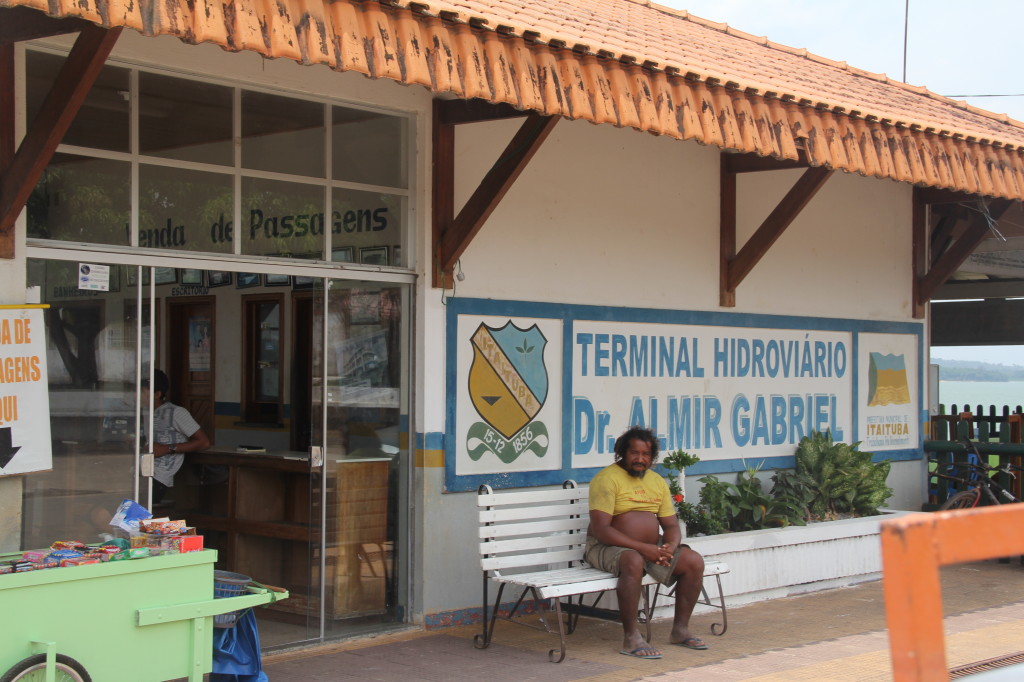
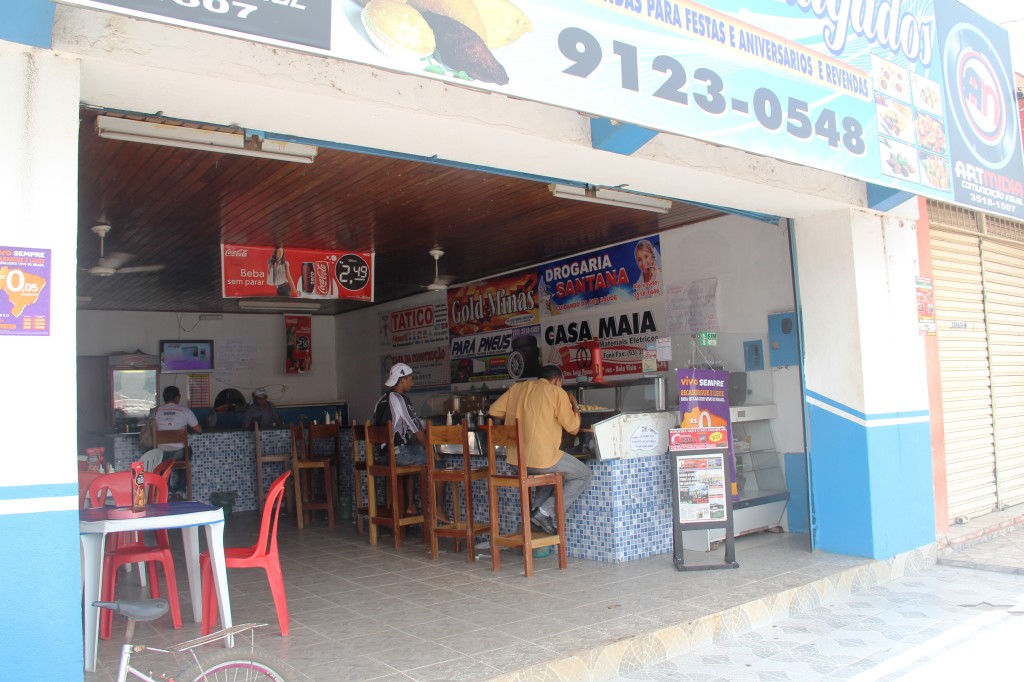
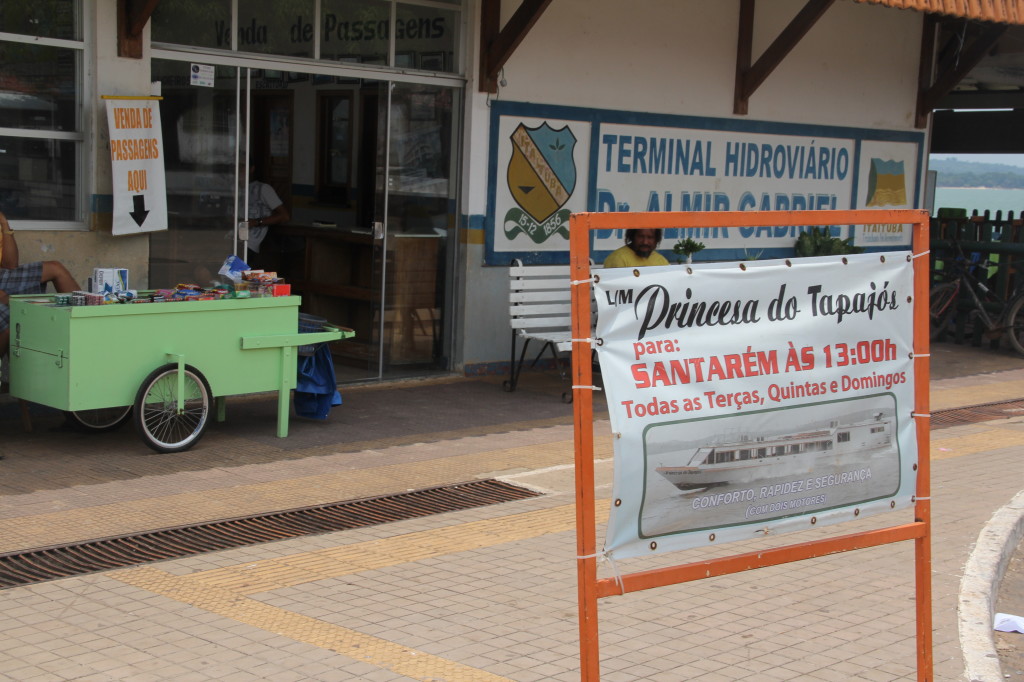
This is the ticket office in Itaituba.  In Sept 2012, we paid R$65 each (around $35).  I think it has gone up to R$70 now.

Lancha motor Princesa do Tapajós sai todas as 2ª-feira, 4ª-feira e 6ª-feira.  (Tuesday, Thursday, Saturday)

Lancha motor Veloz sai todas as 3ª-feira, 5ª-feira e domingo. (não prestamos serviços para essa embarcação). (Wednesday, Friday, Sunday).

I could not find any reference to who sails on a Monday.

***UPDATED TRANSLATION***

Harvson3 has kindly provided a proper translation of the Portuguese I was trying to use Google Translate on.  This is the correct version.  As you can see, Google Translate sometimes leaves a lot to be desired but it’s usually all we have to go on.  Thank you Harvson3!

One small correction of the above:
2a feira (also written segunda-feira) is Monday, 4a feira is Wednesday, sexta-feira (6a feira) is Friday.

terca (3) and quinta (5) are Tuesday and Thursday.

My translation of the above paragraphs:

Every day, boats leave Santarem for Itaituba carrying cargo, packages, and passengers. The boats leave at 4 PM in the afternoon (only on Monday they leave at 2 PM). The ships rotate and are generally boats of medium to large size that do trips that last usually around 17 hours generally [sic].

There are boats that leave Santarem at 1 PM and arrive in Itaituba around 9:30 PM on the same day.

Lancha motor just means “motorboat,” akin to the smaller boat you took.
R01 R02

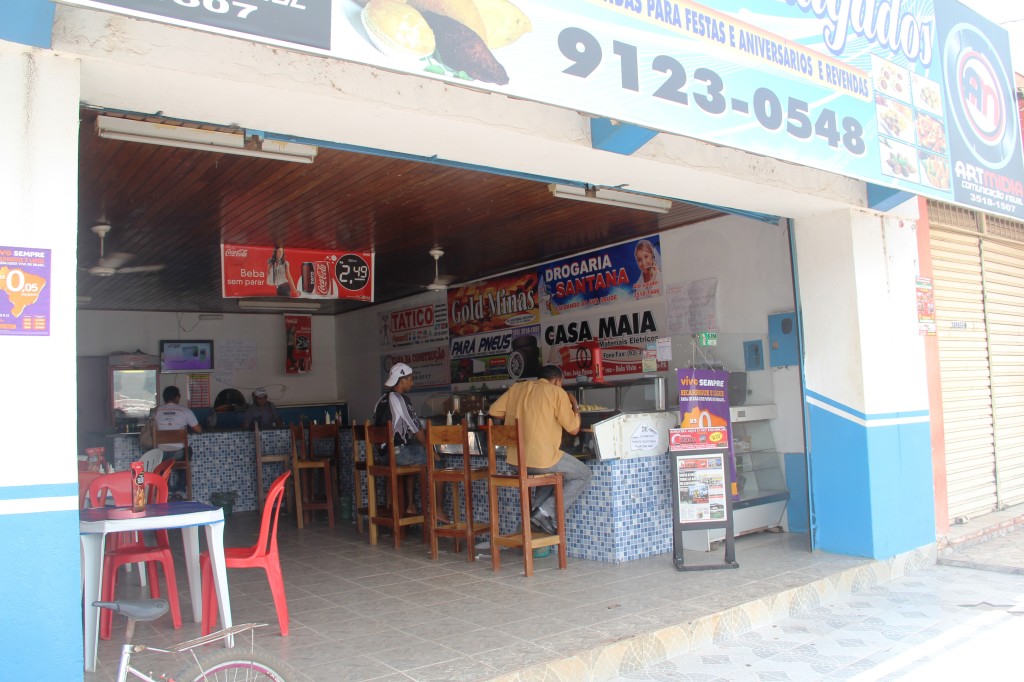
You can buy snacks and drinks on the boat but we bought some sandwiches, snacks and drinks at a small cafe across the street before leaving.
R06

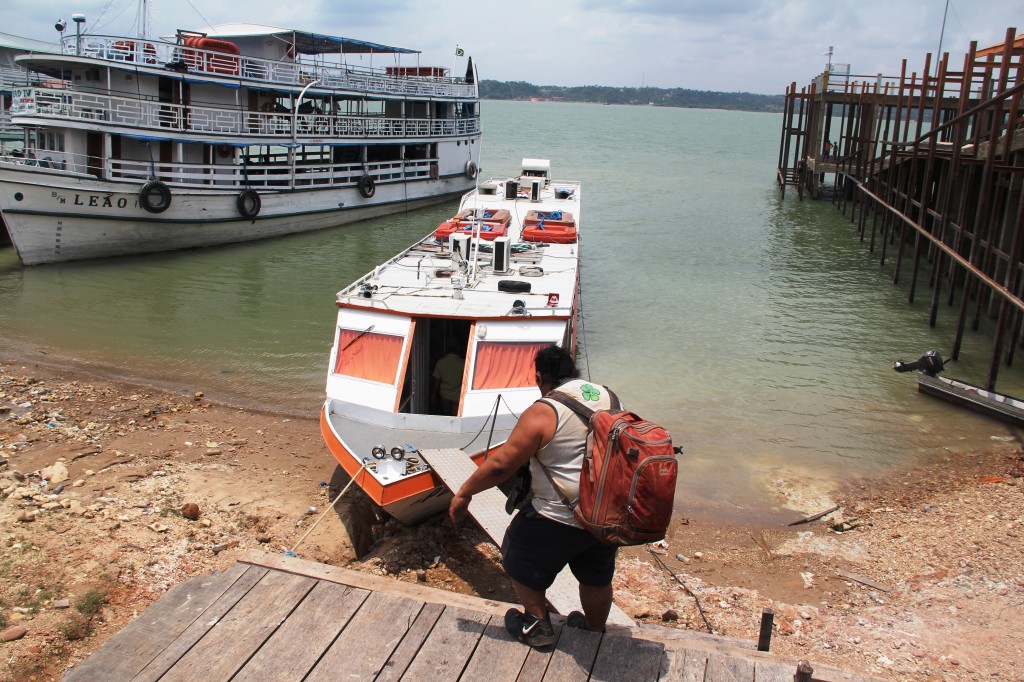
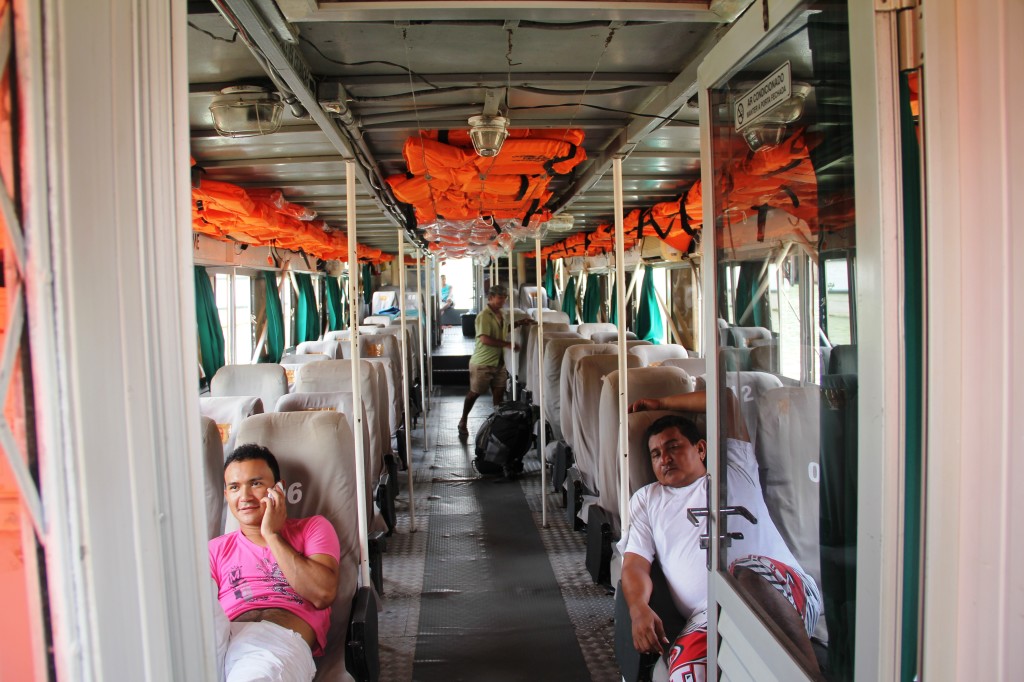
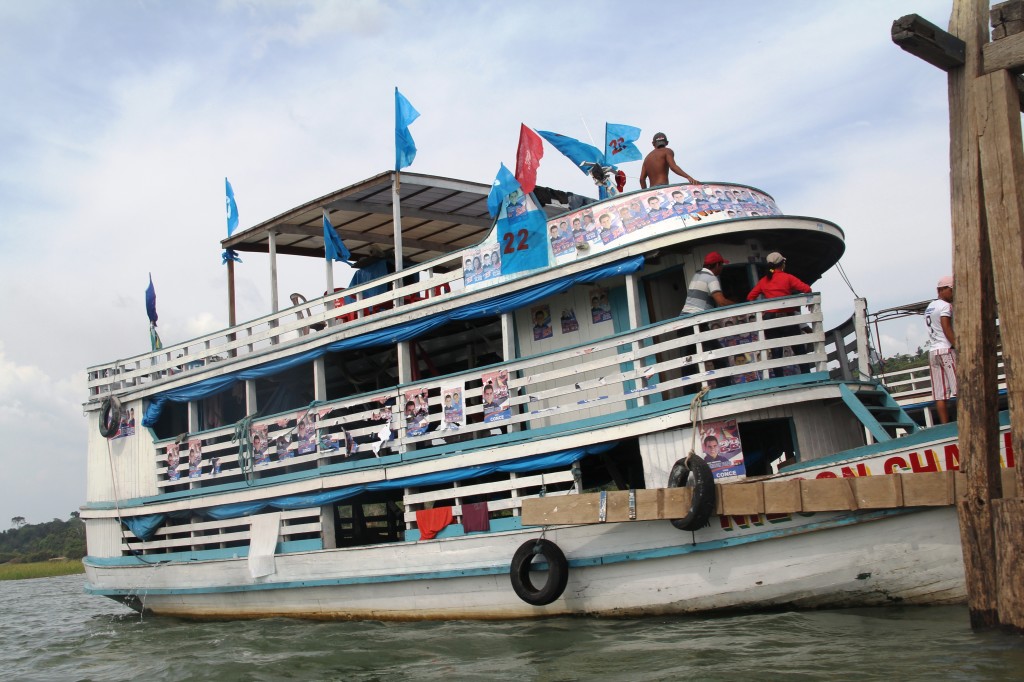
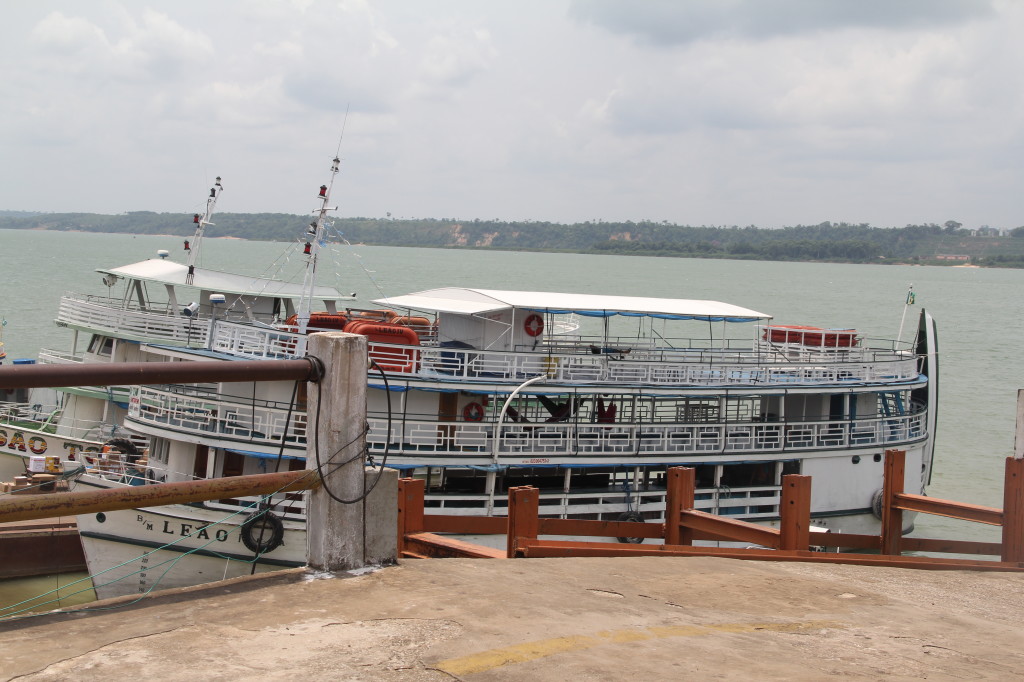
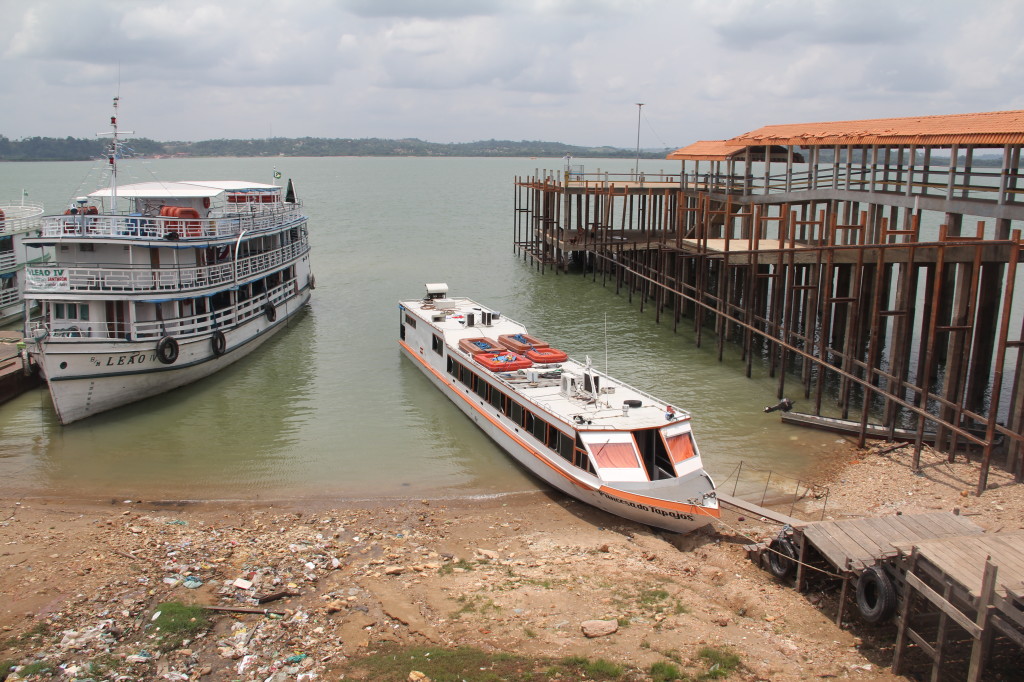
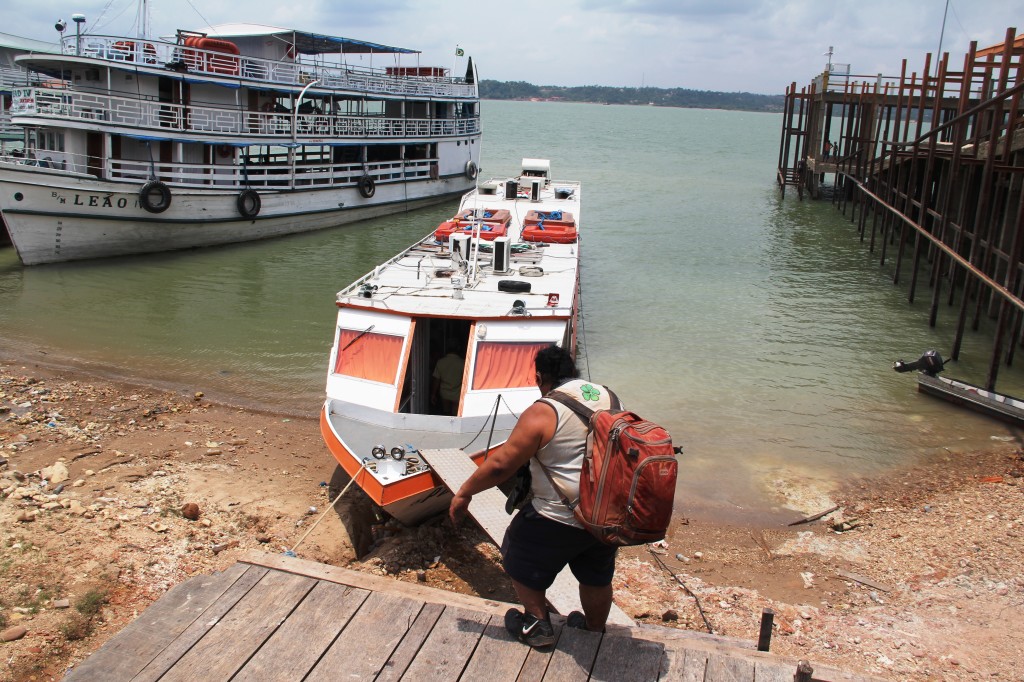
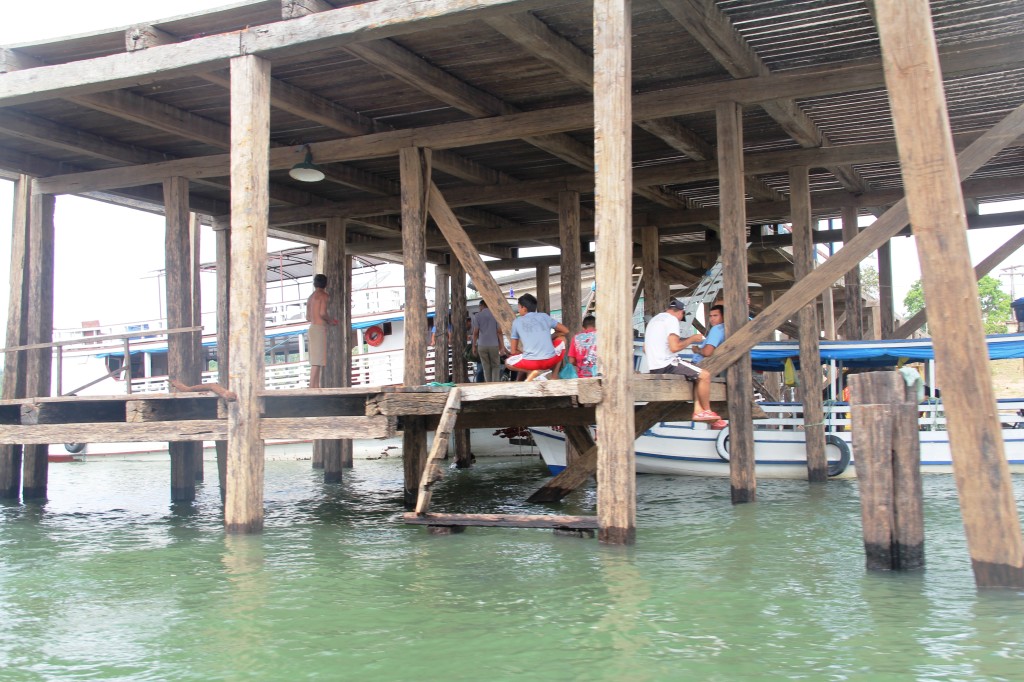
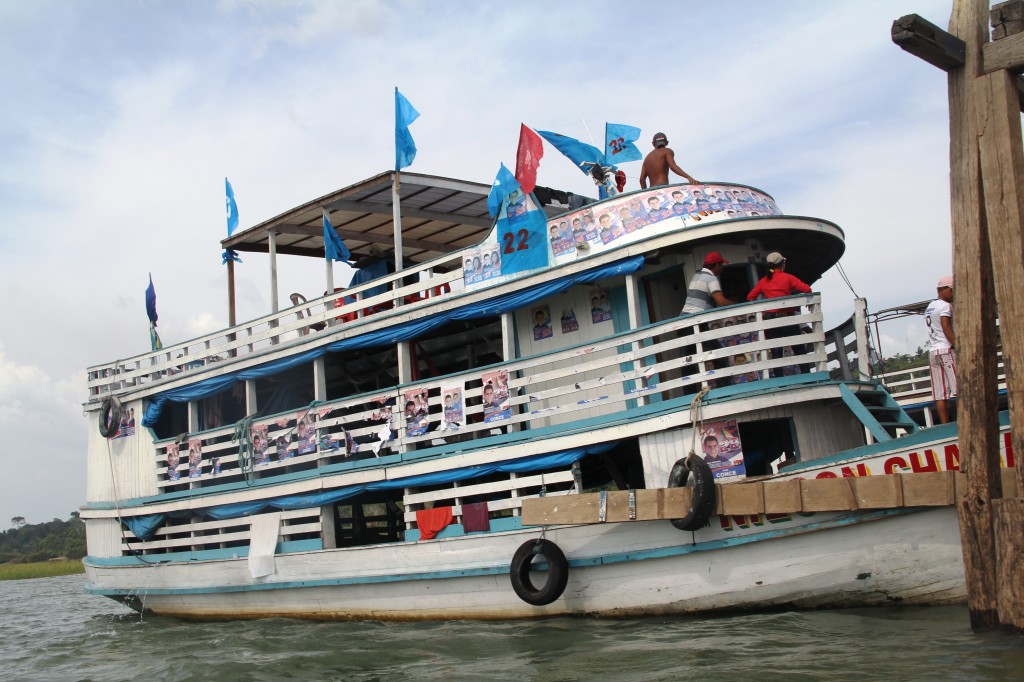
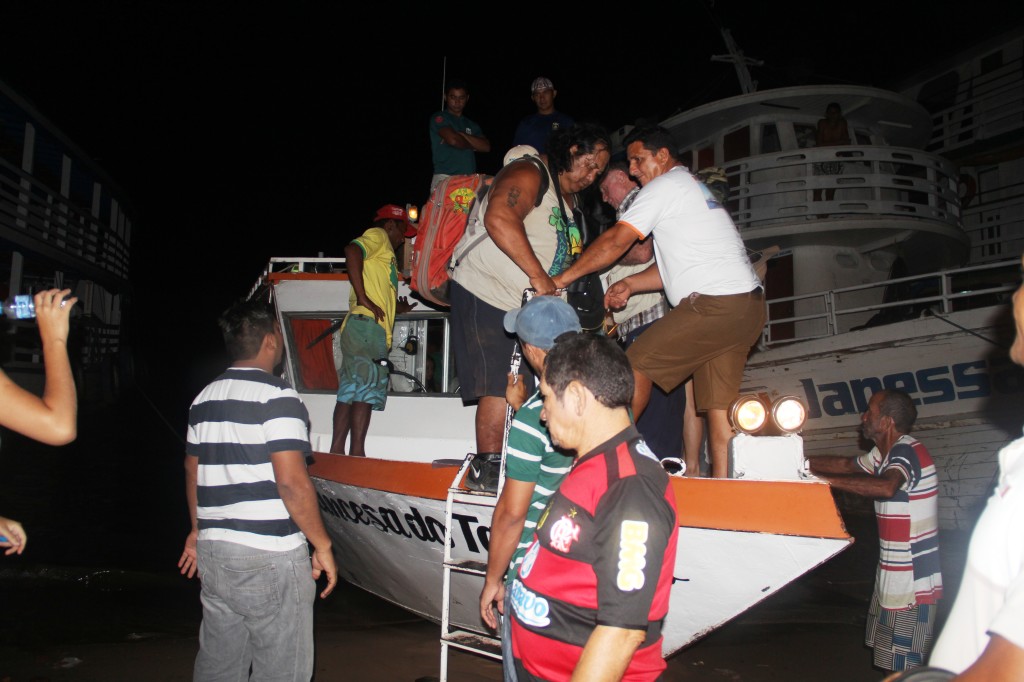
The larger boats also go to Santarem but are much slower.  This type of boat also travels the Amazon between Tabatinga-Manaus-Santarem-Belem.  Our launch was much smaller, see the difference in the photos.  You will have seats assigned but if the boat isn’t full just change seats to wherever you want.  The whole trip takes about 8 hours.
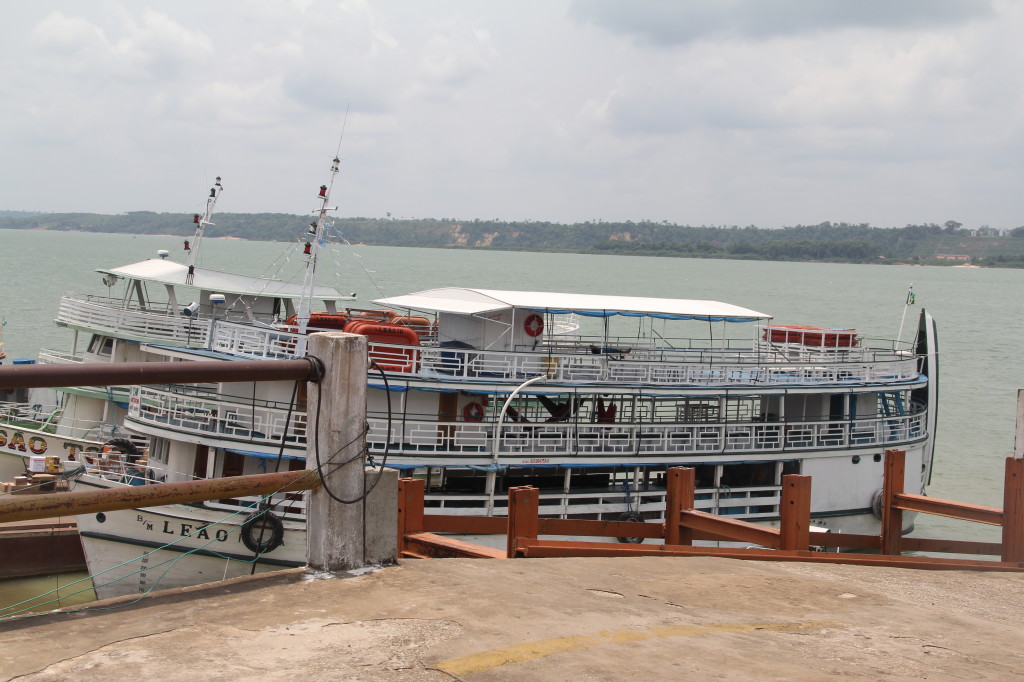
R03 R04 R07 R08

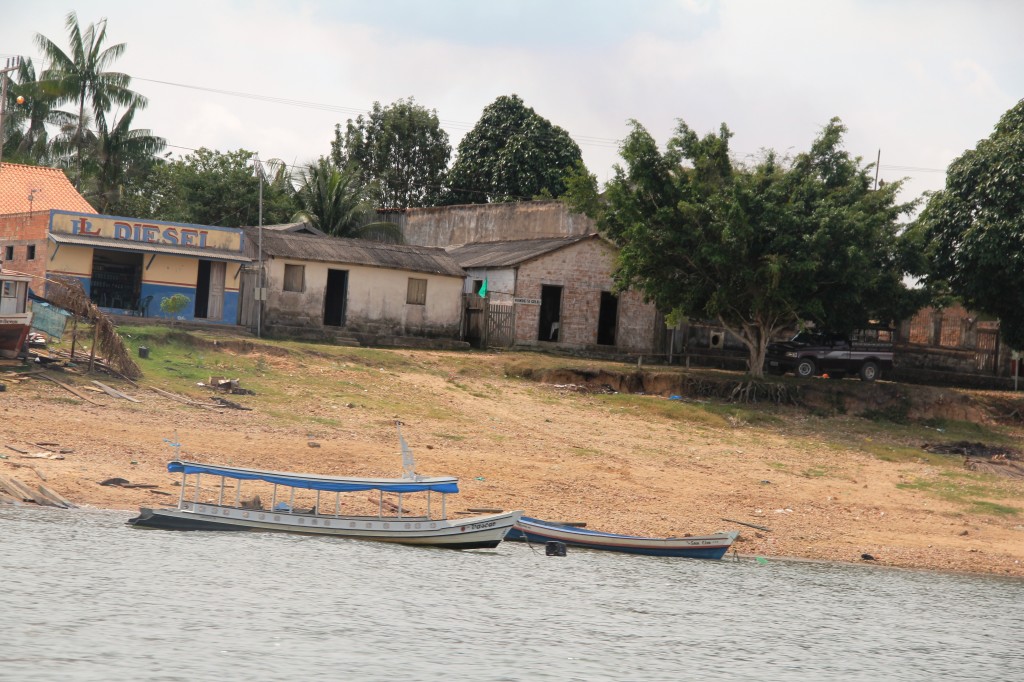
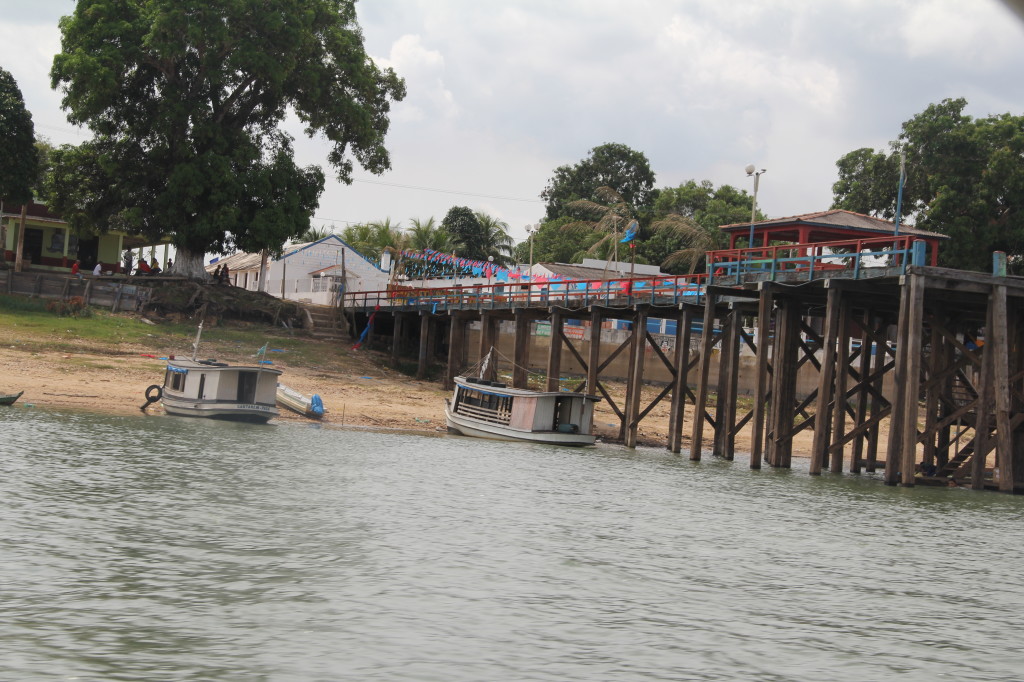
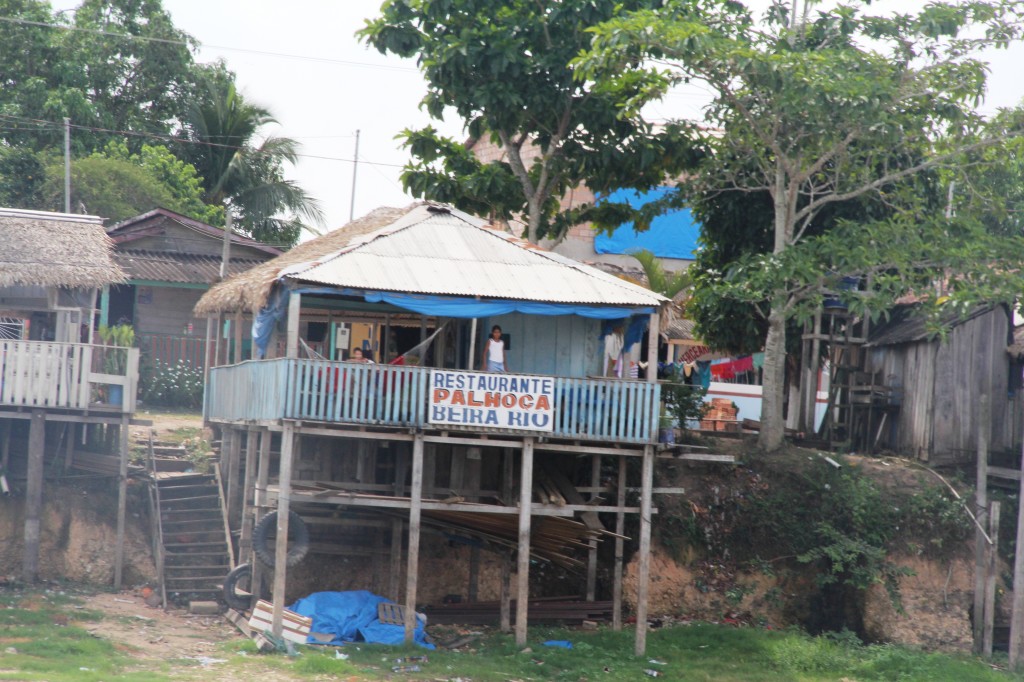
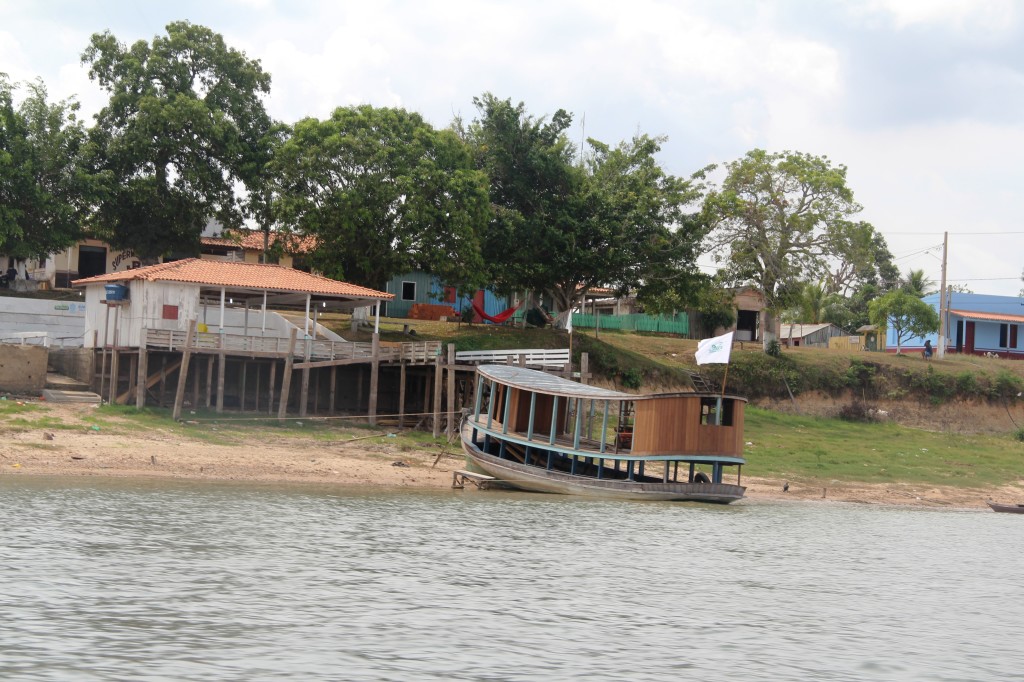
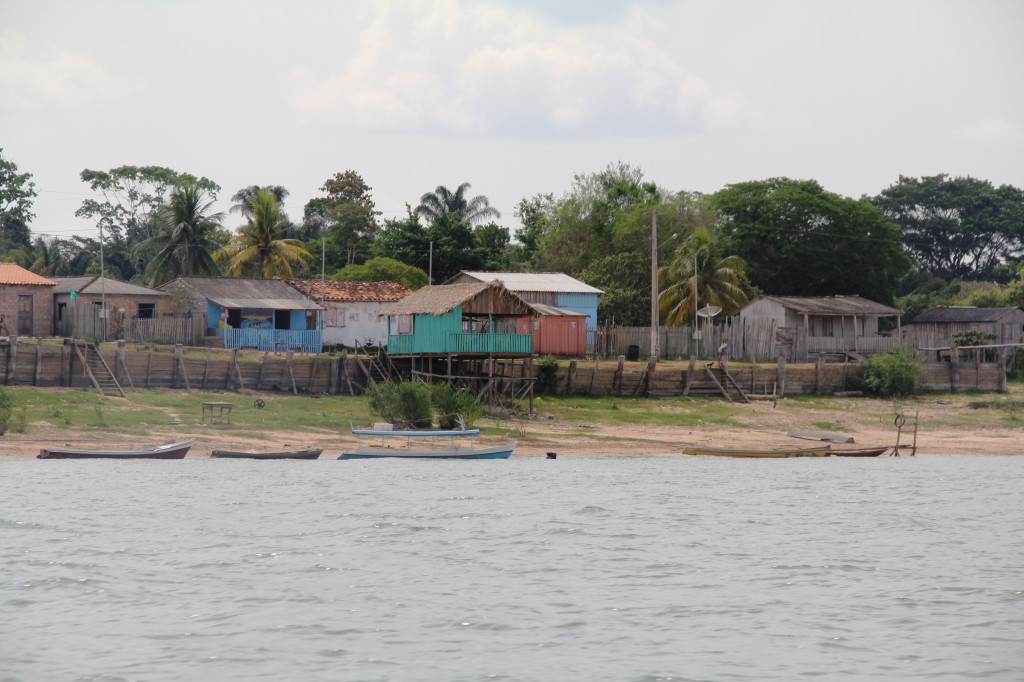
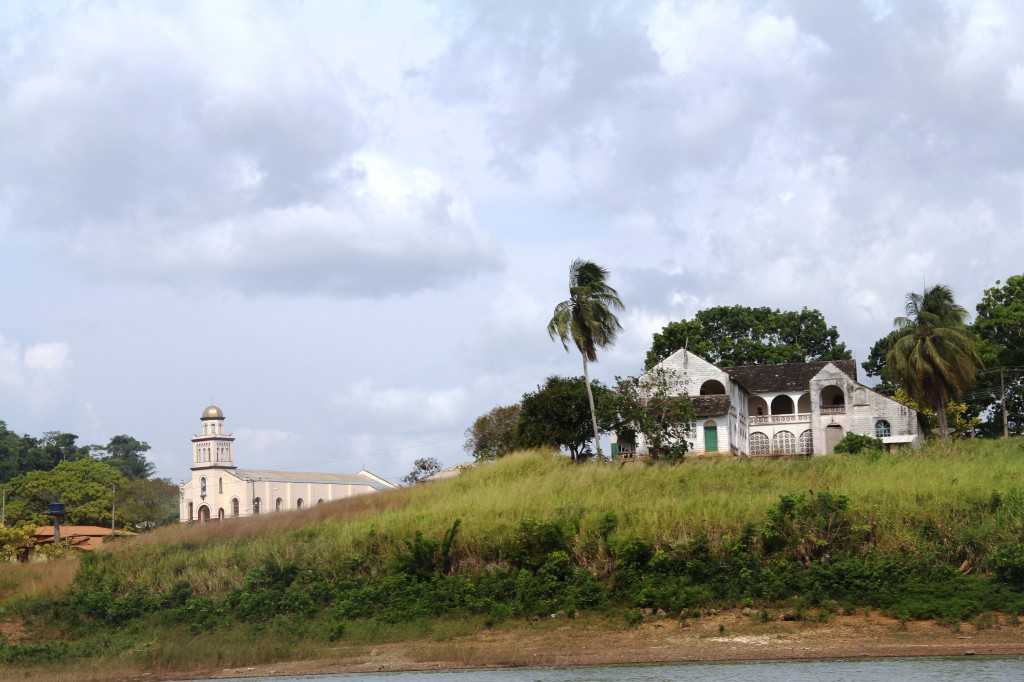
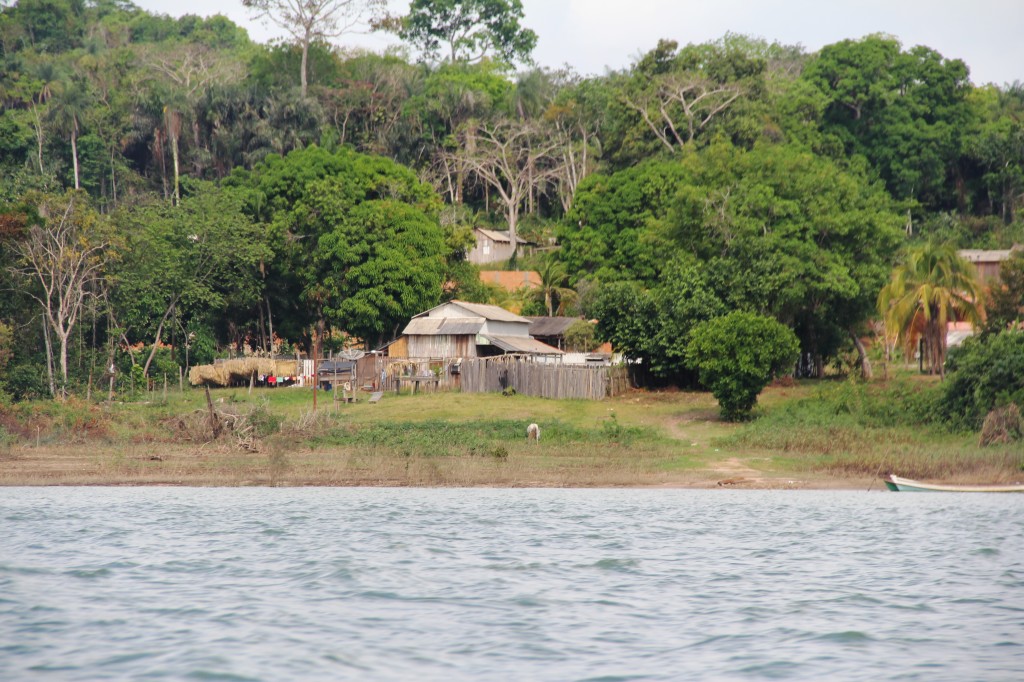
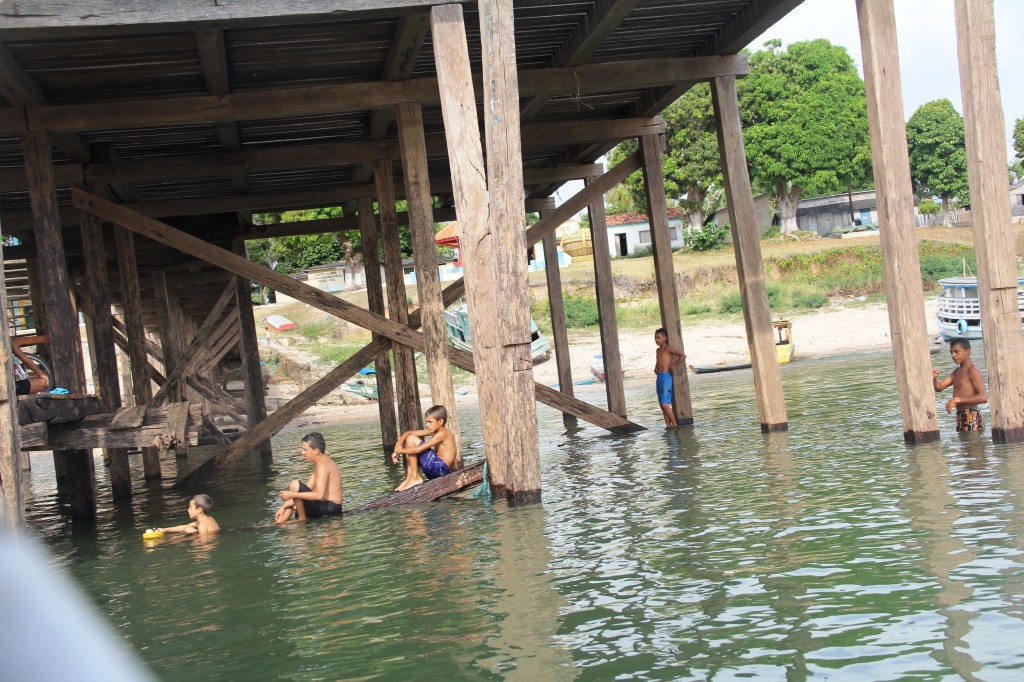
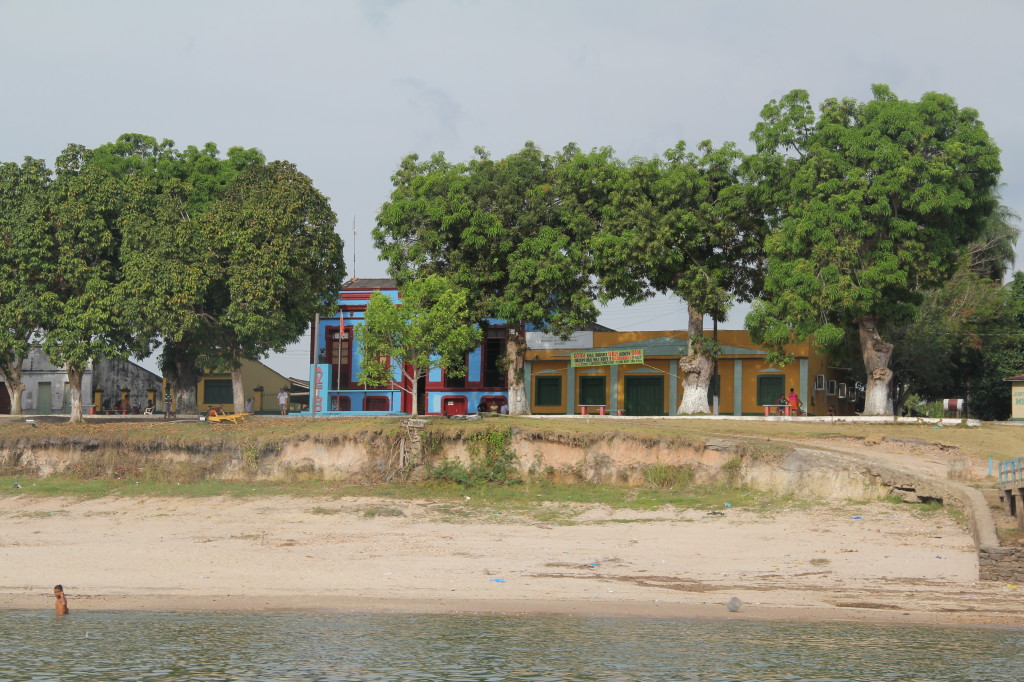
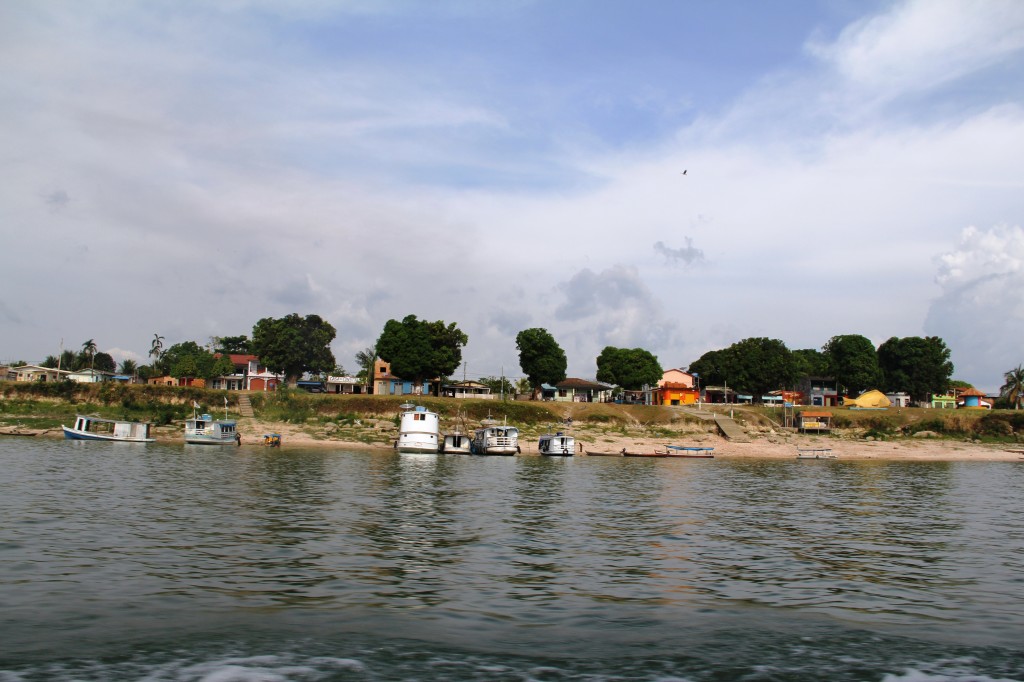
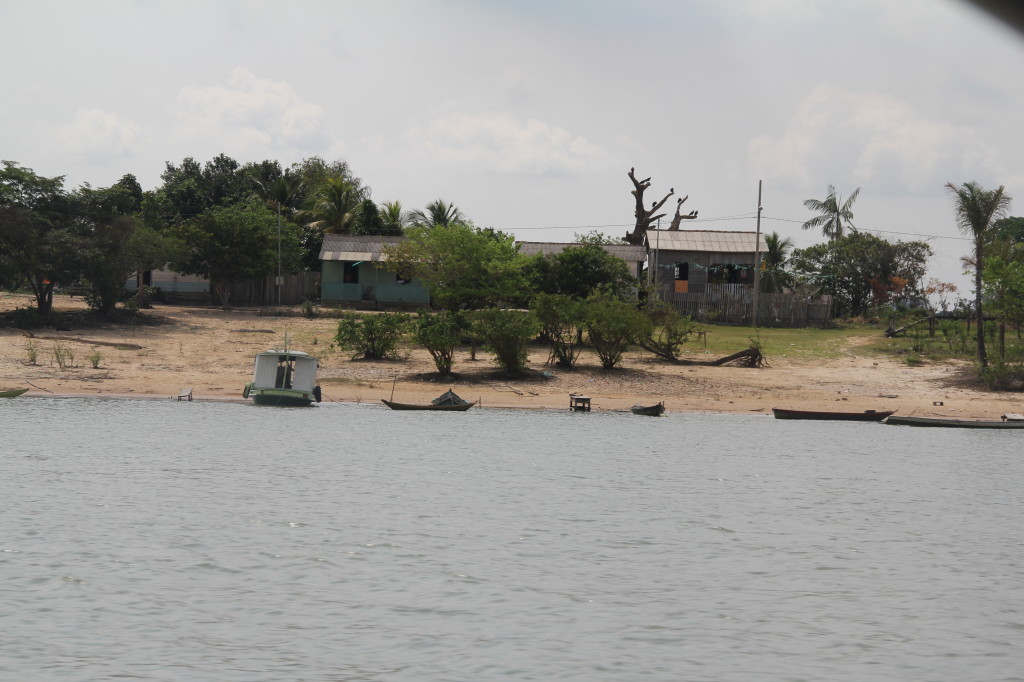
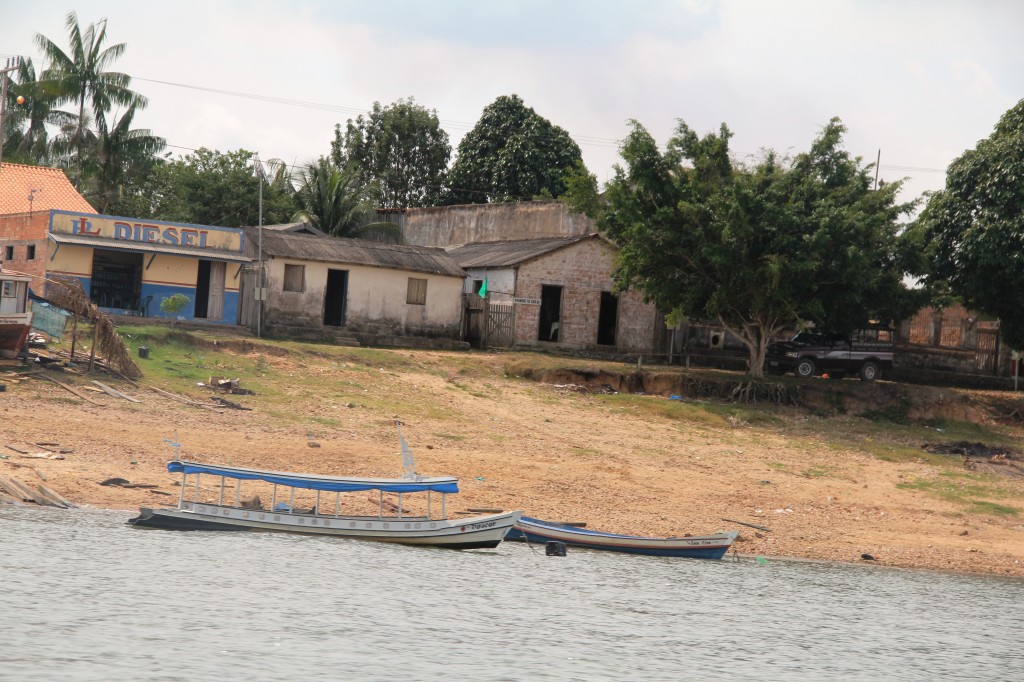
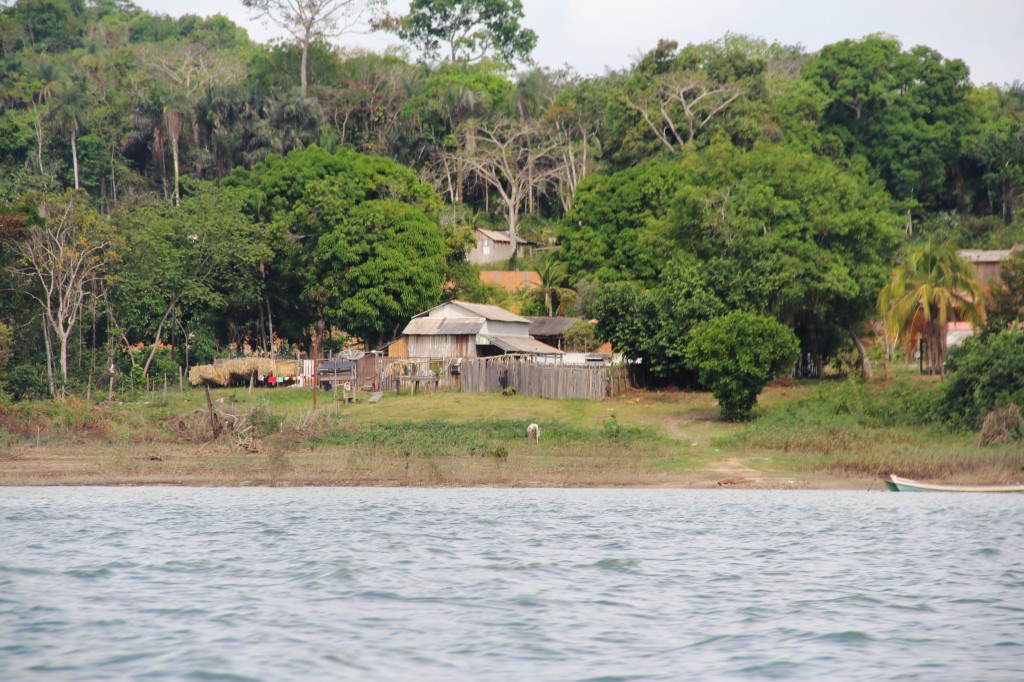
The journey down the Tapajos is very scenic and pleasant.  You will pass by Fordlândia which is a now-abandoned, prefabricated industrial town established in the Amazon Rainforest in 1928 by American industrialist Henry Ford to secure a source of cultivated rubber for the automobile manufacturing operations of the Ford Motor Company in the United States.  In the map below, Fordlândia is where the A in the bubble is.  The red dot on PA-435 is the town of Aveiro.  This is where you would get off if you wanted to try to find Golden Conures along the Cupari River but you would need a guide and chartered boat to do that.

Tapajos River

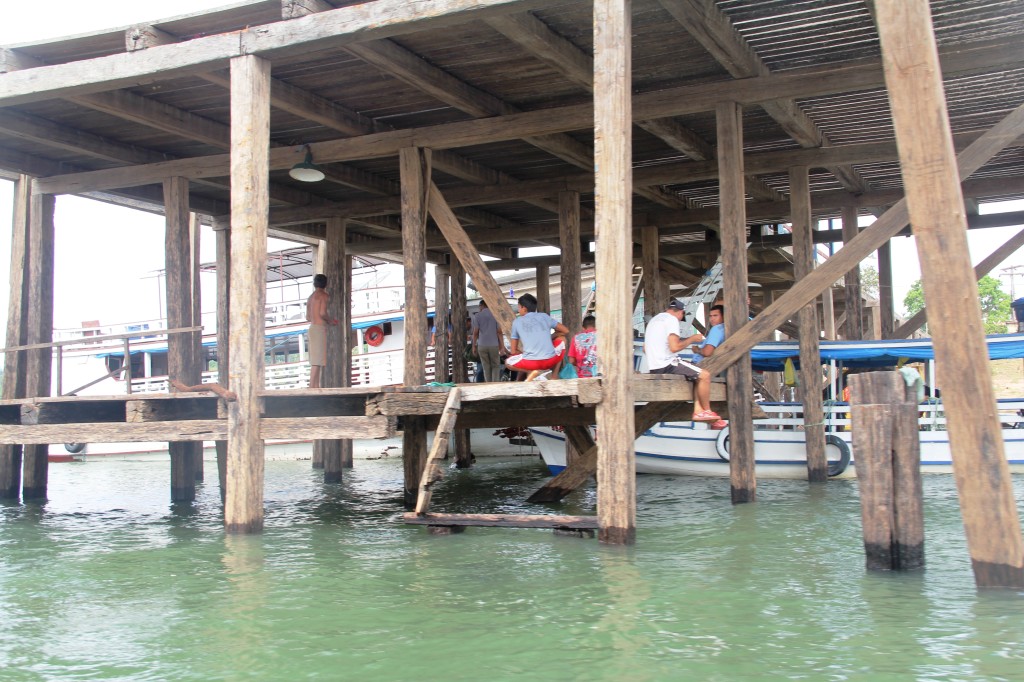
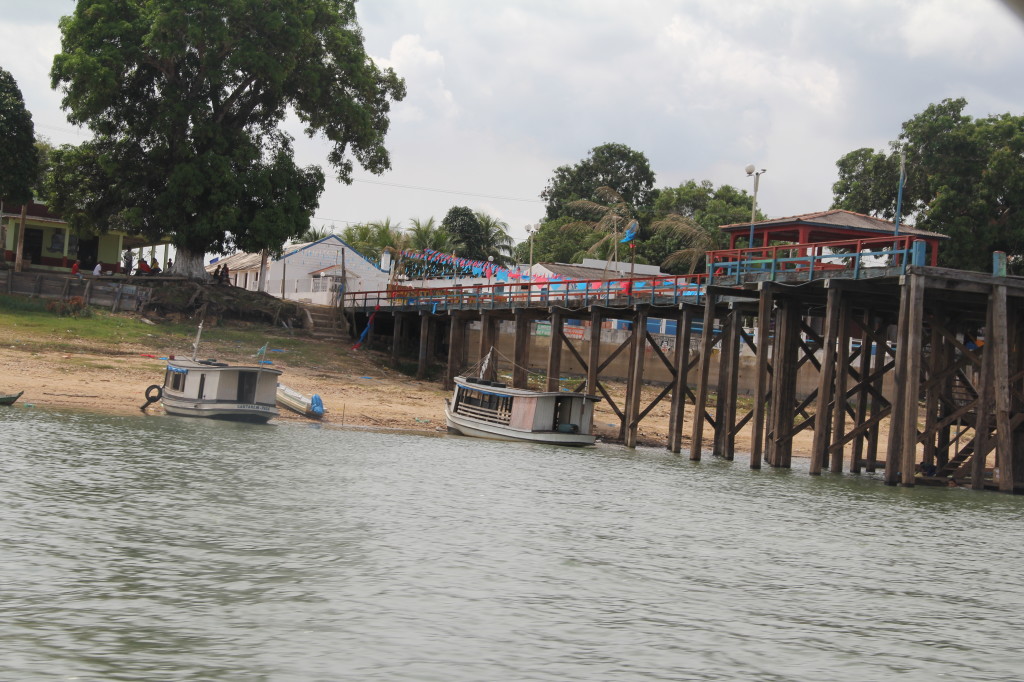
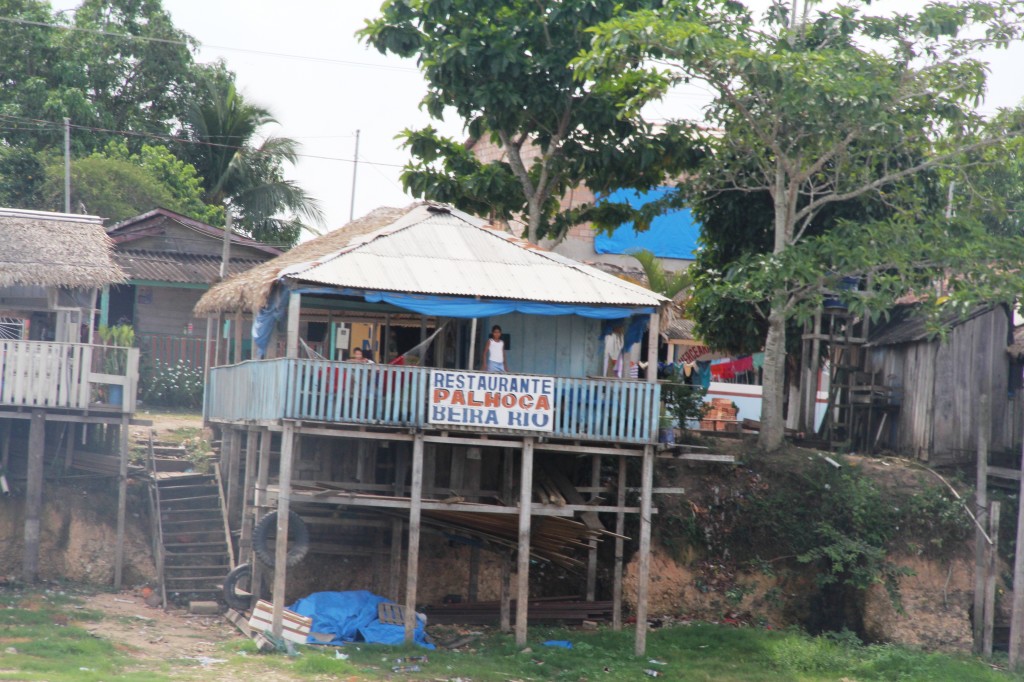
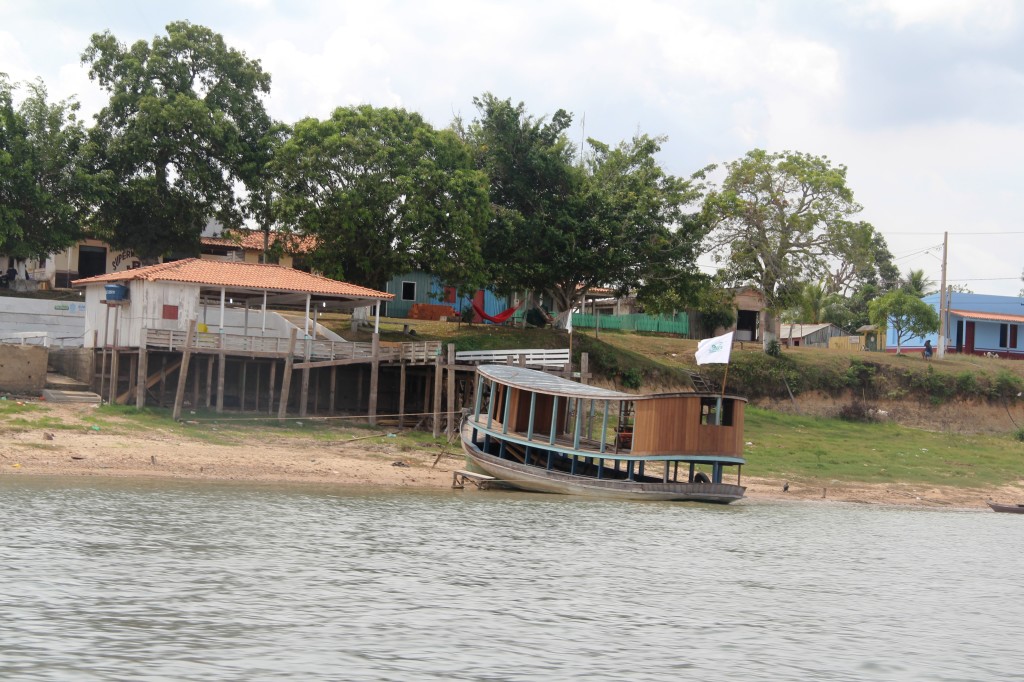
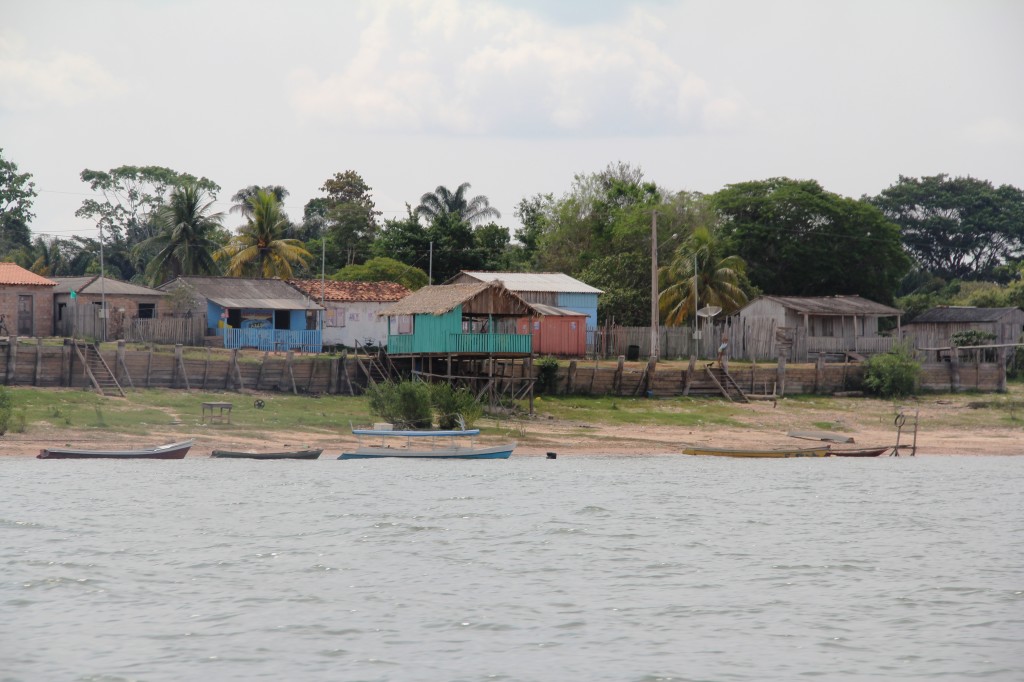
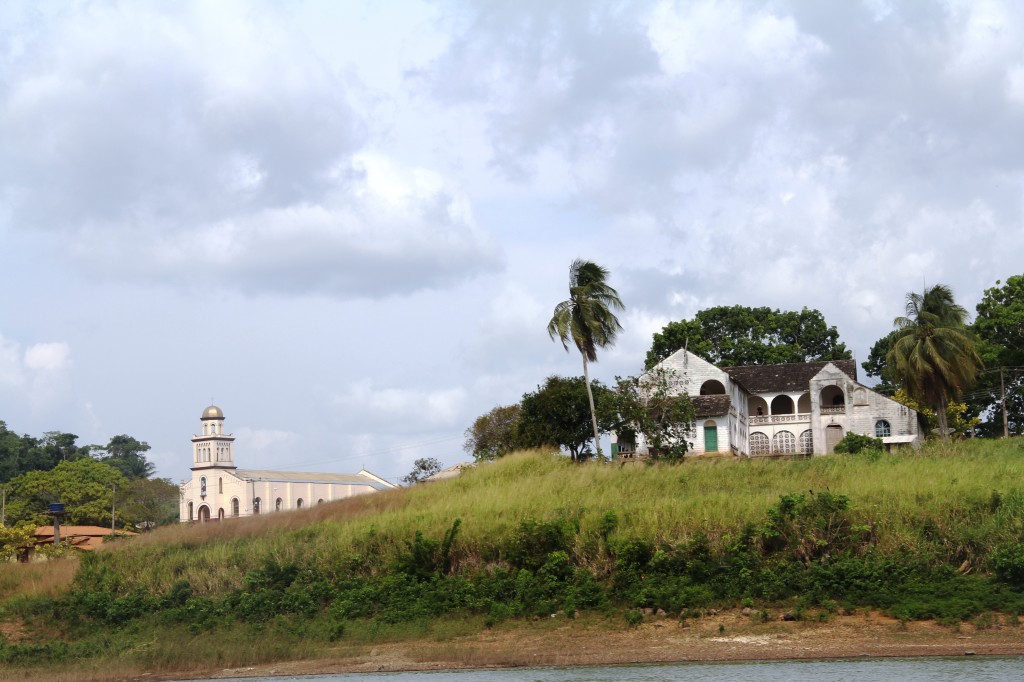
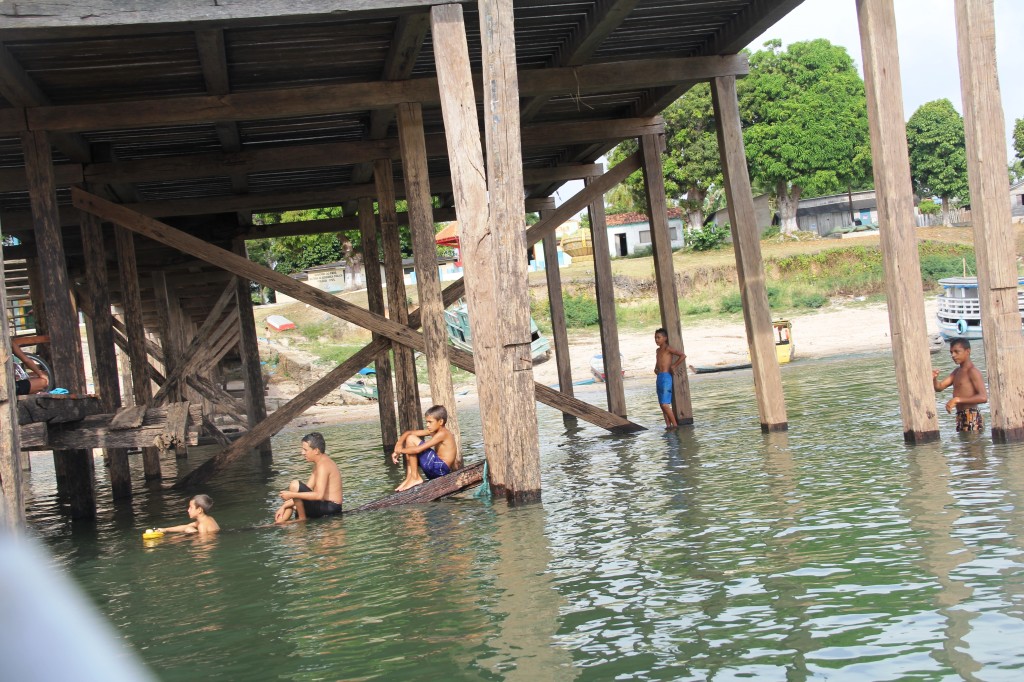
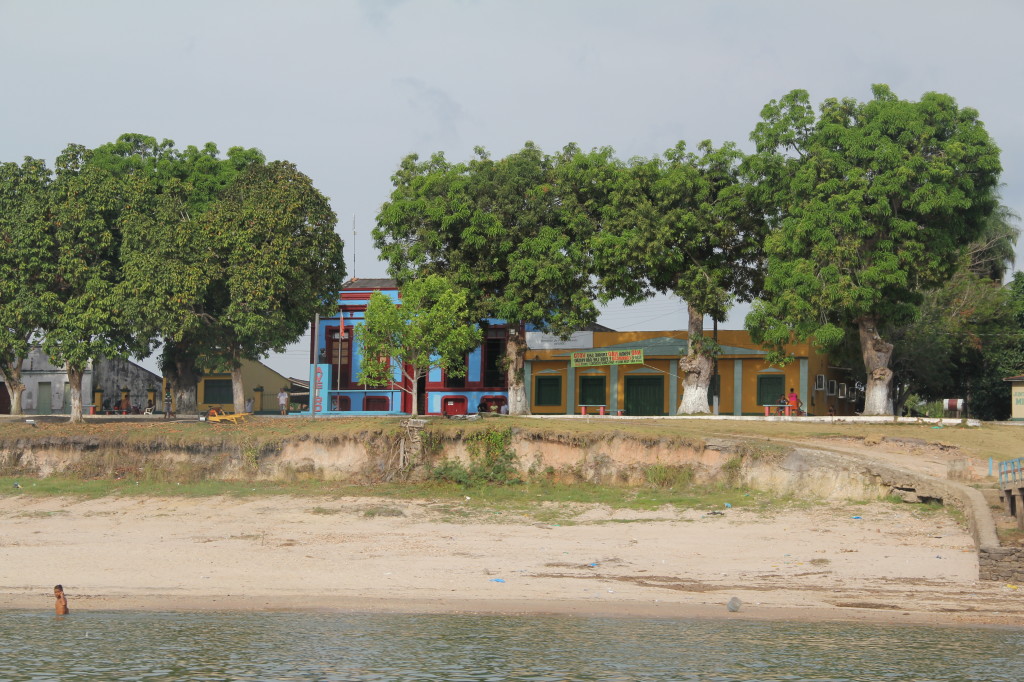
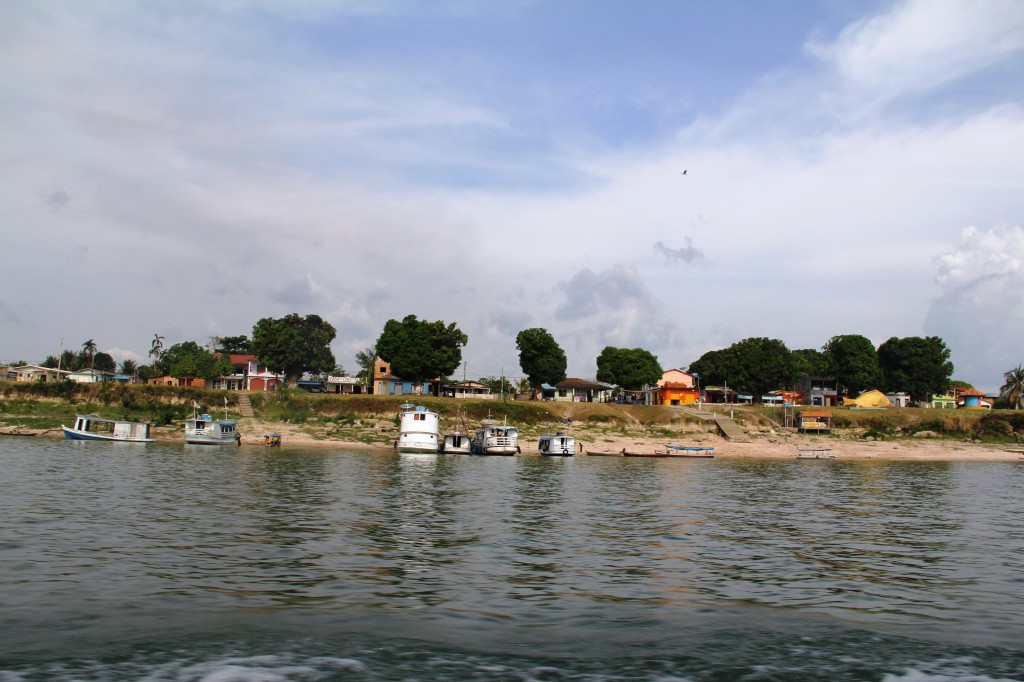
Here are some photos showing the whole journey from Itaituba to Santarem.
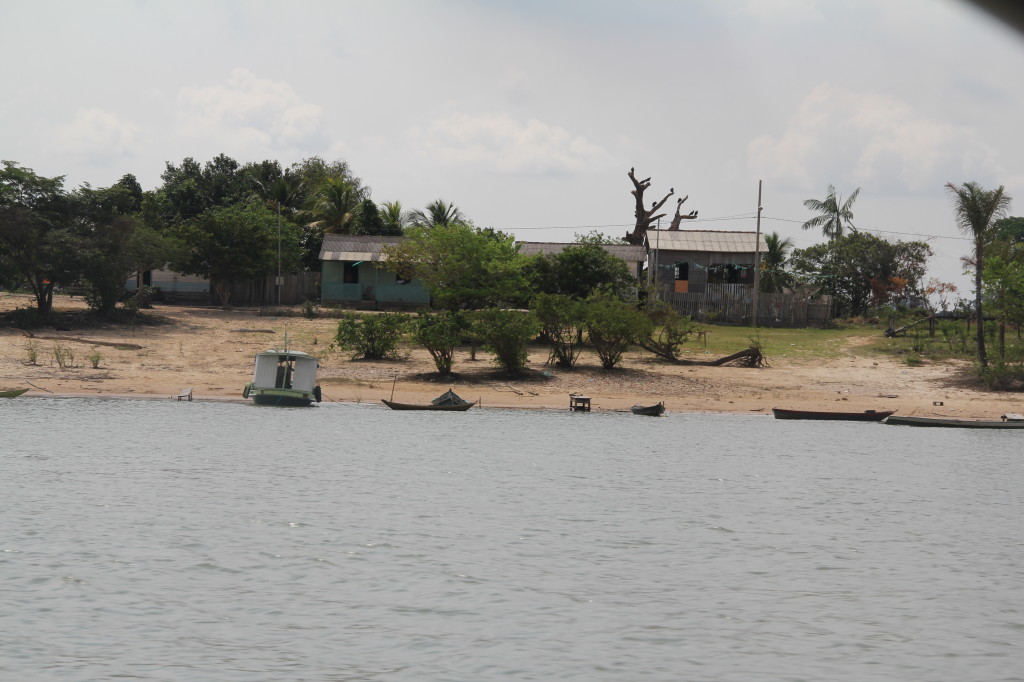
R11 R12 R13 R14 R15 R17 R19 R20 R21 R22 R24 R25 R27

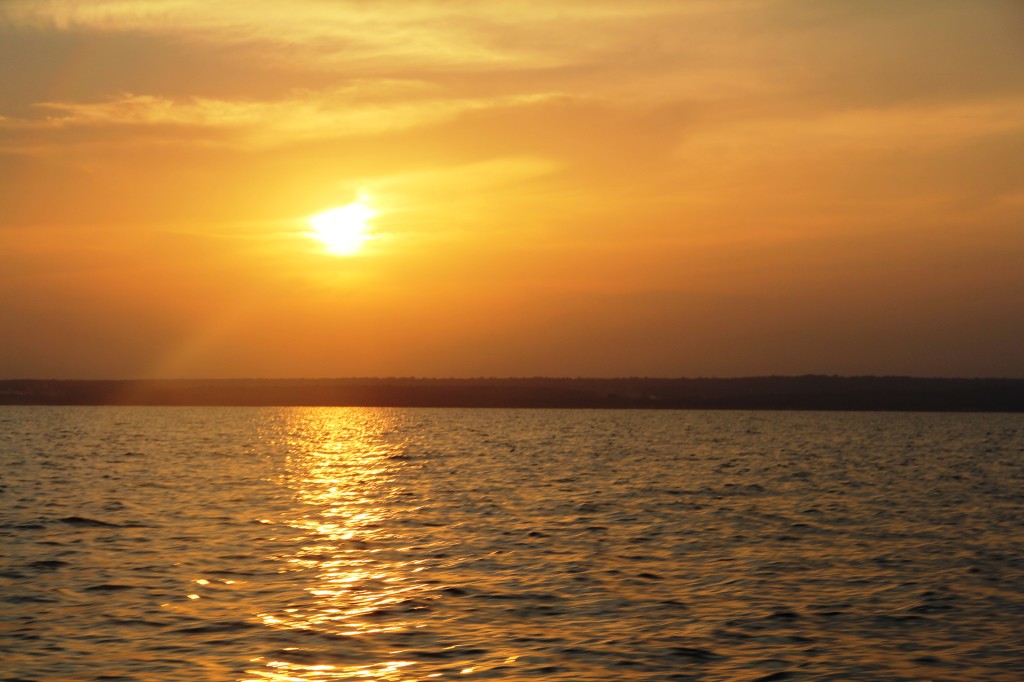
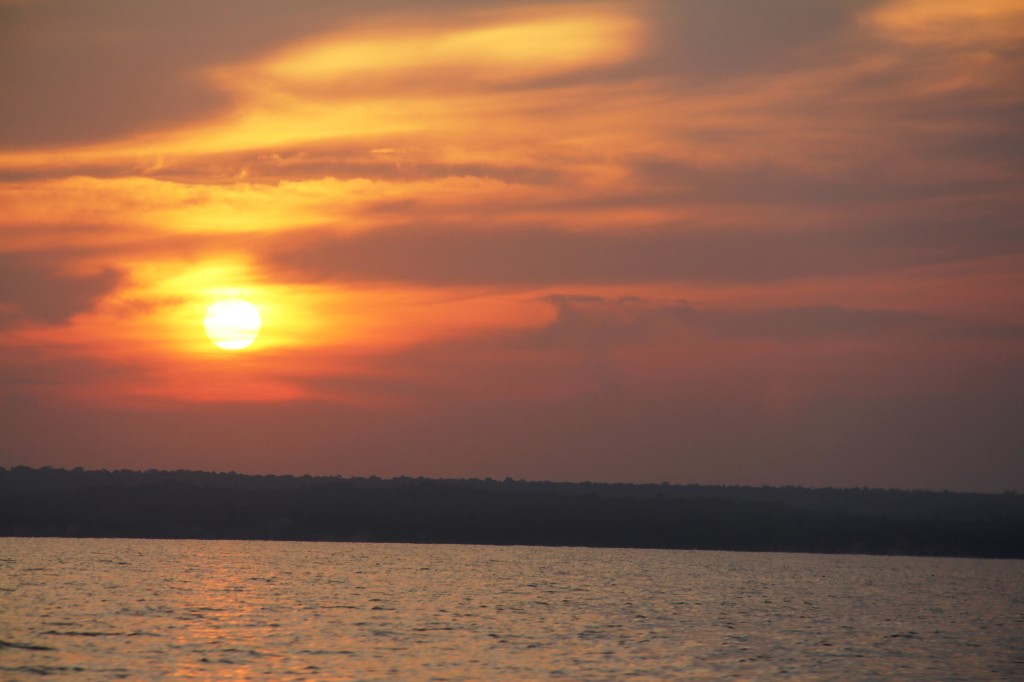
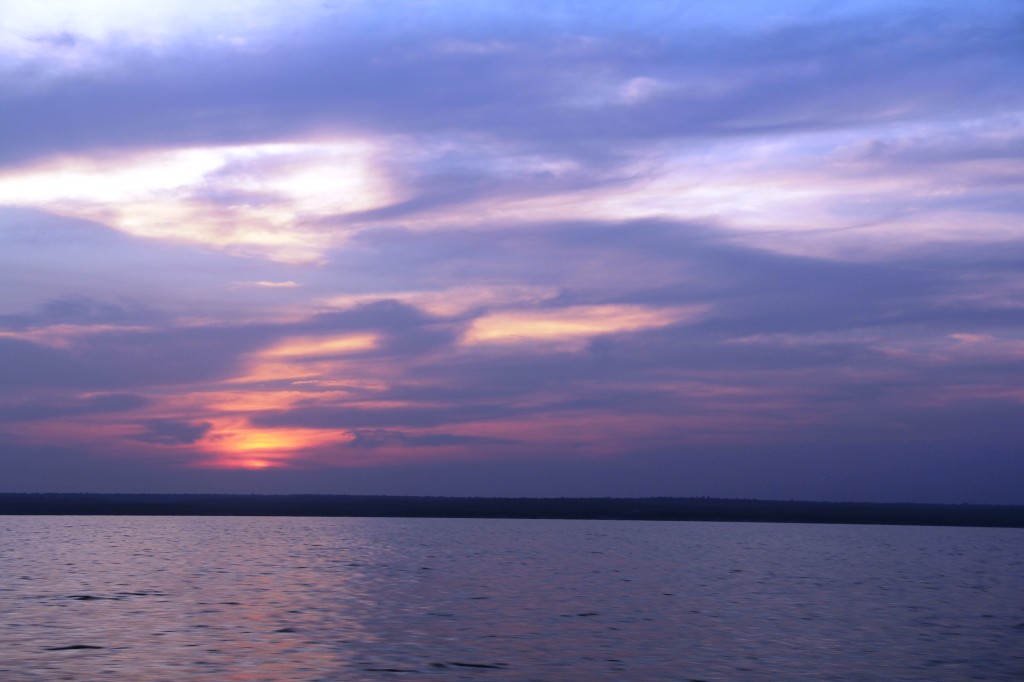
The sunset was amazing!
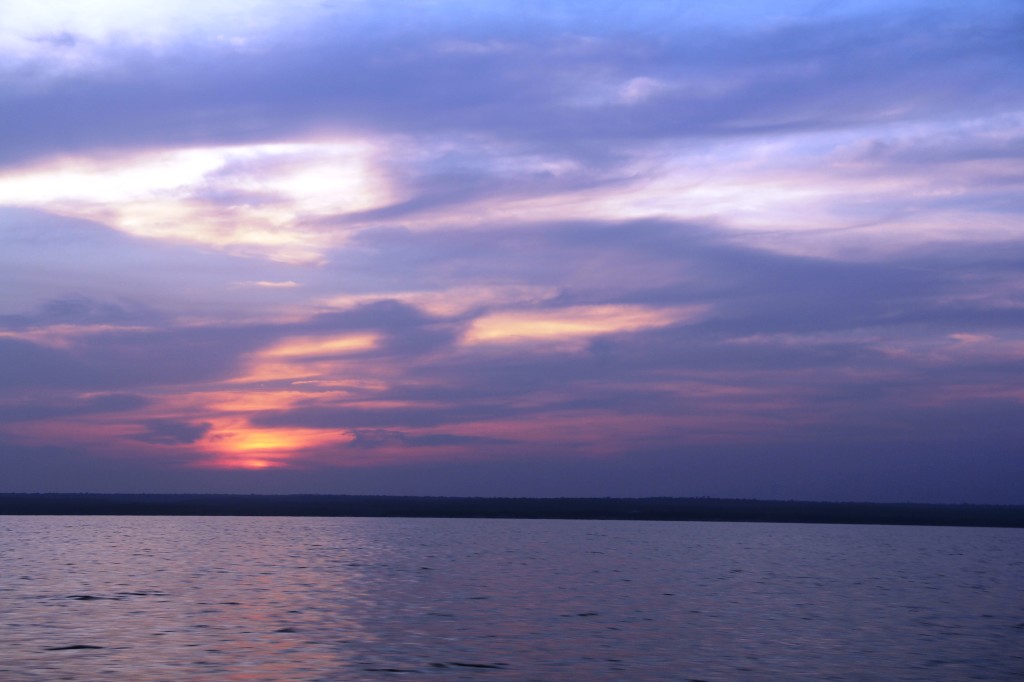
R29 R30 R31

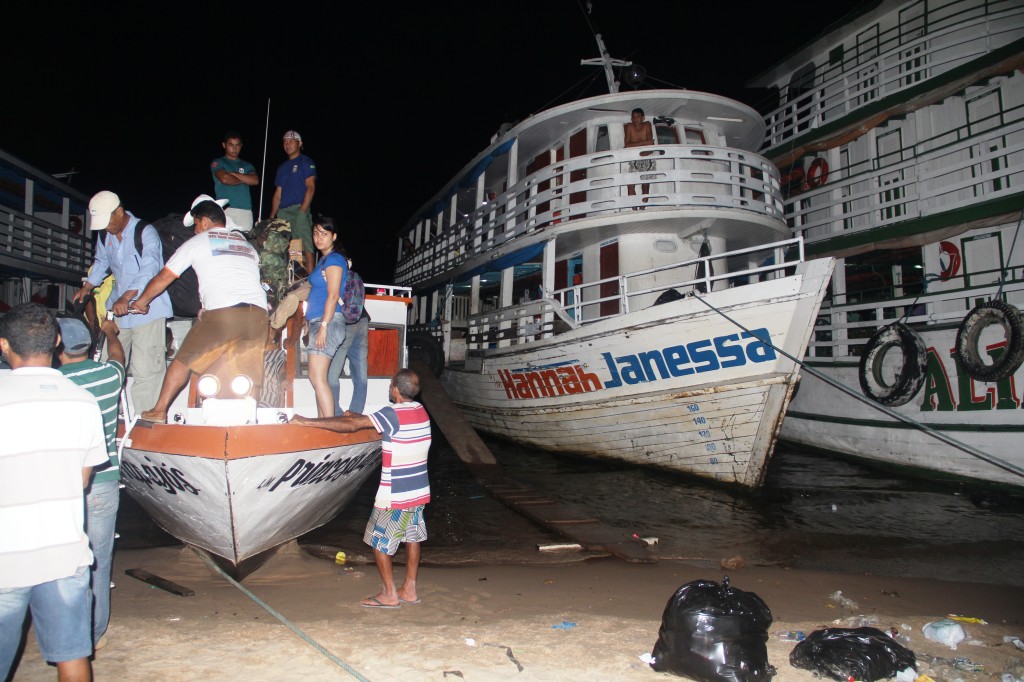
This is where we disembarked in Santarem.  It’s a ways out of town, I think the taxi was around R$10-15 to get to downtown where we finally found a room at the Sandis Hotel.
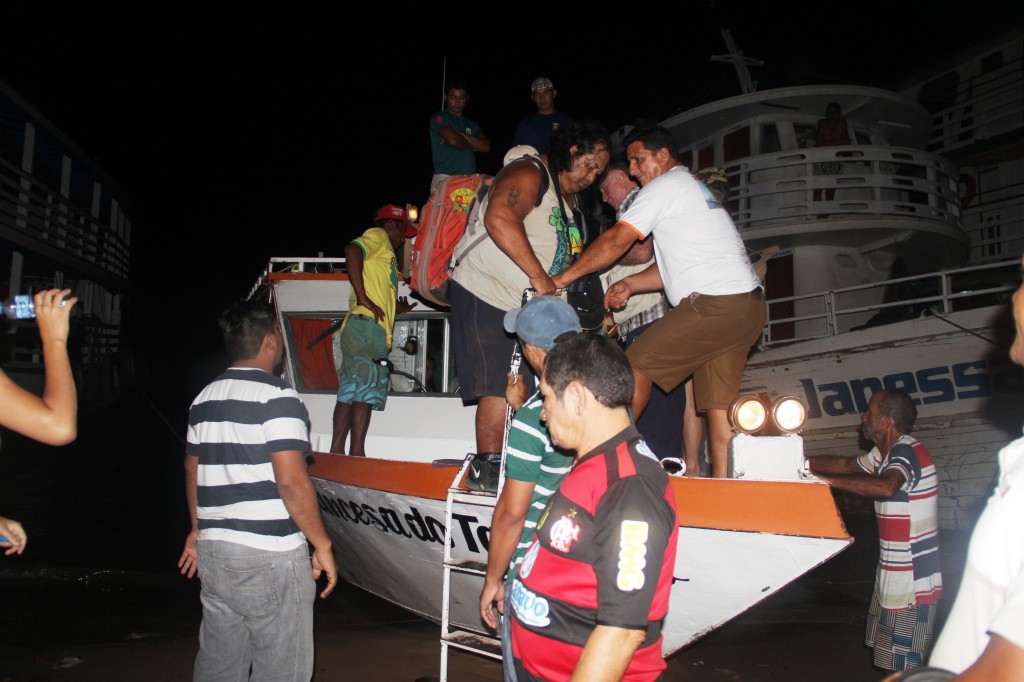
R32 R33


Walking The Amazon: 860 Days. One Step At A Time
Happy Memorial Day to everyone in the USA!  I realize most of you are probably enjoying the weekend and not online reading blogs.  The whole blogosphere seems very quiet today.   I did a random search for “mood reading”  that goes along with the part of the world I am currently blogging about.  This book looked really interesting!

Disclosure:  This is my affiliate link for Amazon.com and I will get a small commission for anything you choose to buy, whether it’s this book or something else.

In April 2008, Ed Stafford set off to become the first man ever to walk the entire length of the Amazon. He started on the Pacific coast of Peru, crossed the Andes Mountain range to find the official source of the river. His journey lead on through parts of Colombia and right across Brazil; all while outwitting dangerous animals, machete wielding indigenous people as well as negotiating injuries, weather and his own fears and doubts. Yet, Stafford was undeterred. On his grueling 860-day, 4,000-plus mile journey, Stafford witnessed the devastation of deforestation firsthand, the pressure on tribes due to loss of habitats as well as nature in its true-raw form. Jaw-dropping from start to finish, Walking the Amazon is the unforgettable and gripping story of an unprecedented adventure.

Enjoy your 3 day weekend and check back tomorrow to learn how to travel down the Tapajos River!