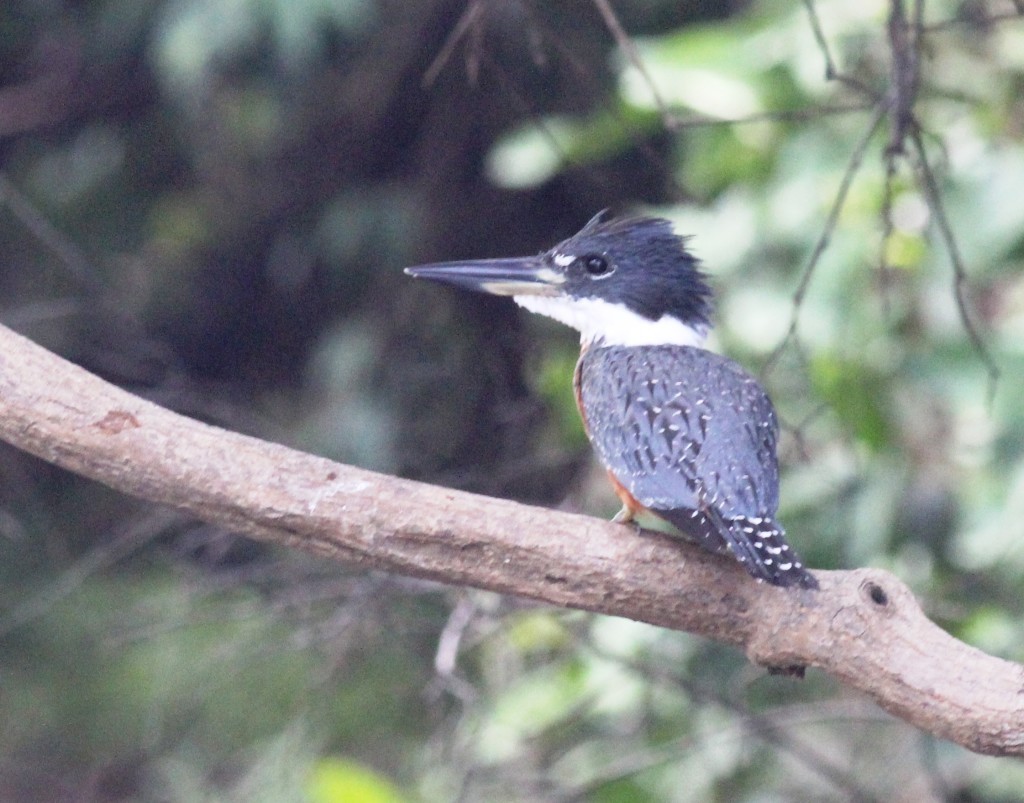
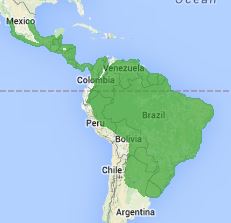
The Amazon Kingfisher (Chloroceryle amazona) is a resident breeding bird in the lowlands of the American tropics from southern Mexico south through Central America to northern Argentina. This large kingfisher breeds by streams.
These birds have such a large range in South America you are bound to see them in any tropical rainforest near streams. This one was in Cristalino.
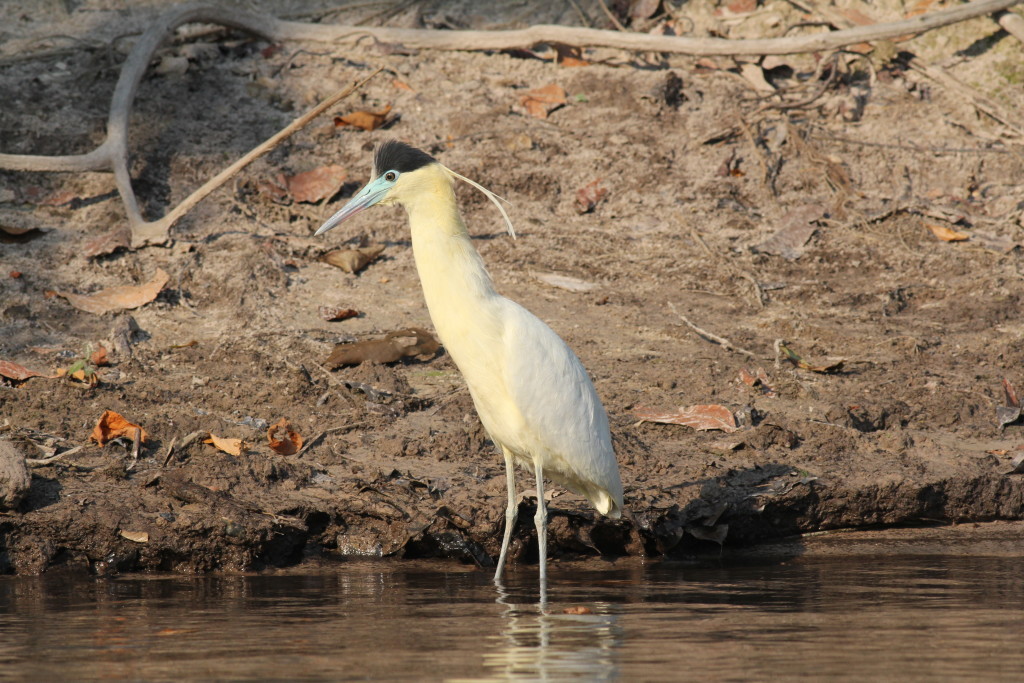
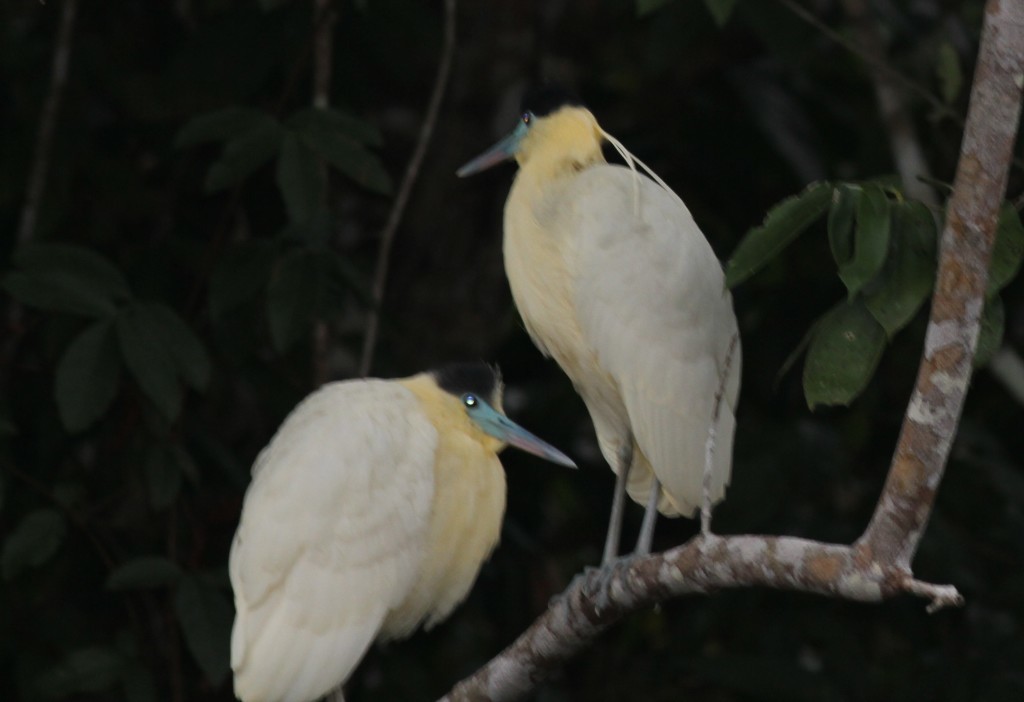
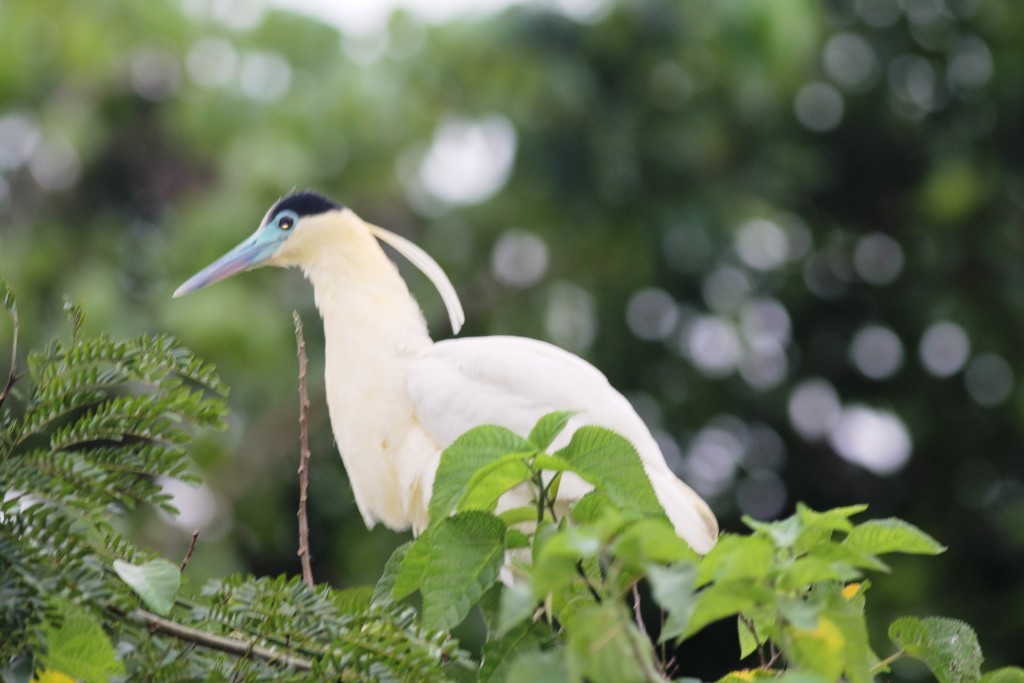
The Capped Heron (Pilherodius pileatus) is a species of heron in the family Ardeidae. It is in the monotypic genus Pilherodius.
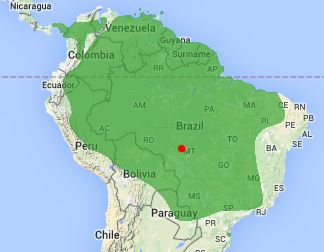
They have a huge range throughout South America and are very cool looking birds that stand out on riverbanks. I saw these Capped Herons on the Cristalino River (red dot) in Brazil.
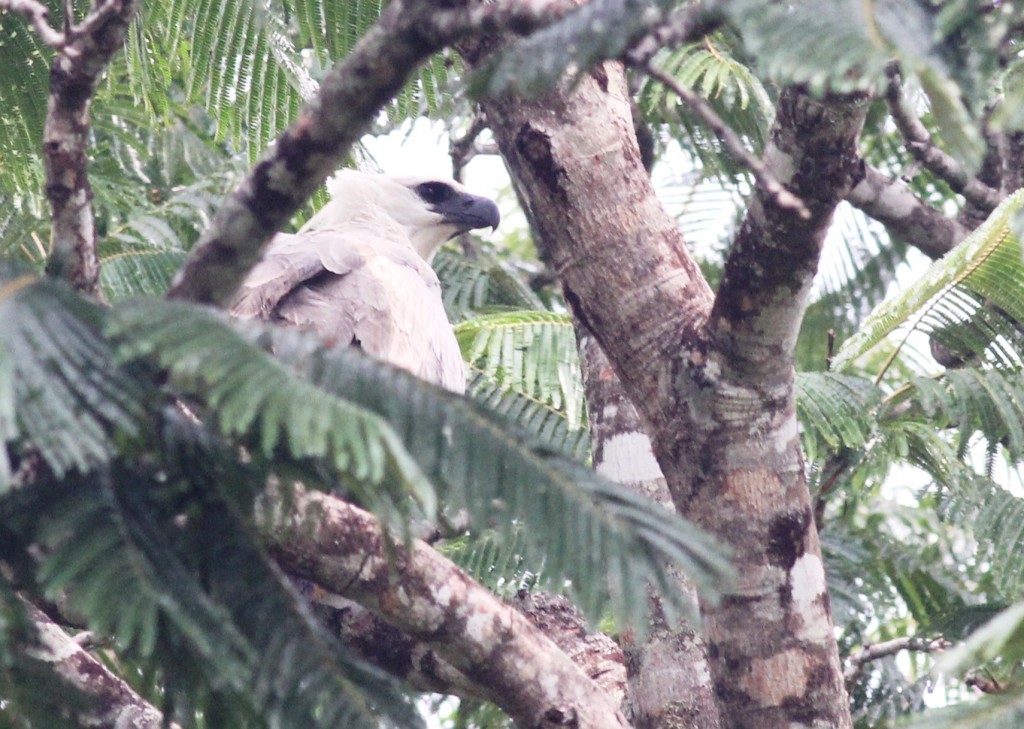
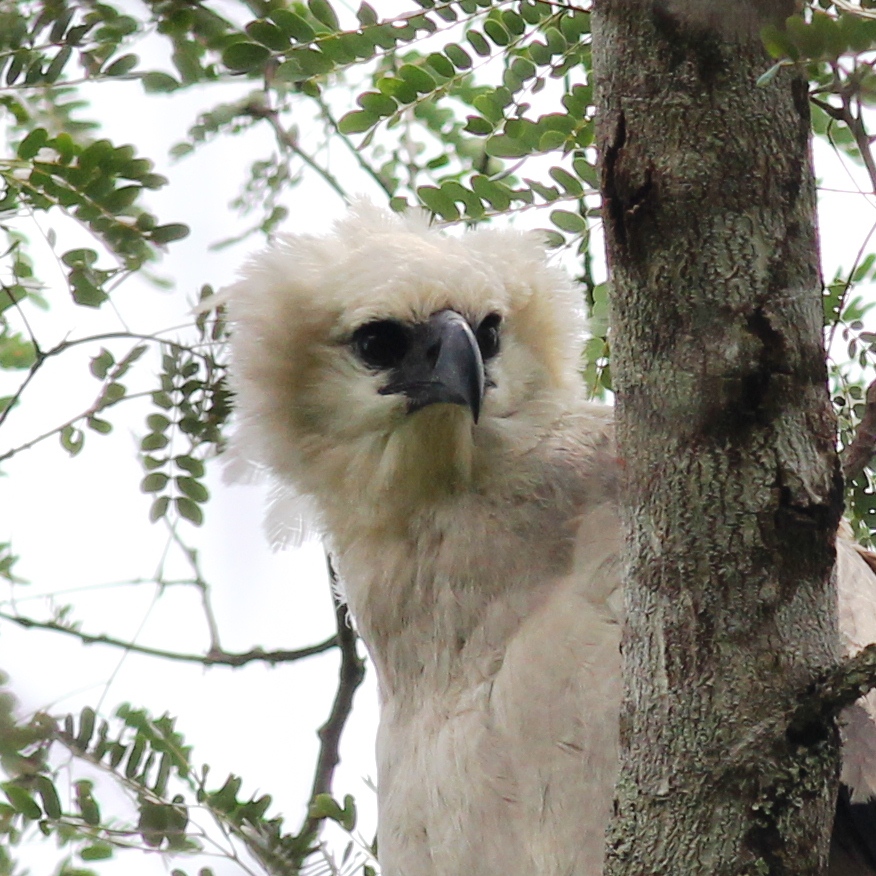
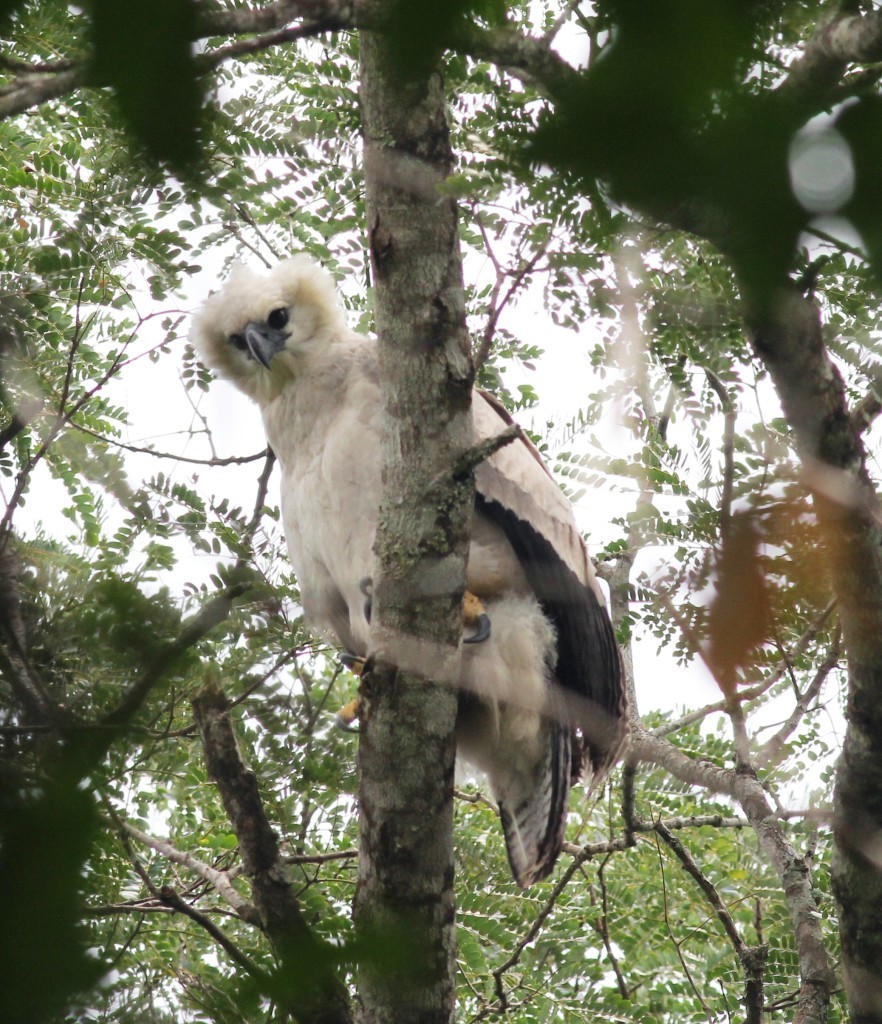
The Harpy Eagle (Harpia harpyja) is a neotropical species of eagle. It is sometimes known as the American harpy eagle to distinguish it from the Papuan eagle, which is sometimes known as the New Guinea harpy eagle or Papuan harpy eagle. It is the largest and most powerful raptor found in the Americas, and among the largest extant species of eagles in the world.
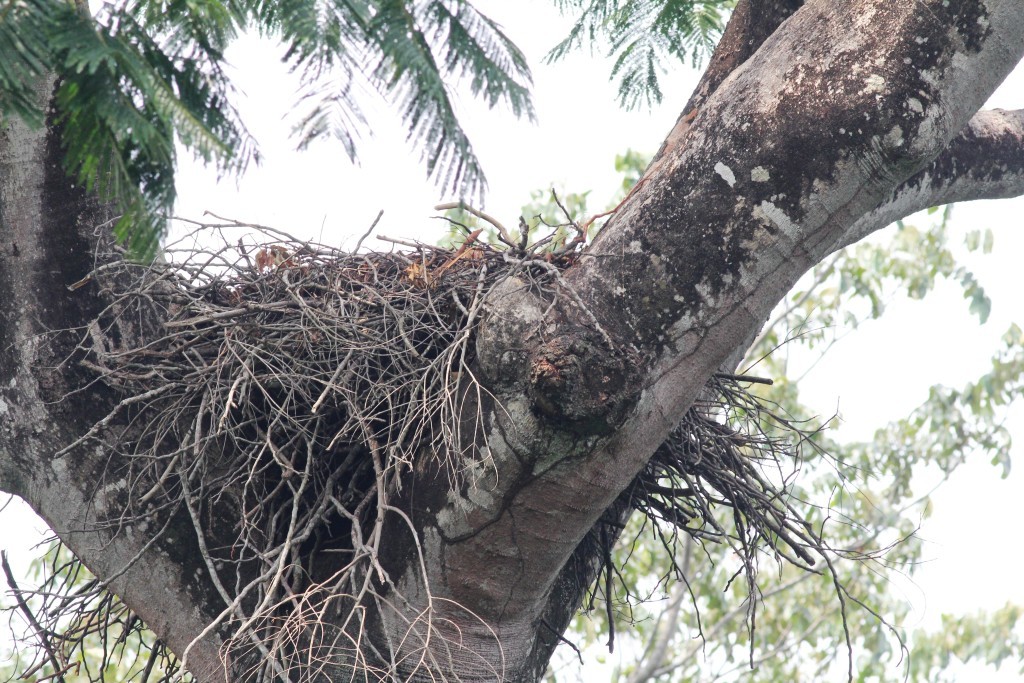
We were extremely fortunate to visit Alta Floresta at a time when there was a Harpy Eagle pair with a chick in the nest. This youngster is probably more of a “teenager” now. Only one parent was guarding the chick from a short distance away while we were below watching them.
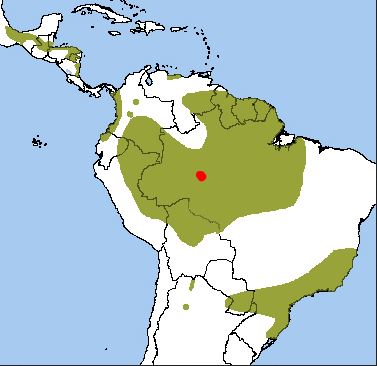
Harpy Eagles have a large range throughout South America but they are still considered threatened due to habitat loss. If there is one or more in the area you are visiting, all the local guides will know about it as they are one of the most sought-after birds by birders. The pair at the Floresta Amazonica Hotel is not there every year so contact them before booking if this bird is a deal-breaker.
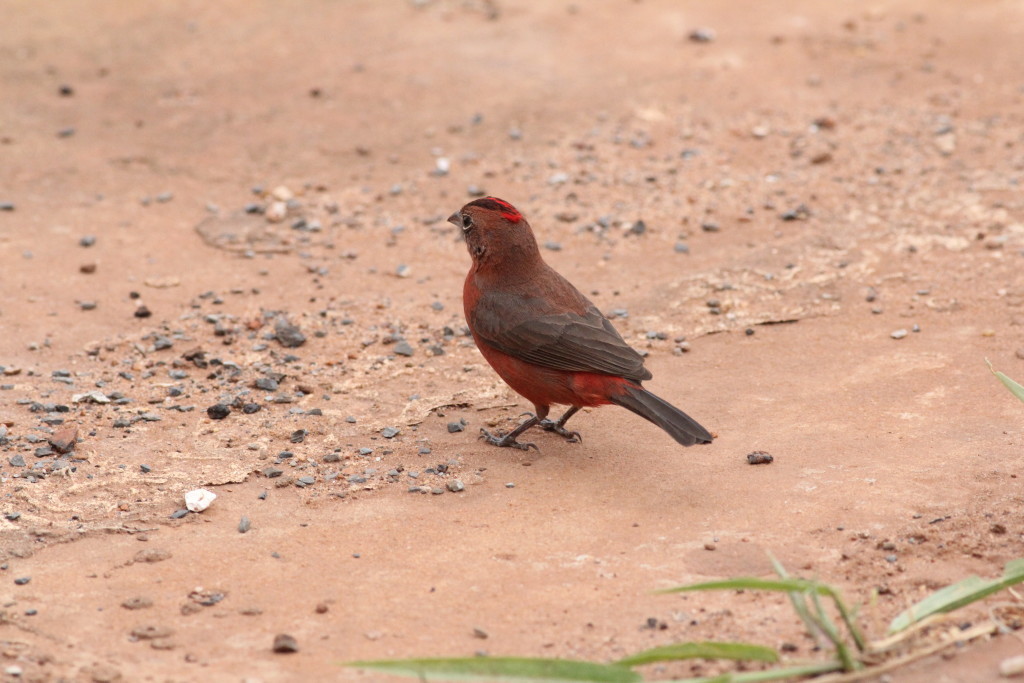
The Red pileated Finch (Coryphospingus cucullatus), also known as the Red-crested Finch, is a species of bird in the family Thraupidae.
They have a huge range in Argentina, Bolivia, Brazil, Ecuador, French Guiana, Guyana, Paraguay, and Peru, on the eastern side of the Andes. I saw them in Chapada do Guimaraes which seems to be a hot spot for them.
People who are more scientifically minded thing would call this “anthropomorphic”, but I have never thought that humans are the only living beings that feel emotions. It’s pretty clear how deeply anguished this little bird (video below) is at losing his partner. I remember seeing these photos years ago and they still can move me to tears. Many bird species mate for life and suffer greatly when they lose their partners.
Parent birds also worry about their chicks. Just a few weeks ago, I found an injured baby Noisy Miner in the tree where I have a bird bath hung up (away from predators) and tried to save him. While I was trying to nurse him back to health, I kept him in a cage on my front porch so his parents would know he was ok and hopefully know that I was doing my best to save him. The next business day, I took him to the vet who ended up euthanizing him because he had a head trauma he couldn’t recover from. His parents hung around looking for him and I felt so guilty I couldn’t return him to them.
This Valentines Day, let’s remember that love is for every creature great and small.
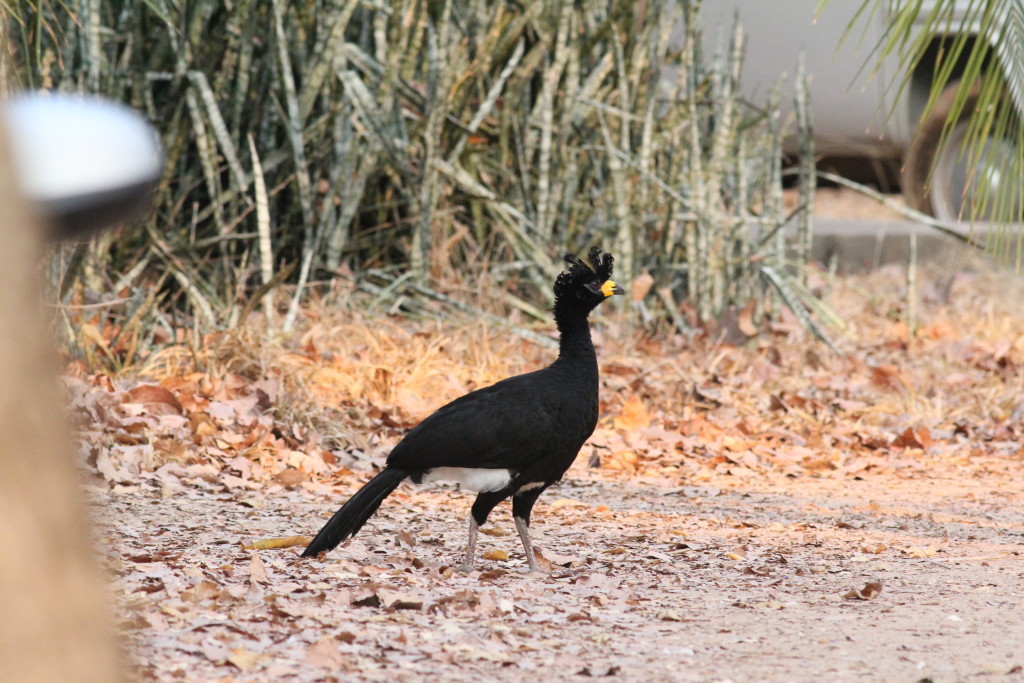
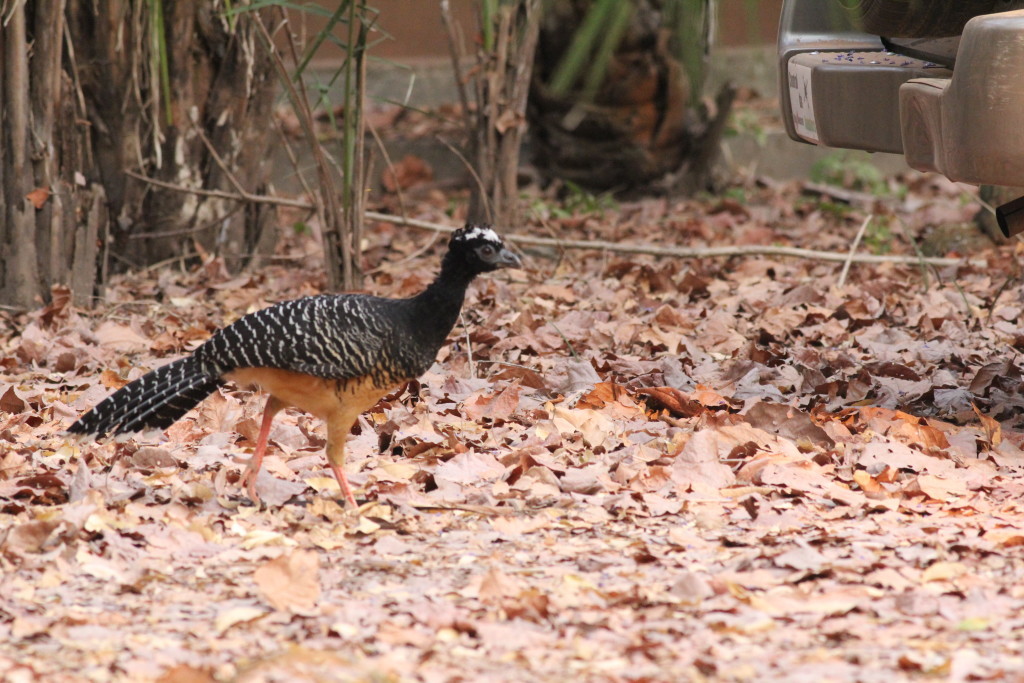
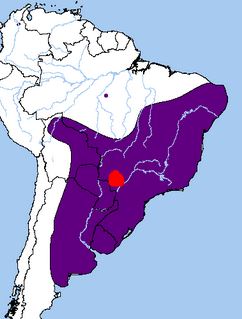
The bare-faced curassow (Crax fasciolata) is a species of bird in the Cracidae family, the chachalacas, guans, curassows, etc. Males and females are quite different as you can see in these pics I took in the Pantanal.
Male
Female
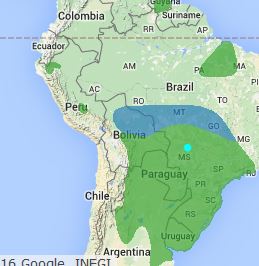
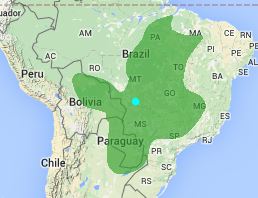
They have quite a large range throughout Brazil, Paraguay and Bolivia. Probably the easiest place to see them is in Brazil’s Pantanal.
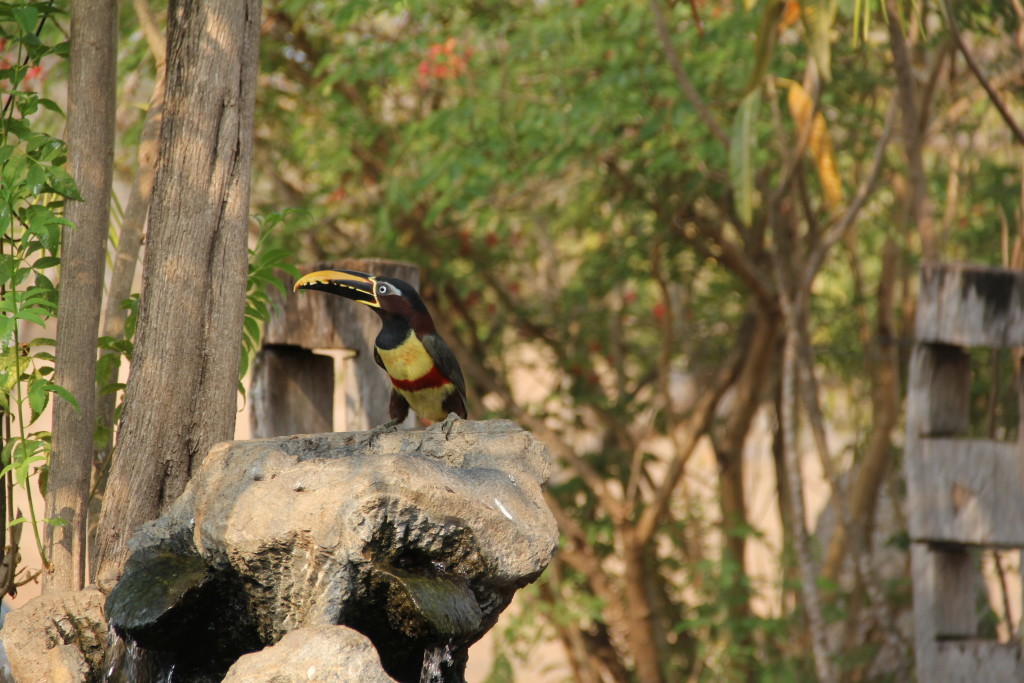
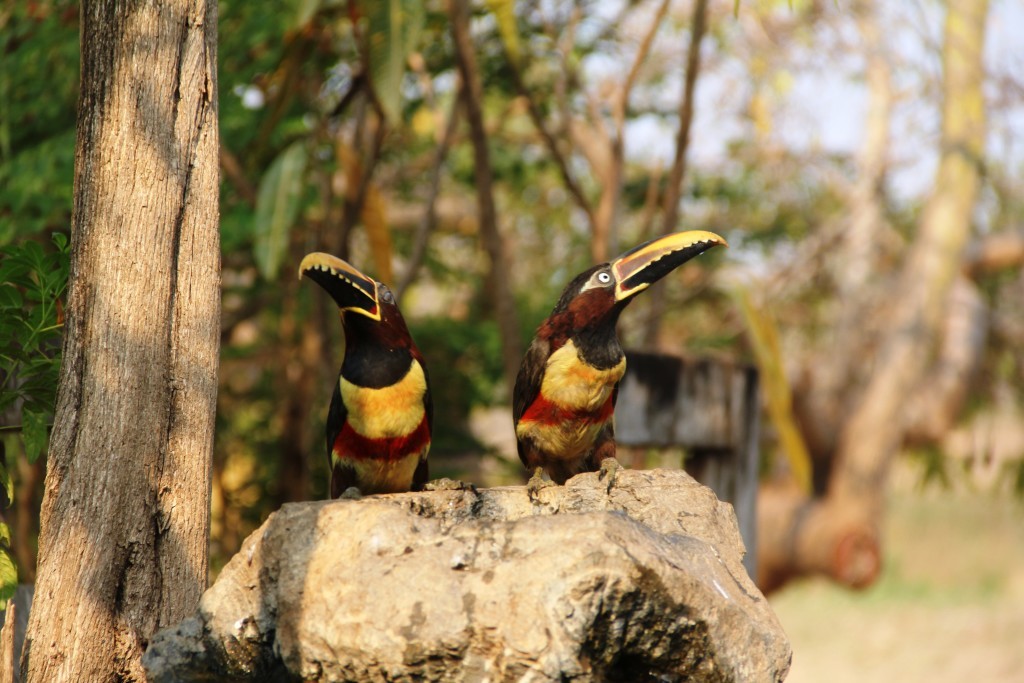
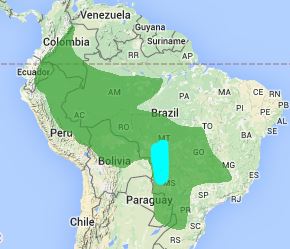
The Chestnut-eared Aracari (Pteroglossus castanotis), is a bird native to central and south-eastern South America. It belongs to the toucan and aracari family (Ramphastidae).
With such a huge range in South America you are likely to see them in any of the national reserves of Brazil, Bolivia, Peru, Ecuador, Colombia & Paraguay. I took these pics at Araras Eco-Lodge along the Transpantaneira.
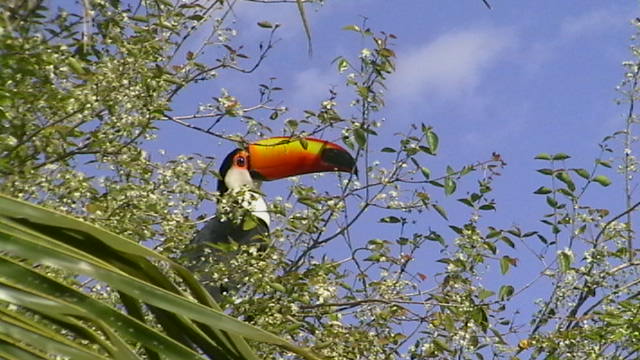
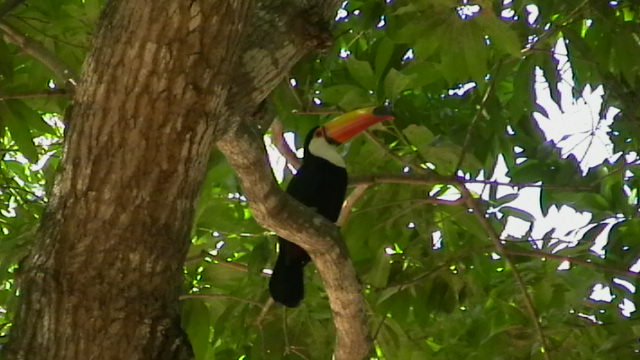
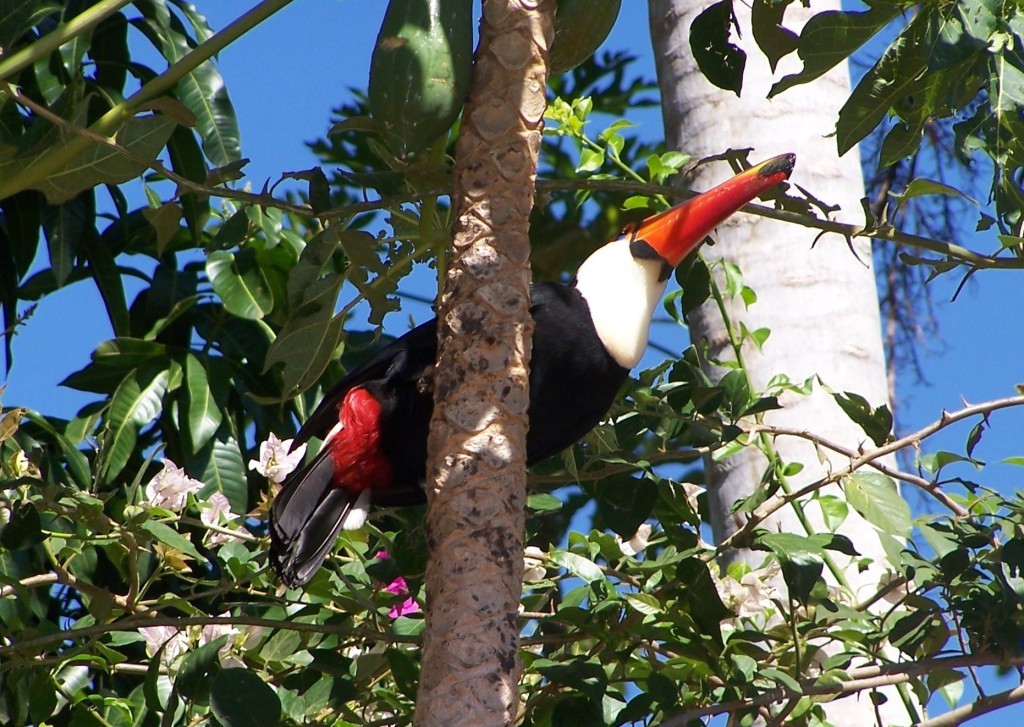
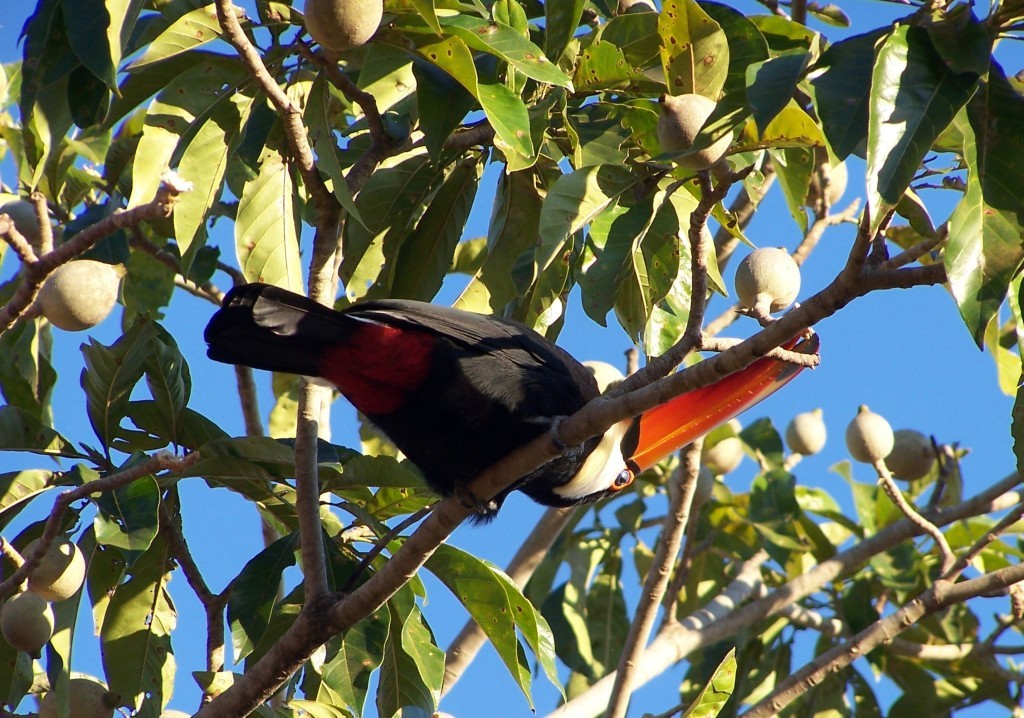
The Toco Toucan (Ramphastos toco), also known as the common toucan or toucan, is the largest and probably the best known species in the toucan family. It is found in semi-open habitats throughout a large part of central and eastern South America.
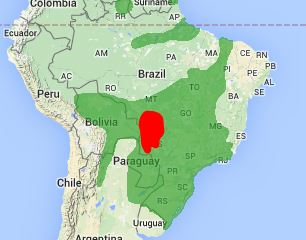
They have a large range covering Brazil, Paraguay, Bolivia and Argentina. It is very easy to find them in the Pantanal of Brazil especially on the fruit trees.
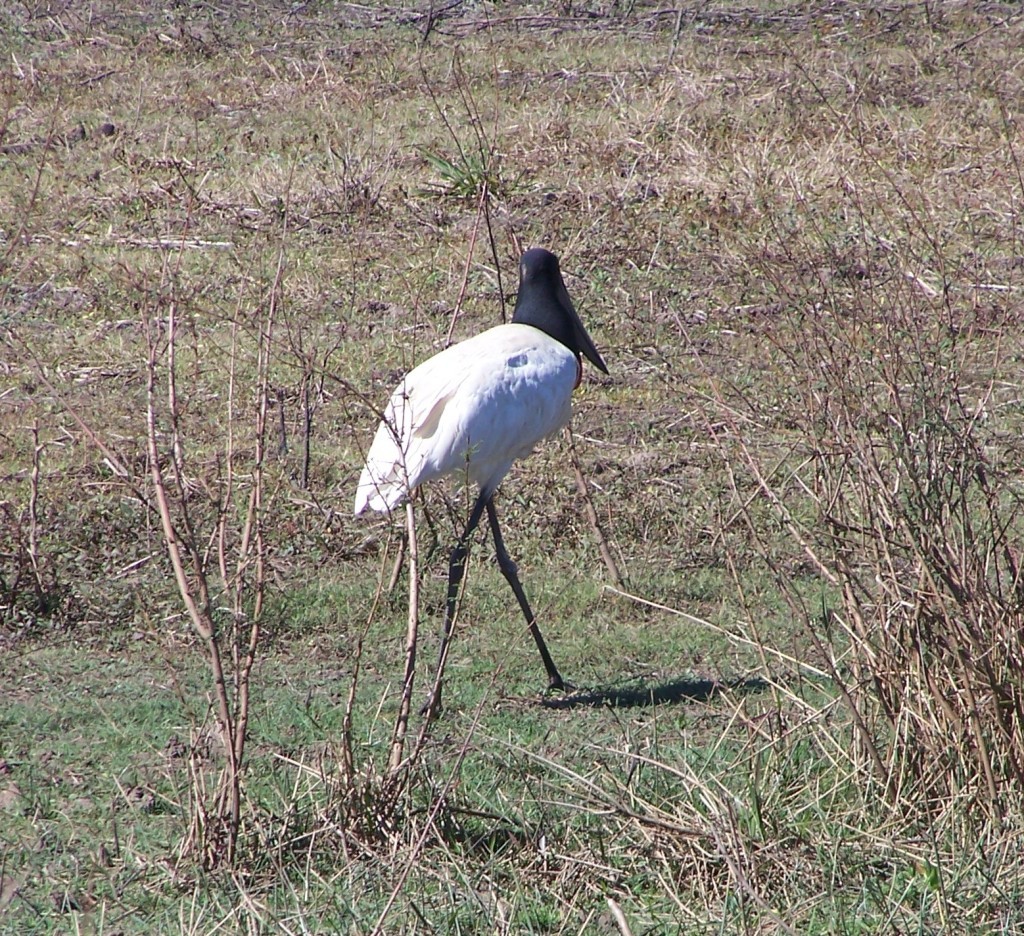
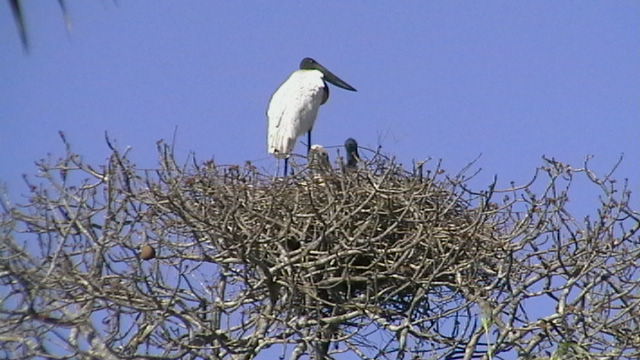
The Jabiru (Jabiru mycteria) is a large stork found in the Americas from Mexico to Argentina, except west of the Andes. It is most common in the Pantanal region of Brazil and the Eastern Chaco region of Paraguay. It is the only member of the genus Jabiru. The name comes from a Tupi–Guaraní language and means “swollen neck”.
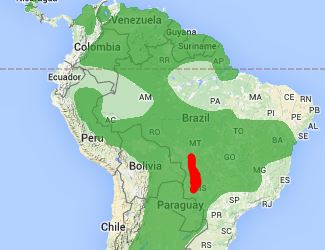
They have a huge range over most of South America and are very easy to see in the Pantanal of Brazil. I was lucky enough to see some chicks in the nest with a parent!
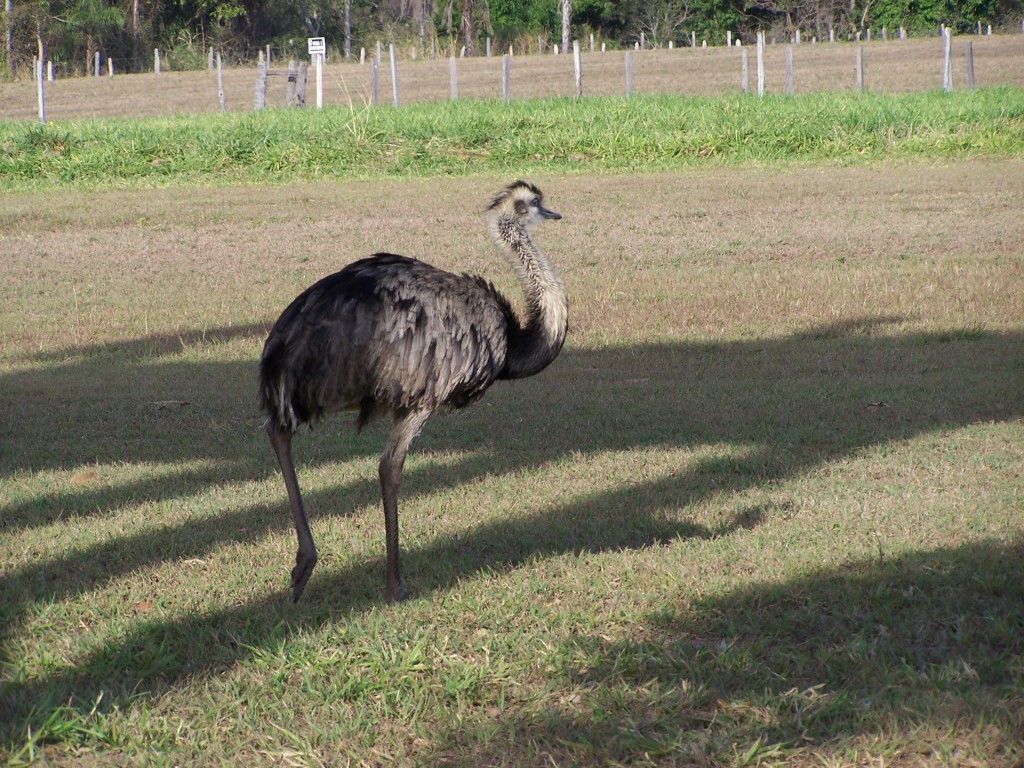
The Rheas are large ratites (flightless birds without a keel on their sternum bone) in the order Rheiformes, native to South America, related to the ostrich and emu. There are two extant species: the greater or American rhea (Rhea americana) and the lesser or Darwin’s rhea (Rhea pennata).
They have a large range over half of South America but most people will see them most easily in the Pantanal.