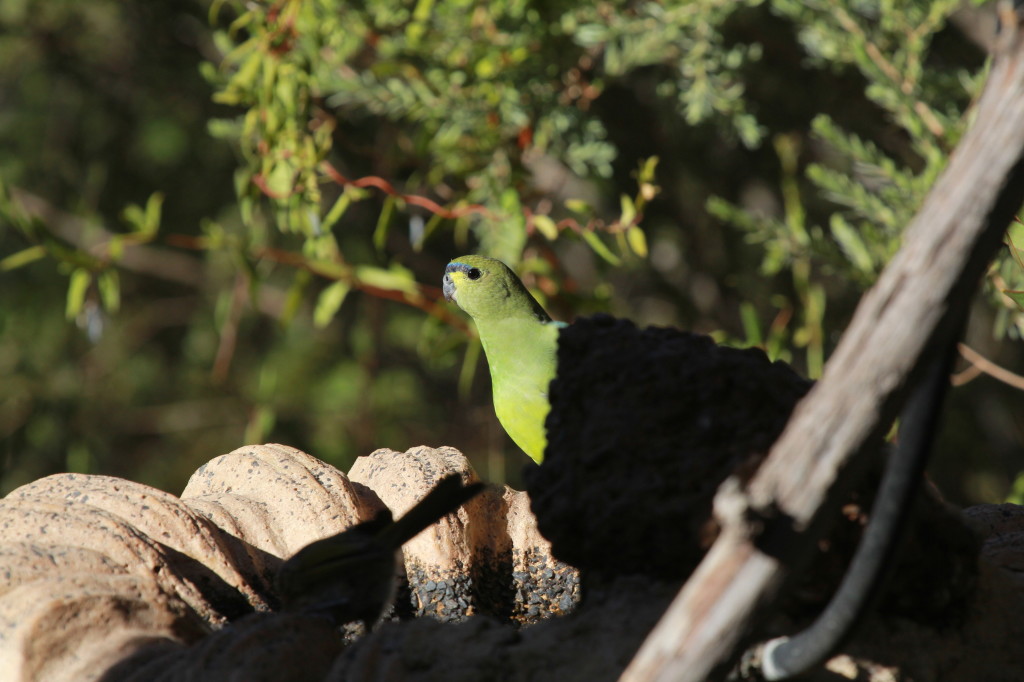
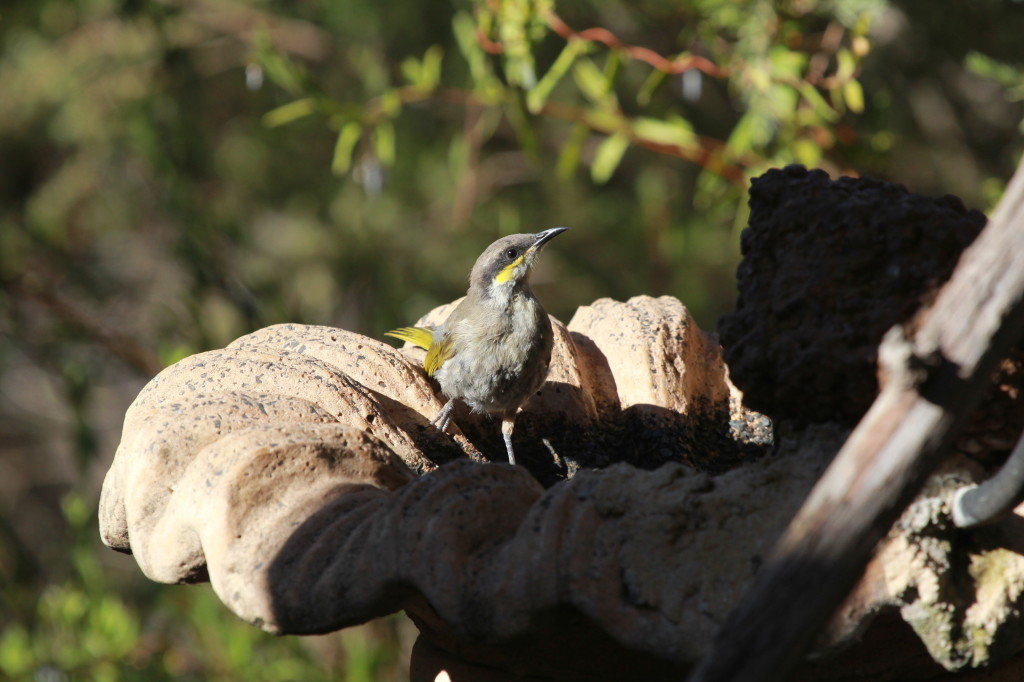
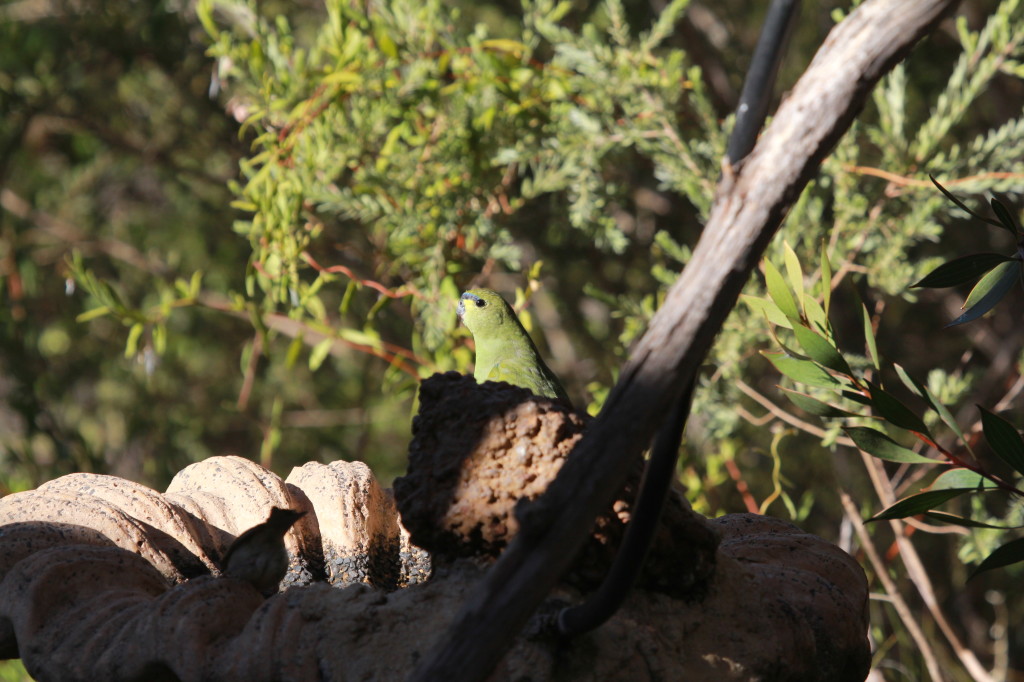
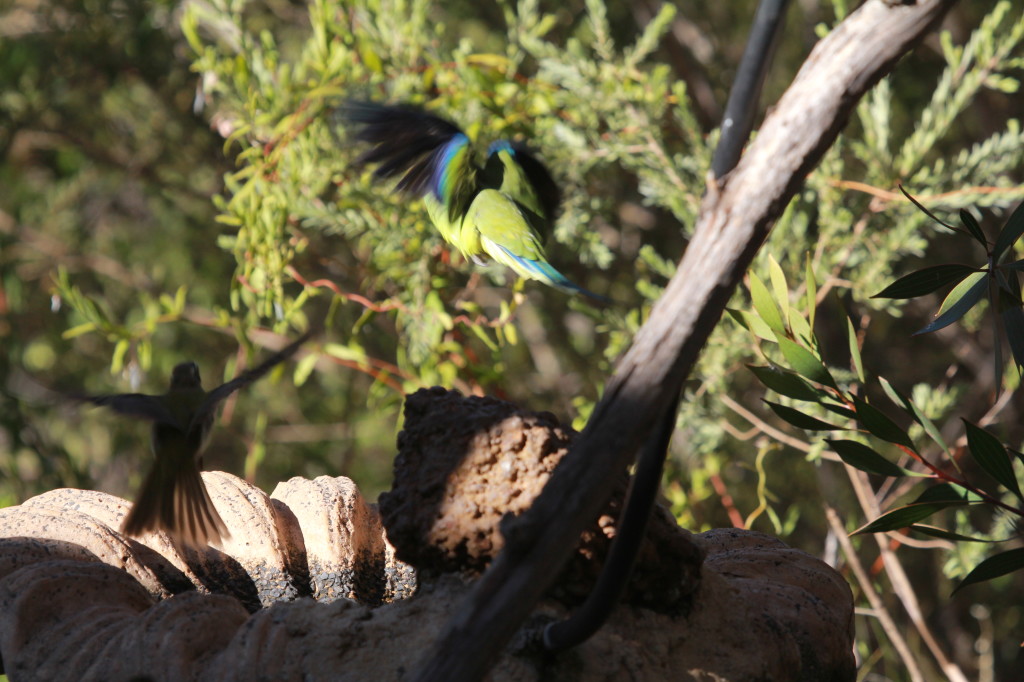
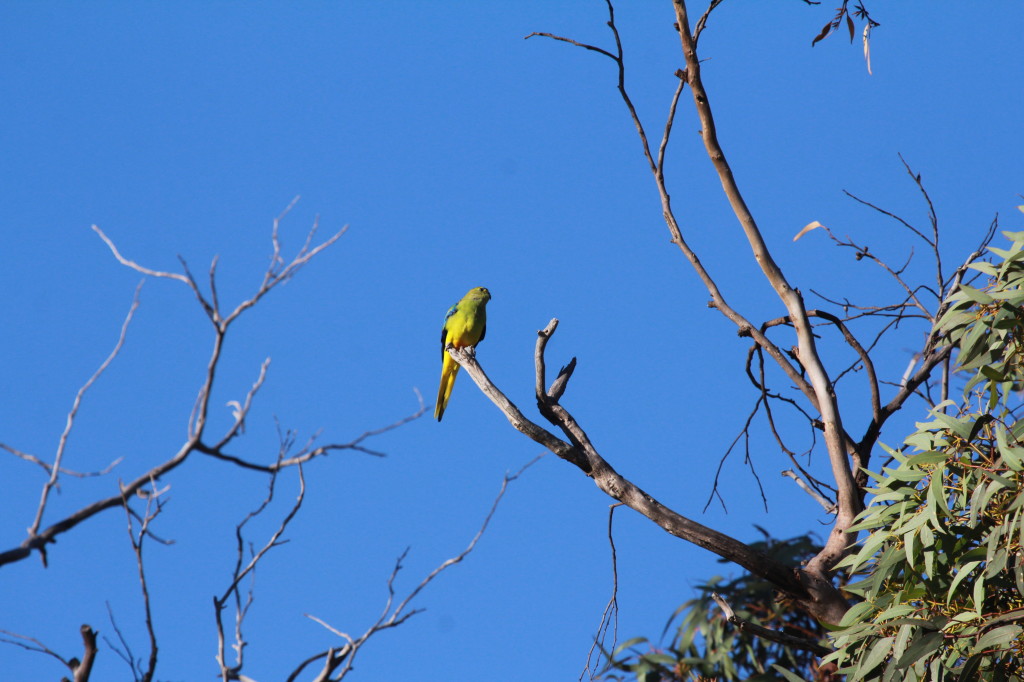
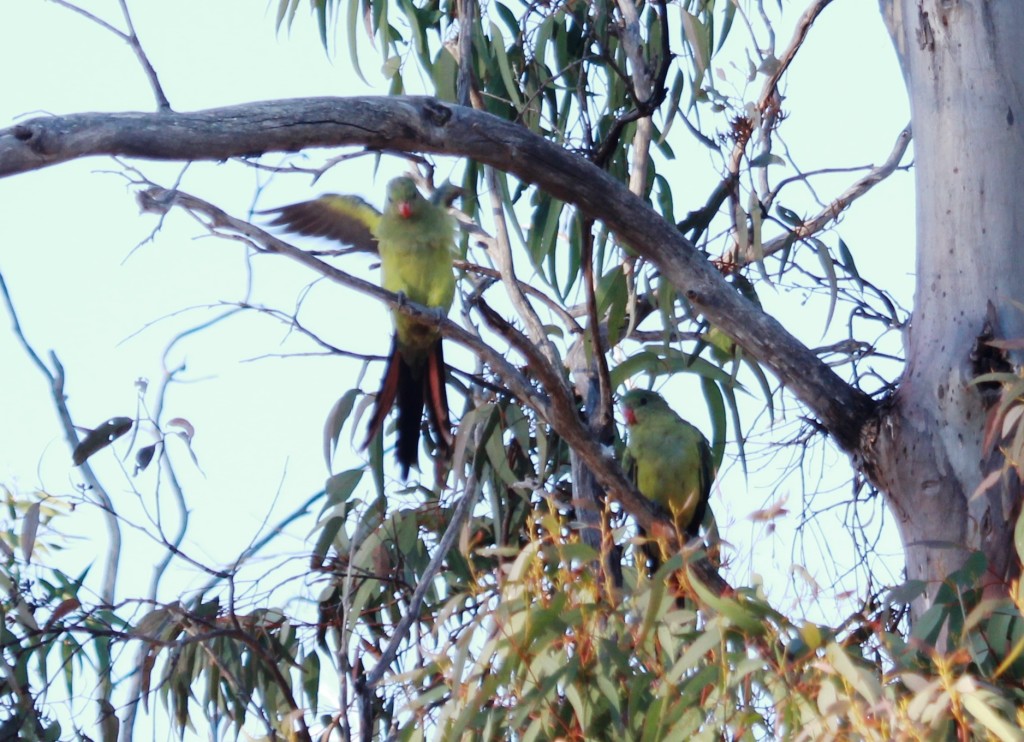
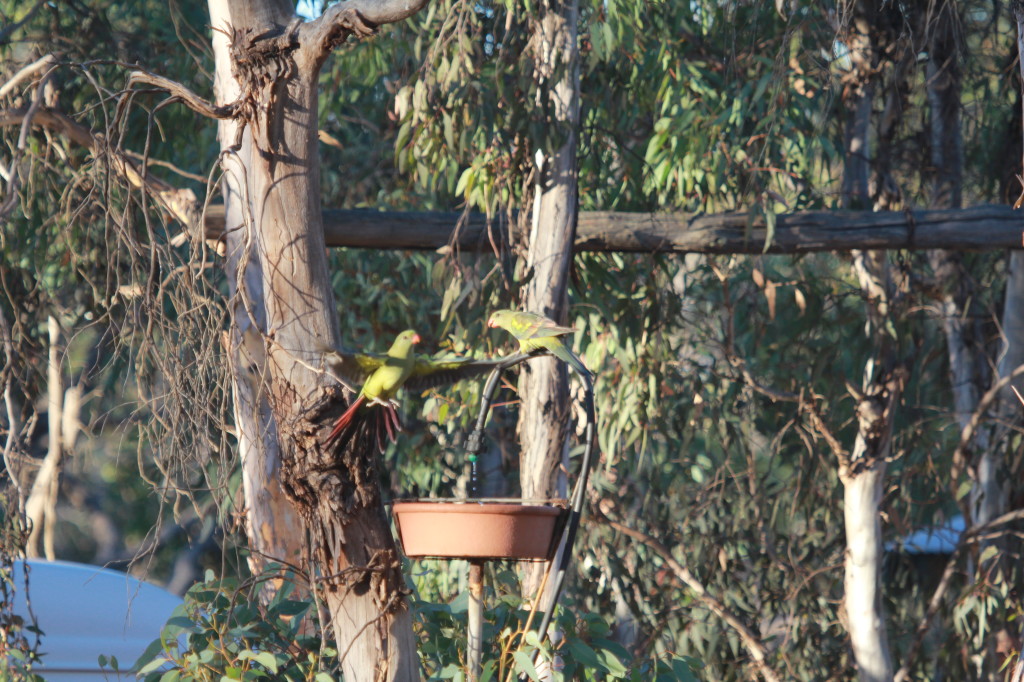
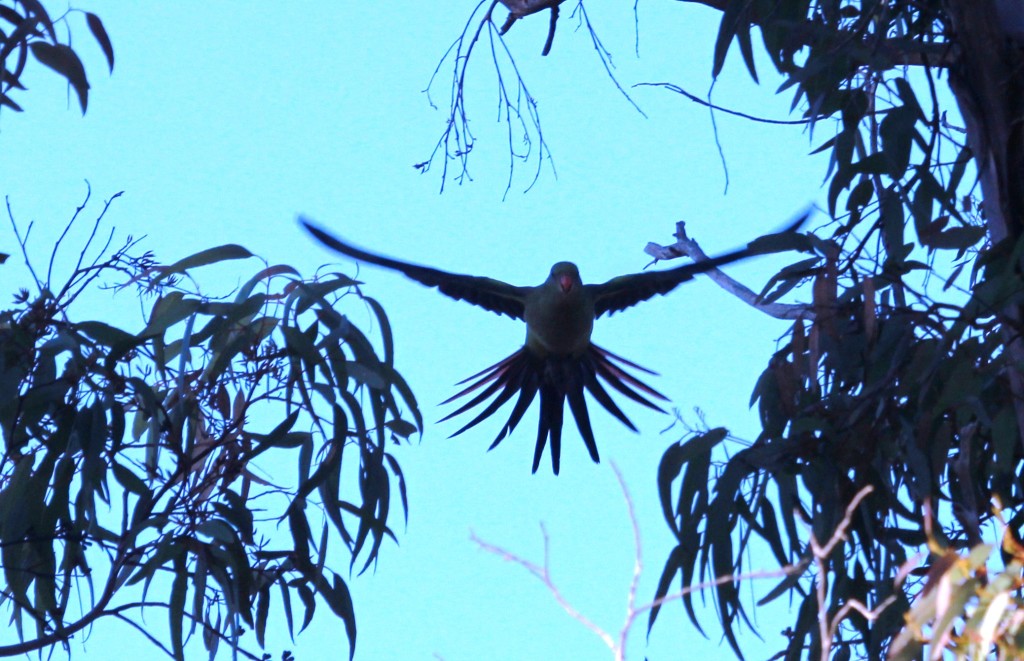
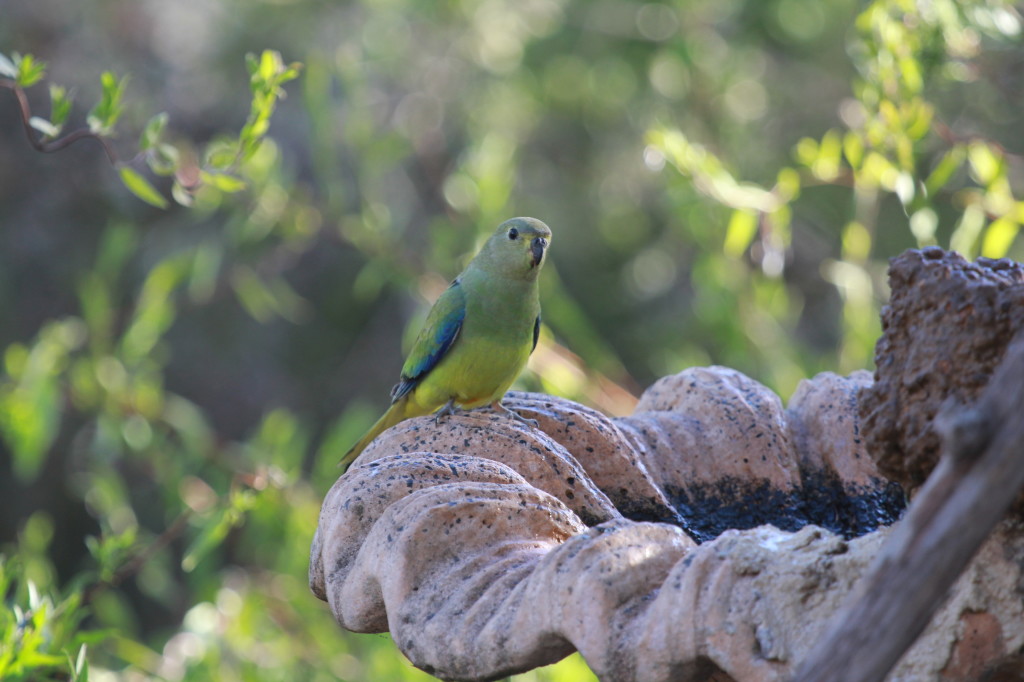
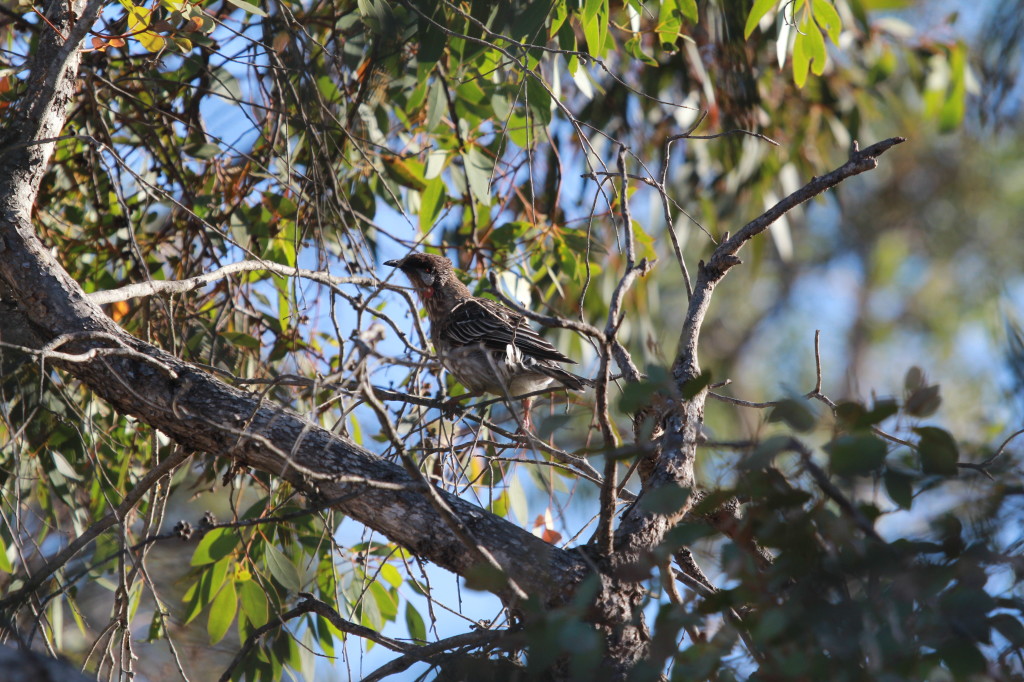
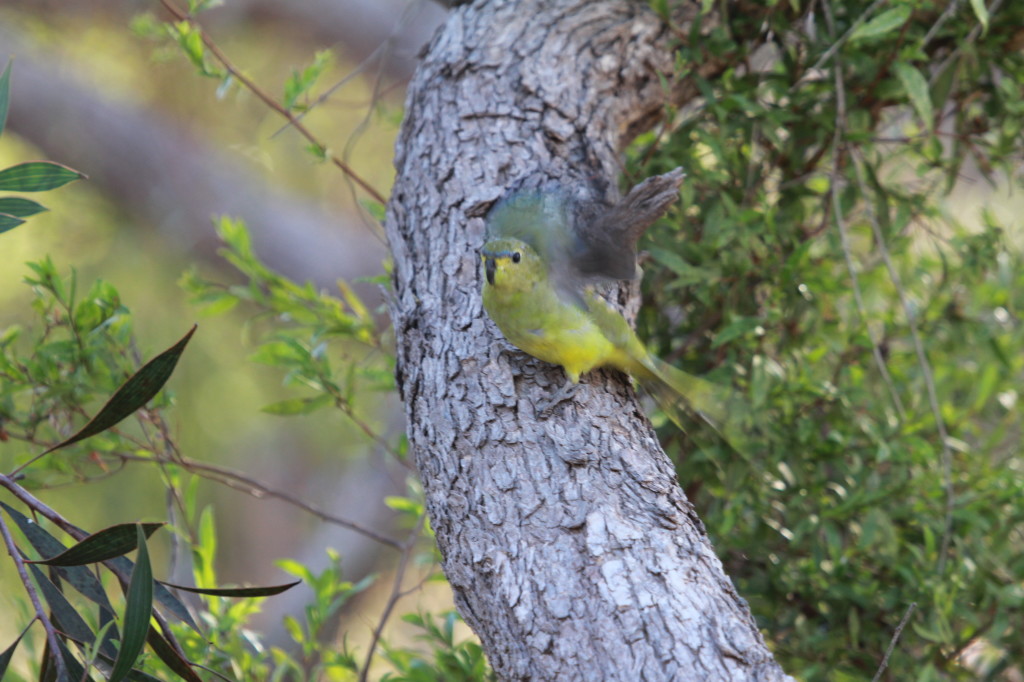
Western Bowerbird (Chlamydera guttata)

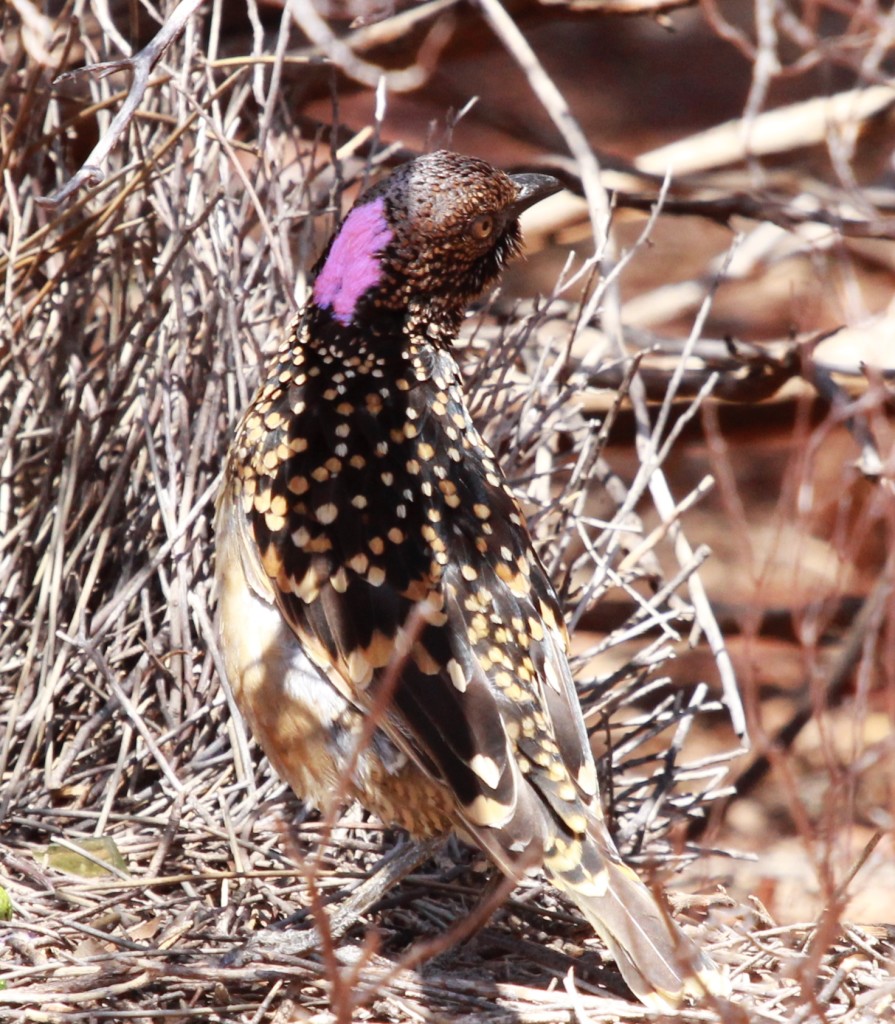
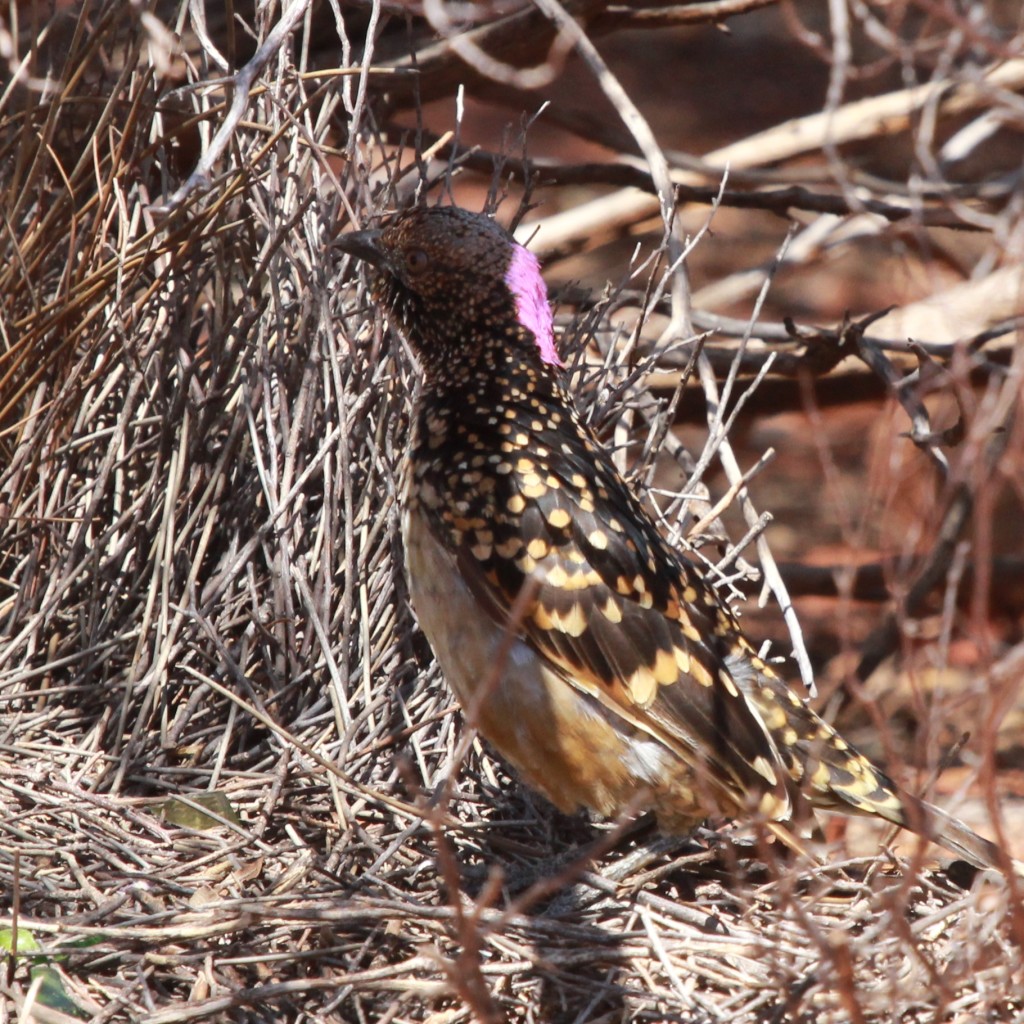
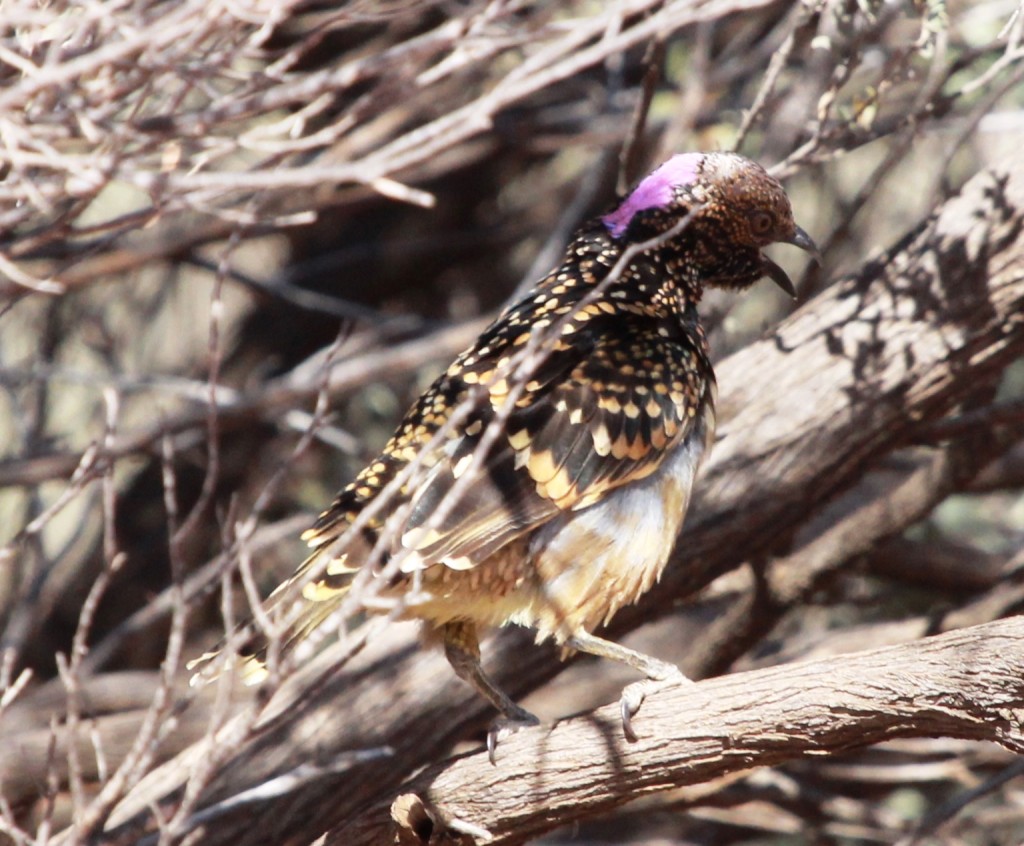
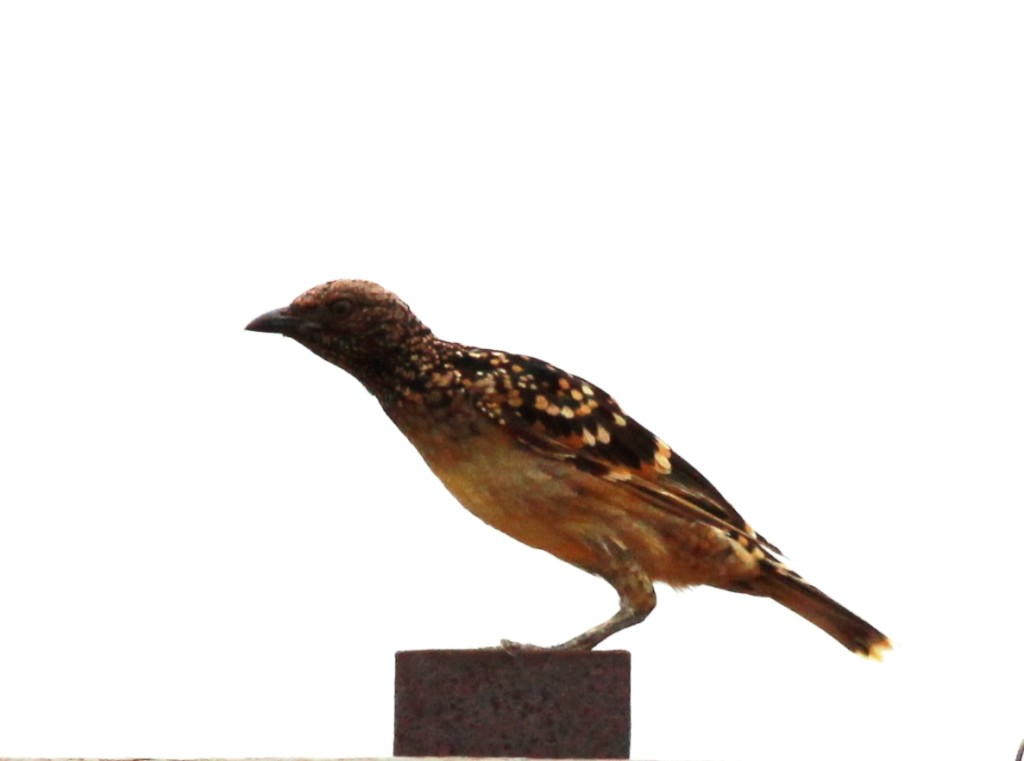
The Western Bowerbird (Chlamydera guttata) is a species of bird in the Bowerbird family. The species is a common endemic of Australia. It has a disjunct distribution, occurring in Central Australia and the Pilbara region of Western Australia.

Male Bowerbird

IMG_6094a IMG_6089a IMG_6043a Female IMG_5924aThis bowerbird is endemic to Central Australia and mid-central inland and semi-arid Western Australia.  They can be easily seen at Nallan Station near Cue in Western Australia.  See black dot on map below.

.

LEARN MORE ABOUT WESTERN BOWERBIRDS

Wikipedia

Birdlife

Birds in Backyards

VIDEO

Nice footage of Bowerbird dancing and calling for a mate.


Other Birds Of Nallan Station

Here’s a few other birds we saw at Nallan Station that I managed to get photos of.  Other species are always possible, here’s a bird list for the Cue area.  These were all seen either near the homestead or near Judas Well.

Zebra Finch

IMG_6022a IMG_5892a

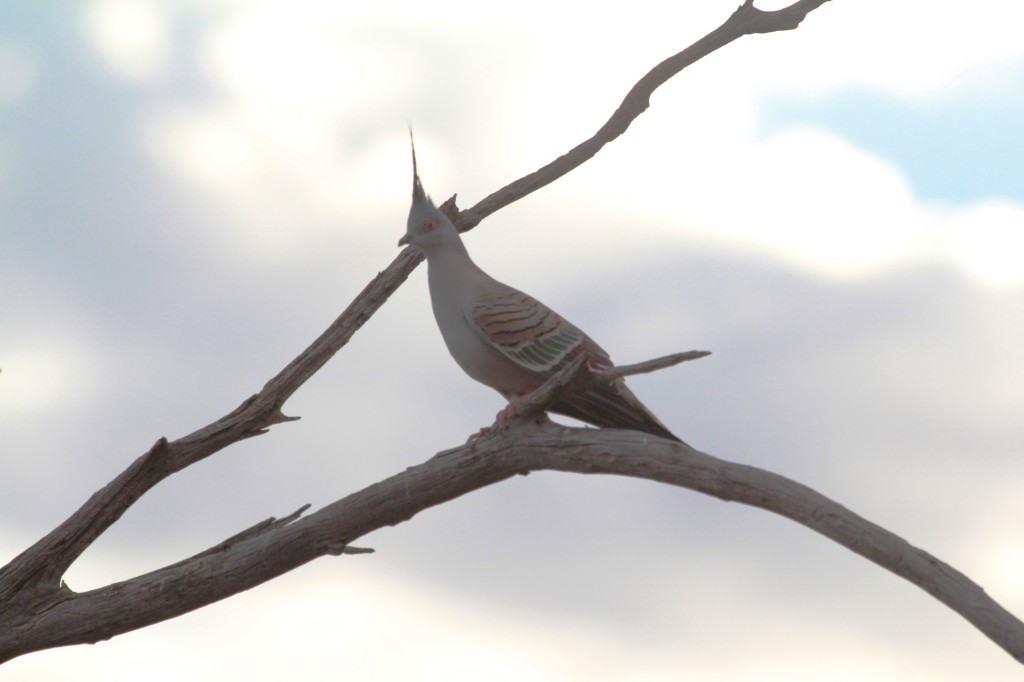
Crested Pigeon

IMG_5730

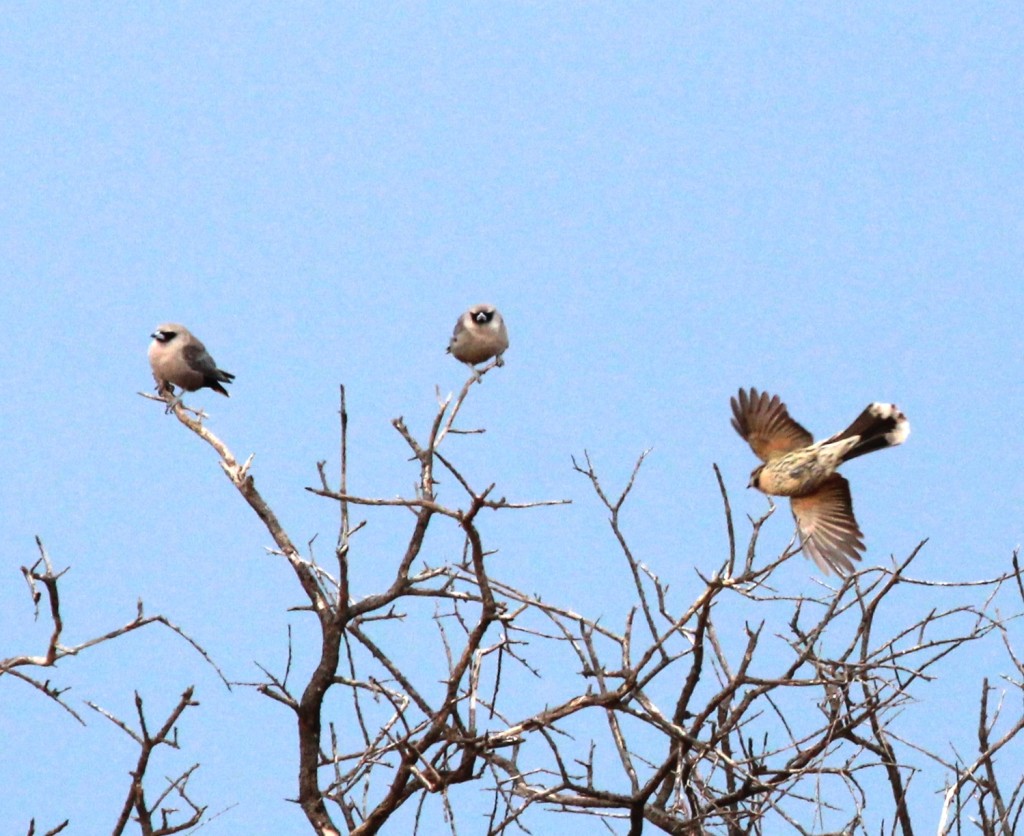
Black-faced Woodswallows

IMG_5791a

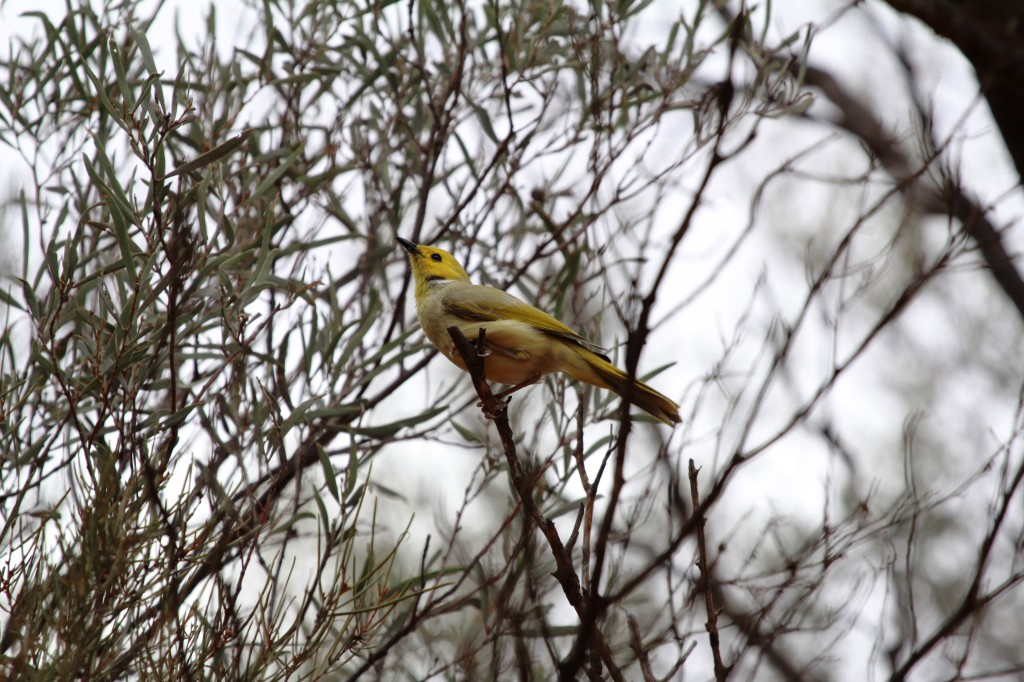
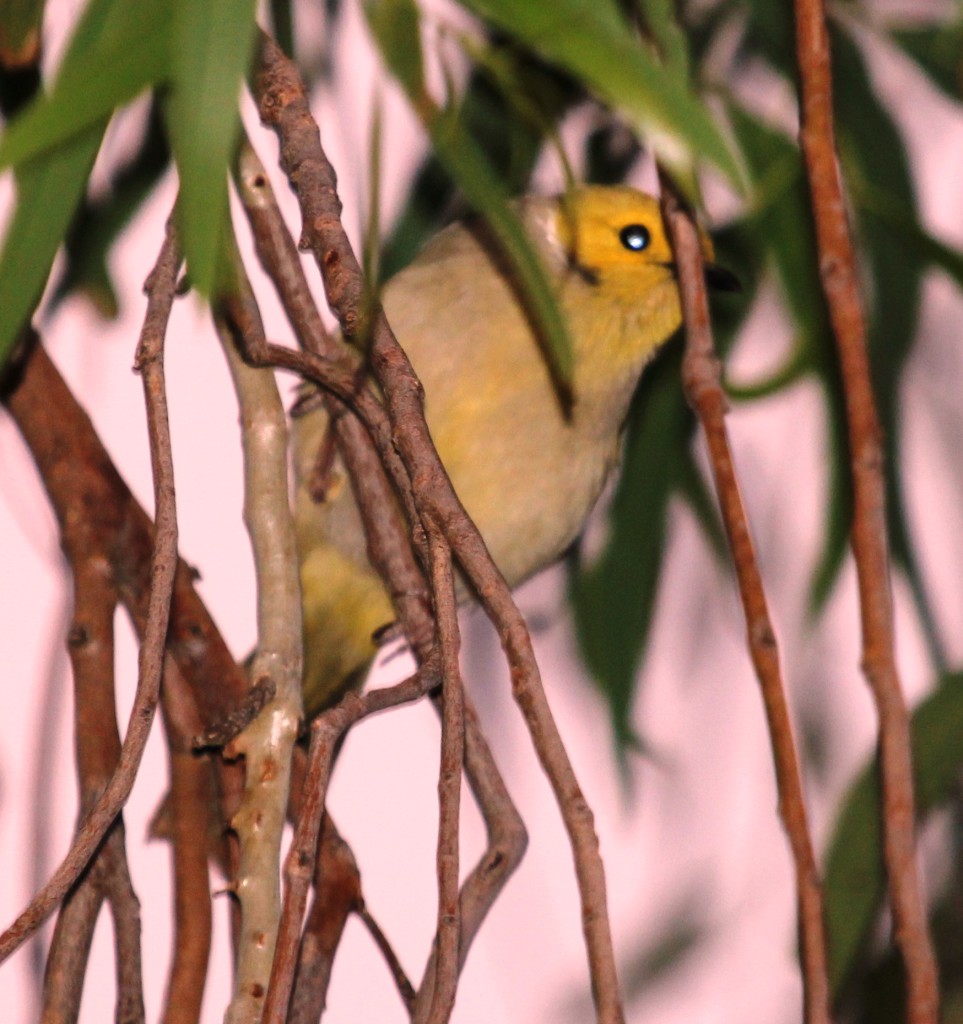
White-plumed Honey-eater

IMG_5963

Common Bronzewing

IMG_5972a

White-plumed Honey-eater

IMG_5998a

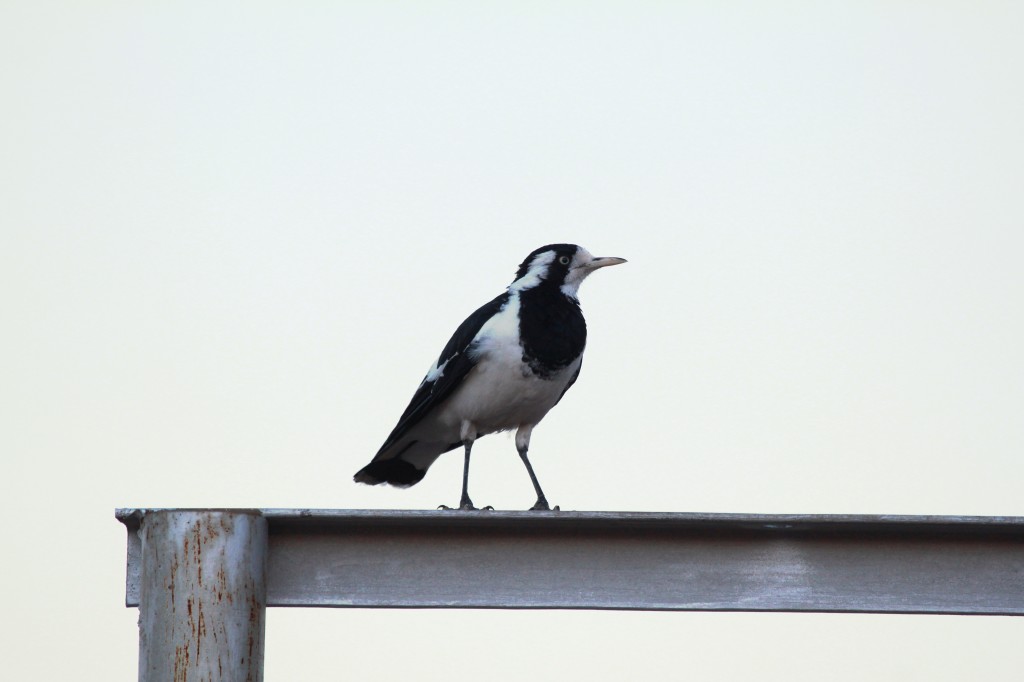
Magpie-Lark

IMG_6003

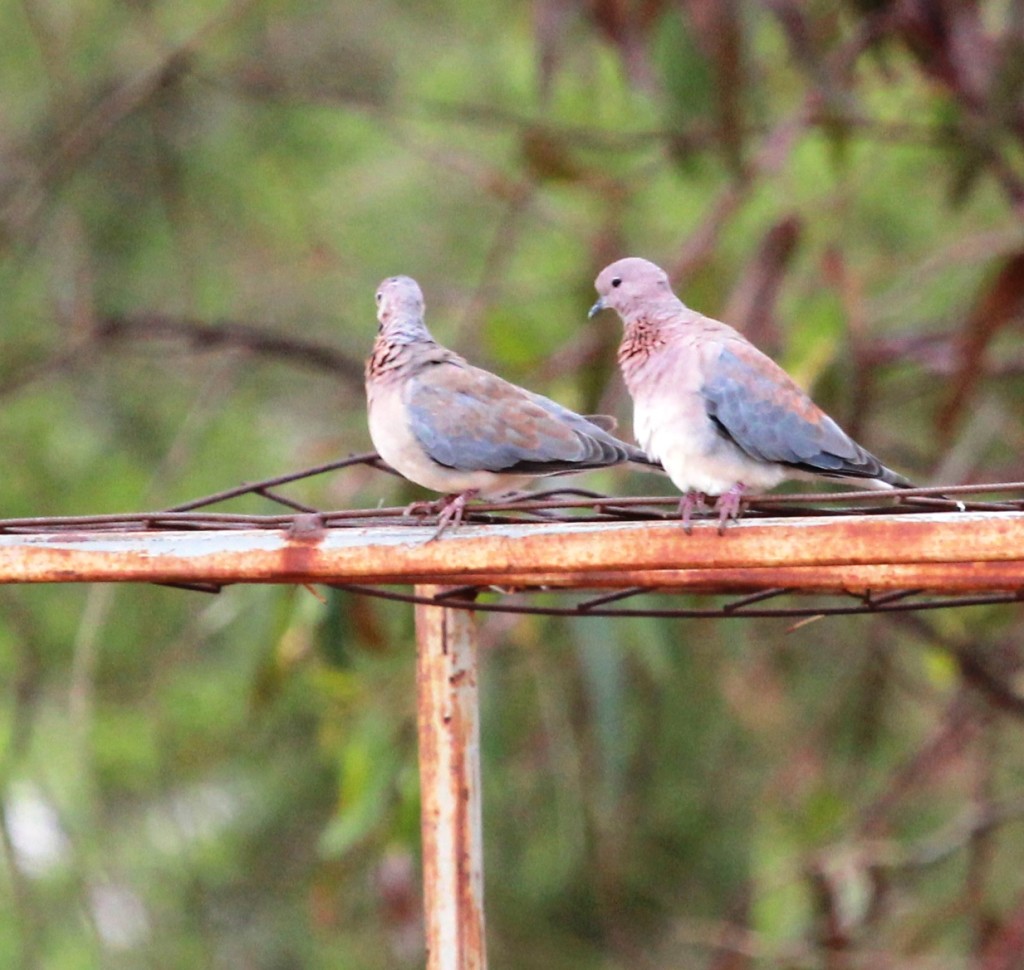
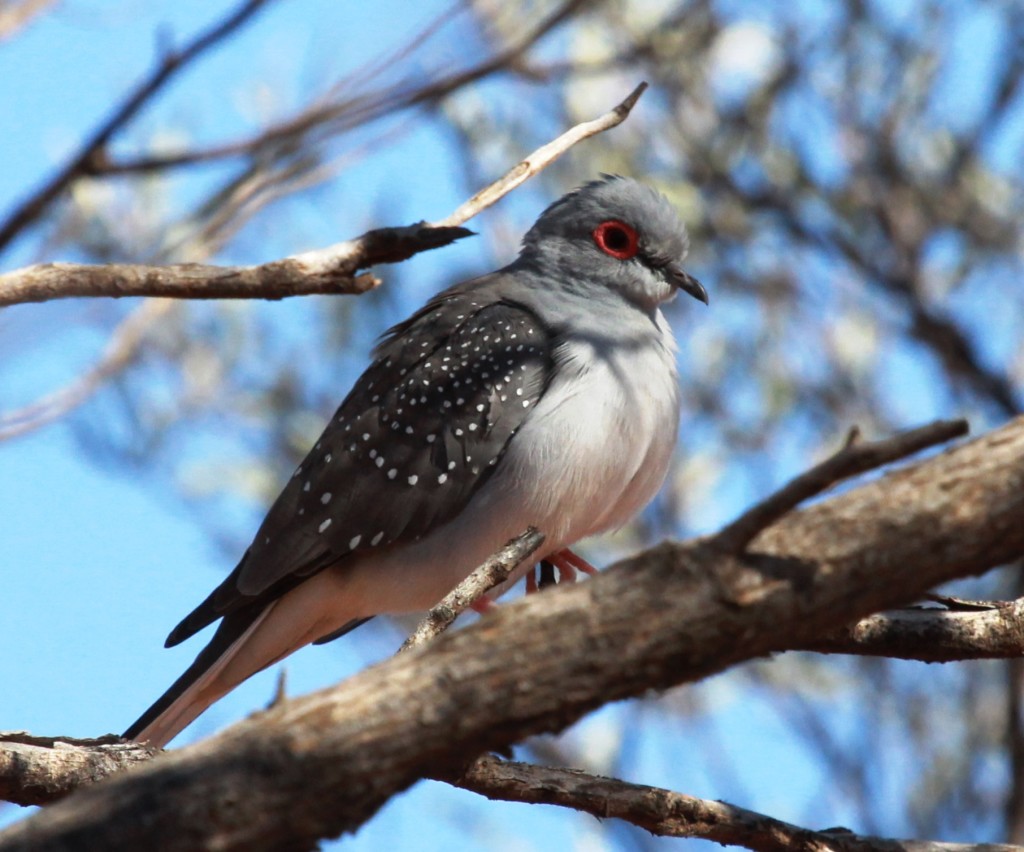
Diamond Dove

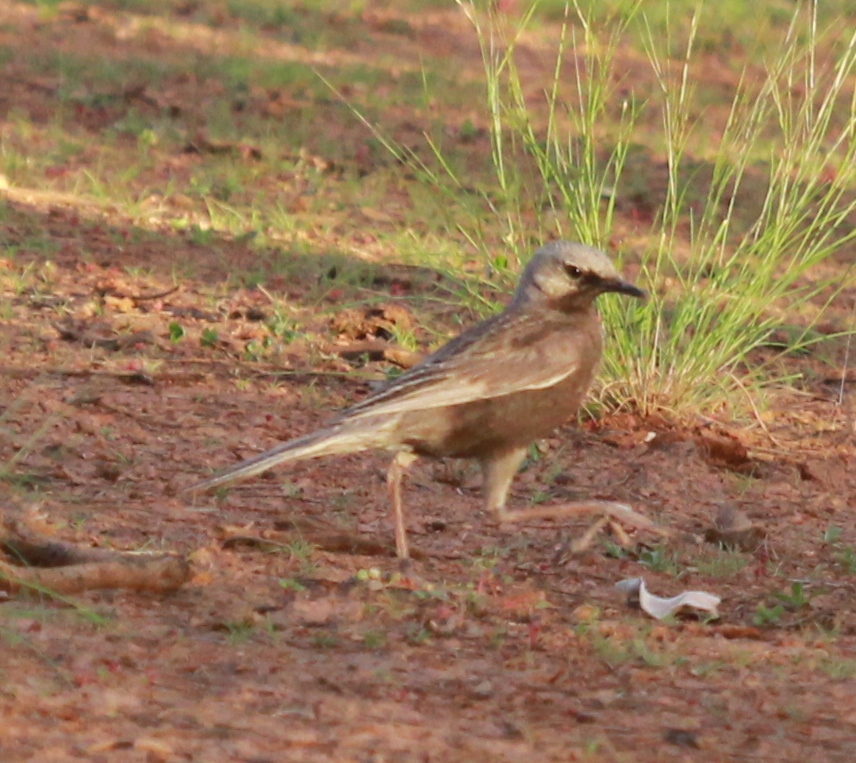
IMG_6030a Not sure about this one IMG_6141a

Warblers In Springtime

If you live in the north-east of the USA you are probably thrilled to see spring!  Why not take advantage of the pleasant weather to hone your birding skills and have a look at the local warblers?  If you are headed to New York, it’s only a 25,000 mile round-trip award on American, United or US Airways.  This video was filmed in Firehouse Woods, Monroe County, New York.  There is a full list here.


Zebra Finch (Taeniopygia guttata)

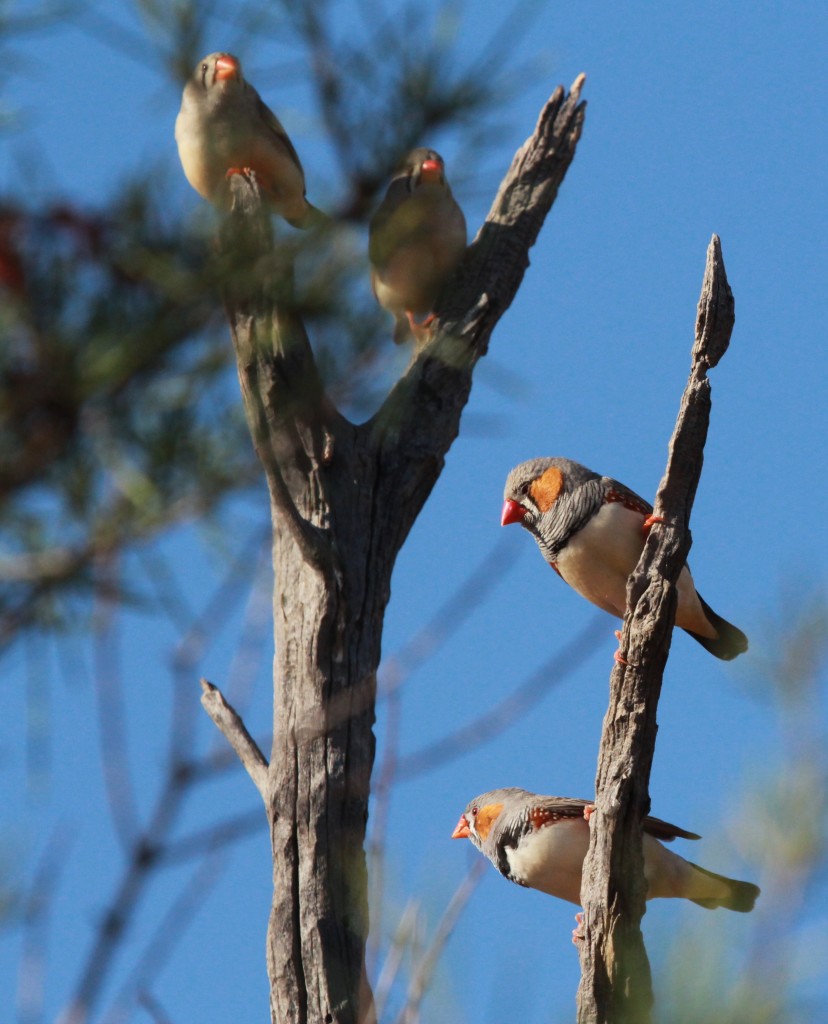
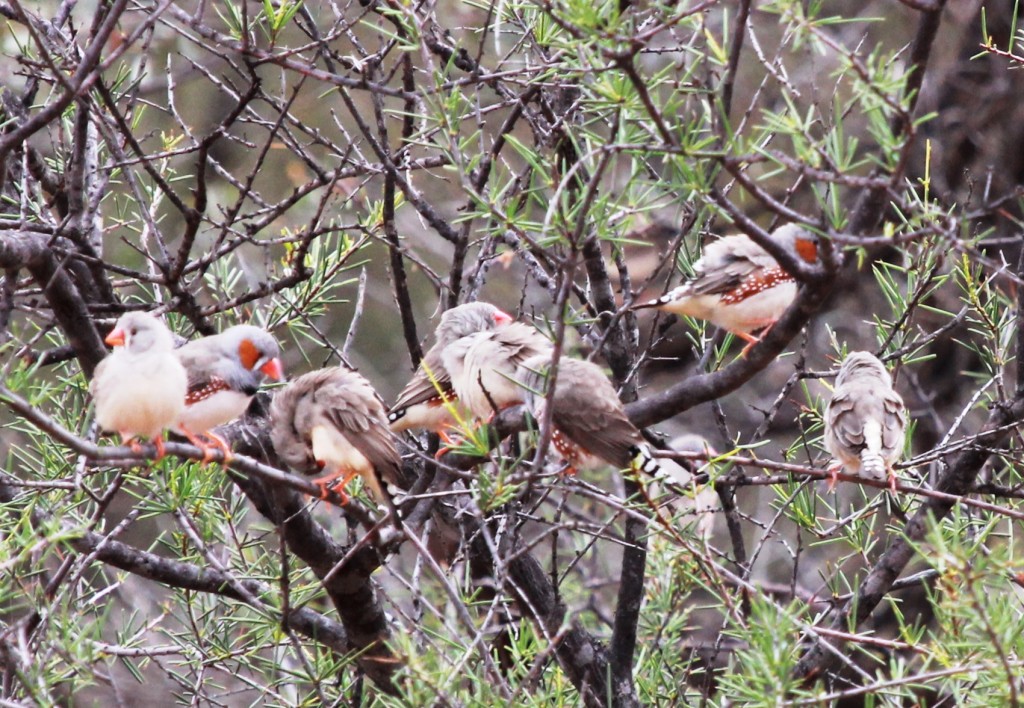
The Zebra Finch (Taeniopygia guttata) (formerly Poephila guttata),is the most common estrildid finch of Central Australia and ranges over most of the continent, avoiding only the cool moist south and the tropical far north. It can also be found natively in Indonesia and East Timor.

IMG_6022aSince they have such a large range, you are likely to run into them in any part of Australia.  To date, I have seen them at Nallan Station, at a few road side places in Western Australia and near Kalbarri.

.

LEARN MORE ABOUT THIS BIRD

Wikipedia

Birdlife

Birds in Backyards

ABC TV Documentary (YouTube version embedded below)

VIDEOS

Scarlet Robin (Petroica boodang)

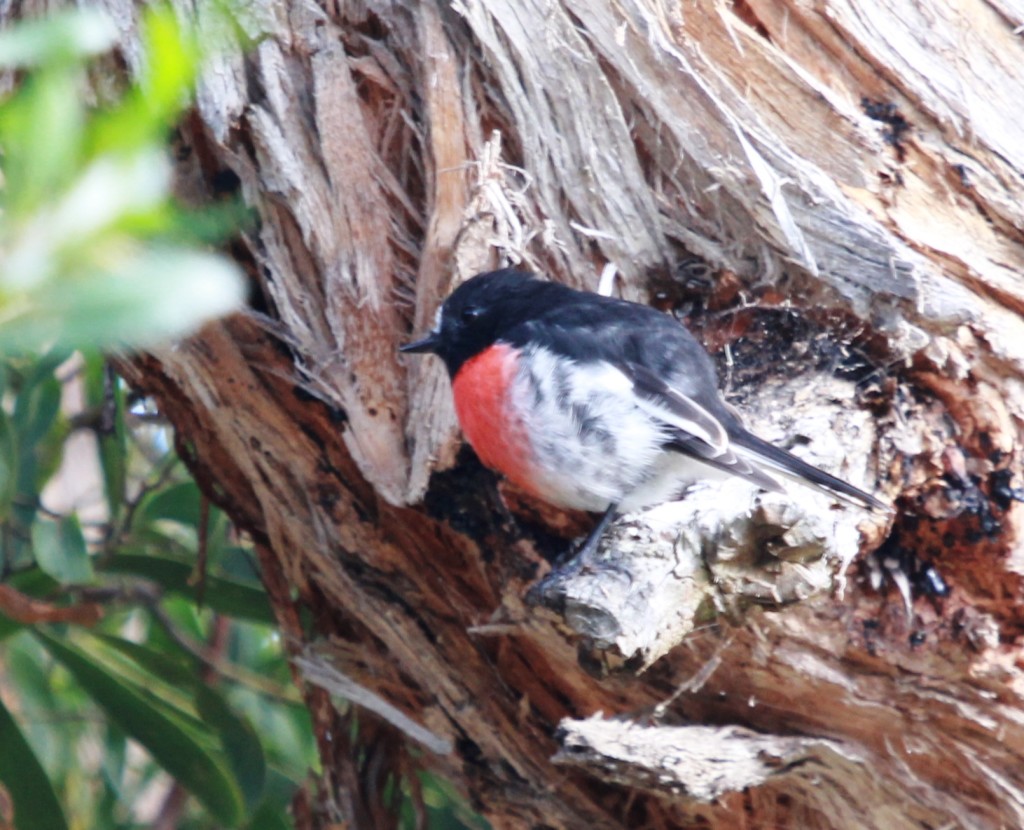
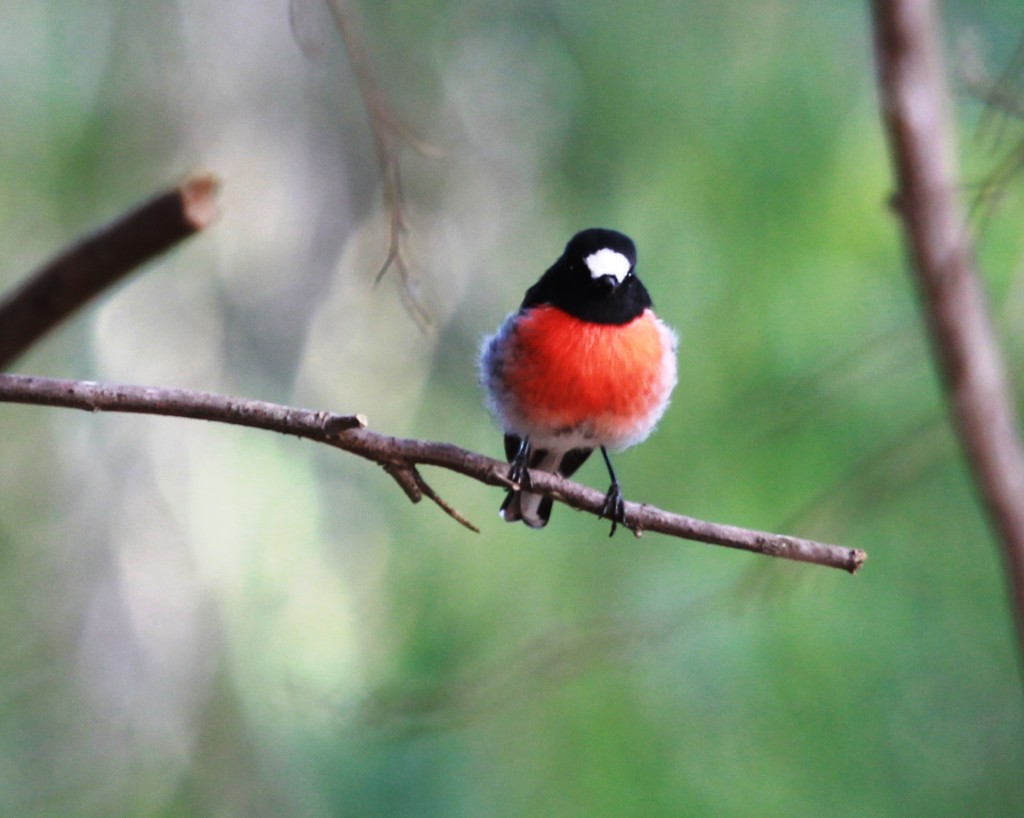
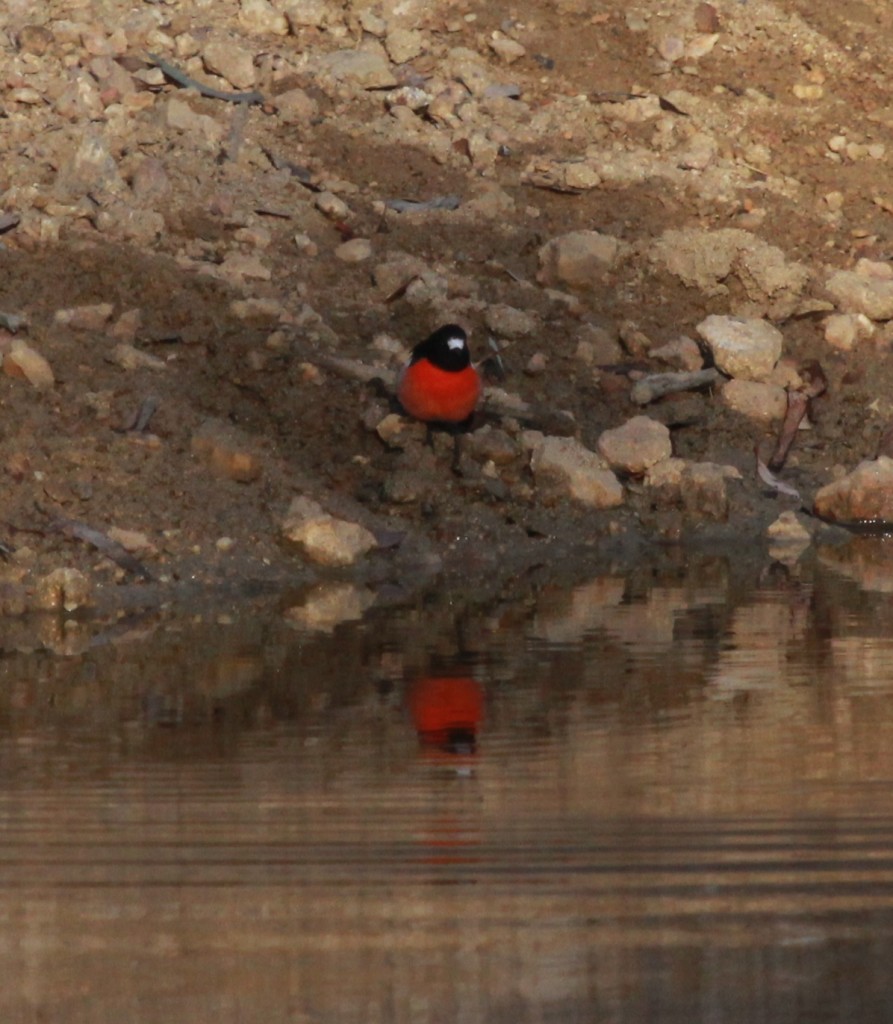
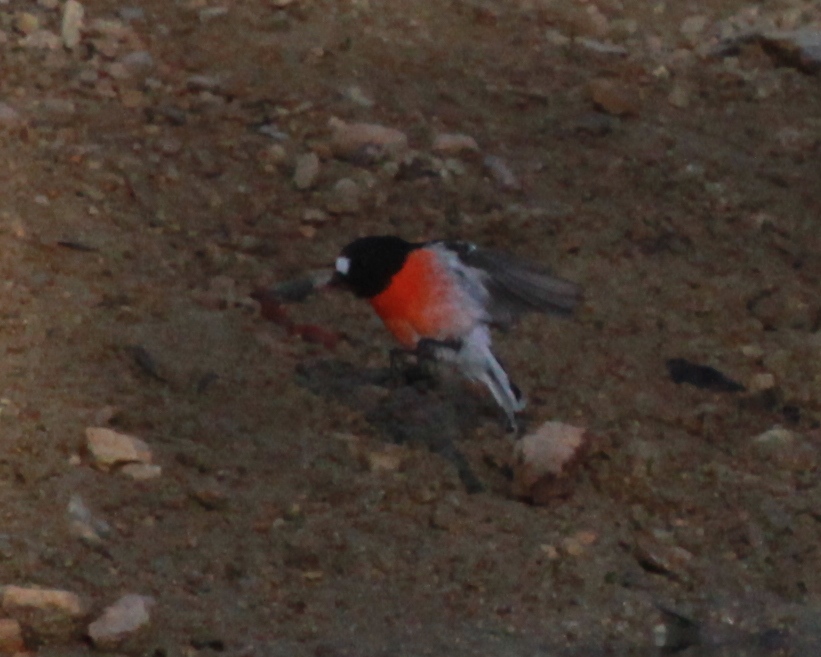
The Scarlet Robin (Petroica boodang) is a small Australian robin that reaches 13 cm in length. The male has a black head and upper parts, with a conspicuous white forehead patch, white wing stripes and white tail-edges. The male has a bright scarlet-red chest and a white belly. The female is pale brown, darker above, and has a dull reddish breast and whitish throat.

IMG_7617a IMG_7624a

IMG_4533a IMG_4531a

The Scarlet Robin is endemic to Australia, where it is found near the coast from southern Queensland to central South Australia, Tasmania and south west Western Australia. The species is mostly sedentary over most of its range, but some mainland populations undergo small local movements in the autumn and winter, either to more open habitats or lower elevations.  The Scarlet Robin is most commonly found in eucalyptus woodland and forest from sea level to 1000 m, particularly the more open habitats with grassy and shrubby understories.

I saw them in several places – Dryandra Woodland, Stirling Range, Fitzgerald River, Kalbarri and Bruny Island.  The bright red chest makes them stand out so they are easily spotted within their range.

.

LEARN MORE ABOUT SCARLET ROBINS

Wikipedia

Birdlife

NSW Environment & Heritage

Birds in Backyards

VIDEO

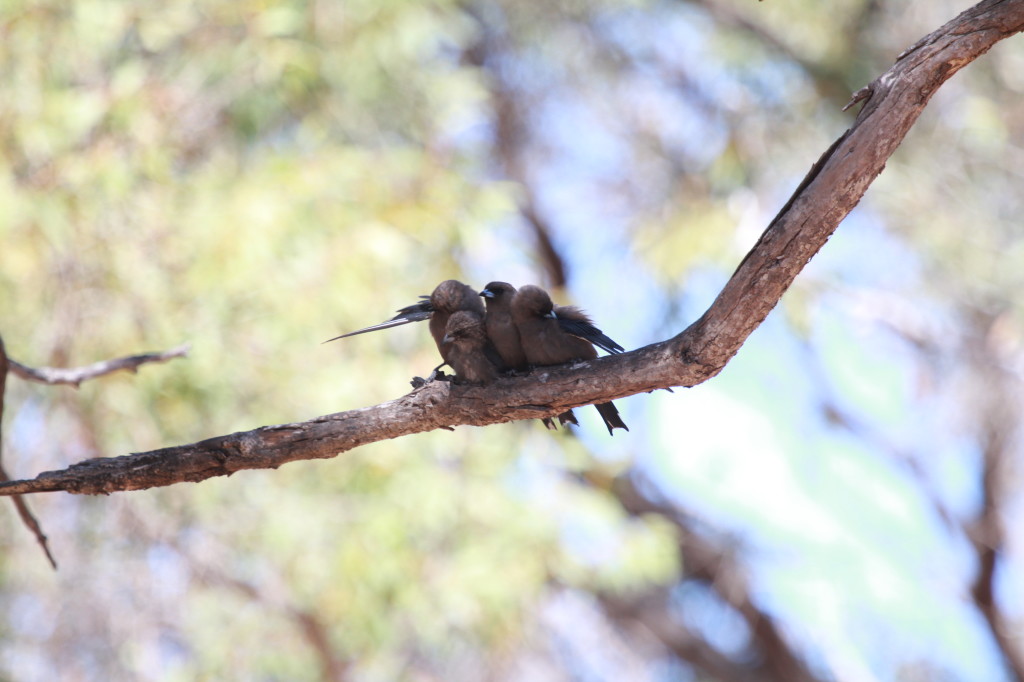
Dusky Woodswallow (Artamus cyanopterus)

IMG_5044

The Dusky Woodswallow (Artamus cyanopterus), is a bird species of forests and woodlands in tropical and subtropical regions,in eastern and southern Australia.  The name “woodswallow” is a misnomer as they are not closely related to true swallows. Instead, they belong to the family Artamidae, which also includes butcherbirds, currawongs and the Australian Magpie.

.

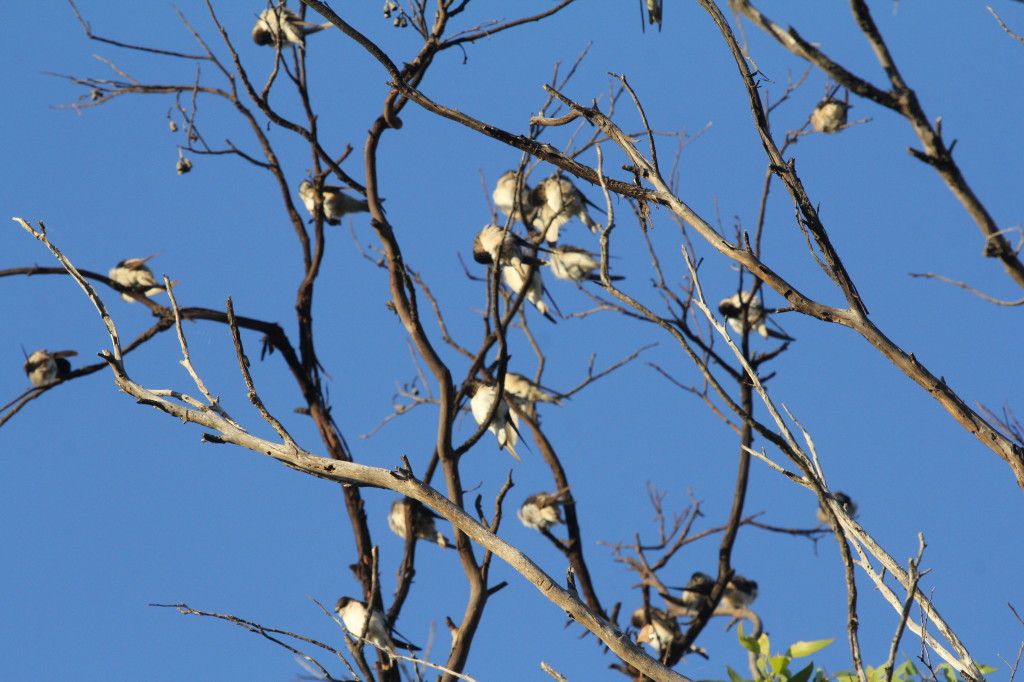
They are commonly seen within their range in medium sized flocks of 30-50 birds.  You will often see them huddled together on a tree branch such as the photo above taken at Stirling Range or in even larger “huddles”.

LEARN MORE ABOUT THIS BIRD

Wikipedia

Birdlife

Birds in Backyards

VIDEO

Nice close-ups here!

Australian Owlet-nightjar (Aegotheles cristatus)

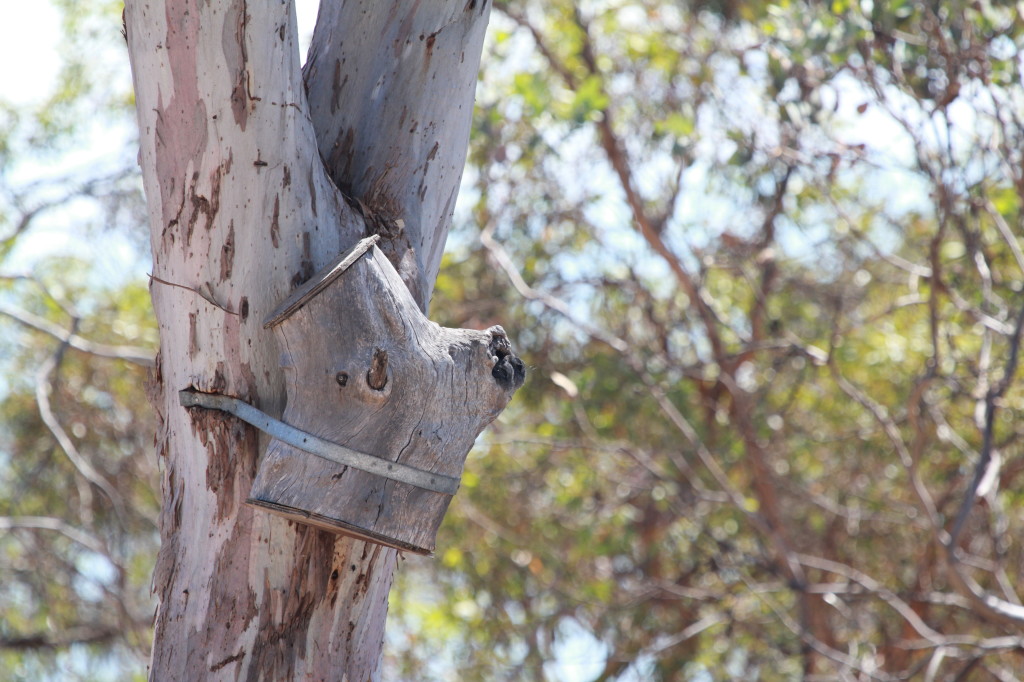
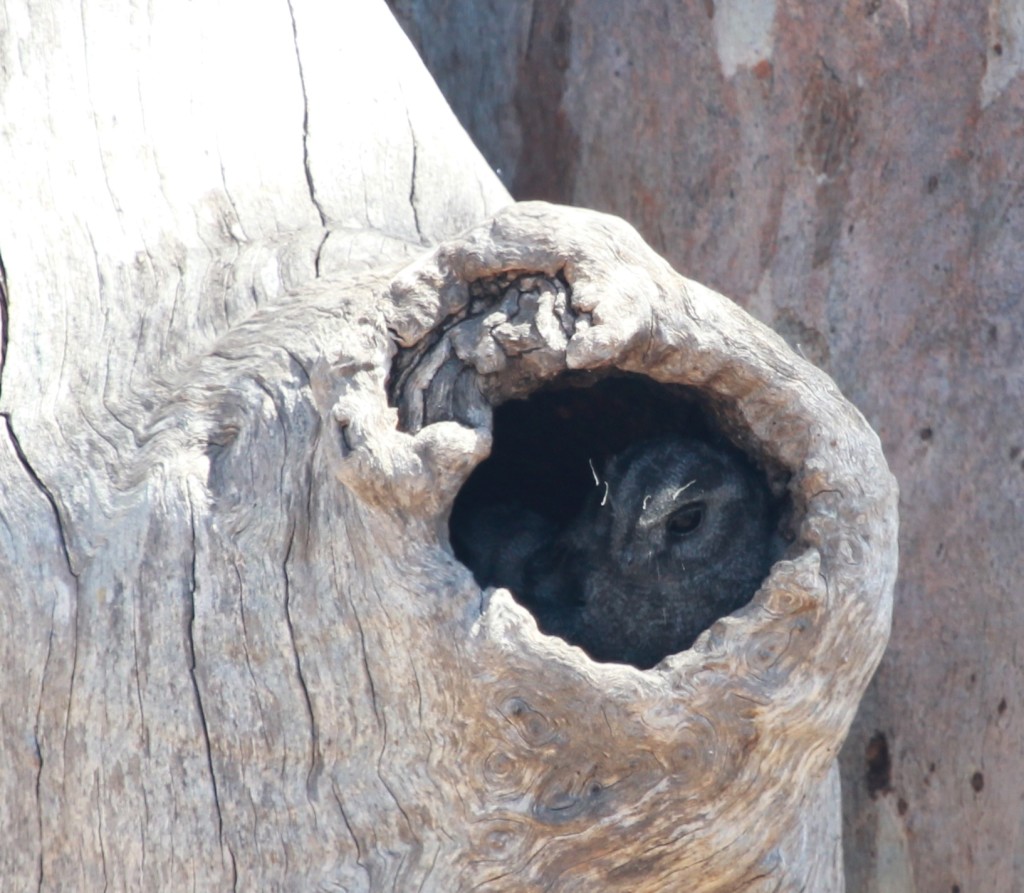
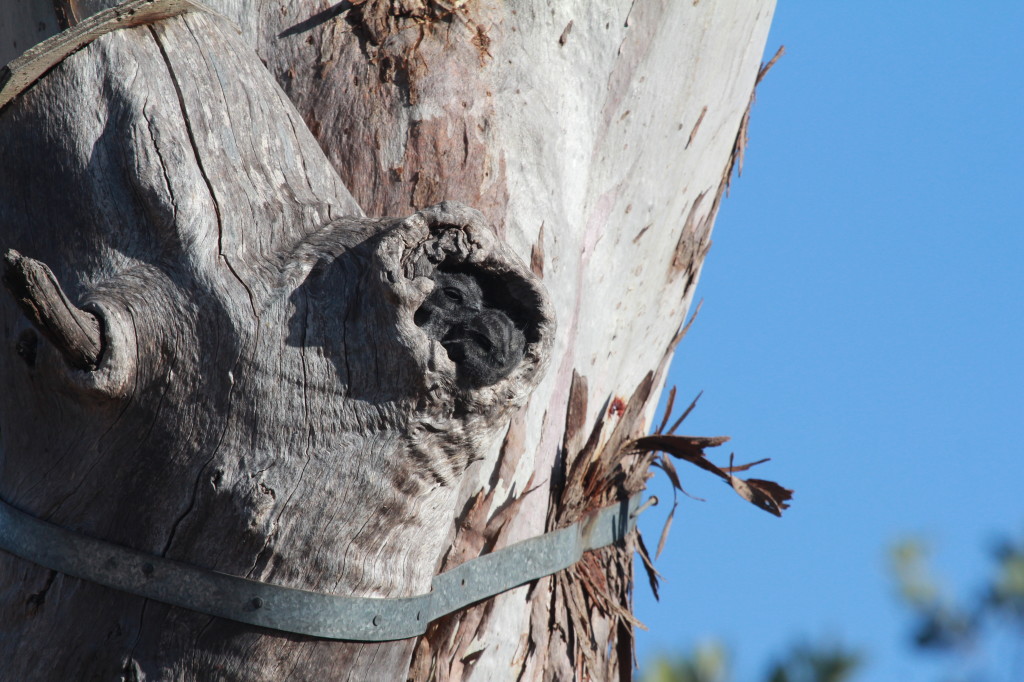
The Australian Owlet-nightjar (Aegotheles cristatus) is a nocturnal bird found in open woodland across Australia and in southern New Guinea. It is colloquially known as “Moth Owl“. It is the most common of the owlet-nightjars, and the best known of this secretive family. It is the most common nocturnal bird in Australia, and despite suffering from predation and competition by introduced species it is not considered threatened.

IMG_5047 IMG_5051a IMG_5285Close-up from Wikipedia since I only got shots in the nest.

.

They have a huge range – basically all over Australia so you could get lucky enough to see them on any birding trip in Australia. The best thing is to ask the lodge owners or rangers at national parks if they know of a nesting pair.  I saw them at Stirling Range Retreat.  You can also try searching the species name on the Surfbirds trip reports if you are targeting this species.  I wasn’t targeting them but just got lucky that they were found at a place I had already planned to visit and they were a delightful bird to watch as they peered cautiously out of the nest!

.

LEARN MORE ABOUT THIS BIRD

Wikipedia

Birdlife

Birds in Backyards

VIDEO

The Birds Of Stirling Range – Pictorial

I’ve already blogged about the Stirling Range National Park but it got too long so I saved the bird photos for this post.  Just as a reminder, here are the bird lists that have been recorded here:

Since we have the long Easter weekend coming up, over the next 4 days, I will get caught up on some bird profiles and then move on to the next stop which was Two People’s Bay.  So for now, just enjoy some of these beautiful birds!
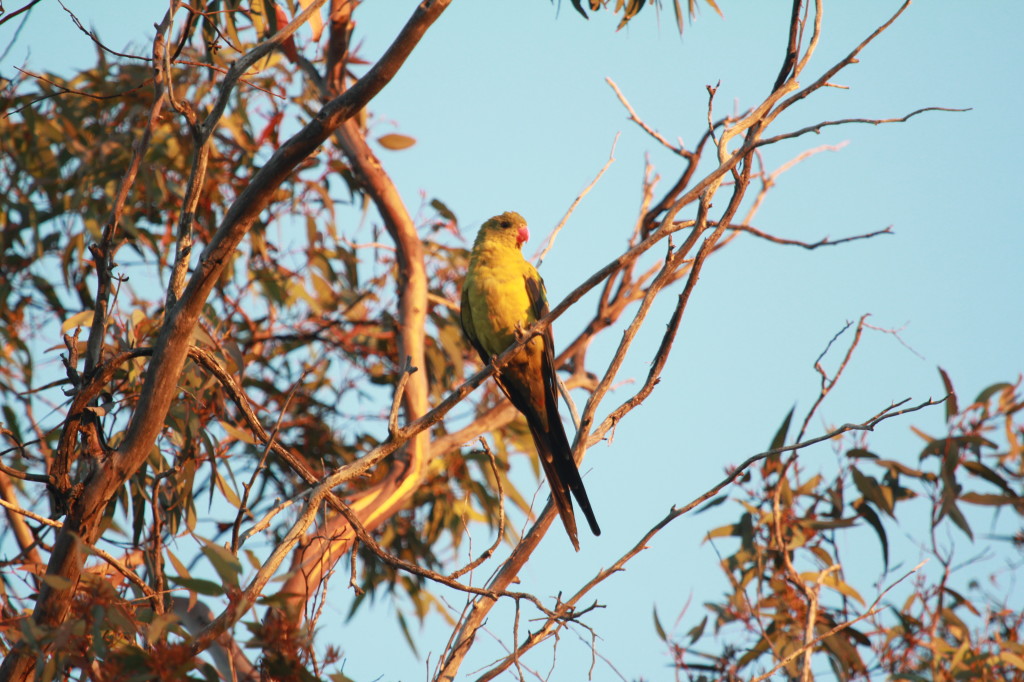
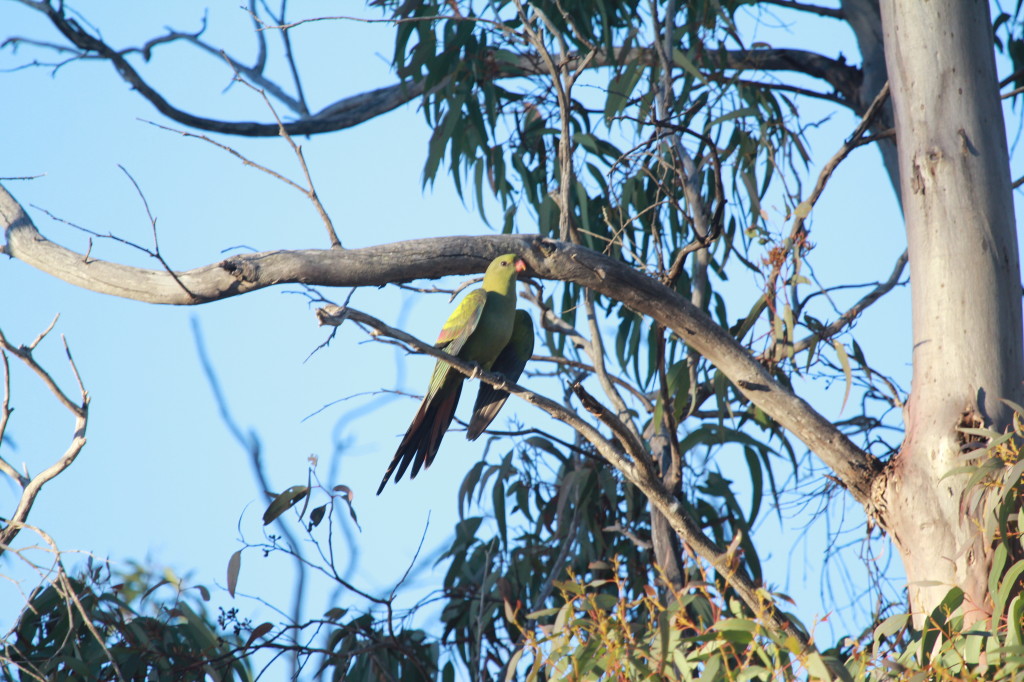
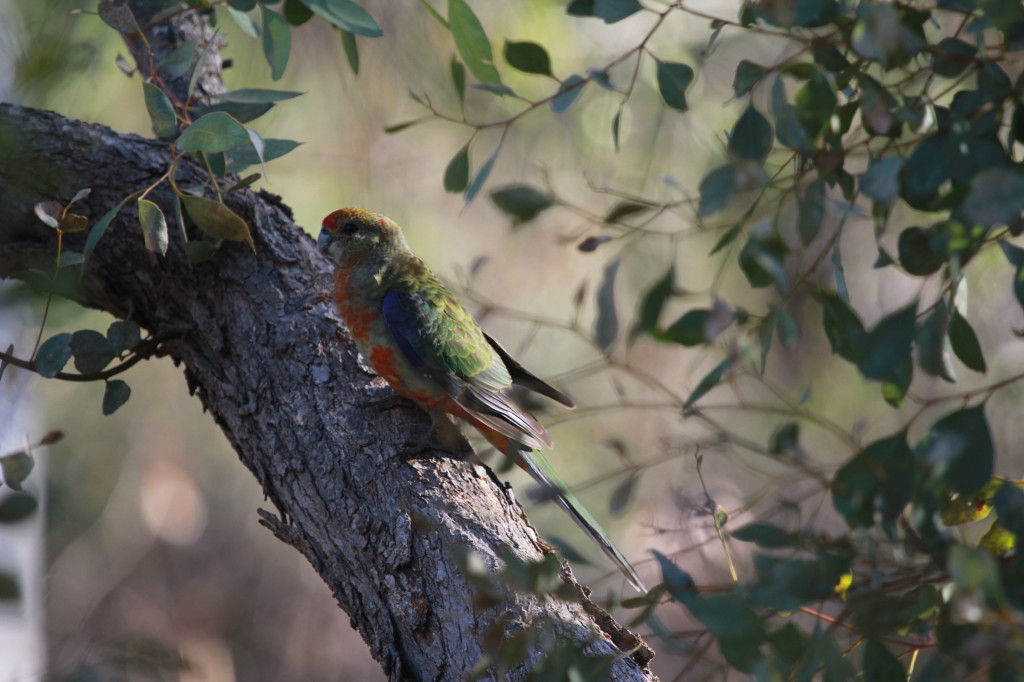
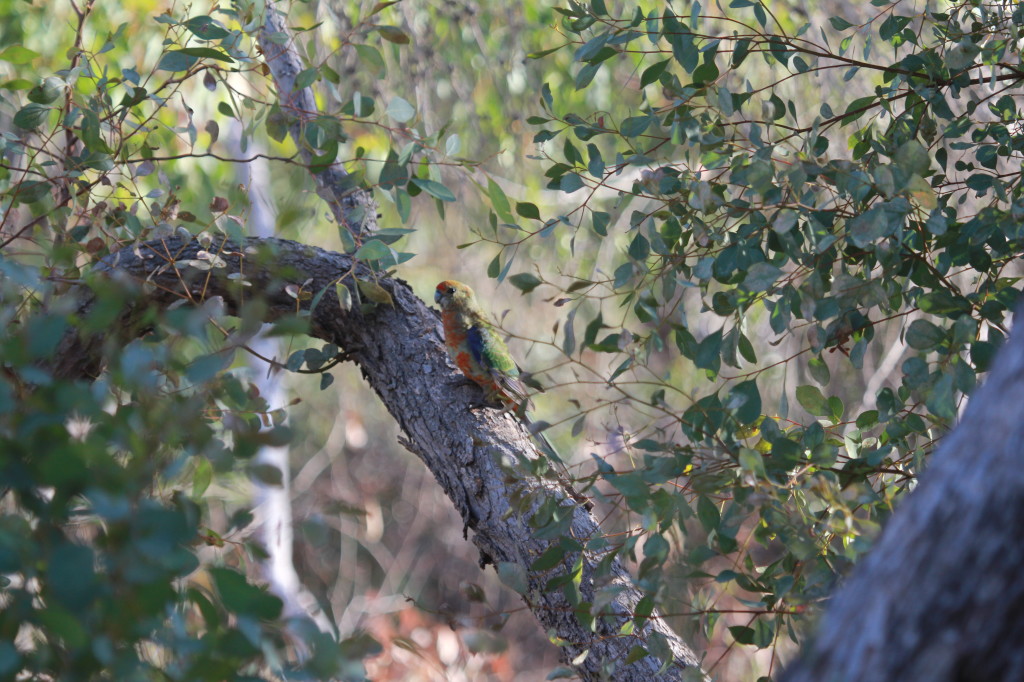
Regent Parrot
IMG_4975
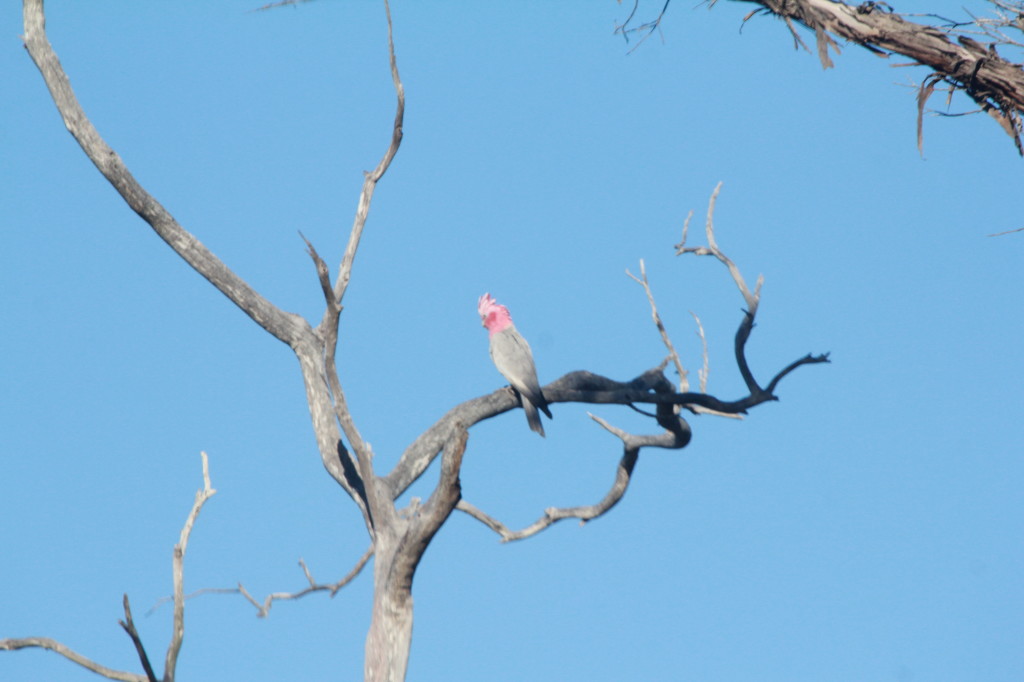
Galah
IMG_5016
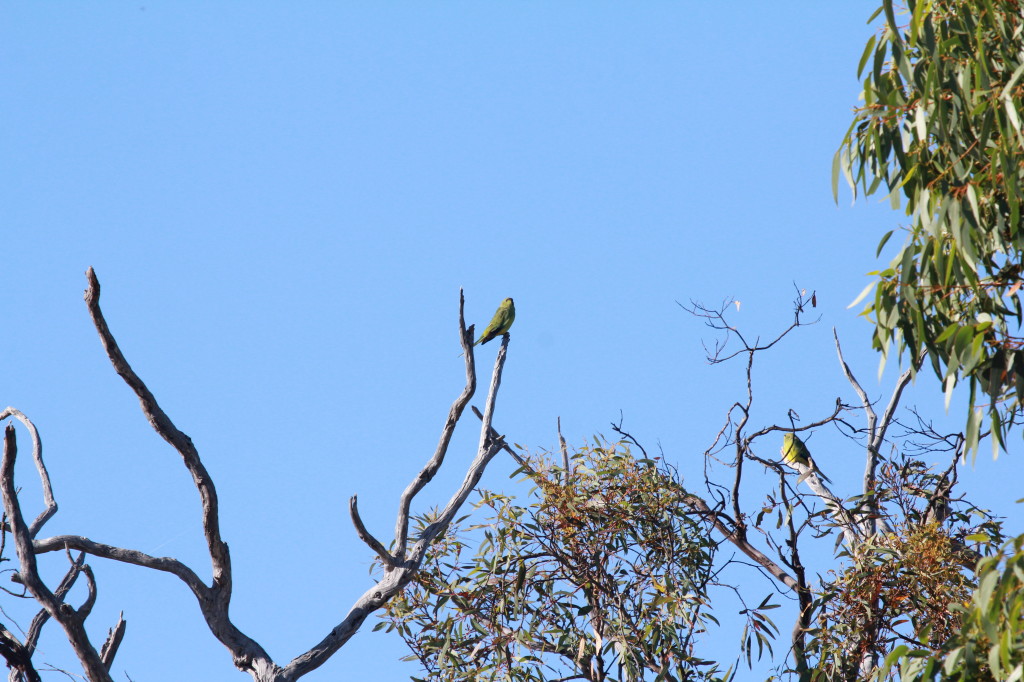
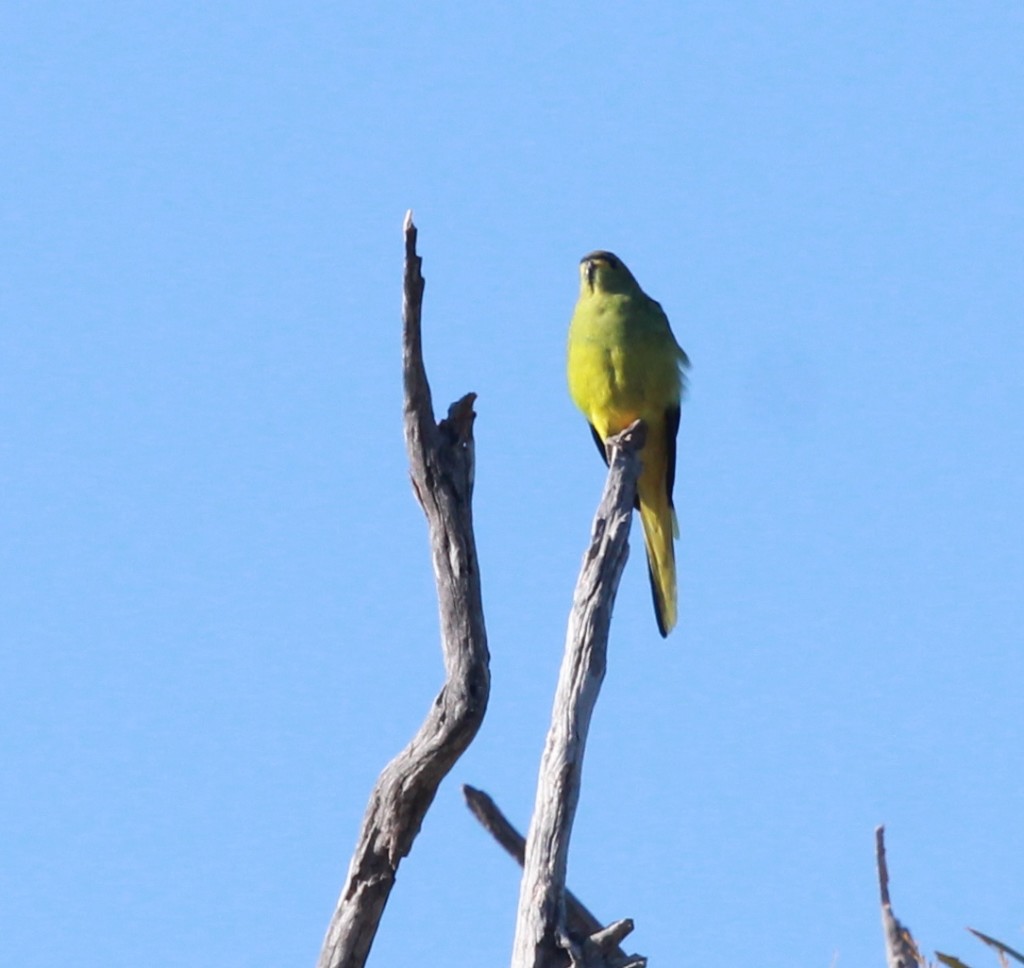
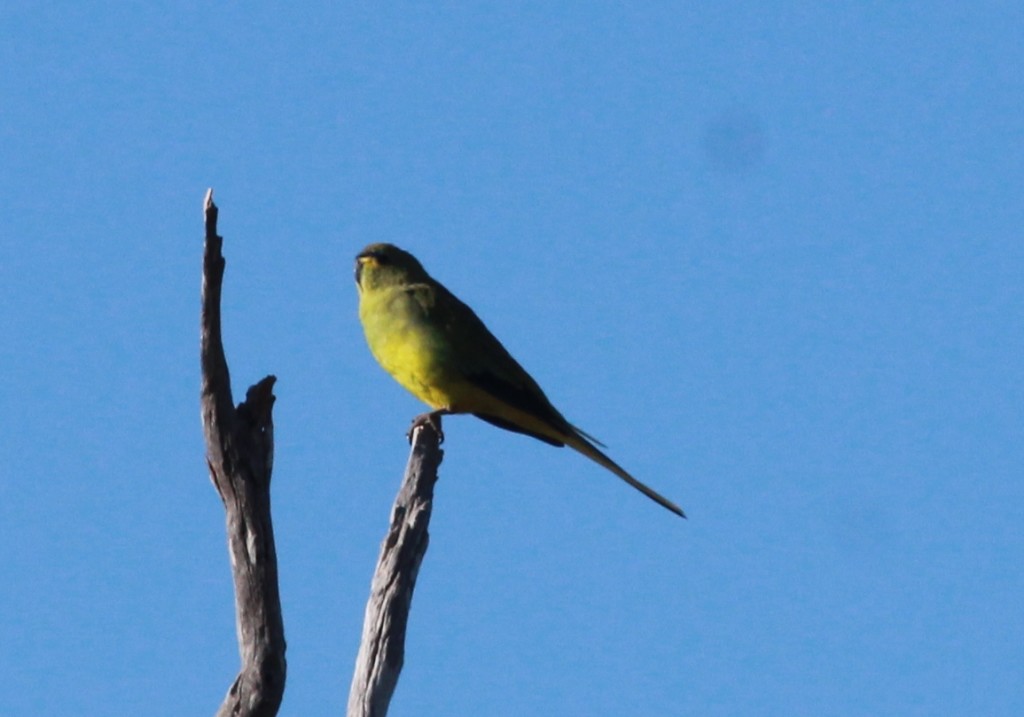
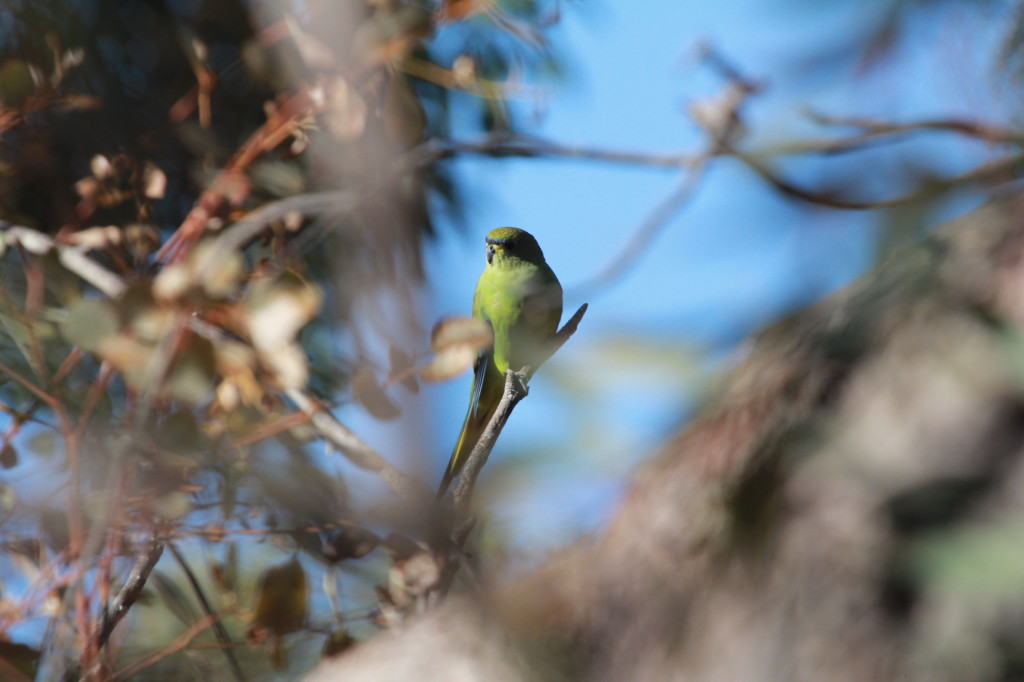
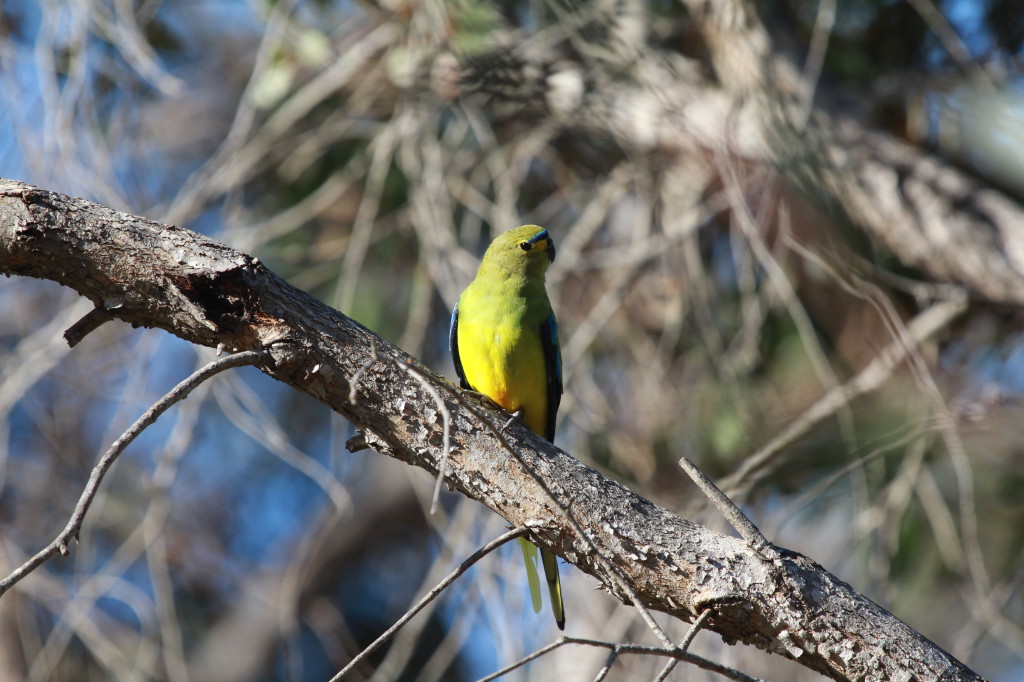
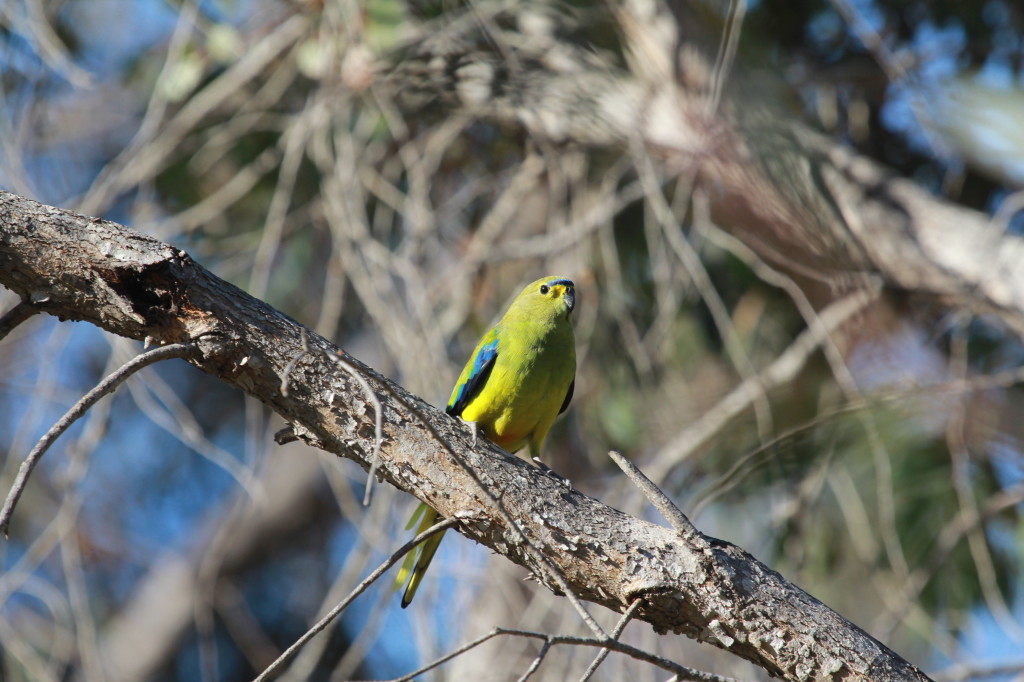
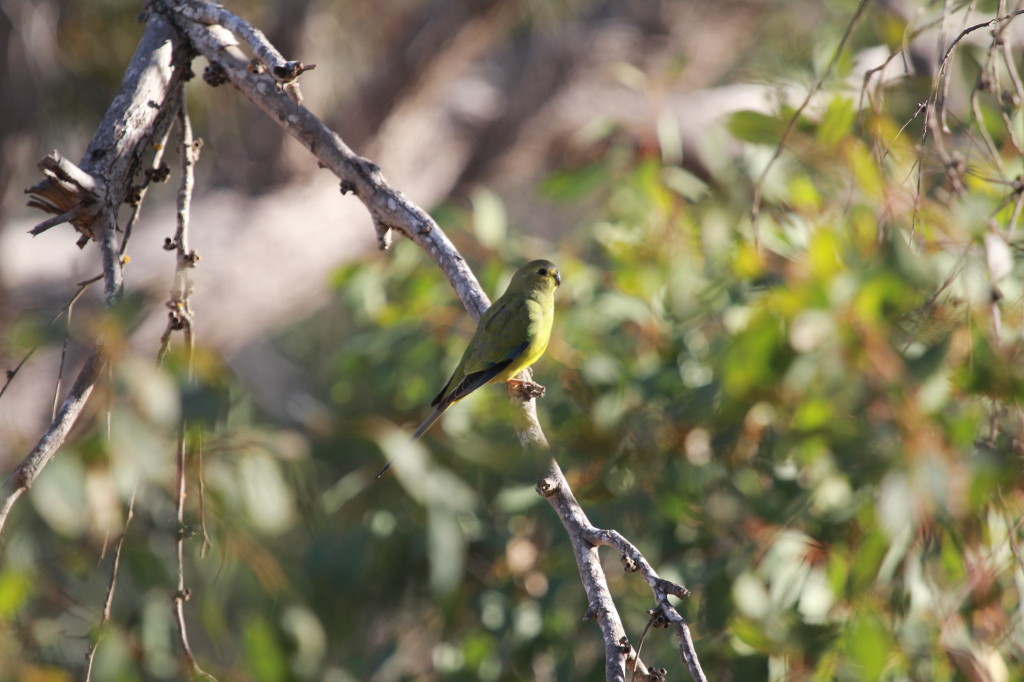
Elegant ParrotIMG_5021 IMG_5024a IMG_5027a IMG_5037
Dusky Wood Swallows (I think)IMG_5044
Owlet NightjarIMG_5047 IMG_5051a
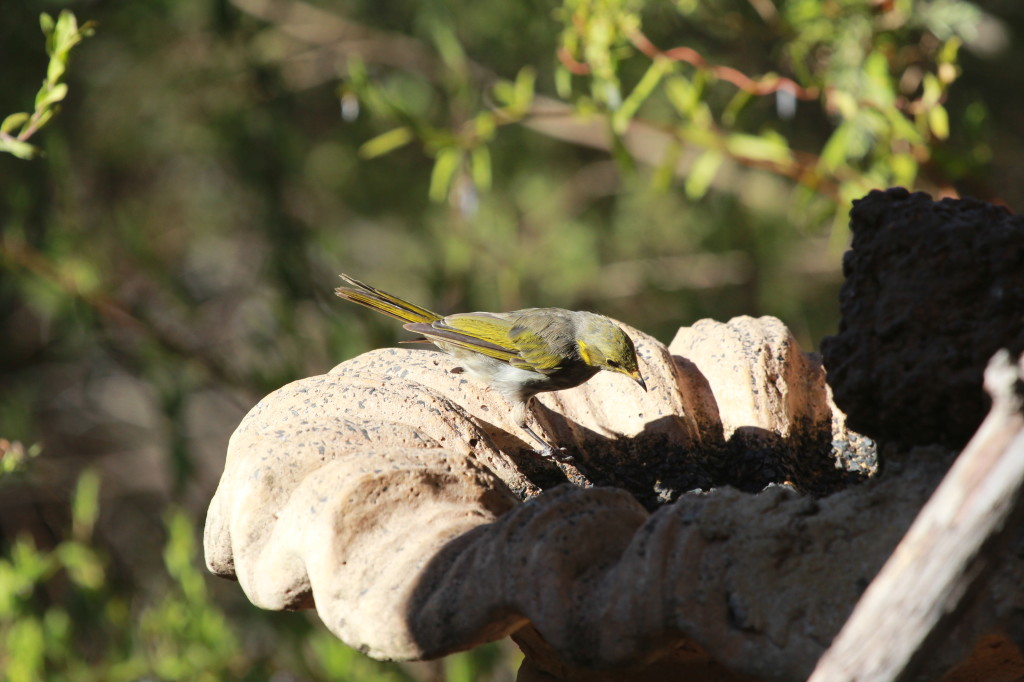
Honey-eaterIMG_5066
Elegant ParrotIMG_5069 IMG_5072
Singing Honey-eaterIMG_5074
Elegant ParrotIMG_5077 IMG_5078
Splendid Fairy-wrenIMG_5081 IMG_5084 IMG_5086
Elegant ParrotIMG_5100 IMG_5104 IMG_5105
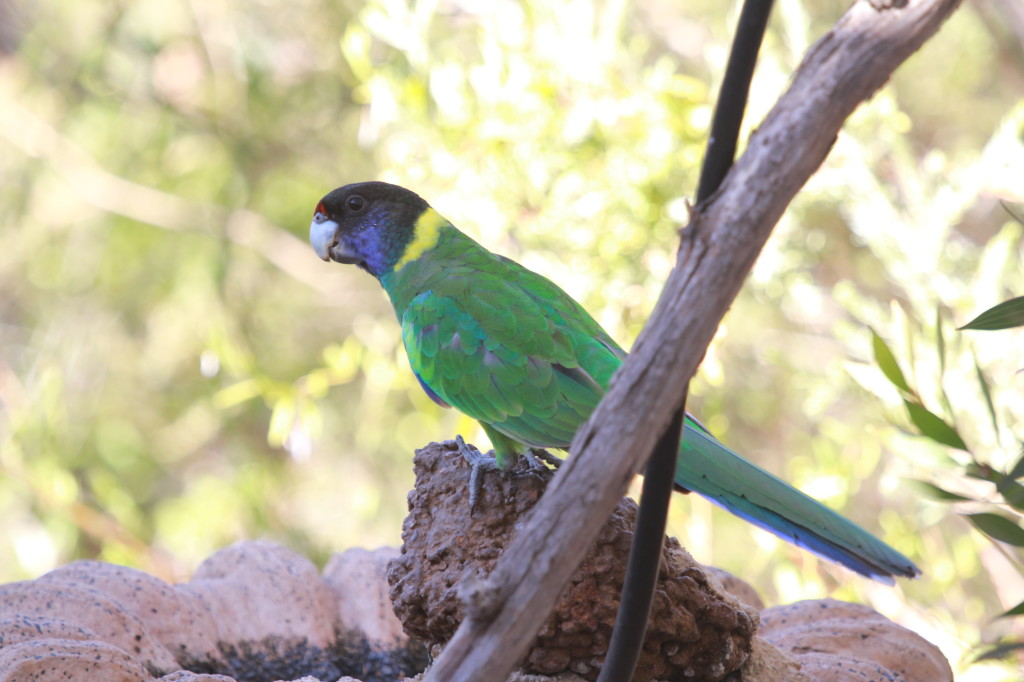
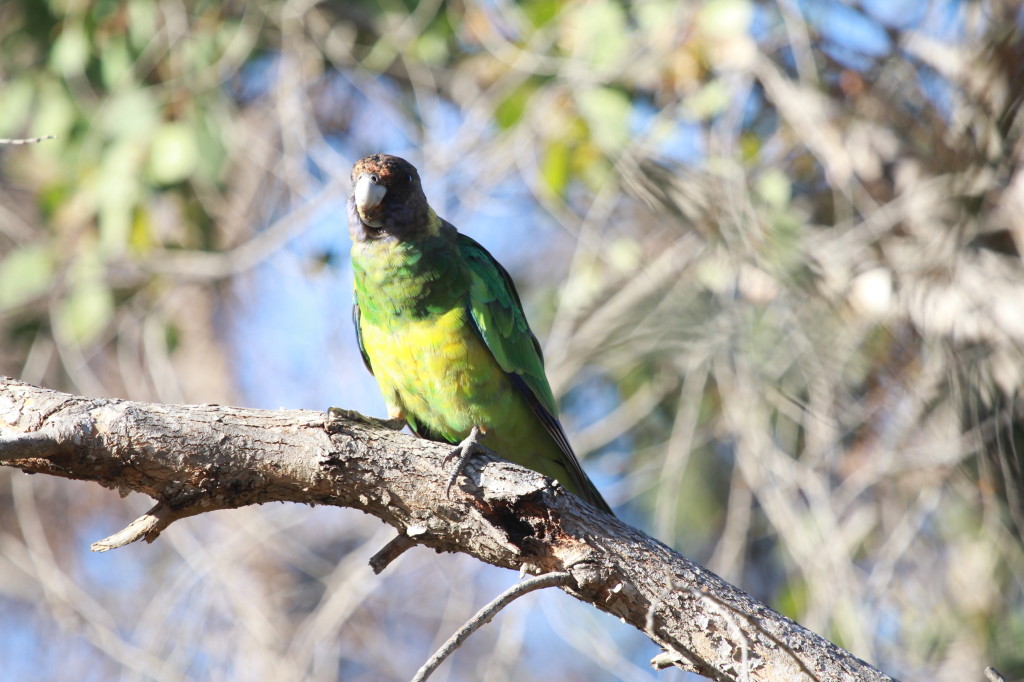
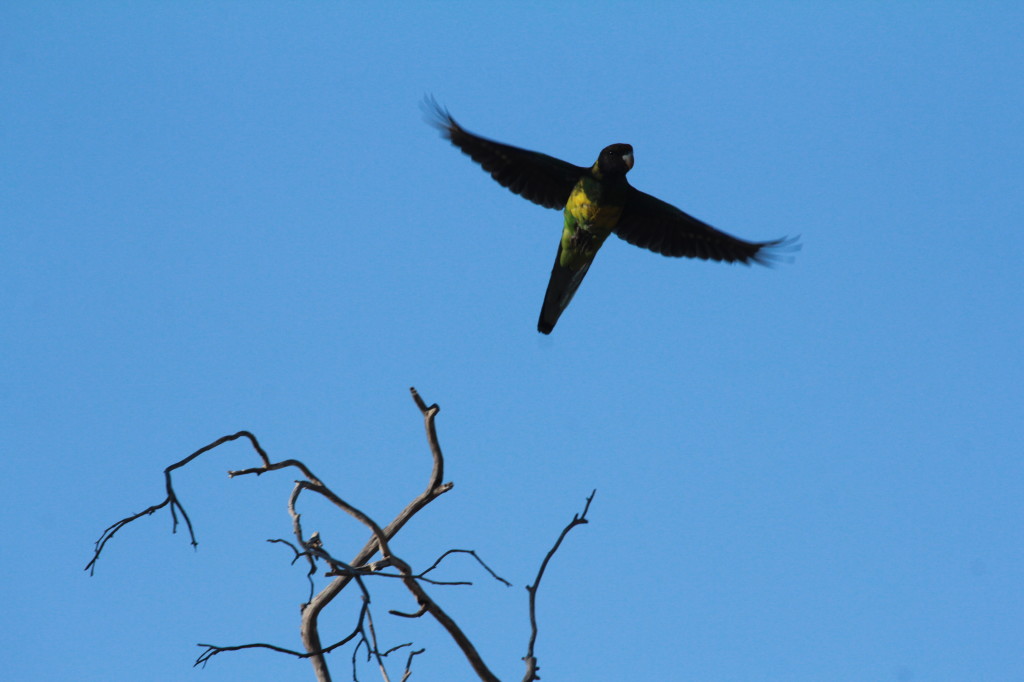
Australian RingneckIMG_5113 IMG_5118 IMG_5126 IMG_5135
Regent ParrotsIMG_5157a IMG_5170 IMG_5173 IMG_5178a IMG_5184 IMG_5206 IMG_5213 IMG_5229
Western RosellaIMG_5261 IMG_5263 IMG_5265
Elegant ParrotIMG_5268
?IMG_5269
Elegant ParrotIMG_5270
?
IMG_5277
Elegant ParrotIMG_5280
Australian Owlet NightjarIMG_5285


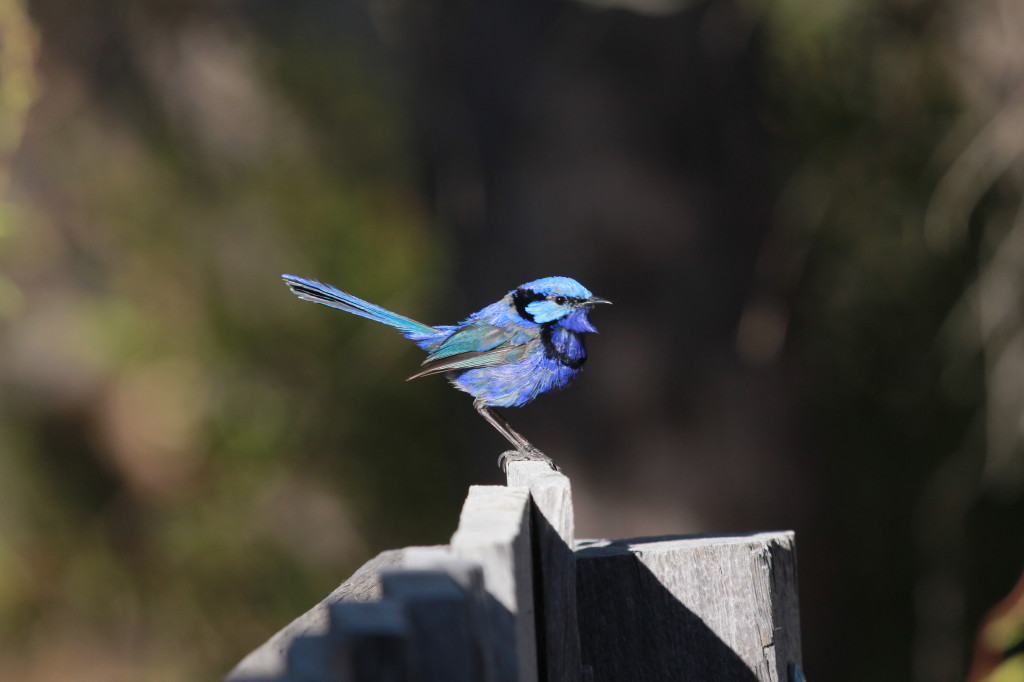
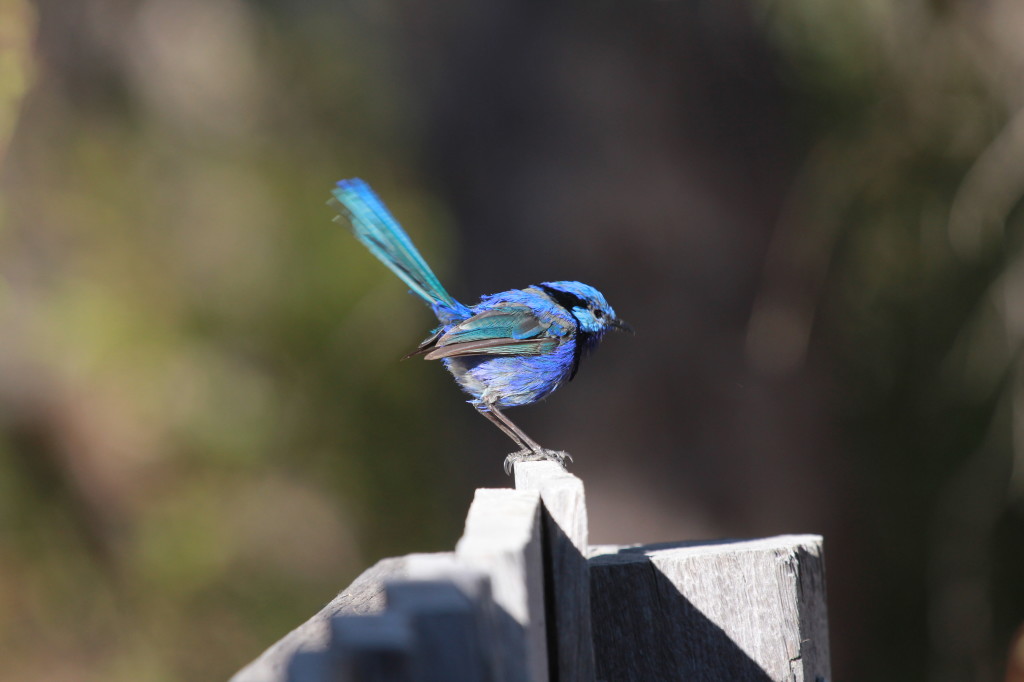
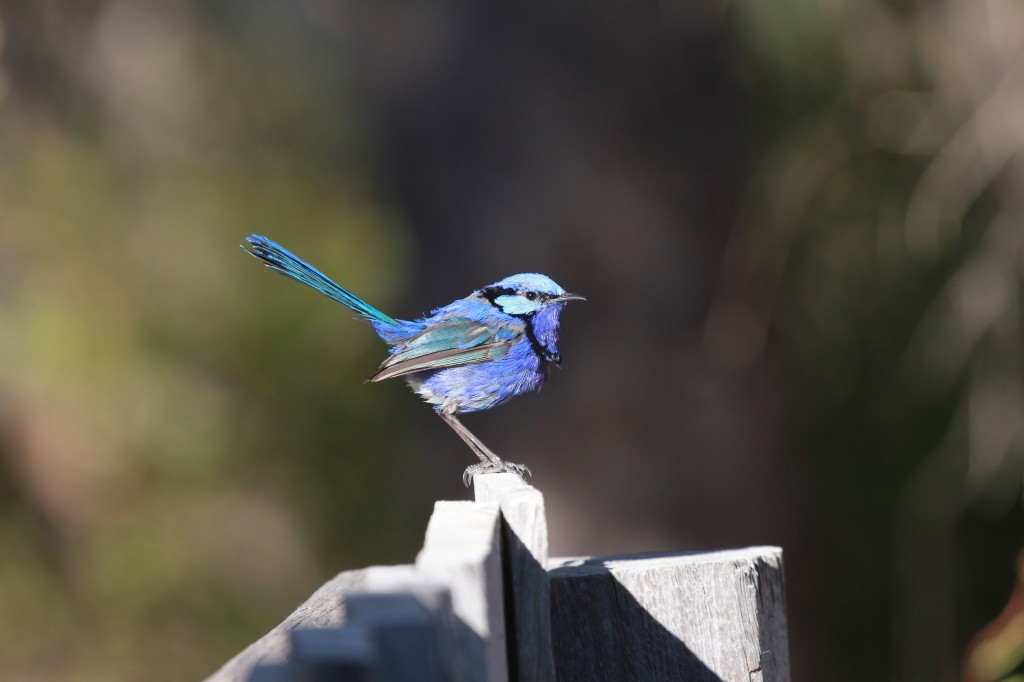
Splendid Fairywren (Malurus splendens)

The Splendid Fairywren is one of 12 species of the genus Malurus, commonly known as fairywrens, found in Australia and lowland New Guinea.  Within the genus it is most closely related to the Superb Fairywren. These two “Blue wrens” are closely related to the Purple-crowned Fairywren of north-western Australia.

I was very lucky to see these gorgeous little birds in several locations such as Stirling Range Retreat, Nallan Station, Yanchep National Park & Bowra Station.  Their bright blue colouring and charming way of hopping around had me falling in love with them!

IMG_5081 IMG_5084 IMG_5086Splendid Fairy-wrens have a large range so it would be easy to plan a birding adventure which visits one of their habitats.

.

LEARN MORE ABOUT SPLENDID FAIRY-WRENS

Wikipedia

Birdlife

Birds in Backyards

VIDEO

This footage shows the contrast between the males and females (the brown birds with blue tails) and you can hear the twitter sound they make!


Rainbow Bee-eater (Merops ornatus)

The Rainbow Bee-eater (Merops ornatus) is a near passerine bird in the bee-eater family Meropidae. It is the only species of Meropidae found in Australia.  They are brilliantly colored birds that grow to be 19–24 cm (max 28 cm) in length, including the elongated tail feathers.
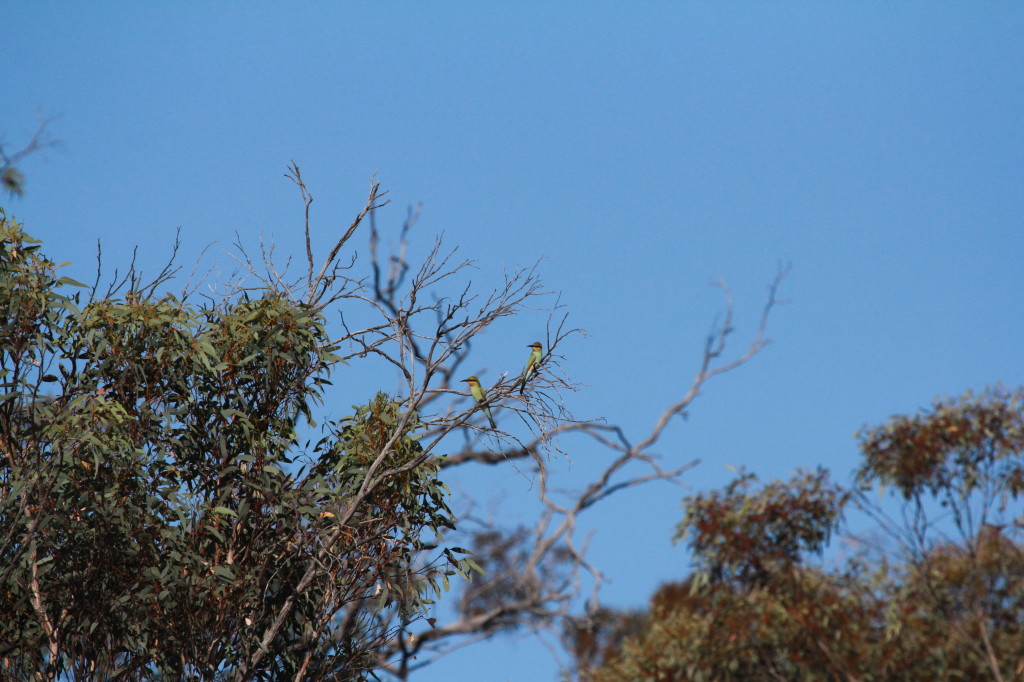
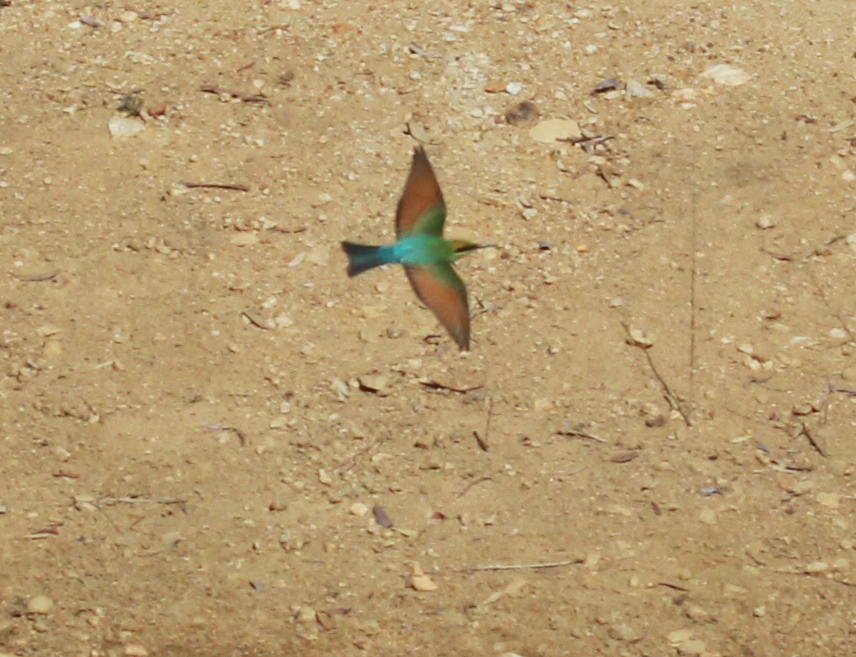
IMG_4441 IMG_4445a Close up from Wikipedia.

.

Rainbow bee-eaters are a common species and can be found during the summer in forested areas in most of southern Australia excluding Tasmania. They migrate north during the winter into northern Australia, New Guinea, and some of the southern islands of Indonesia.  They may be found in open woodlands, beaches, dunes, cliffs, mangroves, woodlands and they often visits parks and private gardens.  The first two photos above were taken at the watering hole near the Dryandra Village.  They were quite entertaining as they whizzed down for a drink at the speed of light!  Dryandra Woodlands is an easy 2 hour drive from Perth.

.
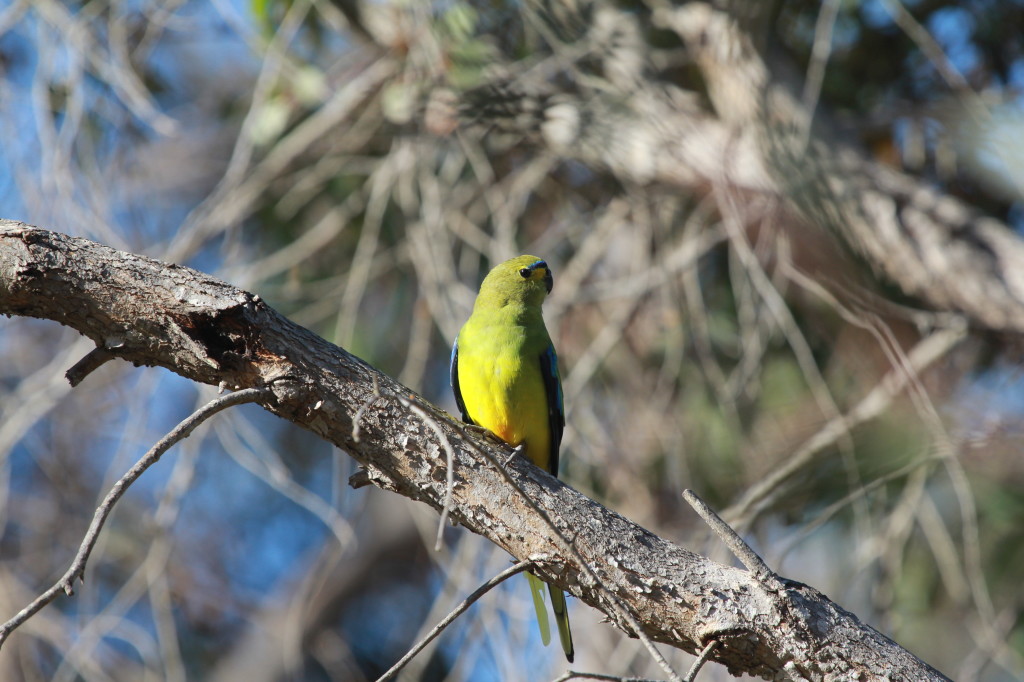
Known to the Noongar as “birranga”, the bee-eater’s beauty and character set it apart from other birds and it is the traditional totem of an important family group in the eastern Wheatbelt..

An Aboriginal Dreaming story tells how birds came into being when a rainbow shattered and its colourful shards fell to earth, and the basis for such a tale can be appreciated in the rainbow bee-eater’s startling yet muted oranges, gauzy greens, powder-puff blues and soft yellows.


LEARN MORE ABOUT THIS BIRD

Wikipedia

Birdlife

Australian Wildlife Conservancy

VIDEOS

Nice close up footage eating an insect

Feeding chicks in a nest