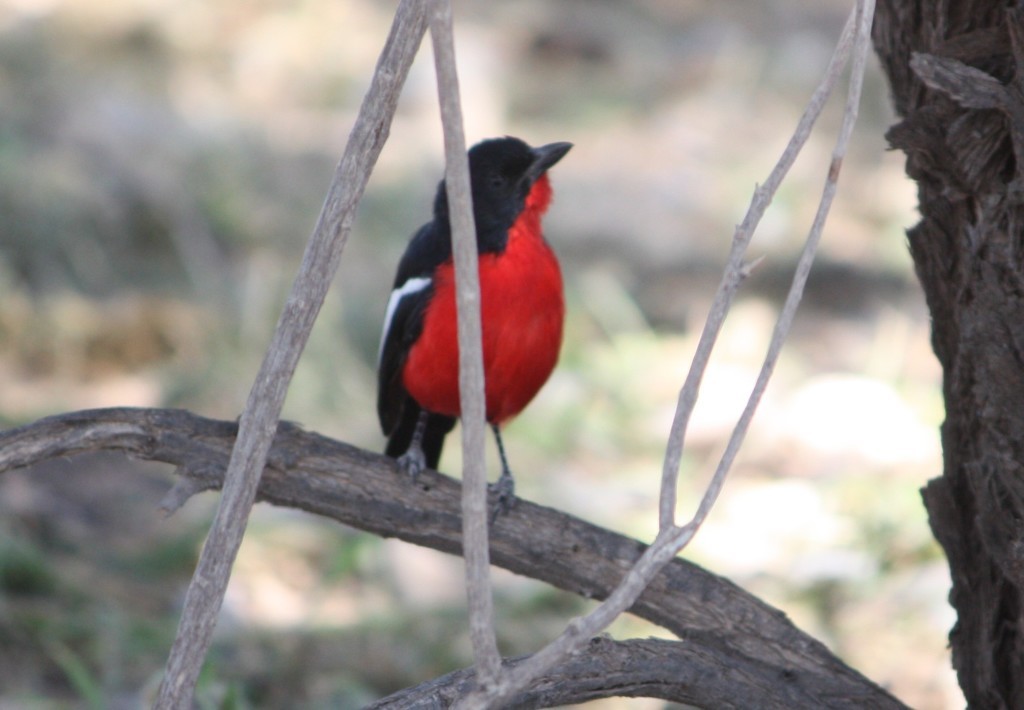
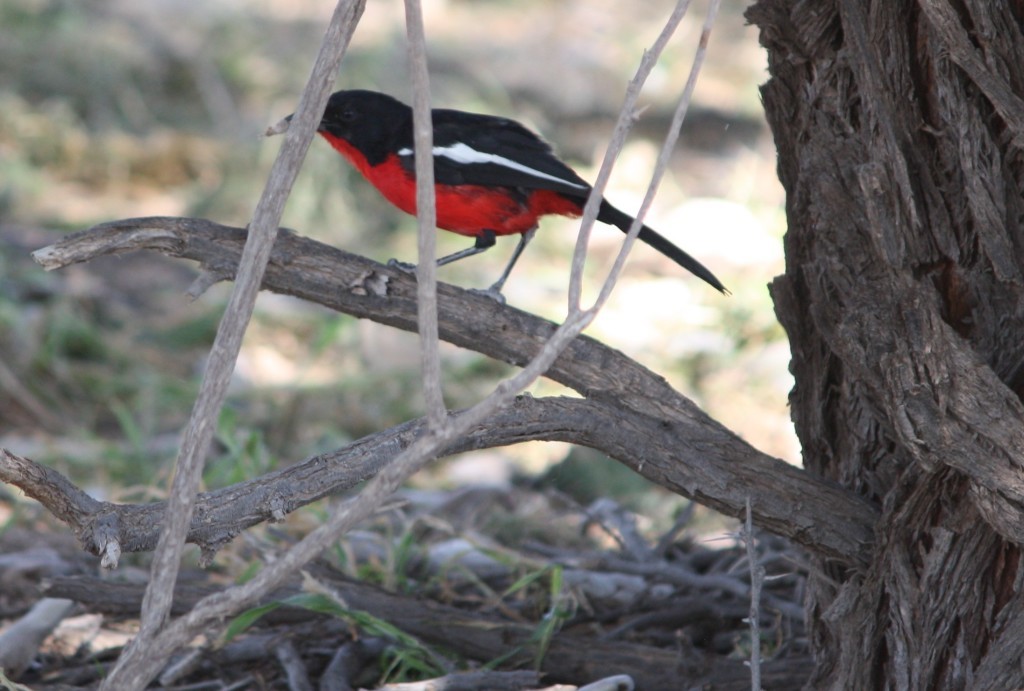
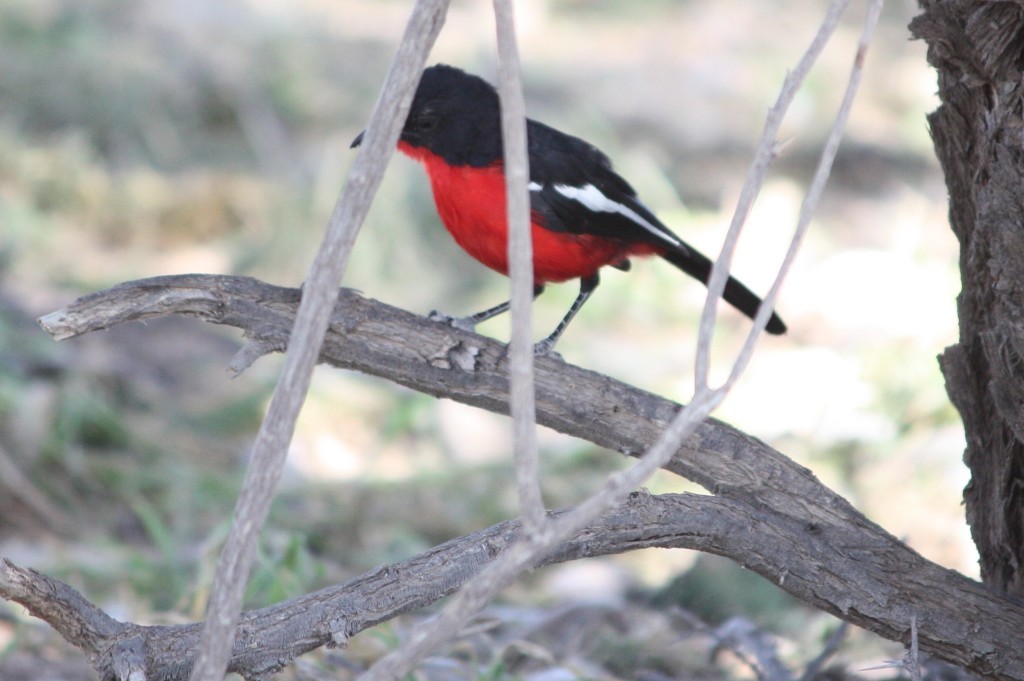
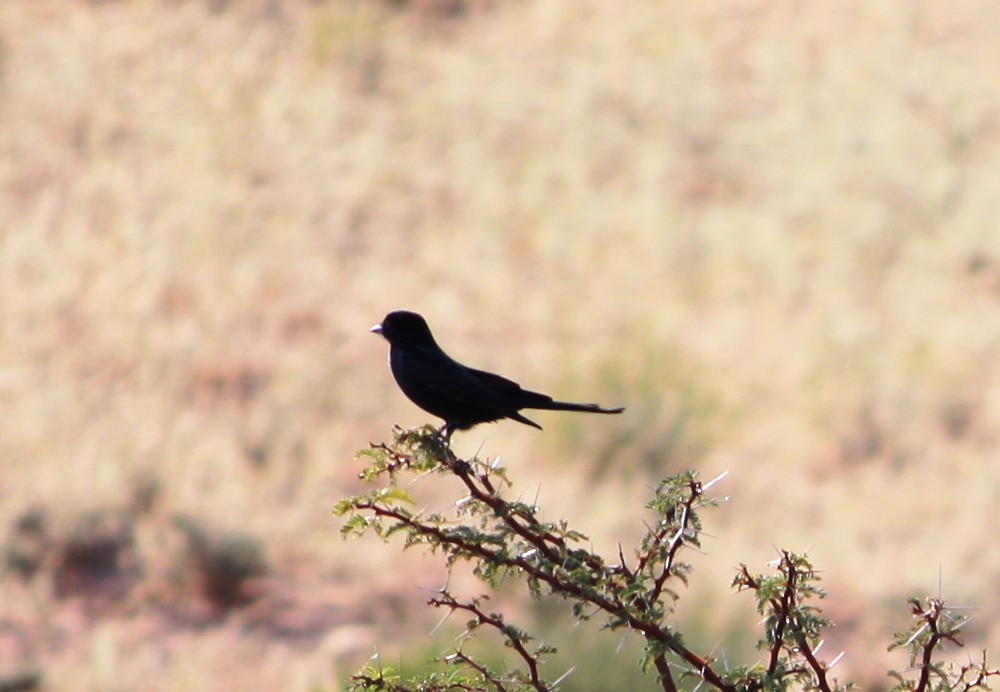
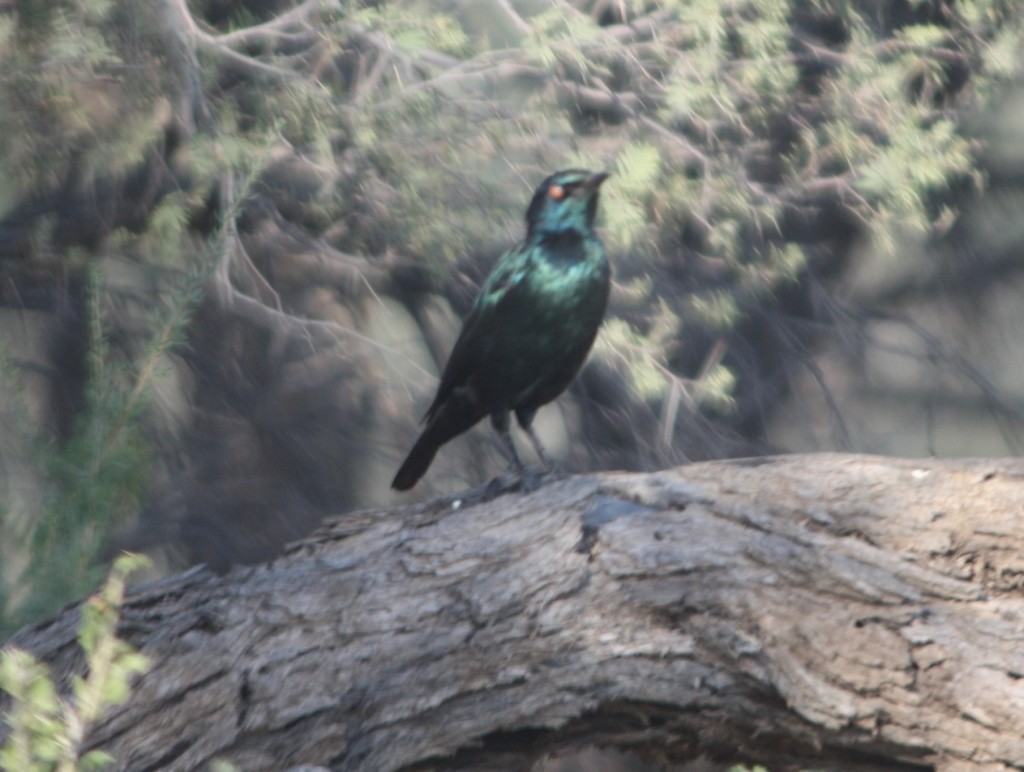
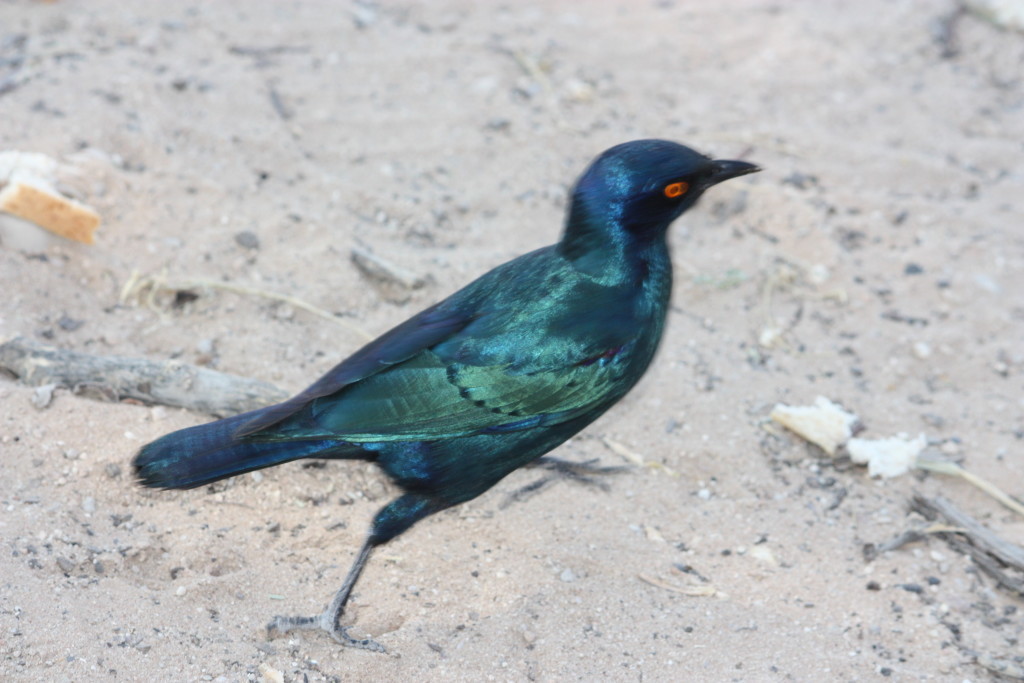
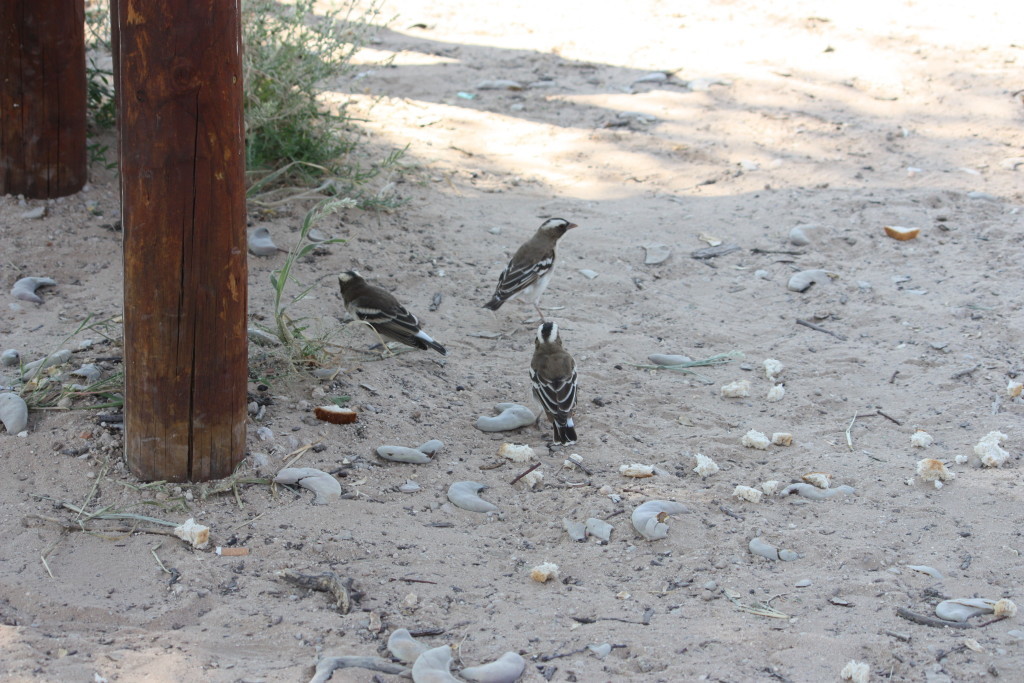
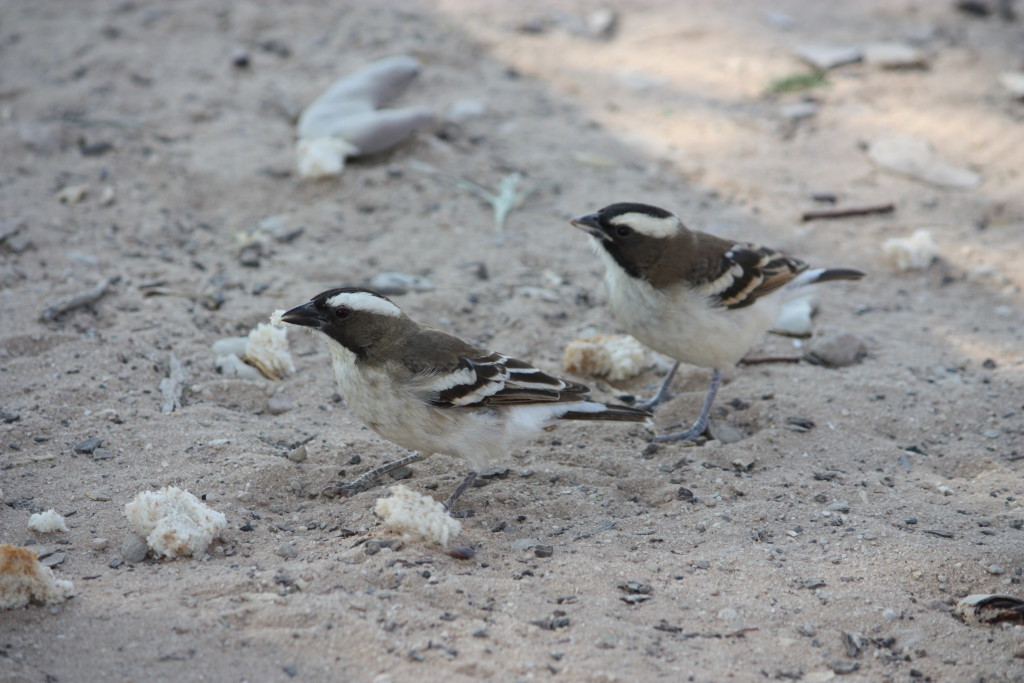
Crimson-breasted Shrike (Laniarius atrococcineus)

The Crimson-breasted Shrike (Laniarius atrococcineus) or the Crimson-breasted Gonolek, (‘gonolek’ – supposedly imitative of its call), is a southern African bird. The species is closely related to two other bushshrikes, the yellow-crowned gonolek (Laniarius barbarus) and the black-headed gonolek (Laniarius erythrogaster) of East Africa.

IMG_0942 IMG_0940 IMG_0941

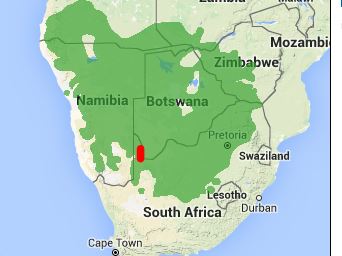
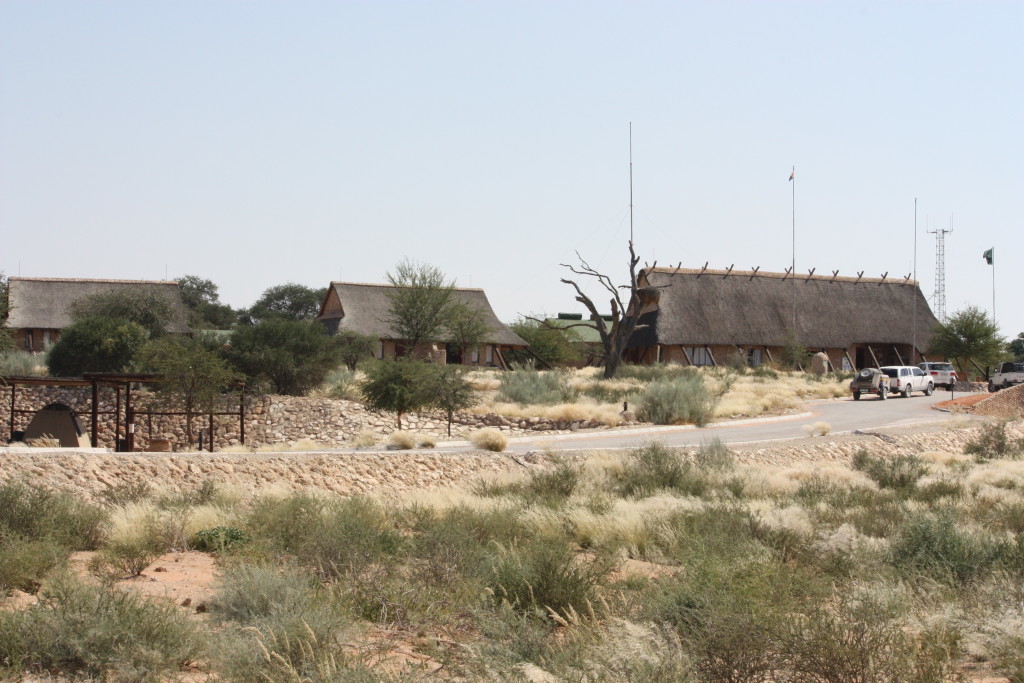
The Crimson-breasted Shrike occurs in a broad swathe from southern Angola to the Free State province in South Africa. Its preferred habitat is drier thornbush areas, in thickets and riparian scrub. It makes small seasonal migrations, preferring lower altitudes during cold periods.  The brilliant flash of crimson gave this little guy away in Kgalagadi Transfrontier Park.

crim breast shrike

LEARN MORE ABOUT CRIMSON-BREASTED SHRIKES

Wikipedia

Birdlife

Biodiversity Explorer

VIDEOS

This guy really wants to eat that grasshopper!

An even braver bird takes on a scorpion!


Doing Surveys Can Get You A Free (Or Discounted) Stay In Kakadu

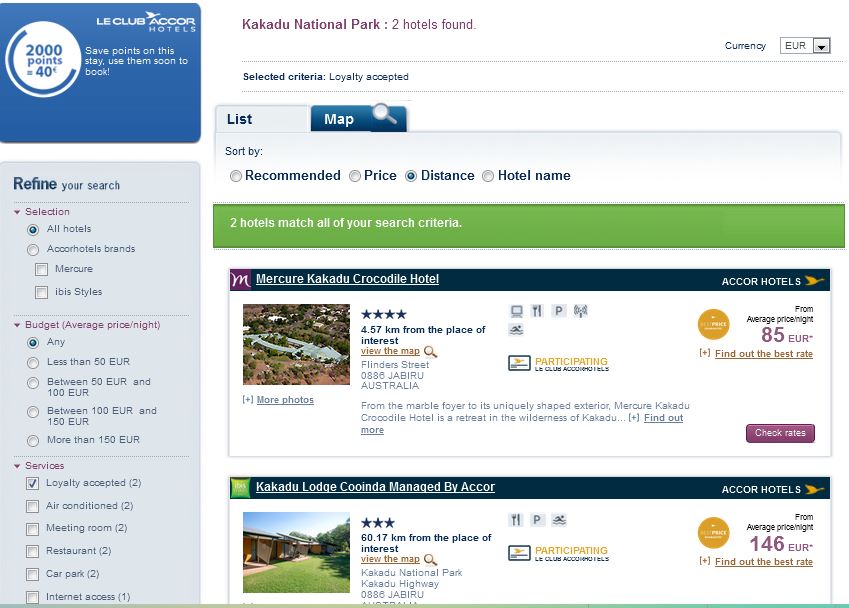
The Accor chain has 2 hotels in Kakadu National Park in Australia’s Northern Territory.

Kakadu Lodge Cooinda

Mercure Kakadu Crocodile Hotel

Here’s a quote for a date chosen at random for both properties.

Accor Kakadu

Le Club Accor has two survey partners where you earn points that can be transferred to Le Club and redeemed on these and most of Accor’s properties worldwide.

E-REWARDS

Accor Erewards2

Opinion points are used in all countries except the USA, where $ are used.Accor Erewards

CLUB OPINIONS

They pay per survey and the points usually credit within 48 hours.  These are useful to top off your account to get to a 2000 point level needed to redeem EUR 40.

Accor Opinions

The best way to maximize this is to have each person do surveys on their own account and book nights from each account.  For example if I can get 4000 Le Club points and my husband gets 2000 points, I will book one night and get am EUR 80 discount, he will book the 2nd night and get EUR 40 off.

With E-Rewards, you also get a wide variety of airline transfer partners so you can keep doing surveys after your Kakadu trip and take your choice of transfer partners!


Kgalagadi Transfrontier Park – Night Safari Experience Pictorial

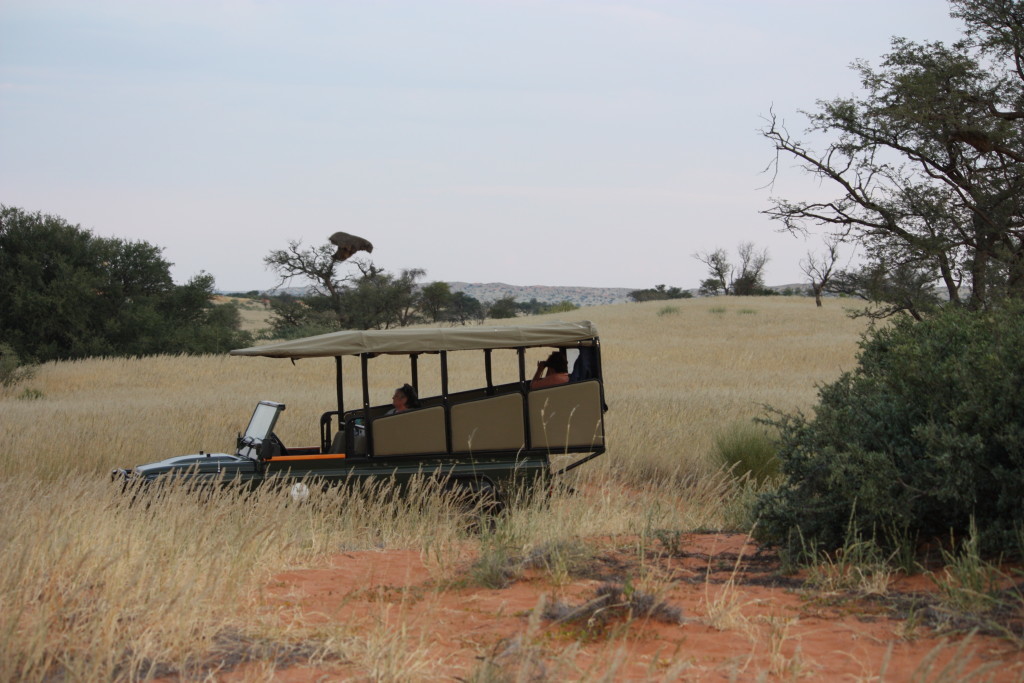
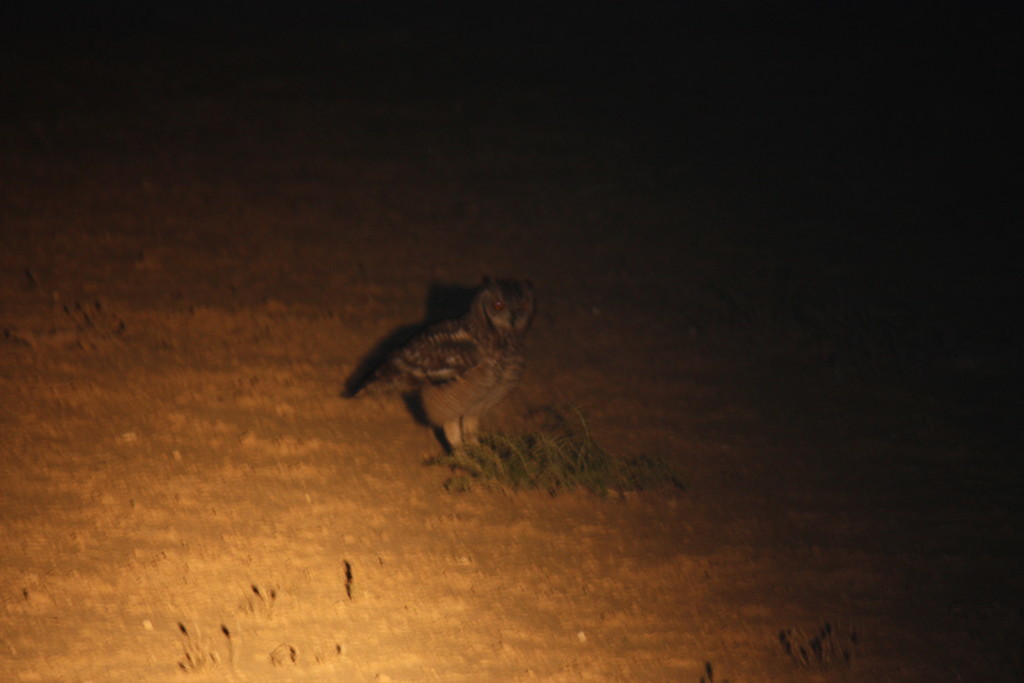
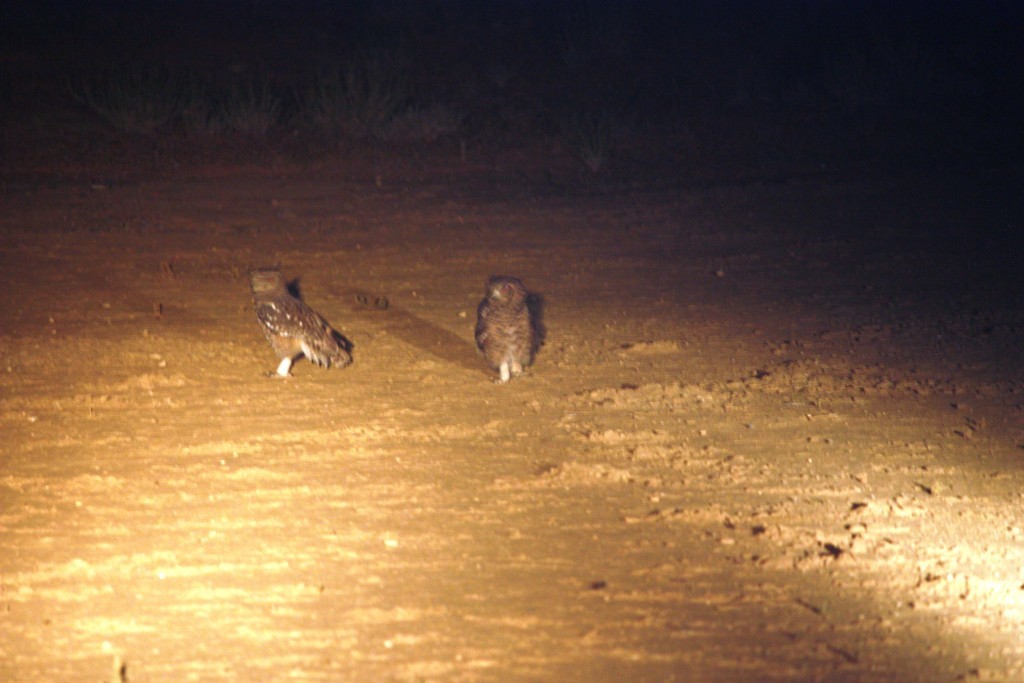
A night safari in any South African game park is a magical experience and should not be missed.  Most of the Sanparks rest camps will have them so be sure you book one as soon as you arrive at reception.  You are not allowed in the park in your own vehicle after sunset, the gates will close at 6pm-ish and you could be fined if you are late.

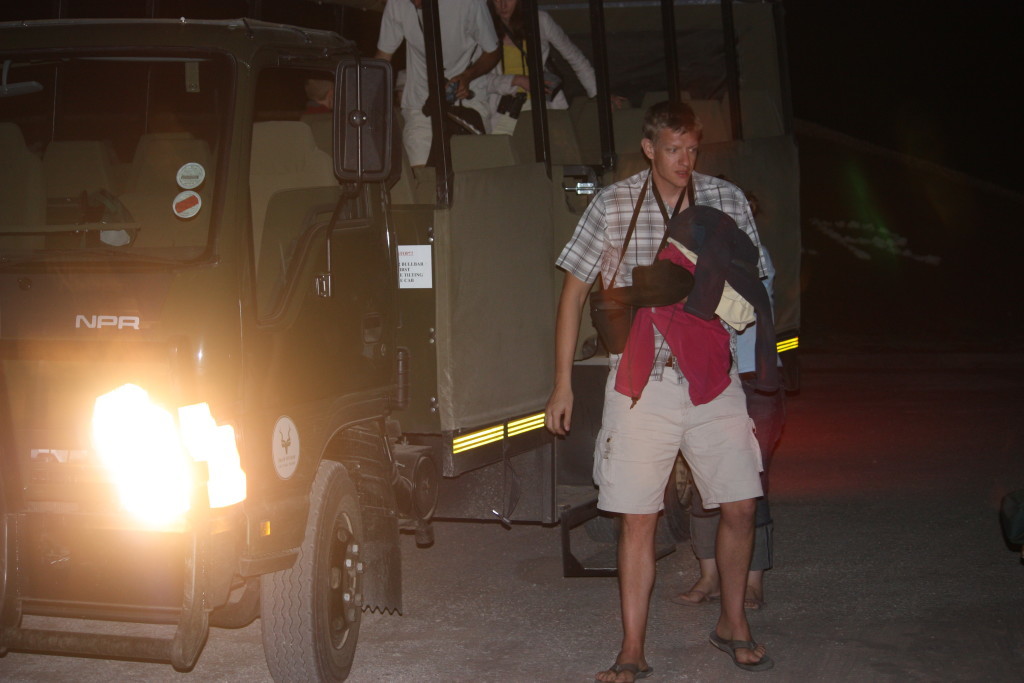
The safari vehicles are large and comfortable and your guide will be a ranger who is very familiar with the park and knows what all the animals and birds are.

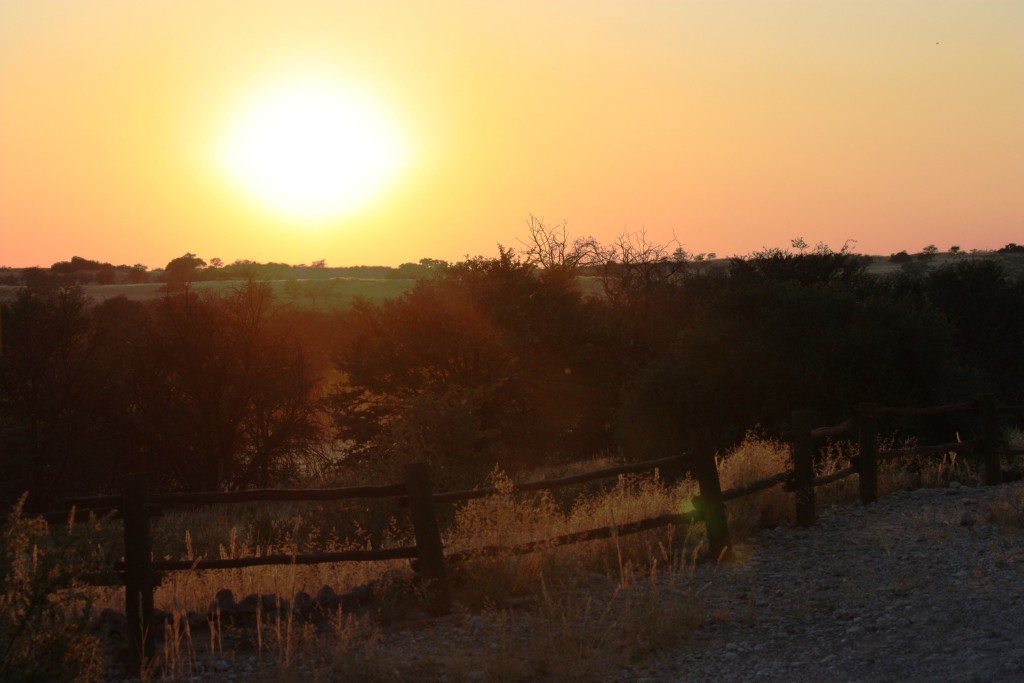
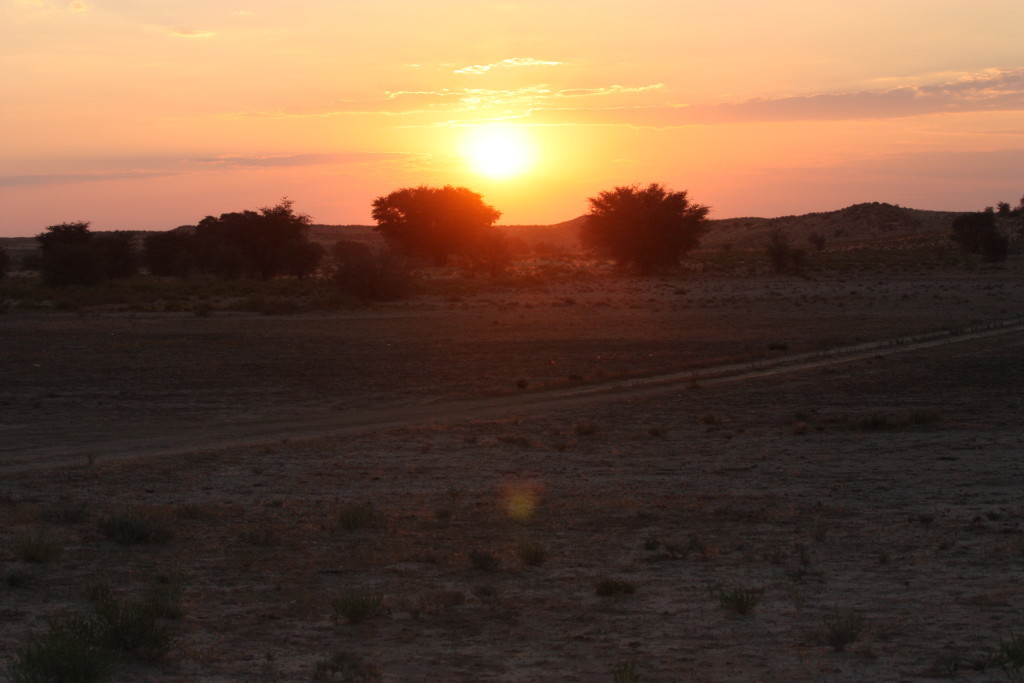
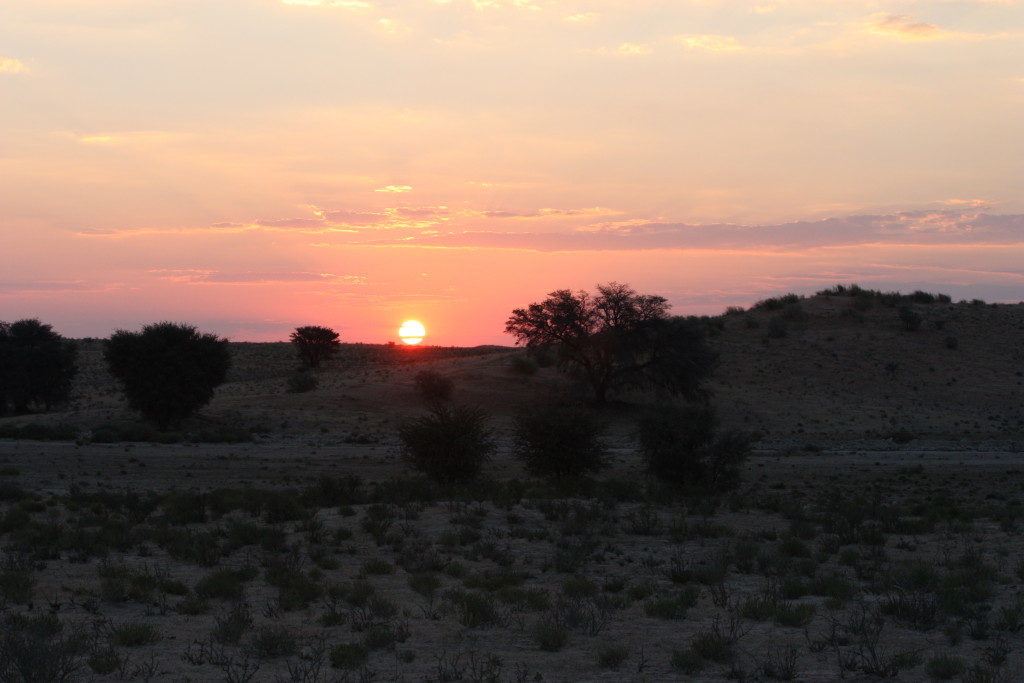
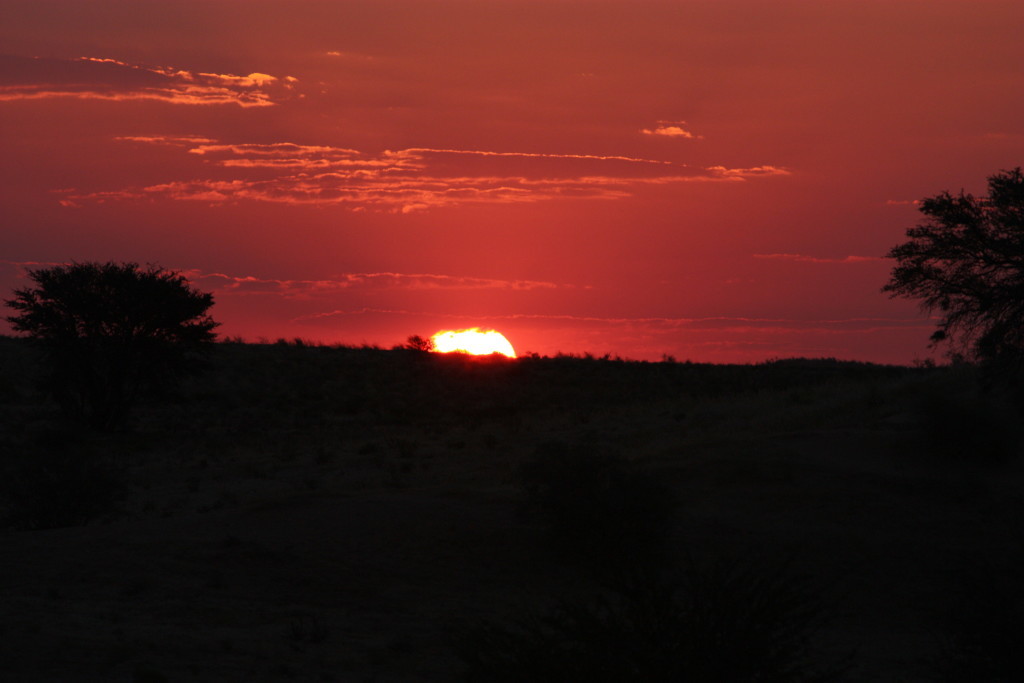
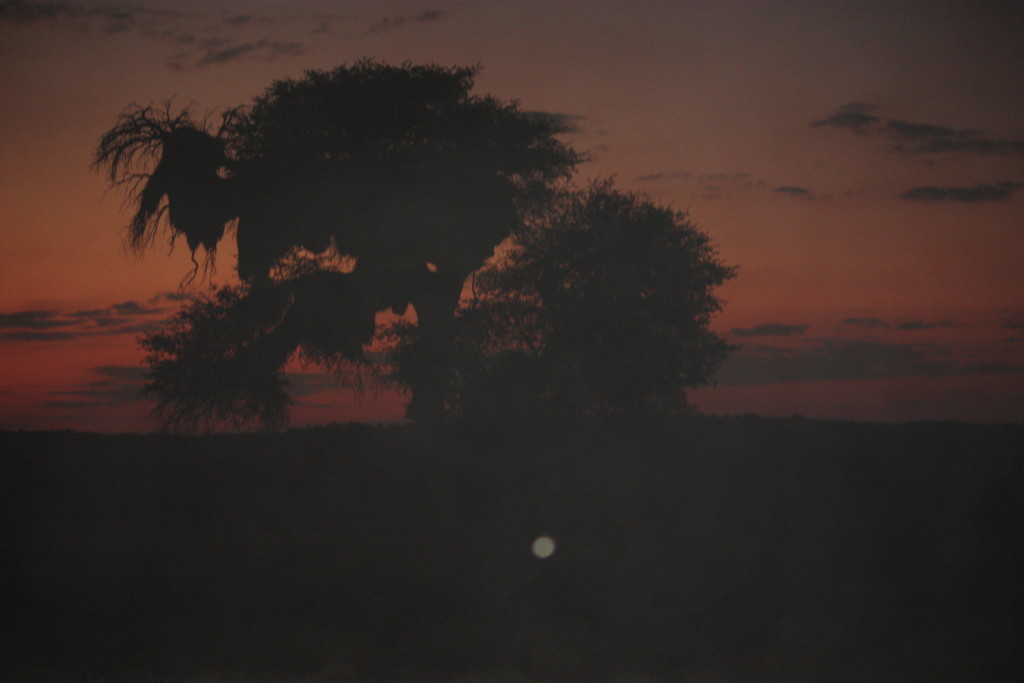
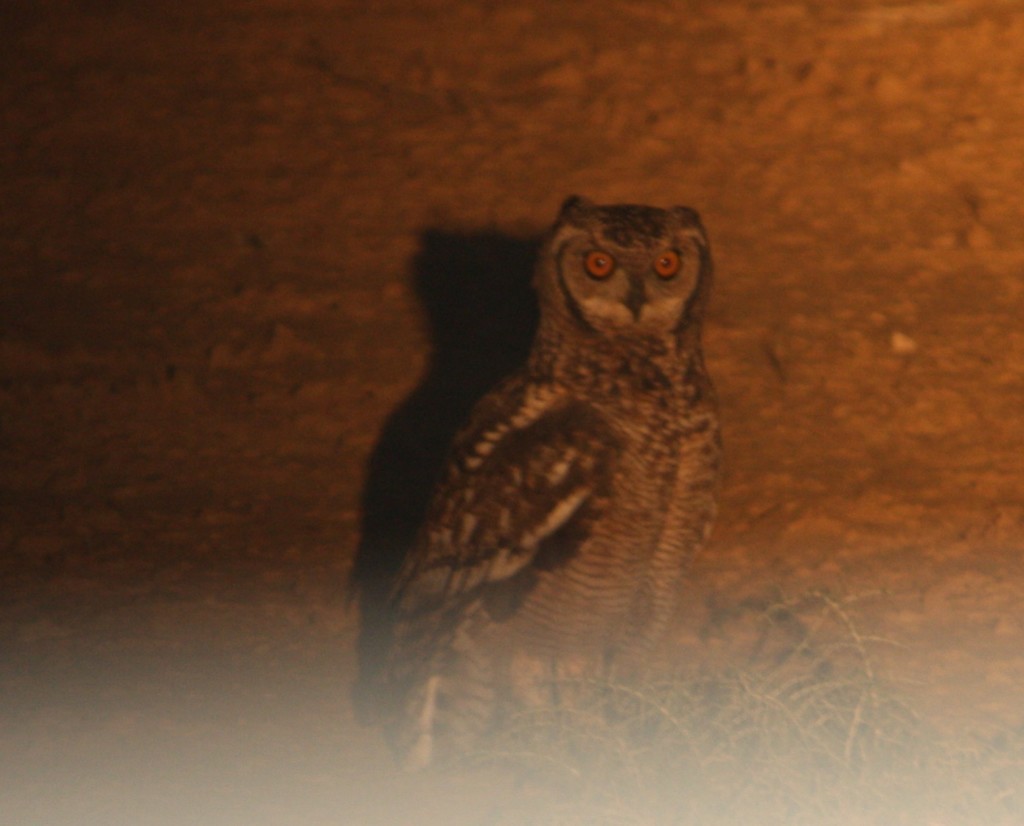
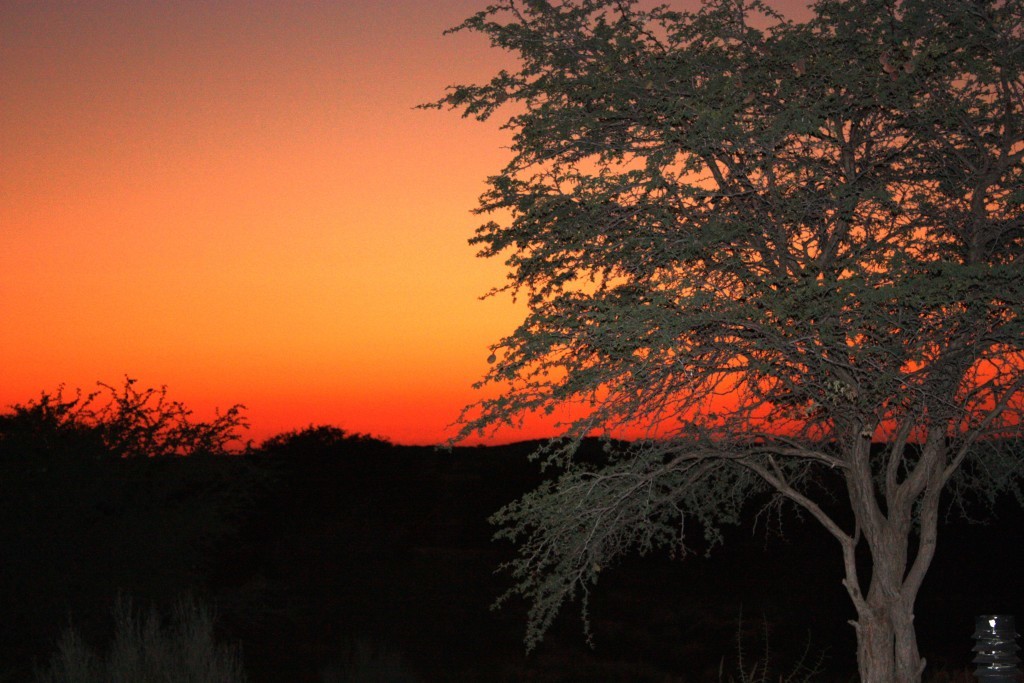
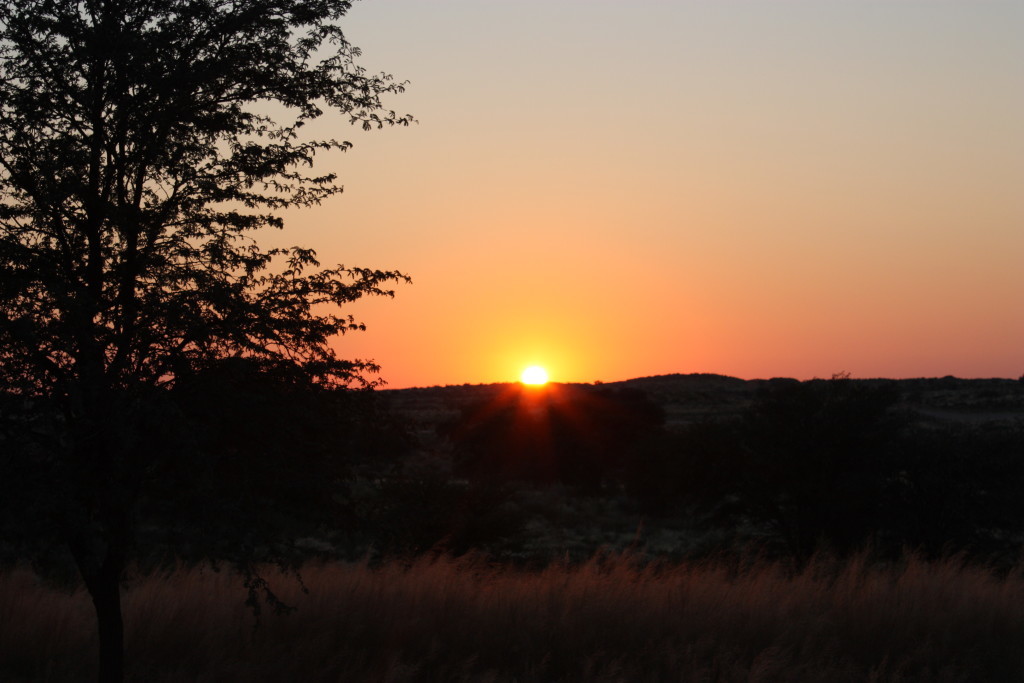
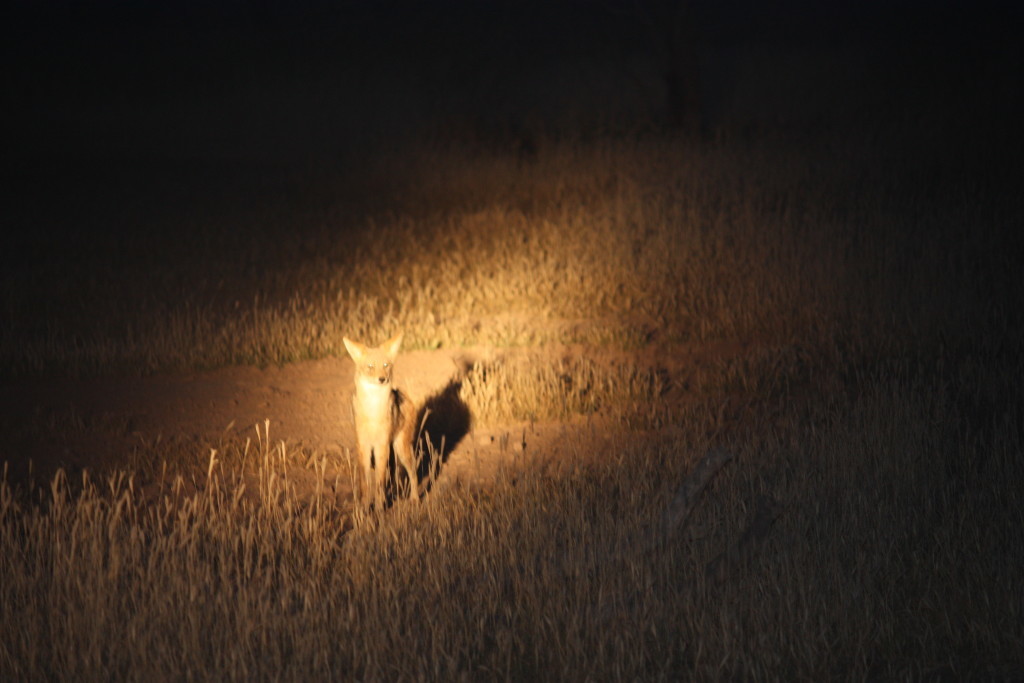
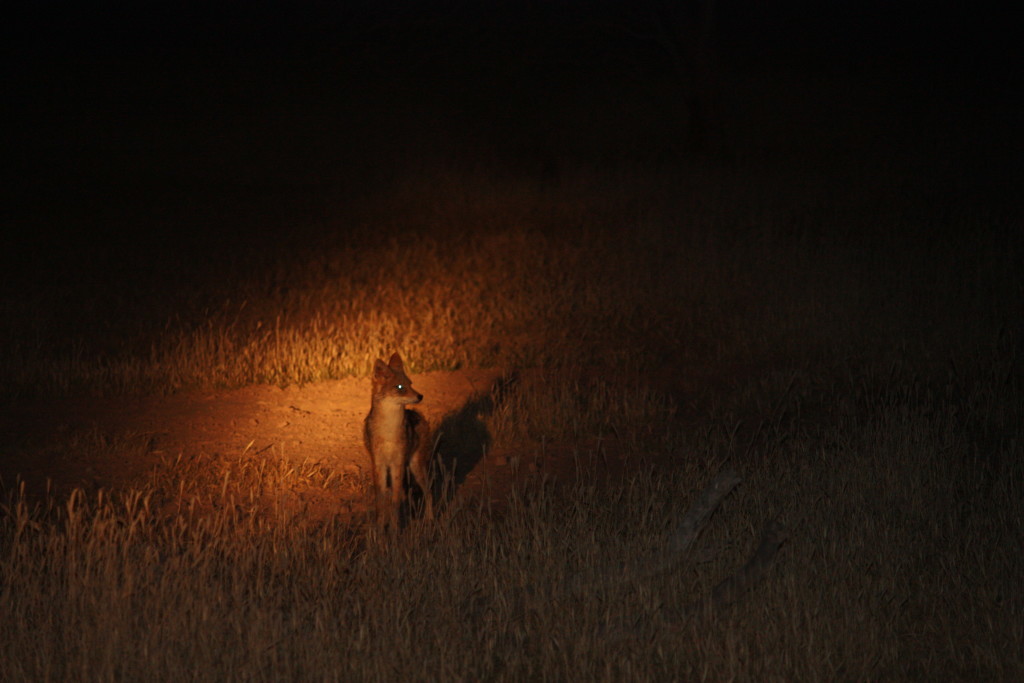
Here’s a few pics from our night safari at Mata-Mata Rest Camp.  The sunsets are unreal!  Sorry I didn’t get more but it’s hard to focus in the dark although they will shine torches on any animal found.

IMG_0897 IMG_0910 IMG_0957 IMG_0963 IMG_0965 IMG_0966 IMG_0974 IMG_0976 IMG_0982 IMG_0984 IMG_0985 IMG_0988 IMG_0900 IMG_0899

The 25 Best Caribbean Islands?

I have already been to Jamaica, Grand Cayman and Cozumel and I’ll be visiting Trinidad, St Lucia, St Vincent, Dominica & Puerto Rico soon for birding – and I am sure birding wasn’t a criteria in this review but it is interesting as a sample of what rich people are looking for in a Caribbean island!

From the list below, I have bolded the islands which have endemic parrots as that is my top interest, though some other islands also have decent birding.

  1. Puerto Rico
  2. Dominican Republic
  3. St Marteen
  4. Curacao
  5. The Bahamas
  6. Jamaica
  7. St Barts
  8. Cayman Islands
  9. US Virgin Islands
  10. St Kitts and Nevis
  11. Aruba
  12. Barbados
  13. Martinique
  14. Antigua and Barbuda
  15. Montserrat
  16. St. Lucia
  17. Trinidad and Tobago
  18. Turks and Caicos
  19. British Virgin Islands
  20. Guadeloupe
  21. Dominica
  22. Grenada
  23. Anguilla
  24. Haiti
  25. St. Vincent and the Grenadines

See me in Jamaica!

blkbldprt

See me in Grand Cayman!

100_9539


Field Guide – Birds Of Brazil

It’s nice to see more and more field guides being made available in both paperback and Kindle versions.  I used to want a paper book with me in the field but as I get older and less willing to carry around excess weight, I am leaning towards Kindle versions.  If my recent series on Brazil has piqued your interest, maybe one of these guides would suit you.


Parrots That Live In Cities

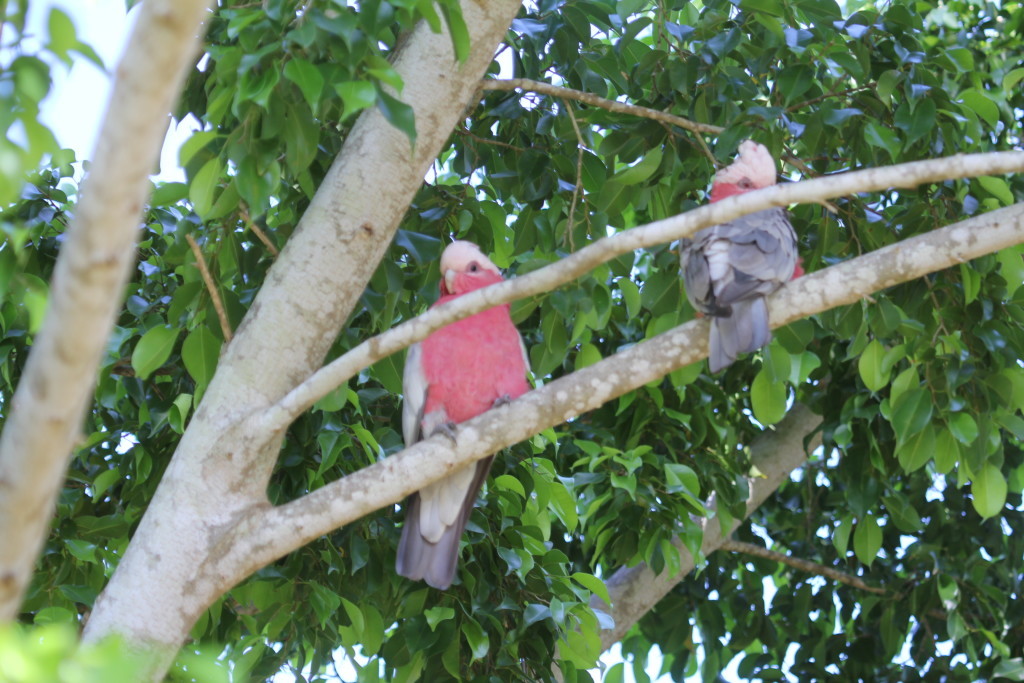
What in the world are parrots doing in cities?  Don’t they belong in rainforests and grasslands?  Well, yes; they do…………………but their natural habitats are rapidly disappearing as humans take more and more land.   Australians see wild parrots in cities and suburbs every day.
IMG_1543

Cockatoos on telephone lines, galahs on street lamps and rainbow lorikeets in backyards are all part of the environment.  Some people have bird feeders and bird baths in their backyards.  Others prefer to provide trees and plants that birds can use for food like bottlebrush, grevilleas and gum trees (eucalyptus).   Since humans have taken away their nesting places and vegetation used for food, the least we can do is give something back!  I am one of the lucky ones who can wake to the sound of birds just outside my window and I feel truly blessed for this.
100_0367

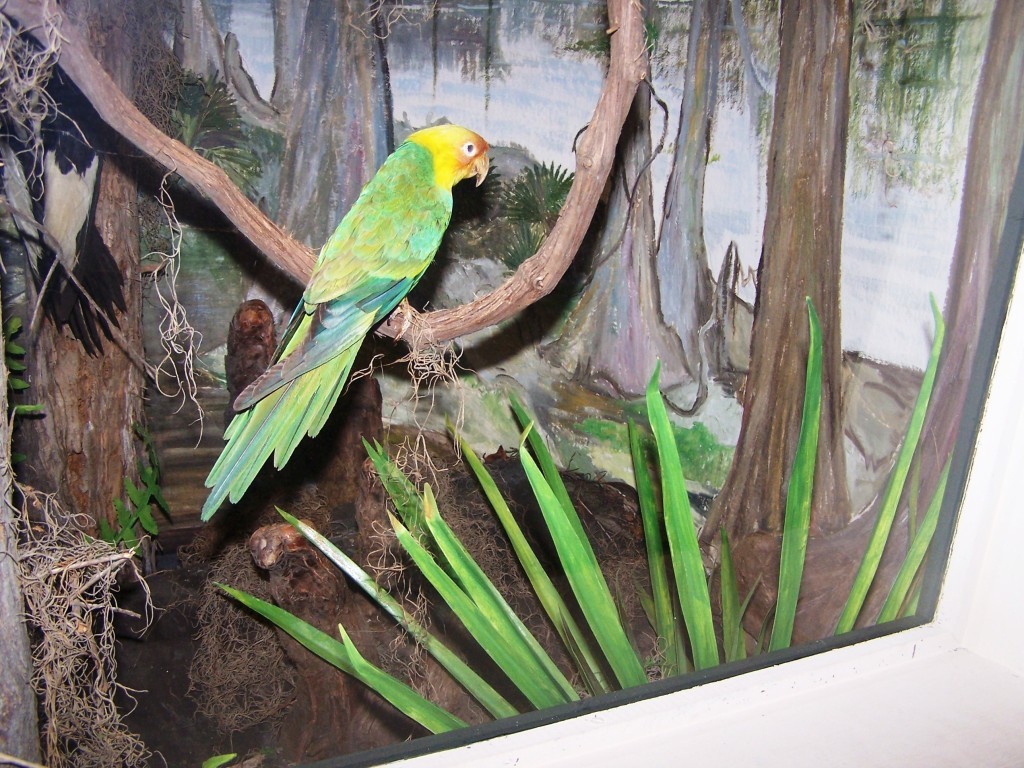
The USA had only one native parrot-the Carolina parakeet which sadly became extinct about a hundred years ago.  But all is not lost!  New parrot species can be found in some cities, suburbs and countryside.  Quakers are rapidly spreading as they are clever and hardy birds and can withstand even a New York winter.   Brooklyn College in New York has some huge quaker nests in the football field.  While most people enjoy having the parrots around, utility companies don’t like them nesting in power poles.  Tragically, they have killed many baby quakers by tearing down nests.  There are better alternatives to keep the parrots out of the power poles.  Some Brooklynites have been building nesting poles to lure the quakers away from the power pole.  More details can be found on Brooklyn Parrots website.
IMGA0247

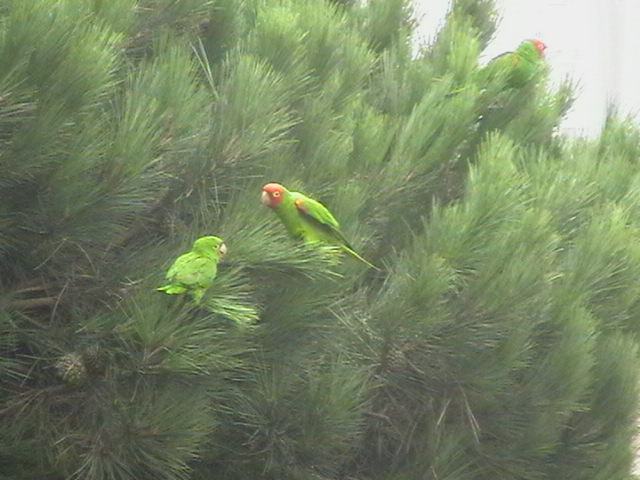
San Francisco is home to the famous cherryhead conures made famous by Mark Bittner’s book “The Wild Parrots of Telegraph Hill”.   He made friends with the birds by offering treats and they gradually came to trust Mark and visit him regularly.  The flock started out small but has grown rapidly and the conures can now be seen in Ferry Park and all over the city.  It is now illegal to feed the birds.  More information can be found on Mark Bittner’s website.
IMG_1030

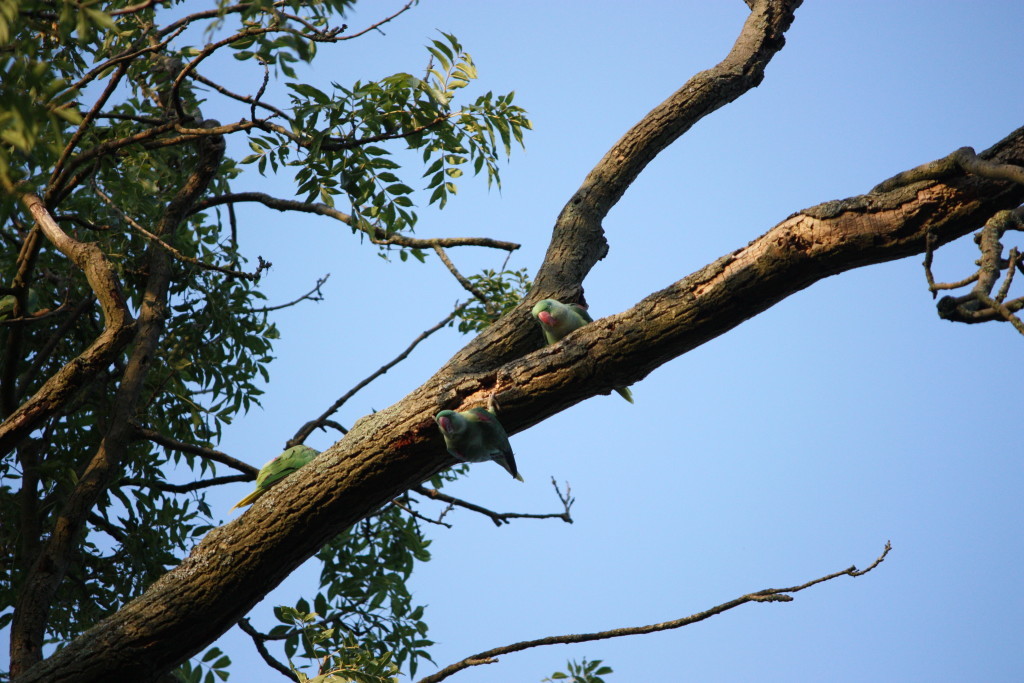
For many years feral or escaped Ring-necked Parakeets have actually been breeding around the London and Amsterdam suburbs.  They first appeared widely in the 1970s and their origin is a collection of urban myths – some say they escaped from a quarantine holding at Heathrow, some say they escaped from an exotic film set in the Shepperton Studios.   Flocks are now common in areas close to south London, from Richmond Park to Lewisham.  They may be some of the closest to central London perhaps?  For more information, please see this website.

OK so parrots are native to Australia but NOT to the USA and UK.  So what are they doing there?  There are several theories as to how they got there.  The most common one is that they escaped from a customs warehouse while being imported into the country or escaped from illegal importers.  Other people say that they are escaped pet birds who managed to hook up and form a flock.  Some American states even ban people from having pet quakers because of this theory and unfounded fears the wild parrots will destroy crops.  To date, no crops have been destroyed by Quaker parrots nor have they ever interfered with native species.  So please enjoy watching the parrots that live in cities and leave them alone!

For a lot more details about urban parrots, please see City Parrots.
Better Photography – Aperture & F Stops Explained – Part 1

DSLRs can be really confusing with all the controls and I still don’t really know how to use aperture and F stops so I was hunting around on Youtube and found this video which explains it very well with example shots taken at different F stops so you can see the effect on the background.  With bird shots, you usually want to background to be blurred out so the bird is clearer so you want a lower aperture.


Sociable Weaver (Philetairus socius)

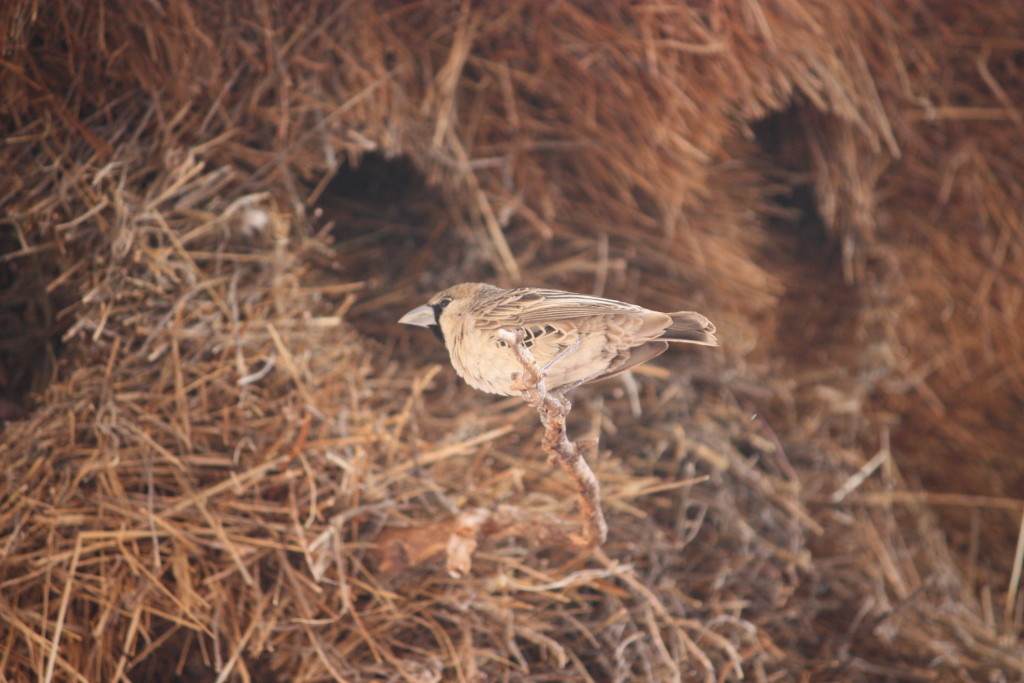
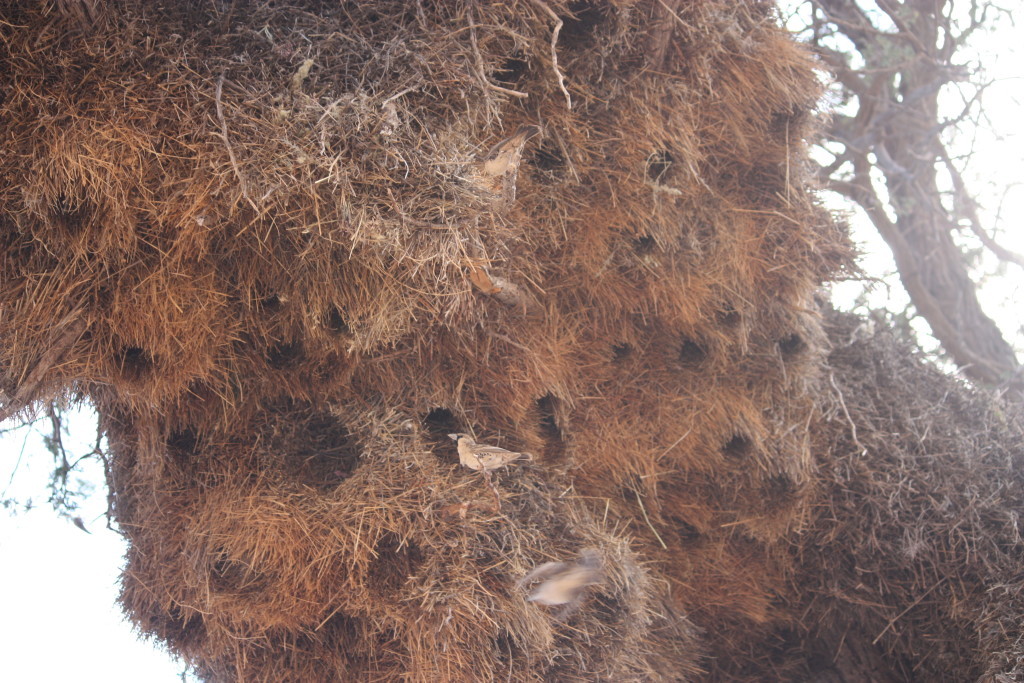
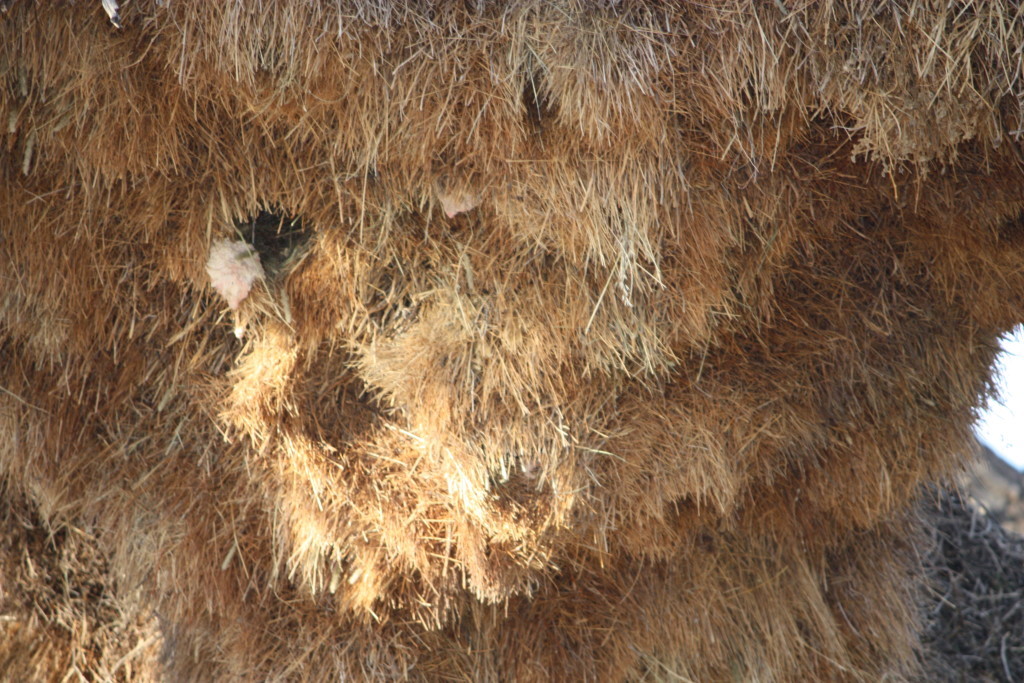
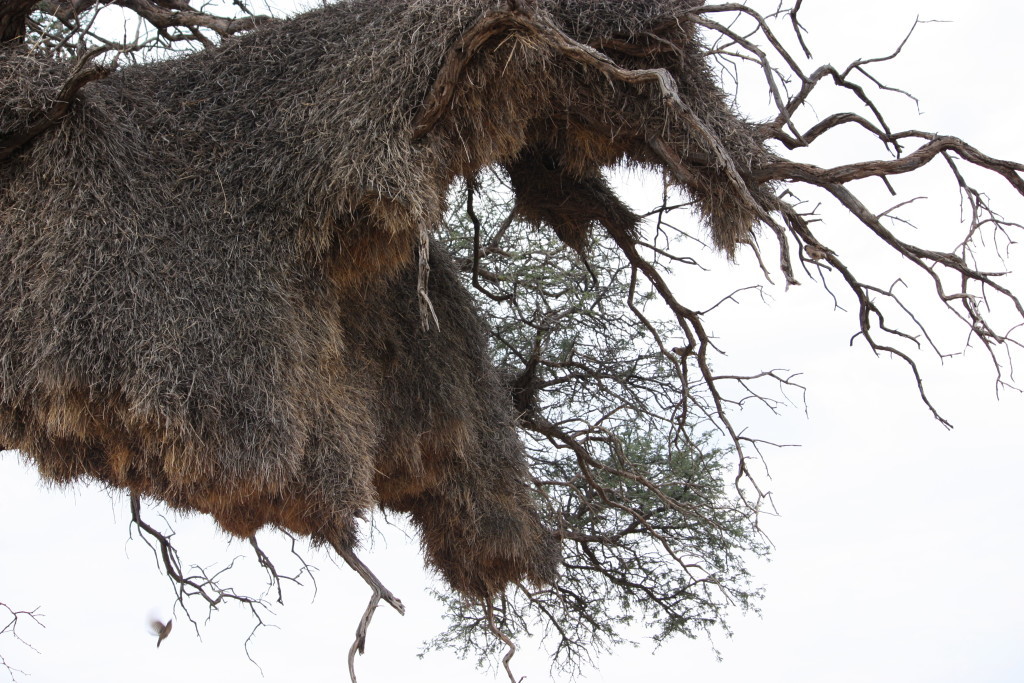
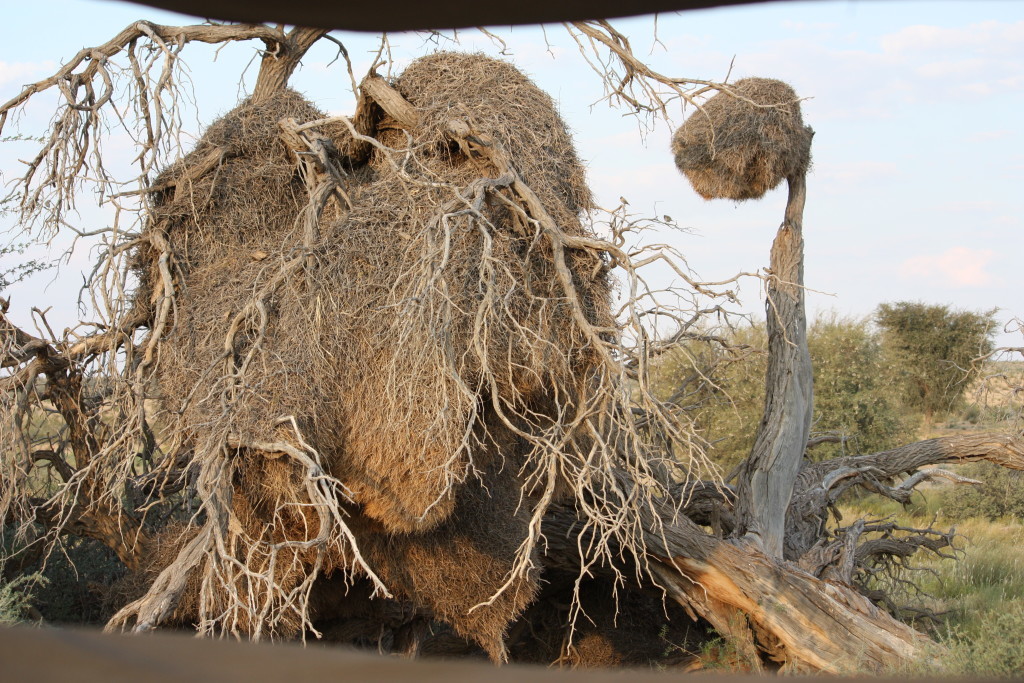
The Sociable Weaver (Philetairus socius), also commonly known as the common social weaver, common social-weaver, and social weaver,  is a species of bird in the Passeridae family endemic to Southern Africa.  It is monotypic within the genus Philetairus.  They build large compound community nests, a rarity among birds. These nests are perhaps the most spectacular structure built by any bird.
IMG_0882 IMG_0881 IMG_0895 IMG_0894 IMG_0947

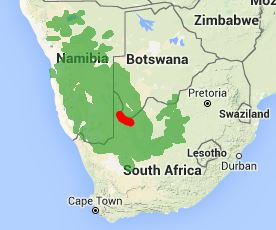
It is found in South Africa, Namibia, and Botswana but their range is centered within the Northern Cape Province of South Africa.  They are literally everywhere in Kgalagadi Transfrontier Park.  Be careful when you are driving as they love to dart across roads in front of cars – some kind of strange kamikaze game maybe?

Soc weav

LEARN MORE ABOUT SOCIABLE WEAVERS

Wikipedia

Birdlife

Audubon

VIDEOS

Some huge nests here!

David Attenborough’s doco on Sociable Weavers.


Kgalagadi Transfrontier Park – Daytime Safari Experience Pictorial

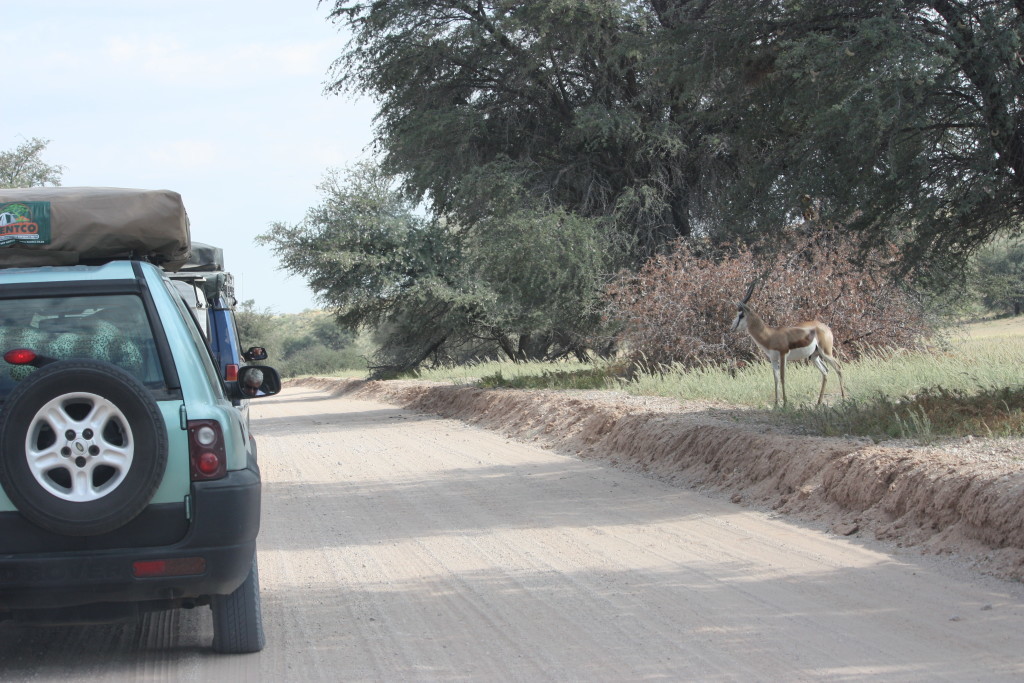
This is doing the Kgalagadi safari the easy way – in our own rented sedan car just cruising down the main road which had TONS of wildlife!  Sit back, relax – it was a bumpier ride for us than it will be for you!

BIRDS

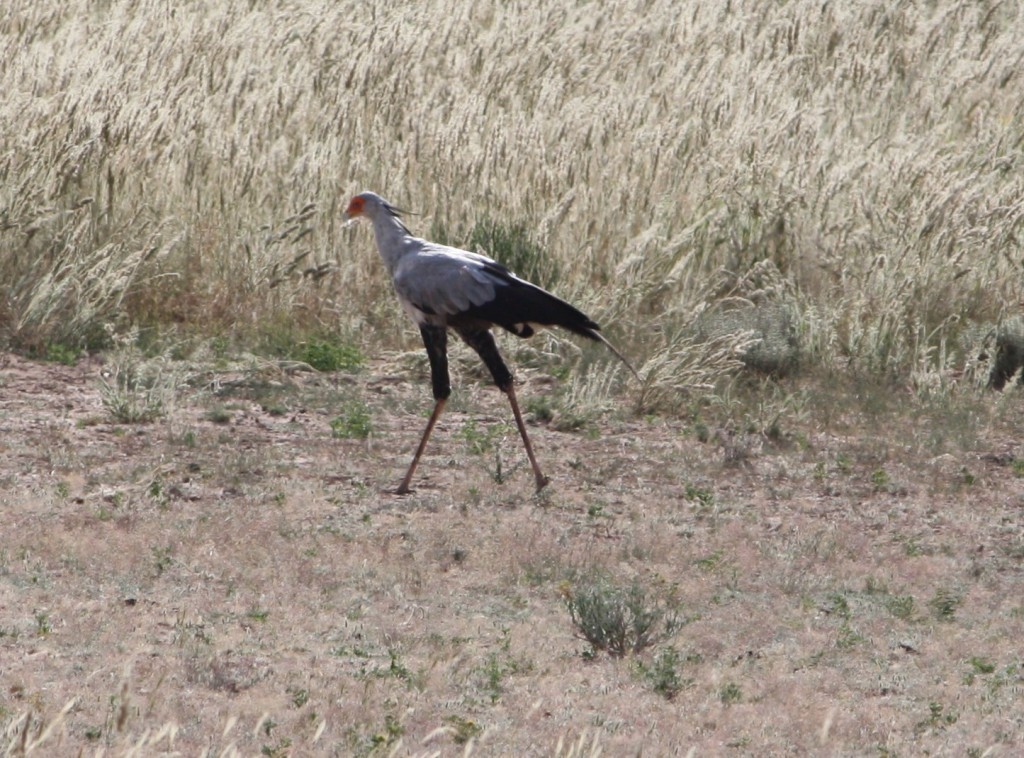
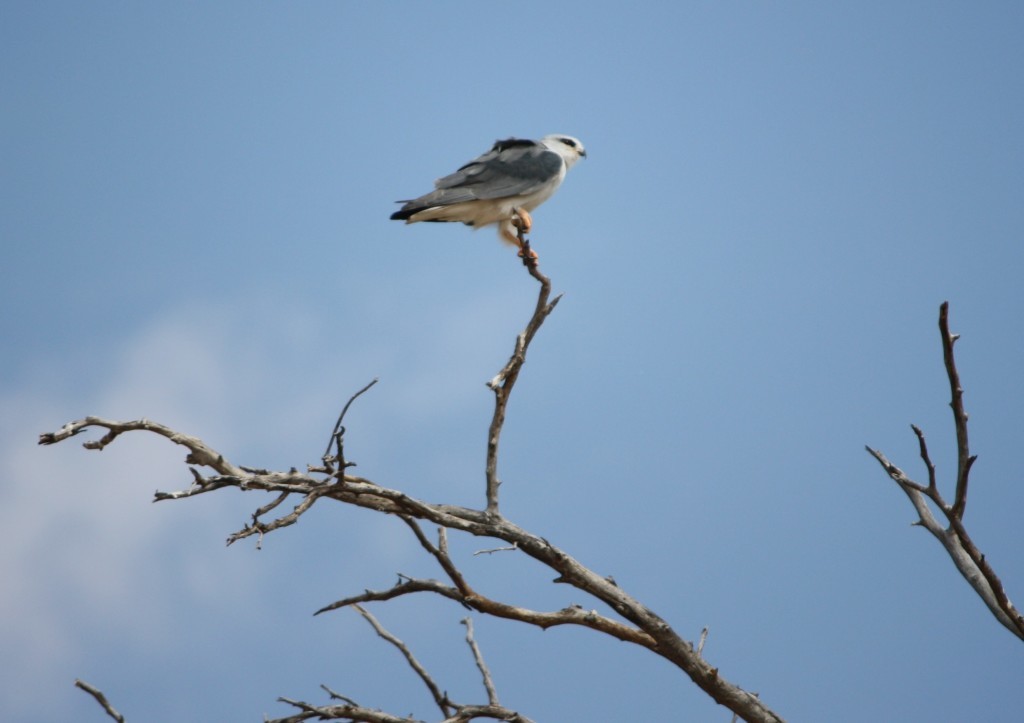
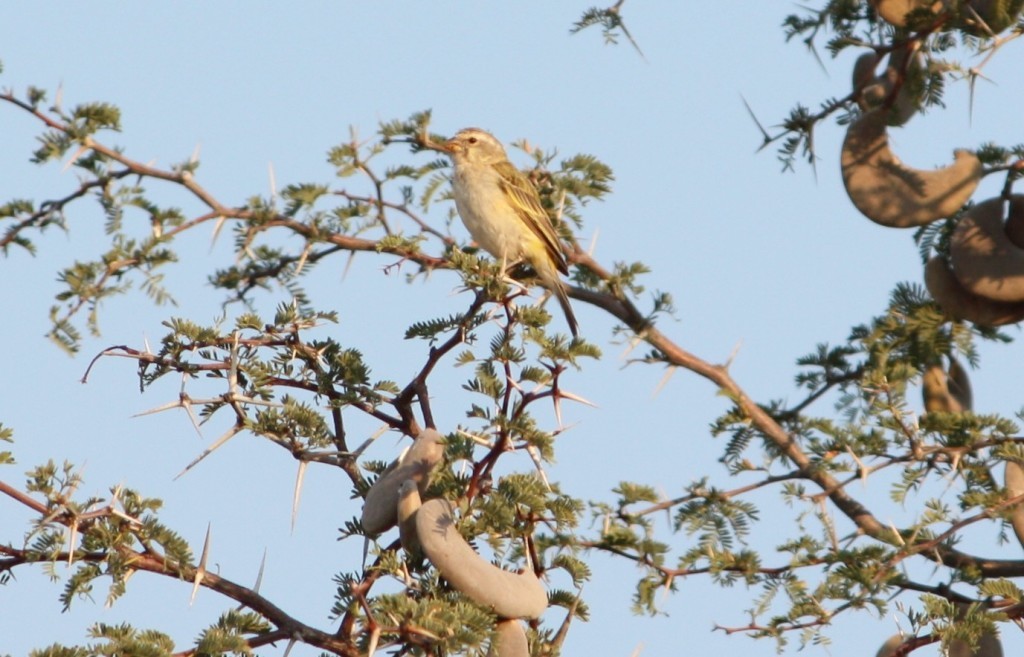
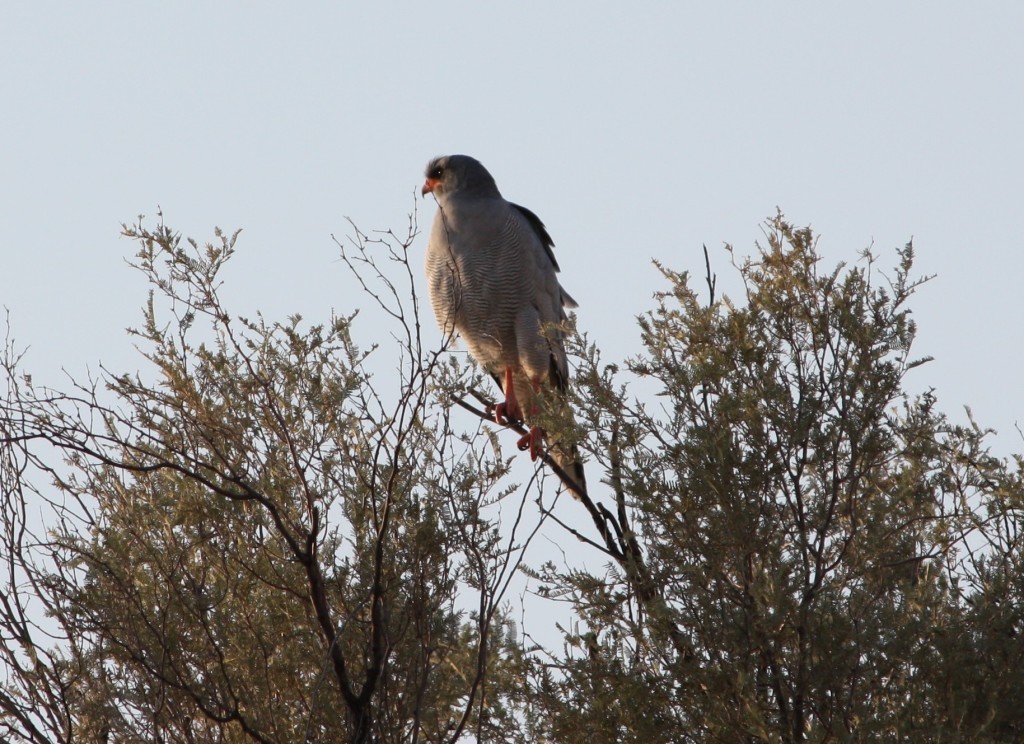
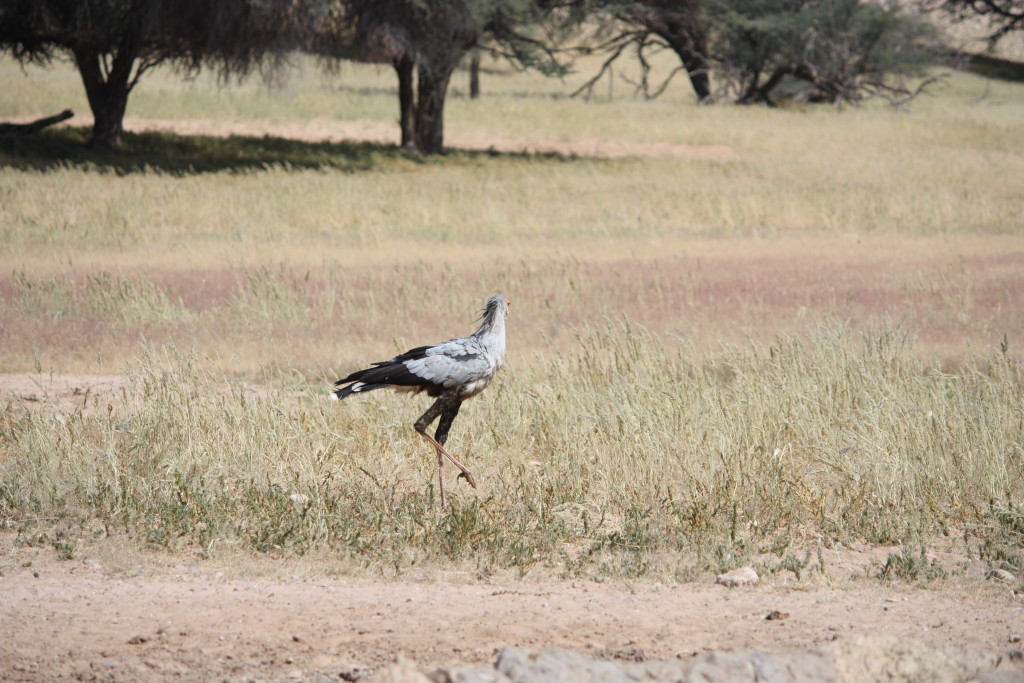
Secretary birds, Sociable Weavers, Bee-eaters, raptors & more!

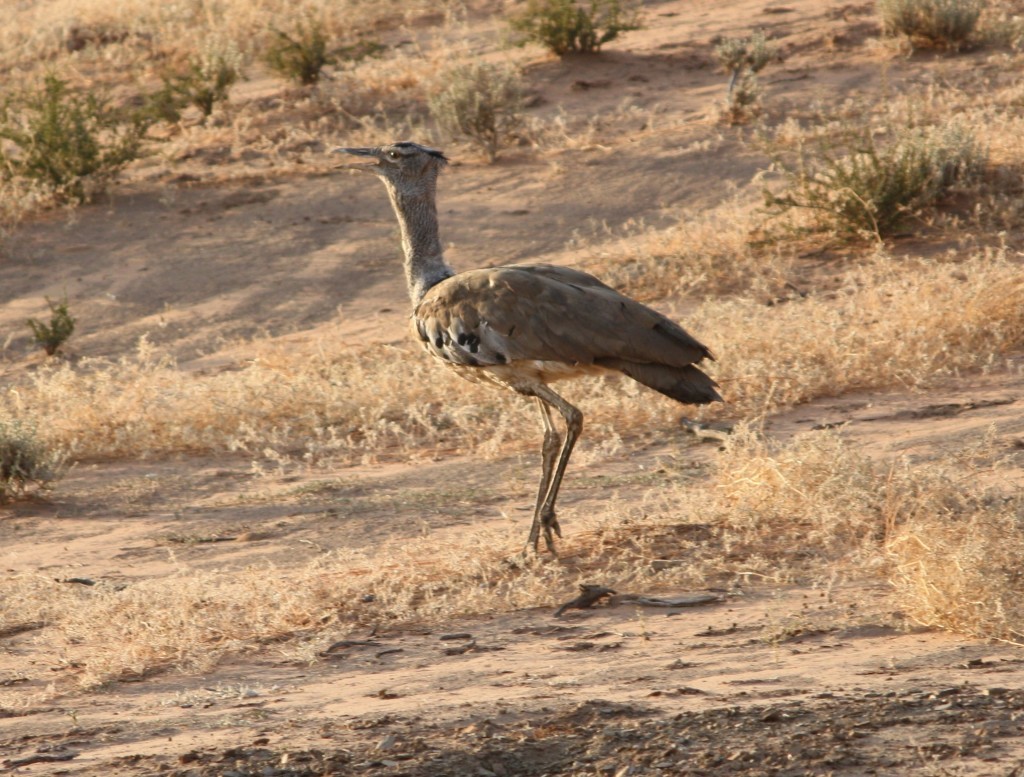
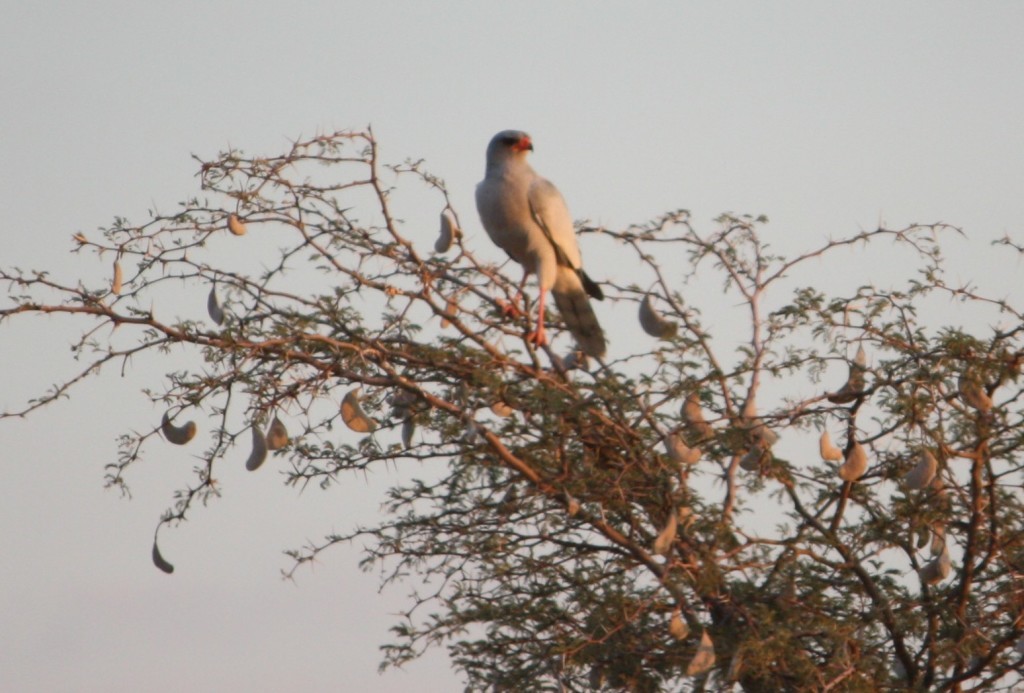
IMG_0847 IMG_0853 IMG_0861 IMG_0868 IMG_0869 IMG_0879 IMG_0881 IMG_0882 IMG_0883 IMG_0894 IMG_0895 IMG_0912 IMG_0914 IMG_0917 IMG_0921 IMG_0922 IMG_0936 IMG_0933 IMG_0935 IMG_0940 IMG_0941 IMG_0942 IMG_0946 IMG_0953 IMG_0947 IMG_0991 IMG_0992

MAMMALS

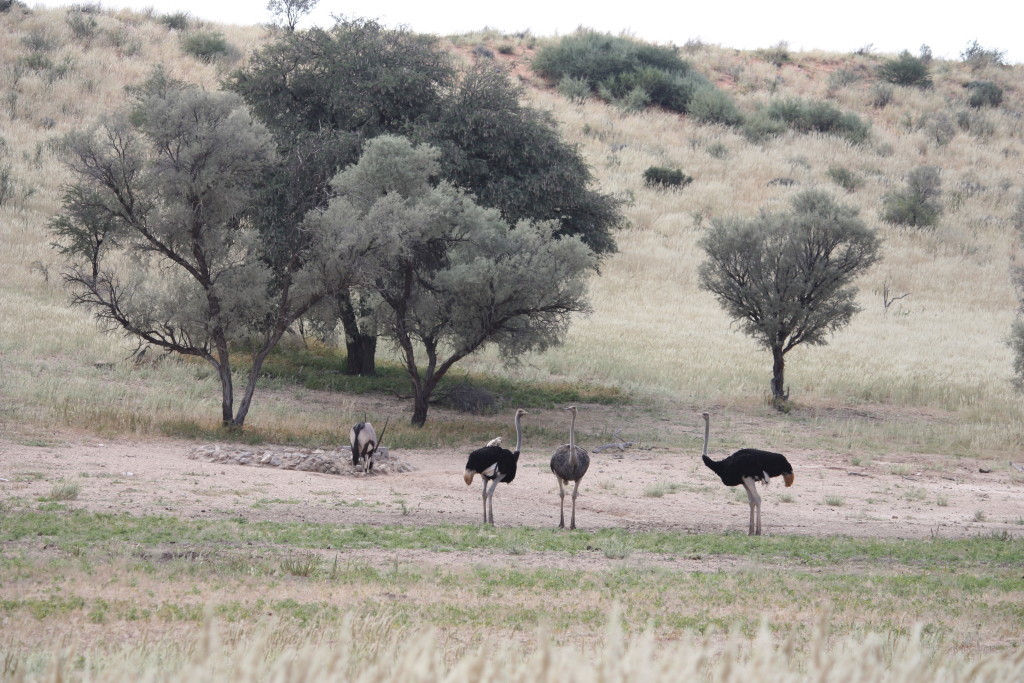
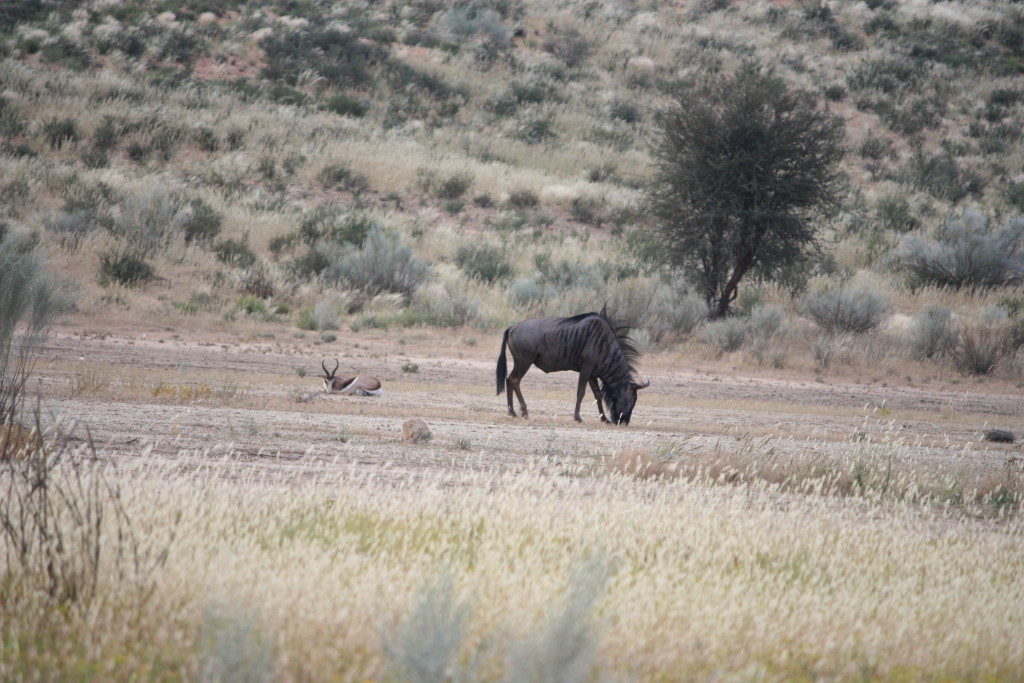
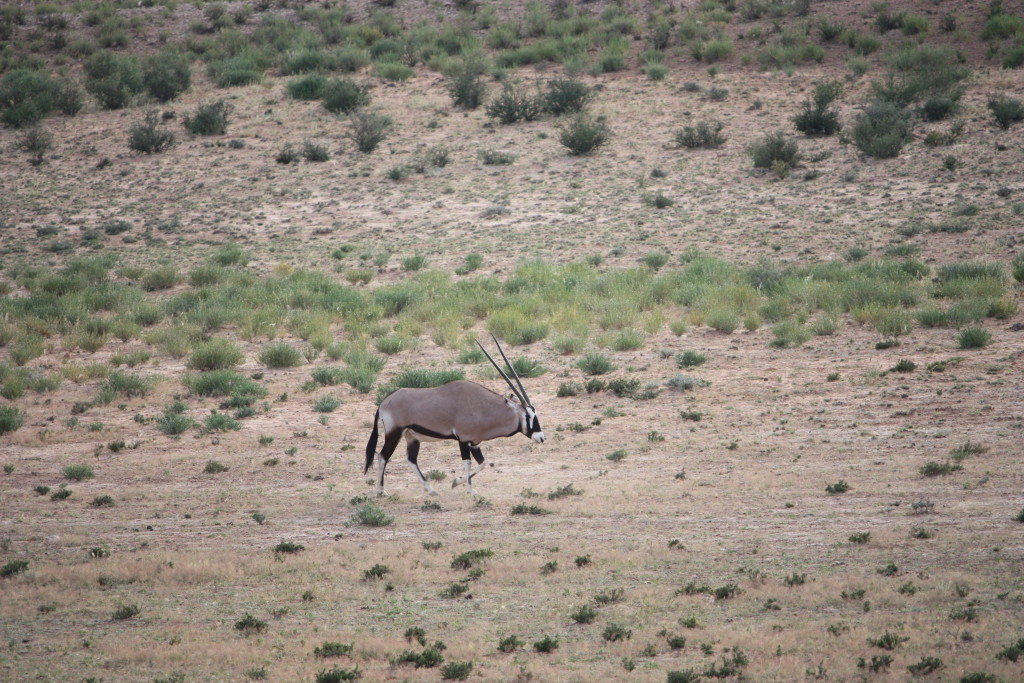
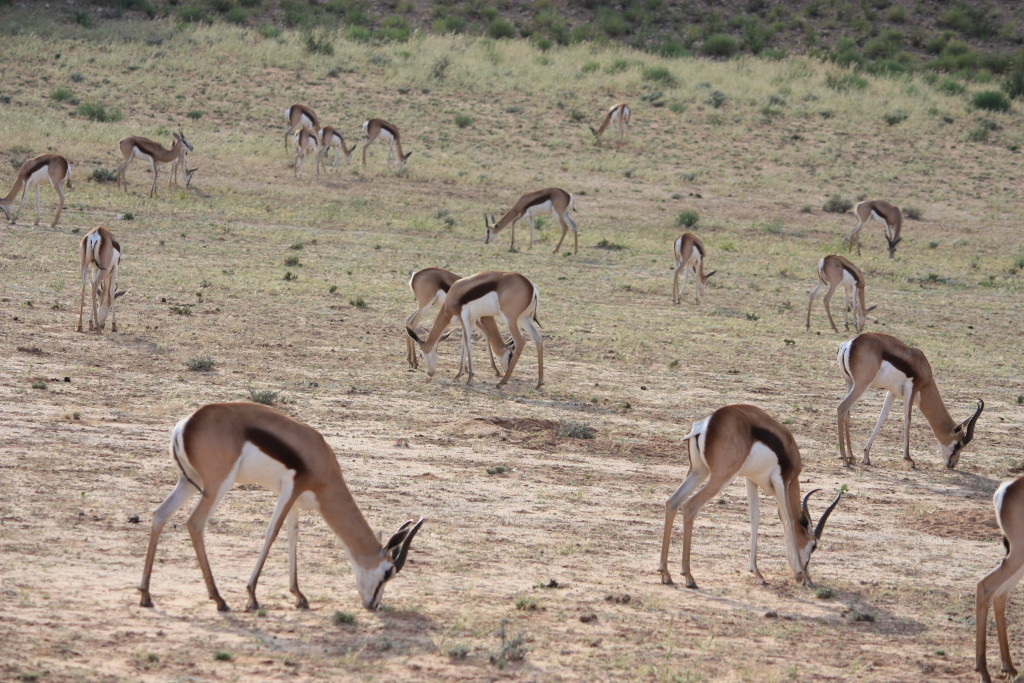
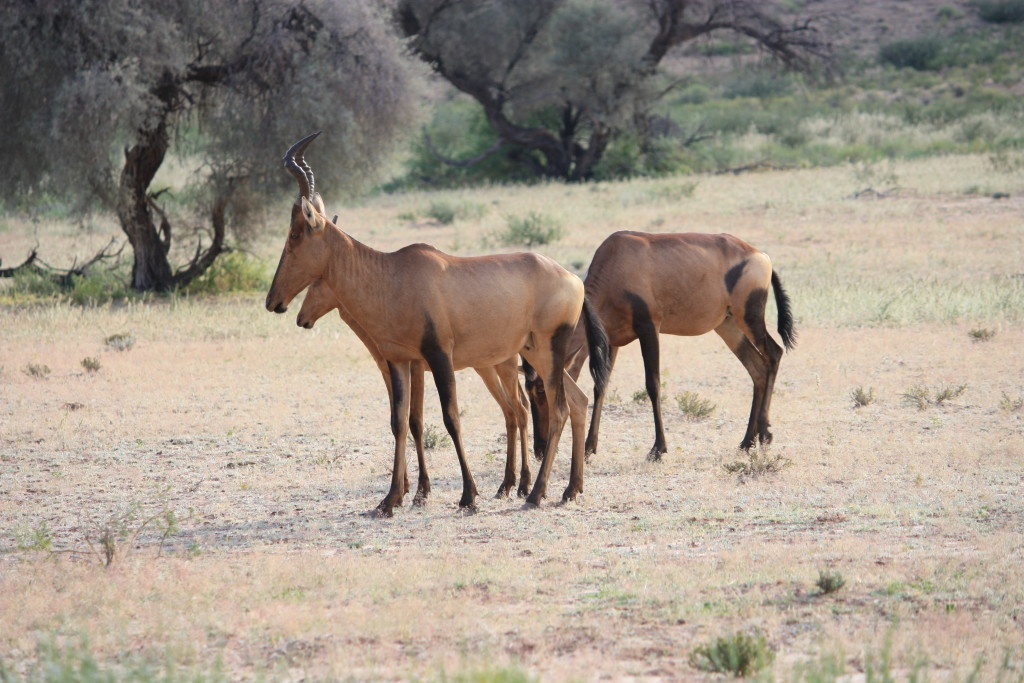
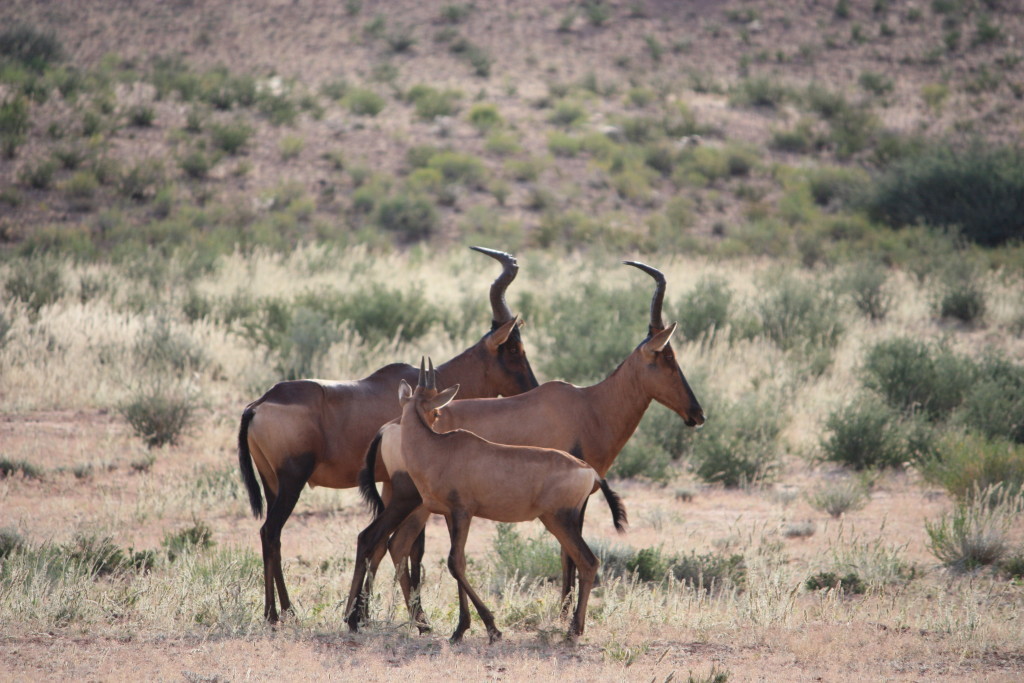
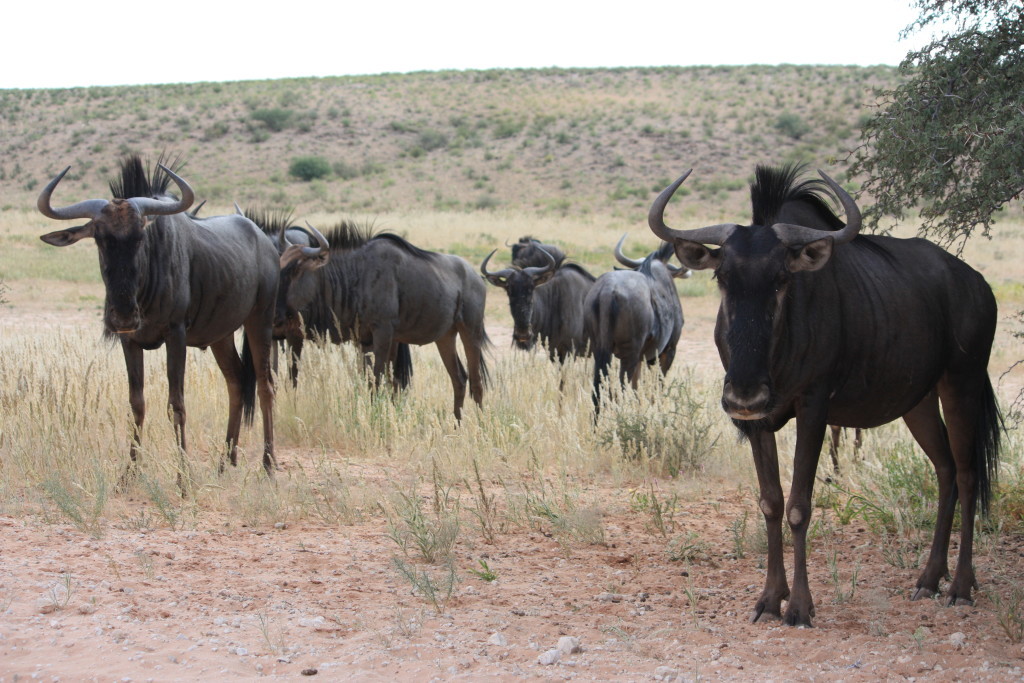
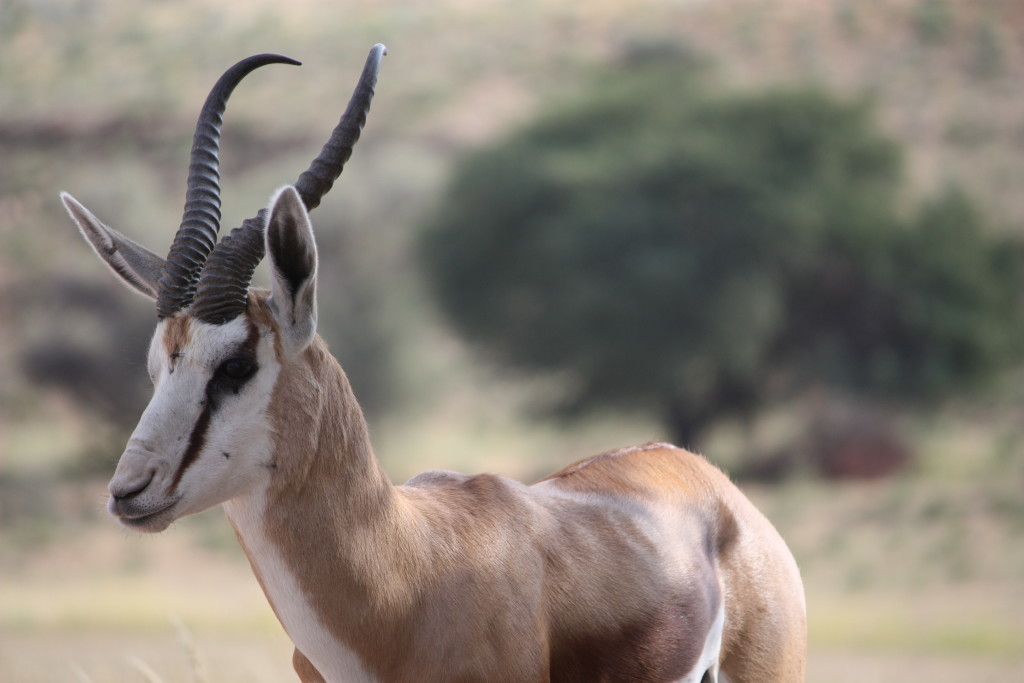
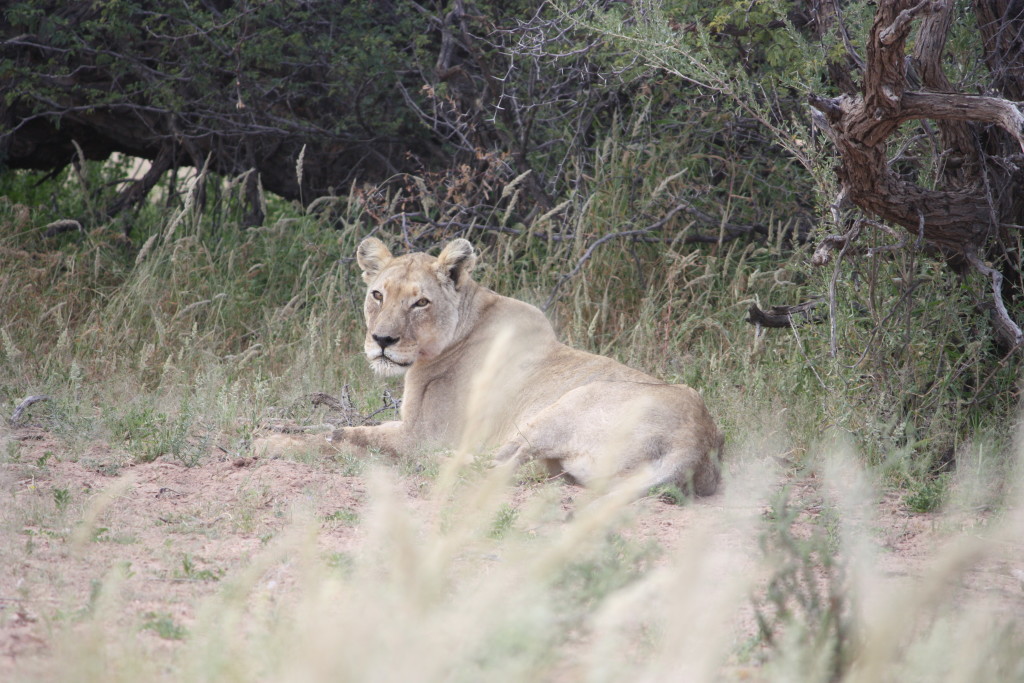
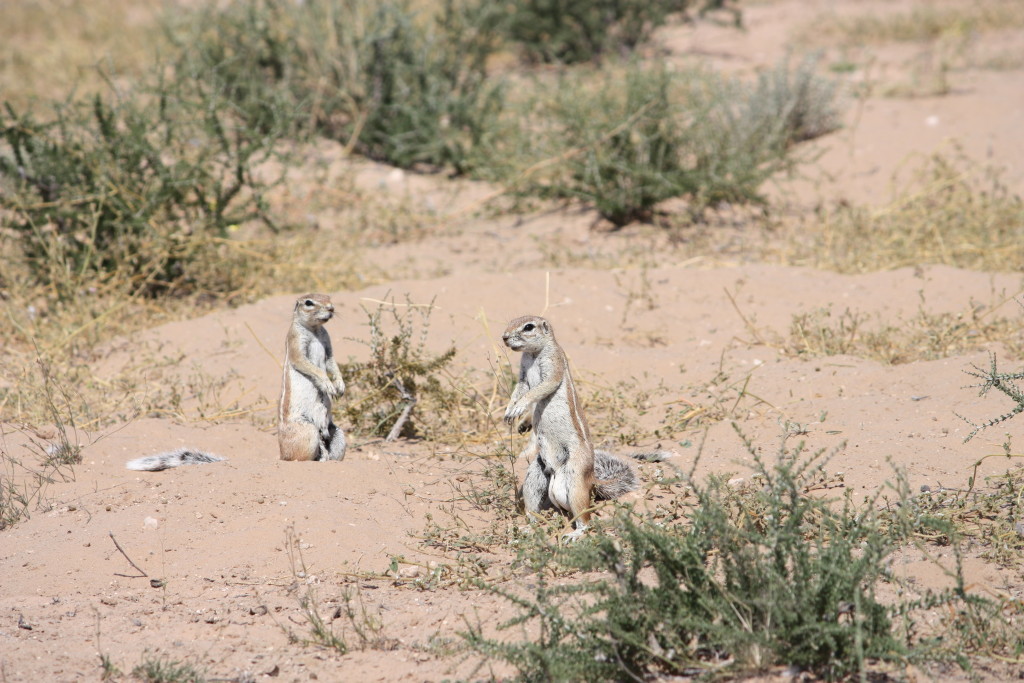
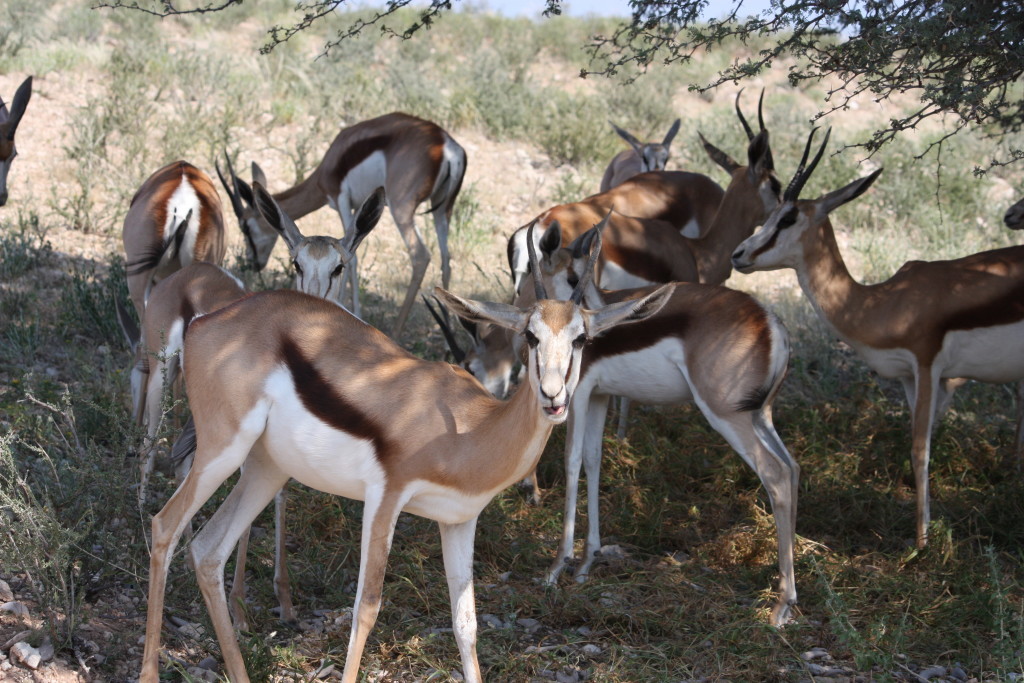
Lions, Wildebeest, Antelopes and even an oryx!

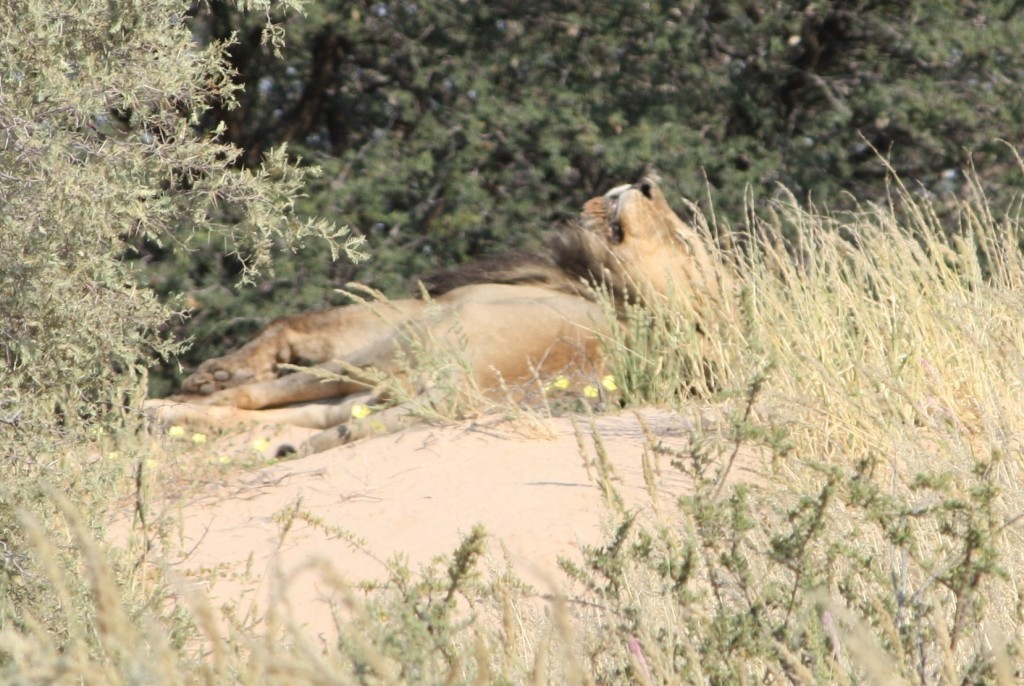
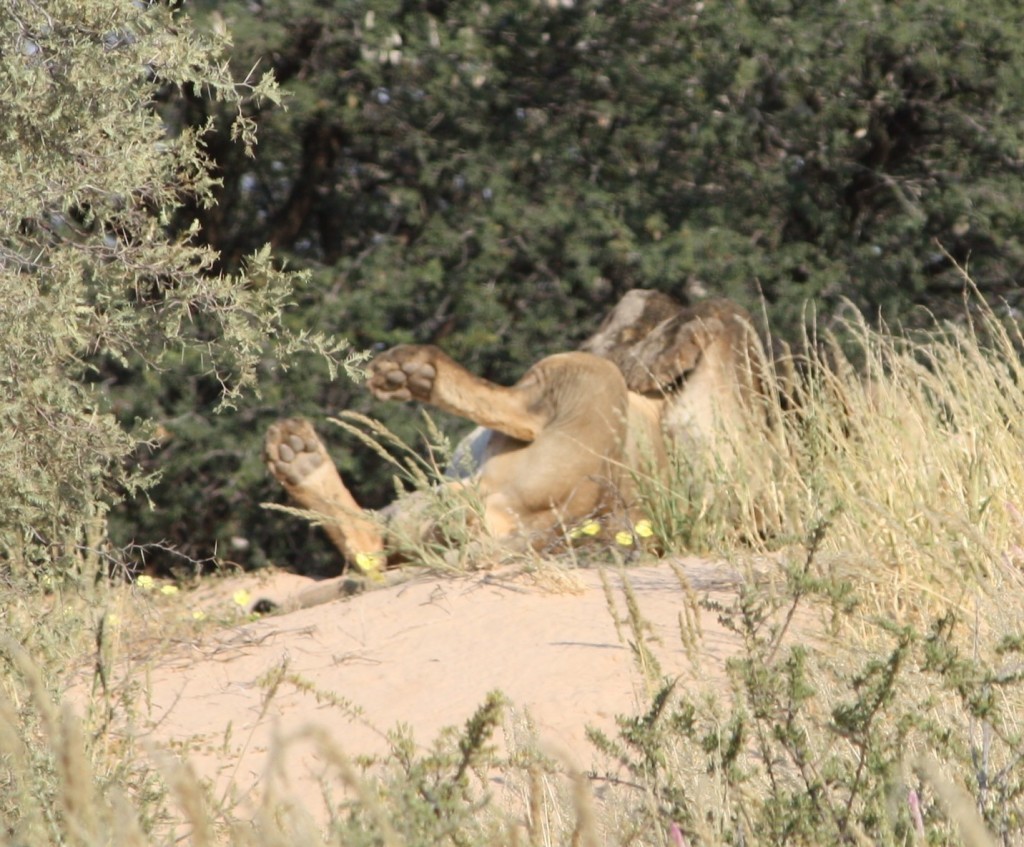
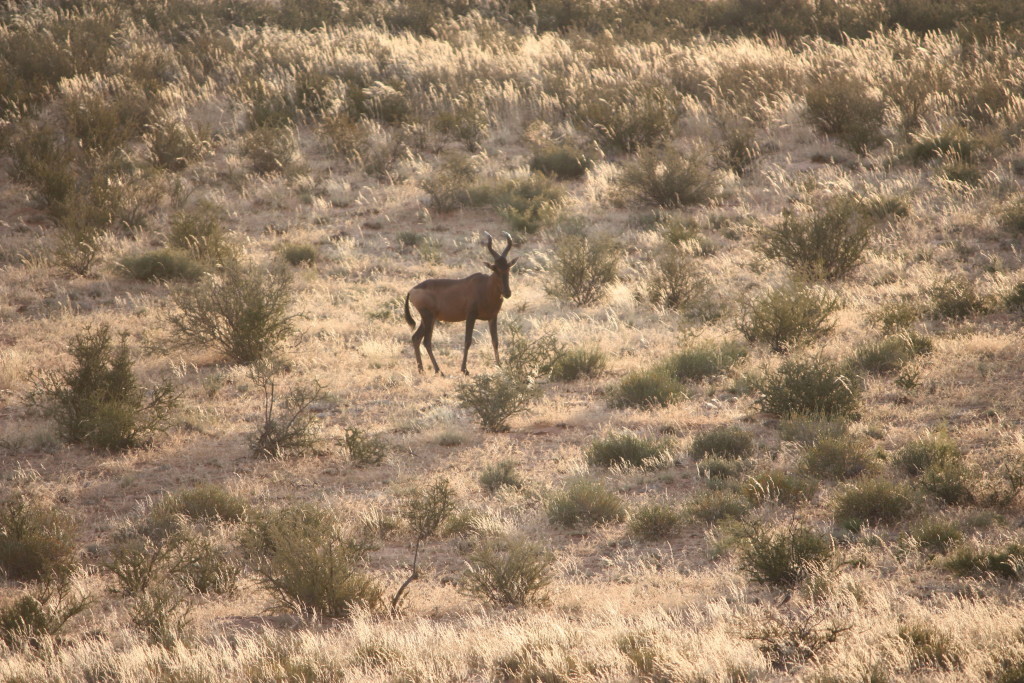
IMG_0834 IMG_0839 IMG_0850 IMG_0851 IMG_0852 IMG_0855 IMG_0864 IMG_0865 IMG_0873 IMG_0937 IMG_0939 IMG_0928 IMG_0930 IMG_0931 IMG_0950

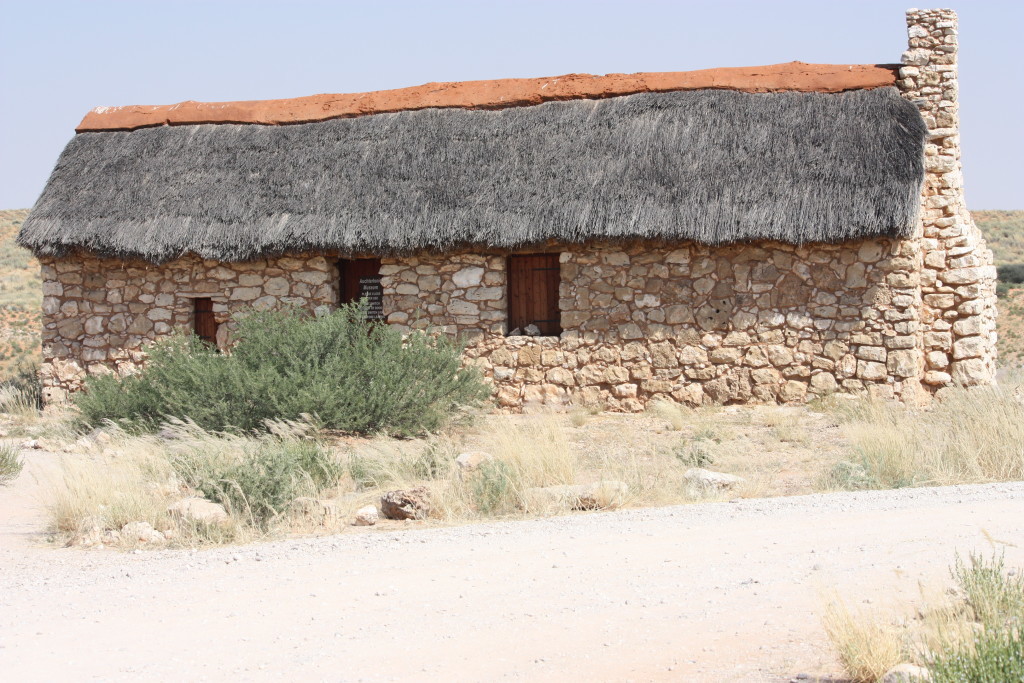
KGALAGADI MUSEUM

About halfway between Twee Rivieren & Mata-MataIMG_0943 IMG_0944 IMG_0945