In upcoming blog posts, I will be mentioning some intriguing encounters with the fabulous Birds of Paradise. I realize West Papua is a difficult destination for most people to get to so most will never get the chance to see them in the wild but why not still take the time to learn about them!
Geelvink Pygmy Parrot (Micropsitta geelvinkiana)
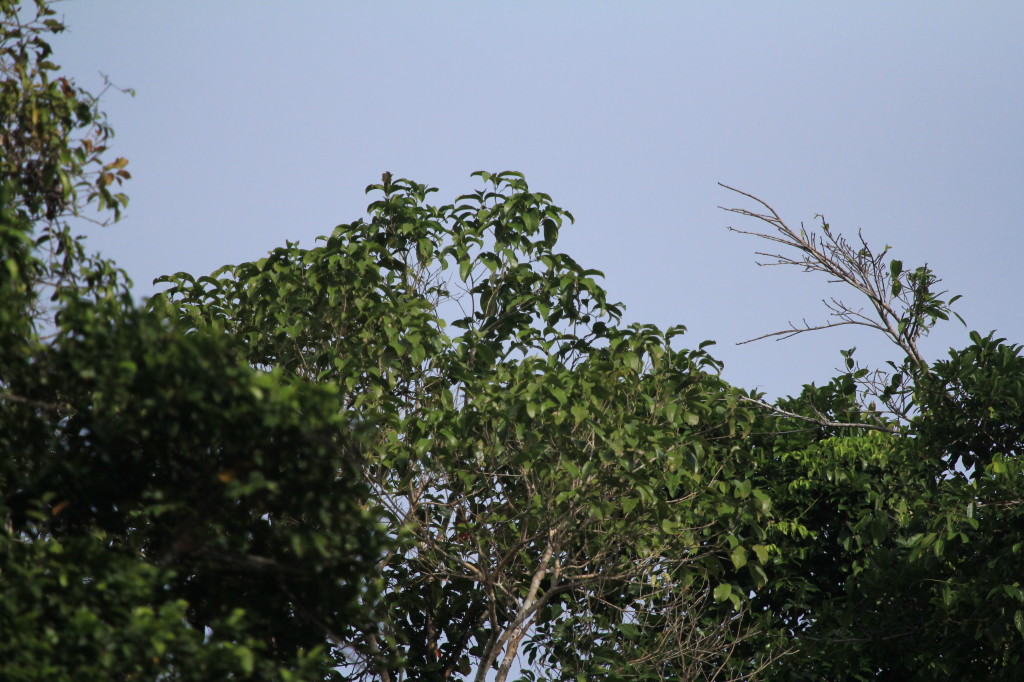
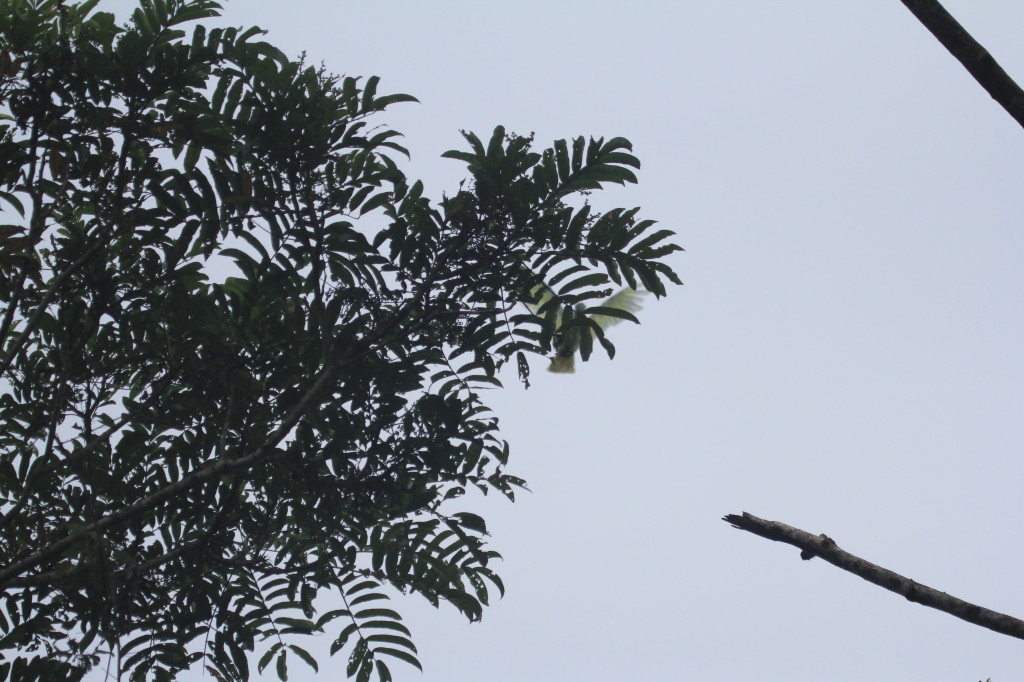
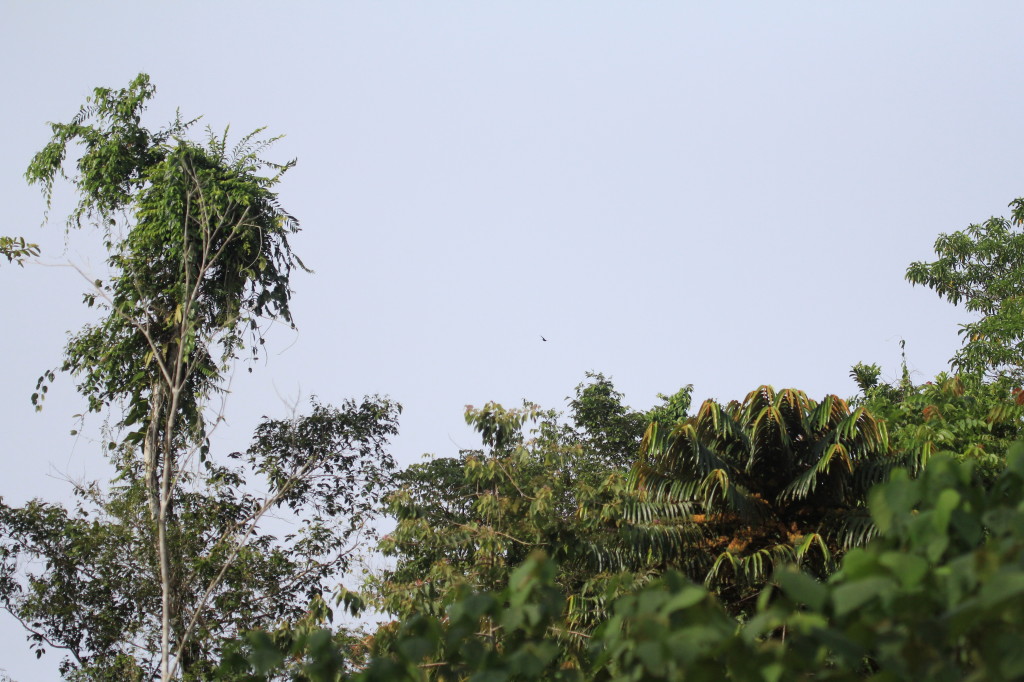
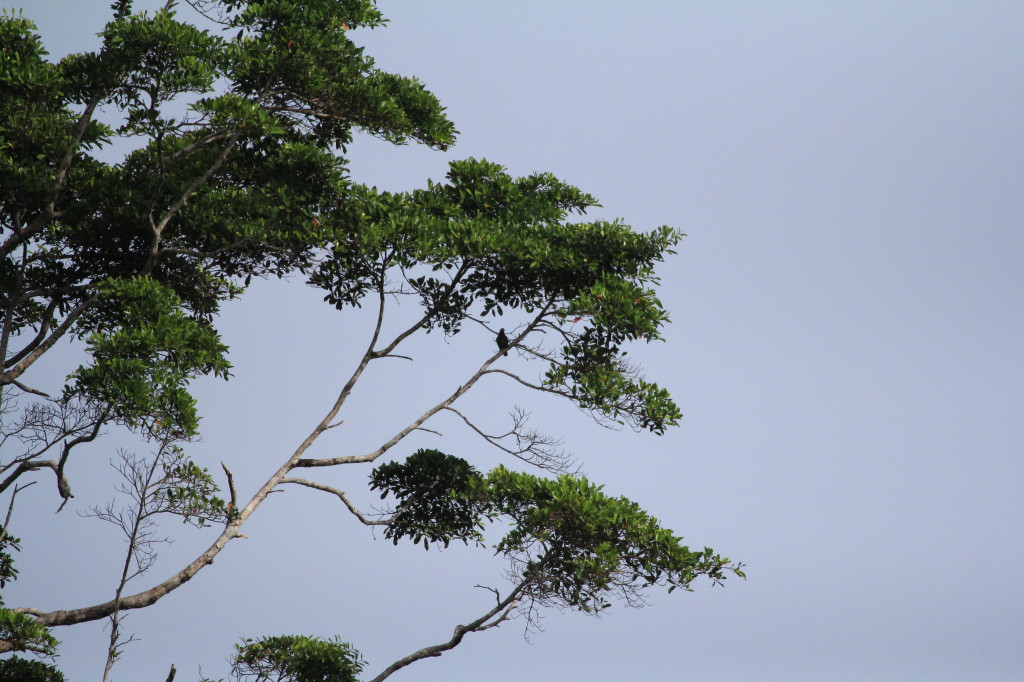
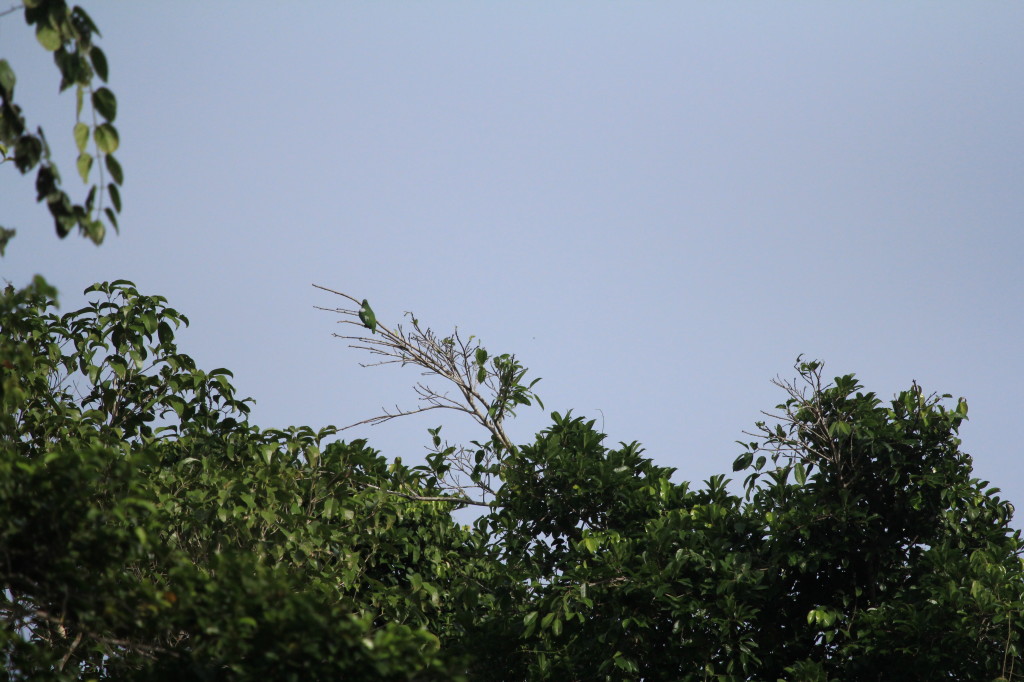
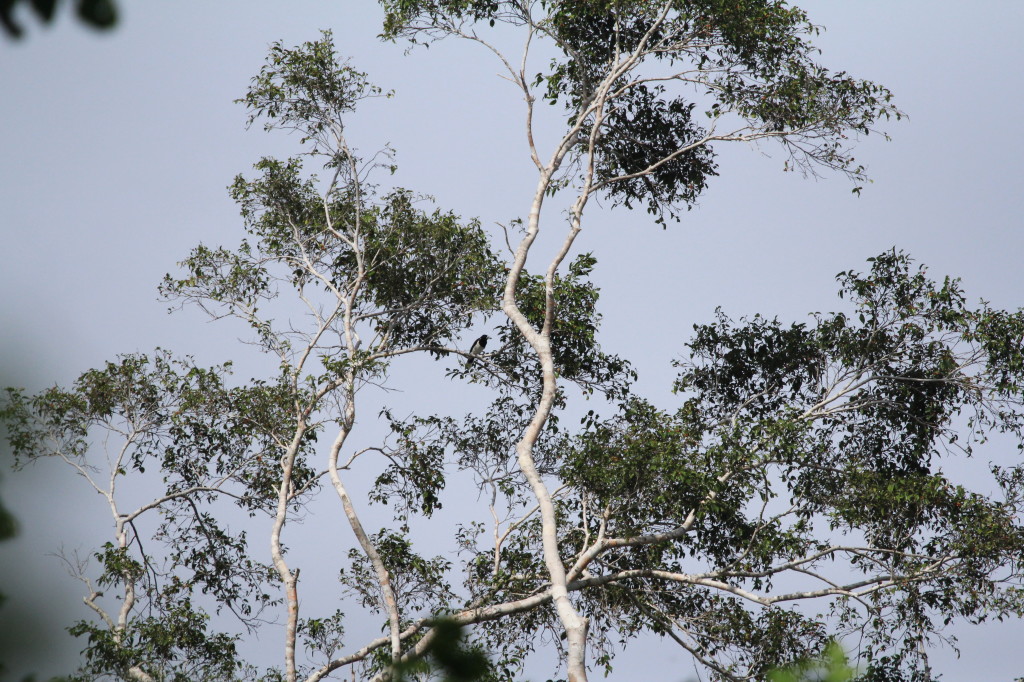
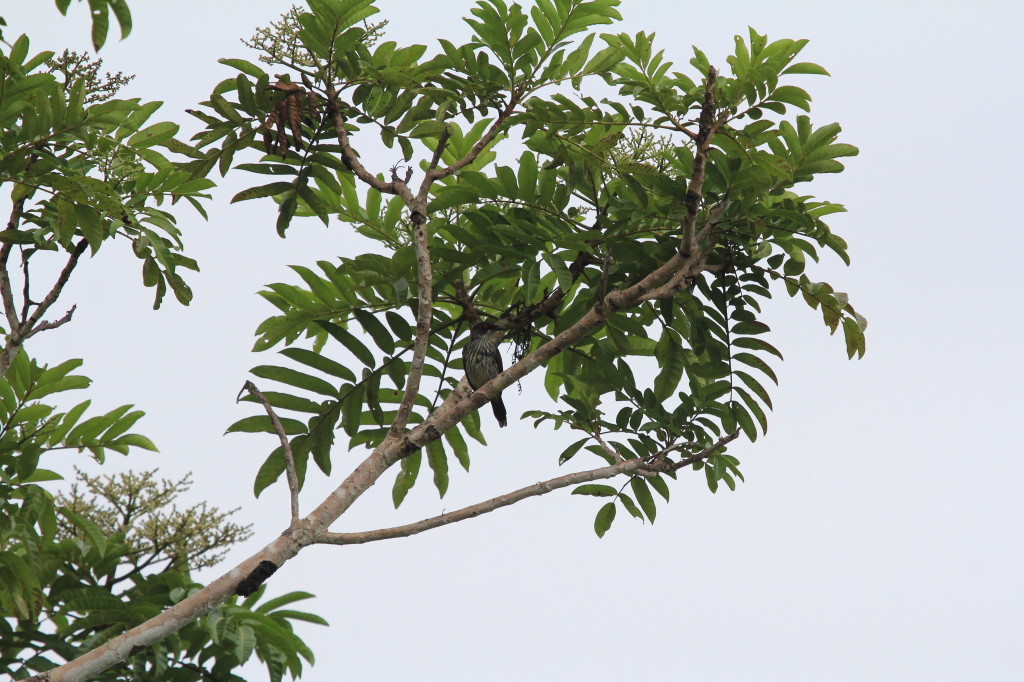
The elusive Geelvink Pygmy Parrot (Micropsitta geelvinkiana) is easy to find on the island of Biak but hard to see. Why? They and the other members of the Pygmy Parrot family are the smallest parrots in the world at 9cm (3.5 in) and 13-17g (0.45-0.6 oz) and they are well-camouflaged in the trees. My guide found several of them in a tree and did his best to call them out but they stayed deep within the foliage and I could only get glimpses of them through the leaves.
On a previous trip, Mehd Halaouate from the World Parrot Trust managed to get a nice shot of a nesting pair. I have to agree with the WPT description. “Usually seen in groups of 4-5 birds. Very shy. Will associate with other birds in low lying shrubbery.” Thy are endemic to the island of Biak but not rare as they are estimated at over 10,000 birds.
Birding In Biak
We only had one day to hit the popular birding spots but I was pretty confident that we could get the main parrots species I wanted to see and as many other endemic birds as possible. We arrived around 5:30 in the morning and were met at the airport by our guide Jefta. He took us to the Aerotel Irian across the street which I had booked online so we could drop off the bags, get the camera gear ready and meet Benny from Discover Papua who had organized our day trip. I had previously negotiated a price for 1 day birding with guide, lunch box and taxi of Rp. 1,350,000 (about $135). I paid Benny in cash and then off we went with Jefta and the driver. This was an easy birding day as we simply drove from one place to another, mostly birding from the side of the road or walking a short ways into the bush. This suited us just fine as we were a bit tired from the red eye flight.
According to Burung Nusantara, the key species on Biak are Long-tailed Starling, Biak Black Flycatcher; Biak Paradise-kingfisher; Biak Lory; Geelvink Pygmy-parrot; Biak Scops-owl; Biak Monarch; Biak Coucal; Biak Scrubfowl; Biak Gerygone; Biak White-eye.
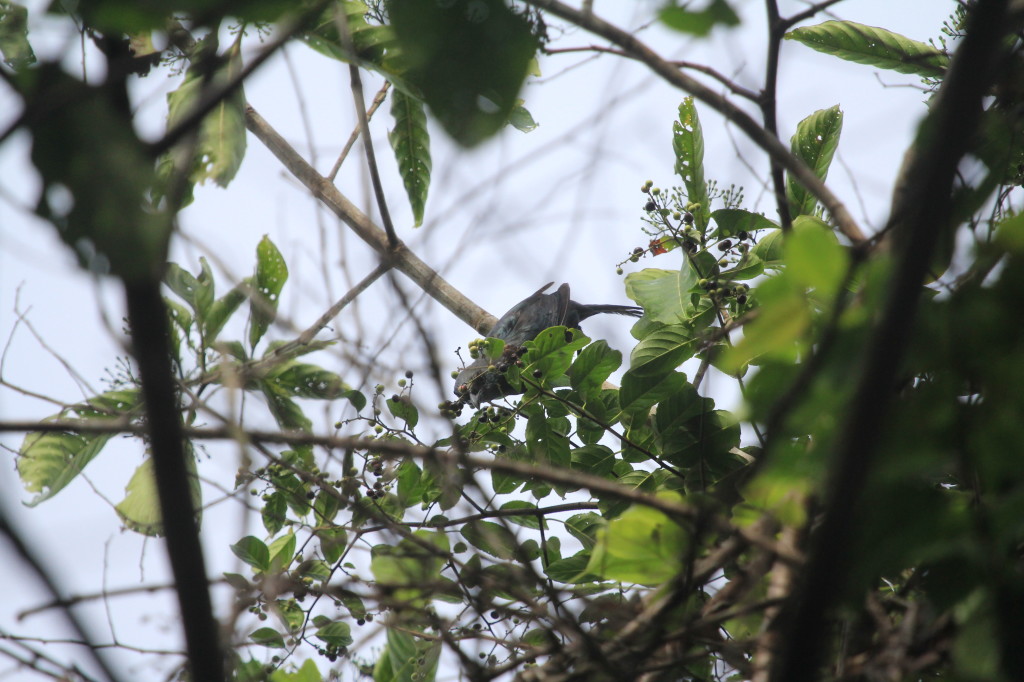
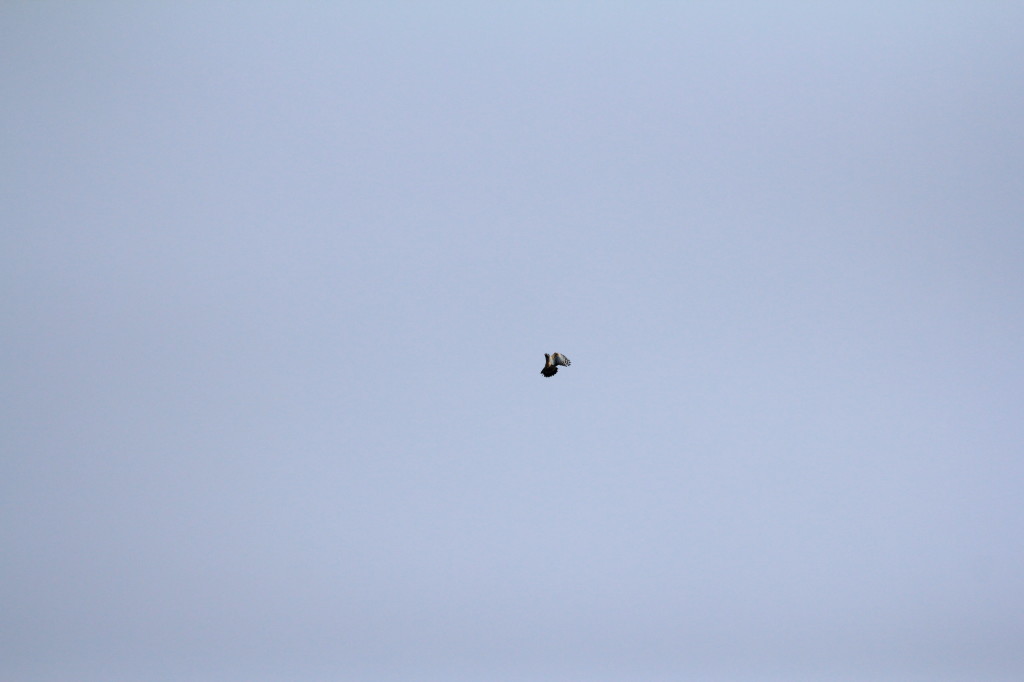
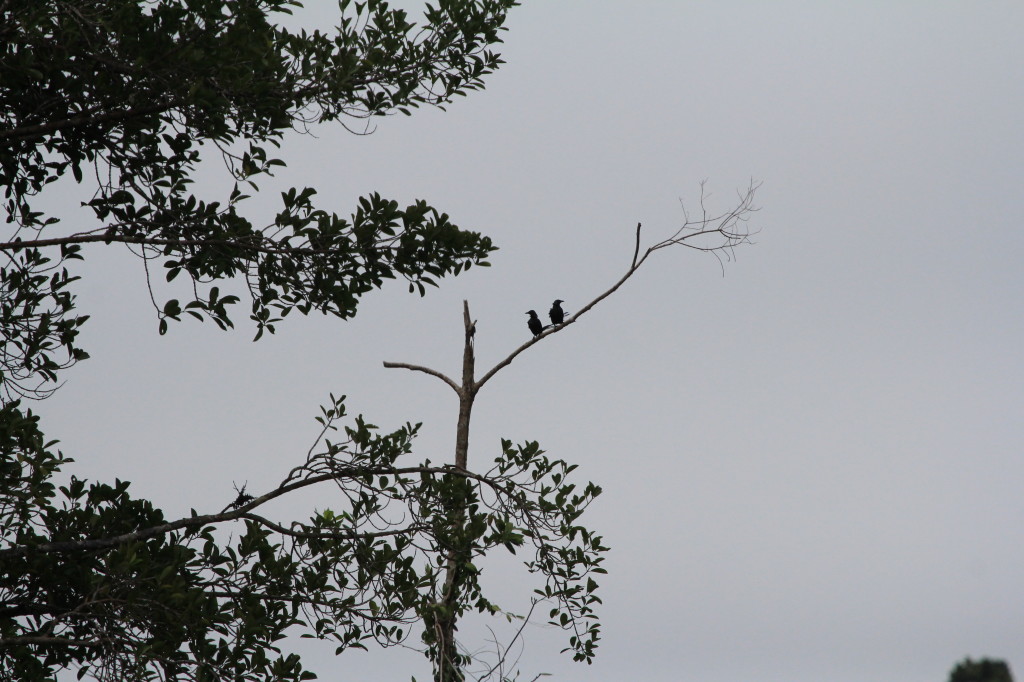
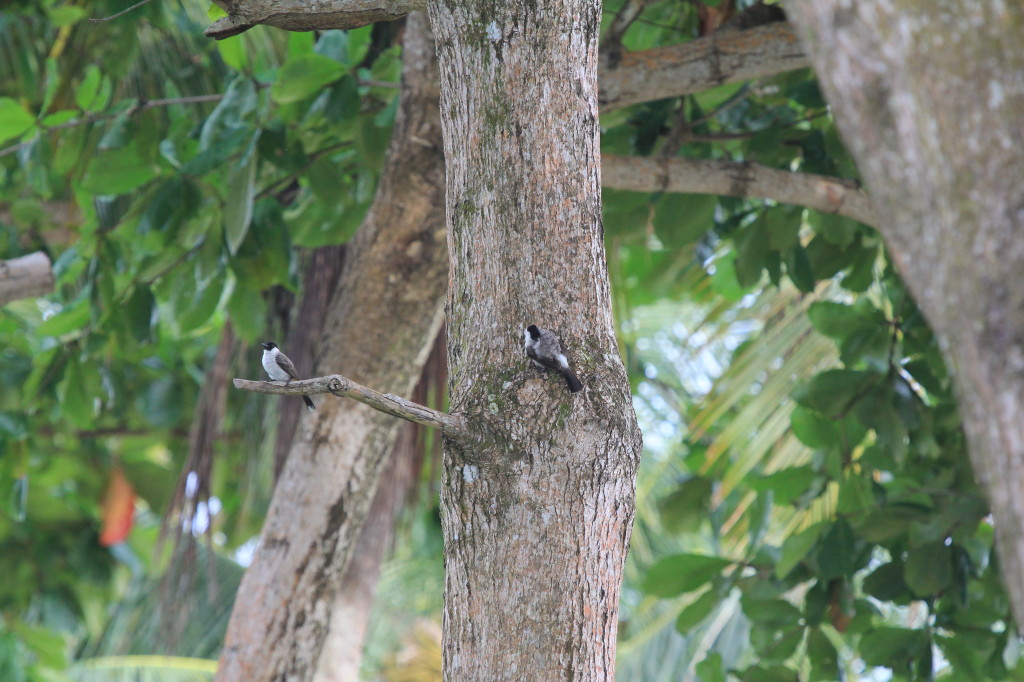
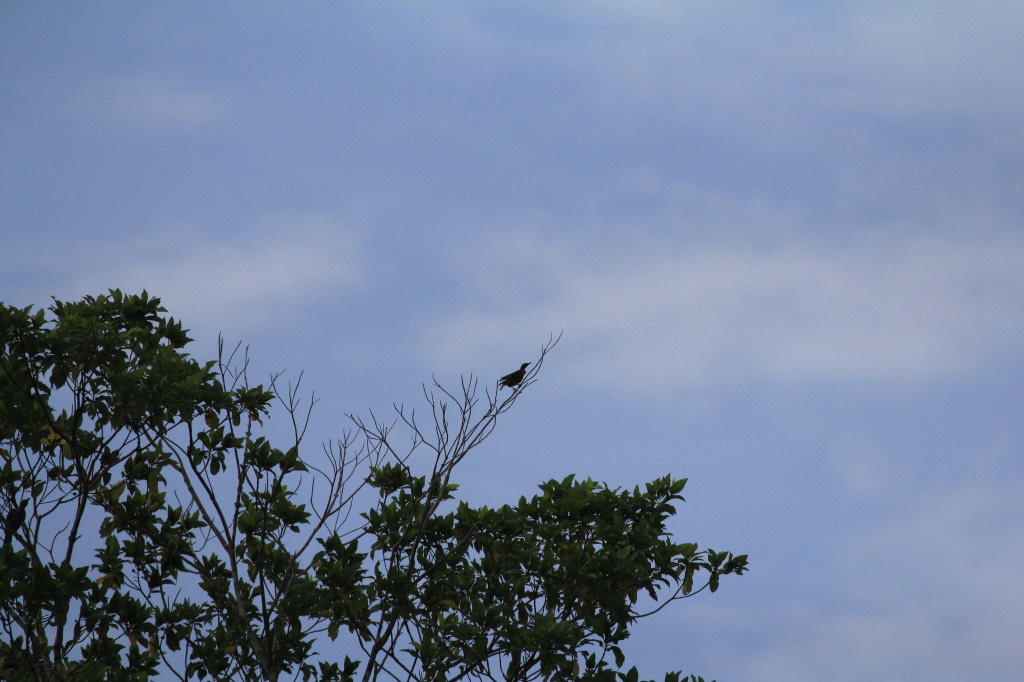
We successfully found the Biak (Black-winged) Lory and Red-flanked Lories flying overhead in a couple of spots and the Geelvink Pygmy Parrot in a tree in the Warafri area but they stayed deep in the foliage and I couldn’t get a clear shot of them. I barely managed to get a couple shots of the Triton Cockatoos also in the Warafri area. They are a sub-species of the Sulphur-crested Cockatoos we have in Australia.
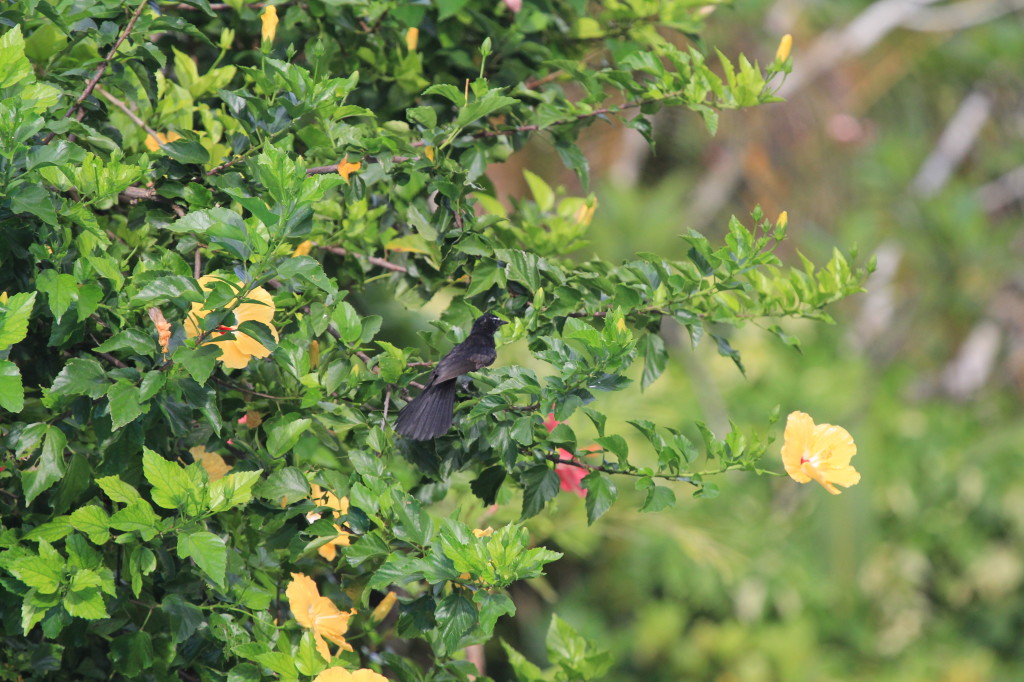
I’ve identified the birds that I can, hopefully some friends will see this and fill in the blanks. I should have written them down when we were there.
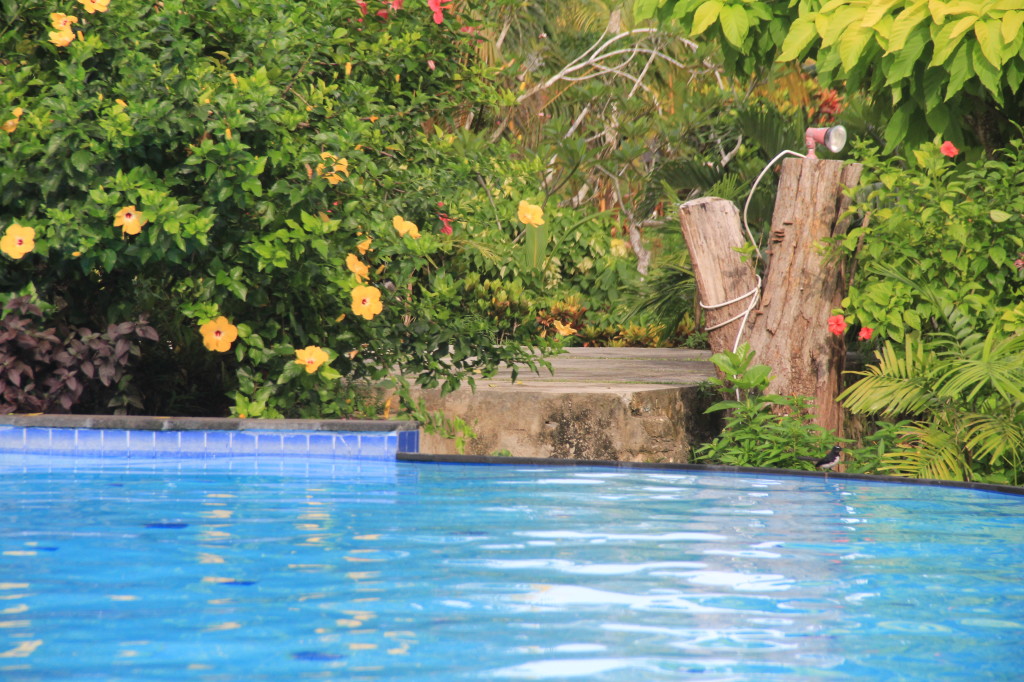
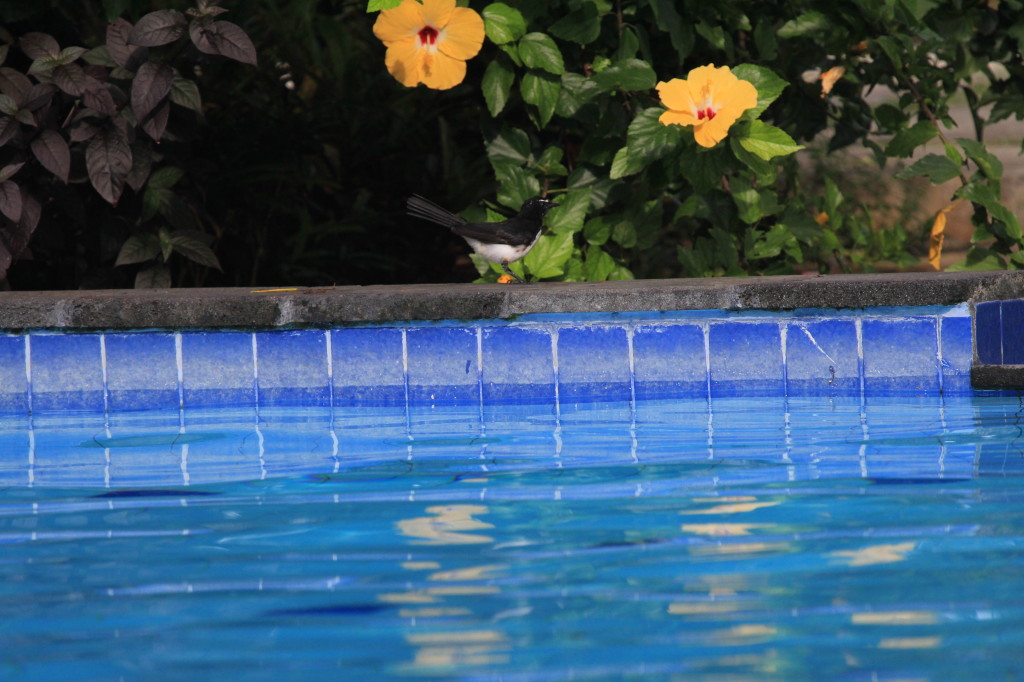
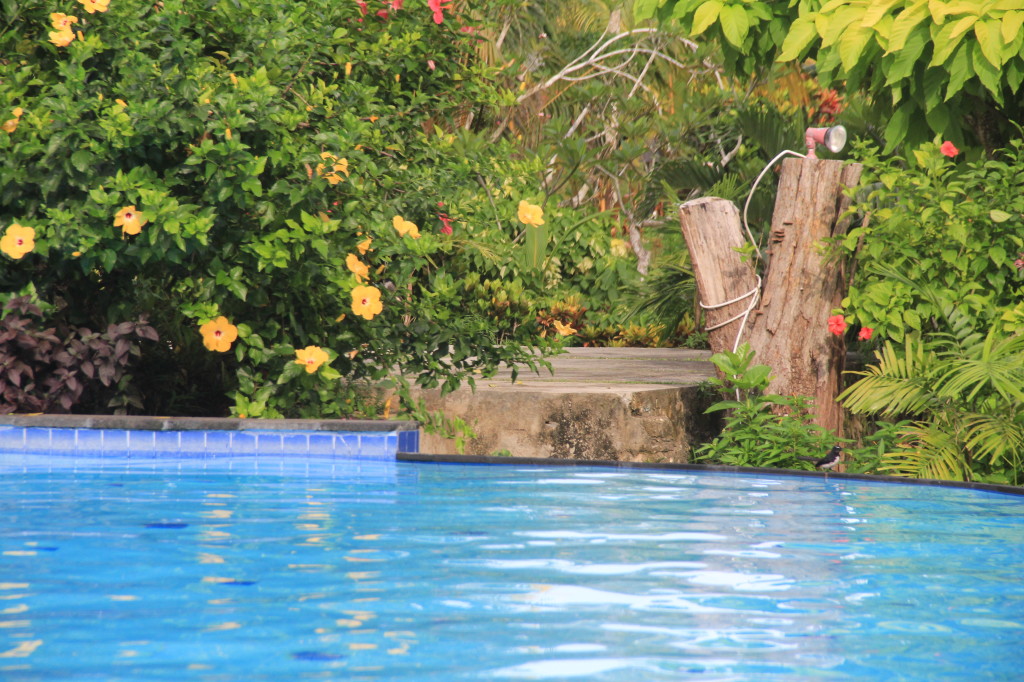
Back at the hotel, we saw several birds around the pool and garden, this time closer up!
Extreme Photography Conditions – Birds Of Paradise
As I continue through my series covering my trip to West Papua, I starting feeling more and more inadequate as a photographer and went searching for better footage I could show on this blog. I found this stunning documentary filmed by a National Geographic crew in Papua New Guinea. Although a different political entity, the geography was familiar and I was amazed at the extremes these professional photographers had to go through to get those amazing shots! These techniques will be well outside the scope of a normal eco-traveler, in one case they had to wait 80 days to get 90 seconds of footage! The muddy trails, slipping in the mud and agile locals who make you look like a clumsy oaf by comparison were familiar! Rather than feeling inadequate, I now feel extremely lucky to have gotten the shots and footage I did in the few days I was there which will be revealed throughout this blog series. For now, enjoy this documentary done by top professionals and the beauty of the birds they filmed.
Caution: there are some distressing clips of birds and feathers mounted on hats which upset me and may upset you too.
Wild Cockatiels Raise A Family – Australian Outback
Happy Easter to those in Australia who are celebrating today. I thought I would share some cute clips of wild birds over this holiday weekend and return to regular blogging on Monday. If you come to Australia, you may be lucky enough to see wild cockatiels like these! They are on the itinerary for our trip next year!
Encounter With Wild Budgies In Outback Australia
The poster of this video wasn’t there for birding, he was enroute to a gold mine but he couldn’t help but be amazed by this encounter with wild Australian Budgerigars! It is so hot this time of year, it’s possible the Budgies were attracted to the reflection of the glass and were hoping it was water. If you will be traveling in the Aussie outback during the hot months, please bring some extra water and a couple of bowls just in case! If you want to come to Australia and see wild Budgies and other birds, learn how!
Biak – A Gentle Introduction To West Papua
As I posted in my “Preparing to visit West Papua” blog, there are several gateways to enter West Papua. I did spend some time doing research to find one of the easier places as an introduction to West Papua, knowing that many of the destinations would be extremely challenging later on. I settled on Biak since it was easily reached from Bali via Garuda with a change in Makassar, and I could book the tickets and hotel online.
Biak Location
GETTING THERE
Biak (BIK) is served by Garuda Airlines (Jakarta, Makassar, Jayapura); Sriwijaya (Jakarta, Makassar); Merpati (Jakarta, Makassar, Jayapura, Nabire); and Susi Air (Nabire, Manokwari, Serui). Of these airlines, Garuda is the only one you are likely to be able to book online with a non-Indonesian credit card and the only one you can reach with frequent flyer miles once they join SkyTeam. Also see my post on Sriwijaya Airlines to learn how to book with a local Indonesian travel agency. I found that by booking Garuda more than 6 months in advance I saved a substantial amount over the basic fares which can be pretty expensive.
WHERE TO STAY
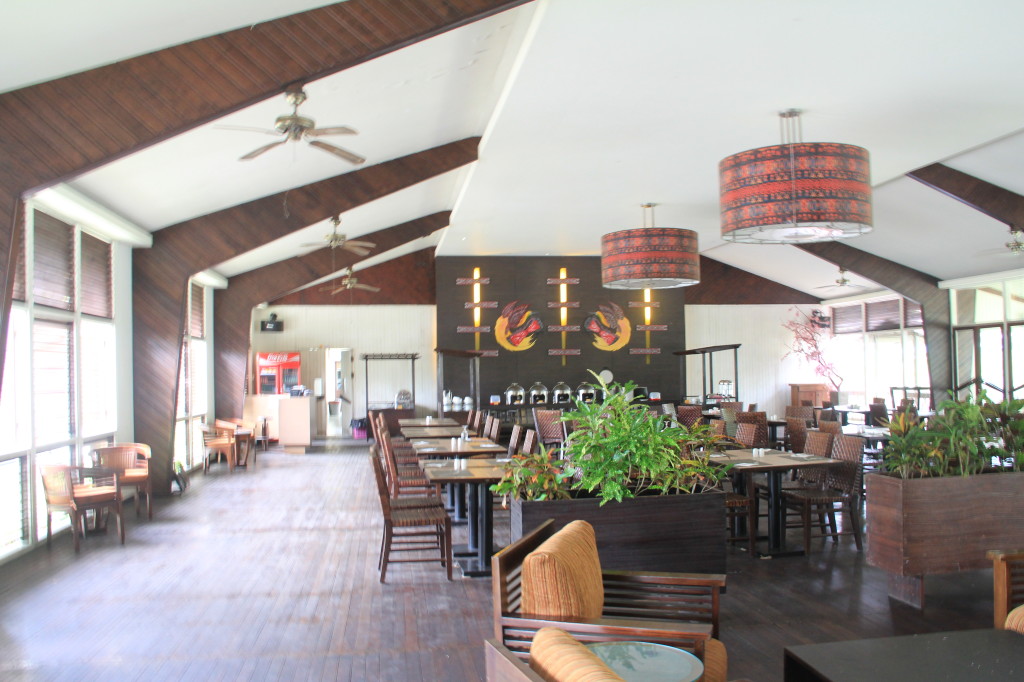
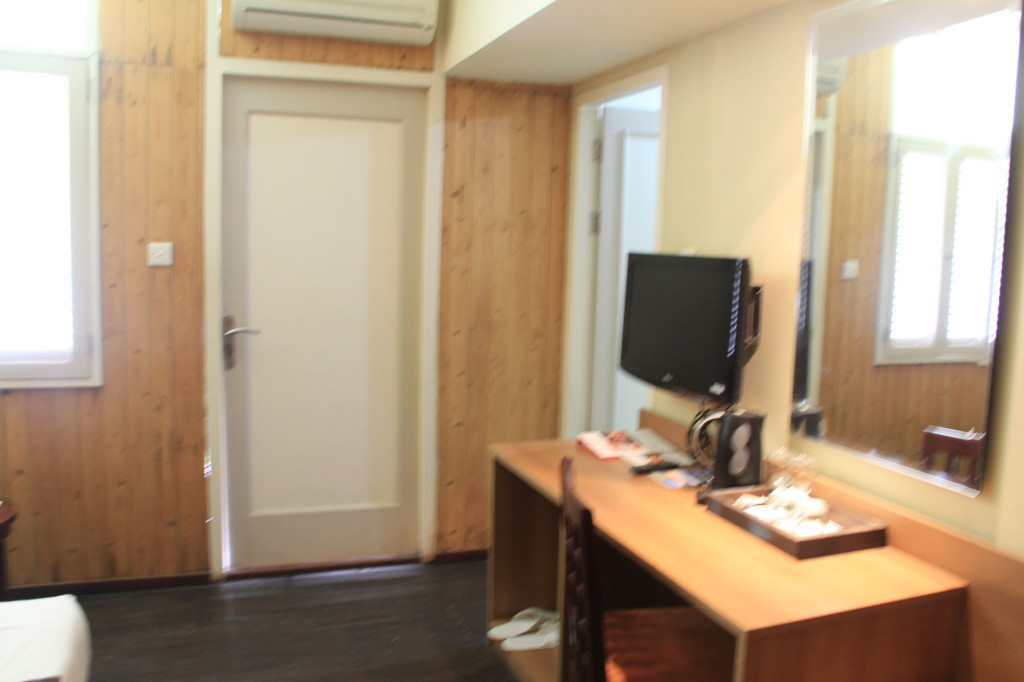
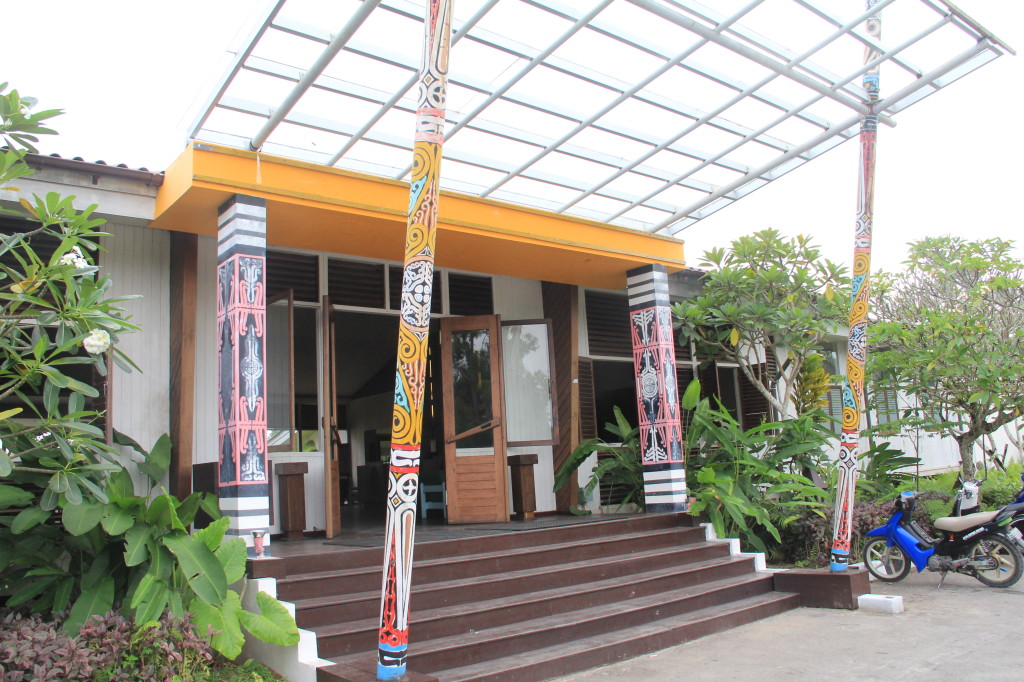
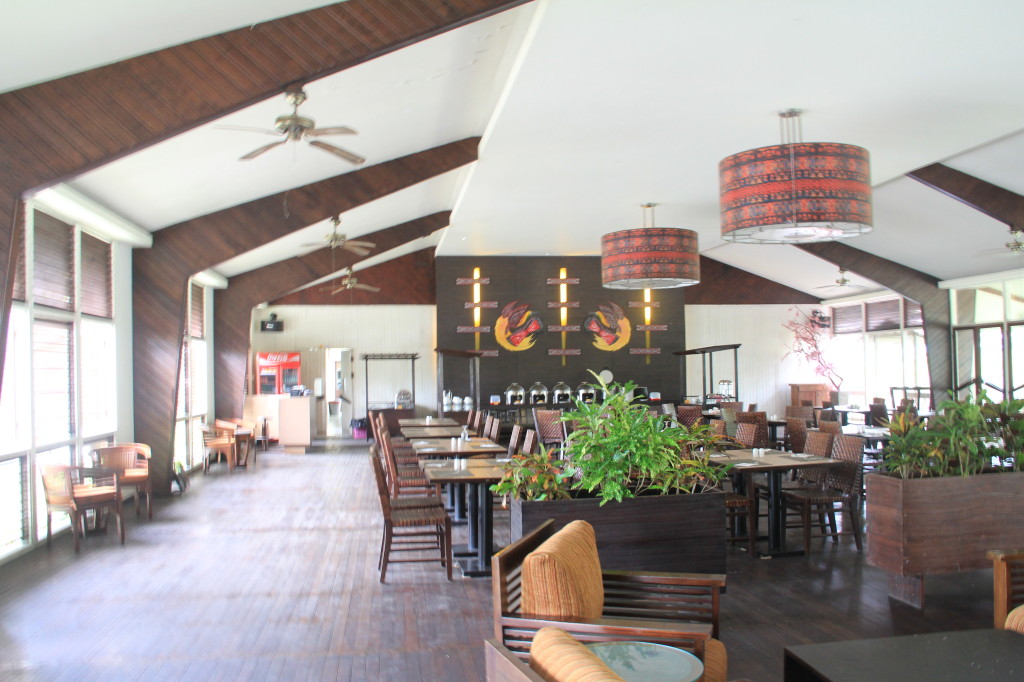
If birding is your goal, the island is small enough that you can basically stay anywhere you want and have your guide pick you up early to drive to the birding spots. I chose the Aerotel Irian for convenience – it’s 5 minutes walk from the airport which is great for an early morning departure and it has a swimming pool which was great to cool off in after birding.
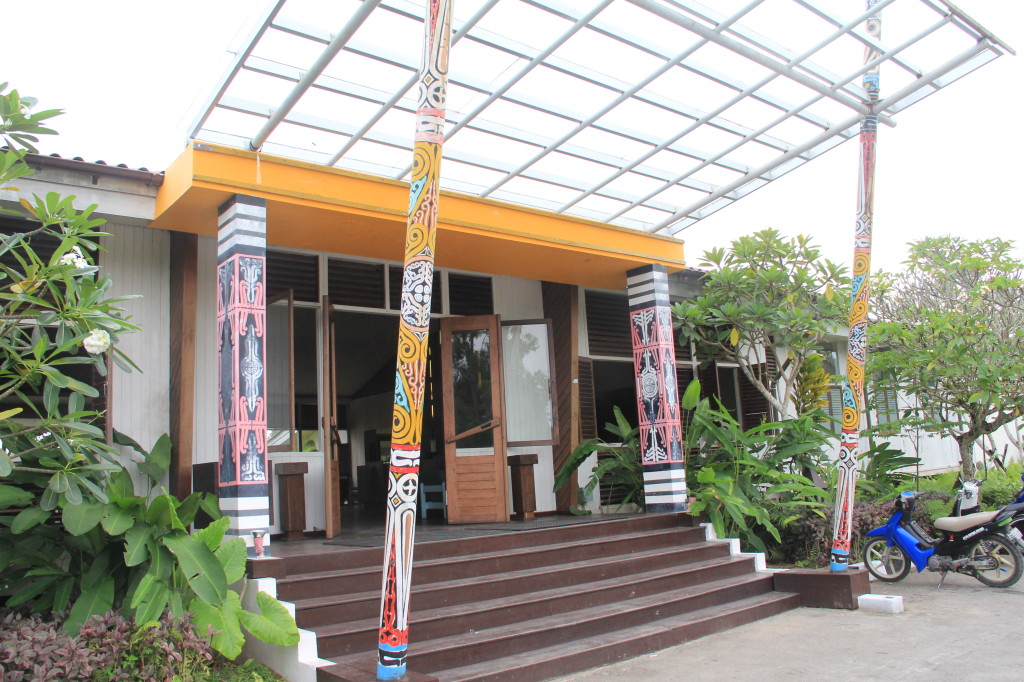
The food was pretty good and has a selection of Western and Indonesian dishes at reasonable prices. A breakfast buffet is usually included in the price but our flight was so early in the morning we missed it. We only stayed one night as I was hoping to see my target birds in the full day of birding (which I did) but some people stay a couple days.
BIAK MARKET
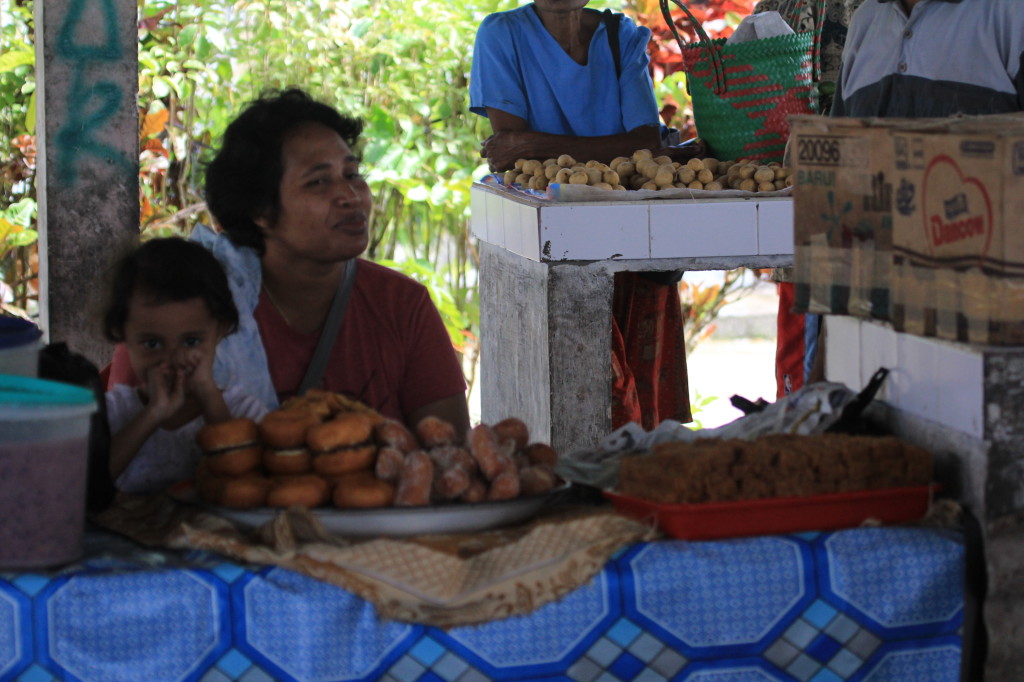
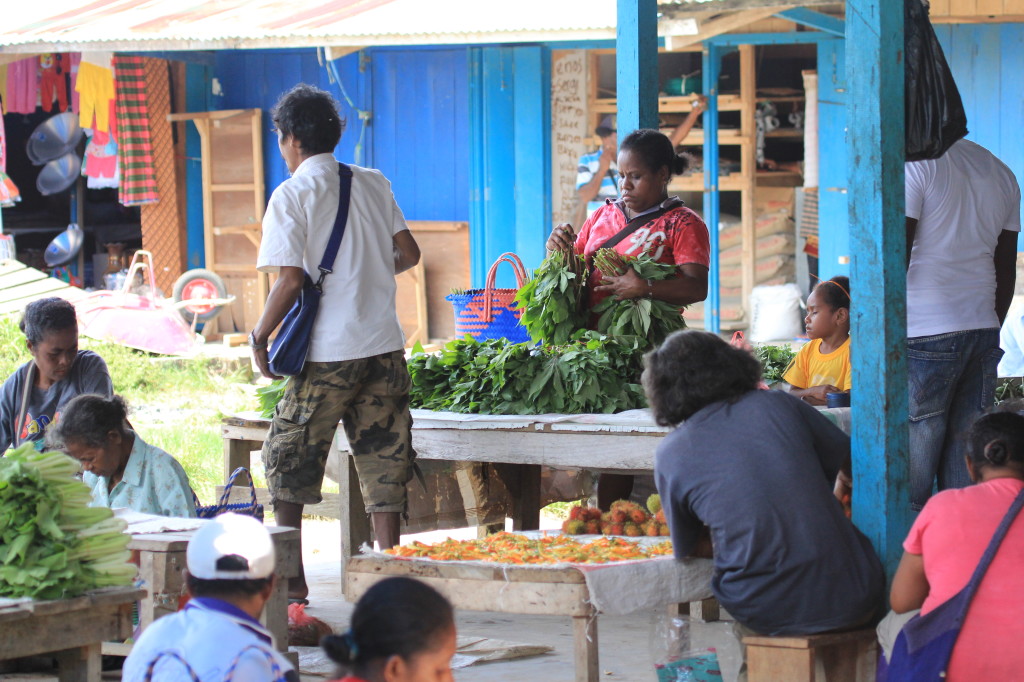
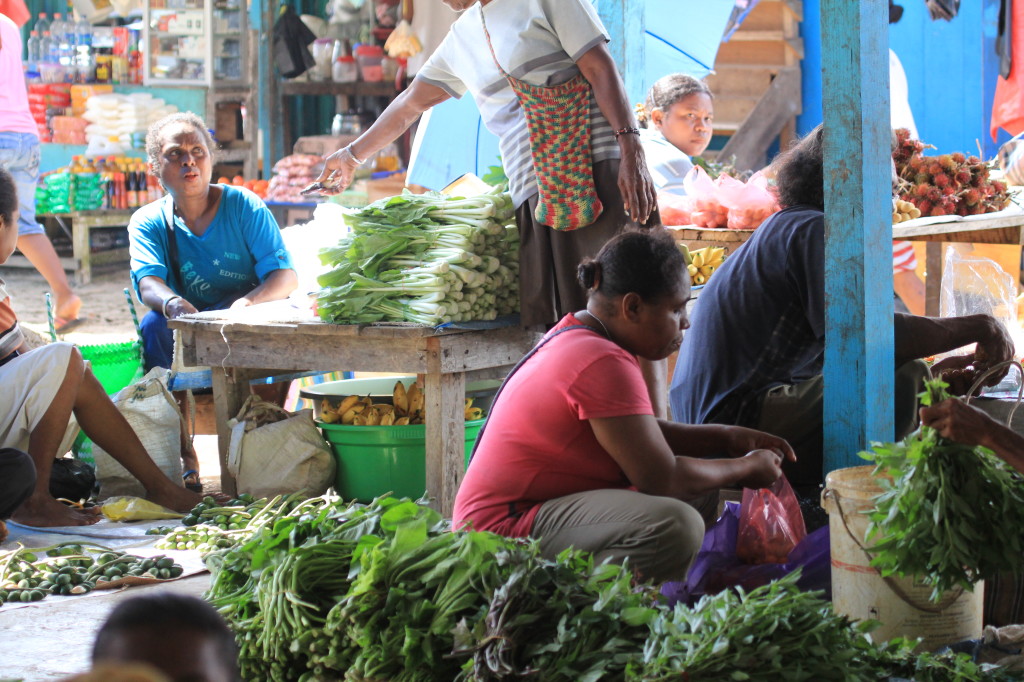
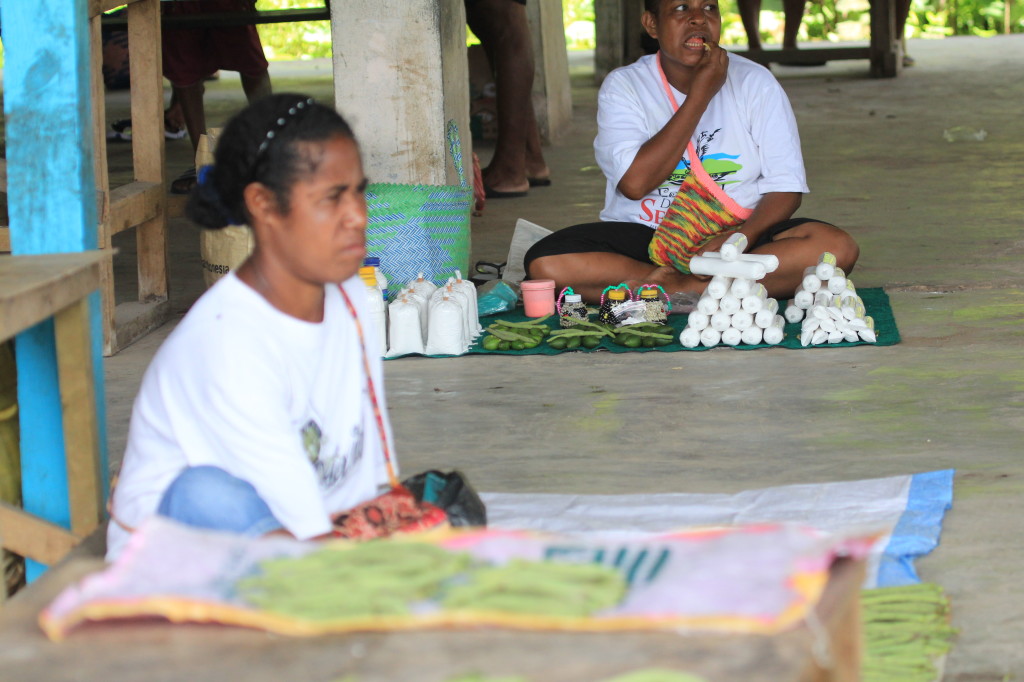
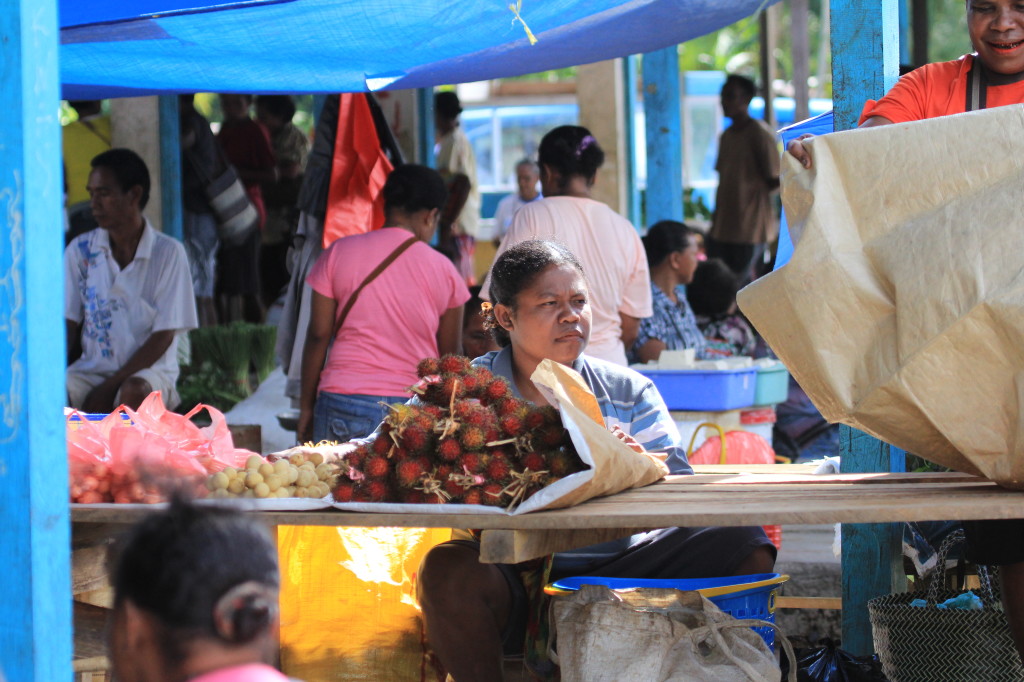
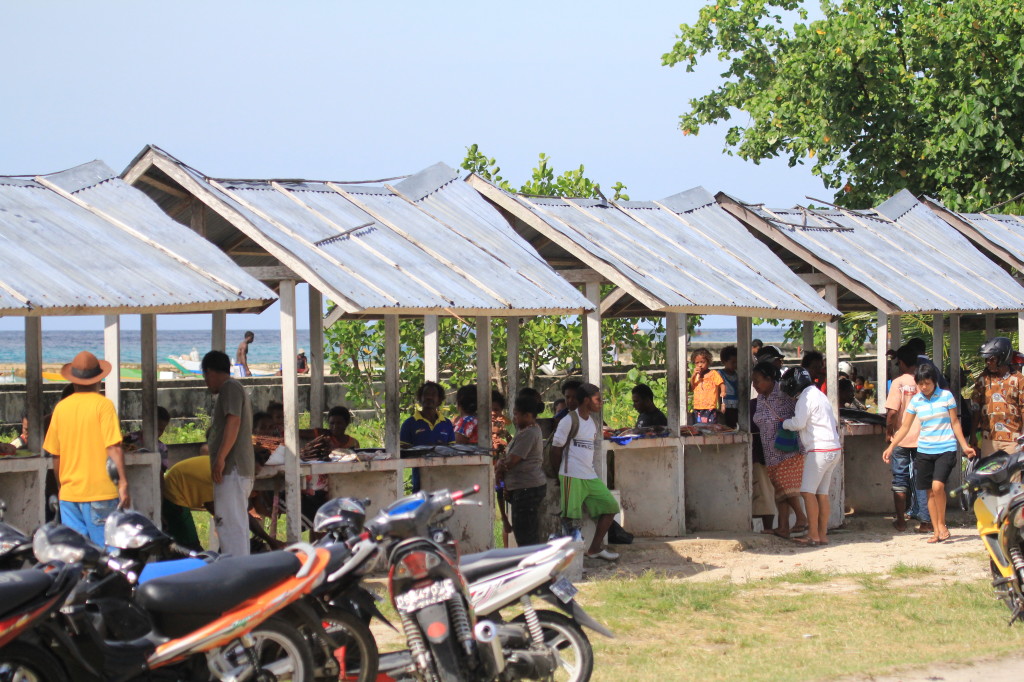
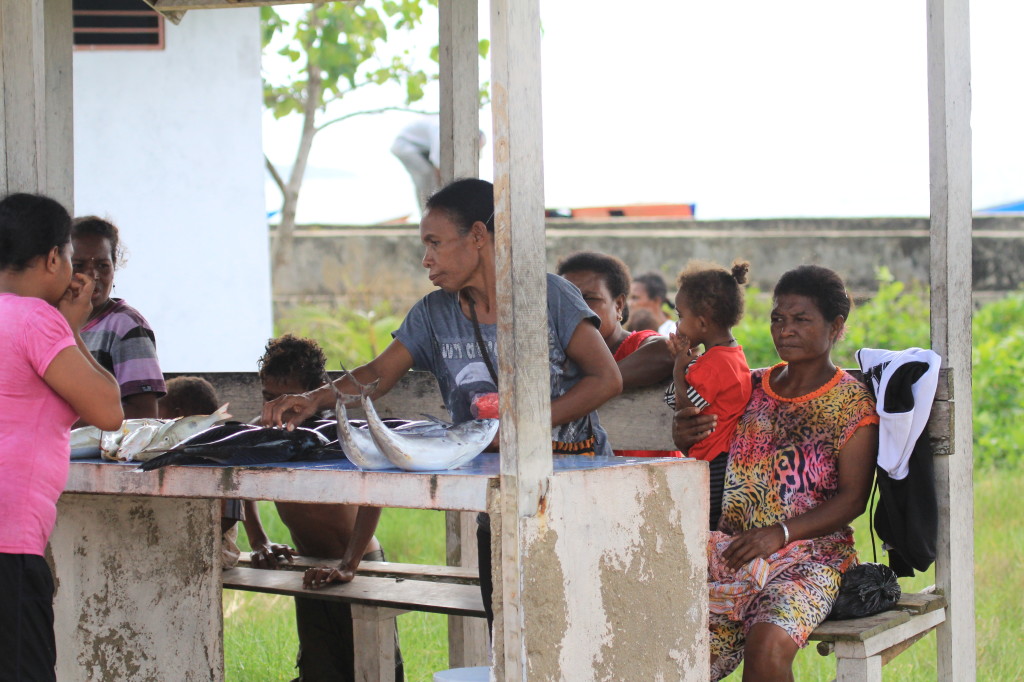
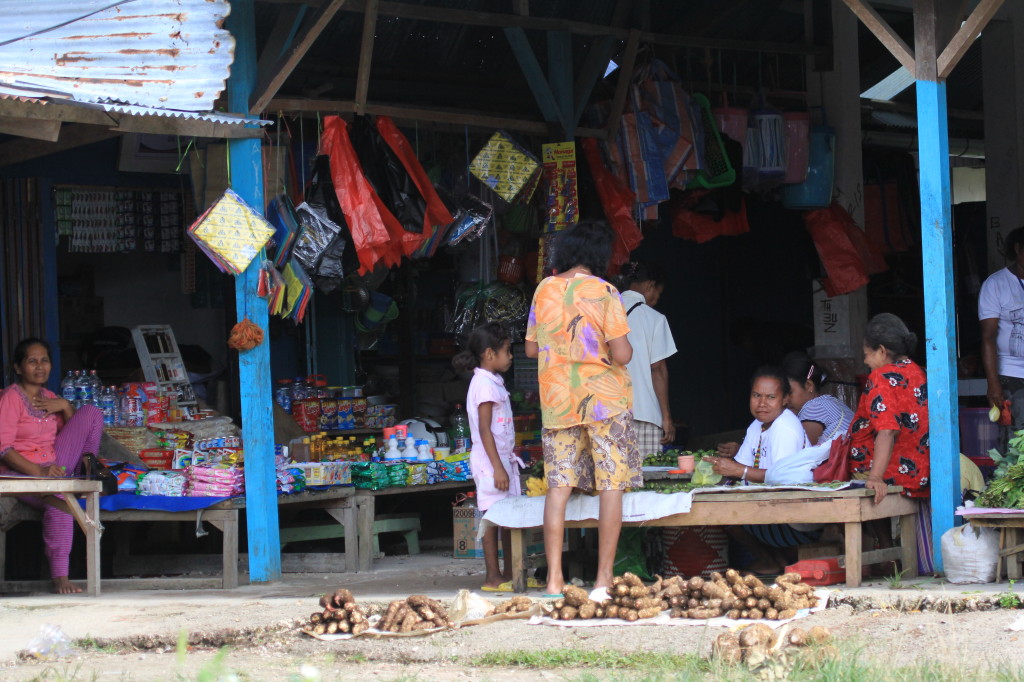
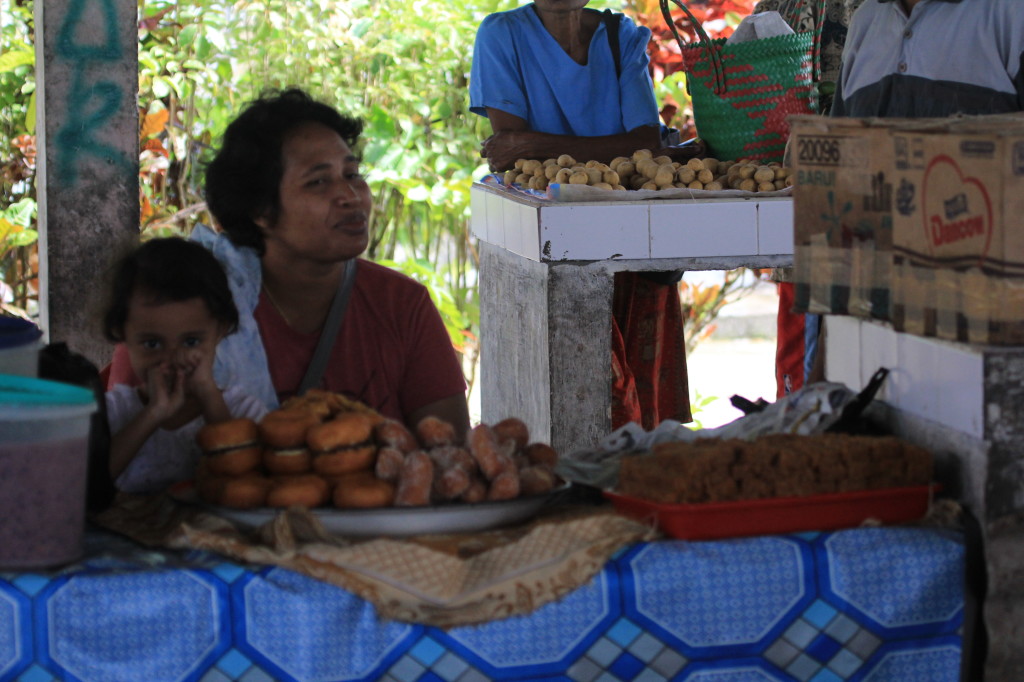
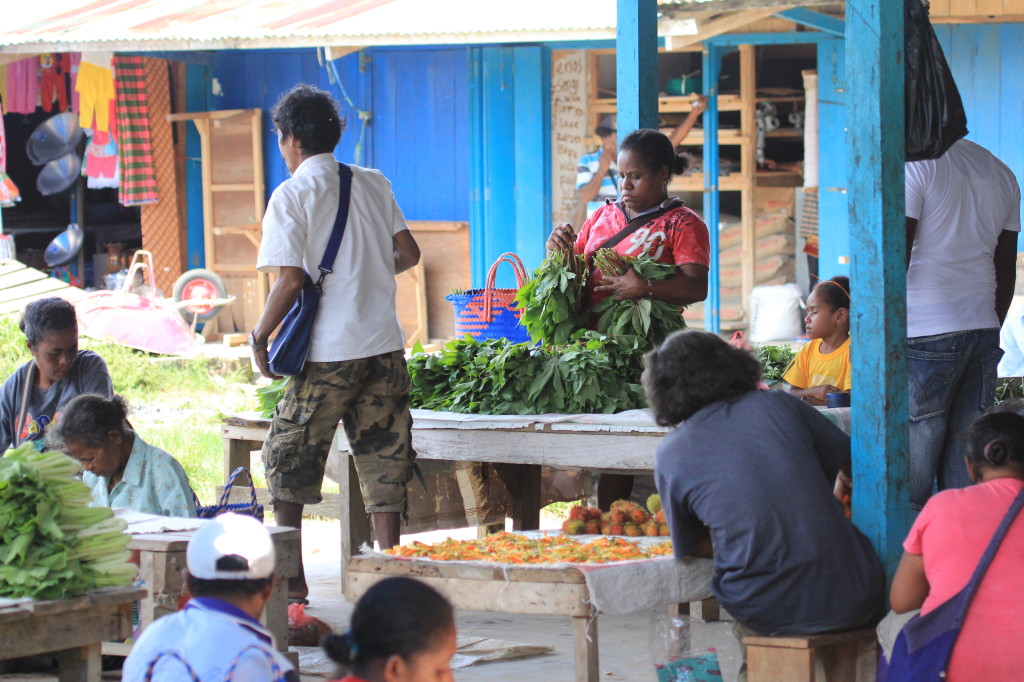
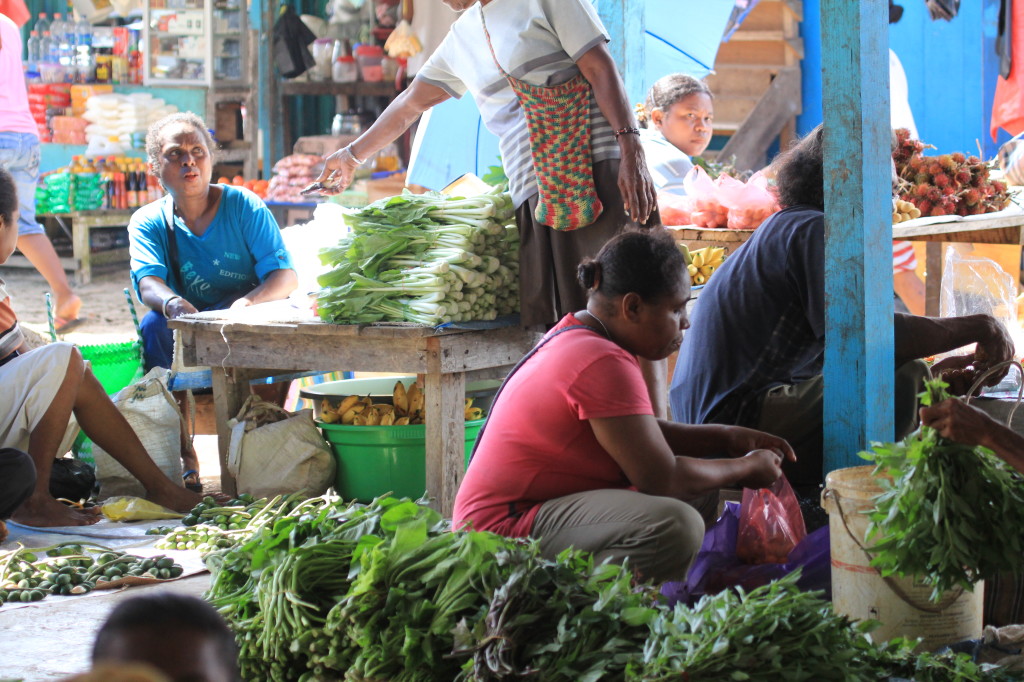
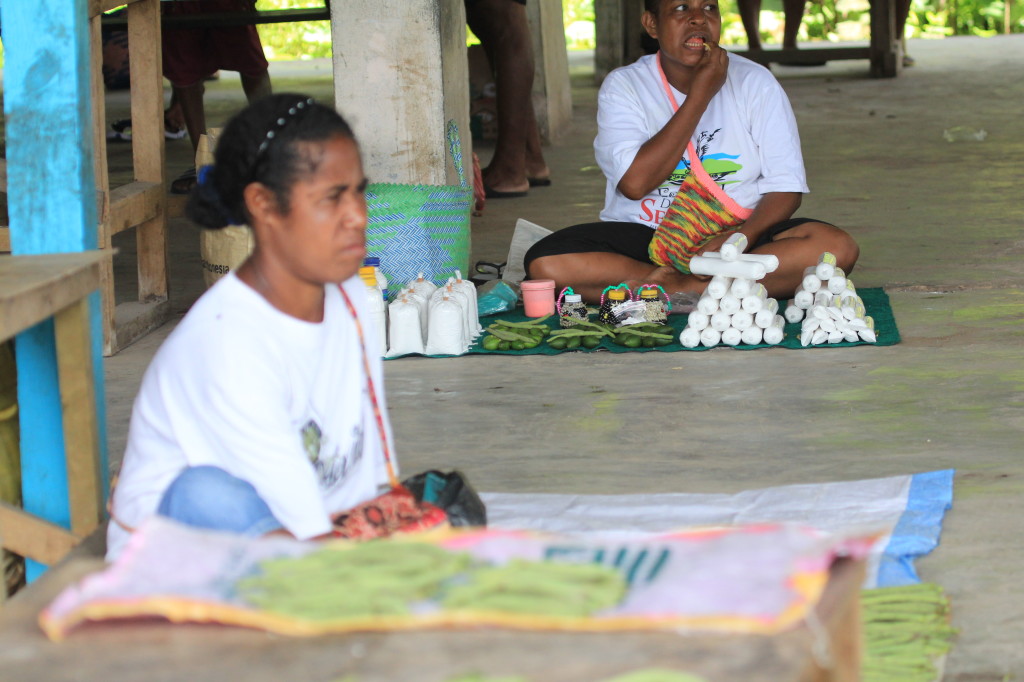
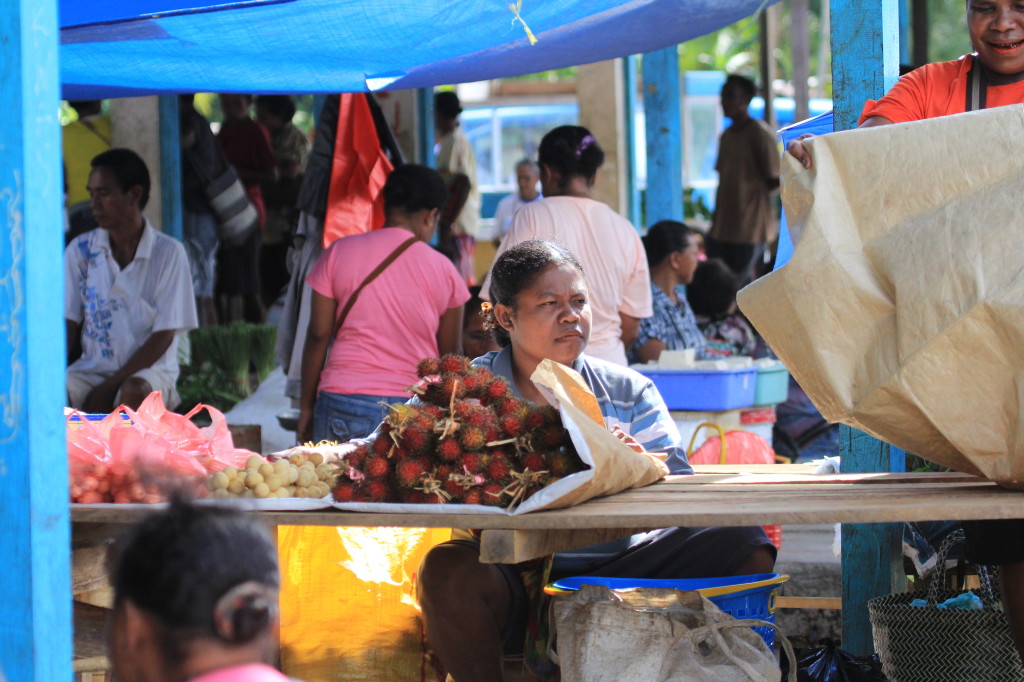
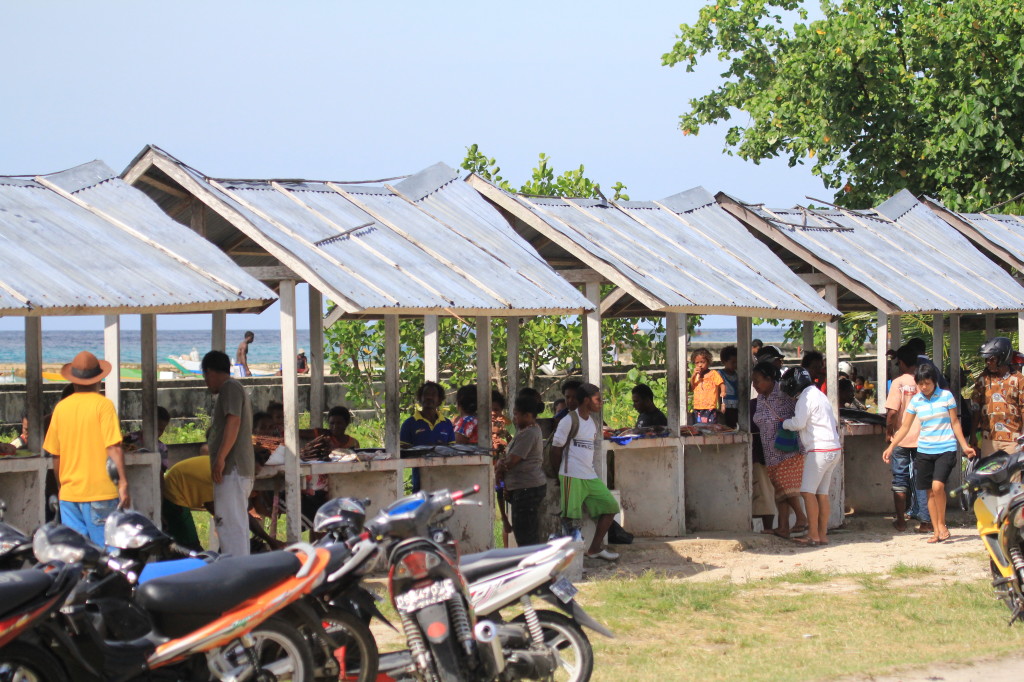
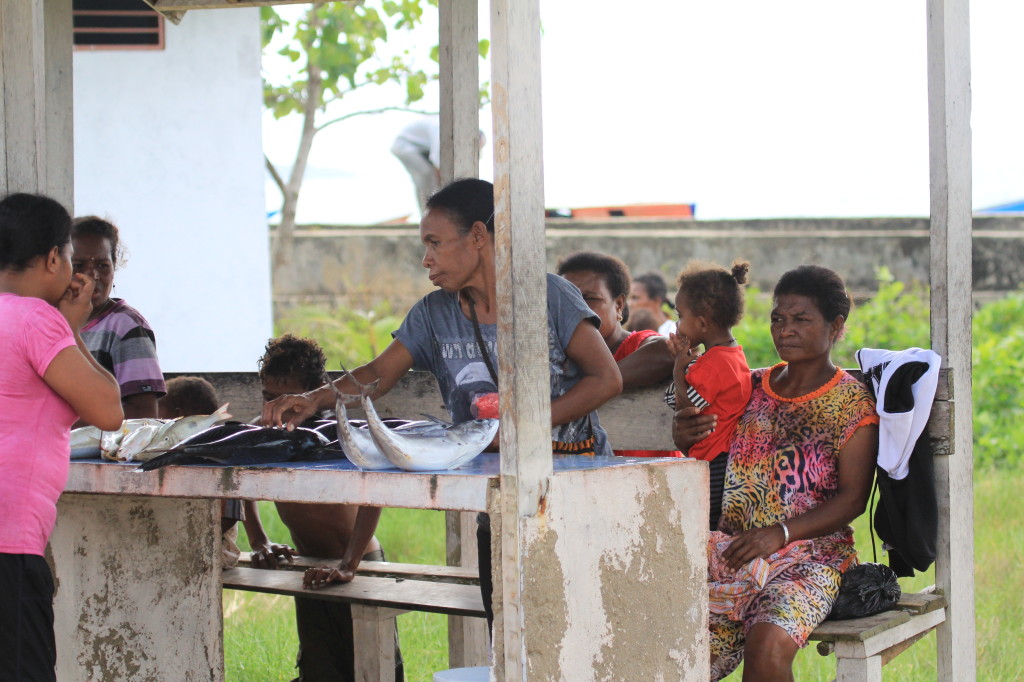
Just before lunch which was provided by our tour operator Benny from Discover Papua. I will do a separate blog about the birding so this post will just be basic tourist information. People also come to Biak for scuba diving and to see the culture of Biak. We were there on a Saturday and got to see the market which was very interesting and had a small handicraft section.
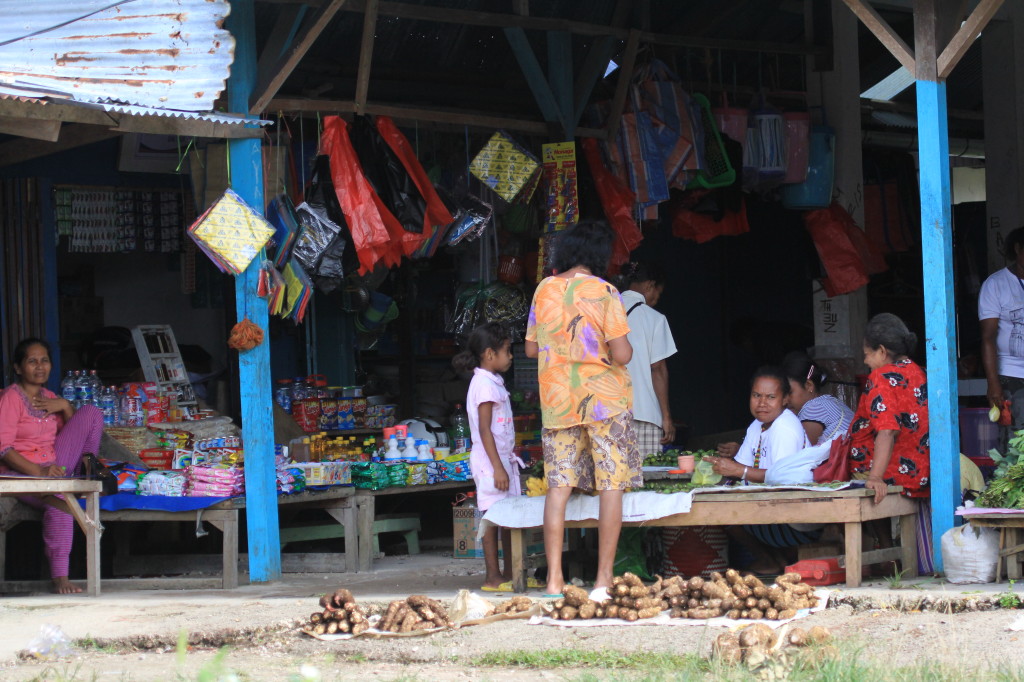
On the way to the lunch stop we passed by the local laundry.

Travel Gear – Hydration Packs
Birders do a lot of hiking in hot, humid weather and you may be out there for hours so a good water supply is essential. Hydration packs provide an easy way to carry your water and access it easily. There are a lot of versions of this product and they come in many sizes so I suggest going to this page and check out all the hydration packs in the suggestions section.
Black-winged Lory (Eos cyanogenia)
The Black-winged Lory, Eos cyanogenia also known as Biak Red Lory is an Indonesian endemic, the Black-winged Lory is distributed to forests and coastal habitat of Biak, Numfor, Manim and Mios Num islands in Cenderawasih Bay, Papua. It frequents and roosts in coconut trees.
We saw a few of them flying in pairs or small flocks during our brief visit to Biak but I was unable to get a good pic with my camera. These guys fly fast! So I will have to use the one on Wikipedia which appears to have been taken in a bird park to show you what they look like up close. They are gorgeous birds, I wish they weren’t so camera shy in the wild!
Black-winged Lory (Eos cyanogenia)
The population is estimated to number 2,500-9,999 mature individuals based on an assessment of known records, descriptions of abundance and range size. Relatively large numbers have been trapped for the domestic and international trade (Nash 1990b, K. D. Bishop in litt. 1994), and this species is commonly observed as a pet on Biak (Bishop 1982). Large areas of forest on Biak have been destroyed or damaged by logging and subsistence farming, particularly the southern plains, and the remainder is under pressure (Bishop 1982, K. D. Bishop in litt. 1996, D. Holmes in litt. 2000). Furthermore, forest does not regenerate easily on areas of raised coralline limestone. Much of Supiori comprises virtually impenetrable, forested limestone mountains, which is likely to be safe from habitat degradation.
BirdLife International 2012. Eos cyanogenia. In: IUCN 2012. IUCN Red List of Threatened Species. Version 2012.2. <www.iucnredlist.org>. Downloaded on 27 March 2013
Priority Club Pointbreaks Offer A Few Hotels For Eco-Travelers
The new Pointbreaks list is out with various hotels on offer for 5000 points valid for booking through June 30, 2013. This is a new development as previously most lists were only valid for 2 months and this list is valid for over 3 months.
Central and South America are popular birding destinations and odds are you will have an early morning flight at some point so why not save your money here and spend more on supporting locals in the national parks?
ARGENTINA
BRAZIL
COLOMBIA
COSTA RICA
EL SALVADOR
HONDURAS
NICARAGUA
Only one option in Oceania but there is good birding up north and Townsville is the jumping off point for Magnetic Island.
AUSTRALIA
There’s a couple good ones in Asia. In India, Jaipur is a gateway to the famous Bharatpur Bird Sanctuary but you would only need an overnight in the city because it is much nice to stay within the sanctuary as I did in Sept 2011.
INDIA
Subic Bay in the Philippines has great birding and Clark is not too far away and taxis are pretty cheap in the Philippines.
PHILIPPINES
Check the other hotels in the Asia tab on the main Pointbreaks site to see if any suit your plans as a gateway city.
Don’t plan to spend all your time in these hotels even if they are fantastic bargains. None of them are in national parks where you can see birds, the best use for these hotels is when you are connecting to and from a flight. Do plan to spend most of your time in local eco-lodges, preferably within the sanctuaries or parks.